Unsupervised classification of quantum data
Gael Sent\'is, Alex Monr\`as, Ramon Mu\~noz-Tapia, John Calsamiglia,, Emilio Bagan

TL;DR
This paper presents an optimal quantum protocol for unsupervised classification of unknown quantum states, outperforming classical methods especially in higher-dimensional data, and provides analytical performance quantification.
Contribution
It introduces the first universal, optimal single-shot quantum classification protocol for unknown states, with analytical performance analysis and comparison to classical clustering.
Findings
Quantum protocol outperforms classical clustering in higher dimensions
Optimal single-shot protocol is universal and minimally invasive
Performance is analytically quantified for various data sizes and dimensions
Abstract
We introduce the problem of unsupervised classification of quantum data, namely, of systems whose quantum states are unknown. We derive the optimal single-shot protocol for the binary case, where the states in a disordered input array are of two types. Our protocol is universal and able to automatically sort the input under minimal assumptions, yet partially preserving information contained in the states. We quantify analytically its performance for arbitrary size and dimension of the data. We contrast it with the performance of its classical counterpart, which clusters data that has been sampled from two unknown probability distributions. We find that the quantum protocol fully exploits the dimensionality of the quantum data to achieve a much higher performance, provided data is at least three-dimensional. For the sake of comparison, we discuss the optimal protocol when the classical…
Click any figure to enlarge with its caption.
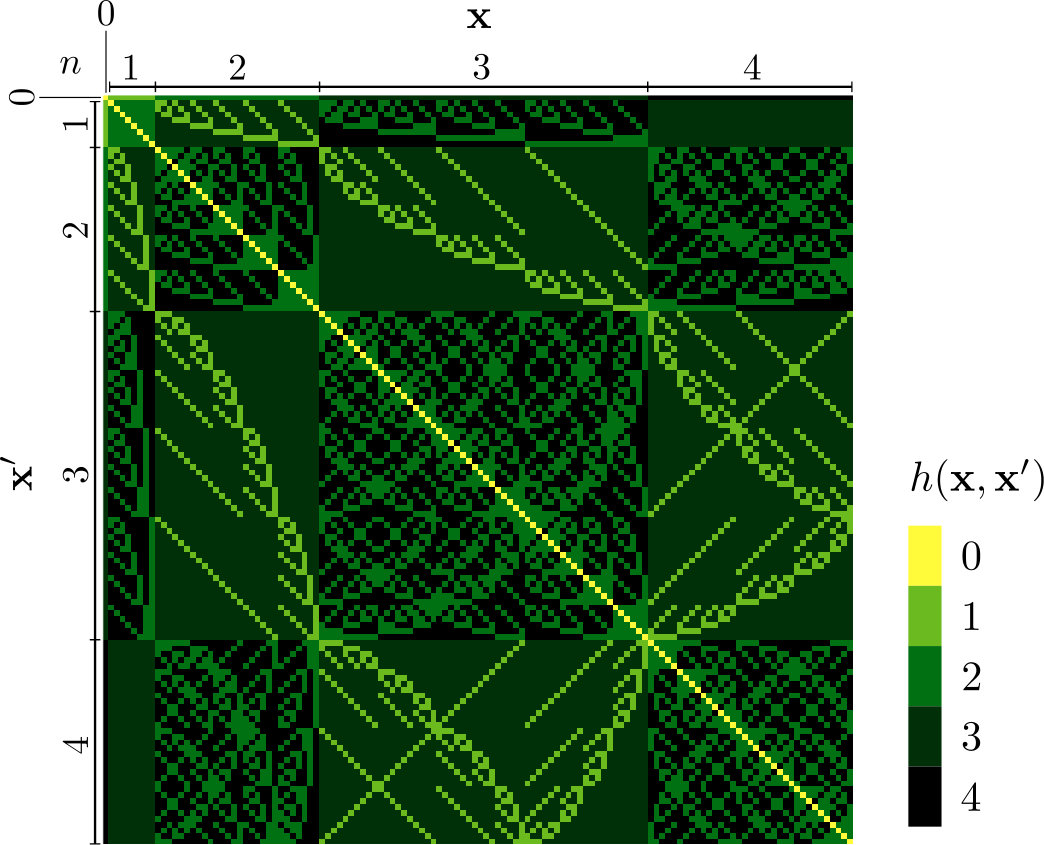 Figure 1
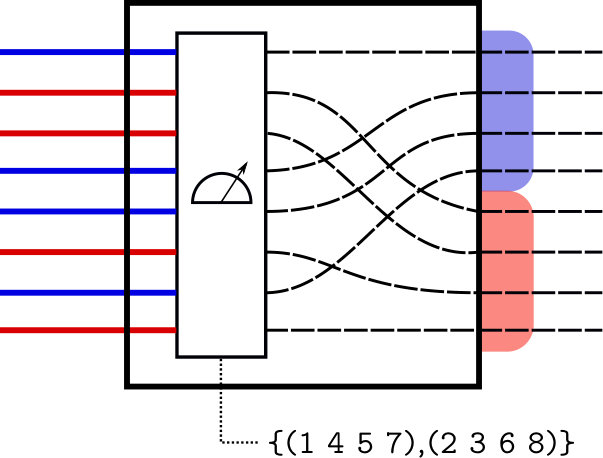 Figure 1
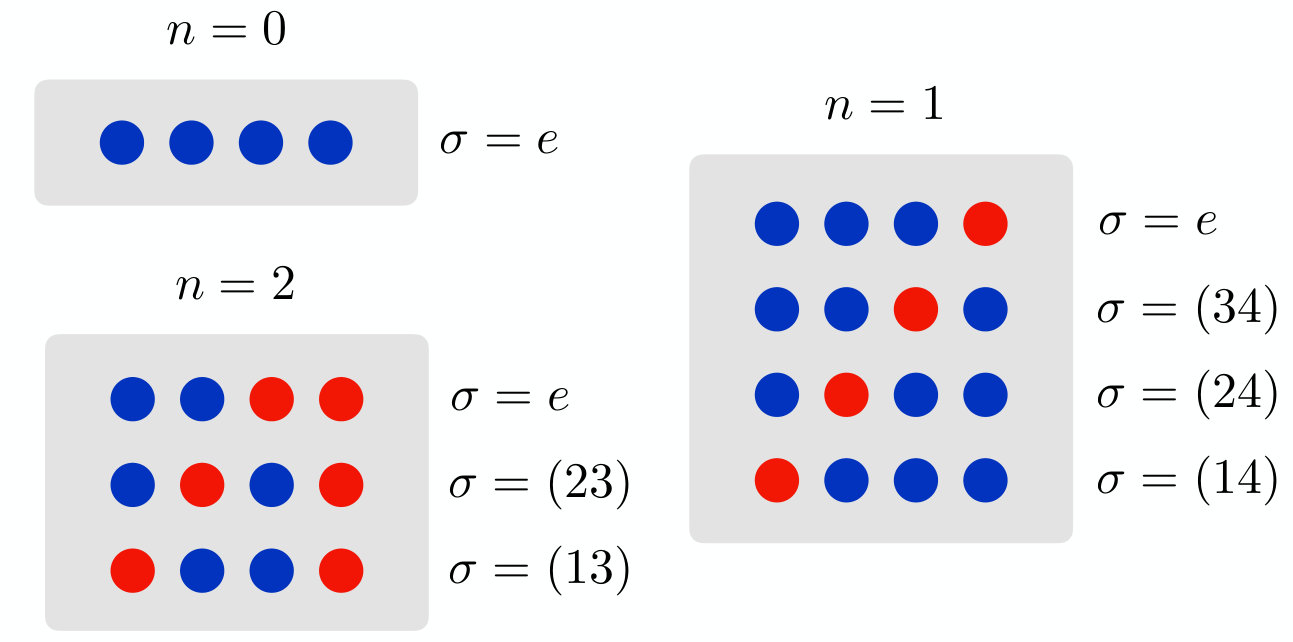 Figure 2
Peer Reviews
No public reviews on file for this paper yet. If you reviewed it on a platform where reviews are public (OpenReview, ICLR, NeurIPS, ICML), you can paste yours below so the community can read it here.
Videos
No videos yet. Explain this paper in a talk, walkthrough, or lecture? Add one.