Pulsating Heat Pipe Simulations: Impact of PHP Orientation
Iaroslav Nekrashevych, Vadim Nikolayev (SPEC - UMR3680, CEA)

TL;DR
This study uses numerical simulations to analyze how the orientation of a pulsating heat pipe affects its internal fluid distribution and performance, highlighting the significant role of gravity and heat transfer mechanisms.
Contribution
The paper presents the first detailed numerical simulation comparison of PHP performance across different orientations, including microgravity conditions.
Findings
Liquid plug distribution varies with orientation due to gravity effects.
Latent heat transfer dominates over sensible heat transfer regardless of orientation.
PHP performance is significantly influenced by startup dynamics and oscillation regimes.
Abstract
The pulsating (called also oscillating) heat pipe (PHP) is a simple capillary tube bent in meander and filled with a two-phase fluid. We discuss numerical simulations of the 10-turn copper-water PHP under vertical favorable (bottom-heated), vertical unfavorable (top-heated), and horizontal orientations. Within the present approach, the horizontal orientation is equivalent to the microgravity conditions. The simulations are performed with the in-house CASCO software. The time-averaged spatial distribution of the liquid plugs inside the PHP is influenced by gravity. This affects the overall PHP performance. We show that, independently of the PHP orientation, contribution of the latent heat transfer is large with respect to the sensible heat transfer. We discuss the phenomena occurring inside the PHP during startup and the stable regimes (intermittent and continuous oscillations followed…
Click any figure to enlarge with its caption.
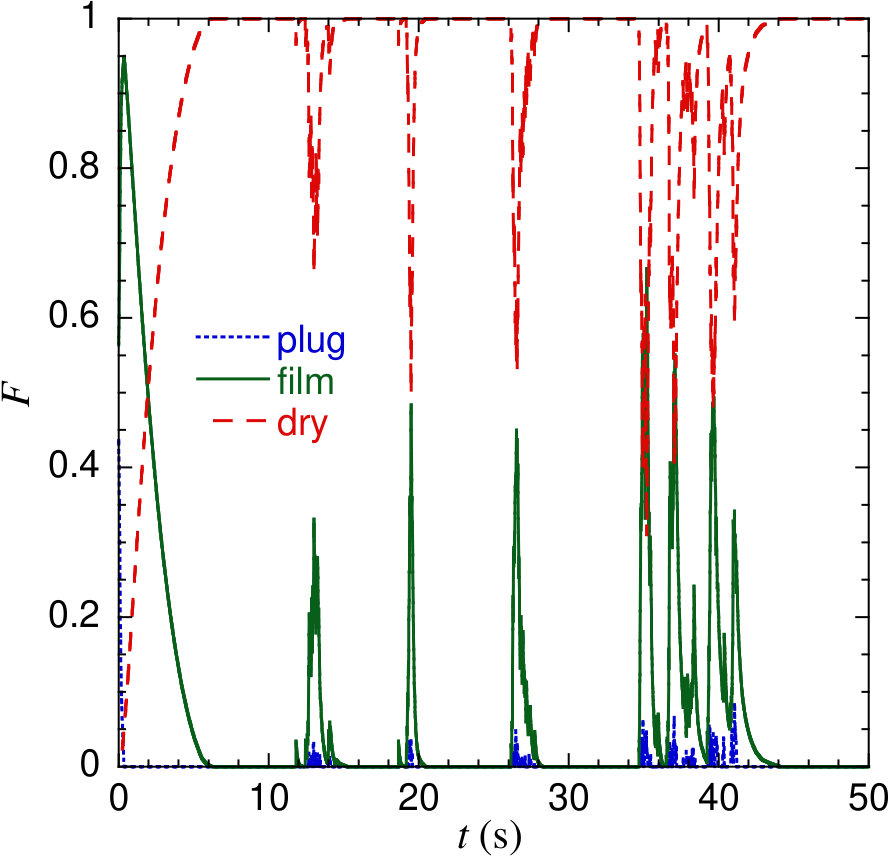 Figure 1
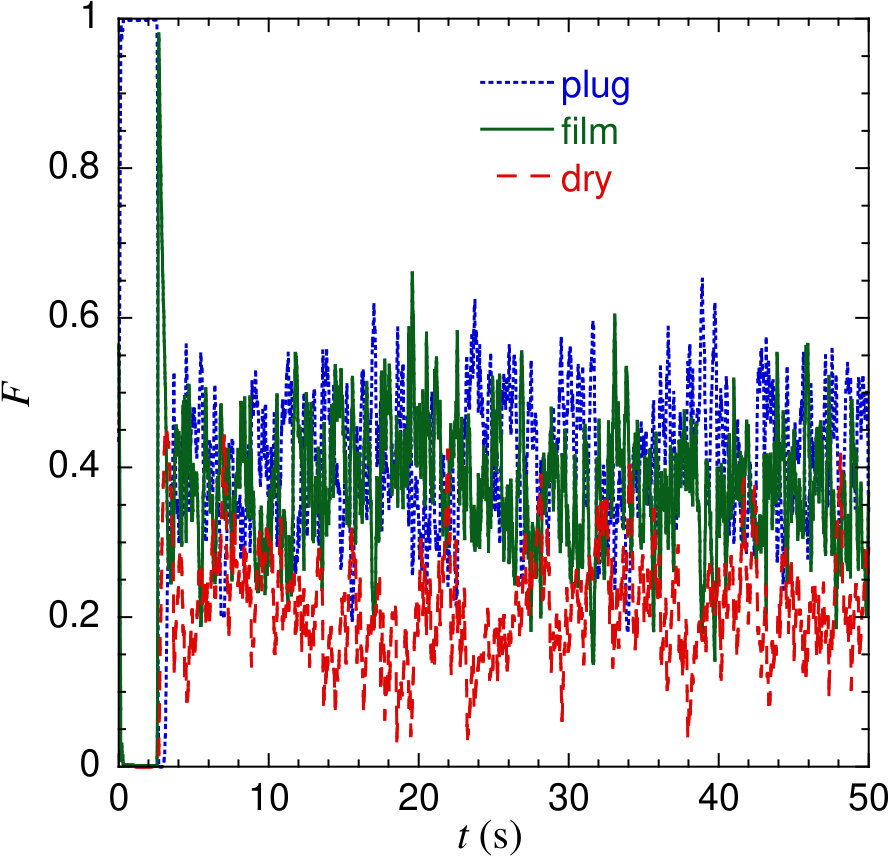 Figure 2
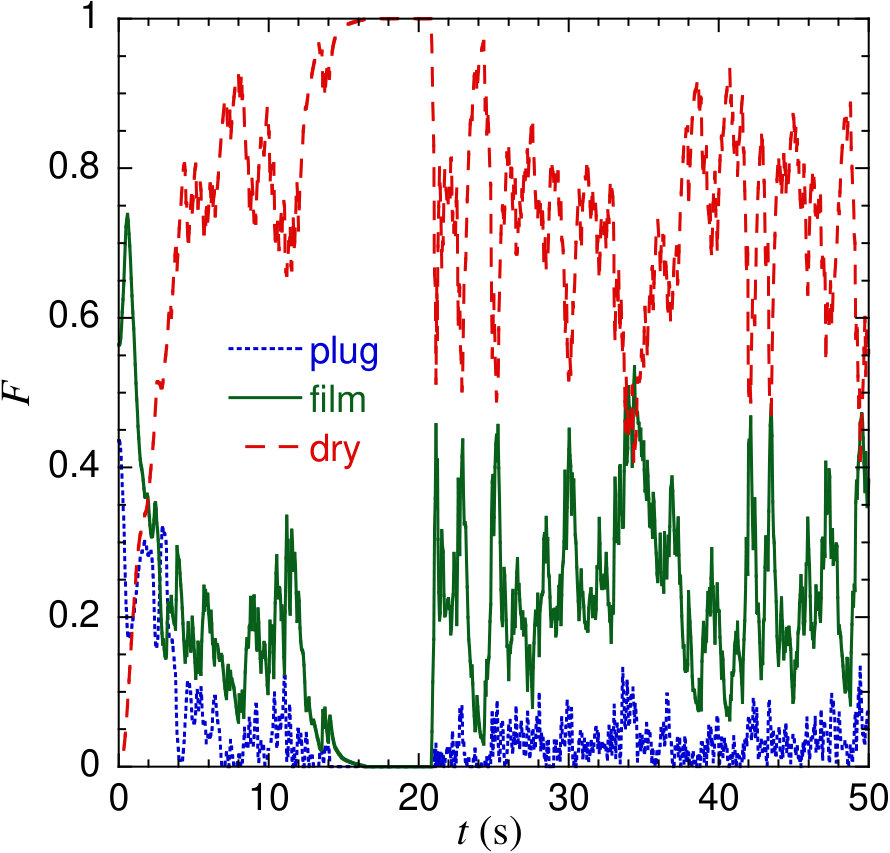 Figure 3
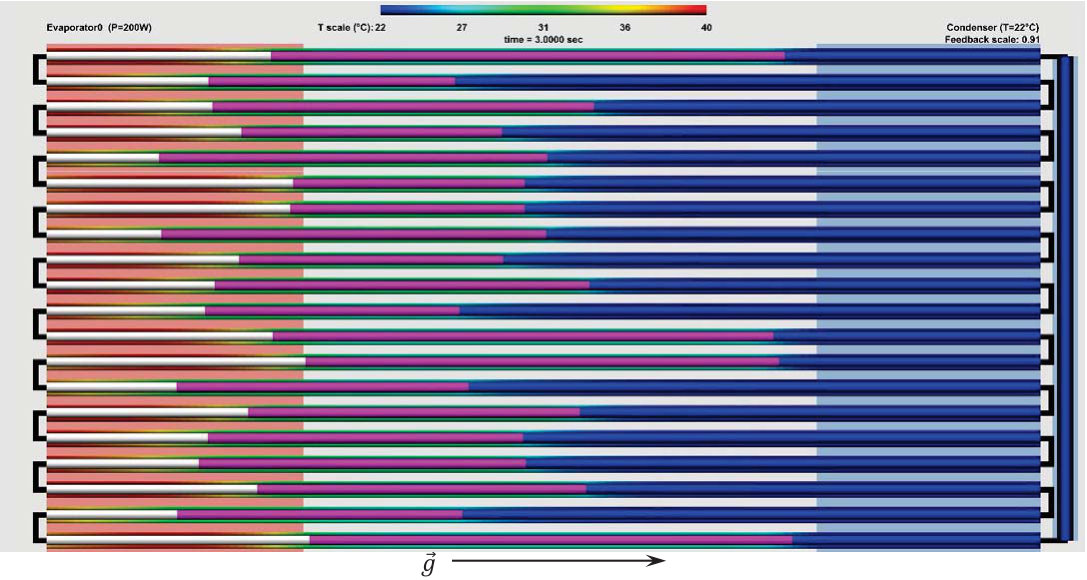 Figure 4
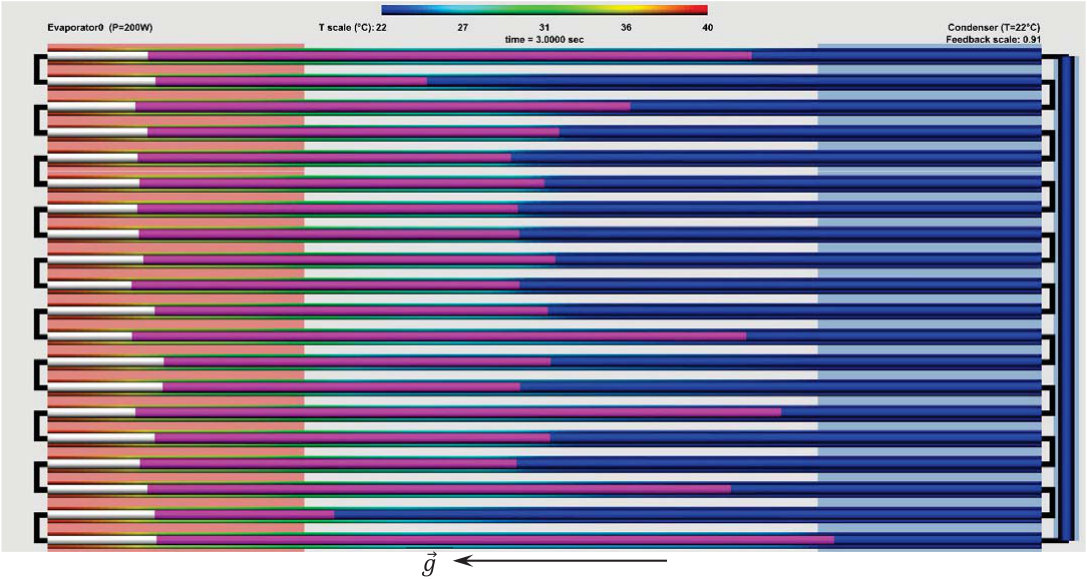 Figure 5
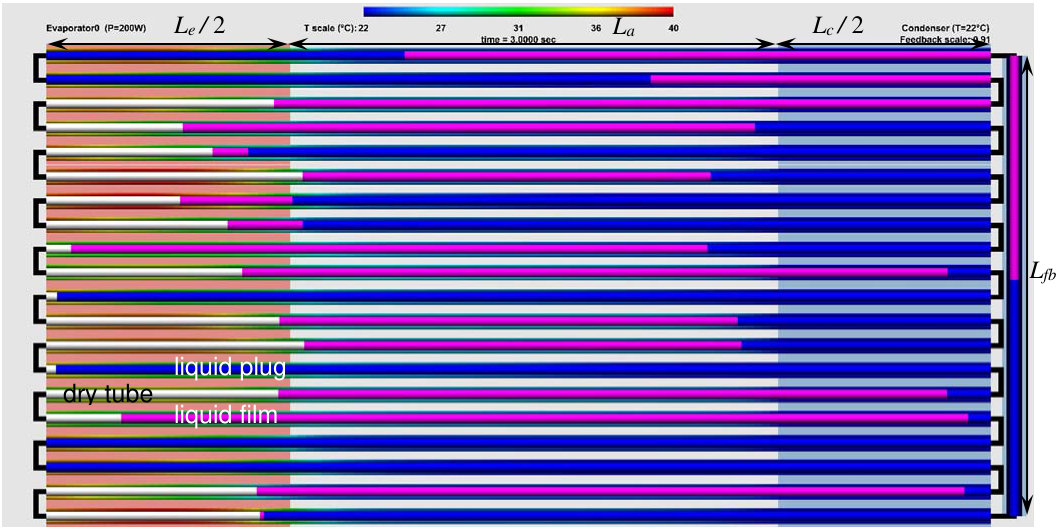 Figure 6
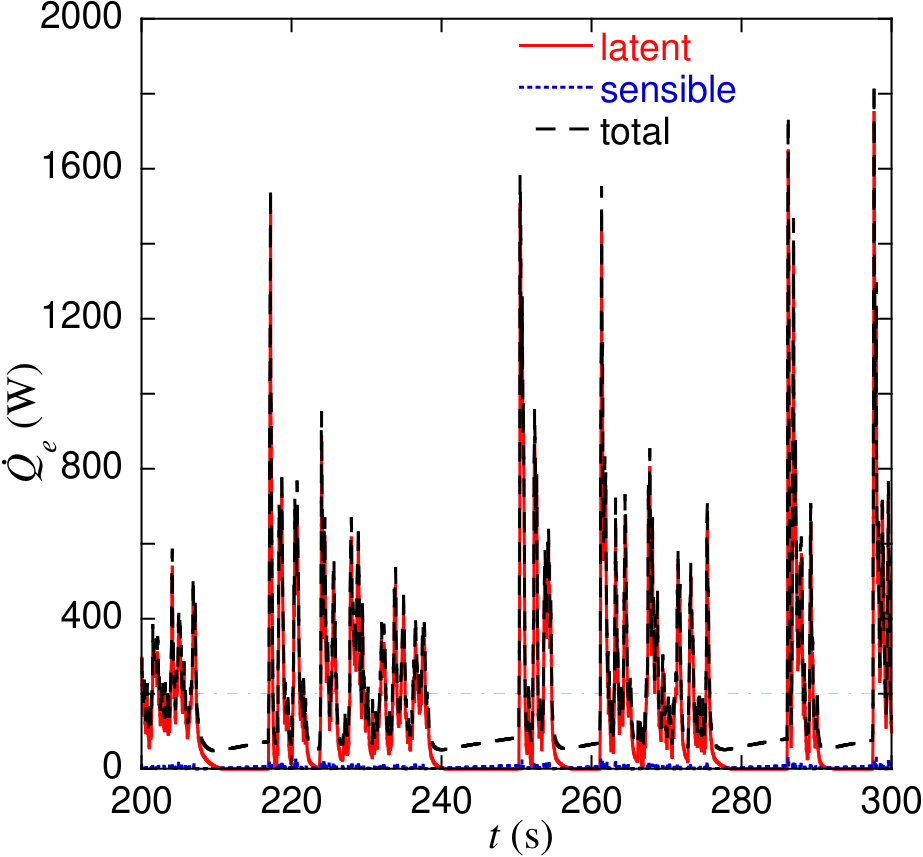 Figure 7
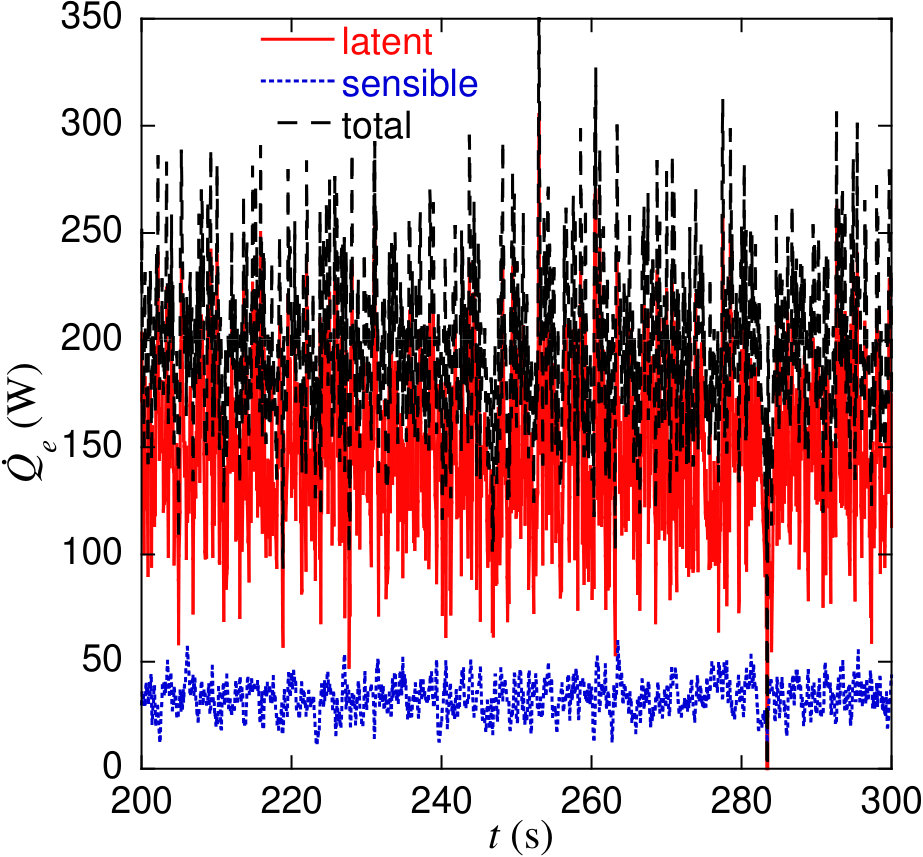 Figure 8
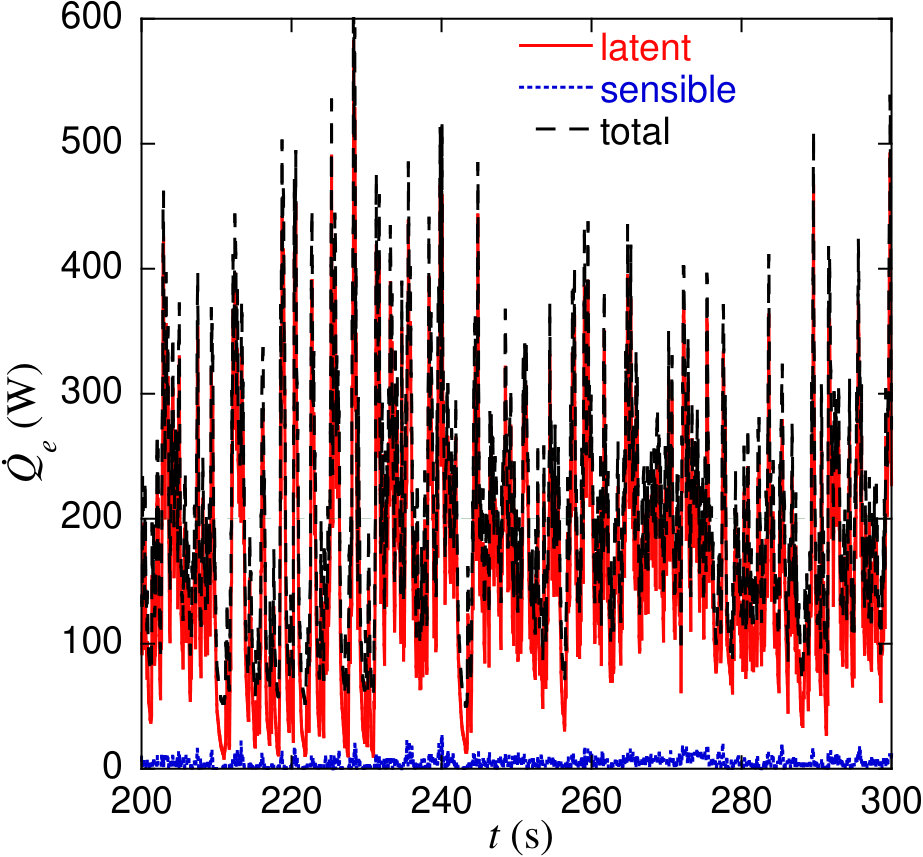 Figure 9
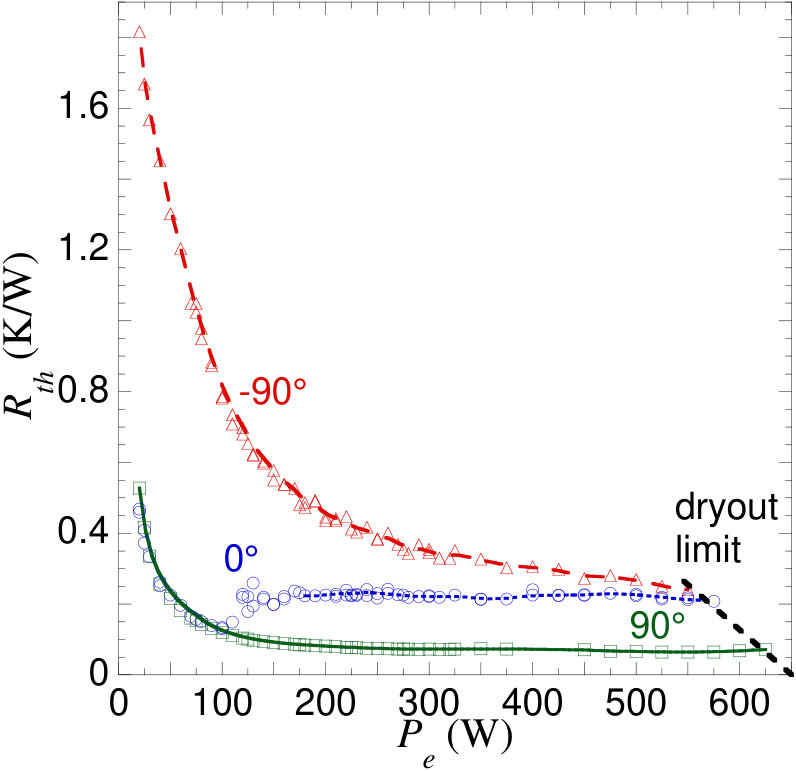 Figure 10
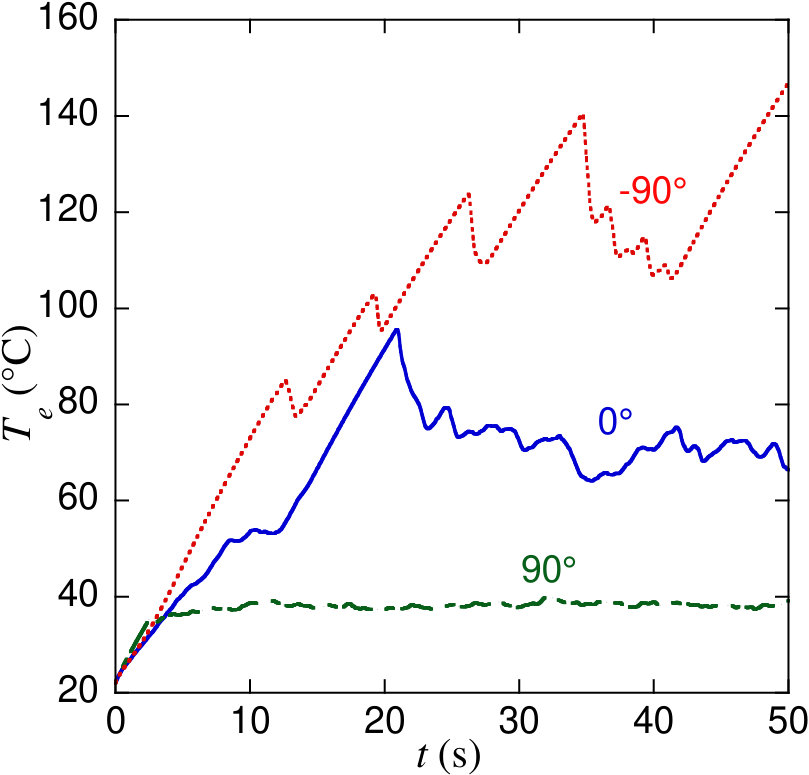 Figure 11
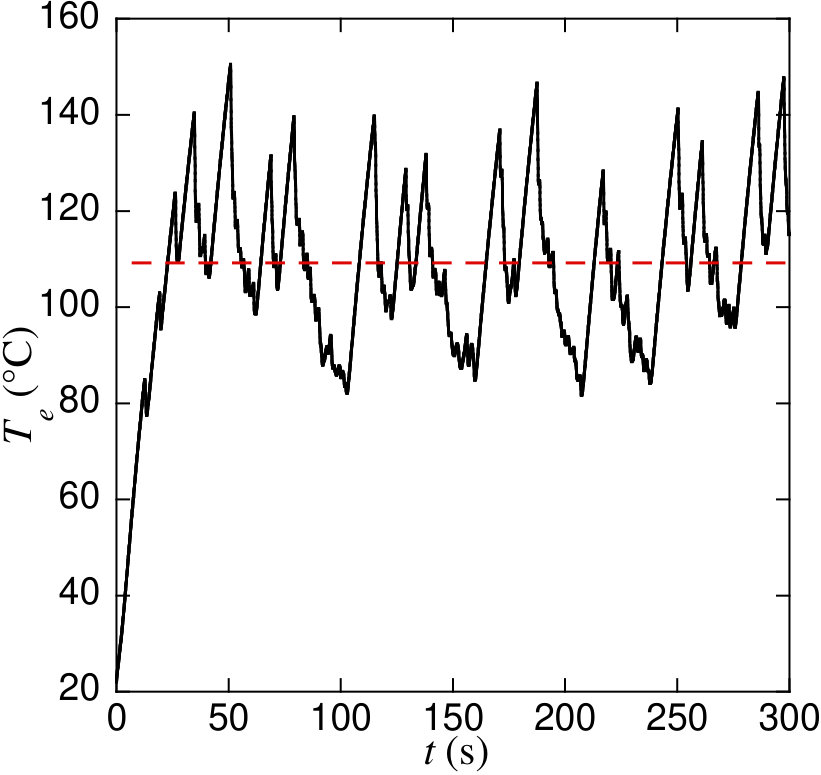 Figure 12
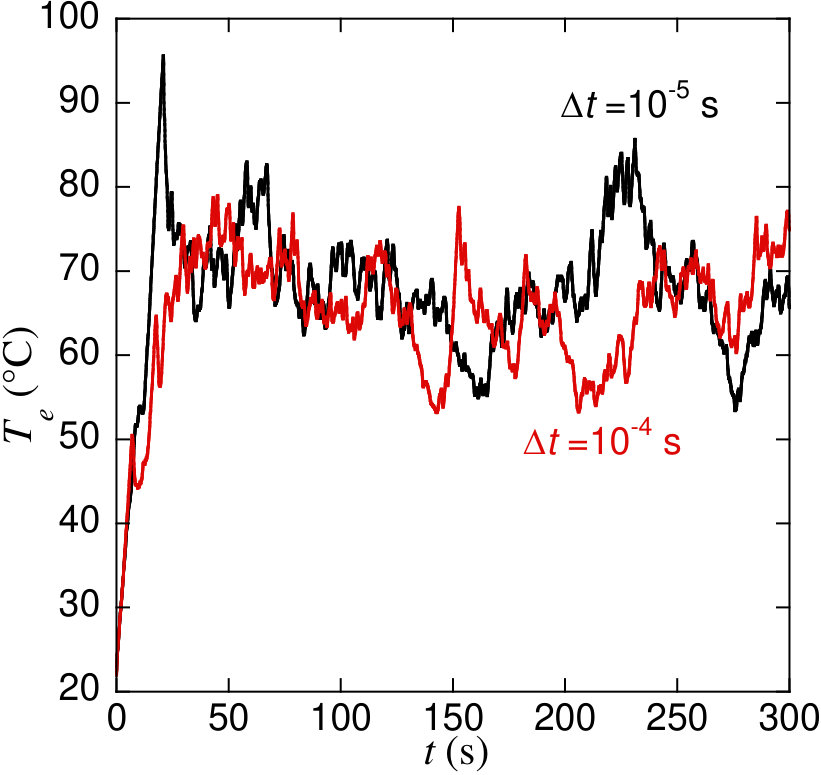 Figure 13
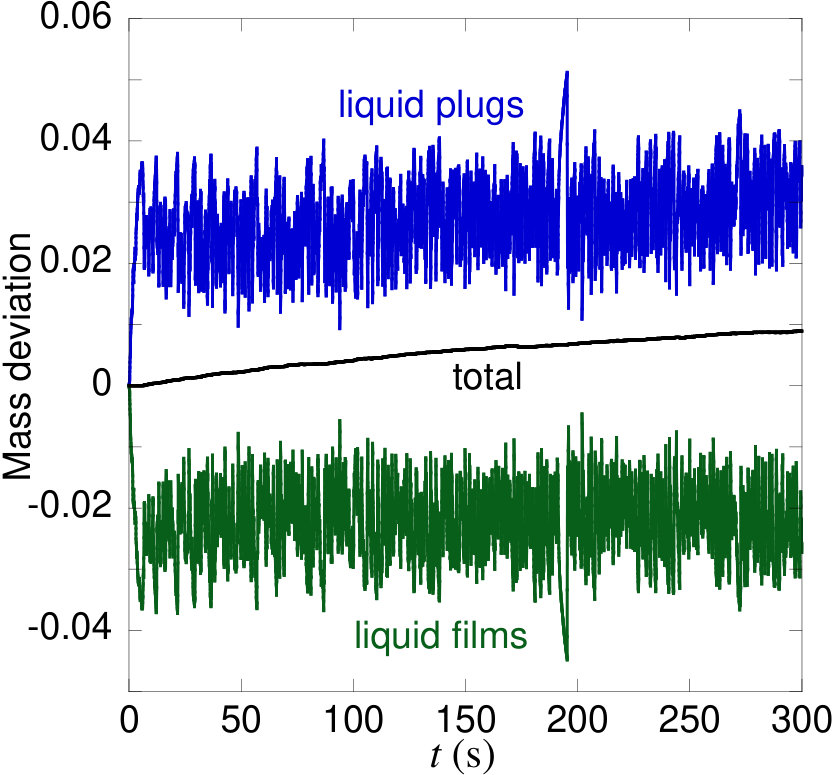 Figure 14
Peer Reviews
No public reviews on file for this paper yet. If you reviewed it on a platform where reviews are public (OpenReview, ICLR, NeurIPS, ICML), you can paste yours below so the community can read it here.
Videos
No videos yet. Explain this paper in a talk, walkthrough, or lecture? Add one.