Bounding and Estimating the Classical Information Rate of Quantum Channels with Memory
Michael X. Cao, Pascal O. Vontobel

TL;DR
This paper develops algorithms to estimate and bound the classical information rate of quantum channels with memory, using data-driven methods and graphical models, extending classical finite-state-channel techniques.
Contribution
It introduces novel algorithms for estimating and bounding the information rate of quantum channels with memory, leveraging auxiliary channels and data-driven learning.
Findings
Algorithms effectively estimate quantum channel information rates.
Auxiliary channels provide tight bounds on channel capacity.
Graphical models facilitate computations for quantum channels.
Abstract
We consider the scenario of classical communication over a finite-dimensional quantum channel with memory using a separable-state input ensemble and local output measurements. We propose algorithms for estimating the information rate of such communication setups, along with algorithms for bounding the information rate based on so-called auxiliary channels. Some of the algorithms are extensions of their counterparts for (classical) finite-state-machine channels. Notably, we discuss suitable graphical models for doing the relevant computations. Moreover, the auxiliary channels are learned in a data-driven approach; i.e., only input/output sequences of the true channel are needed, but not the channel model of the true channel.
Click any figure to enlarge with its caption.
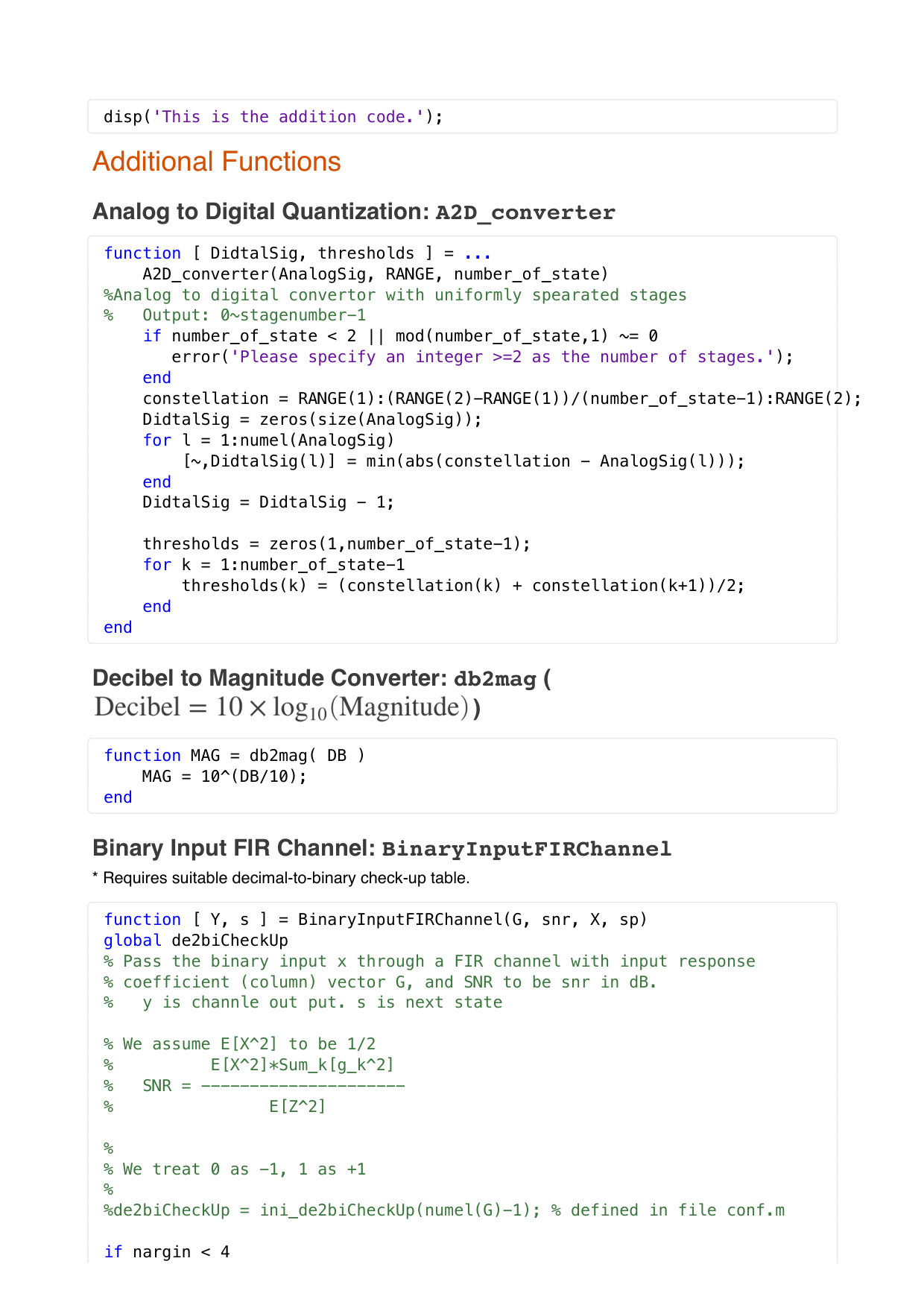 Figure 1
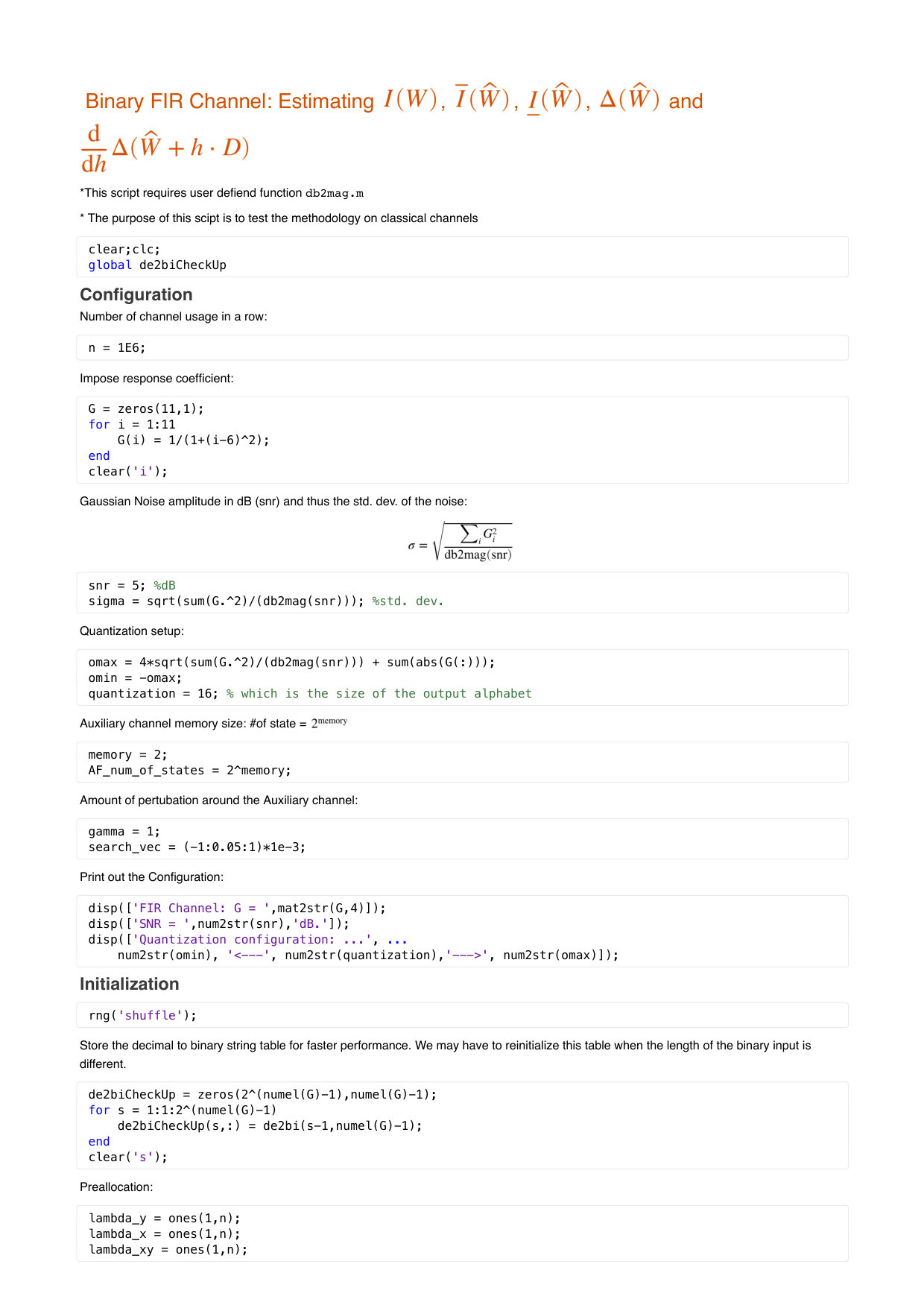 Figure 2
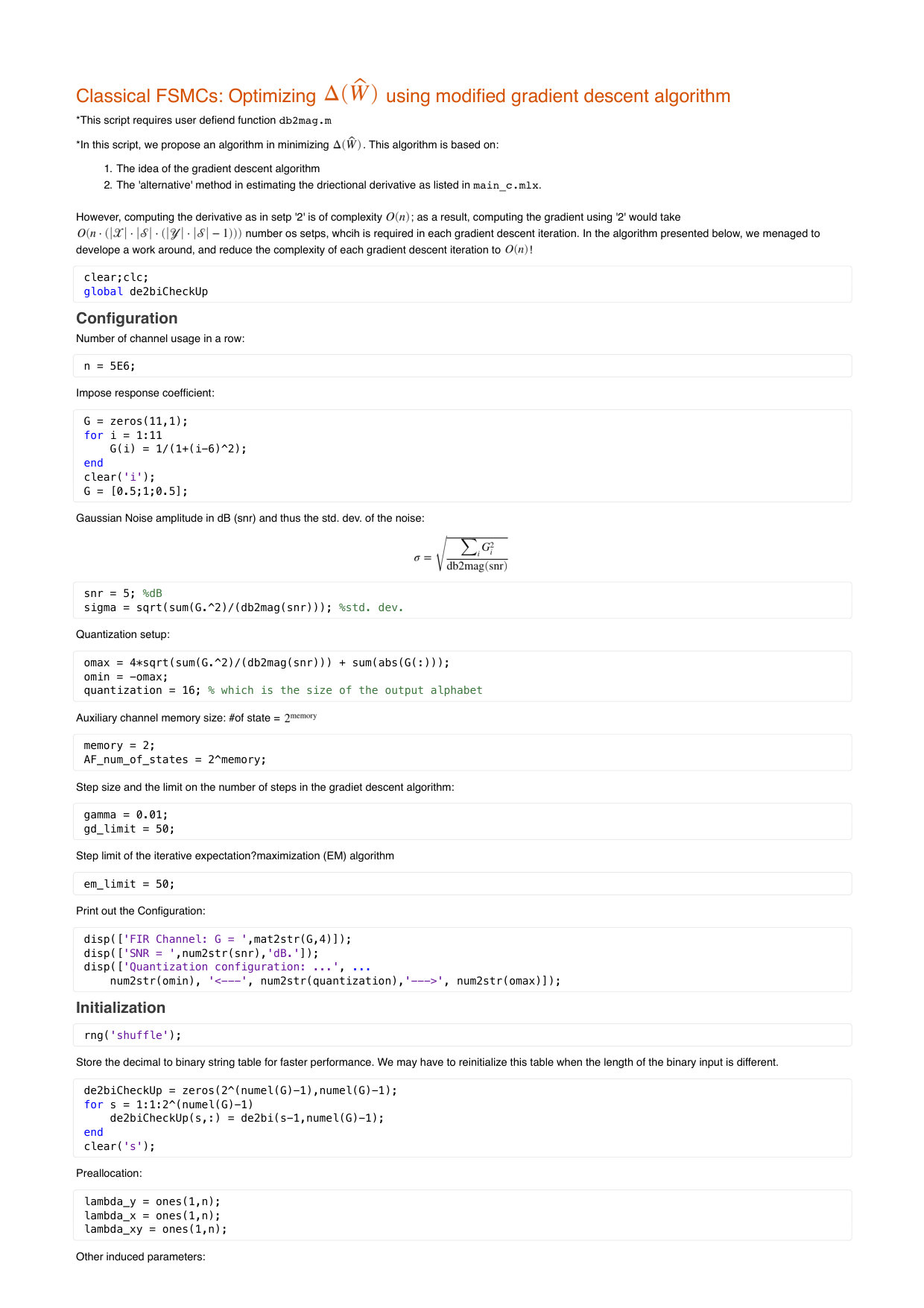 Figure 3
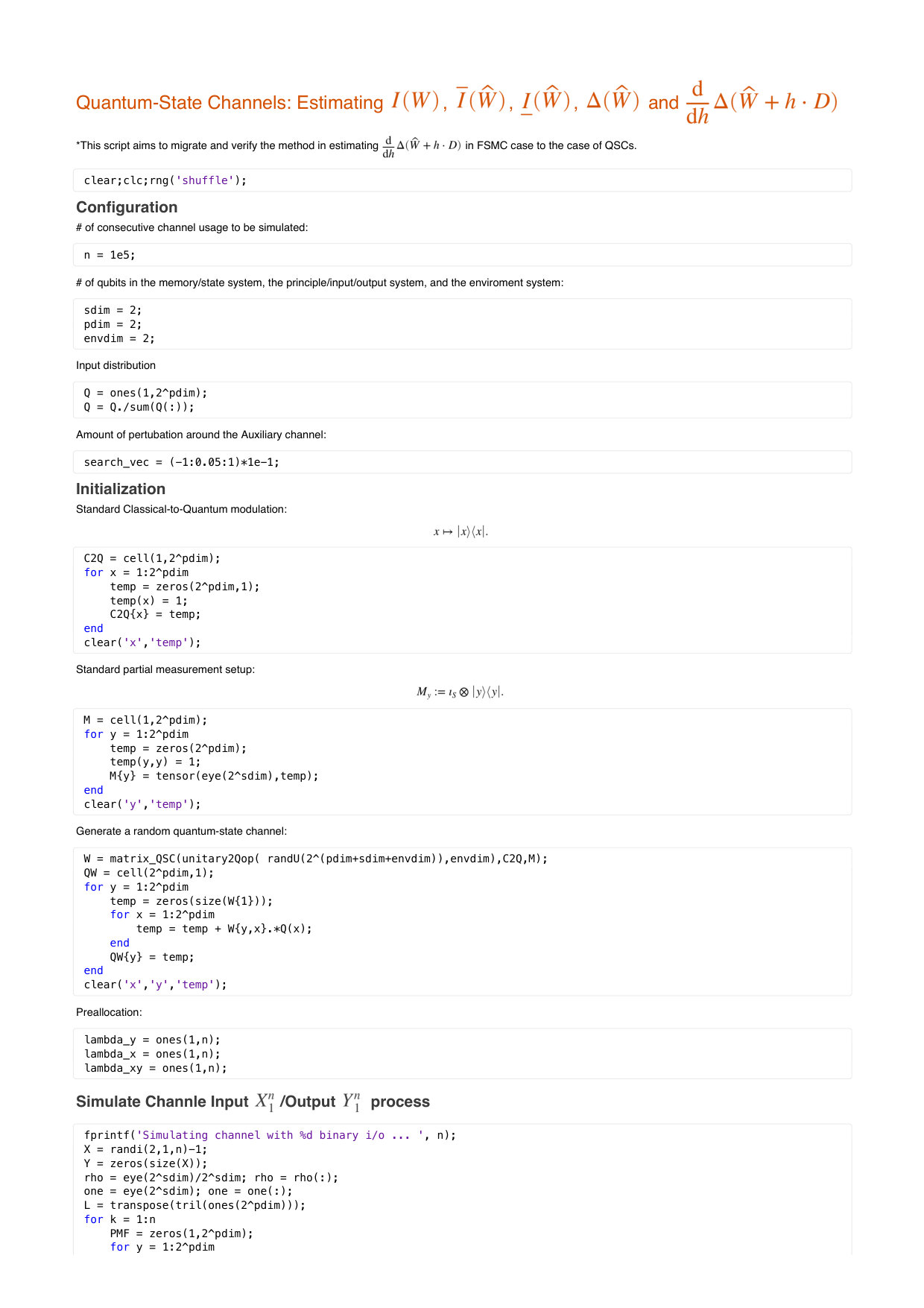 Figure 4
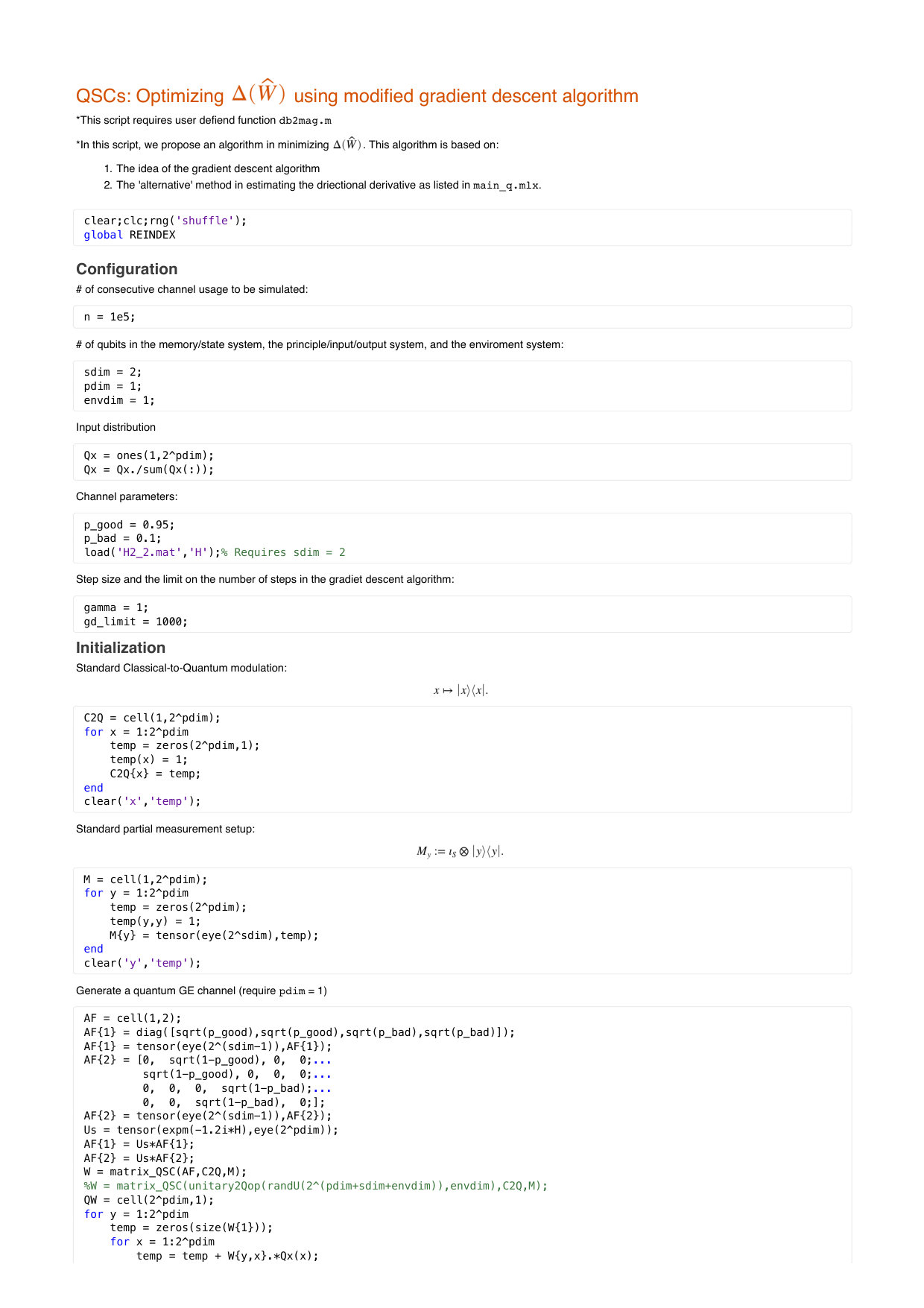 Figure 5
Peer Reviews
No public reviews on file for this paper yet. If you reviewed it on a platform where reviews are public (OpenReview, ICLR, NeurIPS, ICML), you can paste yours below so the community can read it here.
Videos
No videos yet. Explain this paper in a talk, walkthrough, or lecture? Add one.