TL;DR
This paper presents a new architecture-agnostic method for mapping quantum circuits onto devices with limited qubit connectivity, improving efficiency by reducing two-qubit gate depth and count.
Contribution
It introduces a novel methodology integrated into tket compiler for optimized qubit routing across various quantum hardware architectures.
Findings
Reduces two-qubit gate depth significantly
Decreases two-qubit gate count
Effective across different hardware architectures
Abstract
We introduce a new architecture-agnostic methodology for mapping abstract quantum circuits to realistic quantum computing devices with restricted qubit connectivity, as implemented by Cambridge Quantum Computing's tket compiler. We present empirical results showing the effectiveness of this method in terms of reducing two-qubit gate depth and two-qubit gate count, compared to other implementations.
Click any figure to enlarge with its caption.
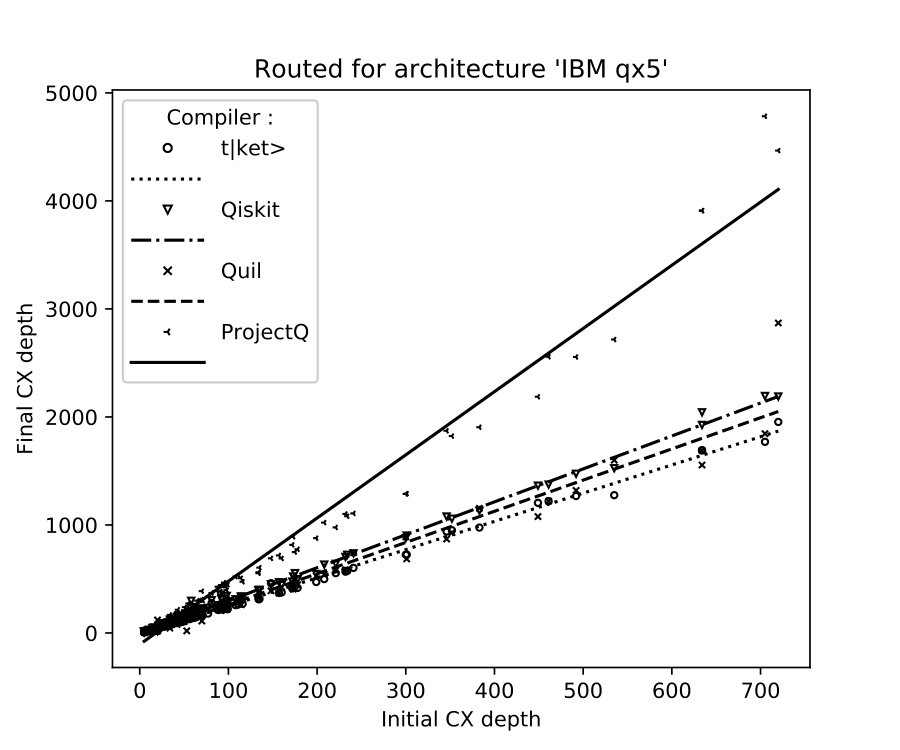 Figure 1
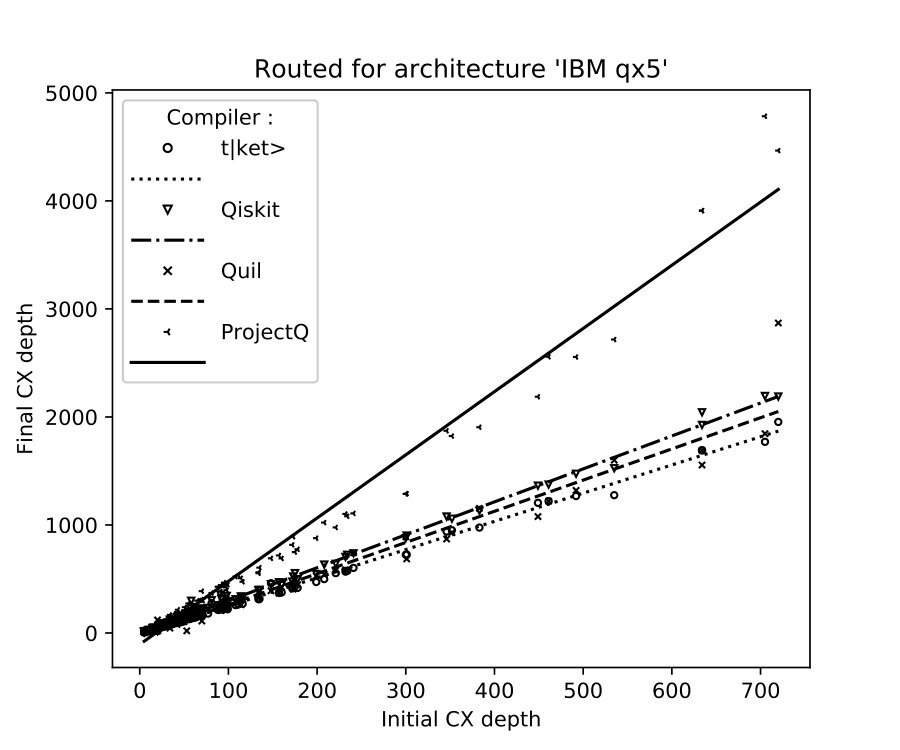 Figure 2
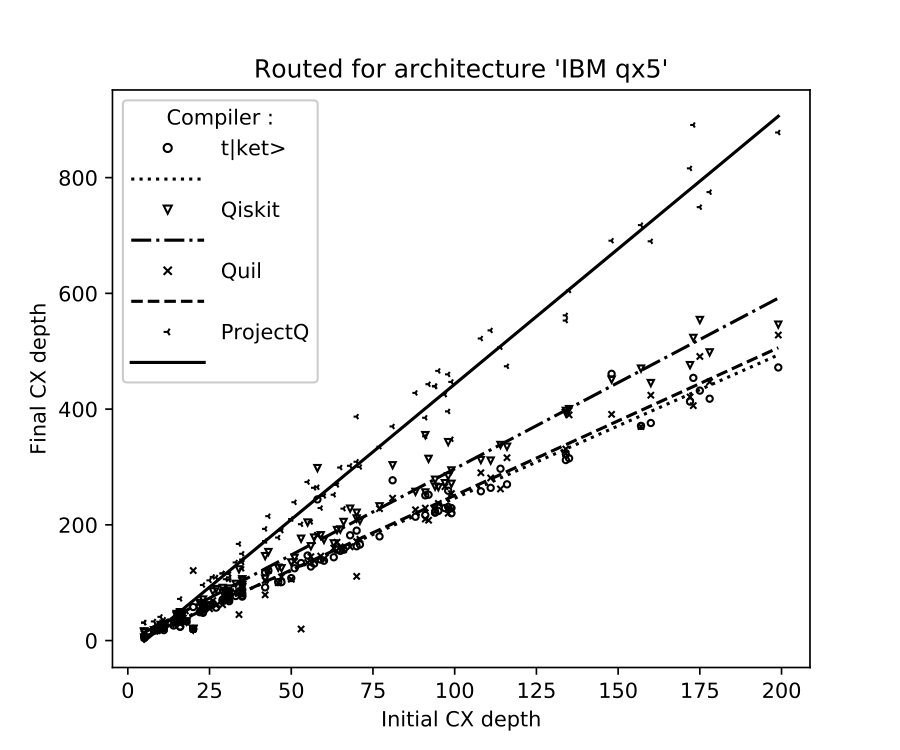 Figure 3
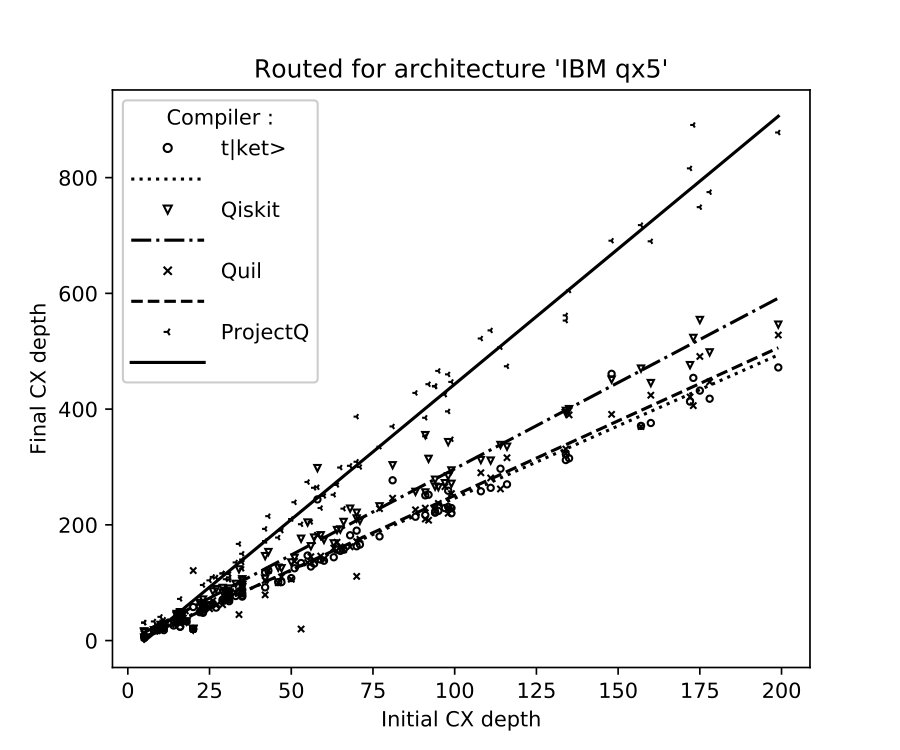 Figure 4
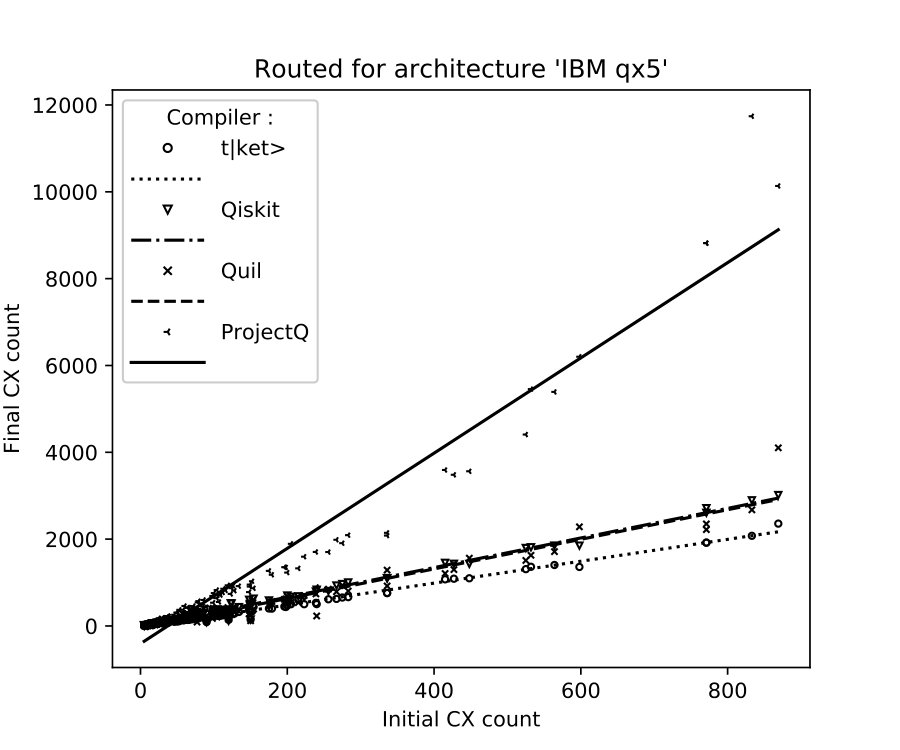 Figure 5
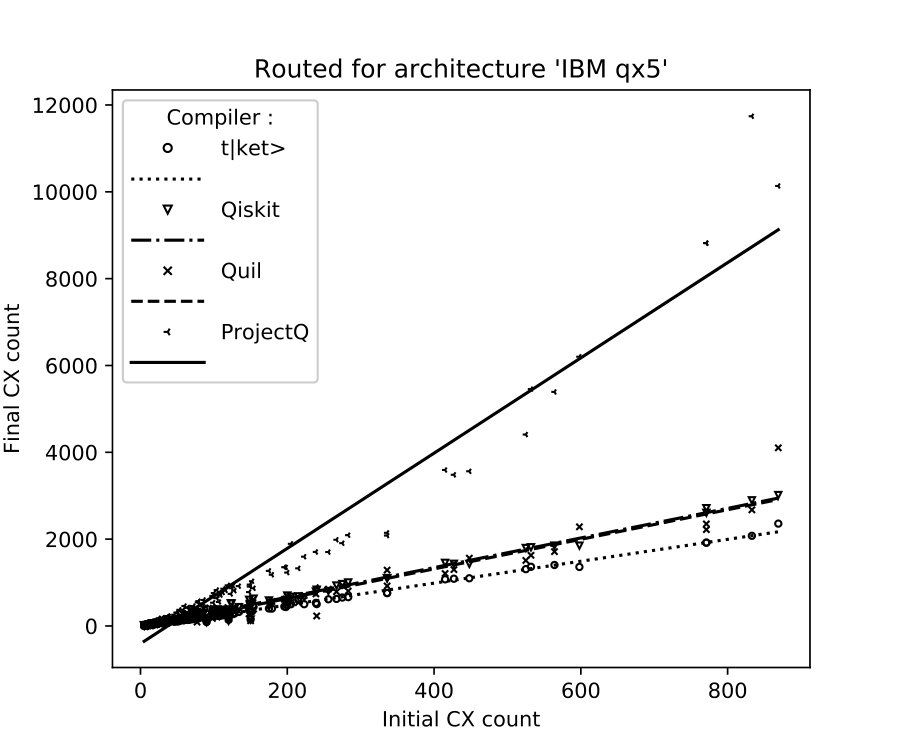 Figure 6
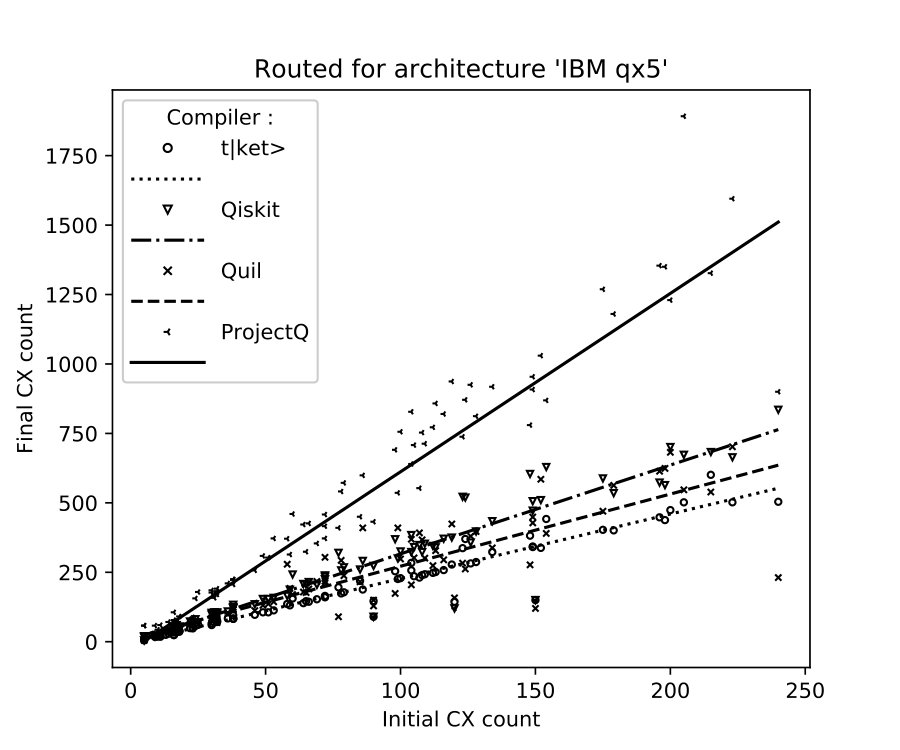 Figure 7
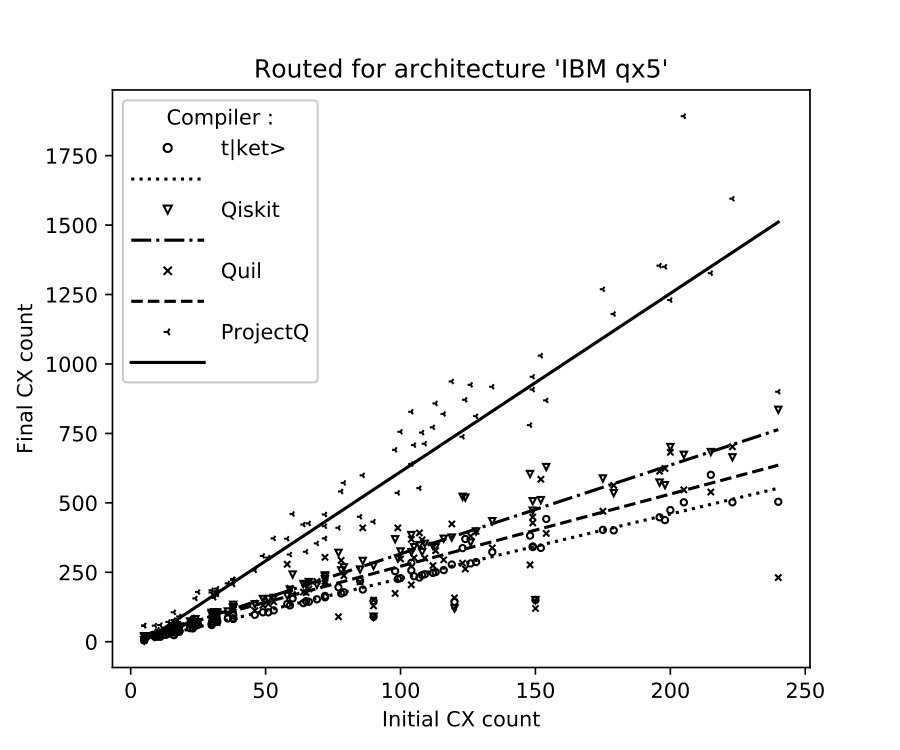 Figure 8
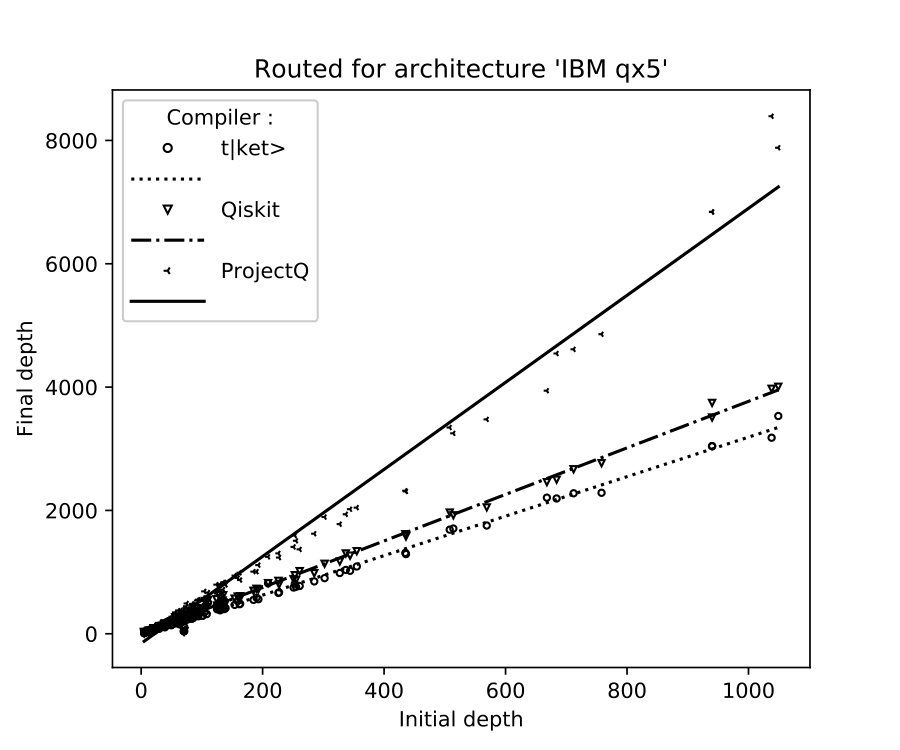 Figure 9
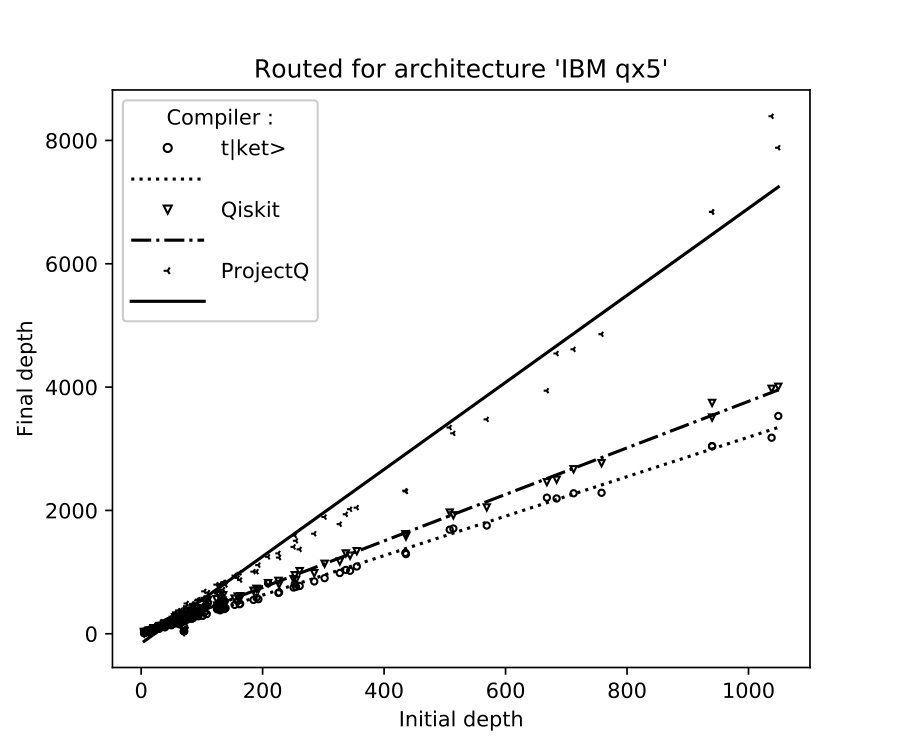 Figure 10
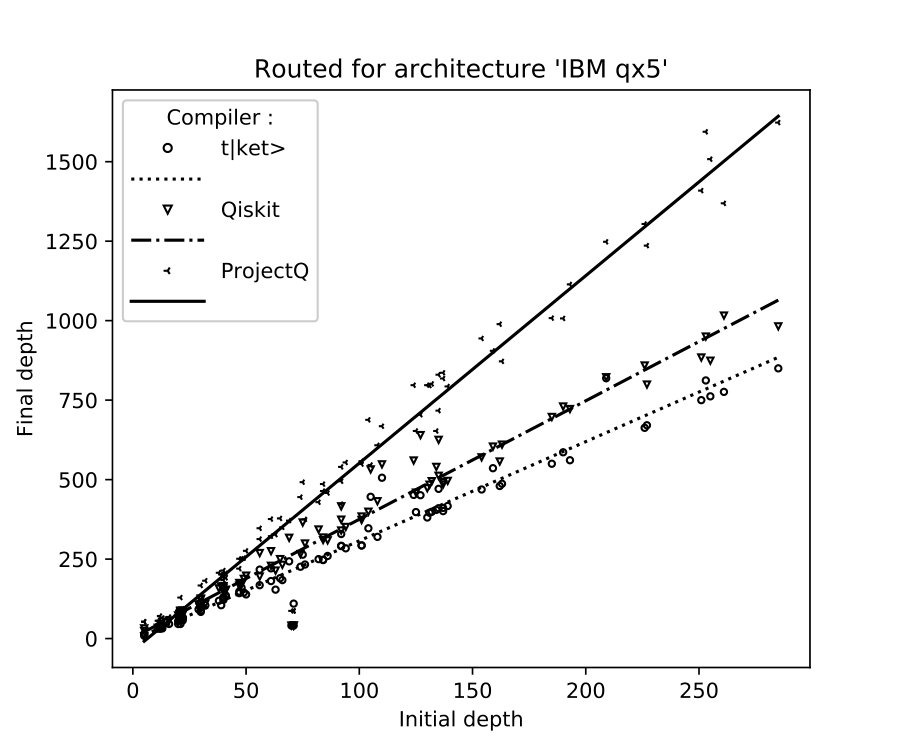 Figure 11
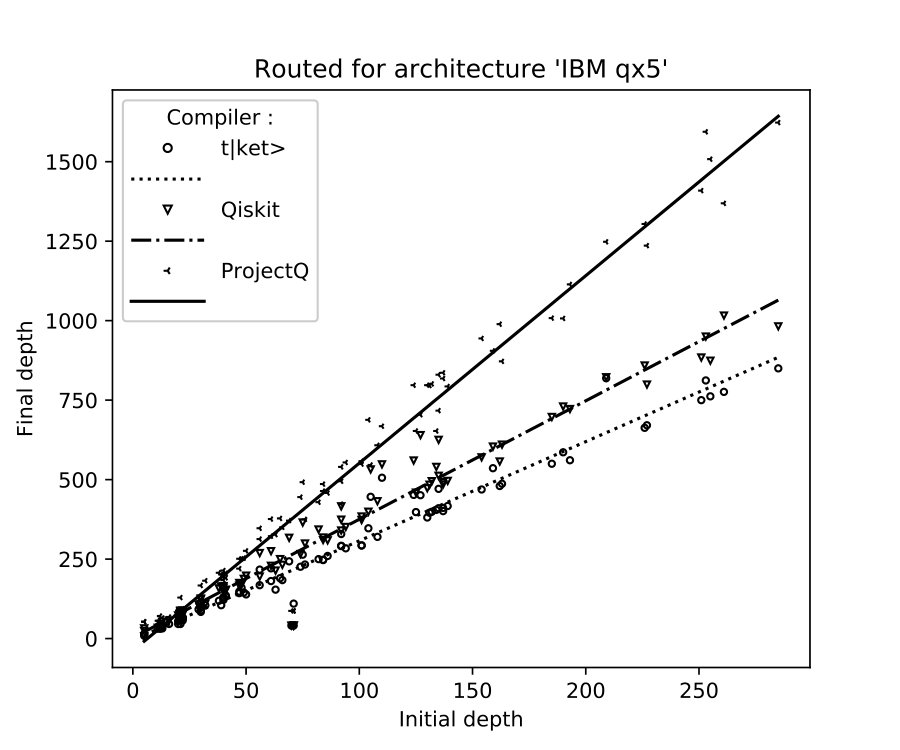 Figure 12
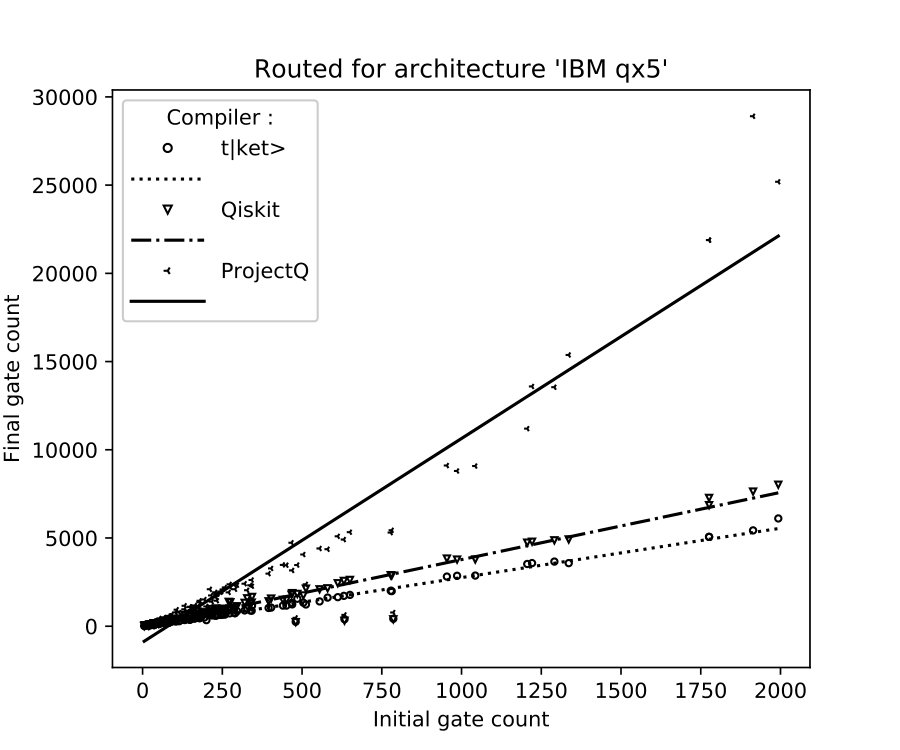 Figure 13
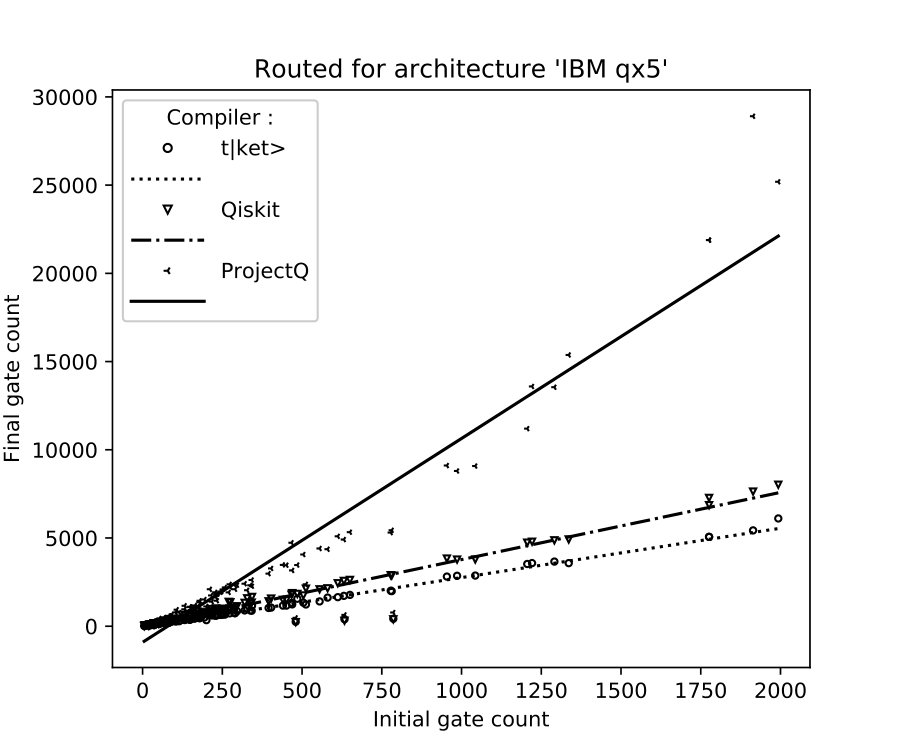 Figure 14
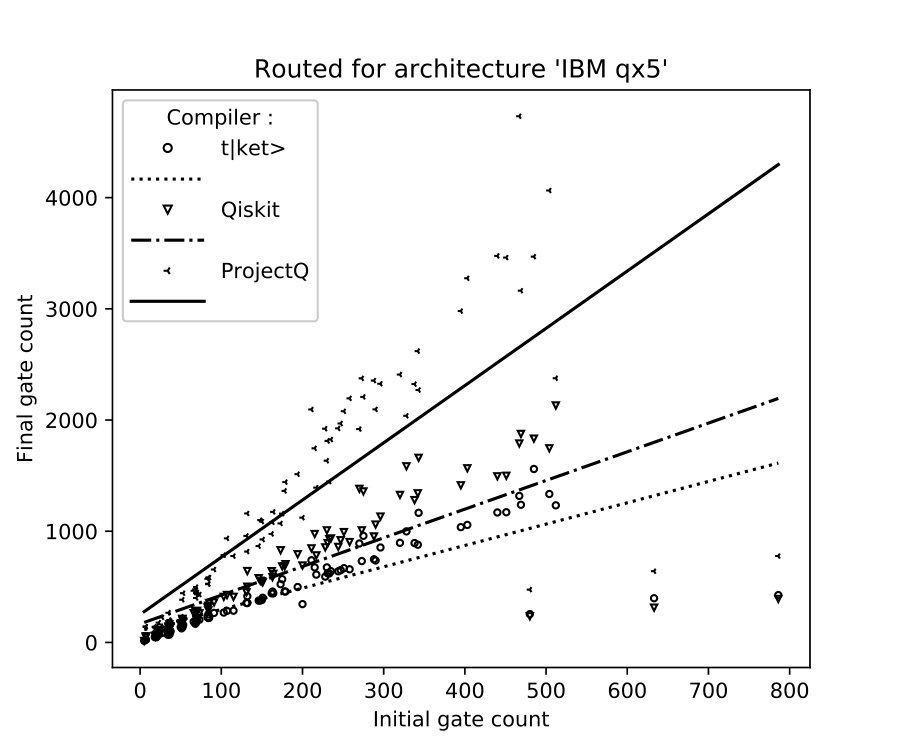 Figure 15
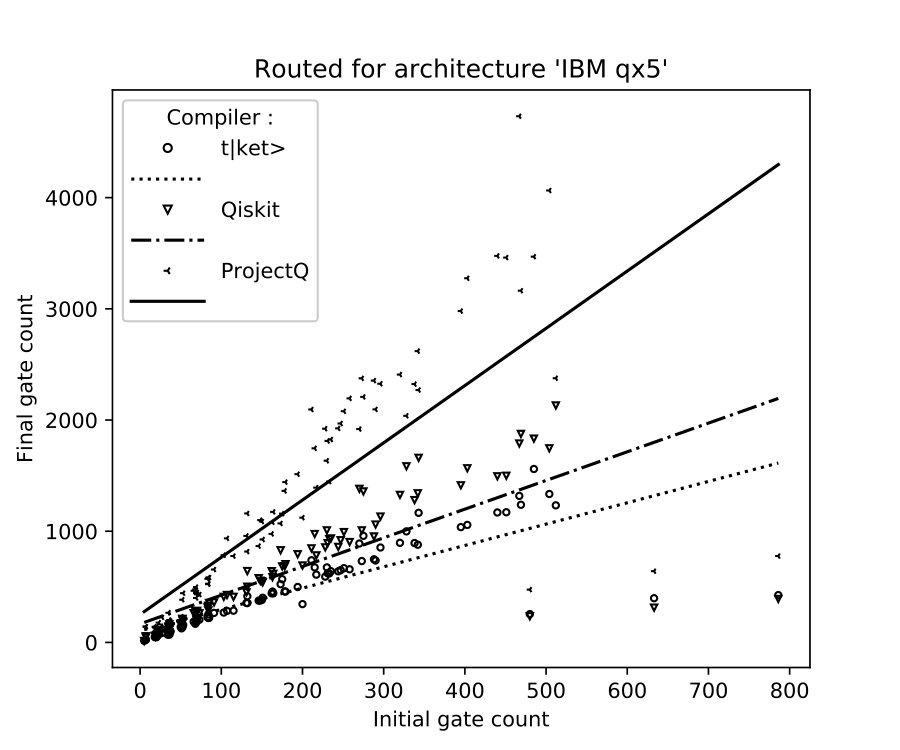 Figure 16
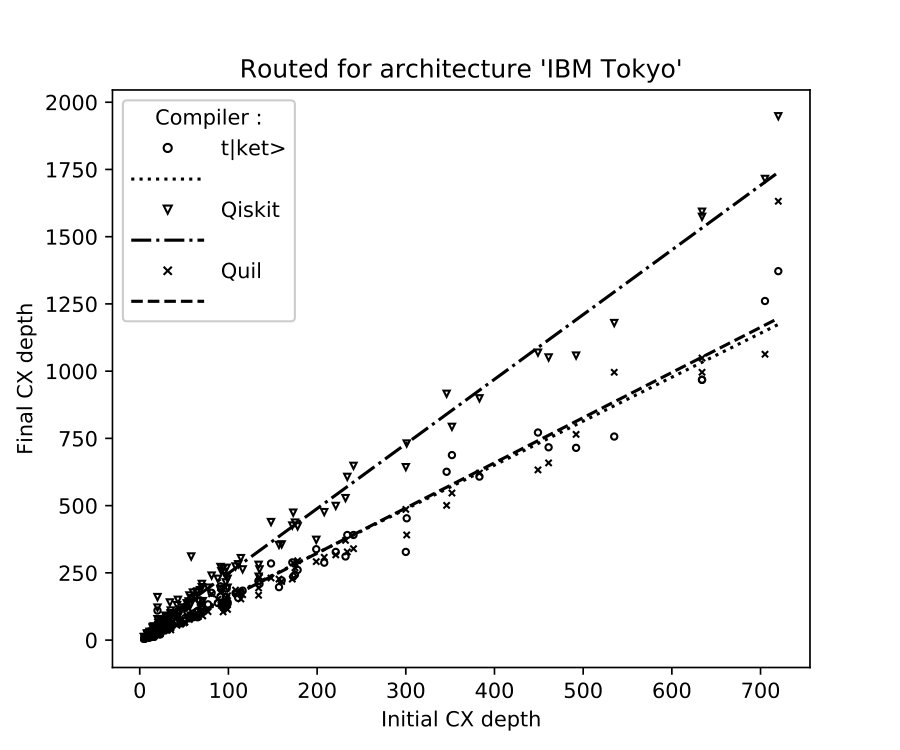 Figure 17
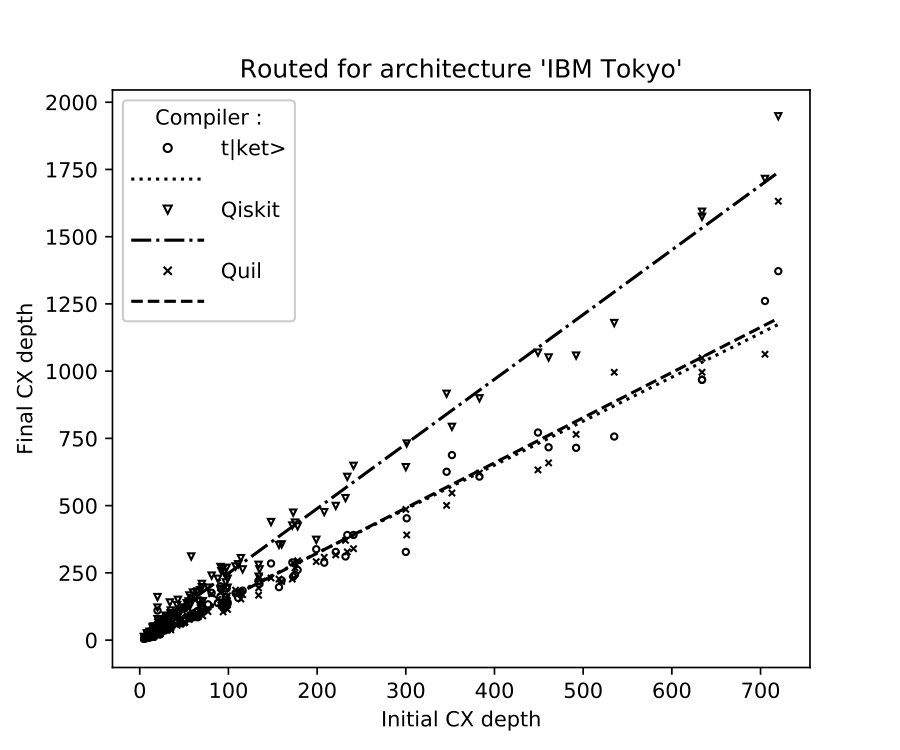 Figure 18
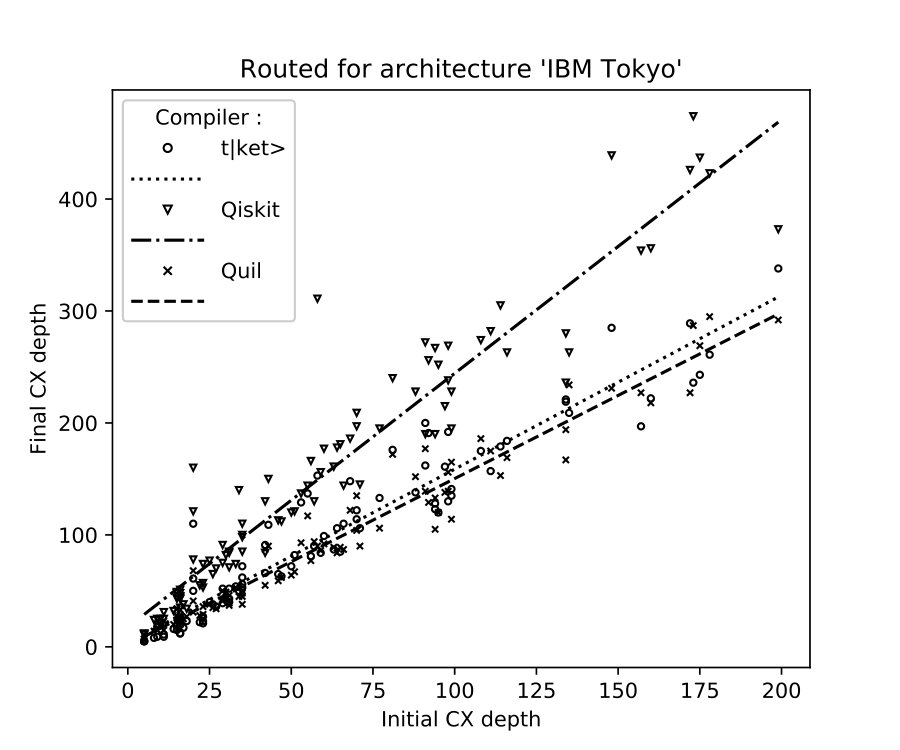 Figure 19
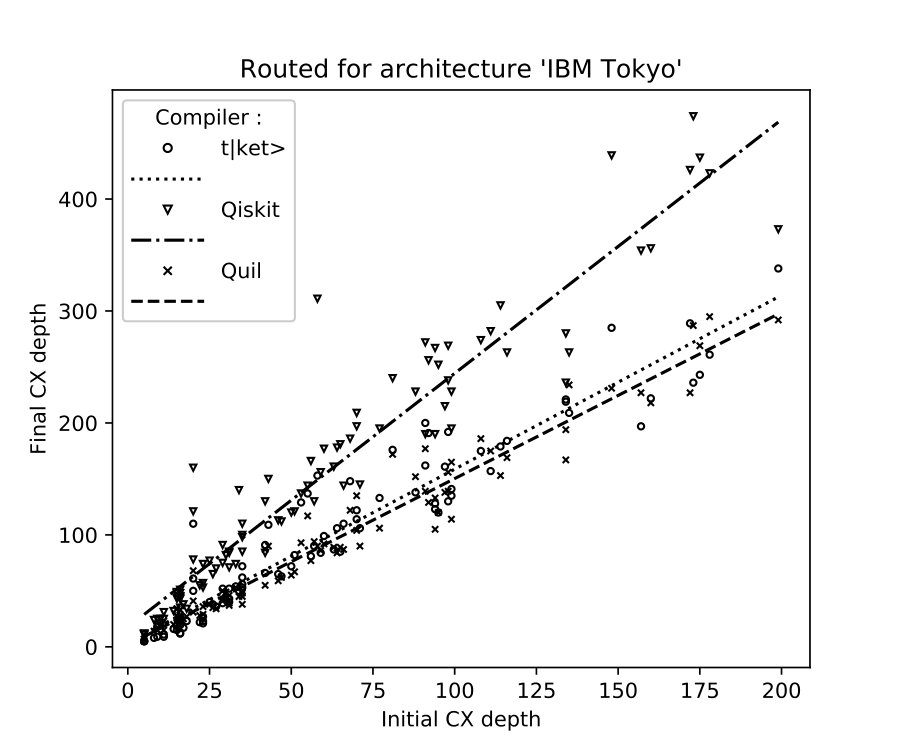 Figure 20
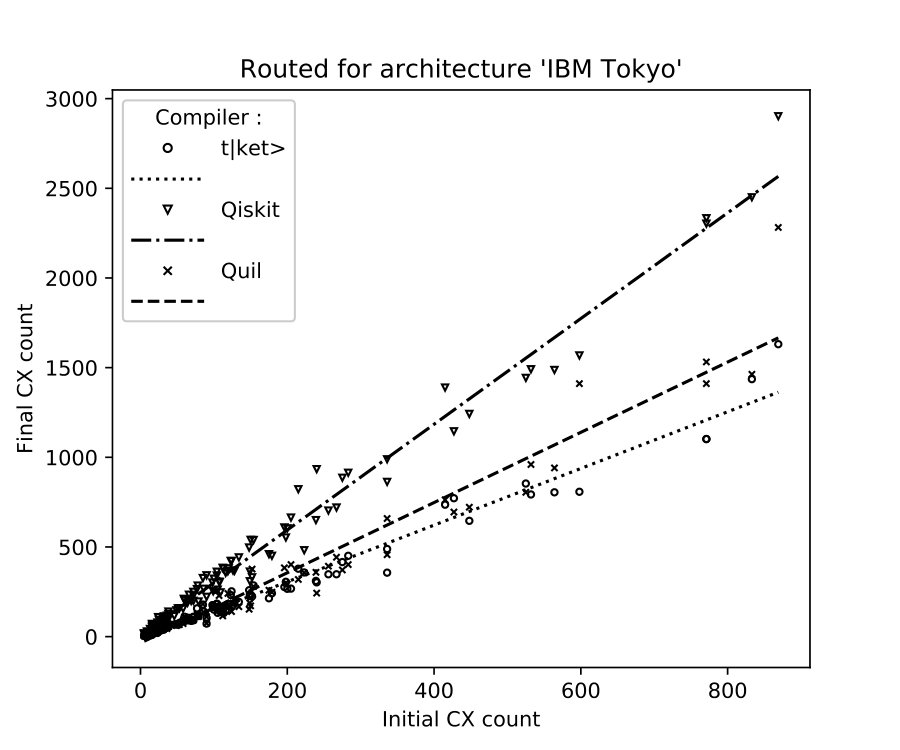 Figure 21
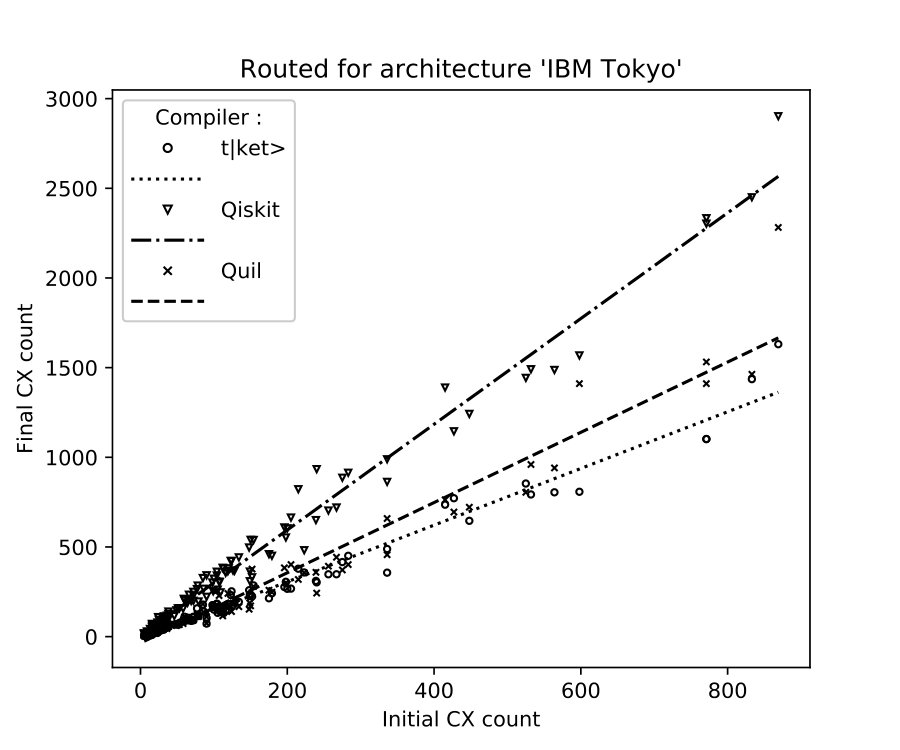 Figure 22
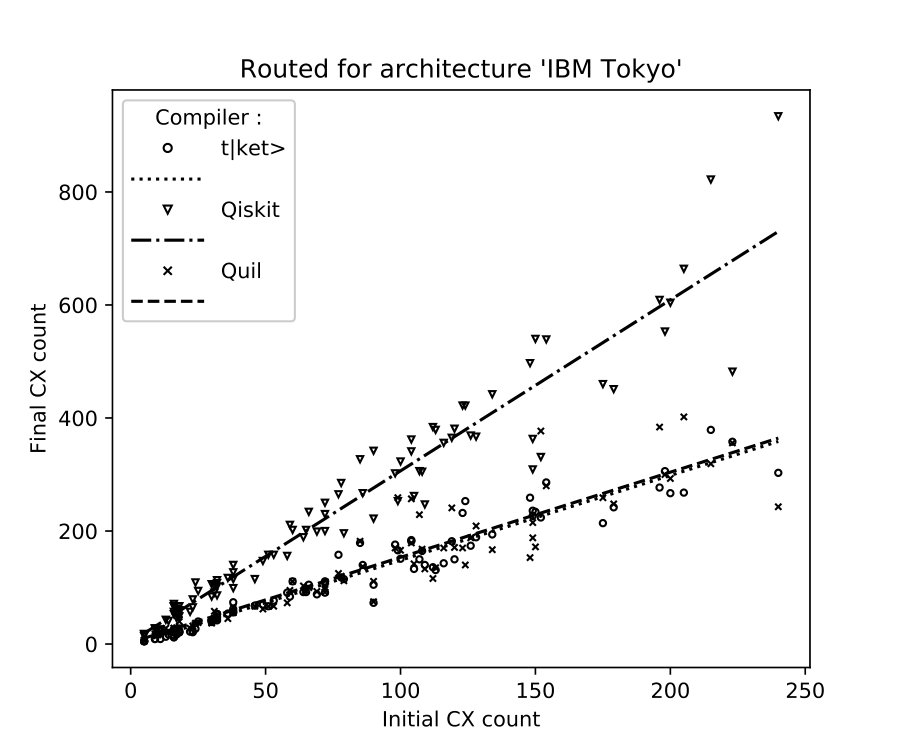 Figure 23
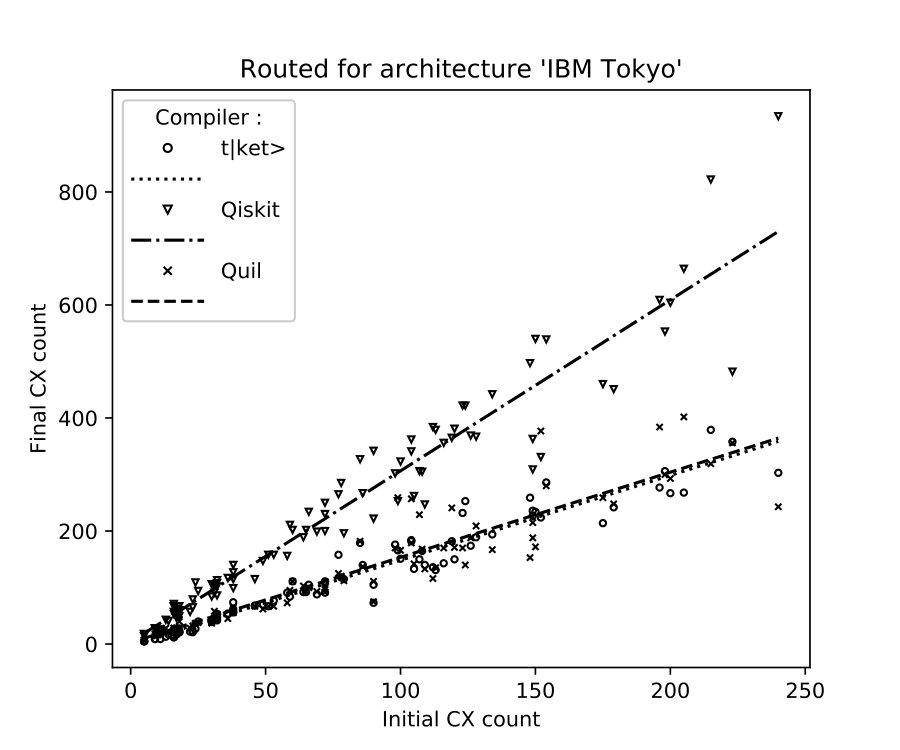 Figure 24
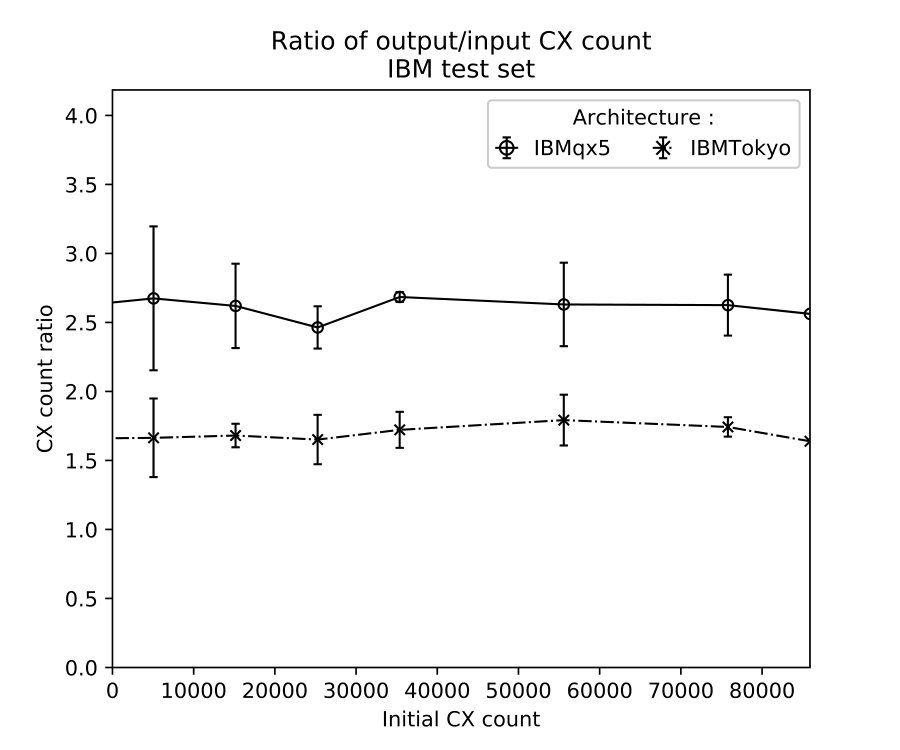 Figure 25
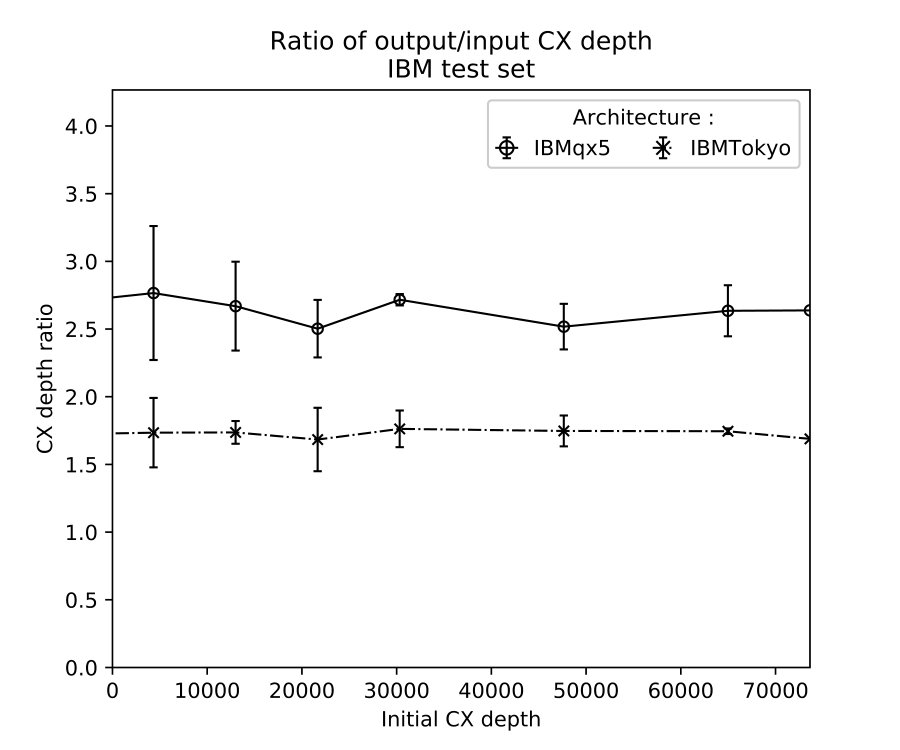 Figure 26
 Figure 27
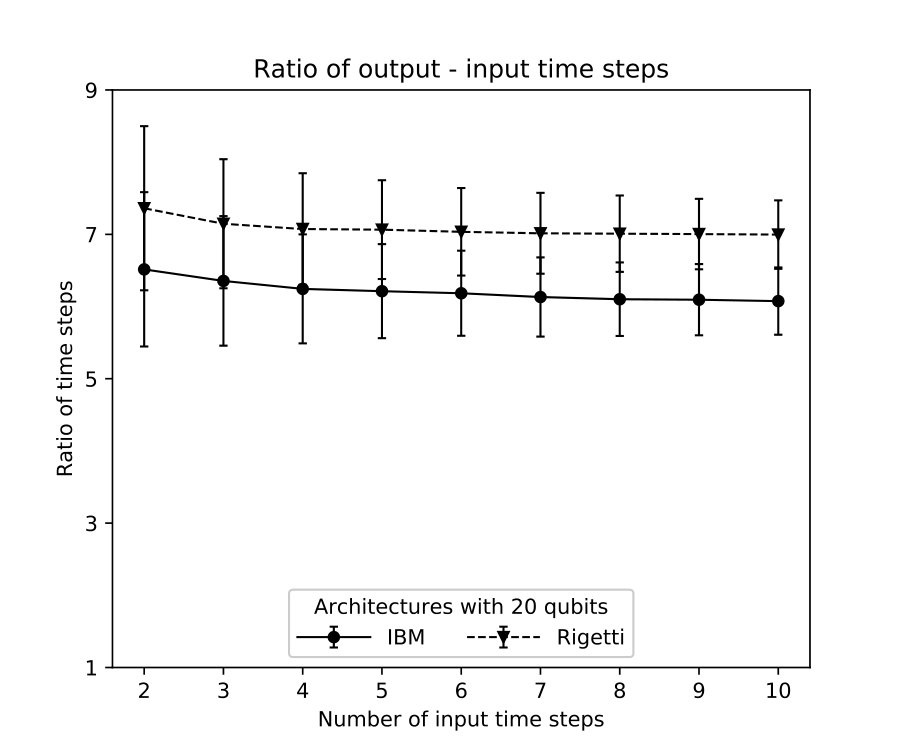 Figure 28
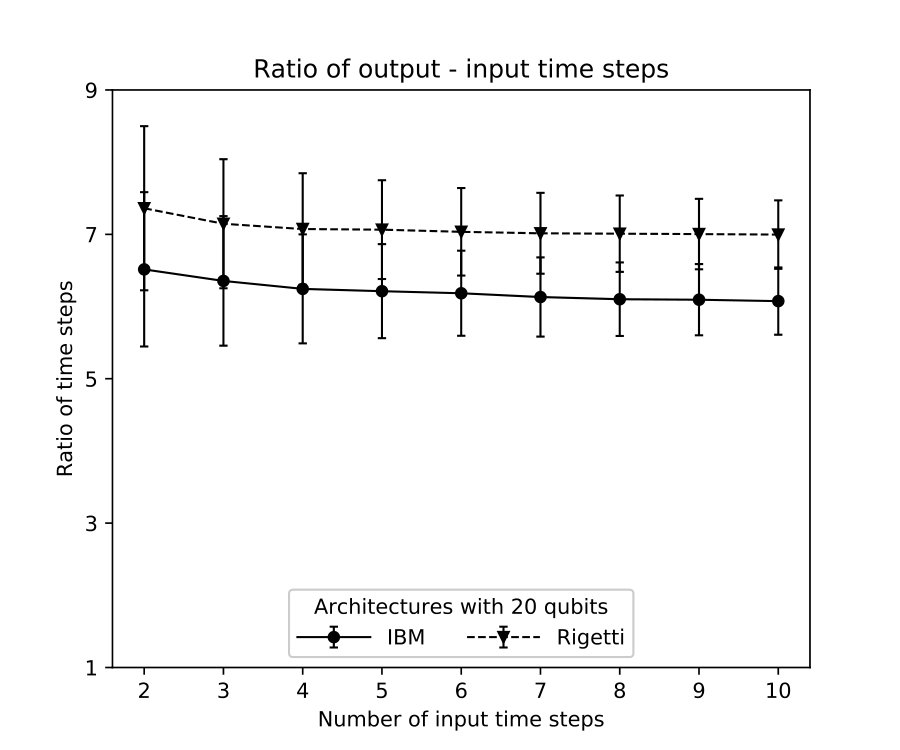 Figure 29
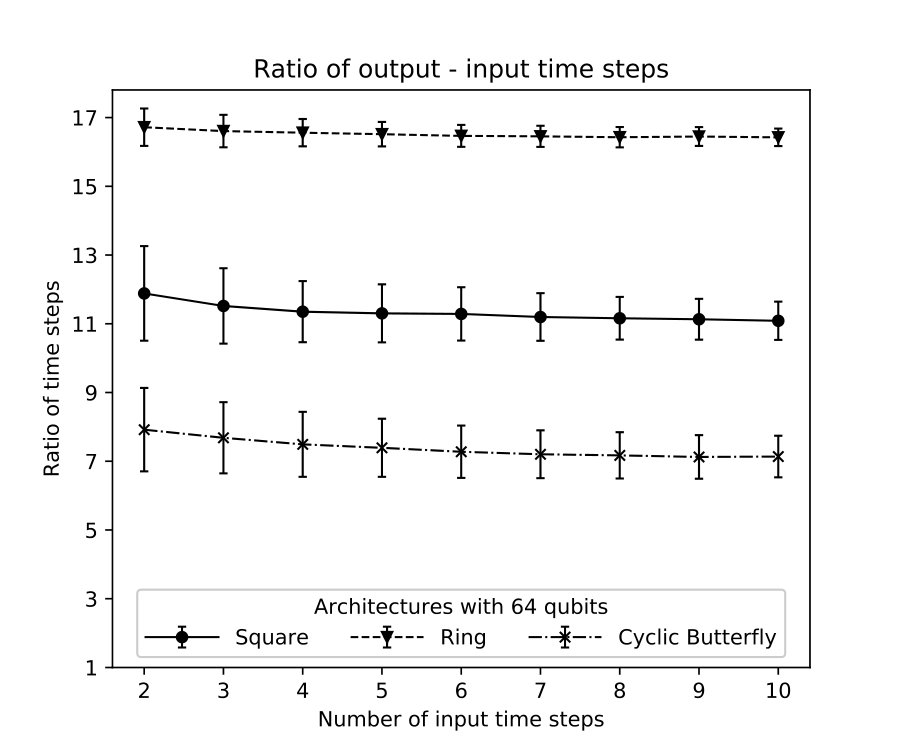 Figure 30
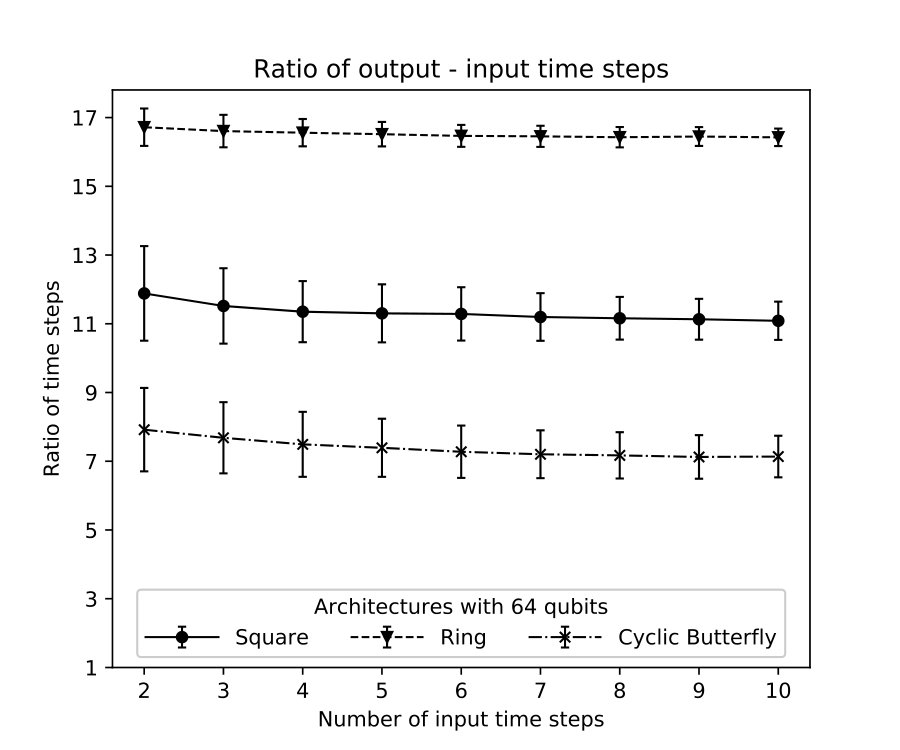 Figure 31
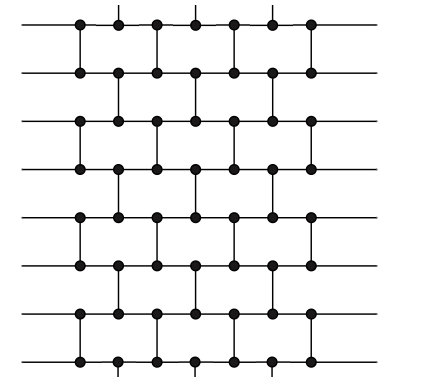 Figure 32
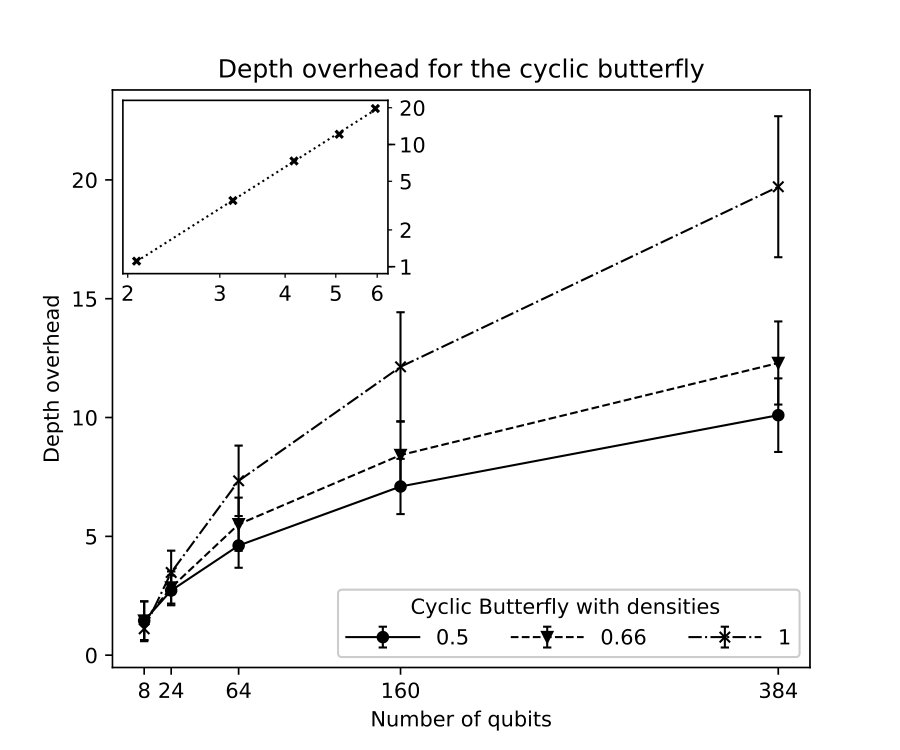 Figure 33
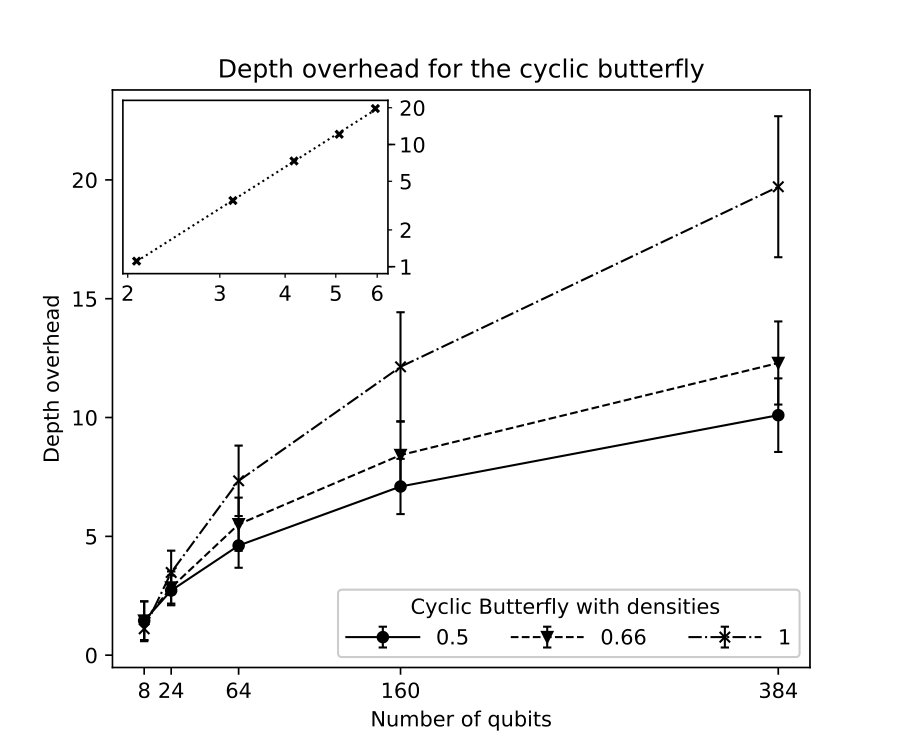 Figure 34
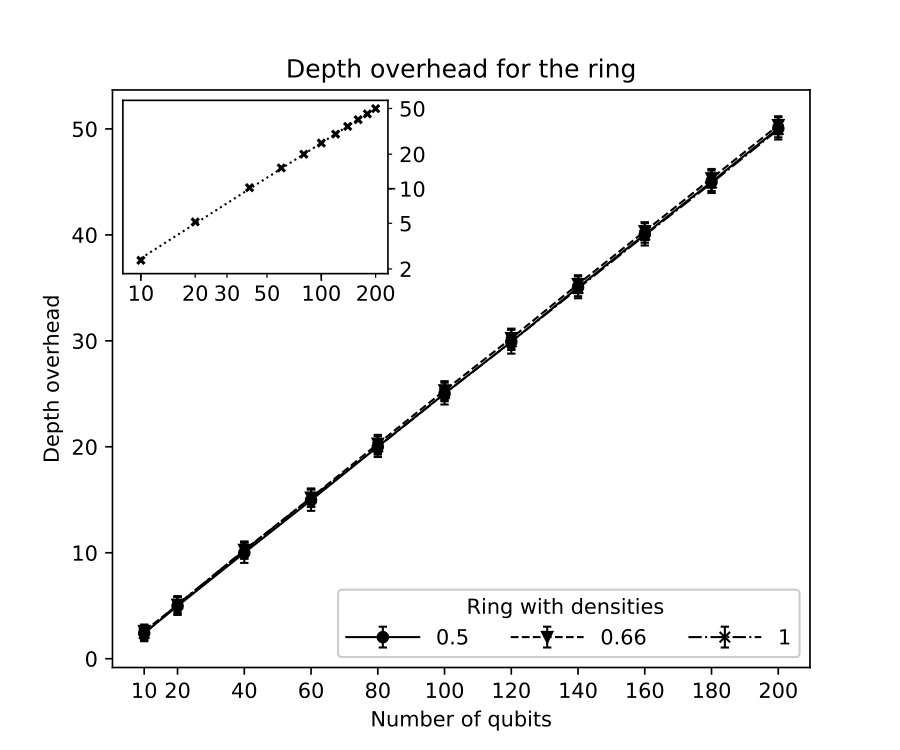 Figure 35
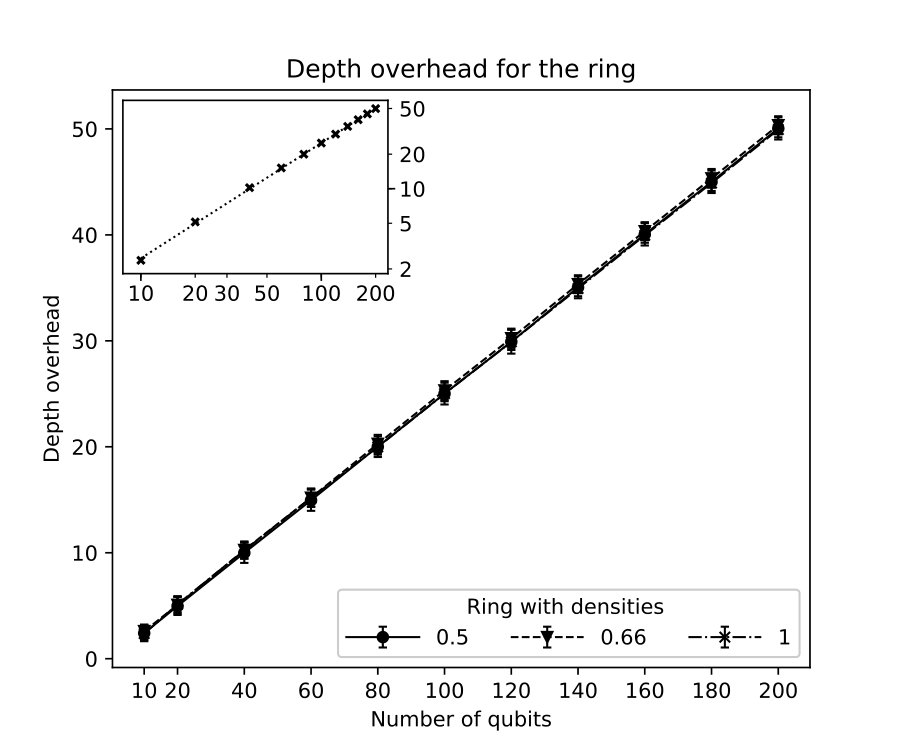 Figure 36
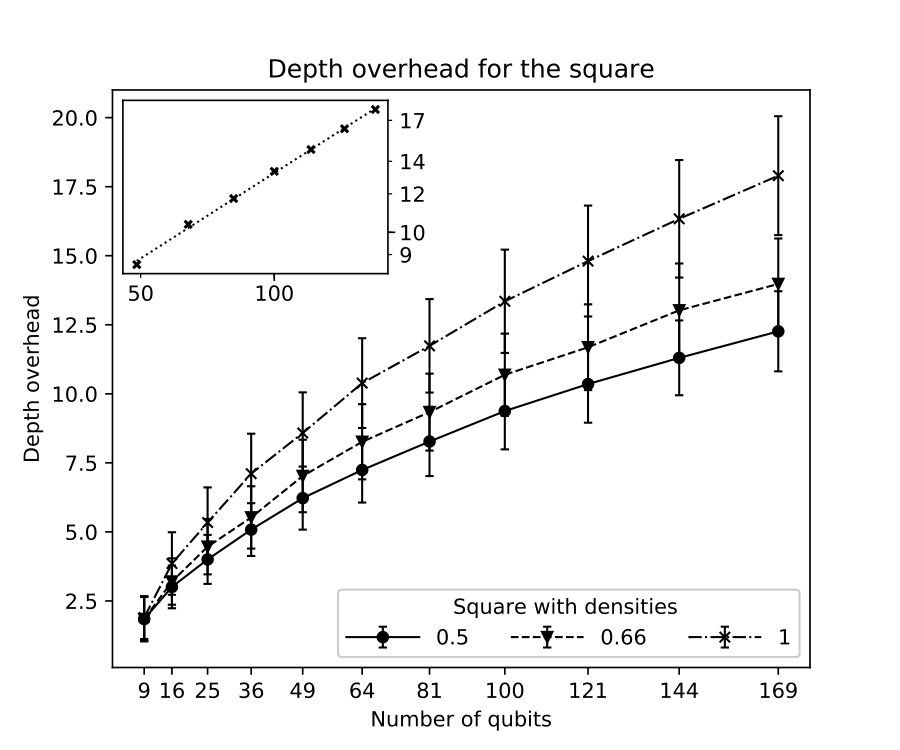 Figure 37
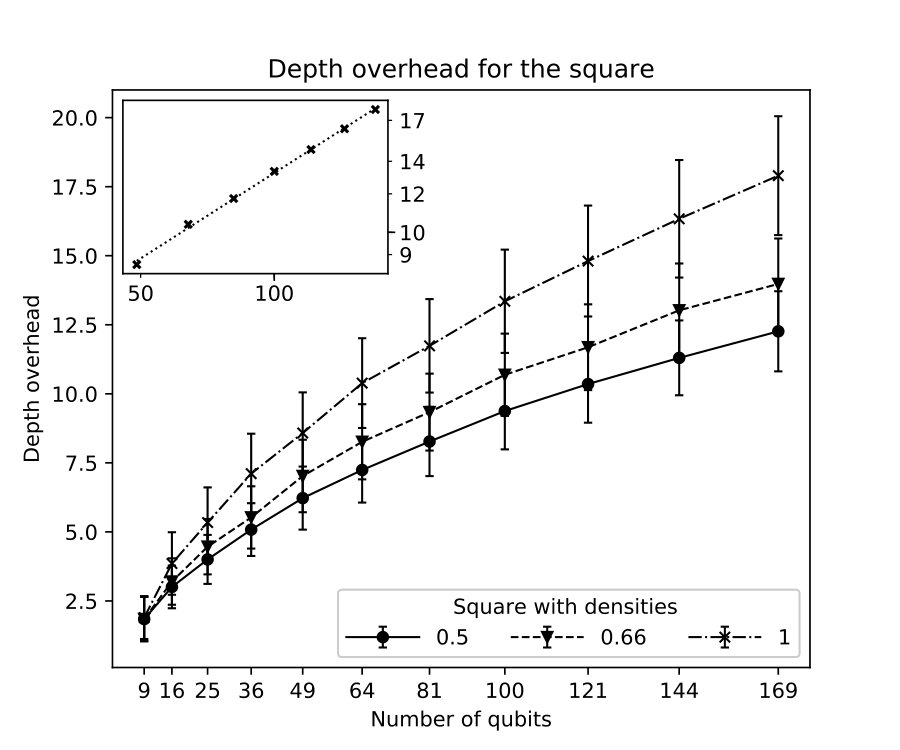 Figure 38
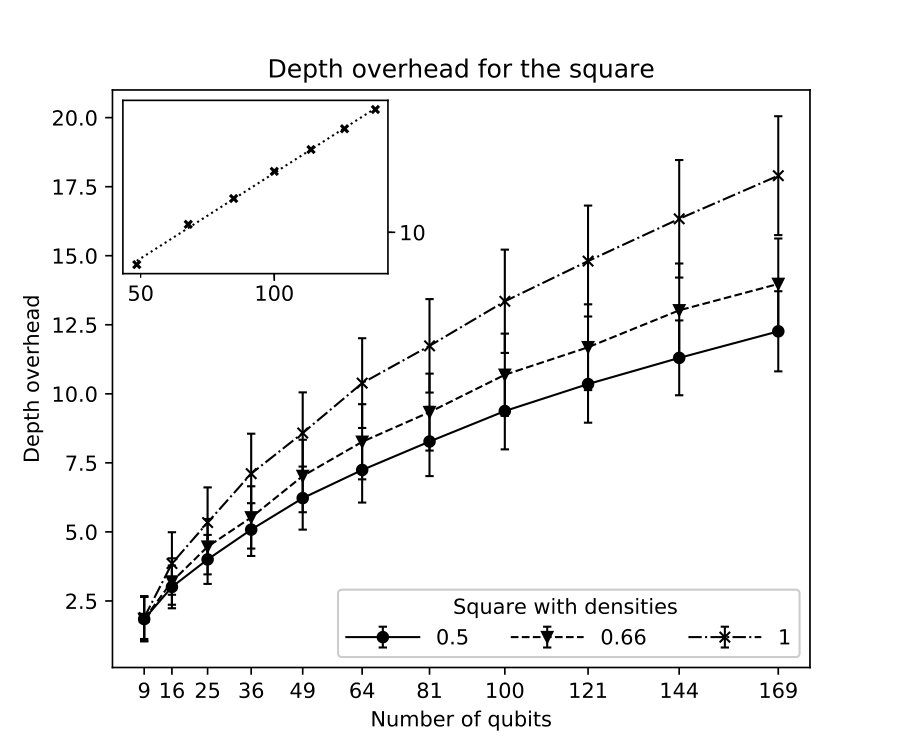 Figure 39
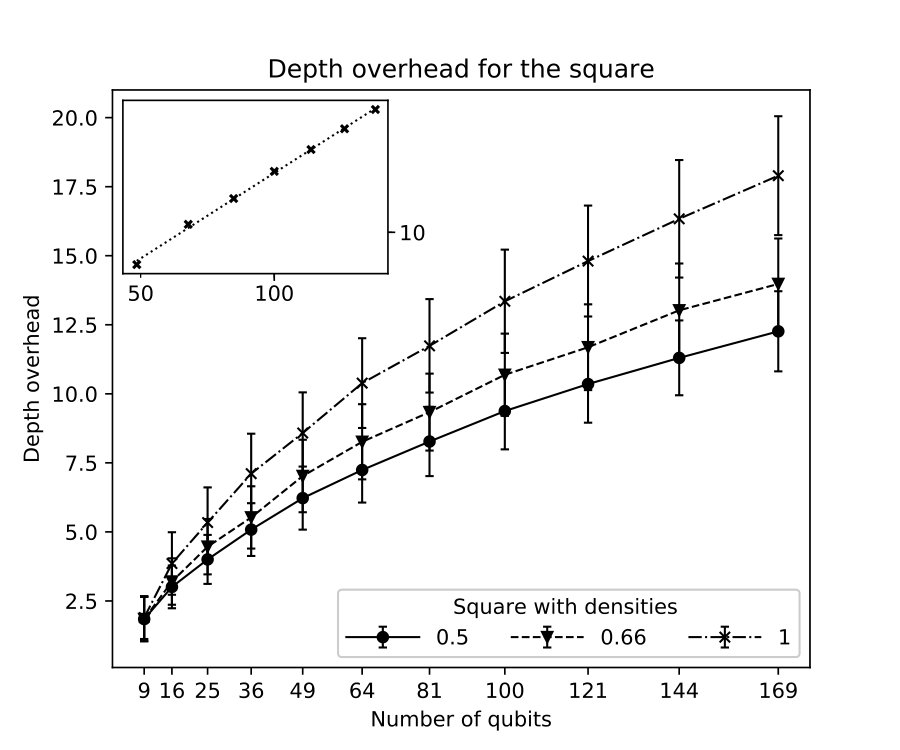 Figure 40
Peer Reviews
No public reviews on file for this paper yet. If you reviewed it on a platform where reviews are public (OpenReview, ICLR, NeurIPS, ICML), you can paste yours below so the community can read it here.
Code & Models
Videos
No videos yet. Explain this paper in a talk, walkthrough, or lecture? Add one.
