TL;DR
Mockingbird is a novel defense against website fingerprinting attacks that uses adversarial traces to significantly reduce attack accuracy with moderate bandwidth overhead, outperforming existing defenses.
Contribution
The paper introduces Mockingbird, a new adversarial trace generation method that resists adversarial training, lowering attack success rates more effectively than prior defenses.
Findings
Reduces attack accuracy from 98% to 42-58%.
Maintains 58% bandwidth overhead.
Achieves lower attack success than existing defenses.
Abstract
Website Fingerprinting (WF) is a type of traffic analysis attack that enables a local passive eavesdropper to infer the victim's activity, even when the traffic is protected by a VPN or an anonymity system like Tor. Leveraging a deep-learning classifier, a WF attacker can gain over 98% accuracy on Tor traffic. In this paper, we explore a novel defense, Mockingbird, based on the idea of adversarial examples that have been shown to undermine machine-learning classifiers in other domains. Since the attacker gets to design and train his attack classifier based on the defense, we first demonstrate that at a straightforward technique for generating adversarial-example based traces fails to protect against an attacker using adversarial training for robust classification. We then propose Mockingbird, a technique for generating traces that resists adversarial training by moving randomly in the…
Click any figure to enlarge with its caption.
 Figure 1
 Figure 2
 Figure 3
 Figure 4
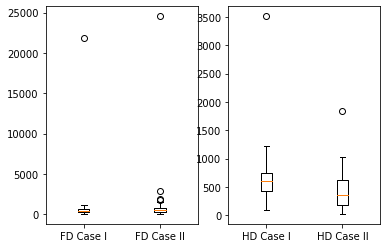 Figure 5
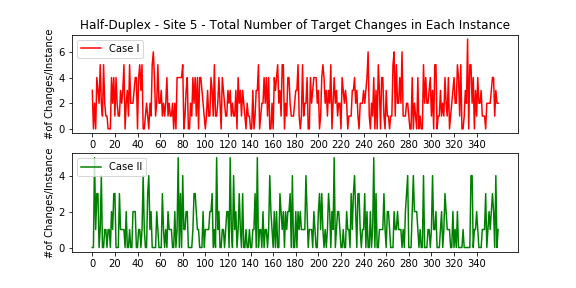 Figure 6
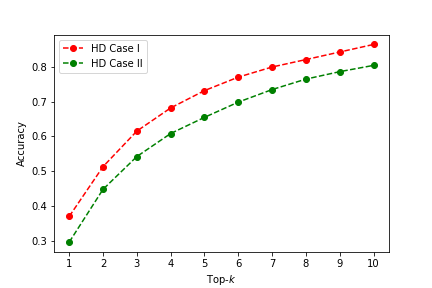 Figure 7
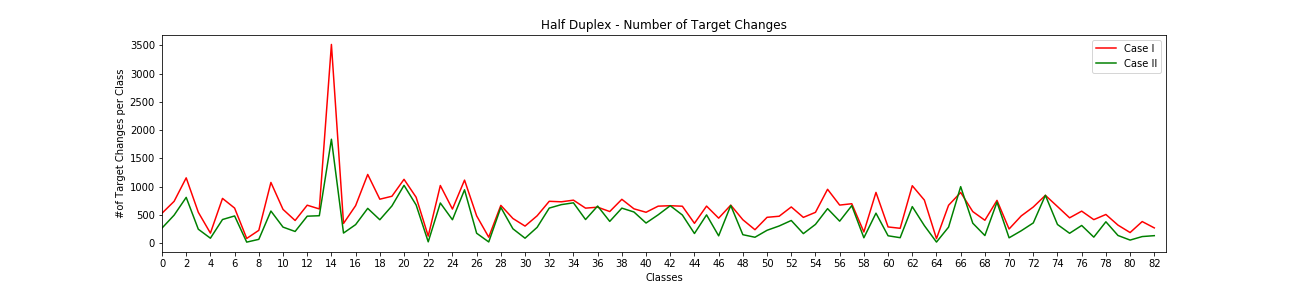 Figure 8
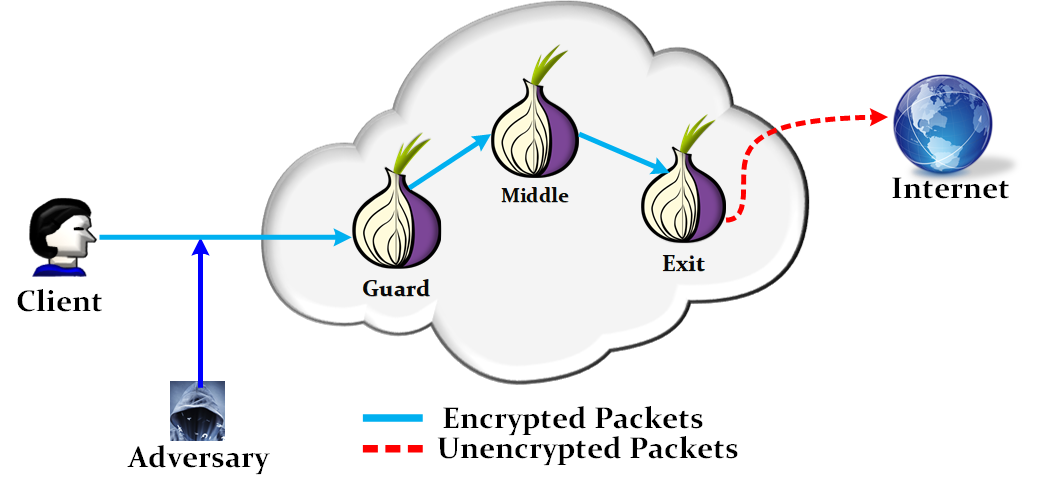 Figure 9
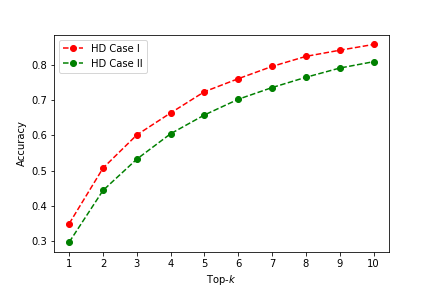 Figure 10
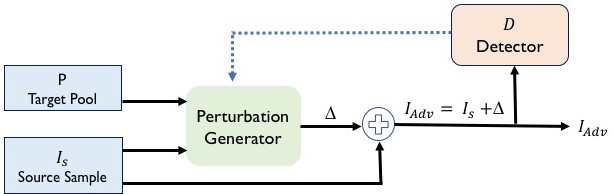 Figure 11
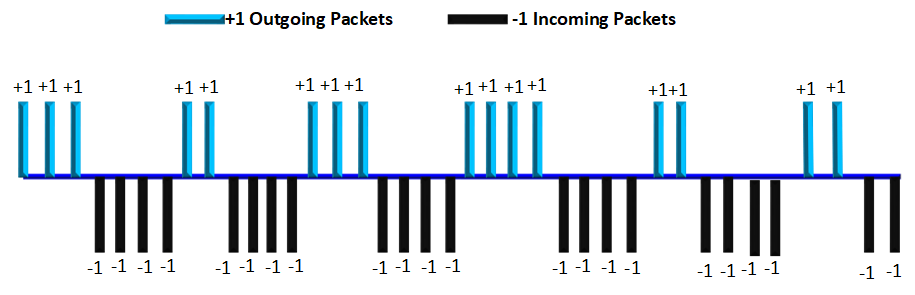 Figure 12
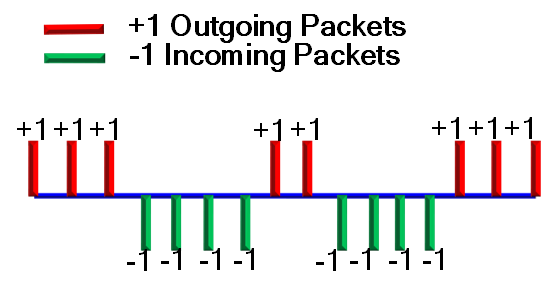 Figure 13
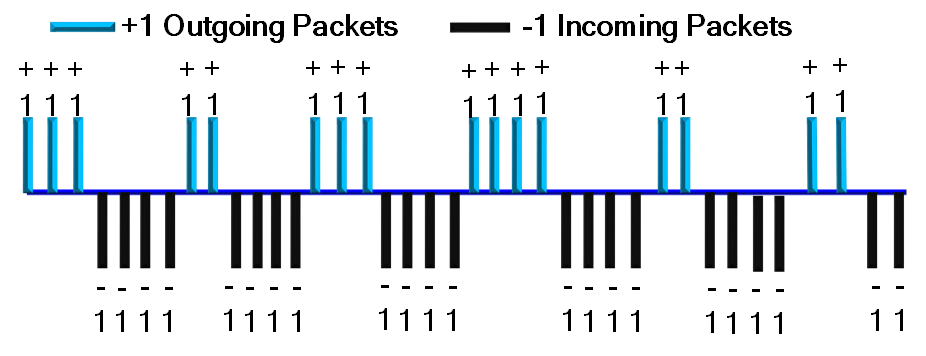 Figure 14
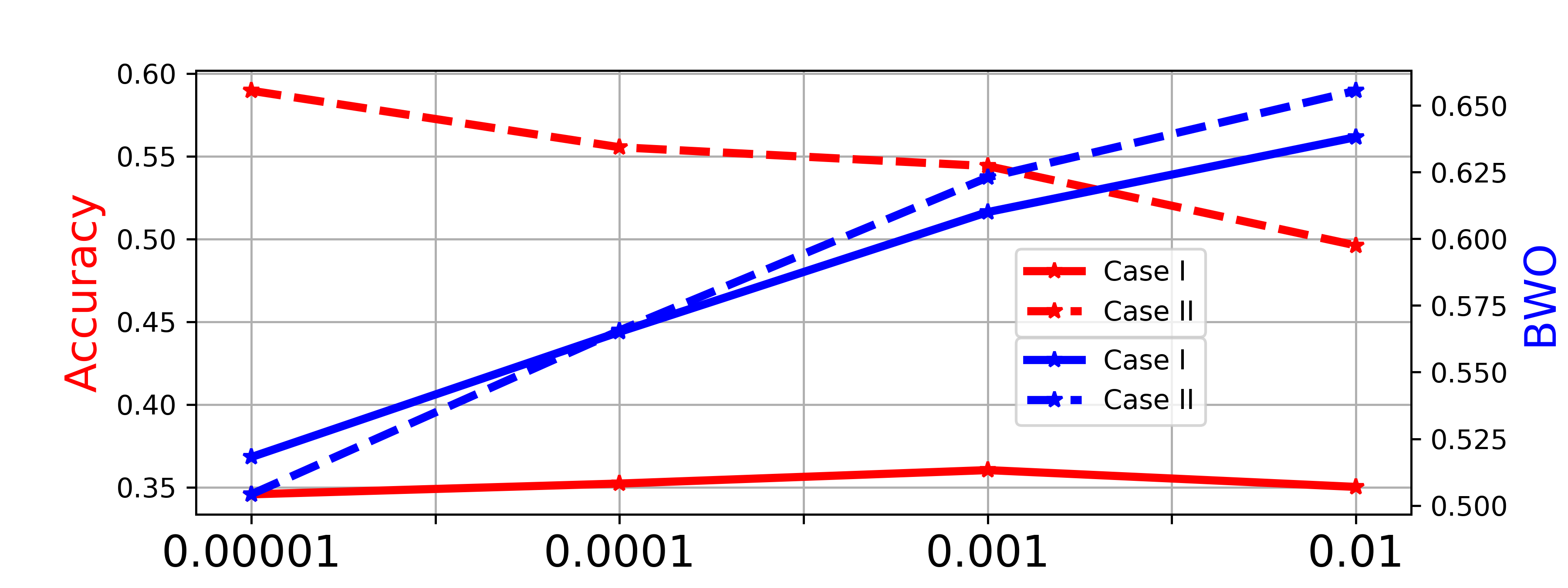 Figure 15
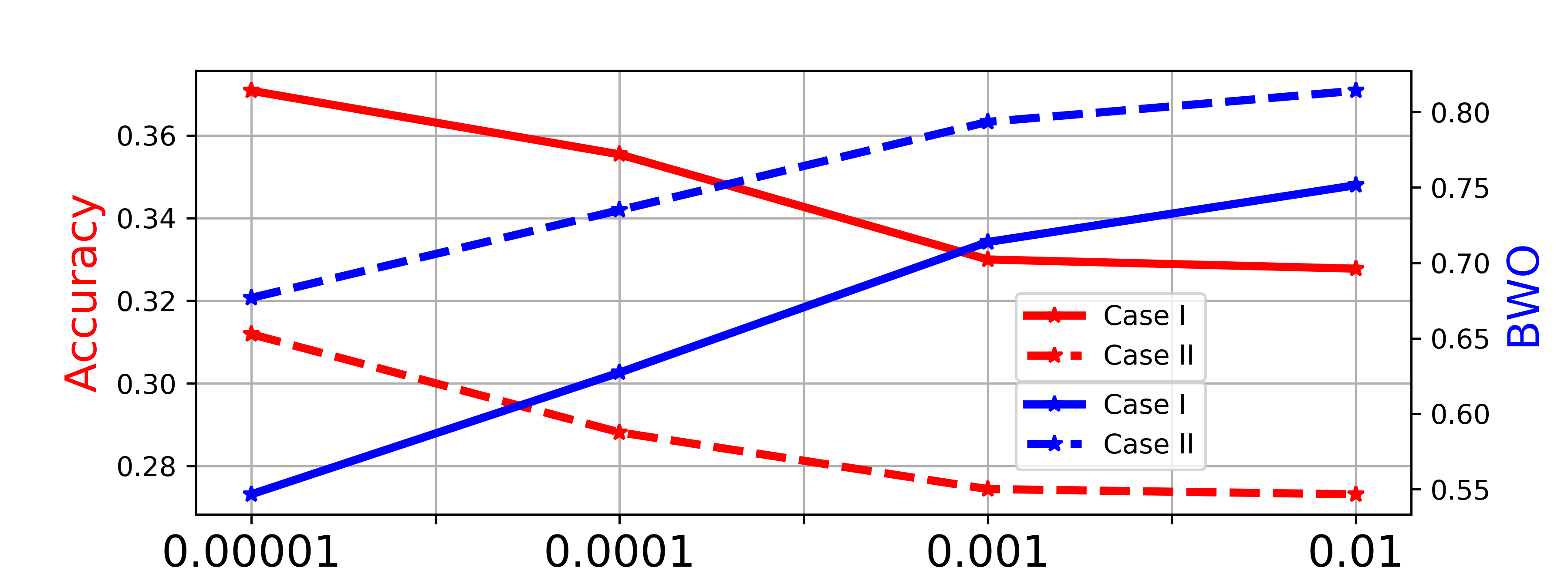 Figure 16
 Figure 17
 Figure 18
 Figure 19
 Figure 0
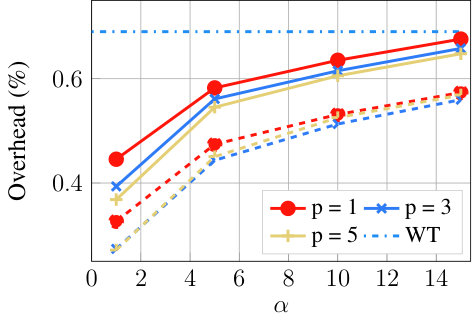 Figure 1
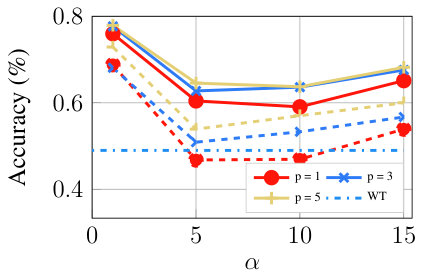 Figure 2
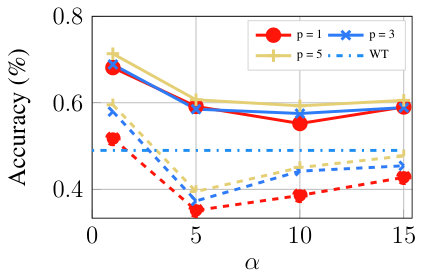 Figure 3
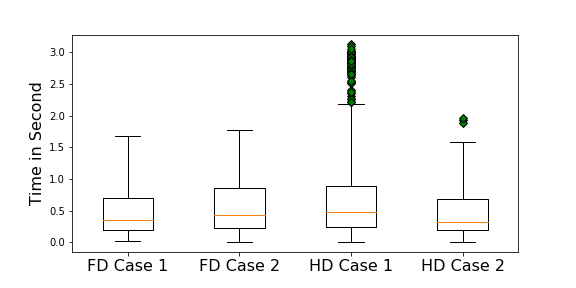 Figure 24
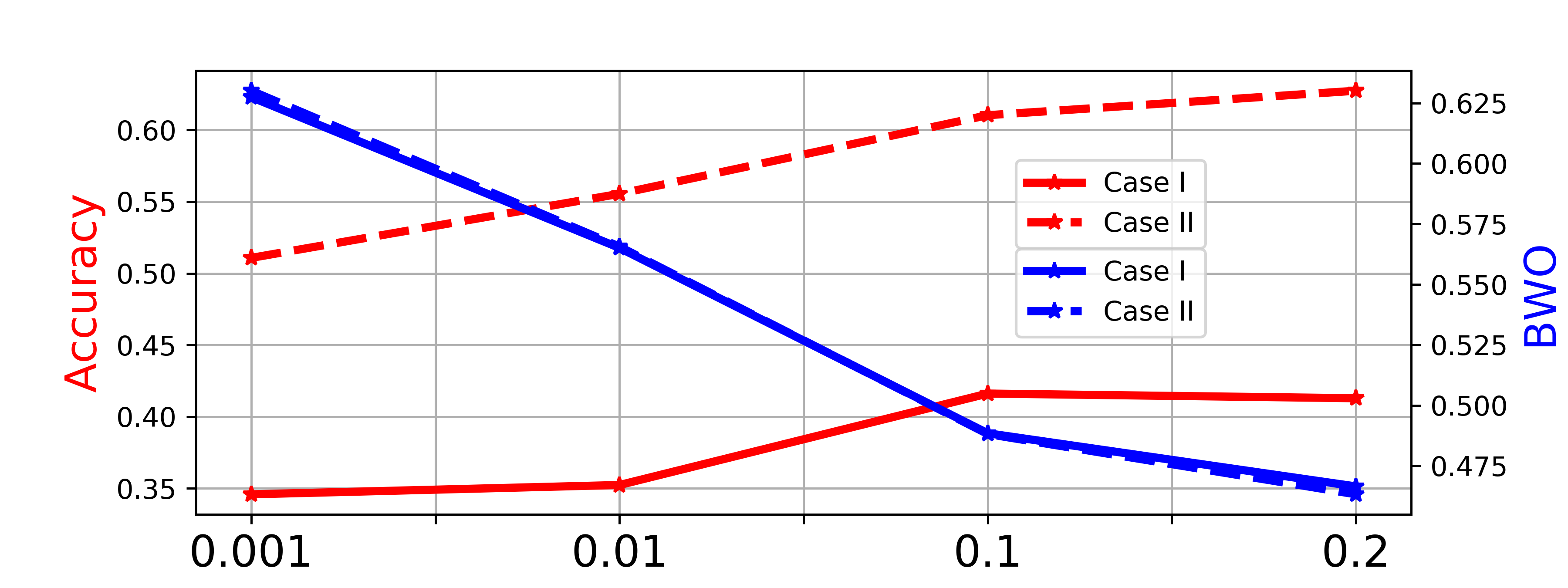 Figure 25
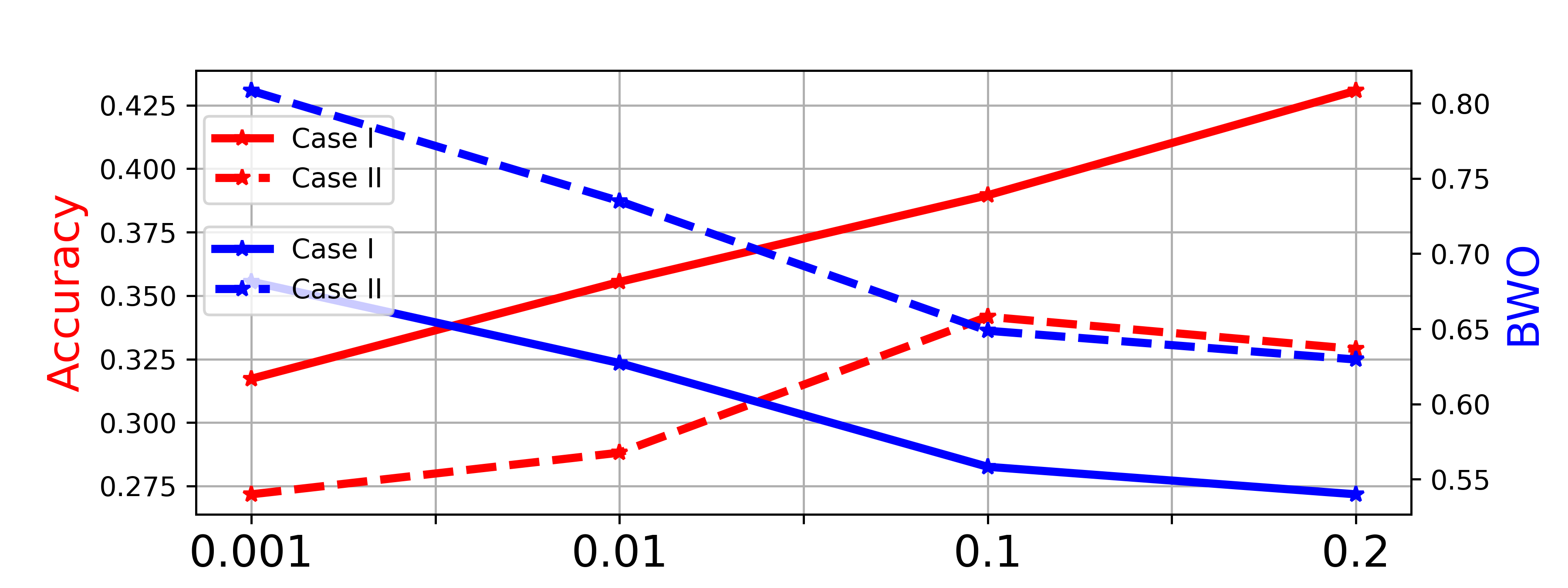 Figure 26
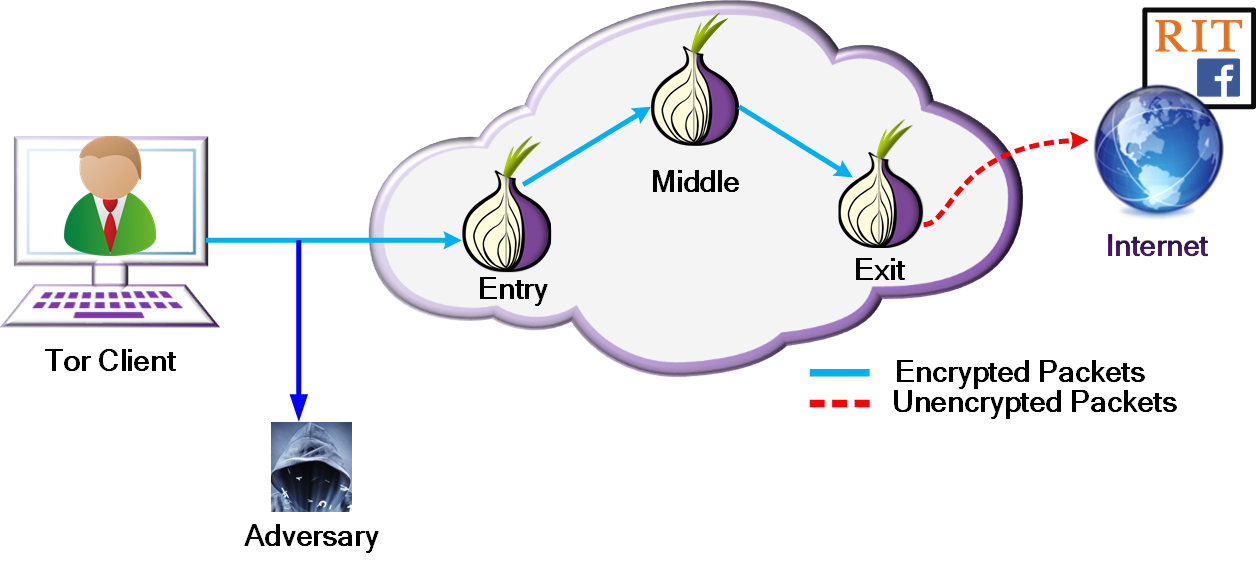 Figure 27
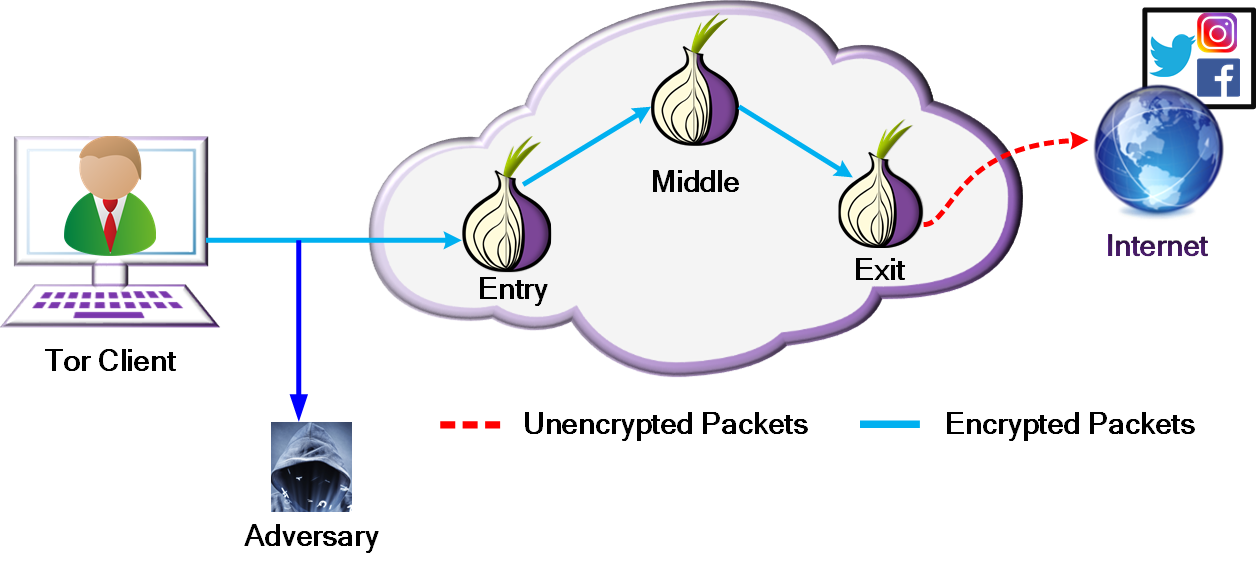 Figure 28
Peer Reviews
No public reviews on file for this paper yet. If you reviewed it on a platform where reviews are public (OpenReview, ICLR, NeurIPS, ICML), you can paste yours below so the community can read it here.
Code & Models
Videos
No videos yet. Explain this paper in a talk, walkthrough, or lecture? Add one.
