Adaptive test of independence based on HSIC measures
M\'elisande Albert (IMT, INSA Toulouse), B\'eatrice Laurent (IMT, INSA, Toulouse), Amandine Marrel, Anouar Meynaoui (IMT, INSA Toulouse)

TL;DR
This paper introduces an adaptive HSIC-based independence test that automatically selects kernels with theoretical guarantees, improving over existing methods by providing minimax optimality and practical efficiency.
Contribution
It develops a new kernel aggregation procedure for HSIC tests that is adaptive and theoretically optimal over Sobolev and Nikol'skii spaces.
Findings
The aggregated test achieves minimax optimal separation rates.
The procedure is adaptive over regularity spaces.
Numerical studies show improved performance over existing tests.
Abstract
Dependence measures based on reproducing kernel Hilbert spaces, also known as Hilbert-Schmidt Independence Criterion and denoted HSIC, are widely used to statistically decide whether or not two random vectors are dependent. Recently, non-parametric HSIC-based statistical tests of independence have been performed. However, these tests lead to the question of the choice of the kernels associated to the HSIC. In particular, there is as yet no method to objectively select specific kernels with theoretical guarantees in terms of first and second kind errors. One of the main contributions of this work is to develop a new HSIC-based aggregated procedure which avoids such a kernel choice, and to provide theoretical guarantees for this procedure. To achieve this, we first introduce non-asymptotic single tests based on Gaussian kernels with a given bandwidth, which are of prescribed level $\alpha…
Click any figure to enlarge with its caption.
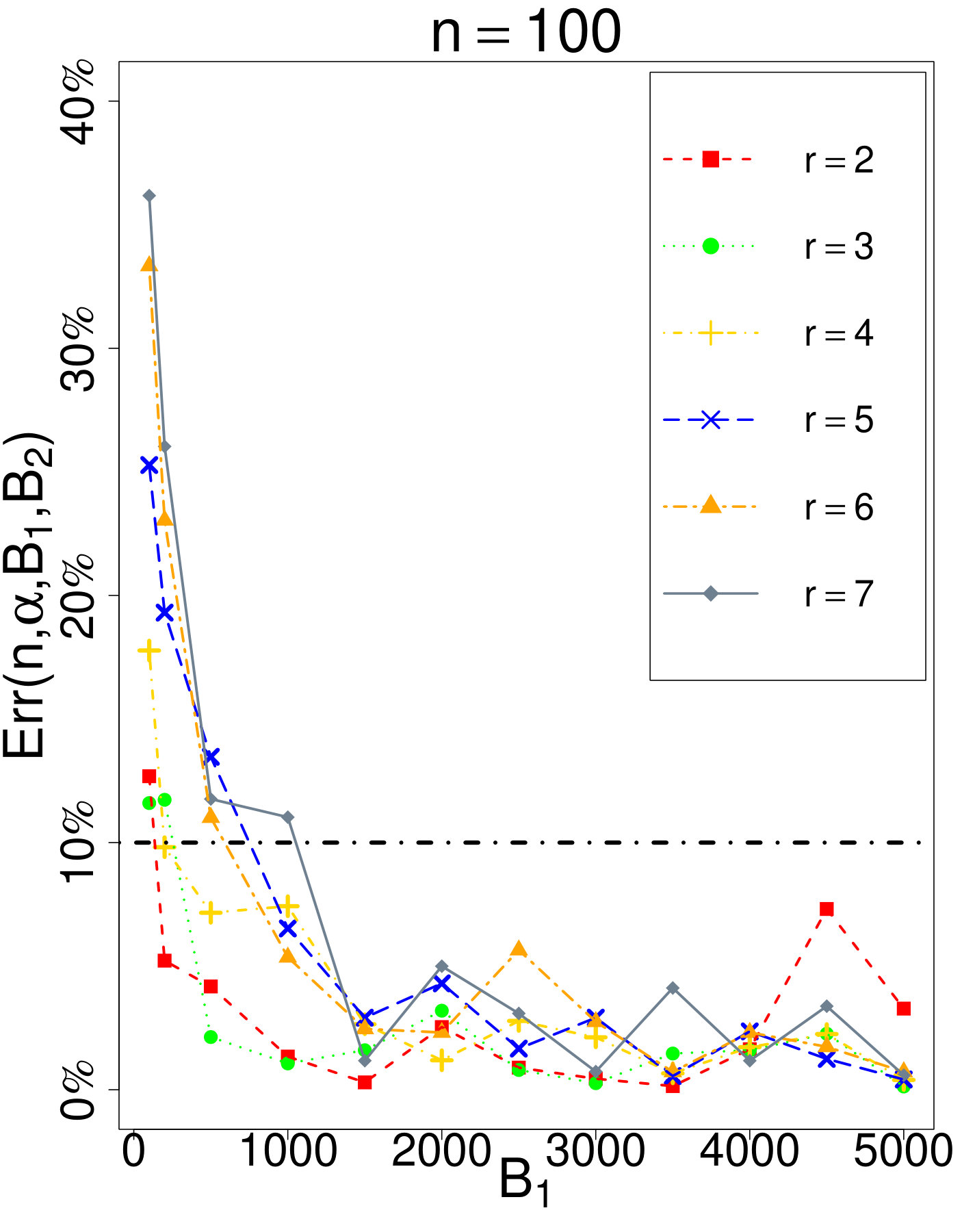 Figure 1
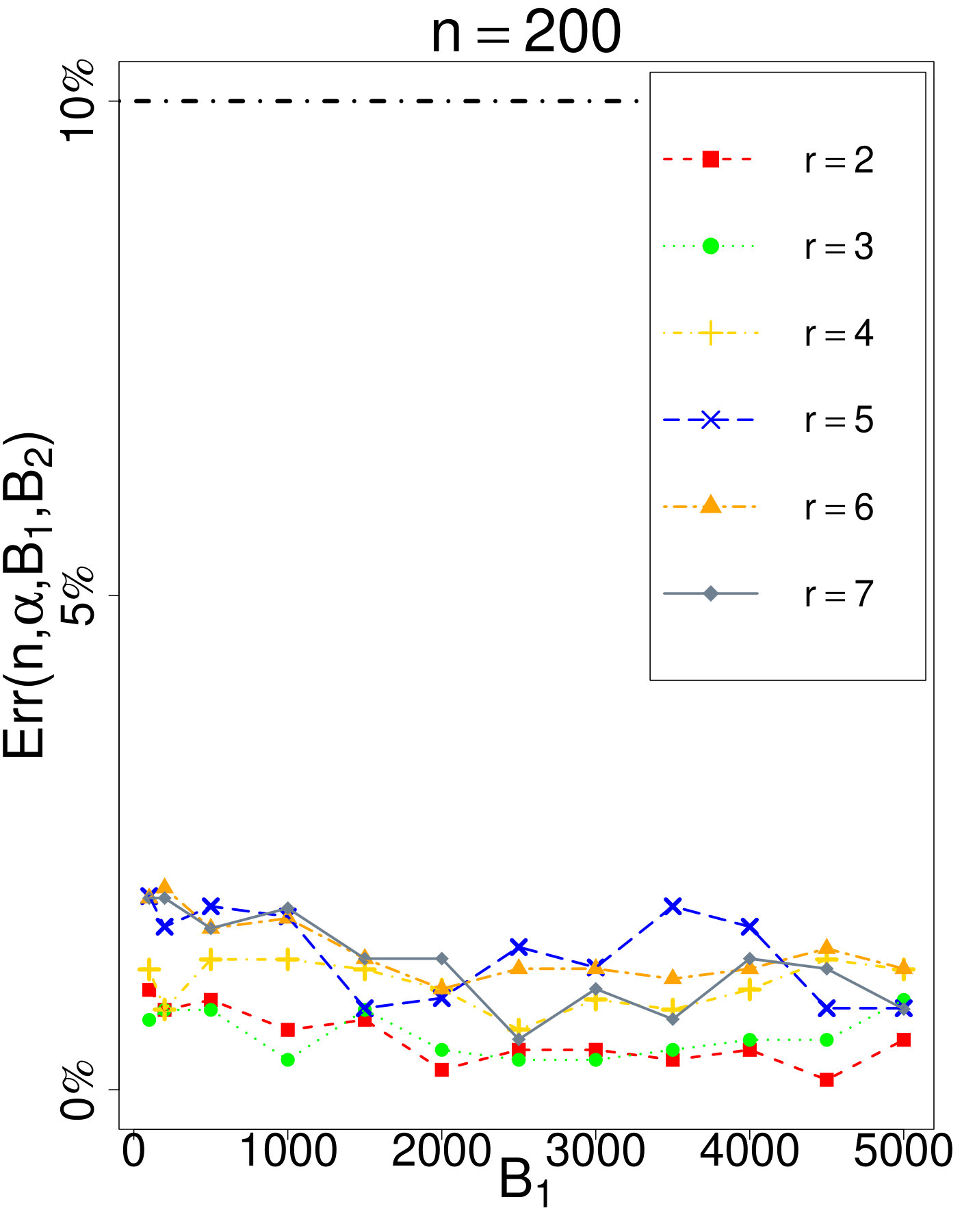 Figure 2
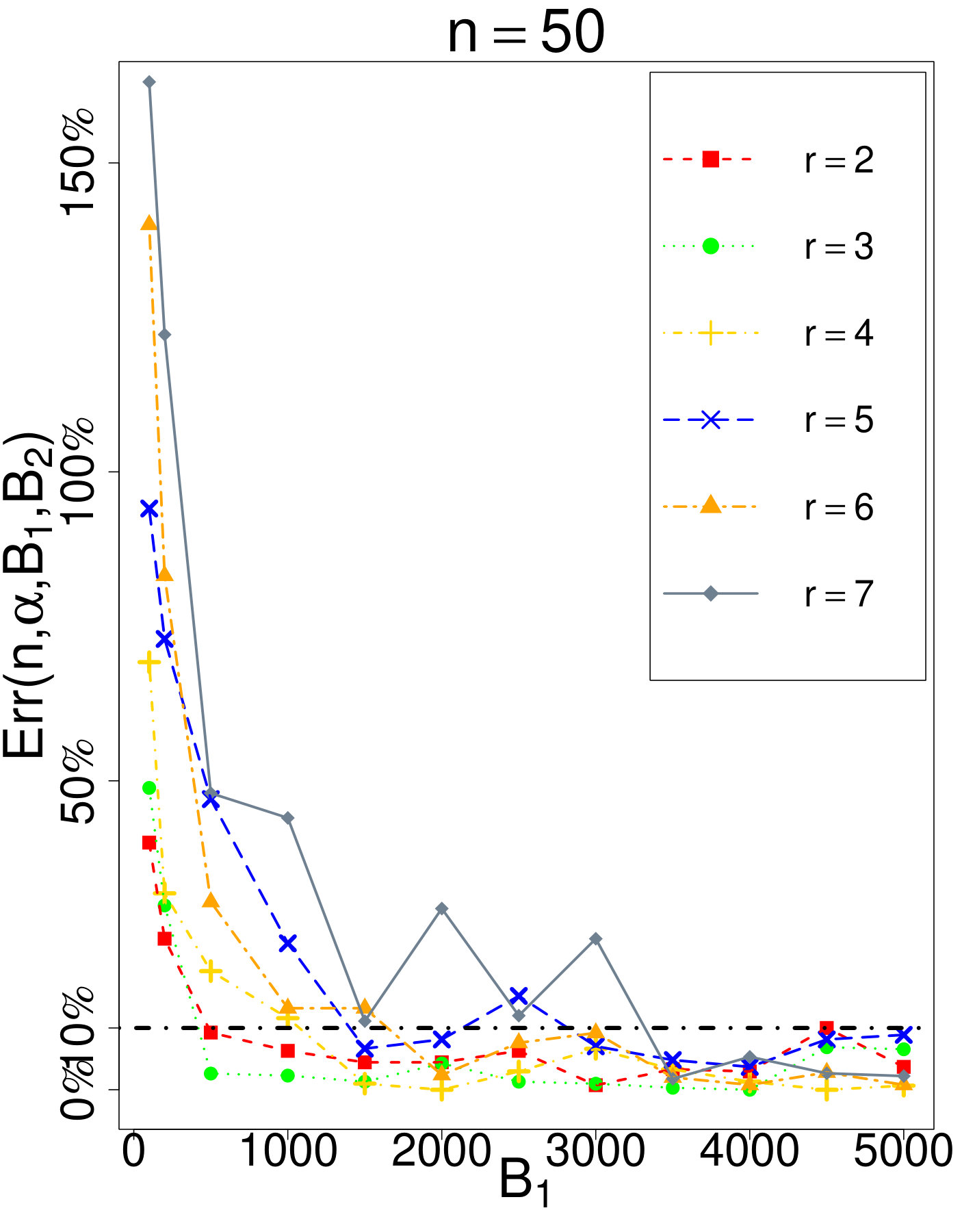 Figure 3
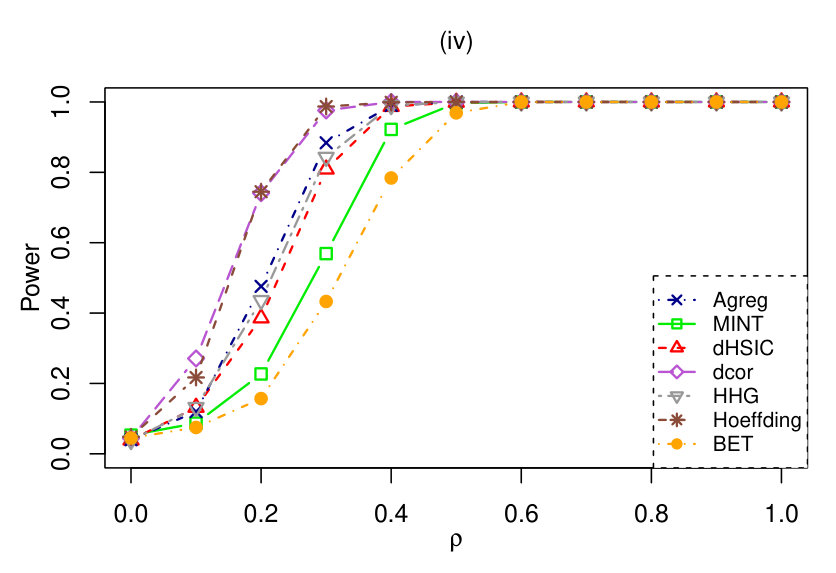 Figure 4
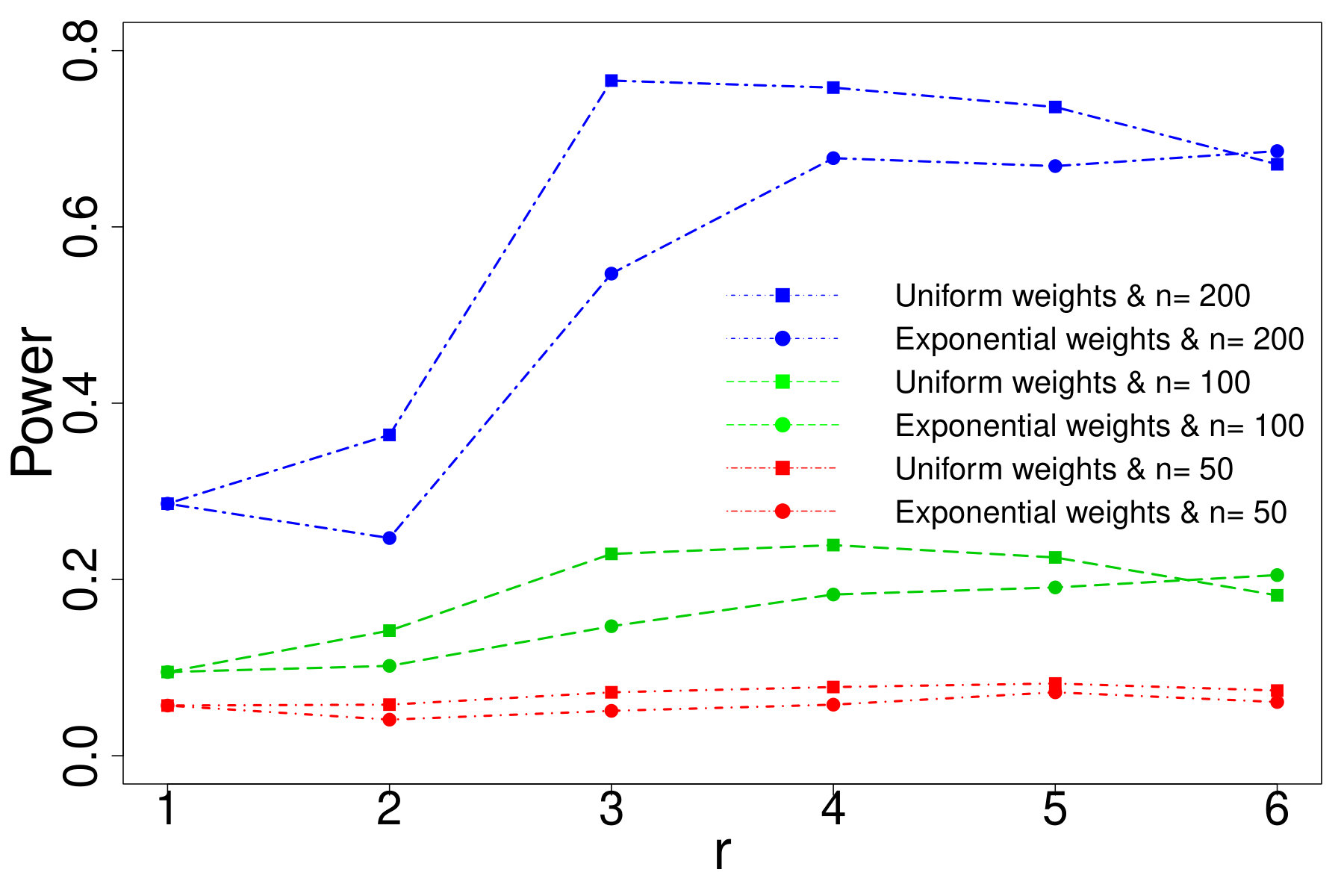 Figure 5
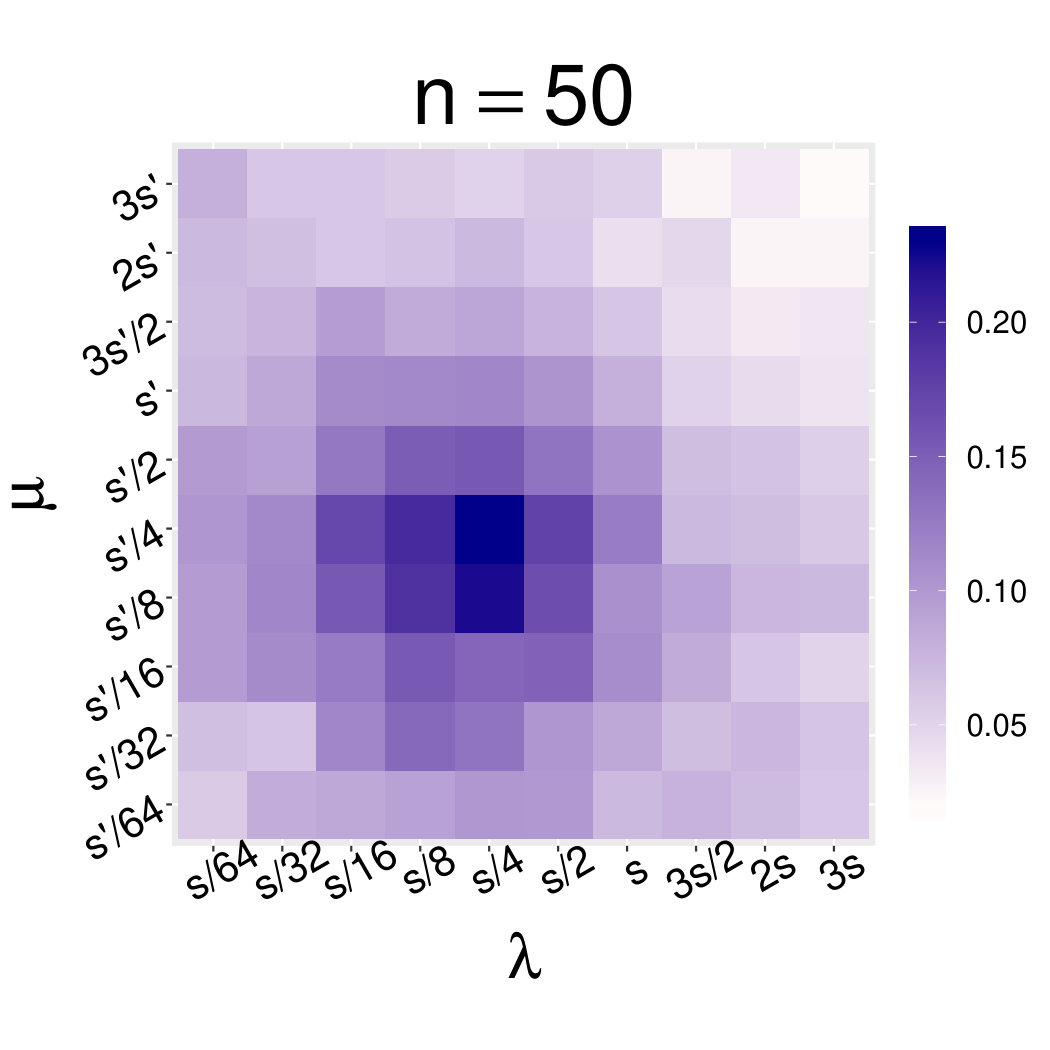 Figure 6
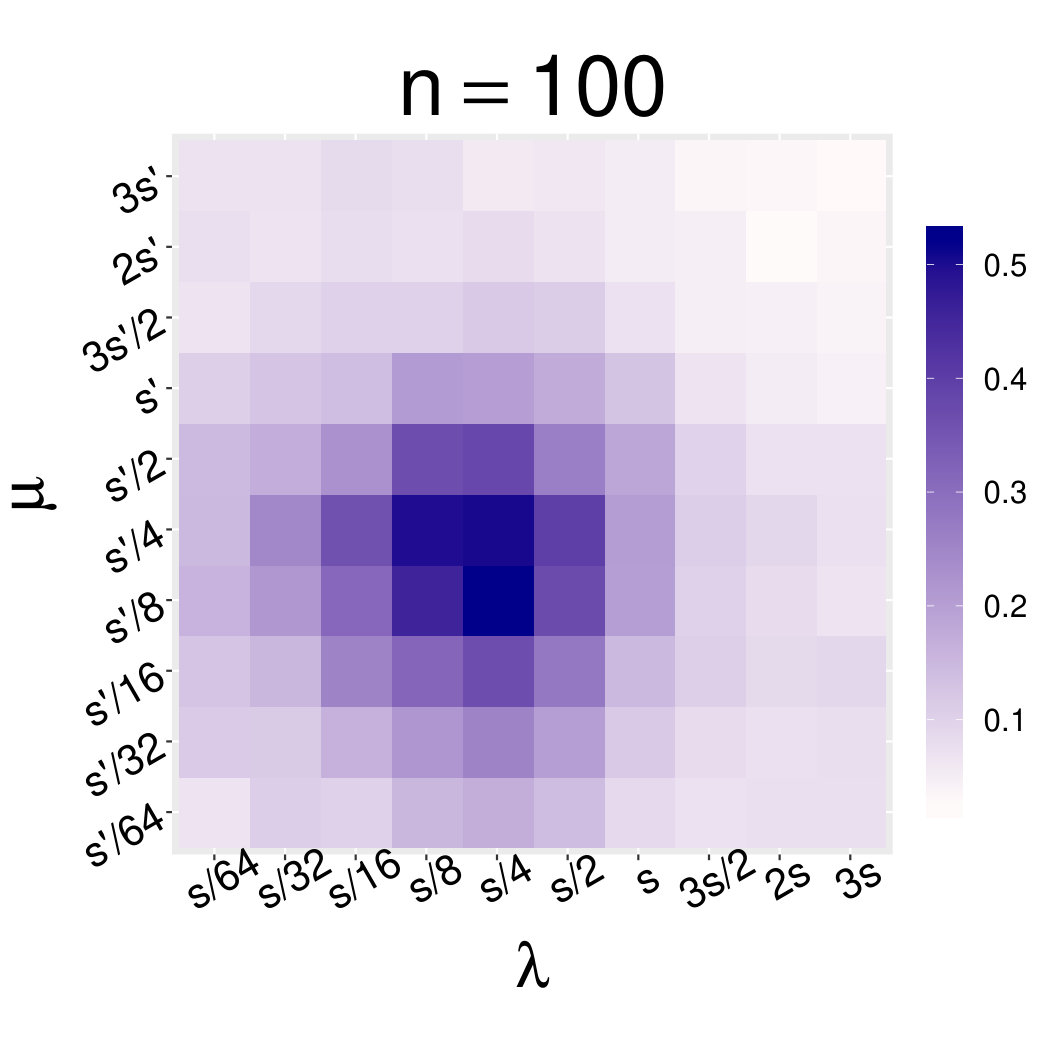 Figure 7
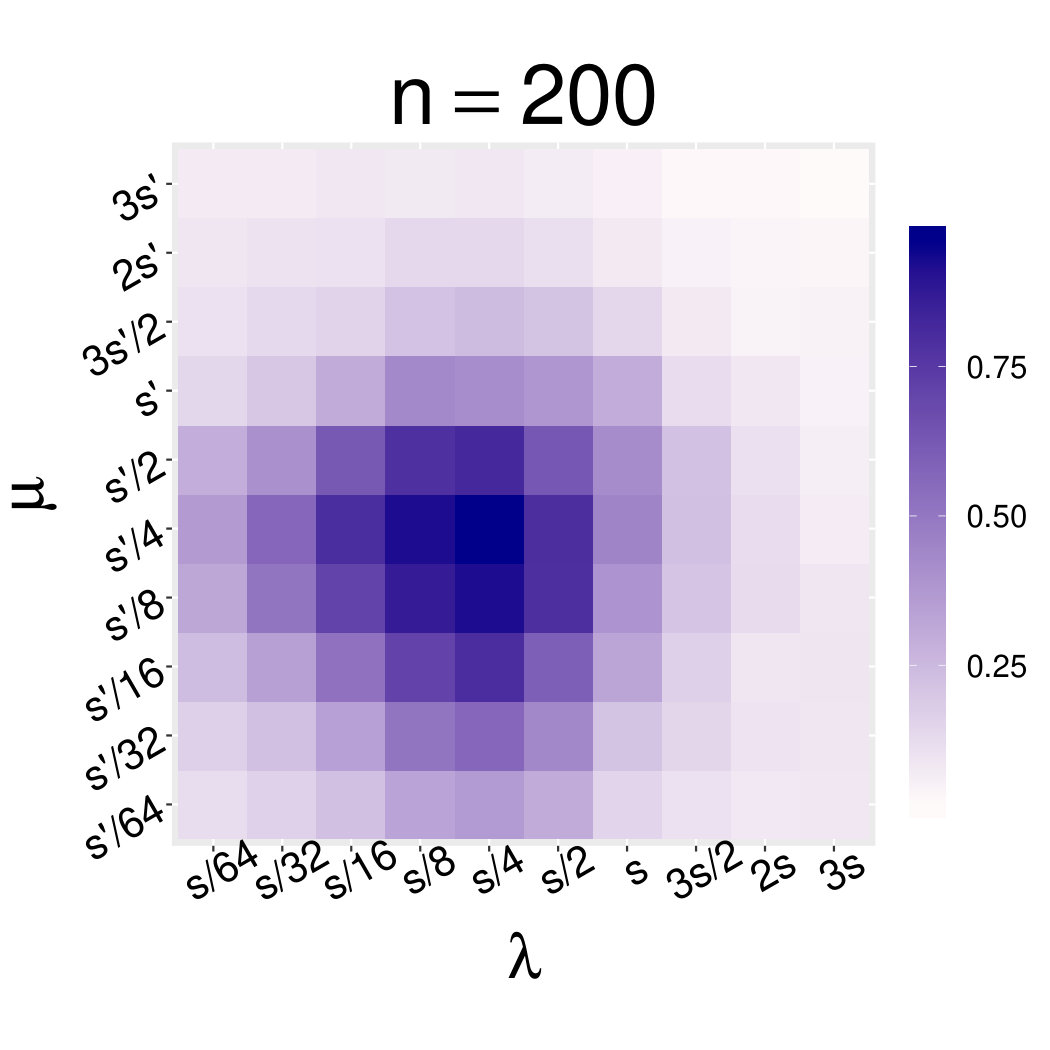 Figure 8
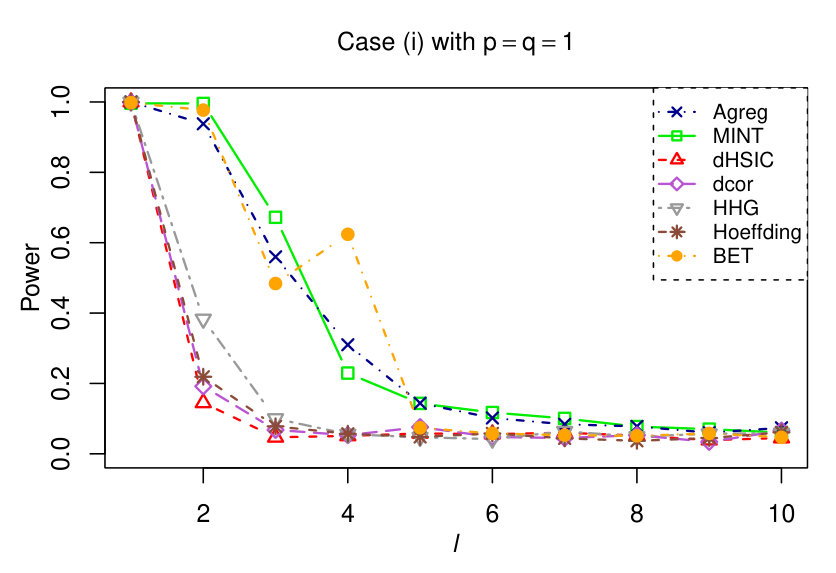 Figure 9
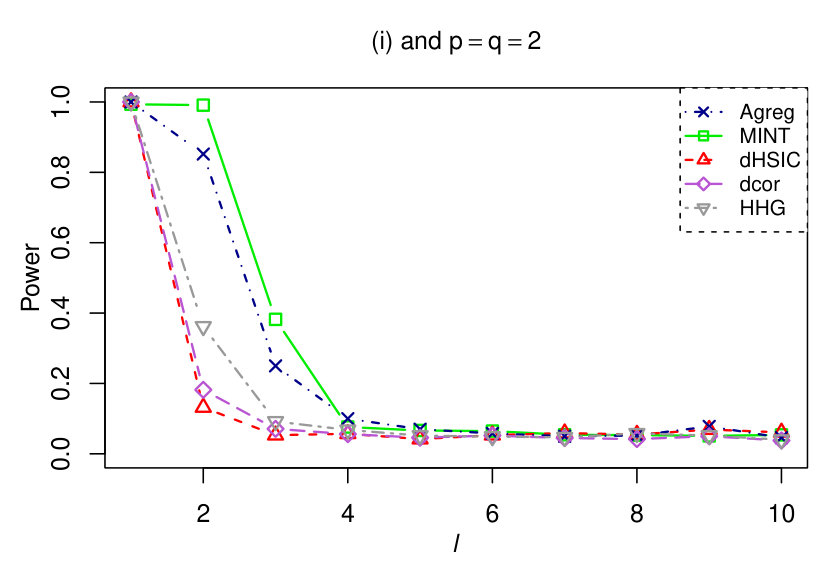 Figure 10
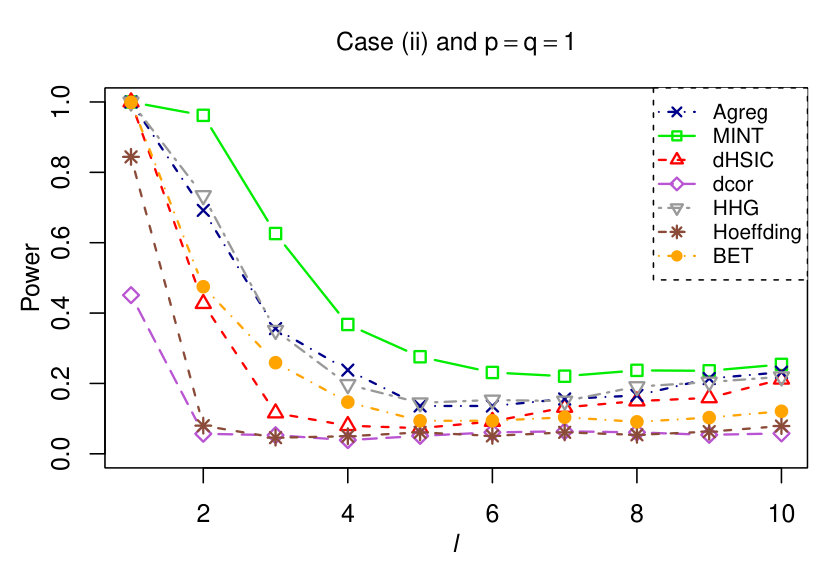 Figure 11
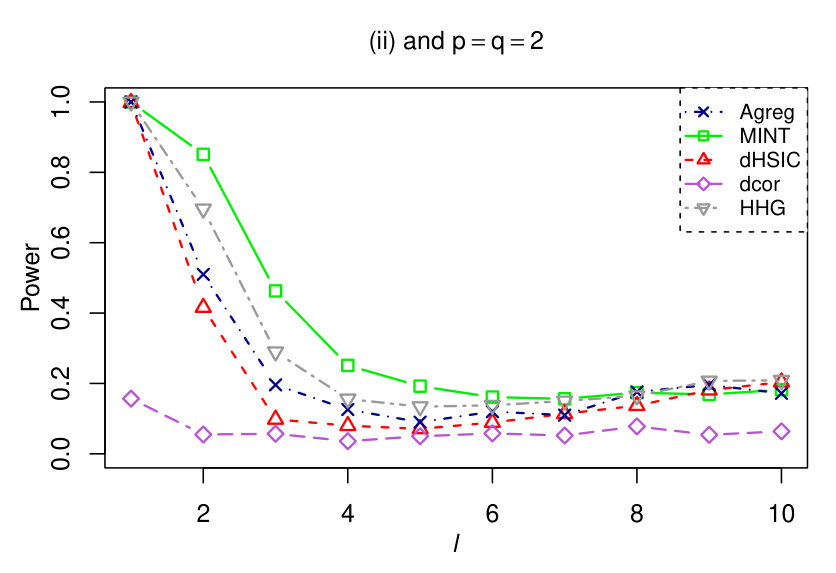 Figure 12
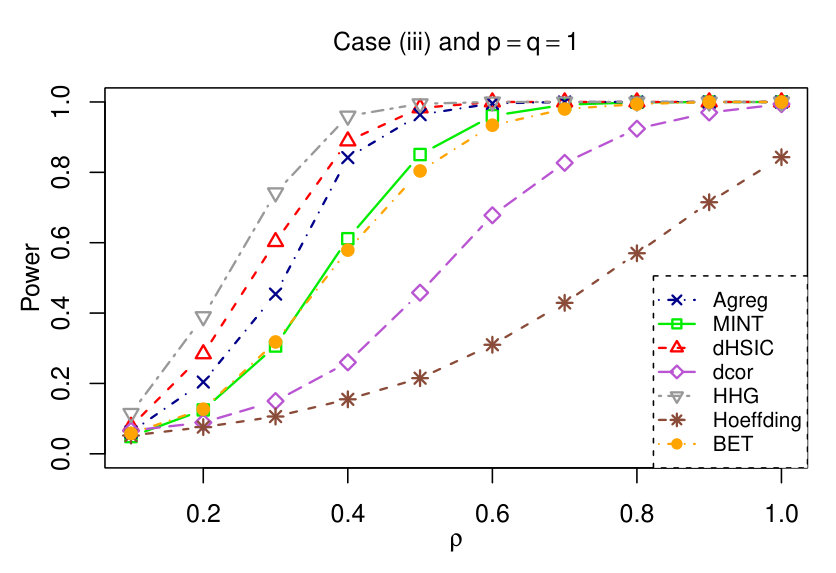 Figure 13
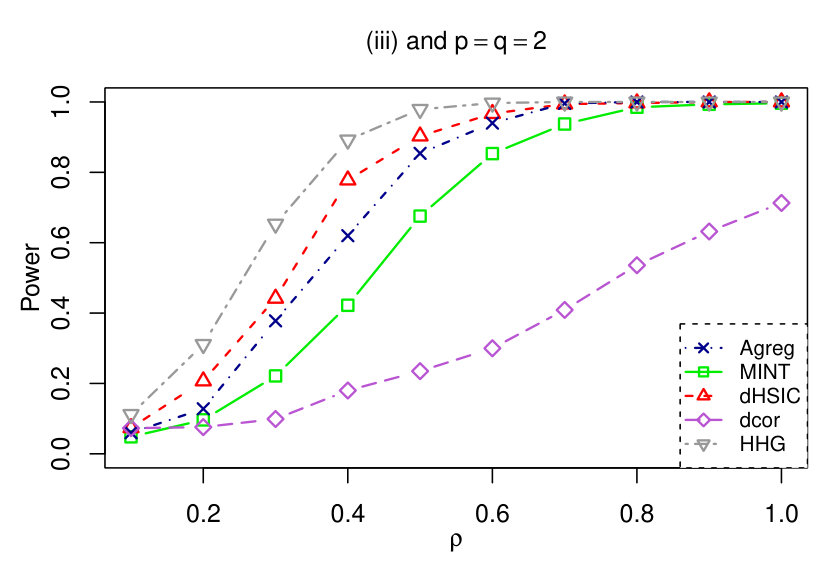 Figure 14
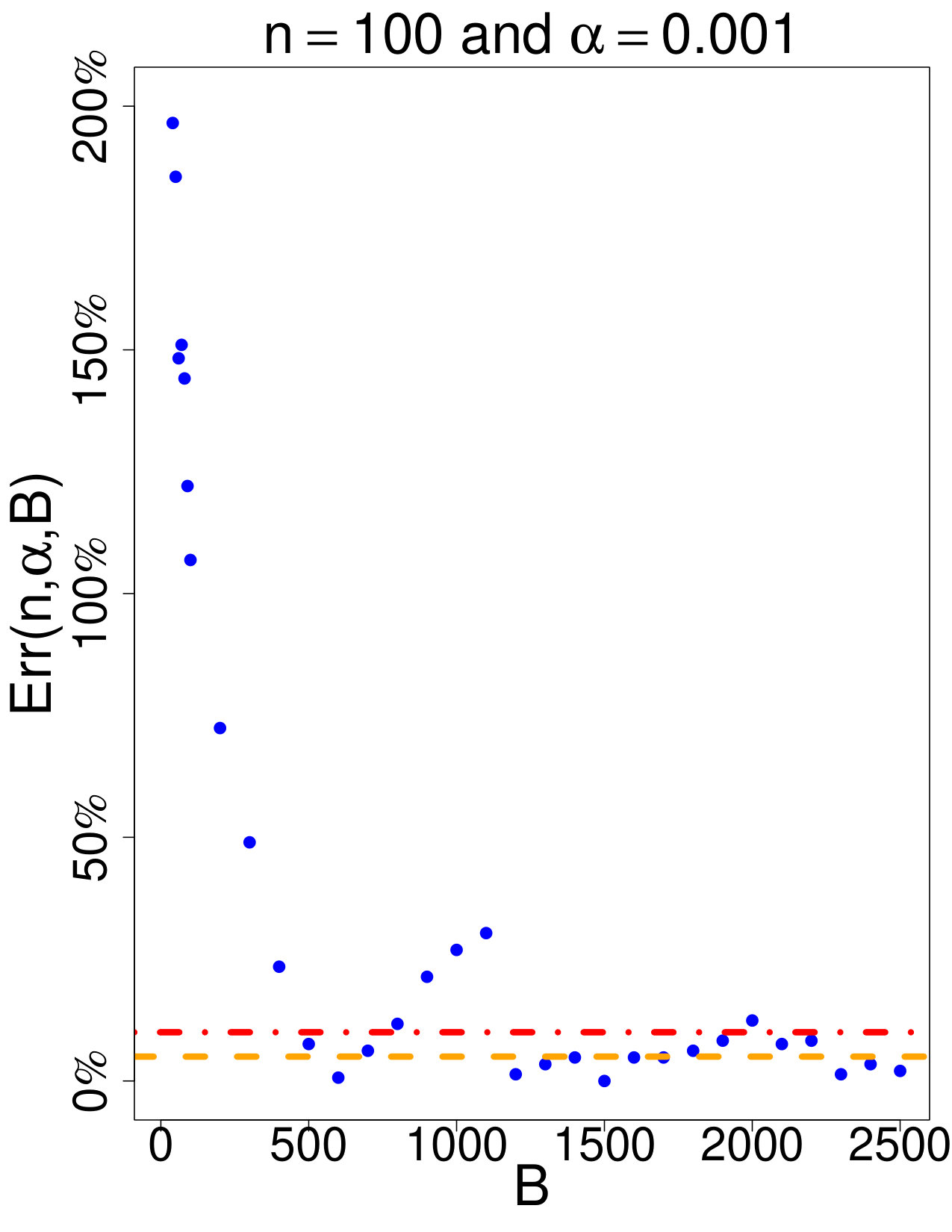 Figure 15
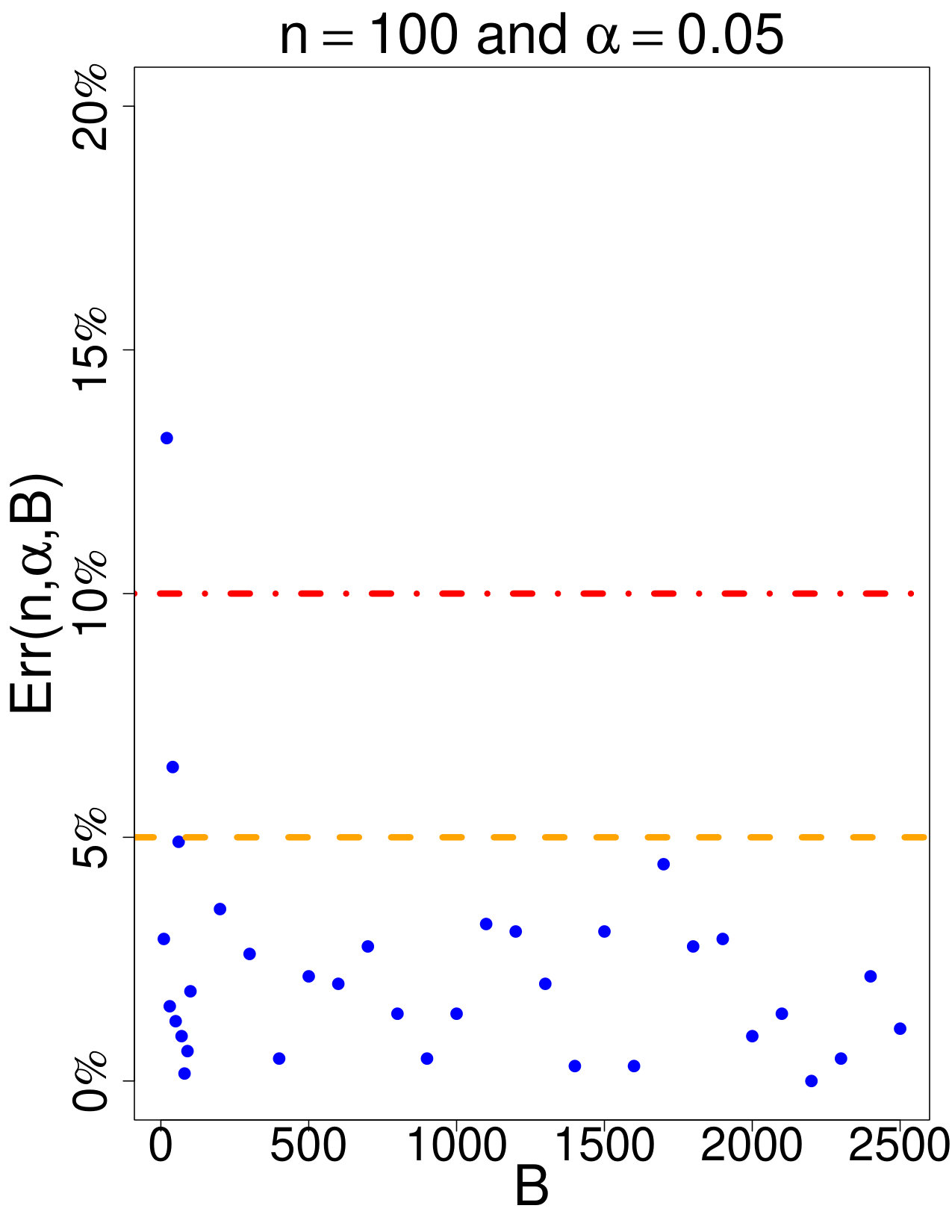 Figure 16
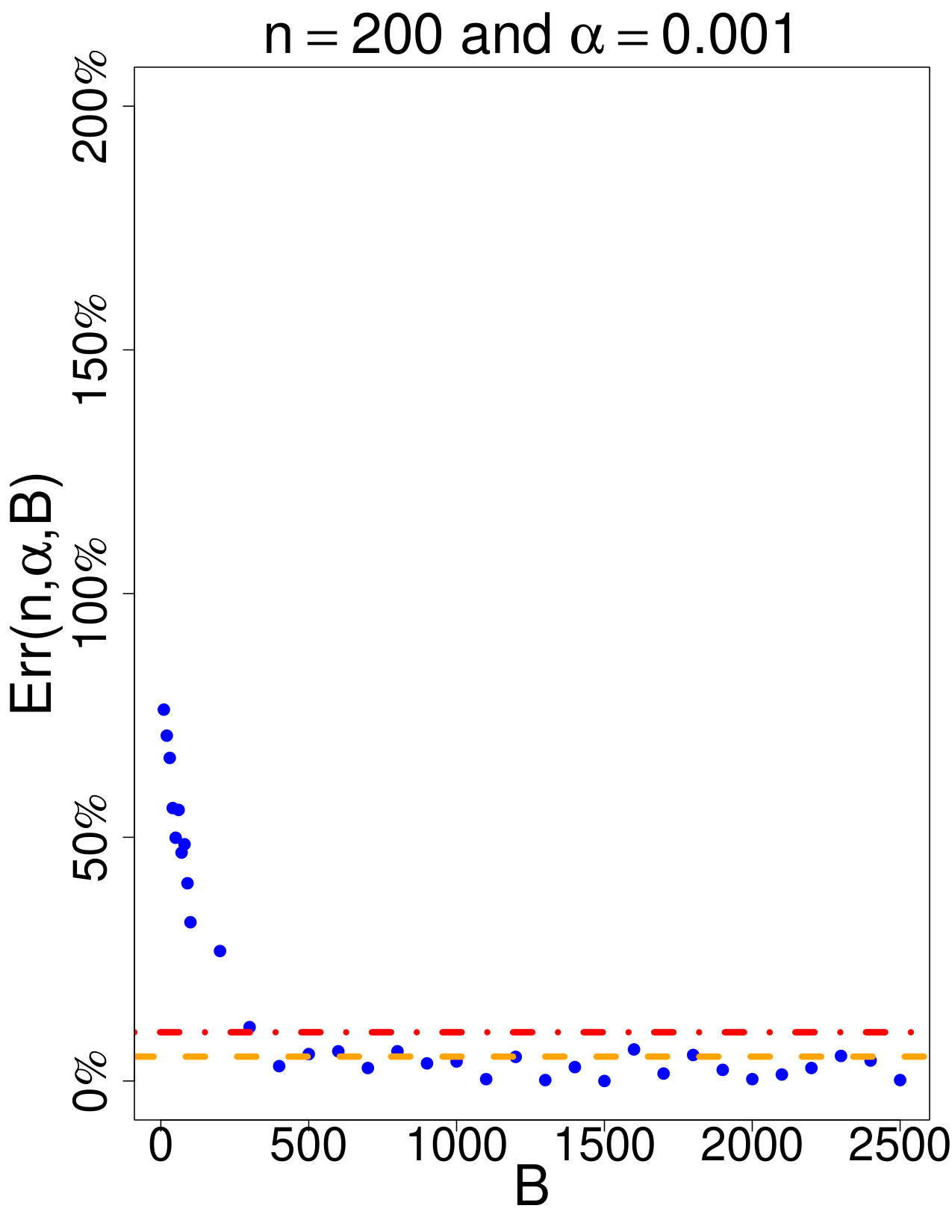 Figure 17
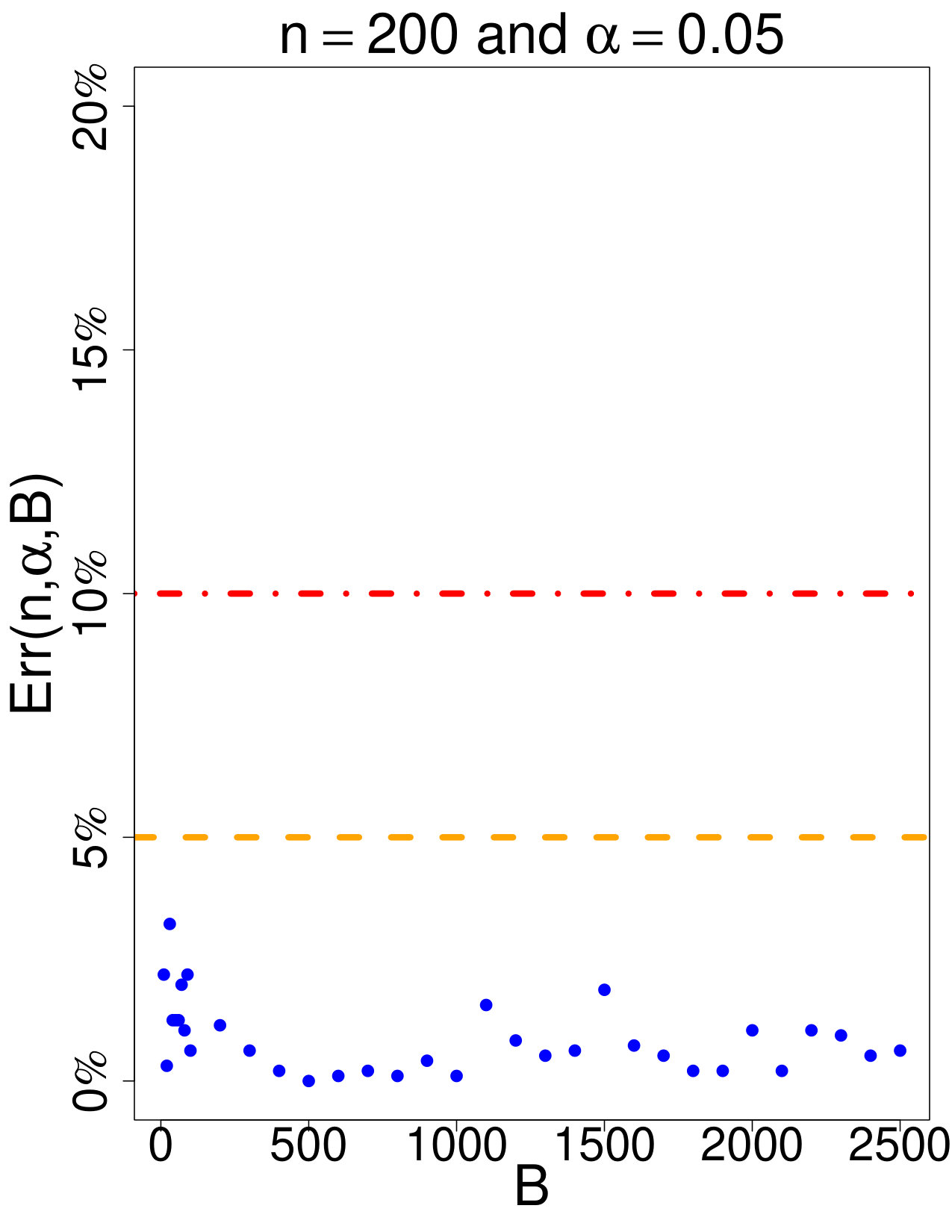 Figure 18
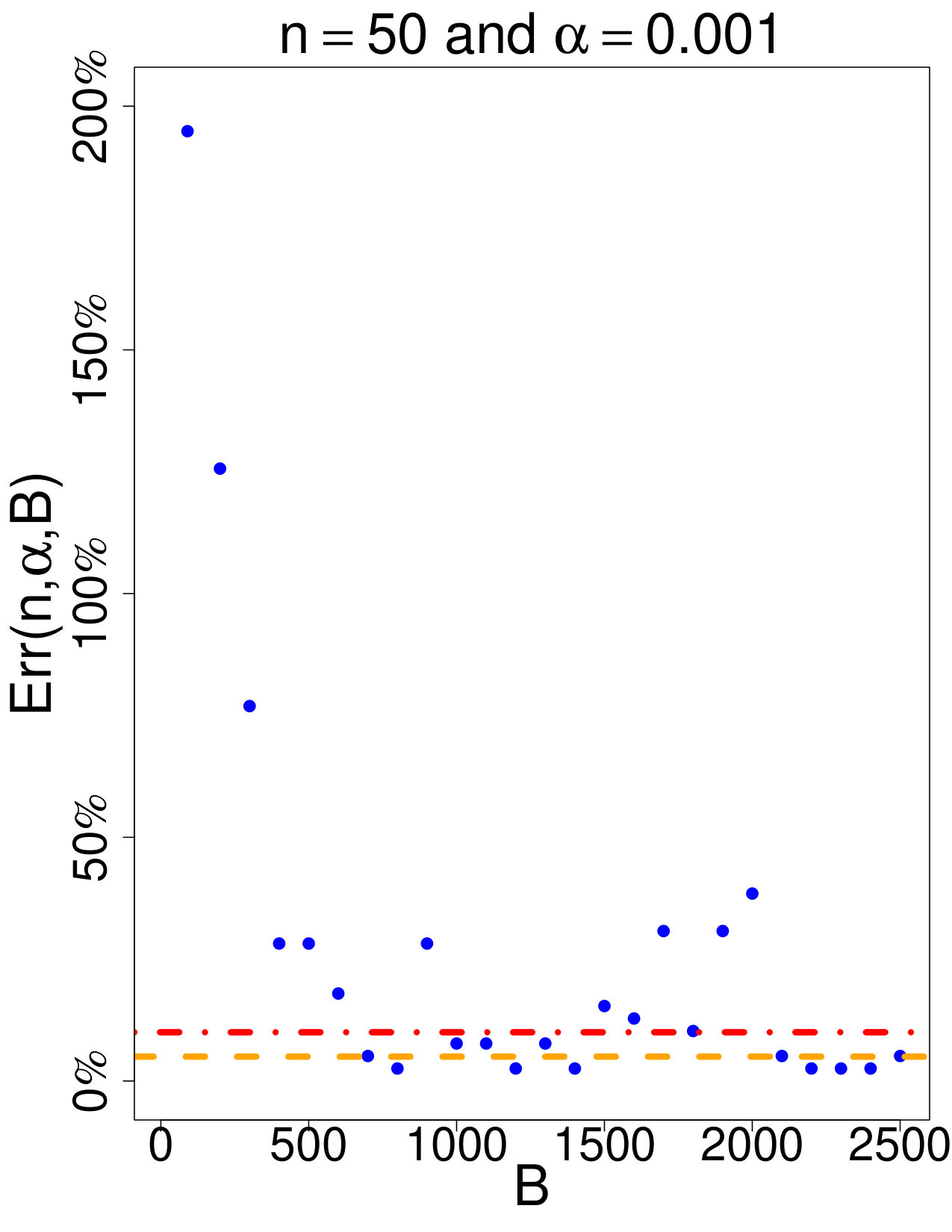 Figure 19
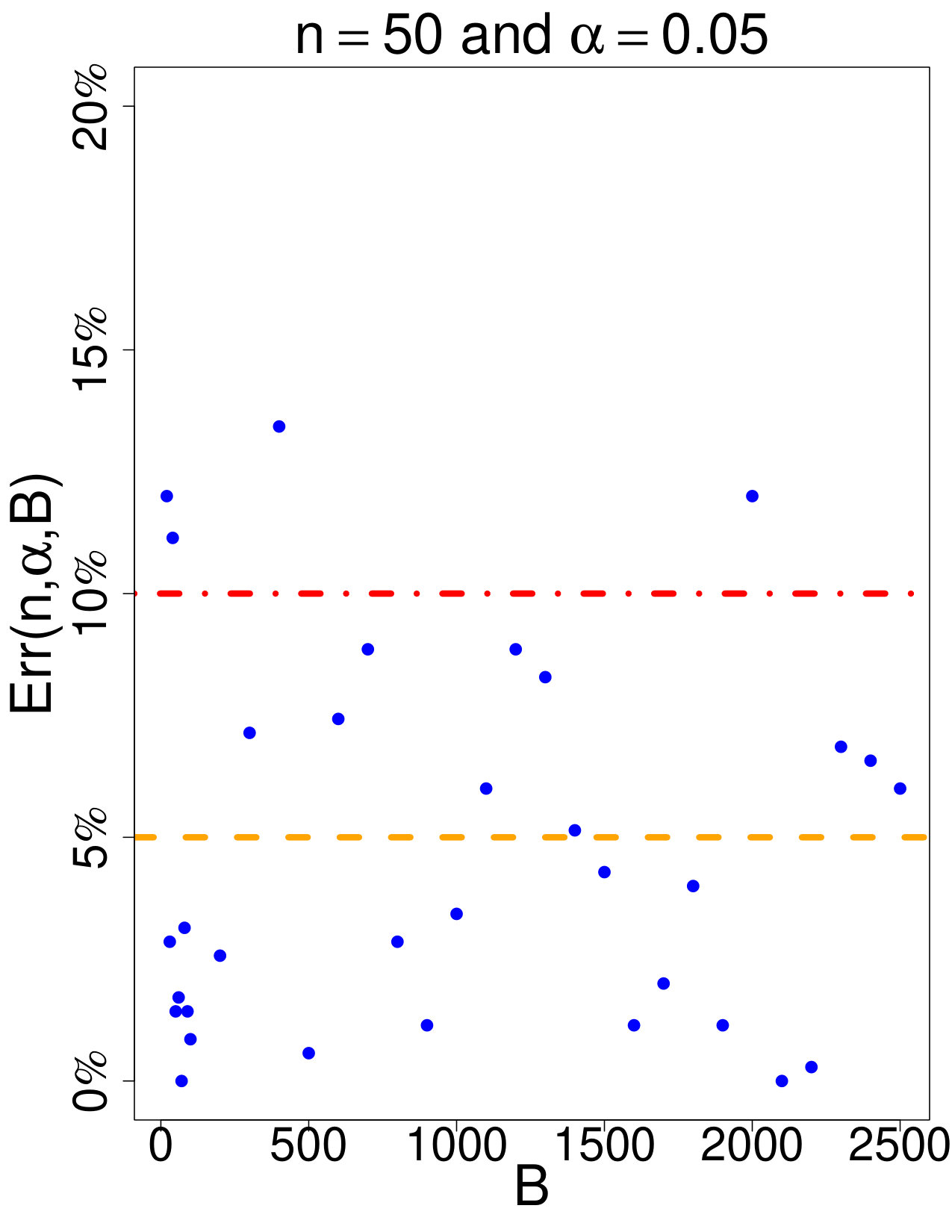 Figure 20
Peer Reviews
No public reviews on file for this paper yet. If you reviewed it on a platform where reviews are public (OpenReview, ICLR, NeurIPS, ICML), you can paste yours below so the community can read it here.
Videos
No videos yet. Explain this paper in a talk, walkthrough, or lecture? Add one.
Taxonomy
TopicsStatistical Methods and Inference · Mathematical Approximation and Integration · Random Matrices and Applications