Bayesian ACRONYM Tuning
John Gamble, Chris Granade, Nathan Wiebe

TL;DR
This paper introduces Bayesian ACRONYM tuning, an algorithm that efficiently optimizes quantum gate fidelity by leveraging prior experimental data and local optimization, significantly reducing measurement requirements.
Contribution
It presents a novel Bayesian approach to control tuning that reuses prior information, improving efficiency over traditional methods in quantum gate fidelity optimization.
Findings
Achieved gate fidelity improvement from 88% to 99.95%.
Reduced data usage to less than 1kB and fewer than 20 optimization steps.
Demonstrated effectiveness in tuning single qubit gates.
Abstract
We provide an algorithm that uses Bayesian randomized benchmarking in concert with a local optimizer, such as SPSA, to find a set of controls that optimizes that average gate fidelity. We call this method Bayesian ACRONYM tuning as a reference to the analogous ACRONYM tuning algorithm. Bayesian ACRONYM distinguishes itself in its ability to retain prior information from experiments that use nearby control parameters; whereas traditional ACRONYM tuning does not use such information and can require many more measurements as a result. We prove that such information reuse is possible under the relatively weak assumption that the true model parameters are Lipshitz-continuous functions of the control parameters. We also perform numerical experiments that demonstrate that over-rotation errors in single qubit gates can be automatically tuned from 88% to 99.95% average gate fidelity using less…
Click any figure to enlarge with its caption.
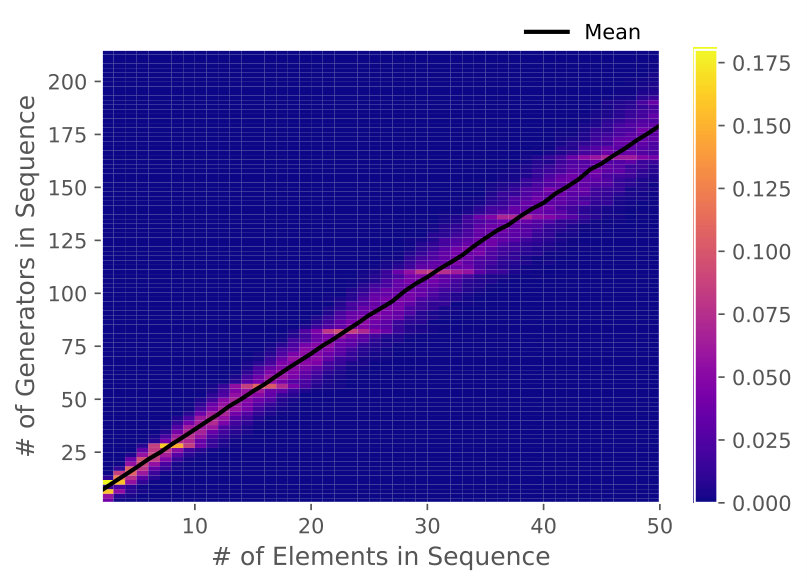 Figure 1
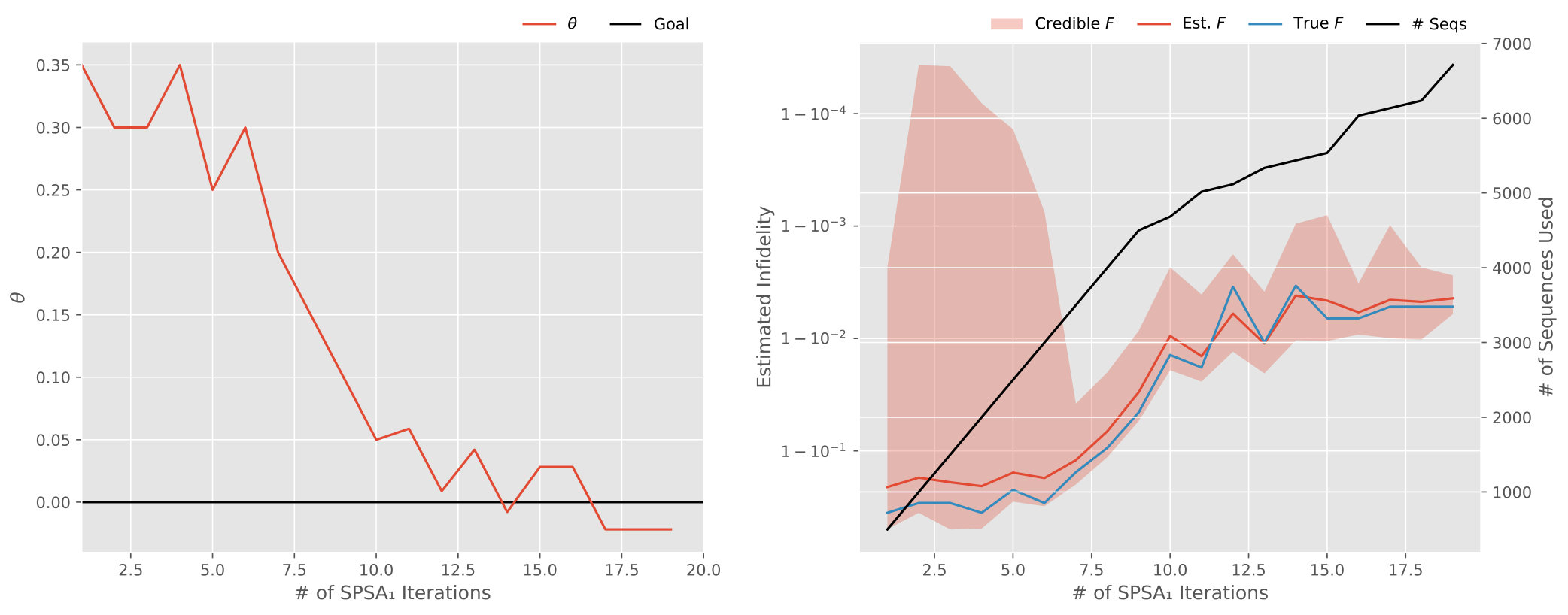 Figure 2
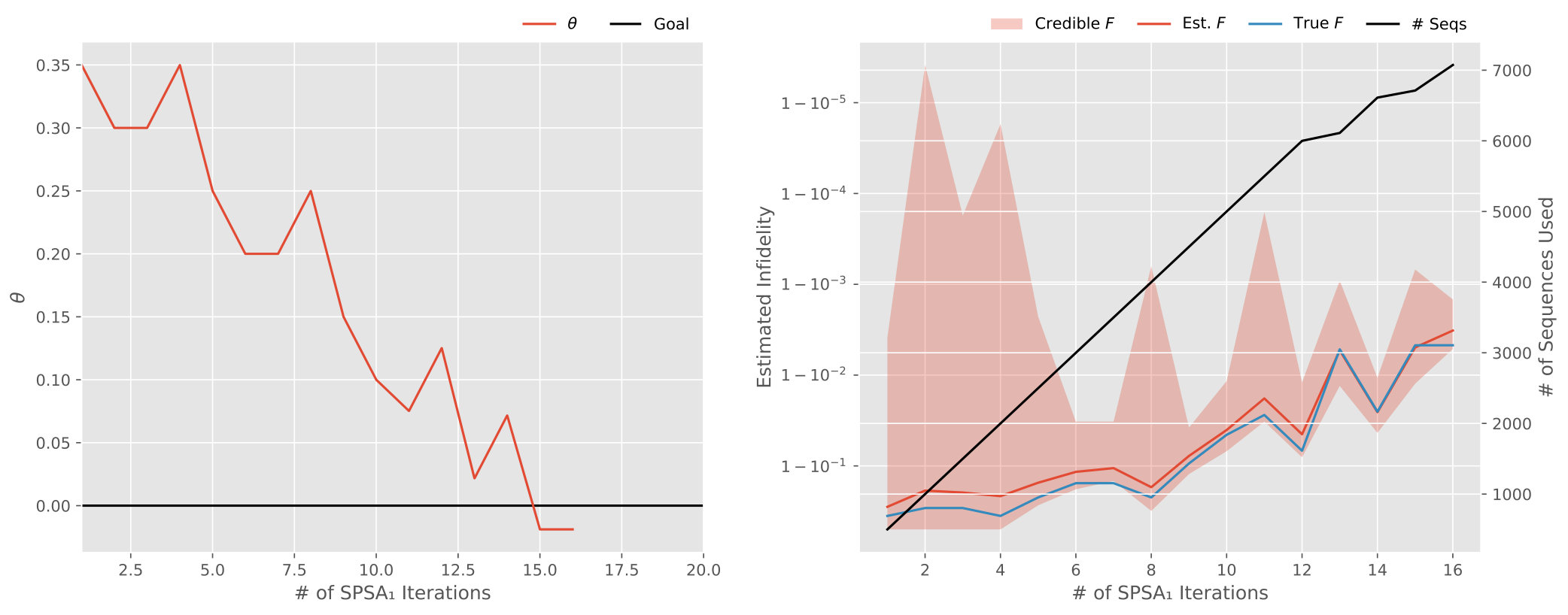 Figure 3
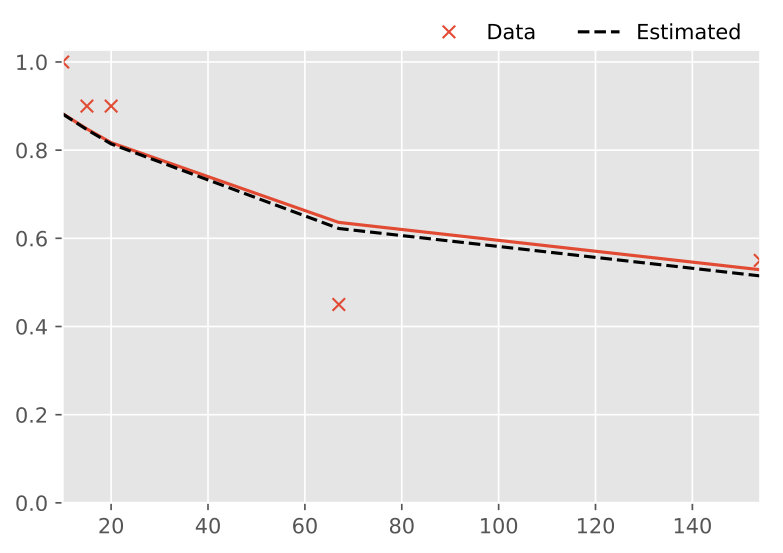 Figure 4
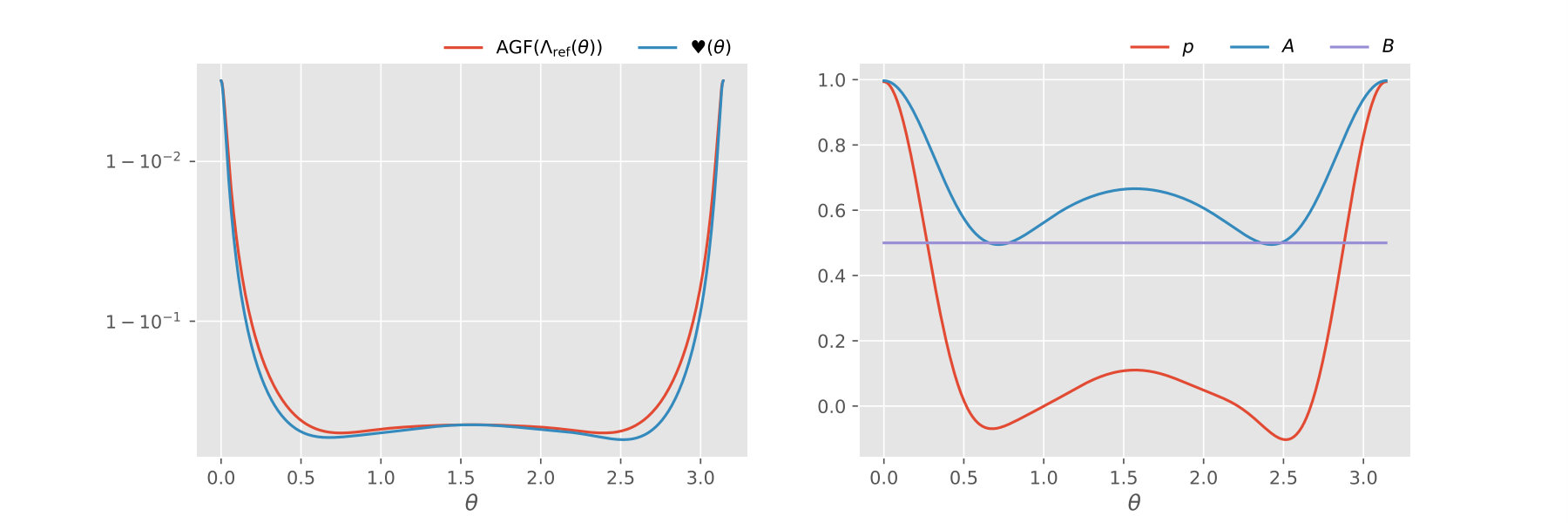 Figure 5
Peer Reviews
No public reviews on file for this paper yet. If you reviewed it on a platform where reviews are public (OpenReview, ICLR, NeurIPS, ICML), you can paste yours below so the community can read it here.
Videos
No videos yet. Explain this paper in a talk, walkthrough, or lecture? Add one.
Taxonomy
TopicsSimulation Techniques and Applications · Machine Learning and Algorithms · Neural Networks and Applications