On the selectivity of KcsA potassium channel: asymptotic analysis and computation
Zilong Song, Xiulei Cao, Tzyy-Leng Horng, and Huaxiong Huang

TL;DR
This paper analyzes the selectivity and current-voltage behavior of the KcsA potassium channel using an advanced Poisson-Nernst-Planck model, revealing how ion size and charge influence selectivity and channel blocking.
Contribution
It introduces a modified Poisson-Nernst-Planck system incorporating size and solvation effects, providing analytical, numerical, and hybrid methods to study ion selectivity and IV relations.
Findings
K$^+$ is always preferred over Na$^+$ due to size and solvation energy.
Divalent ions can block the channel when negative charge exceeds a critical value.
The IV curve saturates and matches experimental observations.
Abstract
Potassium (K) channels regulate the flux of K ions through cell membranes and plays significant roles in many physiological functions. This work studies the KcsA potassium channel, including the selectivity and current-voltage (IV) relations. A modified Poisson-Nernst-Planck system is employed, which include the size effect by Bikerman model and solvation energy by Born model. The selectivity of KcsA for various ions (K, Na, Cl, Ca and Ba) is studied analytically, and the profiles of concentrations and electric potential are provided. The selectivity is mainly influenced by permanent negative charges in filter of channel and the ion sizes. K is always selected compared with Na (or Cl), as smaller ion size of Na causes larger solvation energy. There is a transition for selectivity among K and divalent ions (Ca and Ba),…
Click any figure to enlarge with its caption.
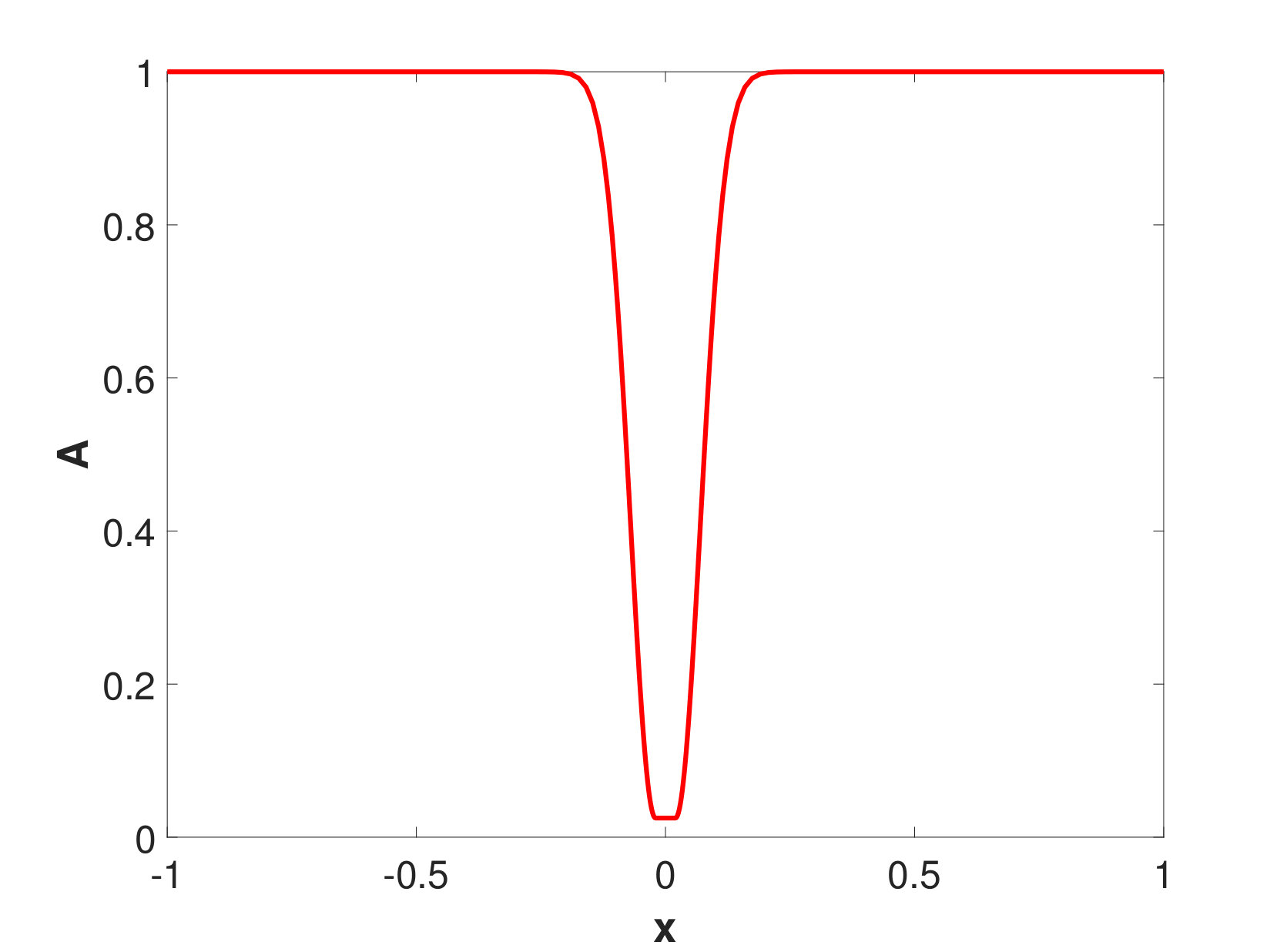 Figure 1
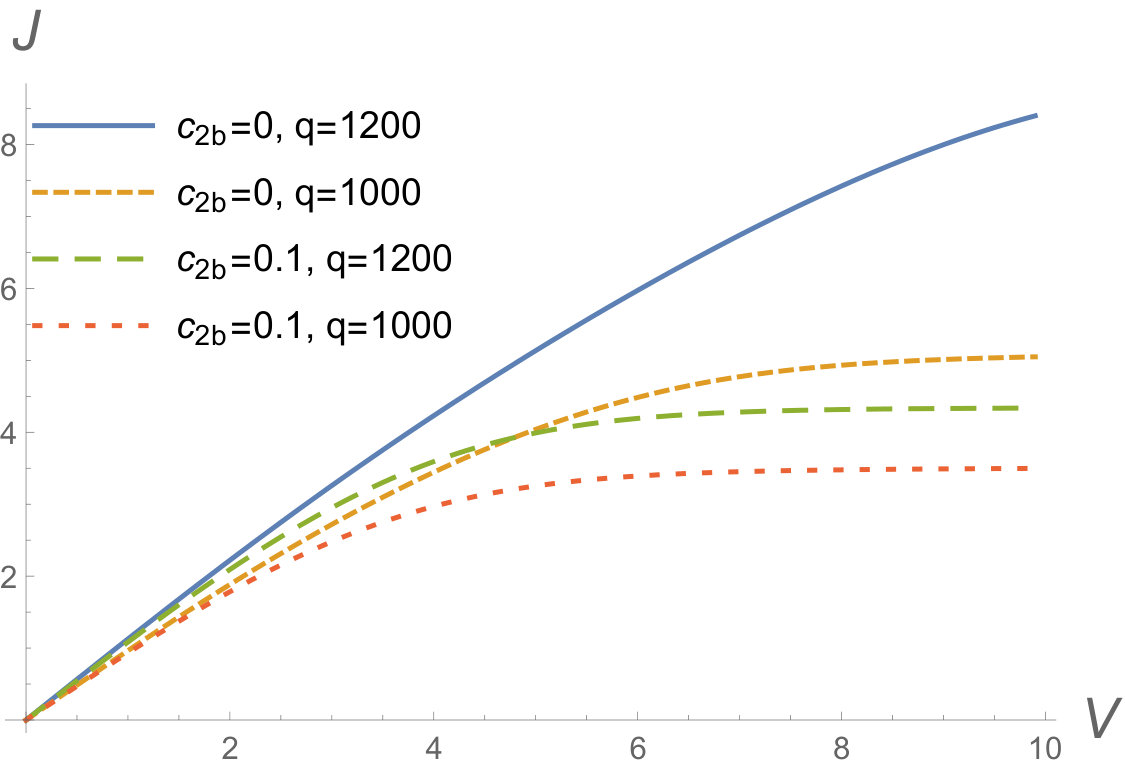 Figure 2
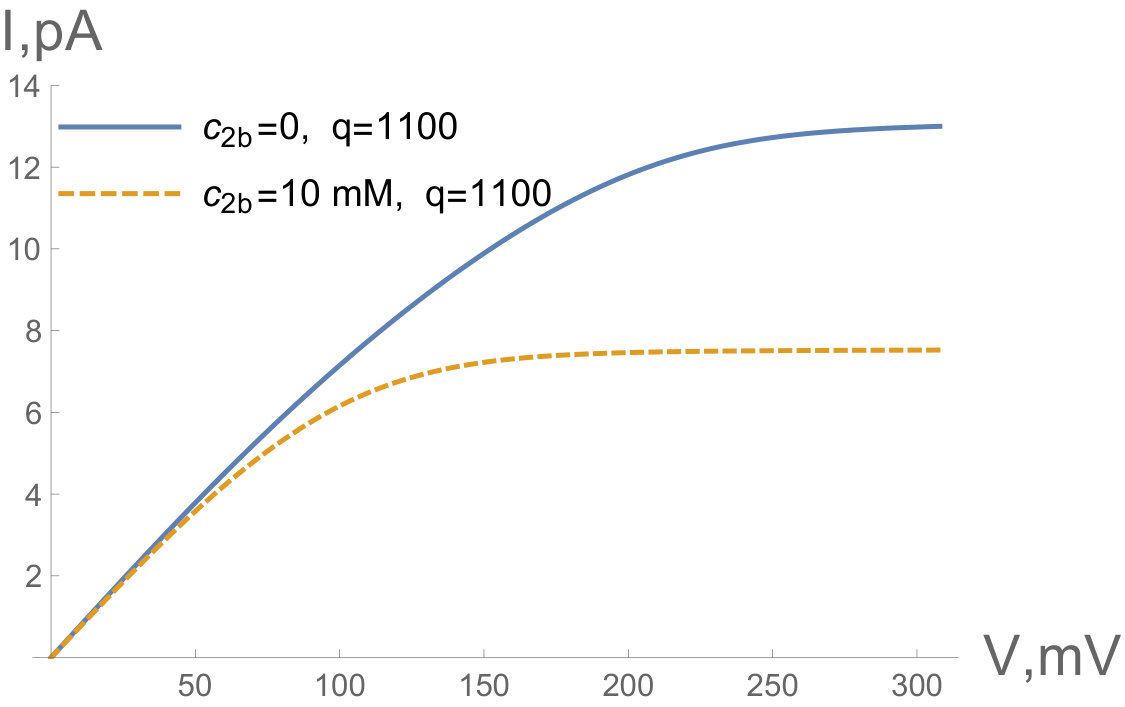 Figure 3
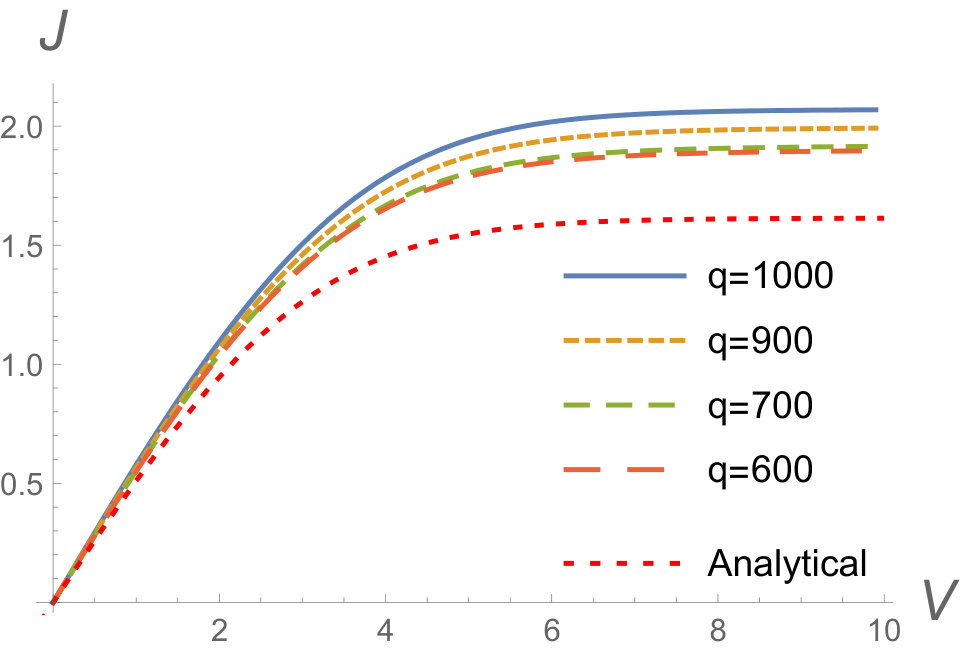 Figure 4
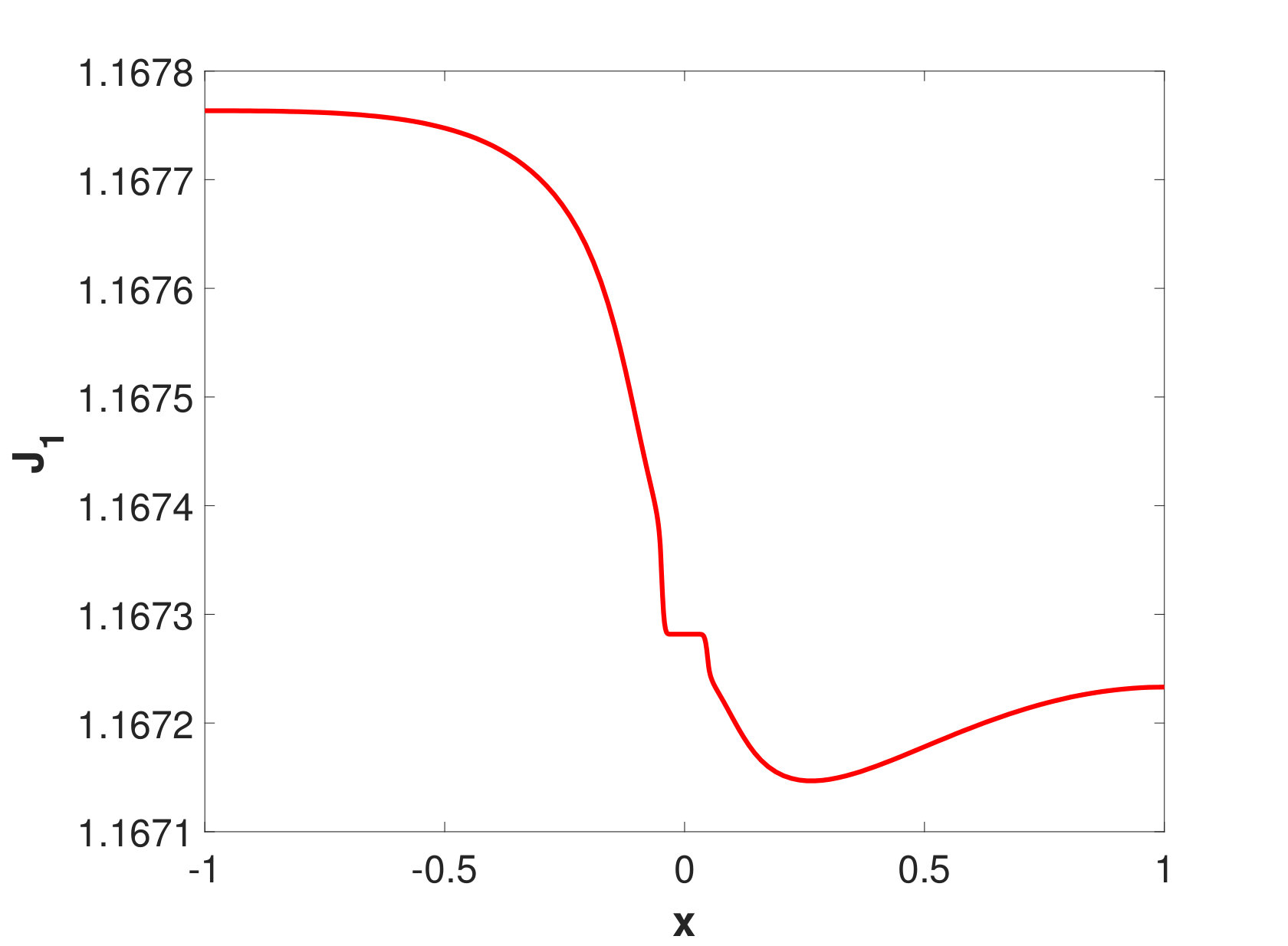 Figure 5
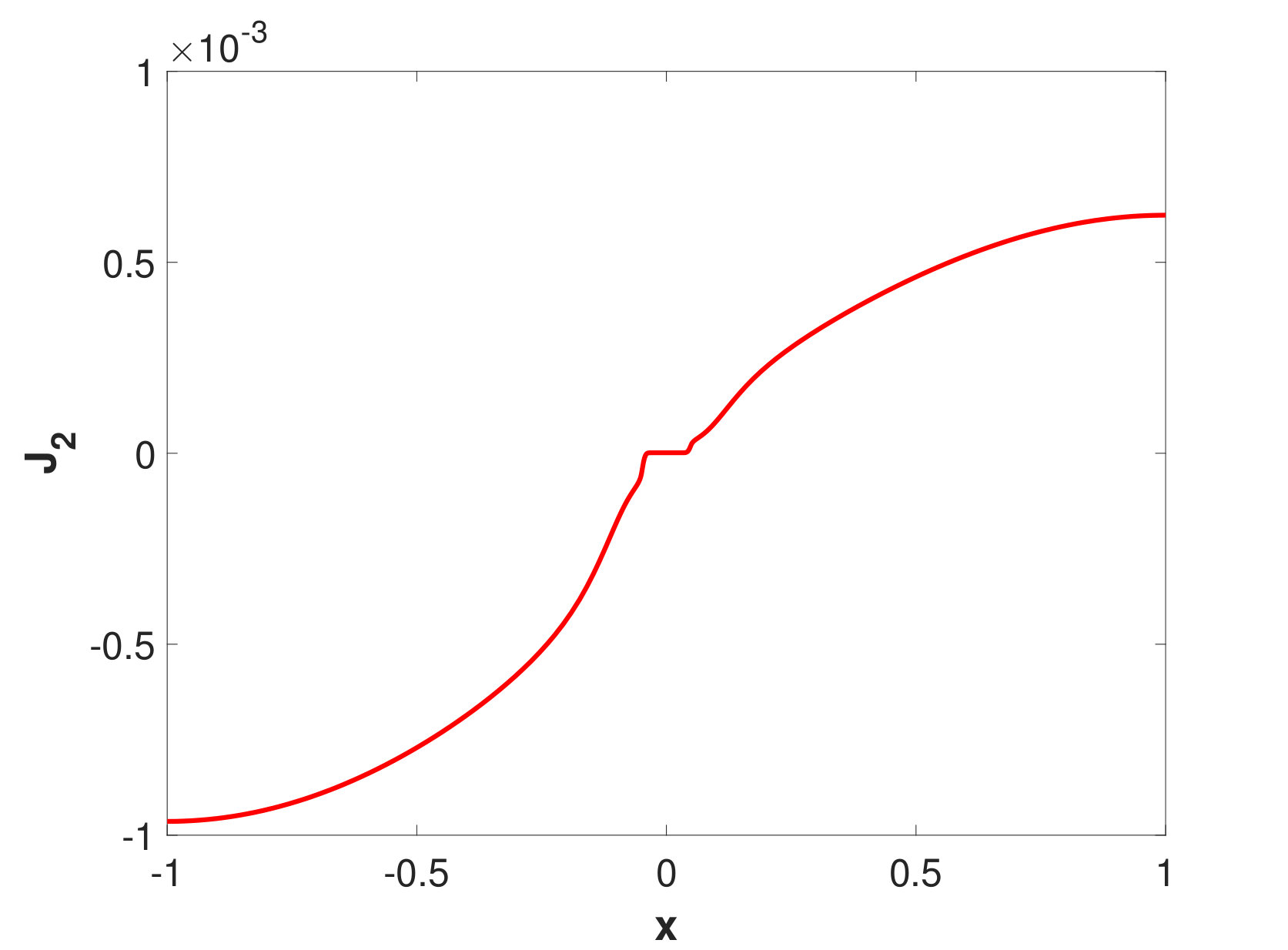 Figure 6
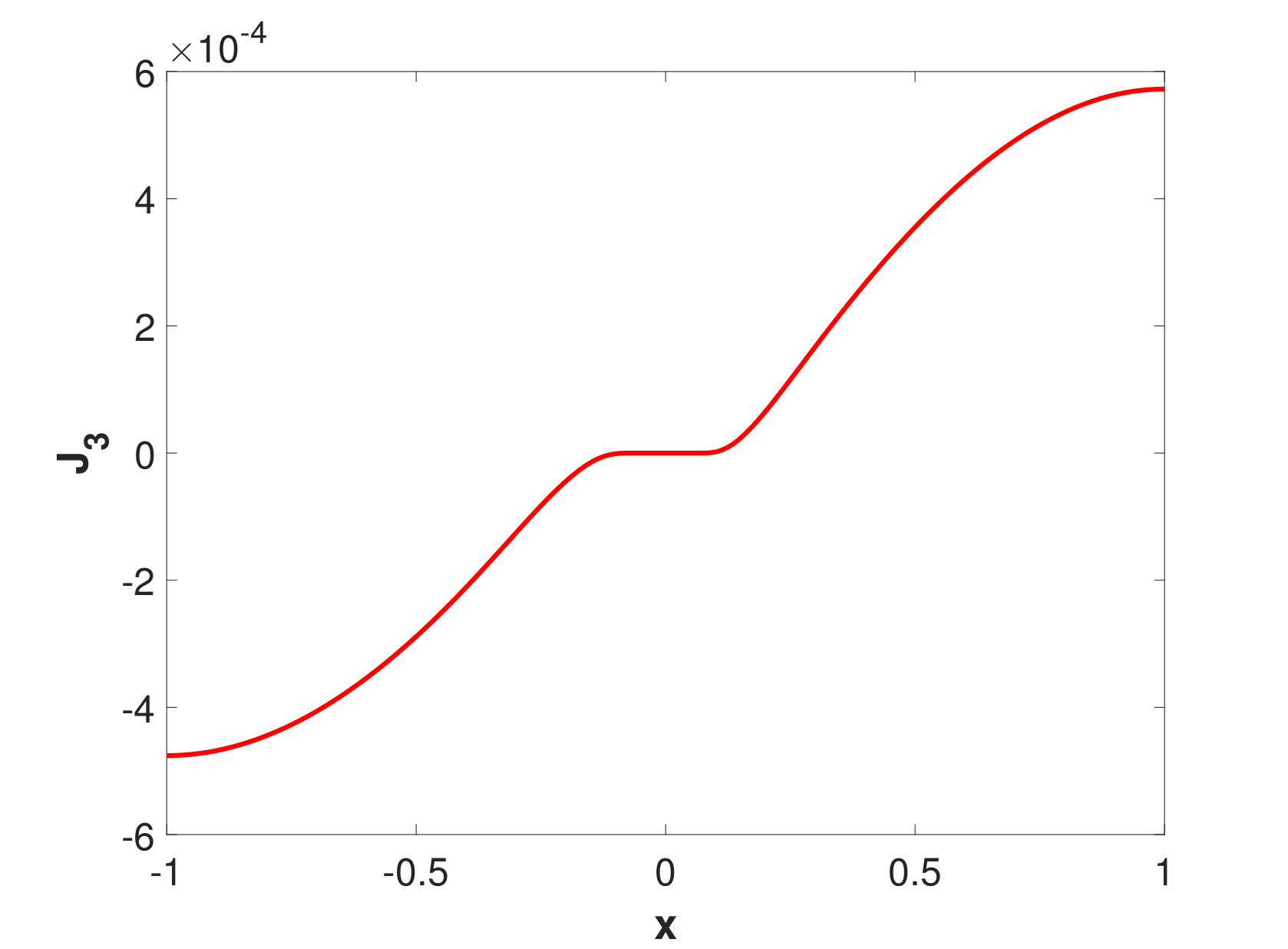 Figure 7
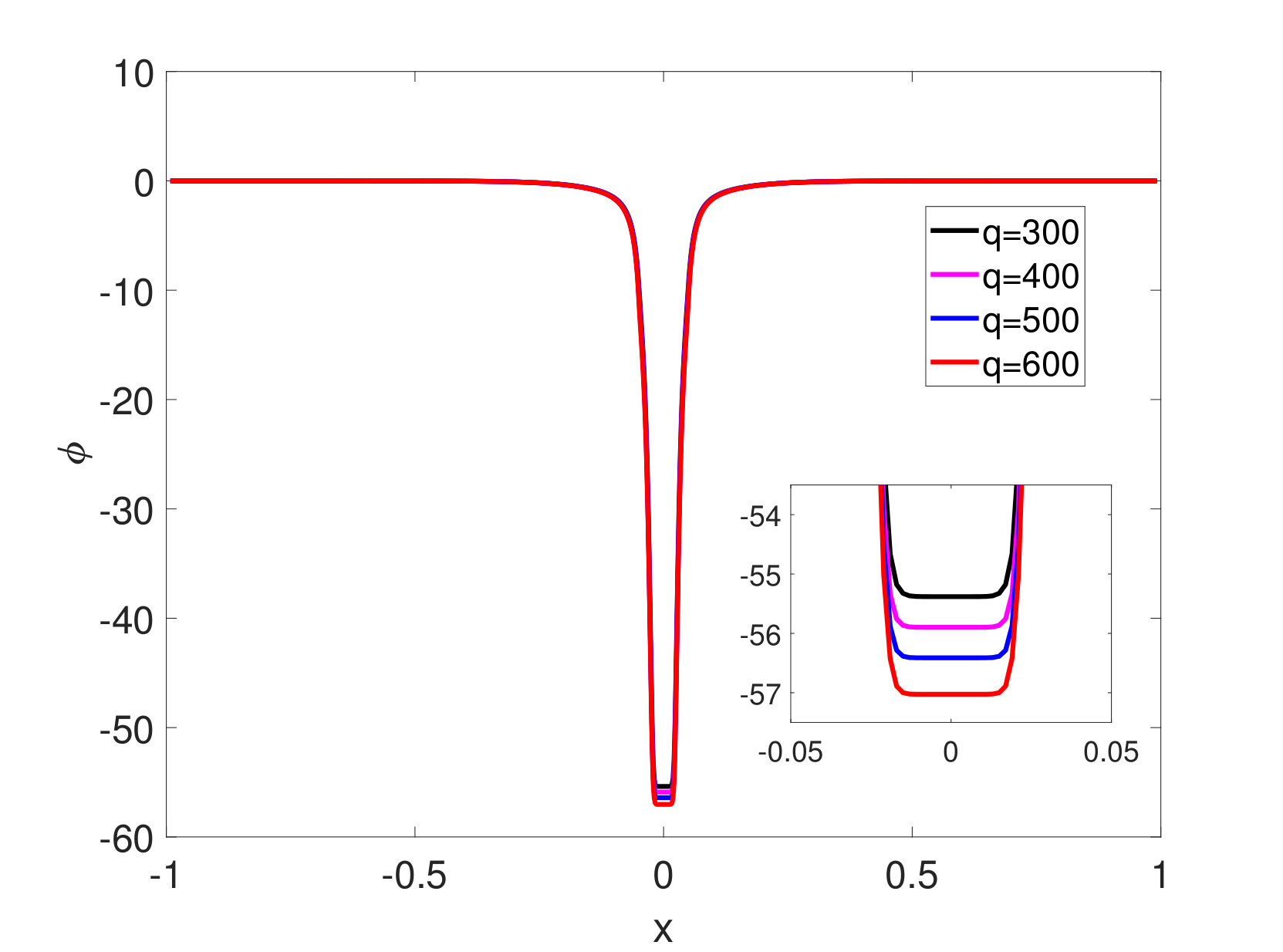 Figure 8
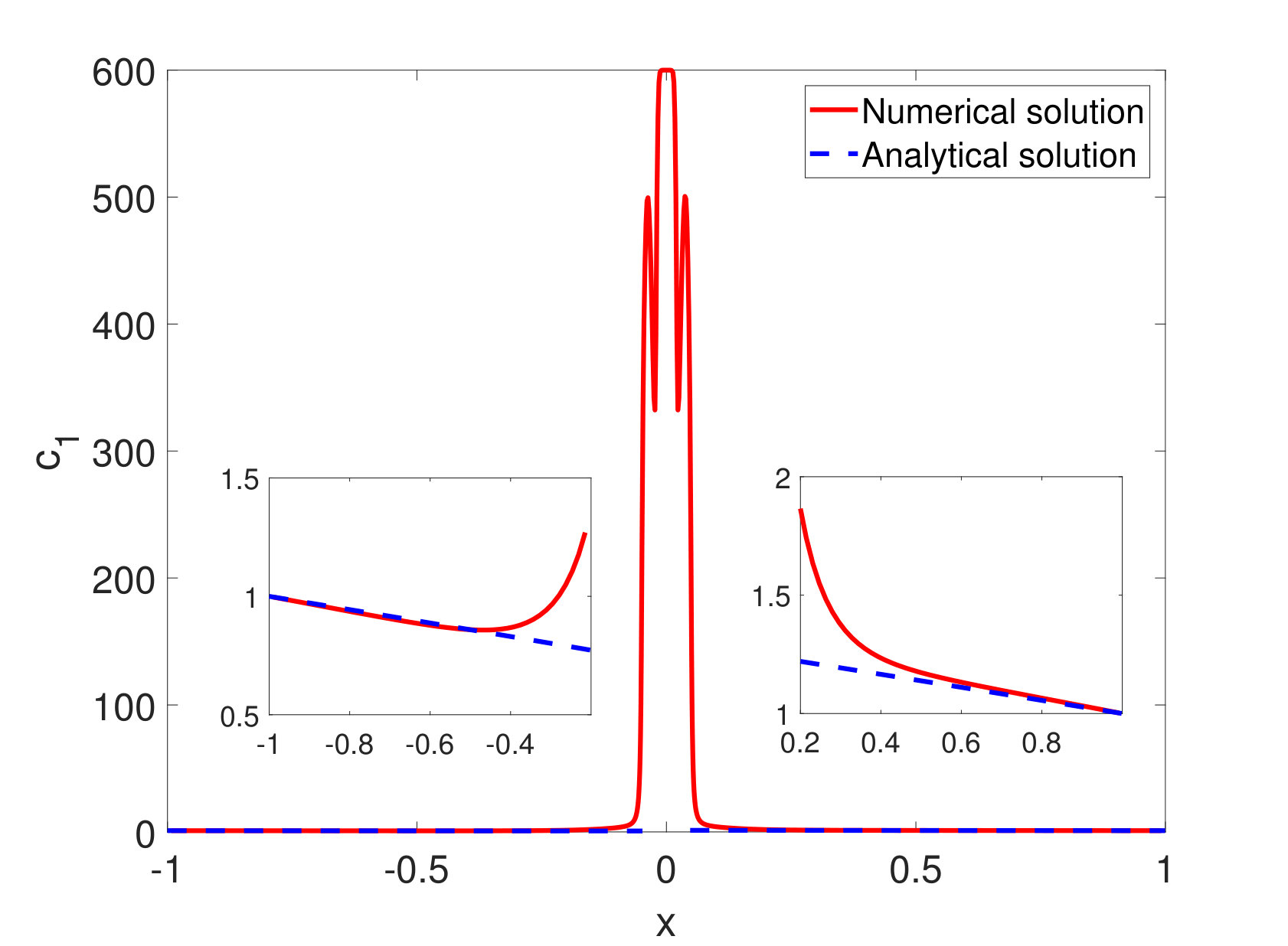 Figure 9
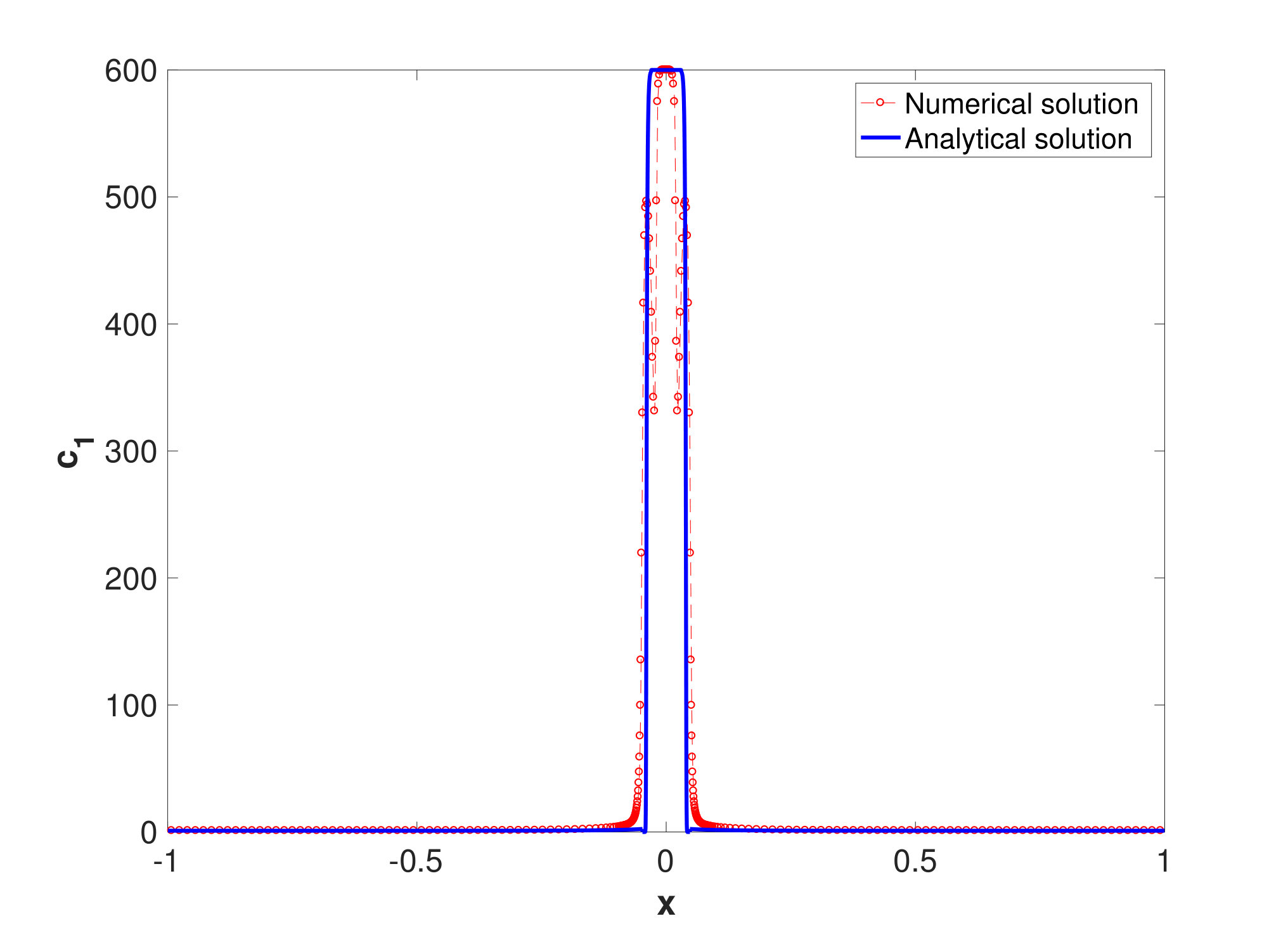 Figure 10
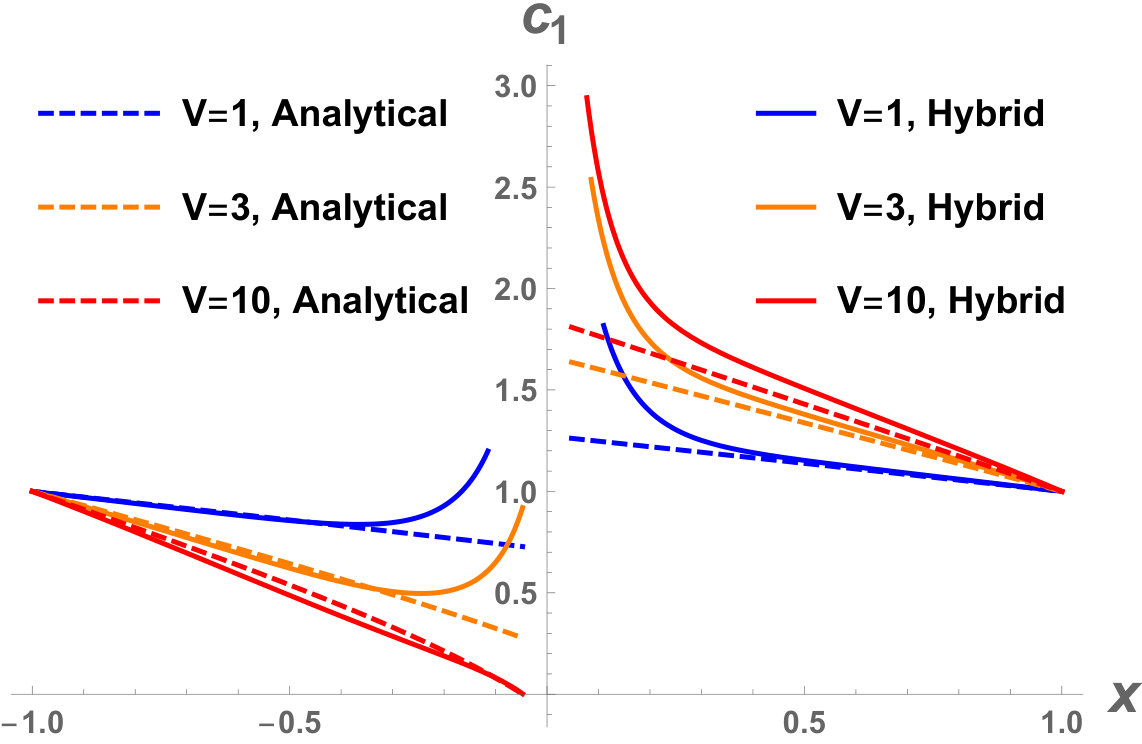 Figure 11
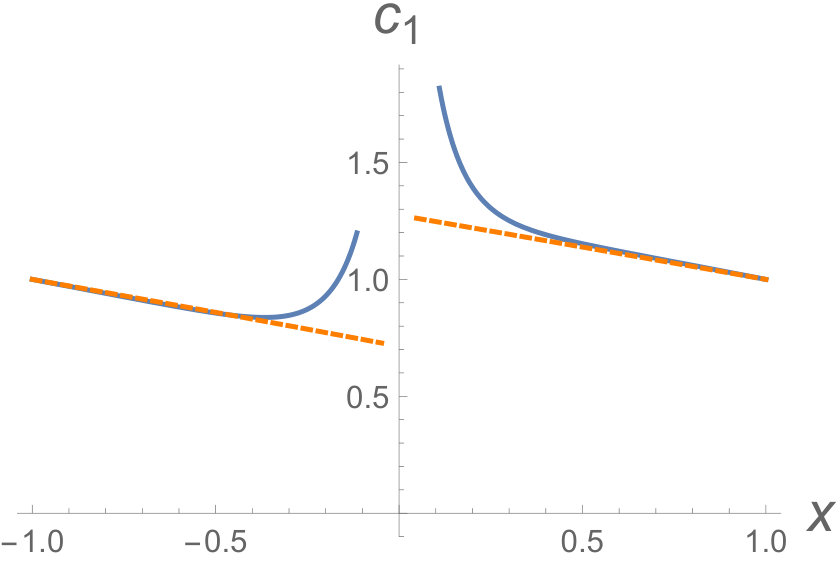 Figure 12
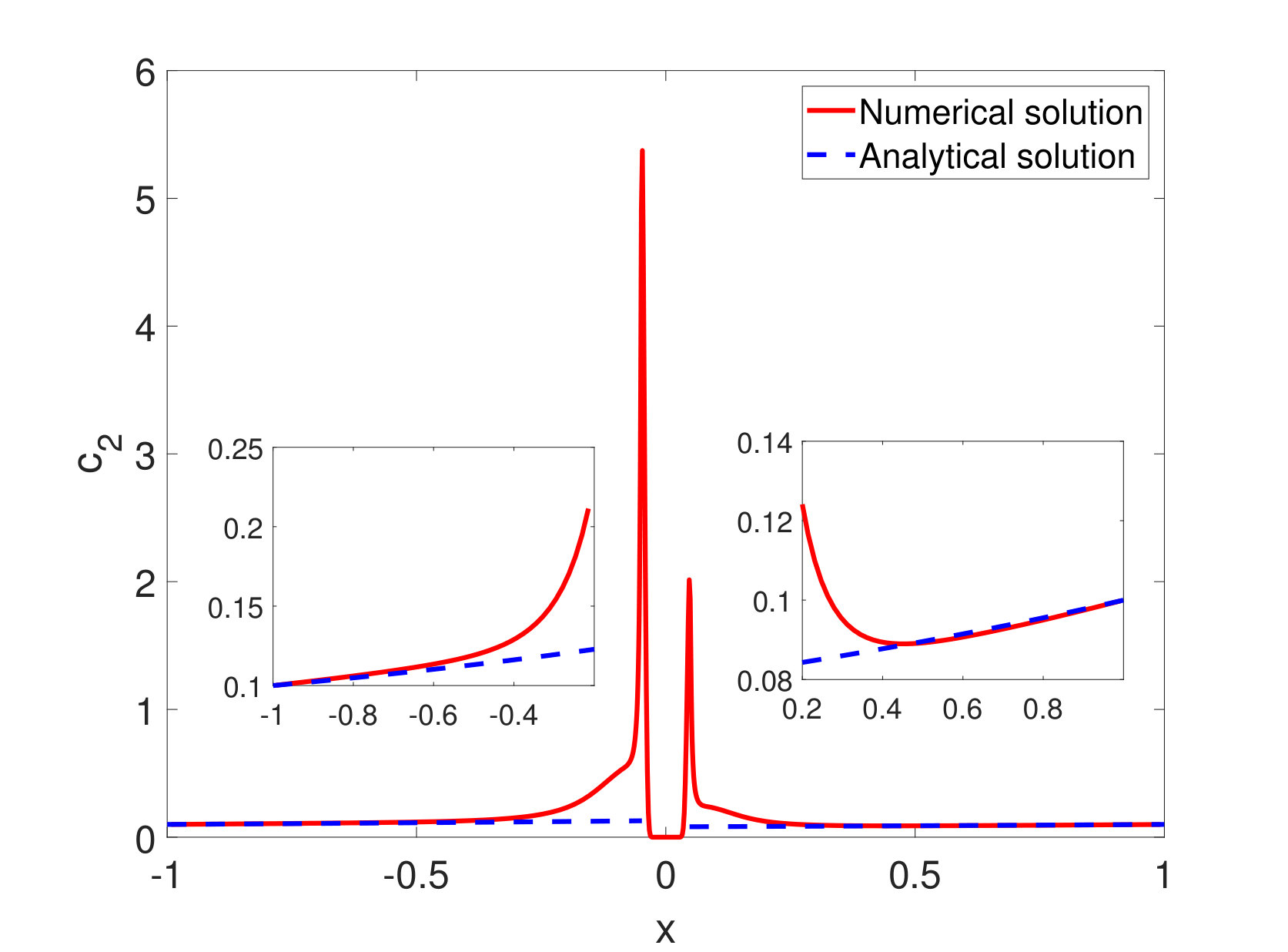 Figure 13
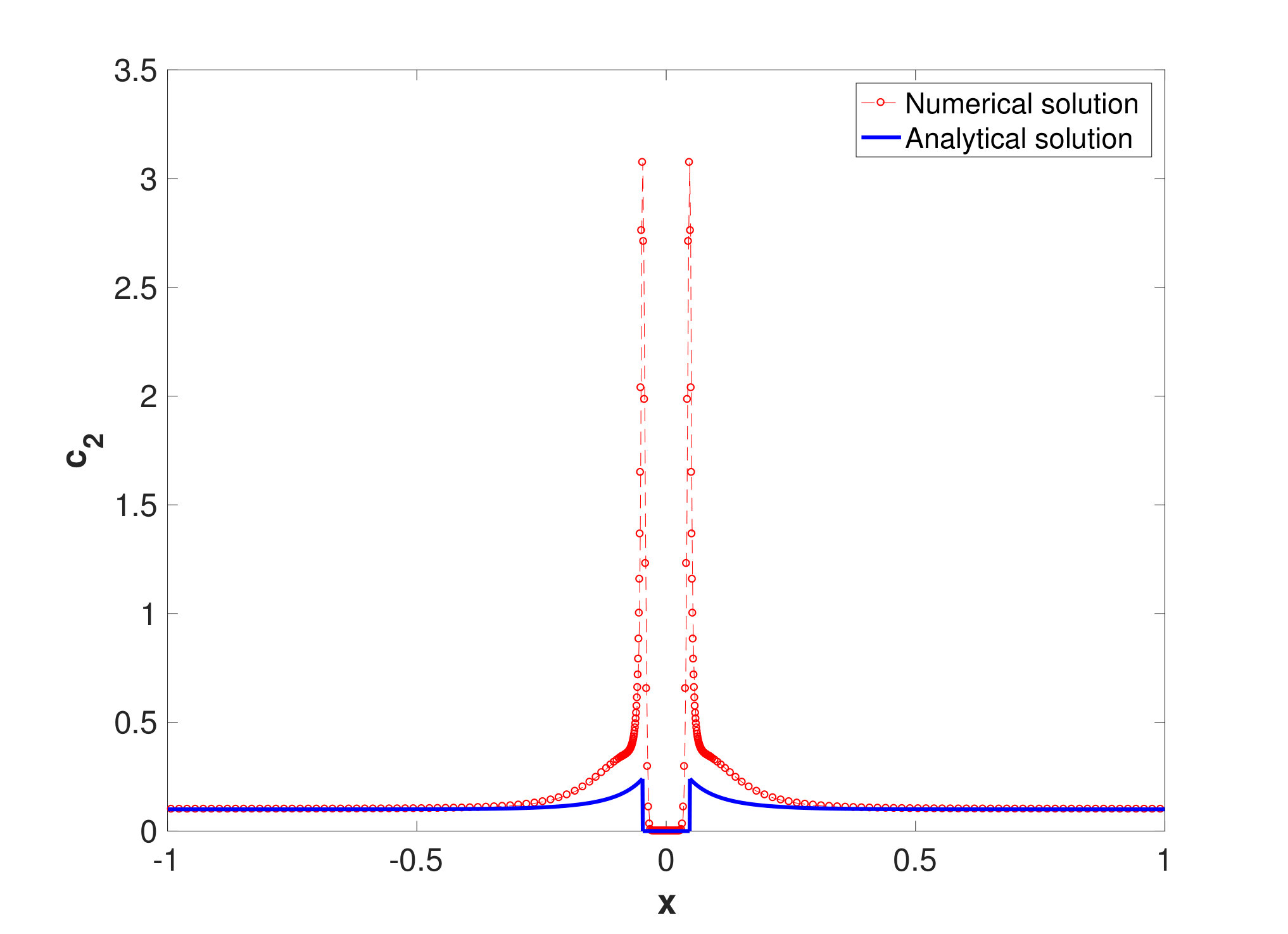 Figure 14
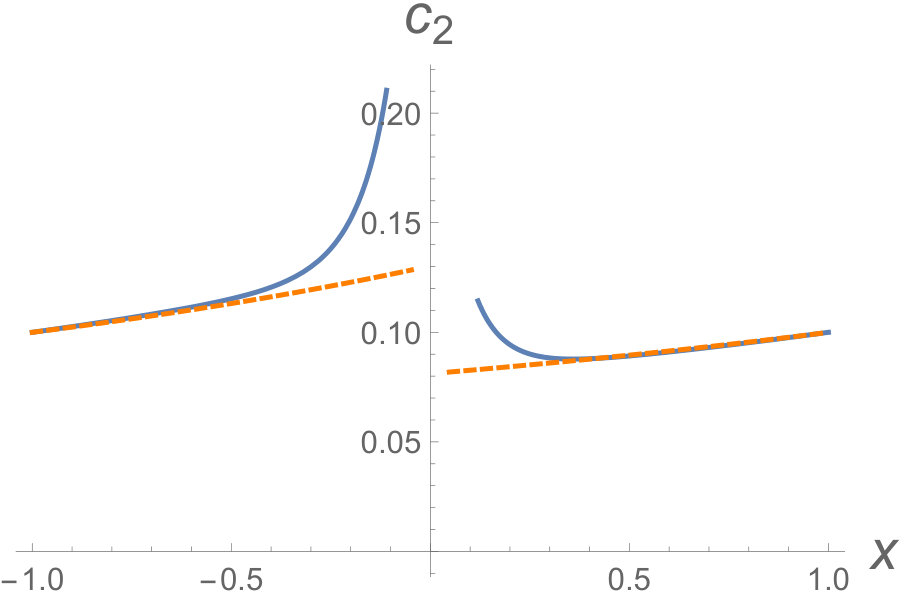 Figure 15
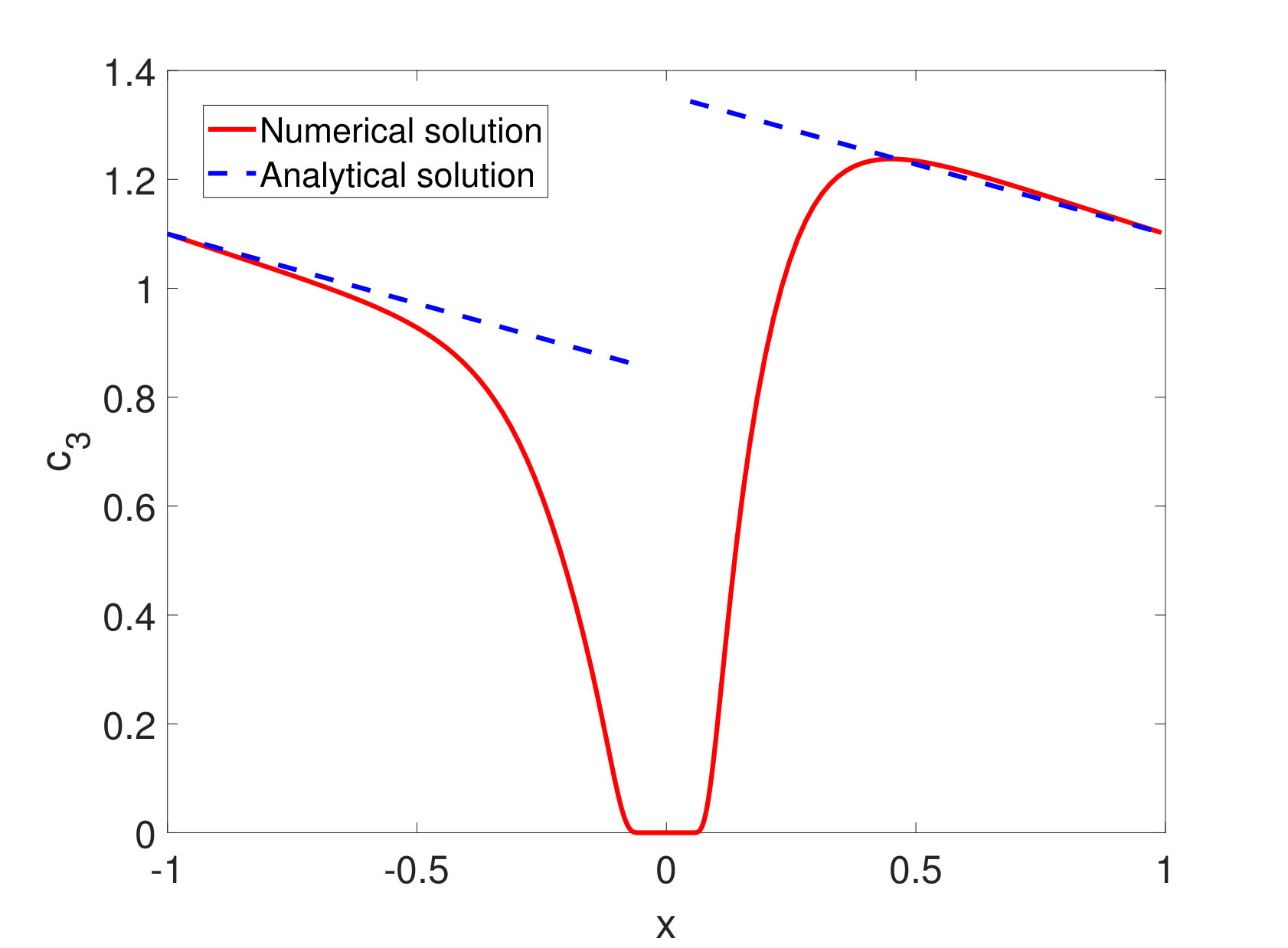 Figure 16
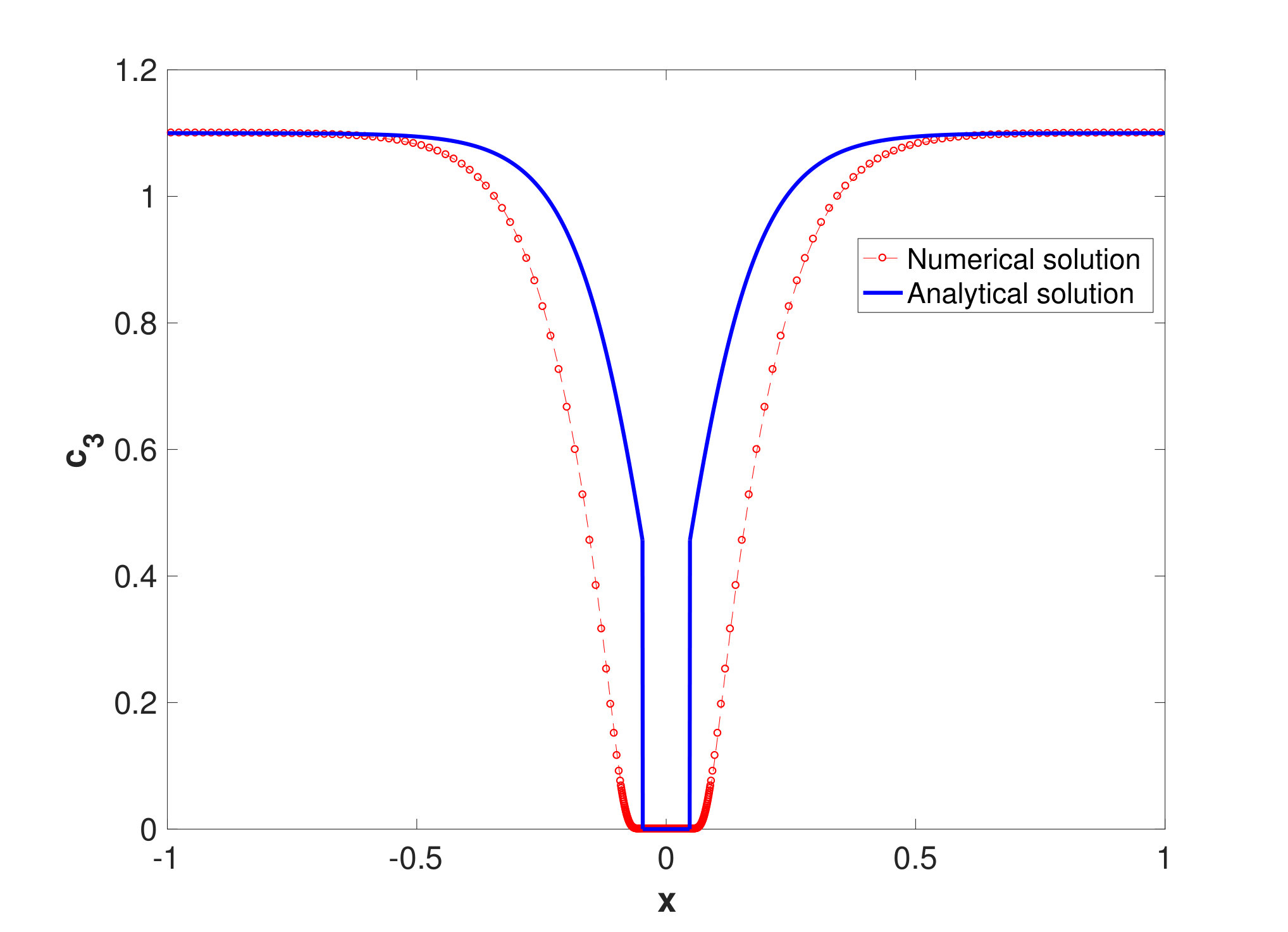 Figure 17
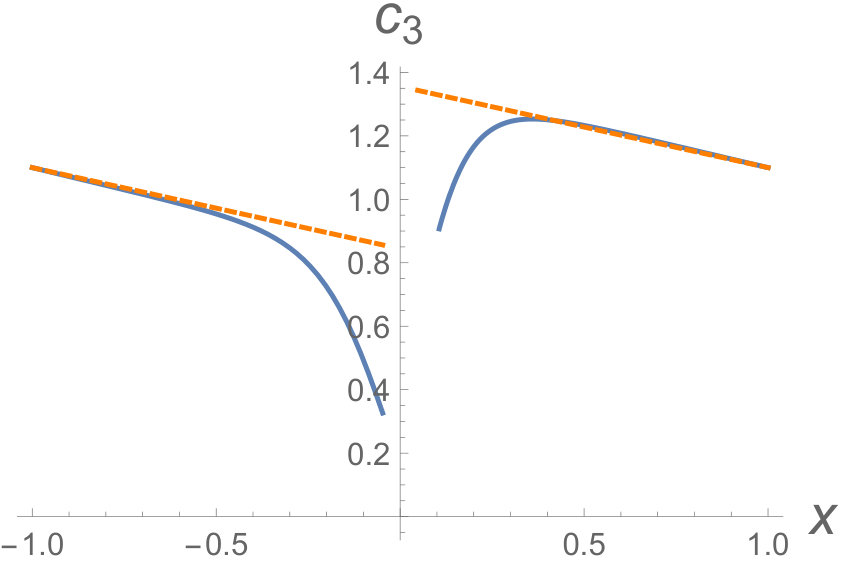 Figure 18
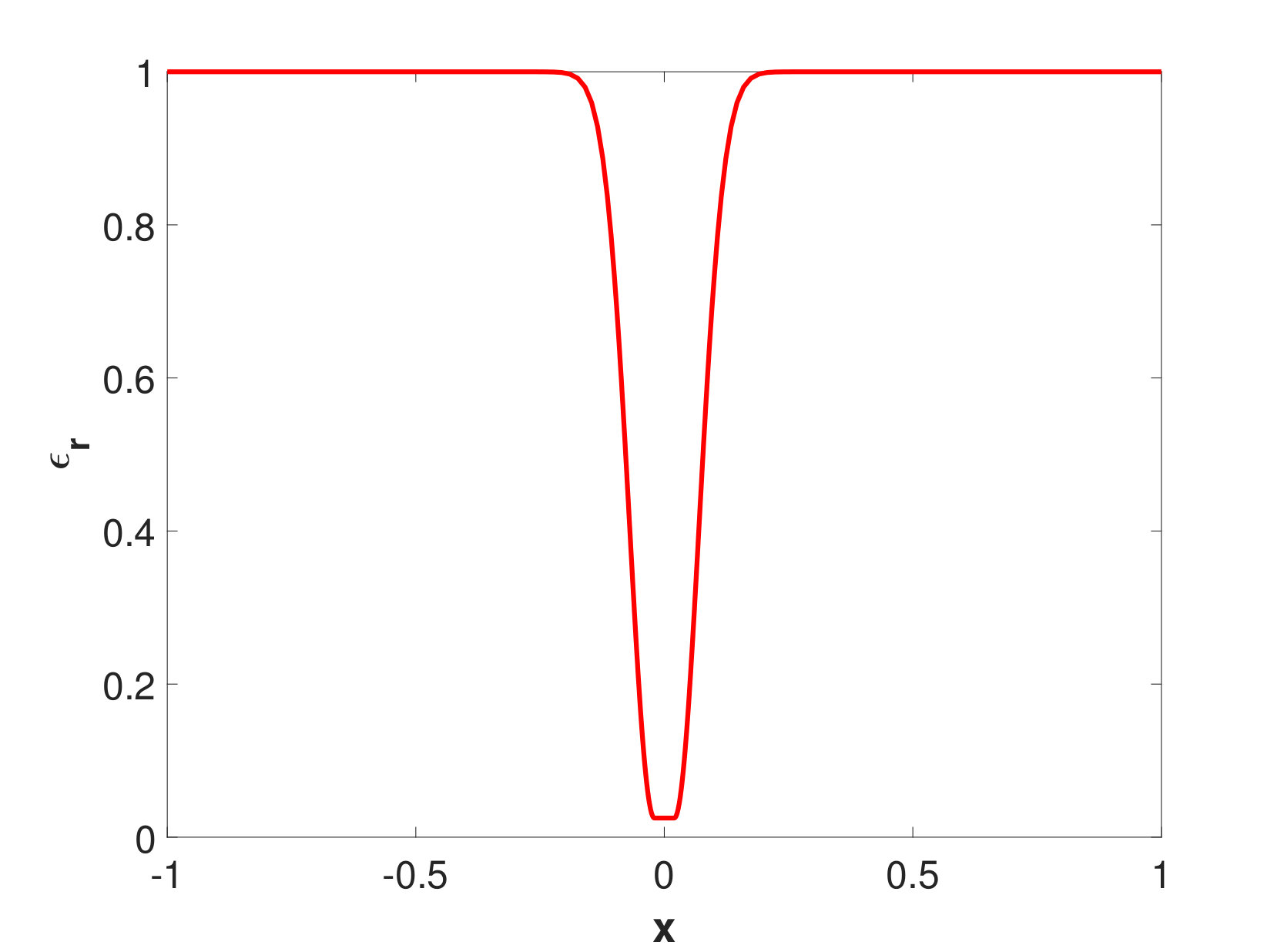 Figure 19
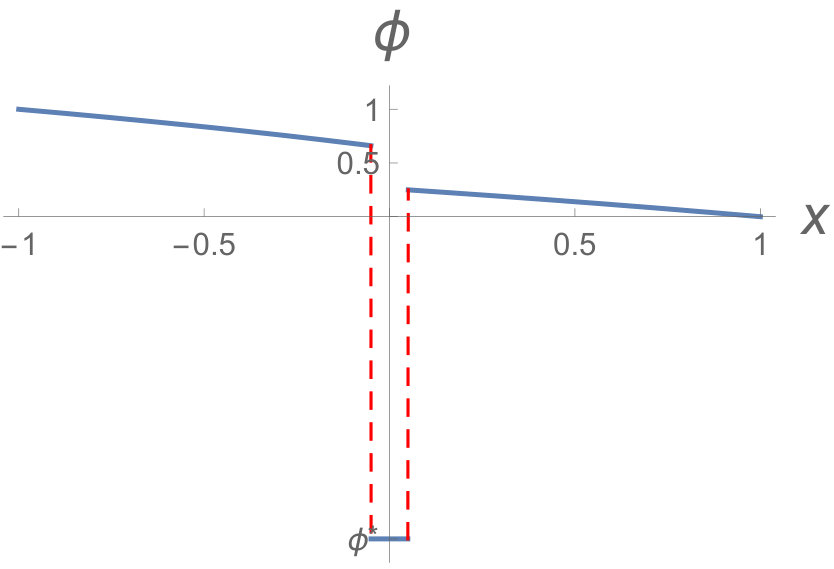 Figure 10
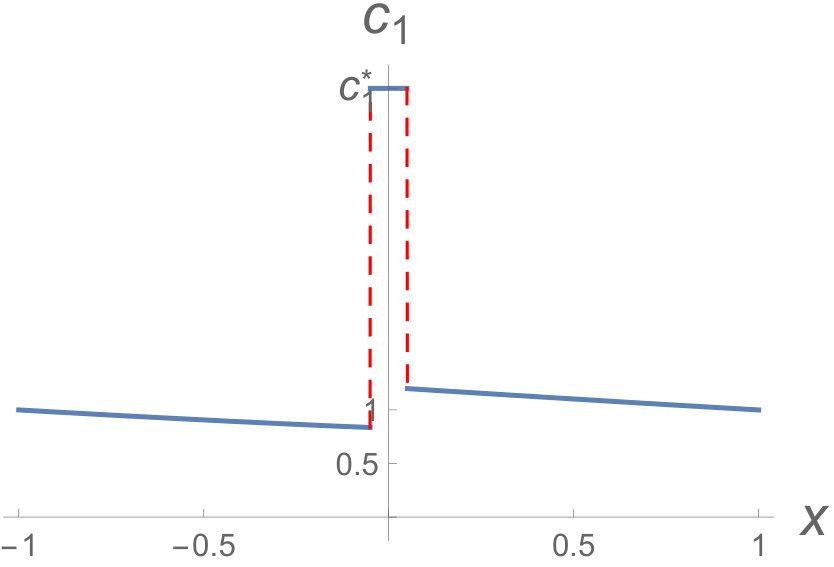 Figure 10
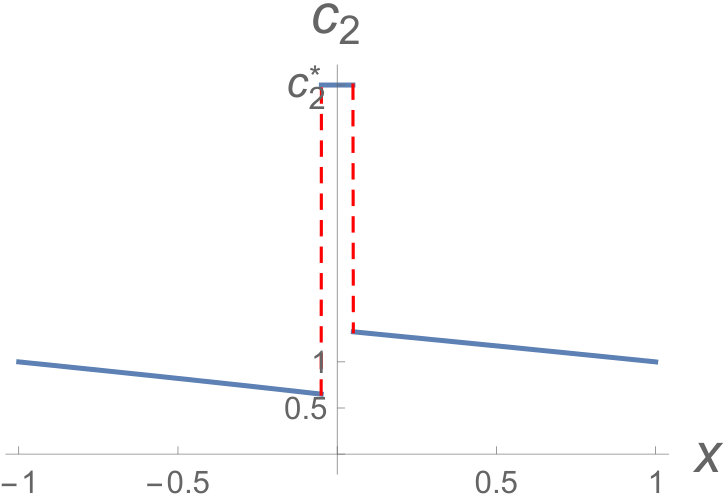 Figure 10
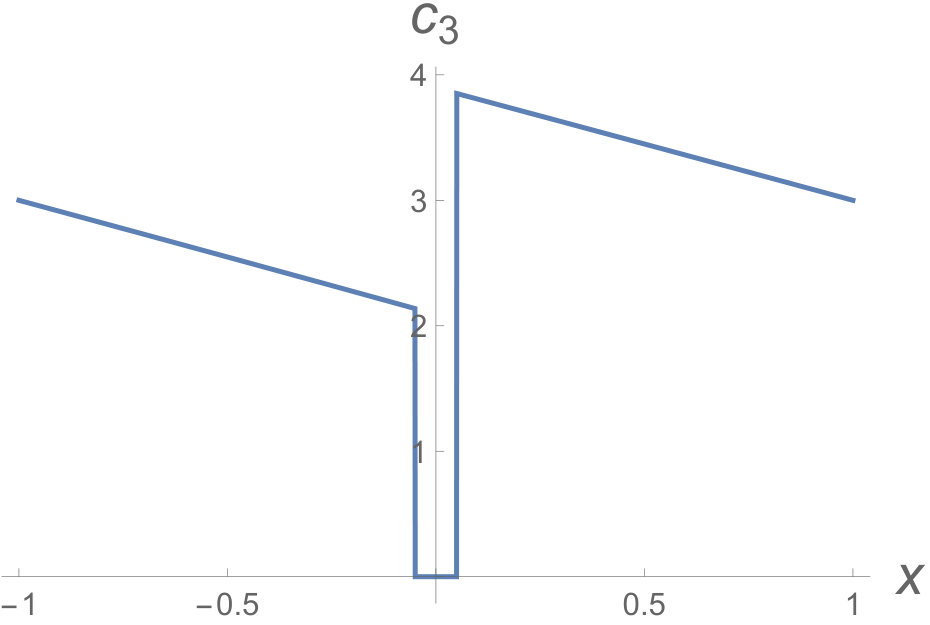 Figure 10
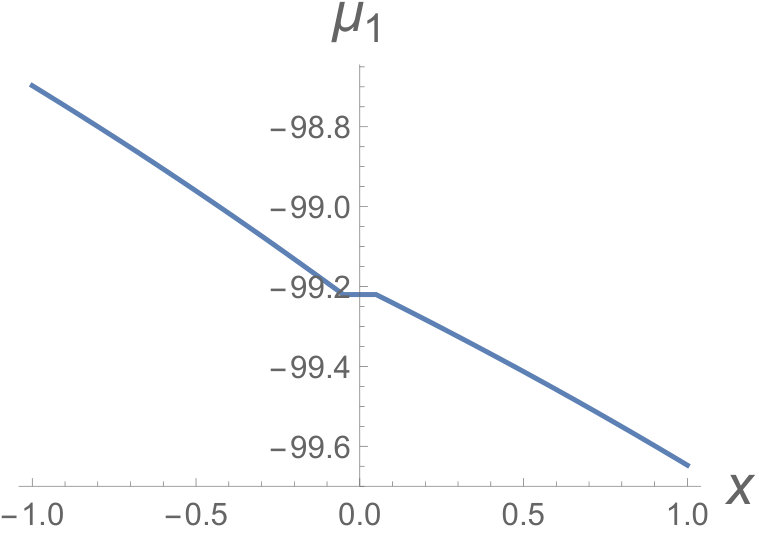 Figure 11
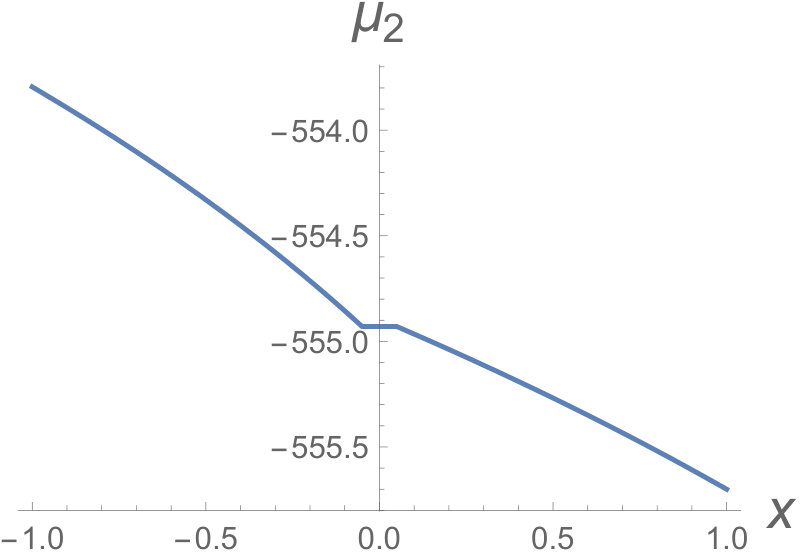 Figure 11
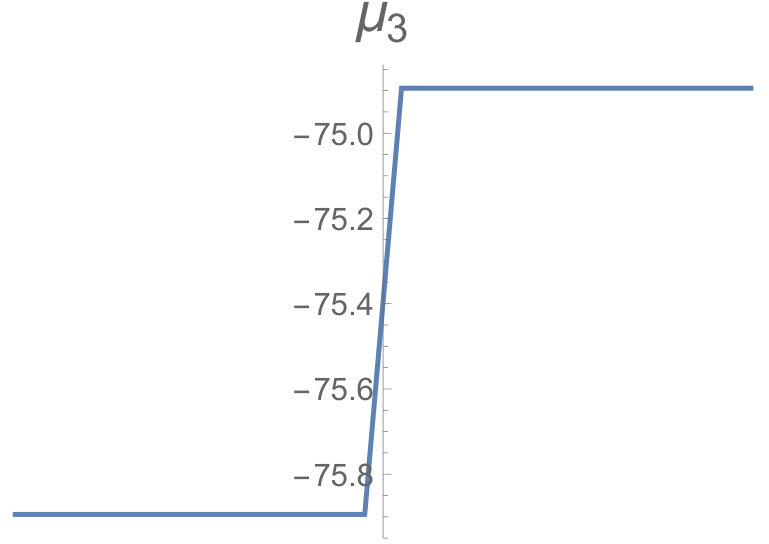 Figure 11
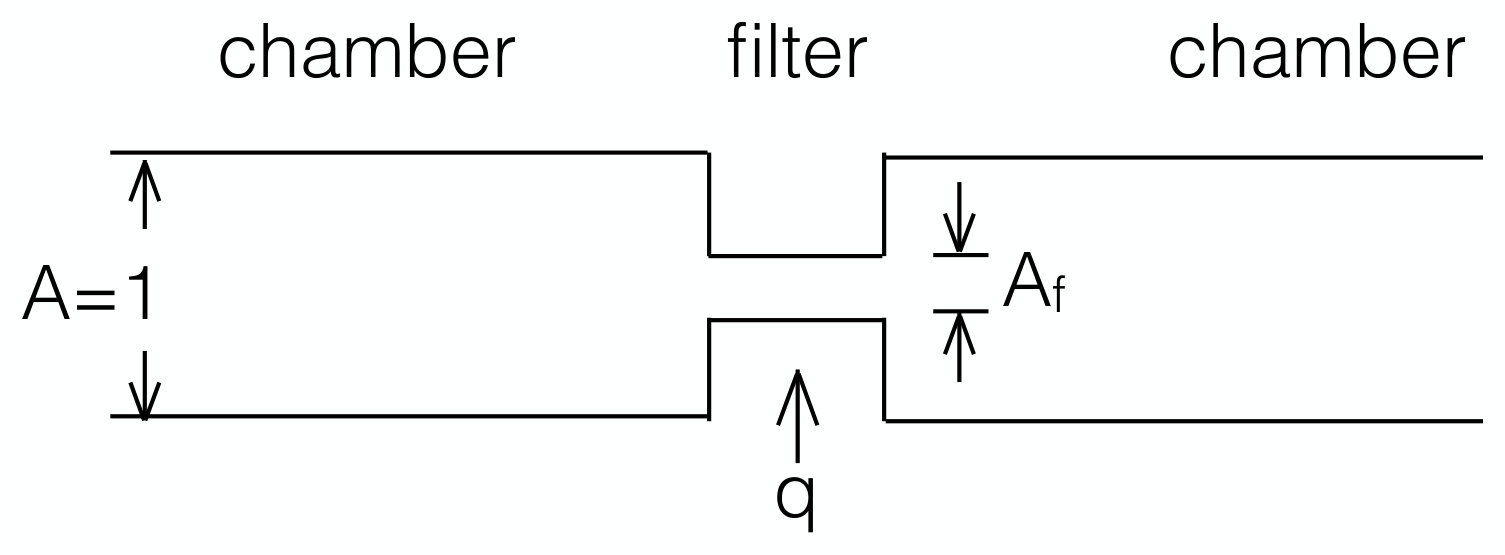 Figure 1
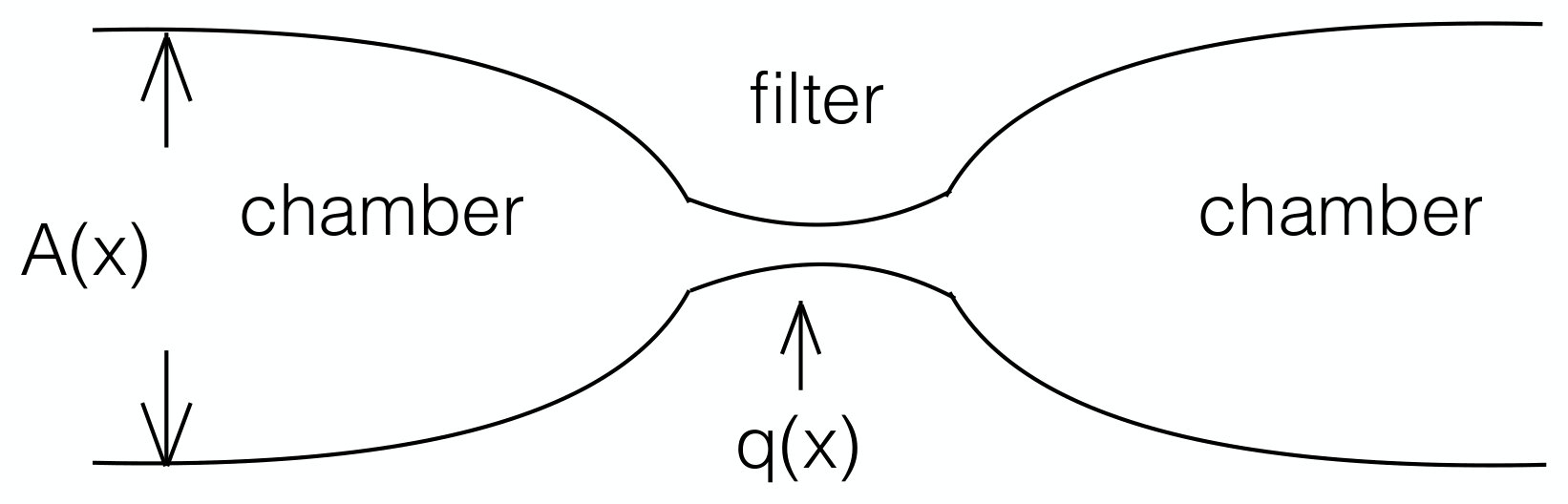 Figure 1
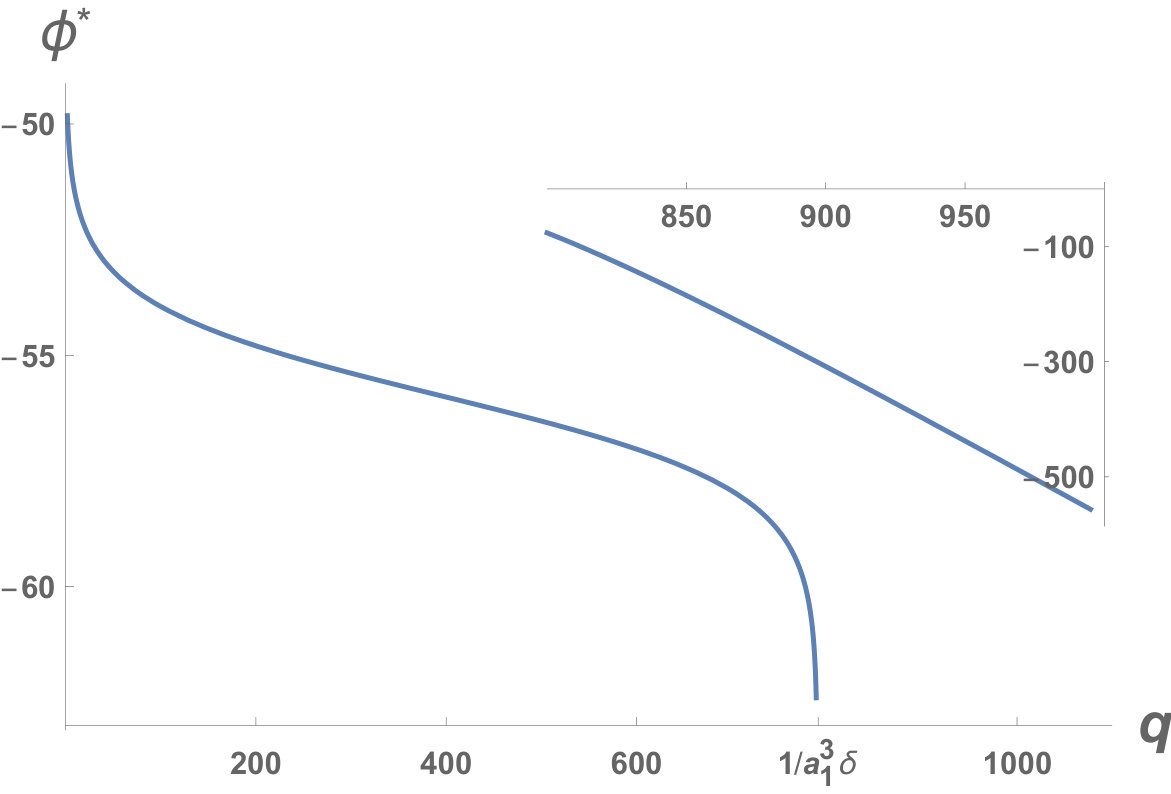 Figure 2
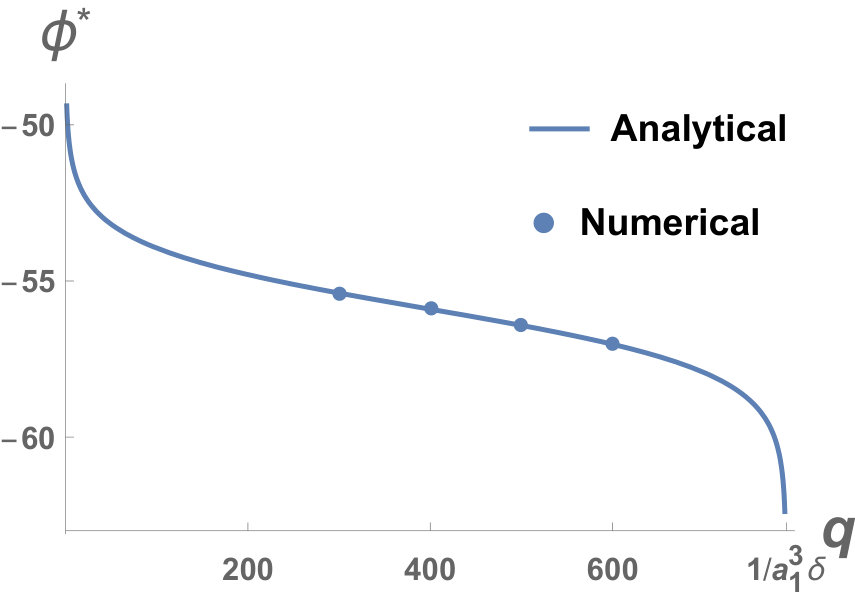 Figure 2
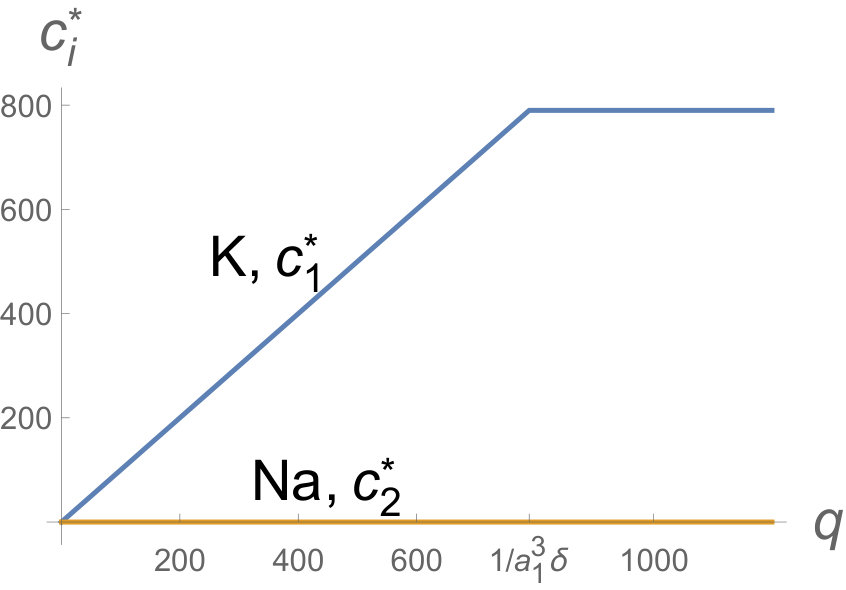 Figure 2
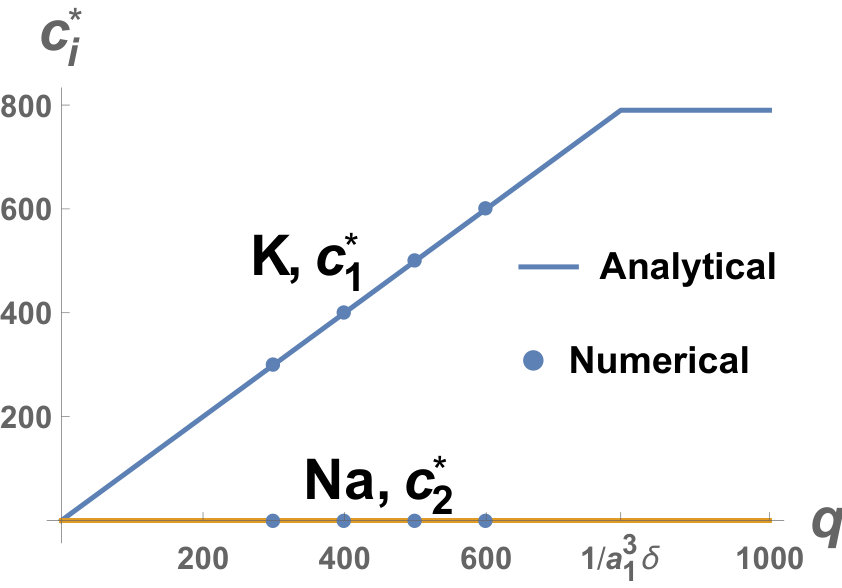 Figure 2
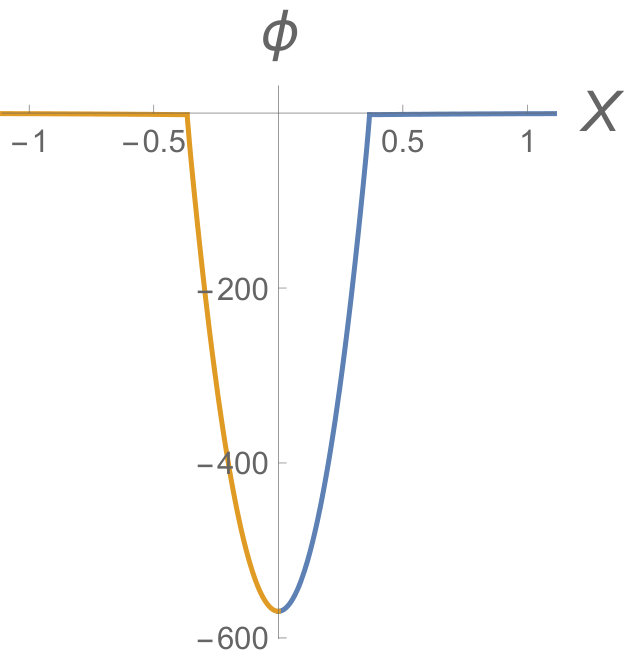 Figure 4
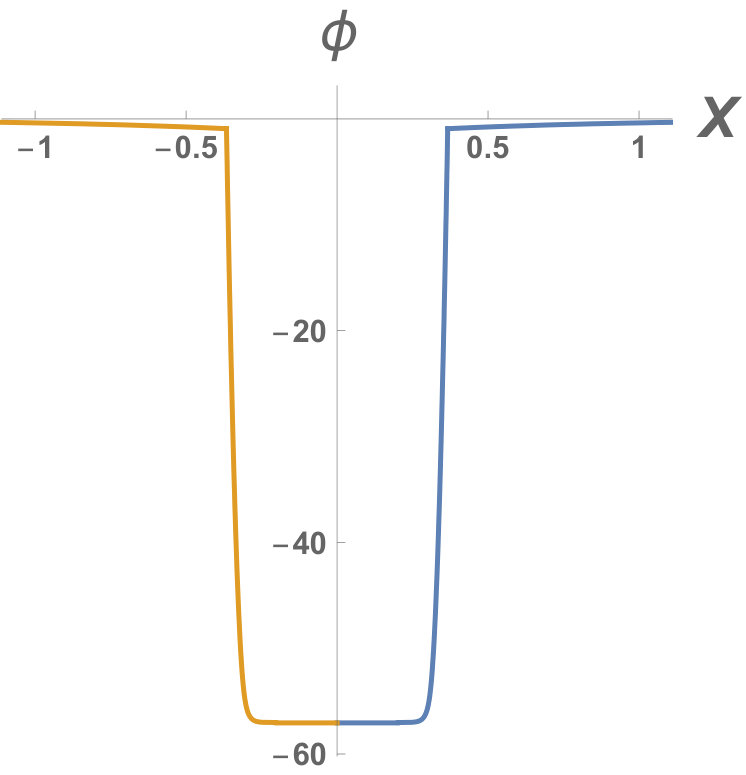 Figure 4
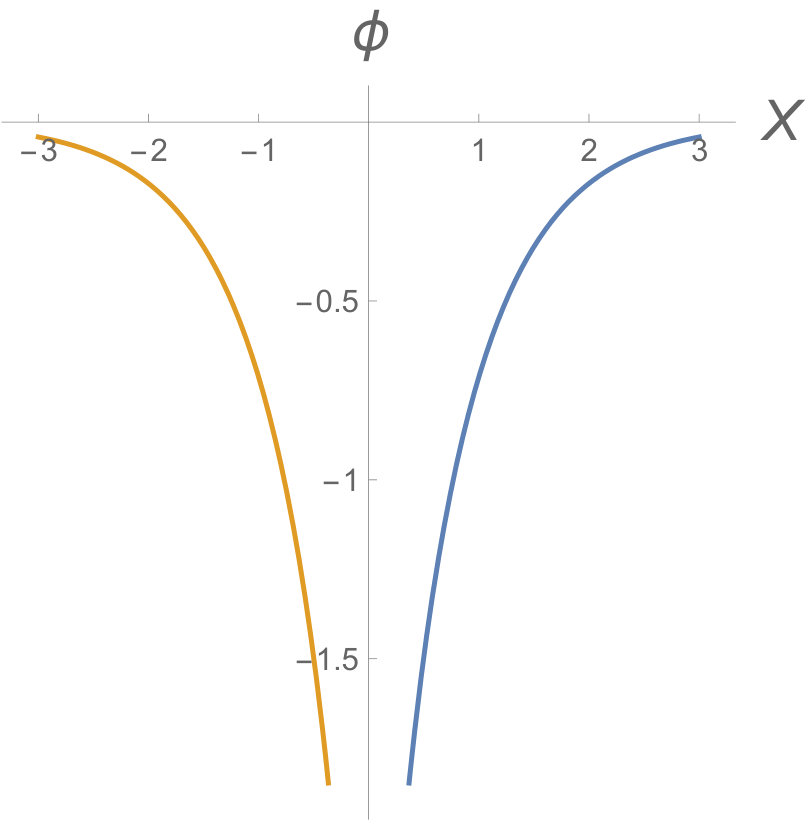 Figure 4
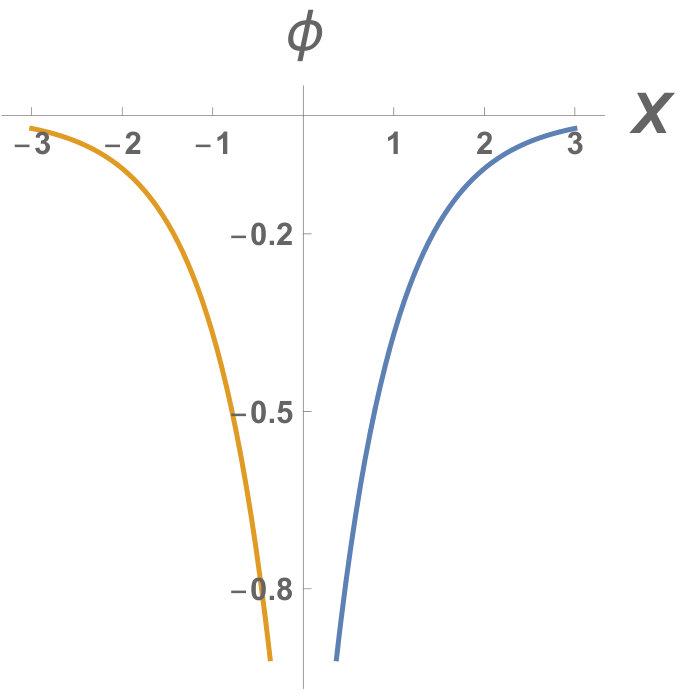 Figure 4
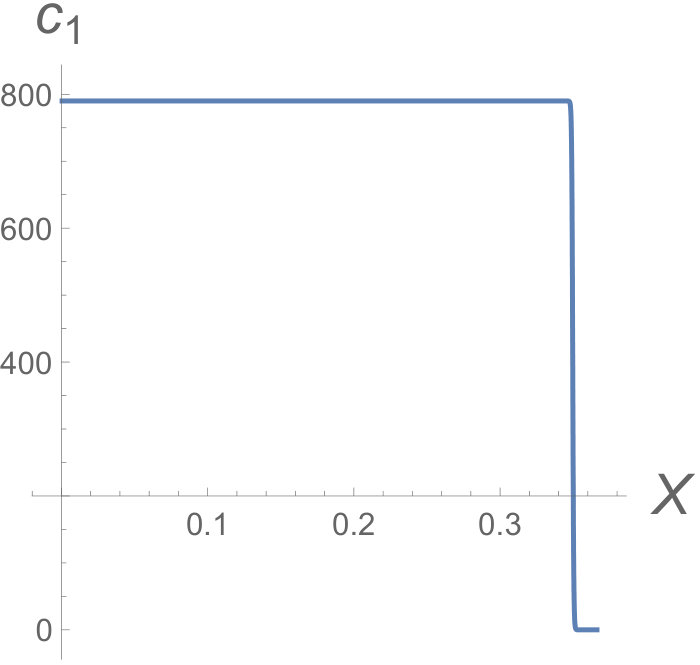 Figure 4
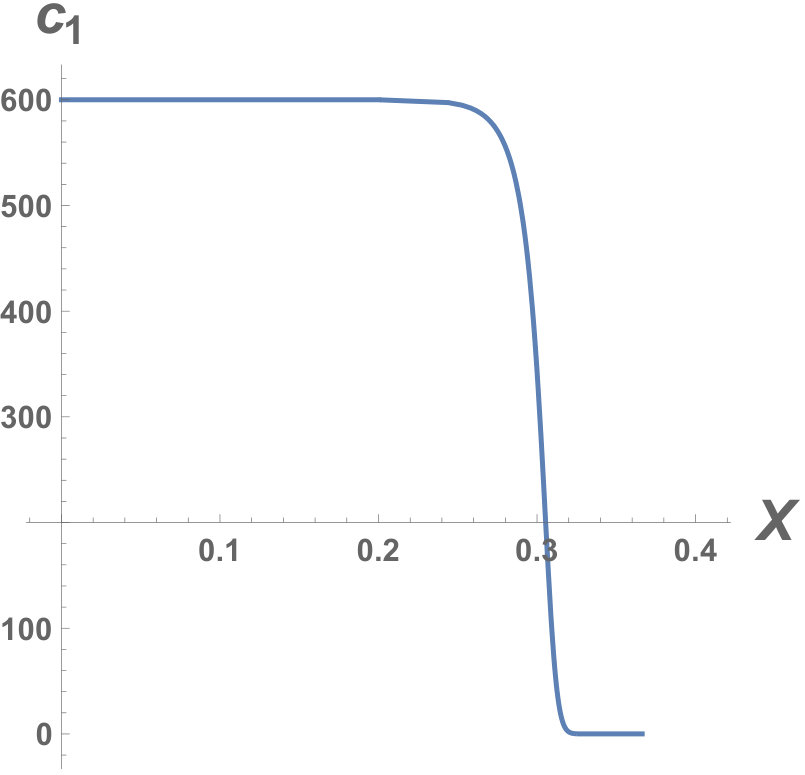 Figure 4
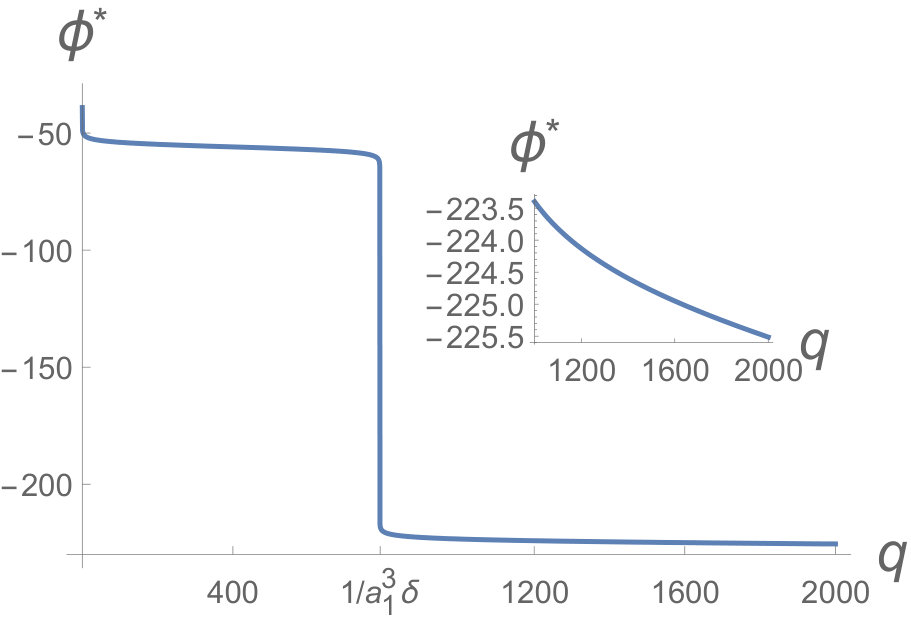 Figure 5
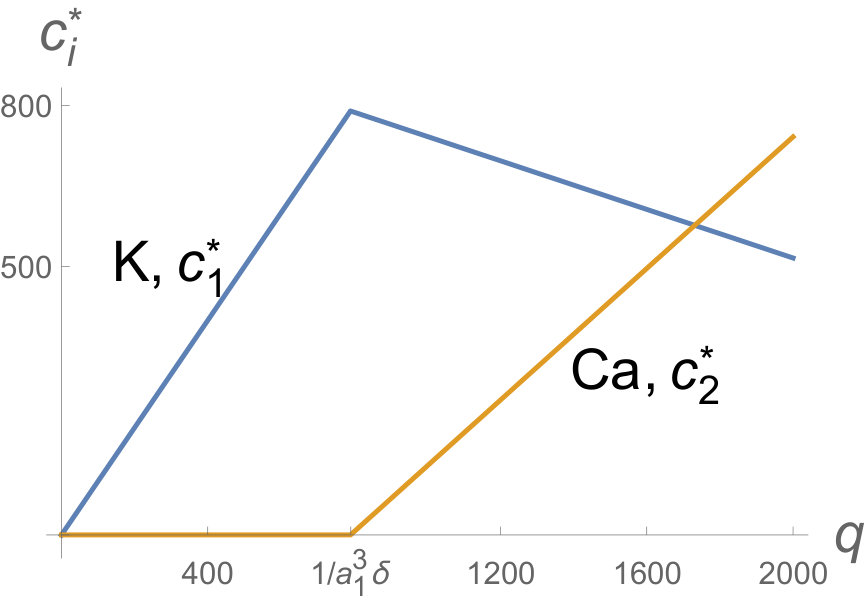 Figure 5
Peer Reviews
No public reviews on file for this paper yet. If you reviewed it on a platform where reviews are public (OpenReview, ICLR, NeurIPS, ICML), you can paste yours below so the community can read it here.
Videos
No videos yet. Explain this paper in a talk, walkthrough, or lecture? Add one.