Influence of vortex street structure on the efficiency of energy separation
Andrey I. Aleksyuk

TL;DR
This study investigates how the structure of vortex streets behind bluff bodies influences energy redistribution and separation efficiency, using direct numerical simulations and simplified vortex models to analyze different vortex configurations.
Contribution
It introduces a combined approach of numerical simulation and vortex modeling to analyze the impact of vortex street structure on energy separation efficiency.
Findings
Energy redistribution depends on vortex arrangement and strength.
Vortex street structure significantly influences energy separation efficiency.
Simplified models can qualitatively predict energy redistribution patterns.
Abstract
Regions with reduced and increased values of total enthalpy are observed in a time-averaged flow behind a bluff body. This energy redistribution takes place both in the vortex formation region and in the developed vortex wake. The present paper focuses on studying the effect of the structure of a vortex street on the intensity of energy redistribution. Two approaches are used. The first one is direct numerical simulation of the flow behind a transversely oscillating cylinder, which is known for a variety of vortex patterns in the wake. The simulations are based on a finite element solution of the Navier-Stokes equations for a compressible perfect viscous gas. The second approach is based on simplified point vortex models for infinite periodic vortex streets, which contain a finite number of vortex chains in equilibrium. It turns out that these simple models make it possible to obtain…
Click any figure to enlarge with its caption.
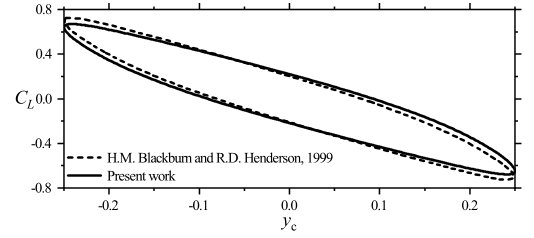 Figure 1
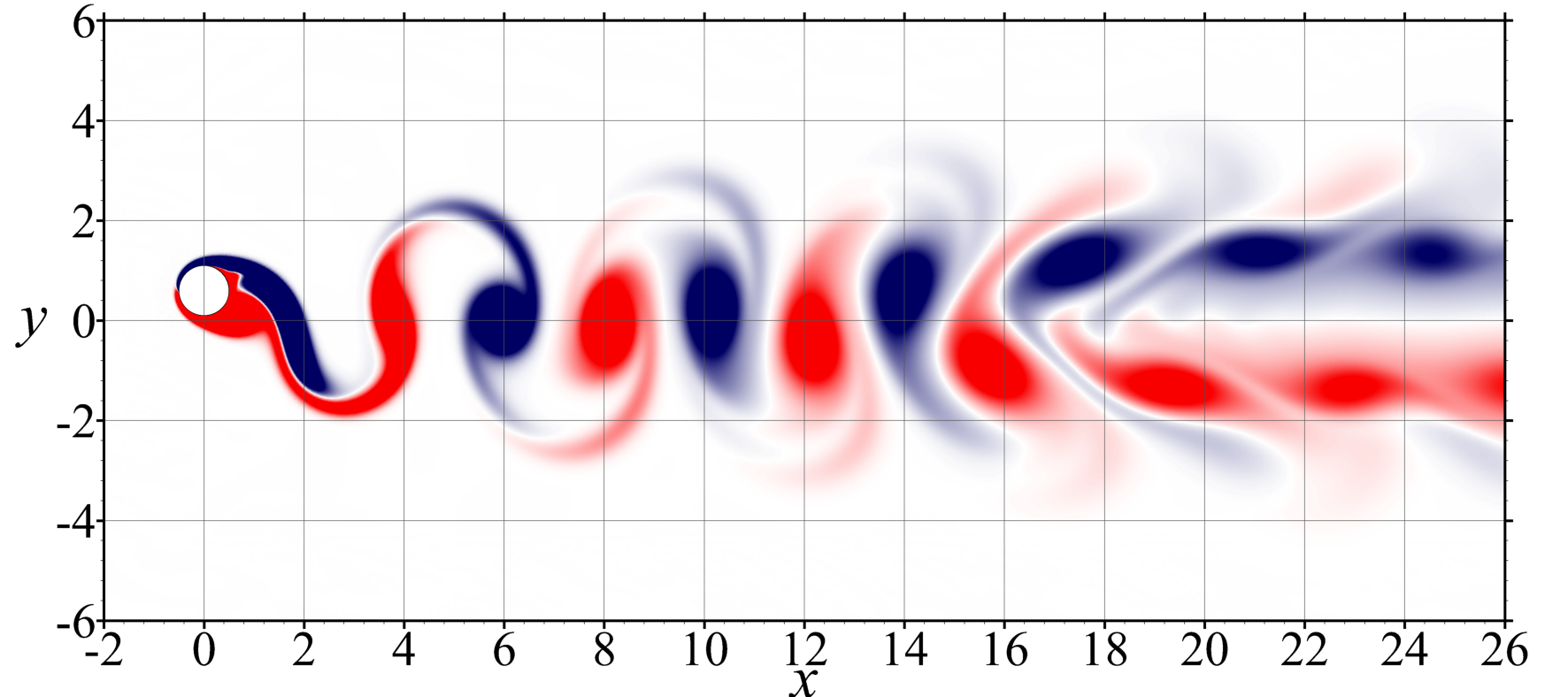 Figure 2
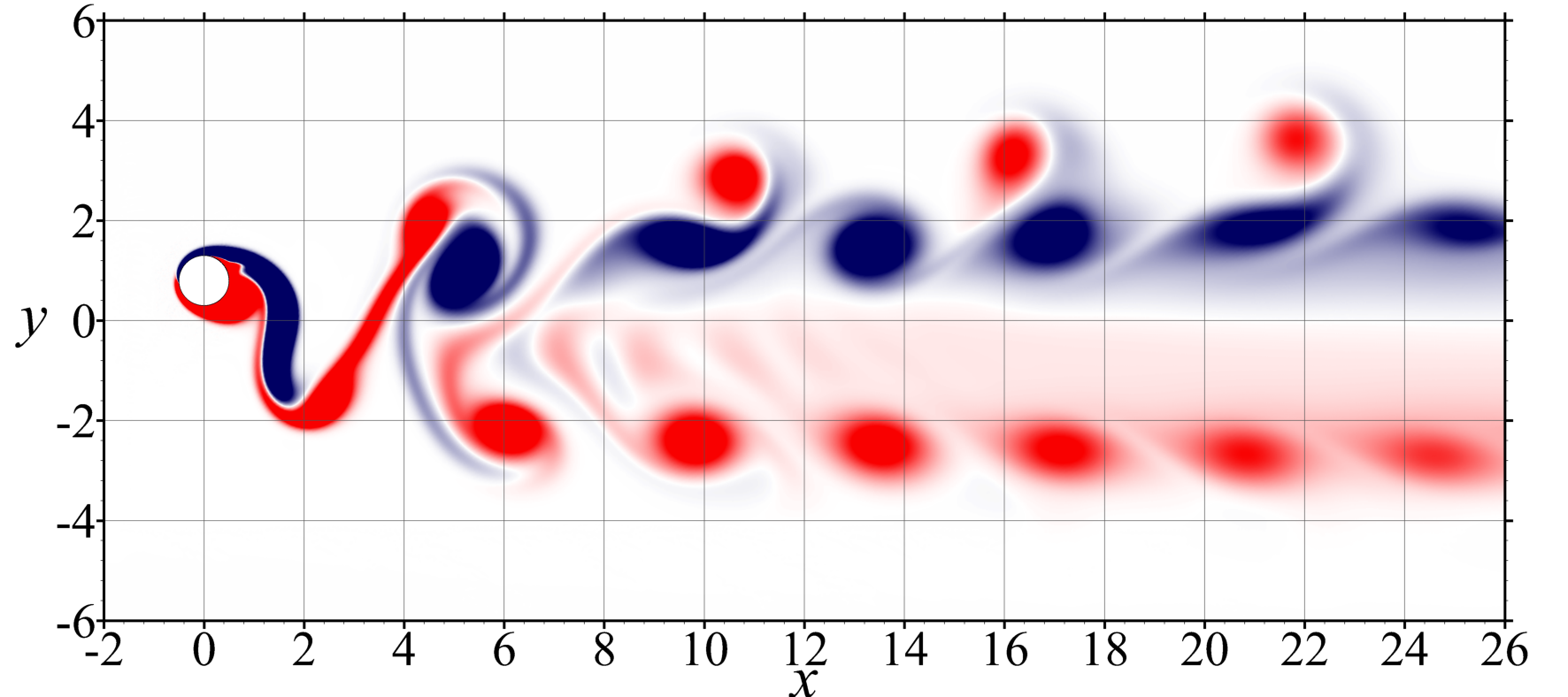 Figure 2
 Figure 2
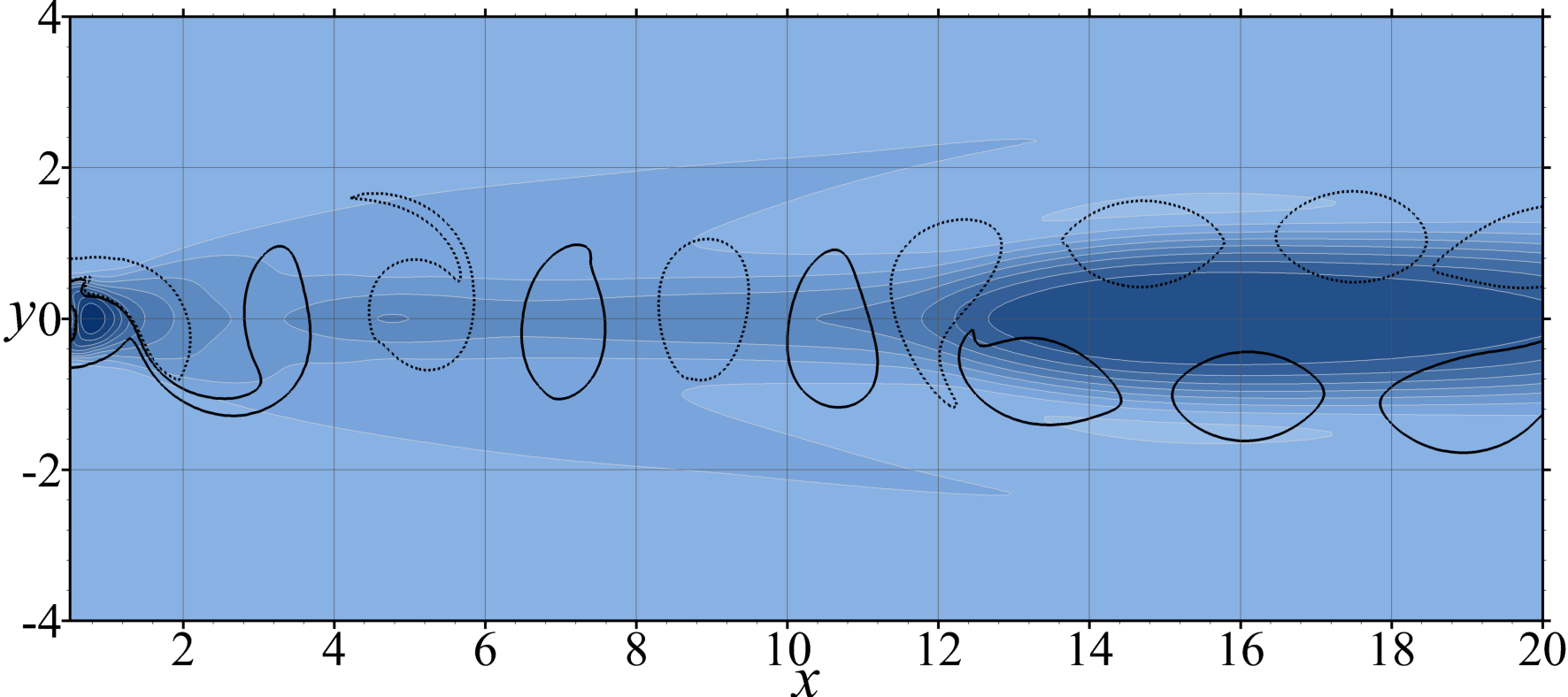 Figure 3
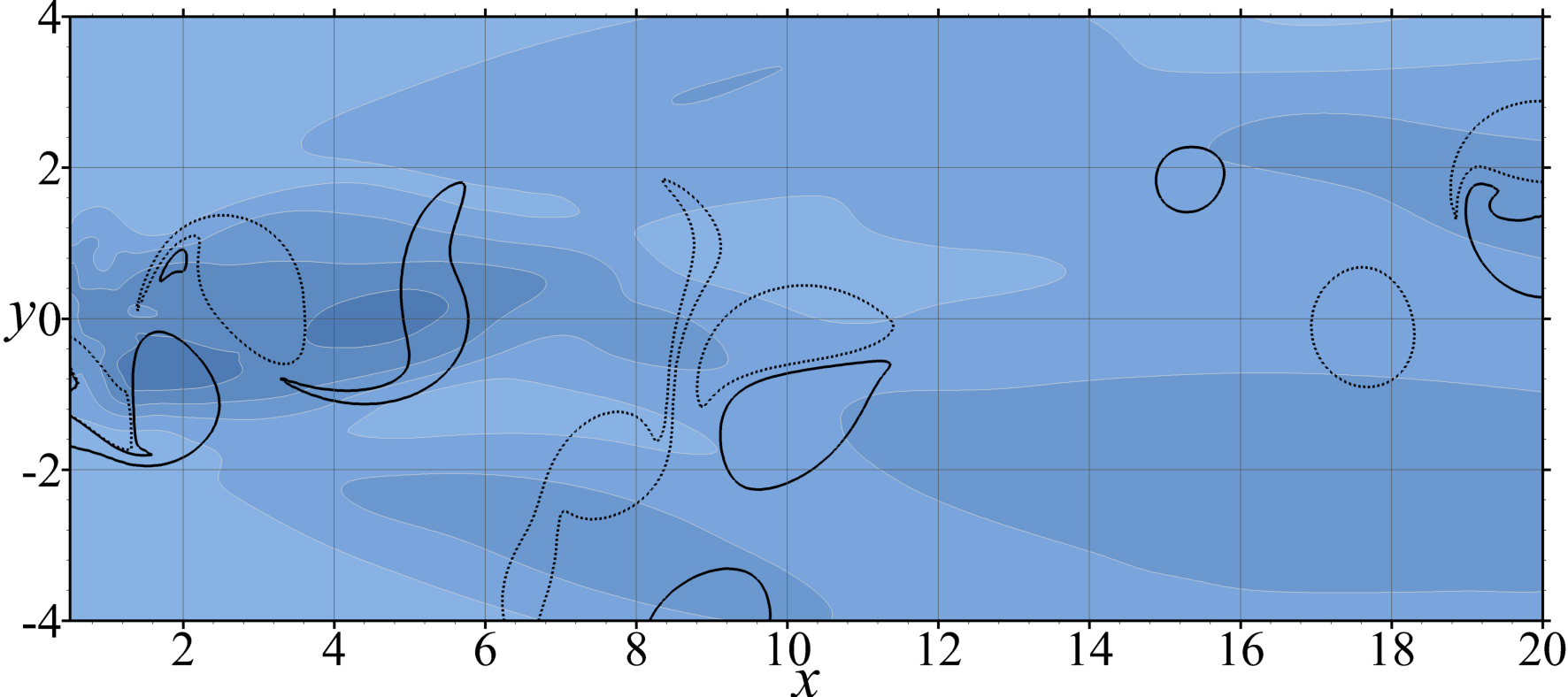 Figure 3
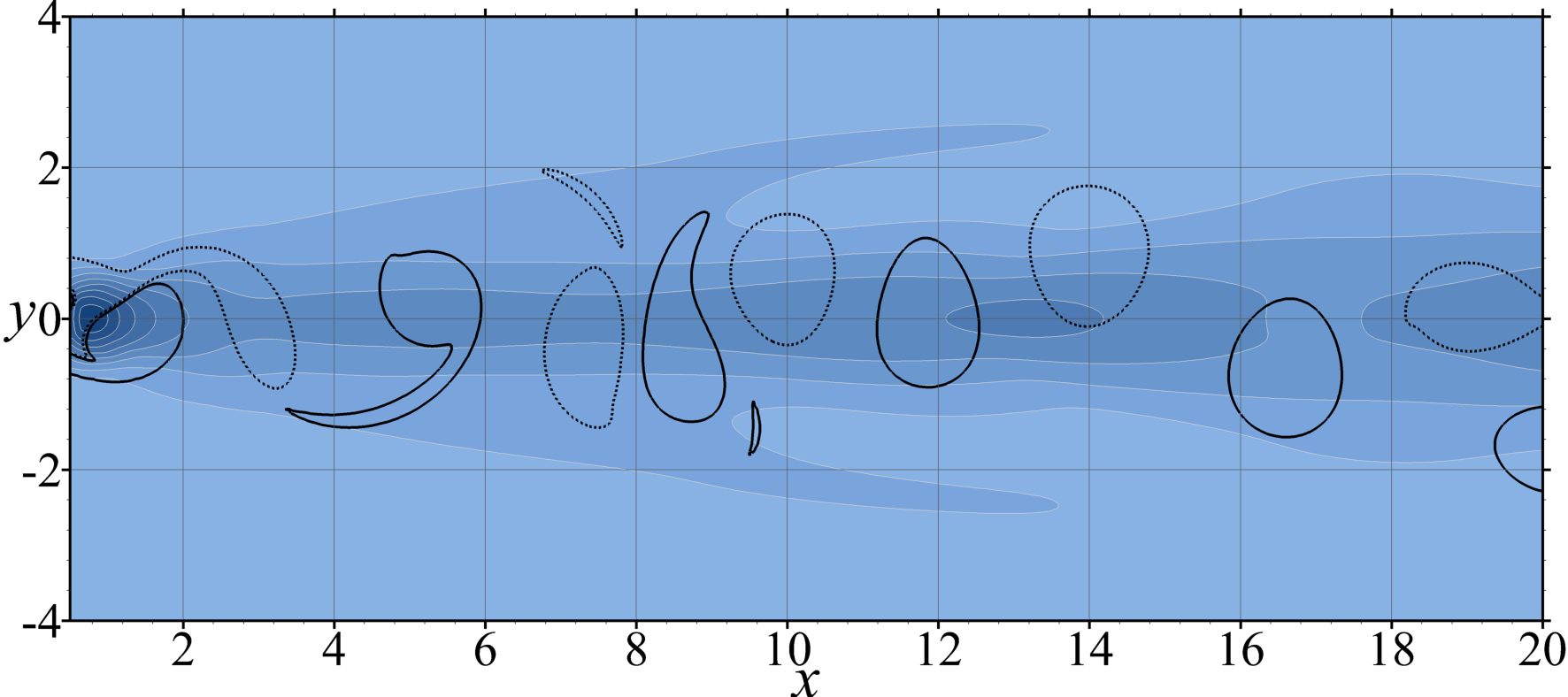 Figure 3
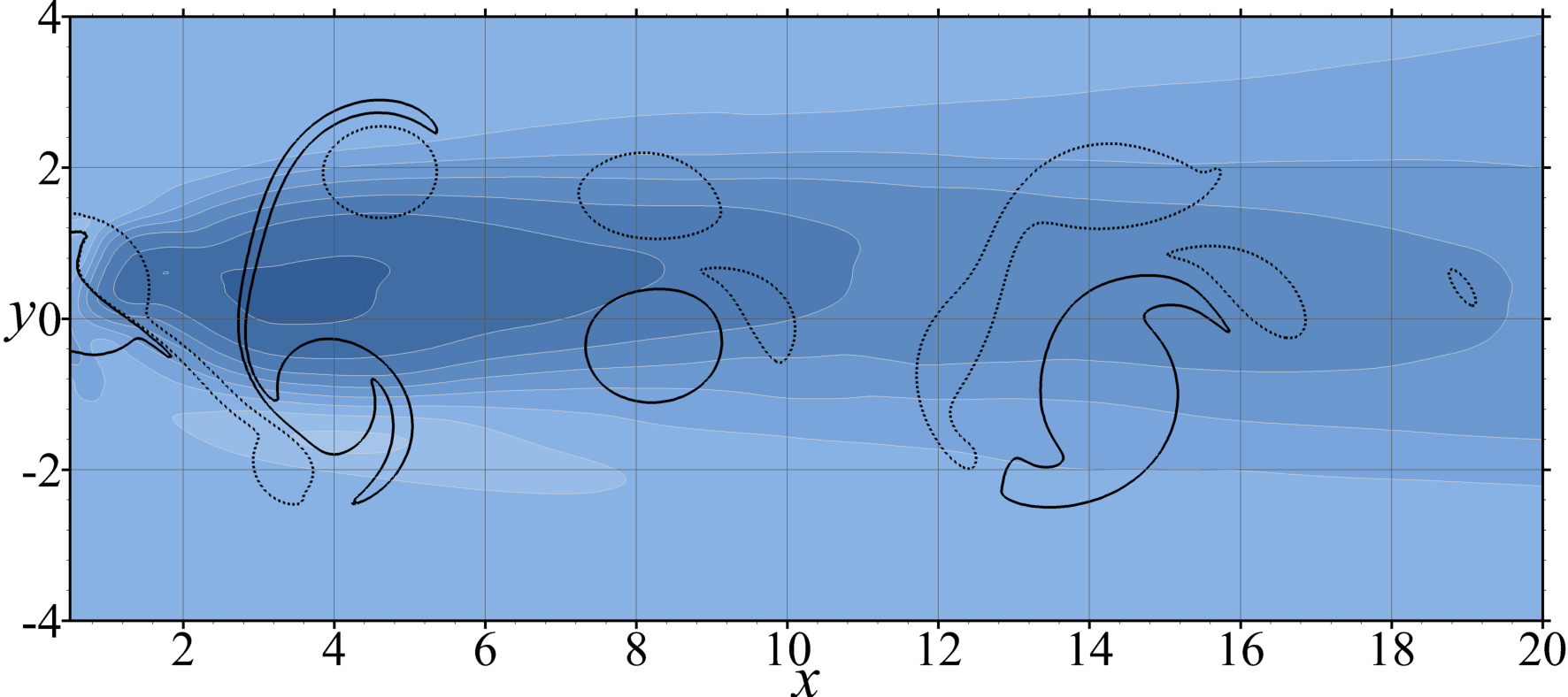 Figure 3
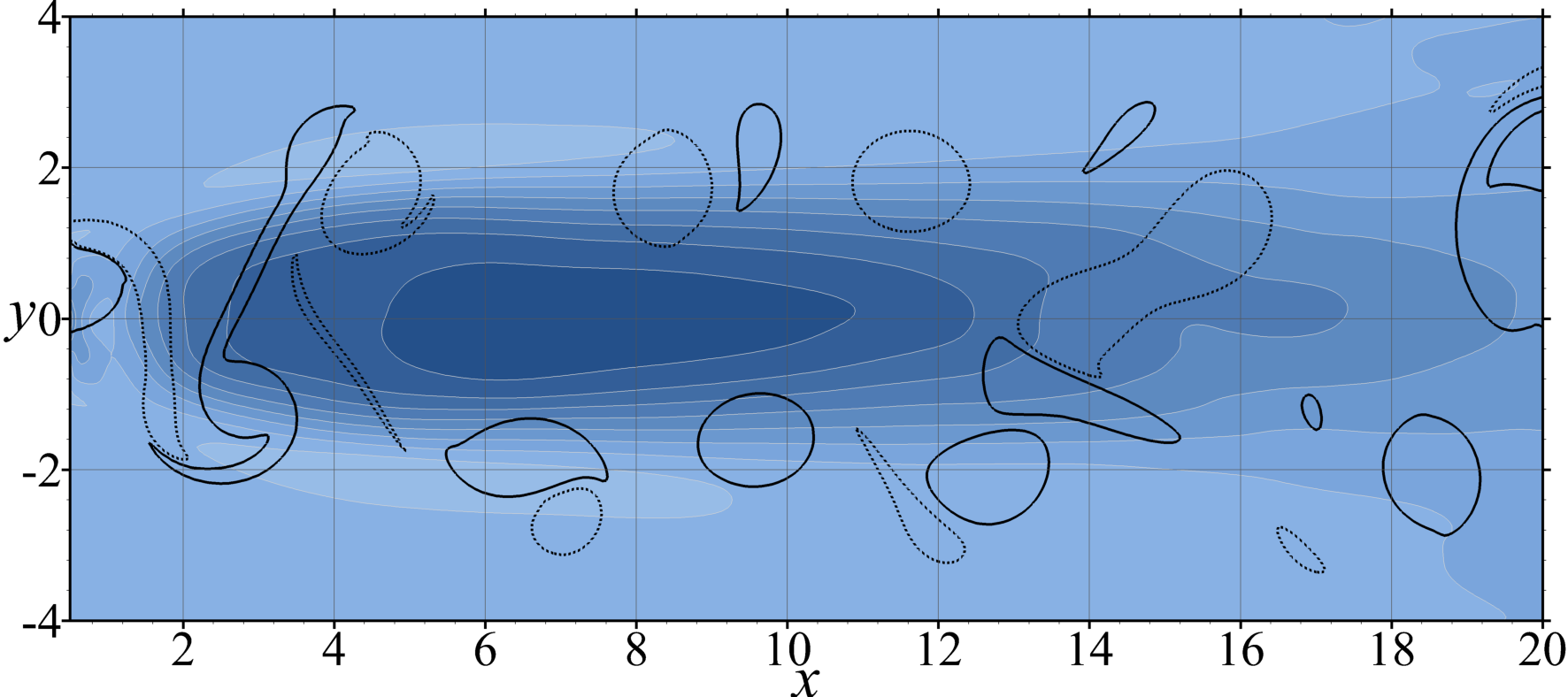 Figure 3
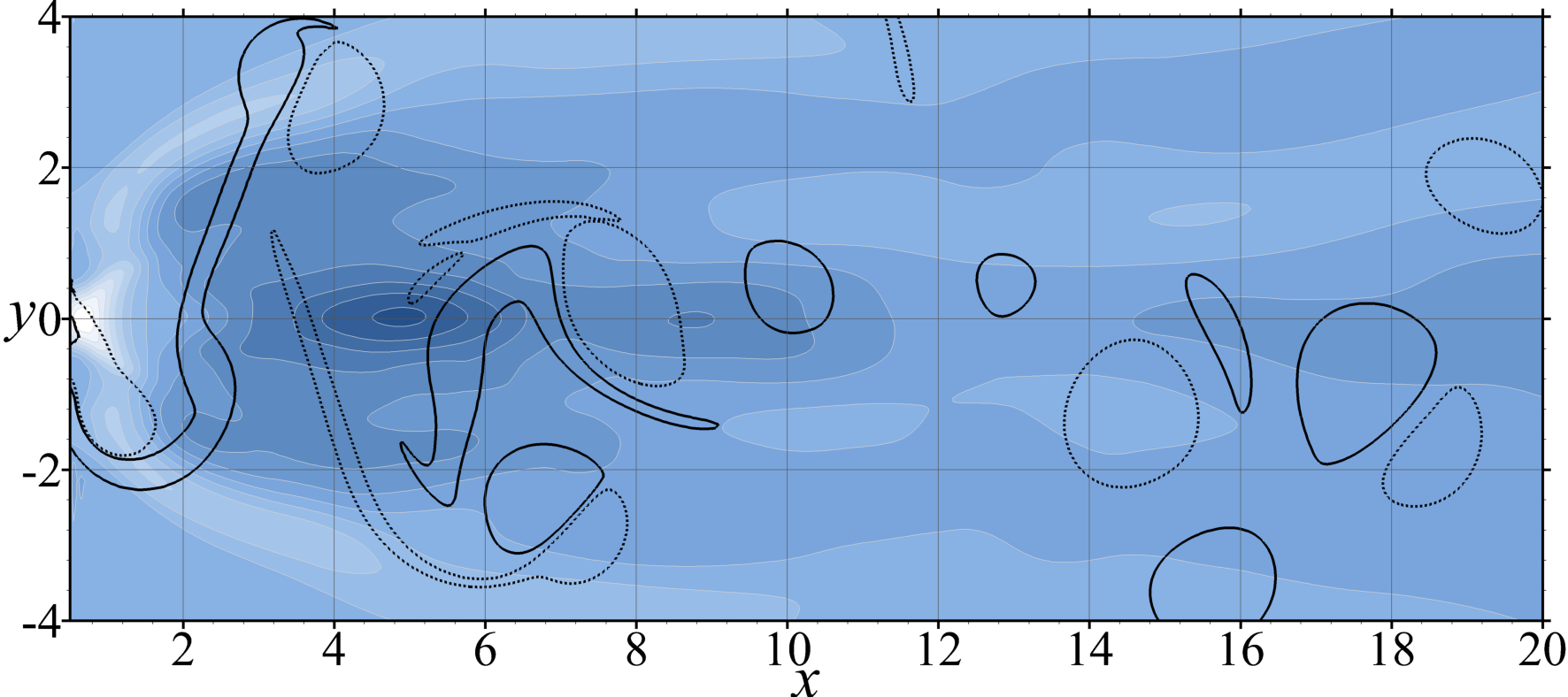 Figure 3
 Figure 3
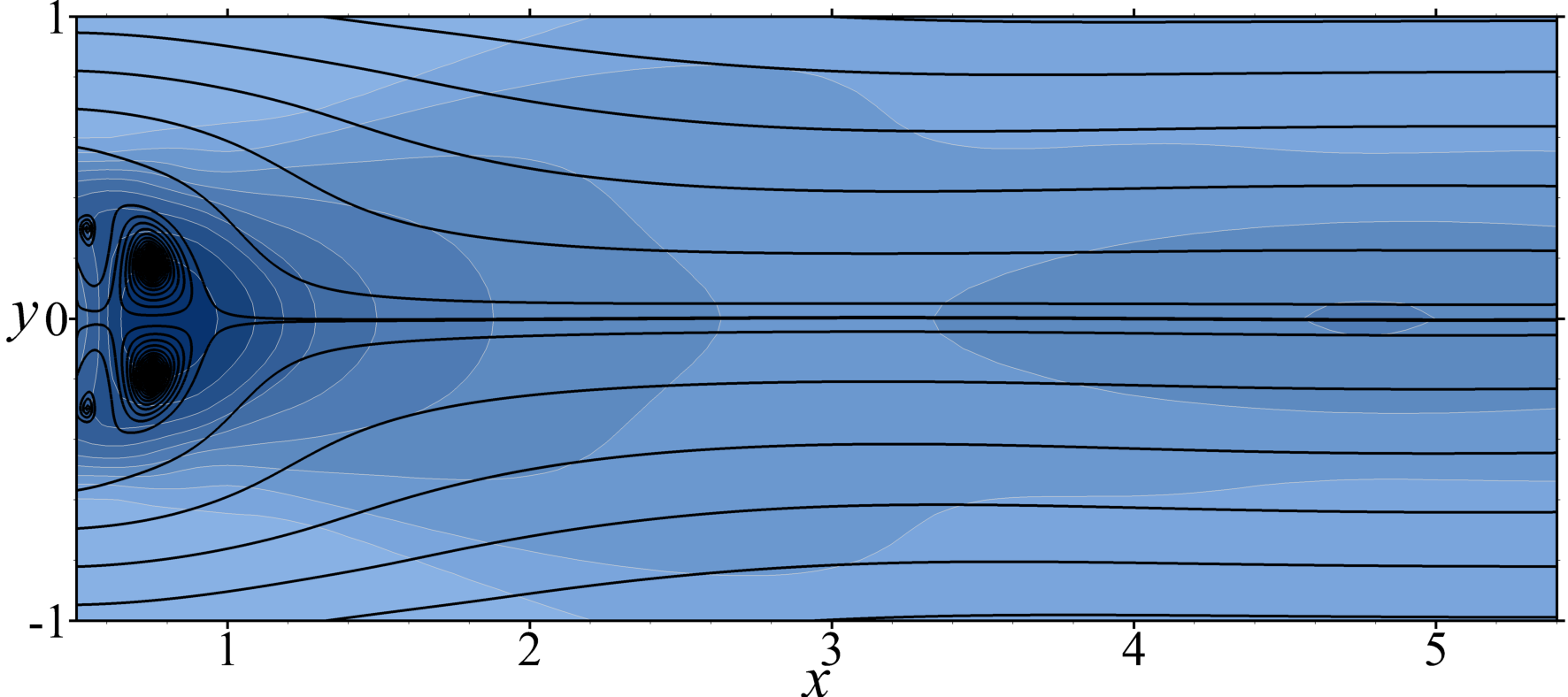 Figure 4
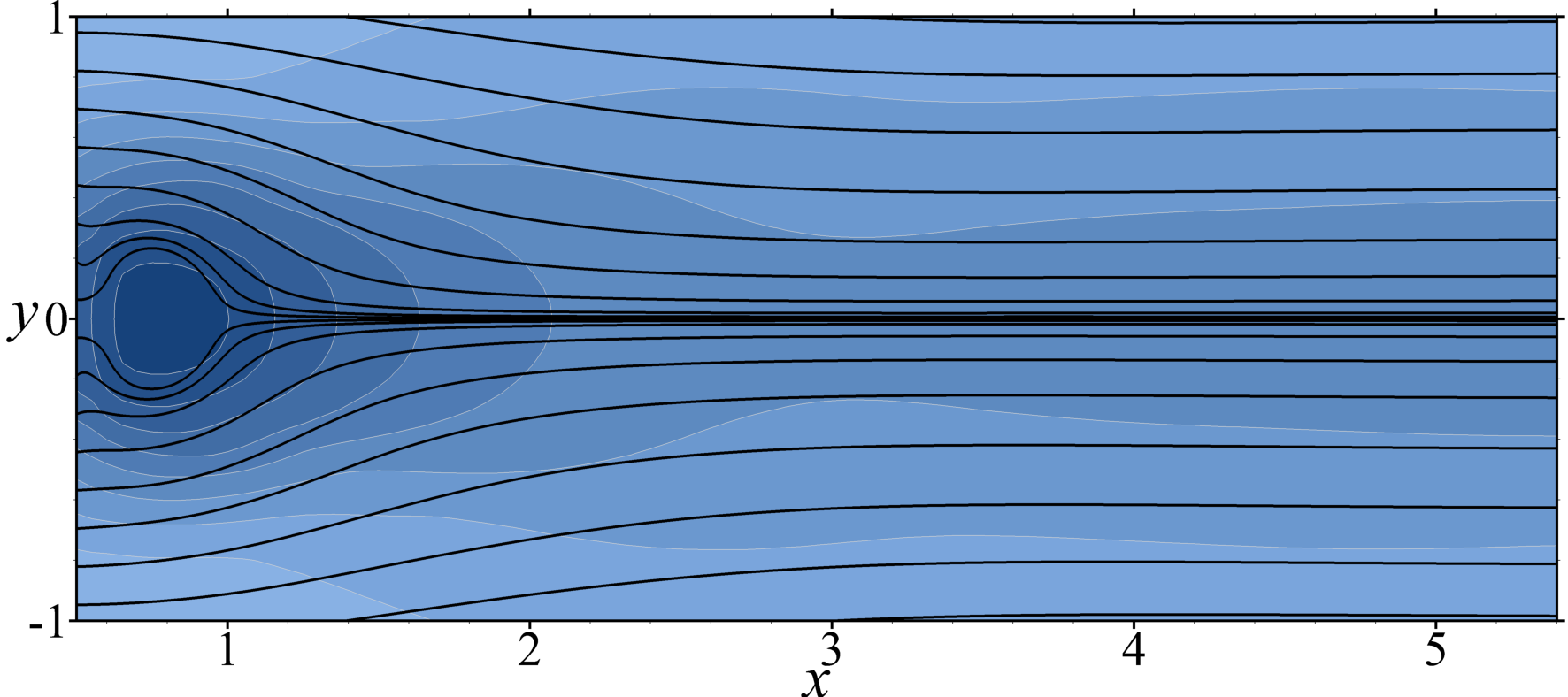 Figure 4
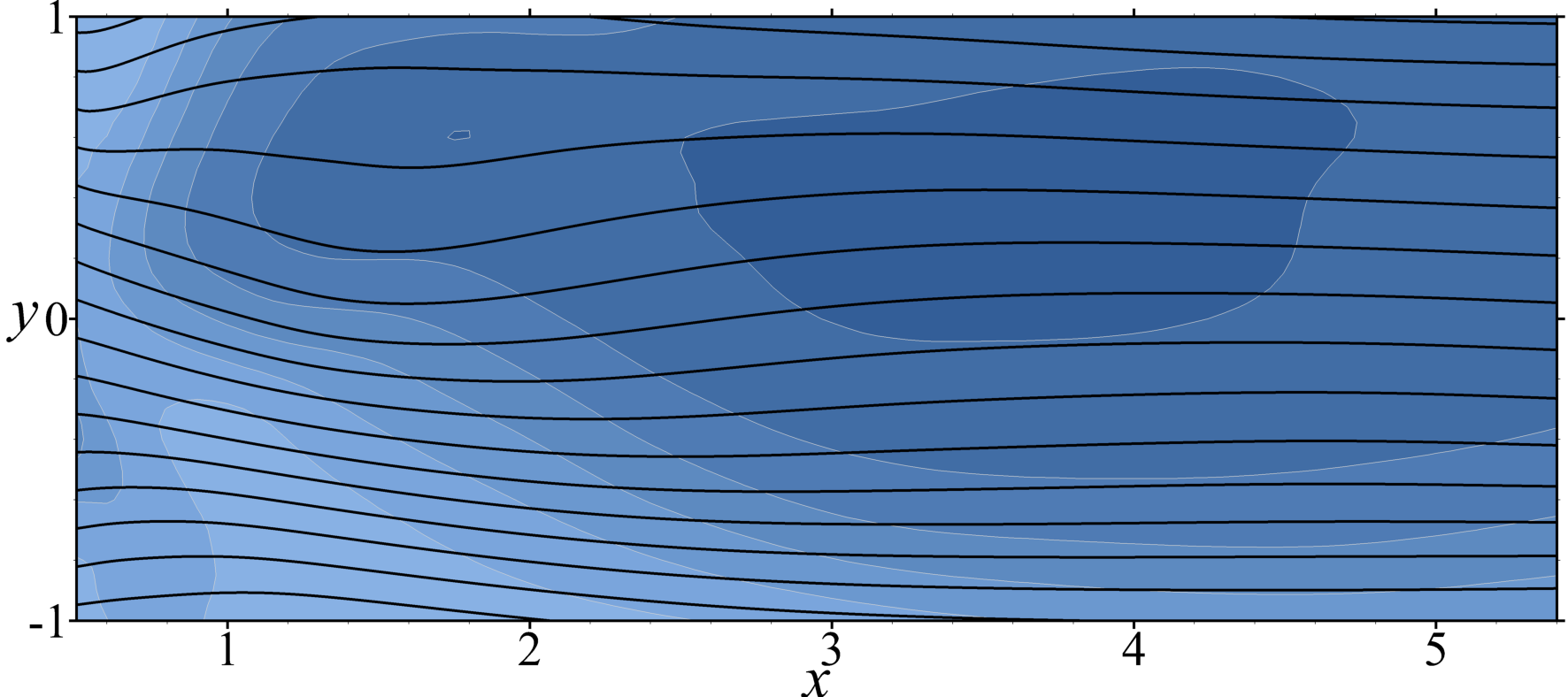 Figure 4
 Figure 4
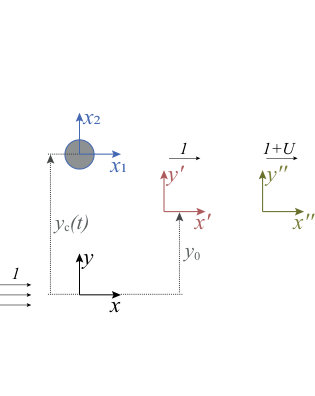 Figure 5
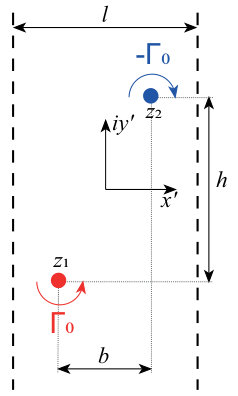 Figure 5
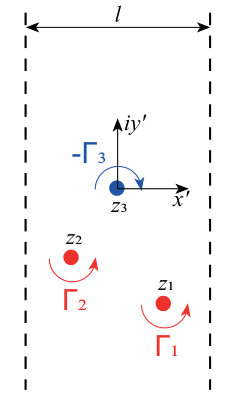 Figure 5
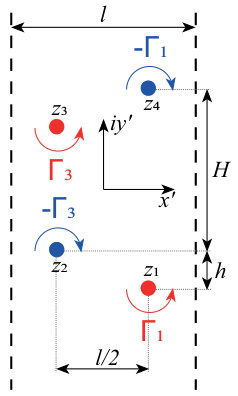 Figure 5
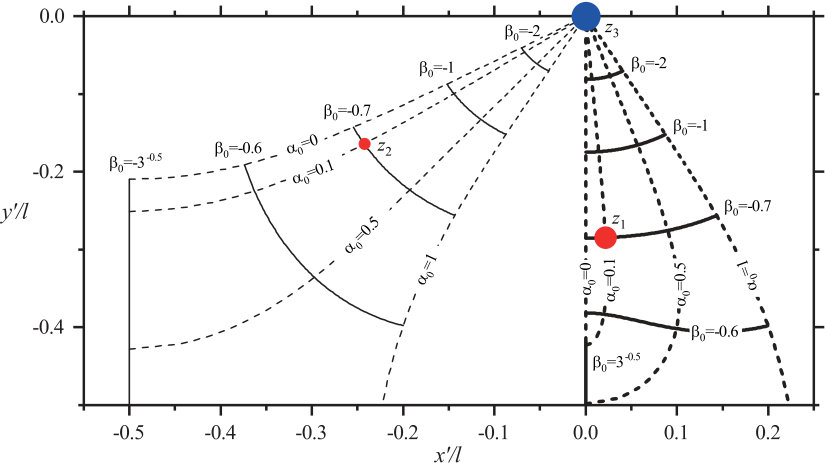 Figure 6
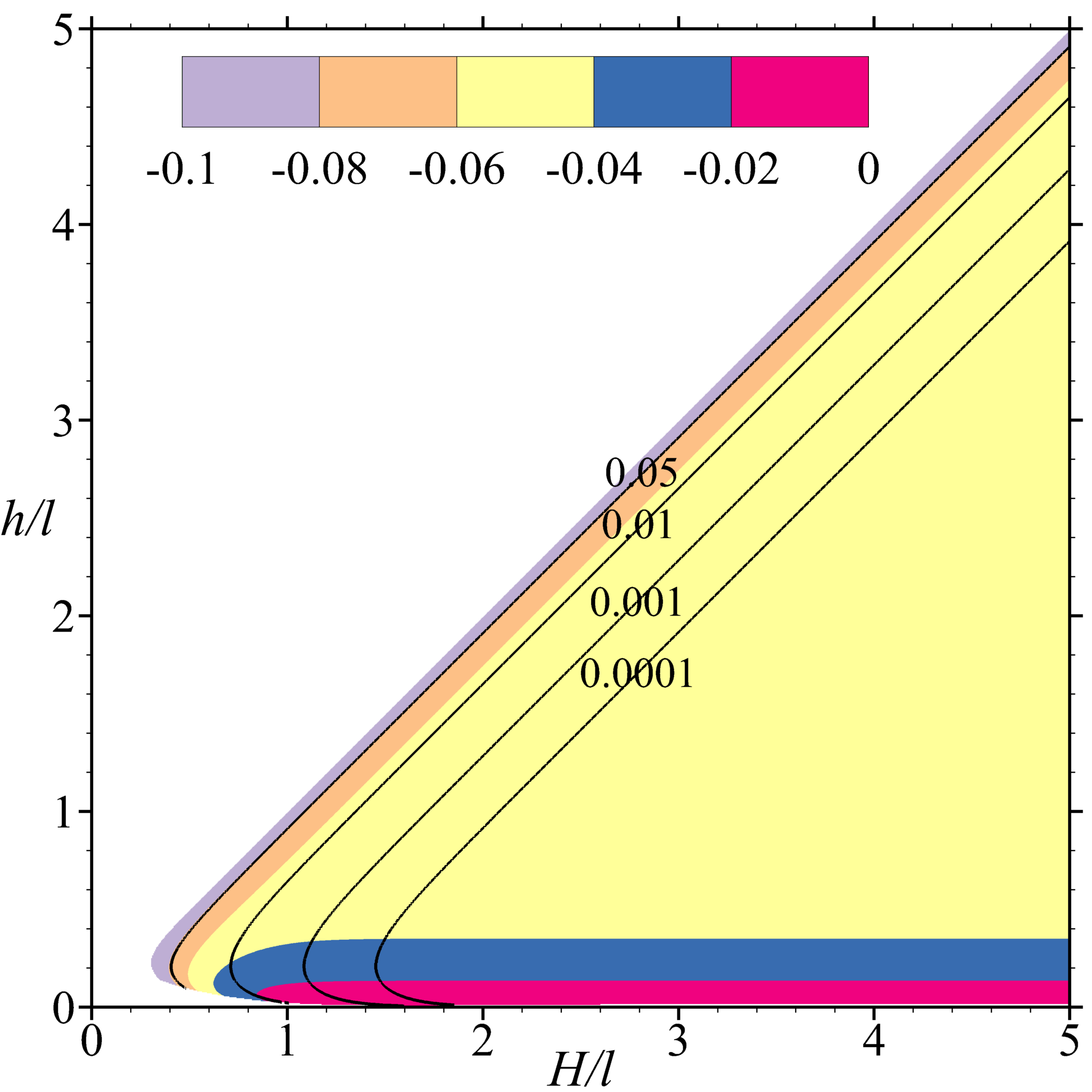 Figure 7
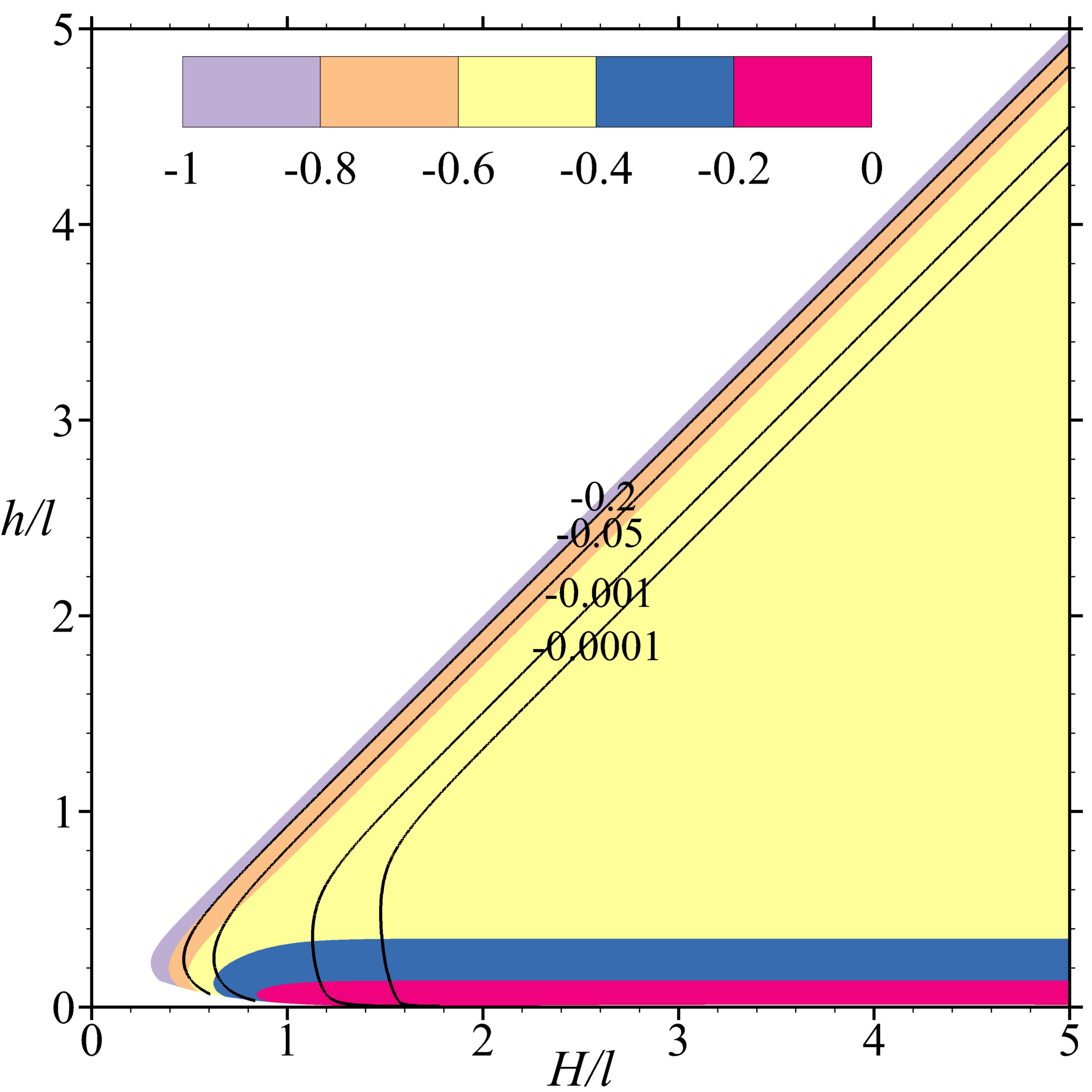 Figure 7
Peer Reviews
No public reviews on file for this paper yet. If you reviewed it on a platform where reviews are public (OpenReview, ICLR, NeurIPS, ICML), you can paste yours below so the community can read it here.
Videos
No videos yet. Explain this paper in a talk, walkthrough, or lecture? Add one.