Search for dark matter with a 231-day exposure of liquid argon using DEAP-3600 at SNOLAB
R. Ajaj, P.-A. Amaudruz, G. R. Araujo, M. Baldwin, M. Batygov, B., Beltran, C. E. Bina, J. Bonatt, M. G. Boulay, B. Broerman, J. F. Bueno, P. M., Burghardt, A. Butcher, B. Cai, S. Cavuoti, M. Chen, Y. Chen, B. T. Cleveland,, D. Cranshaw, K. Dering, J. DiGioseffo, L. Doria

TL;DR
This paper reports on a dark matter search using the DEAP-3600 liquid argon detector at SNOLAB, setting new limits on WIMP-nucleon interactions based on 231 days of data with advanced background suppression and analysis techniques.
Contribution
The study introduces improved pulse-shape discrimination, Bayesian photoelectron counting, and dual position reconstruction algorithms in a large liquid argon detector for dark matter detection.
Findings
No candidate events observed in the WIMP search region.
Sets the leading limit on WIMP-nucleon cross section for 100 GeV/c² WIMPs.
Demonstrates the best pulse-shape discrimination in liquid argon at threshold.
Abstract
DEAP-3600 is a single-phase liquid argon (LAr) direct-detection dark matter experiment, operating 2 km underground at SNOLAB (Sudbury, Canada). The detector consists of 3279 kg of LAr contained in a spherical acrylic vessel. This paper reports on the analysis of a 758 tonne\cdot day exposure taken over a period of 231 live-days during the first year of operation. No candidate signal events are observed in the WIMP-search region of interest, which results in the leading limit on the WIMP-nucleon spin-independent cross section on a LAr target of cm ( cm) for a 100 GeV/c (1 TeV/c) WIMP mass at 90\% C. L. In addition to a detailed background model, this analysis demonstrates the best pulse-shape discrimination in LAr at threshold, employs a Bayesian photoelectron-counting technique to improve the energy resolution and…
Click any figure to enlarge with its caption.
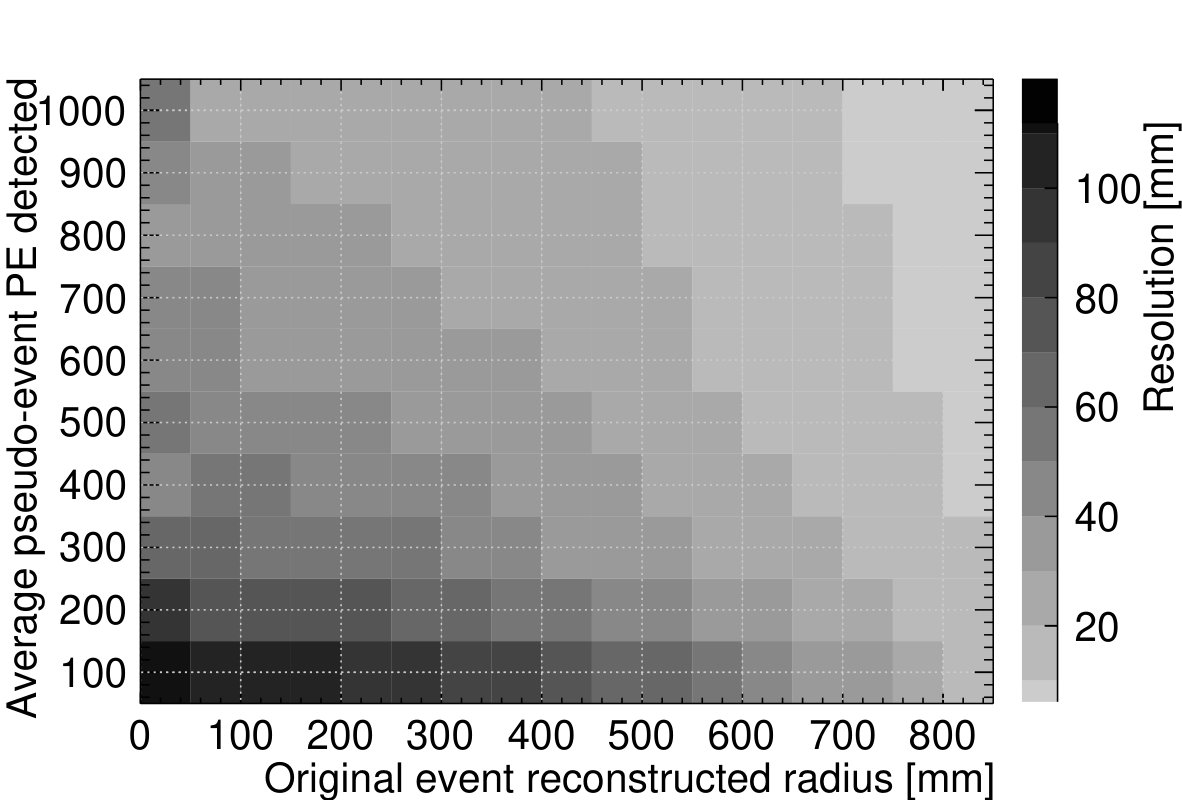 Figure 1
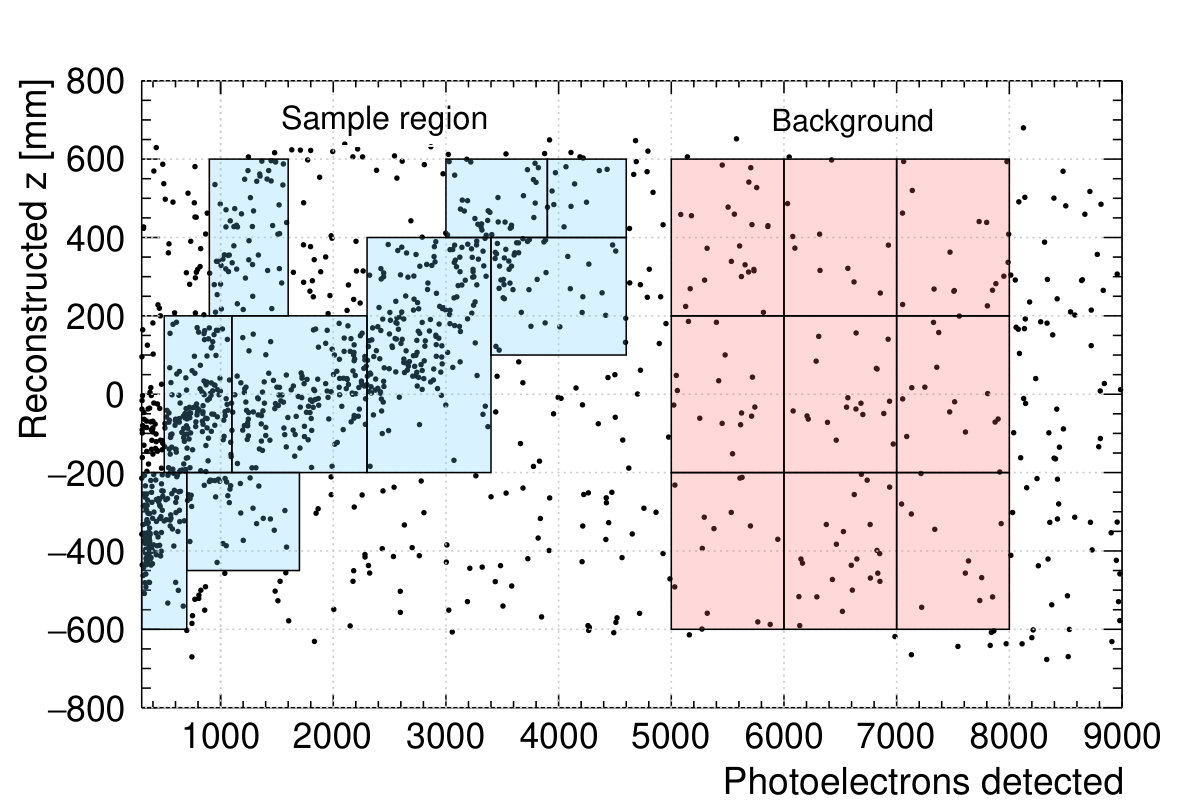 Figure 2
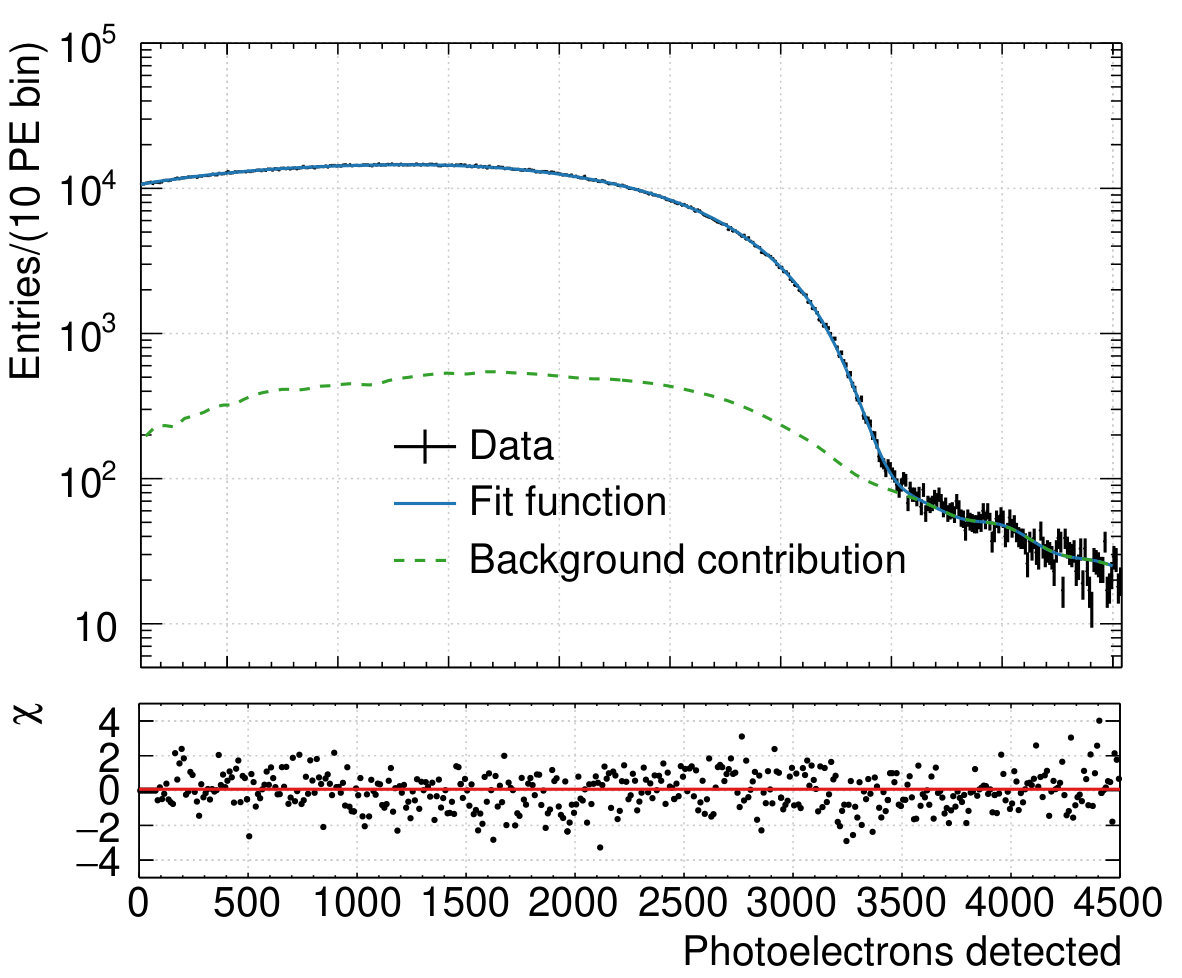 Figure 3
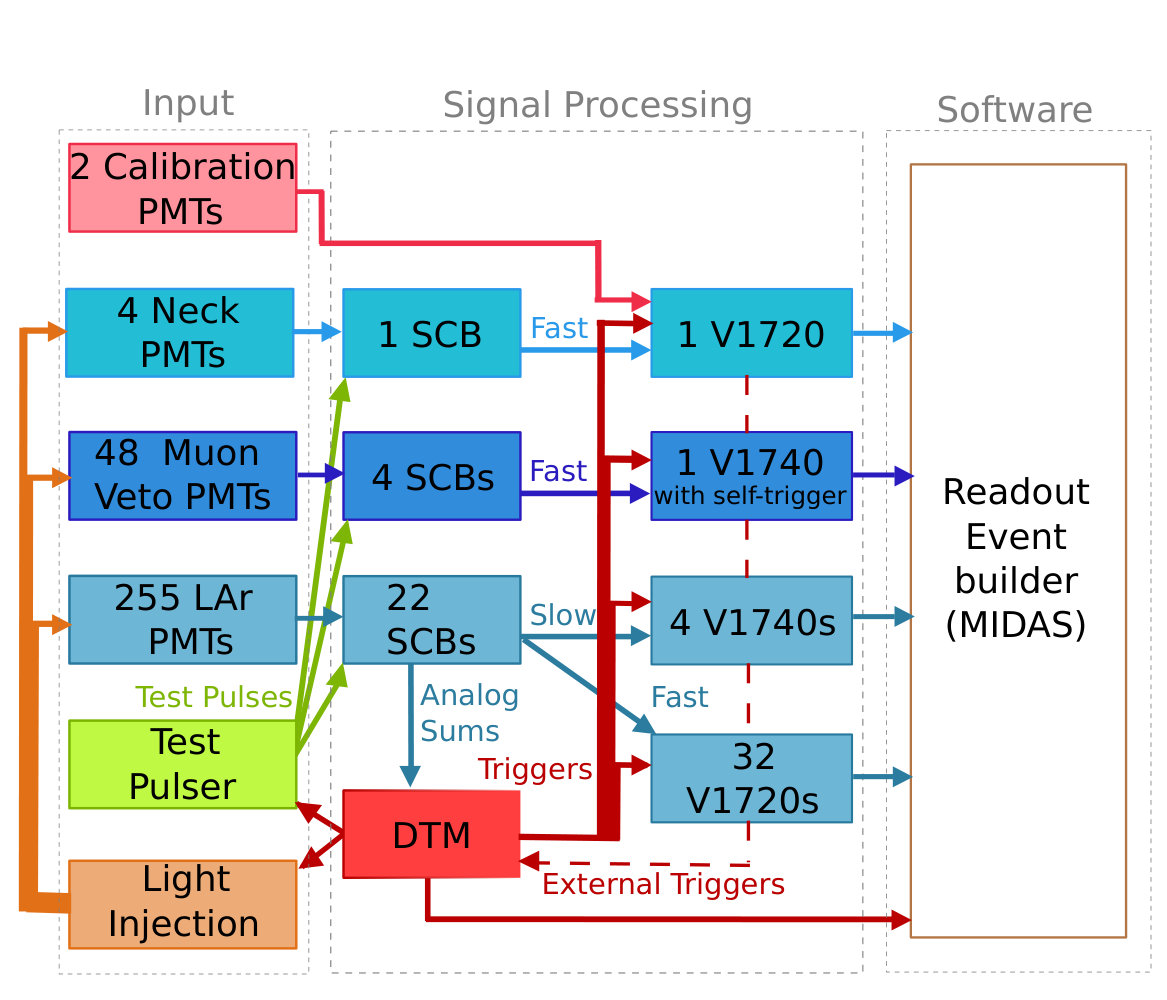 Figure 4
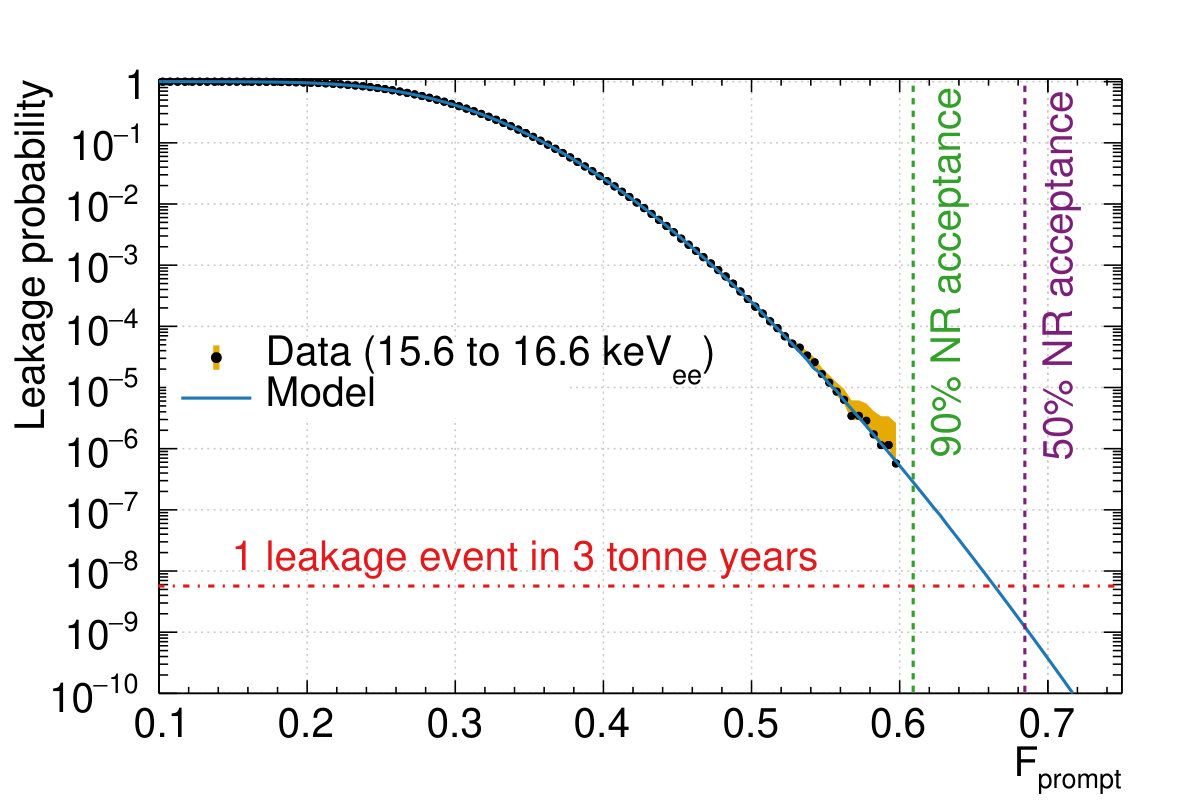 Figure 5
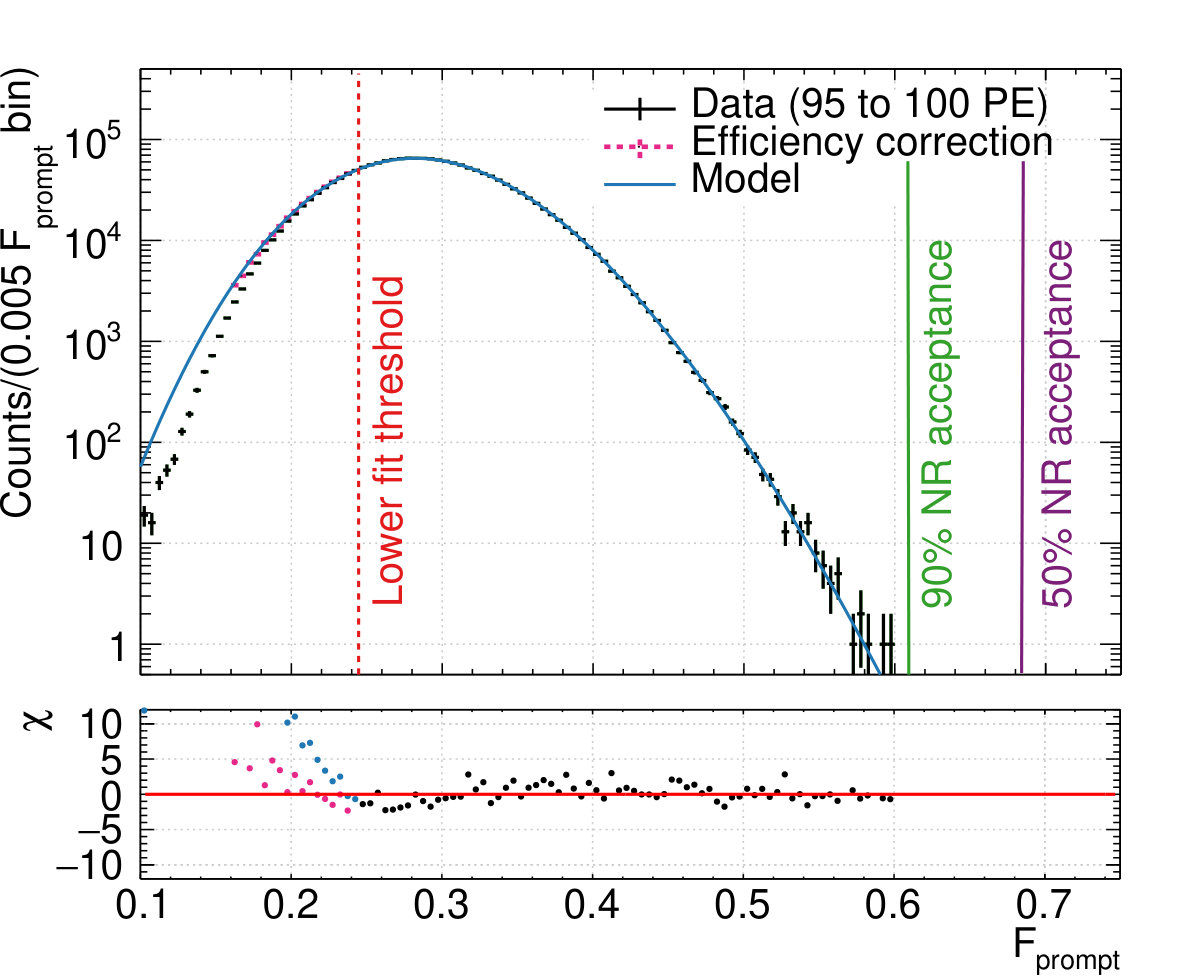 Figure 6
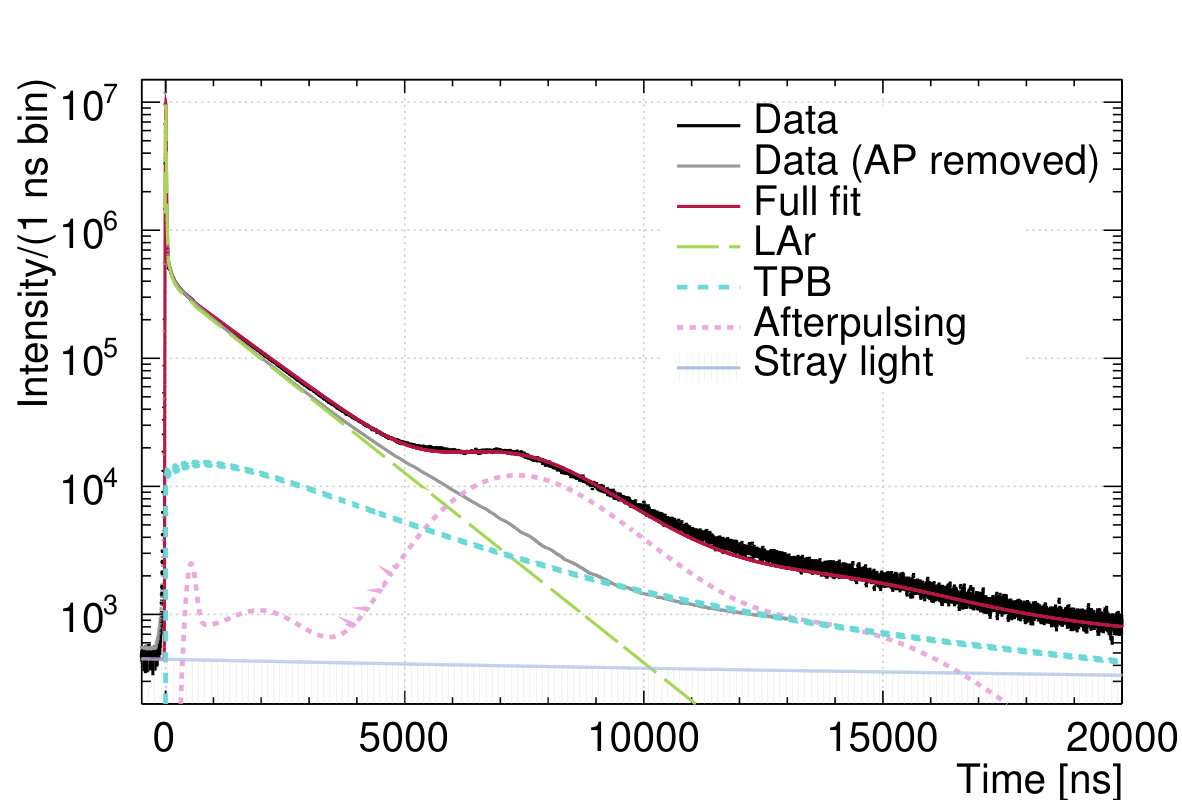 Figure 7
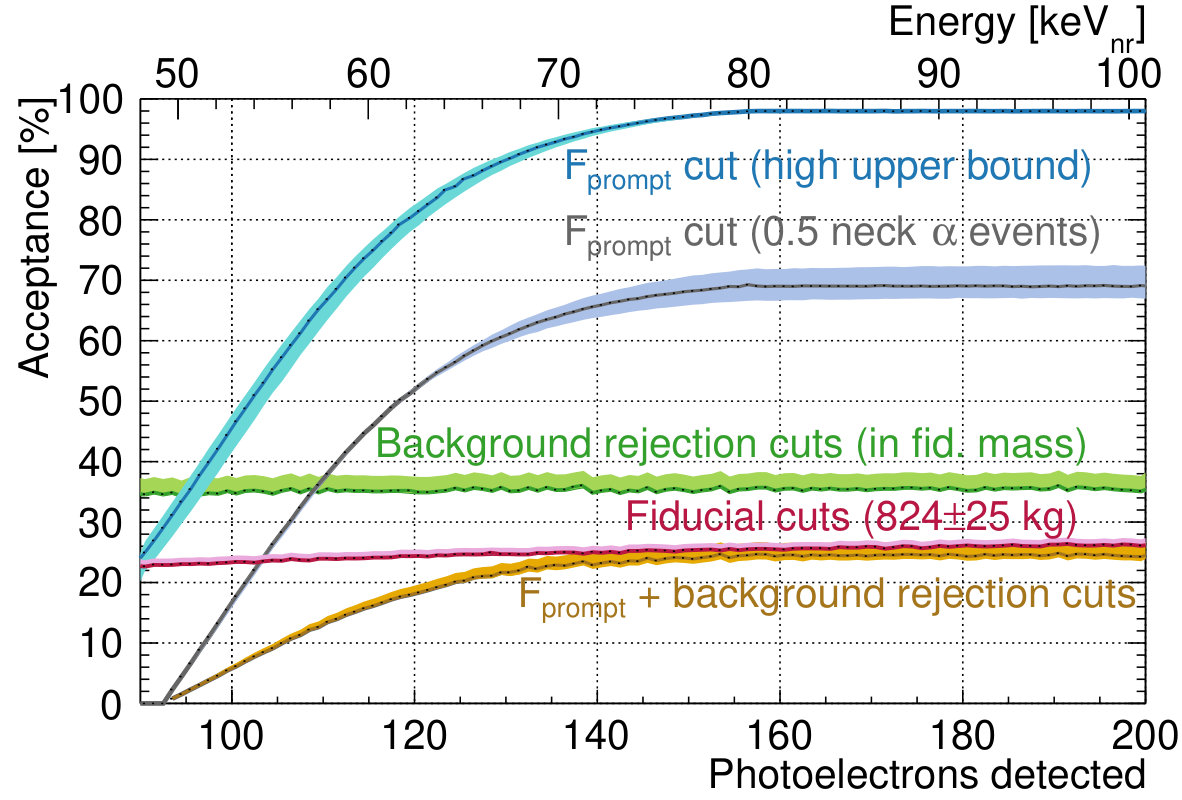 Figure 8
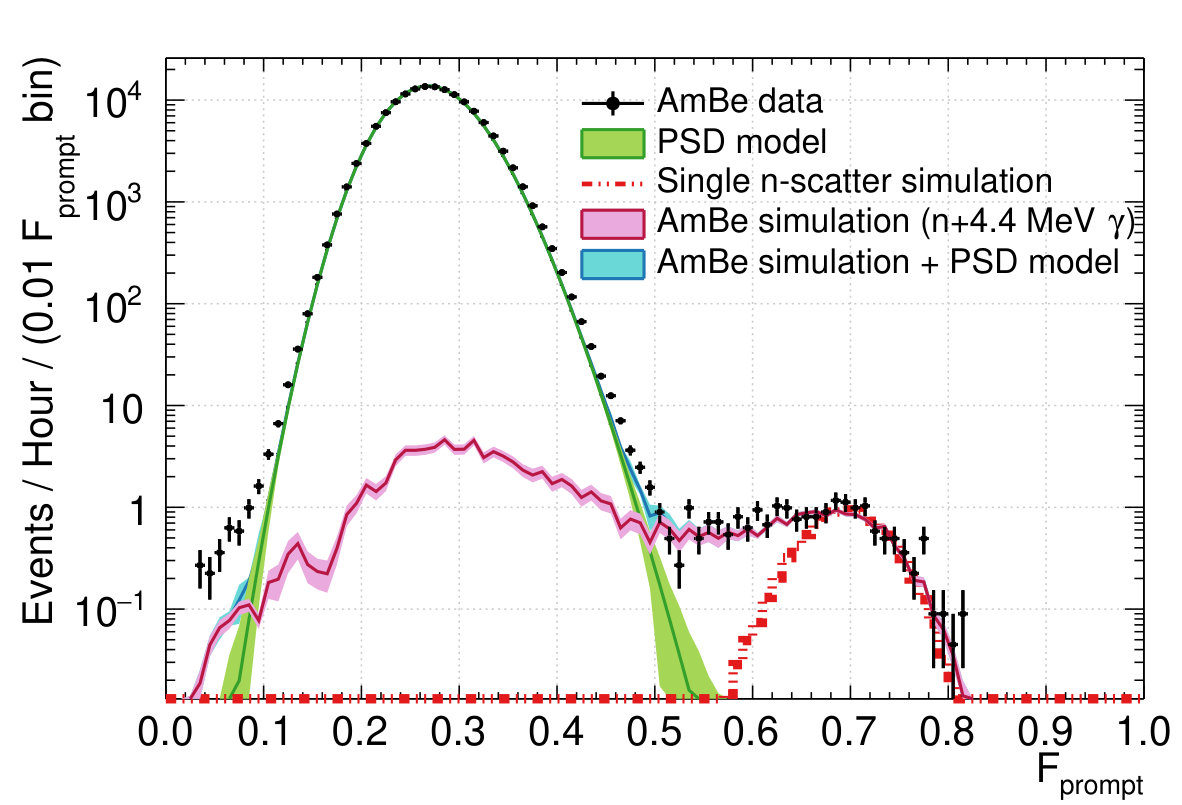 Figure 9
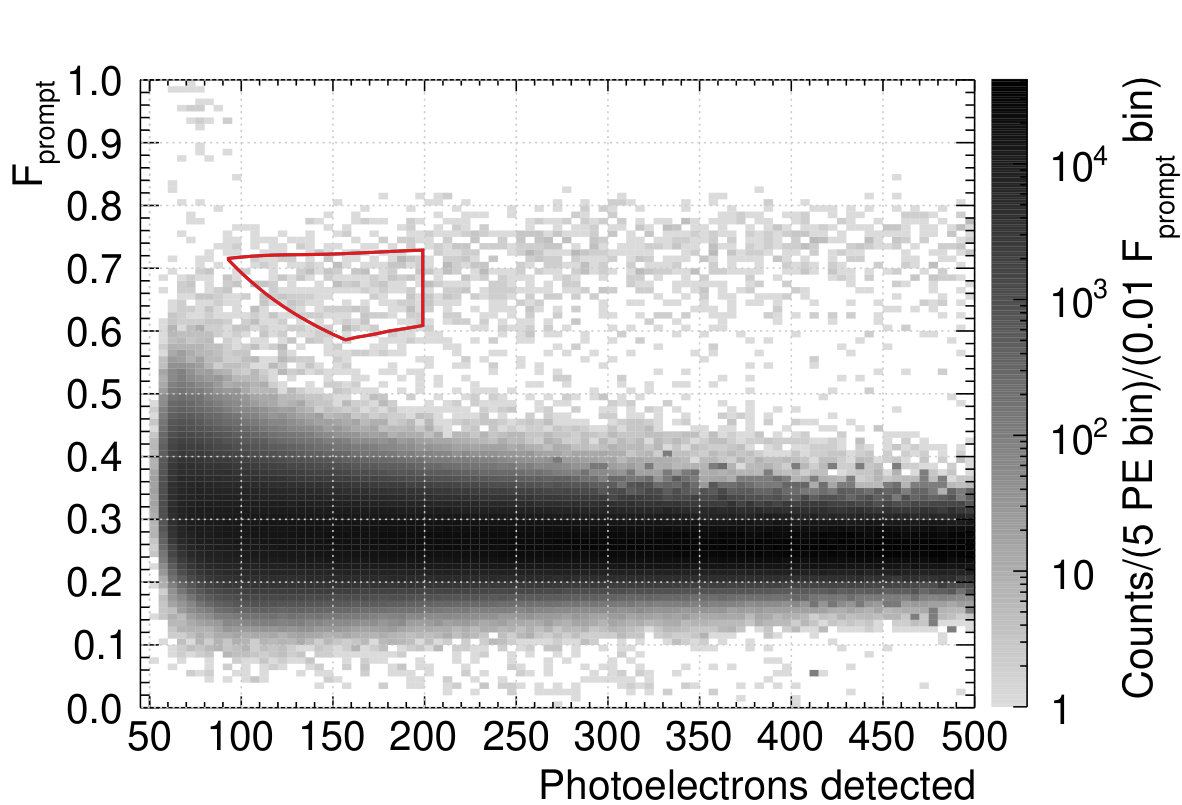 Figure 10
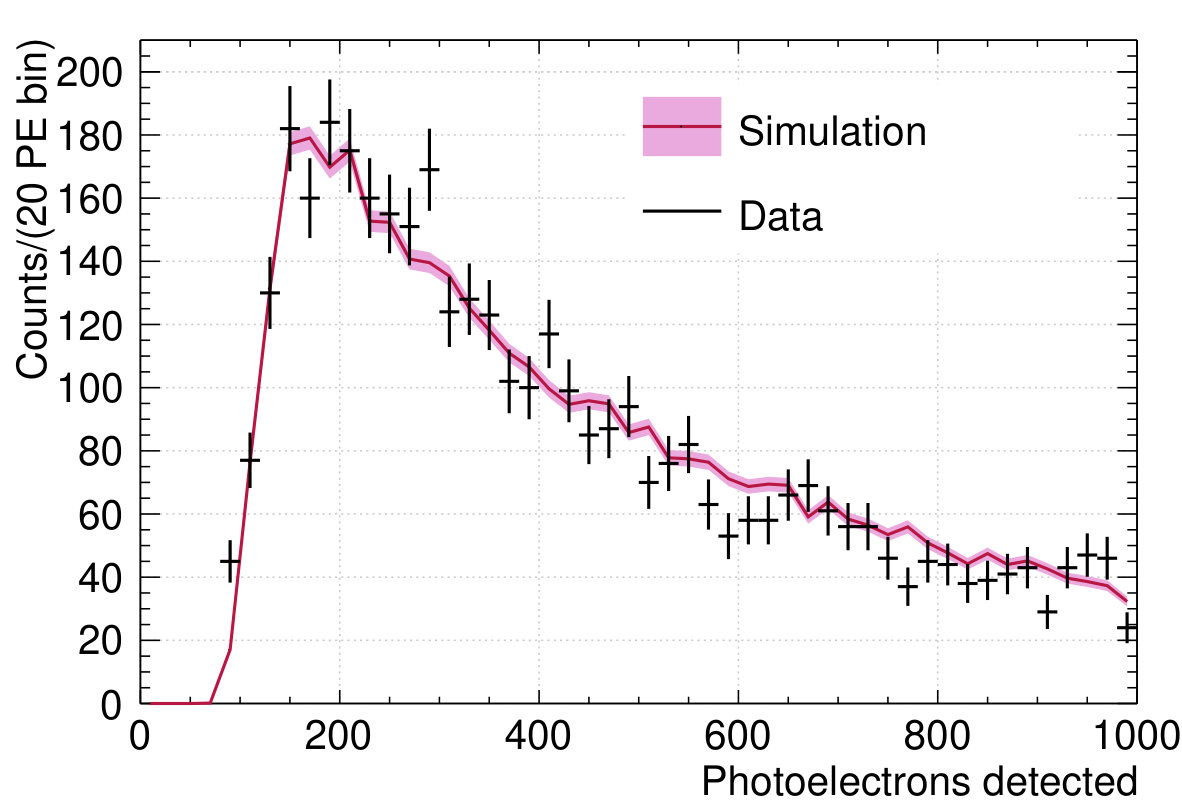 Figure 11
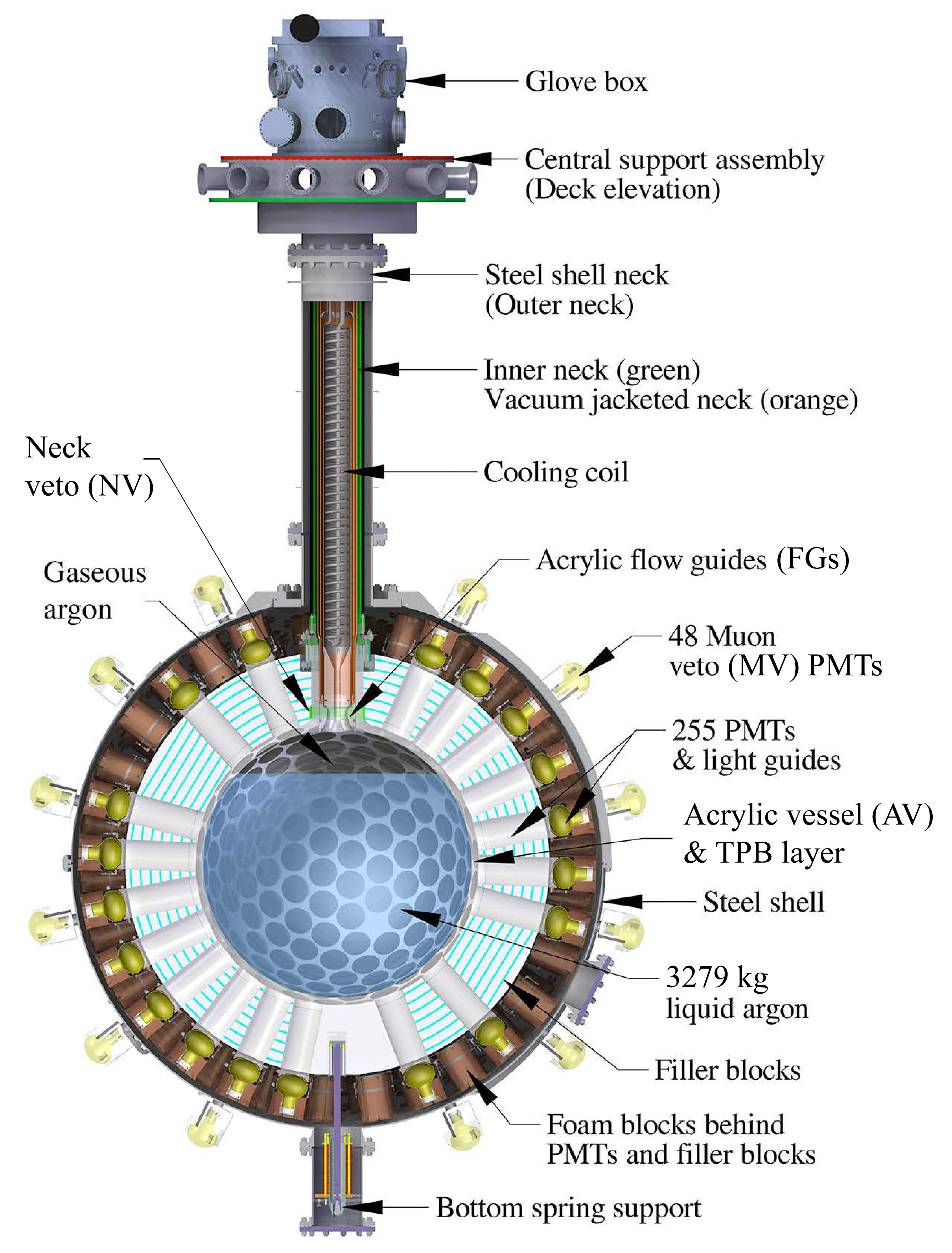 Figure 12
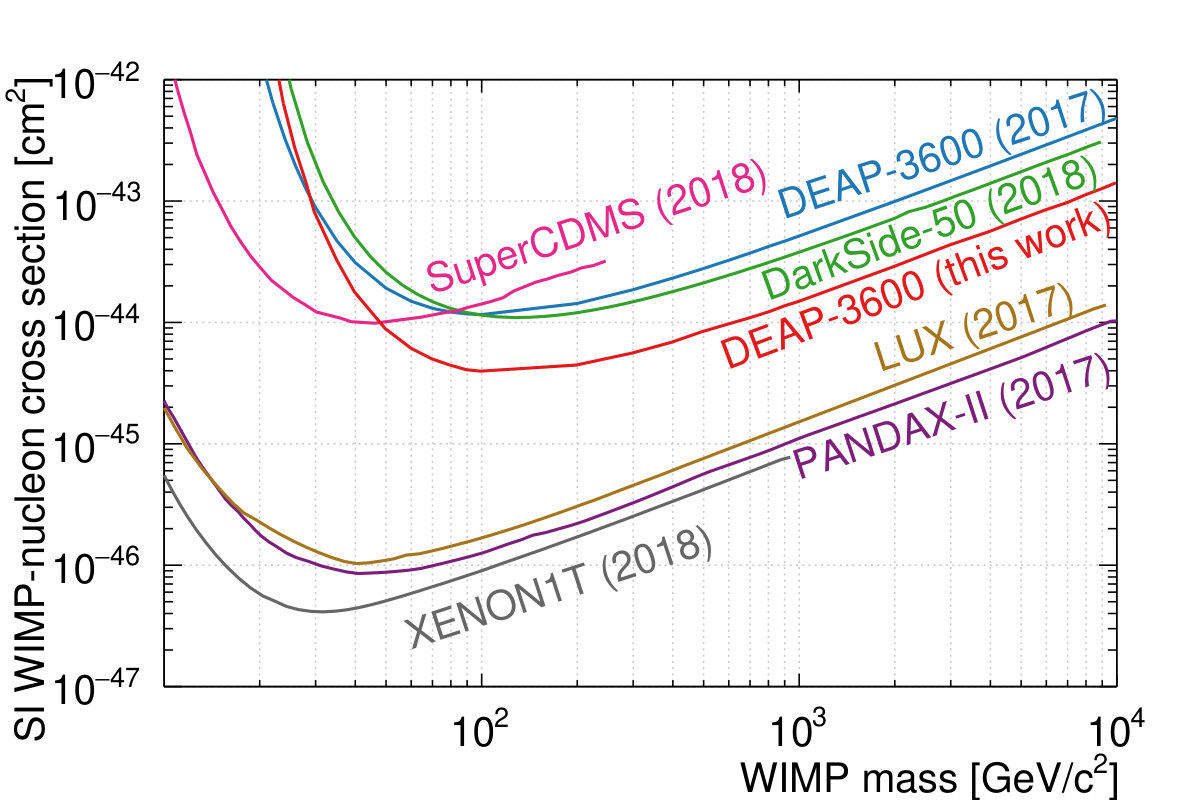 Figure 13
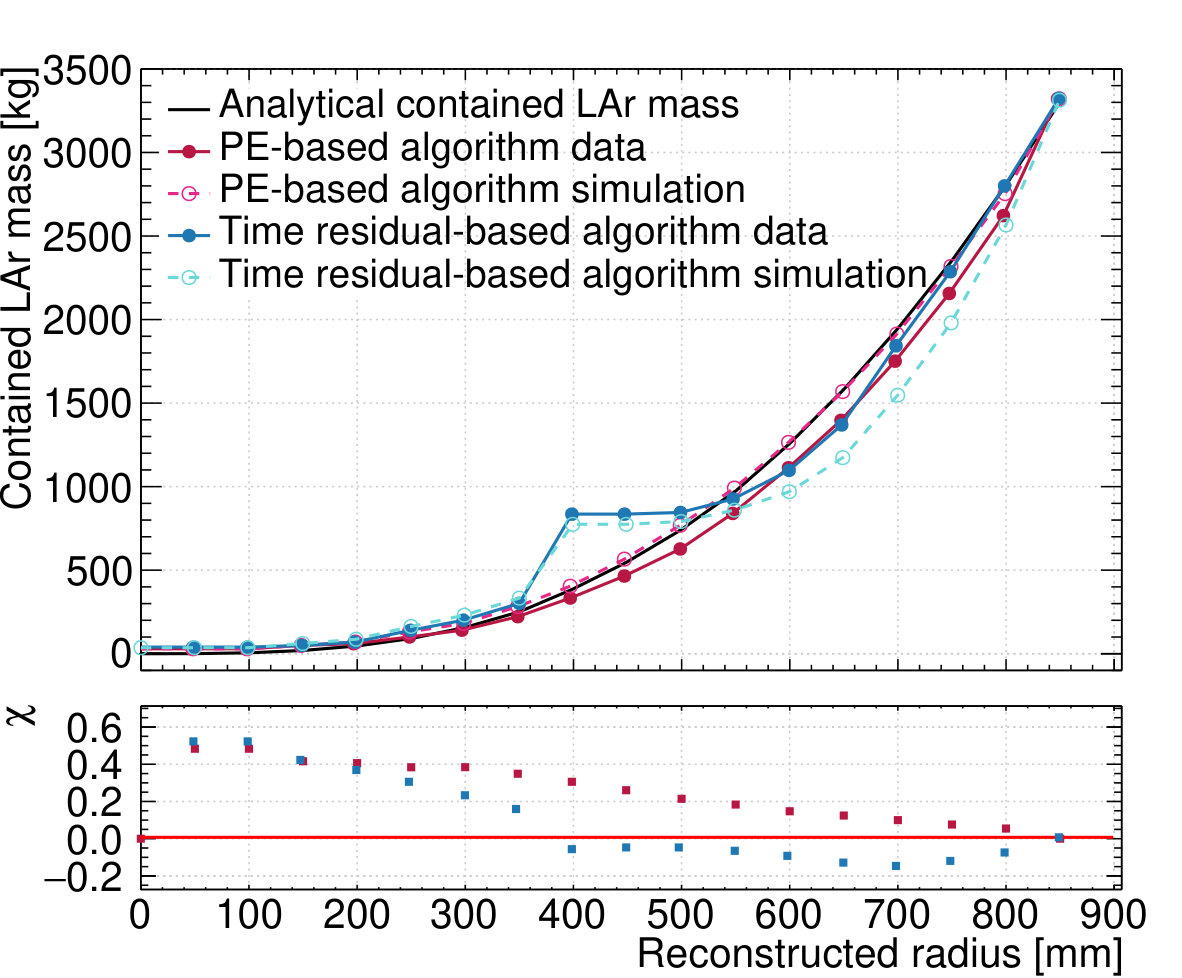 Figure 14
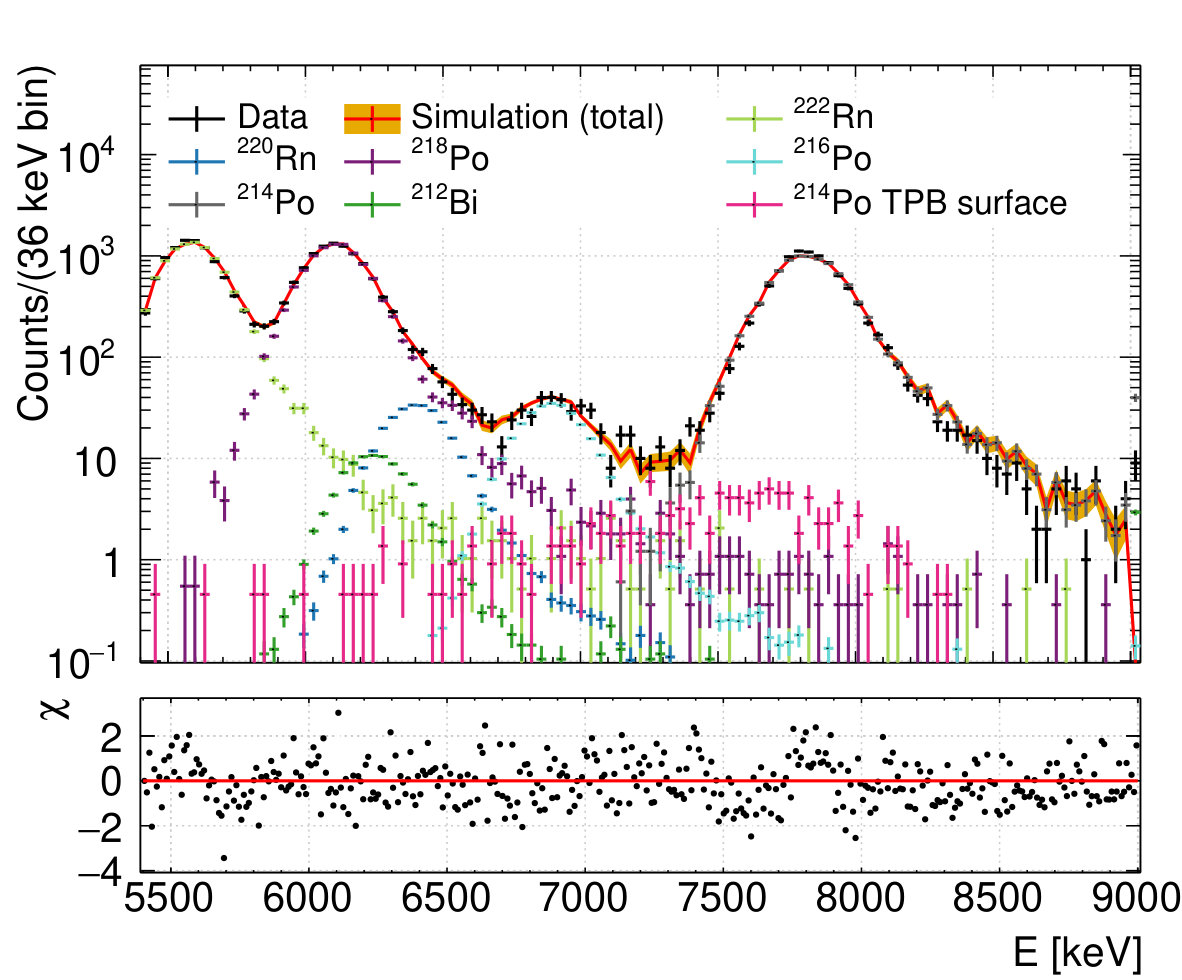 Figure 15
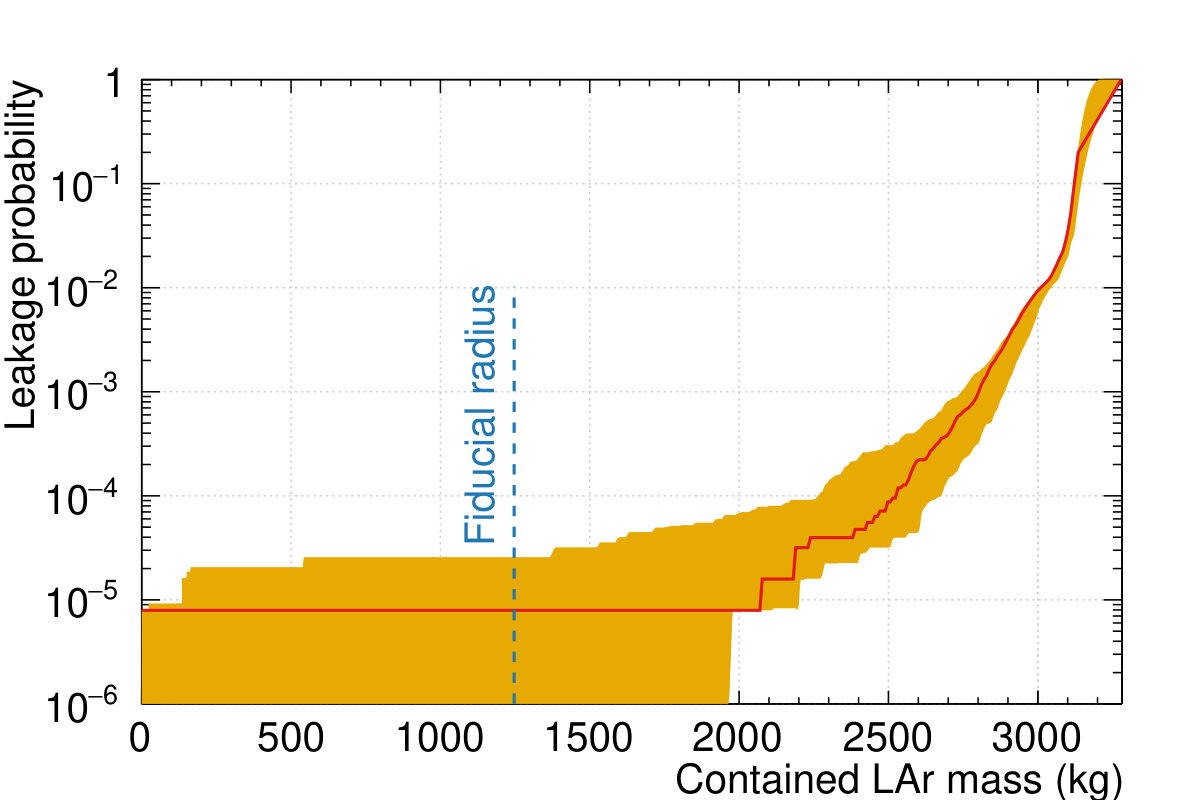 Figure 16
 Figure 17
 Figure 18
 Figure 19
 Figure 20
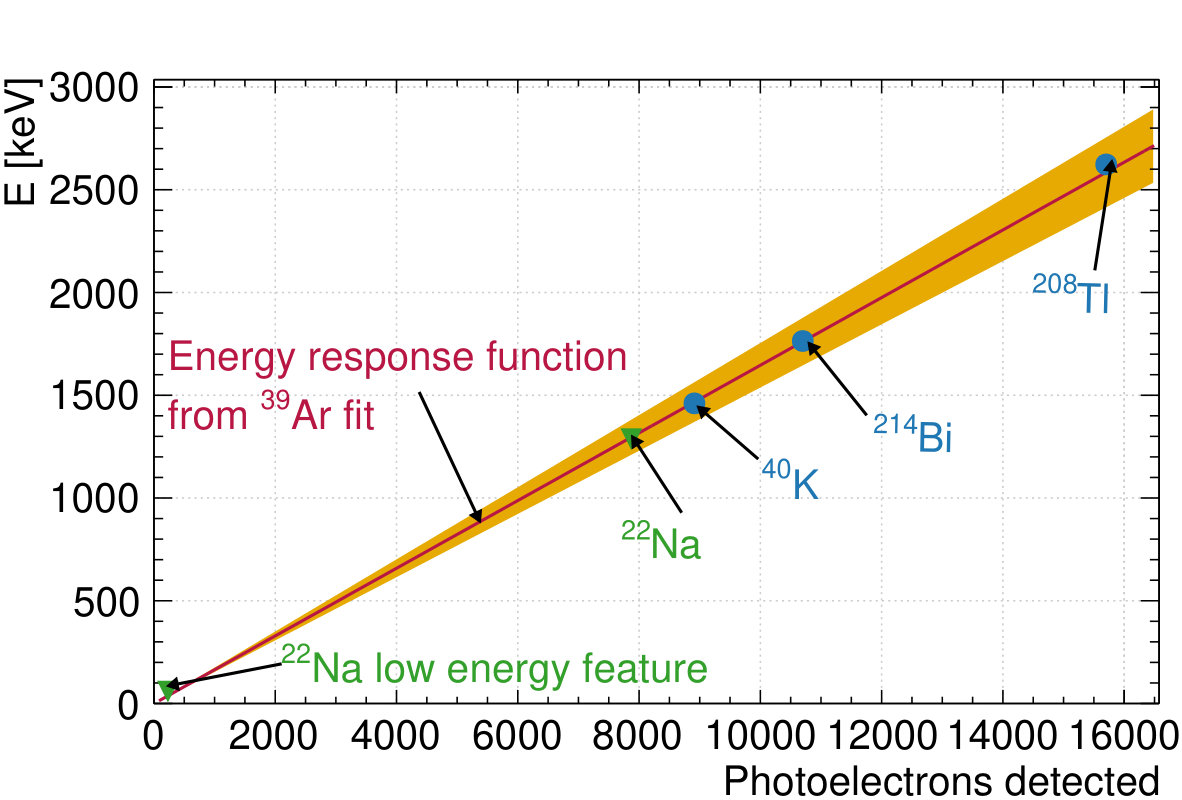 Figure 21
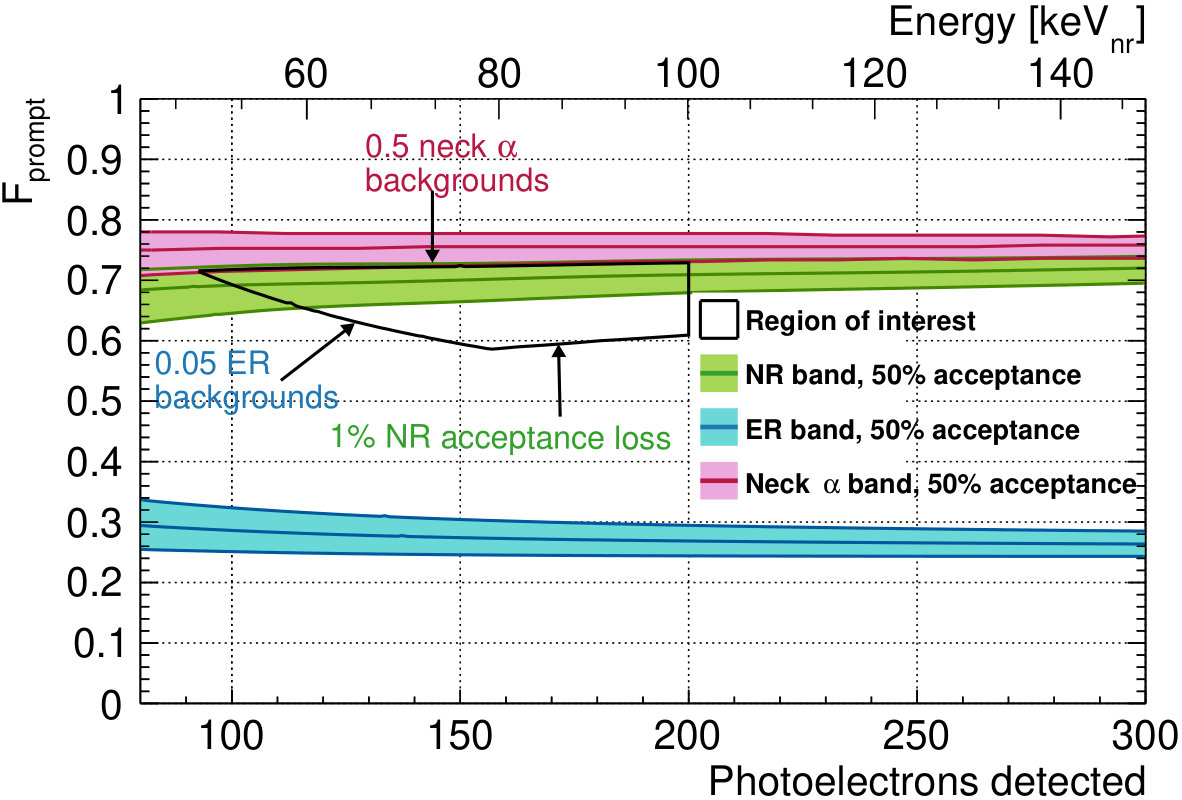 Figure 22
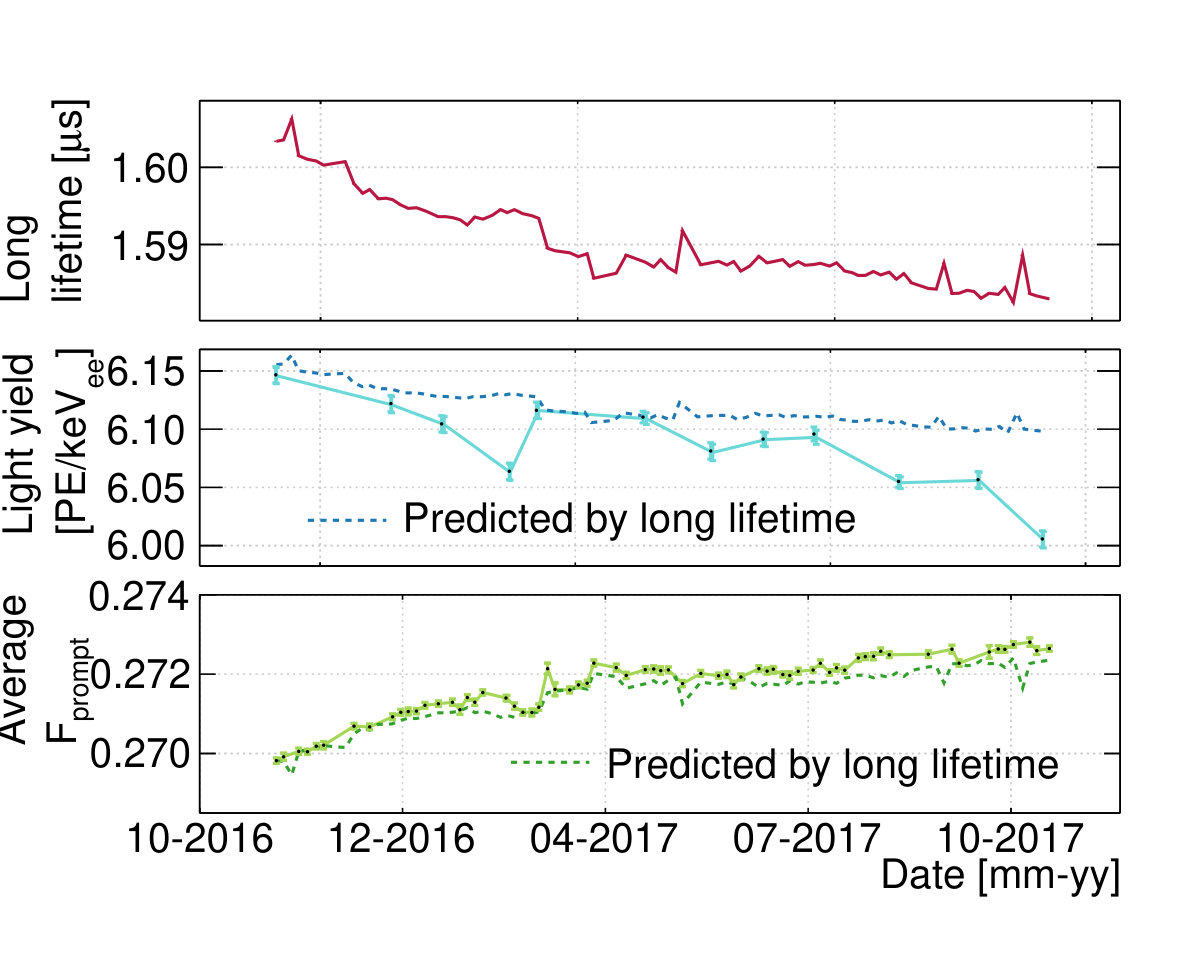 Figure 23
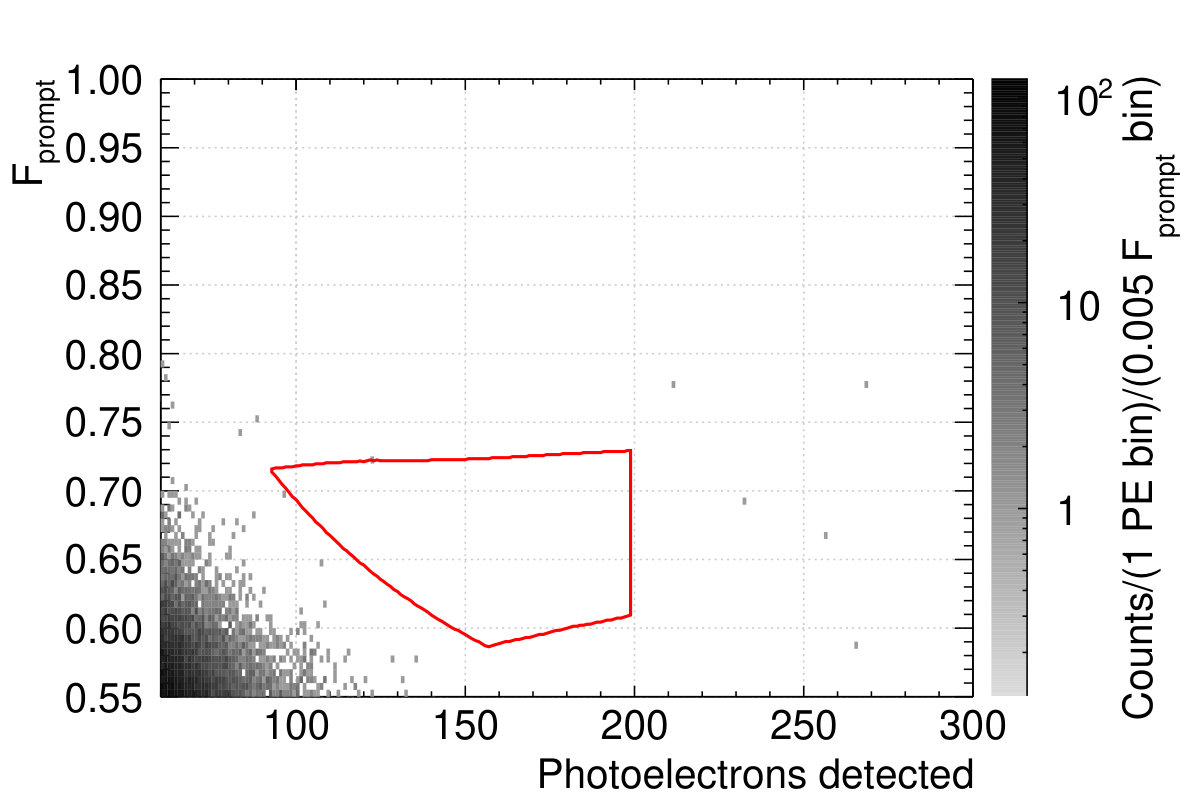 Figure 24
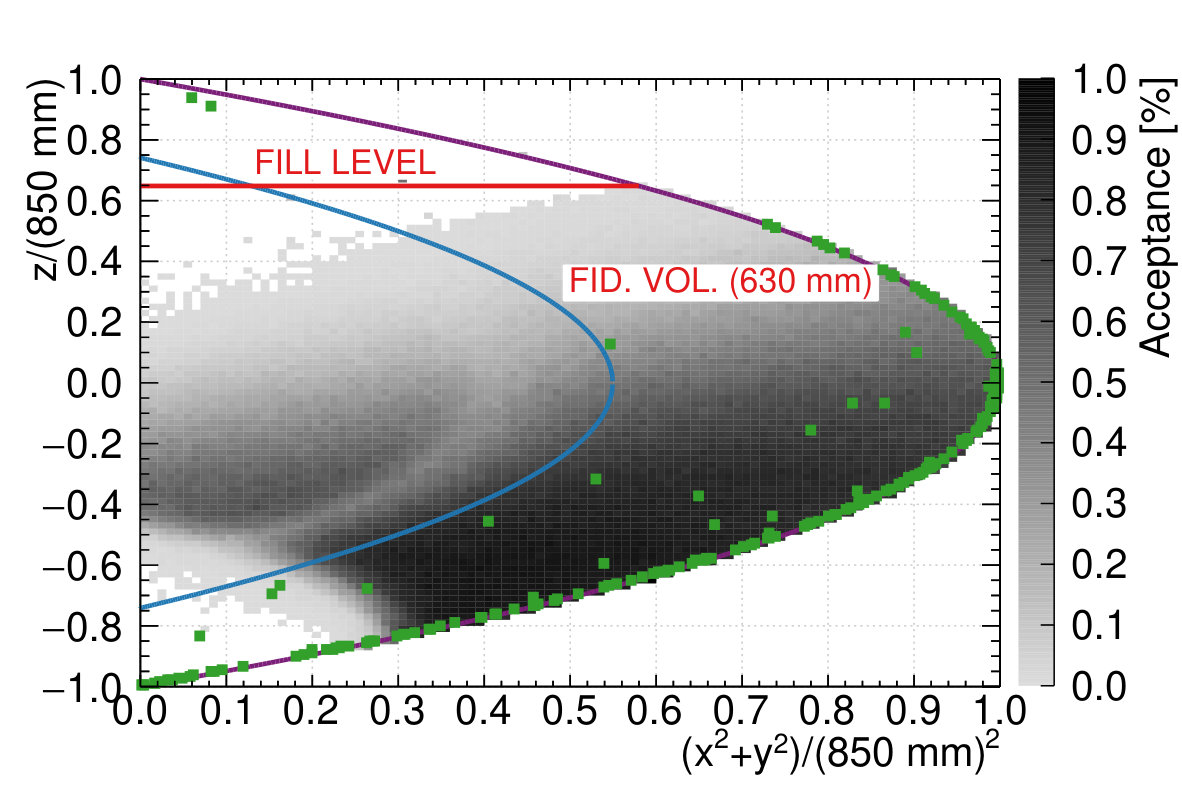 Figure 25
Peer Reviews
No public reviews on file for this paper yet. If you reviewed it on a platform where reviews are public (OpenReview, ICLR, NeurIPS, ICML), you can paste yours below so the community can read it here.
Videos
No videos yet. Explain this paper in a talk, walkthrough, or lecture? Add one.