Structure from Appearance: Topology with Shapes, without Points
Alexandros Haridis

TL;DR
This paper introduces a novel approach to topology that constructs topological structures directly from shapes and their parts, without relying on point-set theory, offering a more natural framework for art and design objects.
Contribution
It presents a new methodology for defining topology based on shapes and their parts, bypassing traditional point-set topology, and incorporates an interpretative aesthetic dimension.
Findings
Provides a spatial framework for design object analysis.
Demonstrates topology construction directly from artistic shapes.
Bridges mathematical topology with art and design structures.
Abstract
A new methodological approach for the study of topology for shapes made of arrangements of lines, planes or solids is presented. Topologies for shapes are traditionally built on the classical theory of point-sets. In this paper, topologies are built with shapes, which are formalized without points, and with structures defined from their parts. An interpretative, aesthetic dimension is introduced according to which the topological structure of a shape is not inherited from an ambient space but is induced based on how its appearance is interpreted into sets of parts. The proposed approach provides a more natural, spatial framework for studies on the mathematical structure of design objects in art and design. More generally, it shows how mathematical constructs (here, topology) can be built directly in terms of objects of art and design, as opposed to the more common opposite approach…
Click any figure to enlarge with its caption.
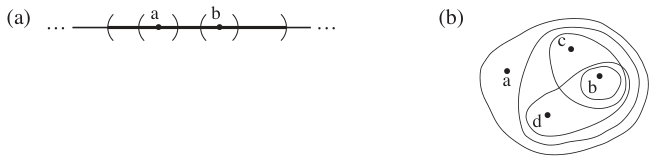 Figure 1
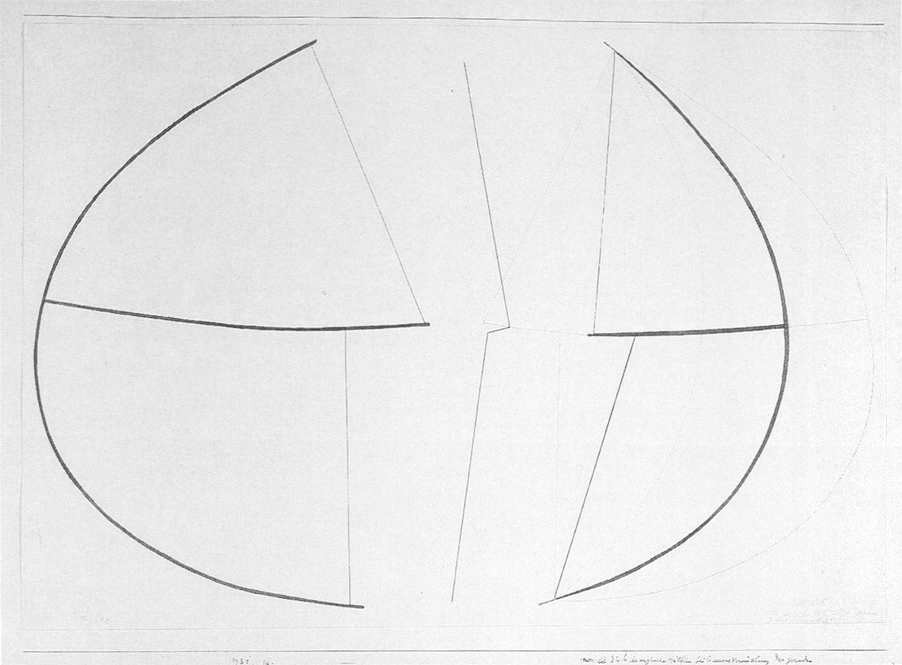 Figure 10
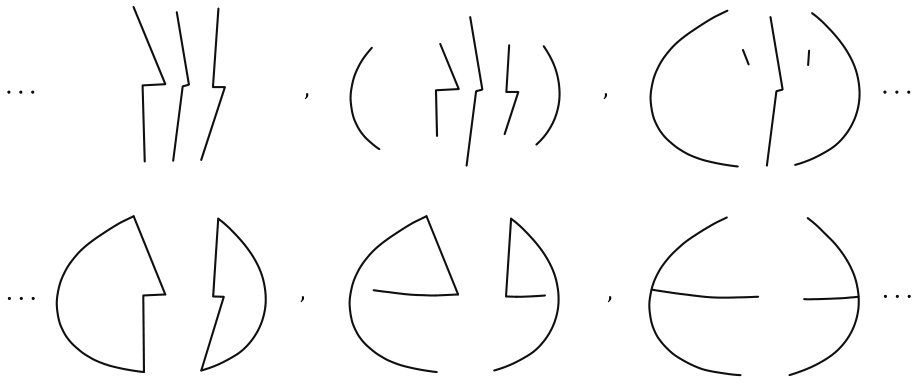 Figure 11
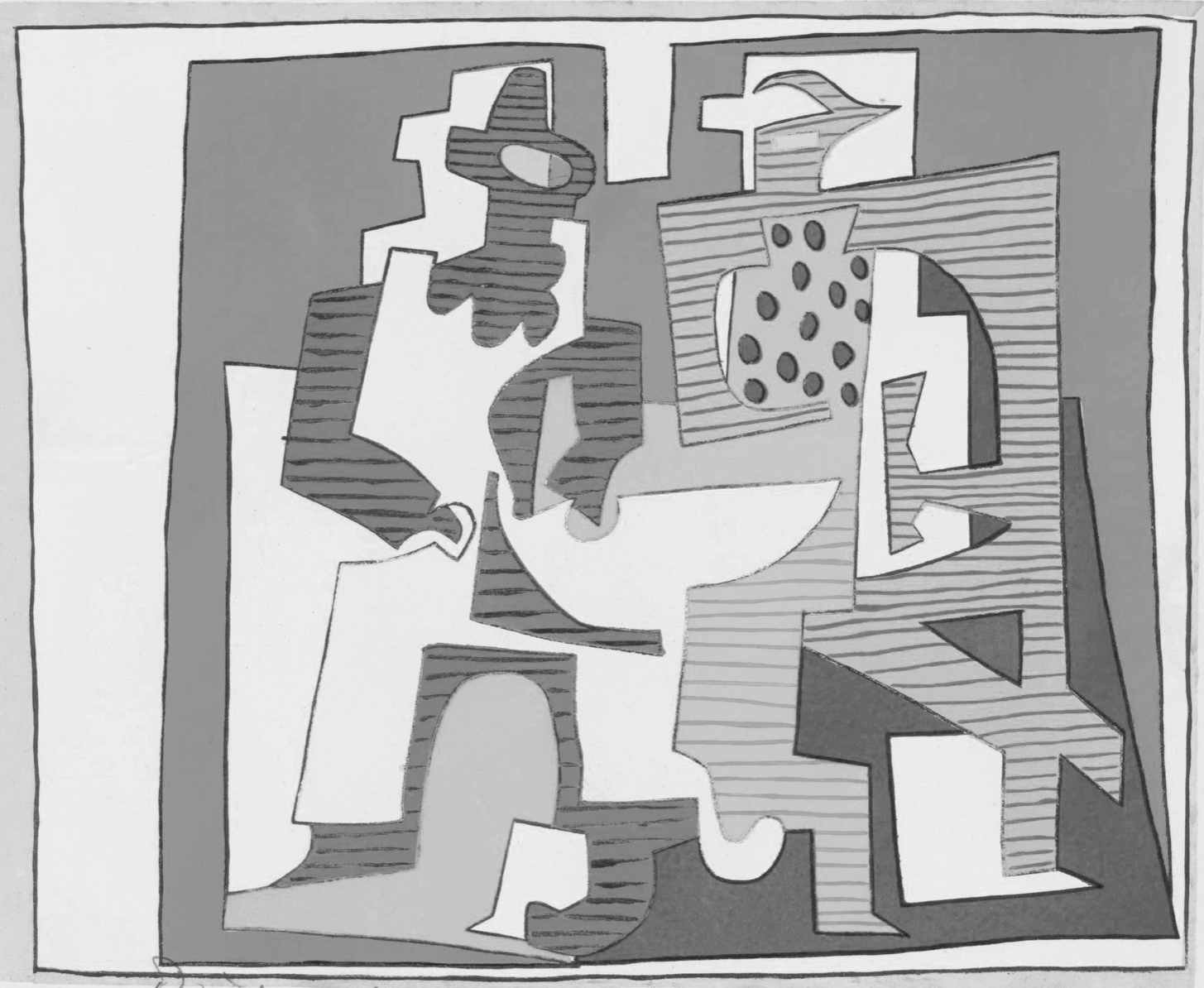 Figure 12
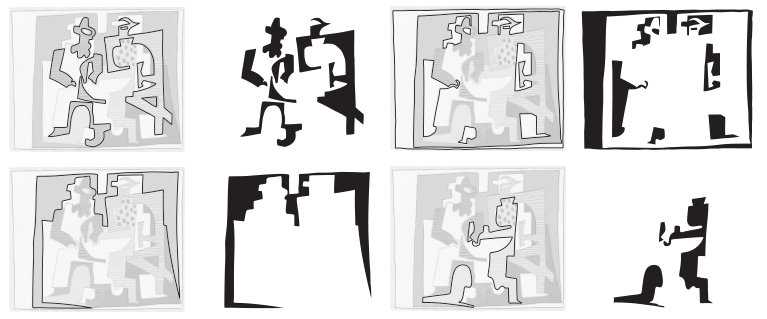 Figure 13
 Figure 14
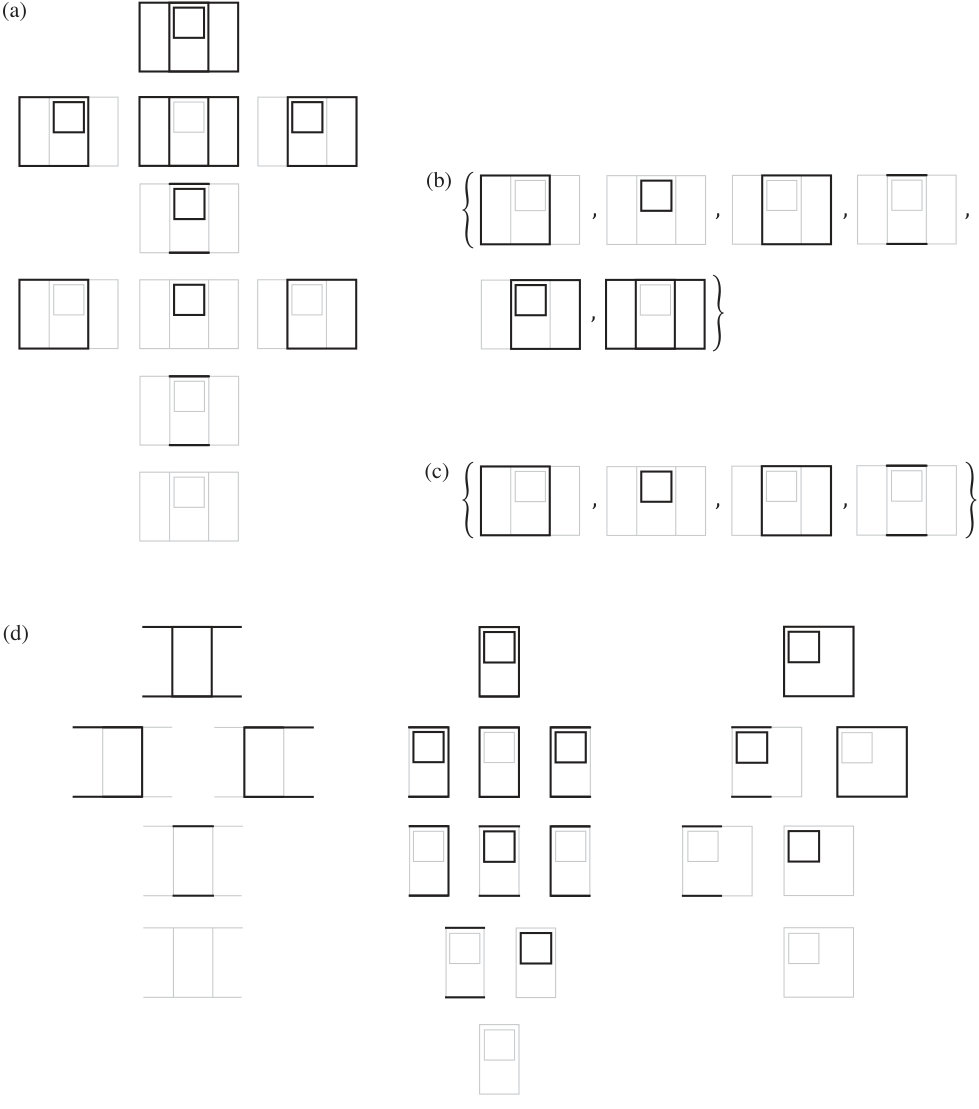 Figure 15
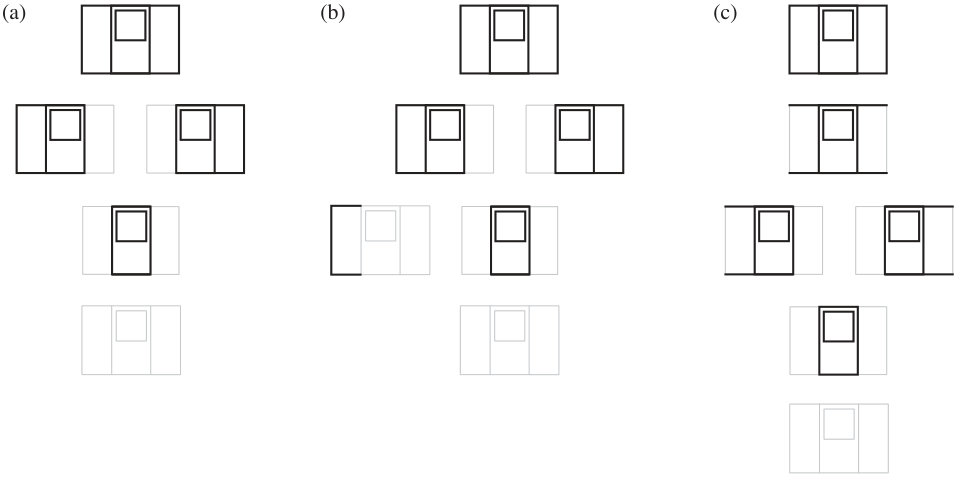 Figure 16
 Figure 17
 Figure 18
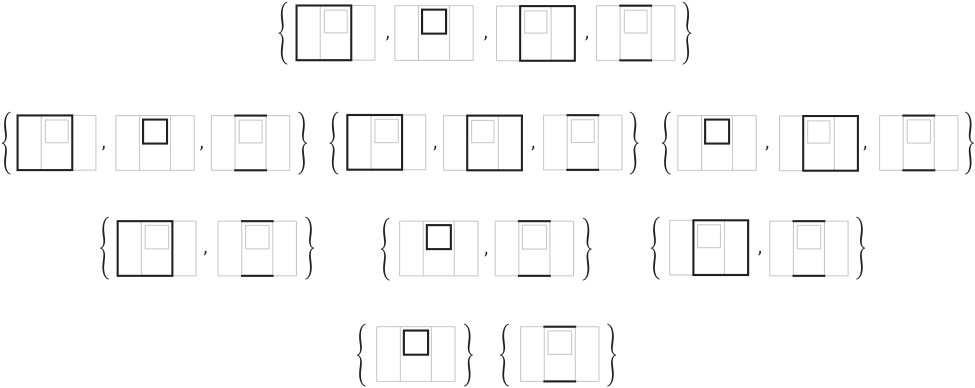 Figure 19
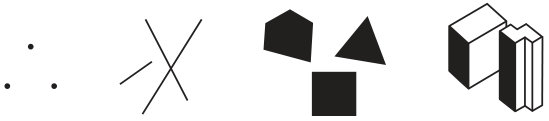 Figure 2
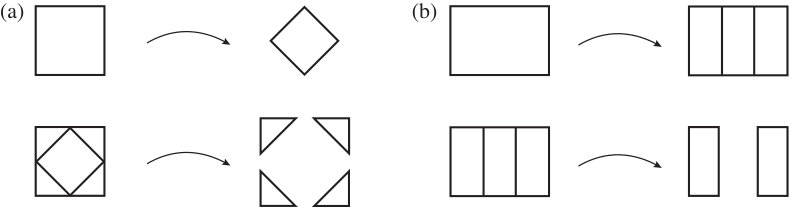 Figure 20
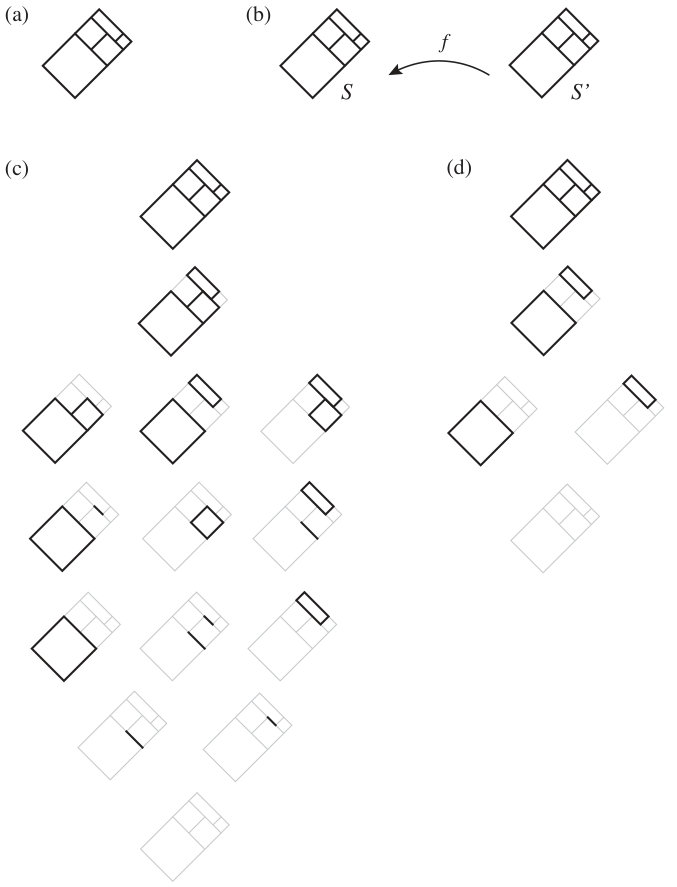 Figure 21
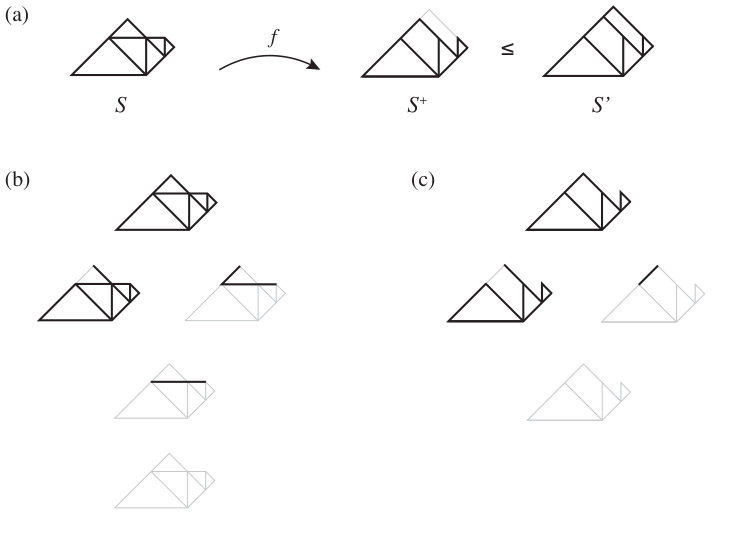 Figure 22
 Figure 23
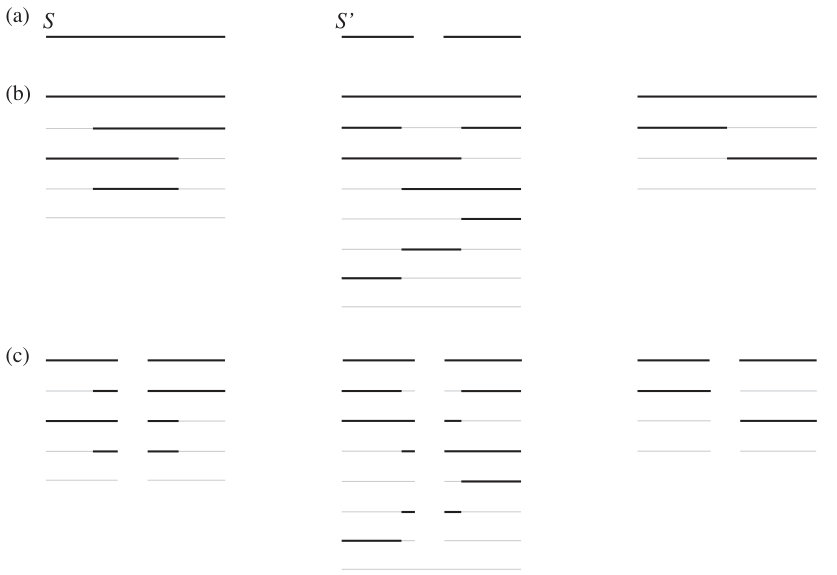 Figure 24
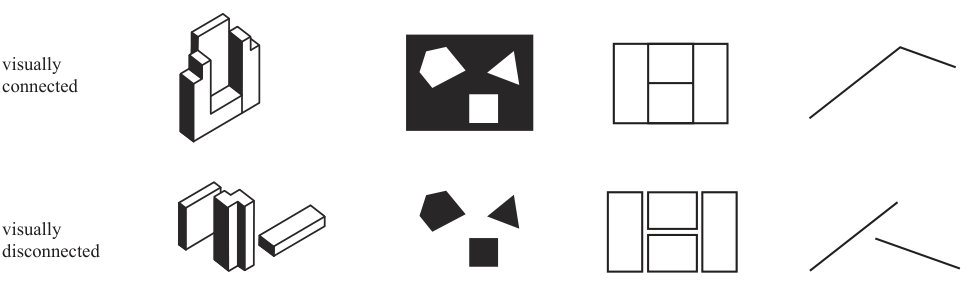 Figure 25
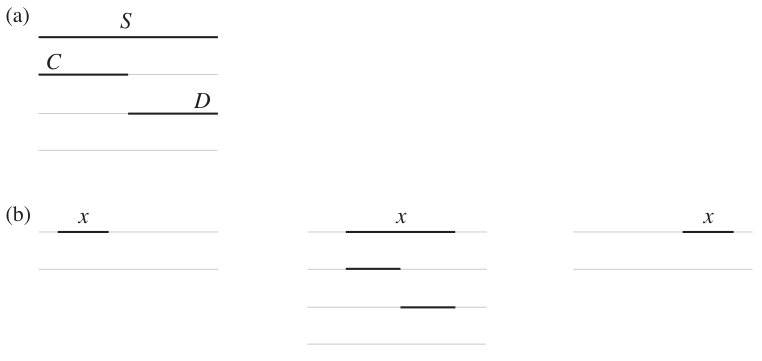 Figure 26
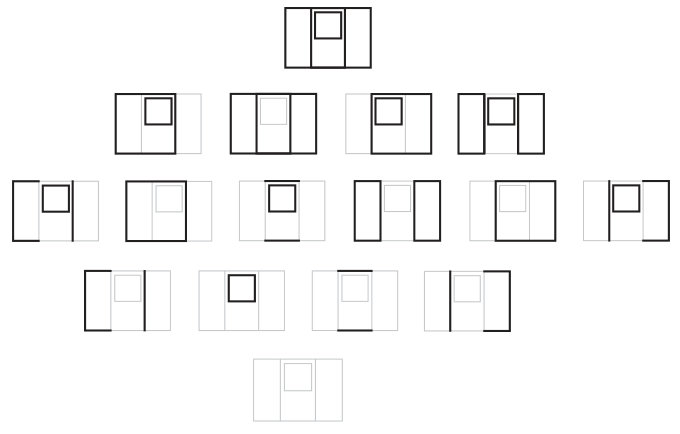 Figure 27
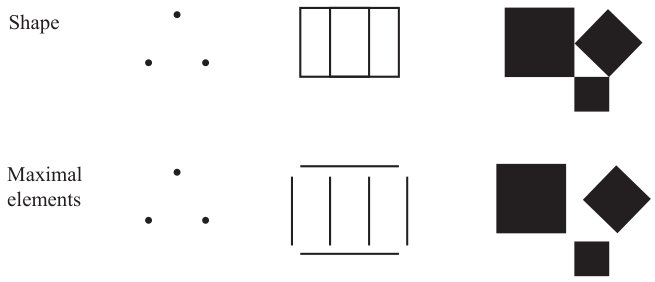 Figure 3
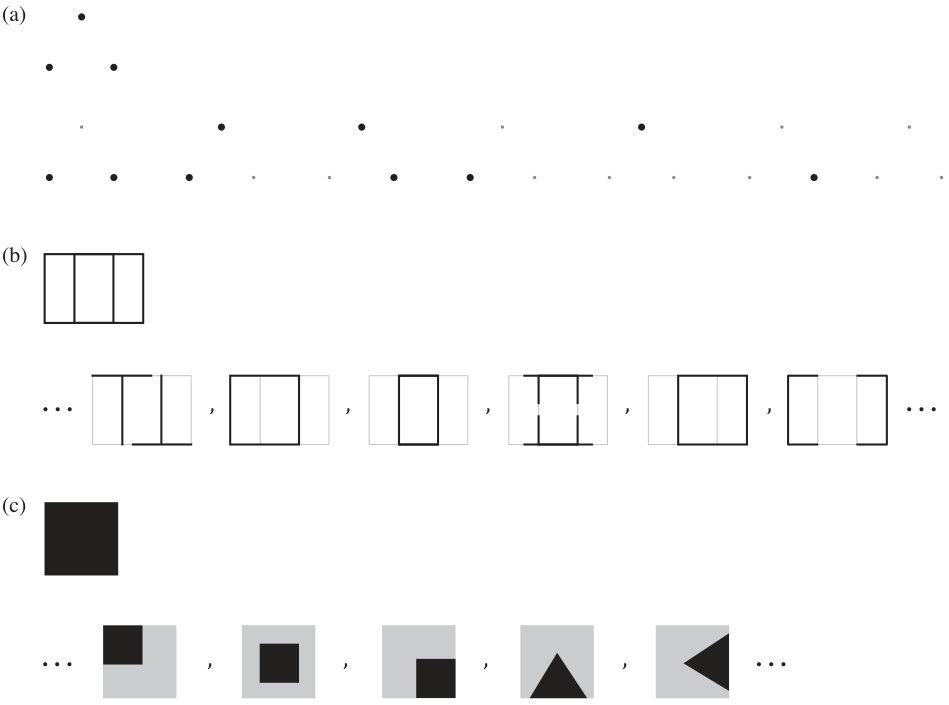 Figure 4
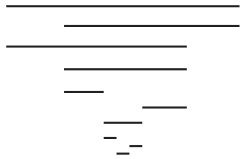 Figure 5
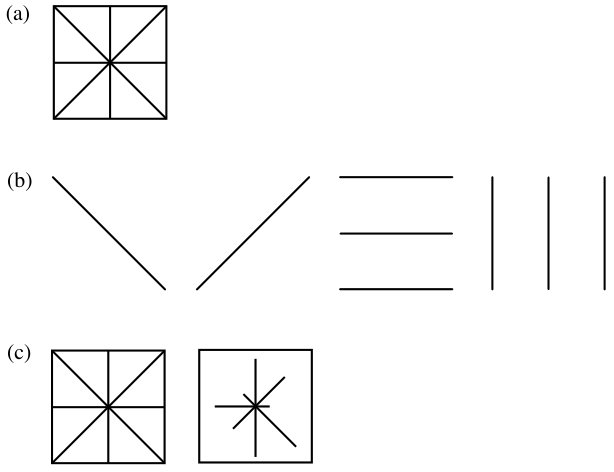 Figure 6
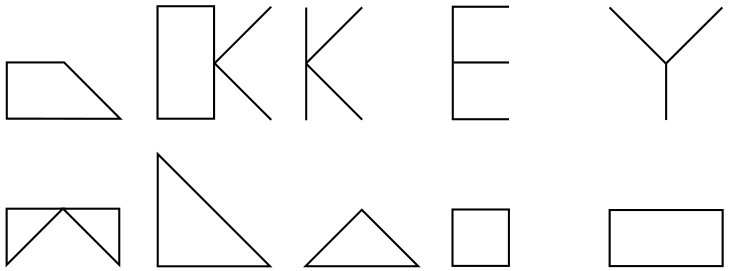 Figure 7
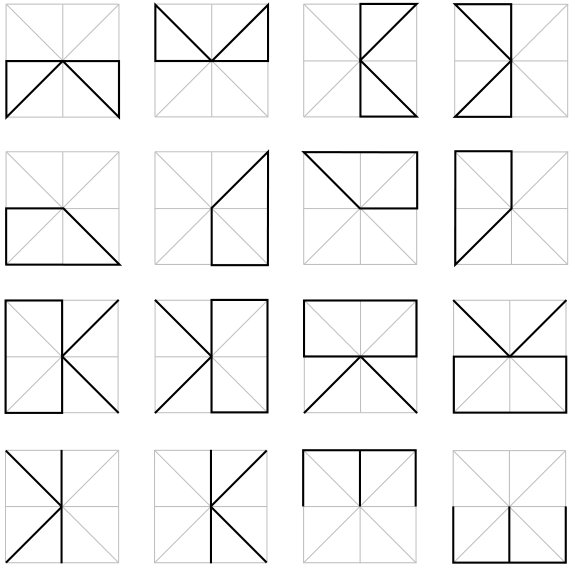 Figure 8
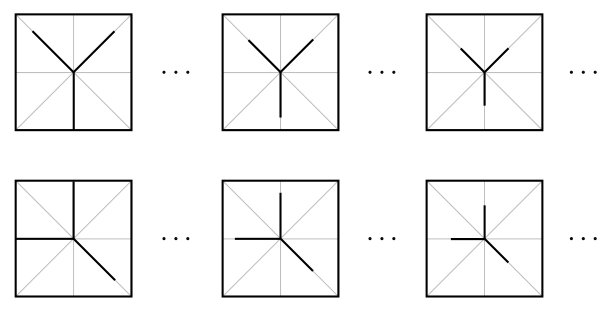 Figure 9
 Figure 28
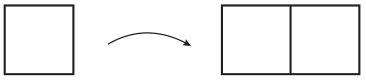 Figure 29
 Figure 30
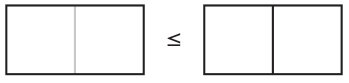 Figure 31
 Figure 32
 Figure 33
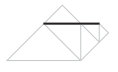 Figure 34
 Figure 0
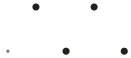 Figure 1
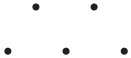 Figure 2
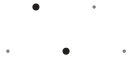 Figure 3
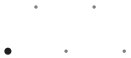 Figure 4
 Figure 5
Peer Reviews
No public reviews on file for this paper yet. If you reviewed it on a platform where reviews are public (OpenReview, ICLR, NeurIPS, ICML), you can paste yours below so the community can read it here.
Videos
No videos yet. Explain this paper in a talk, walkthrough, or lecture? Add one.