Using Automatic Differentiation as a General Framework for Ptychographic Reconstruction
Saugat Kandel, S. Maddali, Marc Allain, Stephan O. Hruszkewycz, Chris, Jacobsen, and Youssef S G Nashed

TL;DR
This paper introduces a flexible framework for ptychographic reconstruction using automatic differentiation, simplifying derivative calculations and enabling versatile modeling of complex experimental setups.
Contribution
The paper presents a novel approach that replaces analytical derivatives with automatic differentiation for ptychographic imaging, broadening the scope of reconstructive methods.
Findings
Successfully reconstructed objects across various complex models
Demonstrated the method's generality and flexibility
Simplified the derivative computation process
Abstract
Coherent diffraction imaging methods enable imaging beyond lens-imposed resolution limits. In these methods, the object can be recovered by minimizing an error metric that quantifies the difference between diffraction patterns as observed, and those calculated from a present guess of the object. Efficient minimization methods require analytical calculation of the derivatives of the error metric, which is not always straightforward. This limits our ability to explore variations of basic imaging approaches. In this paper, we propose to substitute analytical derivative expressions with the automatic differentiation method, whereby we can achieve object reconstruction by specifying only the physics-based experimental forward model. We demonstrate the generality of the proposed method through straightforward object reconstruction for a variety of complex ptychographic experimental models.
Click any figure to enlarge with its caption.
 Figure 1
 Figure 2
 Figure 3
 Figure 4
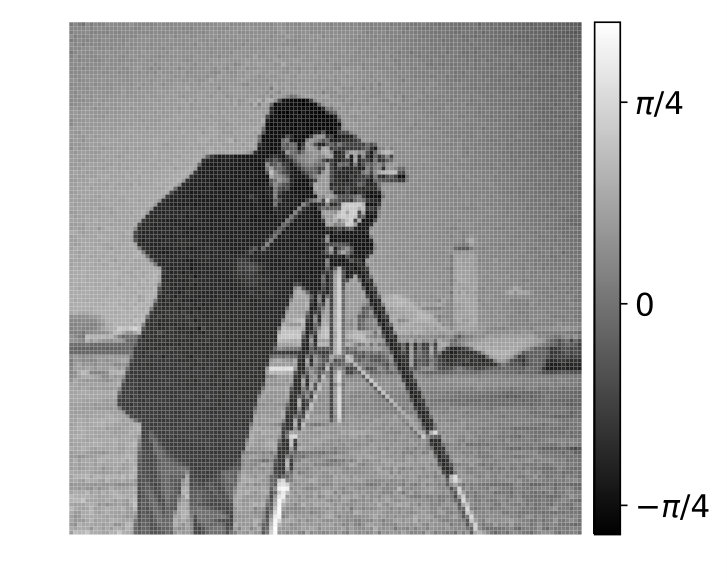 Figure 5
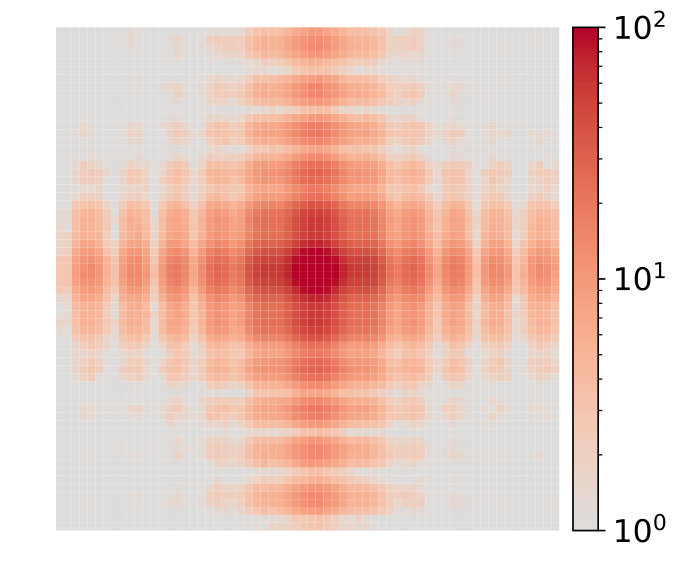 Figure 6
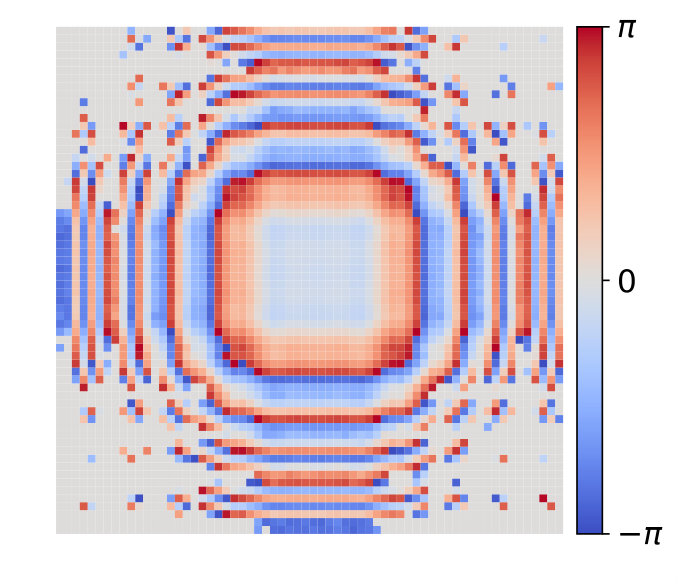 Figure 7
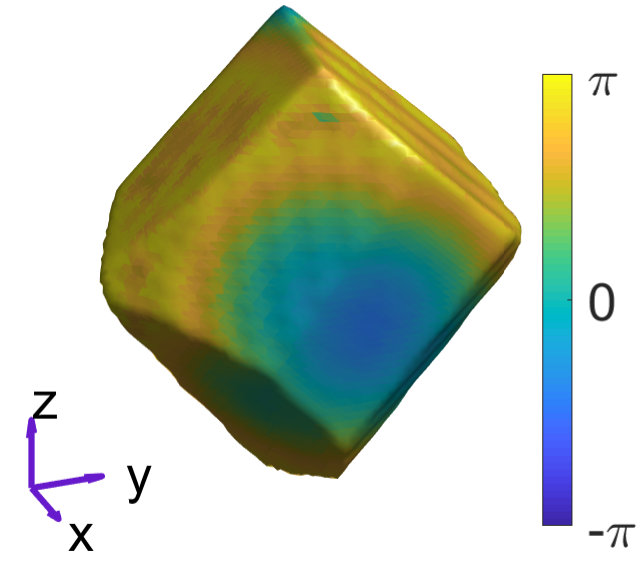 Figure 8
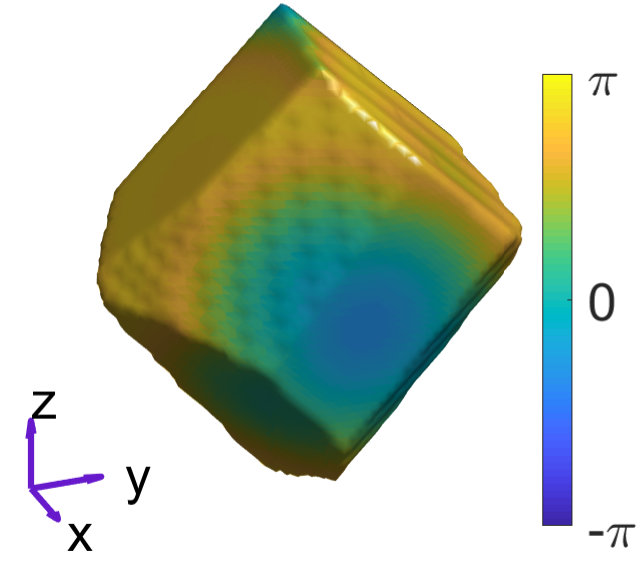 Figure 9
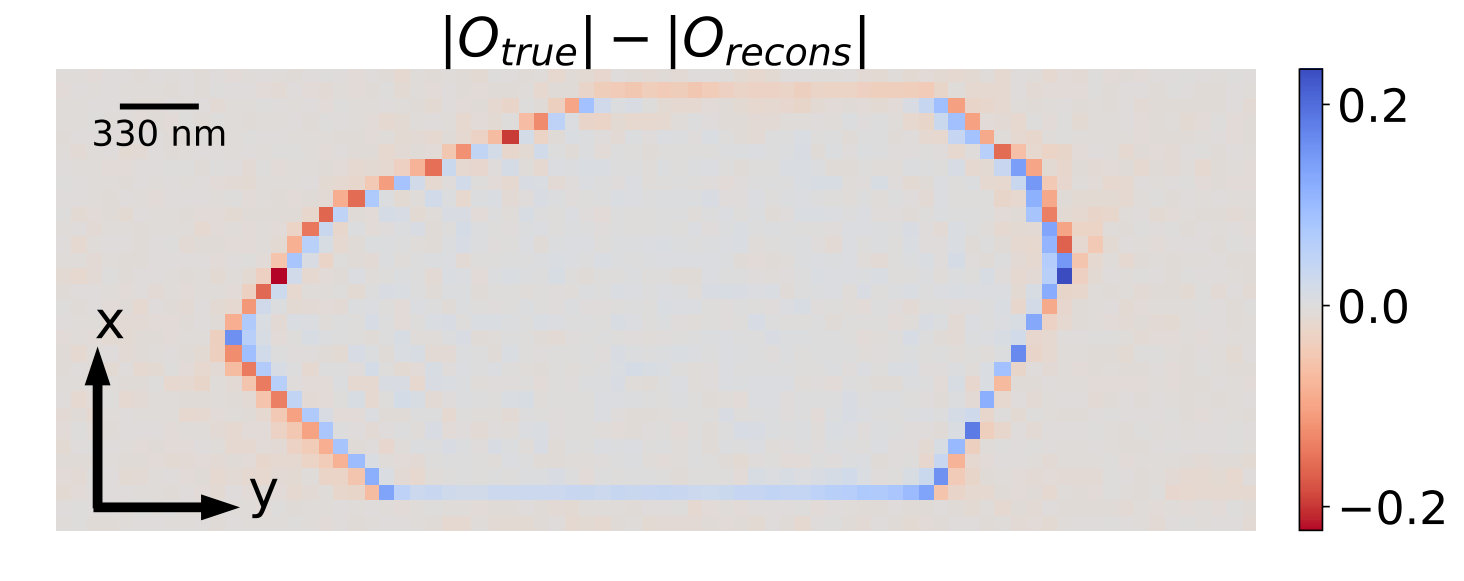 Figure 10
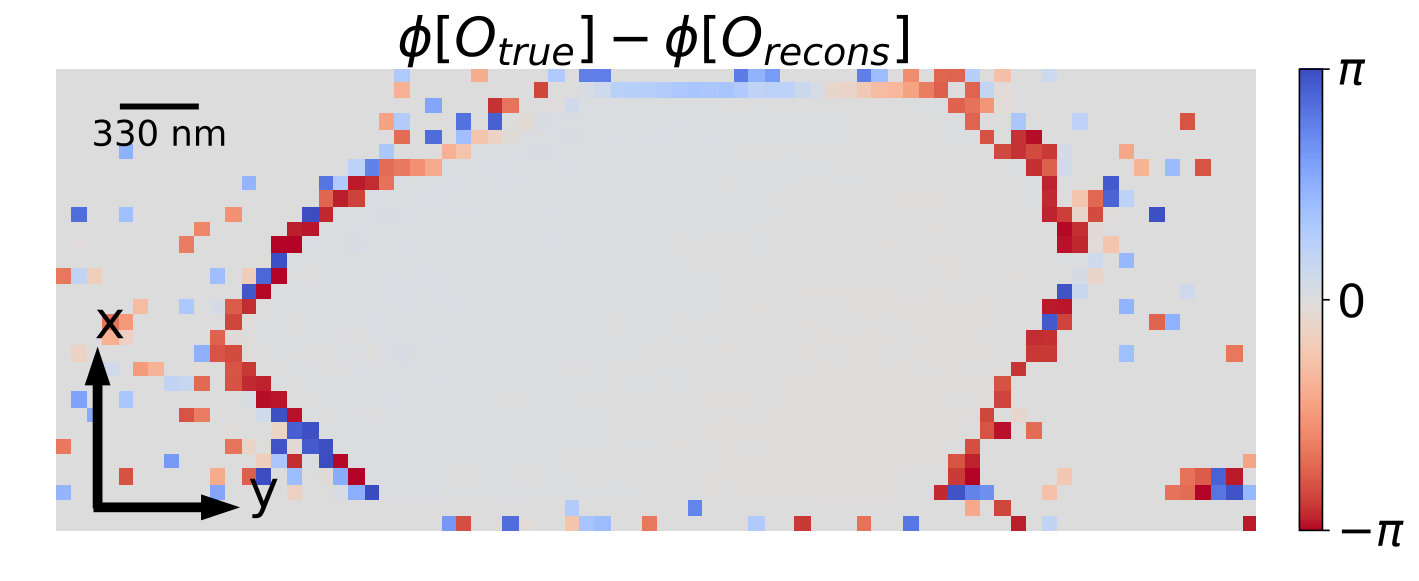 Figure 11
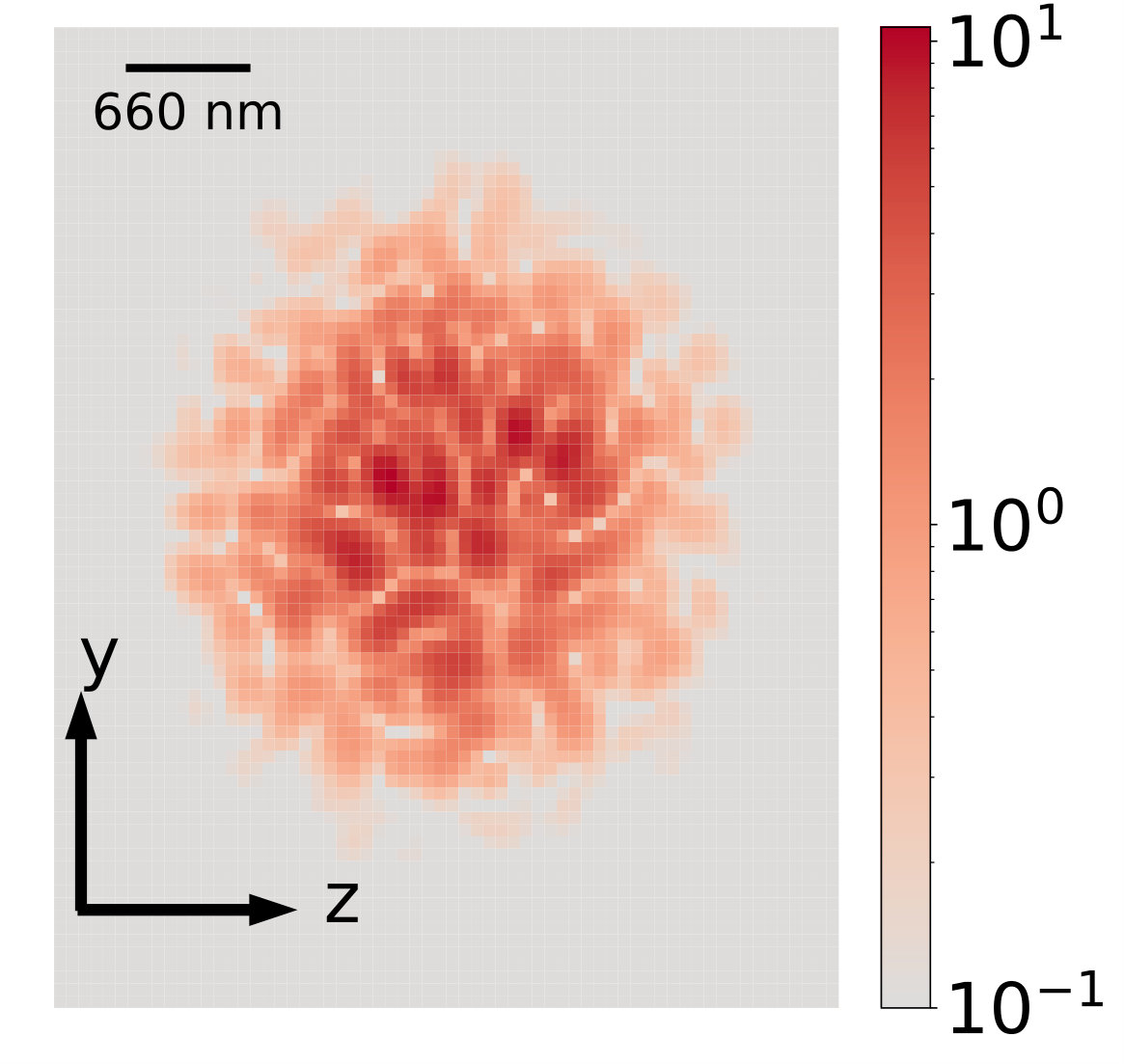 Figure 12
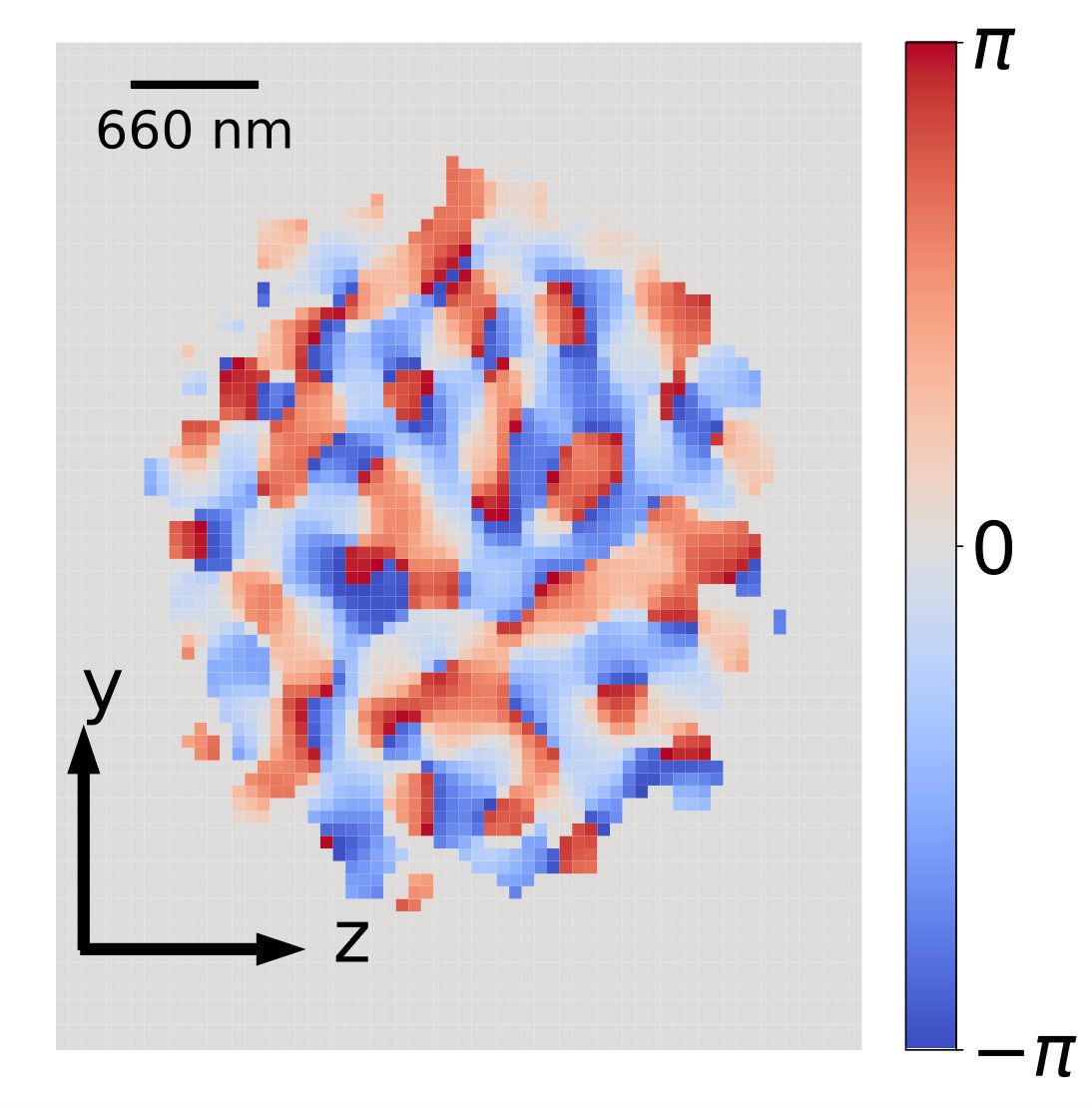 Figure 13
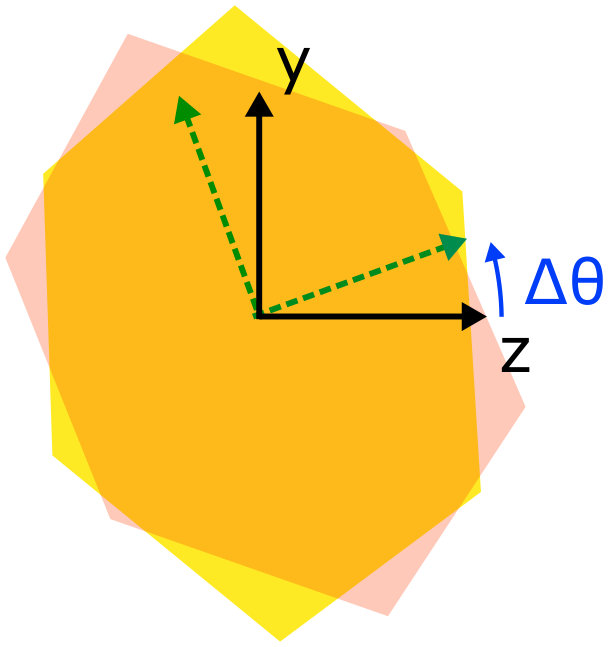 Figure 14
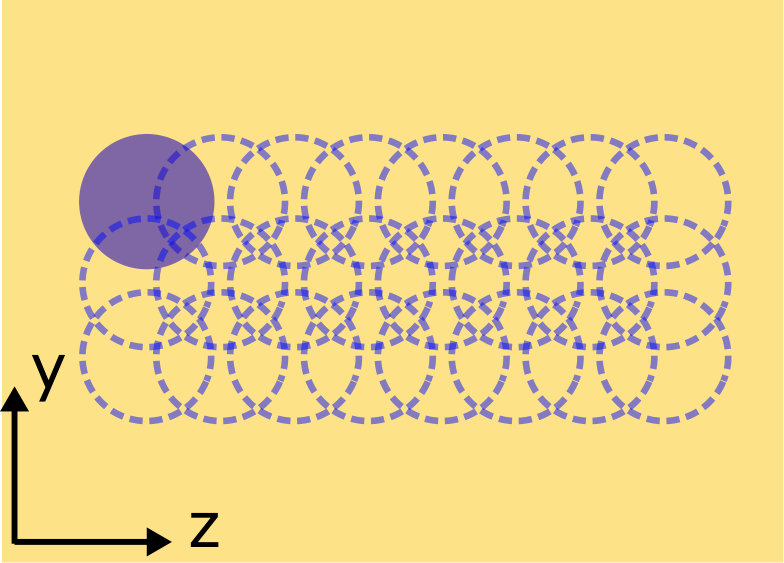 Figure 15
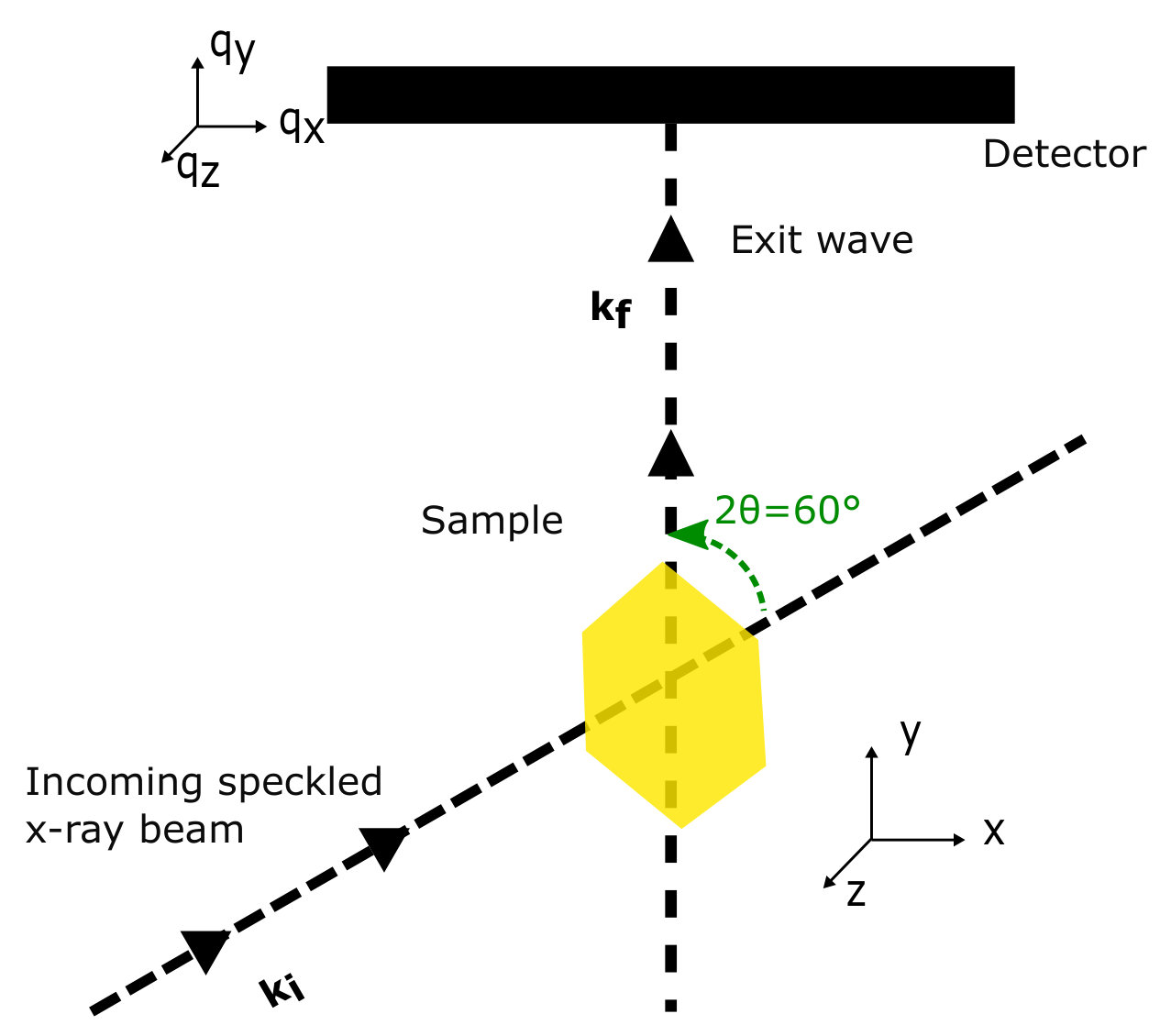 Figure 16
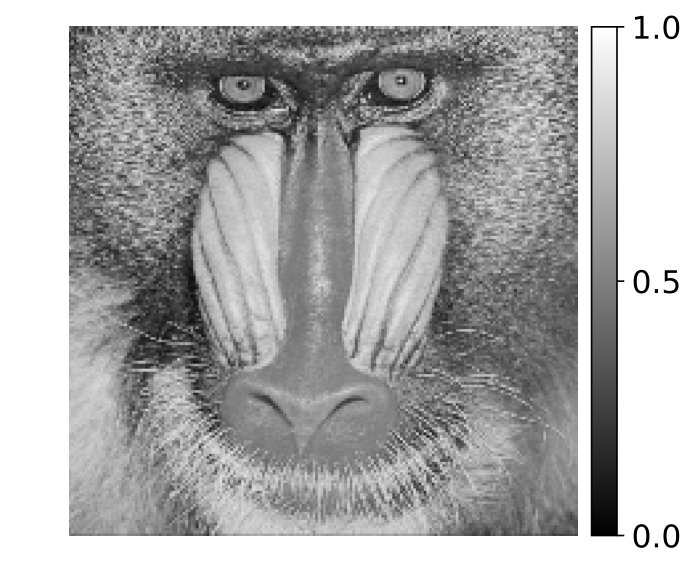 Figure 17
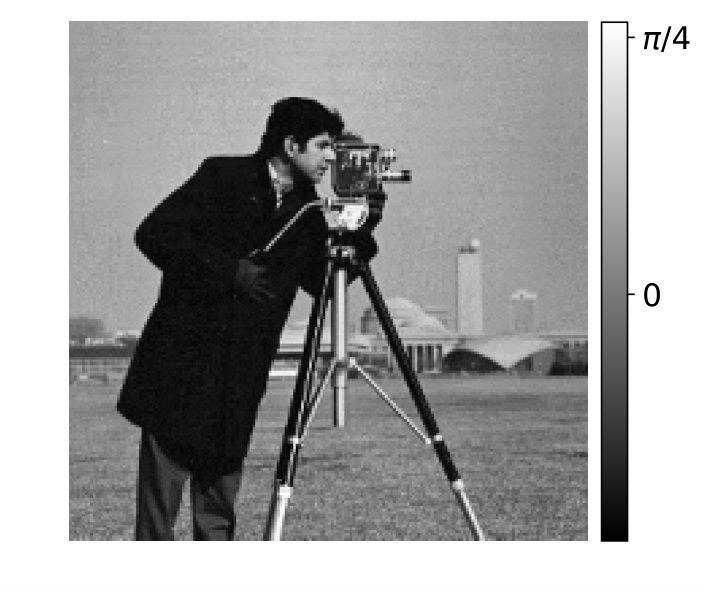 Figure 18
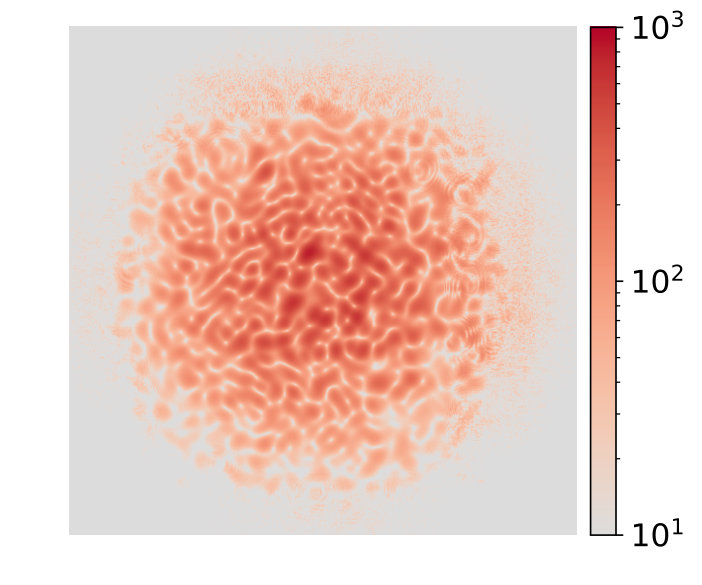 Figure 19
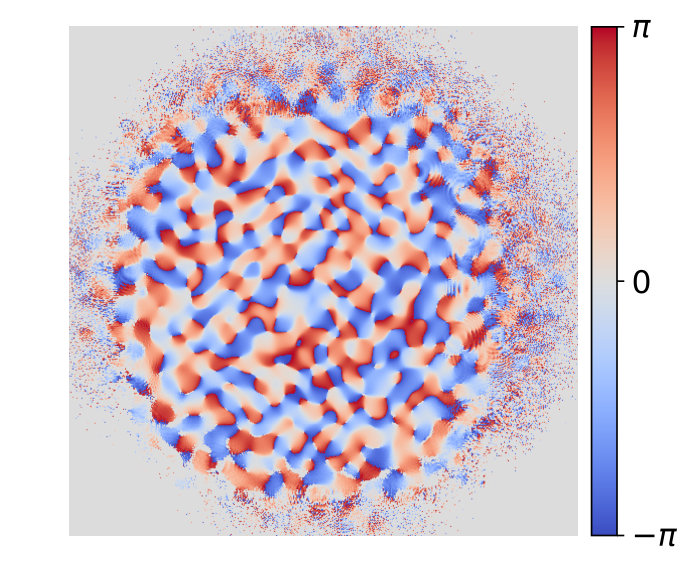 Figure 20
Peer Reviews
No public reviews on file for this paper yet. If you reviewed it on a platform where reviews are public (OpenReview, ICLR, NeurIPS, ICML), you can paste yours below so the community can read it here.
Videos
No videos yet. Explain this paper in a talk, walkthrough, or lecture? Add one.