Interference Removal for Radar/Communication Co-existence: the Random Scattering Case
Yinchuan Li, Le Zheng, Marco Lops, and Xiaodong Wang

TL;DR
This paper addresses interference mitigation in spectrum sharing between radar and communication systems by proposing two algorithms that exploit sparsity to effectively remove radar-induced interference in uncoordinated scenarios.
Contribution
It introduces two novel algorithms for interference removal in radar/communication coexistence, leveraging sparsity and addressing non-convex joint optimization problems.
Findings
Two algorithms effectively mitigate interference in simulations.
The two-stage alternating minimization achieves good performance with moderate complexity.
Algorithms outperform baseline methods in interference suppression.
Abstract
In this paper we consider an un-cooperative spectrum sharing scenario, wherein a radar system is to be overlaid to a pre-existing wireless communication system. Given the order of magnitude of the transmitted powers in play, we focus on the issue of interference mitigation at the communication receiver. We explicitly account for the reverberation produced by the (typically high-power) radar transmitter whose signal hits scattering centers (whether targets or clutter) producing interference onto the communication receiver, which is assumed to operate in an un-synchronized and un-coordinated scenario. We first show that receiver design amounts to solving a non-convex problem of joint interference removal and data demodulation: next, we introduce two algorithms, both exploiting sparsity of a proper representation of the interference and of the vector containing the errors of the data…
Click any figure to enlarge with its caption.
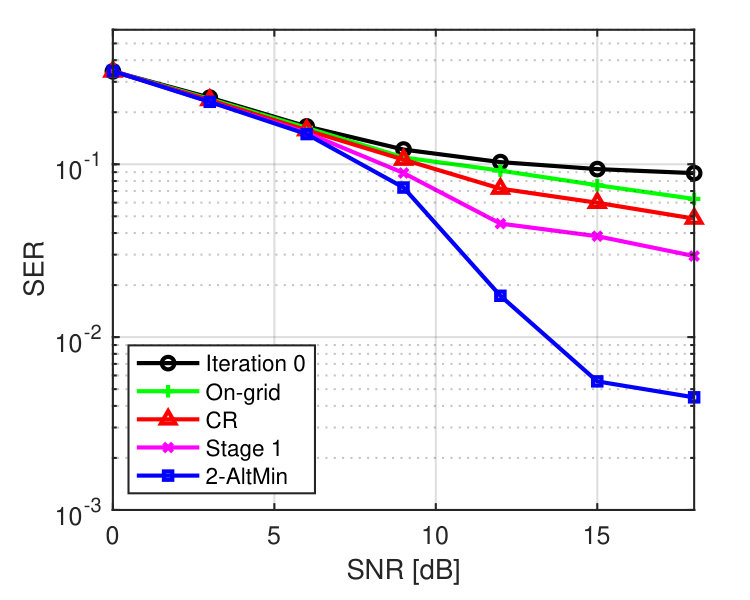 Figure 1
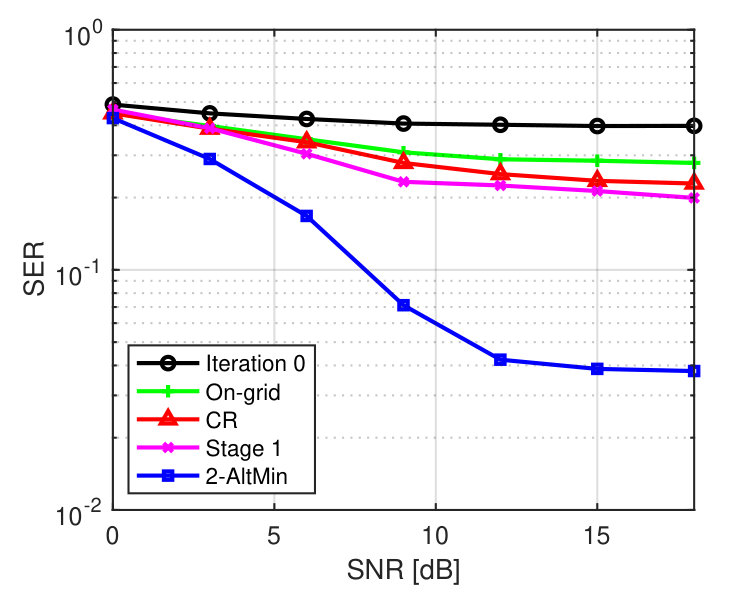 Figure 2
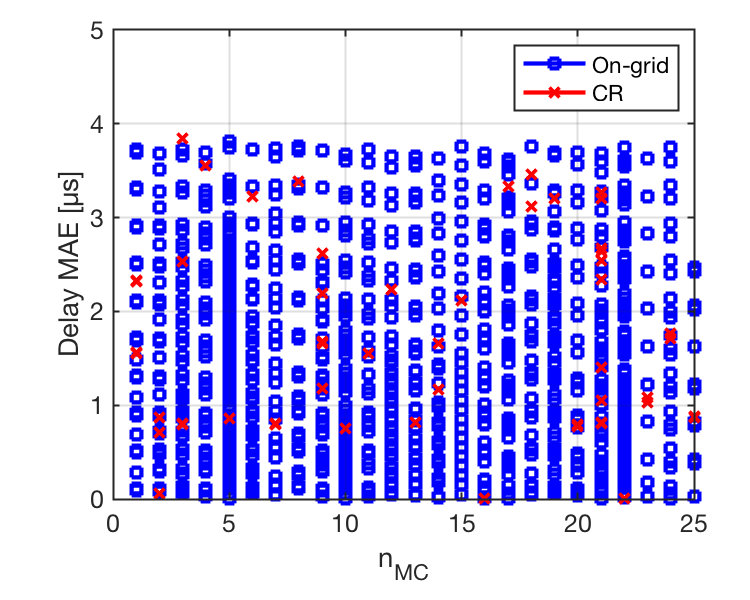 Figure 3
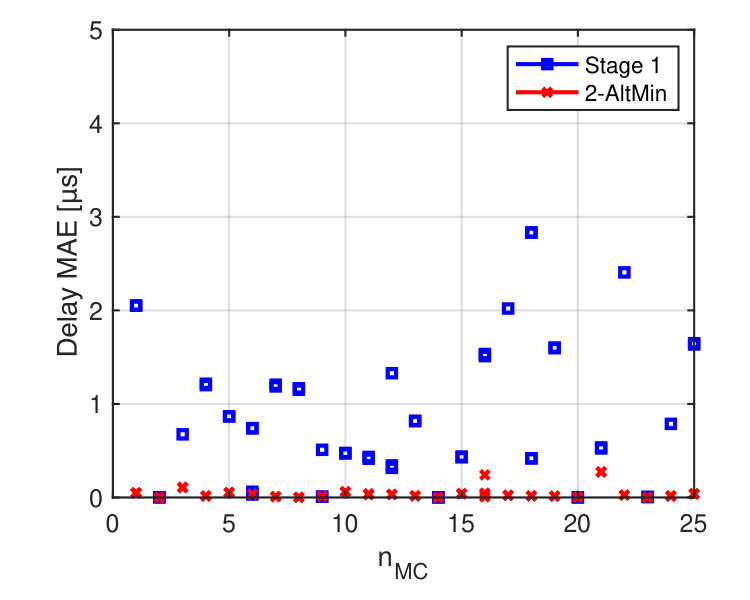 Figure 4
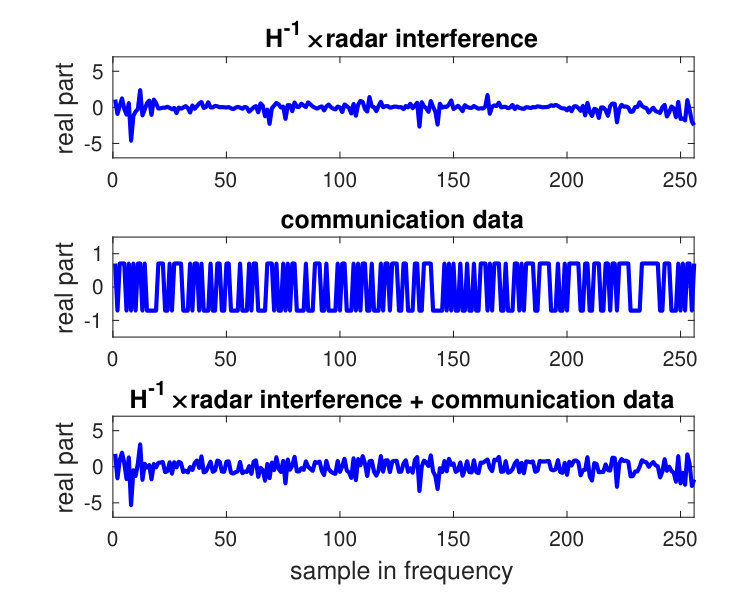 Figure 5
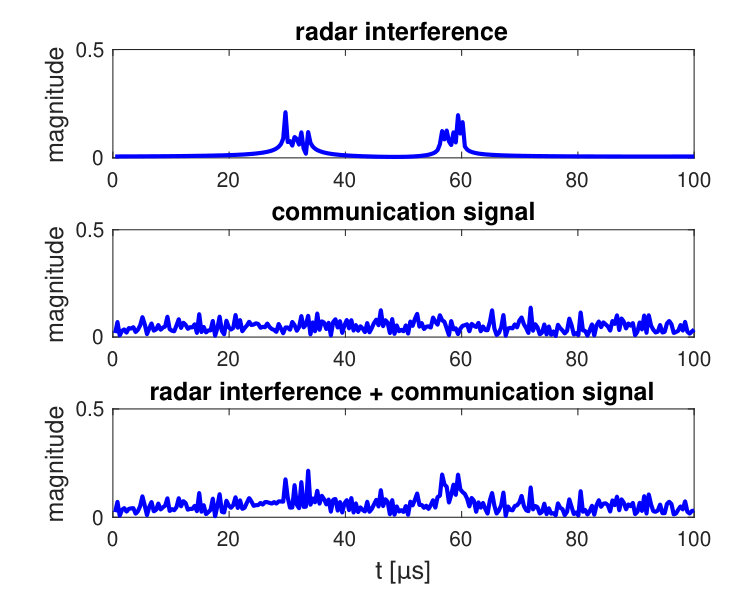 Figure 6
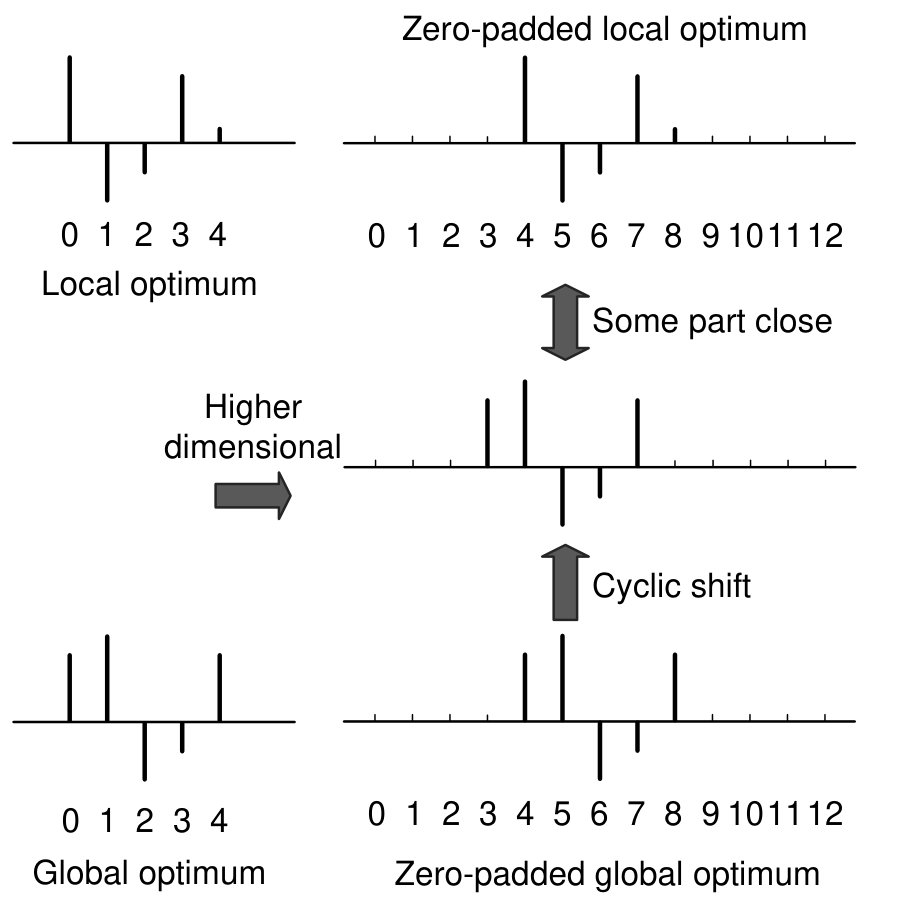 Figure 7
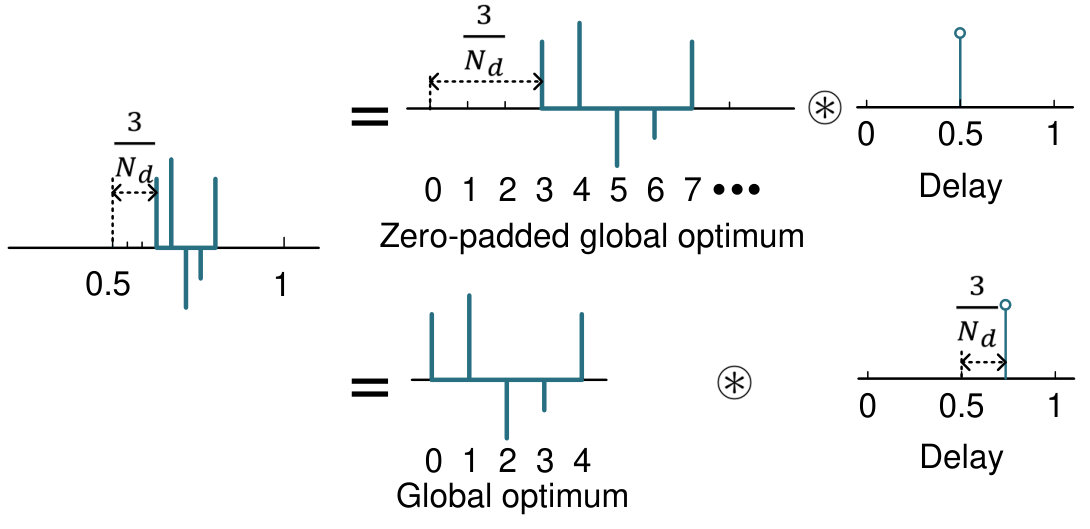 Figure 8
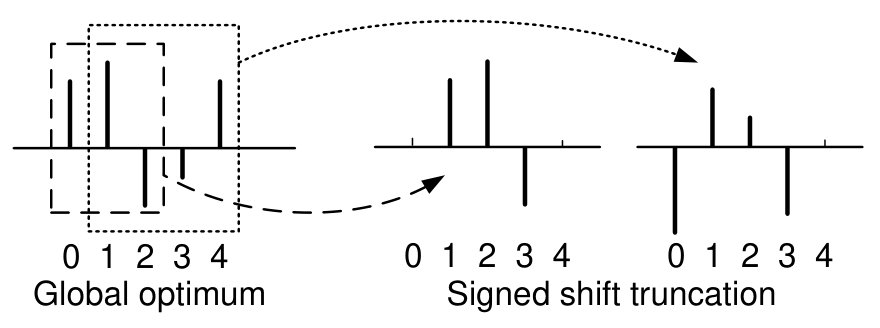 Figure 9
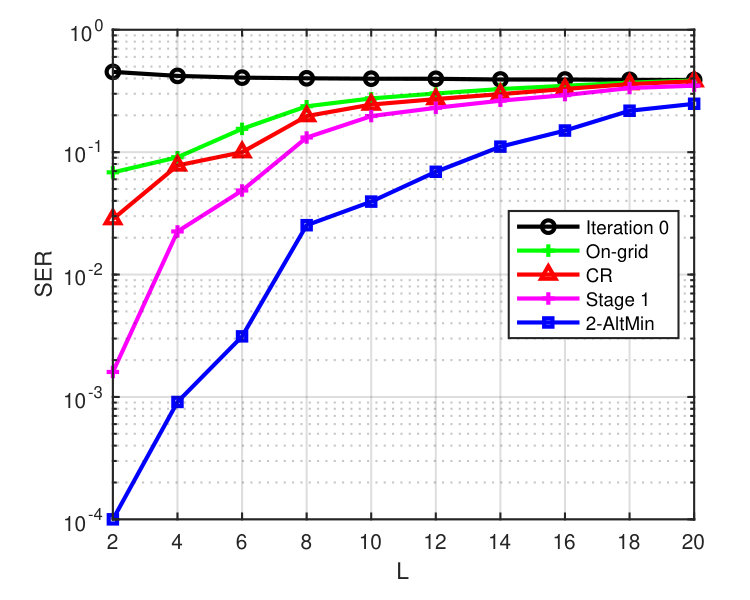 Figure 10
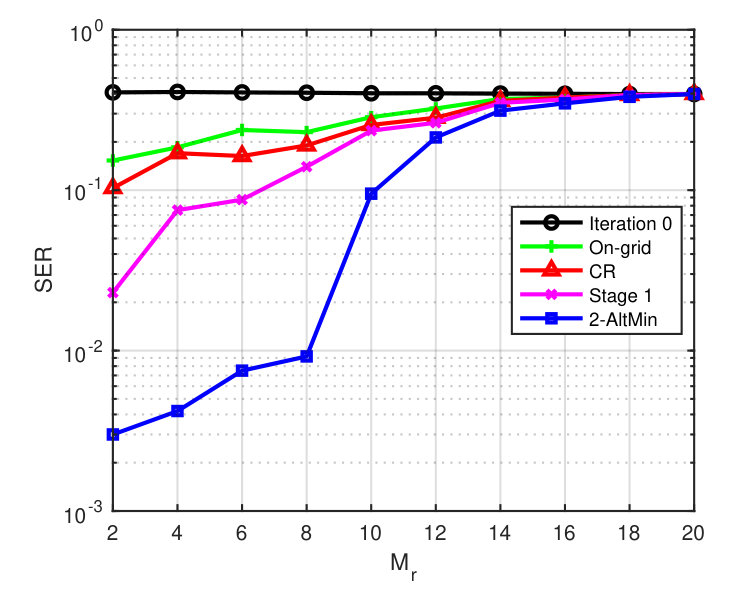 Figure 11
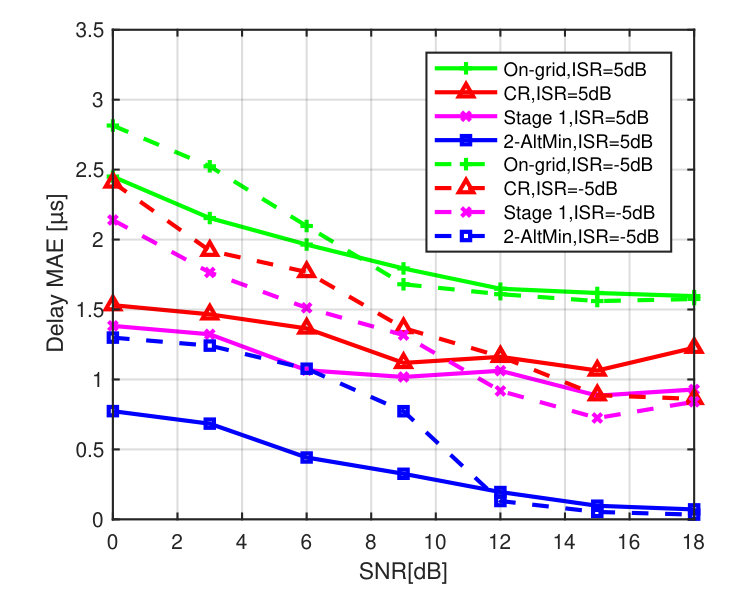 Figure 12
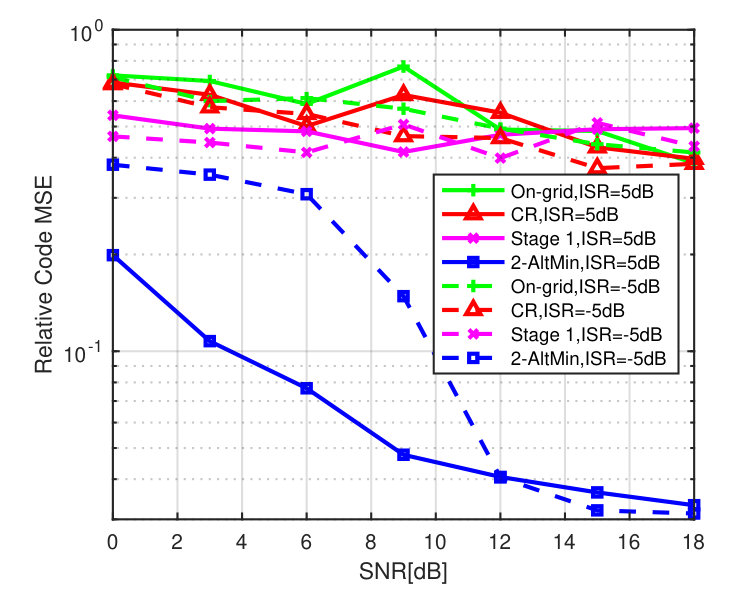 Figure 13
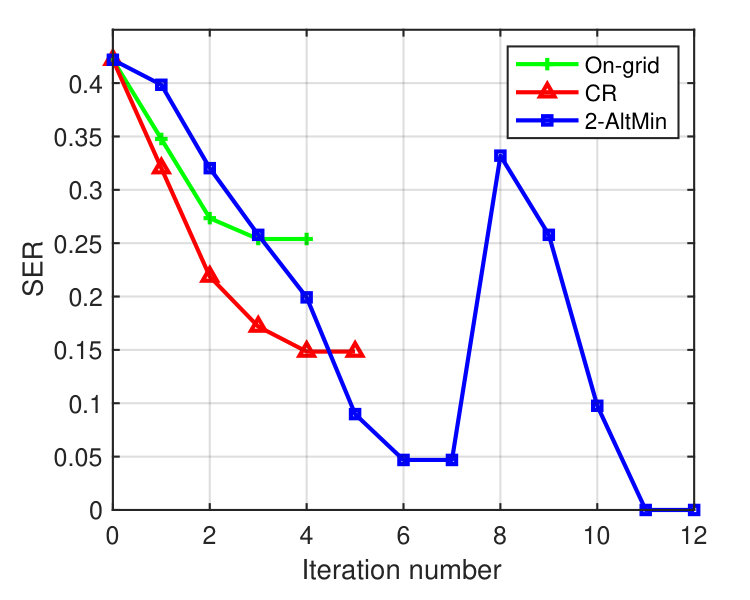 Figure 14
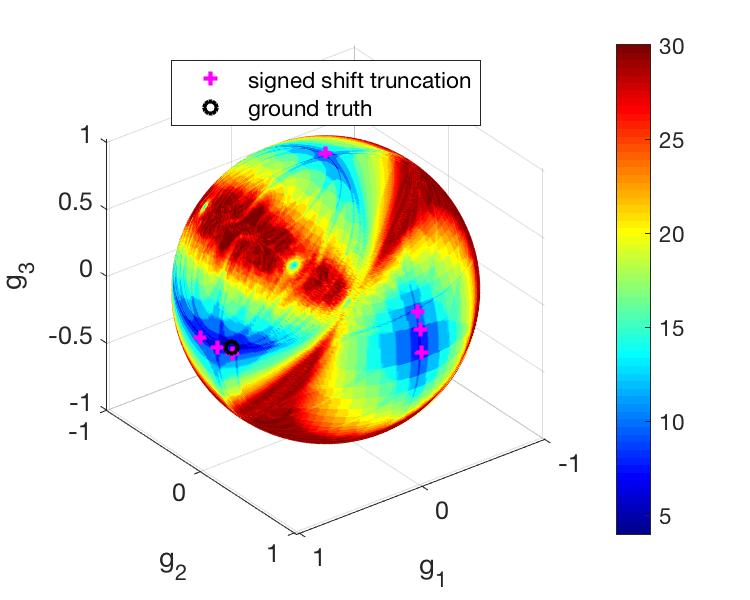 Figure 15
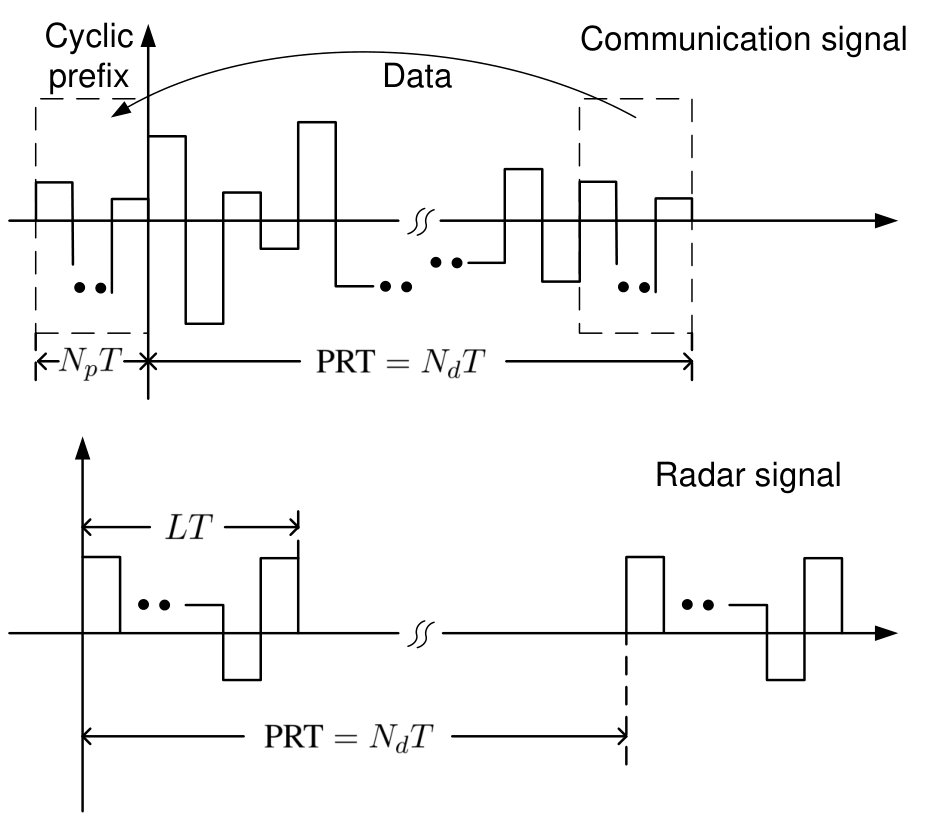 Figure 16
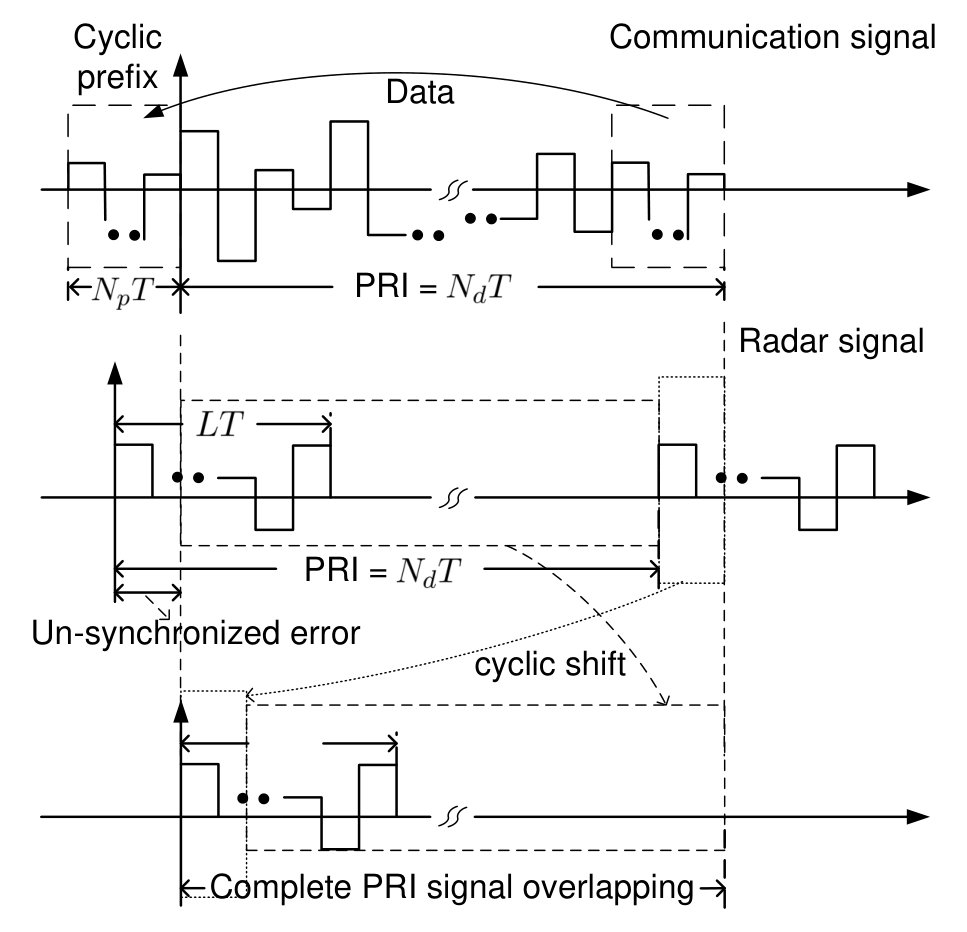 Figure 17
Peer Reviews
No public reviews on file for this paper yet. If you reviewed it on a platform where reviews are public (OpenReview, ICLR, NeurIPS, ICML), you can paste yours below so the community can read it here.
Videos
No videos yet. Explain this paper in a talk, walkthrough, or lecture? Add one.