Scattering Equations and Factorization of Amplitudes II: Effective Field Theories
Humberto Gomez, Andreas Helset

TL;DR
This paper extends the scattering equation framework to effective field theories using a double-cover formalism, introducing new factorization relations and a recursion method to compute amplitudes algebraically without solving scattering equations.
Contribution
It develops a double-cover formalism for effective field theories, especially the non-linear sigma model, with new factorization relations and a recursion relation for amplitude calculation.
Findings
Derived new factorization relations for effective field theories.
Established a recursion relation expressing amplitudes via off-shell three-point functions.
Provided algebraic amplitude expressions without solving scattering equations.
Abstract
We continue the program of extending the scattering equation framework by Cachazo, He and Yuan to a double-cover prescription. We discuss how to apply the double-cover formalism to effective field theories, with a special focus on the non-linear sigma model. A defining characteristic of the double-cover formulation is the emergence of new factorization relations. We present several factorization relations, along with a novel recursion relation. Using the recursion relation and a new prescription for the integrand, any non-linear sigma model amplitude can be expressed in terms of off-shell three-point amplitudes. The resulting expression is purely algebraic, and we do not have to solve any scattering equation. We also discuss soft limits, boundary terms in BCFW recursion, and application of the double-cover prescription to other effective field theories, like the special Galileon theory.
Click any figure to enlarge with its caption.
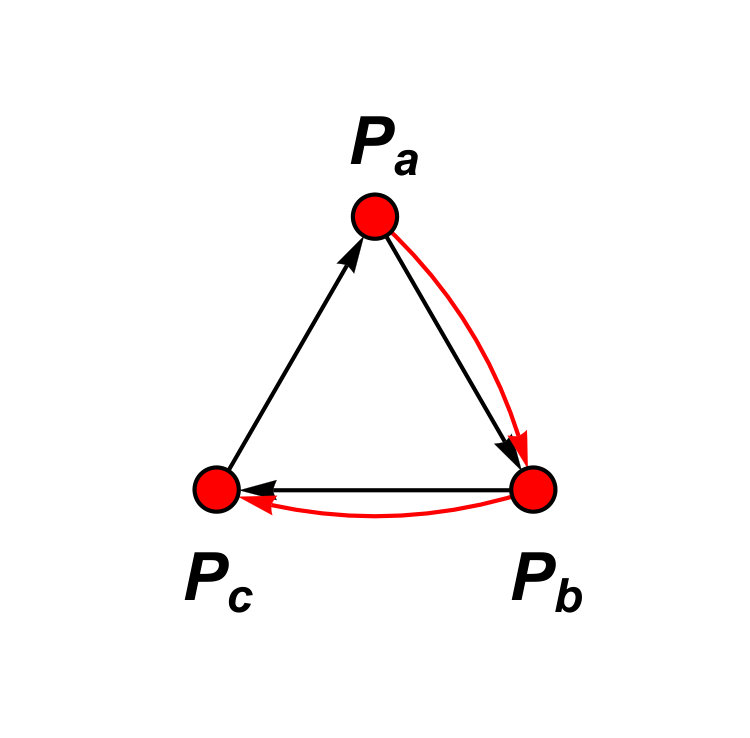 Figure 1
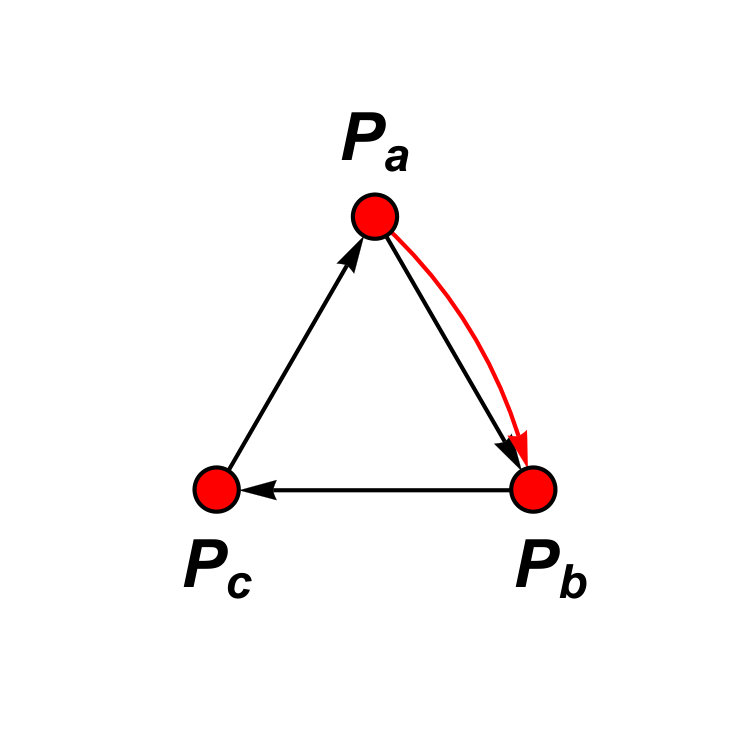 Figure 2
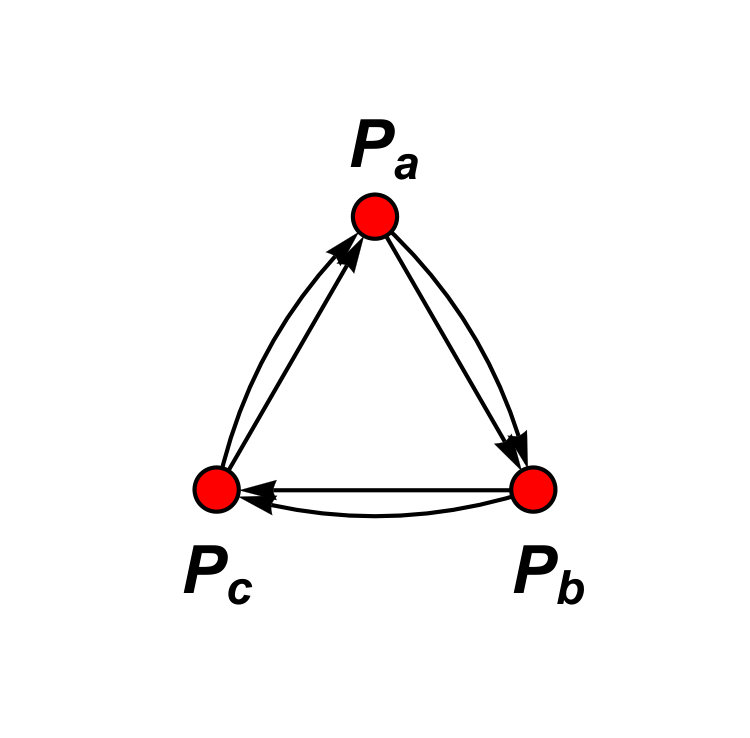 Figure 3
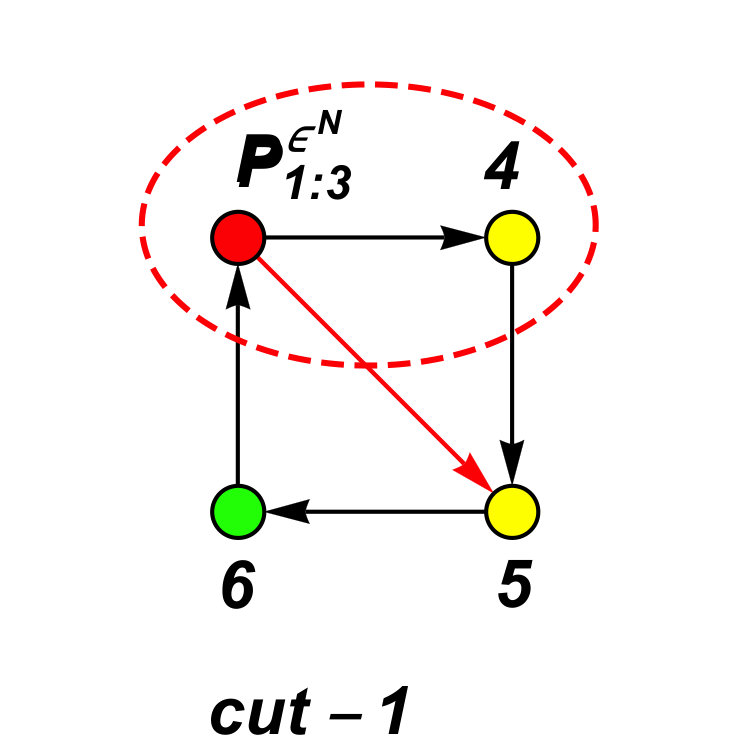 Figure 4
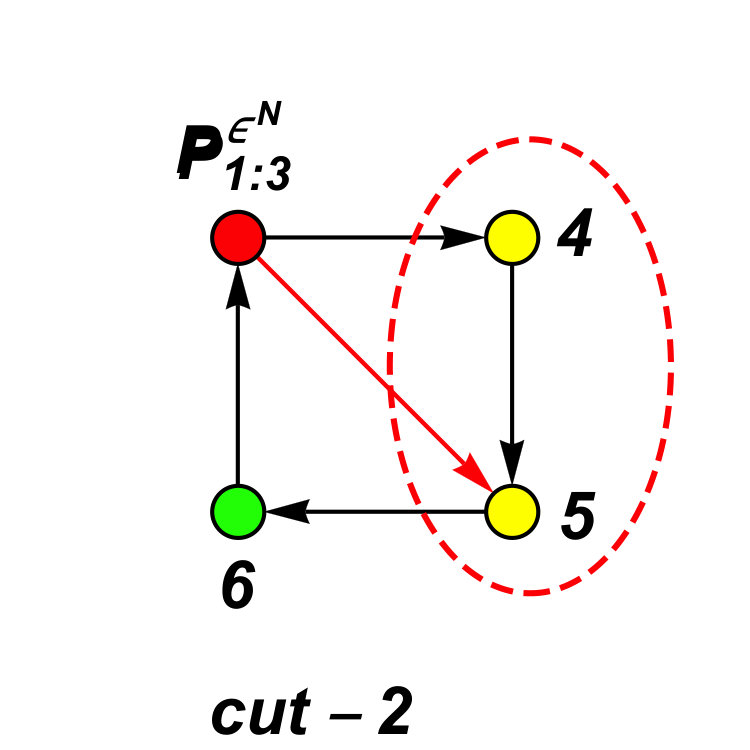 Figure 5
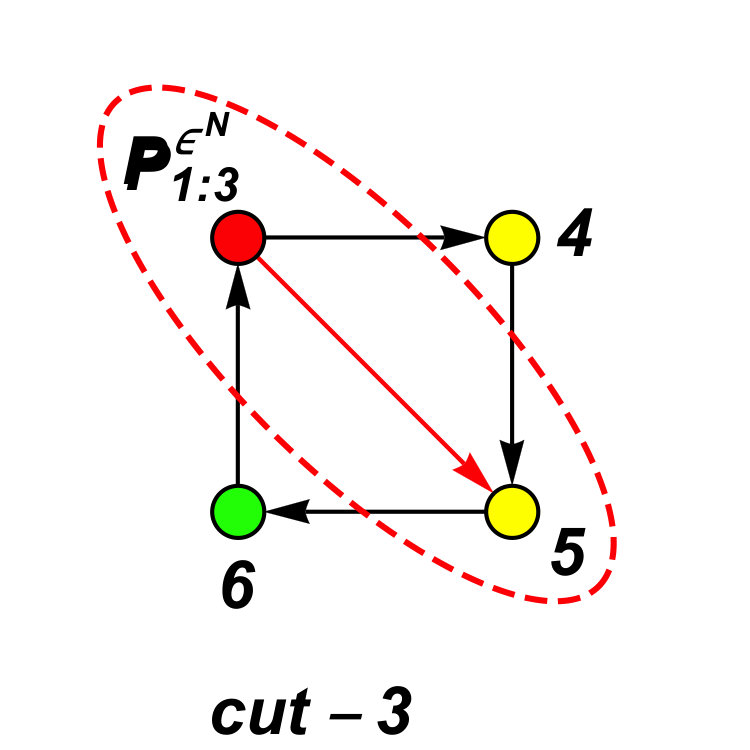 Figure 6
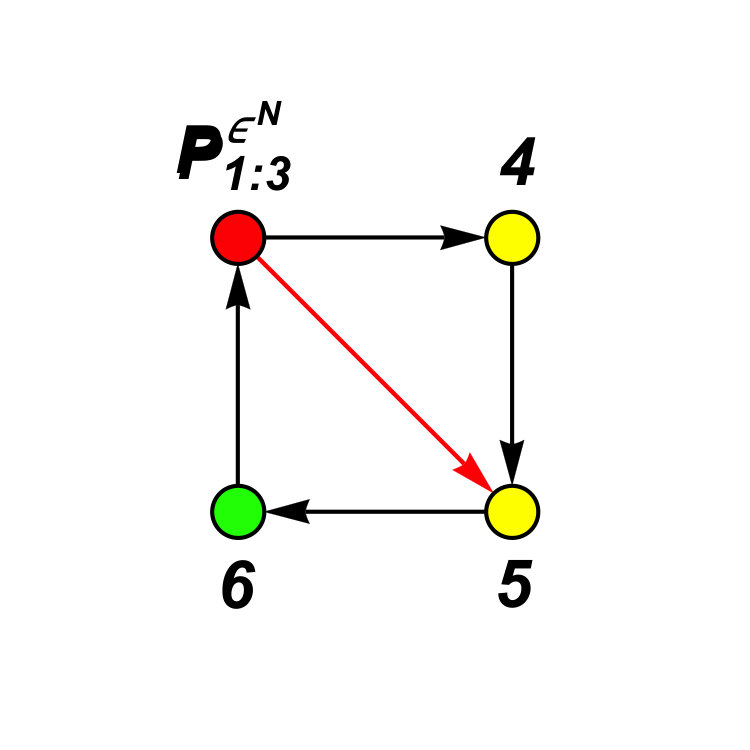 Figure 7
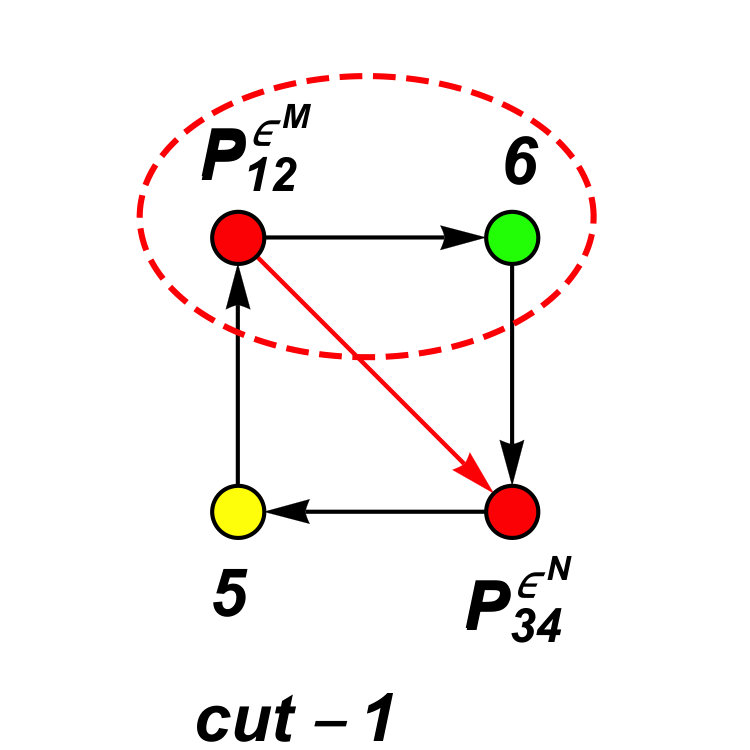 Figure 8
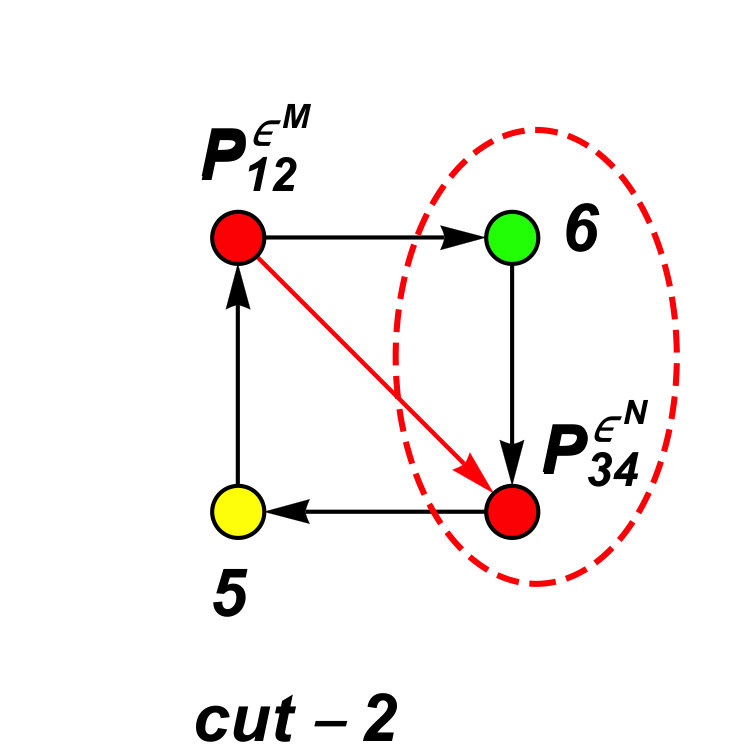 Figure 9
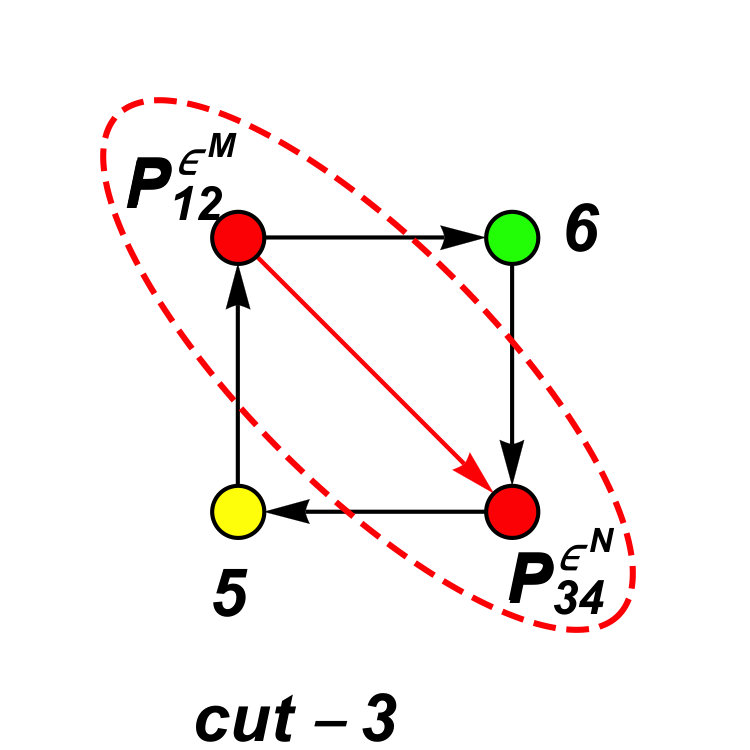 Figure 10
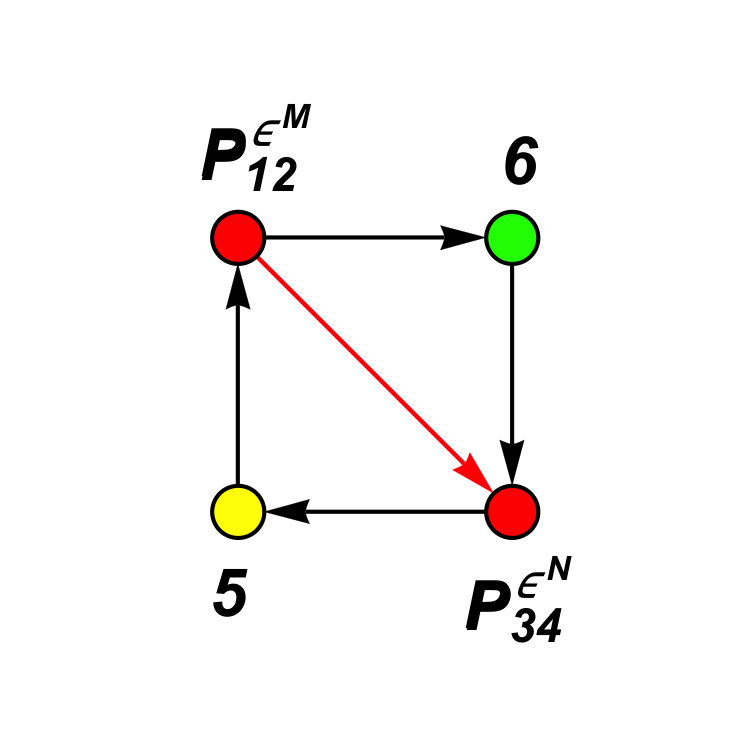 Figure 11
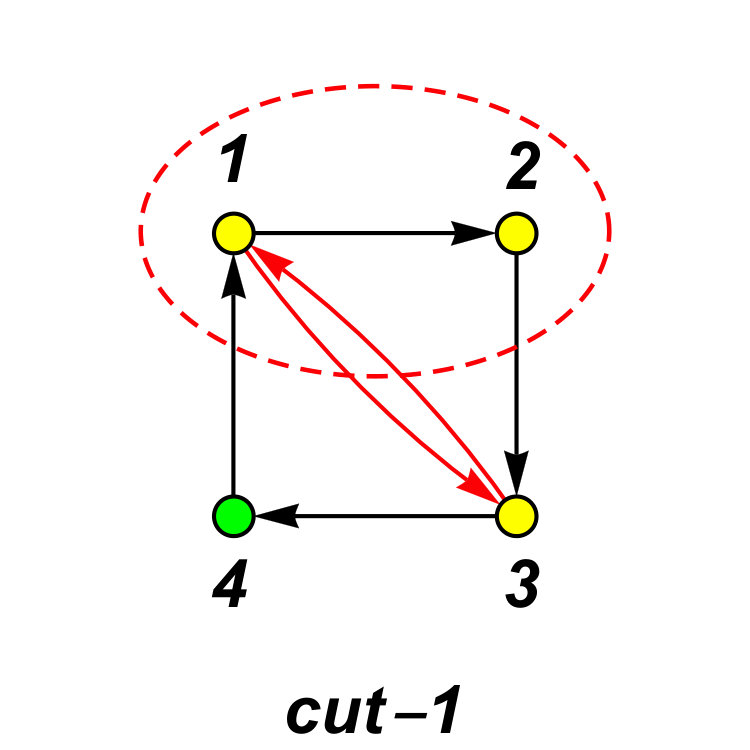 Figure 12
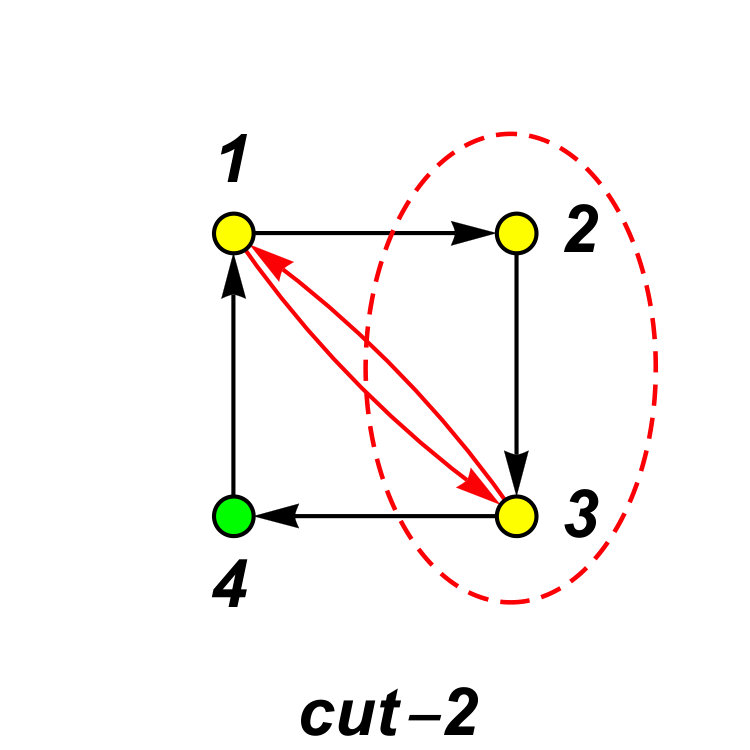 Figure 13
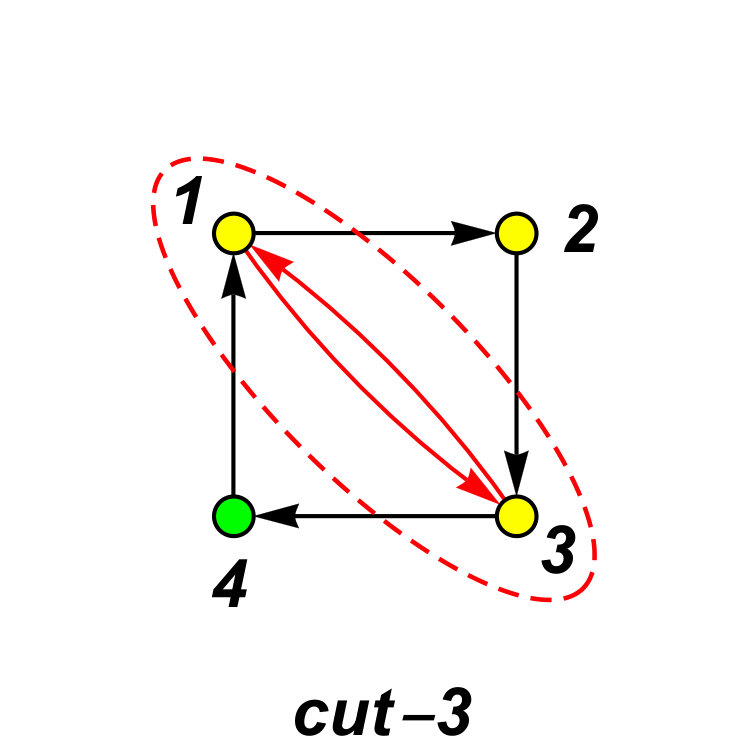 Figure 14
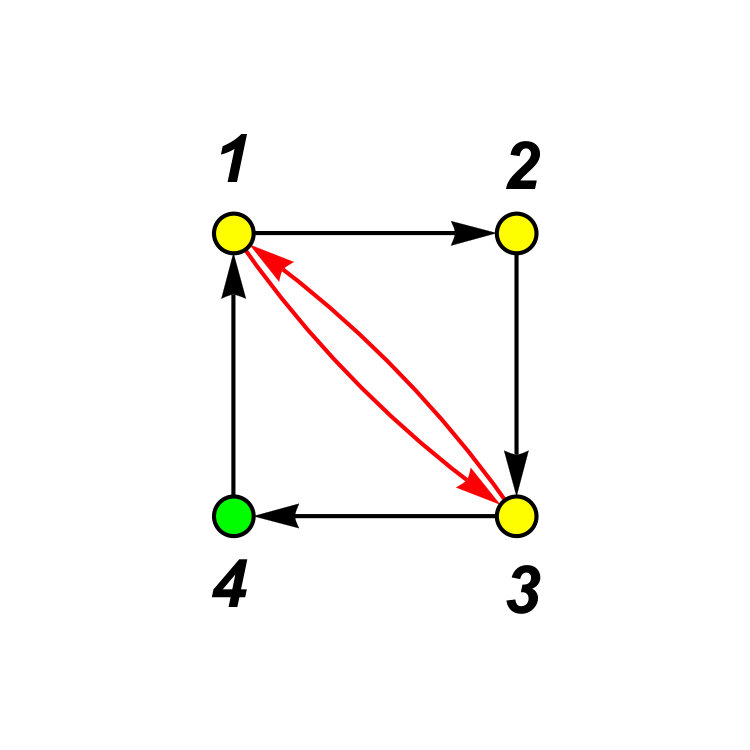 Figure 15
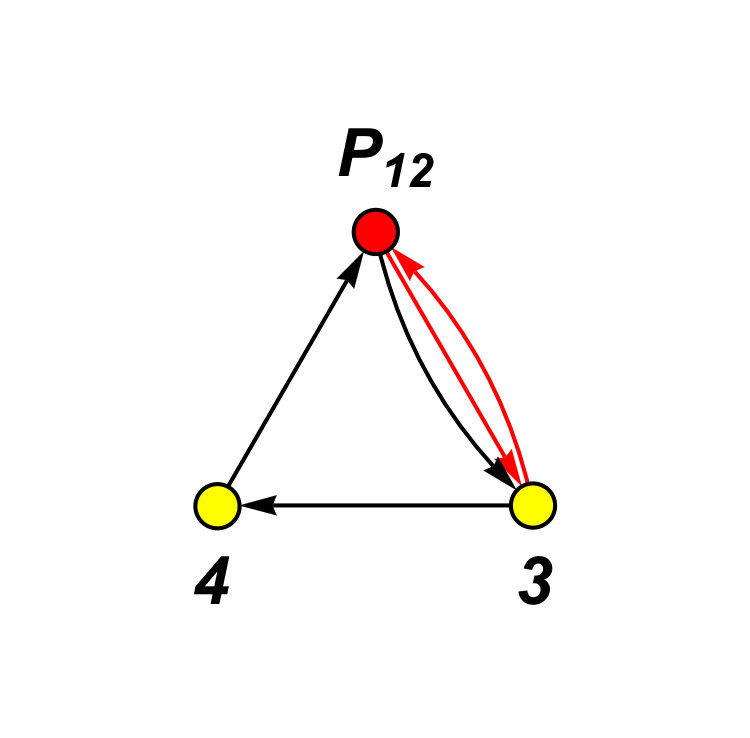 Figure 16
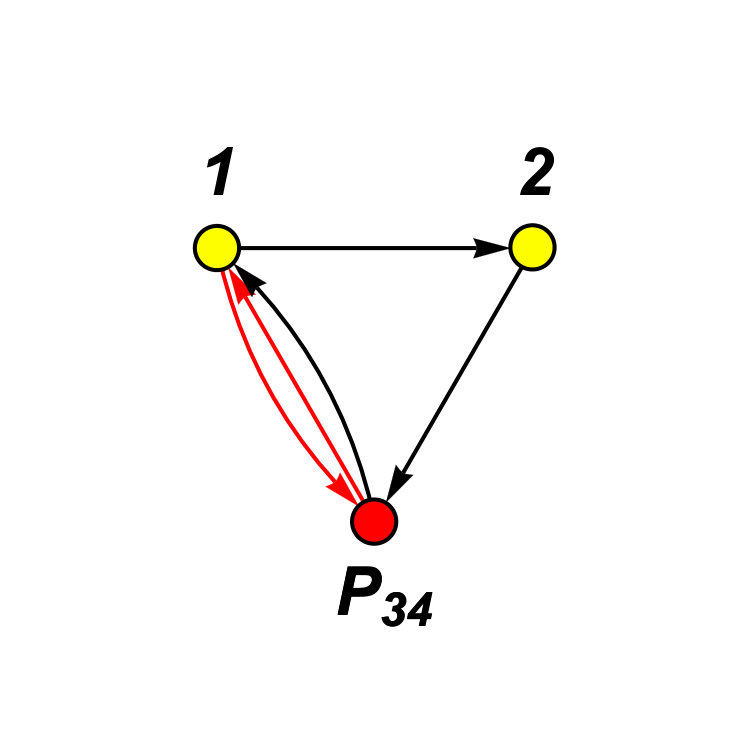 Figure 17
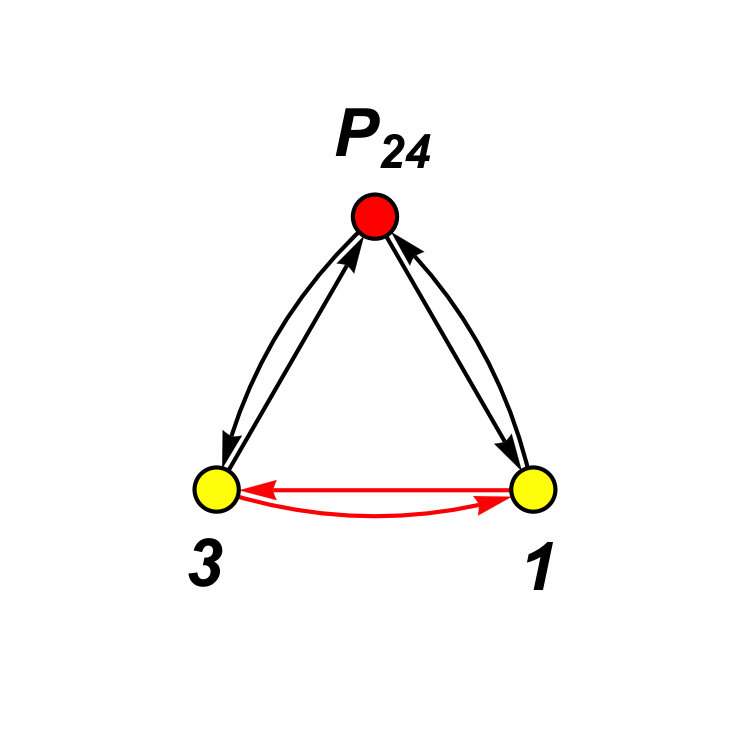 Figure 18
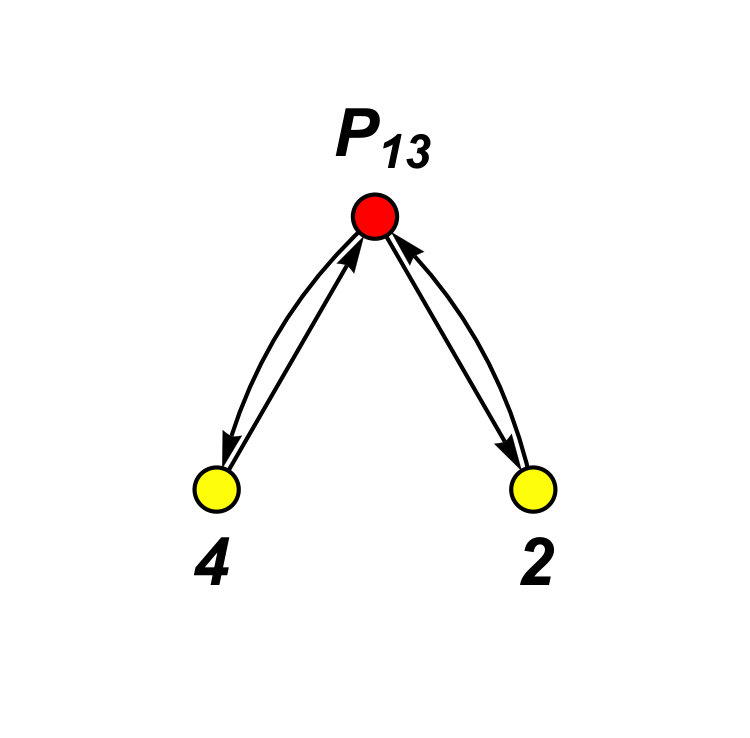 Figure 19
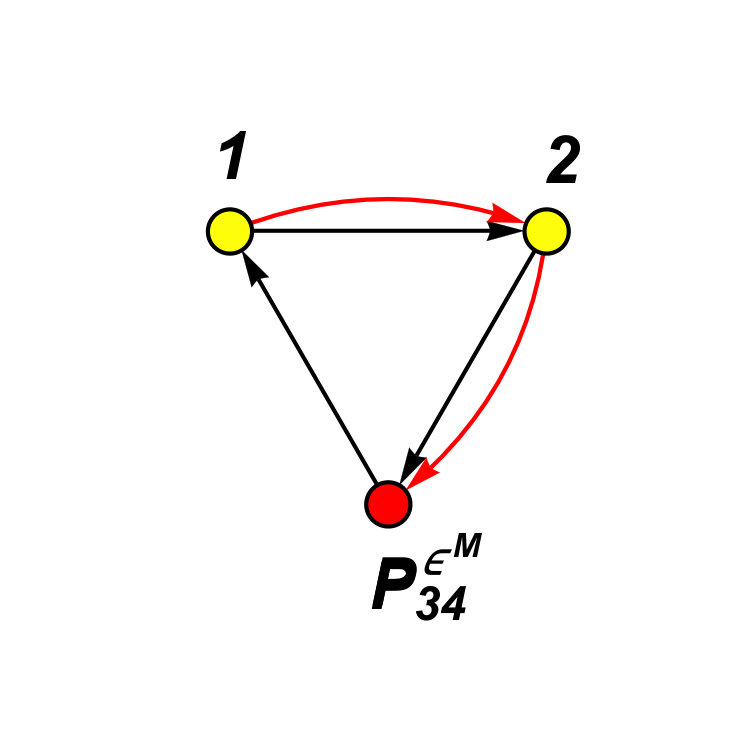 Figure 20
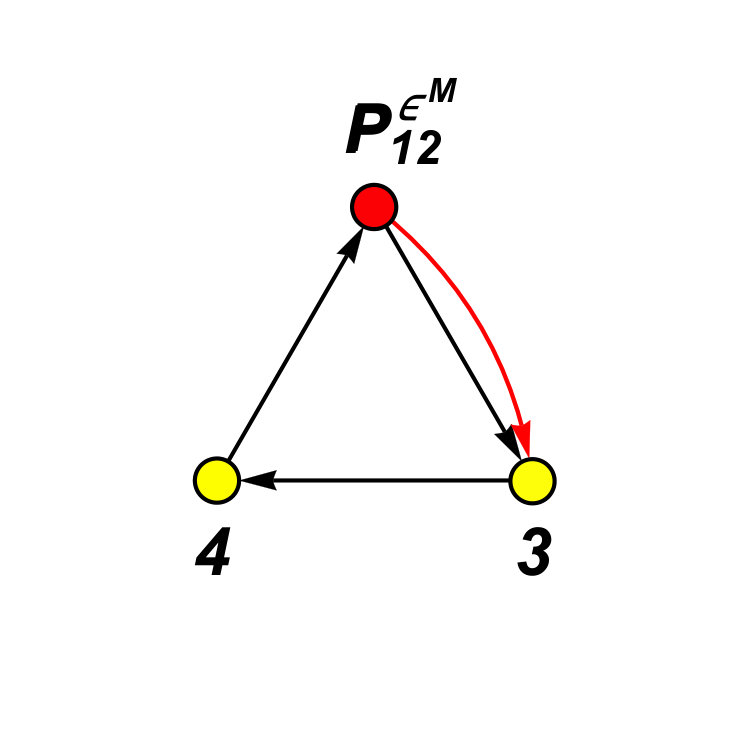 Figure 21
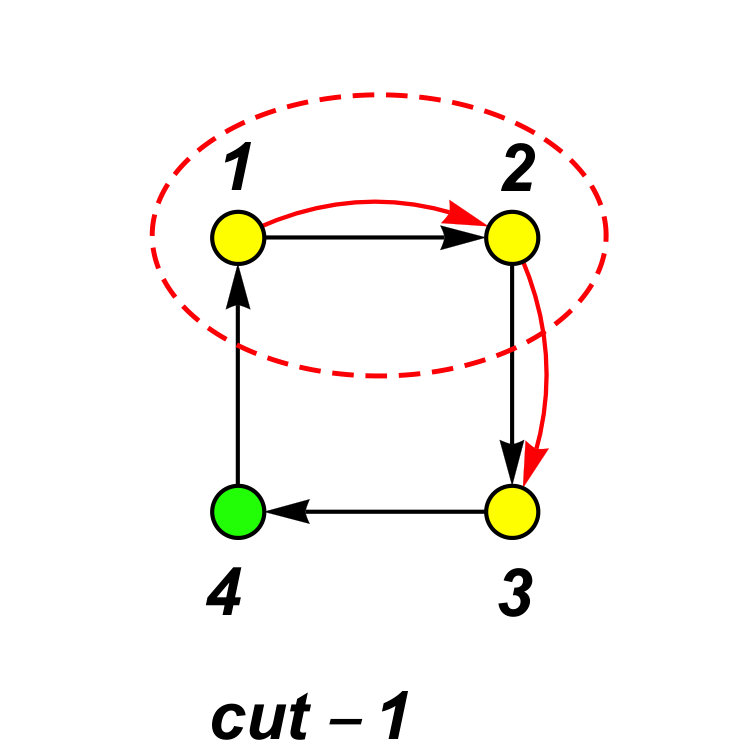 Figure 22
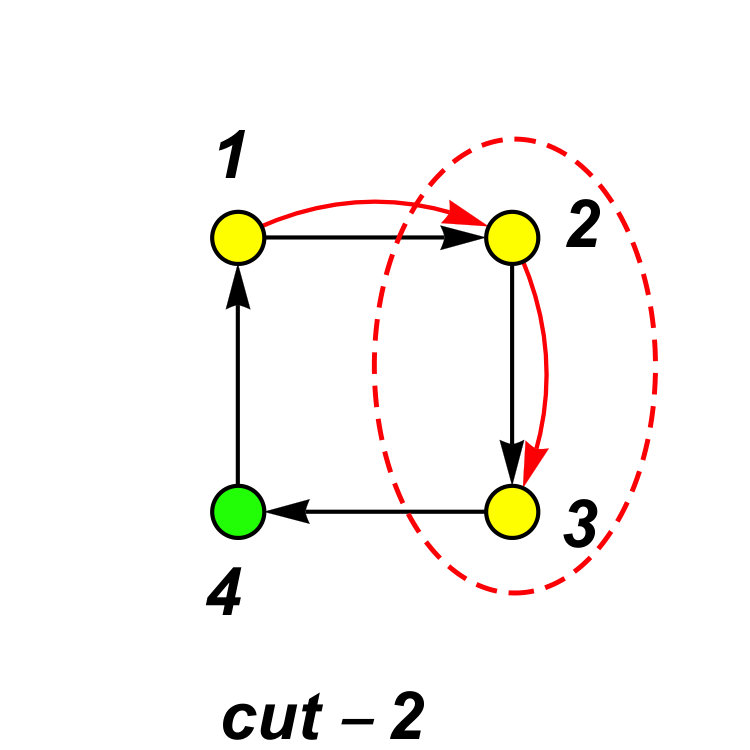 Figure 23
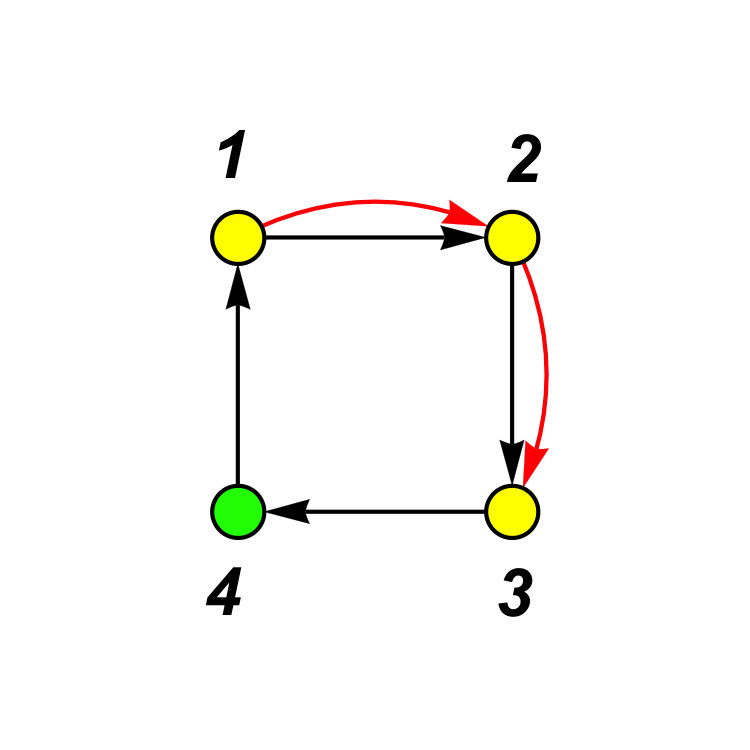 Figure 24
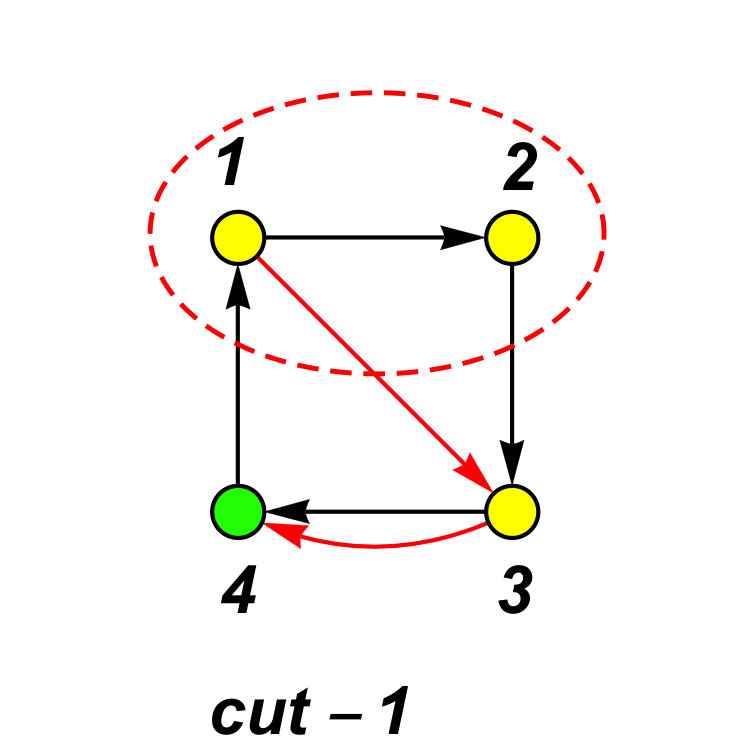 Figure 25
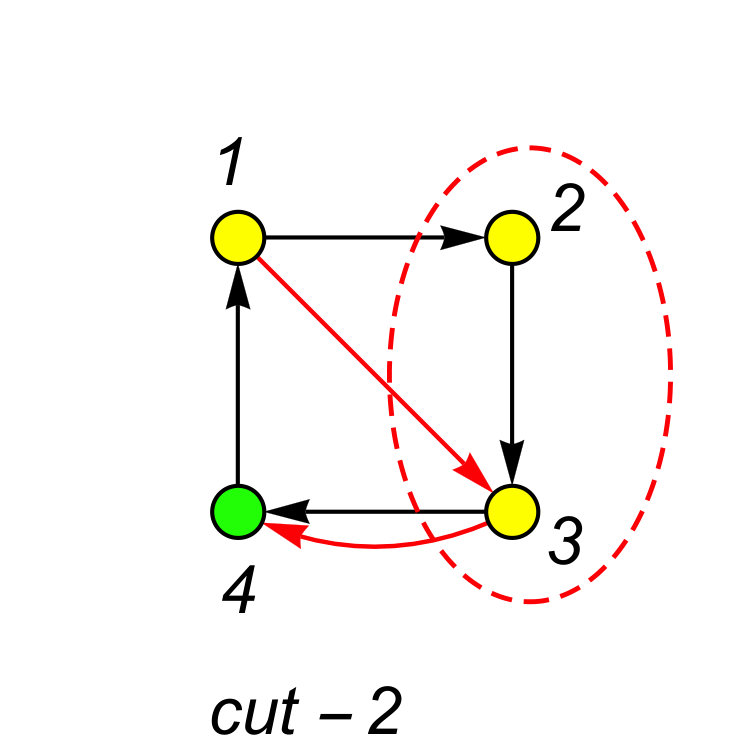 Figure 26
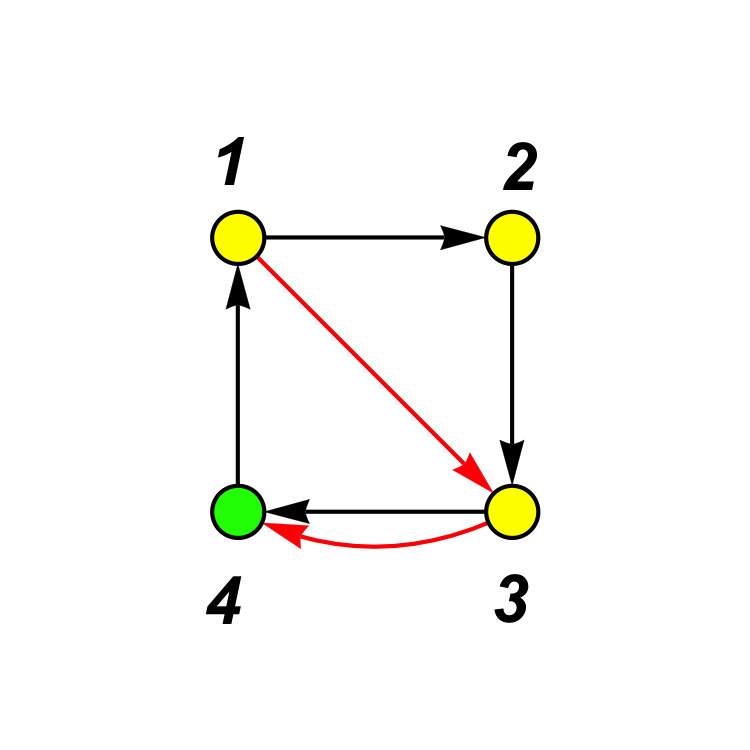 Figure 27
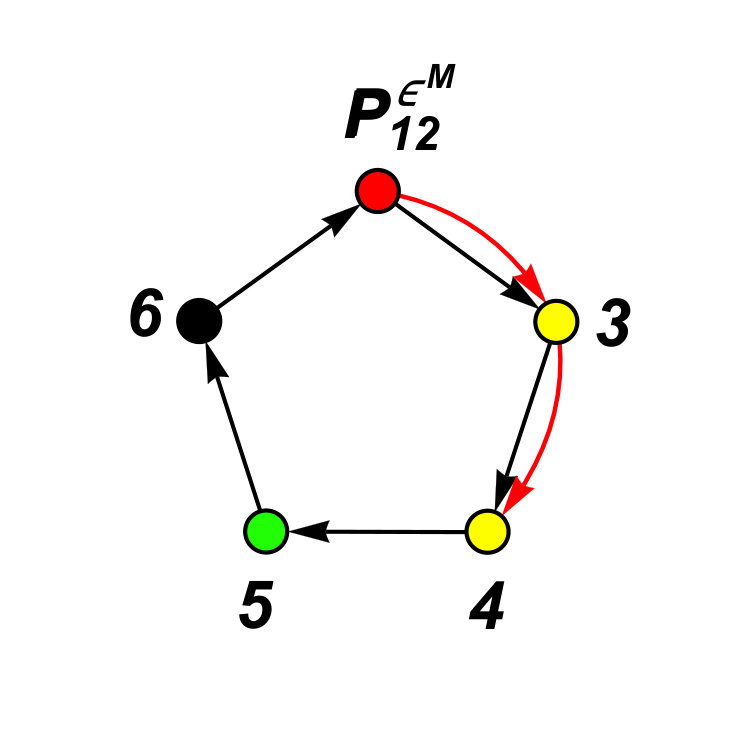 Figure 28
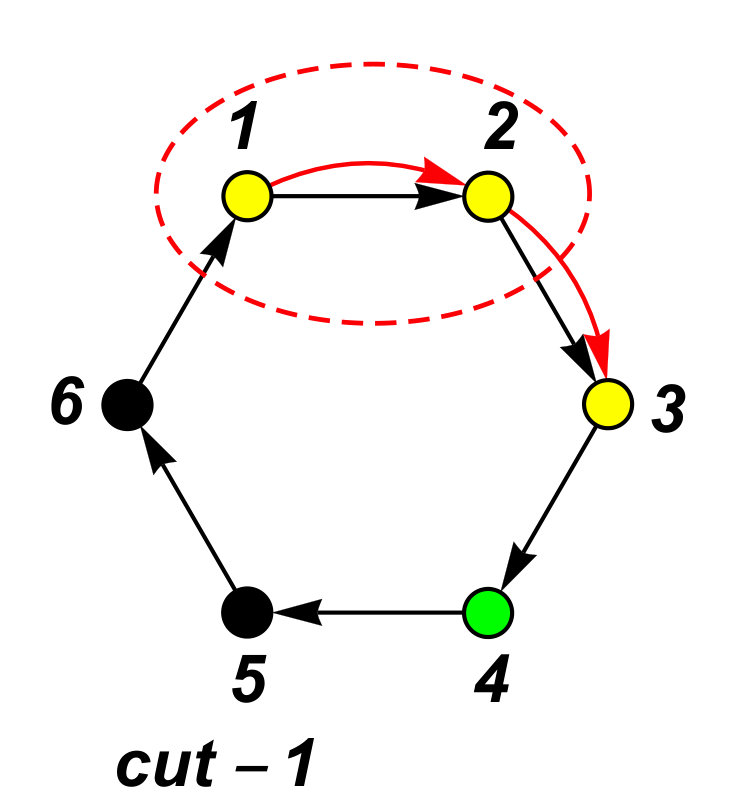 Figure 29
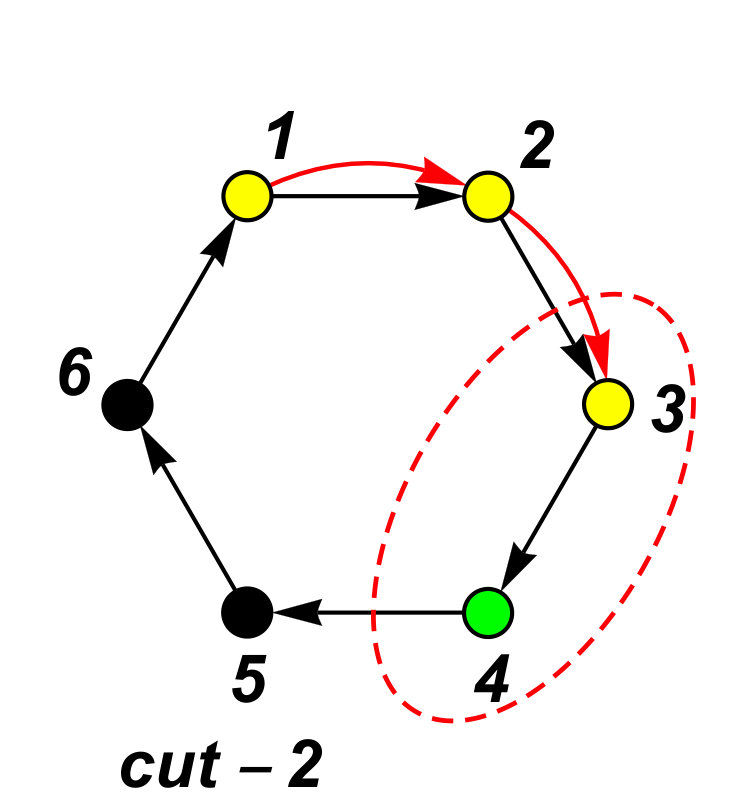 Figure 30
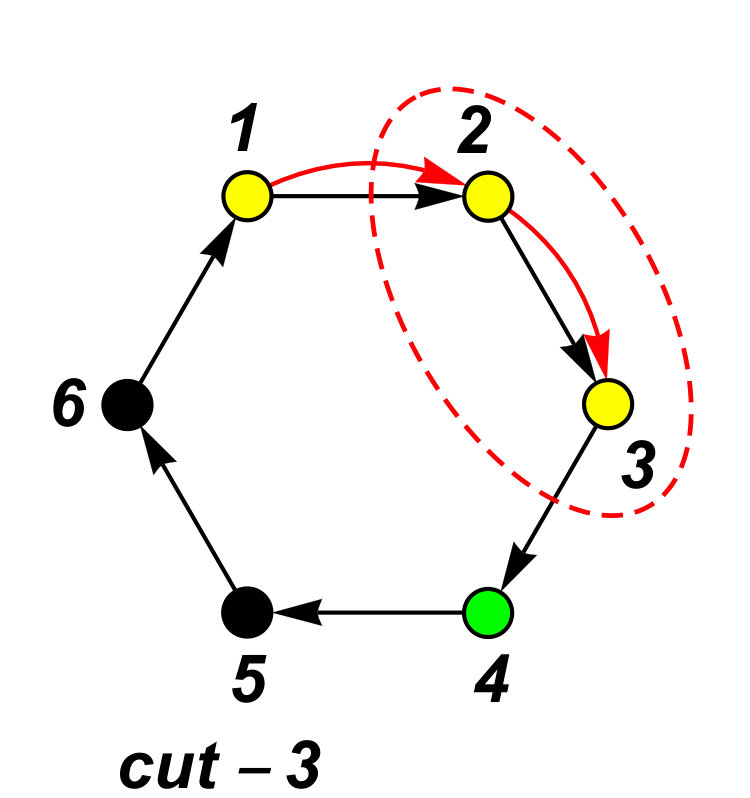 Figure 31
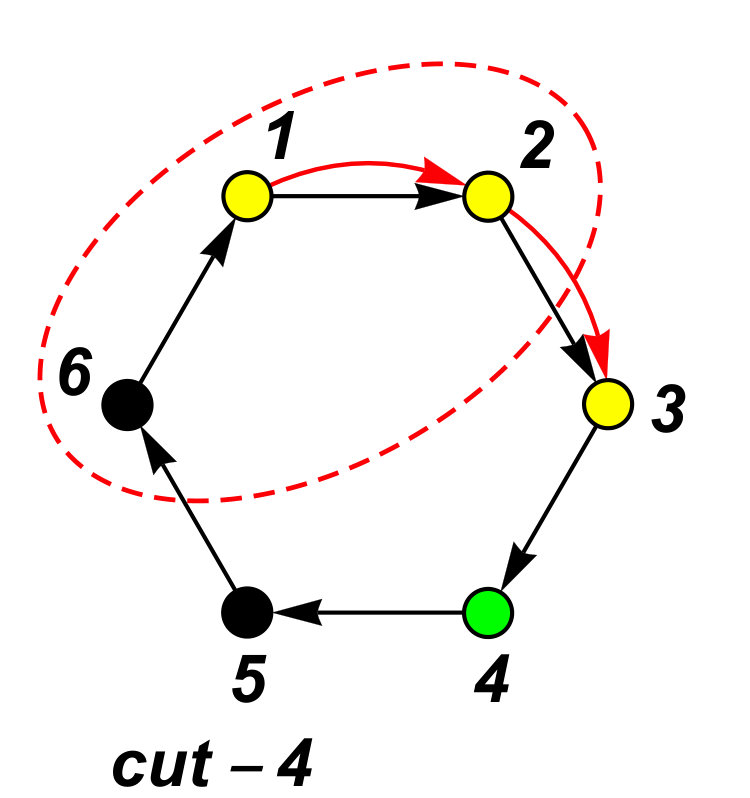 Figure 32
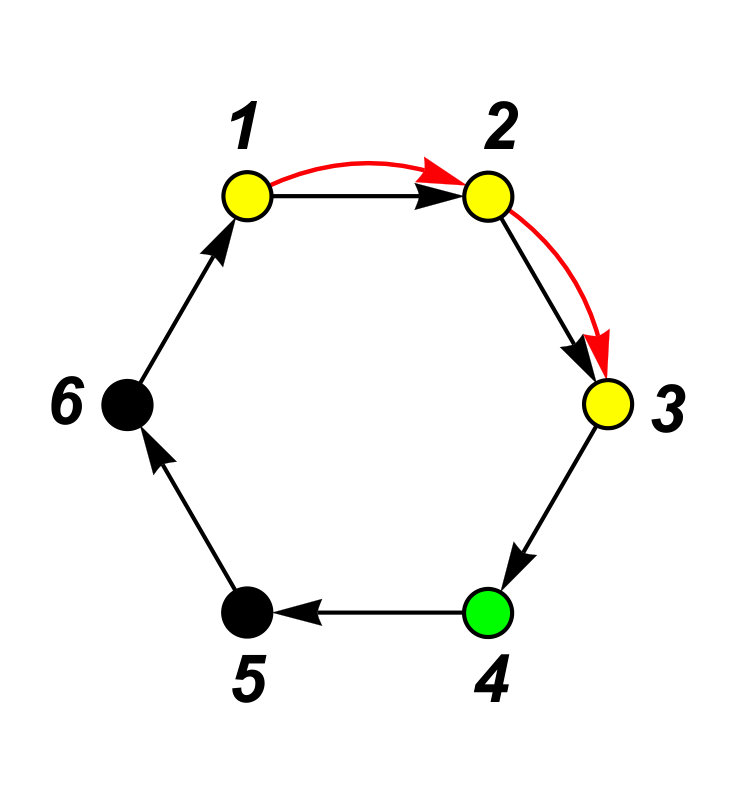 Figure 33
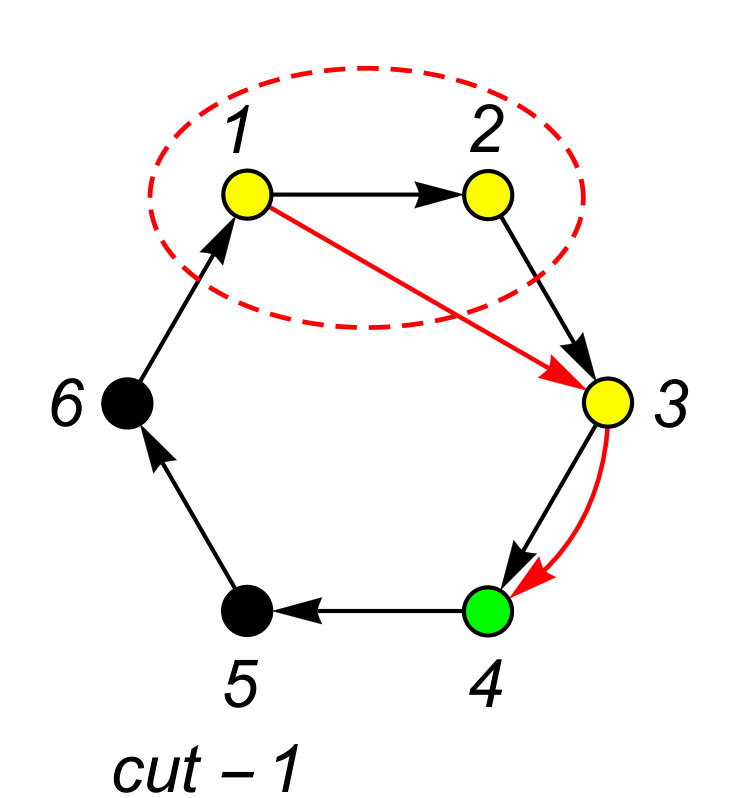 Figure 34
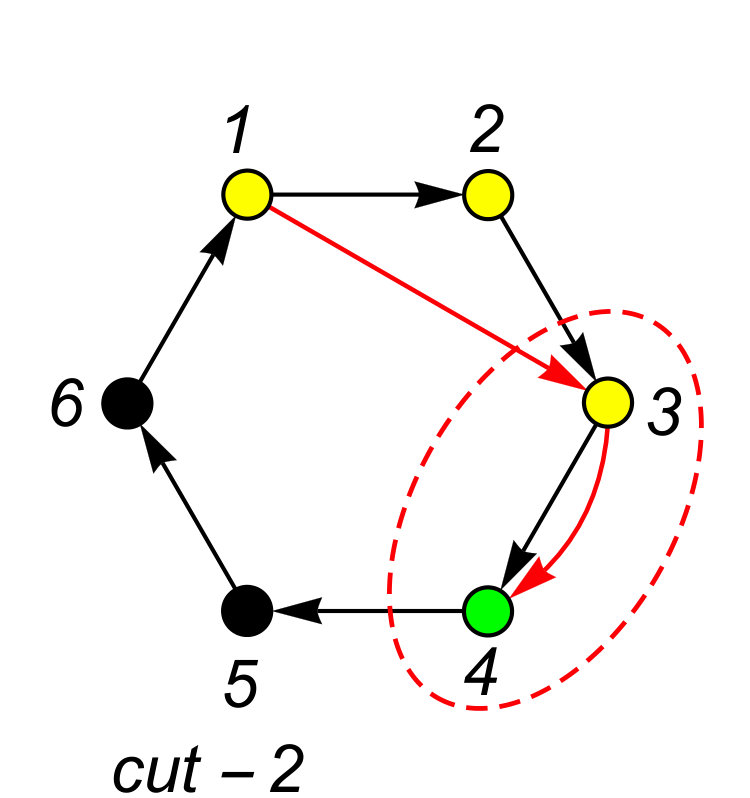 Figure 35
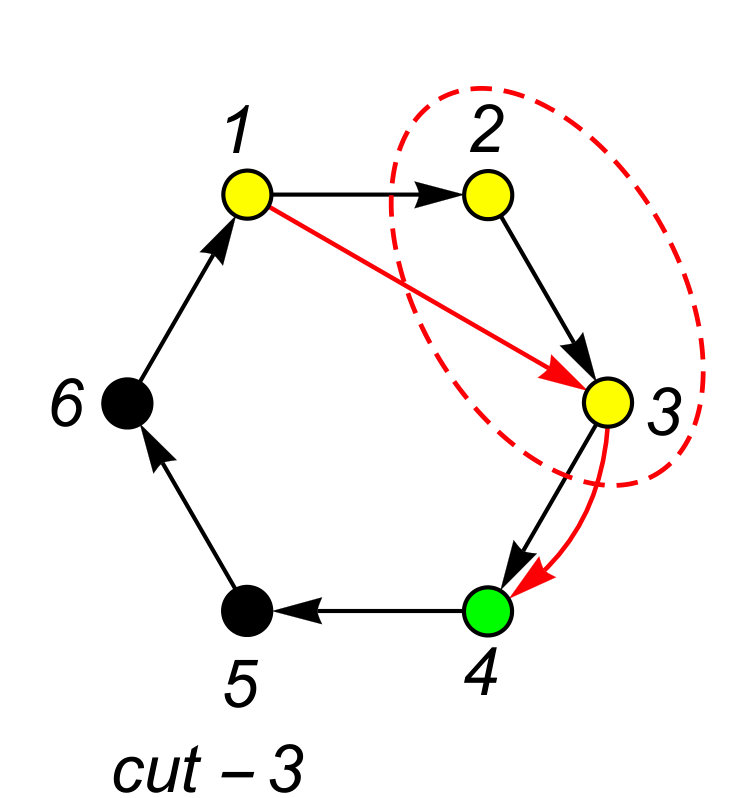 Figure 36
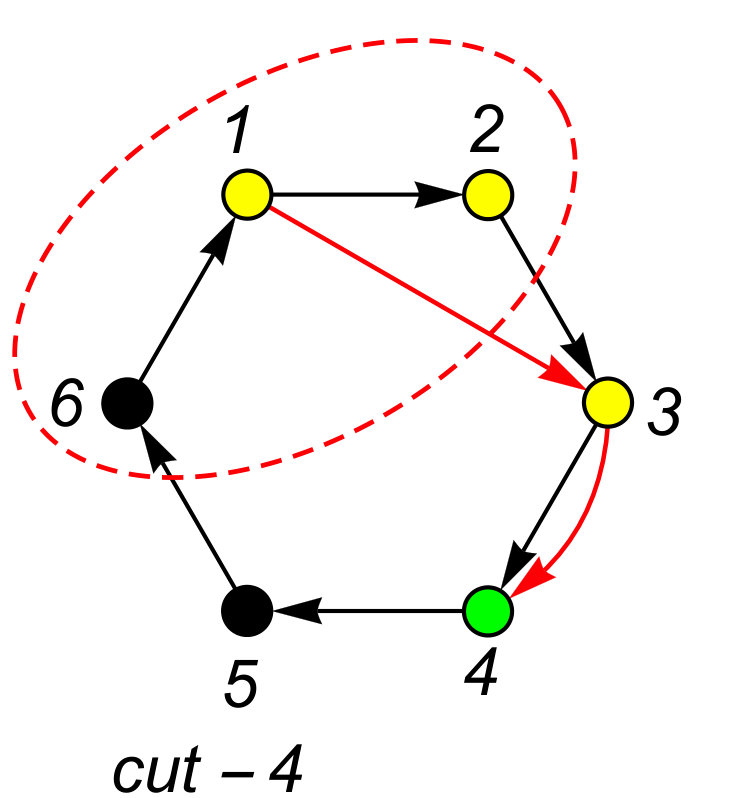 Figure 37
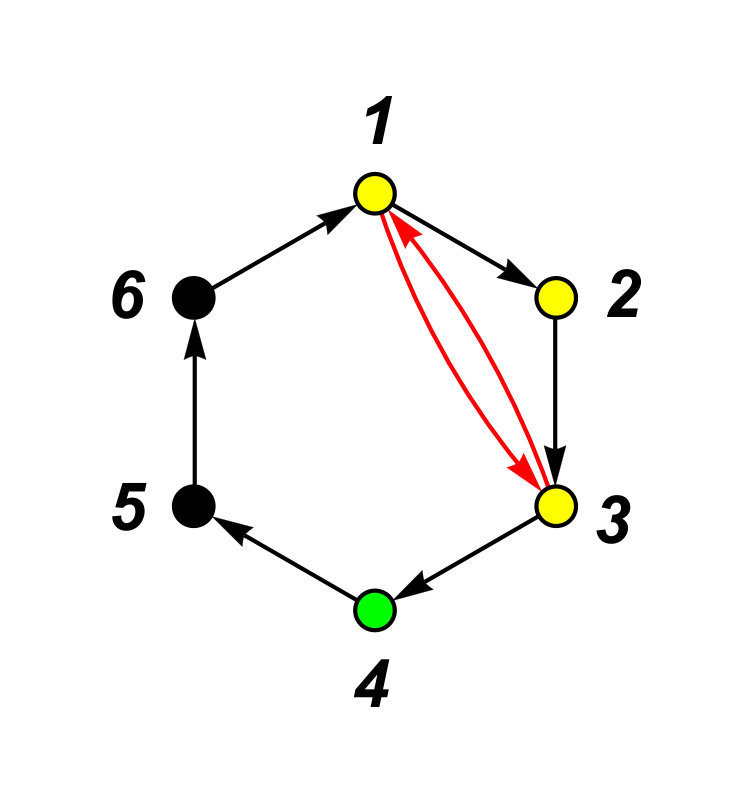 Figure 38
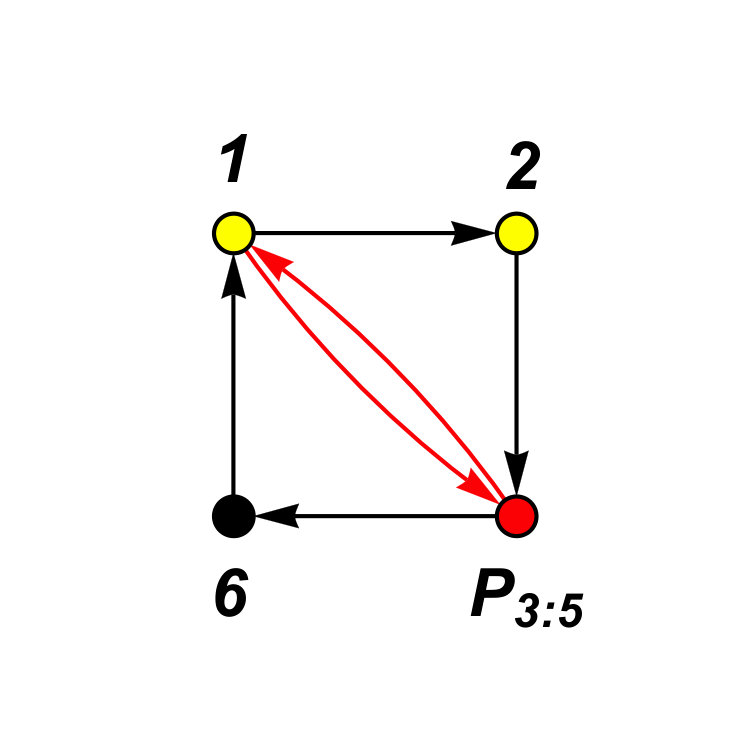 Figure 39
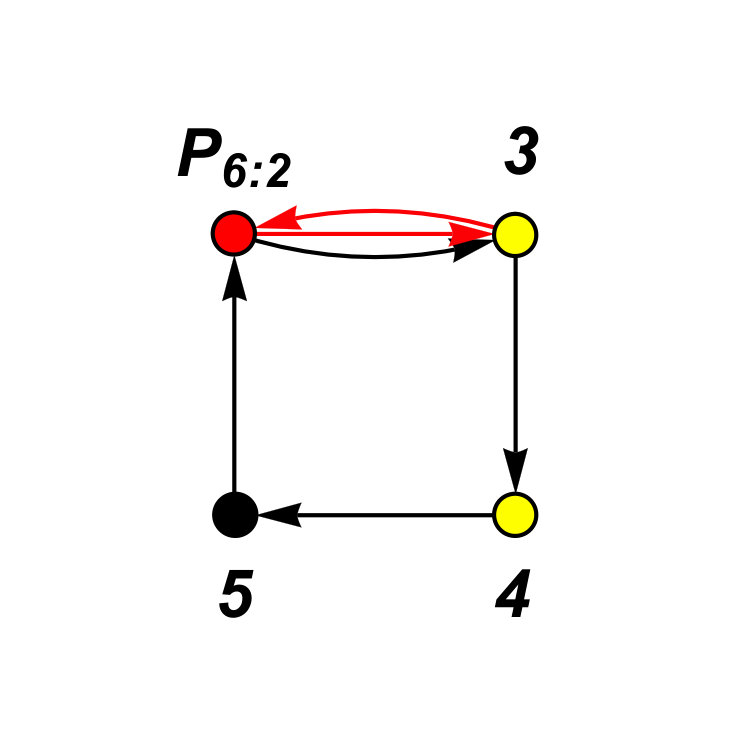 Figure 40
Peer Reviews
No public reviews on file for this paper yet. If you reviewed it on a platform where reviews are public (OpenReview, ICLR, NeurIPS, ICML), you can paste yours below so the community can read it here.
Videos
No videos yet. Explain this paper in a talk, walkthrough, or lecture? Add one.