Causal Effect Identification from Multiple Incomplete Data Sources: A General Search-based Approach
Santtu Tikka, Antti Hyttinen, Juha Karvanen

TL;DR
This paper introduces do-search, a versatile search algorithm over do-calculus rules for identifying causal effects from multiple incomplete data sources, handling complex scenarios like missing data, transportability, and selection bias.
Contribution
The paper presents a general, sound, and complete search-based method for causal effect identification that extends to complex data-generating mechanisms and incomplete data sources.
Findings
The do-search algorithm is provably sound and complete.
It effectively handles missing data, transportability, and selection bias.
The R package dosearch facilitates practical application of the method.
Abstract
Causal effect identification considers whether an interventional probability distribution can be uniquely determined without parametric assumptions from measured source distributions and structural knowledge on the generating system. While complete graphical criteria and procedures exist for many identification problems, there are still challenging but important extensions that have not been considered in the literature. To tackle these new settings, we present a search algorithm directly over the rules of do-calculus. Due to generality of do-calculus, the search is capable of taking more advanced data-generating mechanisms into account along with an arbitrary type of both observational and experimental source distributions. The search is enhanced via a heuristic and search space reduction techniques. The approach, called do-search, is provably sound, and it is complete with respect to…
Click any figure to enlarge with its caption.
 Figure 1
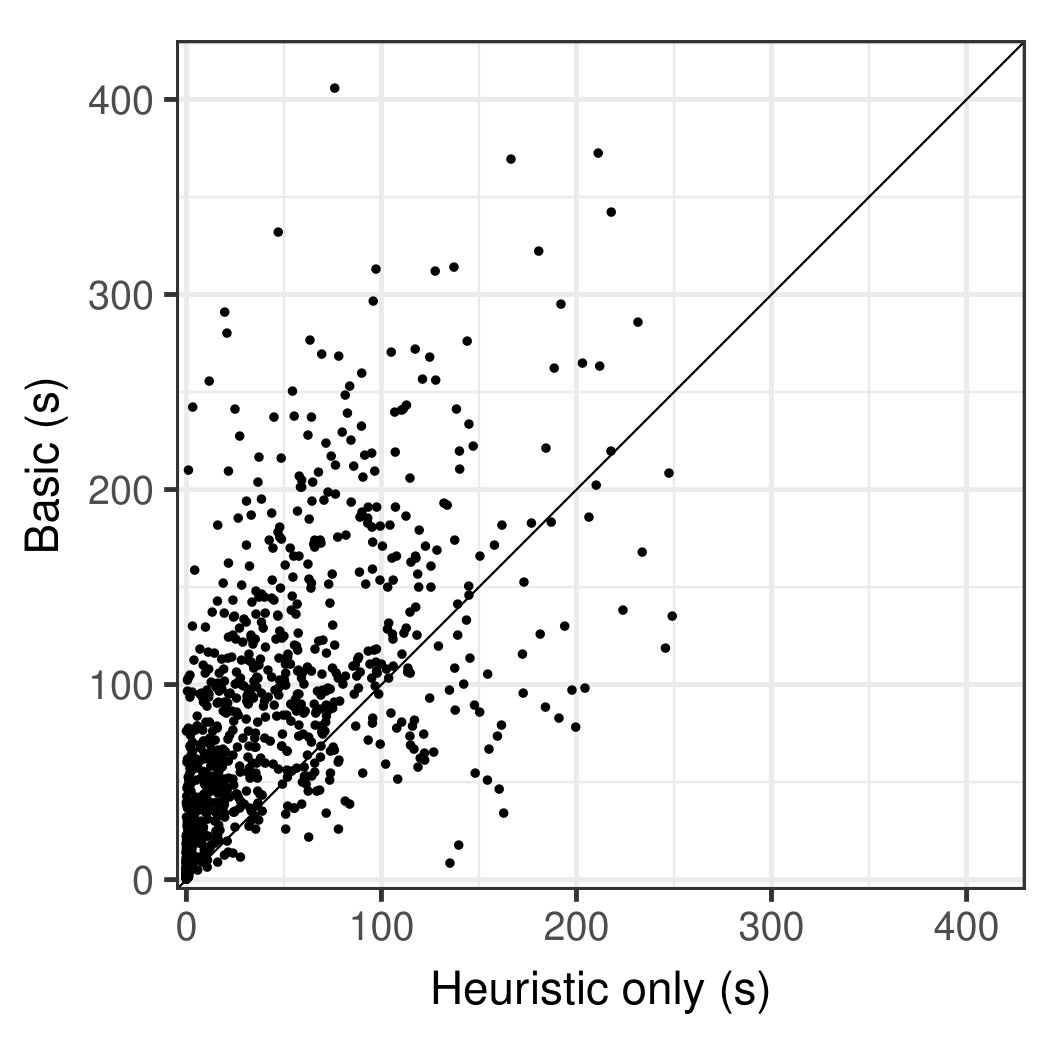 Figure 2
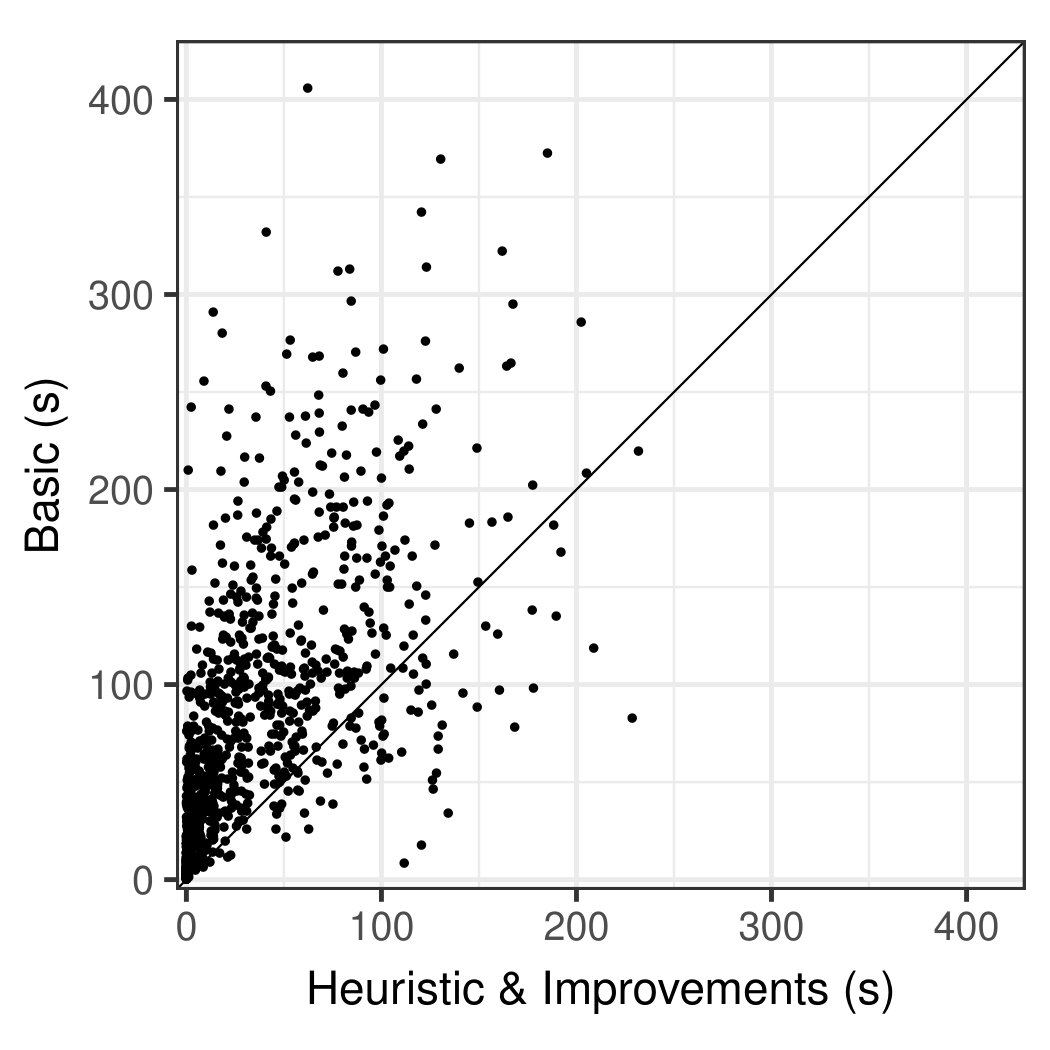 Figure 3
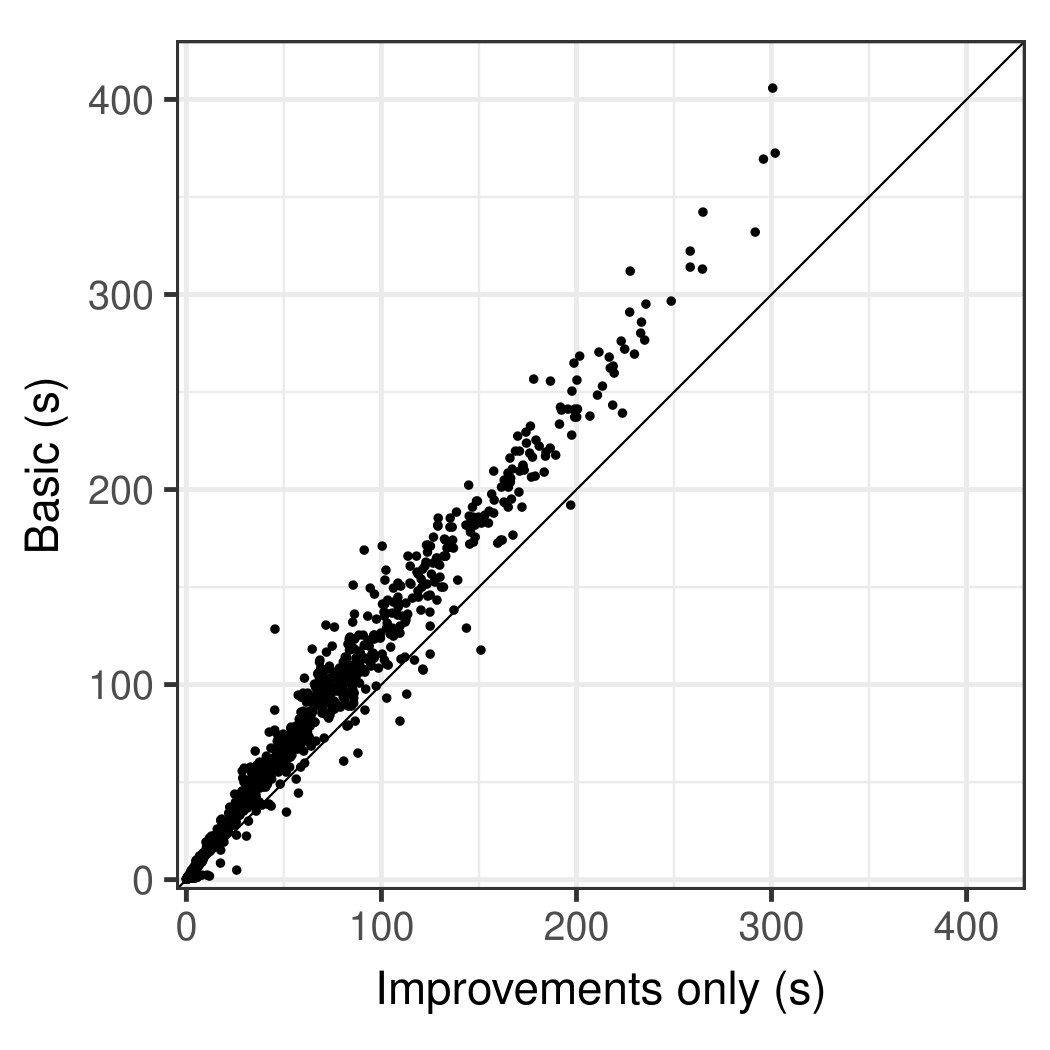 Figure 4
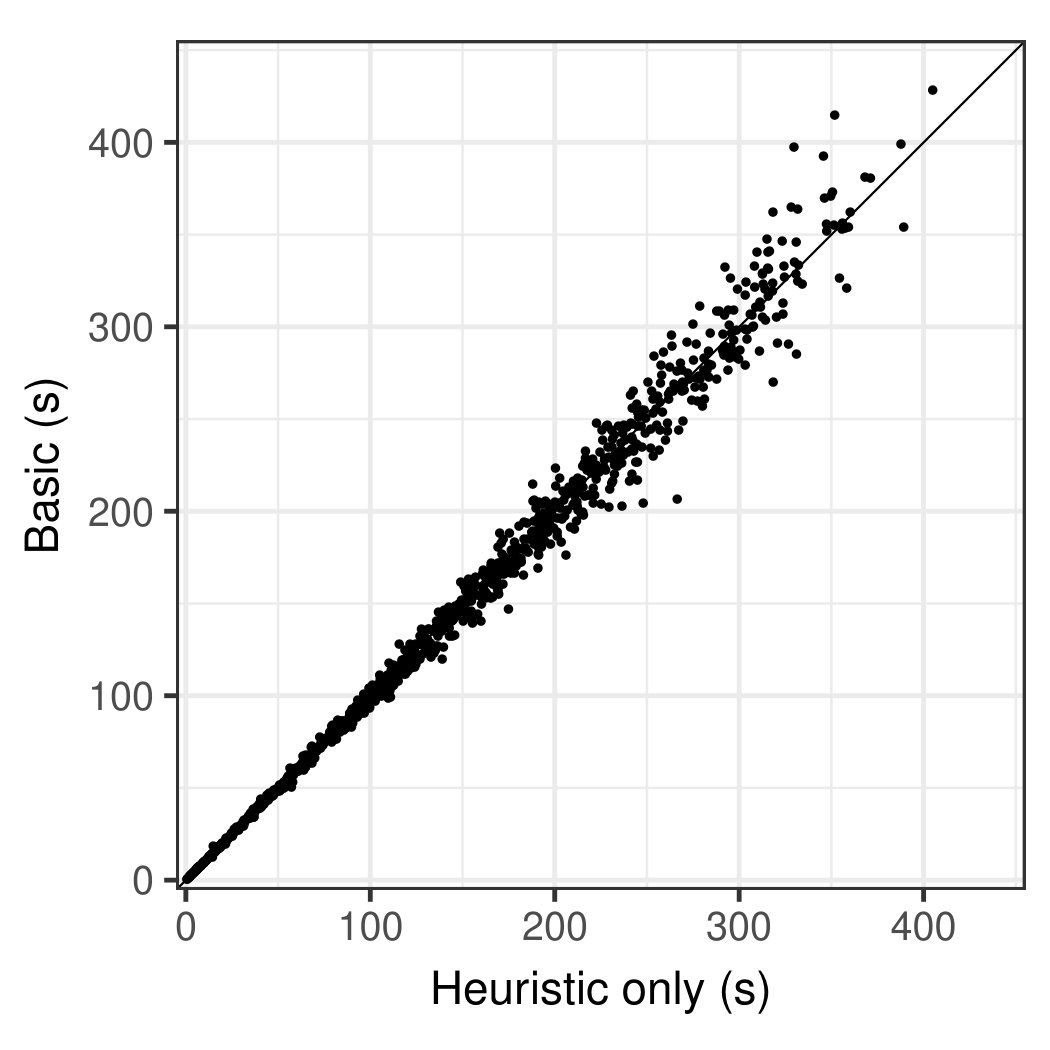 Figure 5
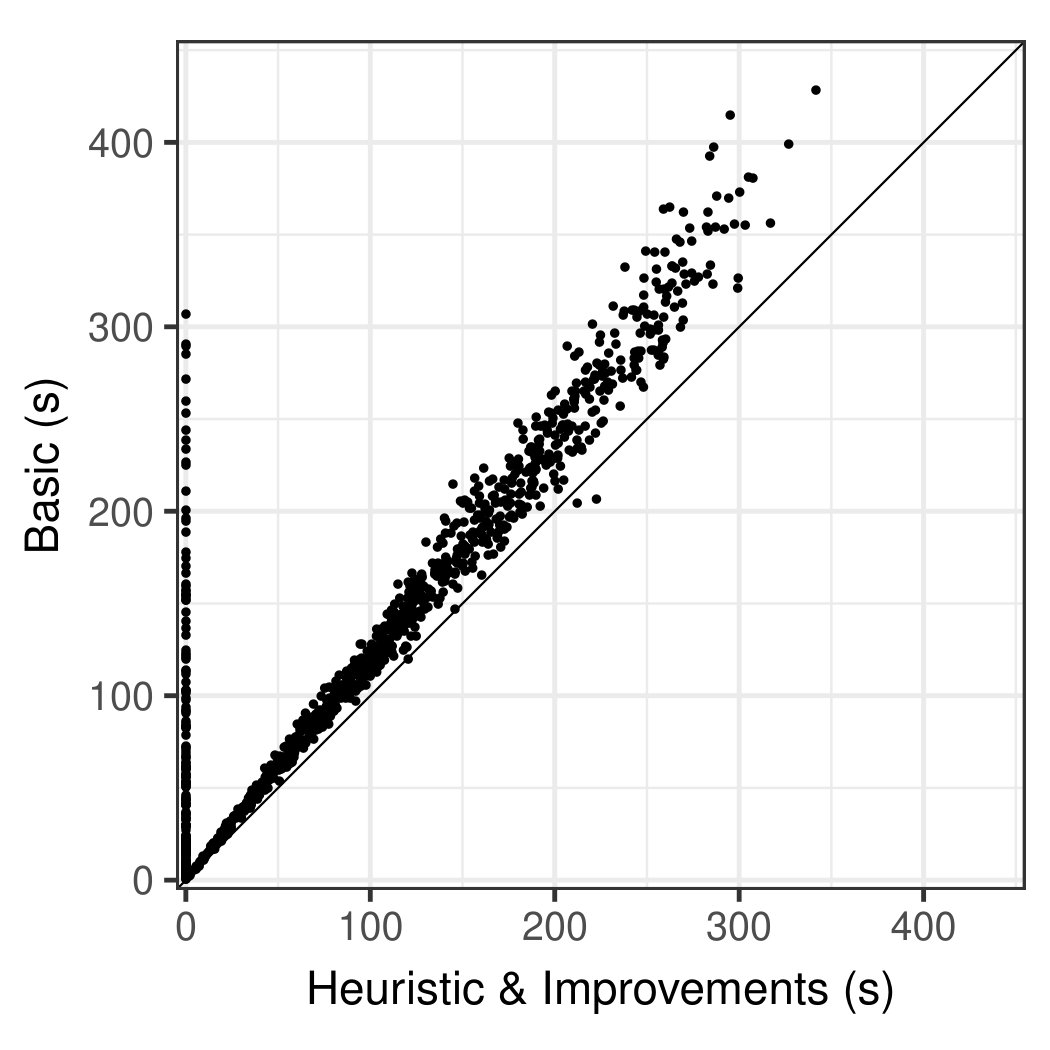 Figure 6
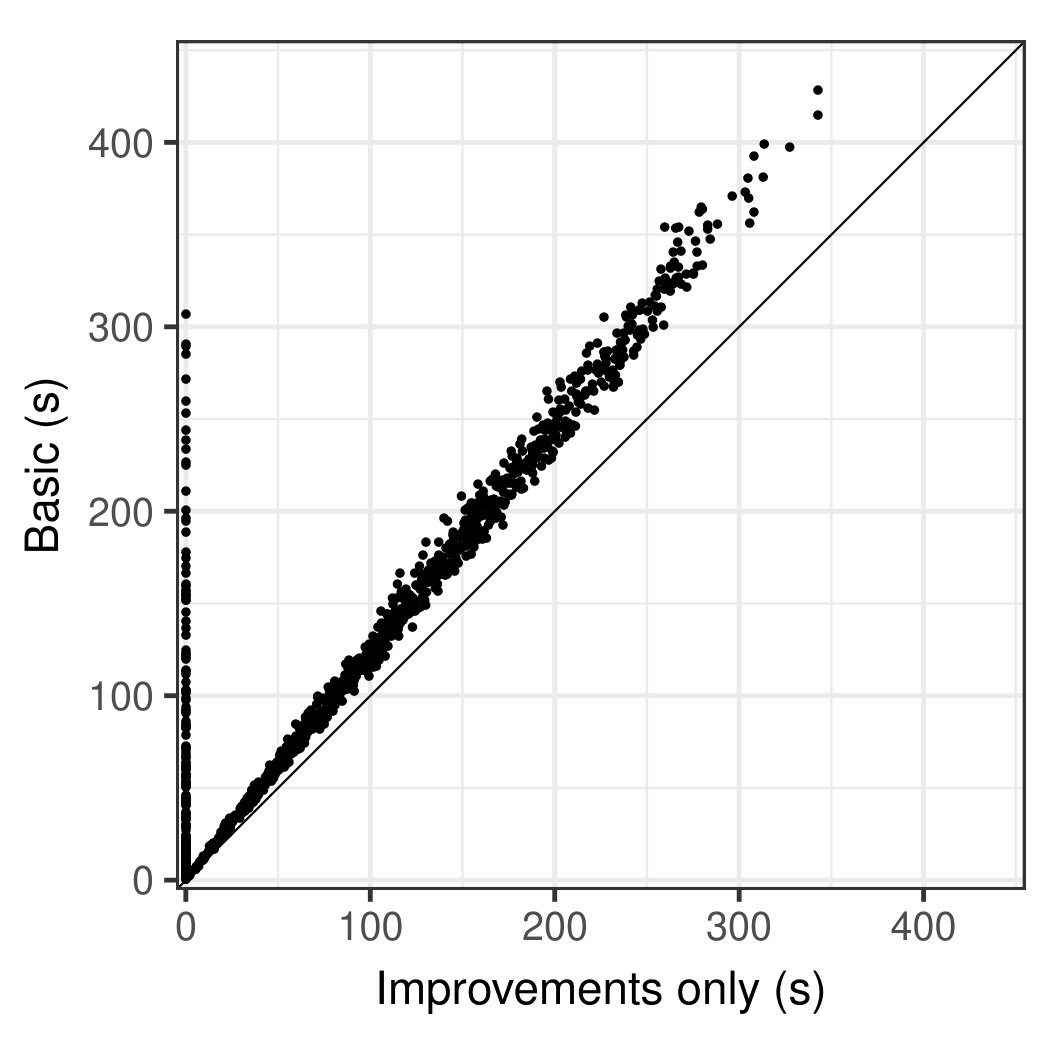 Figure 7
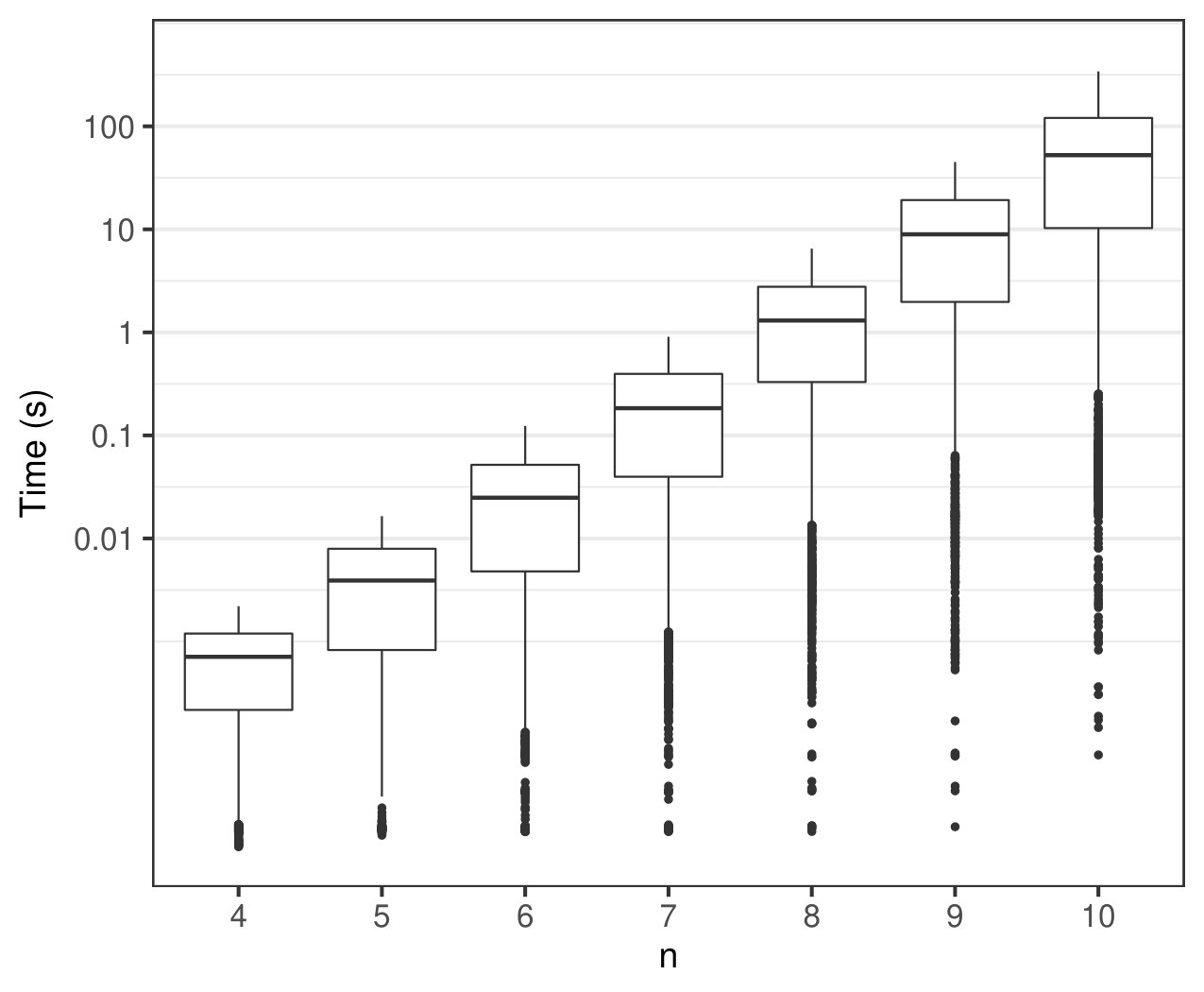 Figure 8
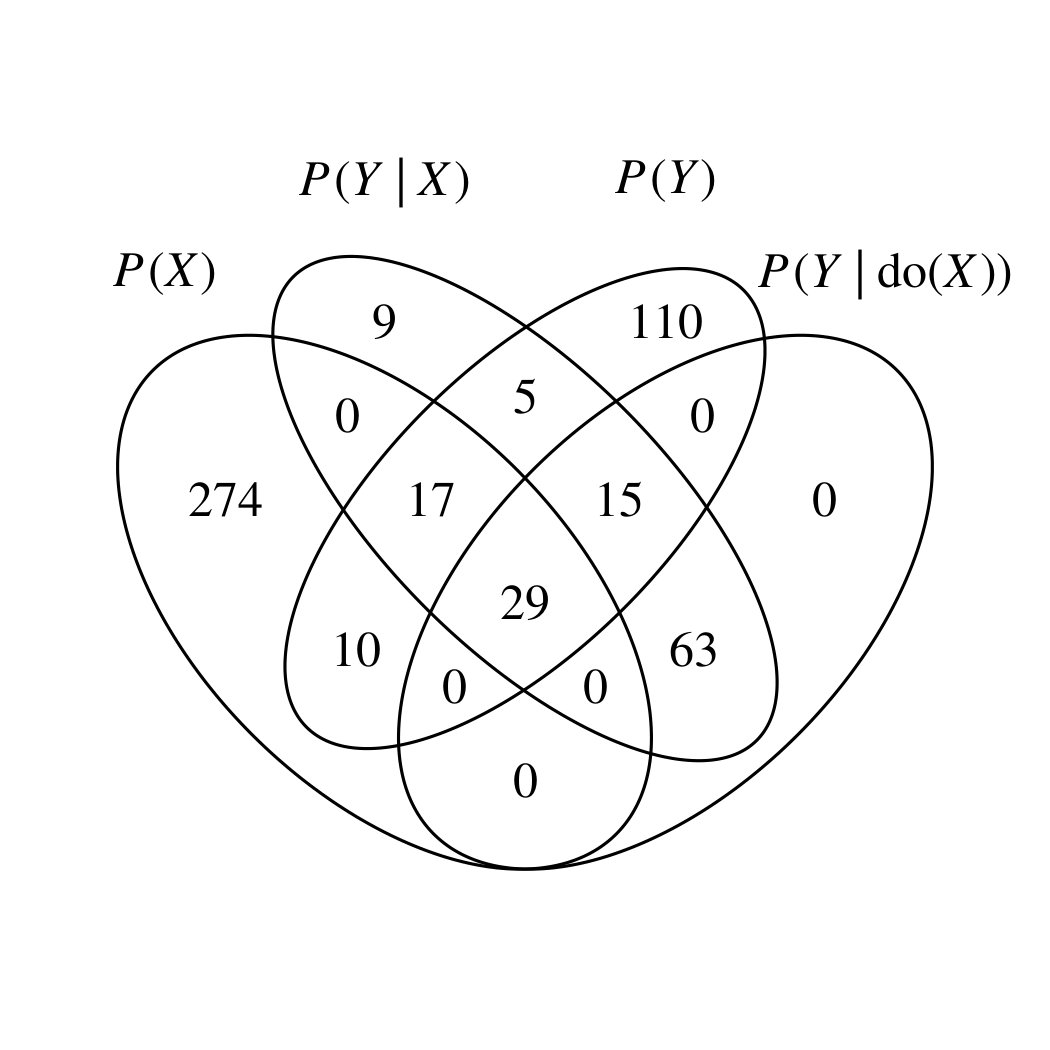 Figure 9
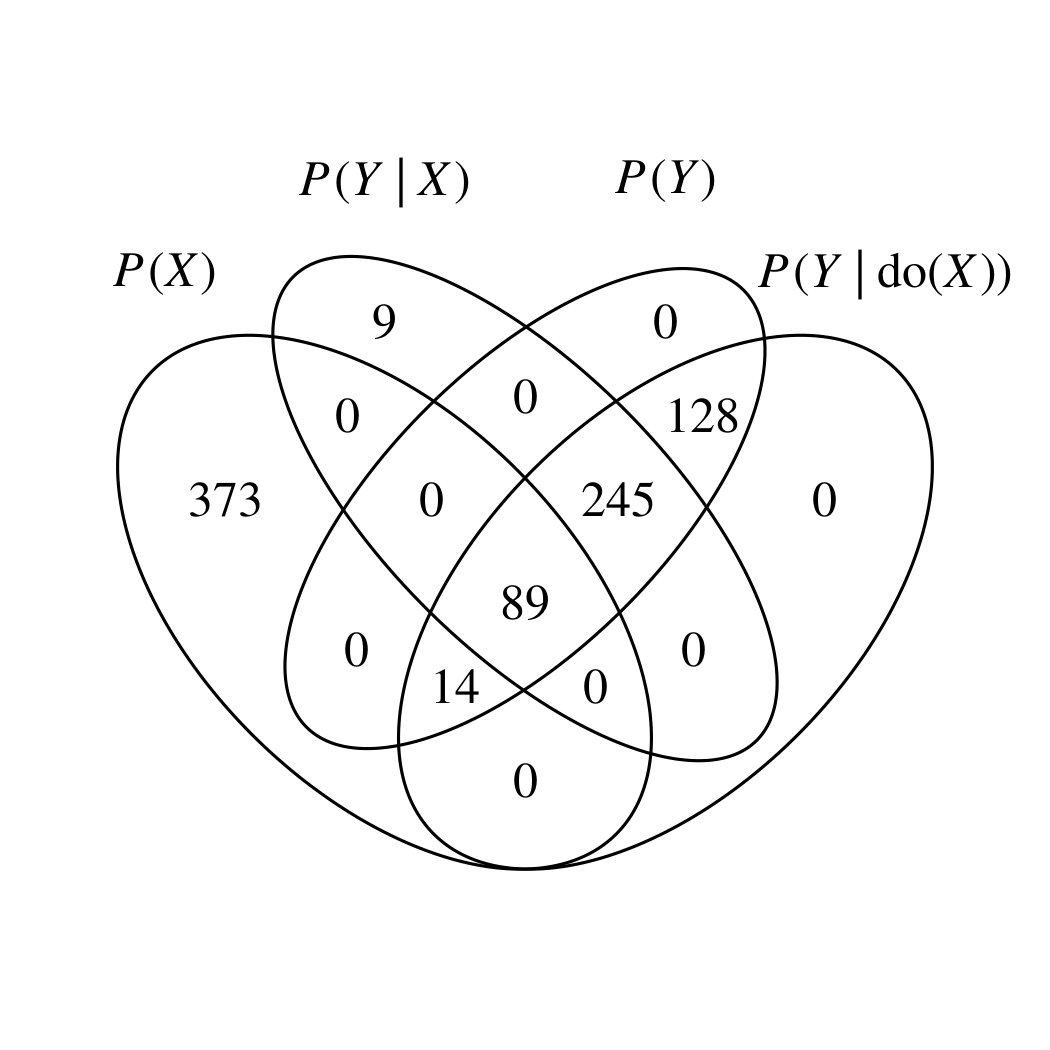 Figure 10
Peer Reviews
No public reviews on file for this paper yet. If you reviewed it on a platform where reviews are public (OpenReview, ICLR, NeurIPS, ICML), you can paste yours below so the community can read it here.
Videos
No videos yet. Explain this paper in a talk, walkthrough, or lecture? Add one.
Taxonomy
MethodsCausal inference