Alternating Directions Implicit Integration in a General Linear Method Framework
Arash Sarshar, Steven Roberts, Adrian Sandu

TL;DR
This paper introduces a novel high-order ADI integration method within the General Linear Methods framework, addressing classical limitations and reducing order reduction issues in multi-dimensional PDEs.
Contribution
It develops a new high-order ADI approach based on partitioned General Linear Methods, improving accuracy and stability for solving multi-dimensional PDEs.
Findings
High-order ADI methods constructed within the GLM framework.
Reduced order reduction in stiff problems due to high stage order.
Numerical experiments demonstrate improved accuracy and stability.
Abstract
Alternating Directions Implicit (ADI) integration is an operator splitting approach to solve parabolic and elliptic partial differential equations in multiple dimensions based on solving sequentially a set of related one-dimensional equations. Classical ADI methods have order at most two, due to the splitting errors. Moreover, when the time discretization of stiff one-dimensional problems is based on Runge-Kutta schemes, additional order reduction may occur. This work proposes a new ADI approach based on the partitioned General Linear Methods framework. This approach allows the construction of high order ADI methods. Due to their high stage order, the proposed methods can alleviate the order reduction phenomenon seen with other schemes. Numerical experiments are shown to provide further insight into the accuracy, stability, and applicability of these new methods.
Click any figure to enlarge with its caption.
 Figure 1
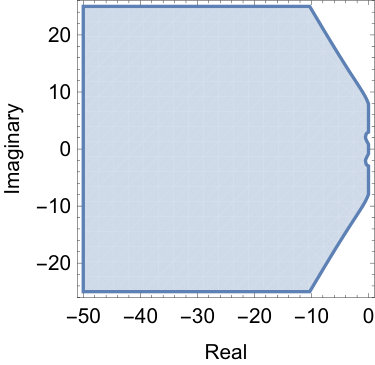 Figure 2
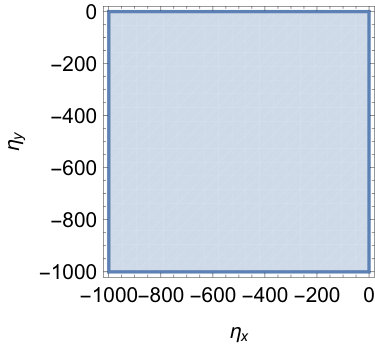 Figure 3
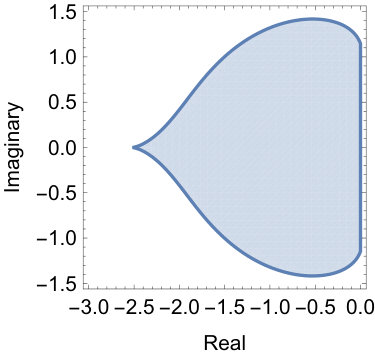 Figure 4
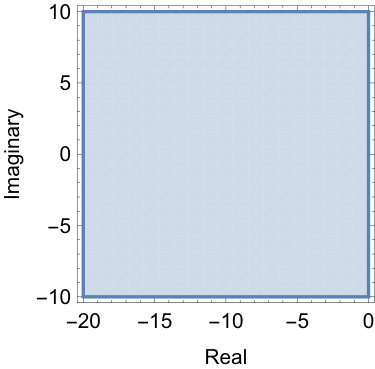 Figure 5
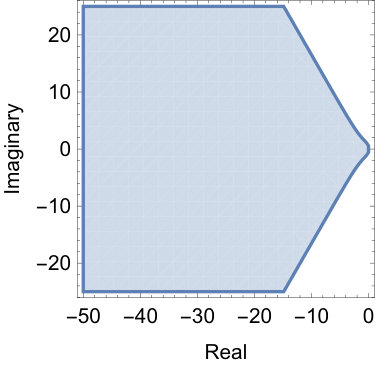 Figure 6
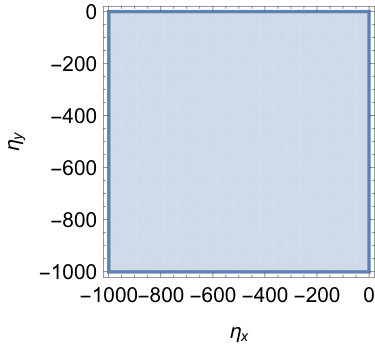 Figure 7
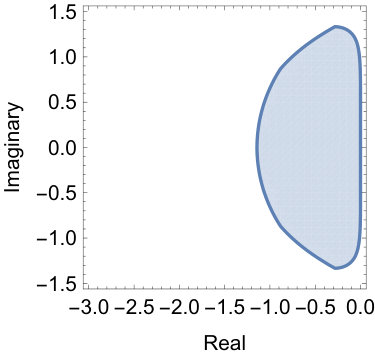 Figure 8
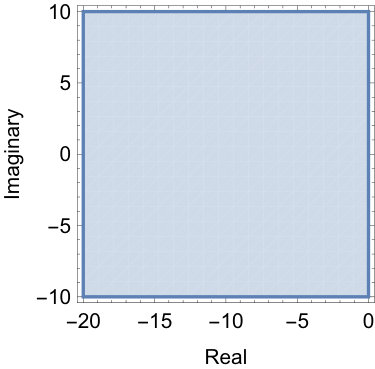 Figure 9
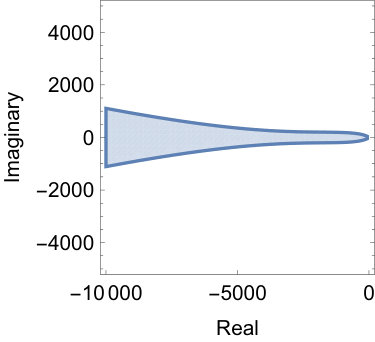 Figure 10
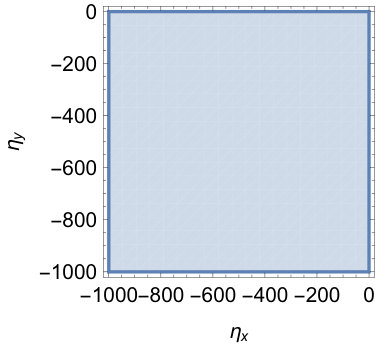 Figure 11
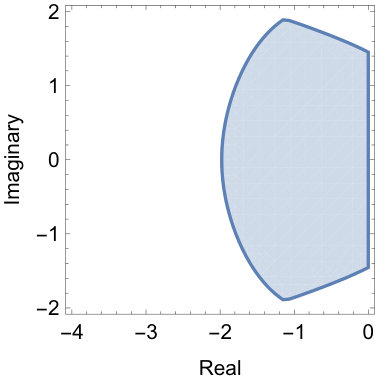 Figure 12
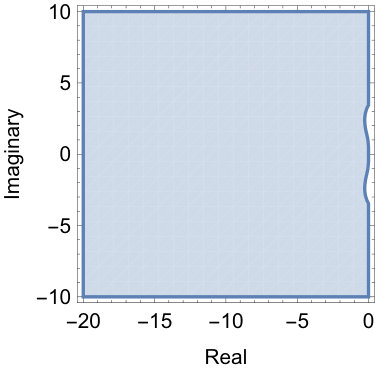 Figure 13
 Figure 14
 Figure 15
 Figure 16
Peer Reviews
No public reviews on file for this paper yet. If you reviewed it on a platform where reviews are public (OpenReview, ICLR, NeurIPS, ICML), you can paste yours below so the community can read it here.
Videos
No videos yet. Explain this paper in a talk, walkthrough, or lecture? Add one.