Disordered Anderson Localization Optical Fibers for Image Transport - A Review
Arash Mafi, John Ballato, Karl W. Koch, and Axel Schulzgen

TL;DR
This review discusses disordered optical fibers exhibiting transverse Anderson localization, highlighting their unique waveguiding properties and recent advancements in using them for high-quality image transport.
Contribution
It provides a comprehensive overview of the fundamentals, history, and recent progress in imaging applications of disordered fibers based on Anderson localization.
Findings
Disordered fibers enable localized beam transport.
They can carry high-quality images over long distances.
Recent progress enhances imaging capabilities in these fibers.
Abstract
Disordered optical fibers show novel waveguiding properties, enabled by the transverse Anderson localization of light, and are used for image transport. The strong transverse scattering from the transversely disordered refractive index structure results in transversely confined modes that can freely propagate in the longitudinal direction. In some sense, an Anderson localization disordered fiber behave like a large-core multimode optical fiber, with the advantage, that most modes are highly localized in the transverse plane, so any point in the cross section of the fiber can be used for localized beam transport. This property has been used for high-quality transportation of intensity patterns and images in these optical fibers. This review covers the basics and the history of the transverse Anderson localization in disordered optical fibers and captures the recent progress in imaging…
Click any figure to enlarge with its caption.
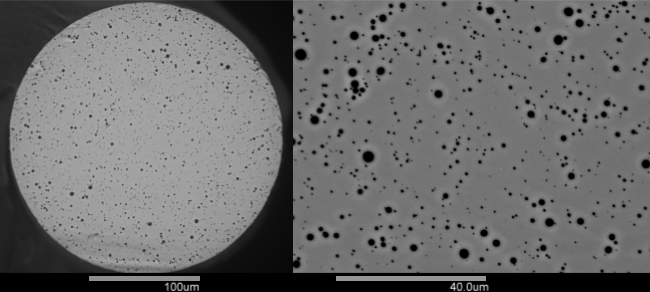 Figure 1
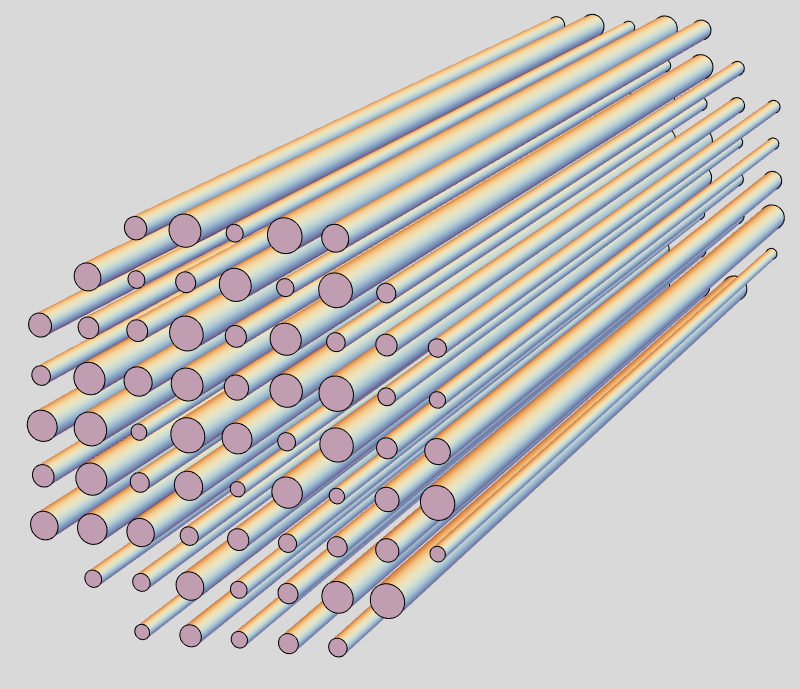 Figure 2
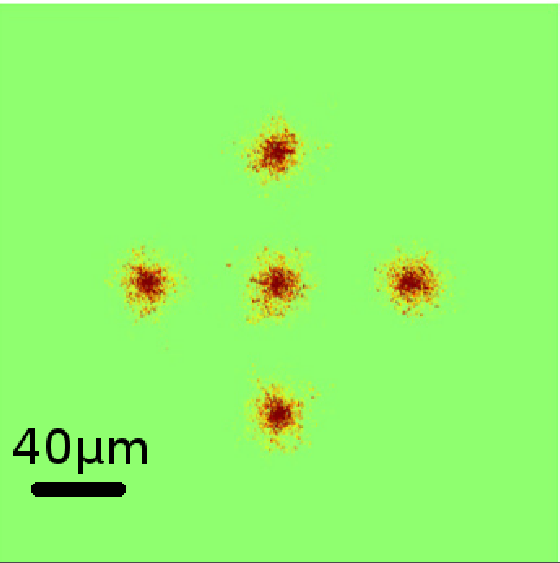 Figure 3
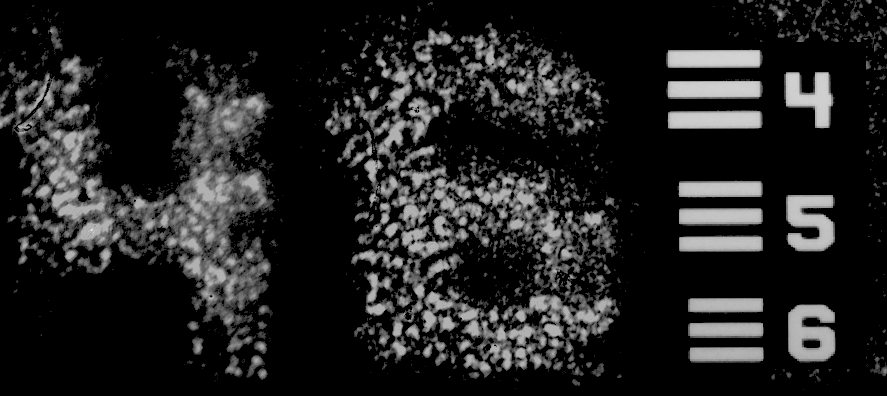 Figure 4
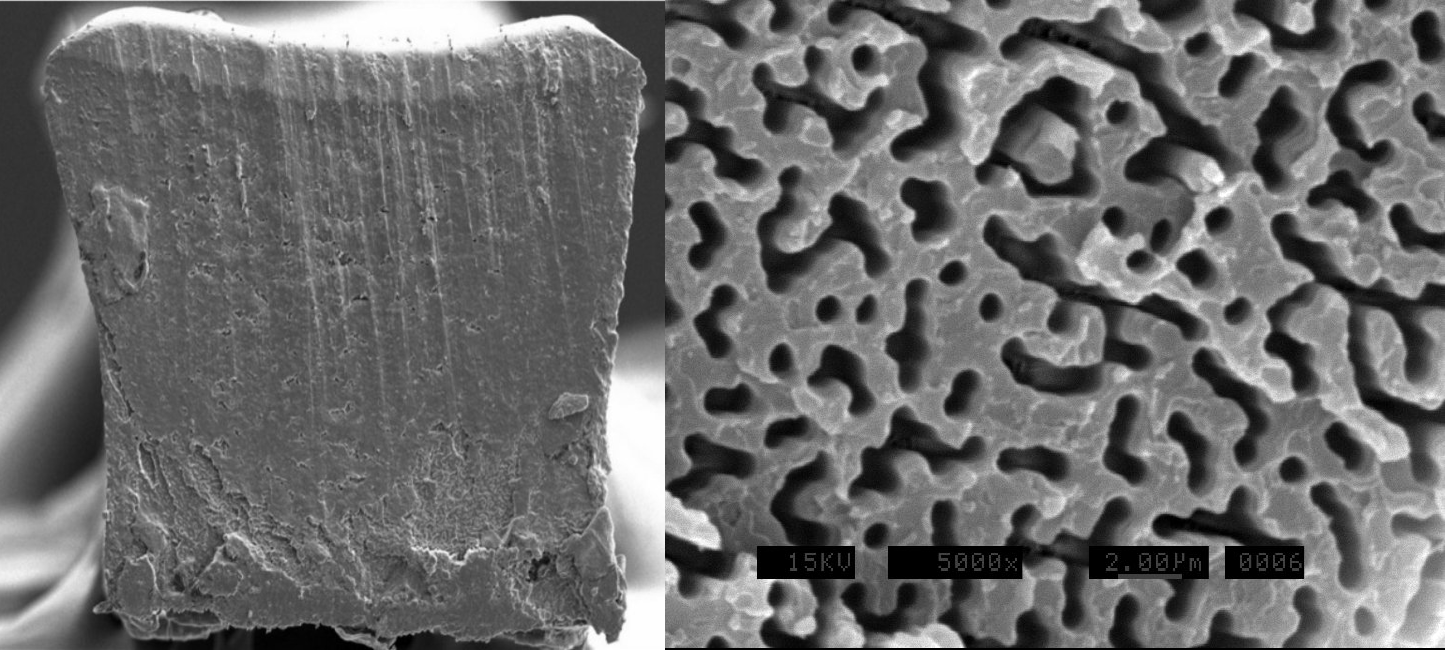 Figure 5
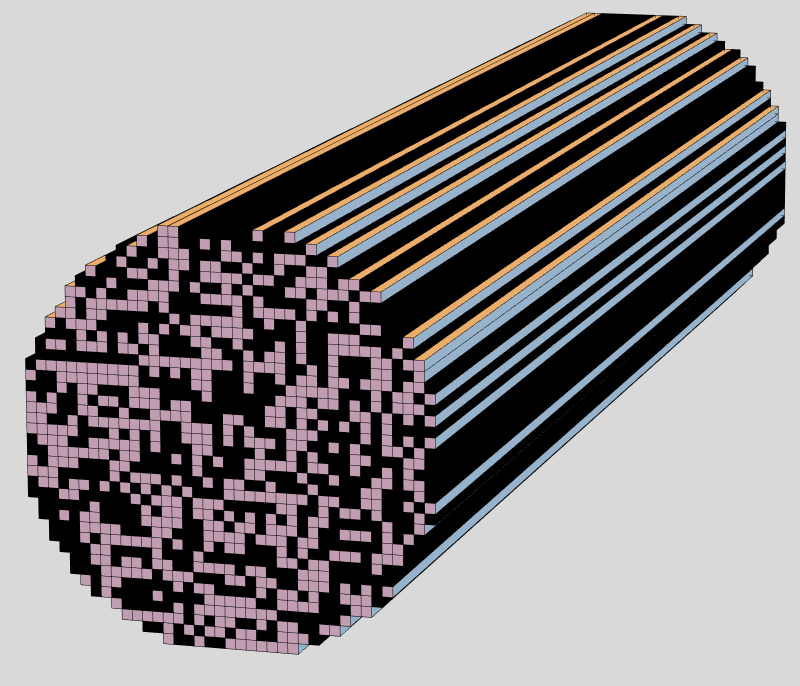 Figure 6
Peer Reviews
No public reviews on file for this paper yet. If you reviewed it on a platform where reviews are public (OpenReview, ICLR, NeurIPS, ICML), you can paste yours below so the community can read it here.
Videos
No videos yet. Explain this paper in a talk, walkthrough, or lecture? Add one.
Disordered Anderson Localization Optical Fibers for Image Transport – A Review
Arash Mafi, John Ballato, Karl W. Koch, and Axel Schülzgen A. Mafi is with the Department of Physics and Astronomy and Center for High Technology Materials, University of New Mexico, Albuquerque, NM 87131, USA. e-mail: [email protected]. Ballato is with the Department of Materials Science and Engineering and Center for Optical Materials Science and Engineering Technologies, Clemson University, Anderson, SC 29625, USA.K. W. Koch is with the Applied Optical Physics Directorate, Corning Inc., SP-AR-02-4, Sullivan Park, Corning, NY 14831, USA.A. Schülzgen is with CREOL, The College of Optics and Photonics, University of Central Florida, Orlando, FL 32816, USA.
Abstract
Disordered optical fibers show novel waveguiding properties, enabled by the transverse Anderson localization of light, and are used for image transport. The strong transverse scattering from the transversely disordered refractive index structure results in transversely confined modes that can freely propagate in the longitudinal direction. In some sense, an Anderson localization disordered fiber behave like a large-core multimode optical fiber, with the advantage, that most modes are highly localized in the transverse plane, so any point in the cross section of the fiber can be used for localized beam transport. This property has been used for high-quality transportation of intensity patterns and images in these optical fibers. This review covers the basics and the history of the transverse Anderson localization in disordered optical fibers and captures the recent progress in imaging applications using these optical fibers.
I Introduction
Anderson localization (AL) is the absence of diffusive wave transport in highly disordered scattering media [1, 2, 3, 4, 5, 6, 7]. It is broadly applicable to the quantum mechanical wave function of an electron described by the Schrödinger equation [1, 8, 9, 10], matter waves and Bose-Einstein condensates [11, 12, 13], quantum fields such as photons in various quantum optical systems [14, 15, 16, 17], as well as classical wave phenomena including acoustics [18, 19], elastics [20], electromagnetics [21, 22, 23, 24], and optics [25, 26, 27, 28, 29].
Among all classical wave systems, optics is uniquely positioned for studies of AL phenomena because of the diverse set of possibilities to construct the disordered background potential and the availability of robust tools to experiment and probe the localization phenomena [30, 31, 32, 33], including its behavior in the presence of nonlinearity [34, 35, 36, 37, 38]. There have been many attempts over the years to observe AL of light in a three-dimensional (3D) disordered optical medium, including some recent demonstrations [39, 40, 41]. However, because the large refractive index contrasts required for 3D Anderson localization are generally accompanied with considerable losses in optics, and because it is not easy to differentiate between the exponential decay of the optical field associated with loss and the exponential decay of the field due to the AL, 3D AL of light remains a subject of active on-going research.
In this Review, our focus is on the transverse Anderson localization (TAL) of light in a waveguide-like structure. In TAL structures, the dielectric constant is uniform along the direction of the propagation of light, similar to a conventional optical waveguide, and the disorder in the dielectric constant resides in the (one or two) transverse dimension(s). An optical field that is launched in the longitudinal direction tends to remain localized in the disordered transverse dimension(s) but propagates freely as if in an optical waveguide in the longitudinal direction. TAL appears to be ubiquitous in any transversely disordered waveguide, as long as the disorder is sufficiently strong such that the transverse physical dimensions of the waveguide are larger than the transverse localization length and the waveguide remains uniform in the longitudinal direction. In the following, after a brief historical survey of the origins of the TAL, we will present the recent progress especially as related to TAL in disordered optical fibers with particular emphasis on applications to image transport and incoherent illumination.
II Brief Survey on the Origins of TAL
Transverse Anderson localization in a quasi-2D optical system was first proposed in a pair of visionary theoretical papers by Abdullaev et al. [42] in 1980 and De Raedt et al. [43] in 1989.
The structure proposed by Abdullaev et al. [42] is sketched in Fig. 1, consisting of a two-dimensional (2D) array of coupled optical fibers with slightly different and randomly distributed physical parameters, e.g., different radii. Therefore, the propagation constants of the guided modes supported by the optical fibers are randomly distributed. Because the individual fibers are evanescently coupled, light is expected to tunnel from one fiber to another. However, the efficiency of the optical tunneling between neighboring fibers is reduced because the propagation constants of the modes are generally different due to the randomness [44]. Therefore, if the light is coupled initially in one optical fiber, it does not spread out as efficiently to other fibers and the amplitude of the field, on average, decays exponentially in the transverse dimensions. This localization is readily observable if the nominal transverse decay length (localization radius) is smaller than the transverse dimensions of the system. Of course, the localization radius can generally be made smaller by increasing the randomness.
The structure proposed by De Raedt et al. [43] is sketched in Fig. 2, consisting of an optical fiber-like structure, whose refractive index profile is invariant in the longitudinal direction. In the transverse plane, the refractive index is pixelated into tiny squares, where the edge length of each square is on the order of the wavelength of the light. The refractive index of each pixel is randomly selected to be or with equal probabilities. De Raedt et al. showed that an optical field that is launched in the longitudinal direction tends to remain localized in the transverse plane due to the transverse scattering and the amplitude of the field, on average, decays exponentially in the transverse dimensions, as it propagates freely in the longitudinal direction. The localization radius can be generally reduced by increasing the refractive index contrast .
One of the earliest experimental attempts to observe TAL was carried out by Pertsch et al. [45], where they investigated light propagation in a disordered 2D array of mutually coupled optical fibers, similar to the structure proposed by Abdullaev et al. [42]. They made interesting observations in the nonlinear regime, where they showed that for high excitation power, diffusive spreading is arrested by the focusing nonlinearity. However, the disorder was not sufficiently large in their structure to result in the observation of TAL. In other words, the localization radius in their structure appears to have been larger than the transverse dimensions of their 2D array.
The first successful attempt in observing TAL was reported by Schwartz et al. [46] and was performed in a photorefractive crystal. An intense laser beam was used to write the transversely disordered and longitudinally invariant refractive index profiles in a photorefractive crystal, and another laser probe beam was used to investigate the transverse localization behavior. Their experiment allowed them to vary the disorder level by controlling the laser illumination of the photorefractive crystal in a controlled fashion to observe the onset of the transverse localization and the changes in the localization radius as a function of the disorder level. Because the variations in the refractive index of the random sites were on the order of , the localization radius was observed to be considerably larger than the wavelength of the light.
Over the next few years after the pioneering demonstration by Schwartz et al. [46], several theoretical and experimental efforts in one-dimensional (1D) disordered lattices were performed that demonstrated and further explored various aspects of the TAL phenomena, including the impact of the Kerr nonlinearity and boundary effects [34, 47, 48, 49]. These efforts eventually led to the development of TAL optical fibers that will be discussed in the rest of the Review.
III TAL in Disordered Optical Fibers
The first demonstration of TAL in an optical fiber was reported in 2012 by Karbasi et al. [50]. The structure used by Karbasi et al. is shown in Fig. 3, which is similar to the design proposed by De Raedt et al. [43]. The optical fiber was fabricated by the stack-and-draw method from a low-index component, polymethyl methacrylate (PMMA) with a refractive index of 1.49, and a high-index component, polystyrene (PS) with a refractive index of 1.59. 40,000 pieces of PMMA and 40,000 pieces of PS fibers were randomly mixed [51], fused together, and redrawn to a fiber with a nearly square profile and approximate side-width of 250µm, as shown in the left panel in Fig. 3. The right panel shows the zoomed-in scanning electron microscope (SEM) image of an approximately 24µm-wide region on the tip of the fiber after exposing the tip to an ethanol solvent to dissolve the PMMA. The typical random feature size in the structure shown in Fig. 3 is around 0.9µm.
Karbasi et al. demonstrated that when the light was launched into the disordered fiber from a small-core single-mode optical fiber, the beam went through a brief initial expansion (transverse diffusion) but the expansion was arrested upon propagating for 2cm, after which the TAL eventually took over. The mean effective beam radius for the 100 measured near-field beam intensity profiles was calculated to be µm, with a standard deviation µm. TAL was observed in samples as long as 60cm, but the large variations in the thickness of the optical fiber in the draw process hindered the observation of TAL in longer samples. Furthermore, it was observed that when the input beam was scanned across the input facet, the output beam followed the transverse position of the incoming beam [52].
Subsequently, further detailed analyses of the disordered fibers in Ref. [50] were conducted in Ref. [52] to explore the effect of the refractive index contrast, fill-fraction, and random site size on the localization radius. It was shown that at least for , the larger index contrast results in a stronger AL and smaller localization radius. However, the jury is still out for larger values of the index contrast, especially if becomes so large that the vectorial nature of the optical field must be taken into account [53]. The optimal value of the fill fraction, defined as the fraction of the low-index polymer to the total, was shown to be 50%, resulting in the strongest transverse scattering. It is notable that the optimal 50% value is below the percolation threshold (59.27%) of a square lattice; therefore, the host material with the higher refractive index remains generally connected in the long range, making the AL non-trivial, i.e., it is not merely due to the disconnected clusters of the higher index material.
The initial studies on the impact of the random site size showed that the edge length of each square pixel must ideally be equal to half the wavelength of the light. However, this observation was contradicted in later studies, as will be discussed in more detail in subsection III-A. Another important observation made in Ref. [52] was that the statistical distribution of the mode field diameters follows a nearly Poisson-like distribution, i.e., a stronger TAL that leads to a smaller average mode field diameter also reduces the mode-to-mode diameter variations; therefore, a stronger TAL leads to a stronger uniformity in the supported modes across the disordered fiber. These observations resulted in the understanding that a stronger AL, especially using higher index contrast components, is warranted, which eventually led to the development of a glass-air disordered fiber structure.
The first observation of the TAL in a silica fiber was reported by Karbasi et al. [54] in 2012. The glass-air disordered fiber used for this work was drawn at Clemson University, where the preform was made from “satin quartz” (Heraeus Quartz), which is a porous artisan glass. The airholes in the porous glass were drawn to air channels; therefore, the structure resembled the design proposed by De Raedt et al. [43], where and . The cross-sectional SEM image of this fiber is shown in Fig. 4 in the left panel, and a zoomed-in SEM image is shown in the right panel. The light-gray background matrix is glass, and the random black dots represent the airholes. The total diameter of the disordered glass-air fiber was measured to be 250µm. The diameters of the airholes varied between 0.2µm and 5.5µm. We note that the fill-fraction of the airholes in this fiber ranged from nearly 2% in the center of the fiber to approximately 7% near the edges; therefore, TAL was only observed near the periphery of the fiber. This caused a bit of debate, considering the perceived delocalizing impact of the boundaries in disordered TAL systems [47, 55, 56, 57], which was subsequently addressed in Ref. [58], as will be discussed in more detail in subsection III-B.
In 2014, there was another successful attempt in observing TAL in an air-glass optical fiber by Chen and Li [59] at Corning Incorporated. They fabricated random air-line fibers with approximately 150, 250 and 350 µm diameters and observed TAL with significantly lower air fill-fraction than those reported in Ref. [54]. This can be attributed to the far-subwavelength size of the transverse scattering centers and the higher scattering center density (air-line density) than the fiber studied in Ref. [54]. There have since been other successful attempts is observing TAL in glass-based fibers, such as the air-silica random fiber structure by Zhao et al. [60, 61] at CREOL, University of Central Florida, and the fabrication of an all-solid tellurite optical glass by Tuan et al. [62] from the Toyota Technological Institute in Japan. These recent reports will be discussed in more detail in section IV.
III-A Optimal pixel size and wavelength dependence of TAL
The issue of the optimal pixel size and the wavelength dependence of TAL were initially explored in Ref. [52]. For the structure proposed by De Raedt et al. [43], because Maxwell’s equations are scale invariant, increasing the pixel size while keeping the wavelength fixed can be trivially mapped to decreasing the wavelength while keeping the pixel size fixed. It was initially claimed that a shorter wavelength (or equivalently a larger pixel size at a given wavelength) decreased the localization radius (in units of the pixel size) [52]. However, further analysis and subsequent work in 1D [63] hinted that the optimum value of the pixel size is around half the free-space wavelength, at least for the refractive index on the order of 1.5. However, more recent experimental evidence and simulations in Ref. [64] have cast doubt on this observation. Schirmacher et al. [64] argued that the average localization radius shows no dependence on the wavelength (over a reasonable range). They attributed the observation of the wavelength dependence for the simulations presented in Ref. [52] to the omission of a term proportional to the gradient of the dielectric permittivity, which is common in the finite difference simulations of optical fibers but not acceptable for TAL fiber. They also noted that the large error bars in the experiments performed in Ref. [52] may have been behind the disagreements in the experimental observations; however, simulations in Ref. [63] correctly took the permittivity gradient term into account, and still showed some wavelength dependence. Therefore, the issue is not entirely settled, and part of the disagreement may reside in different ways the averaging is performed. As of now, the jury is still out, and this issue needs to be explored in further detail.
III-B TAL near the disordered fiber boundaries
TAL of light near the boundaries was discussed theoretically in Refs. [55, 56] and experimentally in Refs. [47, 57]. They originally reported a delocalizing effect near the boundaries of 1D and 2D random lattice waveguides. These reports appeared to be in contrast with the experimental observation reported by Karbasi et al. [54], who reported that a strong localization happened near the outer boundary of the glass-air disordered fiber and no trace of localization was observed in the central regions. The disagreements were explained in Ref. [54] by the non-uniform distribution of disorder in the fiber, where the disorder was measured to be much stronger near the outer boundary of the fiber, which resulted in a stronger localization in that region. However, Abaie et al. later performed a detailed analysis in Ref. [58] and showed that the perceived suppressed localization near the boundaries is due to a lower mode density near the boundaries compared with the bulk, while the average decay rate of the tail of localized modes is the same near the boundaries as in bulk. Therefore, on average, it is less probable to excite a localized mode near the boundaries; however, once it is excited, its localization is with the same exponential decay rate as any other localized mode.
IV Image Transport and Illumination using Disordered Optical Fibers
Once the localized beam propagation was verified in highly disordered multi-component polymer and air-glass fibers, the next natural step was to explore the possibility of beam multiplexing in these fibers. This was reported in Ref. [65], where Karbasi et al. investigated the simultaneous propagation of multiple beams in a disordered TAL fiber. Moreover, it was shown that the multiple-beam propagation was quite robust to macro-bending and even a tight bending radius in the range of 2-4mm did not result in any notable beam drifts and the multi-beam structure remained intact. In Fig. 5, we show an example of the multibeam propagation in the disordered polymer of Ref. [50] for a propagation distance of 5cm at 405nm wavelength.
Motivated by the successful demonstration of beam multiplexing, Karbasi et al. [66] compared the quality of image transport in a 1D waveguide with a periodic structure to the image transport in a disordered waveguide. The periodic waveguide was meant as a 1D prototype of a coherent fiber optic bundle that is commonly used for imaging applications. It was shown that increased disorder improved the quality of the image transport.
In a subsequent study reported in Ref. [67], Karbasi et al. explored image propagation in the TAL polymer fiber of Ref. [50]. They showed that the image transport quality was comparable with or better than some of the best commercial multicore imaging fibers, with less pixelation and higher contrast. Figure 6 shows an example of a transported image in the form of numbers from a section of the 1951 U.S. Air Force resolution test chart through the disordered fiber. The test-target, a section of which is shown in the right panel of Fig. 6, is in the form of a stencil in which numbers and lines are carved–it was butt-coupled to the hand-polished input facet of the fiber and was illuminated by white light. The near-field output was projected onto a CCD camera with a 40 microscope objective.
The minimum resolution of the images is determined by the width of the point-spread function of the disordered optical fiber imaging system (localization radius), which was calculated to be smaller than 10µm at 405nm wavelength [52]. The perceived image quality of the transported images was quantified by the mean structural similarity index (MSSIM), using which it was verified that a disordered TAL can transport images of higher quality than conventional coherent fiber bundles.
Another notable work using the disordered polymer fibers of Ref. [50] was the demonstration by Leonetti et al. [68] of propagating reconfigurable localized optical patterns in the fiber to encode up to 6 bits of information in disorder-induced high transmission channels, even using a small number of photon counts. This effort highlighted the potential application of these fibers in quantum information processing in spatially multiplexed configurations.
The first successful image transport in an air-silica random fiber structure was reported in 2018 by Zhao et al. [60, 61], where the disordered fiber featured a 28.5% air-filling fraction in the structured region, and low attenuation below 1dB per meter at visible wavelengths. High-quality optical image transfer through 90 cm-long fibers was reported in these disordered fibers. In a more recent attempt, Zhao et al. [69] applied deep learning techniques to improve the quality of the image transport in these fibers. The system they have developed provides the unique property that the training performed within a straight fiber setup can be utilized for high fidelity reconstruction of images that are transported through either straight or bent fiber, hence making the retraining for different bending situations unnecessary. This report is a considerable advancement compared with previous demonstrations of image transport in multimode fiber, such as the report by Choi et al. [70], where the computed transmission matrix had to be recalculated for any bending or twisting the fiber, making the method slow and computationally very challenging.
Most recently, Tuan et al. [62] reported the fabrication of the first all-solid tellurite optical glass rod with a transversely disordered refractive index profile and a refractive index contrast of 0.095 to study TAL of light and near-infrared (NIR) optical image transport. Experiments performed at the NIR optical wavelength of 1.55µm confirmed TAL in this structure, and the images transported over a 10cm length of the disordered fiber showed high contrast and high brightness. Last but not least, we would like to highlight the work led by Thomas P Seward III of Corning Incorporated in the 1970s on phase-separated glasses that resulted in random elongated needle-like structures after drawing [71, 72]. The fiber-like glass rods were successfully used for image transport and most likely operated based on the TAL principles discussed here.
IV-A Mode-area probability density function and scaling
Scaling properties of TAL structures can provide a wealth of information on their physical properties [2, 5, 9, 6, 73, 74, 75, 76, 77]. We briefly discussed the issue related to the optimal pixel size or the imaging wavelength in TAL fibers in section III-A. We argued that some of the discrepancies might reside in different ways the averaging is performed. There is one more critical issue that must be considered before making broad-reaching conclusions. The traditional study of TAL is based on launching a beam and analyzing its propagation along the waveguide. It is hard to ensure that the results are not biased by the choice of the initial launch condition. To address this issue, Abaie et al. [78, 79] performed detailed studies on quasi-1D and quasi-2D (fiber-like) TAL structures using the modal method and calculated the mode-area (MA) probability density function (PDF) for these structures. The MA-PDF encompasses all the relevant statistical information on TAL; it relies solely on the physics of the disordered system and the physical nature of the propagating wave and is independent of the beam properties of the external excitation. For their analysis in Ref. [79], Abaie et al. used a quasi-2D structure that was based on the random fiber design proposed by De Raedt et al. [43].
Although Refs. [78, 79] provide a wealth of information on the inner workings of the TAL behavior, especially when it comes to differentiating between the localized and extended modes and the best strategies to optimization of the waveguide, they have yet to be adequately leveraged to address the discrepancies discussed in section III-A. A key observation reported in Refs. [78, 79] was that the MA-PDF can be reliably computed from structures with substantially smaller transverse dimensions than the size of the practical waveguides used in experiments. In fact, it is shown that the shape of the MA-PDF rapidly converges to a terminal form as a function of the transverse dimensions of the waveguide. This notable scaling behavior observed in MA-PDF is of immense practical importance in the design and optimization of such TAL-based waveguides, because one can obtain all the useful TAL information from disordered waveguides with smaller dimensions, hence substantially reducing the computational cost.
IV-B Spatial coherence and illumination
Although image transport has so far been the main focus of the research efforts on TAL fibers, control of spatial coherence and illumination are also potentially viable areas that are due for further explorations. In particular, Refs. [80, 81] recently pointed out that the presence of a strong disorder in TAL fibers can be exploited to obtain high-quality wavefronts. Abaie et al. [81] showed, in agreement with the theoretical analysis of Ref. [79], that a considerable number of the guided modes have low M2 values. These high-quality modes are distributed across the transverse profile of the disordered fiber and can be excited without requiring sophisticated spatial light modulators at the input facet. Alternatively, when the input light is coupled to the entire transverse area of a TAL fiber, the output is spatially incoherent. Therefore, by proper coupling of the light, without sophisticated spatial modulators, it is possible to access a range of spatial coherence properties in these fibers. Of particular importance is the possibility of using part of the transverse structure of the fiber to guide spatially incoherent light to illuminate a scene and the other parts of the fiber to transport the images back in an endoscopic setting. The possibility of generating incoherent but directional broadband light was also highlighted in Ref. [82] in a TAL random laser setup.
V Future directions and conclusions
Disordered optical fibers demonstrate many novel physical properties, mainly driven by the possibility of the localized beam transport over the entire cross section of the optical fiber. Therefore, they should be designed to support highly localized modes with small localization radii, in order to have a narrow point-spread function for high-resolution image transport. Localized modes must also be uniformly distributed over the transverse cross section of the fiber, and the mode-to-mode variations in the localization radius must be minimized to improve the image transport uniformity. At present, these requirements translate into efforts in fabricating fibers with highly disordered transverse refractive index profiles with small transverse index correlations. In order to improve the distances over which high-quality images can be transported, it is imperative to ensure a high degree of longitudinal uniformity in these fibers. We anticipate that over the next few years, an expanded selection of materials and improved fabrication methods would enhance and expand the reach of these fibers, both in physical properties and in practical applications.
Acknowledgment
A. Mafi acknowledges support by Grant Number 1807857 from National Science Foundation (NSF). J. Ballato acknowledges support by Grant Number 1808232 from NSF.
The reference list from the paper itself. Each links out to its DOI / PubMed record.
- 1[1] P. W. Anderson, “Absence of diffusion in certain random lattices,” Phys. Rev. , vol. 109, no. 5, pp. 1492–1505, Mar. 1958.
- 2[2] P. W. Anderson, D. J. Thouless, E. Abrahams, and D. S. Fisher, “New method for a scaling theory of localization,” Phys. Rev. B , vol. 22, no. 8, pp. 3519–3526, Oct. 1980.
- 3[3] E. Abrahams, 50 years of Anderson Localization . Singapore: world scientific, 2010.
- 4[4] A. Lagendijk, B. van Tiggelen, and D. S. Wiersma, “Fifty-years of Anderson localization,” Physics Today , vol. 62, no. 8, pp. 24–29, Aug. 2009.
- 5[5] E. Abrahams, P. W. Anderson, D. C. Licciardello, and T. V. Ramakrishnan, “Scaling theory of localization: Absence of quantum diffusion in two dimensions,” Phys. Rev. Lett. , vol. 42, no. 10, pp. 673–676, Mar. 1979.
- 6[6] A. D. Stone and J. D. Joannopoulos, “Probability distribution and new scaling law for the resistance of a one-dimensional Anderson model,” Phys. Rev. B , vol. 24, no. 6, pp. 3592–3595, Sep 1981.
- 7[7] P. Sheng, Introduction to wave scattering, localization and mesoscopic phenomena , 2nd ed. Berlin, Germany: Springer-Verlag, 2006.
- 8[8] D. J. Thouless, “Electrons in disordered systems and the theory of localization,” Physics Reports , vol. 13, no. 3, pp. 93–142, Oct. 1974.