Experimental limit on an exotic parity-odd spin- and velocity-dependent interaction using an optically polarized vapor
Young Jin Kim, Ping-Han Chu, Igor Savukov, Shaun Newman

TL;DR
This study uses a highly sensitive atomic magnetometer to set a new, significantly improved experimental limit on a hypothetical exotic parity-odd spin- and velocity-dependent interaction between electrons and nucleons, relevant to physics beyond the Standard Model.
Contribution
It introduces a novel experimental approach employing an optically polarized vapor magnetometer to constrain exotic electron-nucleon interactions with unprecedented sensitivity.
Findings
Set a new limit on the electron-nucleon coupling $g_A^e g_V^N$ below $10^{-30}$
Improved the previous experimental limits by up to 17 orders of magnitude
Provided constraints for mediator boson masses below $10^{-4}$ eV
Abstract
Exotic spin-dependent interactions between fermions have recently attracted attention in relation to theories beyond the Standard Model. The exotic interactions can be mediated by hypothetical fundamental bosons which may explain several unsolved mysteries in physics. Here we expand this area of research by probing an exotic parity-odd spin- and velocity-dependent interaction between the axial-vector electron coupling and the vector nucleon coupling for polarized electrons. This experiment utilizes a high-sensitivity atomic magnetometer, based on an optically polarized vapor that is a source of polarized electrons, and a solid-state mass containing unpolarized nucleons. The atomic magnetometer can detect an effective magnetic field induced by the exotic interaction between unpolarized nucleons and polarized electrons. We set an experimental limit on the electron-nucleon coupling…
Click any figure to enlarge with its caption.
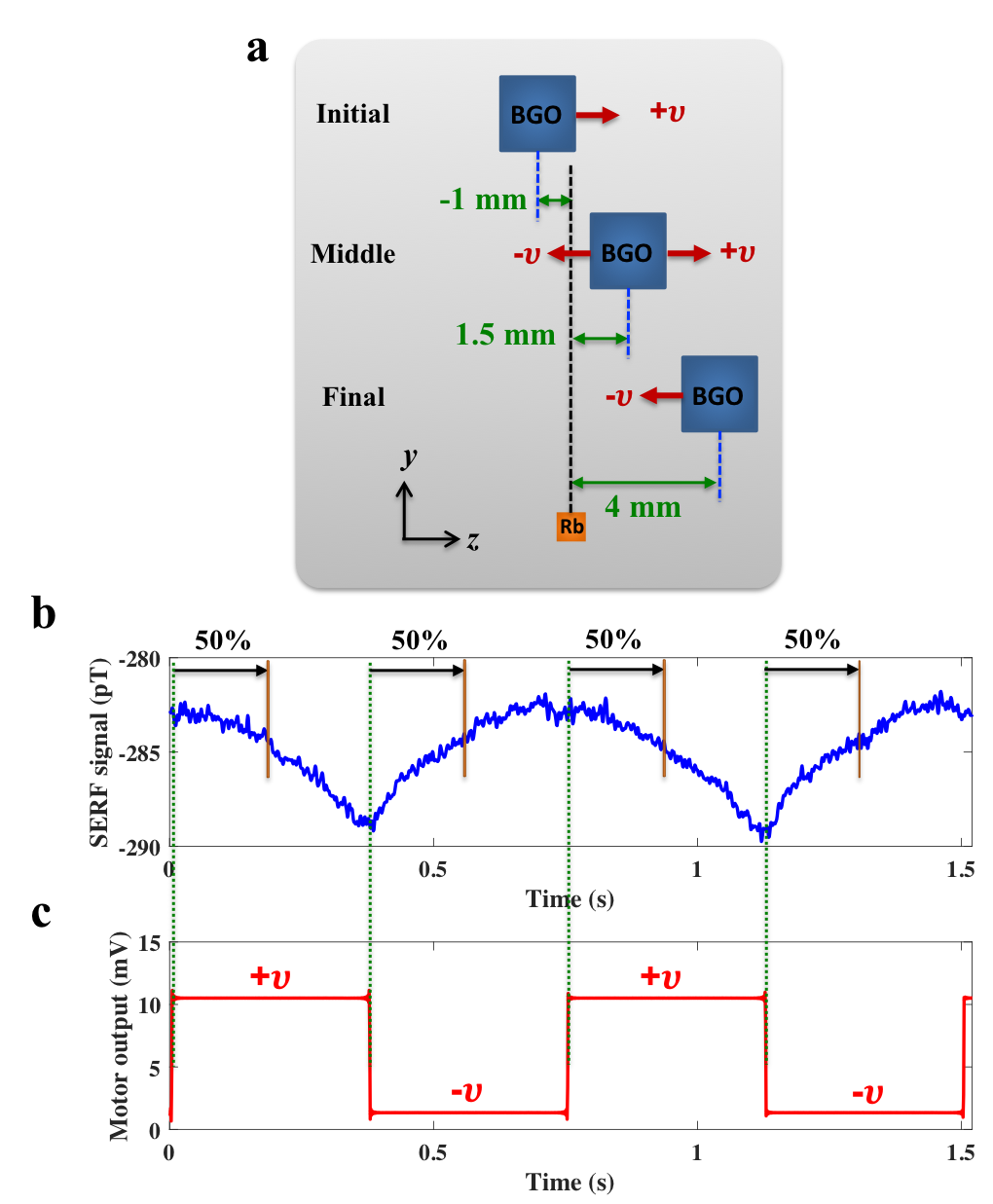 Figure 1
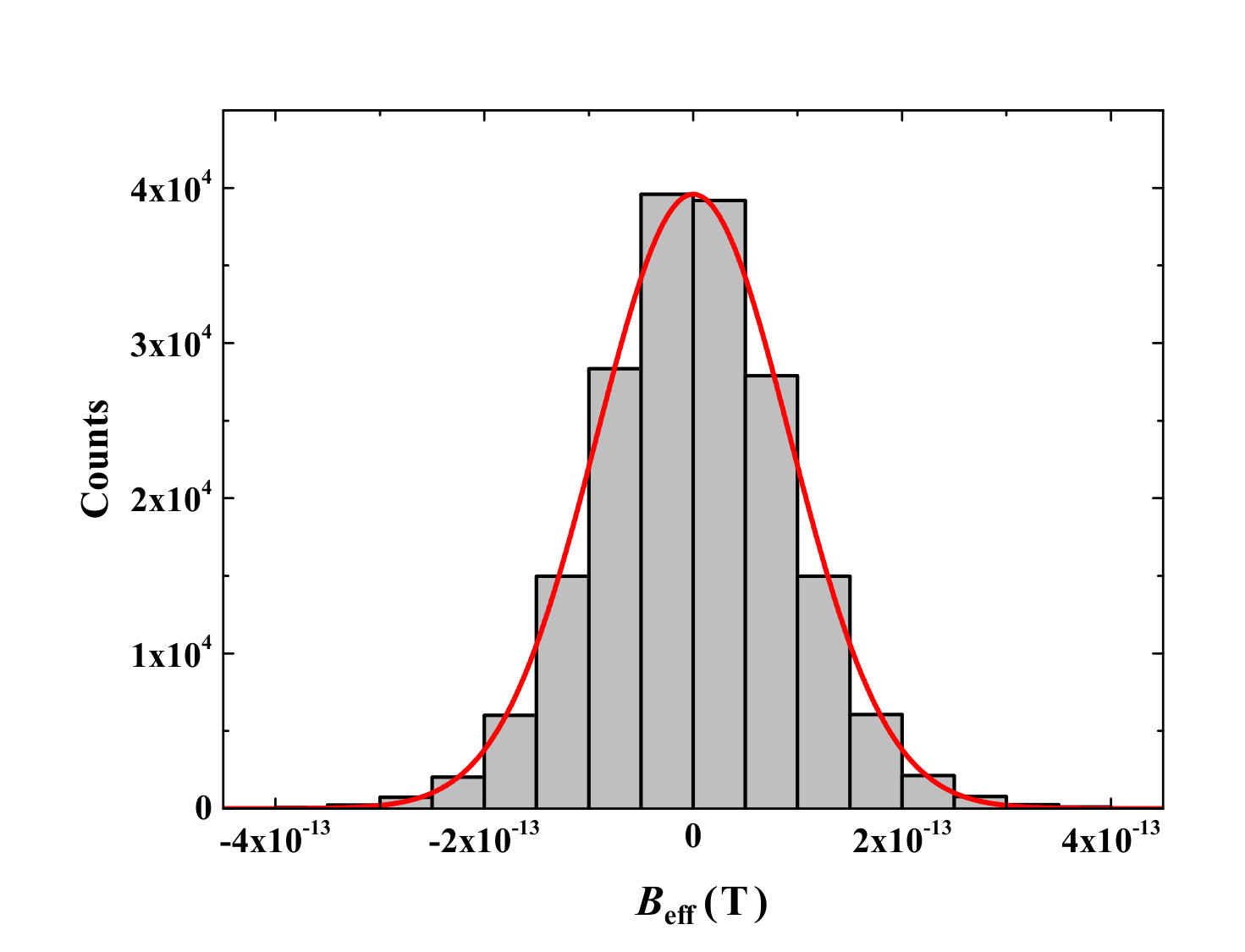 Figure 2
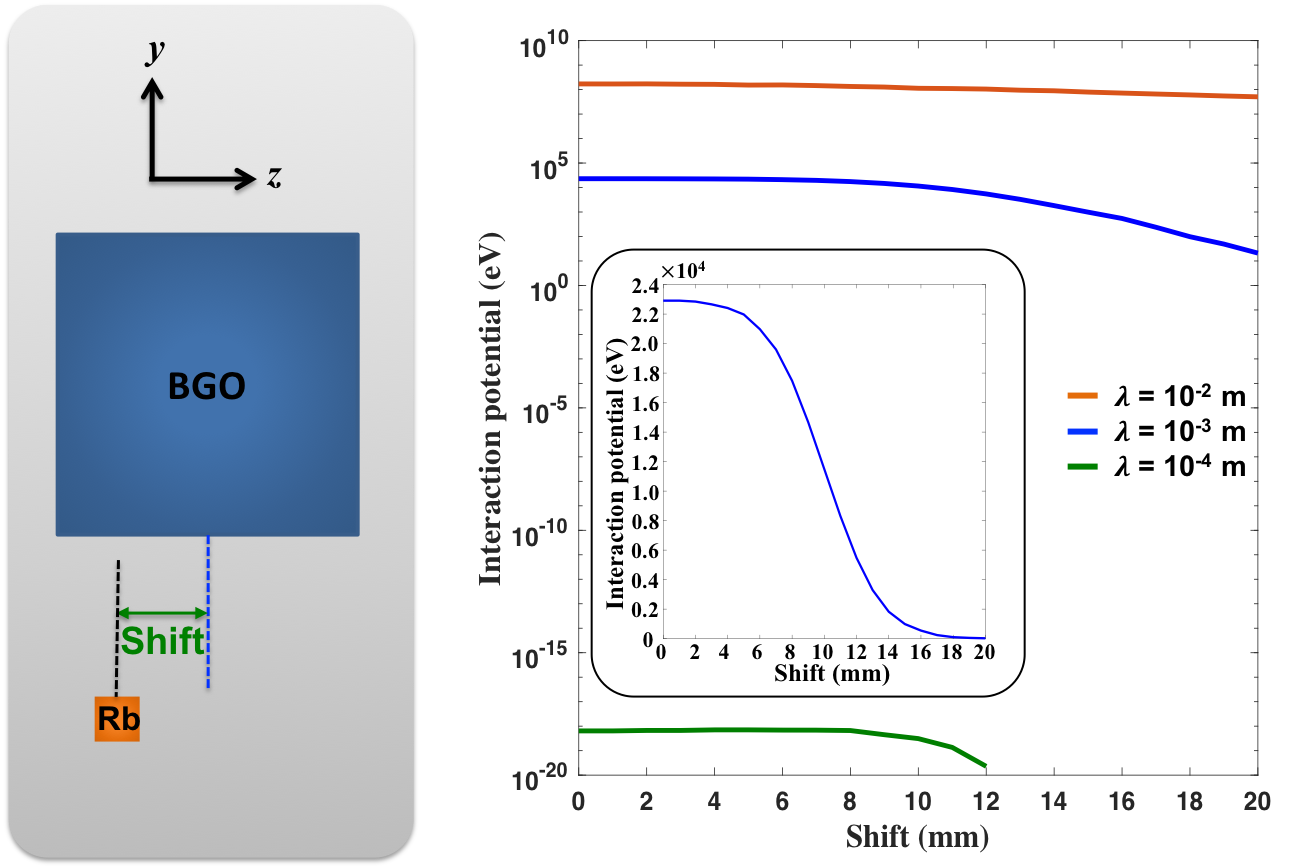 Figure 3
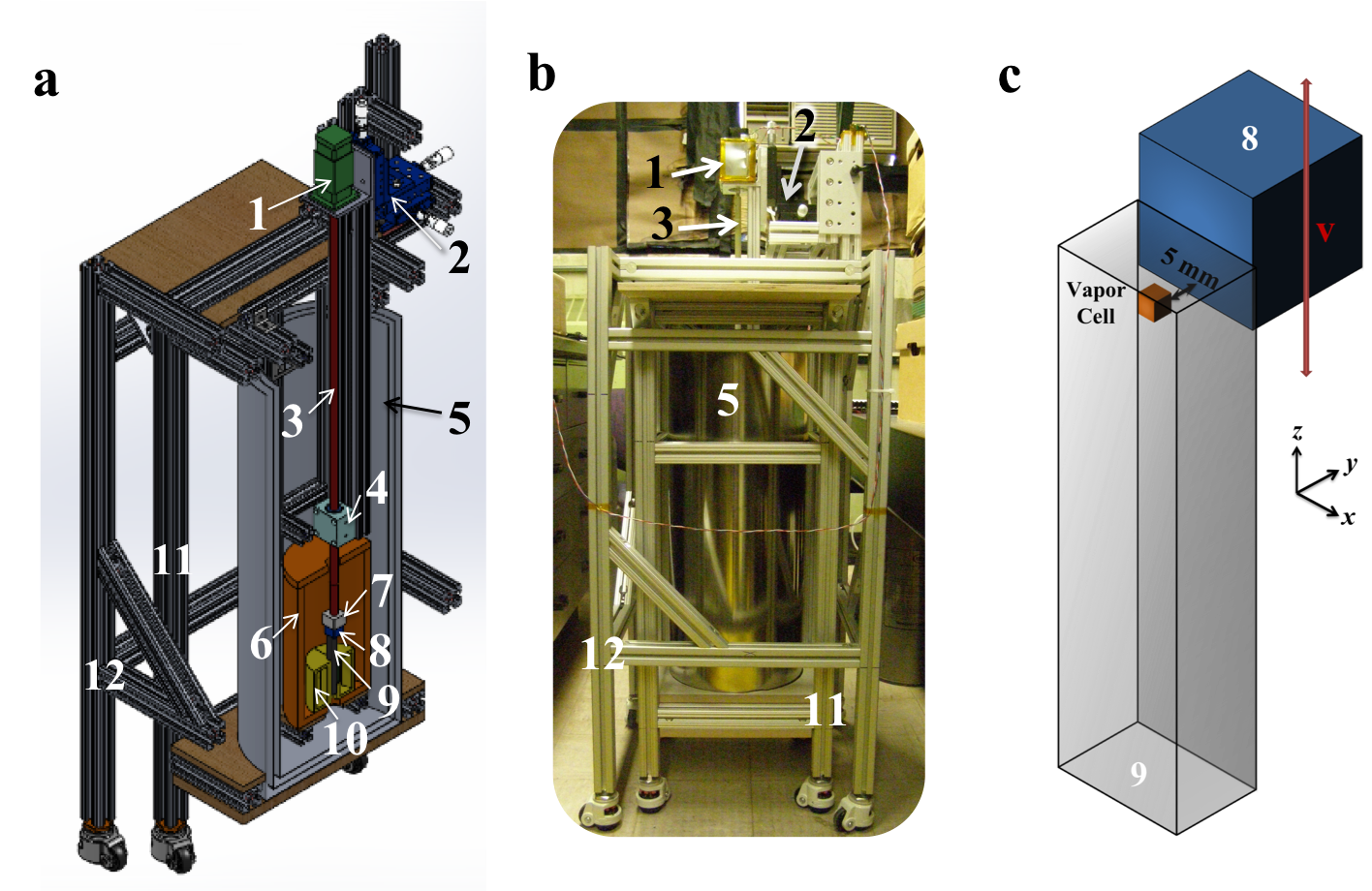 Figure 4
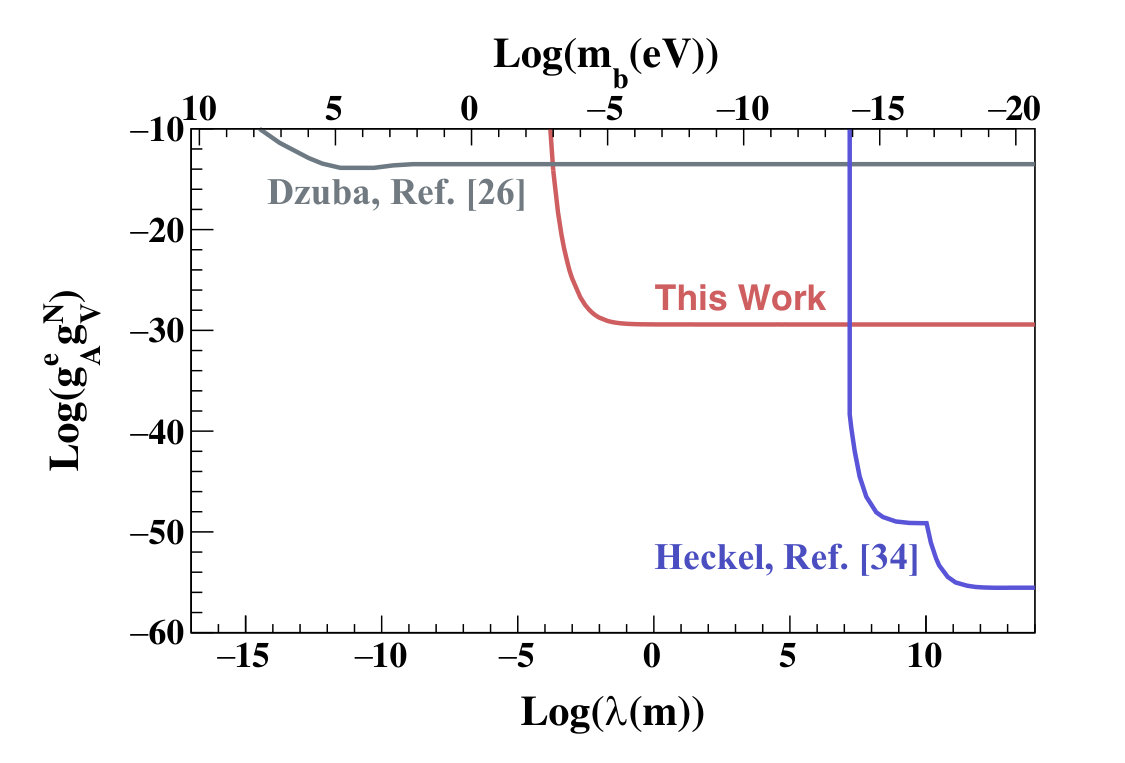 Figure 5
Peer Reviews
No public reviews on file for this paper yet. If you reviewed it on a platform where reviews are public (OpenReview, ICLR, NeurIPS, ICML), you can paste yours below so the community can read it here.
Videos
No videos yet. Explain this paper in a talk, walkthrough, or lecture? Add one.
Experimental limit on an exotic parity-odd spin- and velocity-dependent interaction using an optically polarized vapor
Young Jin Kim
Ping-Han Chu
Igor Savukov
Shaun Newman
P-21, Los Alamos National Laboratory, P.O. Box 1663, MS-D454, Los Alamos, NM 87545, USA
Abstract
Exotic spin-dependent interactions between fermions have recently attracted attention in relation to theories beyond the Standard Model. The exotic interactions can be mediated by hypothetical fundamental bosons which may explain several unsolved mysteries in physics. Here we expand this area of research by probing an exotic parity-odd spin- and velocity-dependent interaction between the axial-vector electron coupling and the vector nucleon coupling for polarized electrons. This experiment utilizes a high-sensitivity atomic magnetometer, based on an optically polarized vapor that is a source of polarized electrons, and a solid-state mass containing unpolarized nucleons. The atomic magnetometer can detect an effective magnetic field induced by the exotic interaction between unpolarized nucleons and polarized electrons. We set an experimental limit on the electron-nucleon coupling at the mediator boson mass below eV, significantly improving the current limit by up to 17 orders of magnitude.
Introduction
The searches for the exotic spin-dependent interactions between fermions Dobrescu and Mocioiu (2006) have recently attracted attention Safronova et al. (2018). To date, 15 possible interactions have been derived by considering the spins and the relative velocity of two interacting fermions Dobrescu and Mocioiu (2006); Fadeev et al. (2019). In recent theoretical literature, mediators of such interactions have been generically defined as WISPs (weakly interacting sub-eV particles) Jaeckel and Ringwald (2010) including the most plausible mediators, the axion and the hidden photon. The axion is a hypothetical spin-0 pseudoscalar boson that can explain the puzzling strong charge-parity () problem in the quantum chromodynamics (QCD) Peccei and Quinn (1977); Weinberg (1978); Wilczek (1978) and is a theoretically well-motivated candidate for dark matter in the Universe Sikivie (2008); Duffy and van Bibber (2009). The hidden photon Holdom (1986); Appelquist et al. (2003); Langacker (2009) is a hypothetical spin-1 boson arising from the breaking of a gauge symmetry, which can be a dark matter candidate as well, indirectly interacting with ordinary particles Arias et al. (2012); Essig et al. . Detection of WISPs is challenging because they are only very weakly coupled to fermions to mediate interactions between the fermions. Recent WISPs searches, such as the Axion Dark Matter eXperiment (ADMX) Du et al. (2018), are reviewed in Ref. Patrignani et al. (2016).
Searches for exotic interactions have been typically conducted by closely positioning two objects and using a sensitive detector such as a superconducting quantum interference device (SQUID) Hammond et al. (2007), electron-spin polarized torsion-pendulum Hoedl et al. (2011), or precessing nuclear spins in nuclear magnetic resonance (NMR) Chu et al. (2013). Recently, we have expanded this area of research using a highly sensitive non-cryogenic atomic magnetometer based on an optically pumped alkali-metal atomic vapor Kim et al. (2018); Chu et al. (2016). The atomic magnetometer operates in the spin-exchange relaxation-free (SERF) regime in which the effects of spin-exchange collisions on spin relaxation are tuned off, dramatically improving the sensitivity to the femto-Tesla level Happer and Tang (1973); Allred et al. (2002). Our approach probes exotic interactions between optically polarized electrons in an atomic vapor and unpolarized or polarized particles of a solid-state mass in the vicinity of the atomic vapor.
Since the first parity-odd interaction has been discovered in the weak interaction sector Lee and Yang (1956); Wu et al. (1957), various searches for parity-odd interactions have been performed, for example, atomic parity non-conservation (PNC) experiments Dzuba et al. (2017) and electric dipole moment (EDM) experiments Purcell and Ramsey (1950); Chupp et al. (2019). The searches could be pivotal for developing theories beyond the Standard Model of particle physics. In the present study we investigate an exotic parity-odd spin- and velocity-dependent interaction of electrons with axial-vector electron coupling and vector nucleon coupling () Fadeev et al. (2019), where A, V, e, and N stand for the axial-vector coupling, the vector coupling, the electron, and the nucleon, respectively. This interaction can be generated by massive spin-1 boson exchange Fayet (1990), for example, from spontaneous breaking with two or more Higgs doublets. Some experiments on the interaction of neutrons have been conducted using polarized neutrons in liquid 4He Yan and Snow (2013), combining experimental constraints from other experiments Adelberger and Wagner (2013) and polarized 3He coupling to the Earth Yan et al. (2015). While the parity-even spin- and velocity-dependent interaction for electrons has been experimentally investigated Heckel et al. (2006, 2008); Ficek et al. (2017, 2018); Kim et al. (2018), to the best of our knowledge, the parity-odd spin- and velocity-dependent interaction of electrons has been explored by few laboratory experiments such as electron-spin polarized torsion-pendulum experiments Heckel et al. (2006, 2008) using the Sun and the Moon as a unpolarized test mass.
In the following, we explore the parity-odd spin- and velocity-dependent interaction of electrons using a SERF atomic magnetometer based on a similar experimental approach in Refs. Chu et al. (2016); Kim et al. (2018). The experiment sets a limit on the electron-nucleon coupling for the boson mass less than eV, equivalent to the interaction range larger than m. This improves the current limit by up to 17 orders of magnitude.
Results
Exotic parity-odd spin- and velocity-dependent interaction
We investigated the interaction between polarized electrons and unpolarized nucleons based on a SERF atomic magnetometer:
[TABLE]
where is Planck’s constant, is the th spin unit vector of the polarized electron, is the separation vector in the direction between the polarized electron and the unpolarized nucleon, , is their relative velocity vector, and is the interaction range (or the boson Compton wavelength) with being the boson mass and being the speed of light in vacuum. is the interaction coupling assuming no difference between electron-neutron and electron-proton couplings, and ignoring electron-electron couplings. The interaction induces the energy shift of the polarized electrons of the alkali-metal atoms in a SERF atomic vapor, which can be recast as
[TABLE]
where is the gyromagnetic ratio of the alkali-metal atoms and is an effective magnetic field at the location of the atomic vapor, produced by the interaction . From Eqs. 1 and 2, the effective magnetic field is
[TABLE]
This experiment is to detect the with a SERF atomic magnetometer.
The SERF atomic magnetometer contains two laser beams (for detail, see for example the description of a SERF magnetometer in Ref. Karaulanov et al. (2016)). The circularly polarized pump laser beam serves to pump atomic spins into the stretched state, creating nearly 100% polarization. The linearly polarized probe laser beam serves to detect the spin projection along the probe beam. The non-zero spin projection results in the rotation of light polarization, due to the strong birefringence of the spin-polarized vapor, and is measured with a polarizing beam splitter and two photo detectors as a small difference in the balanced output. The interaction of an external magnetic field with the polarized atomic spins leads to a change in the orientations of the spins and hence in the observed light polarization rotation. Because Eq. 2 formally describes the interaction of electron spins with the effective magnetic field, the interaction causes similar changes in the spin orientation as the ordinary field, and can be probed with the magnetometer Chu et al. (2016); Kim et al. (2018).
Experimental details
We employed a commercial cm-scale SERF magnetometer which is low cost, compact, and easy to operate qus ; Savukov et al. (2017). It is based on a rubidium (Rb) mm3 atomic vapor cell with a buffer gas. In order to operate the magnetometer in the SERF regime, the Rb vapor was heated to C, which supplies sufficiently large Rb density ( Rb atoms) as the source of optically polarized electrons. Furthermore, the magnetometer was placed inside a ferrite cylindrical shield (OD = 18 cm, height H = 38 cm, material thickness t = 0.6 cm) with end-caps and a three-layer open -metal co-axial cylinder (ID = 23 cm, OD = 29 cm, outer H = 69 cm) as shown in Fig. 1(a). The magnetic shields sufficiently suppressed the external dc magnetic field and magnetic noise, but the residual fields inside the ferrite shield were compensated with three orthogonal coils [not shown in Fig. 1(a)]. The magnetometer was rigidly mounted inside the ferrite shield by a plastic holder.
For the source of unpolarized nucleons, we used a cm3 non-magnetic bismuth germanate insulator (BGO), which contains a high nucleon density of cm*-3*. As shown in Fig. 1(a), the BGO mass was connected to a stepper motor (LR43000 manufactured by Haydon Kerk Pittman), fixed on a three-axis translation stage (Thorlabs PT3), through a 1.5 m-long rigid fiberglass G10 cylindrical rod. The motor was positioned away from the magnetic shields and was enclosed by a single-layer open -metal box to suppress magnetic noise arising from the motor operation [see Fig. 1(b)]. The translation stage precisely adjusted the position of the mass in the vicinity of the Rb vapor. In order to prevent the mass from oscillating due to the movement of the long G10 rod, a non-magnetic air bushing (OAV0500IB) was closely mounted to the ferrite shield, providing an additional support of the G10 rod with nearly frictionless motion of the mass. To reduce systematic effects due to vibrations induced by the motor moving the mass, the frame holding both the atomic magnetometer and the magnetic shields was decoupled from the frame holding the moving mass, as indicated in Fig. 1(a) and (b).
As illustrated in Fig. 1(c), the relative velocity term in the interaction was created by linearly moving the BGO mass along the -axis with a constant velocity next to the Rb vapor located in the magnetometer head. The standoff distance between the nearest surfaces of the mass and the vapor was set to 5 mm, limited by the location of the vapor. The Rb electron spins were oriented along the -axis and the magnetometer was sensitive to the component of a magnetic field with the intrinsic field noise level of 15 fT Hz*-1/2*, at low frequency. According to Eq. 3, the is only along the -axis in this configuration of the mass and the magnetometer because is proportional to .
Main sources of the systematic effects in this experiment are magnetic impurities buried inside the BGO mass generating fields measured on the order of T and drift in the magnetometer signal on the order of T. To suppress the systematic effects, the mass movement was alternated to subtract the magnetometer signals between upward and downward mass motions, where . This technique was highly effective since the sign of is reversed for the opposite linear motions due to the single velocity term in Eq. 3, while the systematic effects are essentially the same Kim et al. (2018).
In Fig. 2, we present the interaction potential, written as
[TABLE]
as a function of the distance between the center of the BGO mass and the center of the Rb vapor cell, defined as Shift here, at different interaction ranges. The interaction potential was numerically calculated by a Monte Carlo integration Chu et al. (2016); Kim et al. (2018) which averaged the interaction potential over the both volumes of the mass and the vapor. This was done by randomly generating electron-nucleon pairs inside the volumes, summing the potential between each pair based on Eq. 4 by assuming the interaction range, and then normalizing the resulting potential for the nucleon density of the mass. More details are described below. The velocity magnitude, , was 15.38 mm s*-1*, used in the present experiments. As shown in Fig. 2, the interaction potential gets weaker as the mass moves away from the vapor and drops more drastically for the smaller interaction range due to the term of in Eq. 4. Since the interaction potential varies with the position of the mass with respect to the vapor, we selected one proper mass position near Shift in order to constrain the .
Analysis
In the signal subtraction method to suppress the systematic effects, the BGO mass was extended along the direction with the constant velocity of mm s*-1* for s from the initial Shift of mm to the final Shift of mm, and then it was retracted toward the initial configuration with mm s*-1* for 0.325 s, as illustrated in Fig. 3(a). The initial configuration was chosen because the sample holder contacted the head of the magnetometer when Shift mm. The motor was able to repeat this mass motion continuously, during which we recorded the magnetometer signals for 77 hours using a 24-bit analog-to-digital converter (PXIe-4497 provided by National Instruments) with a sampling rate of 1 kHz.
Figure 3(b) shows standard time traces of the magnetometer signal, which present two full cycles of the mass motion reversal. Here one cycle refers to one extension with mm s*-1* and one retraction with mm s*-1* of the mass. The motor provided a voltage output which allows us to distinguish the mass motion’s direction, as shown in Fig. 3(c). This was also recorded simultaneously with the magnetometer signal. The rising and falling edges served as the reference points for each half cycle. The motor had a delay time of 0.05 s after each extension and retraction of the mass, necessary to reverse the mass motion’s direction, thus the time elapsed for one cycle was 0.75 s. As discussed above, to extract the magnitude of the effective magnetic field, , from the magnetometer signals, we selected the middle configuration of each motion which corresponds to Shift mm, as shown in Fig. 3(a), equivalent to the data point at the first 50% of the data in each half cycle, as shown in Fig. 3(b). However, instead of taking only one data point in each half cycle for the extraction of , we used the mean of three data points, i.e., the data point at the first 50% of the data the adjacent data points. The distance between data points is m.
The mean value in each half cycle can be modeled as
[TABLE]
where the sign of and corresponds to the sign of the velocity, is time, is the dc offset field on the order of a few hundred pT, as shown in Fig. 3(b), and the last three terms characterize the slow drifts in the magnetometer signal expanded in a polynomial function of time up to third order. These mainly arise from magnetometer electronics and temperature variations around the magnetometer. Note that remains constant as the mass linear motion is reversed, unlike . The magnetometer drift is mostly of first order: however, higher-order drifts can exist in the magnetometer signal due to, for example, opening/closing the laboratory door and other doors nearby the laboratory, or moving magnetic objects around the experimental setup. The simple difference between the first and the second half cycle with the time period of the half cycle, , results in
[TABLE]
Since this computation removes only the term, the remaining drift terms can add systematic effects to the extraction of . To this end, we used a more effective computation on the data which applies a [1 3 3 1] weighting to the mean value from each half cycle within two cycles Kim et al. (2015, 2018):
[TABLE]
This weighting computation effectively eliminates the dominant slow drift terms up to second order. The remaining third- or higher-order drifts might become major systematic effects if the data is averaged for a long time and the statistical uncertainty is reduced. According to Eq. 7, the can be obtained by dividing the resulting value by a factor of 8 assuming that the remaining third order drift is negligible.
A histogram of , extracted with the weighting computation from the magnetometer signals collected for 77 hours, is shown in Fig. 4. A fit with a Gaussian distribution to the histogram gives T. According to Eq. 2, this equates to eV with Hz T*-1* Karaulanov et al. (2016). The signal subtraction method together with the weighting computation suppresses the major systematic effects below the statistical sensitivity of T.
To experimentally constrain the interaction from our SERF magnetometer-based experiment, we performed a Monte Carlo integration for the interaction potential , as described above. Based on Eqs. 1 and 2, the experimental limit to was estimated from dividing the experimental sensitivity of of eV by the interaction potential calculated at different interaction ranges Kim et al. (2018). Figure 5 shows the experimental limit to in interaction ranges above m (bottom axis), corresponding to the boson mass below eV (top axis) with the data collection time of 77 hours.
Discussion
Our experiment sets an experimental limit on the parity-odd spin- and velocity-dependent interaction for electrons in the boson mass ranges below eV, which is essential for developing directions in WISPs searches. One great advantage in our experiment is that the boson mass range can be simultaneously scanned, unlike the resonant cavity-based WISP-searching experiments, such as ADMX, which require tuning experimental parameters for each axion mass under investigation. Using this experimental method, recently, we also set an experimental limit on the parity-even spin- and velocity-dependent interaction between polarized electrons and unpolarized nucleons in the sub-meV range of the boson mass Kim et al. (2018). These experimental results demonstrate the feasibility of our experimental approach using the SERF atomic magnetometer. Our experiments will play an important role in exploring the uninvestigated spin-dependent interactions for polarized electrons Chu et al. (2016).
Further enhancement in the experimental sensitivity could be achievable. The SERF atomic magnetometer used in this work operates in a single-beam configuration in which a single circularly polarized laser beam is used to pump and probe the Rb electron spins Savukov et al. (2017). The single-beam configuration is suboptimal in terms of magnetic field sensitivity. For an improved design, the magnetometer would use an orthogonal-beam configuration in which the probe beam is perpendicular to the pump beam, and the laser beams’ wavelengths are individually optimized. This modification can improve the sensitivity to 1 fT Hz*-1/2* immediately. Further work will bring the magnetometer close to the fundamental photon shot noise limit of subfemto-Tesla to atto-Tesla Liu et al. (2017) by reducing the noise sources from laser frequency and intensity fluctuations, and the hybrid optical pumping Liu et al. (2017).
In conclusion, we explored the exotic parity-odd spin- and velocity-dependent interaction for polarized electrons based on an experimental approach utilizing a SERF atomic magnetometer. Our experiment sets an experimental limit on the interaction in the interaction range higher than m corresponding to the boson mass lower than eV.
Methods
Monte Carlo integration
The algorithm of the Monte Carlo integral is following:
(1) random pairs of points inside both the volumes of the BGO mass and the Rb vapor cell are generated;
(2) An interaction range between 1014 to 10*-16* m is assumed to calculate the interaction potential between a randomly generated pair of points ,
[TABLE]
(3) All the contributions to the potential are summed and normalized to give the average interaction potential for the nucleon density of BGO mass :
[TABLE]
(4) The experimental limit to the coupling strength is derived by dividing the experimental sensitivity of the energy shift for Rb atoms by the calculated average interaction potential;
(5) The steps from (1) to (4) are repeated with another given interaction range between 10*-1* to 10*-6* m.
The Monte Carlo error can be ignored because the error numerically decreases as where is the number of random points, thus it is less than 1% with the random points.
Code availability
The code of the Monte Carlo integral is available from the corresponding author upon reasonable request.
SERF atomic magnetometer
A SERF atomic magnetometer employed for the experiments, manufactured by QuSpin Inc., is a compact, self-contained unit with all the necessary optical components and can be readily operated using a control software. Practically, the SERF regime is achieved by operating in a near-zero magnetic field and by heating the Rb vapor; a SERF magnetometer is sensitive at low frequency below 100 Hz. It is mainly composed of a 3 mm cube 87Rb vapor cell, a single semiconductor 795 nm laser for both optical pumping and probing, and silicon photodiodes Savukov et al. (2017). The dimensions of the magnetometer module are: length 8 cm, width 1.4 cm, and height 2.1 cm. The cell temperature is around 160*∘*C for sufficiently large Rb density. The action of the laser beam creates a large number of polarized Rb electron spins in the vapor cell and its intensity transmitted through the cell is detected using the photodiode. The output from the photodoide is an analogue voltage signal and it can be converted to a magnetic field signal by applying a known calibration field to the vapor cell. In order to reduce the effects of the laser noise due to intensity fluctuation, the magnetometer uses a modulating field at 926 Hz Savukov et al. (2017). The measured field at a certain low frequency is restored using a built-in lock-in amplifier and a low-pass filter.
Data availability
The data that support the findings of this study are available from the corresponding author upon reasonable request.
Acknowledgements
The authors gratefully acknowledge this work was supported by the Los Alamos National Laboratory LDRD office through grant 20180129ER.
Author contributions
Y. J. K. designed and carried out the experiments, and analyzed the data. P.-H. C. performed the Monte-Carlo simulation and estimated the sensitivity. I. S. provided expertise in atomic magnetometers. S. N. and Y. J. K. built the experimental setup. All authors contributed to the manuscript.
Competing interests
The authors declare no competing interests.
The reference list from the paper itself. Each links out to its DOI / PubMed record.
- 1Dobrescu and Mocioiu (2006) B. A. Dobrescu and I. Mocioiu, Spin-dependent macroscopic forces from new particle exchange, J. High Energy Phys. 2006 , 005 (2006) .
- 2Safronova et al. (2018) M. S. Safronova, D. Budker, D. De Mille, Derek F. Jackson Kimball, A. Derevianko, and Charles W. Clark, Search for new physics with atoms and molecules, Rev. Mod. Phys. 90 , 025008 (2018) . · doi ↗
- 3Fadeev et al. (2019) P. Fadeev, Y. V. Stadnik, F. Ficek, M. G. Kozlov, V. V. Flambaum, and D. Budker, Revisiting spin-dependent forces mediated by new bosons: Potentials in the coordinate-space representation for macroscopic- and atomic-scale experiments, Phys. Rev. A 99 , 022113 (2019) . · doi ↗
- 4Jaeckel and Ringwald (2010) J. Jaeckel and A. Ringwald, The low-energy frontier of particle physics, Annu. Rev. Nucl. Part. Sci. 60 , 405–437 (2010) . · doi ↗
- 5Peccei and Quinn (1977) R. D. Peccei and H. R. Quinn, CP CP \mathrm{CP} conservation in the presence of pseudoparticles, Phys. Rev. Lett. 38 , 1440–1443 (1977) . · doi ↗
- 6Weinberg (1978) S. Weinberg, A new light boson? Phys. Rev. Lett. 40 , 223–226 (1978) . · doi ↗
- 7Wilczek (1978) F. Wilczek, Problem of strong P 𝑃 P and T 𝑇 T invariance in the presence of instantons, Phys. Rev. Lett. 40 , 279–282 (1978) . · doi ↗
- 8Sikivie (2008) P. Sikivie, Axion cosmology, in Axions: Theory, Cosmology, and Experimental Searches , edited by M. Kuster, G. Raffelt, and B. Beltrán (Springer Berlin Heidelberg, Berlin, Heidelberg, 2008) pp. 19–50. · doi ↗