Statistical field theory for neural networks
Moritz Helias, David Dahmen

TL;DR
This paper introduces statistical field theory methods to analyze neural networks, covering probabilistic concepts, stochastic dynamics, and mean-field approximations, with applications to disordered systems and maximum entropy models.
Contribution
It provides a comprehensive, self-contained framework applying statistical field theory to neural networks, including new derivations of mean-field and beyond-mean-field theories.
Findings
Derivation of self-consistent dynamic mean-field equations.
Systematic approach to fluctuations and phase transitions.
Application to Ising models and TAP mean field theory.
Abstract
These notes attempt a self-contained introduction into statistical field theory applied to neural networks of rate units and binary spins. The presentation consists of three parts: First, the introduction of fundamental notions of probabilities, moments, cumulants, and their relation by the linked cluster theorem, of which Wick's theorem is the most important special case; followed by the diagrammatic formulation of perturbation theory, reviewed in the statistical setting. Second, dynamics described by stochastic differential equations in the Ito-formulation, treated in the Martin-Siggia-Rose-De Dominicis-Janssen path integral formalism. With concepts from disordered systems, we then study networks with random connectivity and derive their self-consistent dynamic mean-field theory, explaining the statistics of fluctuations and the emergence of different phases with regular and chaotic…
Click any figure to enlarge with its caption.
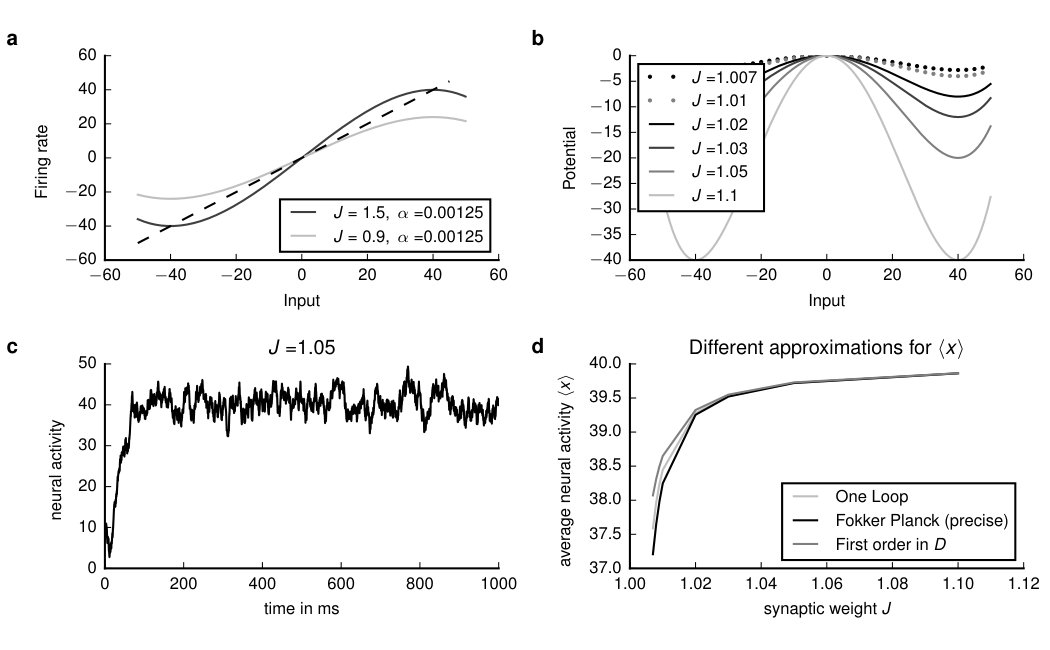 Figure 1
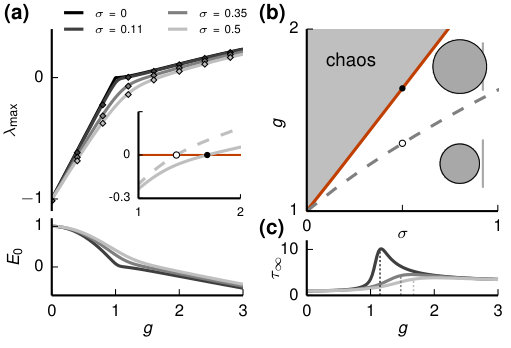 Figure 2
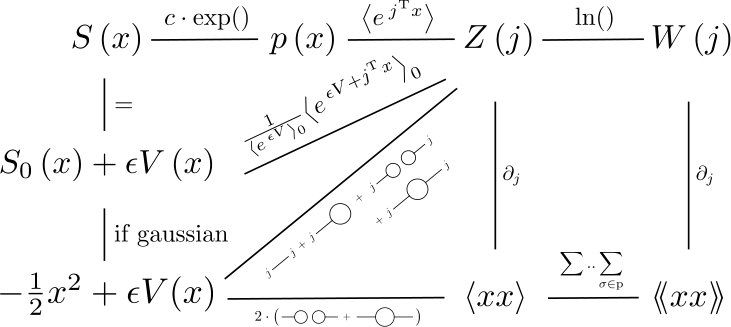 Figure 3
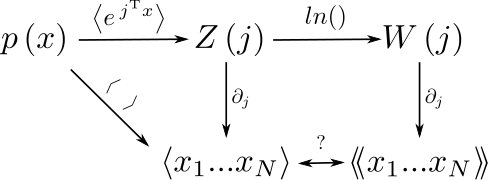 Figure 4
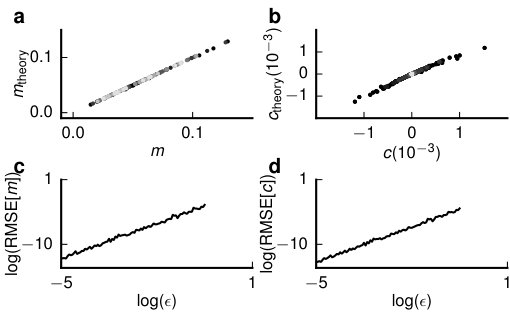 Figure 5
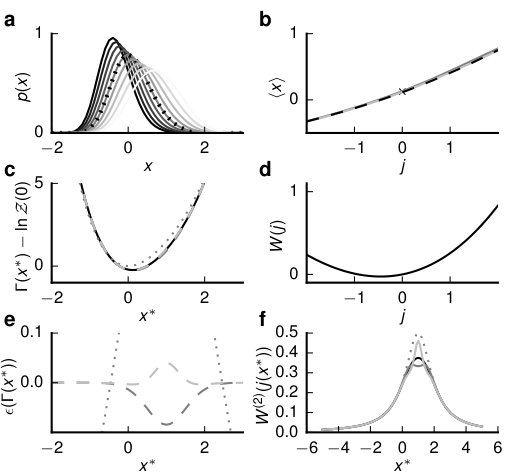 Figure 6
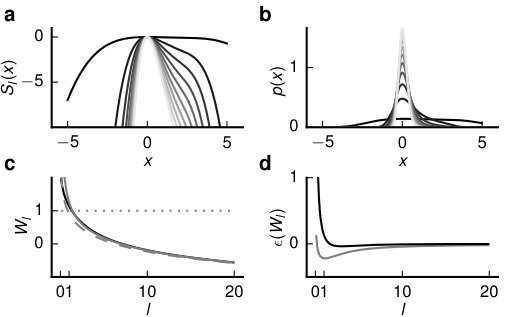 Figure 7
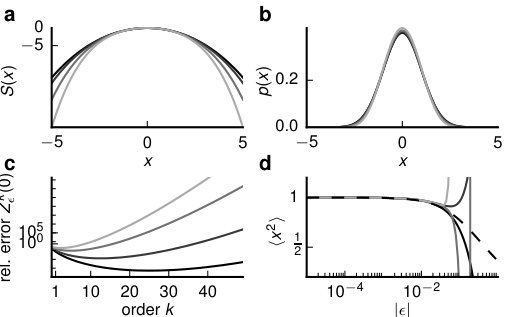 Figure 8
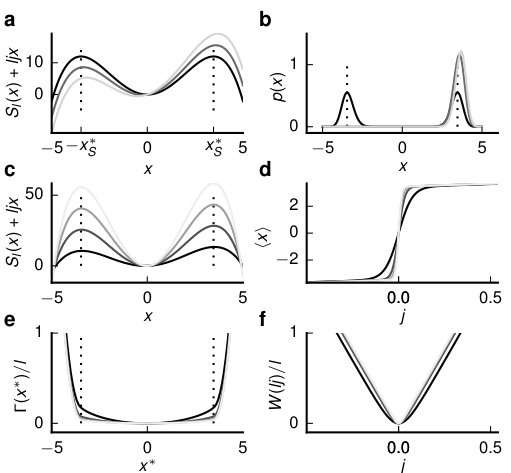 Figure 9
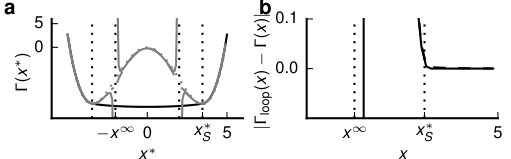 Figure 10
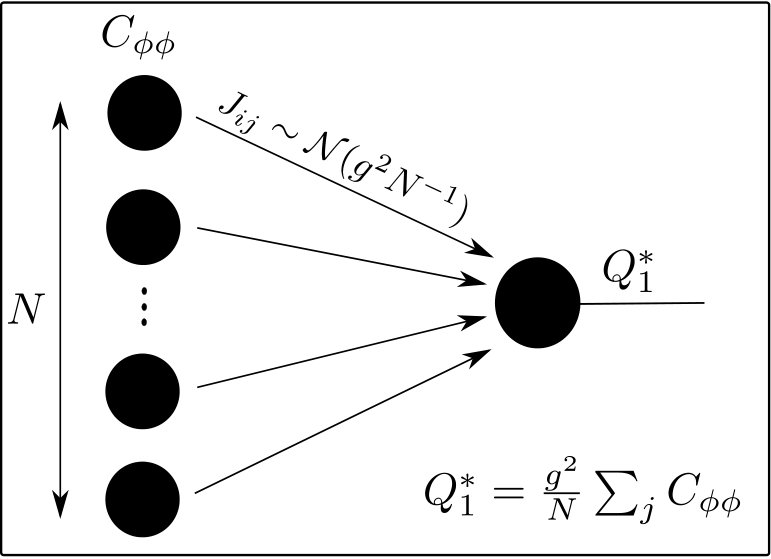 Figure 11
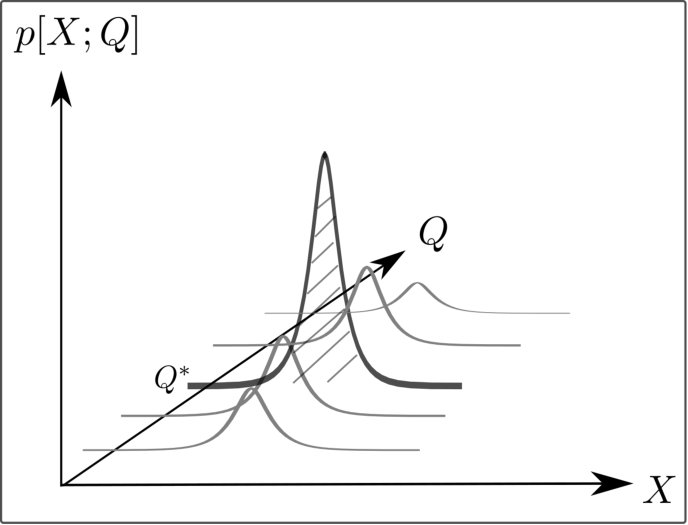 Figure 12
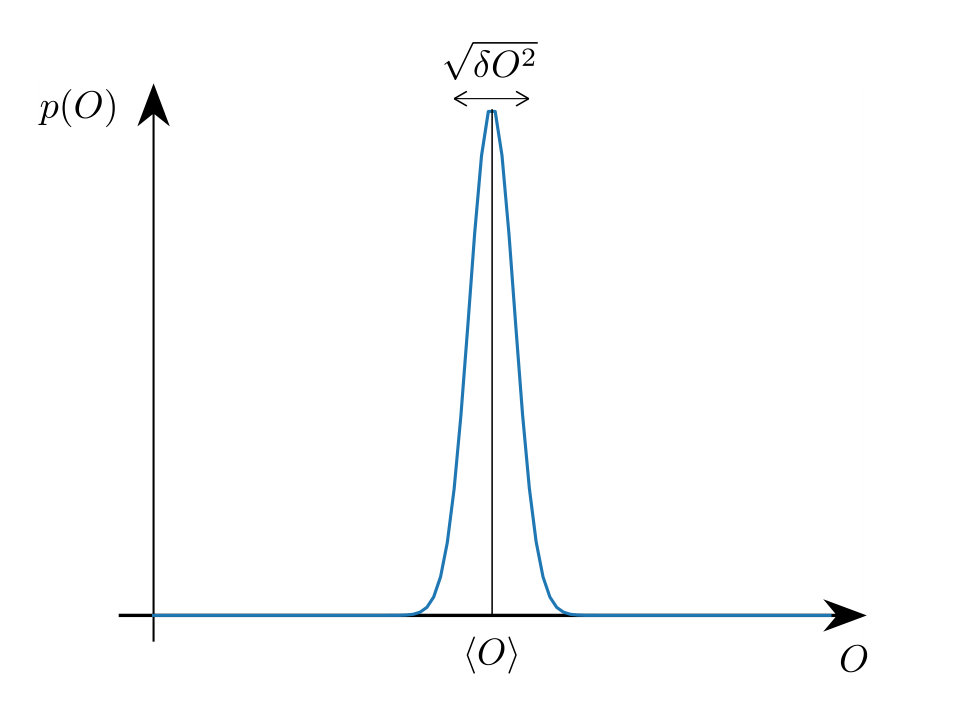 Figure 13
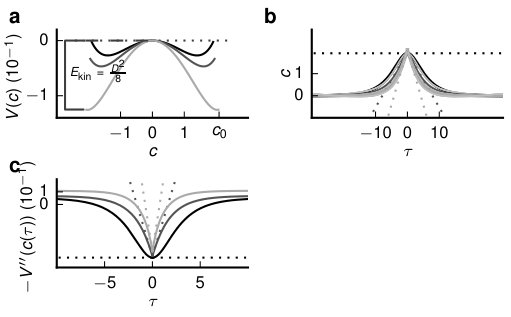 Figure 14
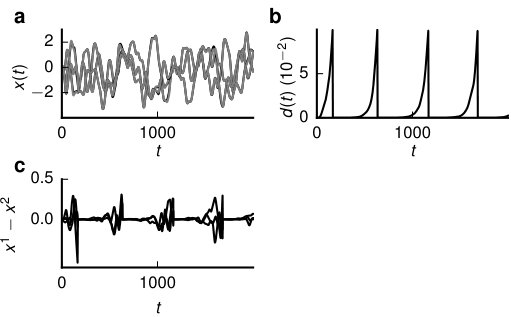 Figure 15
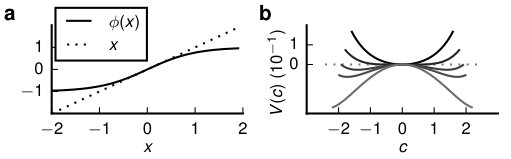 Figure 16
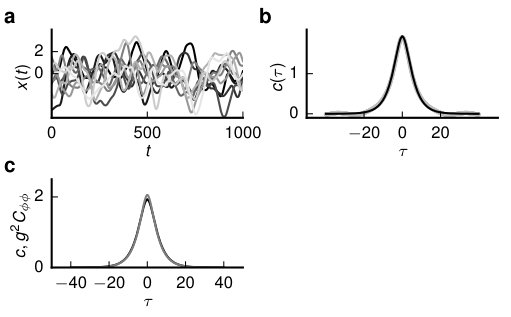 Figure 17
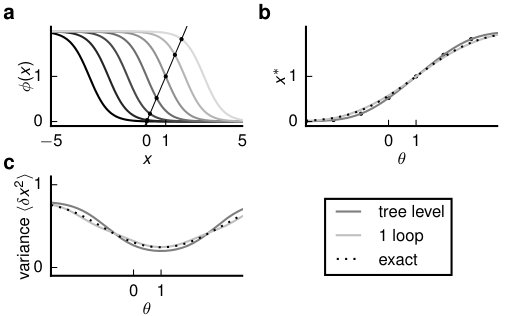 Figure 18
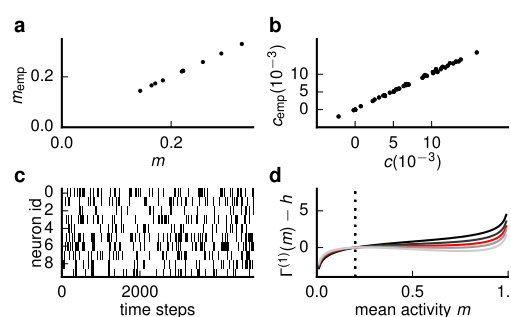 Figure 19
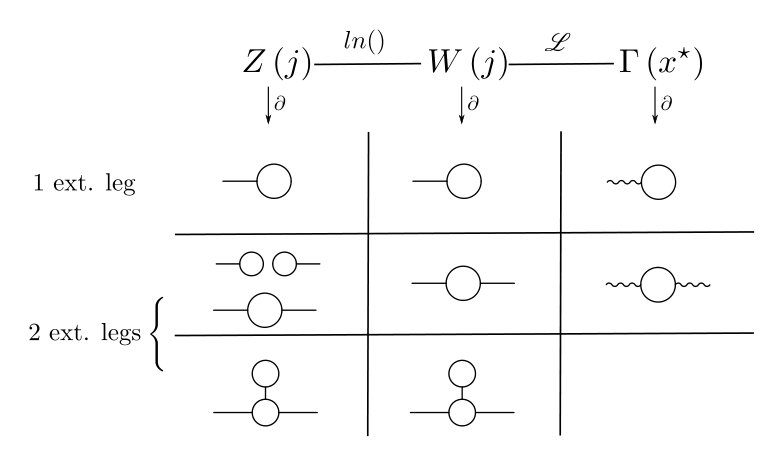 Figure 20
Peer Reviews
No public reviews on file for this paper yet. If you reviewed it on a platform where reviews are public (OpenReview, ICLR, NeurIPS, ICML), you can paste yours below so the community can read it here.
Videos
No videos yet. Explain this paper in a talk, walkthrough, or lecture? Add one.