Localized bright luminescence of indirect excitons and trions in MoSe$_2$/WSe$_2$ van der Waals heterostructure
E. V. Calman, L. H. Fowler-Gerace, L. V. Butov, D. E. Nikonov, I. A., Young, S. Hu, A. Mischenko, A. K. Geim

TL;DR
This study investigates indirect excitons and trions in MoSe$_2$/WSe$_2$ heterostructures, revealing their energy characteristics, binding energies, and localized luminescence properties, advancing understanding of excitonic phenomena at higher temperatures.
Contribution
The paper reports the first observation of neutral and charged indirect excitons with narrow linewidths and localized luminescence in MoSe$_2$/WSe$_2$ heterostructures, confirming theoretical binding energy predictions.
Findings
Identification of neutral and charged IX luminescence lines.
Binding energy of indirect trions close to 28 meV.
Localized spots show enhanced luminescence and narrower linewidths.
Abstract
Indirect excitons (IX) in semiconductor heterostructures are bosons, which can cool below the temperature of quantum degeneracy and can be effectively controlled by voltage and light. IX quantum Bose gases and IX devices were explored in GaAs heterostructures where an IX range of existence is limited to low temperatures due to low IX binding energies. IXs in van der Waals transition-metal dichalcogenide (TMD) heterostructures are characterized by large binding energies giving the opportunity for exploring excitonic quantum gases and for creating excitonic devices at high temperatures. TMD heterostructures also offer a new platform for studying single-exciton phenomena and few-particle complexes. In this work, we present studies of IXs in MoSe/WSe heterostructures and report on two IX luminescence lines whose energy splitting and temperature dependence identify them as neutral…
Click any figure to enlarge with its caption.
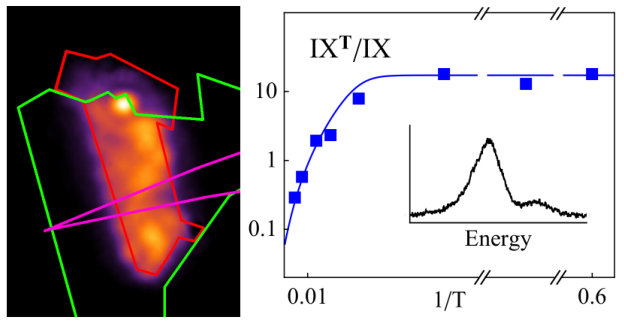 Figure 0
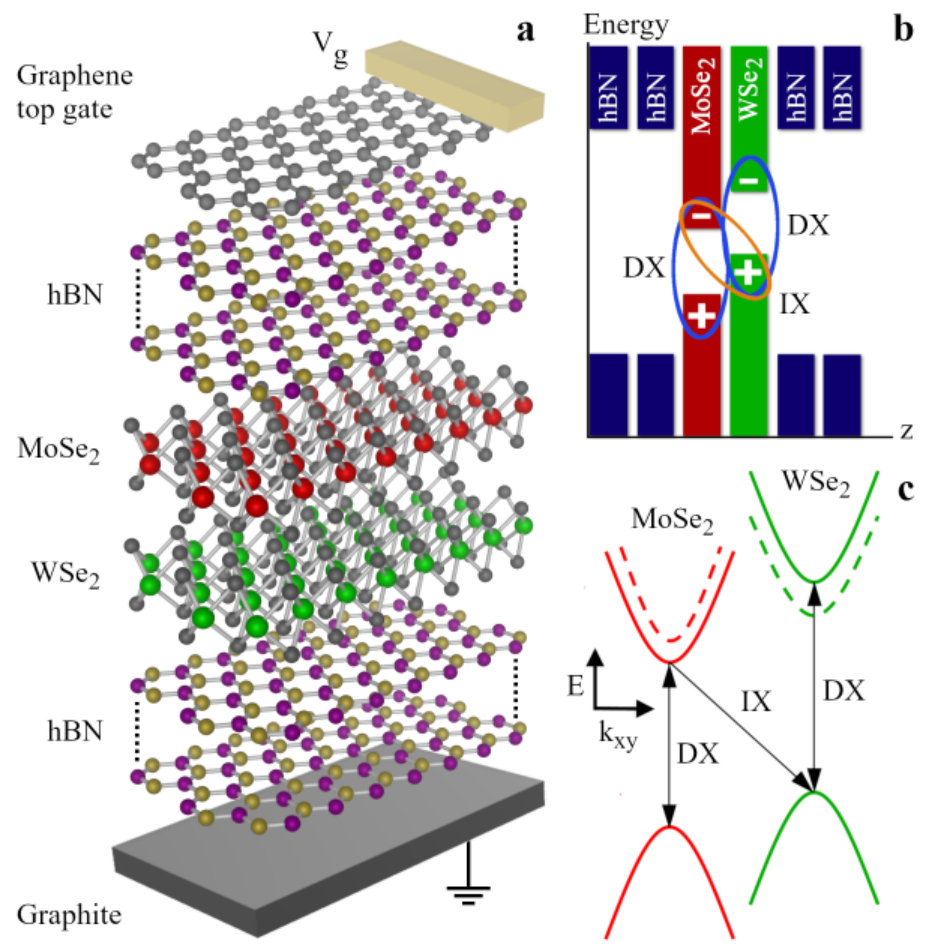 Figure 1
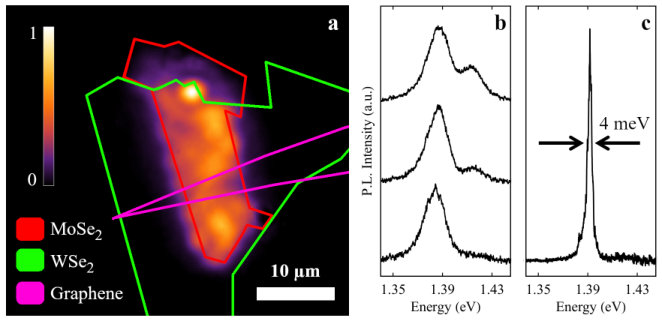 Figure 2
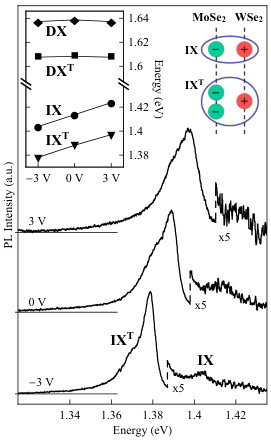 Figure 3
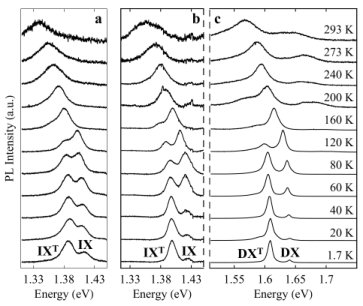 Figure 4
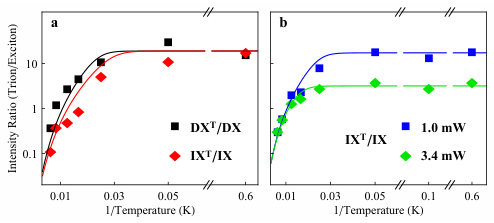 Figure 5
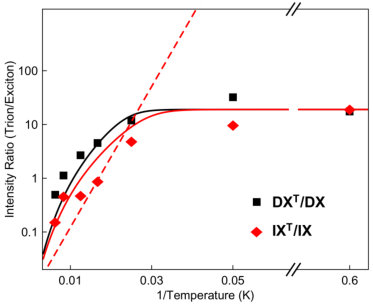 Figure 7
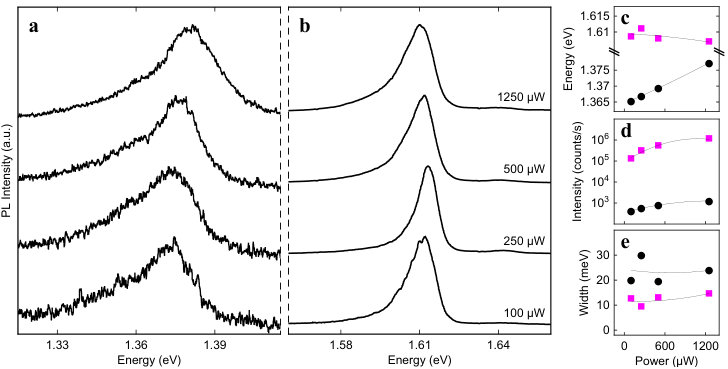 Figure 8
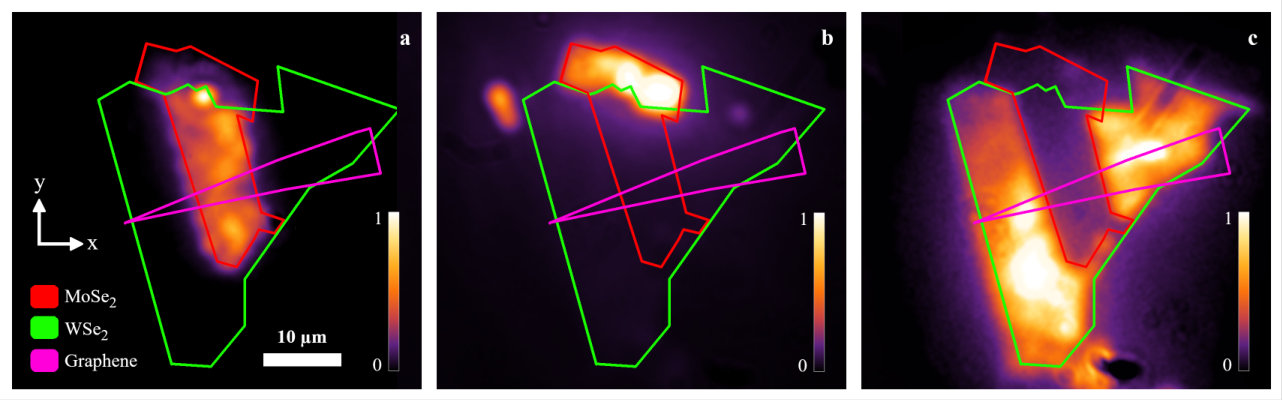 Figure 9
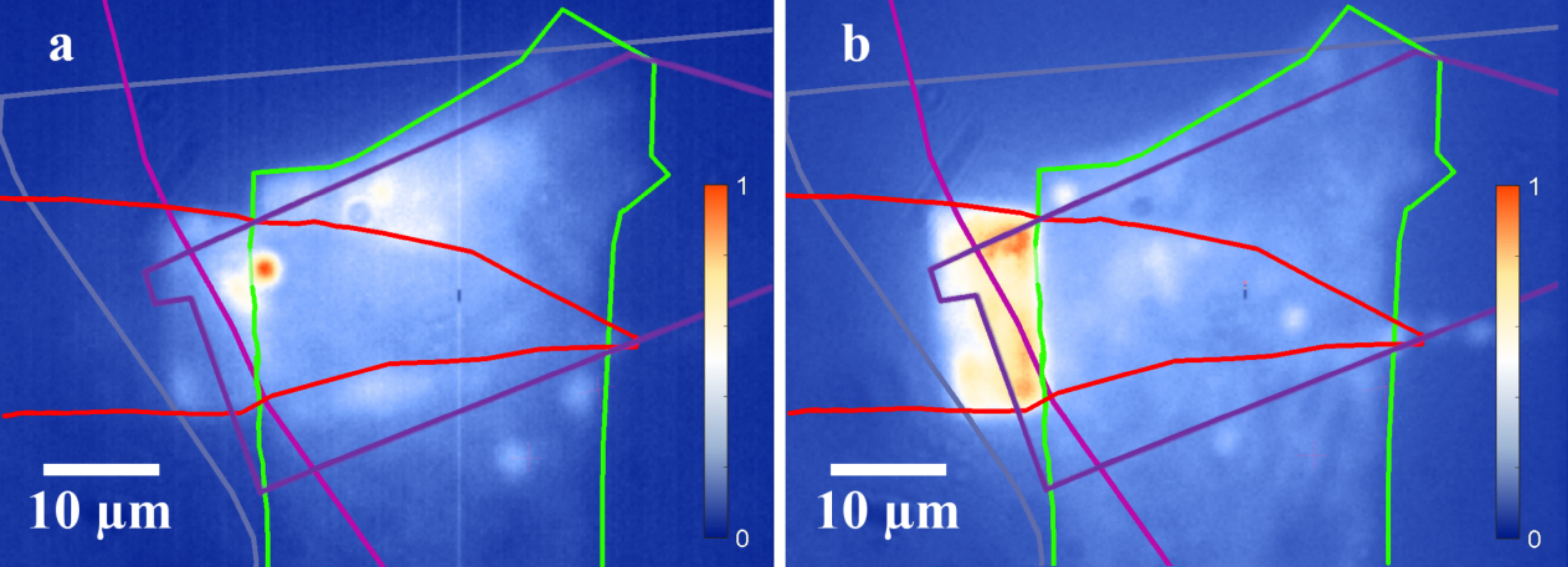 Figure 10
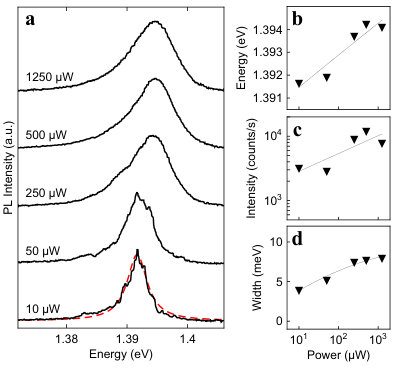 Figure 11
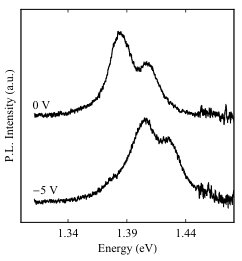 Figure 12
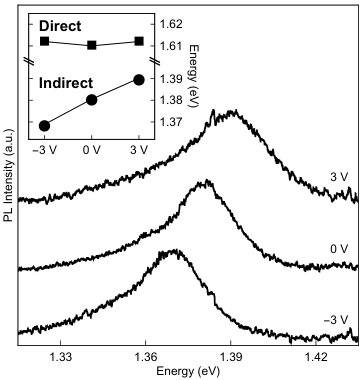 Figure 13
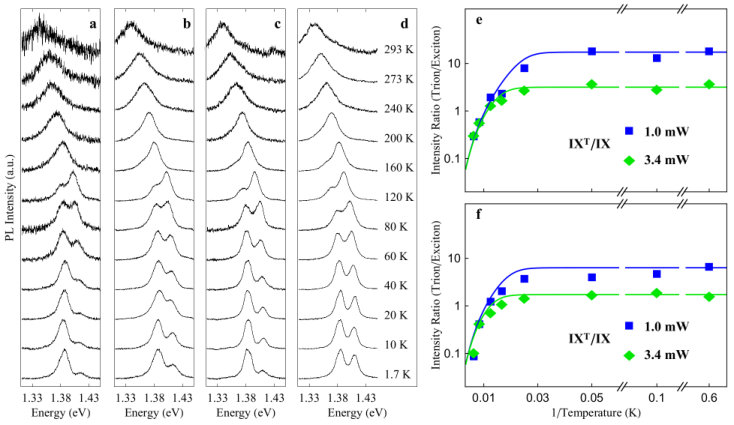 Figure 14
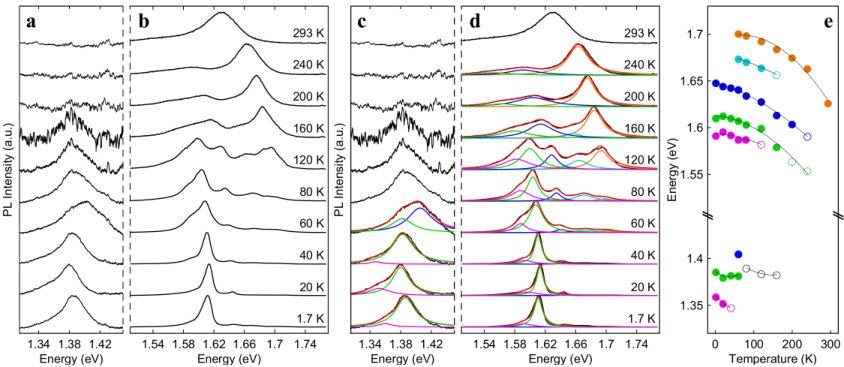 Figure 15
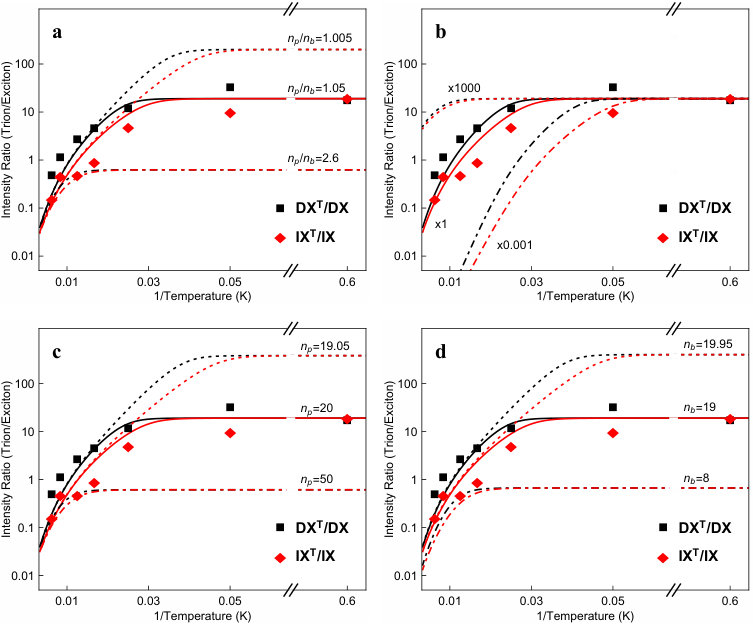 Figure 16
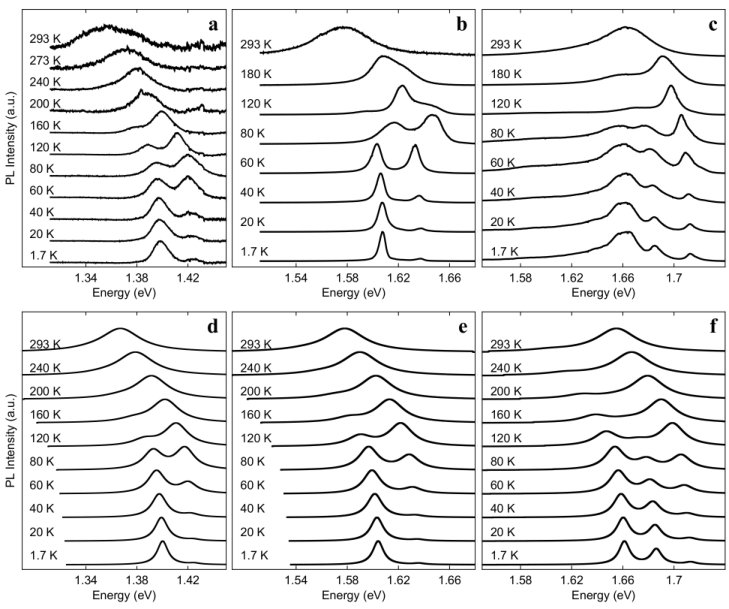 Figure 17
Peer Reviews
No public reviews on file for this paper yet. If you reviewed it on a platform where reviews are public (OpenReview, ICLR, NeurIPS, ICML), you can paste yours below so the community can read it here.
Videos
No videos yet. Explain this paper in a talk, walkthrough, or lecture? Add one.