The unbalanced reorganization of weaker functional connections induces the altered brain network topology in schizophrenia
Rossana Mastrandrea, Fabrizio Piras, Andrea Gabrielli, Nerisa Banaj,, Guido Caldarelli, Gianfranco Spalletta, Tommaso Gili

TL;DR
This study reveals that schizophrenia involves an unbalanced reorganization of brain functional connections, leading to altered network topology and reduced hierarchical modularity, which may underpin the disorder's phenomenology.
Contribution
It introduces an advanced network analysis approach to compare brain functional architecture in medicated schizophrenic patients and healthy controls, highlighting specific topological alterations.
Findings
Patients' networks show more resistance to disconnection.
Discrepancy in node degree distribution between groups.
Altered hierarchical modular organization in schizophrenia.
Abstract
Network neuroscience shed some light on the functional and structural modifications occurring to the brain associated with the phenomenology of schizophrenia. In particular, resting-state functional networks have helped our understanding of the illness by highlighting the global and local alterations within the cerebral organization. We investigated the robustness of the brain functional architecture in forty-four medicated schizophrenic patients and forty healthy comparators through an advanced network analysis of resting-state functional magnetic resonance imaging data. The networks in patients showed more resistance to disconnection than in healthy controls, with an evident discrepancy between the two groups in the node degree distribution computed along a percolation process. Despite a substantial similarity of the basal functional organization between the two groups, the expected…
Click any figure to enlarge with its caption.
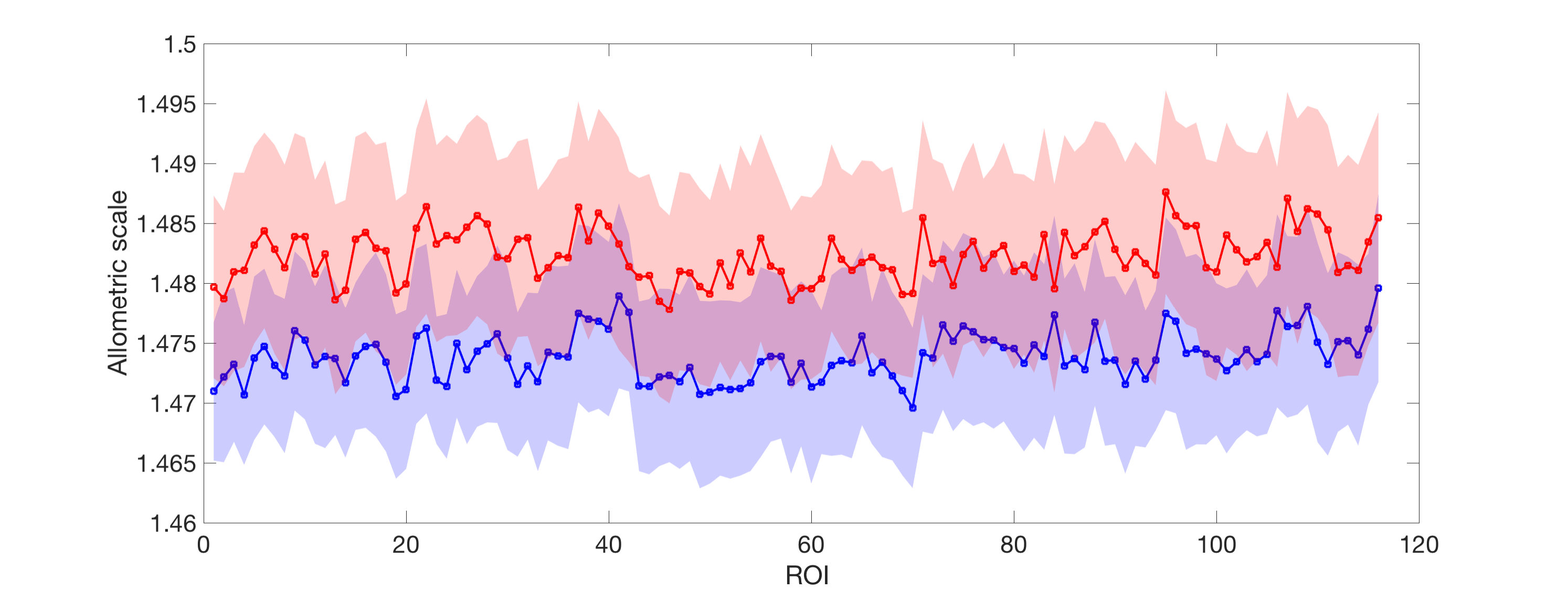 Figure 1
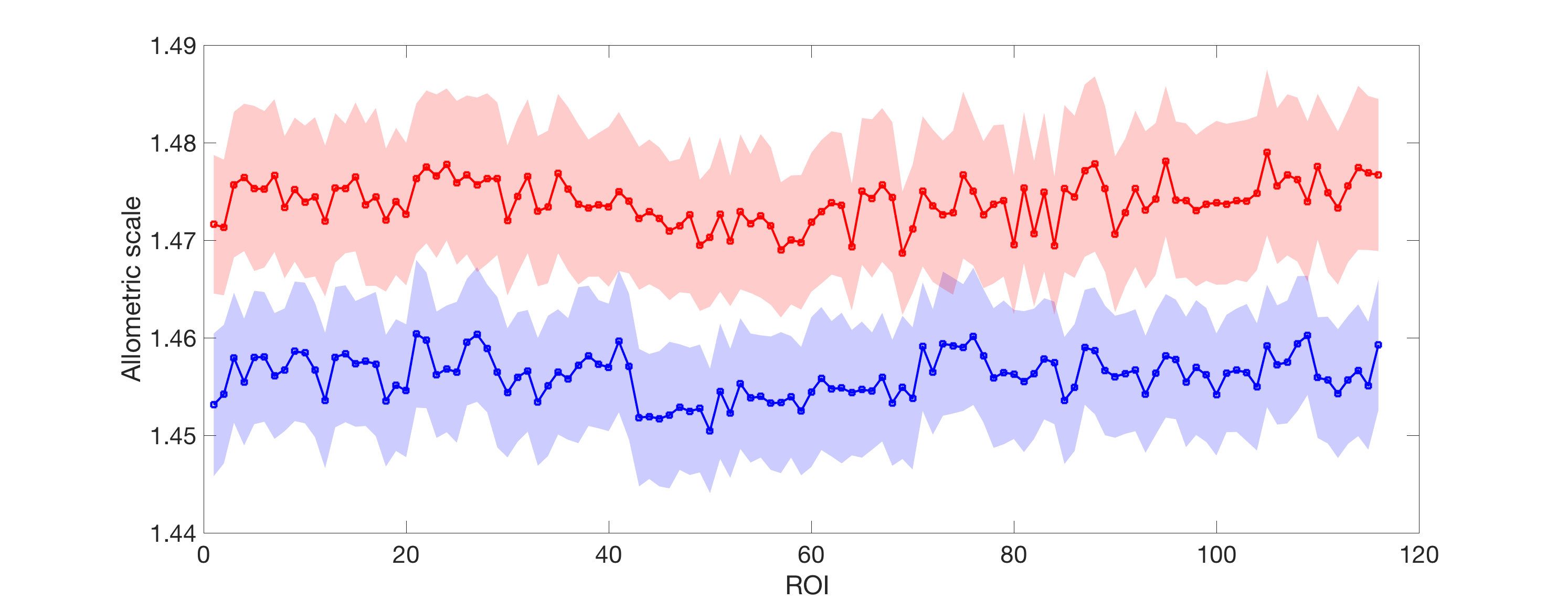 Figure 2
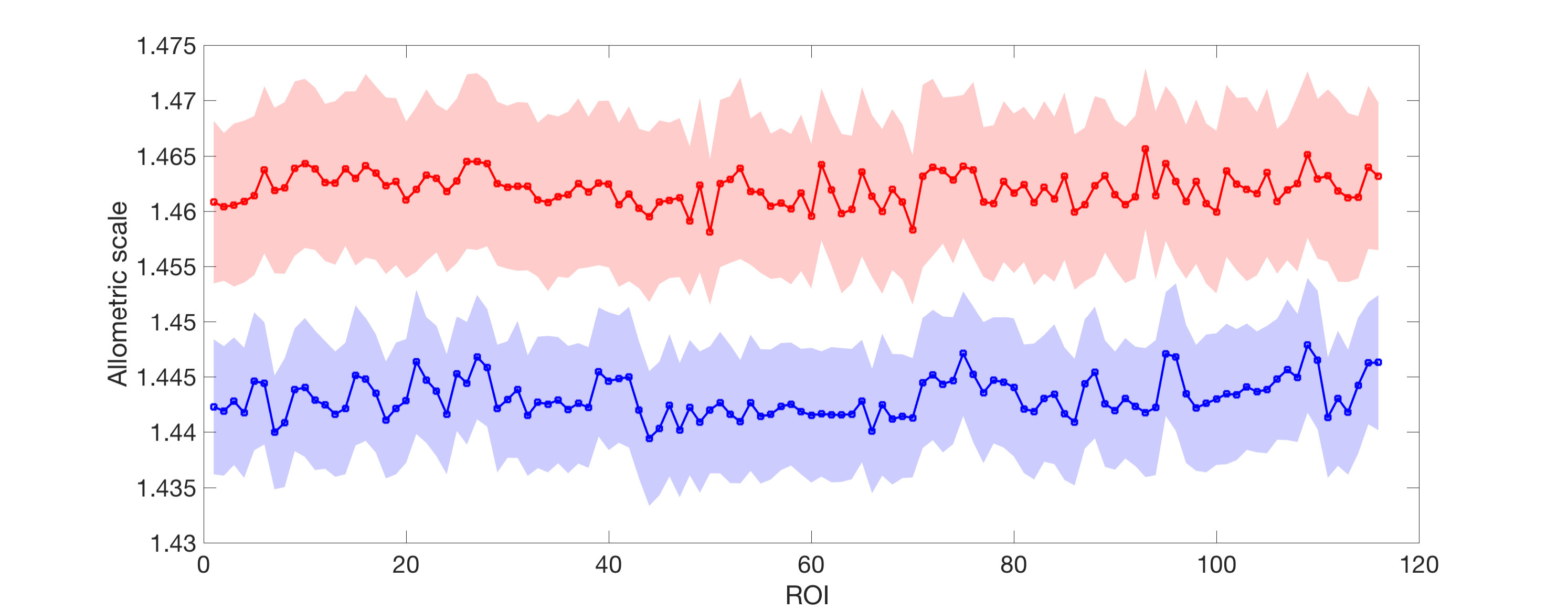 Figure 3
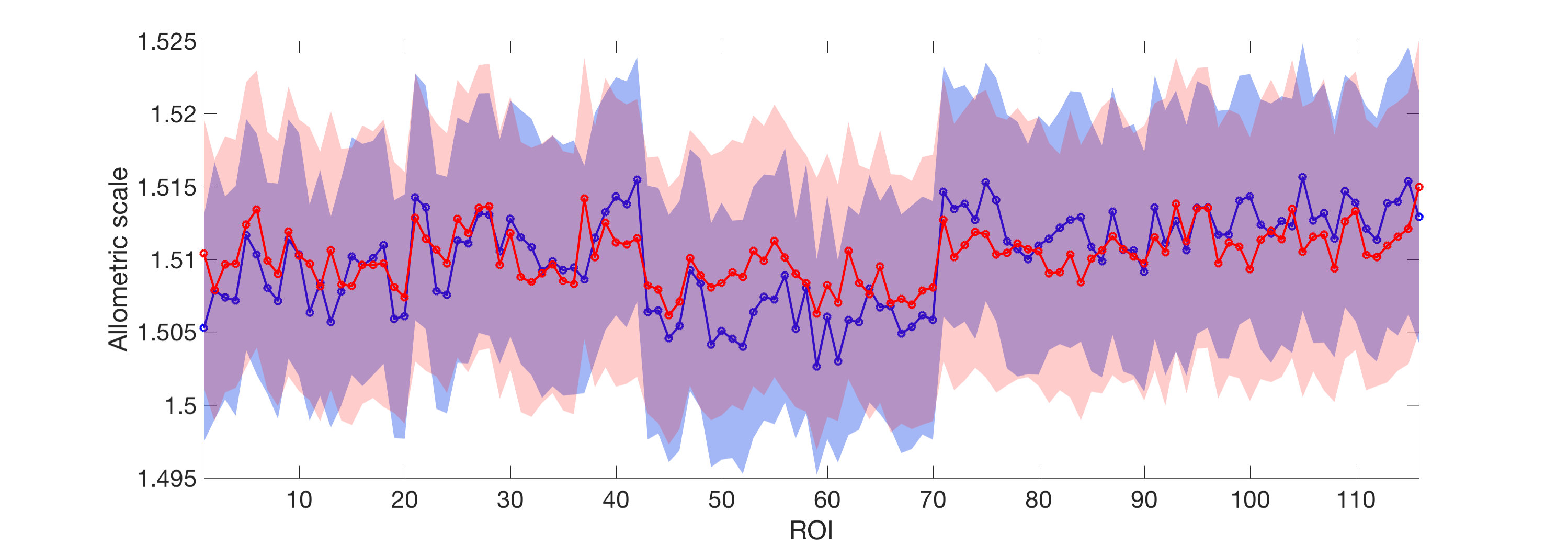 Figure 4
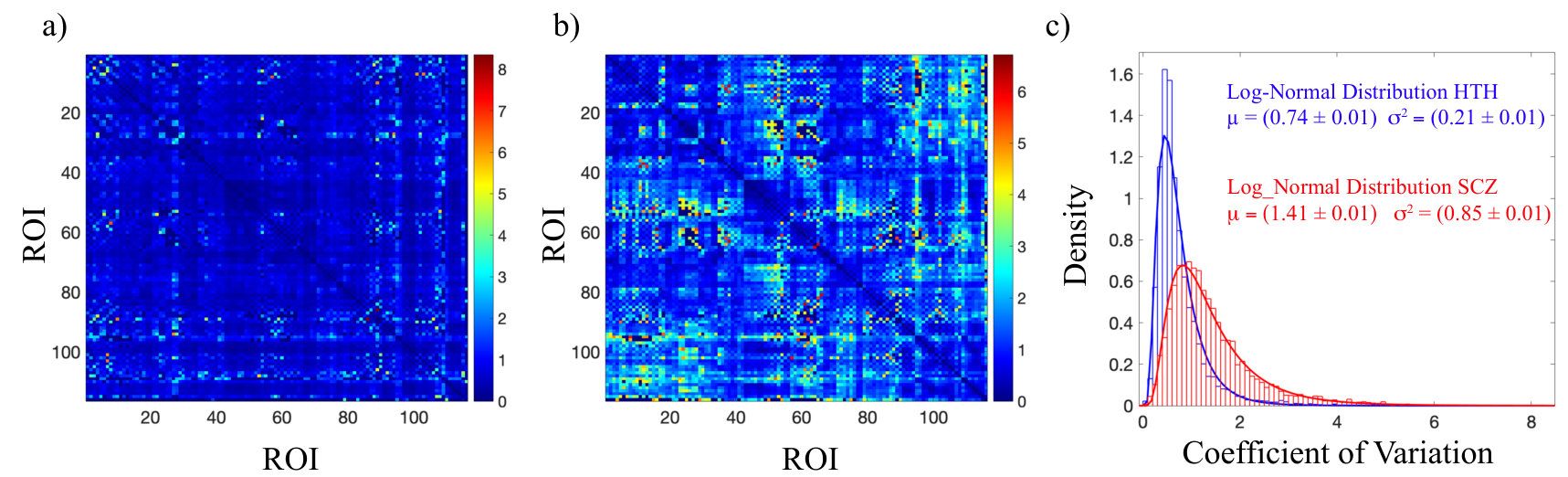 Figure 5
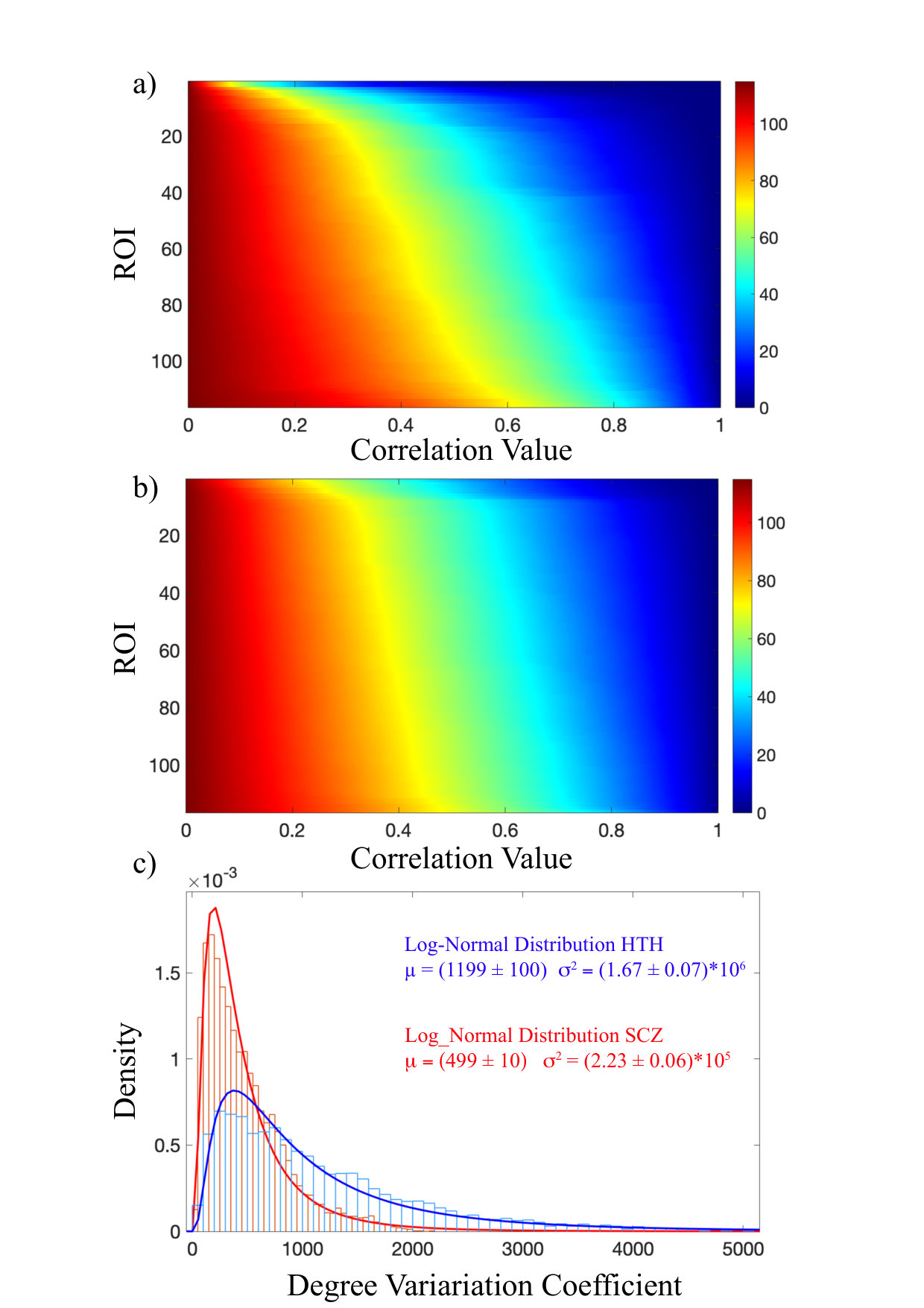 Figure 6
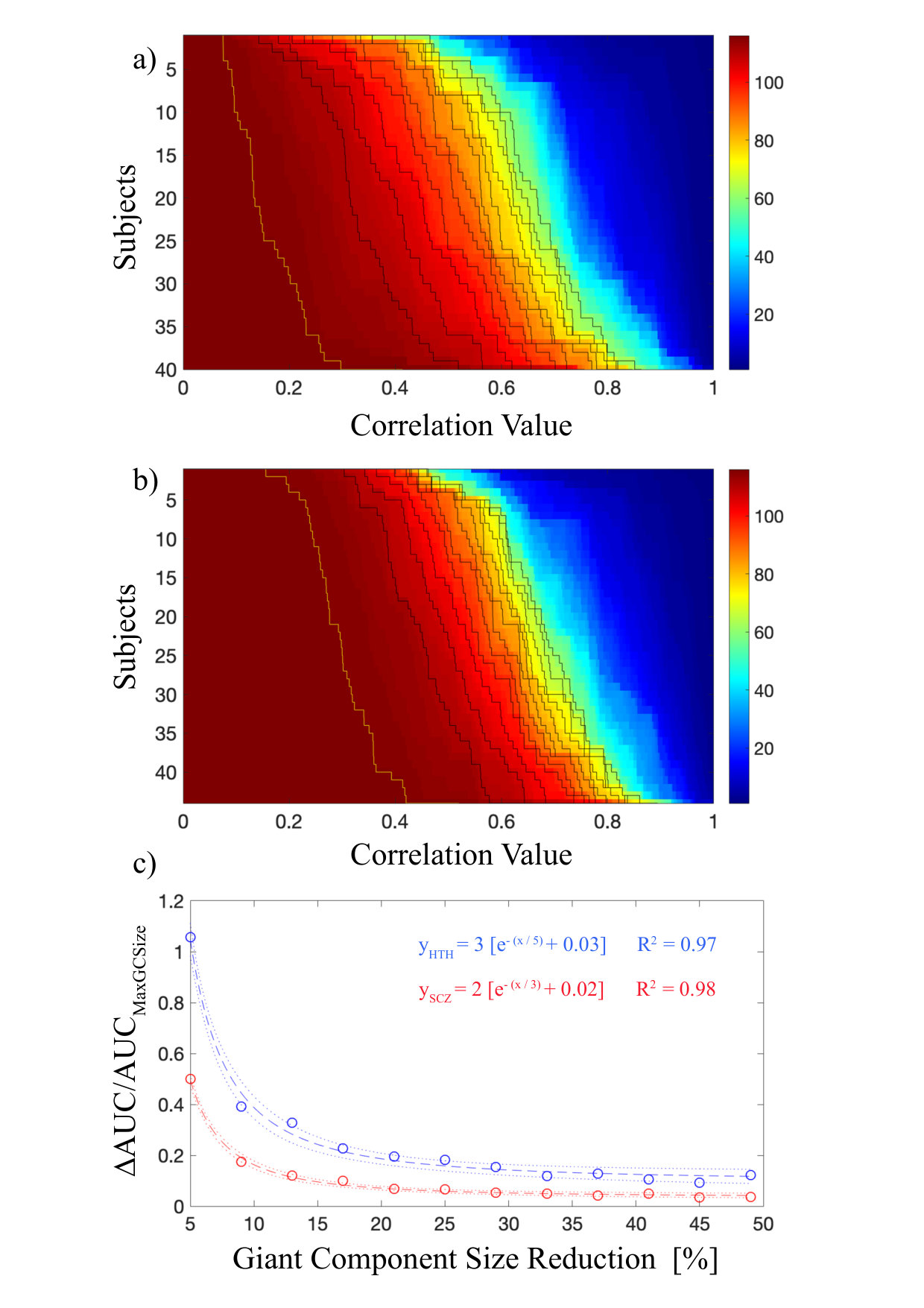 Figure 7
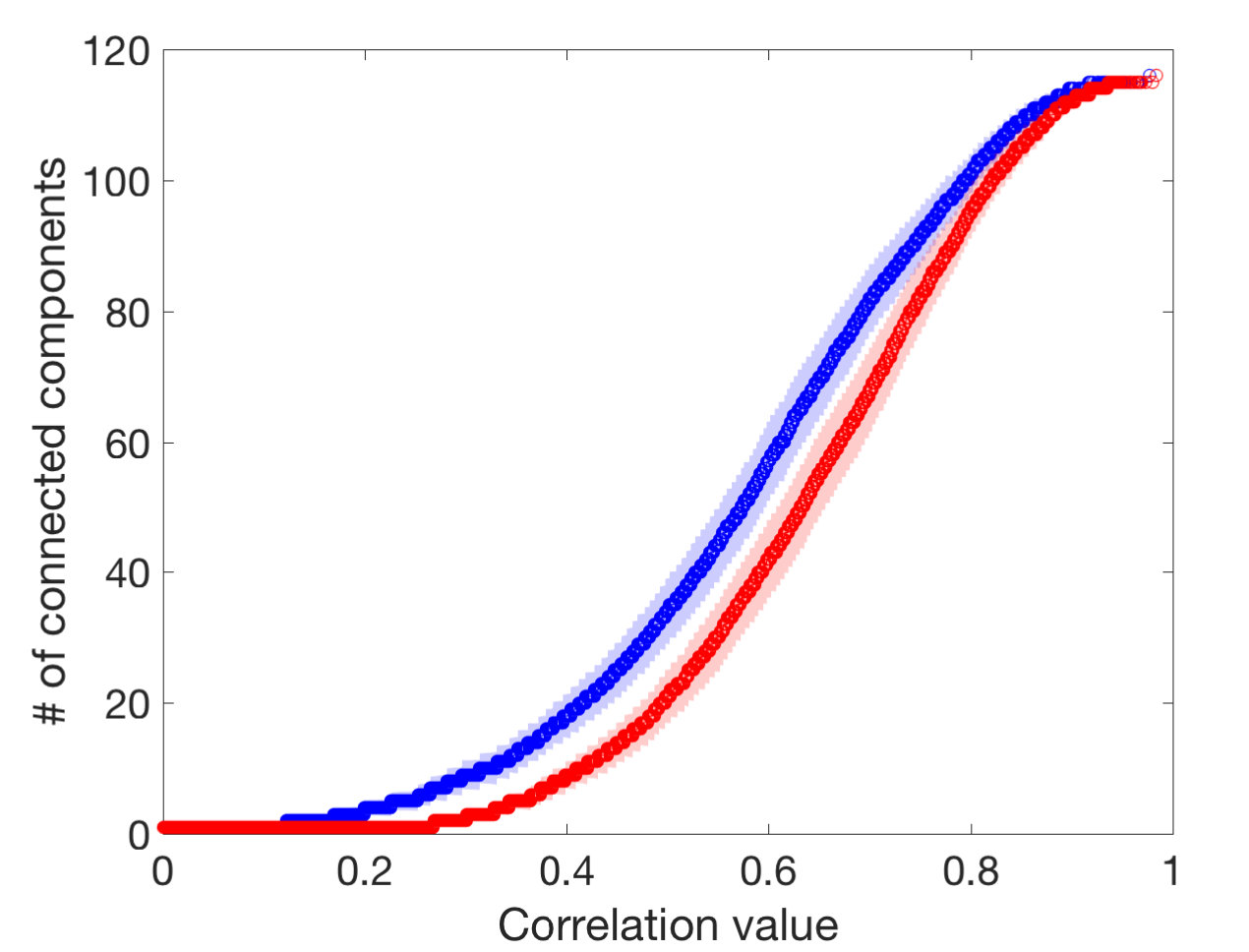 Figure 8
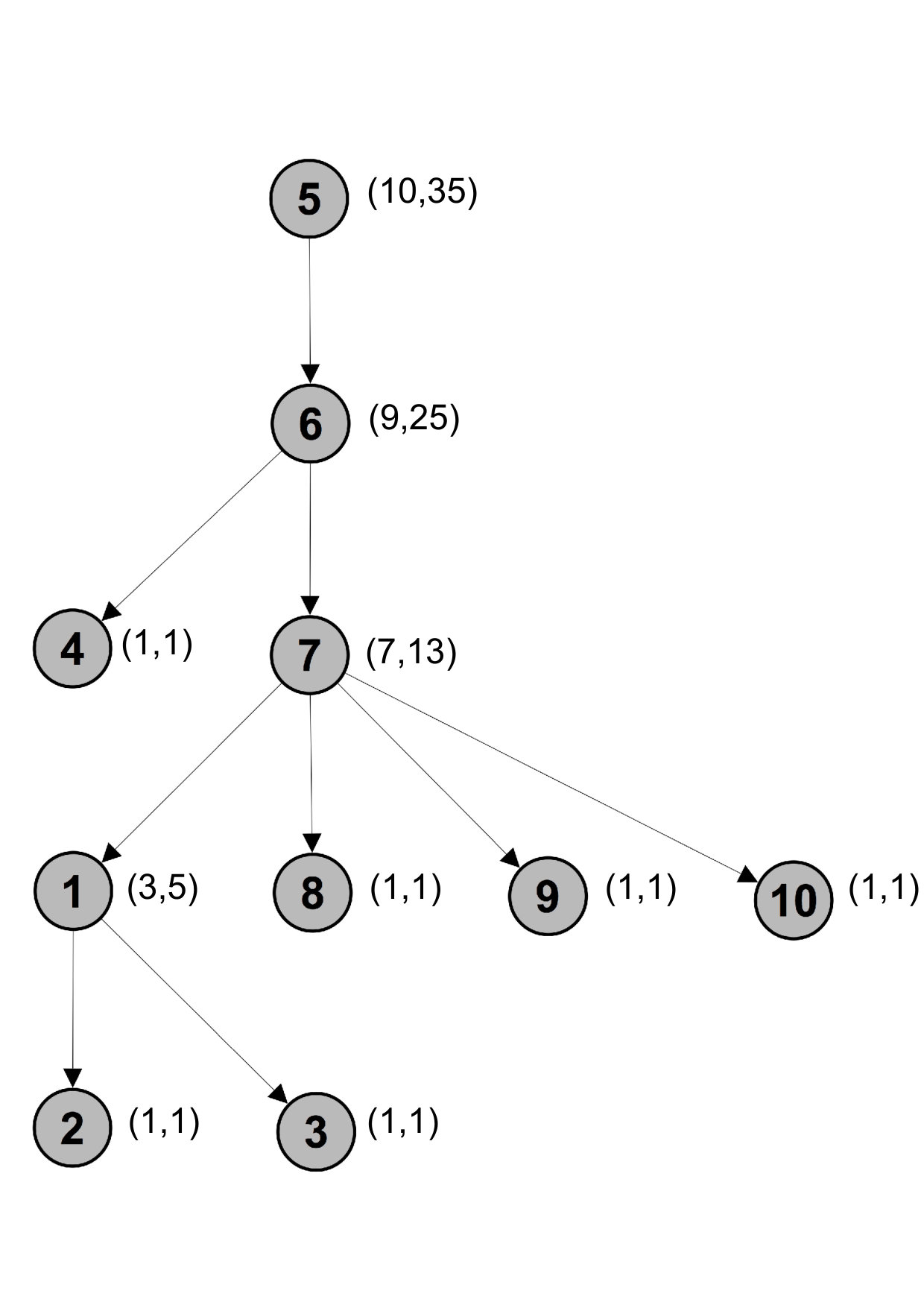 Figure 9
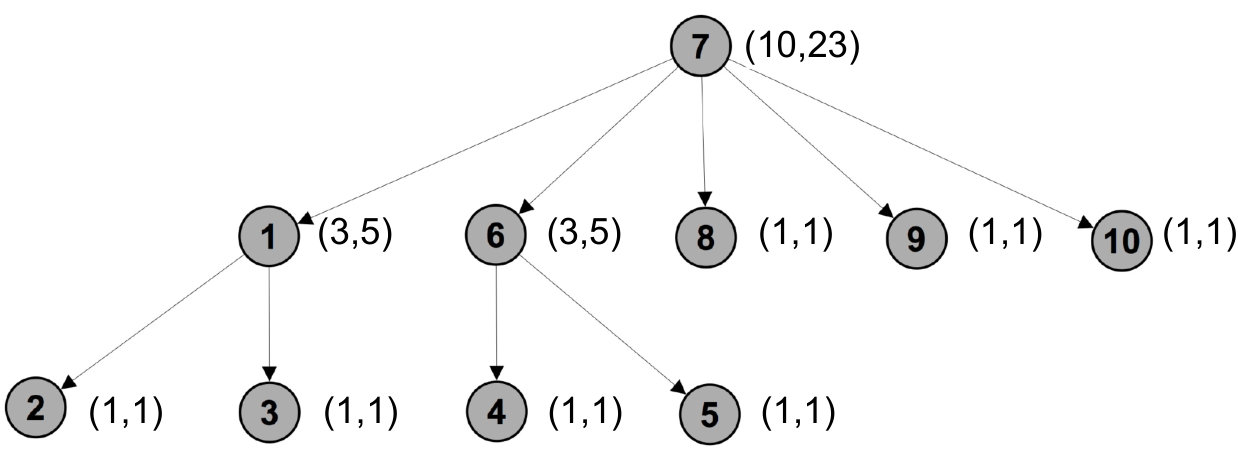 Figure 10
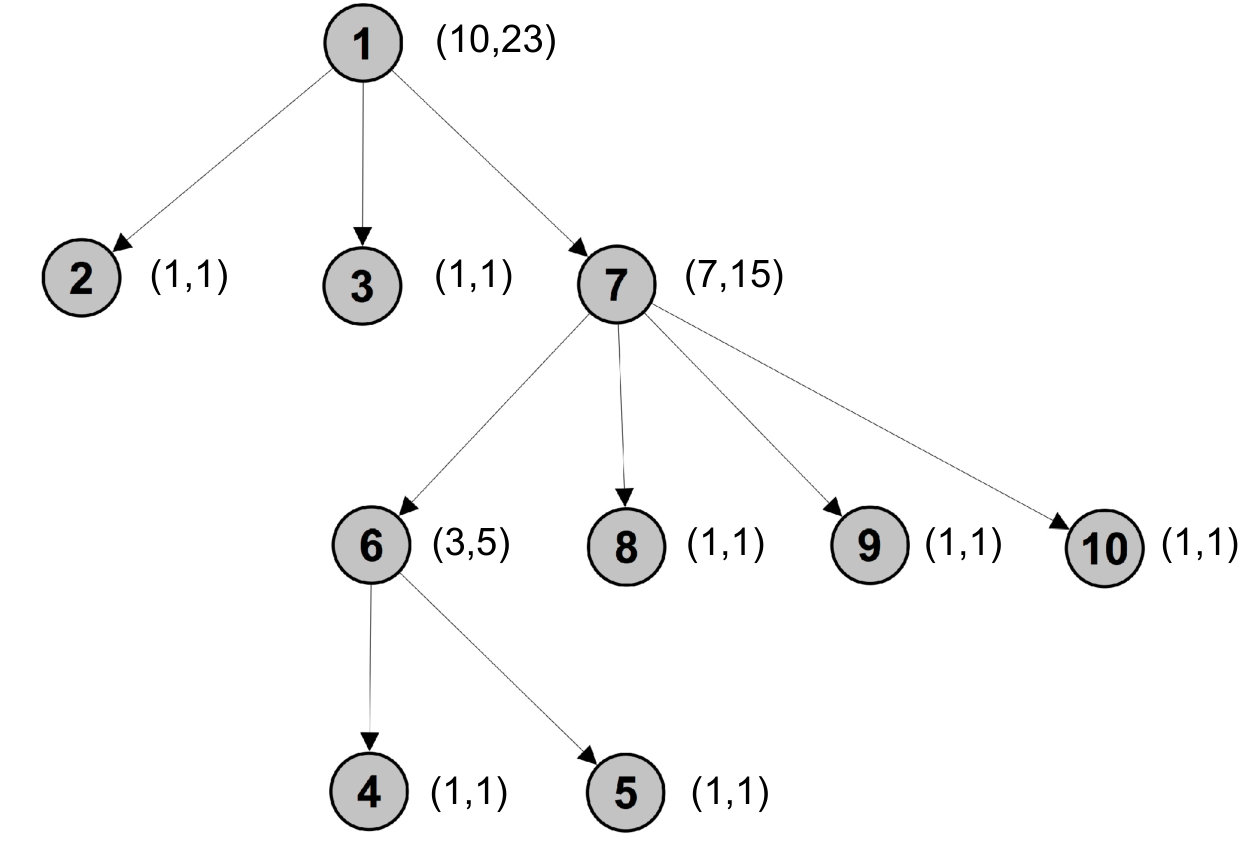 Figure 11
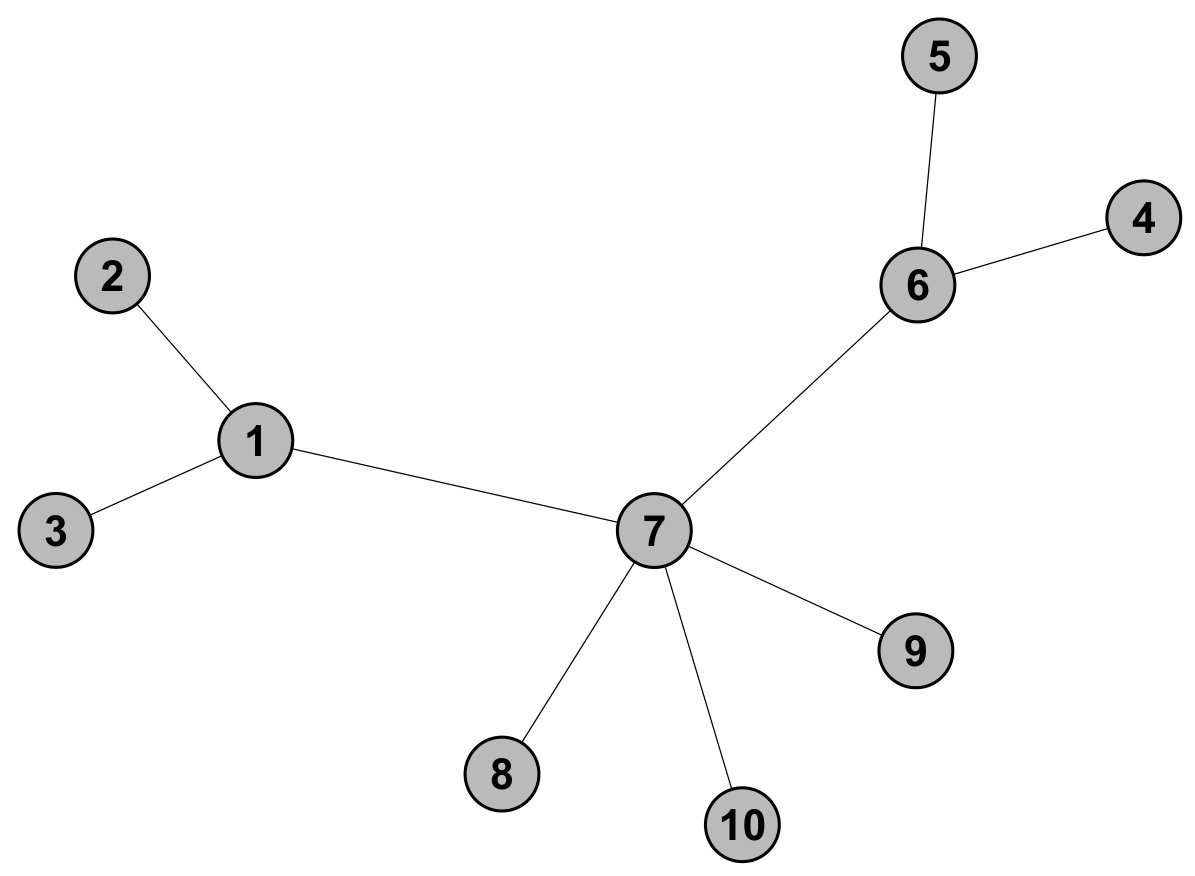 Figure 12
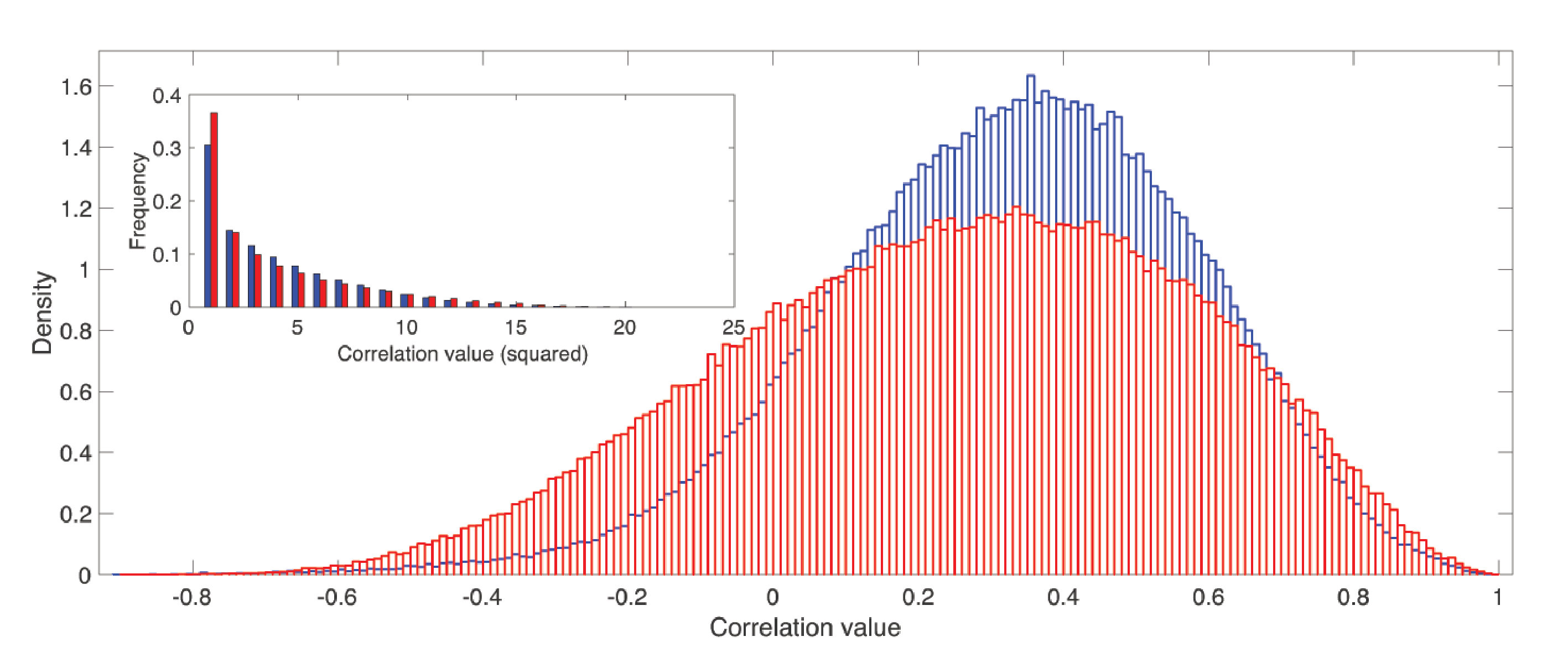 Figure 13
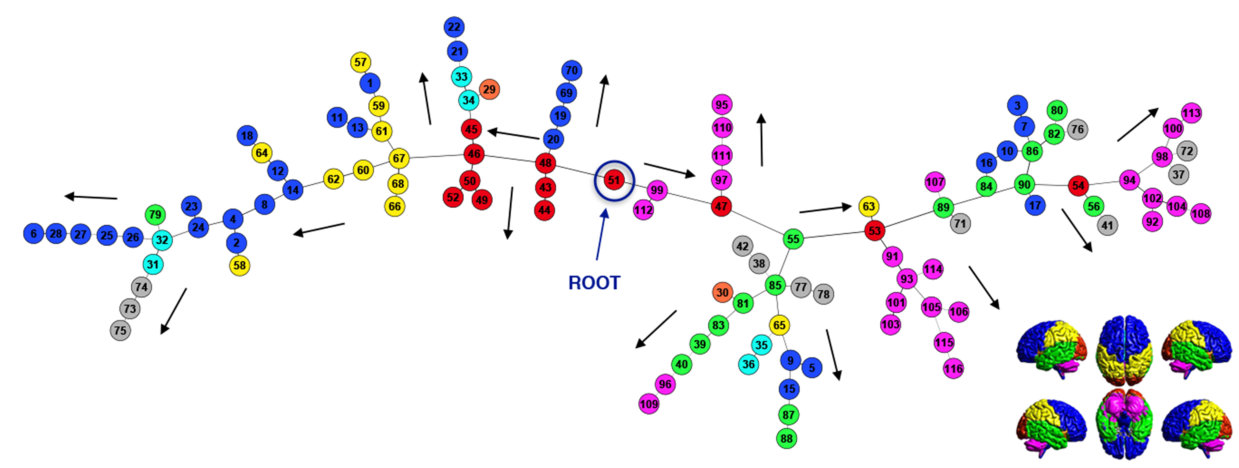 Figure 14
 Figure 15
 Figure 16
Peer Reviews
No public reviews on file for this paper yet. If you reviewed it on a platform where reviews are public (OpenReview, ICLR, NeurIPS, ICML), you can paste yours below so the community can read it here.
Videos
No videos yet. Explain this paper in a talk, walkthrough, or lecture? Add one.