Machine Learning for Wireless Communications in the Internet of Things: A Comprehensive Survey
Jithin Jagannath, Nicholas Polosky, Anu Jagannath, Francesco, Restuccia, Tommaso Melodia

TL;DR
This comprehensive survey reviews how machine learning techniques are applied to enhance wireless communications in IoT, addressing challenges like energy constraints and environment modeling, across multiple protocol layers and hardware considerations.
Contribution
It provides an extensive overview of machine learning applications in IoT wireless communication, highlighting recent advancements, open challenges, and future research directions.
Findings
Machine learning improves spectrum sharing and routing in IoT.
ML techniques enable adaptive and efficient wireless communication for constrained devices.
Discussion of hardware implementation feasibility for ML in IoT.
Abstract
The Internet of Things (IoT) is expected to require more effective and efficient wireless communications than ever before. For this reason, techniques such as spectrum sharing, dynamic spectrum access, extraction of signal intelligence and optimized routing will soon become essential components of the IoT wireless communication paradigm. Given that the majority of the IoT will be composed of tiny, mobile, and energy-constrained devices, traditional techniques based on a priori network optimization may not be suitable, since (i) an accurate model of the environment may not be readily available in practical scenarios; (ii) the computational requirements of traditional optimization techniques may prove unbearable for IoT devices. To address the above challenges, much research has been devoted to exploring the use of machine learning to address problems in the IoT wireless communications…
Click any figure to enlarge with its caption.
 Figure 1
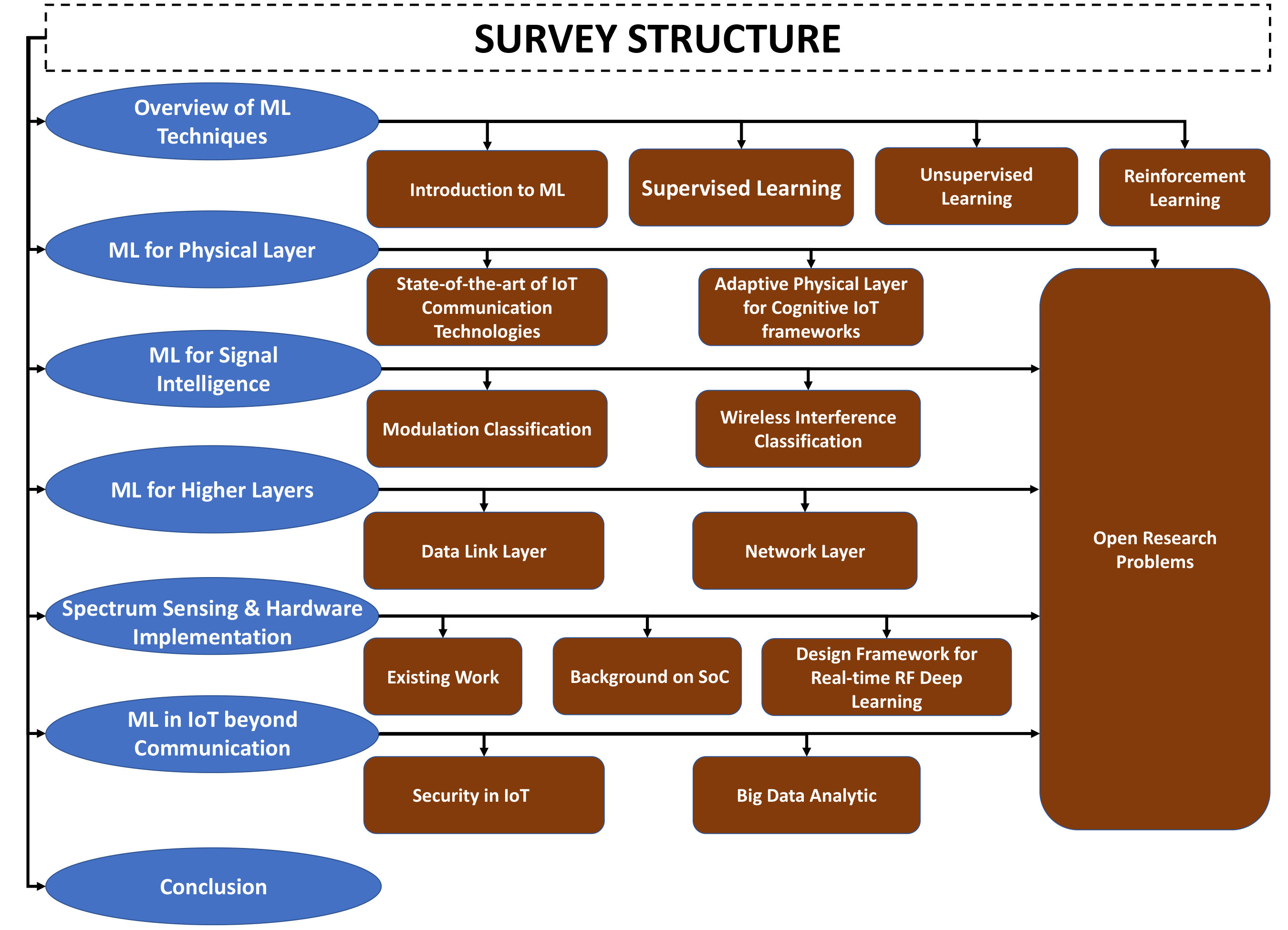 Figure 2
 Figure 3
 Figure 4
 Figure 5
 Figure 6
 Figure 7
 Figure 8
 Figure 9
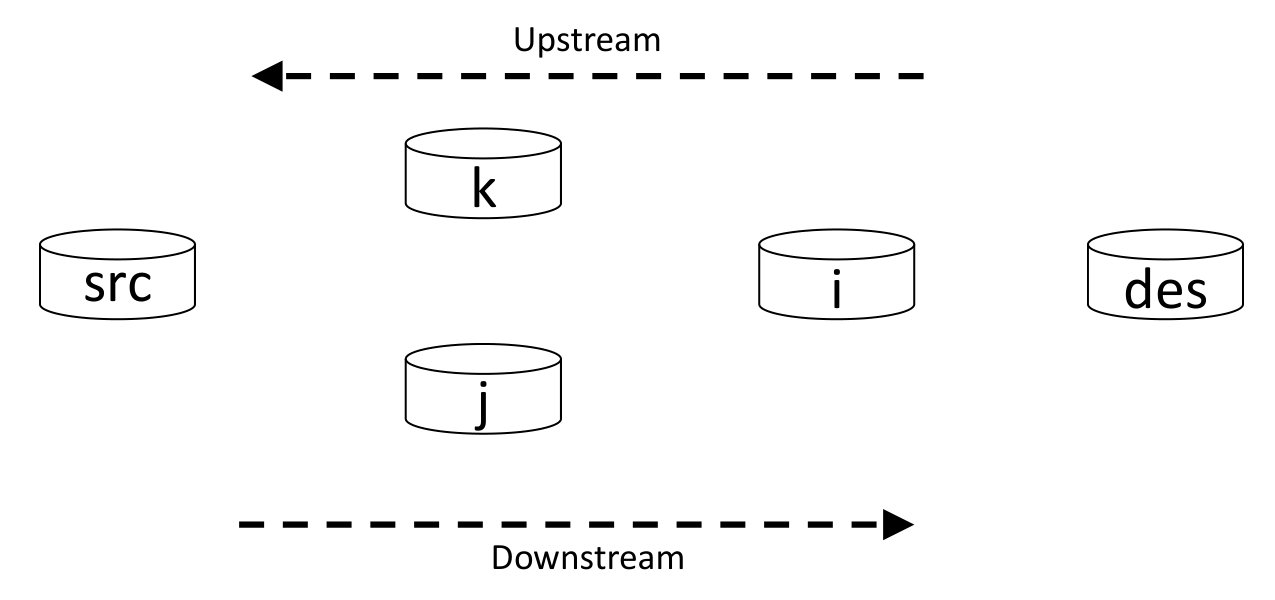 Figure 10
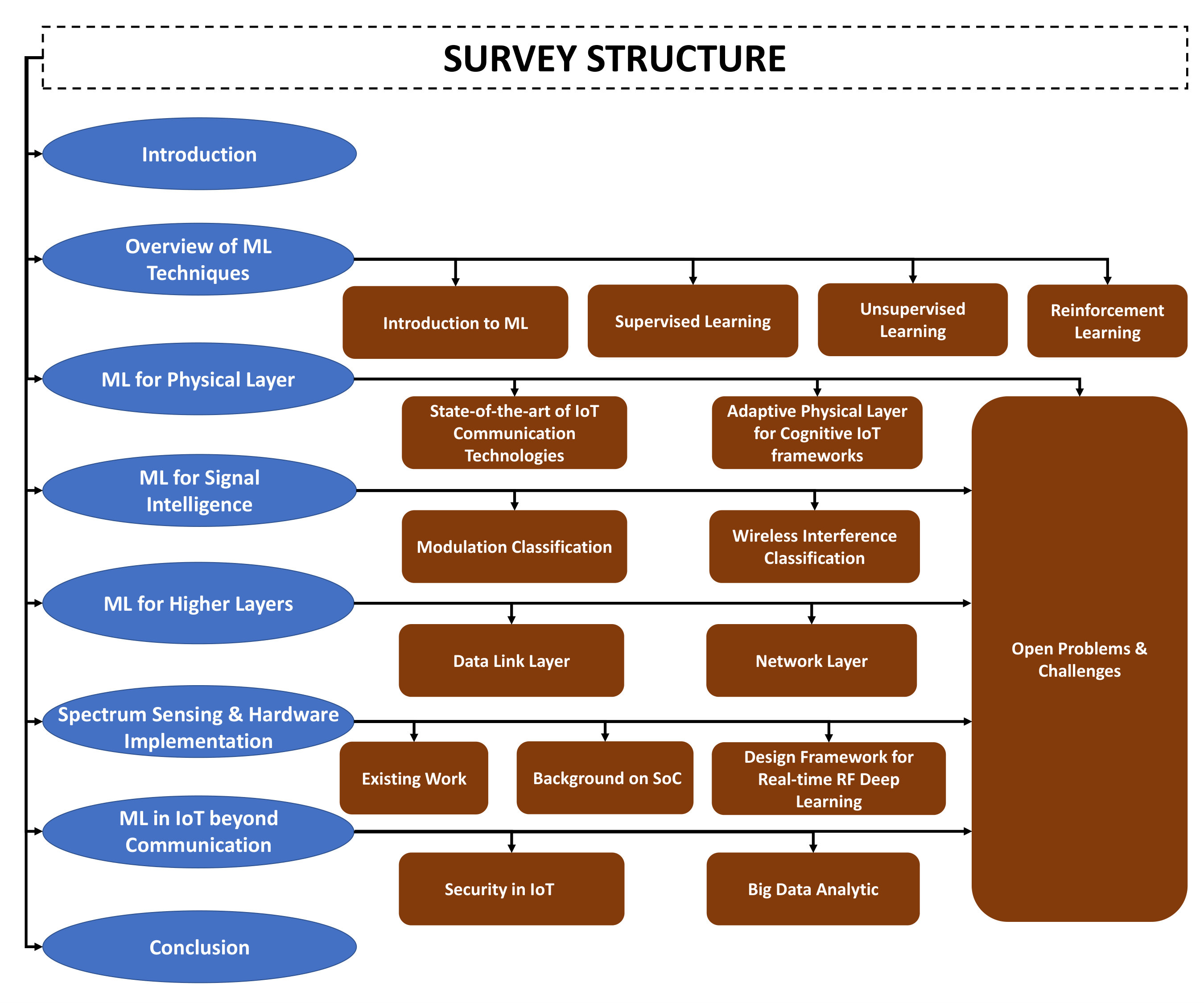 Figure 11
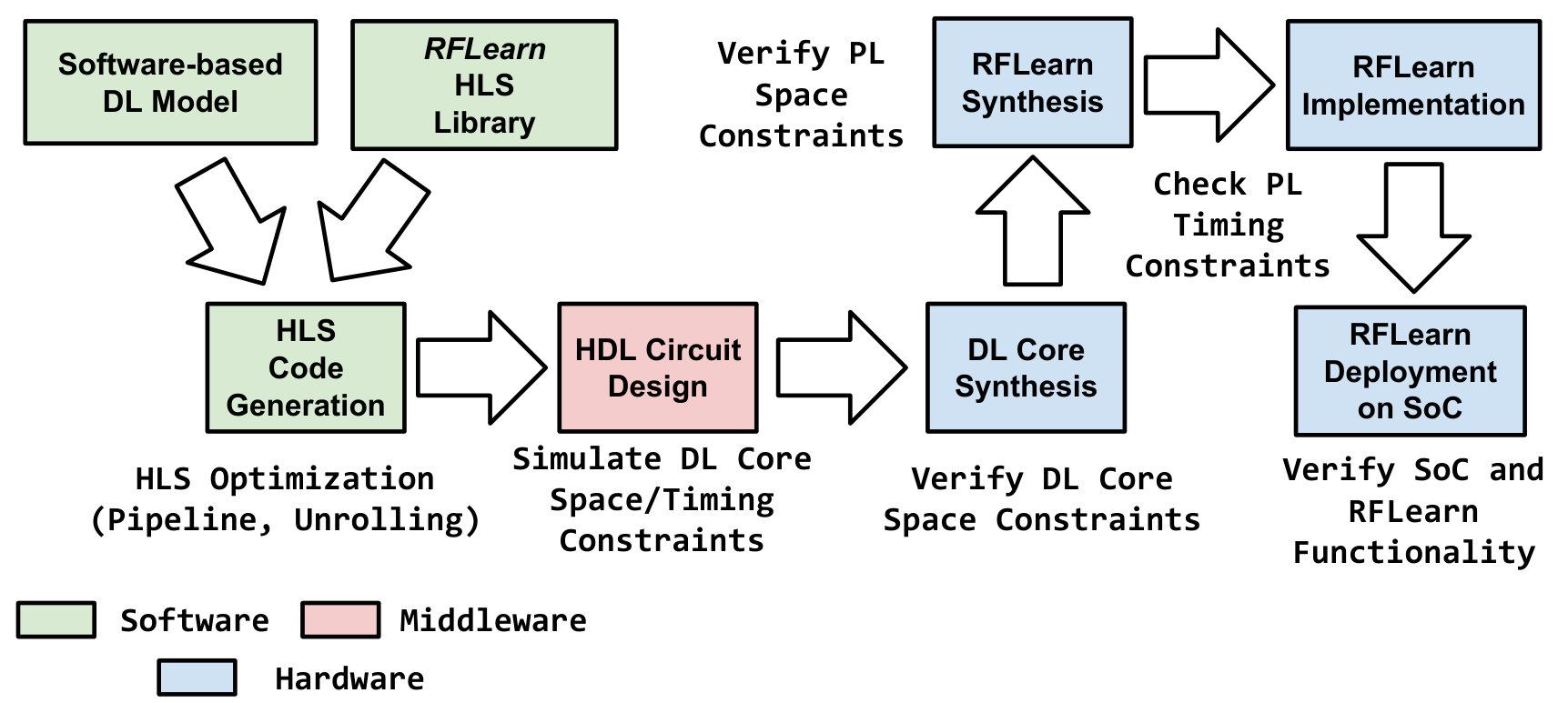 Figure 12
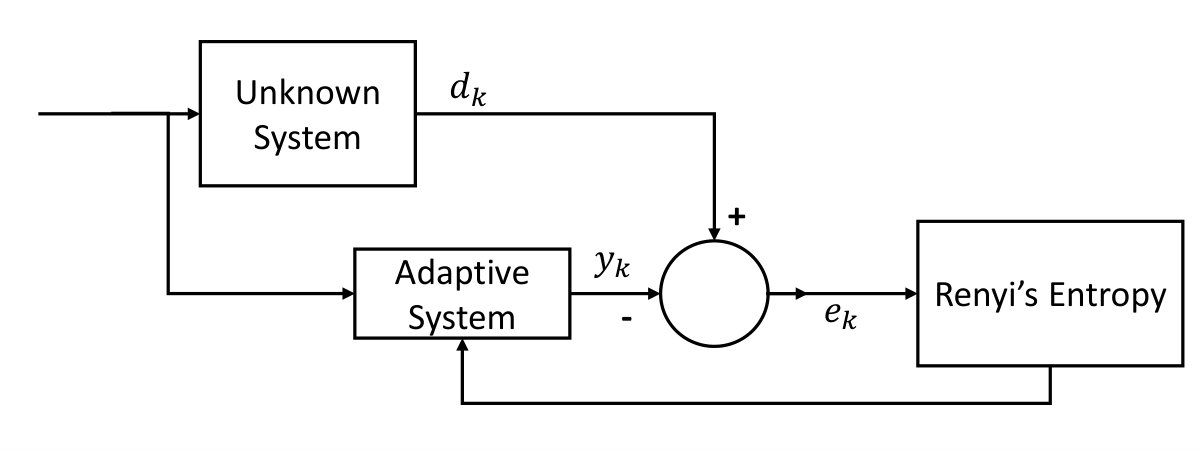 Figure 13
 Figure 14
 Figure 15
 Figure 16
 Figure 17
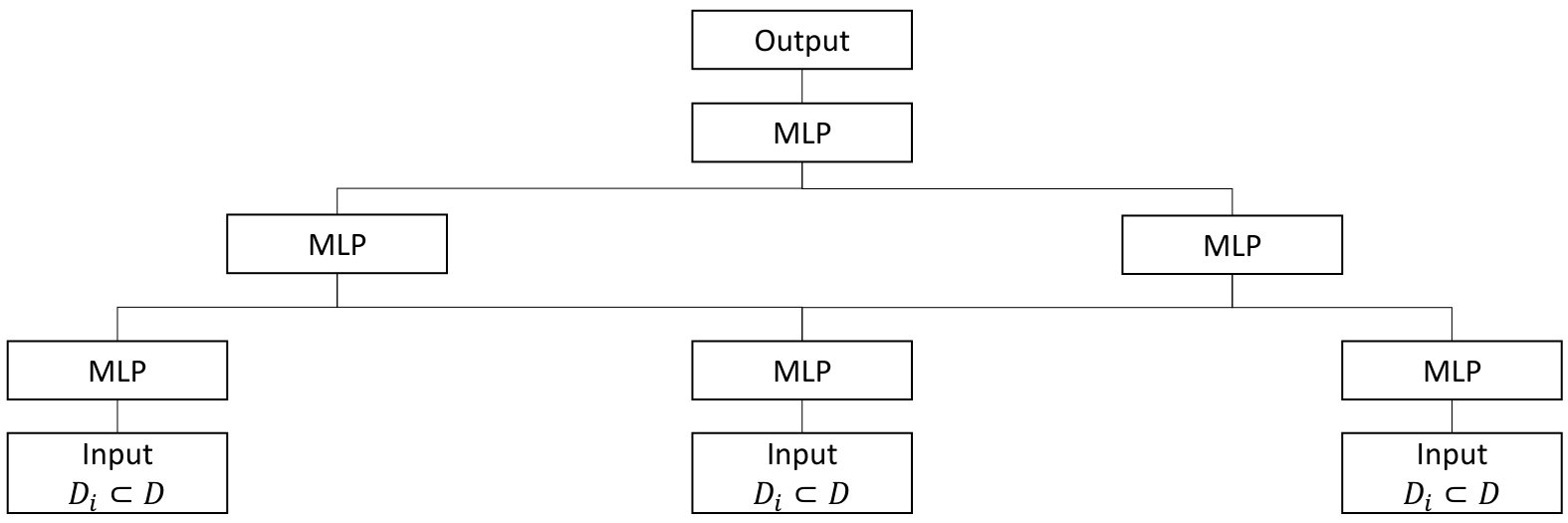 Figure 18
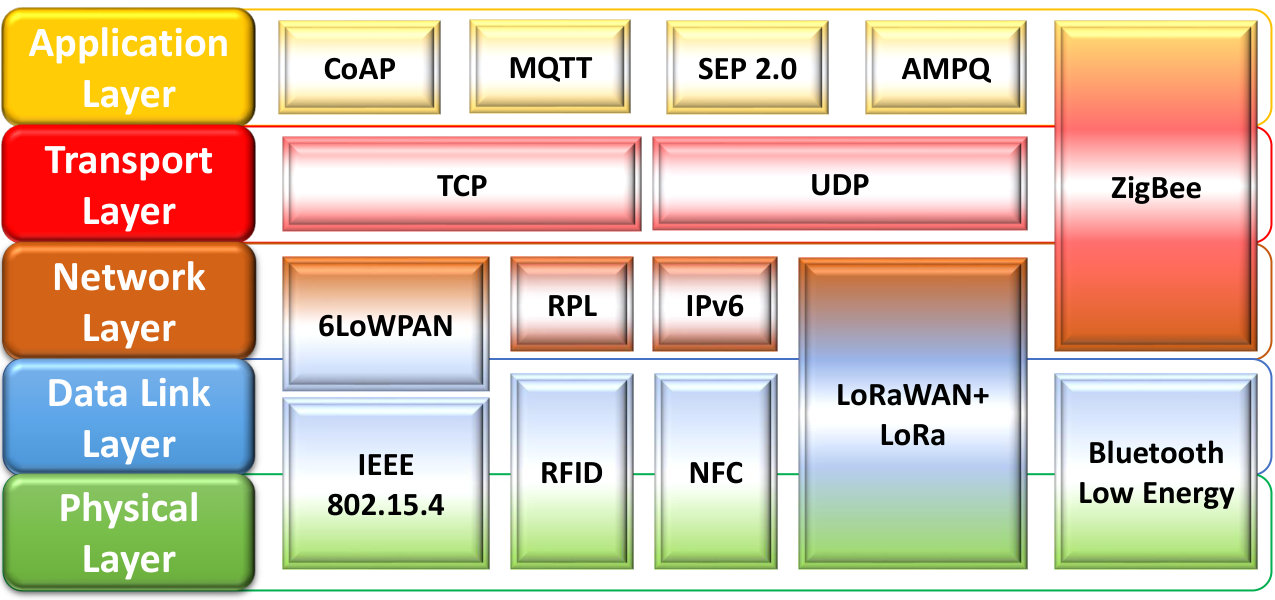 Figure 19
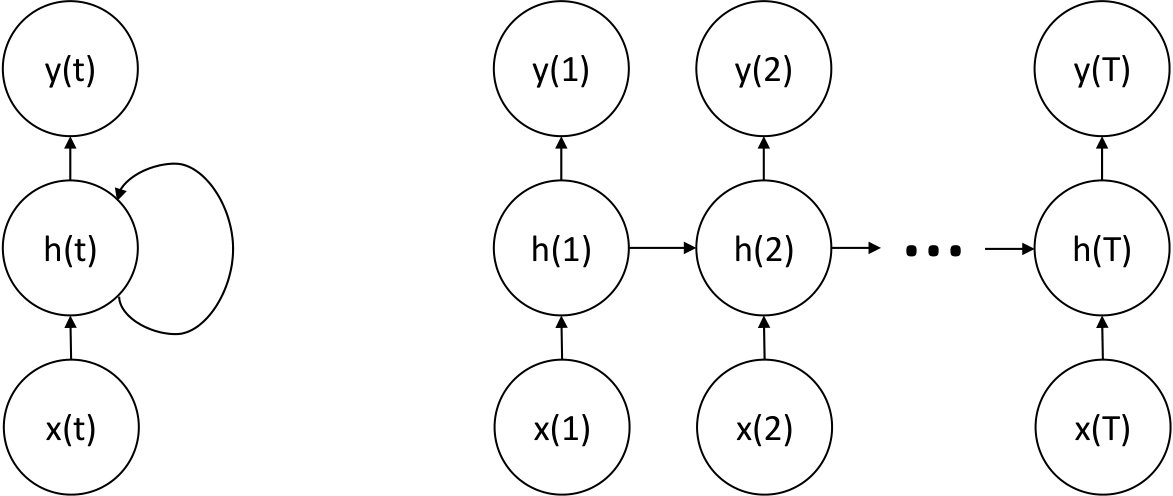 Figure 20
 Figure 21
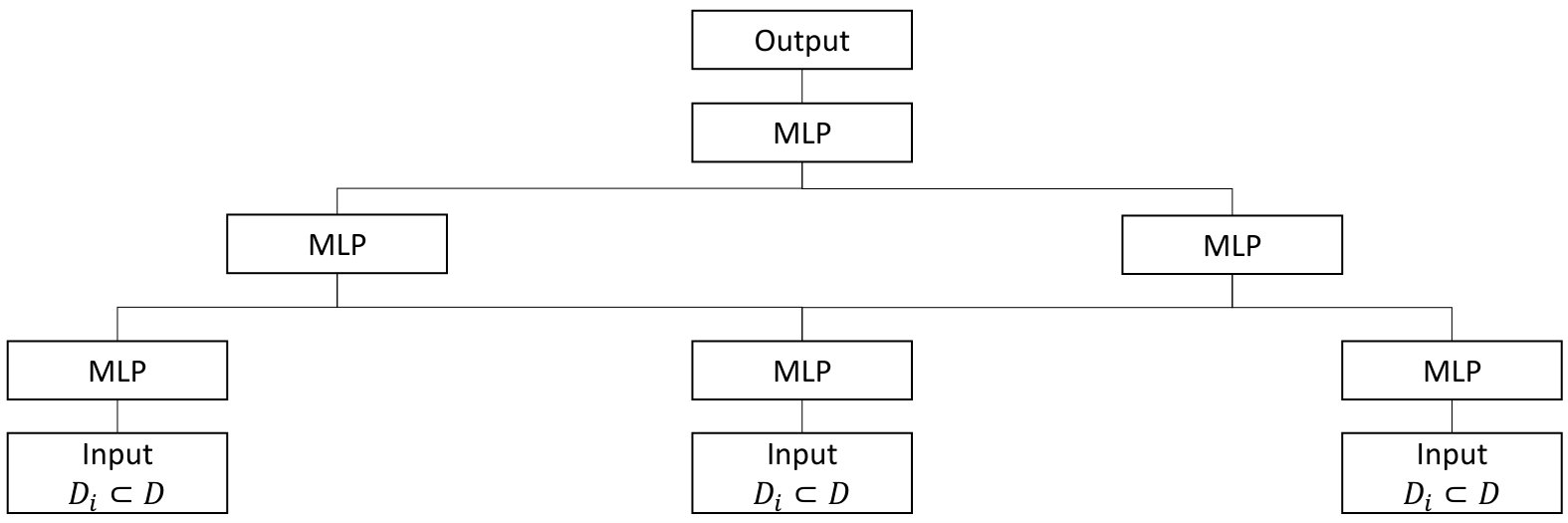 Figure 22
 Figure 23
Peer Reviews
No public reviews on file for this paper yet. If you reviewed it on a platform where reviews are public (OpenReview, ICLR, NeurIPS, ICML), you can paste yours below so the community can read it here.
Videos
No videos yet. Explain this paper in a talk, walkthrough, or lecture? Add one.
Machine Learning for Wireless Communications
in the Internet of Things: A Comprehensive Survey
Jithin Jagannath*†* ‡, Nicholas Polosky‡, Anu Jagannath‡,
Francesco Restuccia*†, and Tommaso Melodia†*
*‡*ANDRO Advanced Applied Technology, ANDRO Computational Solutions, LLC, Rome, NY, 13440
*†*Department of Electrical and Computer Engineering, Northeastern University, Boston, MA, 02115
E-mail: {jjagannath, npolosky, ajagannath}@androcs.com
{jagannath.j, melodia, frestuc}@northeastern.edu
Abstract
The Internet of Things (IoT) is expected to require more effective and efficient wireless communications than ever before. For this reason, techniques such as spectrum sharing, dynamic spectrum access, extraction of signal intelligence and optimized routing will soon become essential components of the IoT wireless communication paradigm. In this vision, IoT devices must be able to not only learn to autonomously extract spectrum knowledge on-the-fly from the network but also leverage such knowledge to dynamically change appropriate wireless parameters (e.g., frequency band, symbol modulation, coding rate, route selection, etc.) to reach the network’s optimal operating point. Given that the majority of the IoT will be composed of tiny, mobile, and energy-constrained devices, traditional techniques based on a priori network optimization may not be suitable, since (i) an accurate model of the environment may not be readily available in practical scenarios; (ii) the computational requirements of traditional optimization techniques may prove unbearable for IoT devices. To address the above challenges, much research has been devoted to exploring the use of machine learning to address problems in the IoT wireless communications domain. The reason behind machine learning’s popularity is that it provides a general framework to solve very complex problems where a model of the phenomenon being learned is too complex to derive or too dynamic to be summarized in mathematical terms.
This work provides a comprehensive survey of the state of the art in the application of machine learning techniques to address key problems in IoT wireless communications with an emphasis on its ad hoc networking aspect. First, we present extensive background notions of machine learning techniques. Then, by adopting a bottom-up approach, we examine existing work on machine learning for the IoT at the physical, data-link and network layer of the protocol stack. Thereafter, we discuss directions taken by the community towards hardware implementation to ensure the feasibility of these techniques. Additionally, before concluding, we also provide a brief discussion of the application of machine learning in IoT beyond wireless communication. Finally, each of these discussions is accompanied by a detailed analysis of the related open problems and challenges.
keywords:
Machine learning, deep learning, reinforcement learning, internet of things, wireless ad hoc network, spectrum sensing, medium access control, and routing protocol.
††journal: Ad Hoc Networks
\xpatchcmd