Random Forest with Learned Representations for Semantic Segmentation
Byeongkeun Kang, Truong Q. Nguyen

TL;DR
This paper introduces a novel random forest framework that learns flexible feature representations by optimizing weights, shapes, and sparsities, enabling real-time semantic segmentation with limited resources.
Contribution
It proposes an unconstrained feature representation learning method within a random forest framework for improved semantic segmentation.
Findings
Achieves real-time segmentation performance.
Effective on hand-object interaction and semantic datasets.
Uses limited computational and memory resources.
Abstract
In this work, we present a random forest framework that learns the weights, shapes, and sparsities of feature representations for real-time semantic segmentation. Typical filters (kernels) have predetermined shapes and sparsities and learn only weights. A few feature extraction methods fix weights and learn only shapes and sparsities. These predetermined constraints restrict learning and extracting optimal features. To overcome this limitation, we propose an unconstrained representation that is able to extract optimal features by learning weights, shapes, and sparsities. We, then, present the random forest framework that learns the flexible filters using an iterative optimization algorithm and segments input images using the learned representations. We demonstrate the effectiveness of the proposed method using a hand segmentation dataset for hand-object interaction and using two…
Click any figure to enlarge with its caption.
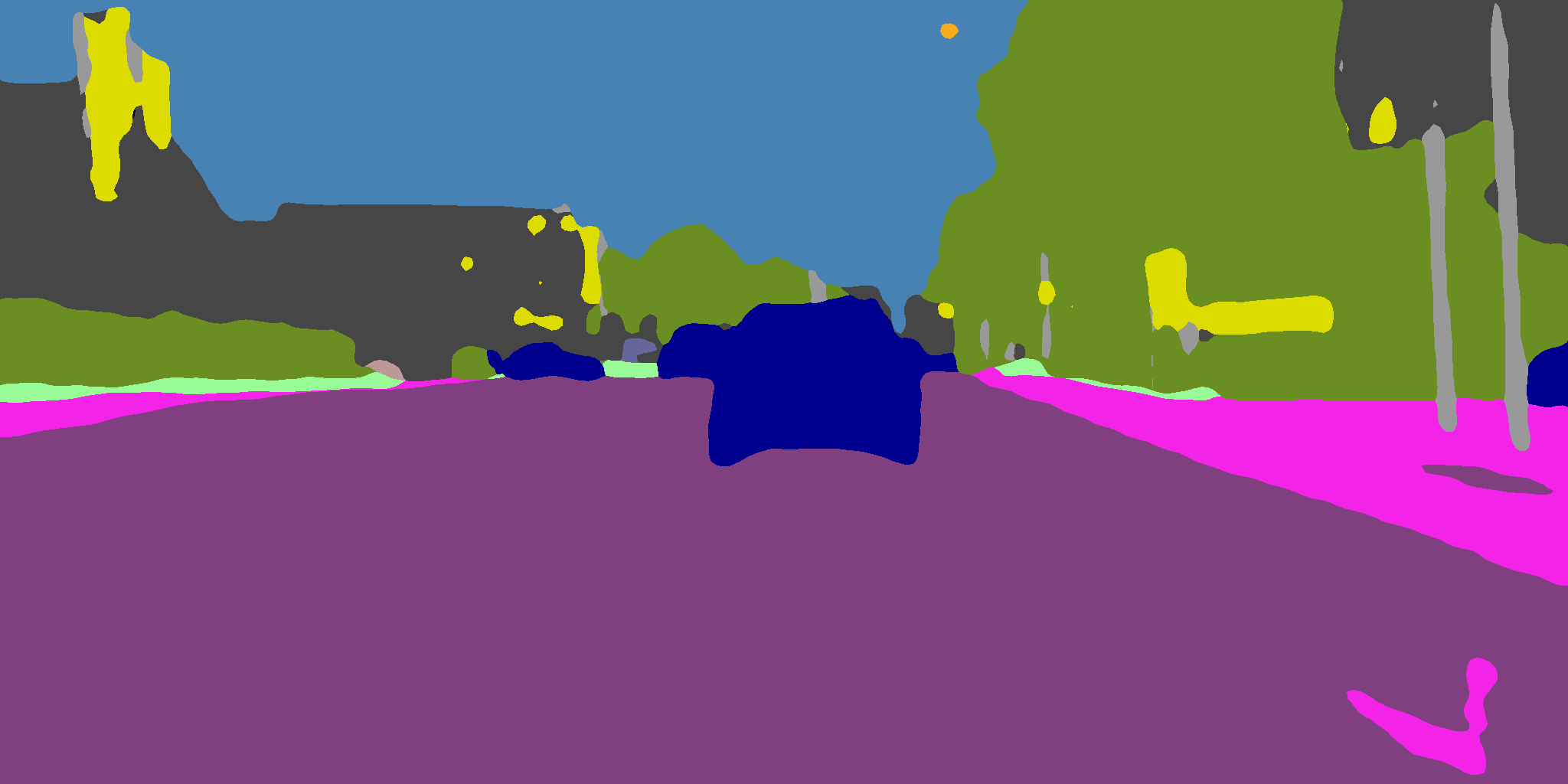 Figure 1
 Figure 2
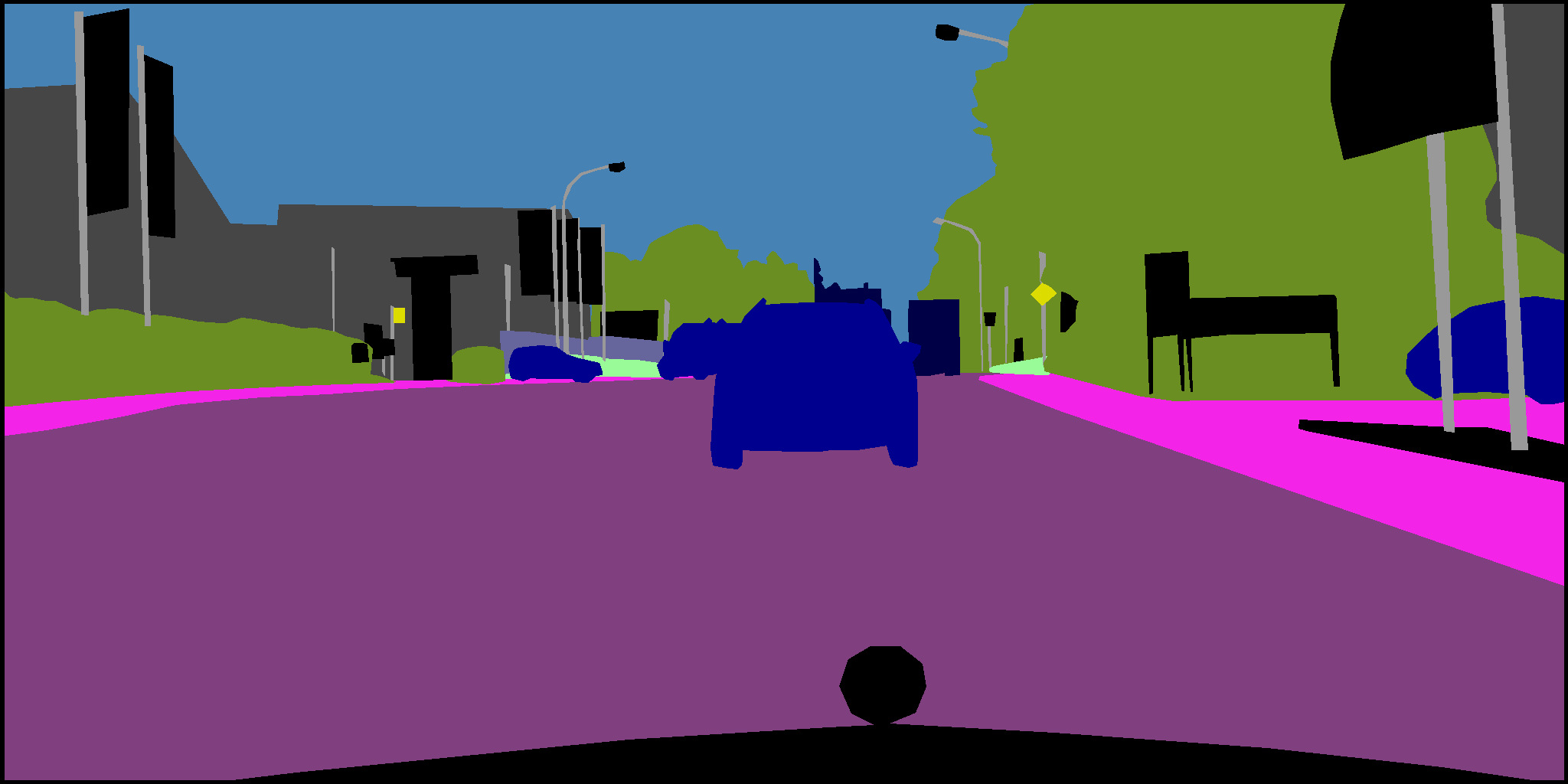 Figure 3
 Figure 4
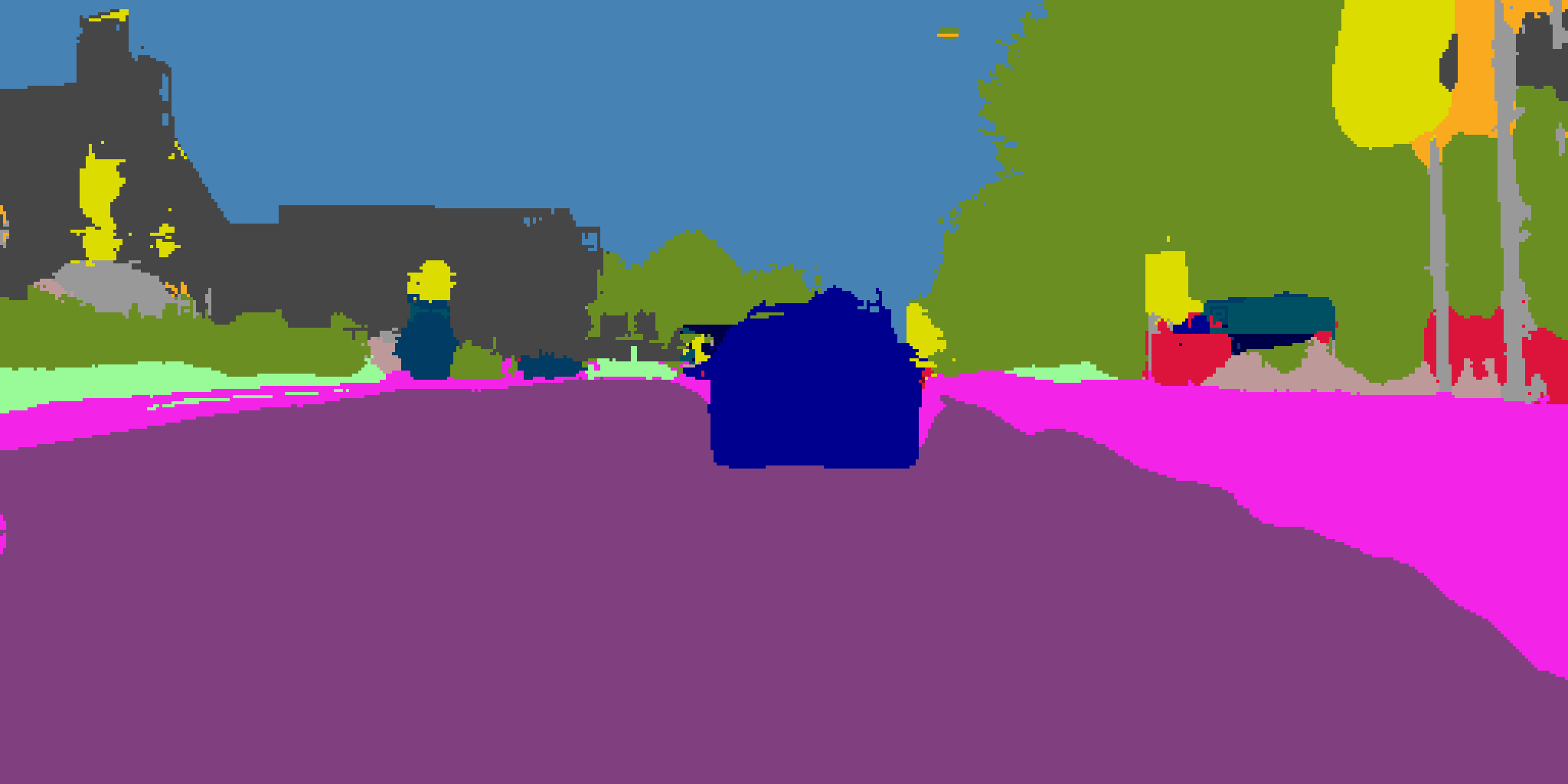 Figure 5
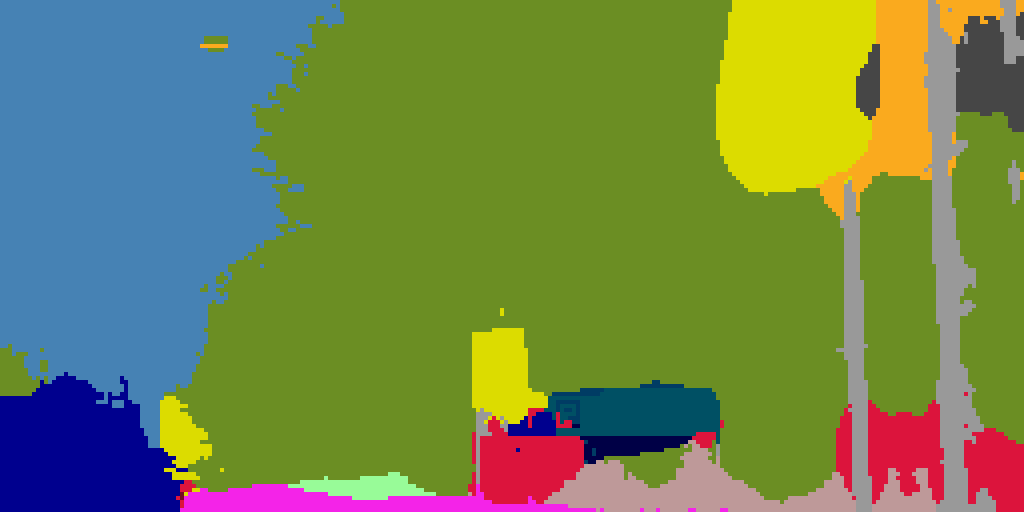 Figure 6
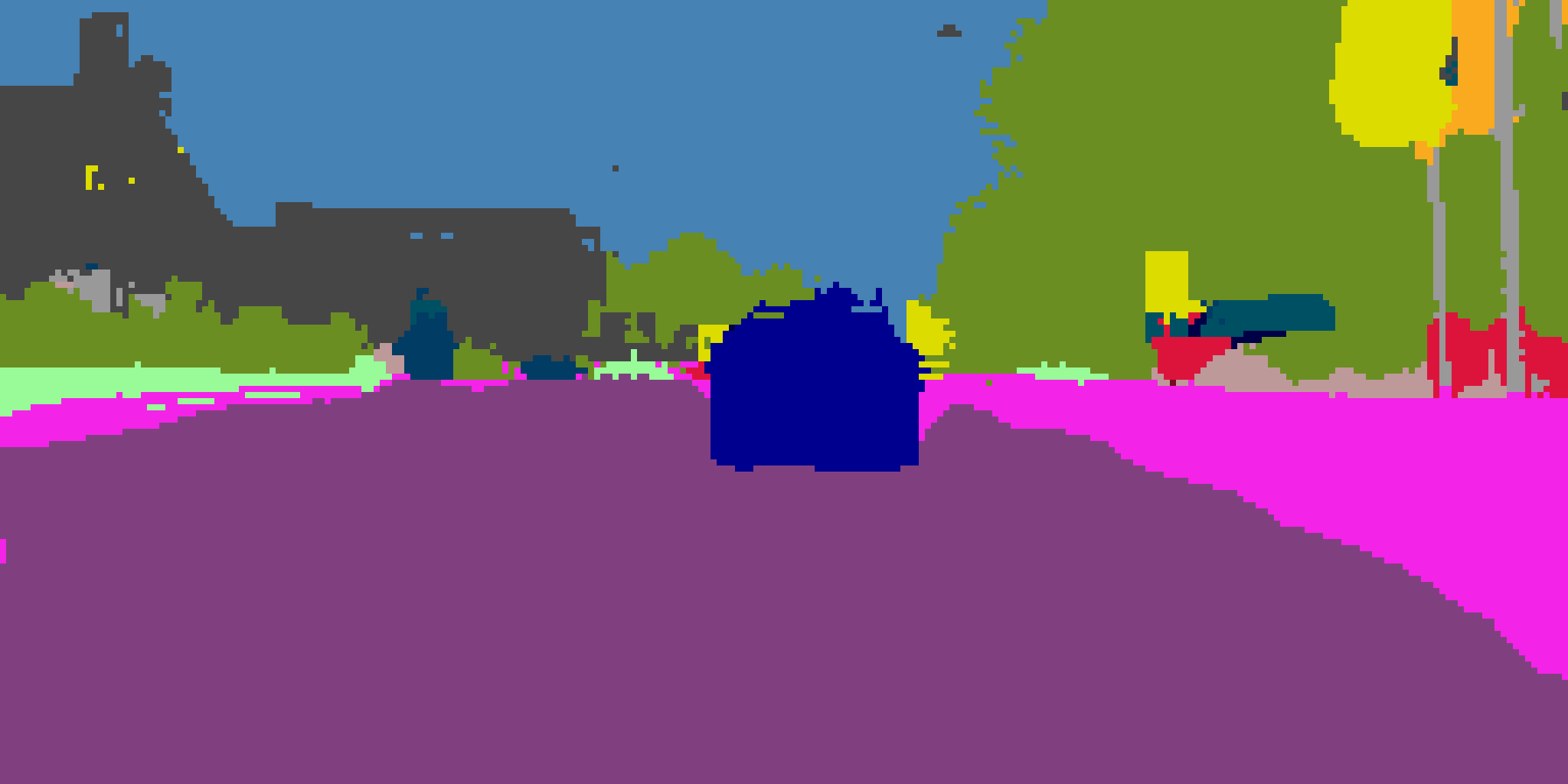 Figure 7
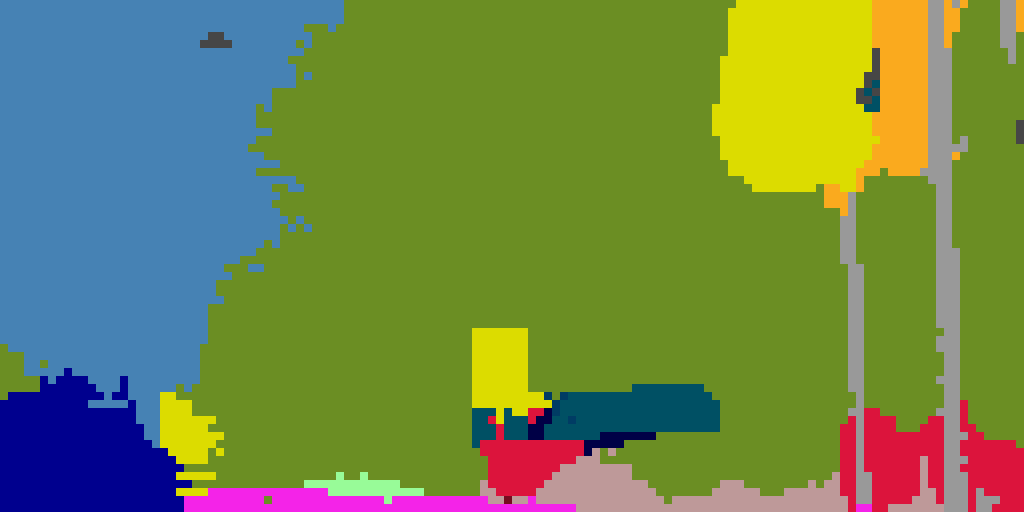 Figure 8
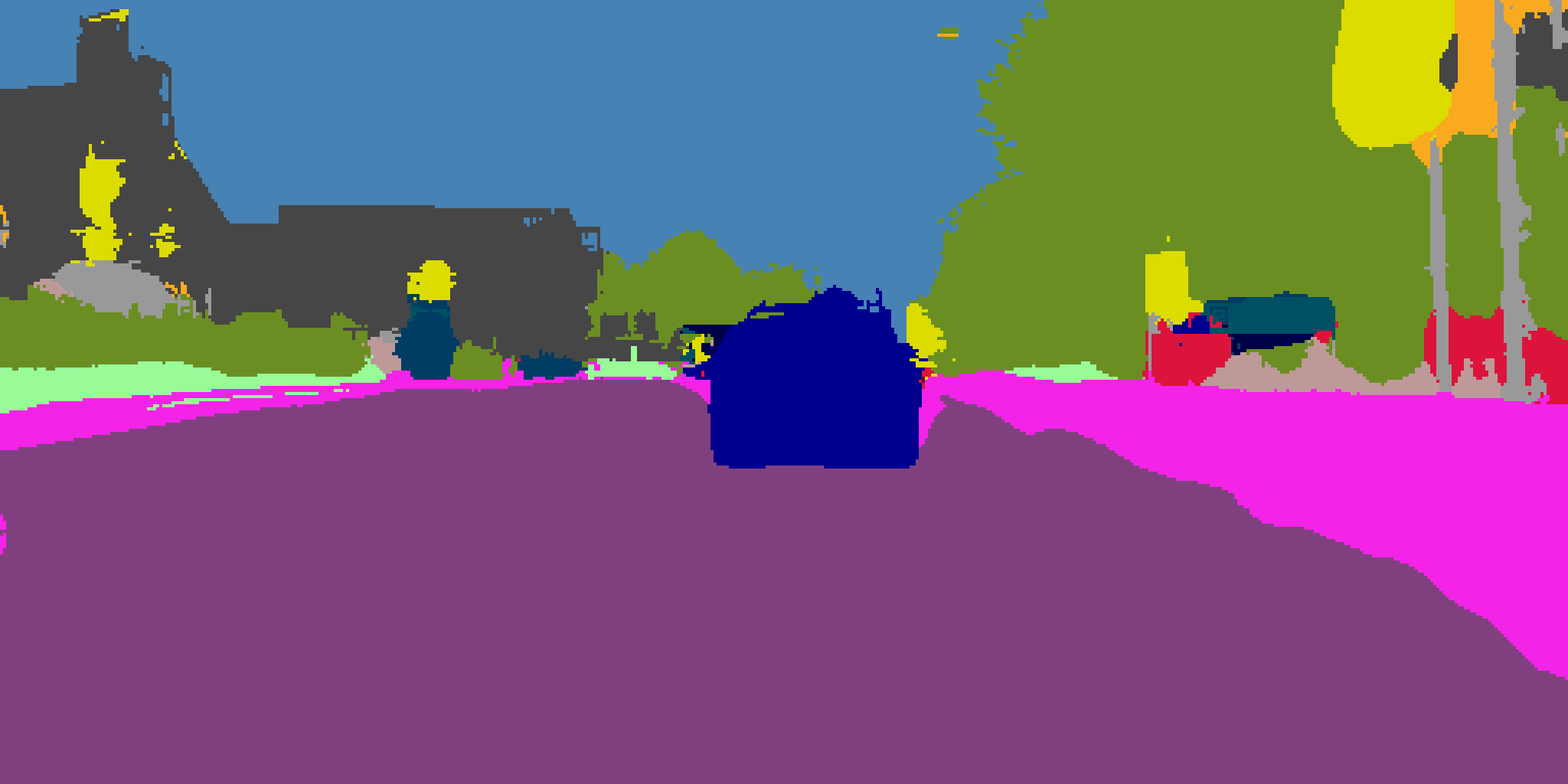 Figure 9
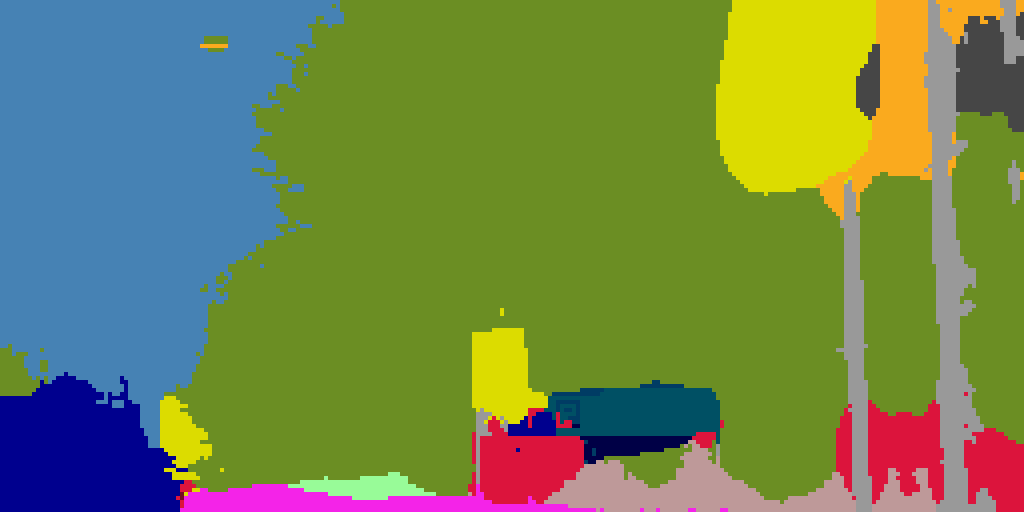 Figure 10
 Figure 11
 Figure 12
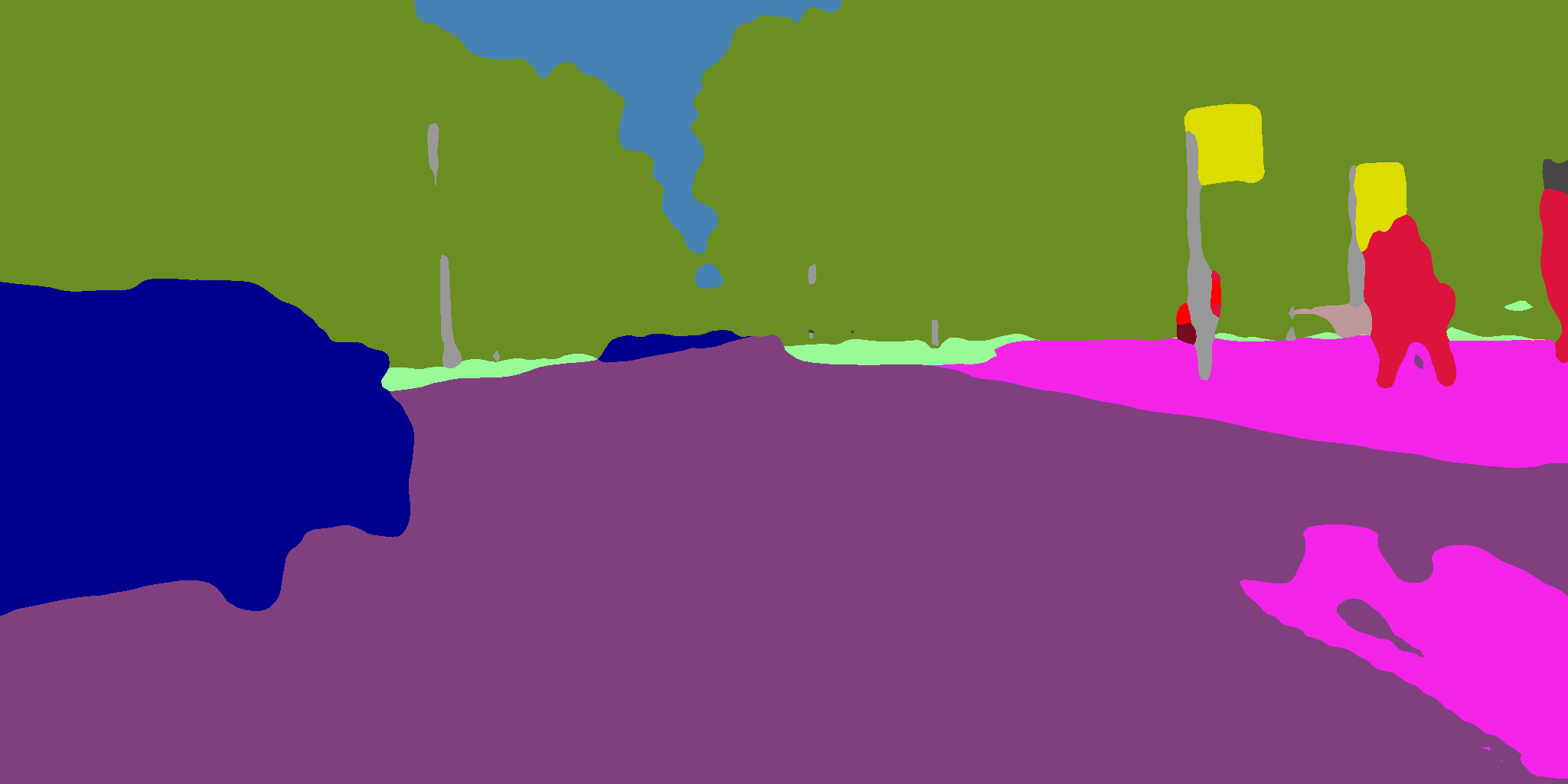 Figure 13
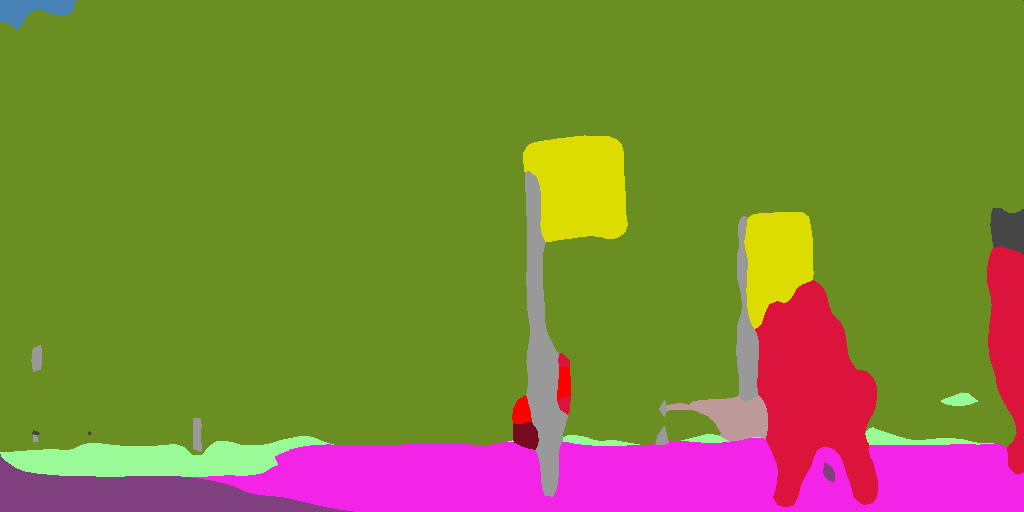 Figure 14
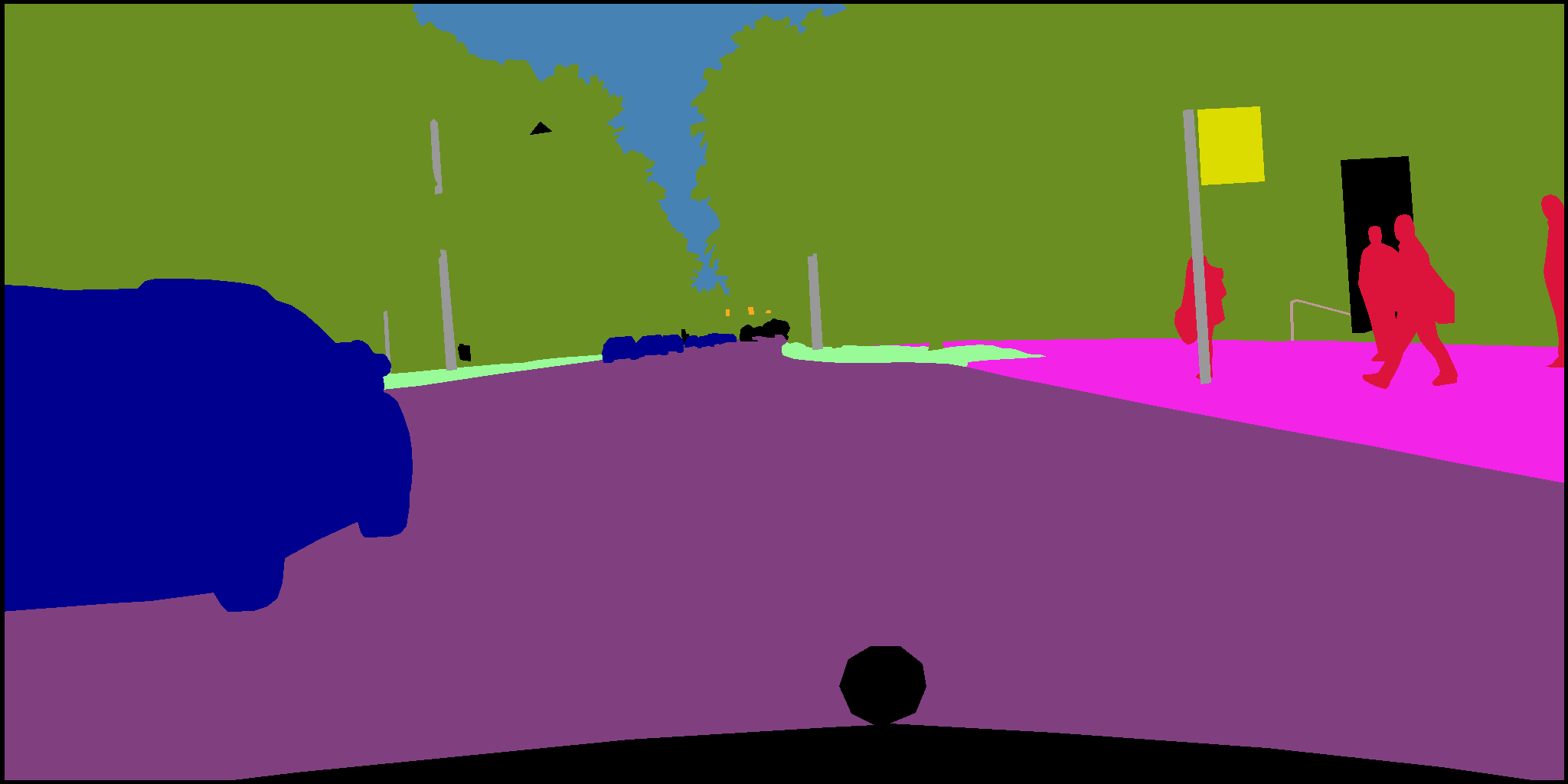 Figure 15
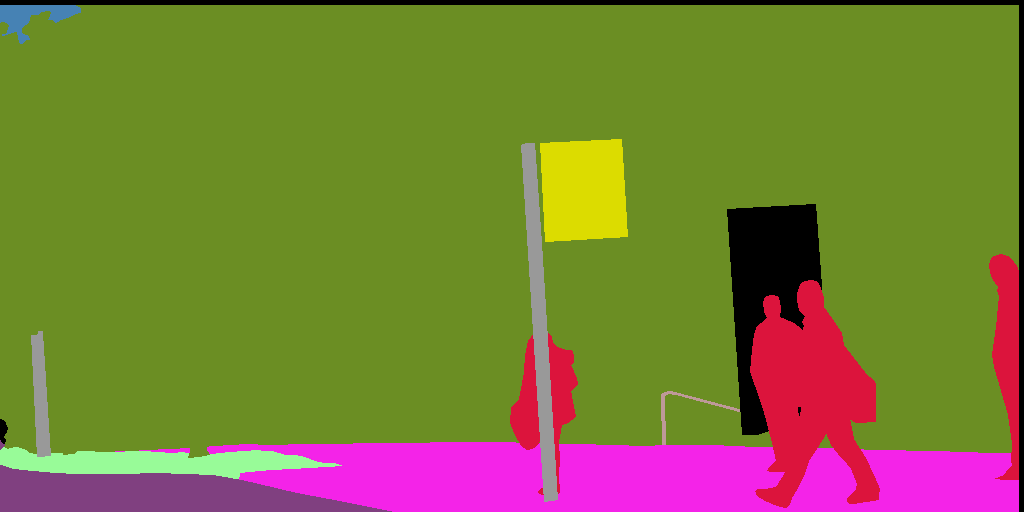 Figure 16
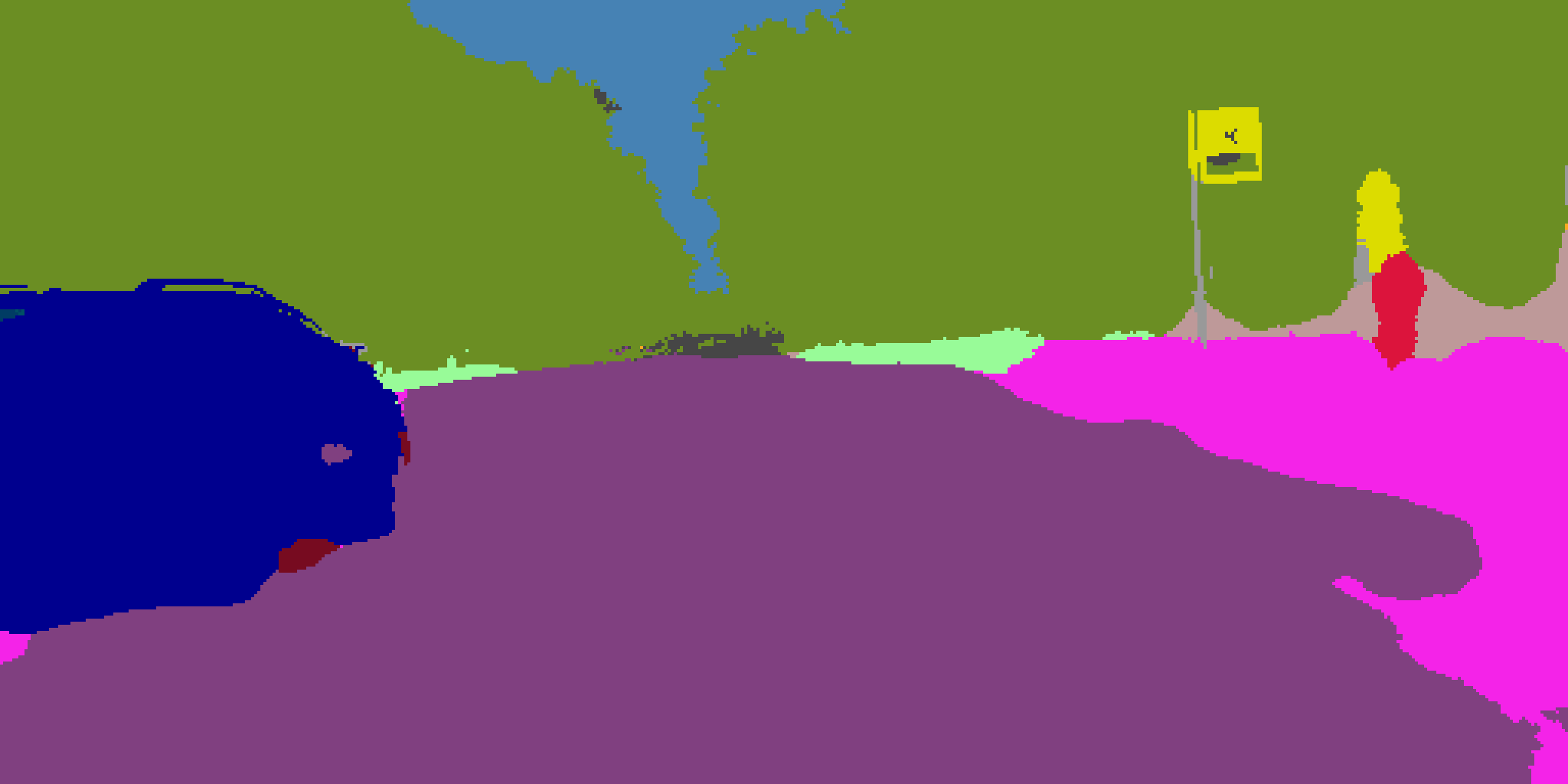 Figure 17
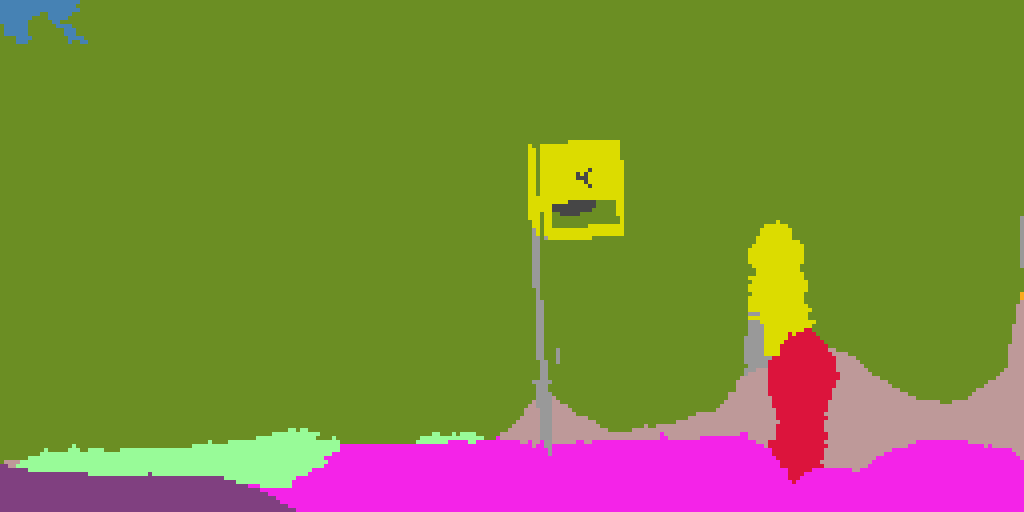 Figure 18
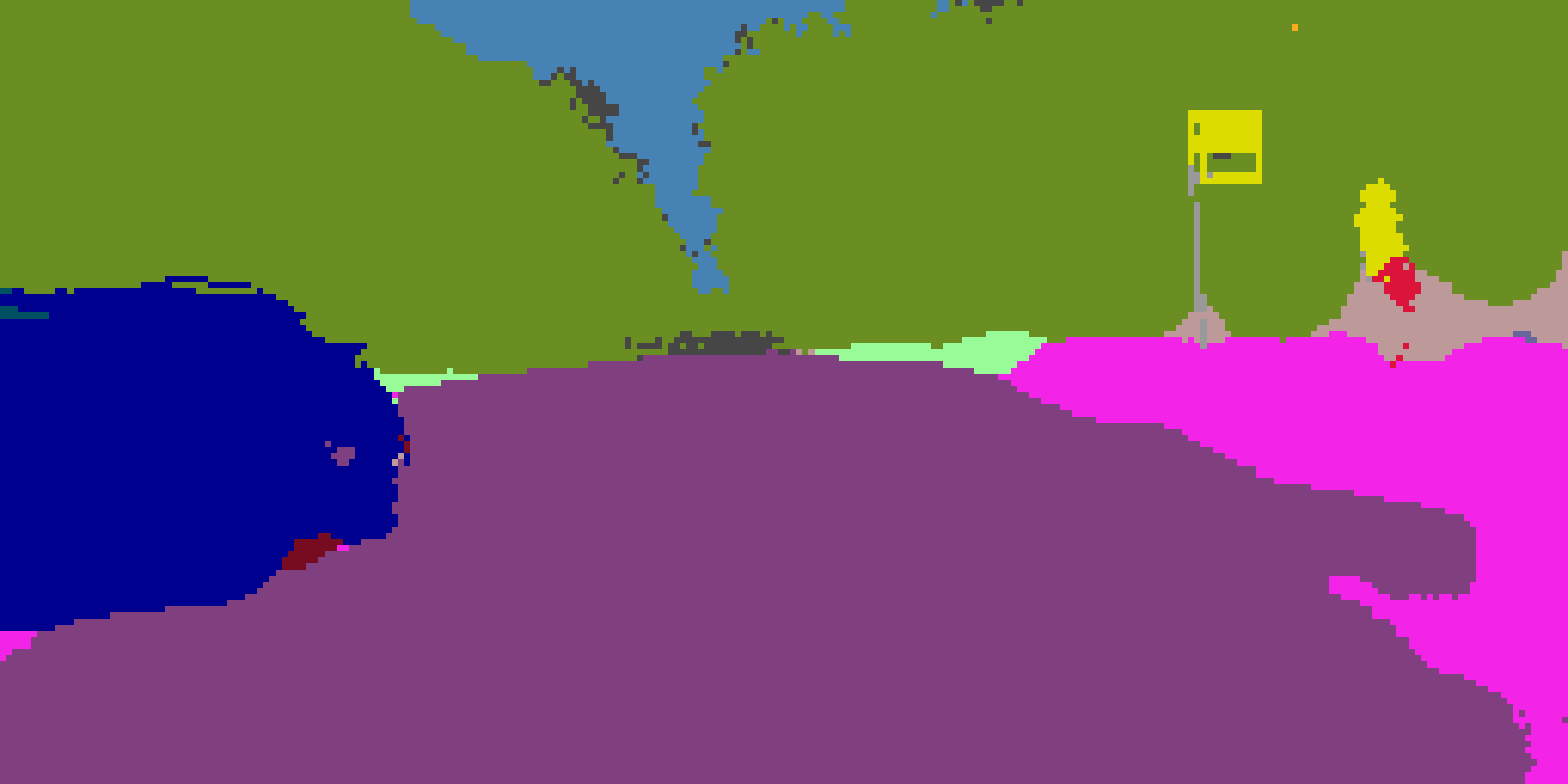 Figure 19
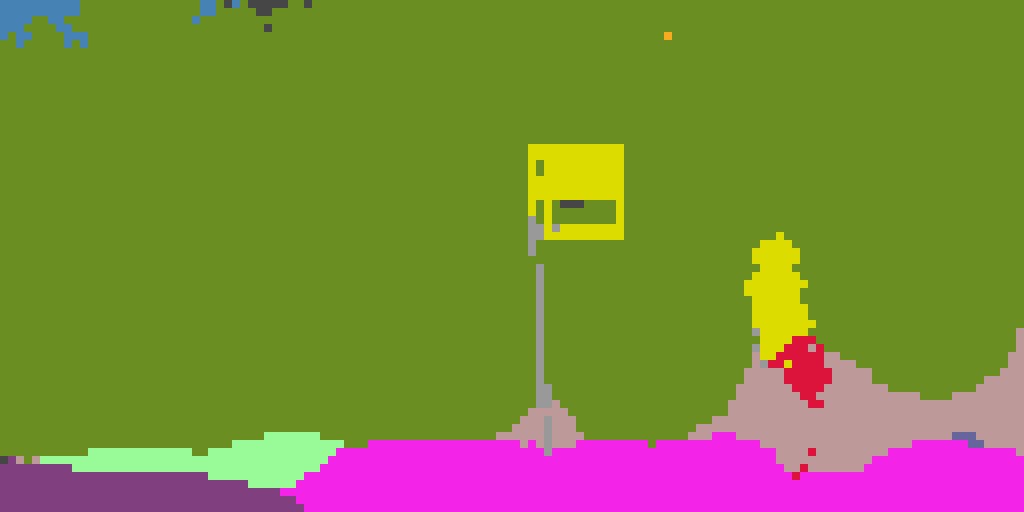 Figure 20
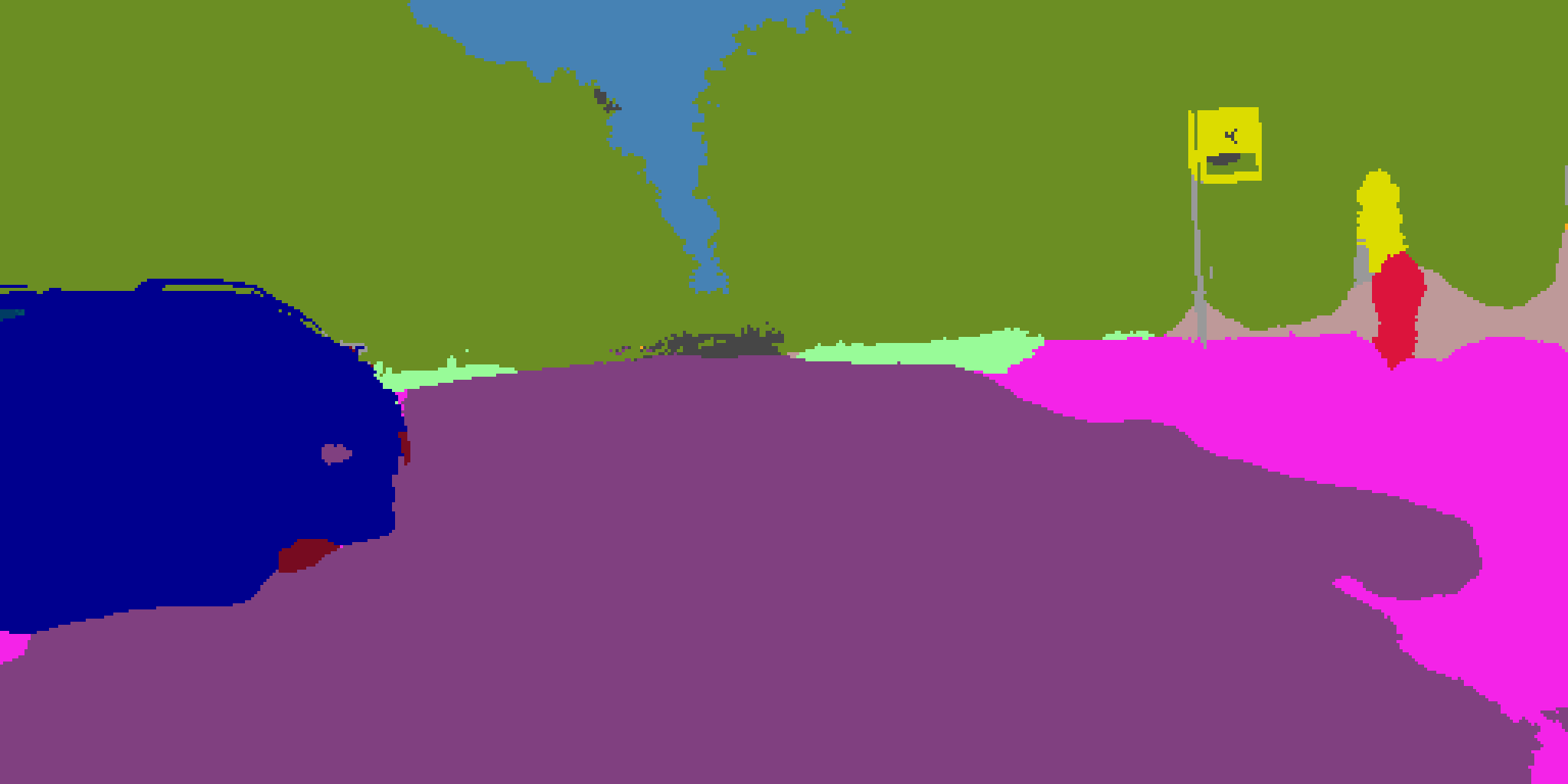 Figure 21
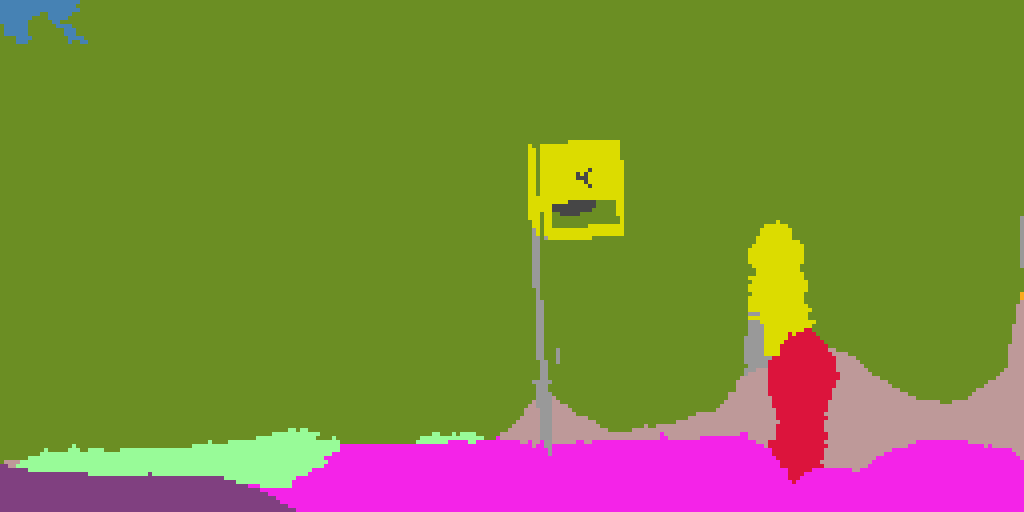 Figure 22
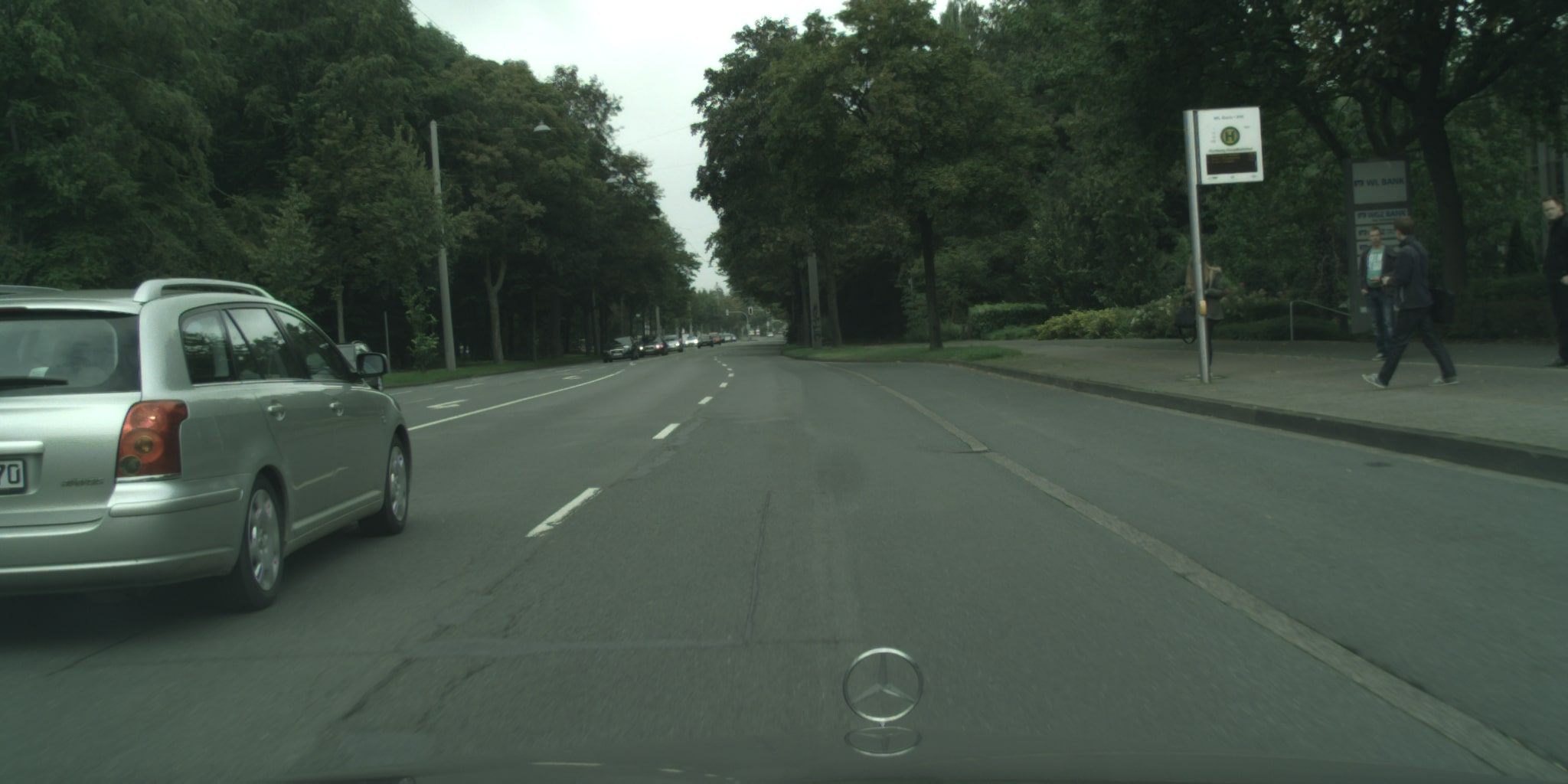 Figure 23
 Figure 24
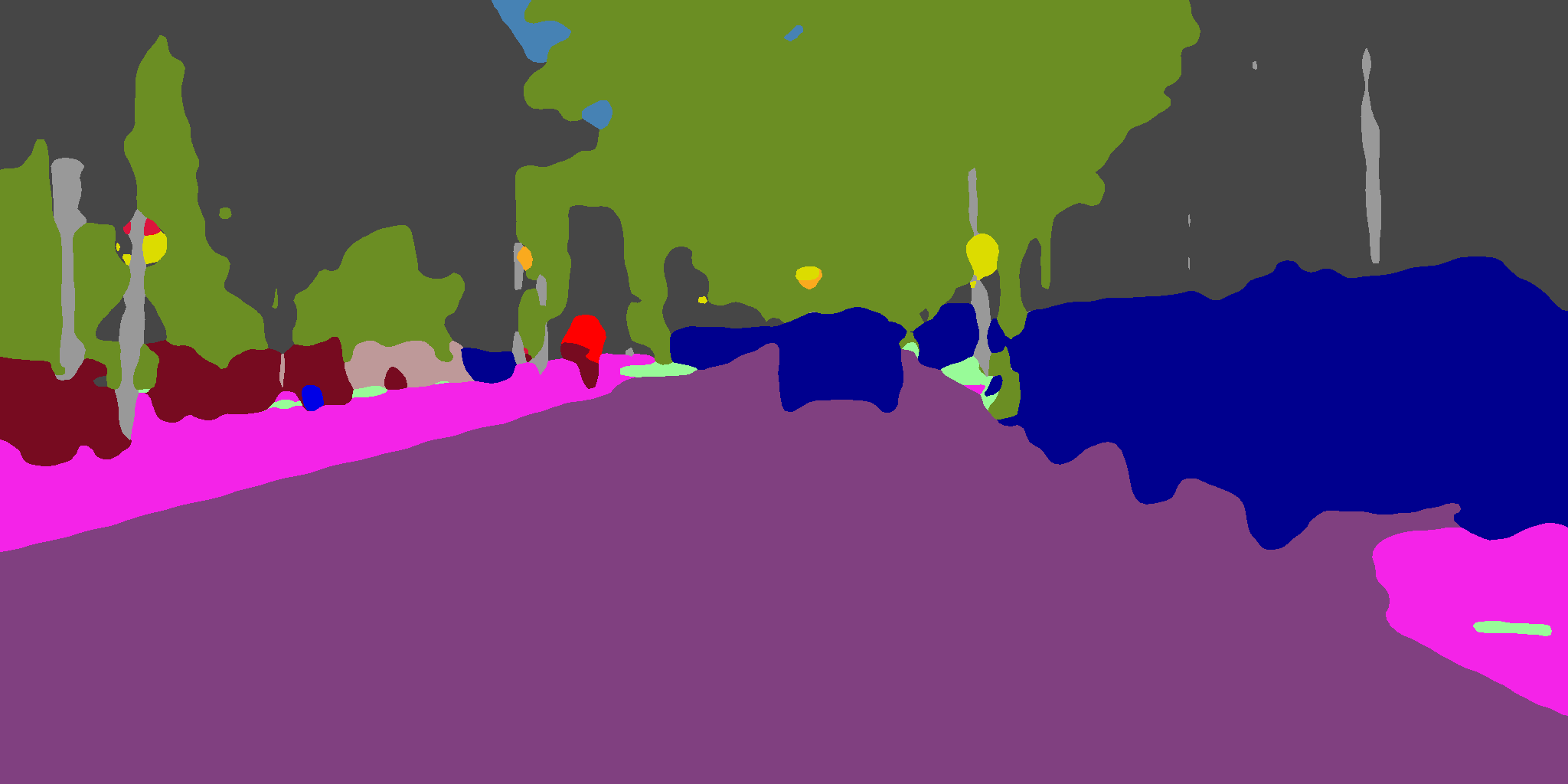 Figure 25
 Figure 26
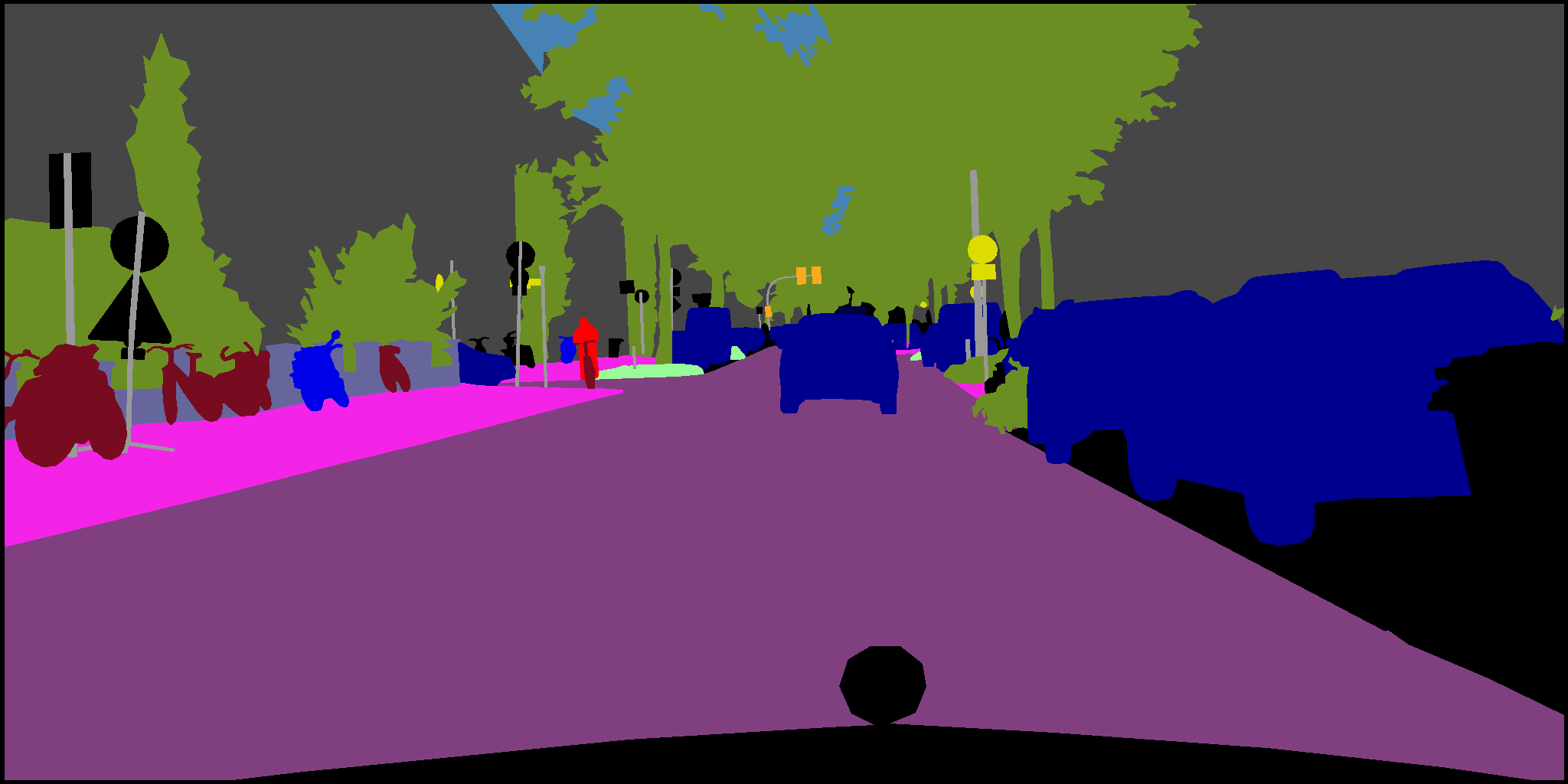 Figure 27
 Figure 28
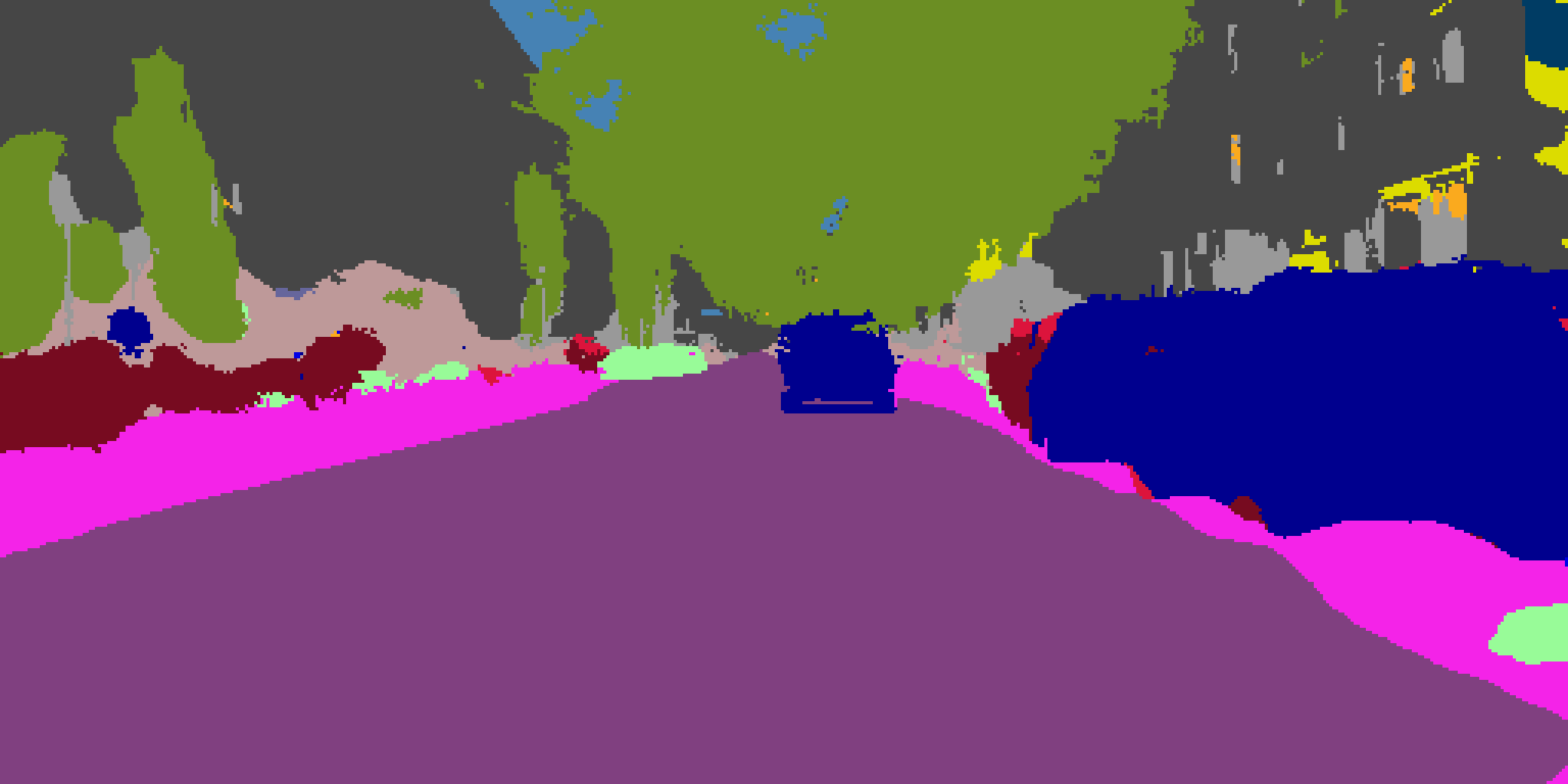 Figure 29
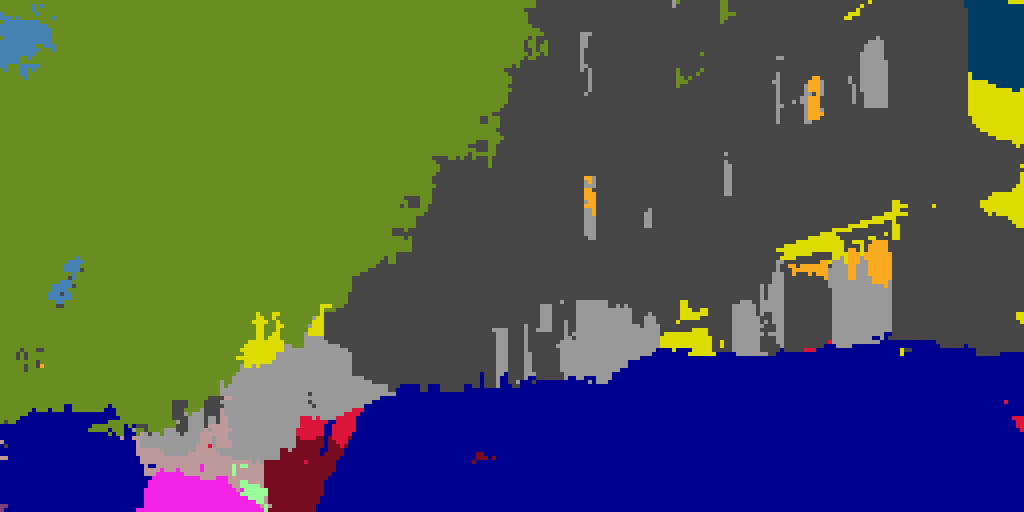 Figure 30
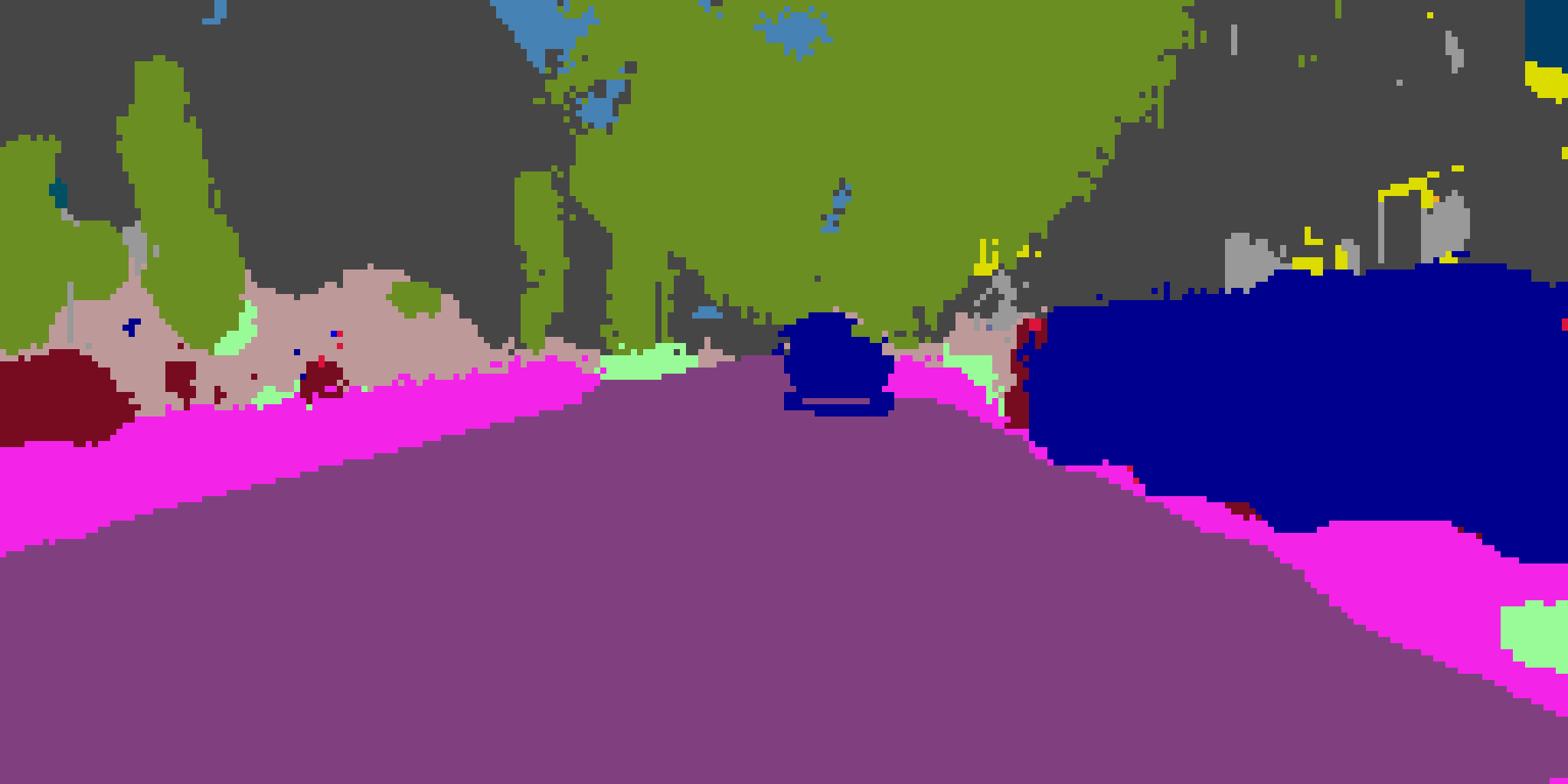 Figure 31
 Figure 32
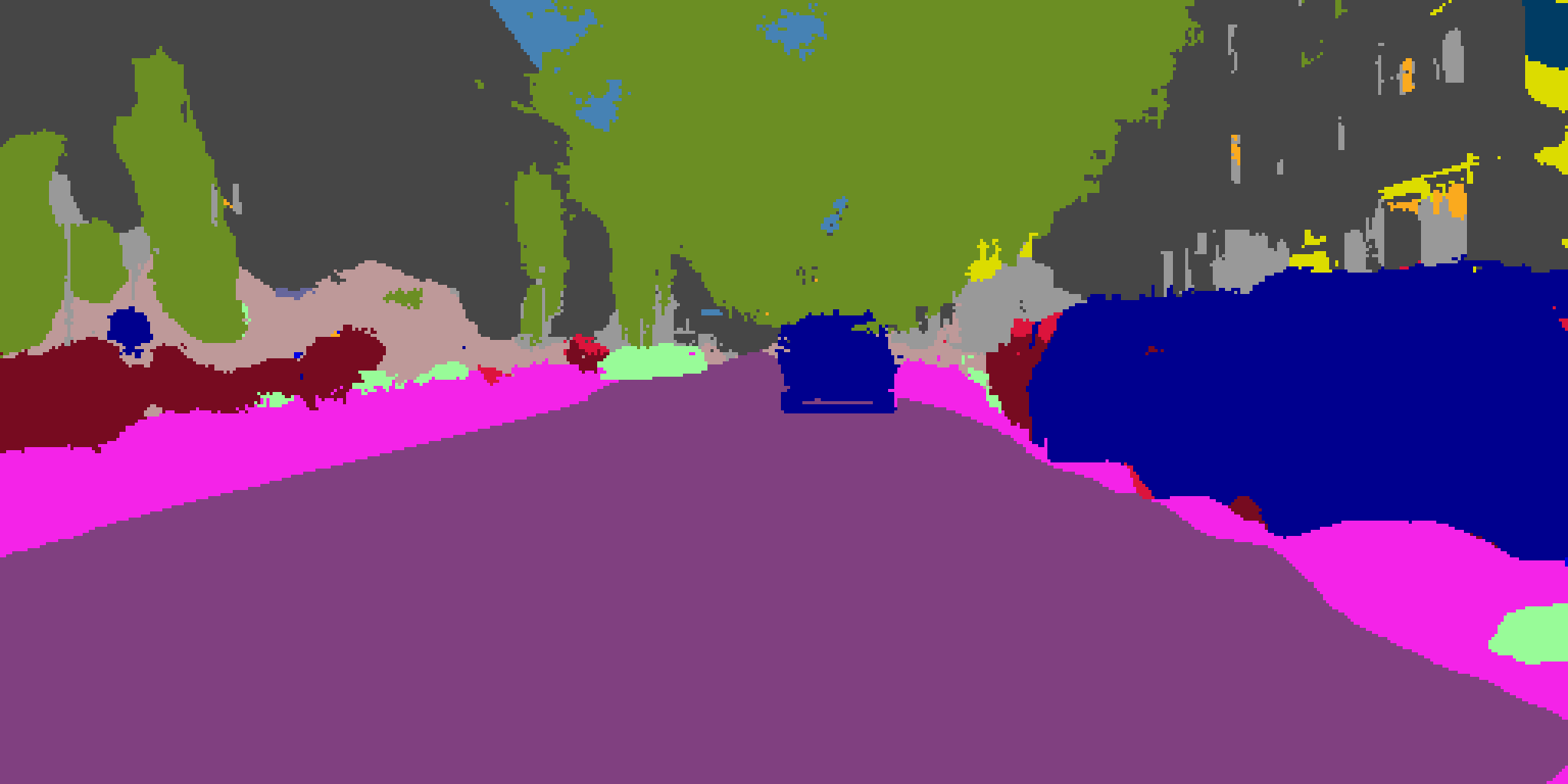 Figure 33
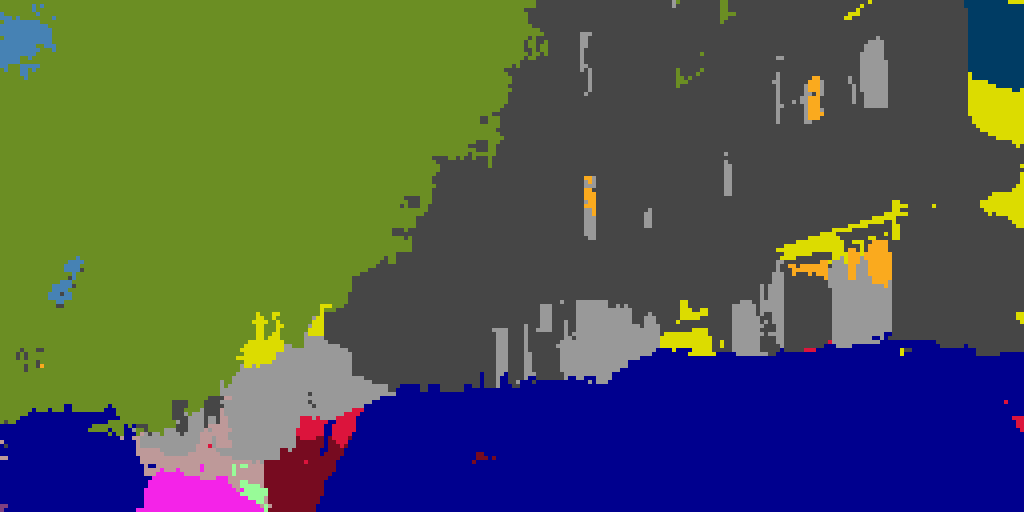 Figure 34
 Figure 35
 Figure 36
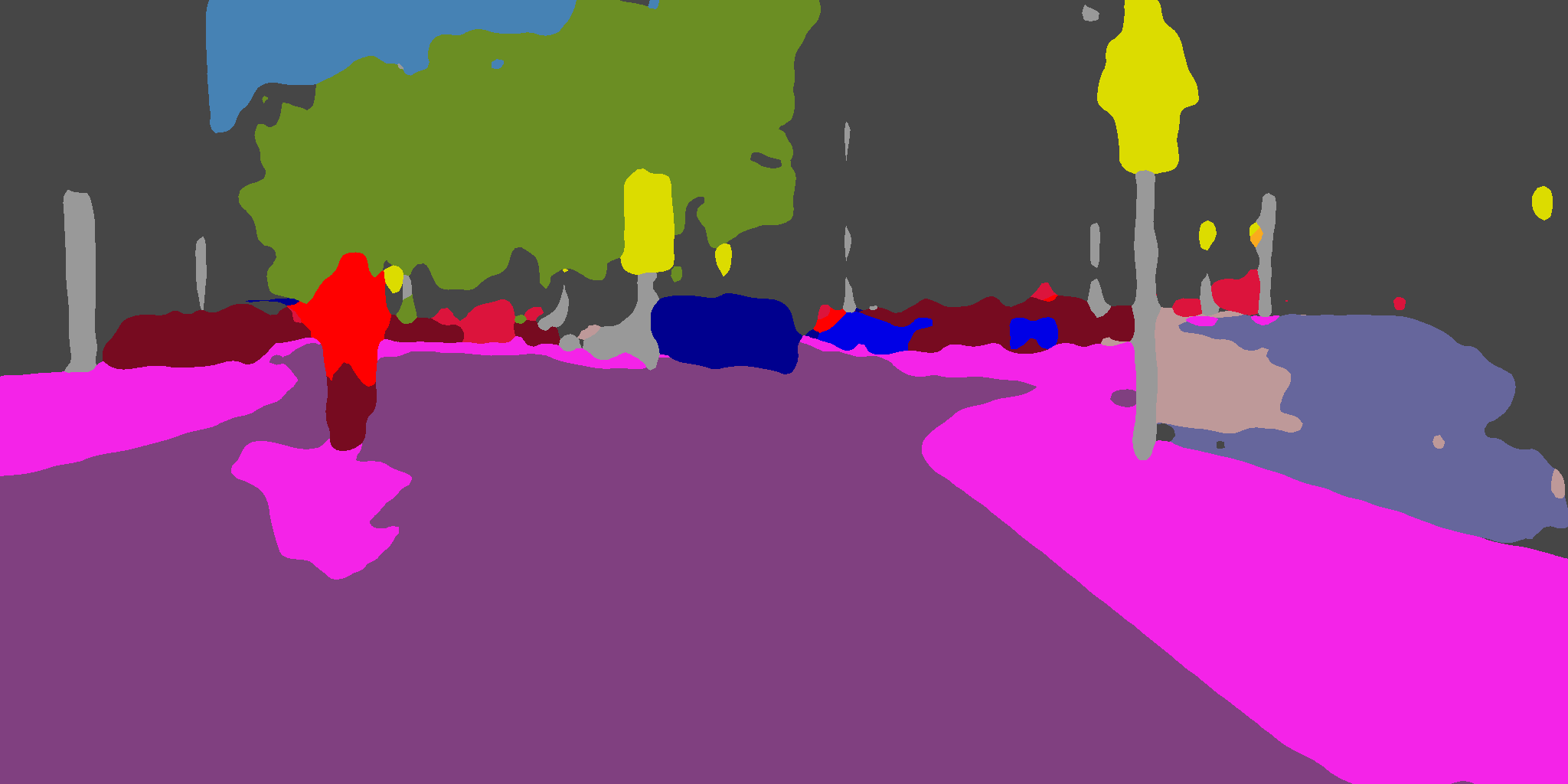 Figure 37
 Figure 38
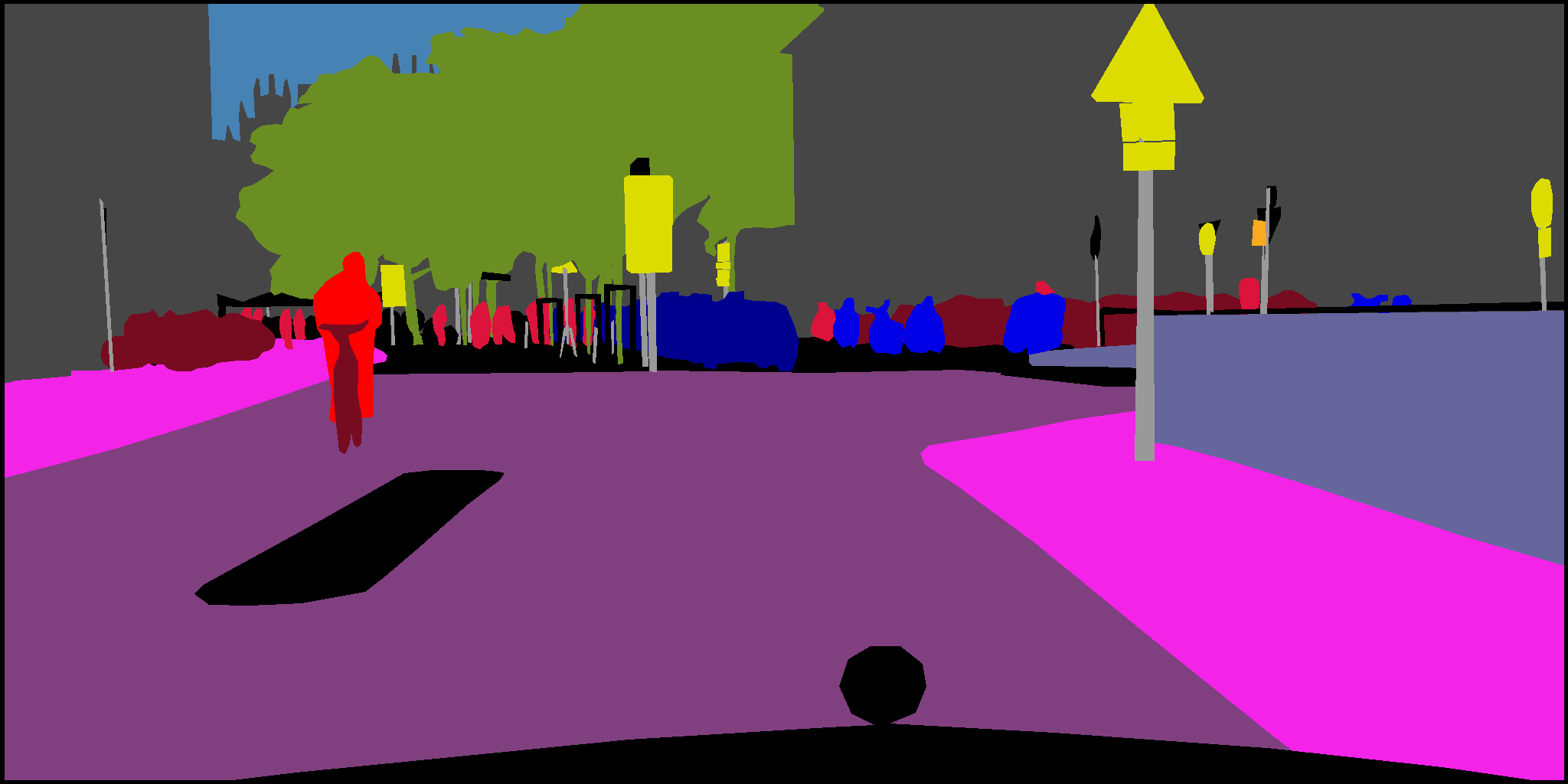 Figure 39
 Figure 40
Peer Reviews
No public reviews on file for this paper yet. If you reviewed it on a platform where reviews are public (OpenReview, ICLR, NeurIPS, ICML), you can paste yours below so the community can read it here.
Videos
No videos yet. Explain this paper in a talk, walkthrough, or lecture? Add one.