Adversarial training with cycle consistency for unsupervised super-resolution in endomicroscopy
Daniele Rav\`i, Agnieszka Barbara Szczotka, Stephen P Pereira, Tom, Vercauteren

TL;DR
This paper introduces an unsupervised adversarial cycle consistency framework for super-resolution in endomicroscopy images, overcoming the lack of paired high- and low-resolution data to enhance image quality for medical diagnostics.
Contribution
The proposed method is the first to apply unsupervised adversarial training with cycle consistency for super-resolution in endomicroscopy, enabling quality transfer from high-resolution images without paired data.
Findings
Produced convincing super-resolved images validated quantitatively
Achieved high Mean Opinion Score in subjective quality assessment
Effective in real clinical endomicroscopy datasets
Abstract
In recent years, endomicroscopy has become increasingly used for diagnostic purposes and interventional guidance. It can provide intraoperative aids for real-time tissue characterization and can help to perform visual investigations aimed for example to discover epithelial cancers. Due to physical constraints on the acquisition process, endomicroscopy images, still today have a low number of informative pixels which hampers their quality. Post-processing techniques, such as Super-Resolution (SR), are a potential solution to increase the quality of these images. SR techniques are often supervised, requiring aligned pairs of low-resolution (LR) and high-resolution (HR) images patches to train a model. However, in our domain, the lack of HR images hinders the collection of such pairs and makes supervised training unsuitable. For this reason, we propose an unsupervised SR framework based on…
Click any figure to enlarge with its caption.
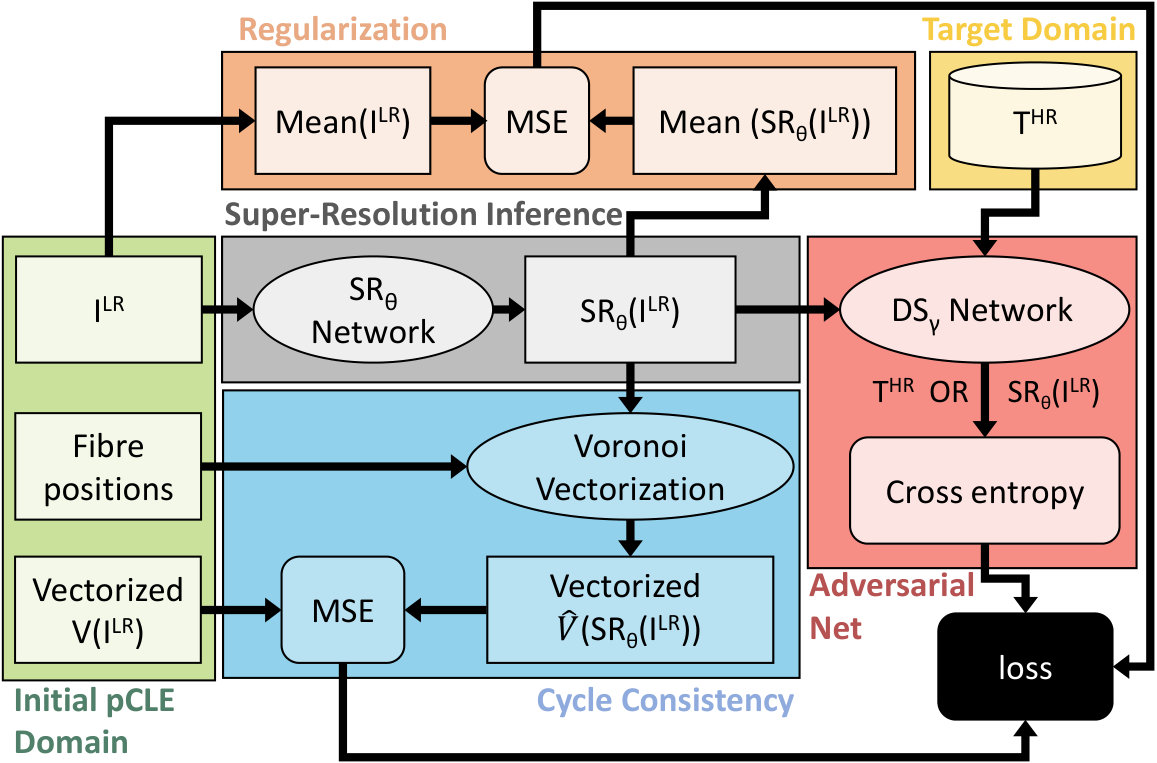 Figure 1
 Figure 2
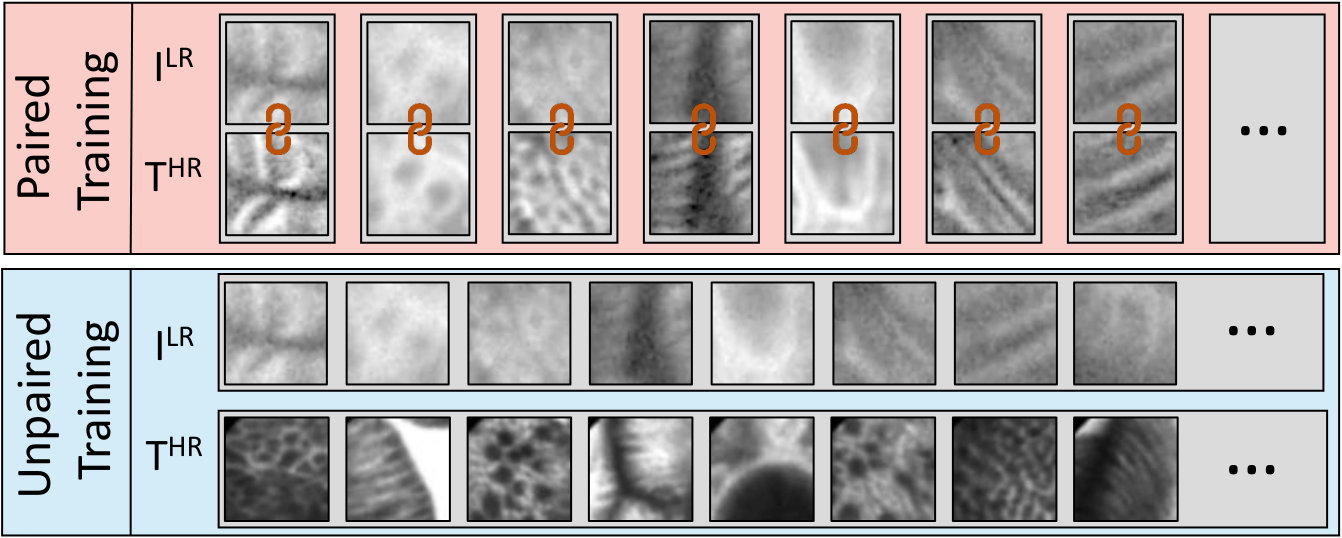 Figure 3
 Figure 4
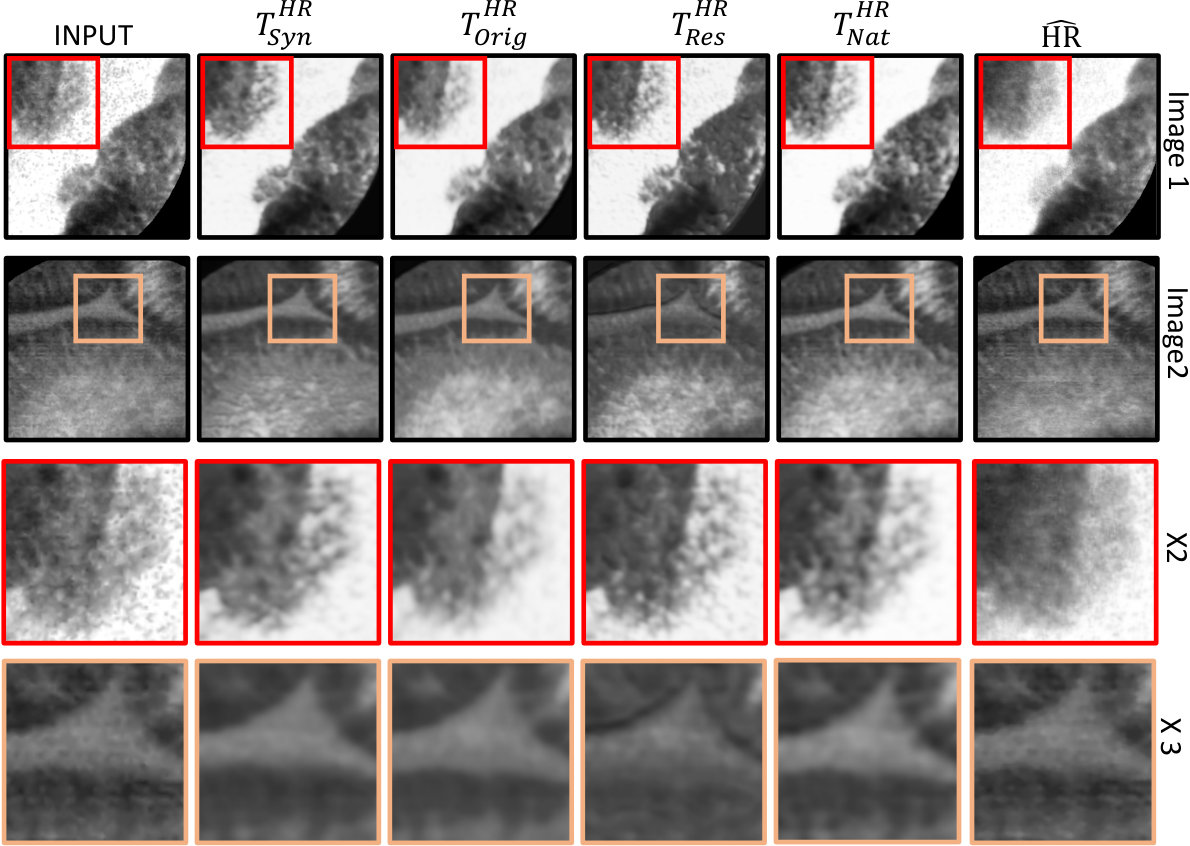 Figure 5
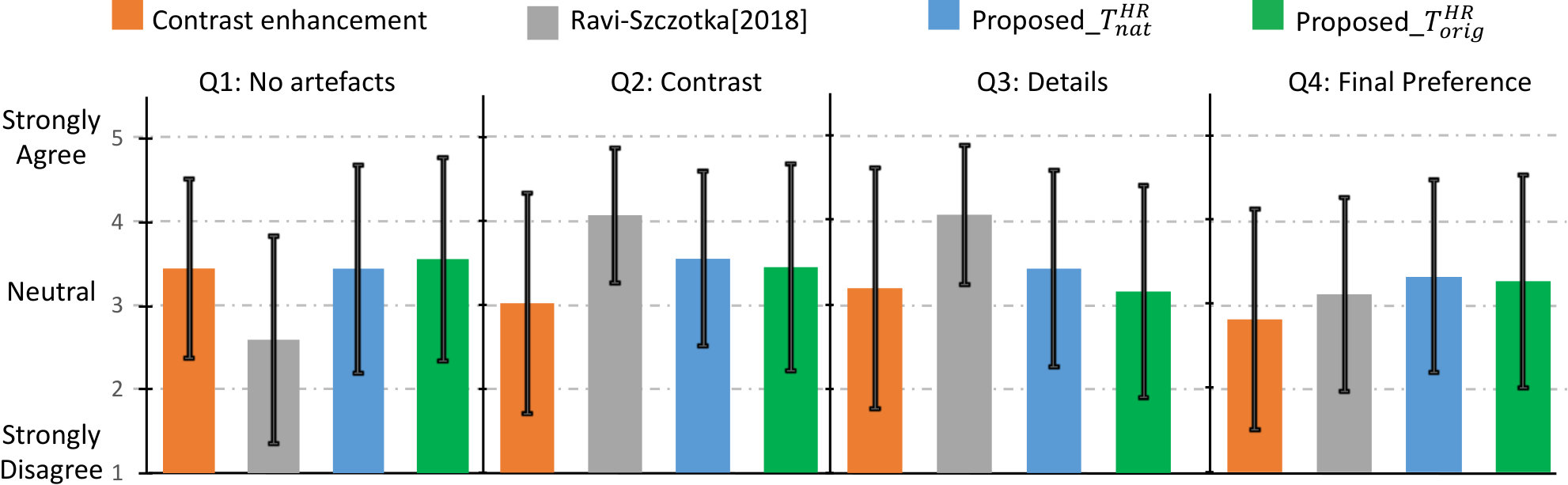 Figure 6
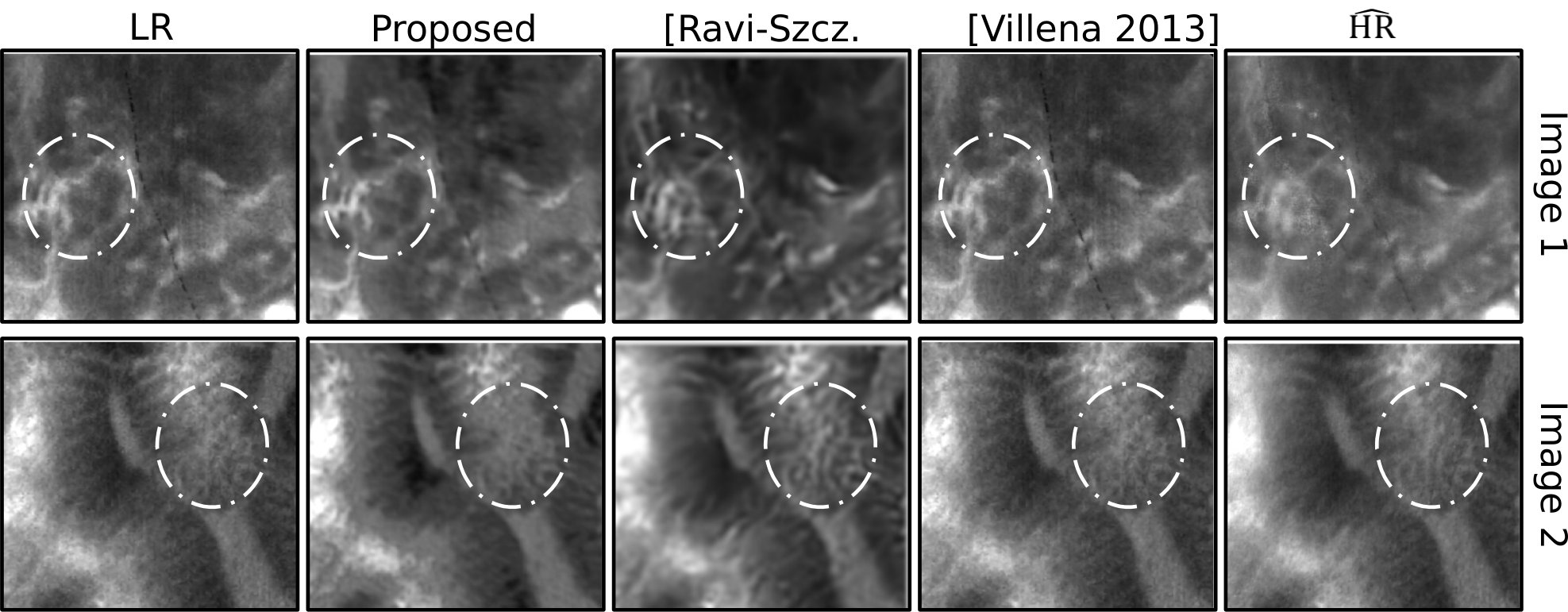 Figure 7
Peer Reviews
No public reviews on file for this paper yet. If you reviewed it on a platform where reviews are public (OpenReview, ICLR, NeurIPS, ICML), you can paste yours below so the community can read it here.
Videos
No videos yet. Explain this paper in a talk, walkthrough, or lecture? Add one.