Backflow Effect on Spin Diffusion Near Ferromagnet-Superconductor Interface
M. Faiz, R.P. Panguluri, B. Nadgorny, B. Balke, S. Wurmehl, C. Felser,, A. G. Petukhov

TL;DR
This paper investigates how the backflow effect influences spin diffusion measurements near ferromagnet-superconductor interfaces, revealing that accounting for backflow significantly increases the estimated spin diffusion length in gold.
Contribution
It introduces an experimental approach using Andreev contacts to probe backflow effects on spin diffusion near ferromagnet-superconductor interfaces, providing more accurate measurements.
Findings
Spin diffusion length in Au is 285 nm when considering backflow.
Backflow effect causes underestimation of spin diffusion length if neglected.
Results align with a gradual decay of spin polarization with film thickness.
Abstract
The behavior of spin propagation in metals in various measurement schemes is shown to be qualitatively different than a simple exponential decay - due to the backflow effect on spin diffusion in the presence of interfaces. To probe this effect we utilize the spin sensitivity of an Andreev contact between gold films of variable thickness deposited on top of a spin injector, CoMnFeSi, with the spin polarization of approximately 45\%, and Nb superconducting tip. While the results are consistent with gradually decaying spin polarization as the film thickness increases, the spin diffusion length in Au found to be 285 nm, is more than two times larger that one would have obtained without taking the backflow effect into account.
Click any figure to enlarge with its caption.
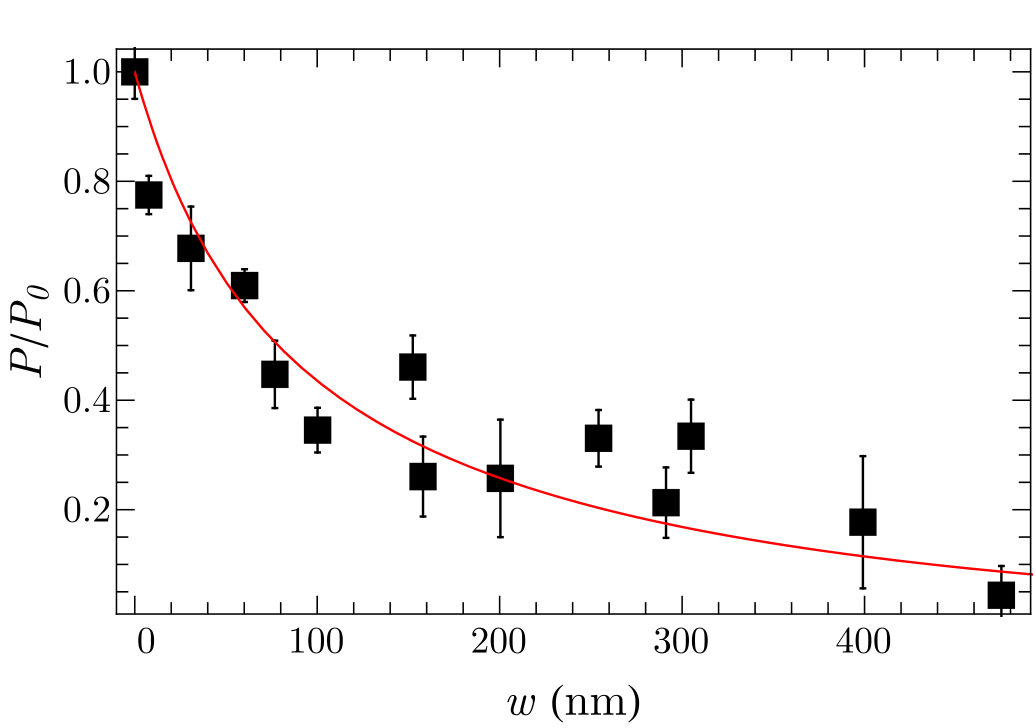 Figure 1
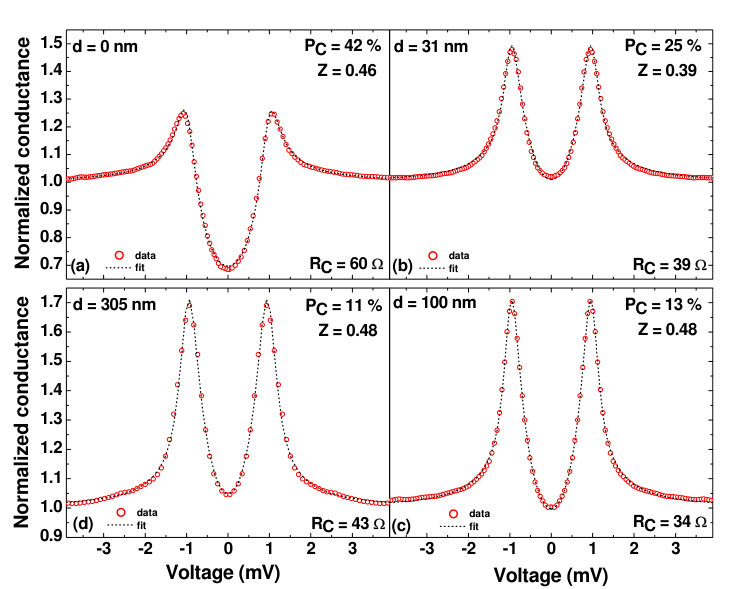 Figure 2
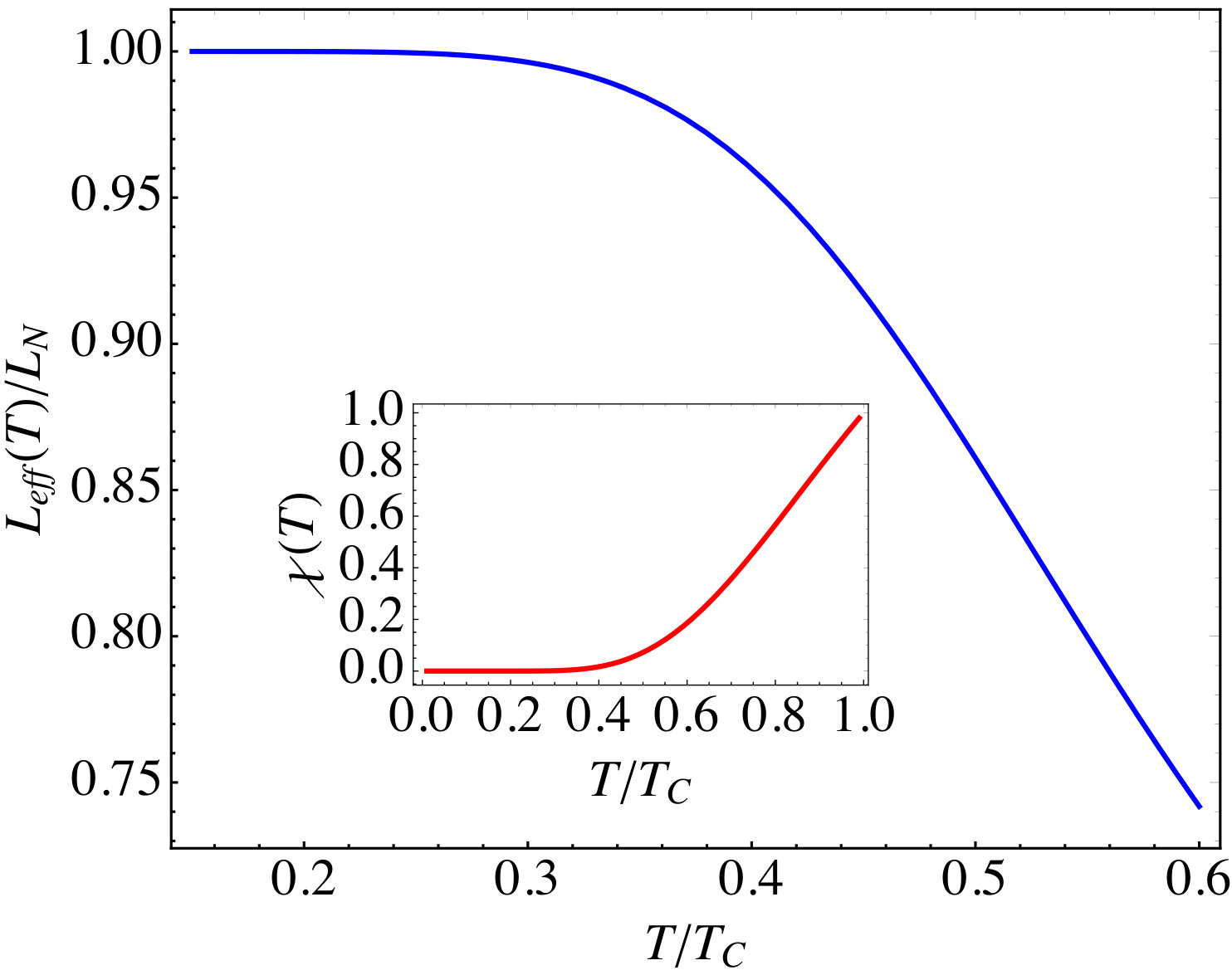 Figure 3
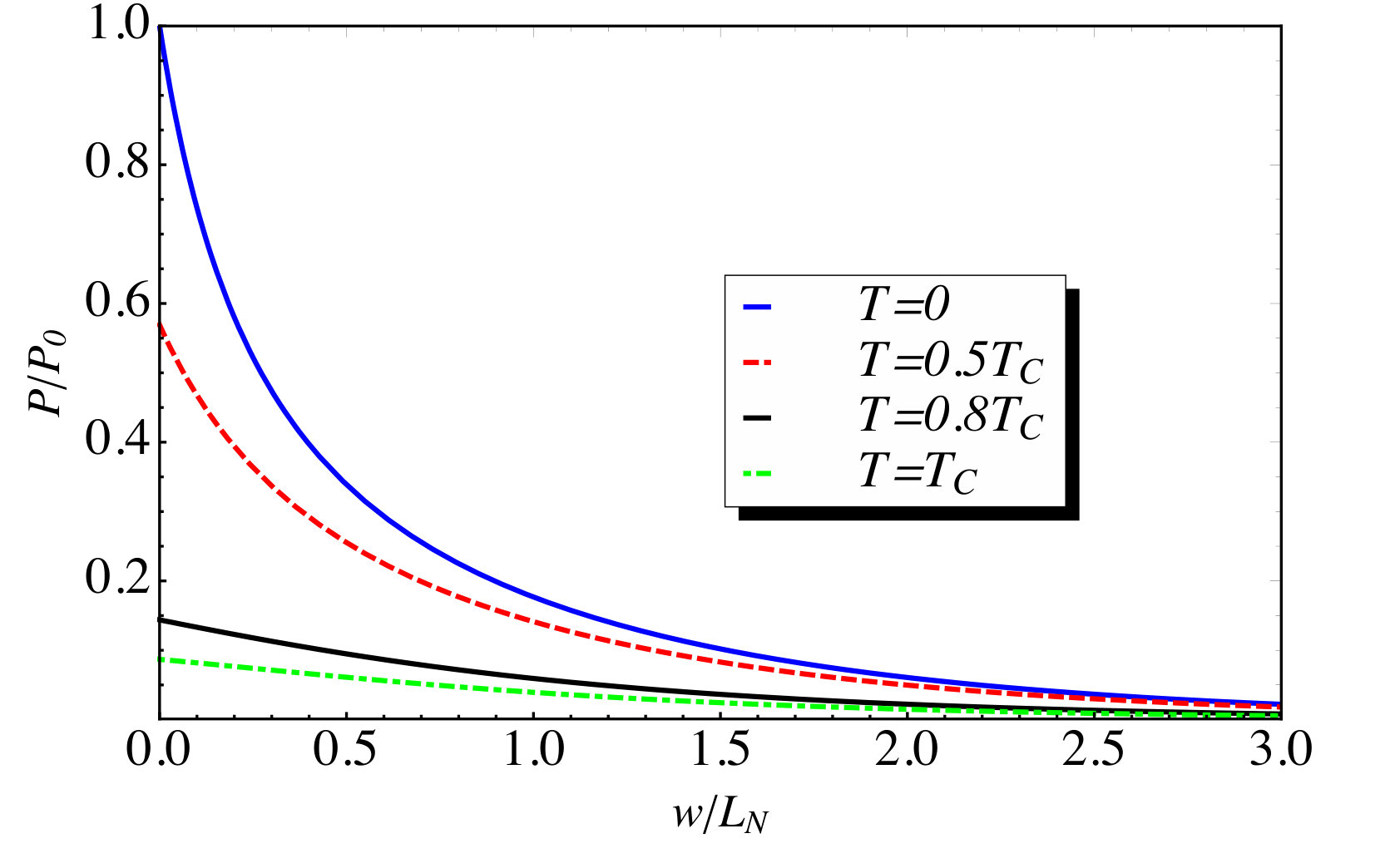 Figure 4
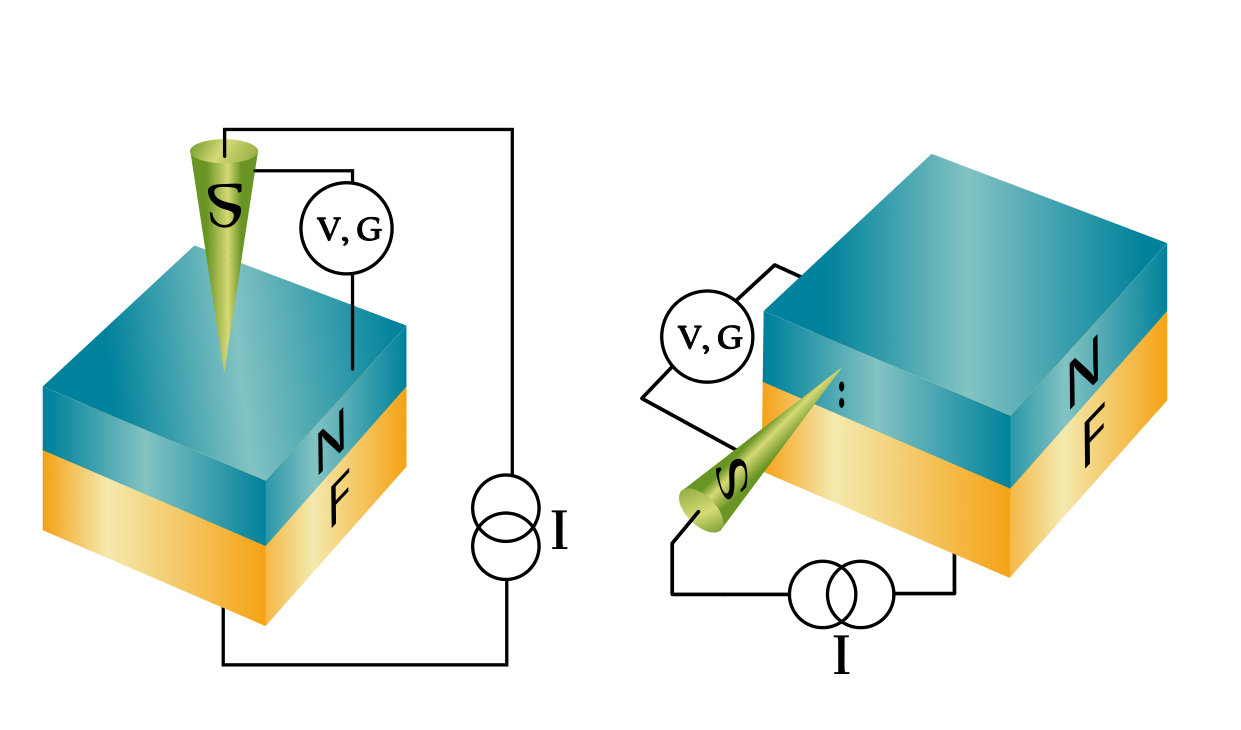 Figure 5
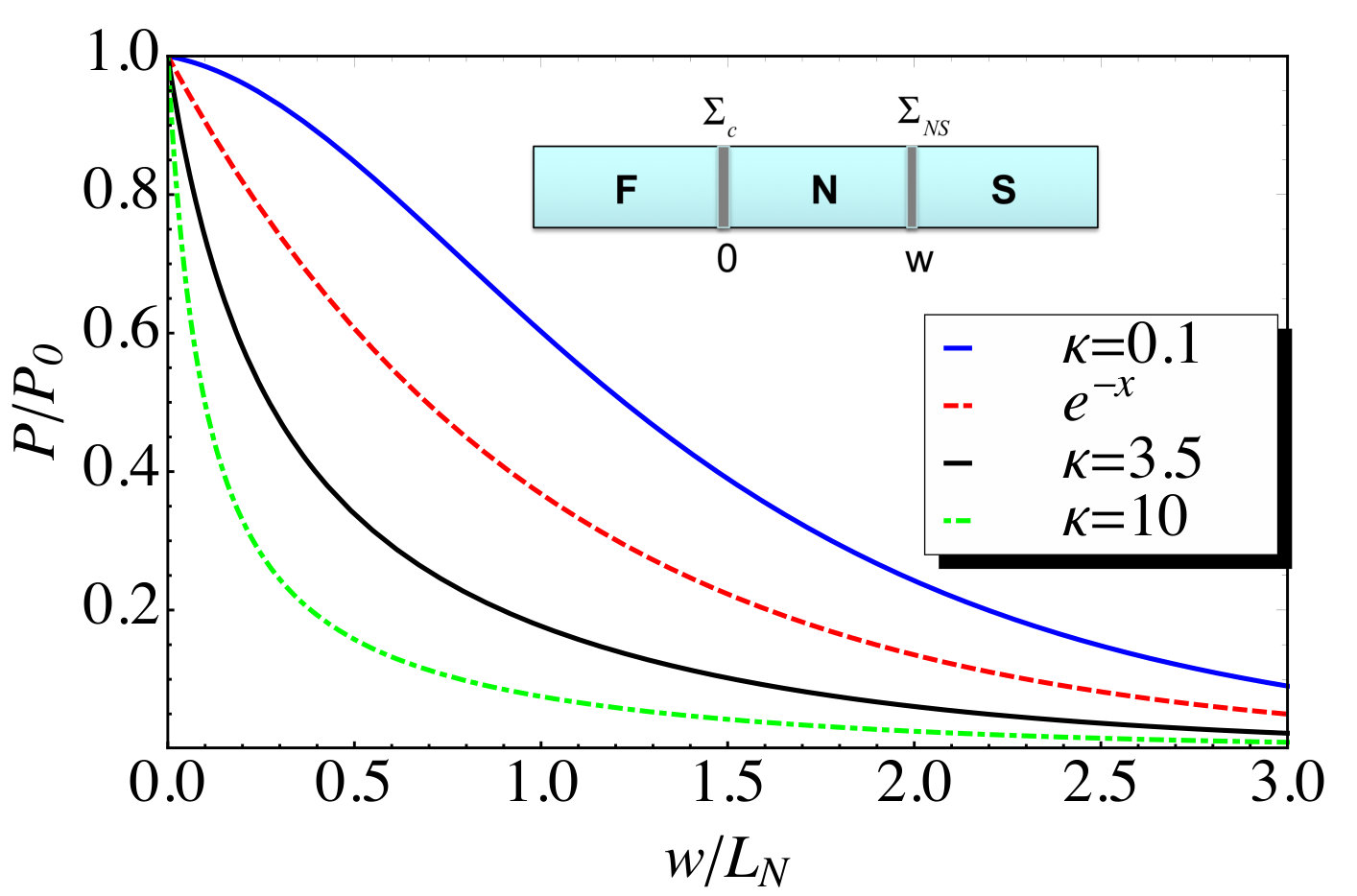 Figure 6
Peer Reviews
No public reviews on file for this paper yet. If you reviewed it on a platform where reviews are public (OpenReview, ICLR, NeurIPS, ICML), you can paste yours below so the community can read it here.
Videos
No videos yet. Explain this paper in a talk, walkthrough, or lecture? Add one.
Taxonomy
TopicsMagnetic properties of thin films · Quantum and electron transport phenomena · Surface and Thin Film Phenomena
Backflow Effect on Spin Diffusion
Near Ferromagnet-Superconductor Interface
M. Faiz, R.P. Panguluri
Department of Physics and Astronomy, Wayne State University, Detroit, Michigan 48201
B. Balke
Institute for Materials Science, University of Stuttgart, 70569 Stuttgart, Germany
S. Wurmehl
Institute for Materials Research IFW, 01069 Dresden, Germany
C. Felser
Max Planck Institute for Chemical Physics of Solids, 01187 Dresden, Germany
A. G. Petukhov
Google Inc., Venice, California 90291, USA
B. Nadgorny
Department of Physics and Astronomy, Wayne State University, Detroit, Michigan 48201
Abstract
The behavior of spin propagation in metals in various measurement schemes is shown to be qualitatively different than a simple exponential decay - due to the backflow effect on spin diffusion in the presence of interfaces. To probe this effect we utilize the spin sensitivity of an Andreev contact between gold films of variable thickness deposited on top of a spin injector, Co2Mn0.5Fe0.5Si, with the spin polarization of approximately 45%, and Nb superconducting tip. While the results are consistent with gradually decaying spin polarization as the film thickness increases, the spin diffusion length in Au found to be 285 nm, is more than two times larger that one would have obtained without taking the backflow effect into account.
pacs:
34.85.+x, 34.80.-i
Processes of spin injection and spin accumulation are of fundamental importance for operation and underlying physics of spintronic devices ZuticREVMOD . After it was realized that a spin polarized current can induce non-equilibrium spin populations of both nuclear Overhauser and electronic Feher subsystems in a normal (non-magnetic) metal, the related problem of spin injection from a ferromagnet (F) into a normal metal (N) was considered by Aronov Aronov . Johnson and Silsbee JohnsonS performed the first measurements of spin relaxation in a purely electronic subsystem. These experiments utilized the so-called lateral non-local geometry to determine a spin diffusion length in aluminum by probing a difference between chemical potentials of the two spin subbands. A more convenient version of this technique was later adopted for F/N/F structures Johnson , and has been further developed by Jedema et al. vanWees . Another means to determine spin-diffusion length in metals is to analyze the thickness dependence of the current-perpendicular-to plane (CPP) giant magnetoresistance (GMR) effect BassPratt ; BP . Finally, an optical technique based on measuring the spin accumulation via the Kerr effect has been successfully implemented by Crooker et al. Crowell .
Most of the measurement techniques described above use the implicit assumption that spin in a normal metal decays exponentially with distance. While in the case of spin injection into a normal metal of infinite thickness this assumption is correct, the presence of a spin selective interface within a distance that is comparable to the spin diffusion length would modify this dependence in any real measurements. Indeed, a spin selective interface imposes different boundary conditions for spin-up and spin-down electrons, thus resulting in a backflow of spin polarized electrons away from that interface.
The backflow effect exists in the case of an N/F interface and thus have significant implications for the description of spin accumulation and spin propagation in GMR devices, but it arguably can be the most pronounced in the case of N/S interface. At the energies below the superconducting gap and temperatures far enough from the superconducting transition temperature , Andreev reflection Andreev is the dominant process lowbarrier that allows quasiparticle current propagation from a normal metal into a superconductor by converting quasiparticles with opposite spins into Cooper pairs. Any asymmetry in the quasiparticle spin balance, that may exist, for example in a ferromagnet, would reduce the probability of such a process and consequently the conductance across the interface DeJong . Based on this property of Andreev reflection at an F/S interface it has been shown that the junction conductance is sensitive to the values of spin polarization in a ferromagnet US ; Buhrman . Similarly, a spin current injected into a normal metal should be sensitive to the same Andreev reflection mechanism due the non-equilibrium spin accumulation near an N/S interface. Such spin accumulation will gradually decrease as we increase the thickness of the N-layer Klapwijk .
In this Letter we propose to use Point Contact Andreev Reflection (PCAR) spectroscopy to investigate the backflow effect on spin diffusion and spin accumulation by exploiting the dependence of the magnitude of this effect on metal thickness, as shown in Fig. 1. In particular, we use spin injection from a highly spin polarized Heusler alloy, Co2Mn0.5Fe0.5Si into gold films of different thicknesses to observe a gradual decay of spin polarization in Au. We formulate a phenomenological description of such transport in a diffusive regime to determine the spin diffusion length in gold and demonstrate that a combination of the PCAR technique with the proper phenomenological theory could result in an alternative electrical technique for probing spin diffusion length in normal metals.
As most of the Heusler alloys deGroot Co2Mn0.5Fe0.5Si has a high ( 1000K) Curie temperature and is believed to be fairly highly spin polarized. The samples of the Heusler alloy Co2Mn0.5Fe0.5Si were fabricated by arc melting from stoichiometric ratio of constituents in an argon atmosphere of 10*-4* mbar. After subsequent annealing of the polycrystalline ingots in an evacuated quartz tube at 1273K for 21 days the samples with the Heusler type L21 structure were obtained, as was verified by X-ray powder diffraction (XRD) using Mo Kα excitation. Flat disks were then cut from the ingots and polished before removing the native oxide by Ar*+* ion bombardment. The sample composition was further verified by X-ray photoemission (ESCA) with no impurities detected. Gold films of 99.99% purity and variable thicknesses (from 7 nm to 475nm) were then deposited on the polished surface of the disks by thermal evaporation in vacuum, immediately followed by the PCAR measurements.
The measurements of the structure shown in Fig. 1 were performed in the point contact geometry with Nb superconducting tips. The tips were fabricated by the standard electrochemical etching of 250 Nb wire, as described in Ref. FaizAPL . Using freshly etched Nb tips and oxide-free Au film helped to facilitate the establishment of a stable contact (on the order of 50-100 ), typically without the need of further adjustments, thus largely alleviating any concerns of tip-film mechanical interference; additionally post-measurement microscopy of the contact area was performed. The current–voltage () and the differential conductance measurements were performed by a standard four-probe technique as described in detail in Ref. MnAs in the temperature range of 1.2– 4.2 K. The curves are analyzed with the appropriately modified MGN Blonder-Tinkham-Klapwijk (BTK) weak coupling theory BTK , with two fitting parameters, the value of spin polarization, and the interface scattering strength . First, we determined the spin polarization for bare Co2Mn0.5Fe0.5 as an average over 15 different junctions; was found to be approximately 44 %, somewhat lower than for Co2FeSi alloy described in earlier work FaizAPL . For gold films deposited onto Co2Mn0.5Fe0.5 at least ten different junctions were analyzed for each film thickness. In most cases either no or a weak dependence was observed, in the latter case was extrapolated the low limit. In Fig. 2 four characteristic conductance curves for progressively thicker Au films are shown; the results are consistent with the notion of spin polarized current gradually decaying as the Au film thickness increases.
Most of the experiments on the spin injection into metals or semiconductors rely on a diffusive description of the spin transport. This is based on the fact that the spin diffusion length in a particular sample is related to the value of the elastic mean free path as , where and are the spin and momentum relaxation times respectively. It is generally assumed that , which, in turn, justifies a description of the spin relaxation process within the diffusive transport limit. Indeed, in most metals the spin diffusion length was found to be roughly on the order of several hundred nanometers at low temperatures BP , which is definitely larger than the typical values of the elastic mean free path.
As no spin current can propagate below the gap inside the superconductor due to the fact that only Cooper pairs with can be present there Klapwijk , we will assume that the spin current goes to zero at the N/S interface, neglecting any possible proximity effects. In addition, we will use a 1D model to describe the spin current through the system. The validity of these assumption and their possible effect on our results will be discussed later. Our main conjecture is that the spin polarization measured in the Andreev reflection experiments is proportional to the splitting of the electrochemical potentials at the normal metal - superconductor (N-S) interface .
The splitting is a solution of a diffusion equation: where is the spin diffusion length of a normal metal and the coefficients , must be determined from the boundary conditions. The spin polarization of the current density can be expressed through as:
[TABLE]
where is the bulk conductivity of the normal metal. Using the boundary condition at interface we obtain and
[TABLE]
where is the splitting of the electrochemical potentials at interface. We note that depends on due to the positive feedback exponent. To find we will use Rashba’s boundary condition Rashba:2000vy :
[TABLE]
Here is the splitting of the electrochemical potentials in the ferromagnet, , , and are the contact conductances. Another boundary condition is the continuity of the spin current across interface Rashba:2000vy :
[TABLE]
where , , and are the bulk conductivities of the ferromagnet. We note that in the semi-infinite ferromagnet , where is the ferromagnet spin diffusion length. This implies that . Also . Substituting these formulas in Eqs (3) and (4), eliminating , and using Eq. (1) we finally obtain:
[TABLE]
and
[TABLE]
Here we introduced the resistances , and . Using Eqs. (2) and (6) we can calculate the spin polarization at the N/S interface, , which yields:
[TABLE]
where and is the limiting value of the spin polarization at small . The results of our fitting procedure are shown in Fig 3, with 285 nm and 3.5.
The qualitative dependence of for three different values of is shown in Fig. 4. As can be seen from the plot, the thickness dependence of is much sharper than the simple exponential dependence, , which is often used to fit the spin diffusion data. Indeed, at small , rather than . It means that for the spin polarization in Eq. (7) decays faster than the simple exponent. Thus, if we attempted to fit our data with a simple exponential dependence we would obtain . In our case, this is about three times smaller than the actual value. The best fit with the simple exponential dependence gives 130 nm (see Fig. 3). In addition, a naïve interpretation would give different values of the apparent spin diffusion length for different ferromagnetic spin injectors and F/N interfaces of different quality, which is obviously a non-physical result.
Eq. (7) is valid at low temperatures when Andreev reflection dominates the transport across the interface. At higher temperatures we have to take into account the thermally activated tunneling of quasiparticles, which leads to a non-zero spin current at the N/S interface. Following Takahashi et al. Takahashi let us introduce the (spin-independent in our case) tunnel conductance for the N/S interface where is the tunnel conductance between the two normal metals (i.e. above the superconductivity threshold ) and is the so-called Yosida function Takahashi describing increase of the tunneling conductance as the temperature rises from 0 to .
[TABLE]
where is the Fermi distribution function and is the quasi-particle energy with being a one-electron energy relative to the chemical potential of the superconductor.
In the absence of the spin-flip transition at the N/S interface and in S-region the boundary condition has to be replaced with Rashba:2000vy ; Takahashi :
[TABLE]
Using the boundary condition (9) we can repeat the above calculations and obtain:
[TABLE]
where and
[TABLE]
Since strongly depends on the temperature both the maximum value and the shape of strongly depend on the temperature. A typical temperature dependence of the spin polarization described by Eq. (10) is shown in Fig. 5. If, as previously, we attempt to interpret Eq. (10) using a simple exponential dependence we will get a spurious temperature dependence of the apparent spin-diffusion length (see Fig. 6.), as was inferred by Geresdi et al. Geresdi , demonstrating that neglecting the backflow effect could lead to erroneous results.
We use several approximations in our description of the experimental geometry, such as adopting a one dimensional model for what is a 3D problem and using boundary conditions at the N/S interface that assume only Andreev reflection below the gap, hence neglecting processes above the gap . While these approximations may introduce some systematic errors, they are unlikely to significantly affect the rate of spin polarization decay, which determines the values of spin diffusion length. We also note that within the same approximations, it is possible to obtain a complete set of data needed for the determination of spin diffusion length from a single sample by sequentially positioning the tip for PCAR measurements along the side of the normal electrode, as shown in Fig.1.
In summary, the backflow effect on spin diffusion and spin accumulation is formulated as a consequence of preferential majority scattering near normal metal - superconducting interface. It is found that spin current probed by Andreev Reflection measurements gradually decays, as we increase the thickness of the normal layer, revealing the scale of spin diffusion in the normal metal. The measured spin diffusion length in gold of approximately 285 nm, more than two time larger than that one would have obtained using a simple exponential fit. While our experimental results are described specifically for a normal metal - superconducting interface, we emphasize the role of boundary conditions, noting that qualitatively similar effects would take place for normal metal - ferromagnetic interface as well, and thus are relevant for other spin diffusion length measurement techniques.
The authors thank E.I. Rashba, P. Crowell, A.A. Golubov, and I.I. Mazin for very helpful discussions and useful suggestions. This work was supported by DARPA SpinS through ONR Grant No. N00014-02-1-0886 and NSF Career Grant No. 0239058, at WSU (B.N.).
The reference list from the paper itself. Each links out to its DOI / PubMed record.
- 1(1) I. Zutic, J. Fabian, and S. Das Sarma, Rev. Mod. Phys. 76 , 323 (2004).
- 2(2) A.W. Overhauser, Phys. Rev. 92 , 411 (1953); T. R. Carver and C.P. Slichter, Phys. Rev . B 102 , 975 (1956).
- 3(3) W. G. Clark and G. Feher, Phys. Rev. Lett. 10, 134 (1963).
- 4(4) A. G. Aronov, Zh. Eksp. Teor. Fiz. Pisma Red . 24, 37 (1976) [ JETP Lett. 24 , 32-34 (1976)].
- 5(5) M. Johnson and R. H. Silsbee, Phys. Rev. Lett. 55, 1790 (1985).
- 6(6) M. Johnson, Phys. Rev. Lett. 70 , 2142 (1993).
- 7(7) F. J. Jedema, A. T. Filip, and B. J. van Wees, Nature 410 , 345 (2001).
- 8(8) W. P. Pratt, Jr., S.-F. Lee, J. M. Slaughter, R. Loloee, P. A. Schroeder, and J. Bass, Phys. Rev. Lett . 66 , 3060 (1991).