Methods to simplify cooling of liquid Helium cryostats
Rafael Alvarez Montoya, Sara Delgado, Jose Castilla, Jose Navarrete,, Nuria Diaz Contreras, Juan Ramon Marijuan, Victor Barrena, Isabel Guillamon, and Hermann Suderow

TL;DR
This paper presents practical methods to simplify the use of liquid Helium in cryostats, including transfer, precooling, and inserting large experiments, to improve safety, efficiency, and performance.
Contribution
It introduces novel, cost-effective techniques for Helium transfer, precooling without liquid nitrogen, and inserting large experiments into cryostats.
Findings
Helium transfer rate of about 100 liters per hour using a manual pump.
A closed cycle Helium gas circuit for precooling without liquid nitrogen.
A sliding seal and vacuum chamber design for inserting large experiments.
Abstract
Liquid Helium is used widely, from hospitals to characterization of materials at low temperatures. Many experiments at low temperatures require liquid Helium, particularly when vibration isolation precludes the use of cryocoolers and when one needs to cool heavy equipment such as superconducting coils. Here we describe methods to simplify the operations required to use liquid Helium by eliminating the use of high pressure bottles, avoiding blockage and improving heating and cooling rates. First we show a simple and very low cost method to transfer liquid Helium from a transport container into a cryostat that uses a manual pump having pumping and pressurizing ports, giving a liquid Helium transfer rate of about 100 liters an hour. Second, we describe a closed cycle circuit of Helium gas cooled in an external liquid nitrogen bath that allows precooling a cryogenic experiment without…
Click any figure to enlarge with its caption.
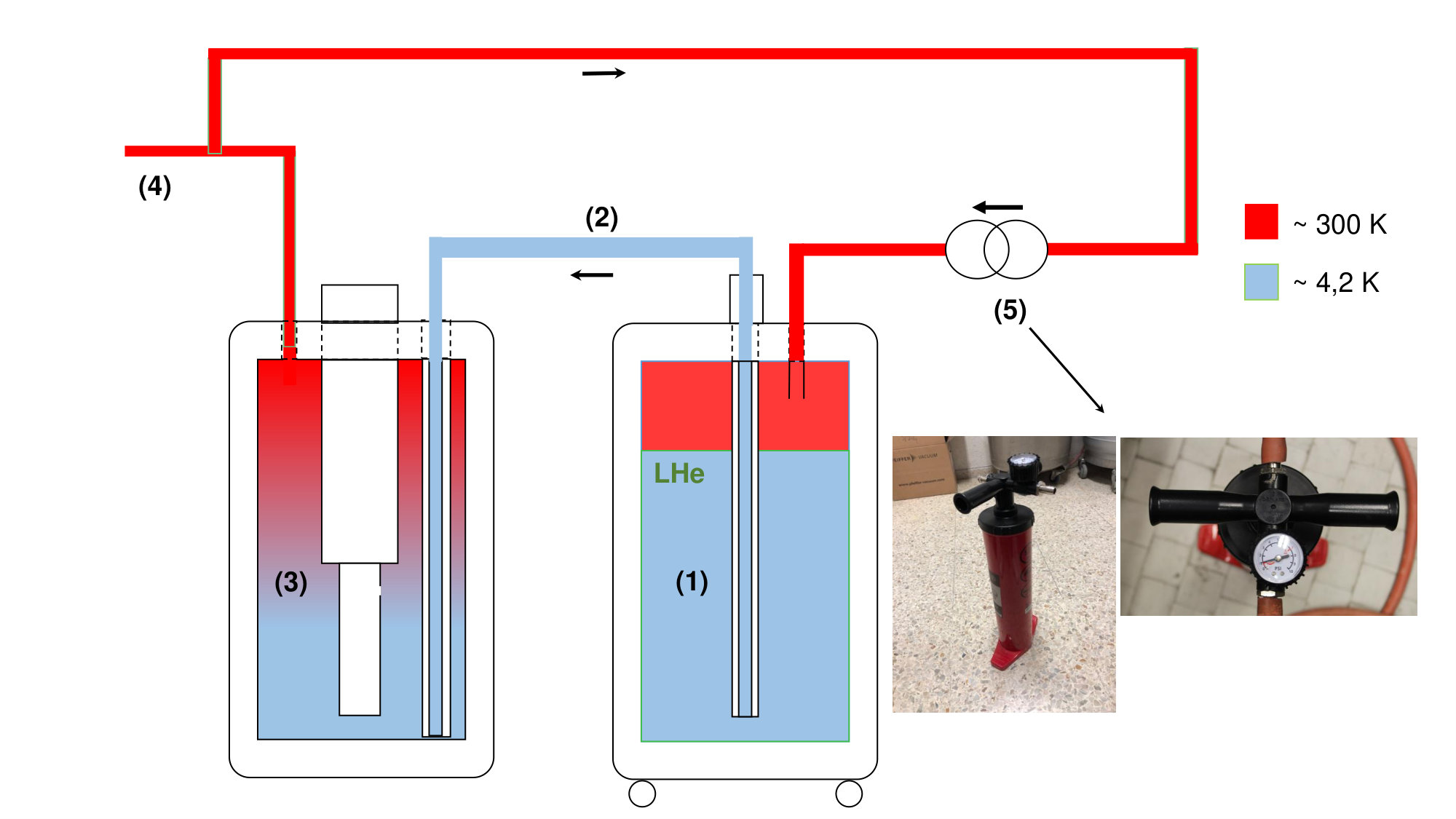 Figure 1
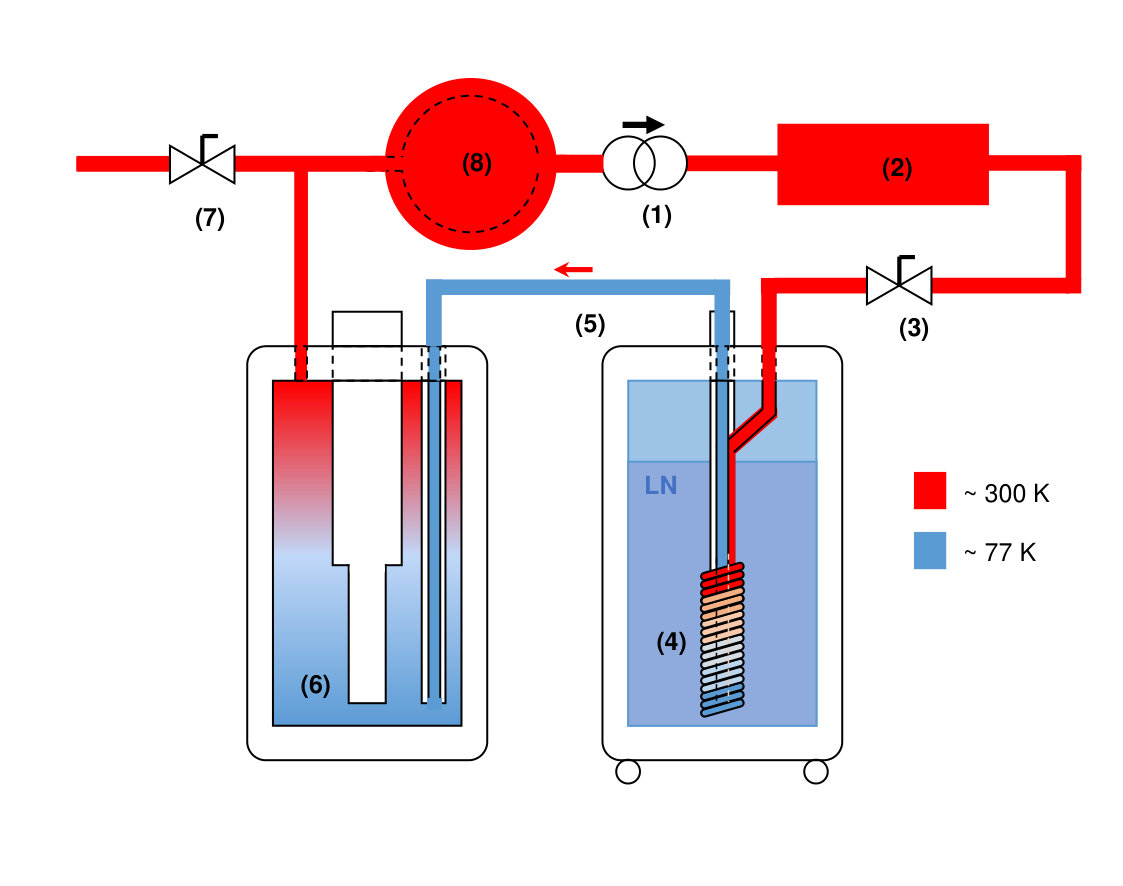 Figure 2
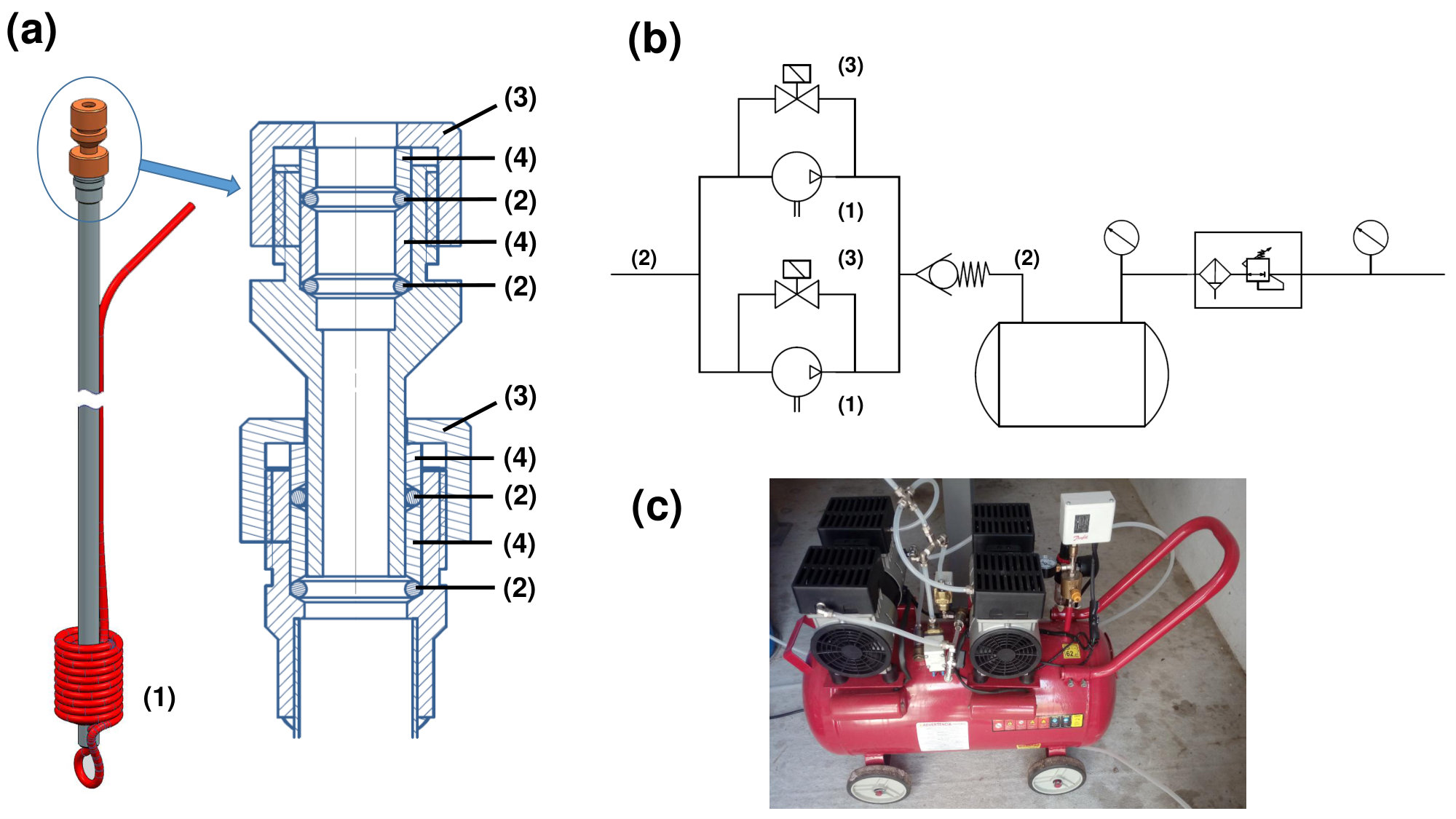 Figure 3
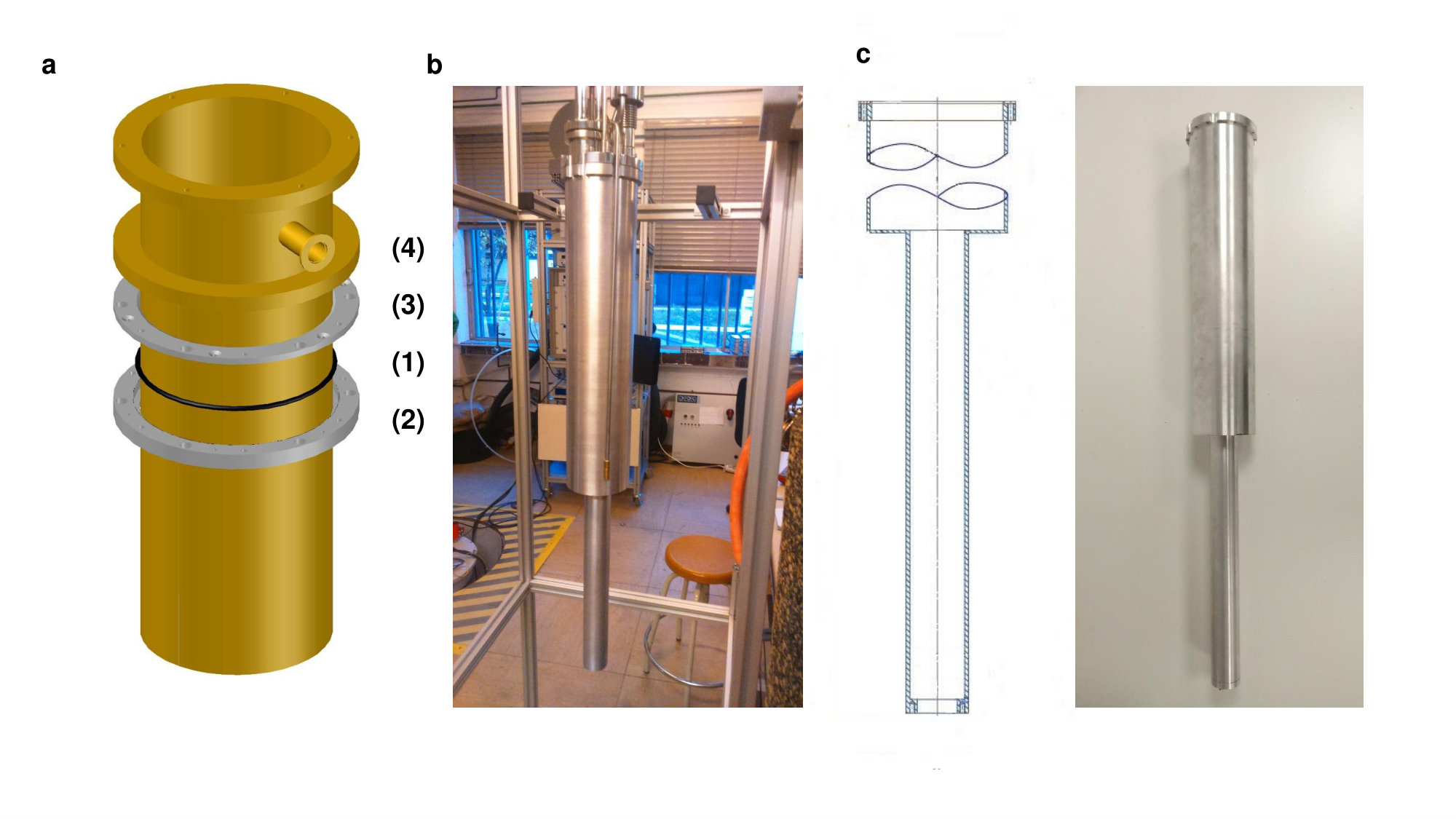 Figure 4
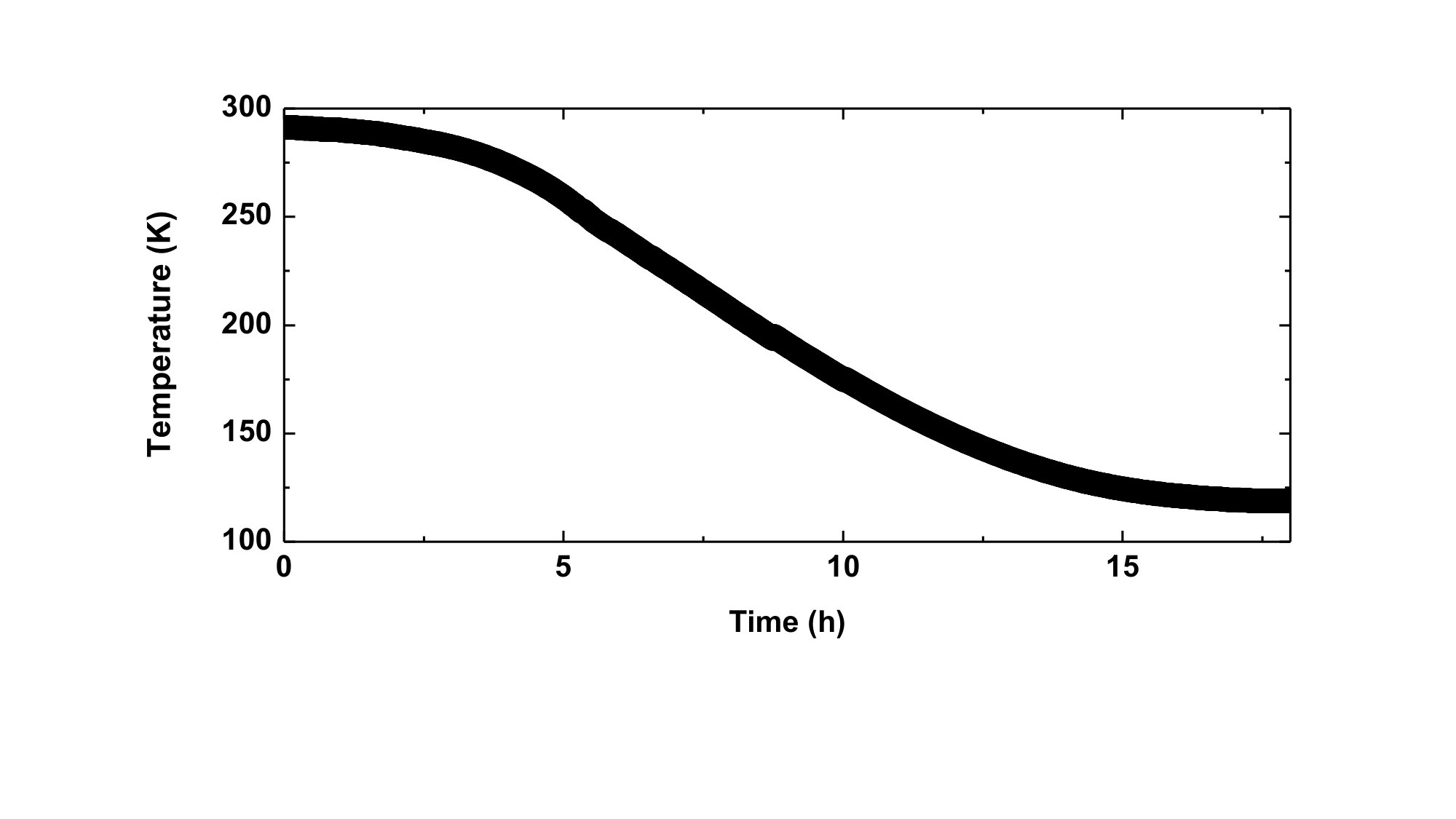 Figure 5
Peer Reviews
No public reviews on file for this paper yet. If you reviewed it on a platform where reviews are public (OpenReview, ICLR, NeurIPS, ICML), you can paste yours below so the community can read it here.
Videos
No videos yet. Explain this paper in a talk, walkthrough, or lecture? Add one.