A bi-partite generative model framework for analyzing and simulating large scale multiple discrete-continuous travel behaviour data
Melvin Wong, Bilal Farooq

TL;DR
This paper introduces a bi-partite generative model framework using a restricted Boltzmann machine to analyze and simulate large-scale multiple discrete-continuous travel behavior data, improving understanding and prediction accuracy.
Contribution
It develops a novel generative machine learning approach tailored for complex travel behavior data, demonstrating its effectiveness over traditional discriminative methods.
Findings
Model accurately replicates data distributions
Generates statistically similar travel forecasts
Outperforms discriminative methods in validation
Abstract
The emergence of data-driven demand analysis has led to the increased use of generative modelling to learn the probabilistic dependencies between random variables. Although their apparent use has mostly been limited to image recognition and classification in recent years, generative machine learning algorithms can be a powerful tool for travel behaviour research by replicating travel behaviour by the underlying properties of data structures. In this paper, we examine the use of generative machine learning approach for analyzing multiple discrete-continuous (MDC) travel behaviour data. We provide a plausible perspective of how we can exploit the use of machine learning techniques to interpret the underlying heterogeneities in the data. We show that generative models are conceptually similar to the choice selection behaviour process through information entropy and variational Bayesian…
Click any figure to enlarge with its caption.
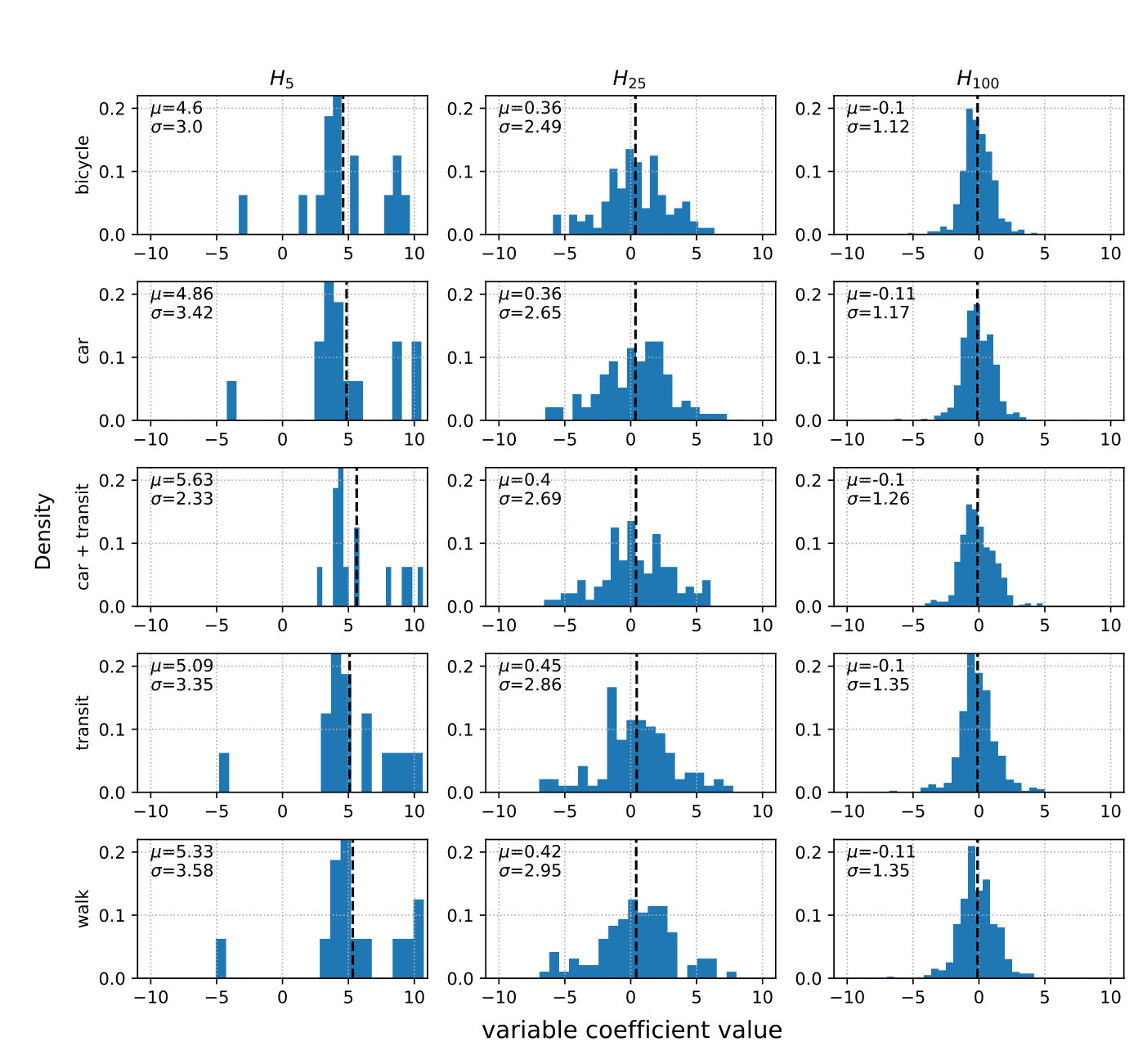 Figure 1
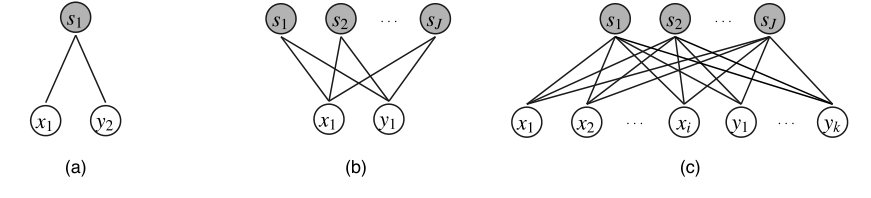 Figure 2
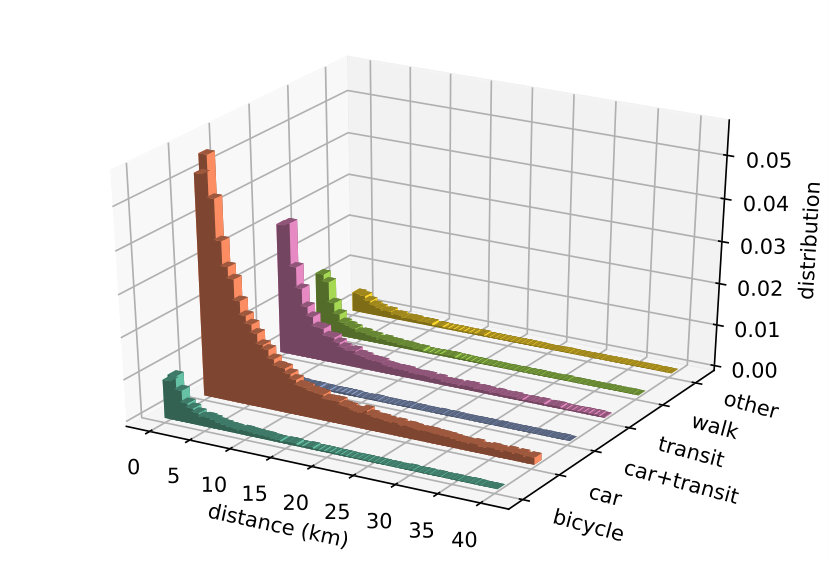 Figure 3
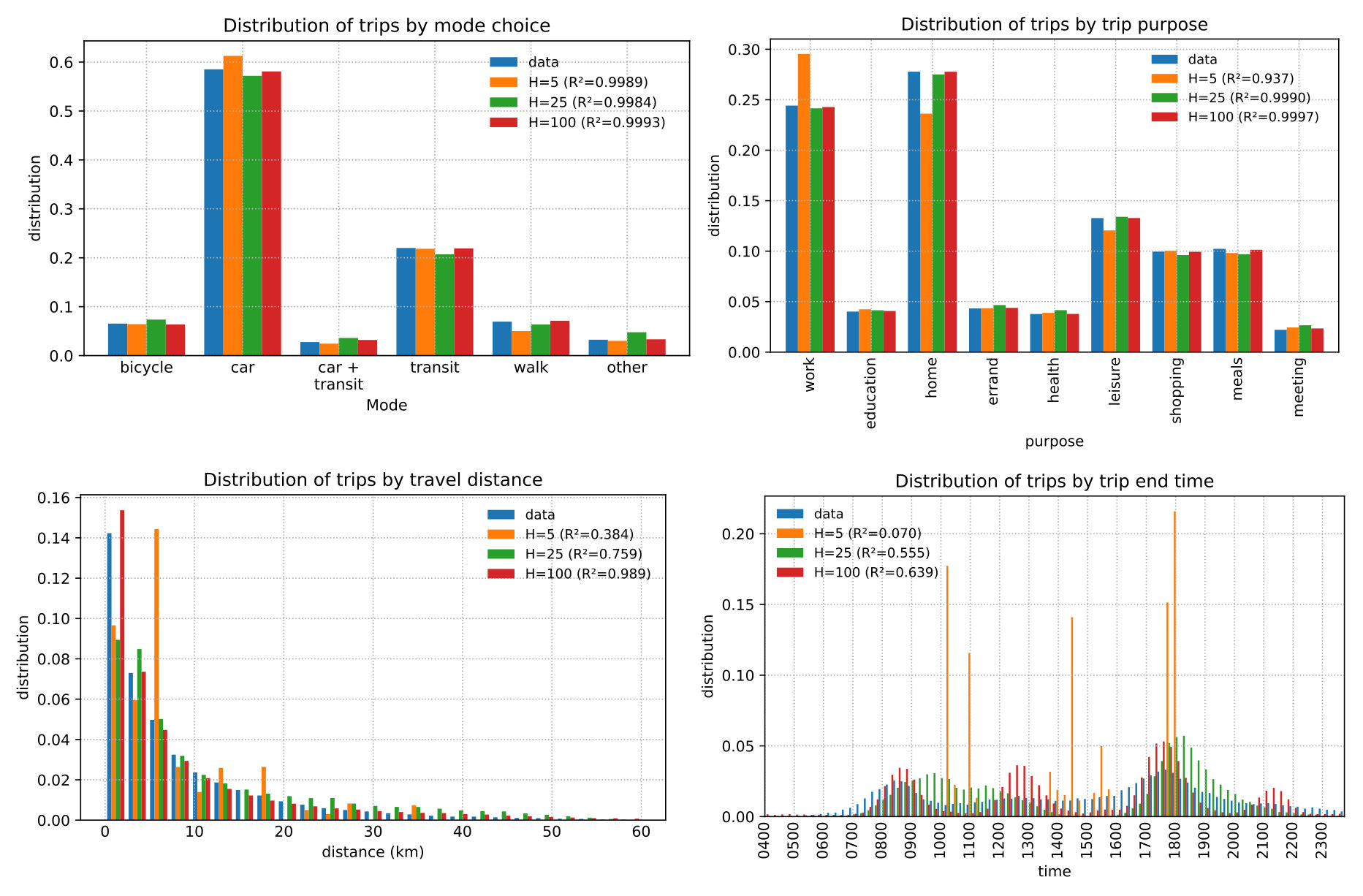 Figure 4
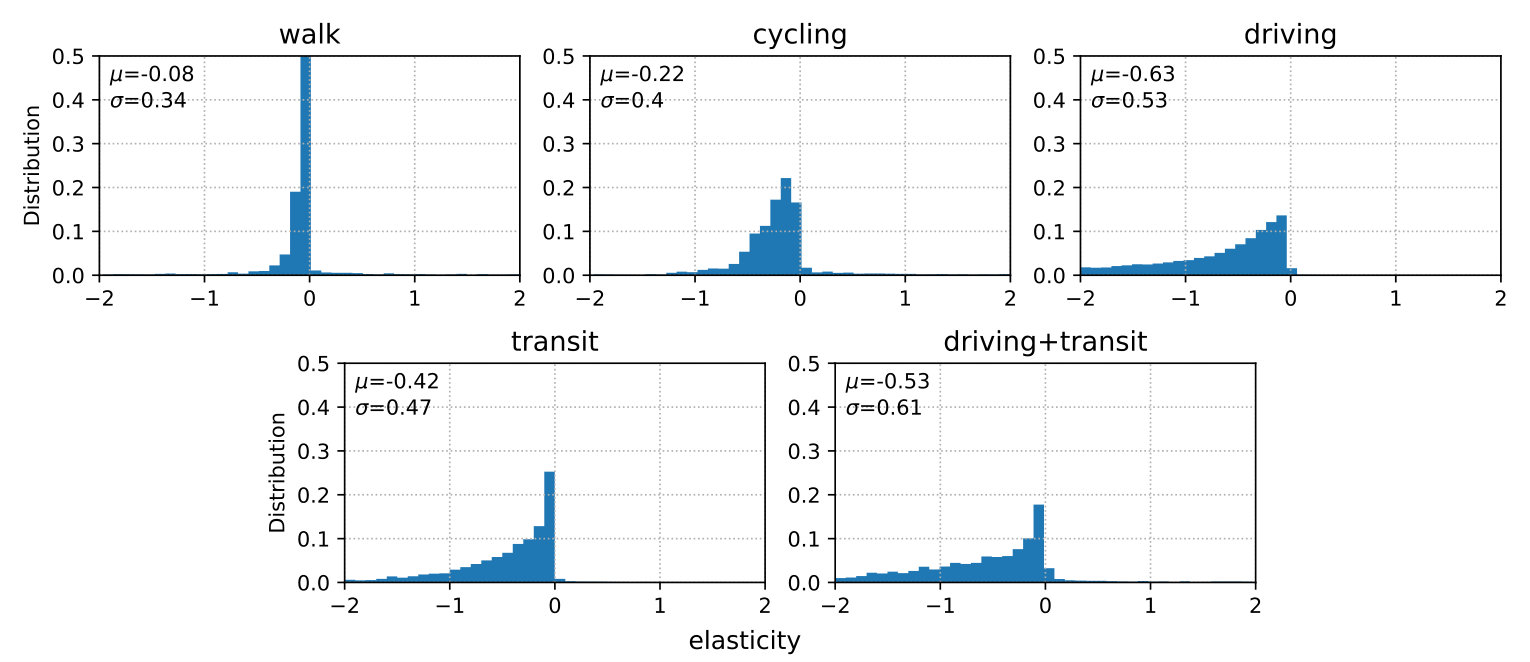 Figure 5
 Figure 6
 Figure 7
 Figure 8
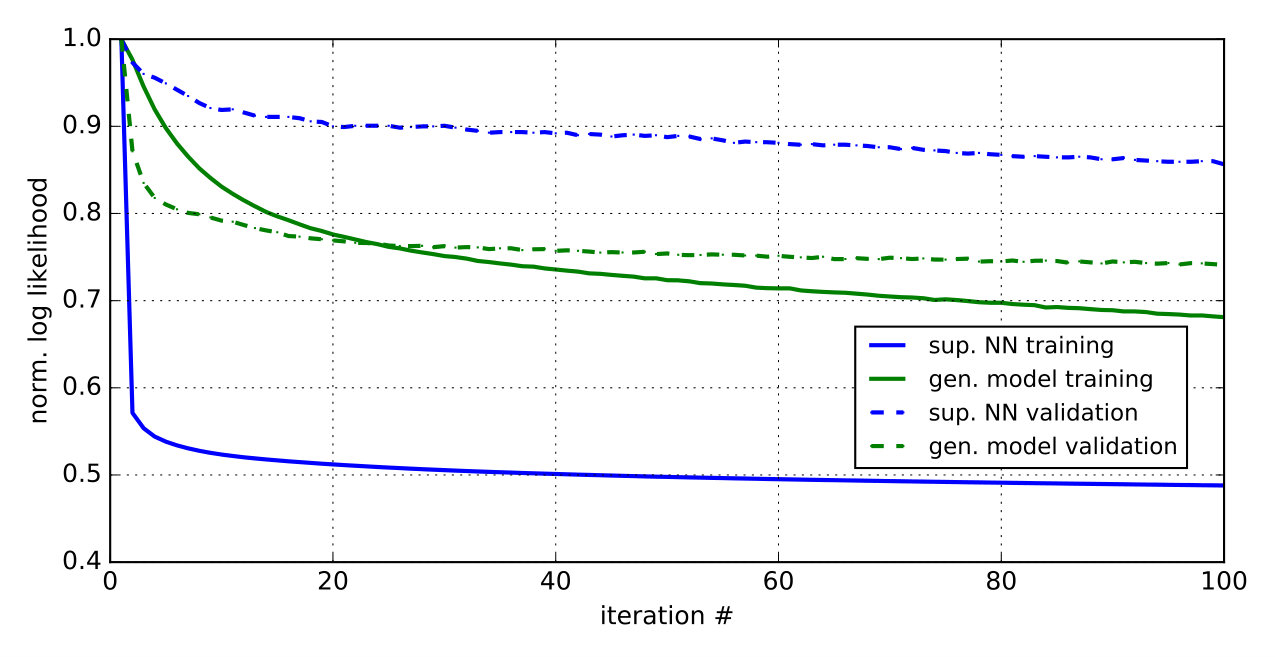 Figure 9
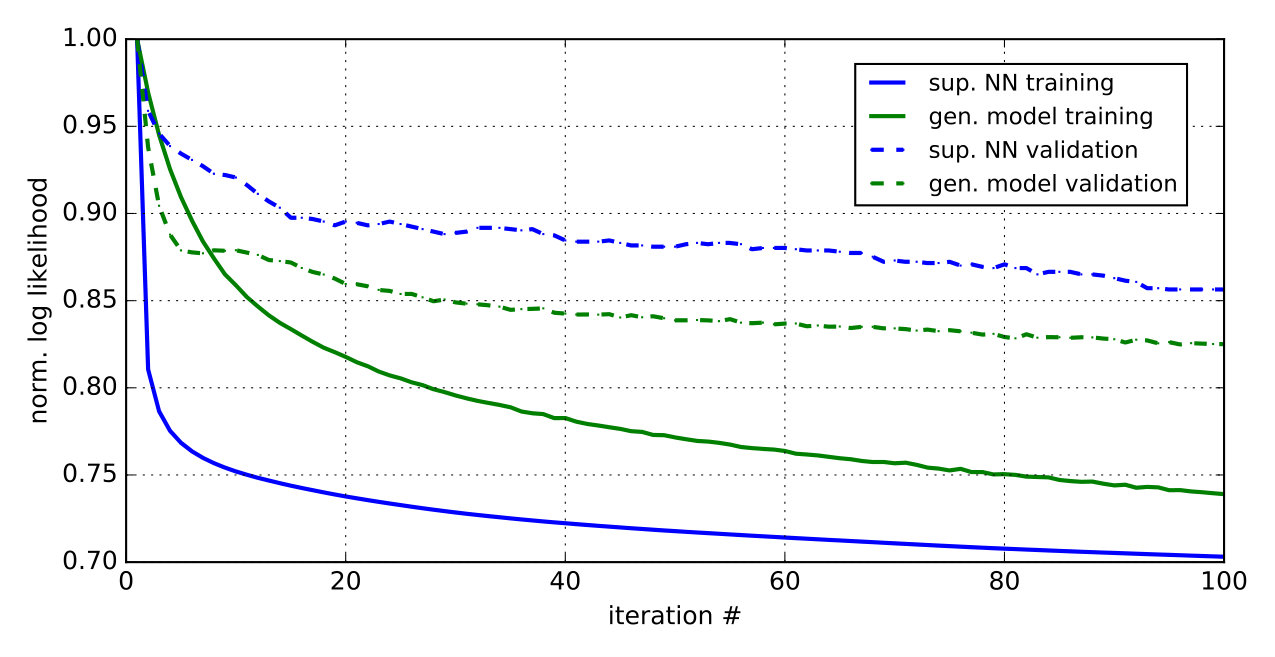 Figure 10
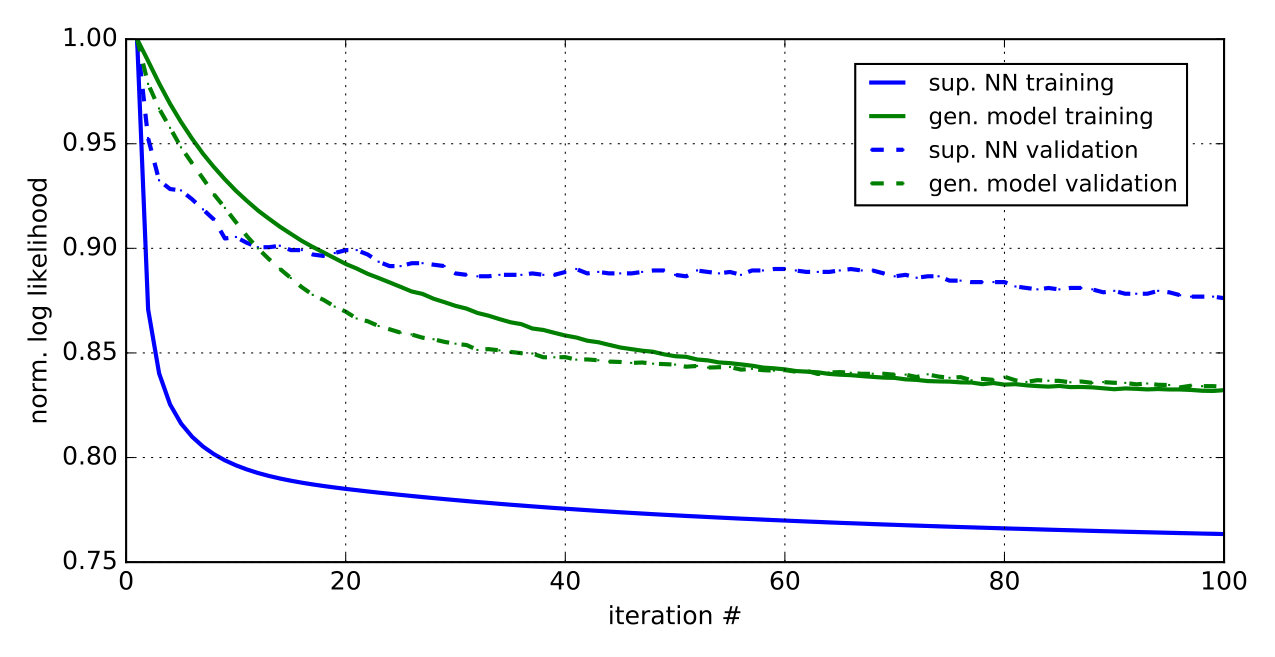 Figure 11
Peer Reviews
No public reviews on file for this paper yet. If you reviewed it on a platform where reviews are public (OpenReview, ICLR, NeurIPS, ICML), you can paste yours below so the community can read it here.
Videos
No videos yet. Explain this paper in a talk, walkthrough, or lecture? Add one.
Taxonomy
MethodsRestricted Boltzmann Machine