International crop trade networks: The impact of shocks and cascades
Rebekka Burkholz, Frank Schweitzer

TL;DR
This paper examines how increasing complexity in international crop trade networks, driven by more interconnected countries and exogenous shocks, leads to greater vulnerability to failure cascades, with implications for policy.
Contribution
It introduces a model capturing higher-order trade dependencies and reveals hidden vulnerabilities in global crop trade networks over 21 years.
Findings
Trade networks have become more complex and interconnected.
Countries' export restrictions can trigger cascading failures.
Hidden dependencies influence trade stability and policy considerations.
Abstract
Analyzing available FAO data from 176 countries over 21 years, we observe an increase of complexity in the international trade of maize, rice, soy, and wheat. A larger number of countries play a role as producers or intermediaries, either for trade or food processing. In consequence, we find that the trade networks become more prone to failure cascades caused by exogenous shocks. In our model, countries compensate for demand deficits by imposing export restrictions. To capture these, we construct higher-order trade dependency networks for the different crops and years. These networks reveal hidden dependencies between countries and allow to discuss policy implications.
Click any figure to enlarge with its caption.
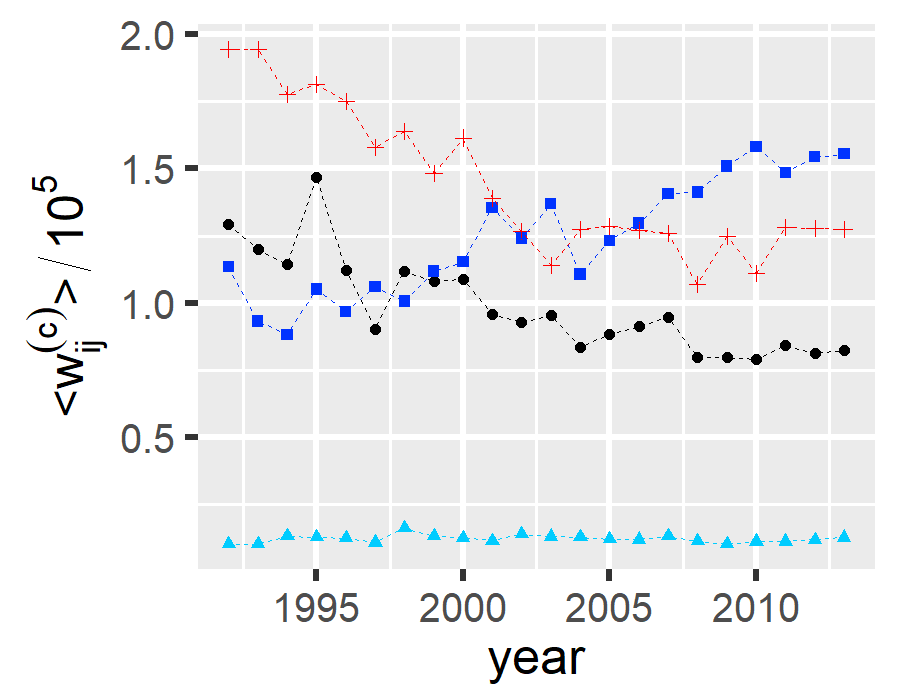 Figure 1
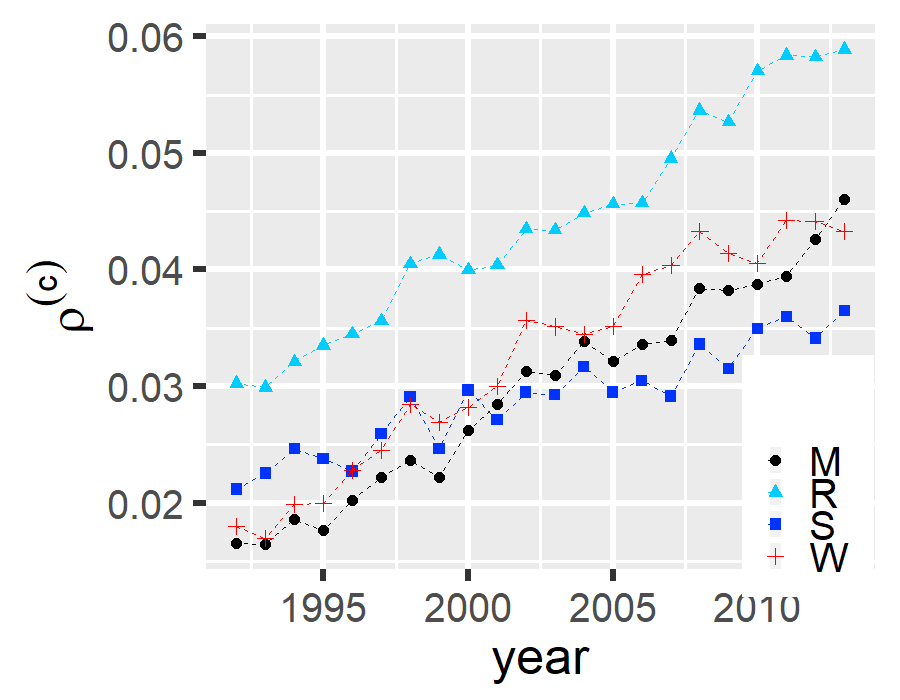 Figure 2
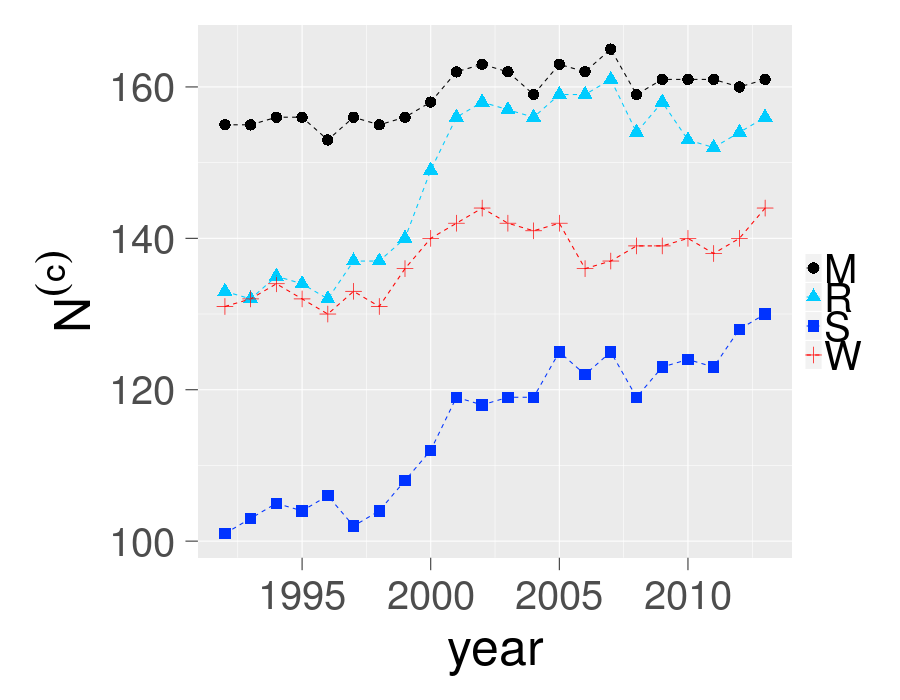 Figure 3
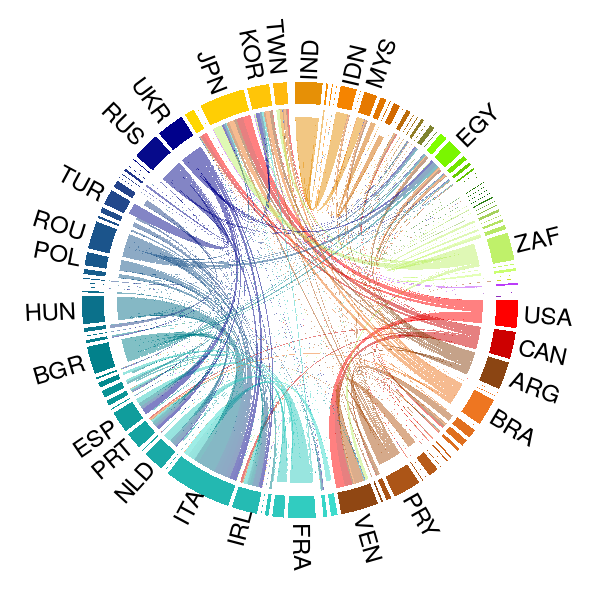 Figure 4
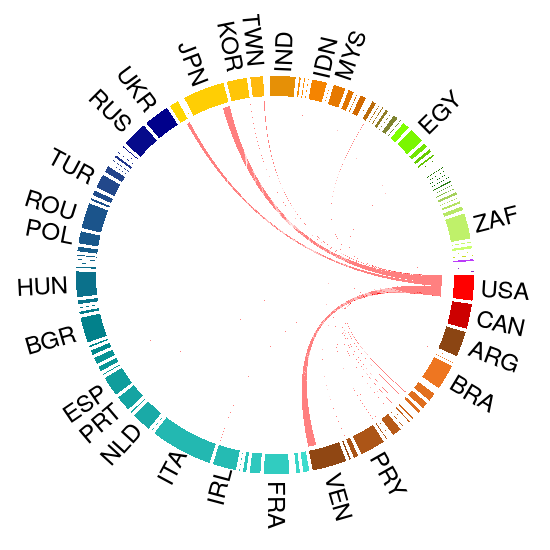 Figure 5
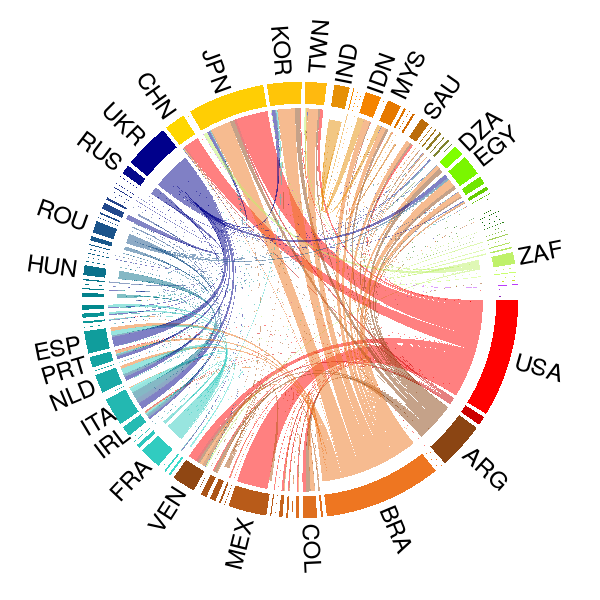 Figure 6
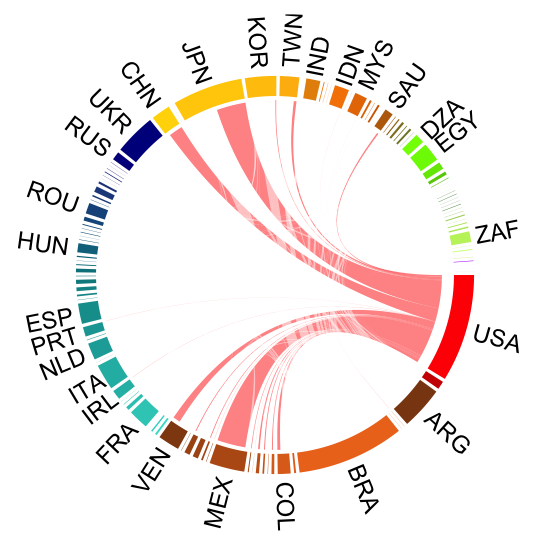 Figure 7
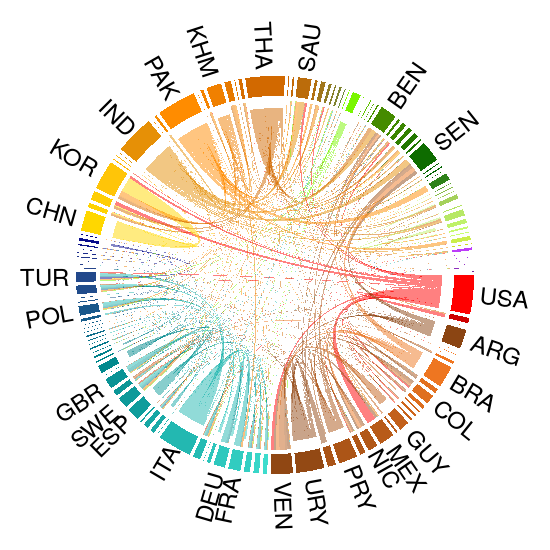 Figure 8
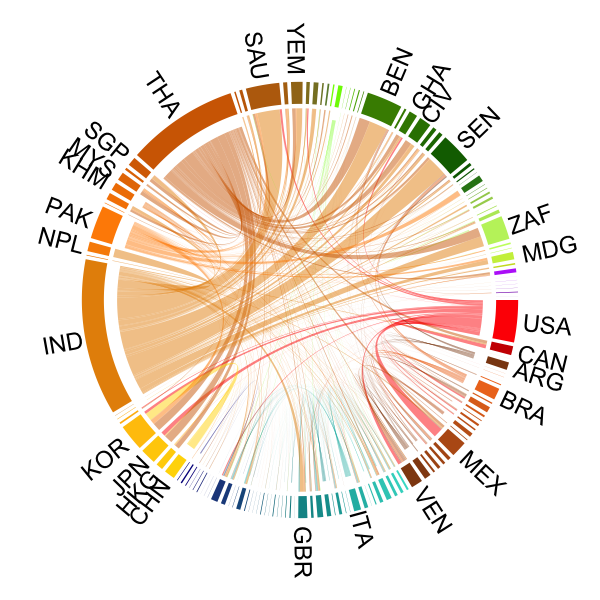 Figure 9
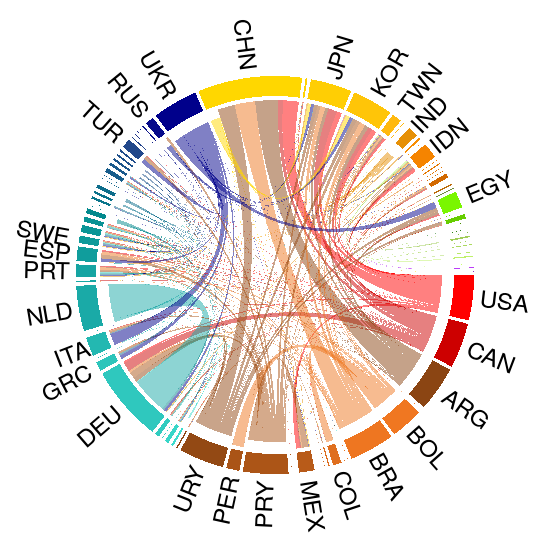 Figure 10
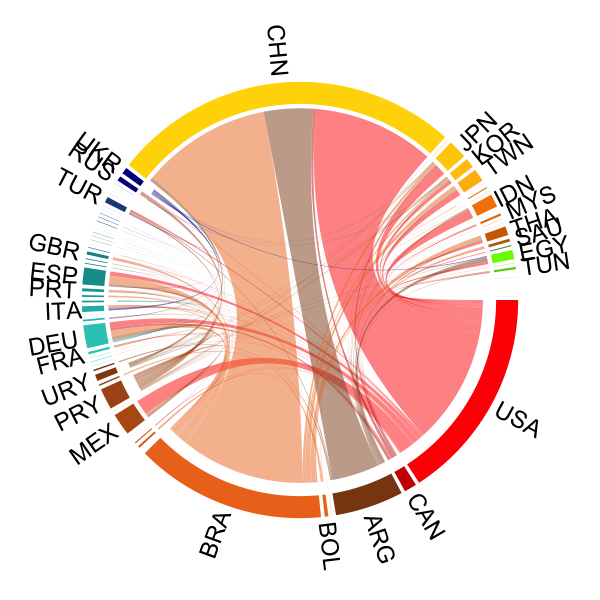 Figure 11
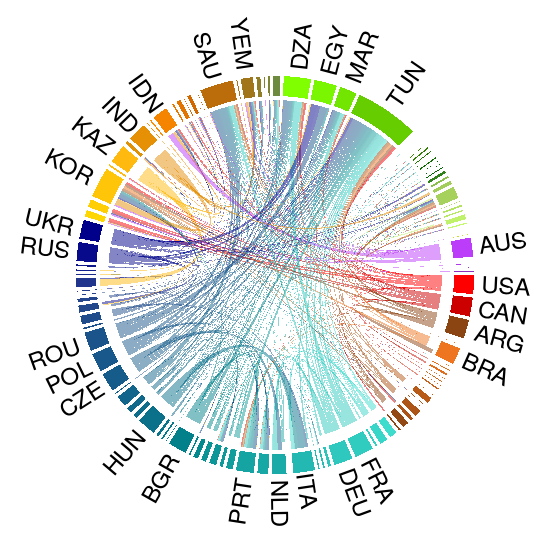 Figure 12
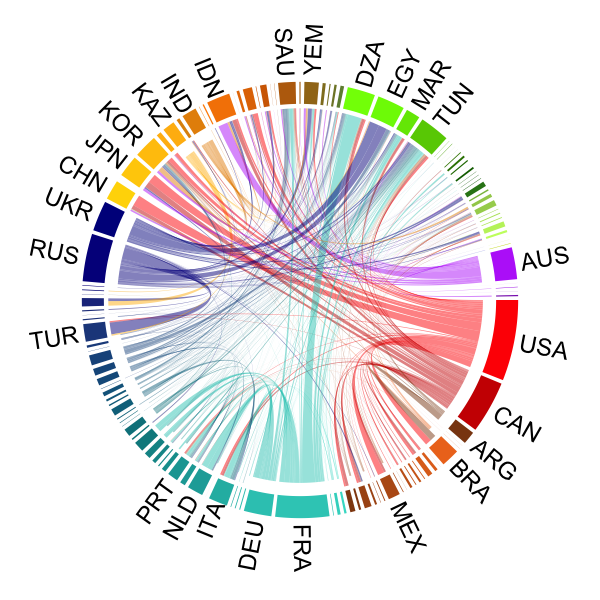 Figure 13
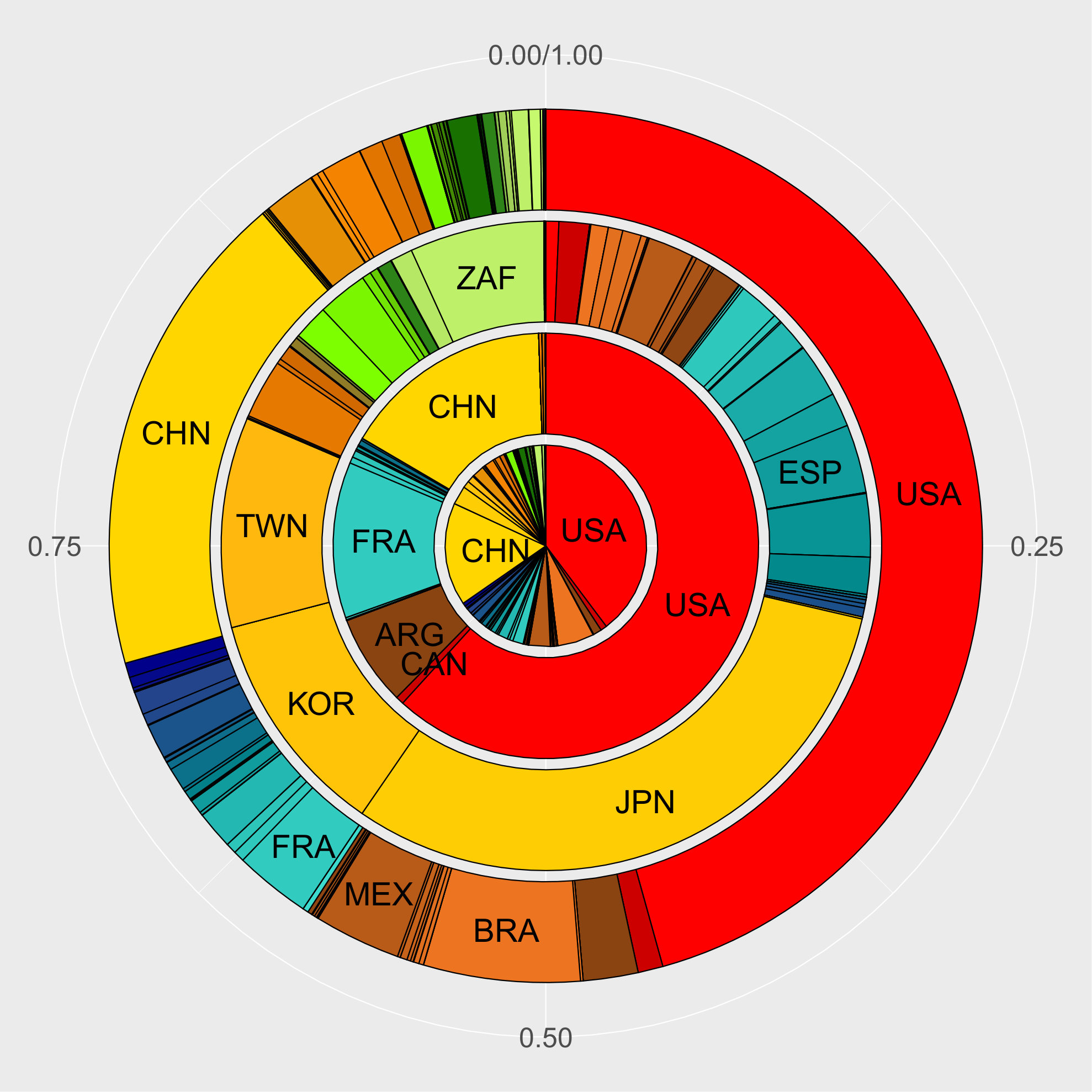 Figure 14
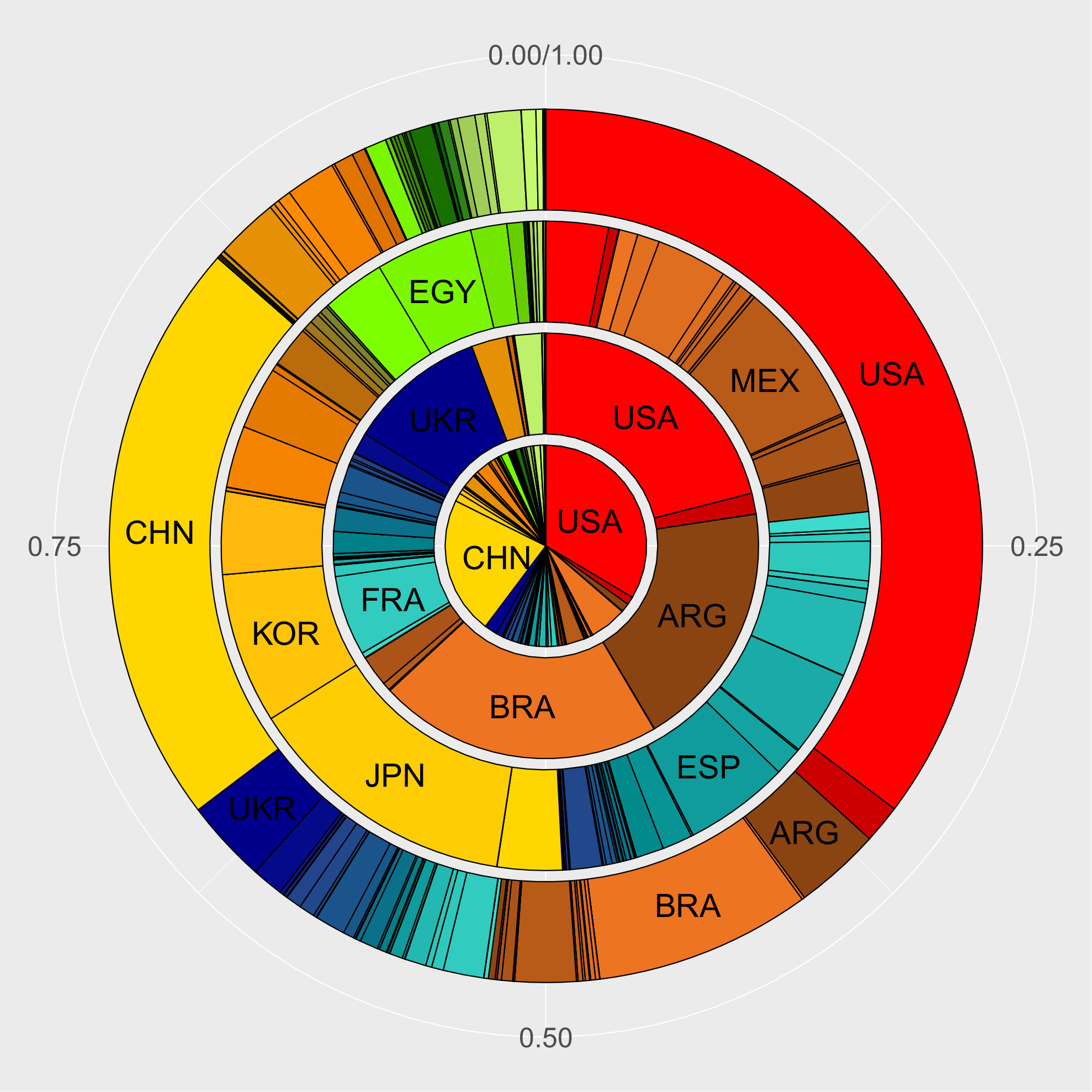 Figure 15
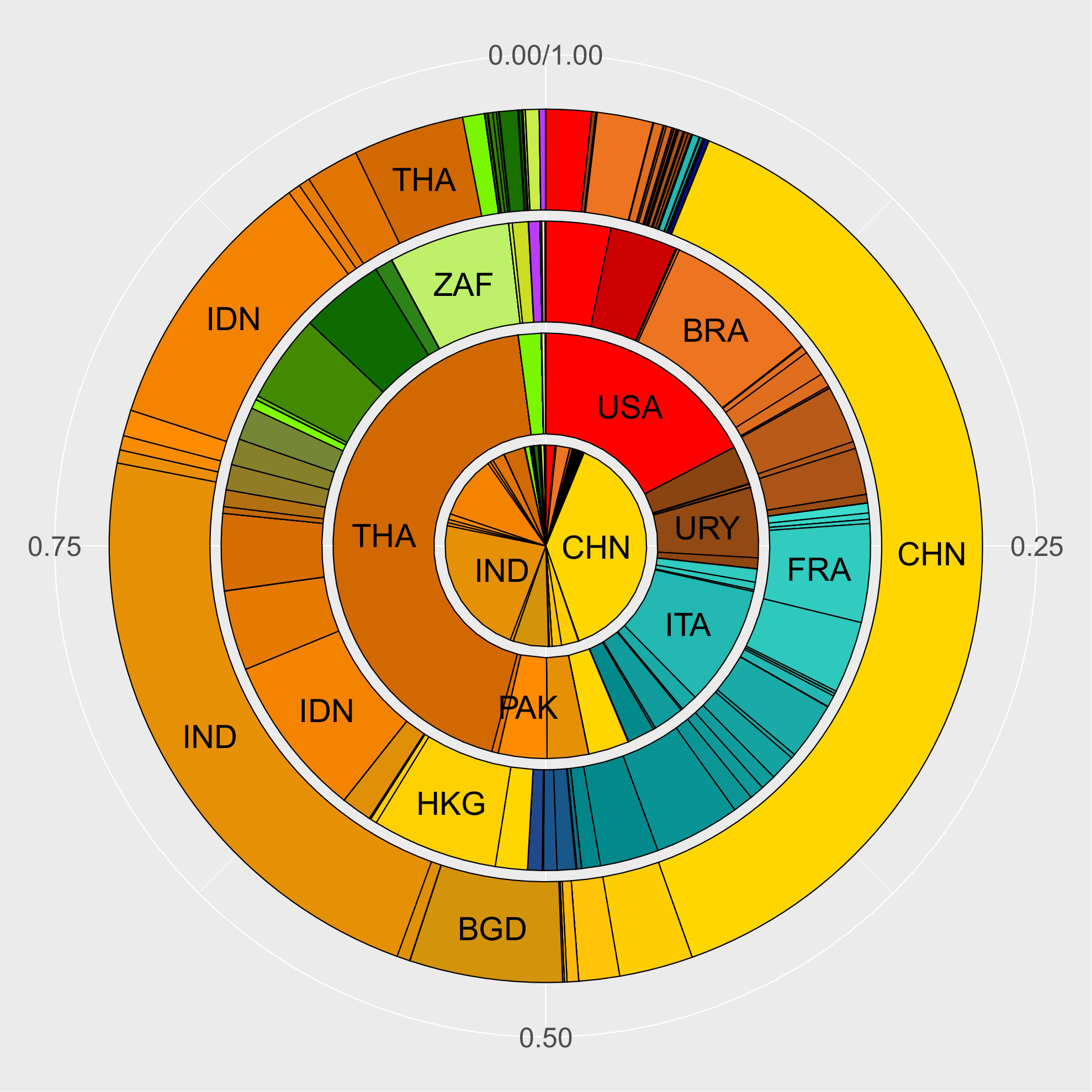 Figure 16
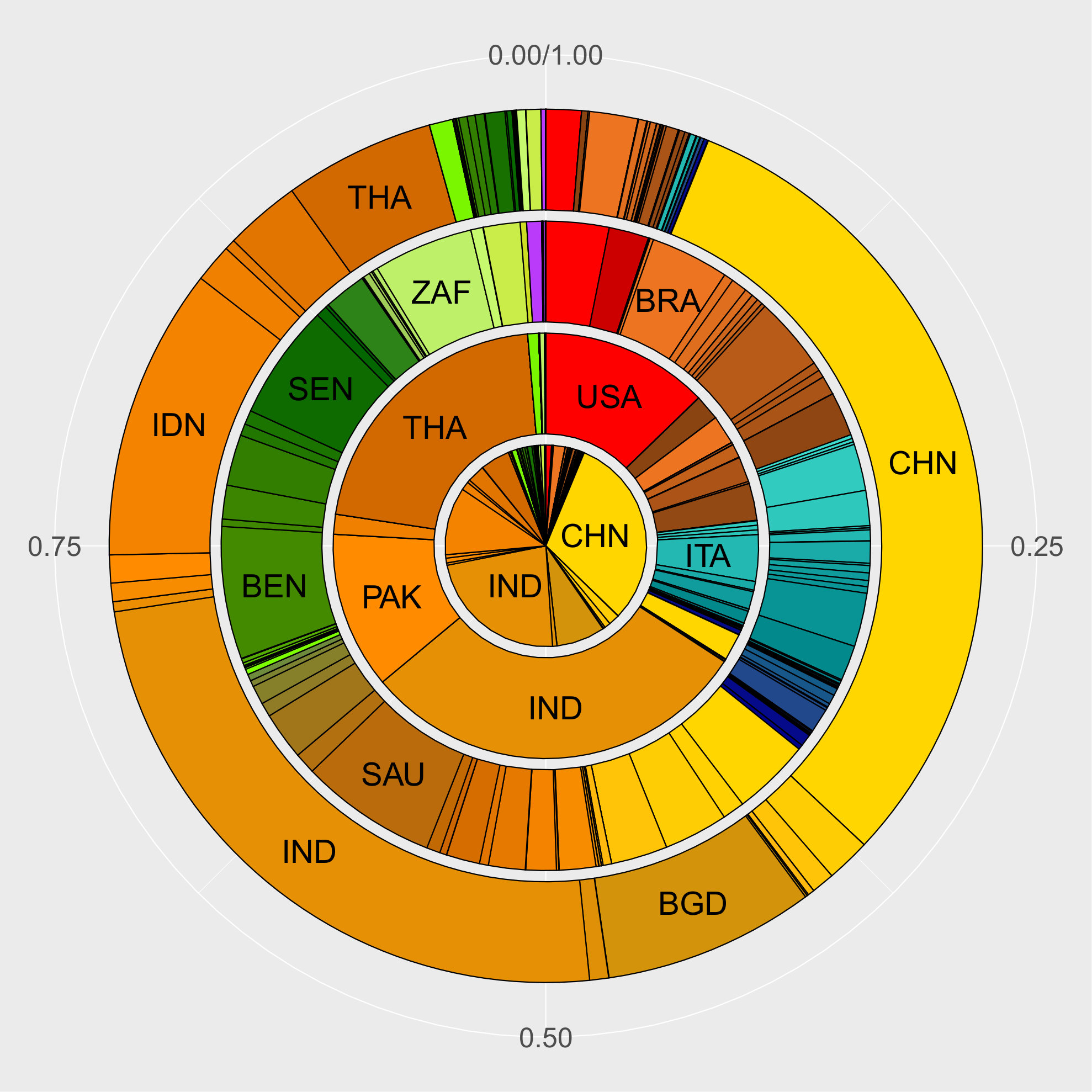 Figure 17
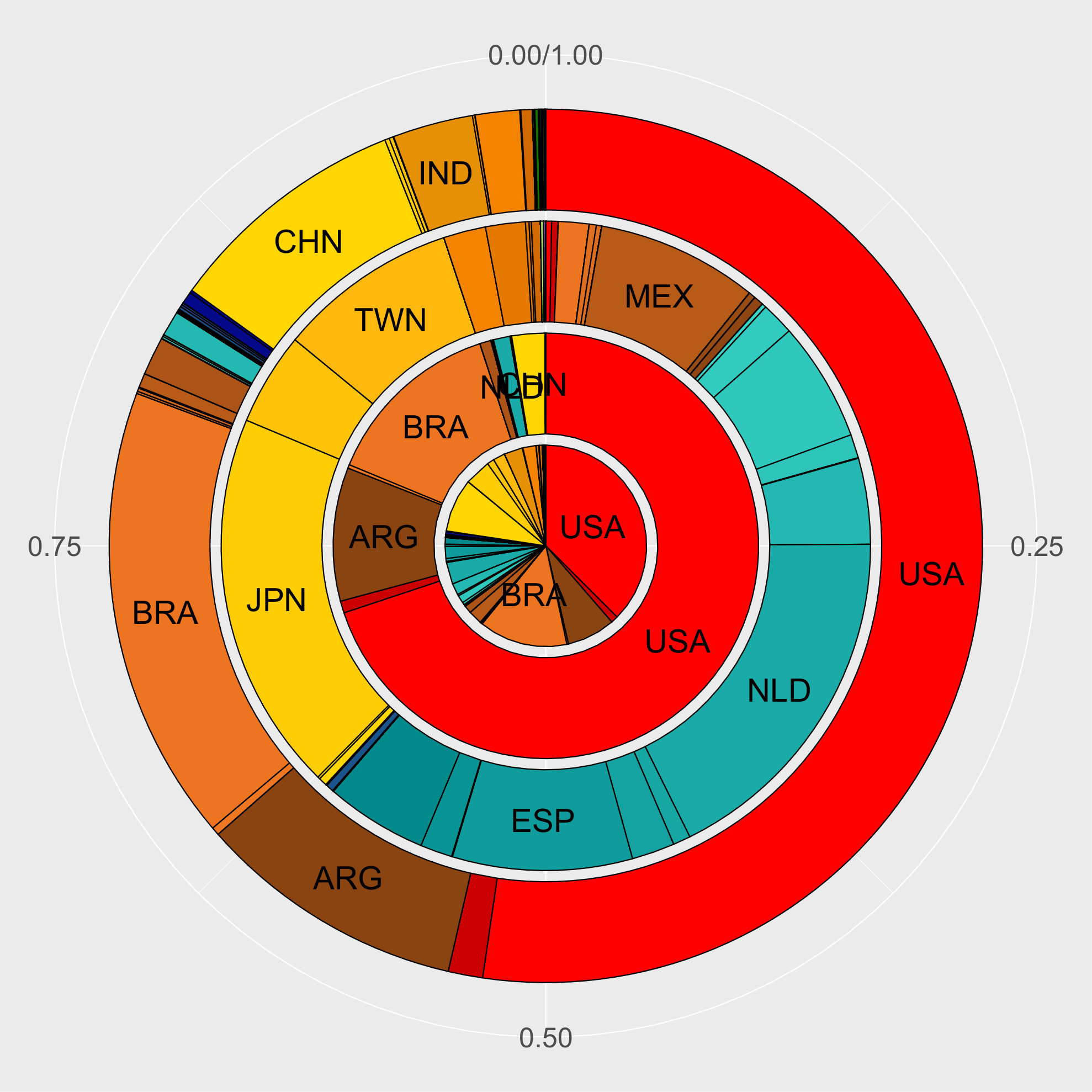 Figure 18
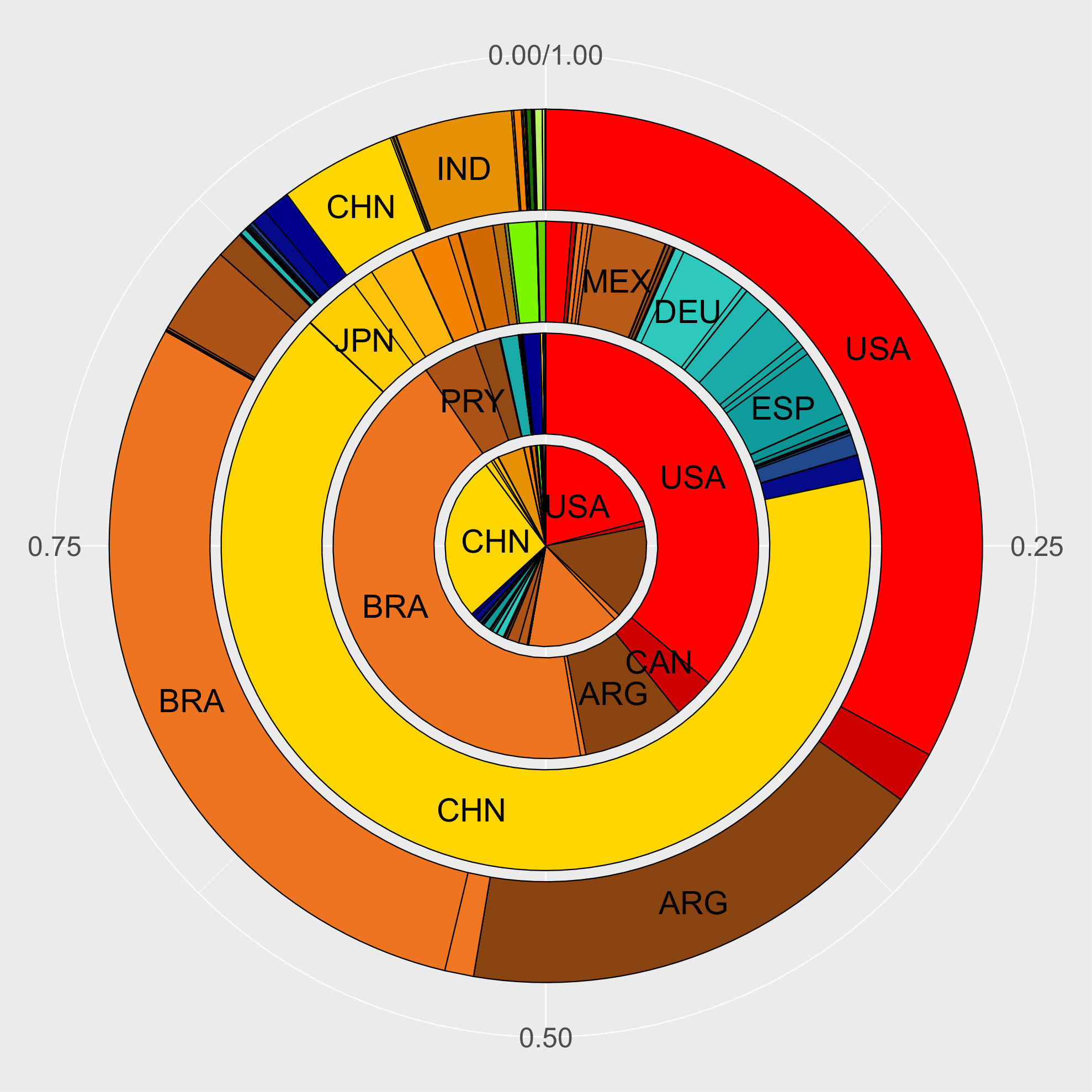 Figure 19
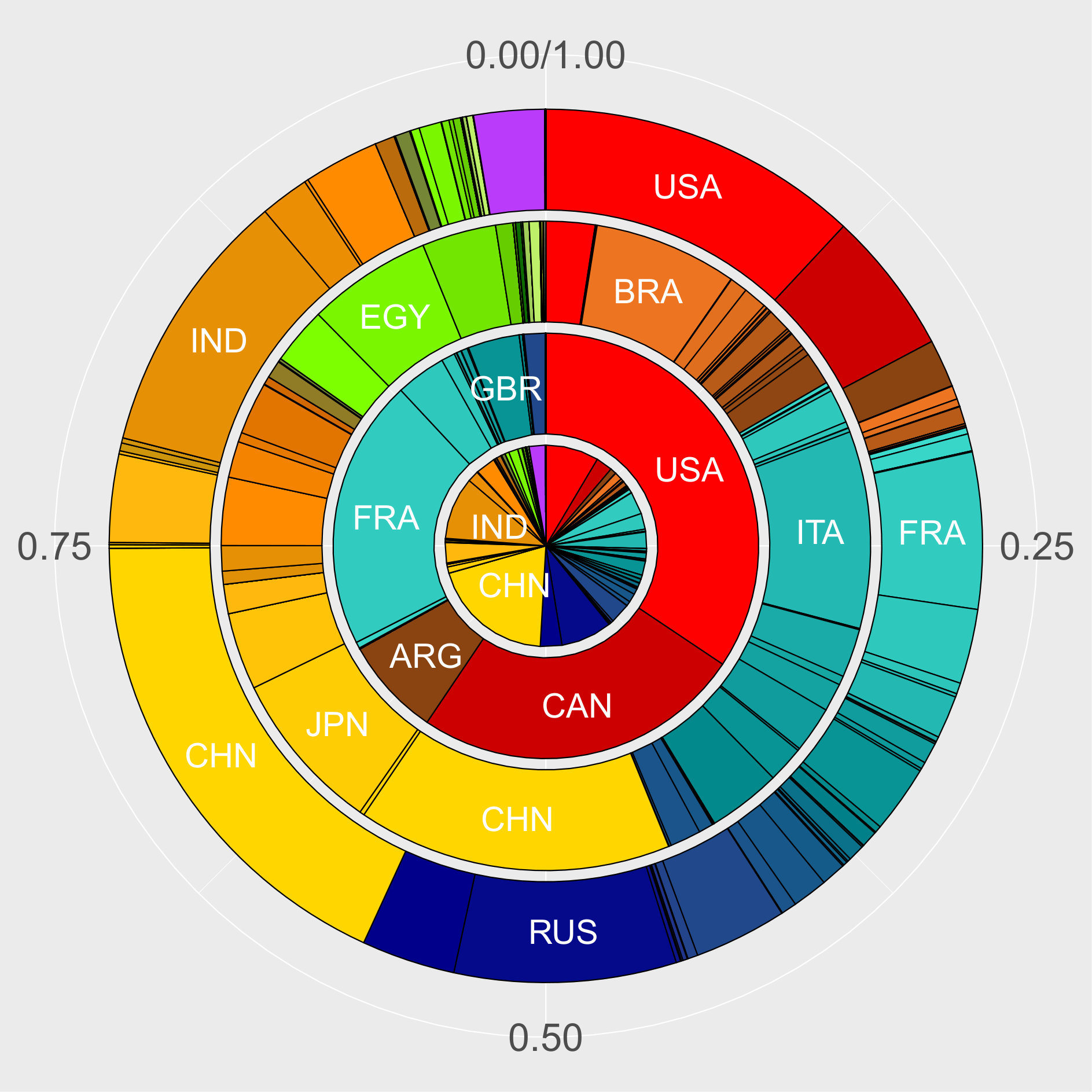 Figure 20
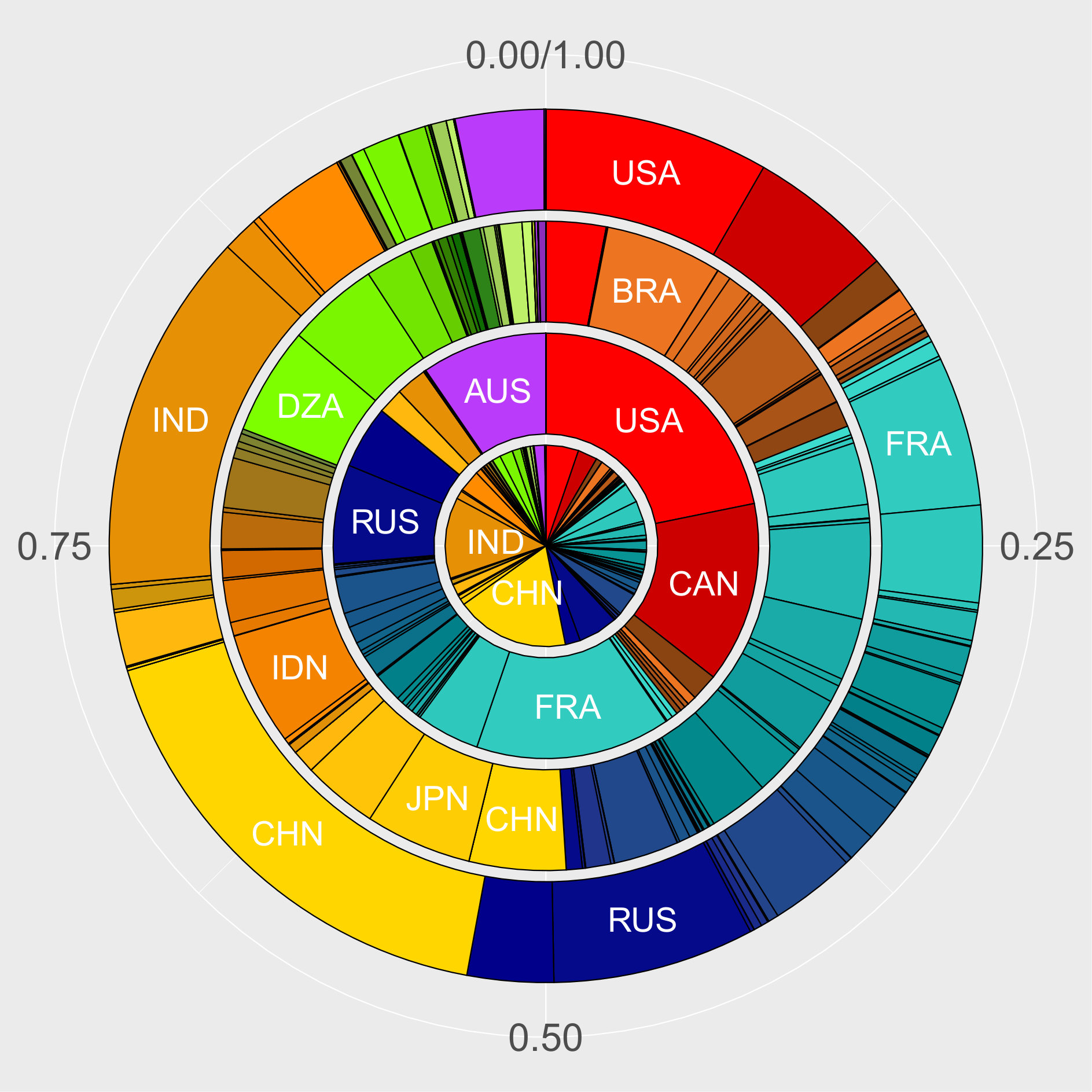 Figure 21
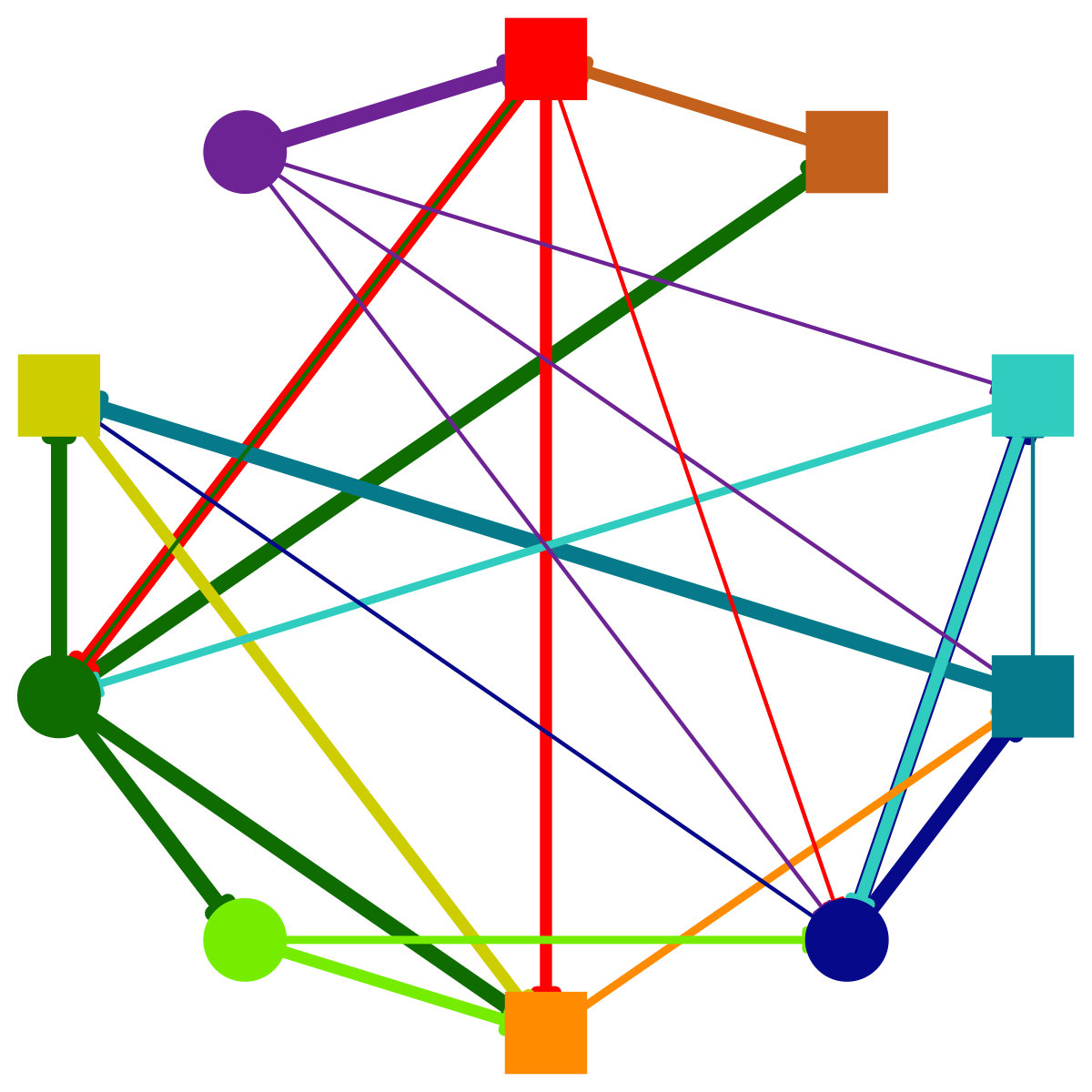 Figure 22
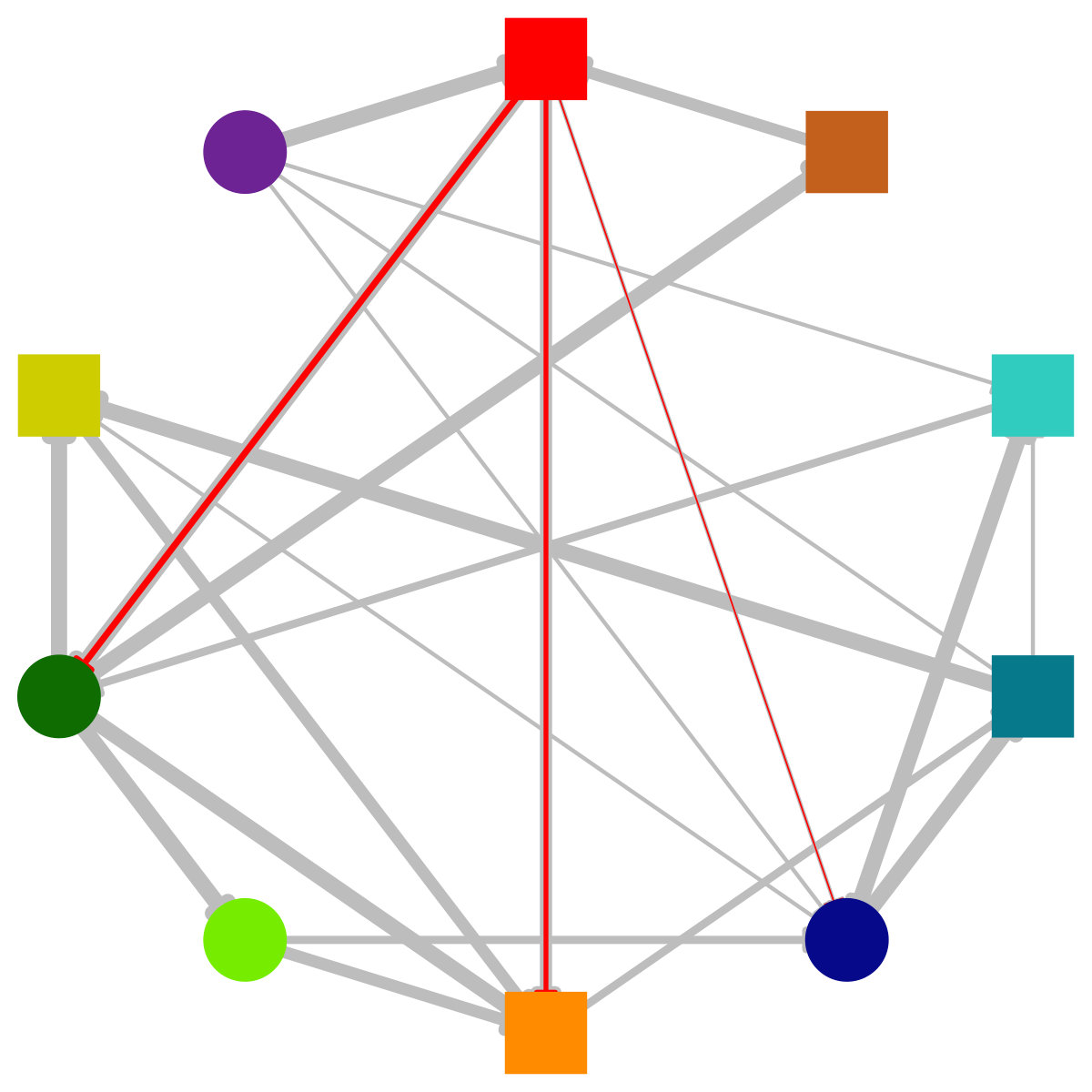 Figure 23
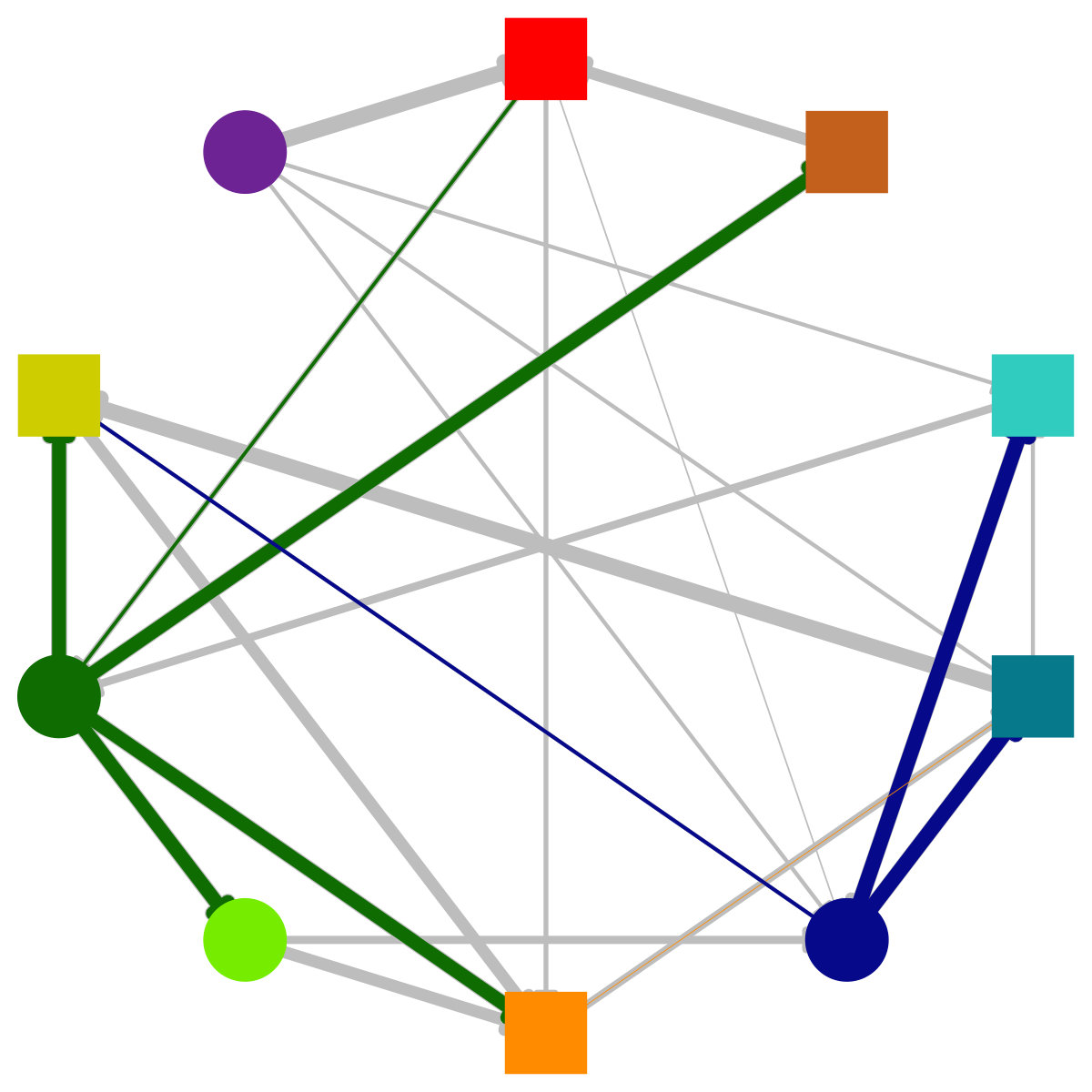 Figure 24
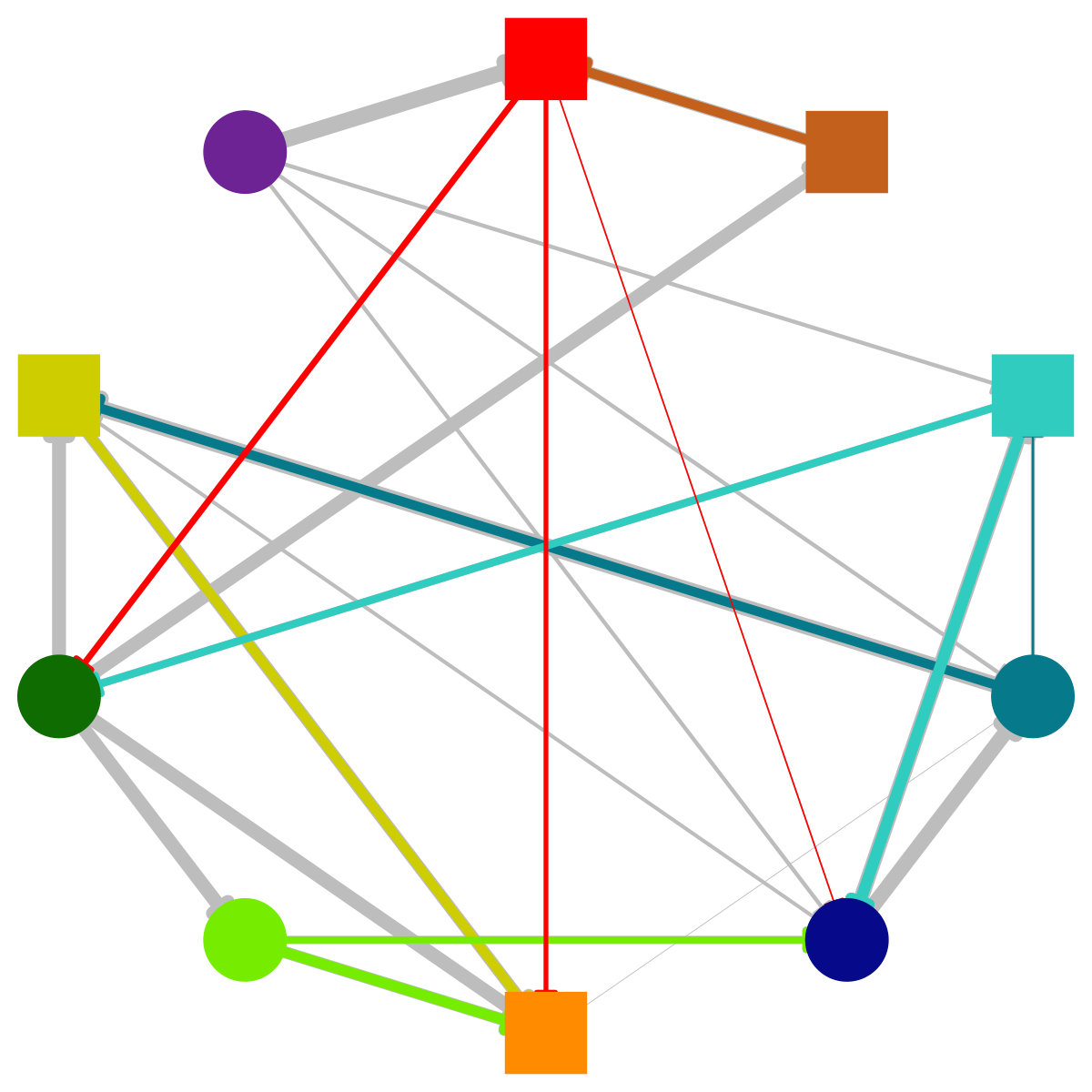 Figure 25
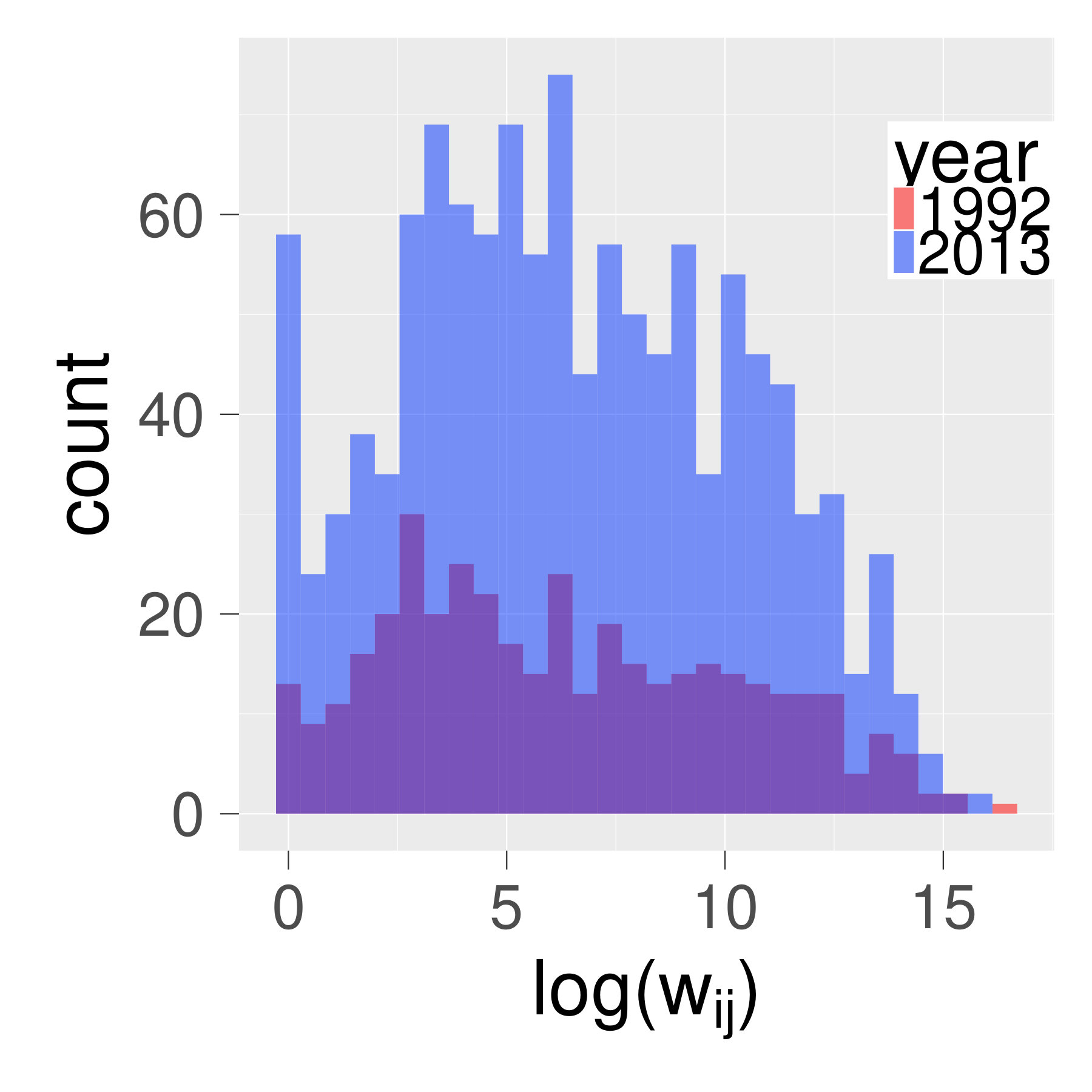 Figure 26
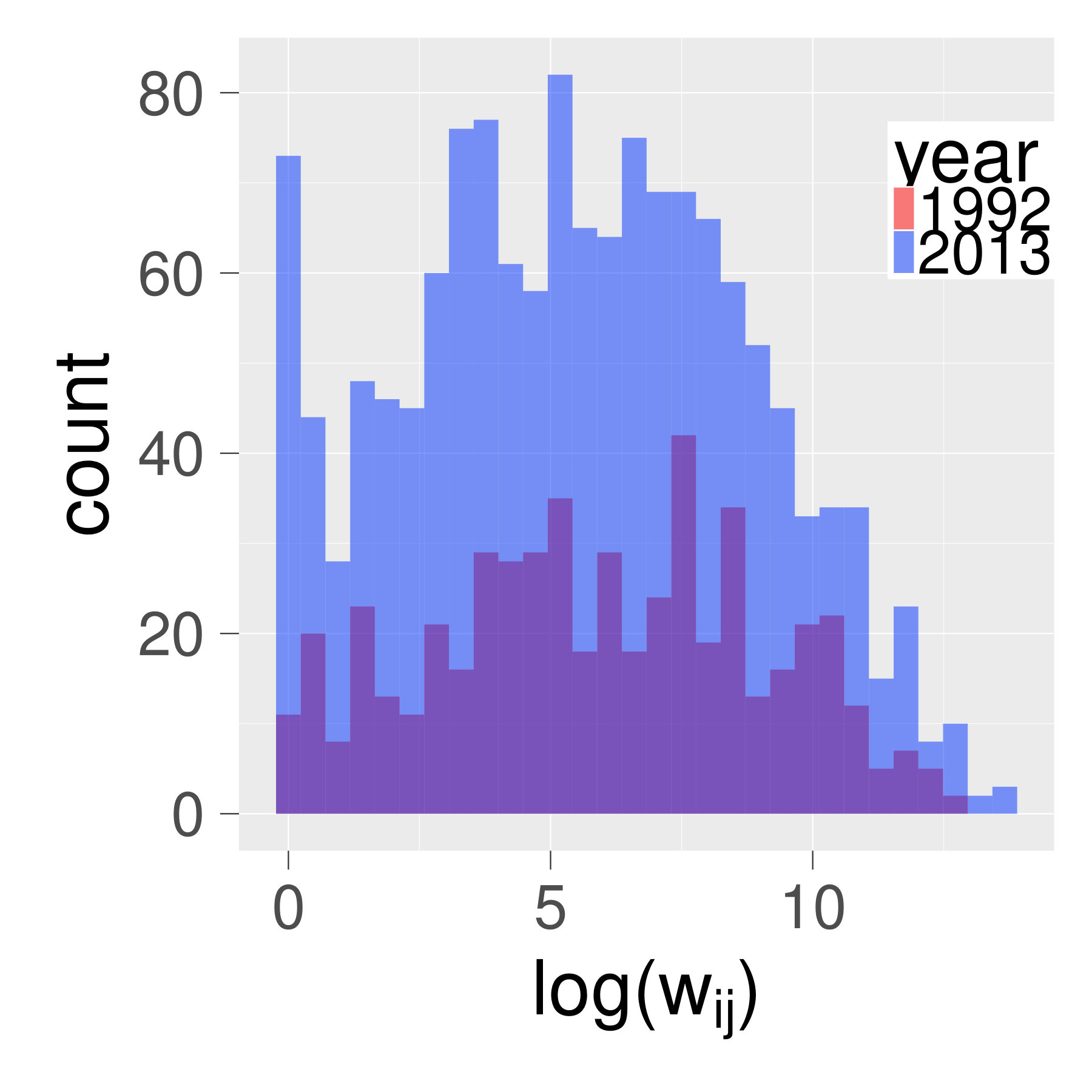 Figure 27
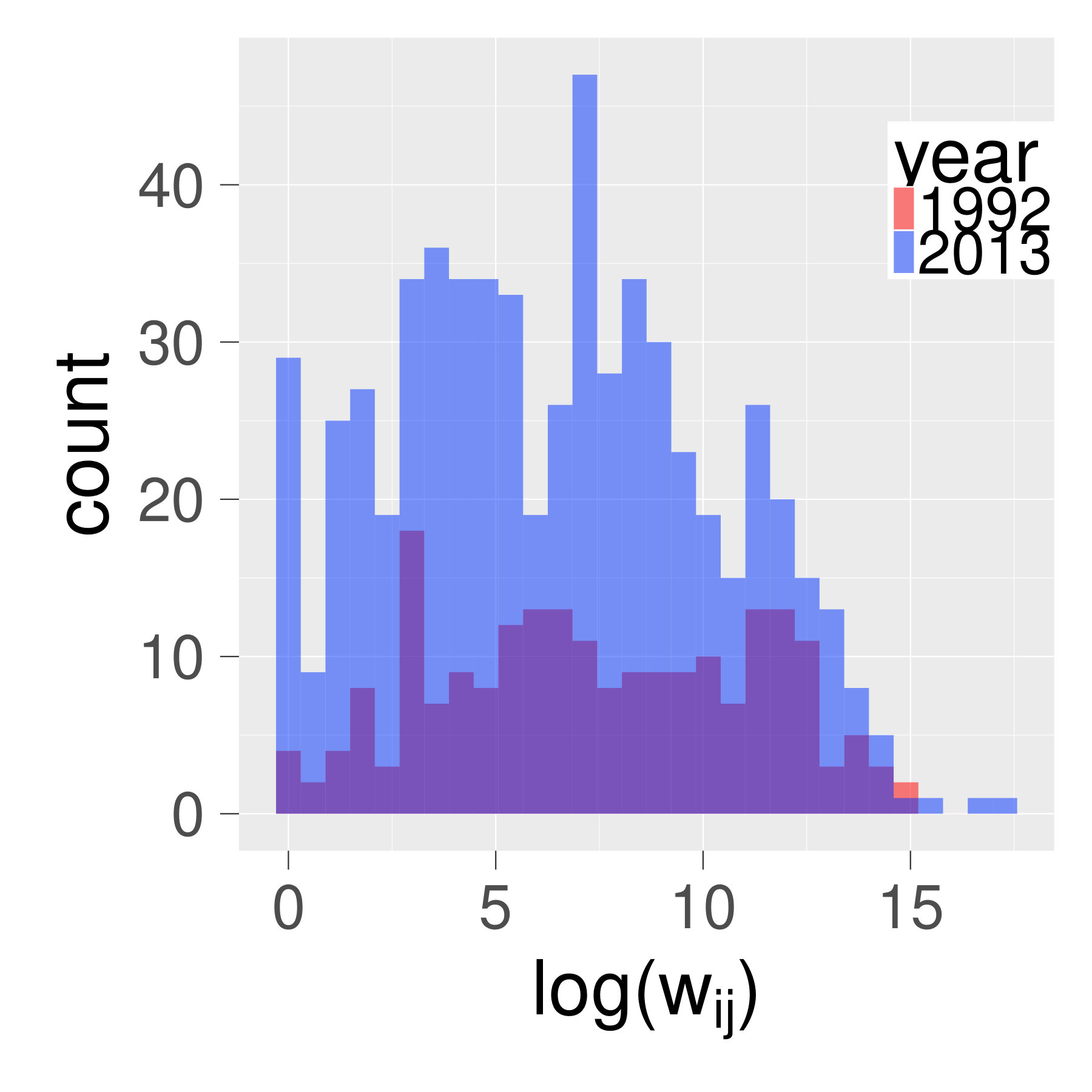 Figure 28
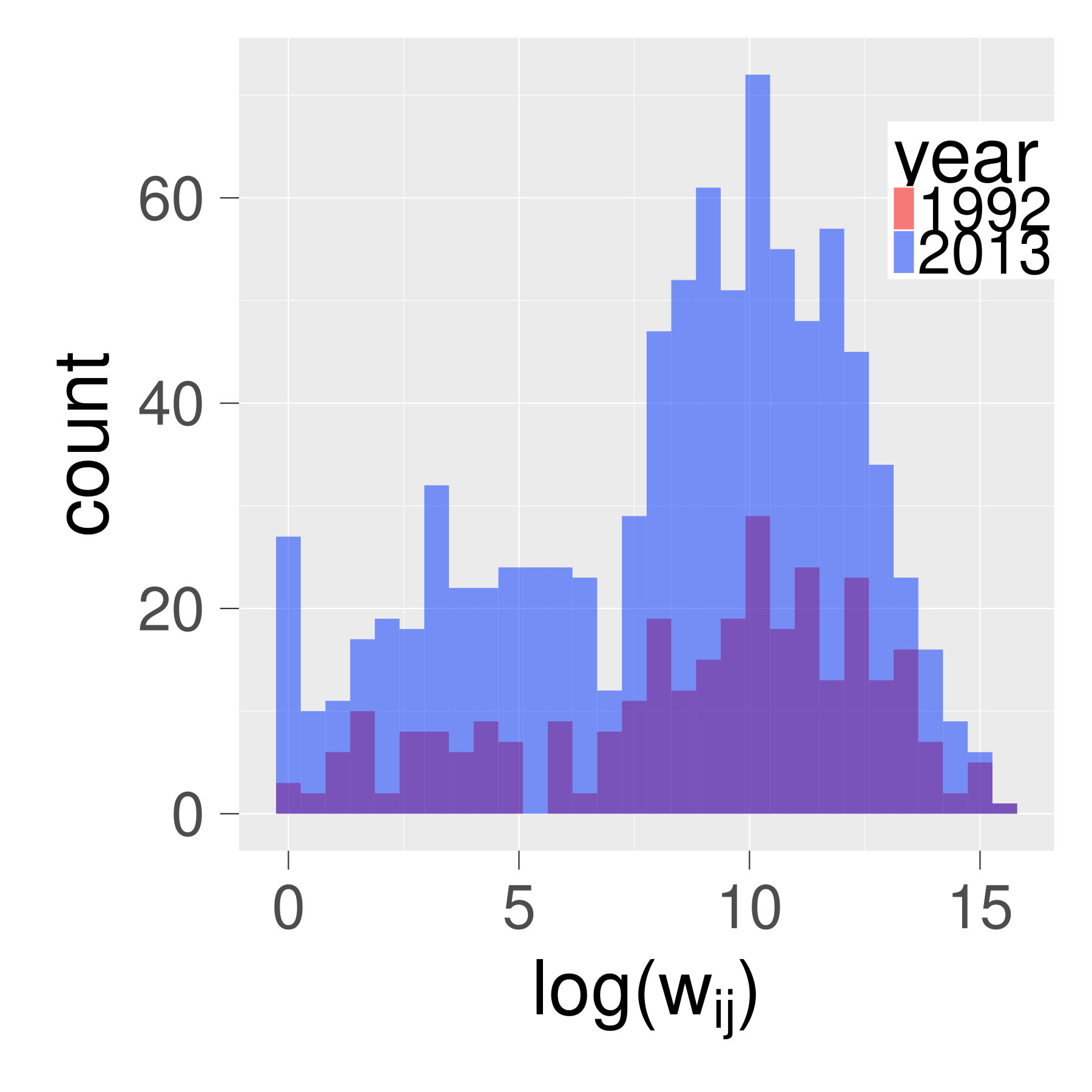 Figure 29
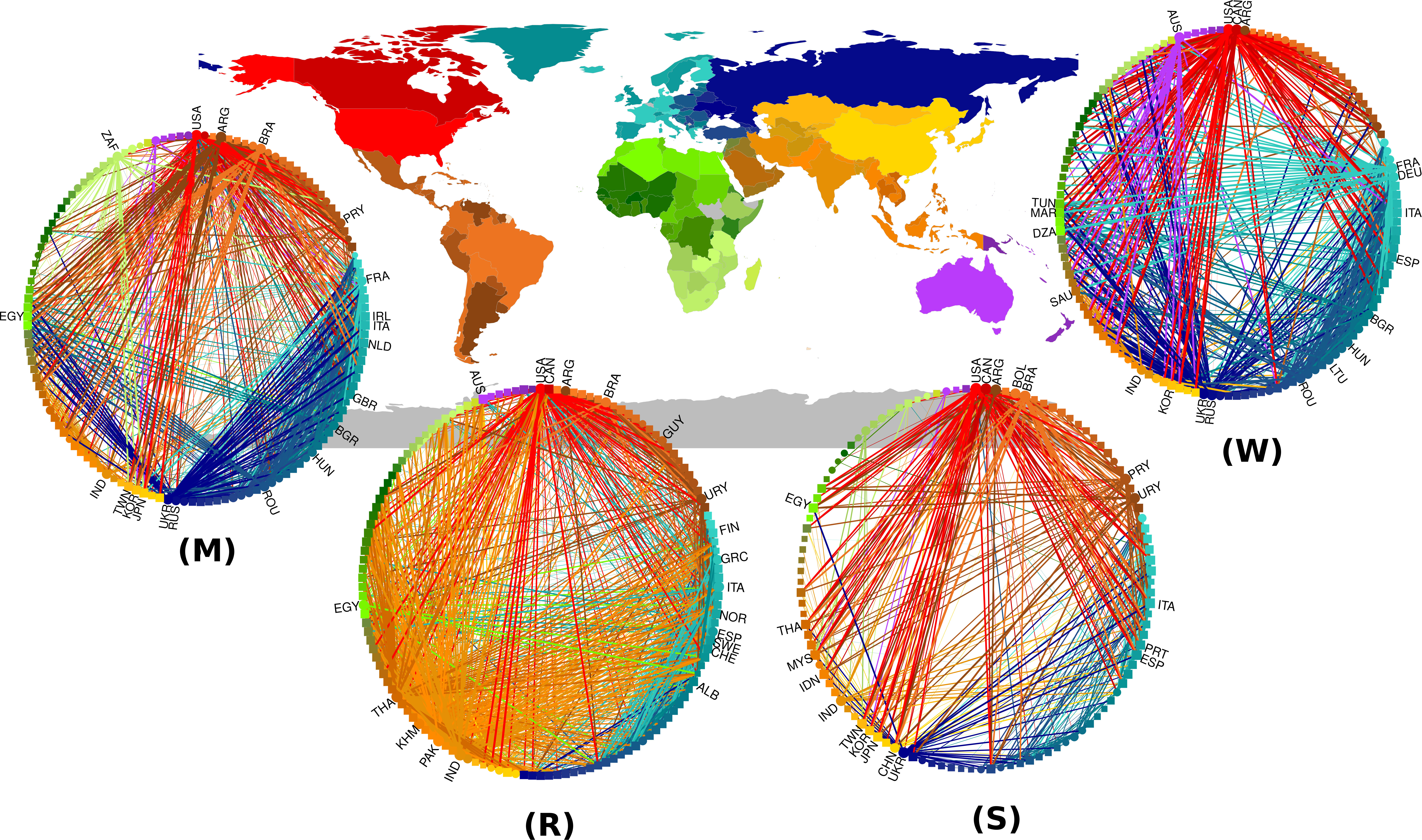 Figure 30
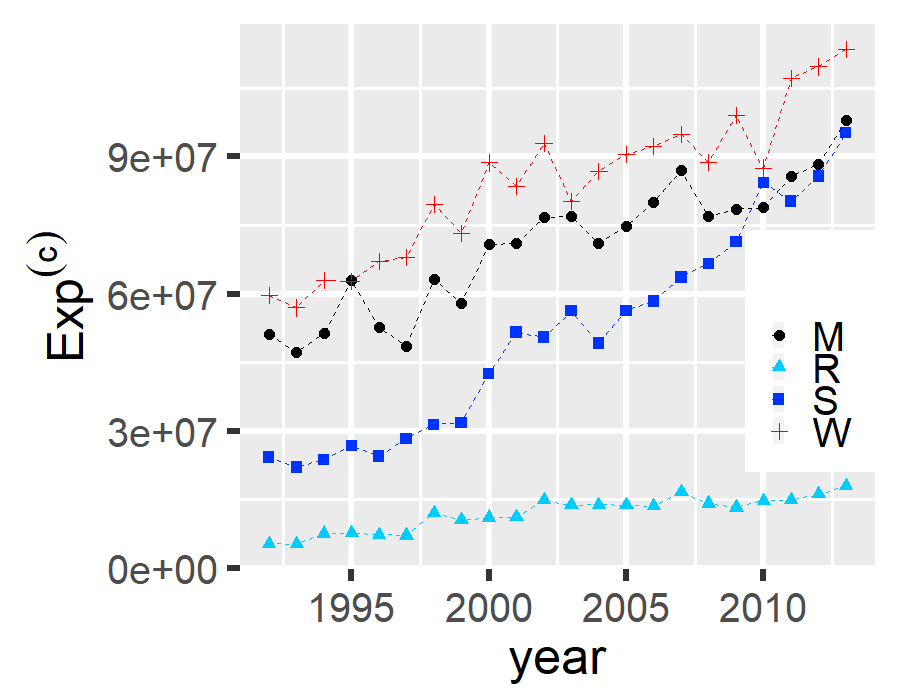 Figure 31
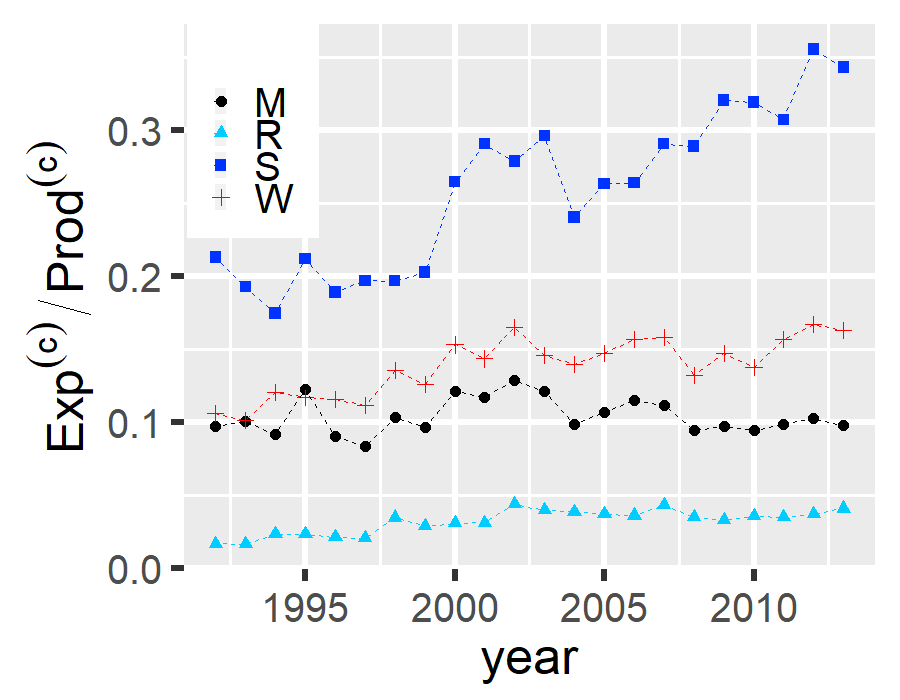 Figure 32
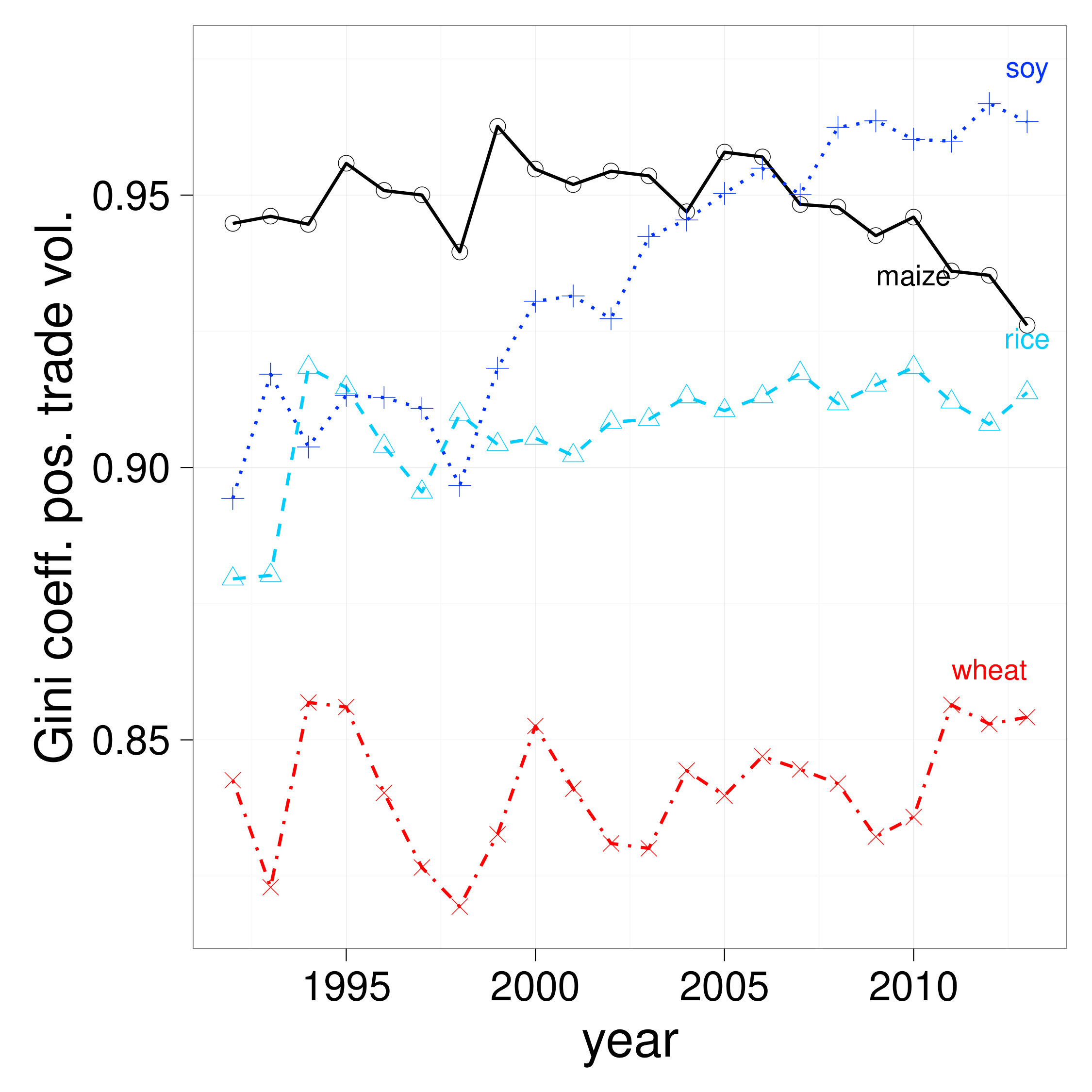 Figure 33
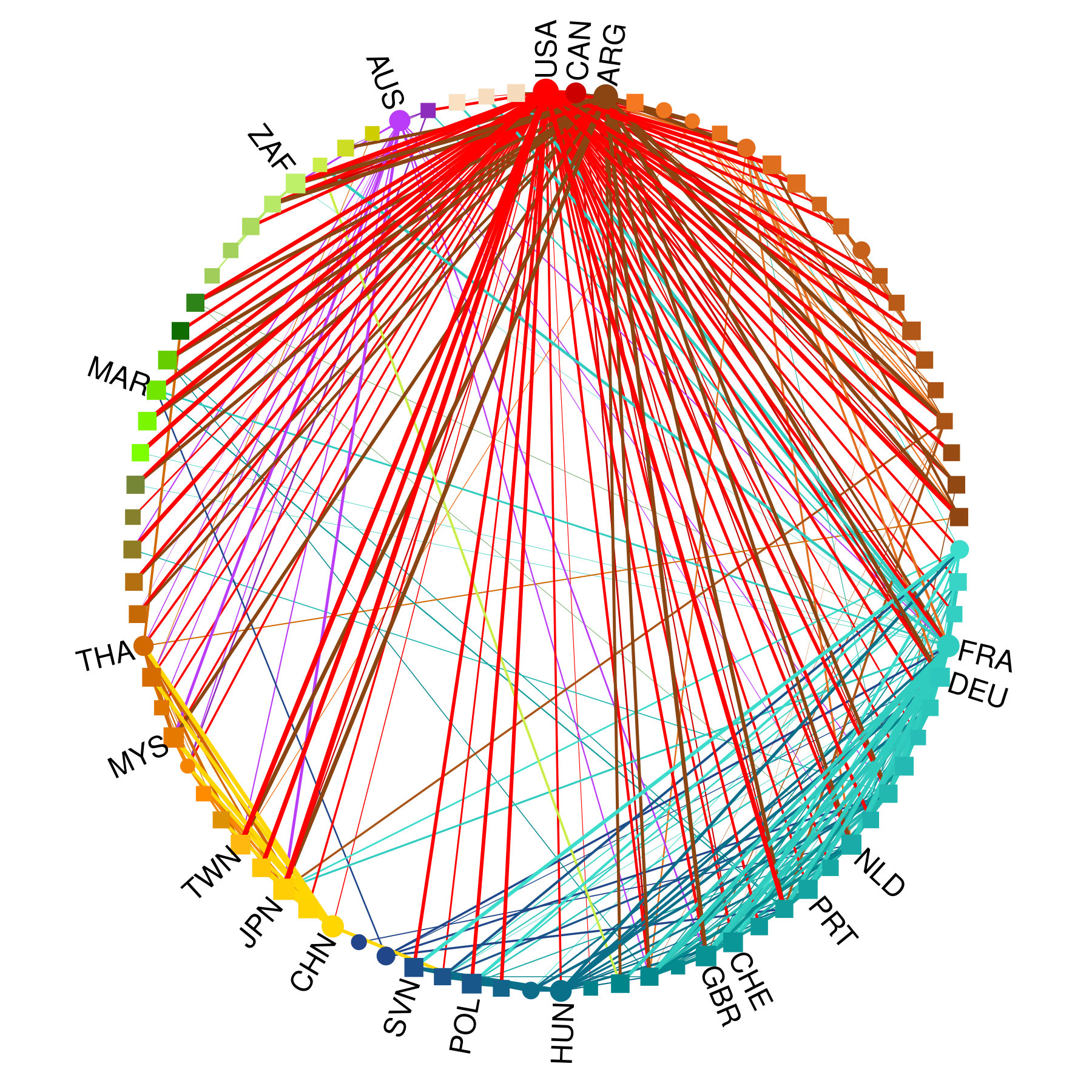 Figure 34
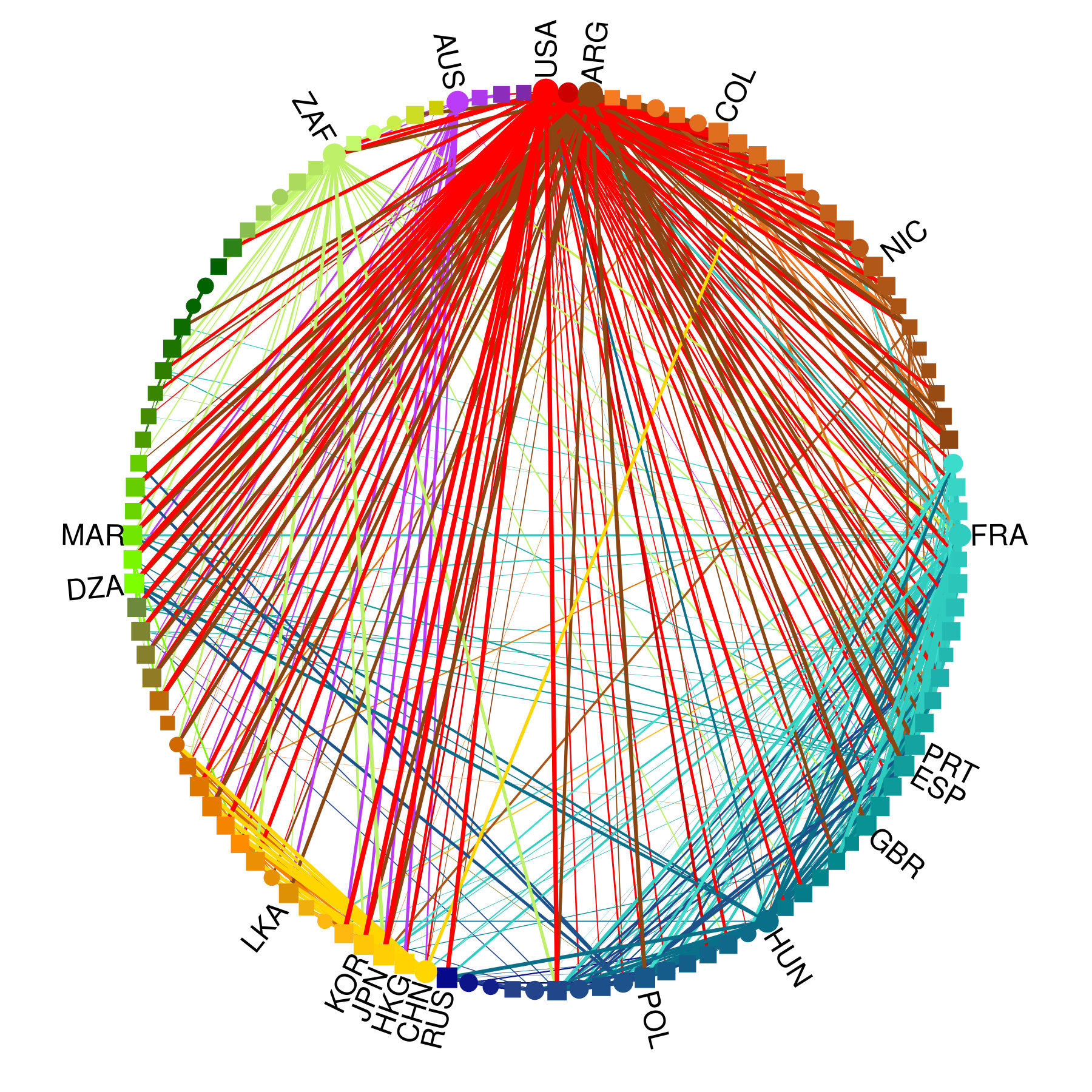 Figure 35
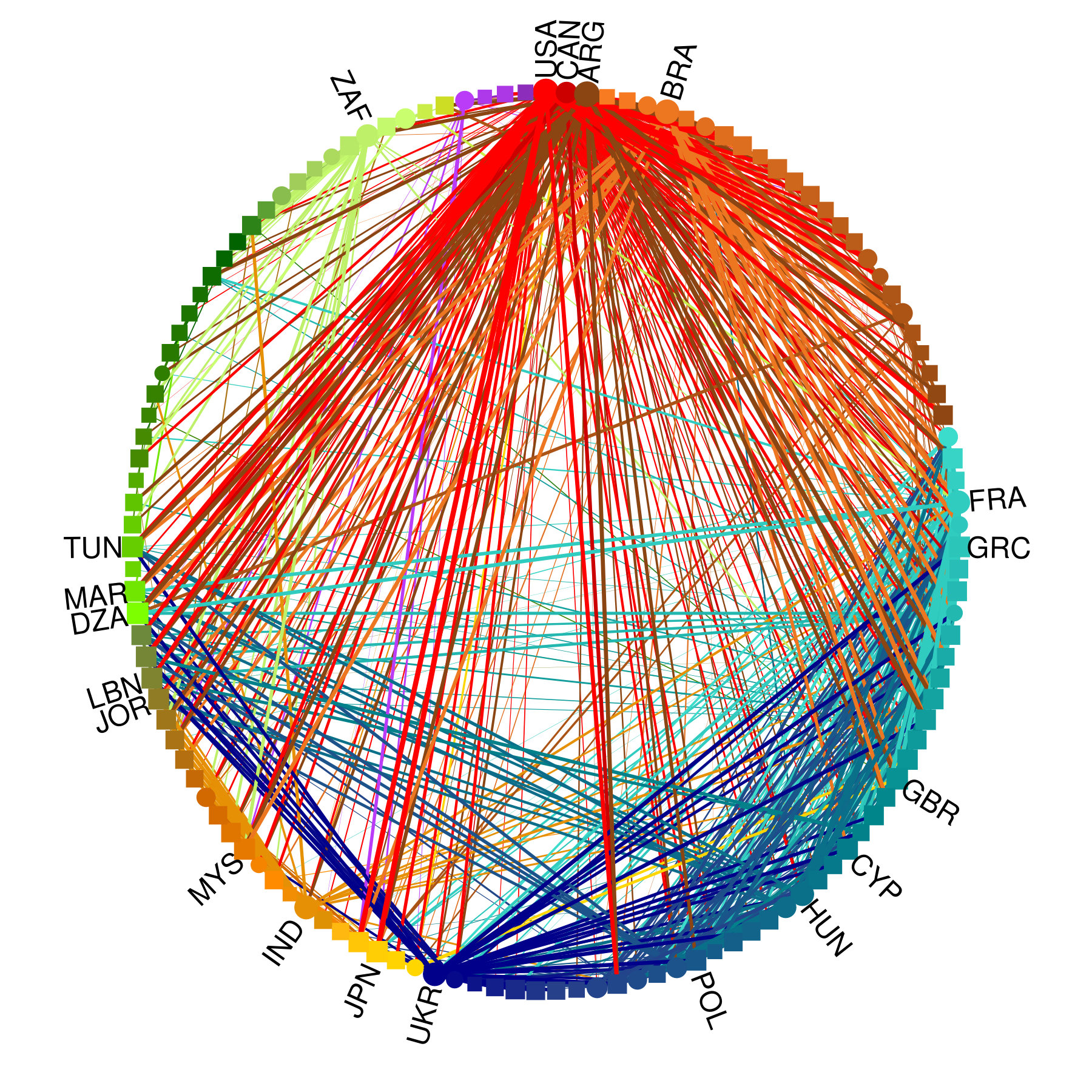 Figure 36
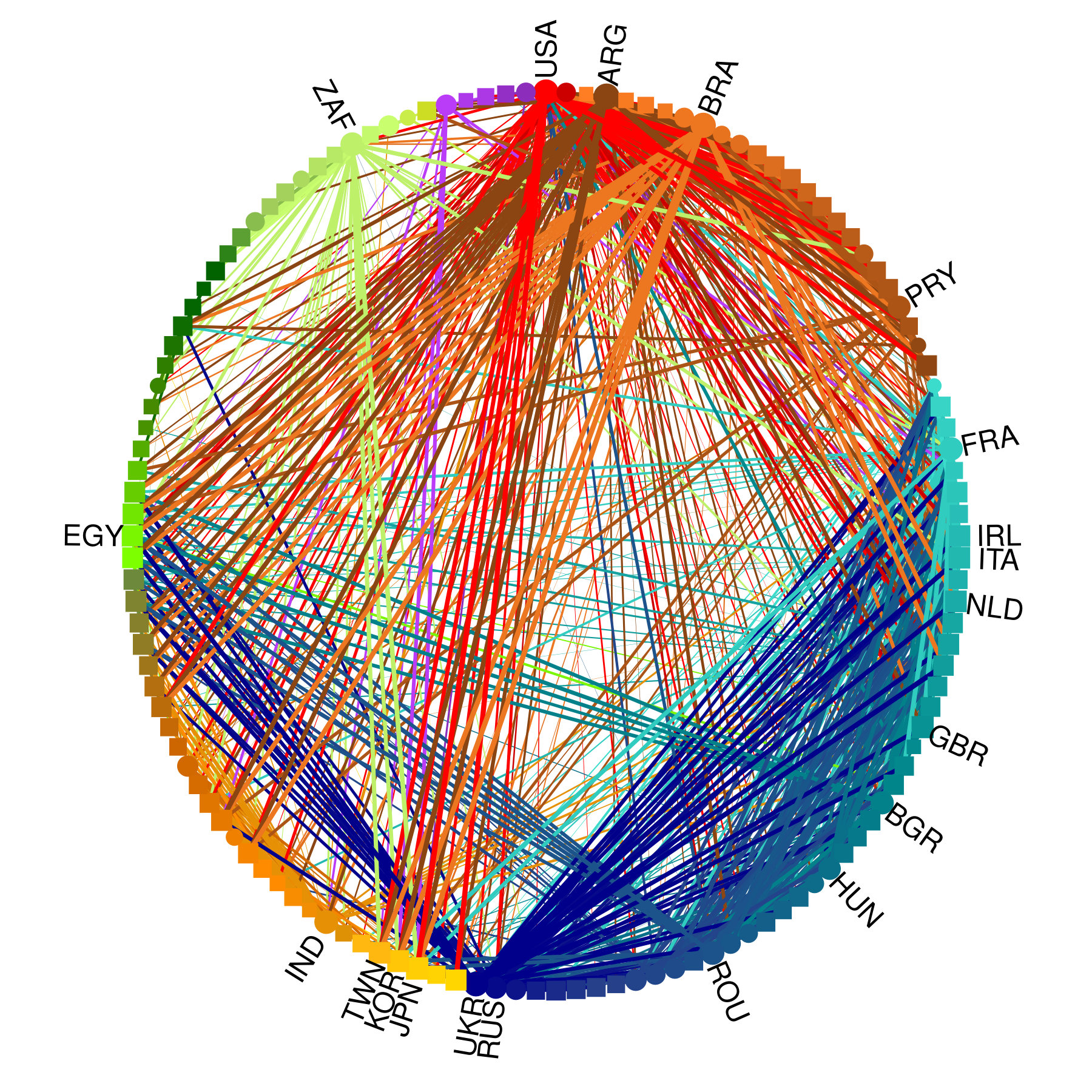 Figure 37
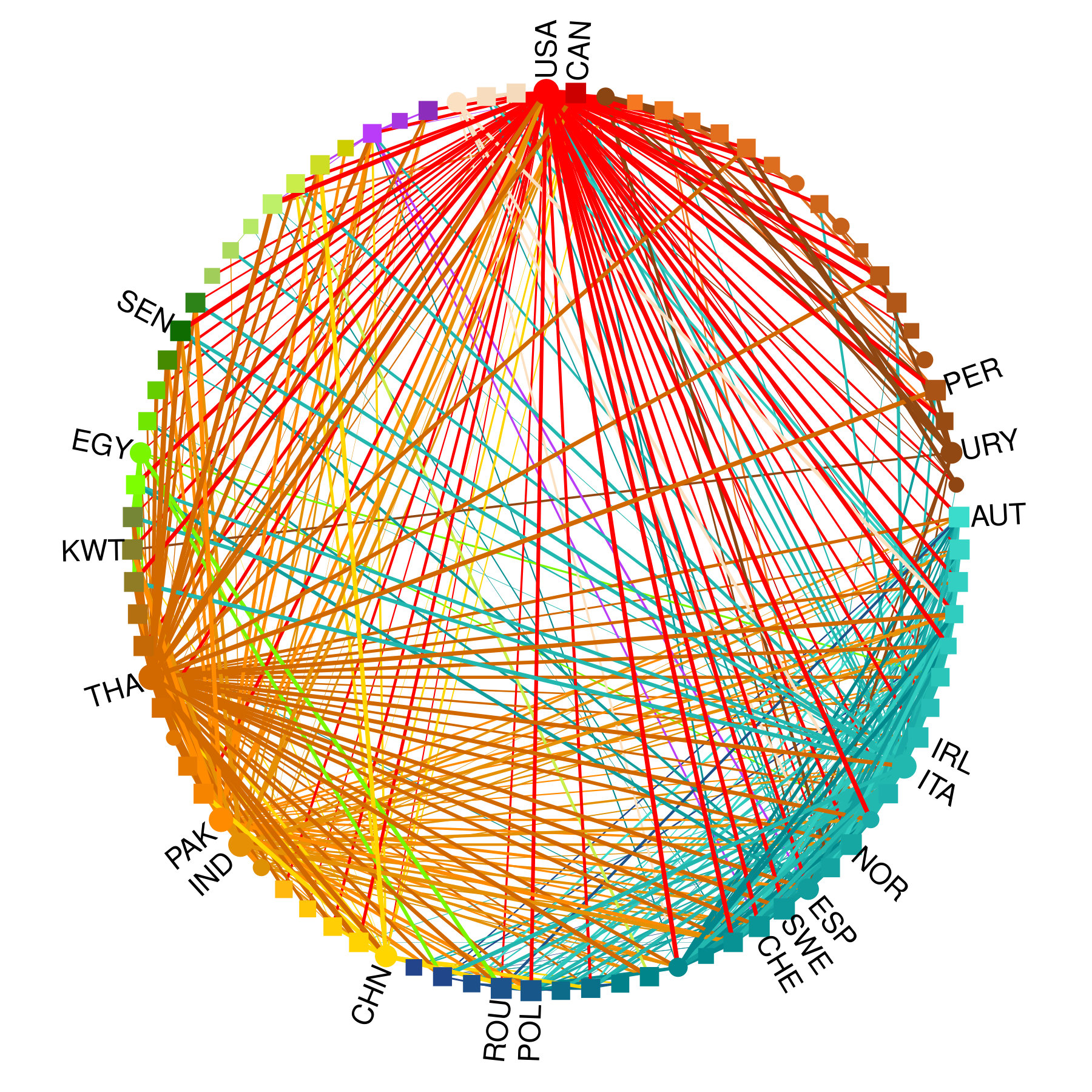 Figure 38
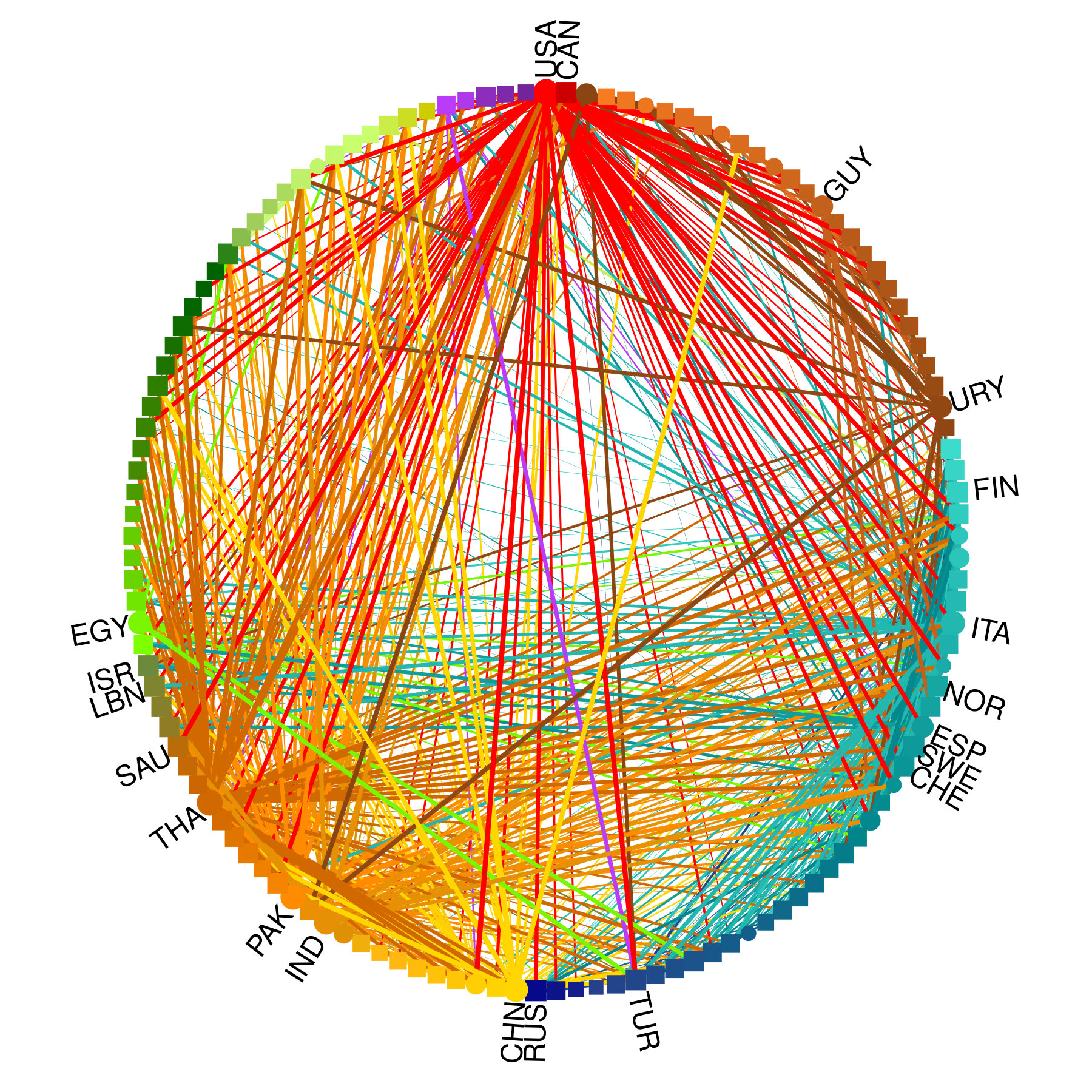 Figure 39
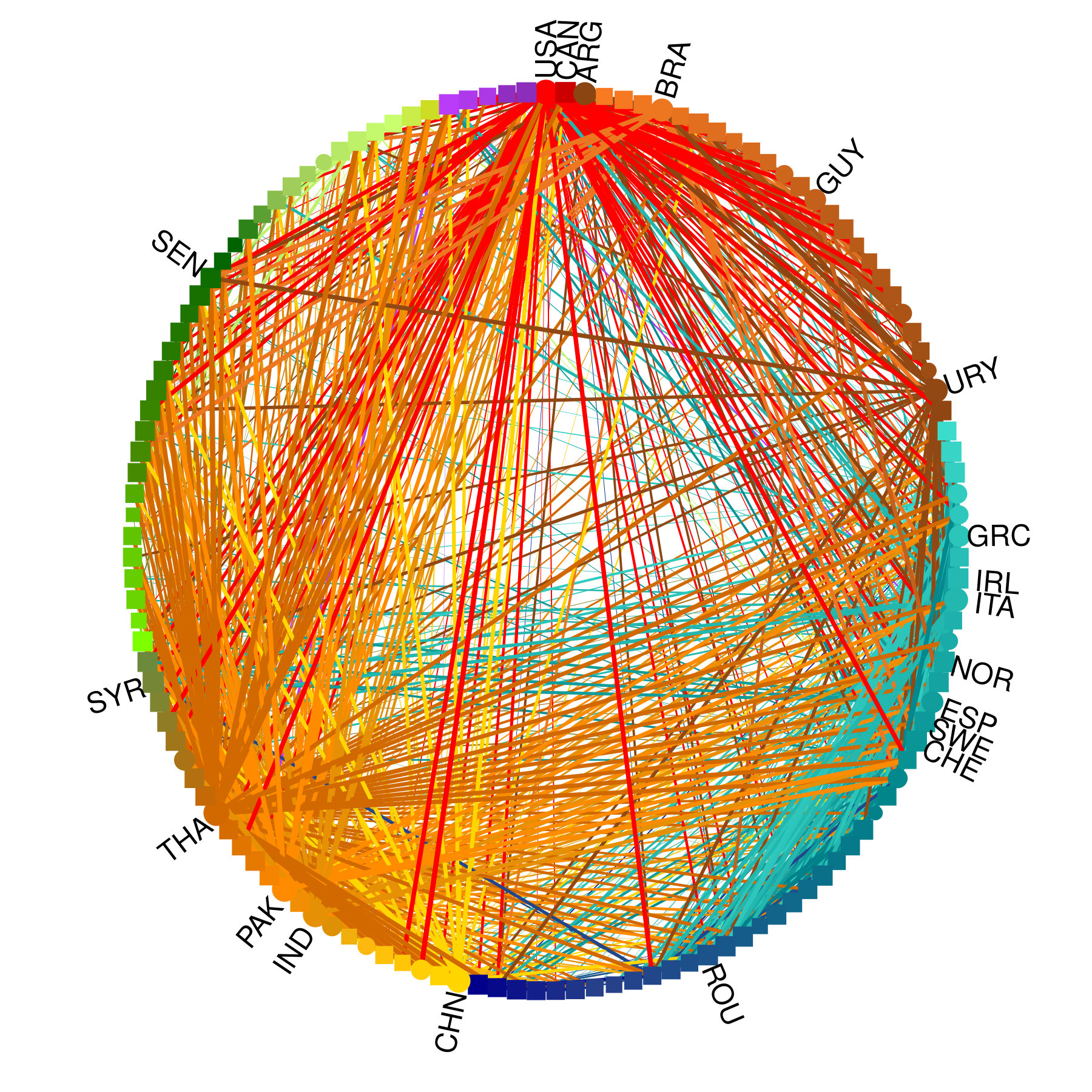 Figure 40
Peer Reviews
No public reviews on file for this paper yet. If you reviewed it on a platform where reviews are public (OpenReview, ICLR, NeurIPS, ICML), you can paste yours below so the community can read it here.
Videos
No videos yet. Explain this paper in a talk, walkthrough, or lecture? Add one.