Black Hole Evaporation: Sparsity in Analogue and General Relativistic Space-Times
Sebastian Schuster (Victoria University of Wellington)

TL;DR
This paper explores the concept of sparsity in black hole evaporation, comparing astrophysical and analogue models, and introduces new algebraic and dynamical frameworks to analyze quantum emission properties.
Contribution
It introduces the notion of sparsity as a quantifiable property of Hawking radiation and develops electromagnetic analogue models to analyze this property in laboratory settings.
Findings
Sparsity provides a new way to quantify non-classicality of black hole radiation.
Analogue models reveal complexities in transferring astrophysical Hawking radiation concepts.
Algebraic and dynamical analogies facilitate experimental exploration of black hole evaporation phenomena.
Abstract
Our understanding of black holes changed drastically, when Stephen Hawking discovered their evaporation due to quantum mechanical processes. One core feature of this effect is both its similarity and simultaneous dissimilarity to classical black body radiation: A black hole's spectrum certainly looks like that of a black/grey body, yet the number of emitted particles per unit time differs greatly. However it is precisely this emission rate that determines whether the resulting radiation field behaves classically or non-classically. It has been known nearly since the effect's discovery that a black hole's radiation is in this sense non-classical. However, this has been an utterly underappreciated property. In order to give a more readily quantifiable picture of this, we introduced the easily evaluated and interpreted notion of "sparsity". Sadly, and much to relativists' chagrin,…
Click any figure to enlarge with its caption.
 Figure 1
 Figure 2
 Figure 3
 Figure 4
 Figure 5
 Figure 6
 Figure 7
 Figure 8
 Figure 9
 Figure 10
 Figure 11
 Figure 12
 Figure 13
 Figure 14
 Figure 15
 Figure 16
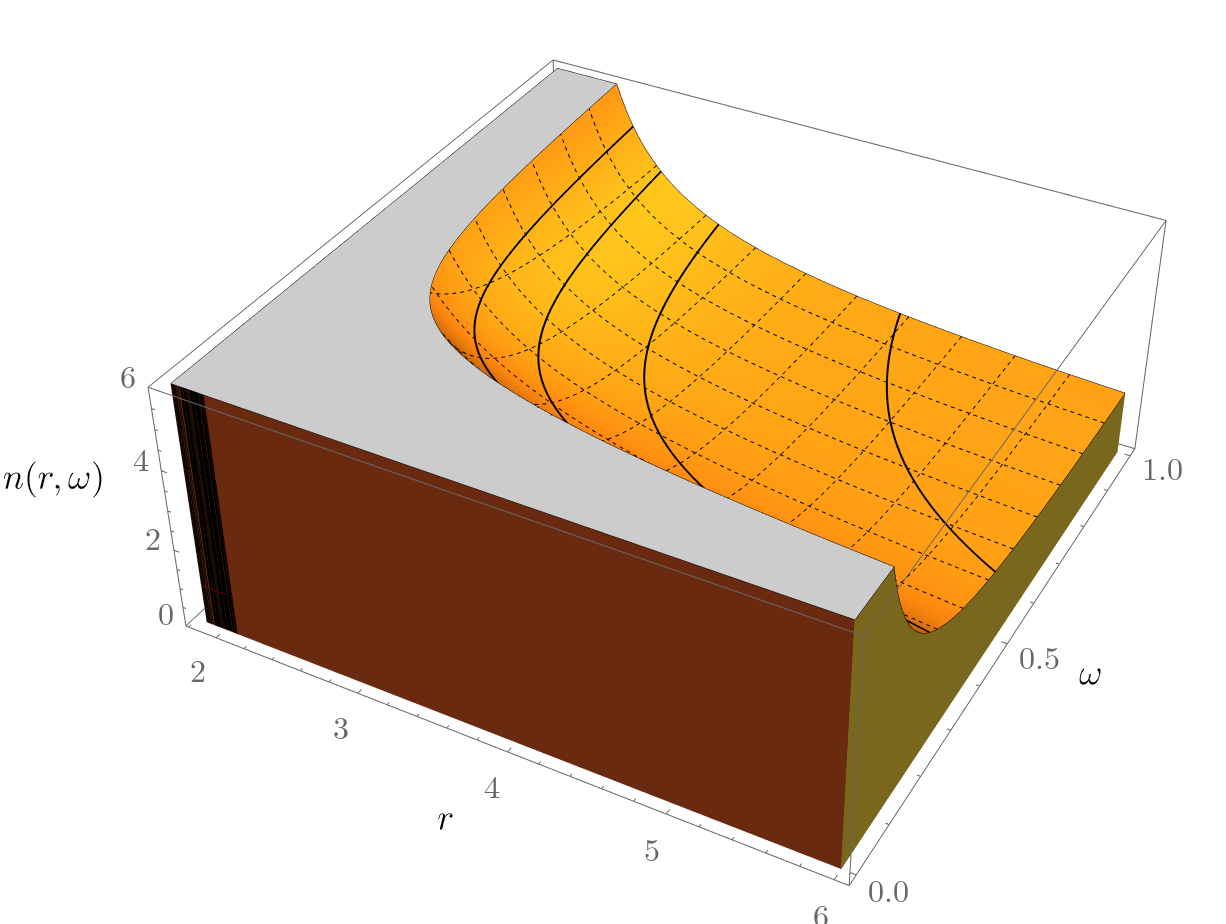 Figure 17
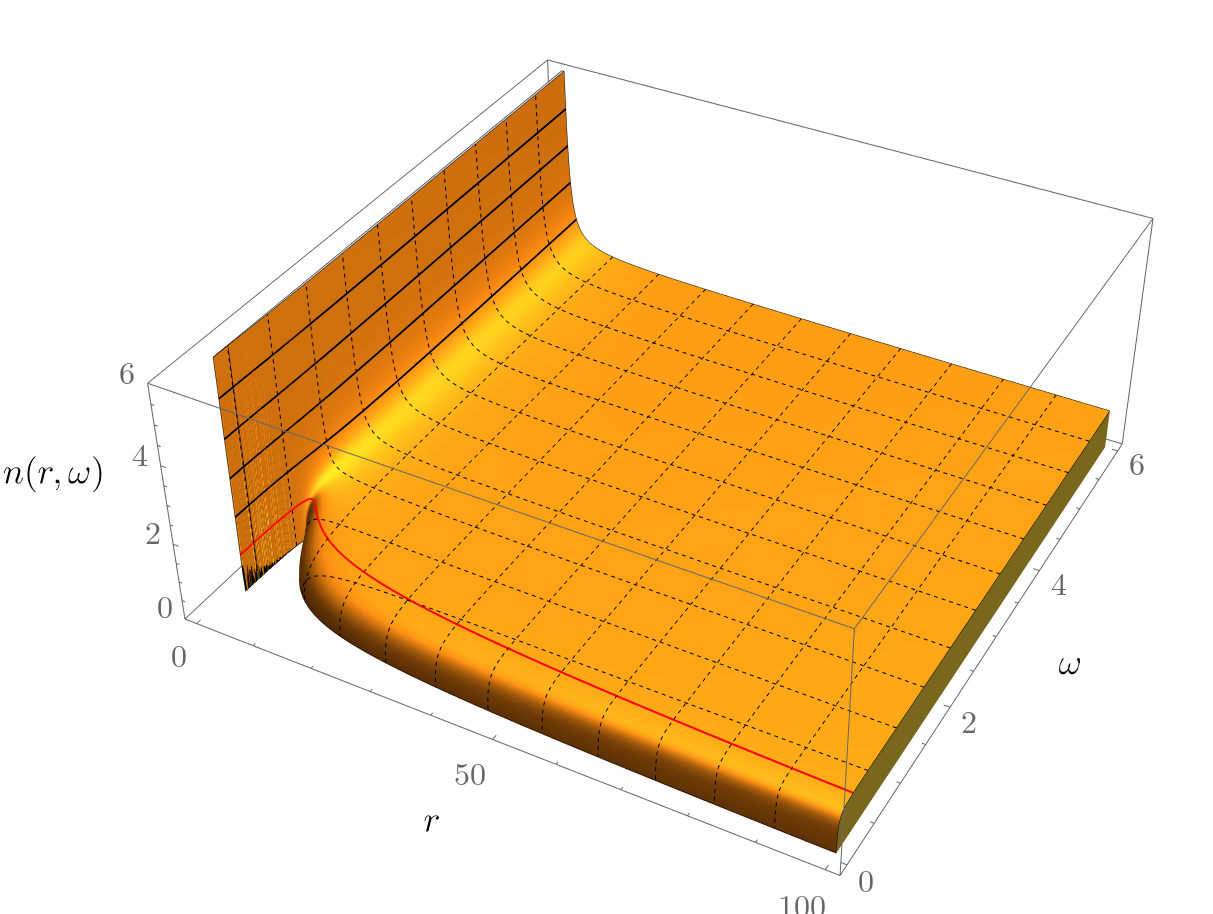 Figure 18
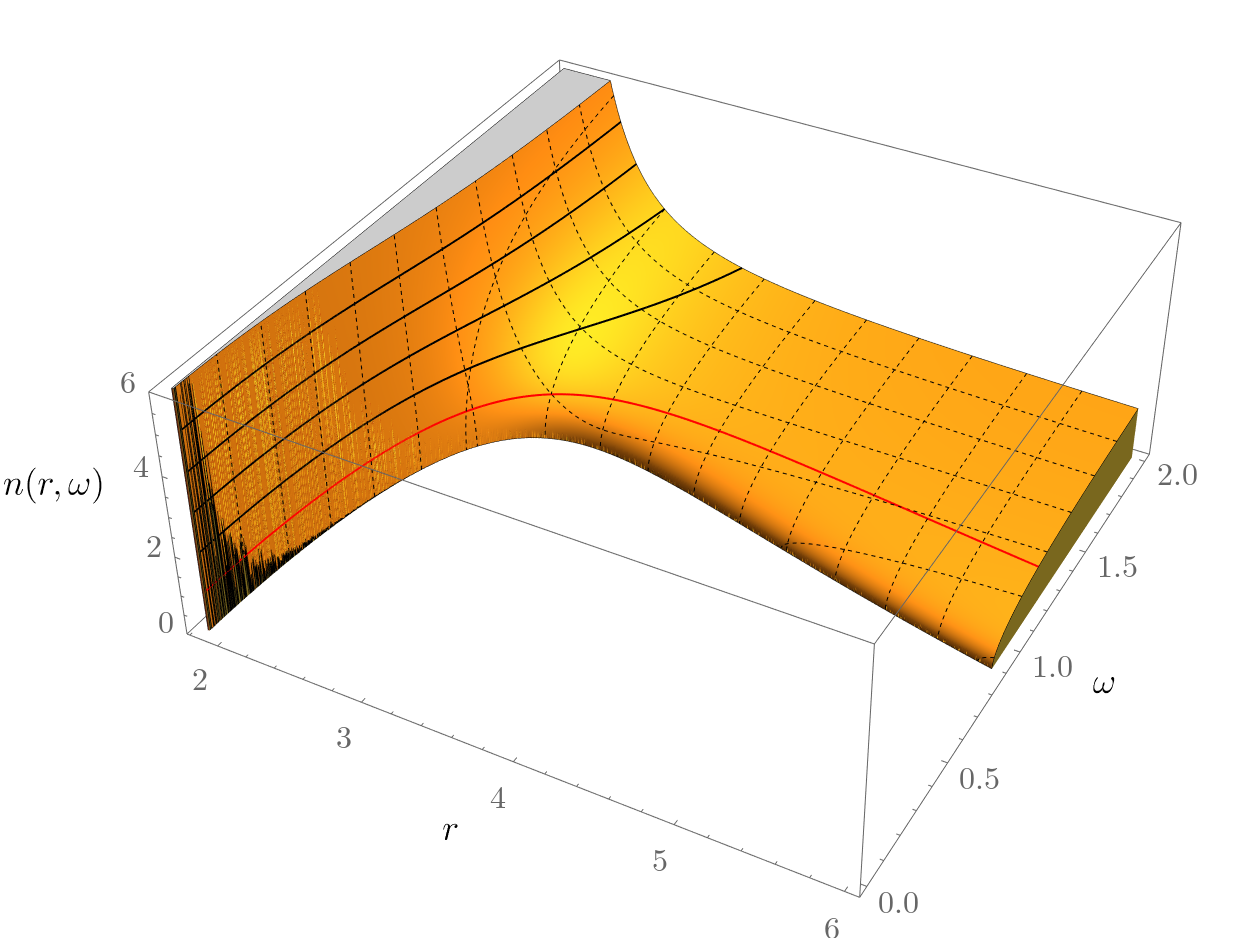 Figure 19
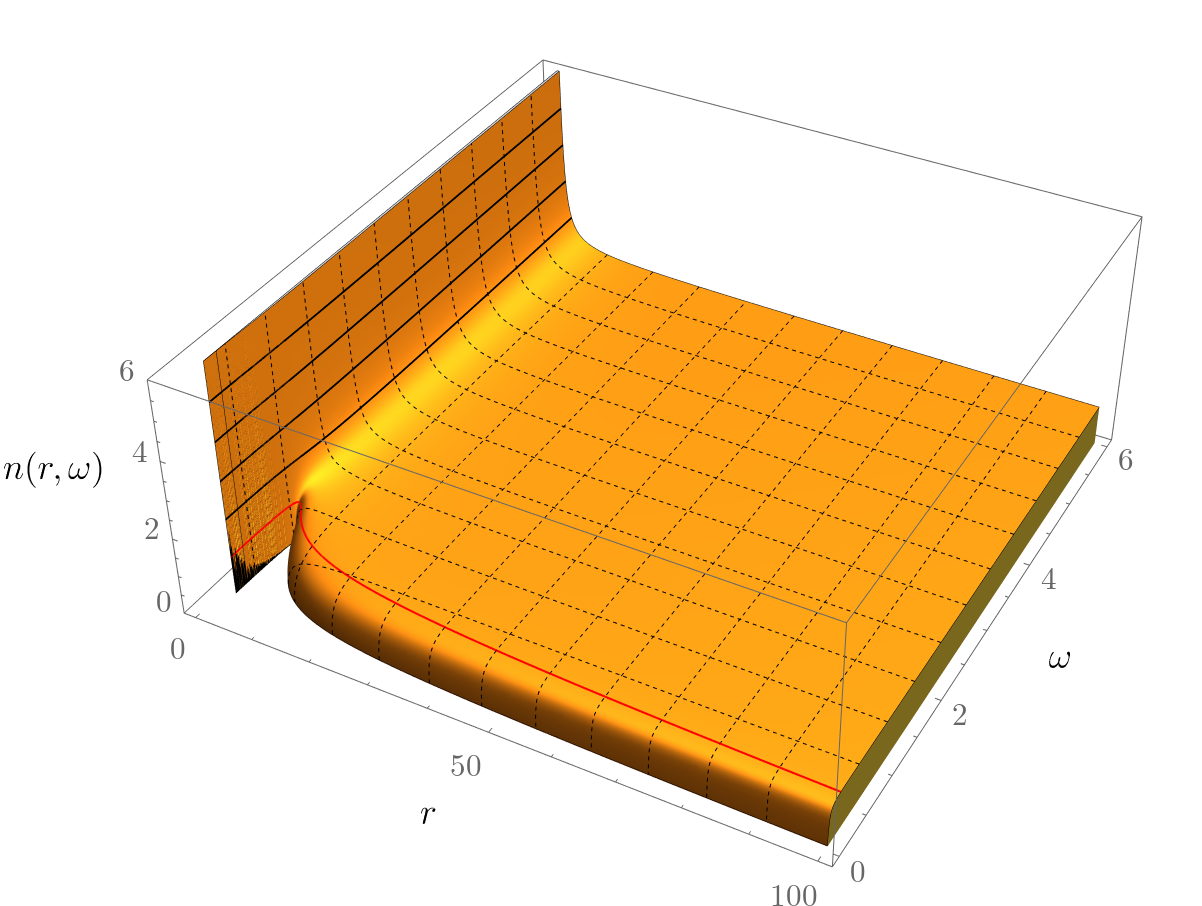 Figure 20
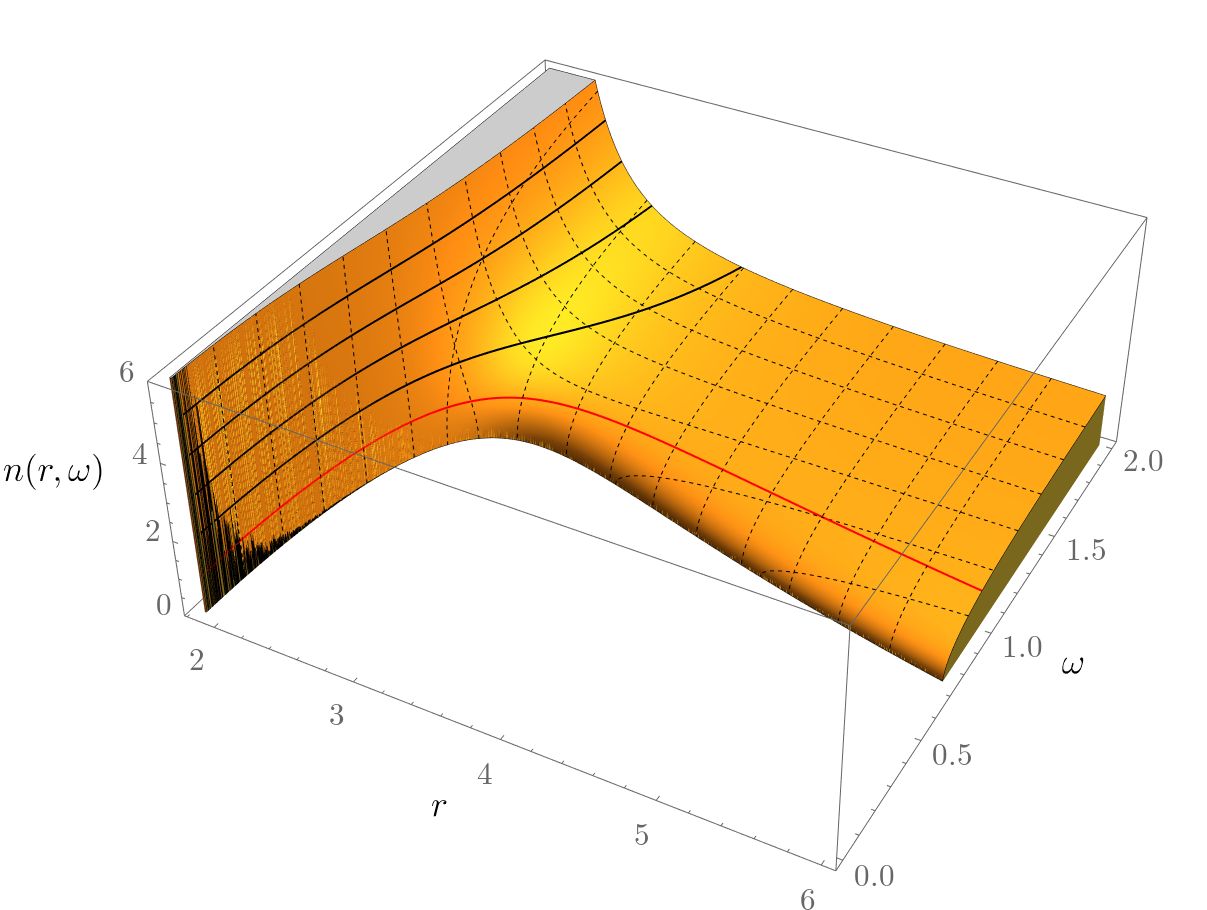 Figure 21
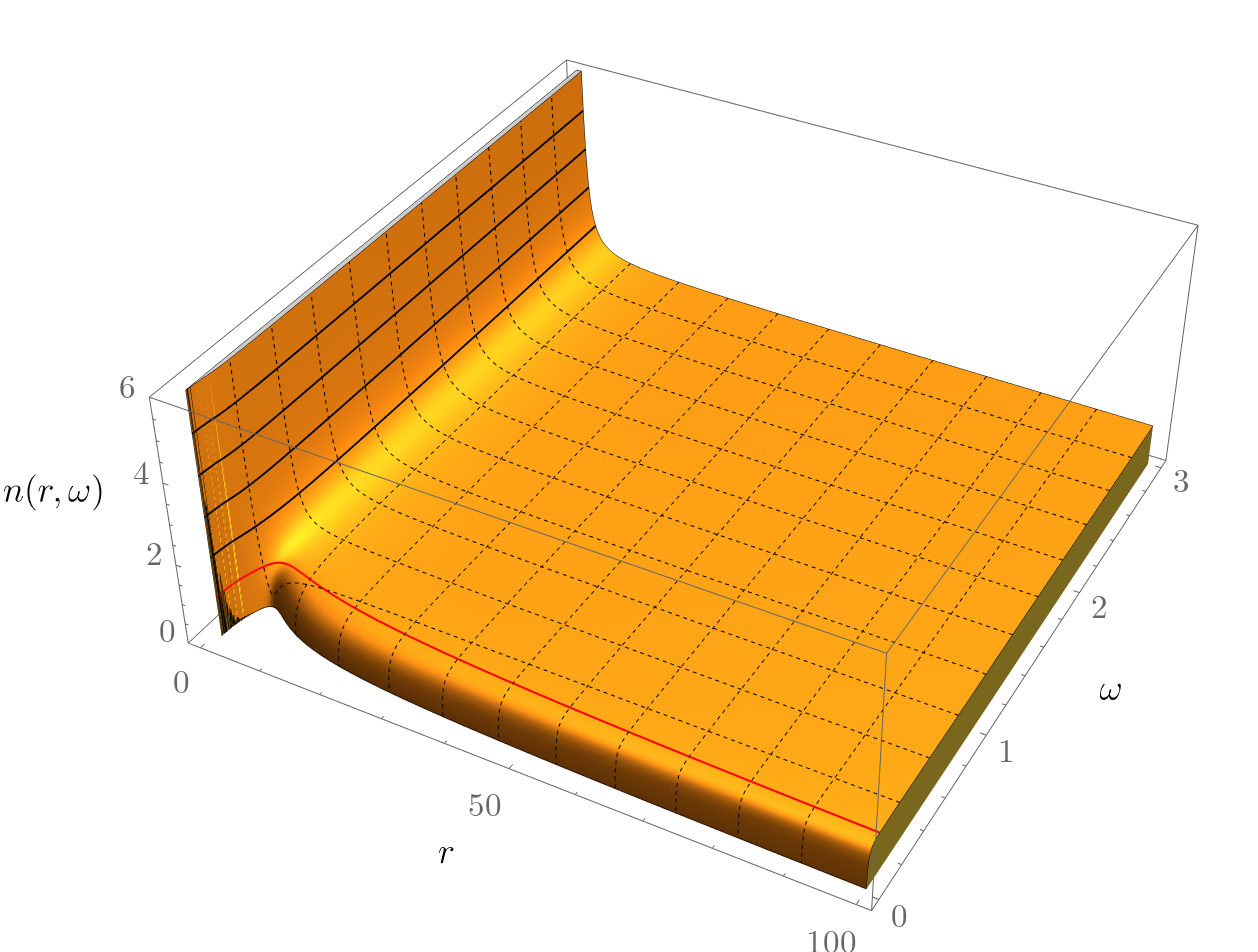 Figure 22
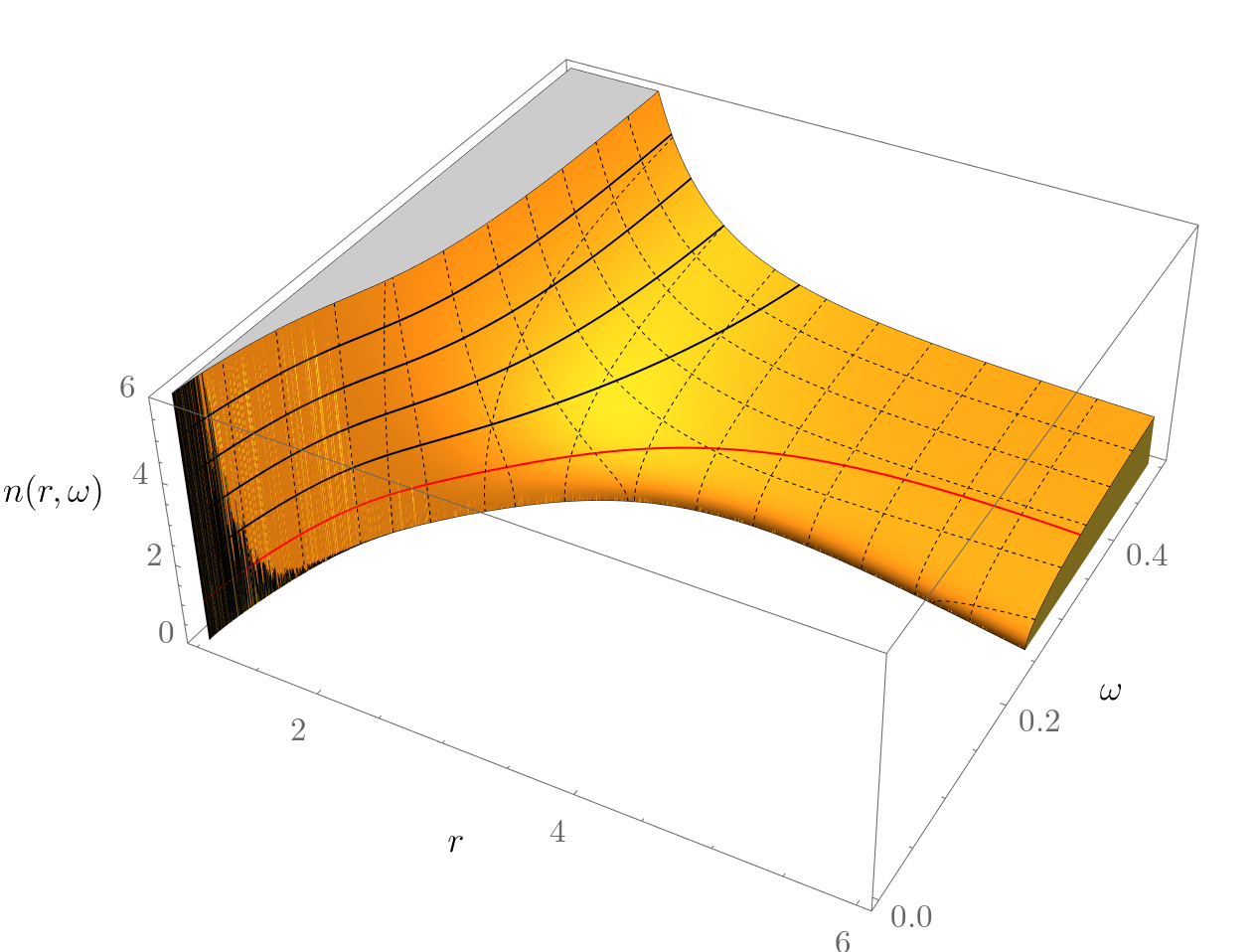 Figure 23
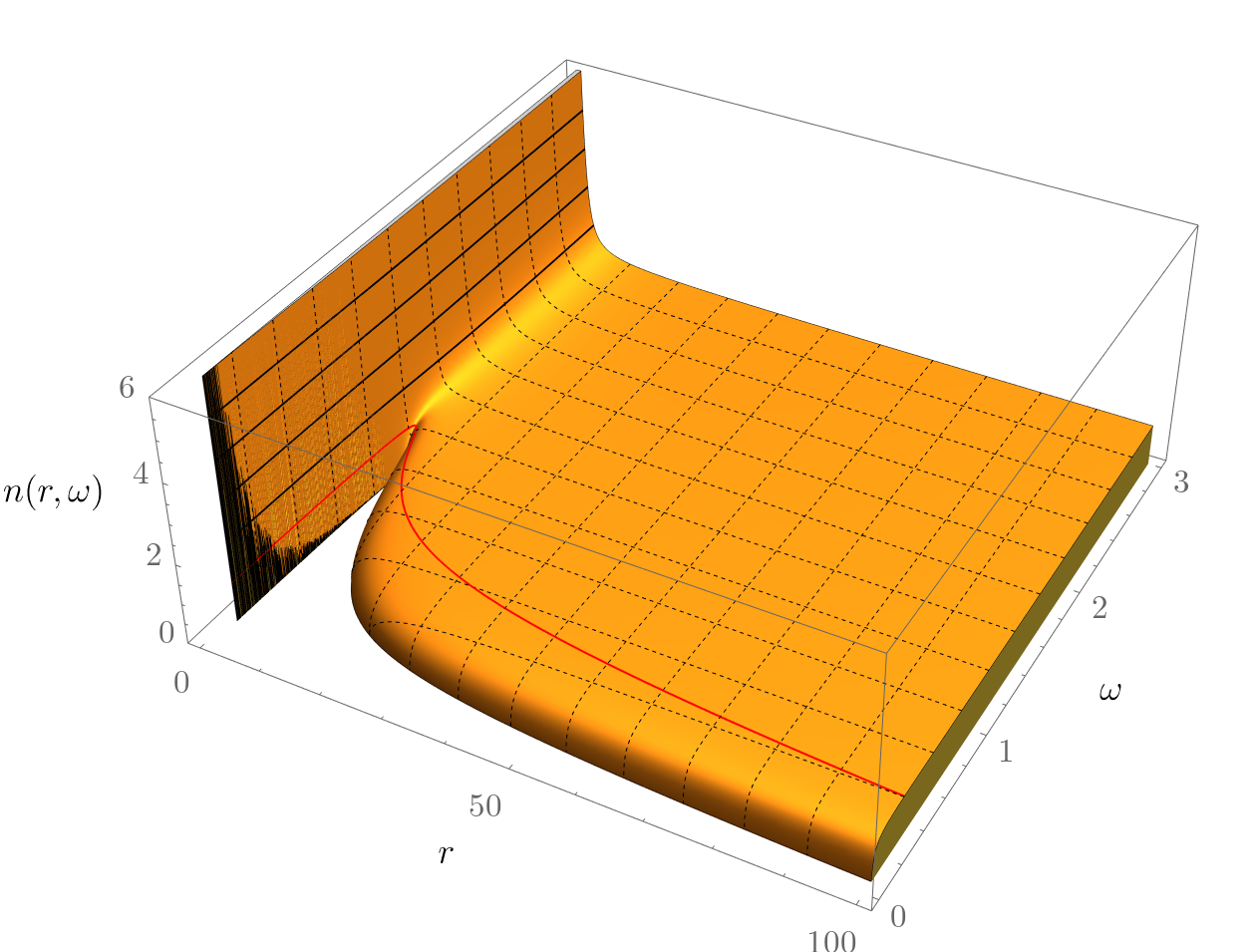 Figure 24
 Figure 25
 Figure 26
 Figure 27
 Figure 28
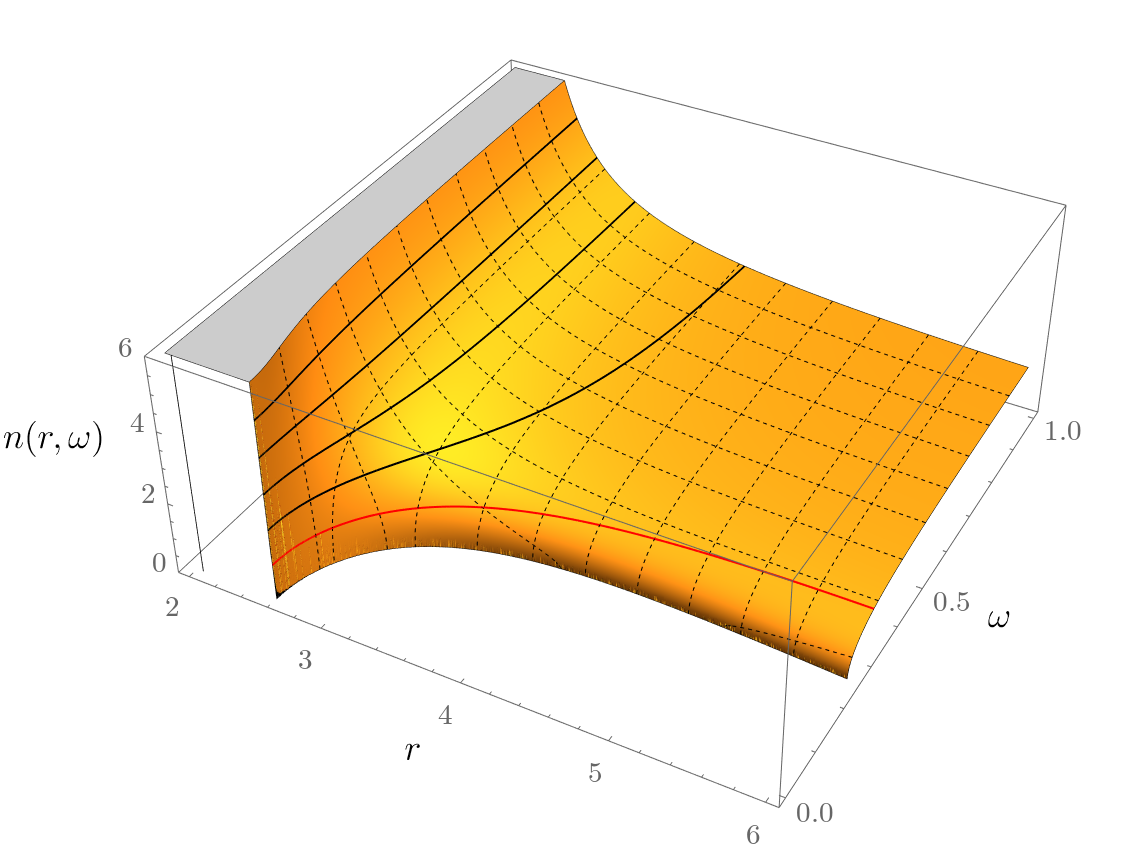 Figure 29
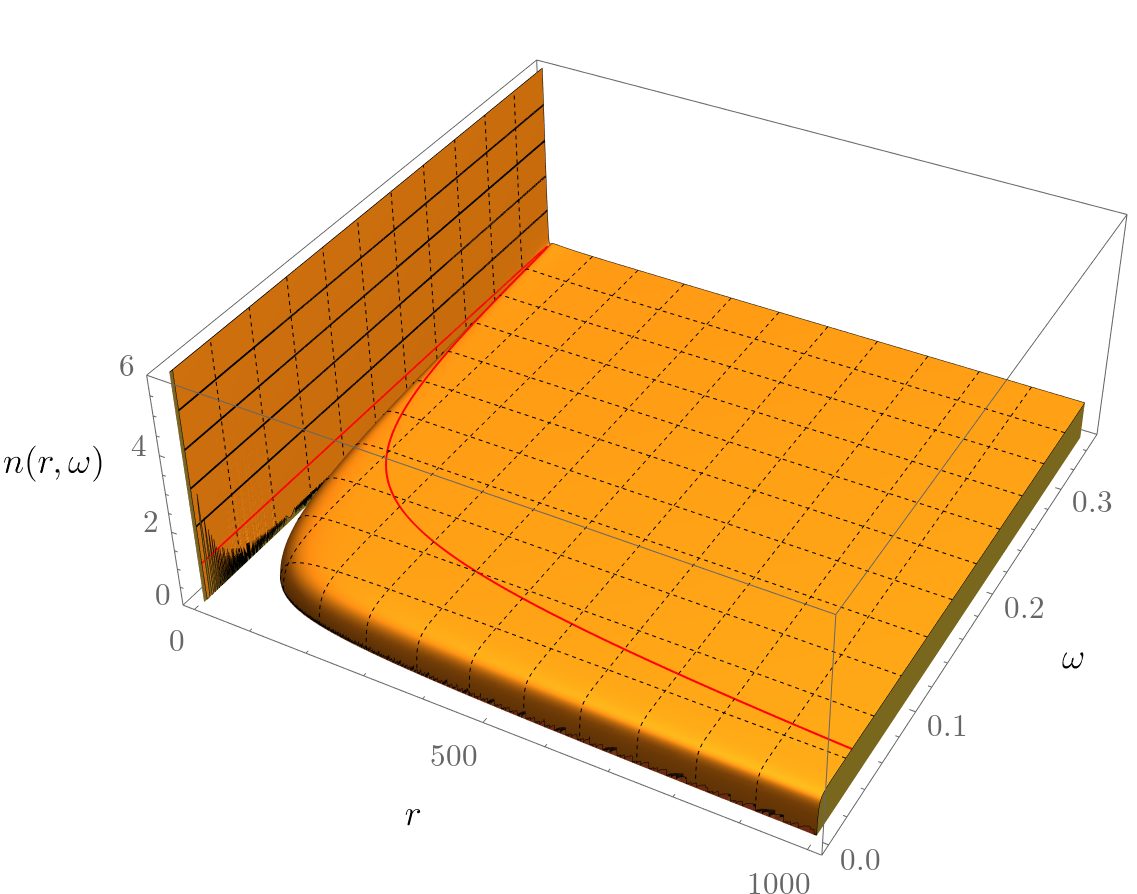 Figure 30
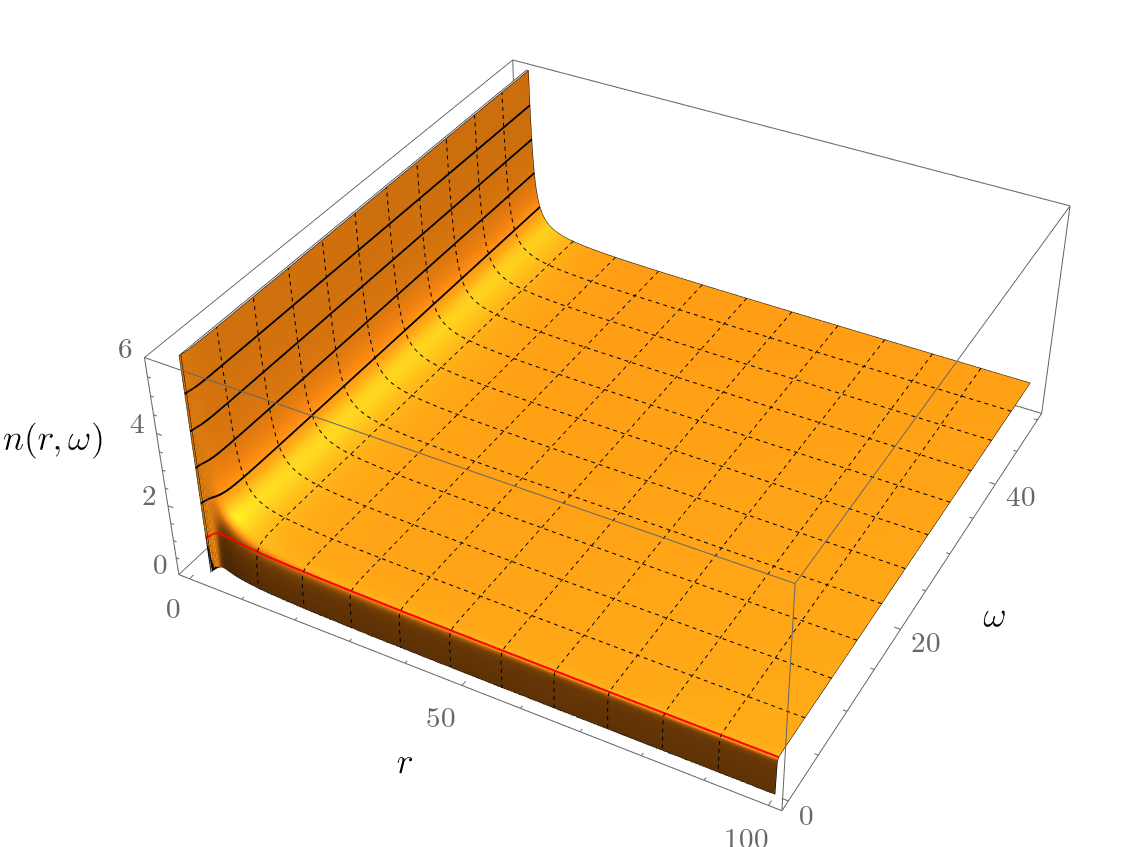 Figure 31
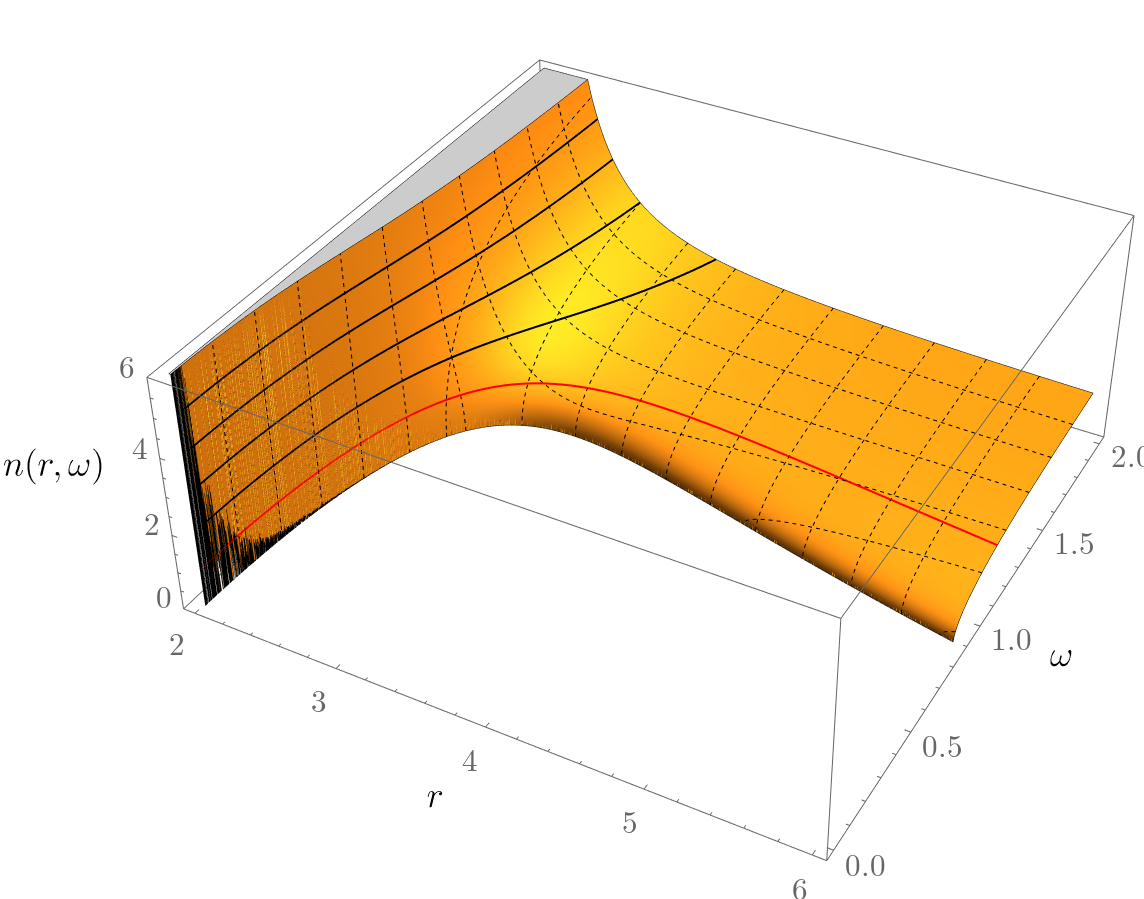 Figure 32
 Figure 33
Peer Reviews
No public reviews on file for this paper yet. If you reviewed it on a platform where reviews are public (OpenReview, ICLR, NeurIPS, ICML), you can paste yours below so the community can read it here.
Videos
No videos yet. Explain this paper in a talk, walkthrough, or lecture? Add one.
Taxonomy
TopicsBlack Holes and Theoretical Physics · Quantum Electrodynamics and Casimir Effect · Relativity and Gravitational Theory
\RedeclareSectionCommand
[tocbeforeskip=1em plus 3pt]chapter
Black Hole Evaporation: Sparsity in Analogue and General Relativistic Space-Times
Sebastian Schuster
(26 February 2024)
Abstract
Our understanding of black holes changed drastically, when Stephen Hawking discovered their evaporation due to quantum mechanical processes. One core feature of this effect, later named after him, is both its similarity and simultaneous dissimilarity to classical black body radiation as known from thermodynamics: A black hole’s spectrum certainly looks like that of a black (or at least grey) body, yet the number of emitted particles per unit time differs greatly. However it is precisely this emission rate that determines — together with the frequency of the emitted radiation — whether the resulting radiation field behaves classical or non-classical. It has been known nearly since the Hawking effect’s discovery that the radiation of a black hole is in this sense non-classical (unlike the radiation of a classical black or grey body). However, this has been an utterly underappreciated property. In order to give a more readily quantifiable picture of this, we introduced the notion of ‘sparsity’, which is easily evaluated, and interpreted, and agrees with more rigorous results despite a semi-classical, semi-analytical origin.
Sadly, and much to relativists’ chagrin, astrophysical black holes (and their Hawking evaporation) have a tendency to be observationally elusive entities. Luckily, Hawking’s derivation lends itself to reformulations that survive outside its astrophysical origin — all one needs, are three things: a universal speed limit (like the speed of sound, the speed of light, the speed of surface waves, …), a notion of a horizon (the ‘black hole’), and lastly a sprinkle of quantum dynamics on top. With these ingredients at hand, the last thirty-odd years have seen a lot of work to transfer Hawking radiation into the laboratory, using a range of physical models. These range from fluid mechanics, over electromagnetism, to Bose–Einstein condensates, and beyond. A large part of this thesis was then aimed at providing electromagnetic analogues to prepare an analysis of our notion of sparsity in this new paradigm. For this, we developed extensively a purely algebraic (kinematical) analogy based on covariant meta-material electrodynamics, but also an analytic (dynamical) analogy based on stratified refractive indices. After introducing these analogue space-time models, we explain why the notion of sparsity (among other things) is much more subtle and difficult to come by than in the original, astrophysical setting.