Learning to Label Seismic Structures with Deconvolution Networks and Weak Labels
Yazeed Alaudah, Shan Gao, Ghassan AlRegib

TL;DR
This paper demonstrates how weak labels can be automatically generated and used to train deep deconvolutional networks for seismic structure labeling, reducing the need for manual annotations and improving performance.
Contribution
It introduces a method to generate weak labels automatically and adapt the loss function, enabling effective training of deep models for seismic interpretation without manual labeling.
Findings
High accuracy in labeling fault, salt dome, and chaotic regions
Outperforms baseline models on Netherlands F3 block
Reduces false positives in seismic labeling
Abstract
Recently, there has been increasing interest in using deep learning techniques for various seismic interpretation tasks. However, unlike shallow machine learning models, deep learning models are often far more complex and can have hundreds of millions of free parameters. This not only means that large amounts of computational resources are needed to train these models, but more critically, they require vast amounts of labeled training data as well. In this work, we show how automatically-generated weak labels can be effectively used to overcome this problem and train powerful deep learning models for labeling seismic structures in large seismic volumes. To achieve this, we automatically generate thousands of weak labels and use them to train a deconvolutional network for labeling fault, salt dome, and chaotic regions within the Netherlands F3 block. Furthermore, we show how modifying…
Click any figure to enlarge with its caption.
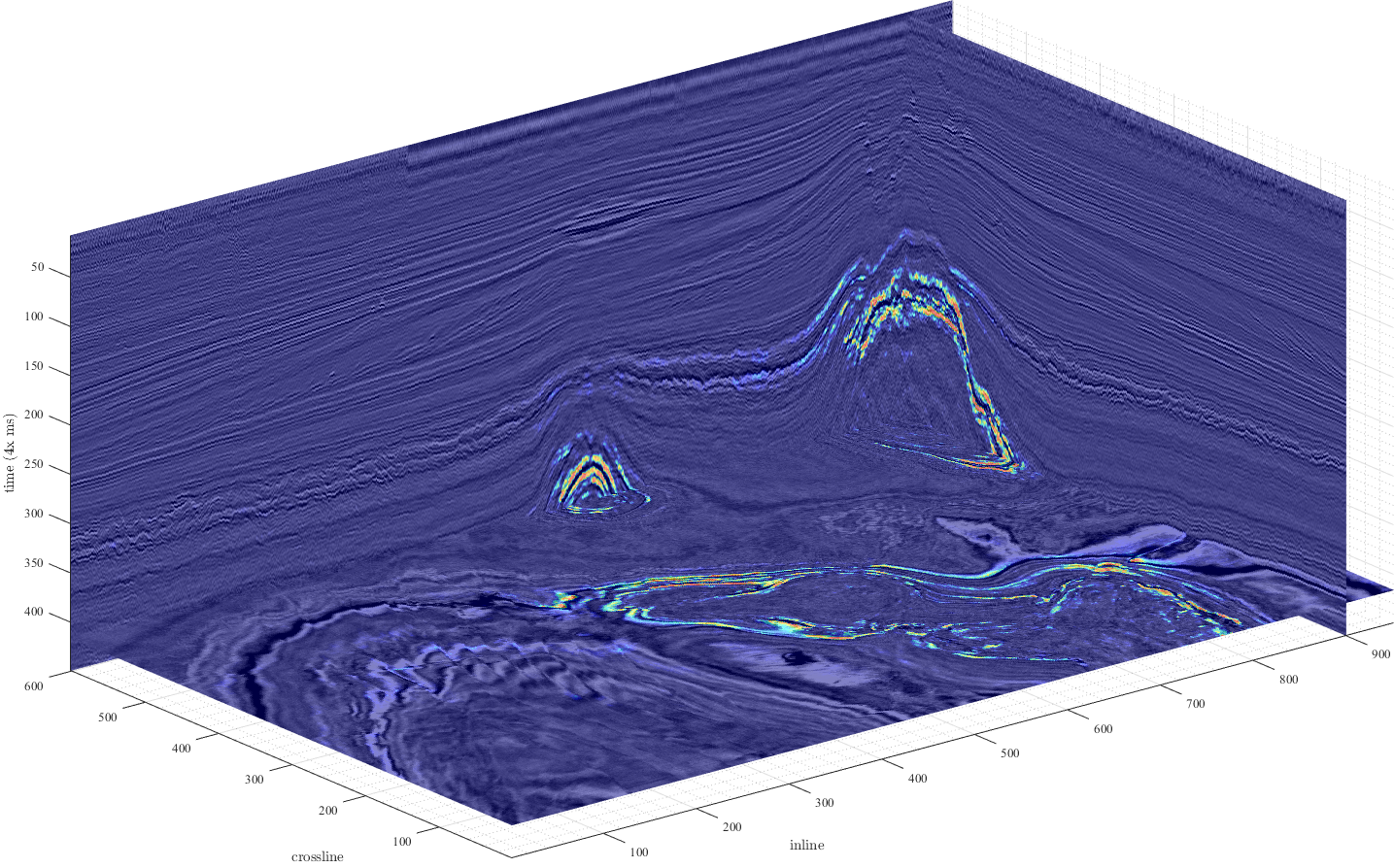 Figure 1
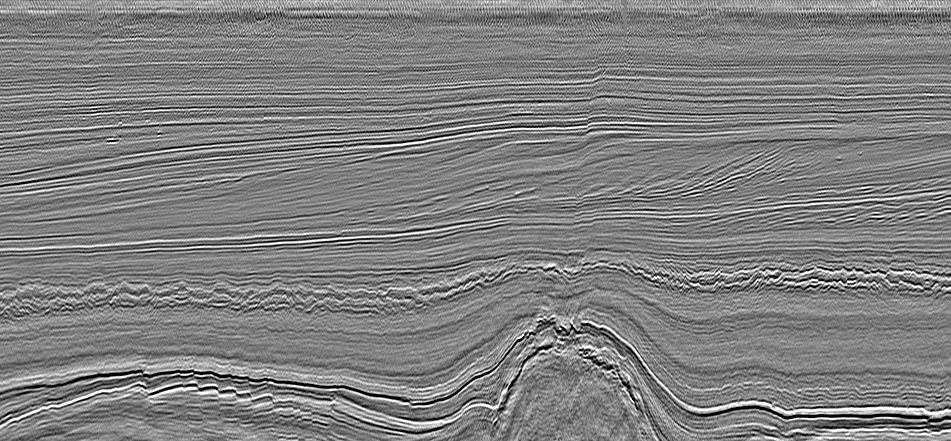 Figure 2
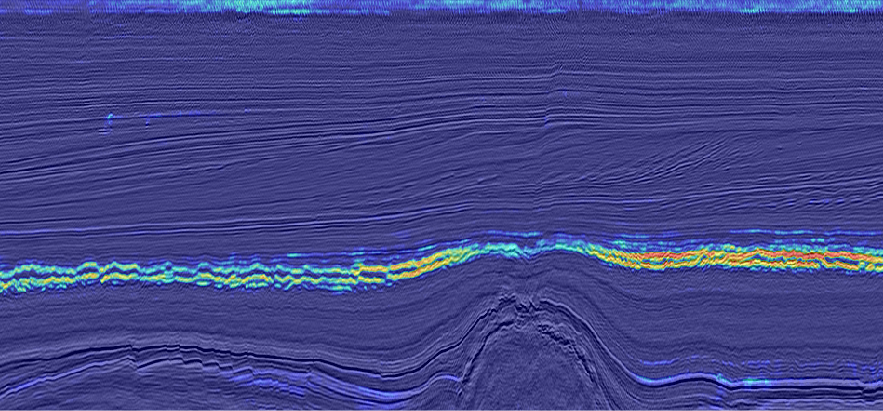 Figure 3
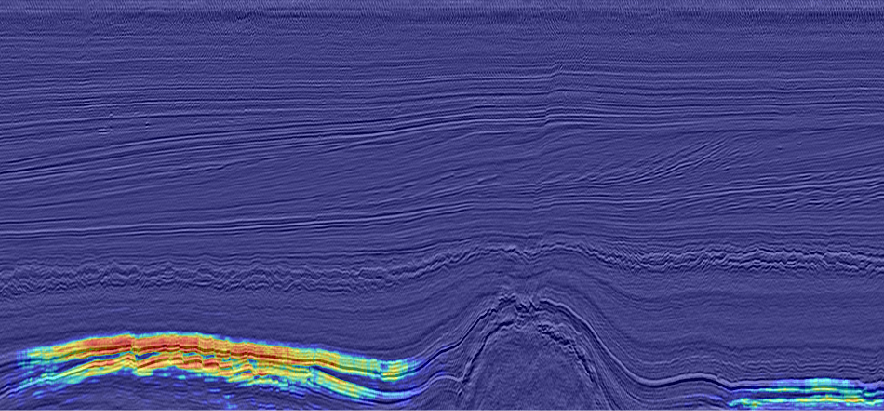 Figure 4
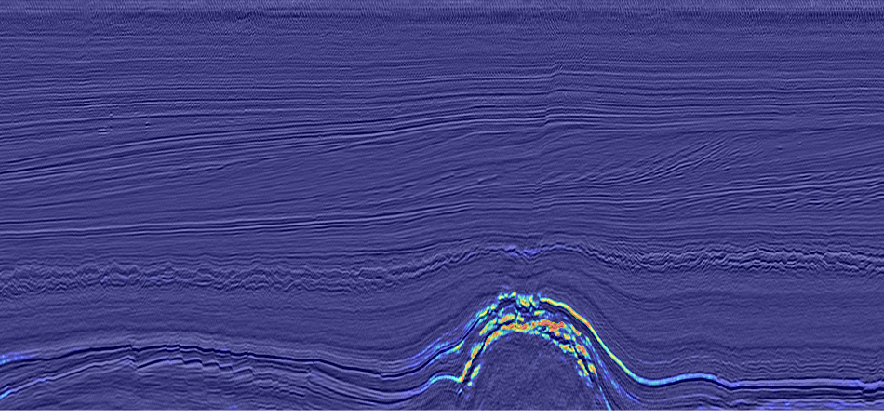 Figure 5
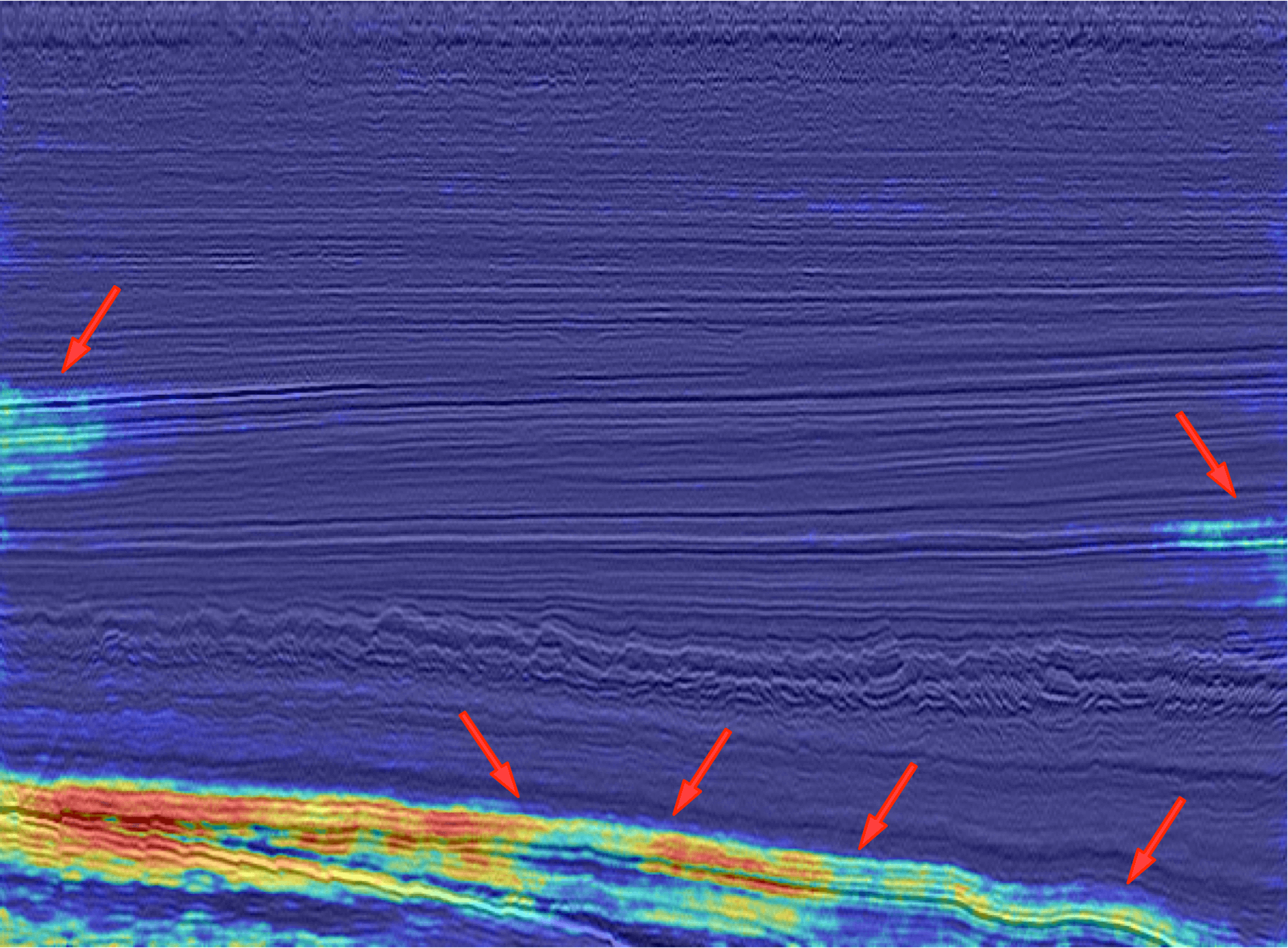 Figure 6
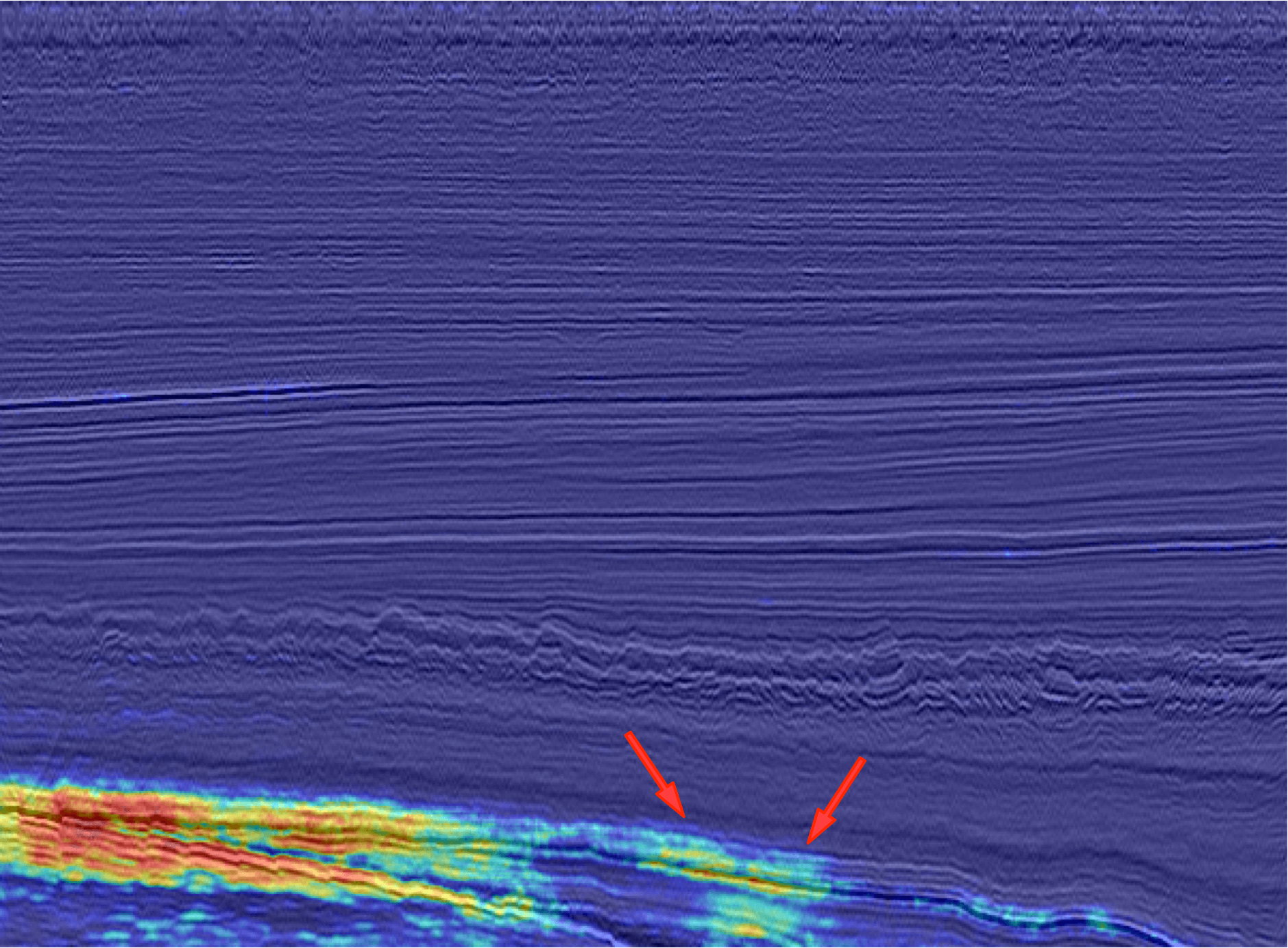 Figure 7
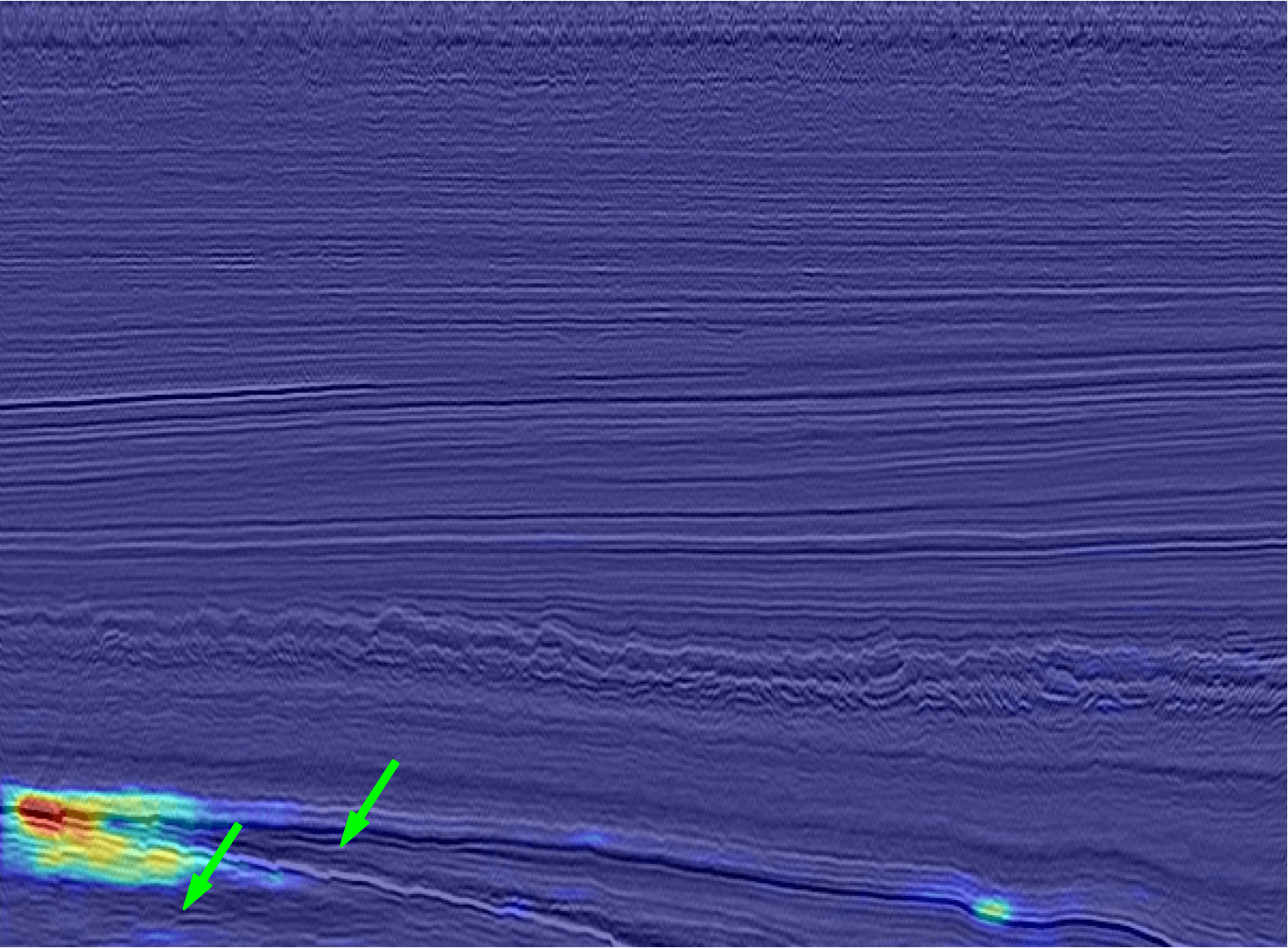 Figure 8
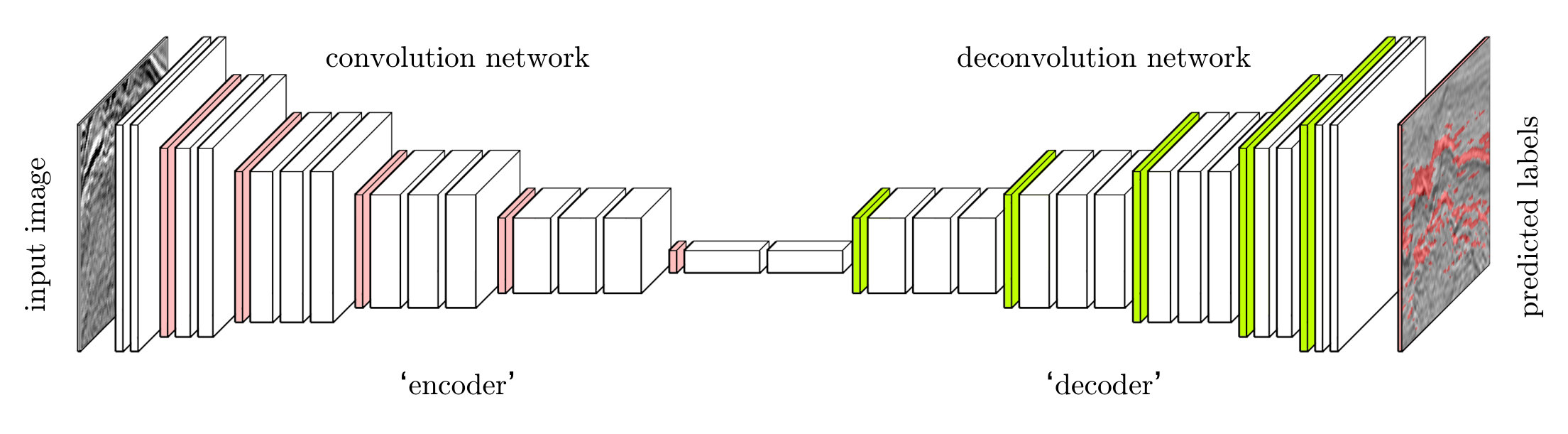 Figure 9
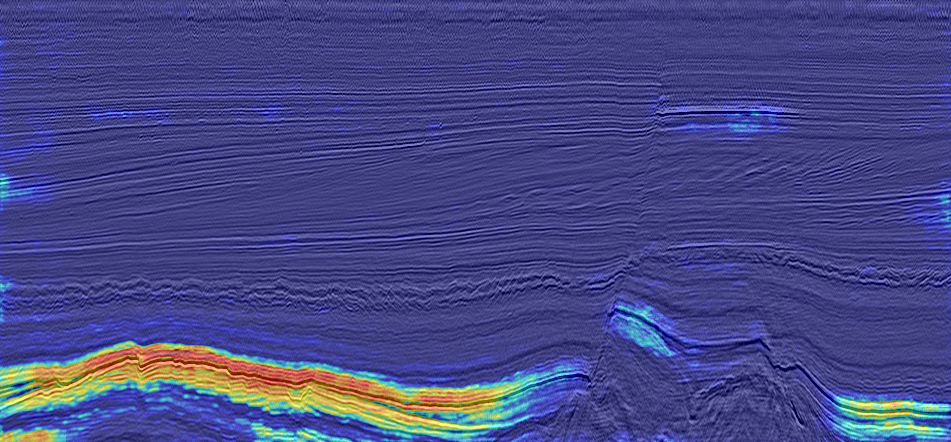 Figure 10
 Figure 11
 Figure 12
 Figure 13
 Figure 14
 Figure 15
 Figure 16
Peer Reviews
No public reviews on file for this paper yet. If you reviewed it on a platform where reviews are public (OpenReview, ICLR, NeurIPS, ICML), you can paste yours below so the community can read it here.
Videos
No videos yet. Explain this paper in a talk, walkthrough, or lecture? Add one.