Maximum and shape of interfaces in 3D Ising crystals
Reza Gheissari, Eyal Lubetzky

TL;DR
This paper analyzes the maximum height and shape of interfaces in 3D Ising crystals at low temperatures, establishing laws of large numbers and central limit theorems for interface properties, and generalizing results to higher dimensions.
Contribution
It provides a detailed probabilistic description of the interface's maximum, shape, and fluctuations in the 3D Ising model, extending understanding beyond previous tractable models.
Findings
Maximum interface height scales as (2/α_β) log n
Interface decomposes into a linear number of weakly-dependent increments
Surface area, volume, and tip location obey CLTs with linear variance
Abstract
Dobrushin (1972) showed that the interface of a 3D Ising model with minus boundary conditions above the -plane and plus below is rigid (has -fluctuations) at every sufficiently low temperature. Since then, basic features of this interface -- such as the asymptotics of its maximum -- were only identified in more tractable random surface models that approximate the Ising interface at low temperatures, e.g., for the (2+1)D Solid-On-Solid model. Here we study the large deviations of the interface of the 3D Ising model in a cube of side-length with Dobrushin's boundary conditions, and in particular obtain a law of large numbers for , its maximum: if the inverse-temperature is large enough, then as , in probability, where is given by a large deviation rate in infinite volume. We further show that, on the…
Click any figure to enlarge with its caption.
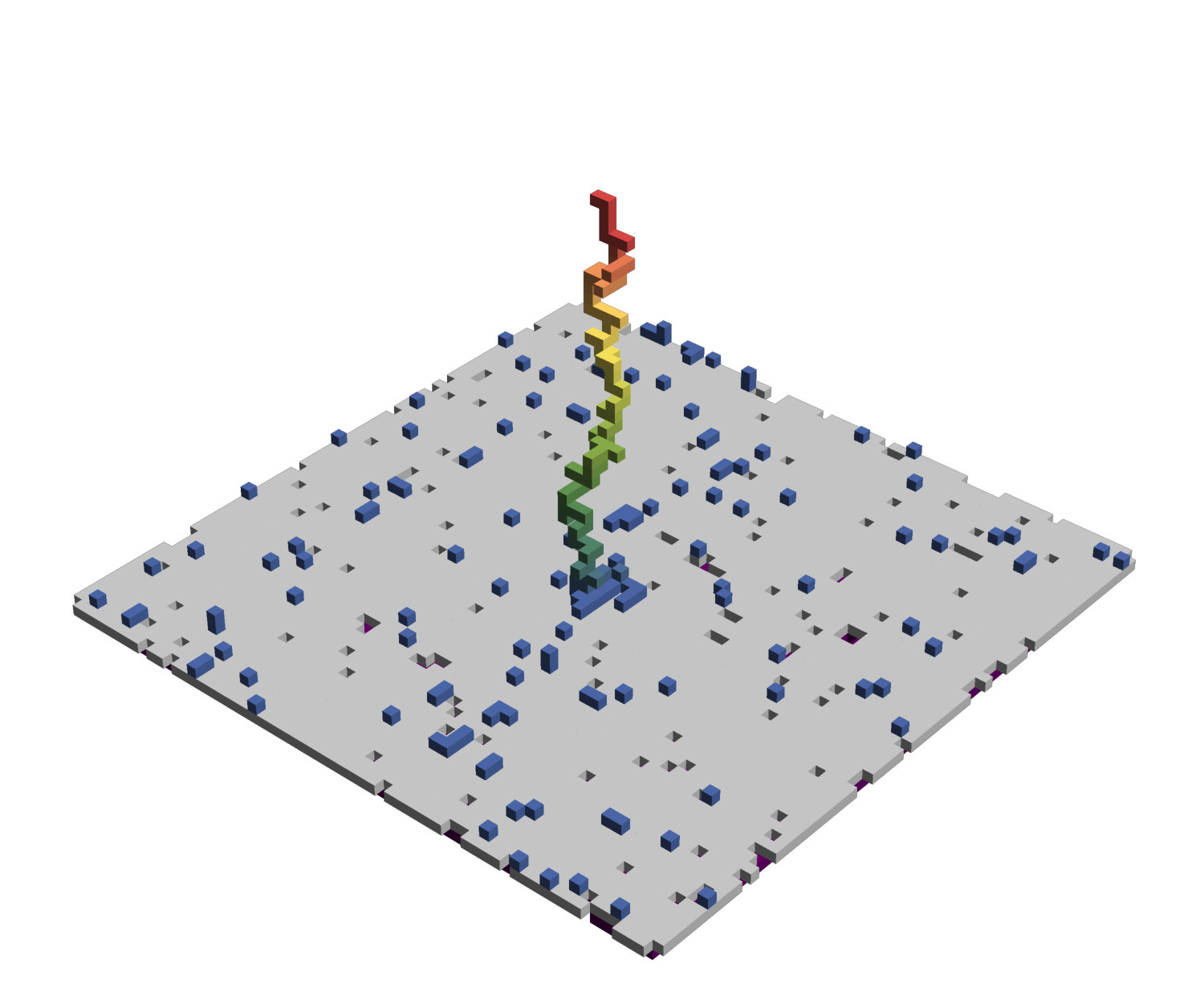 Figure 3
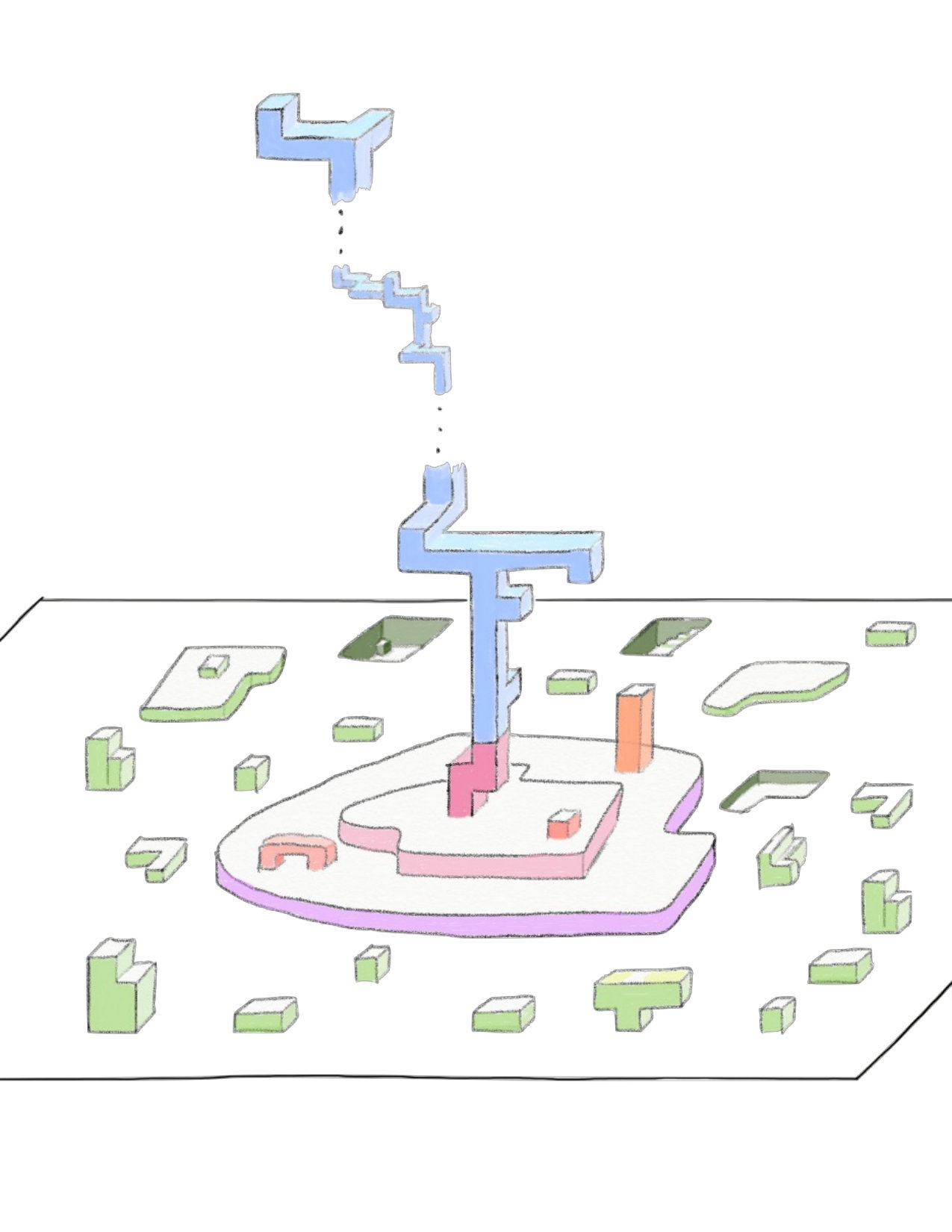 Figure 2
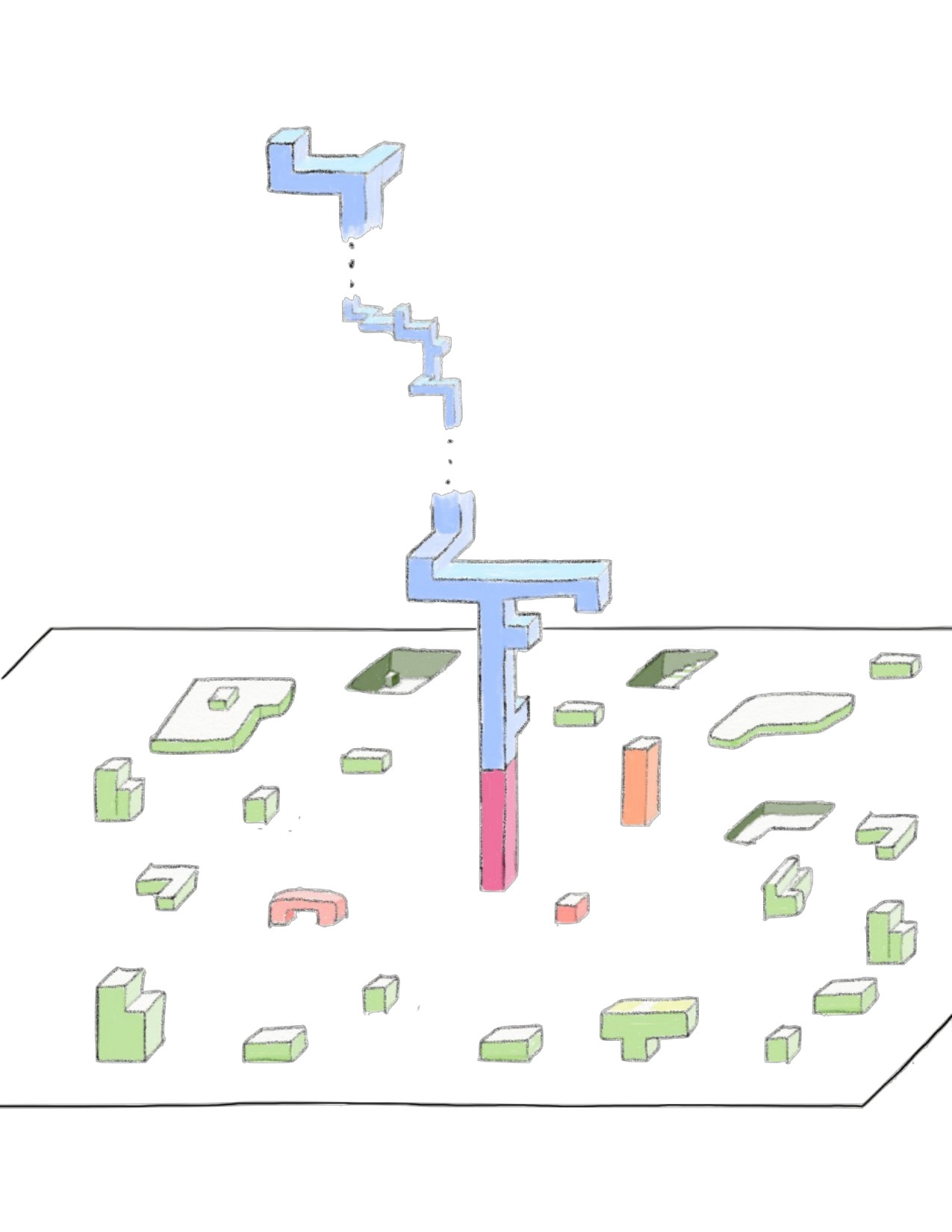 Figure 3
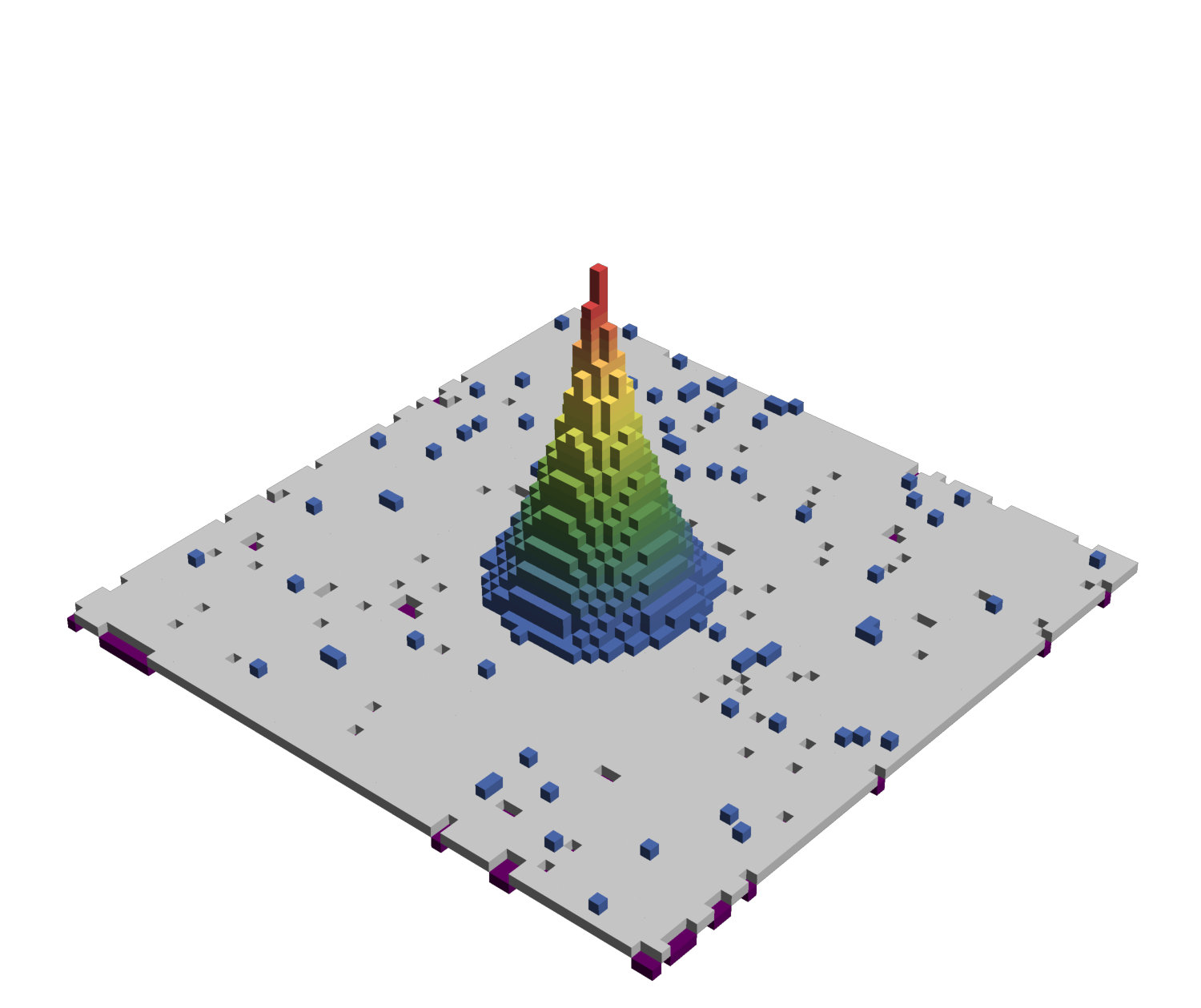 Figure 4
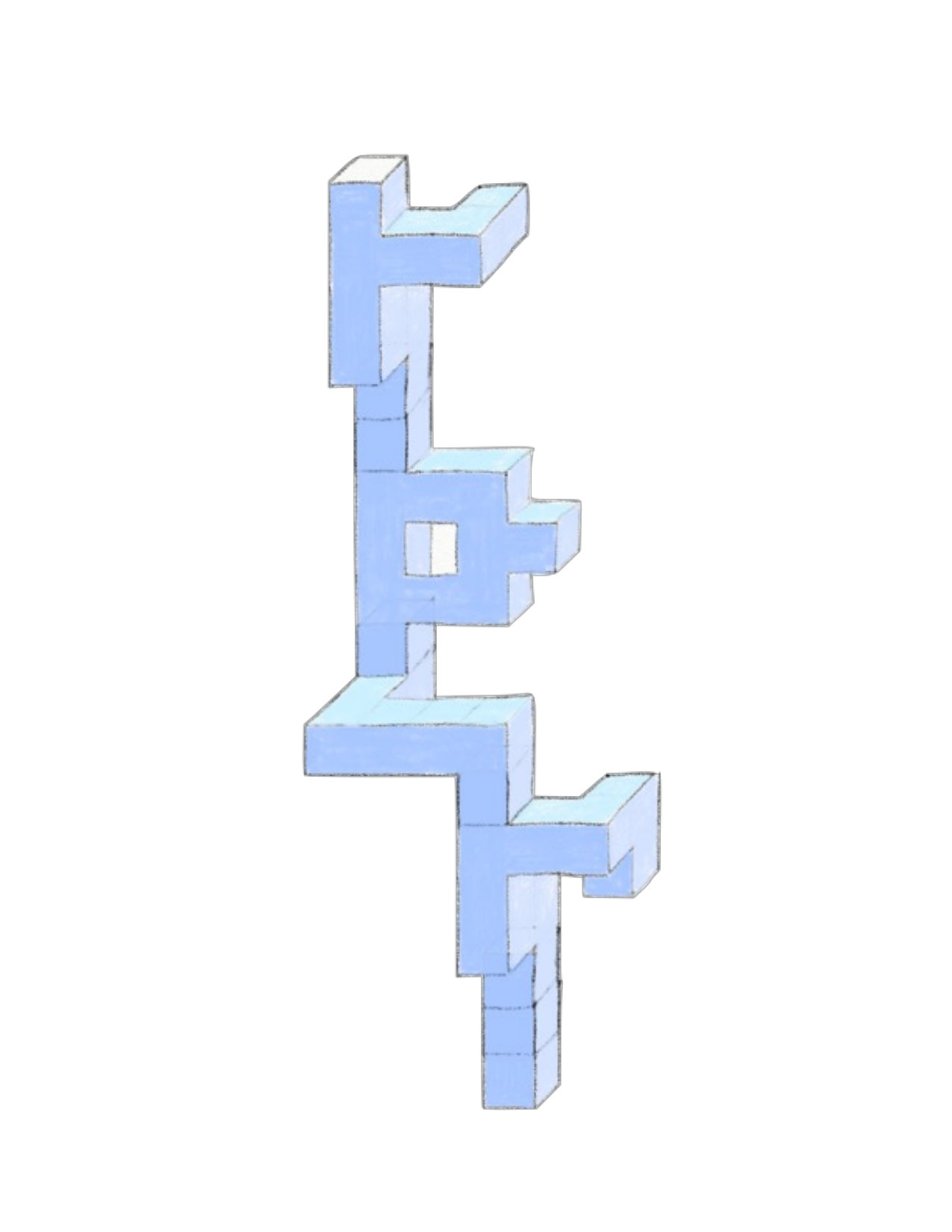 Figure 5
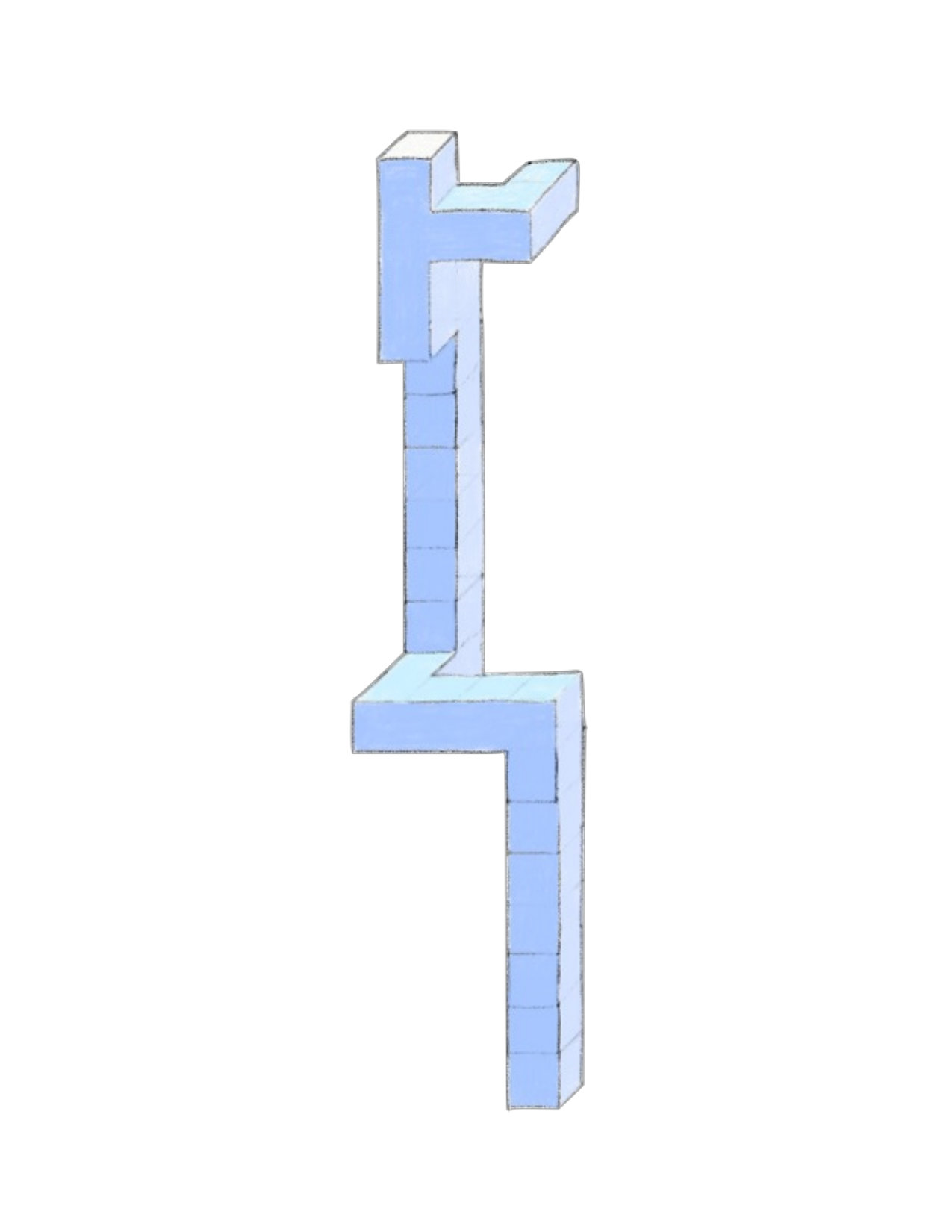 Figure 6
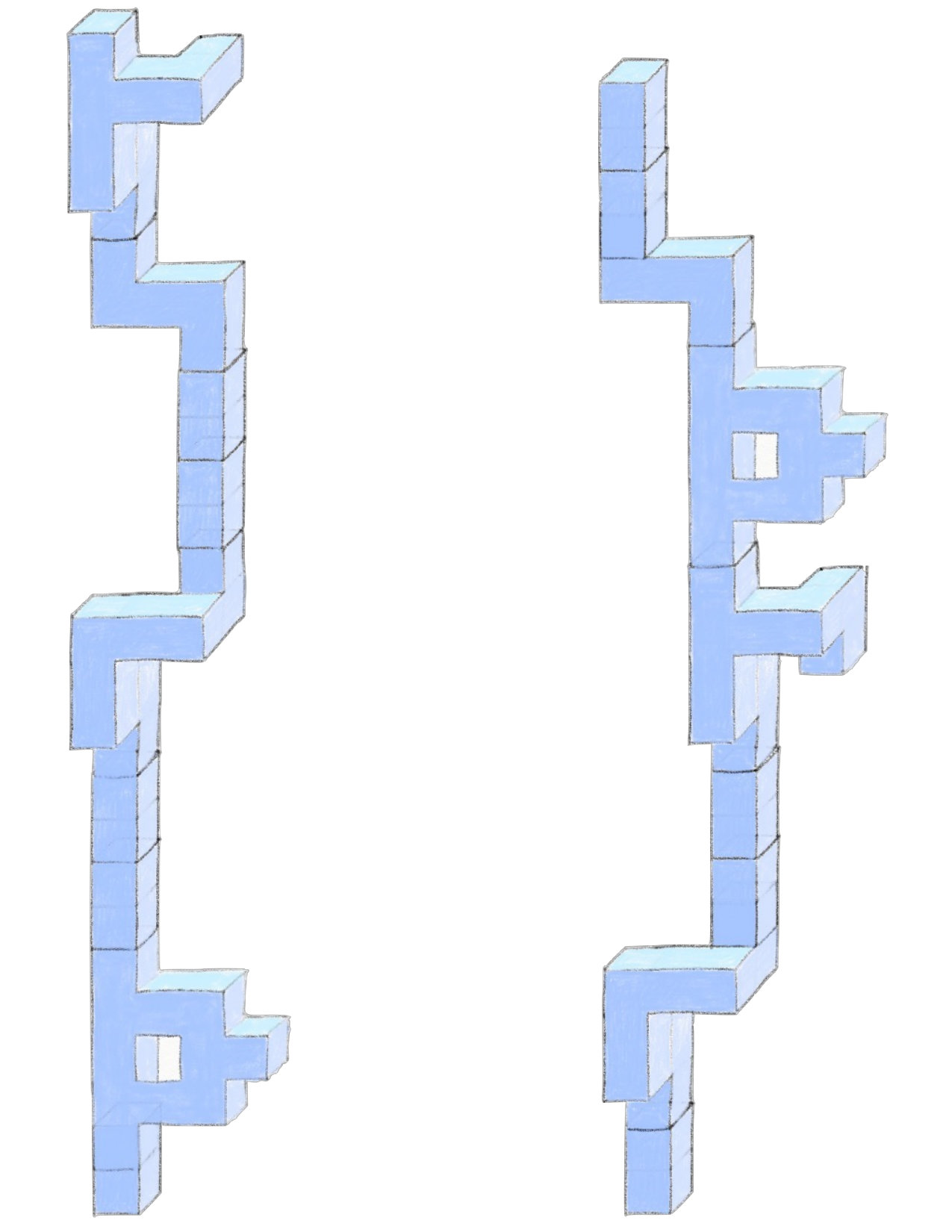 Figure 7
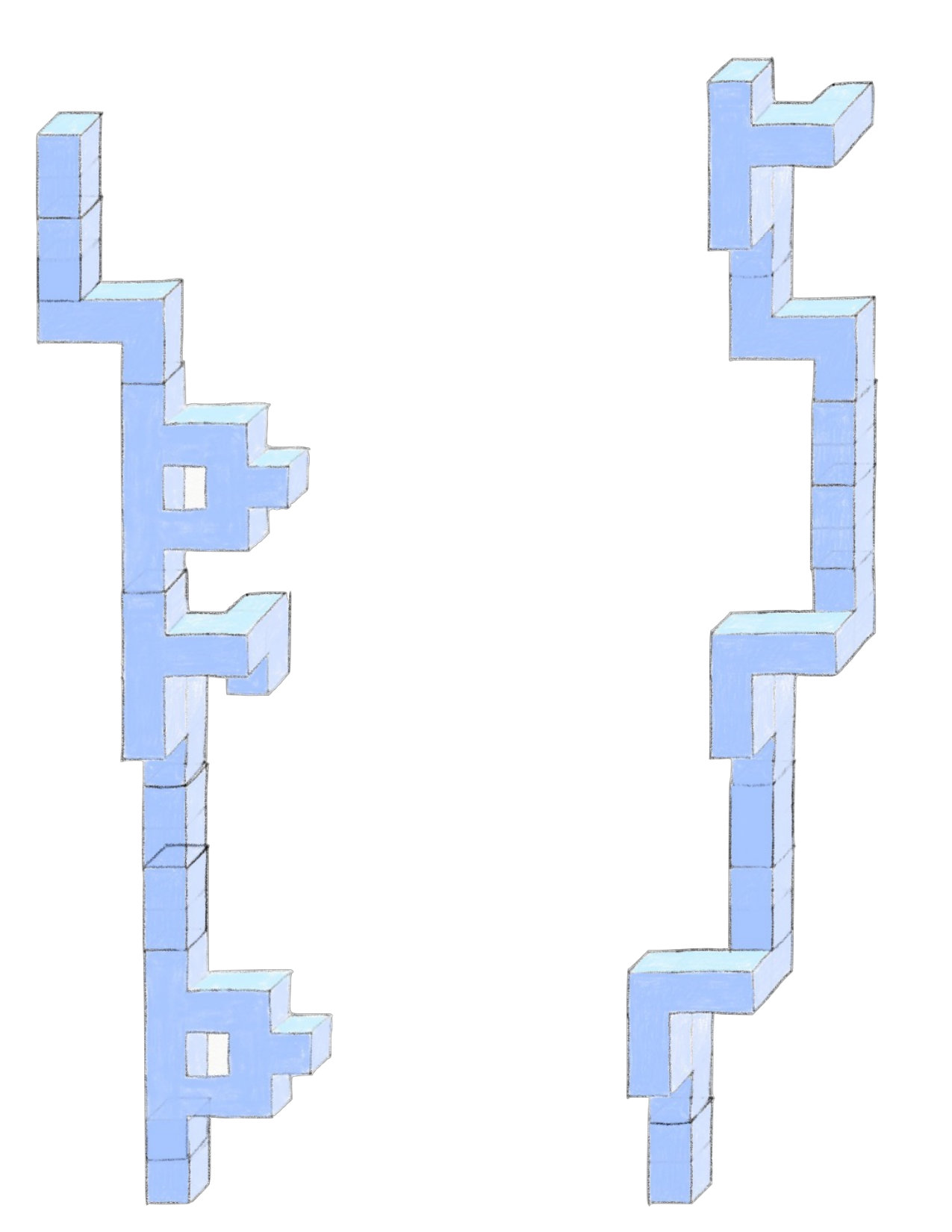 Figure 8
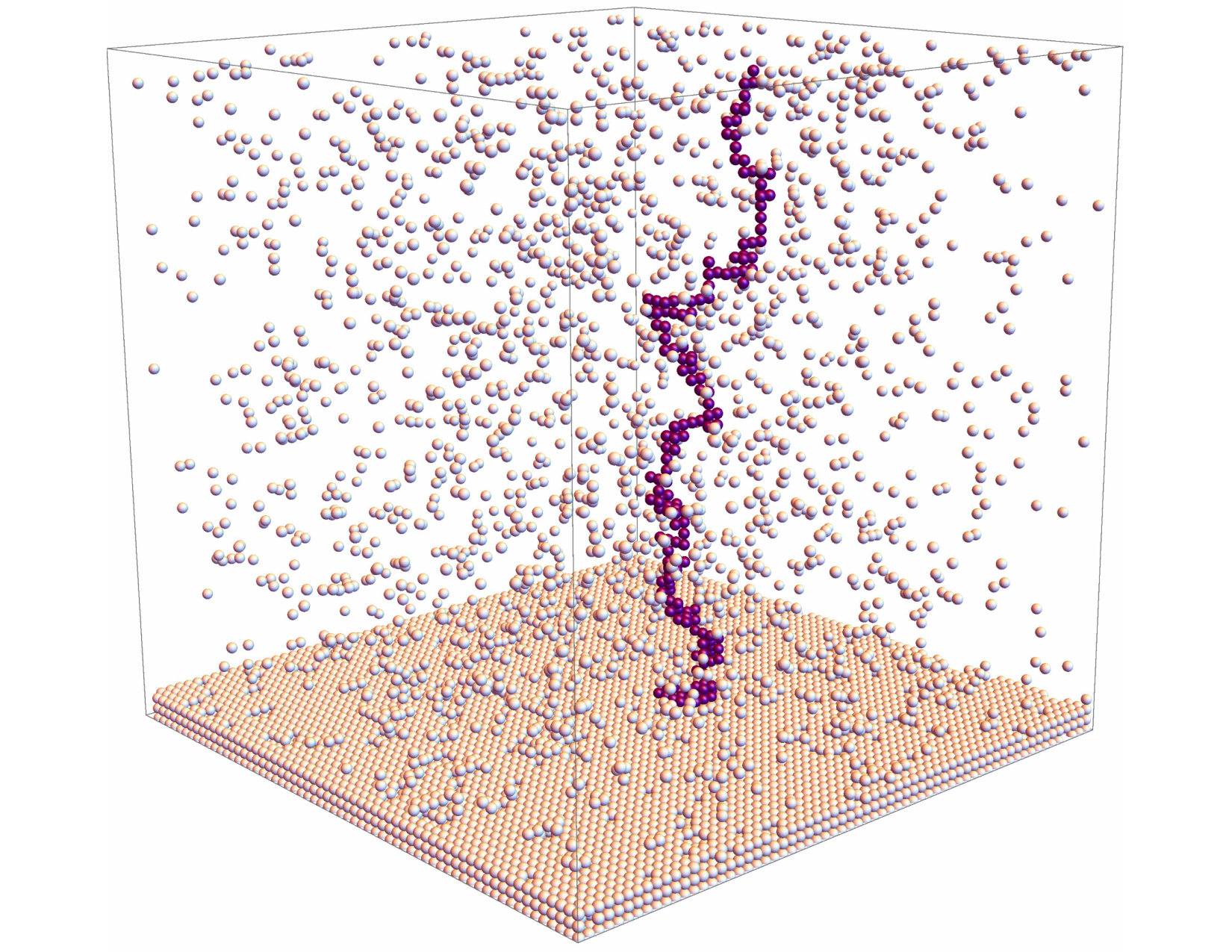 Figure 9
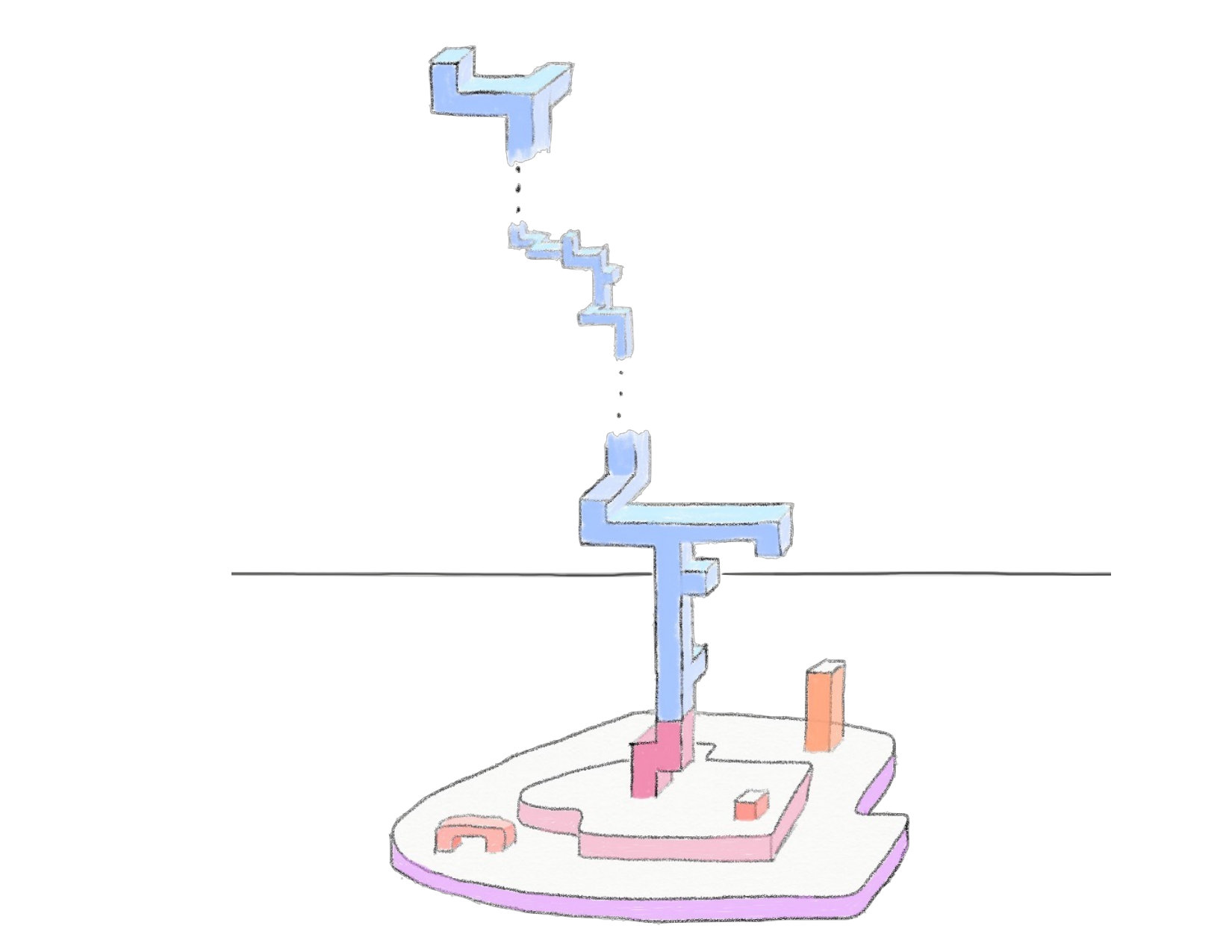 Figure 10
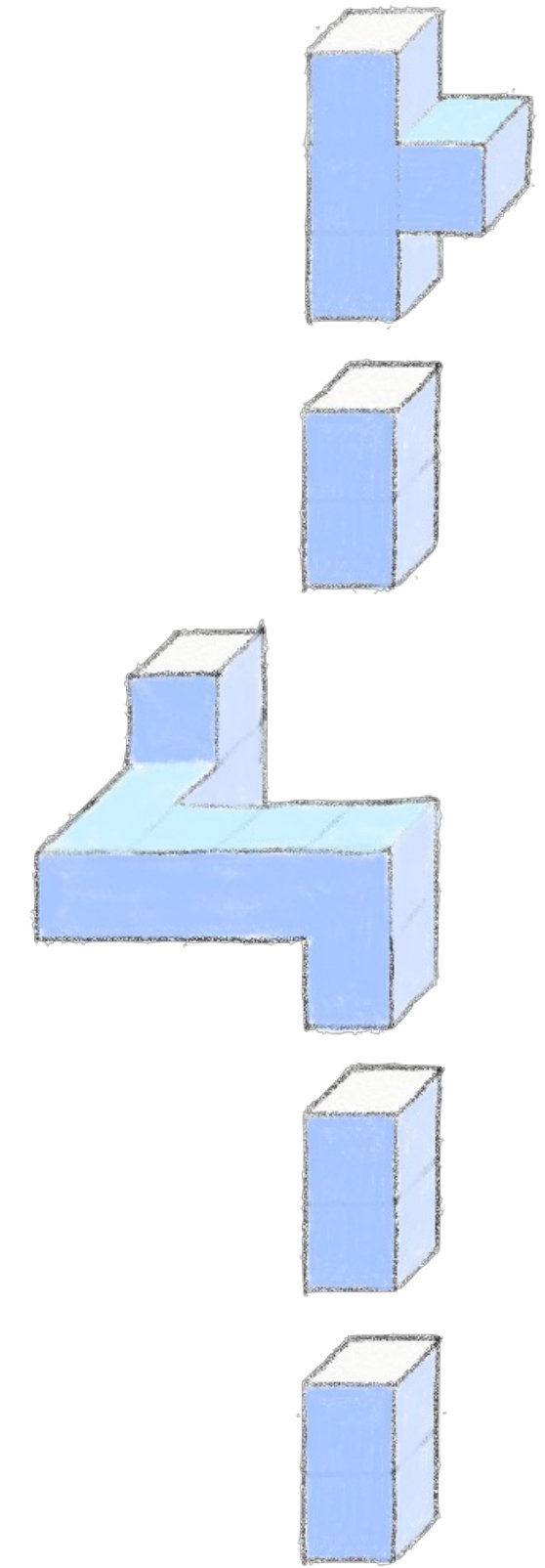 Figure 11
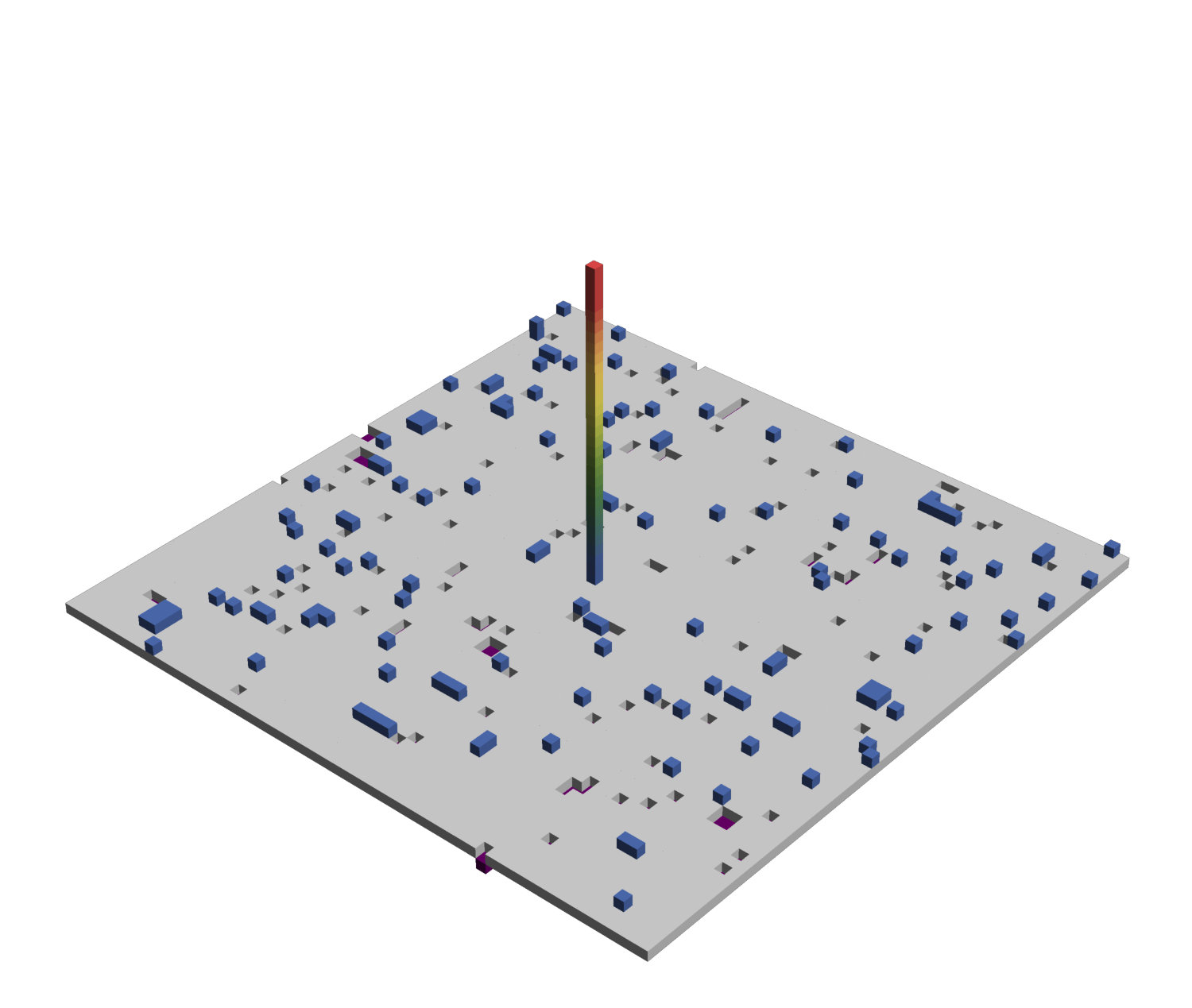 Figure 12
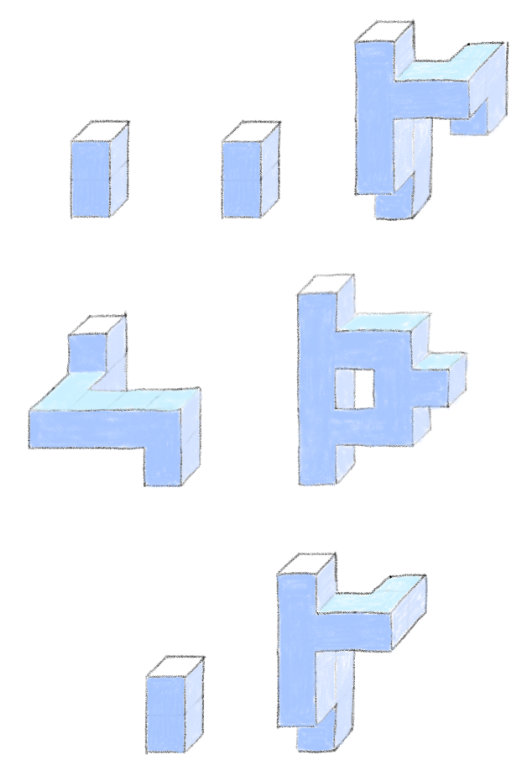 Figure 13
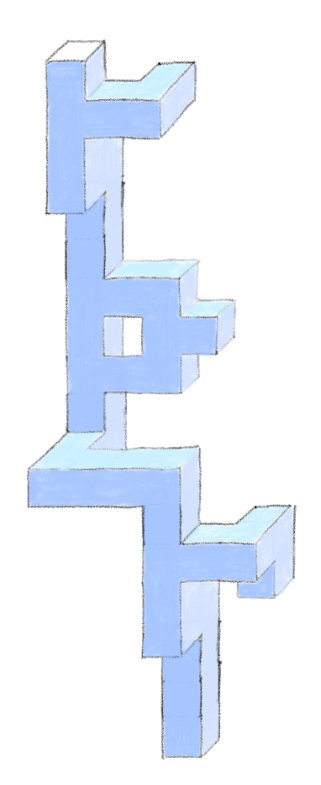 Figure 14
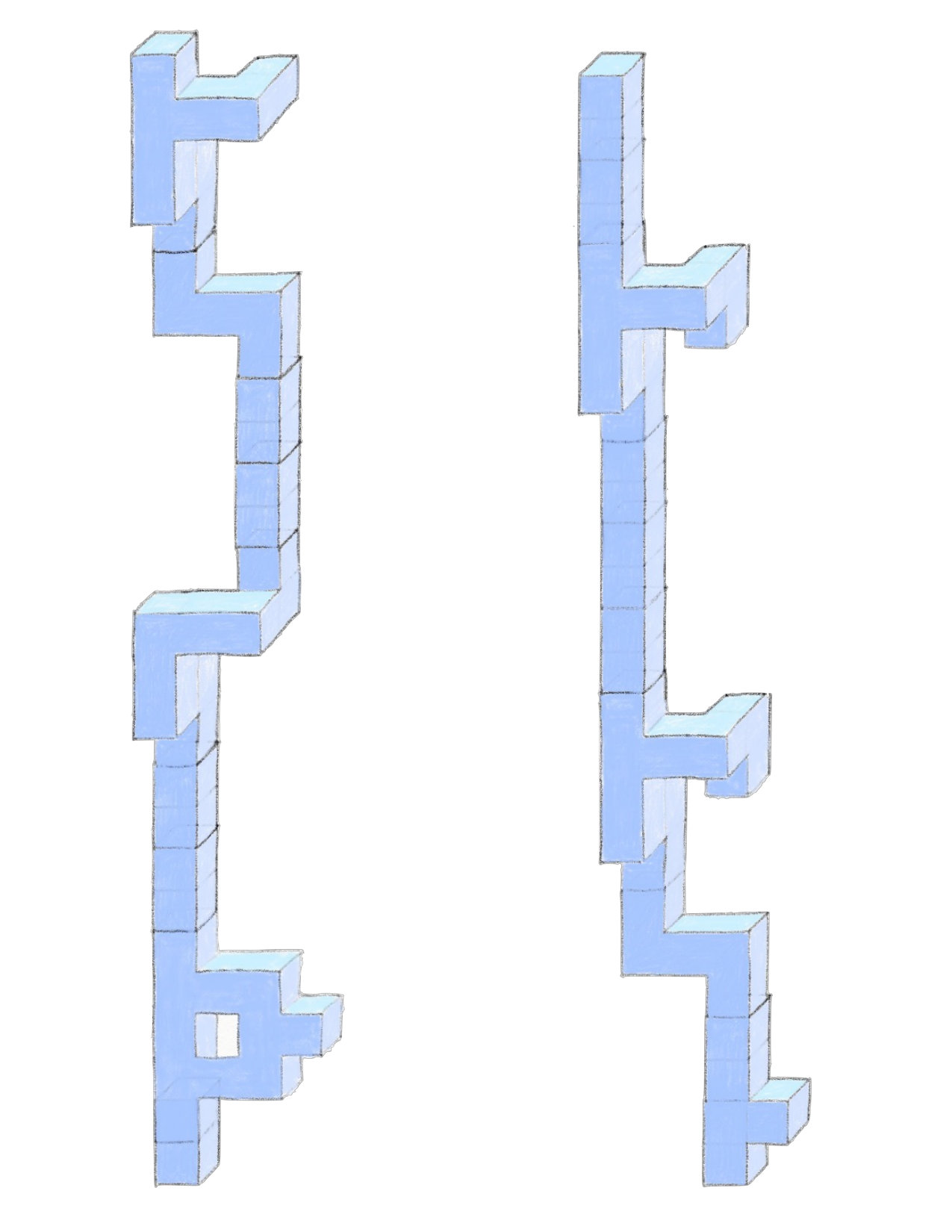 Figure 15
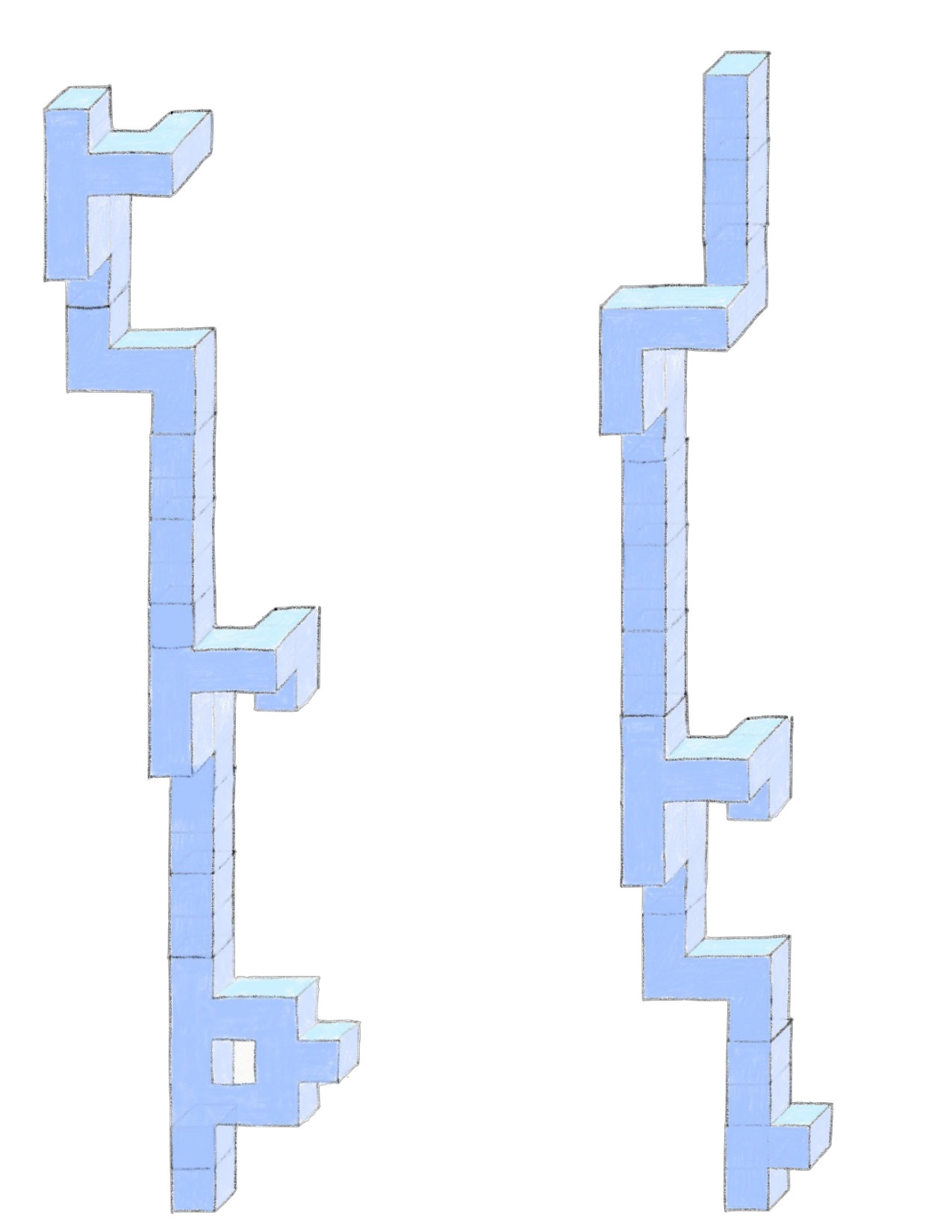 Figure 16
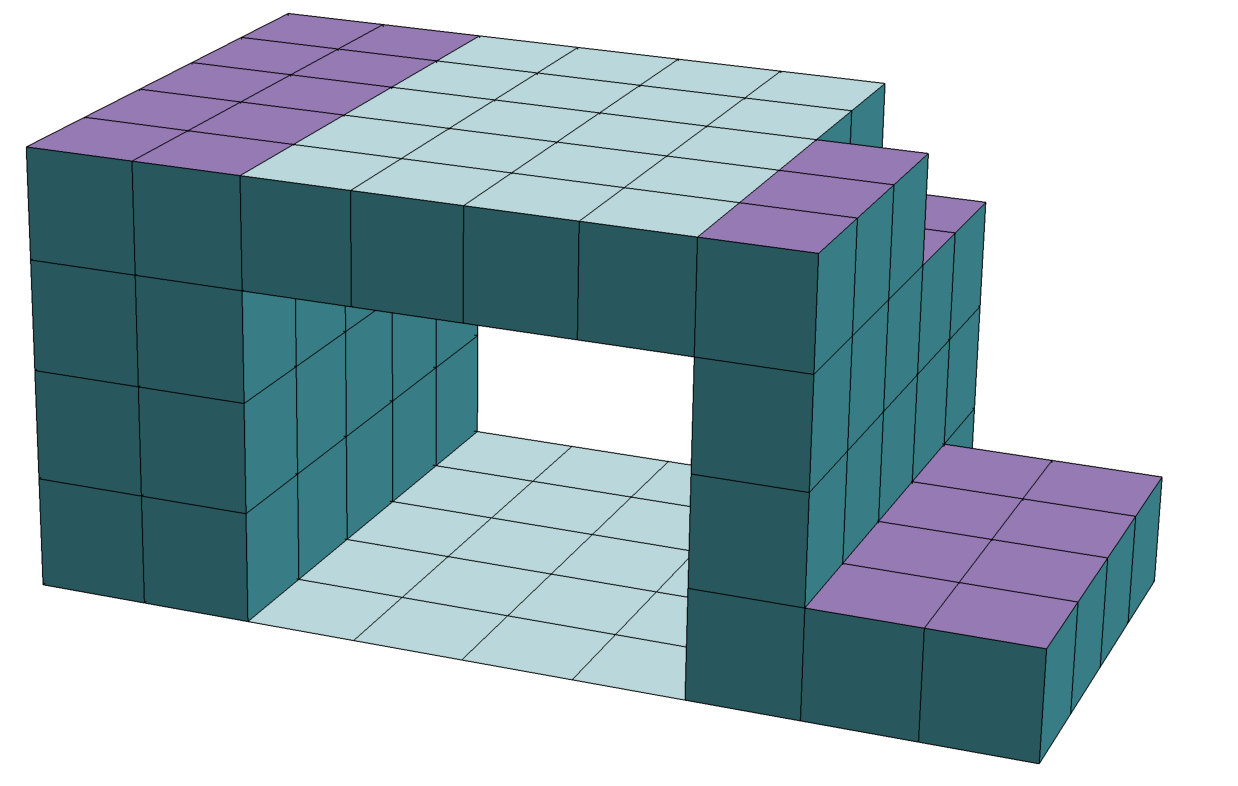 Figure 17
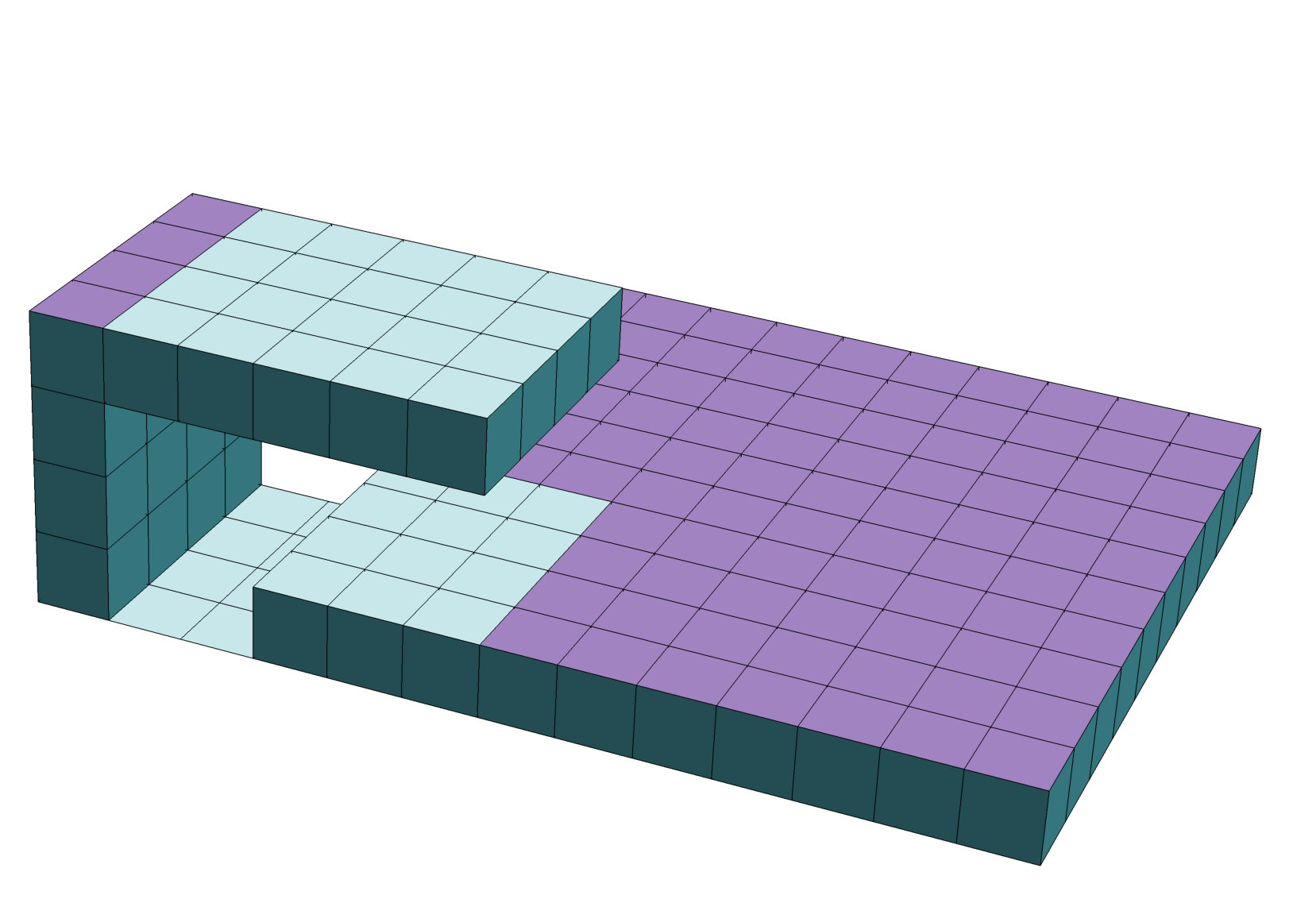 Figure 18
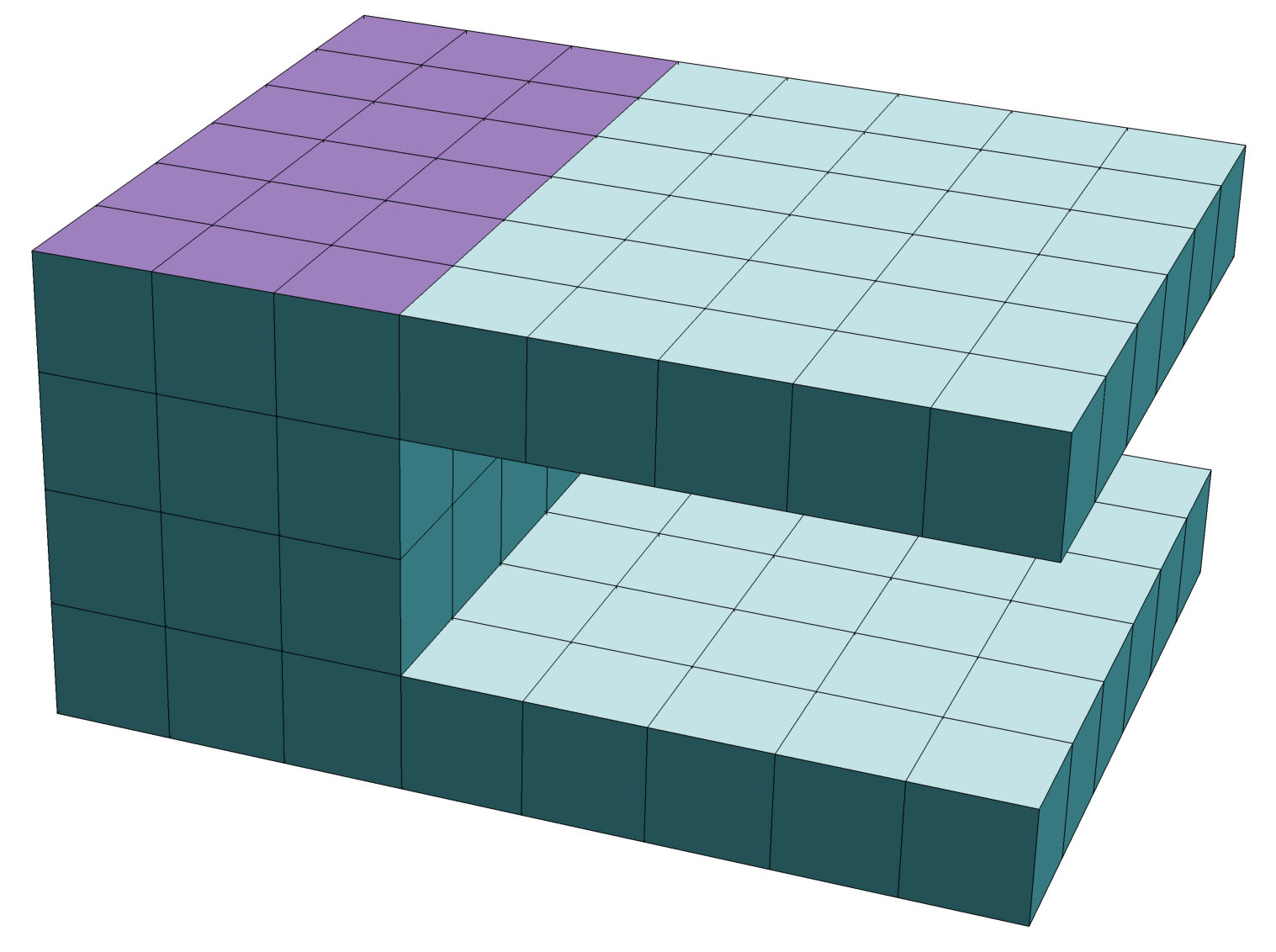 Figure 19
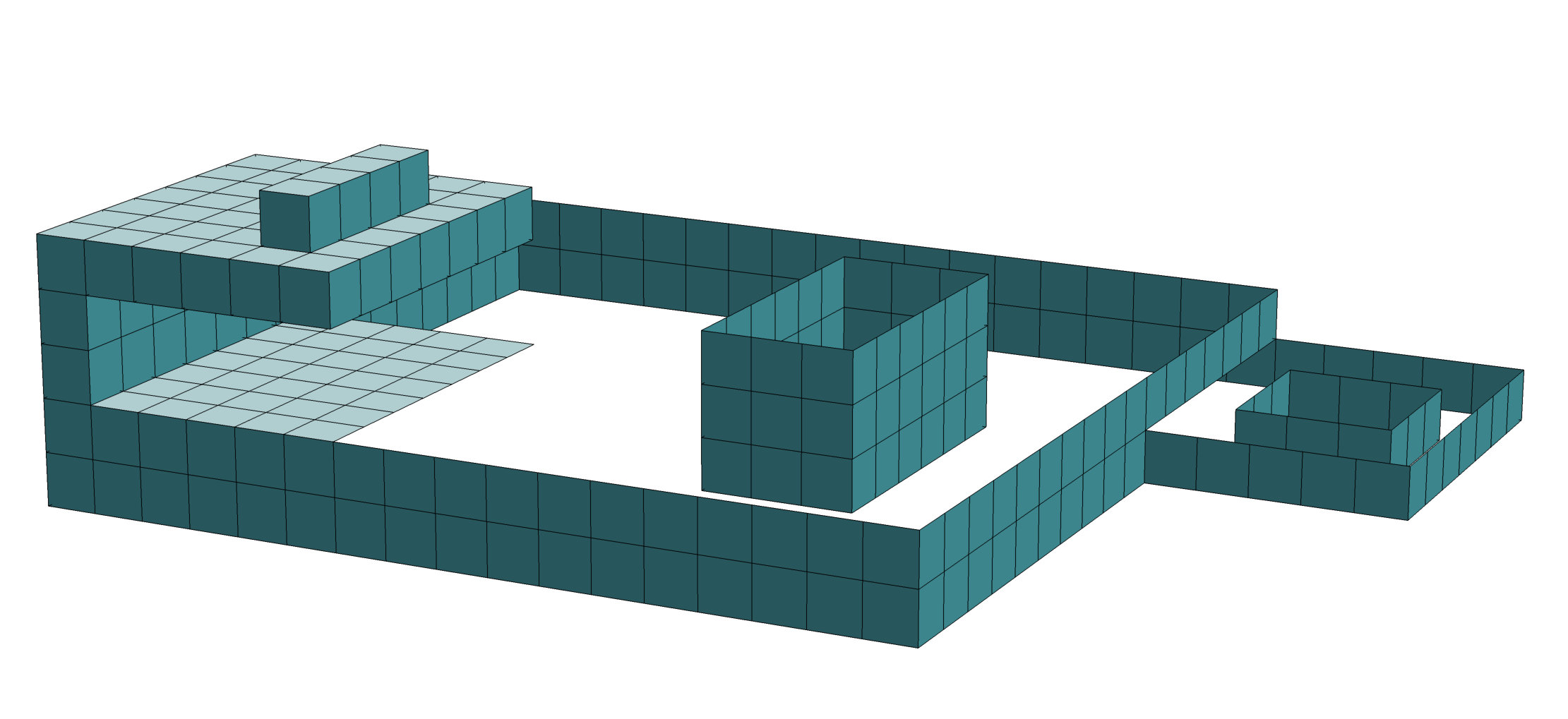 Figure 20
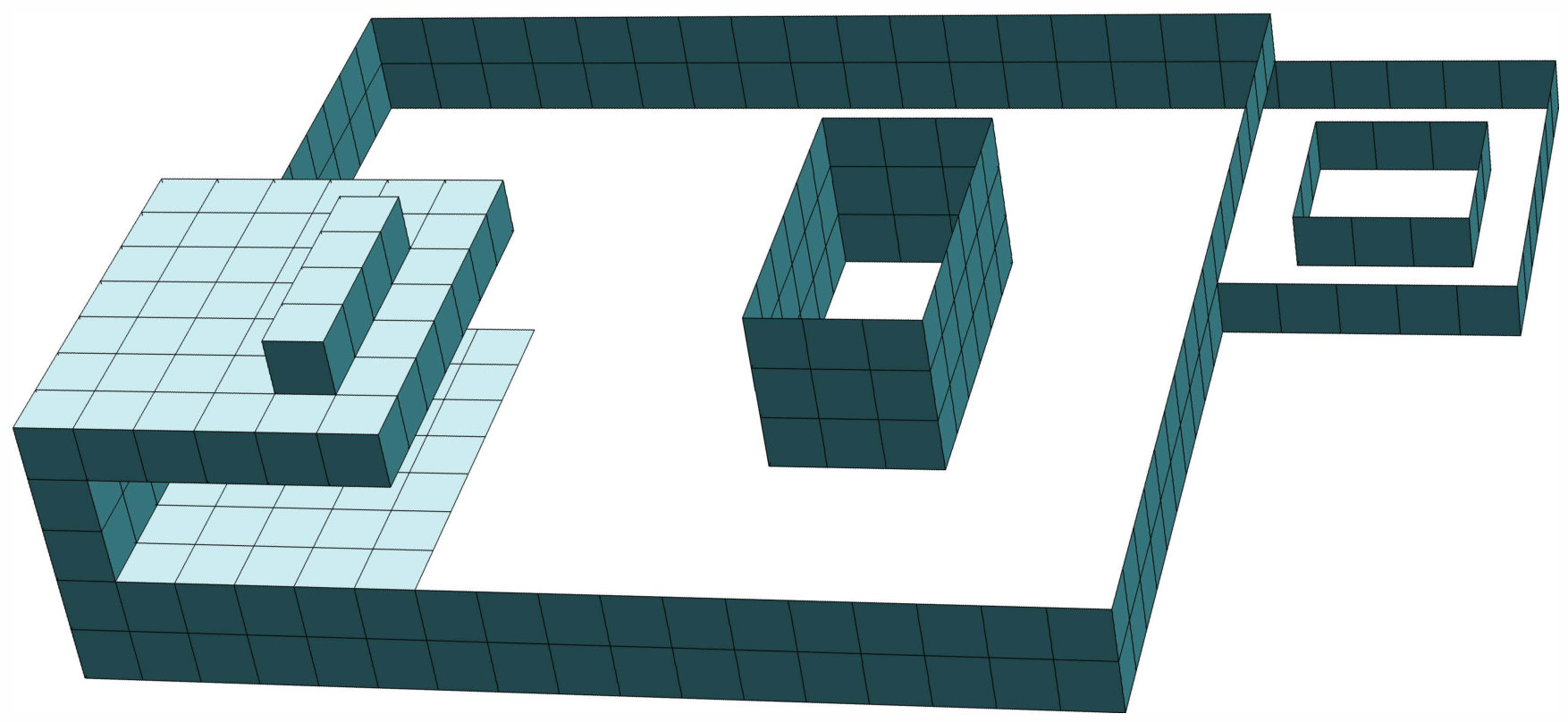 Figure 21
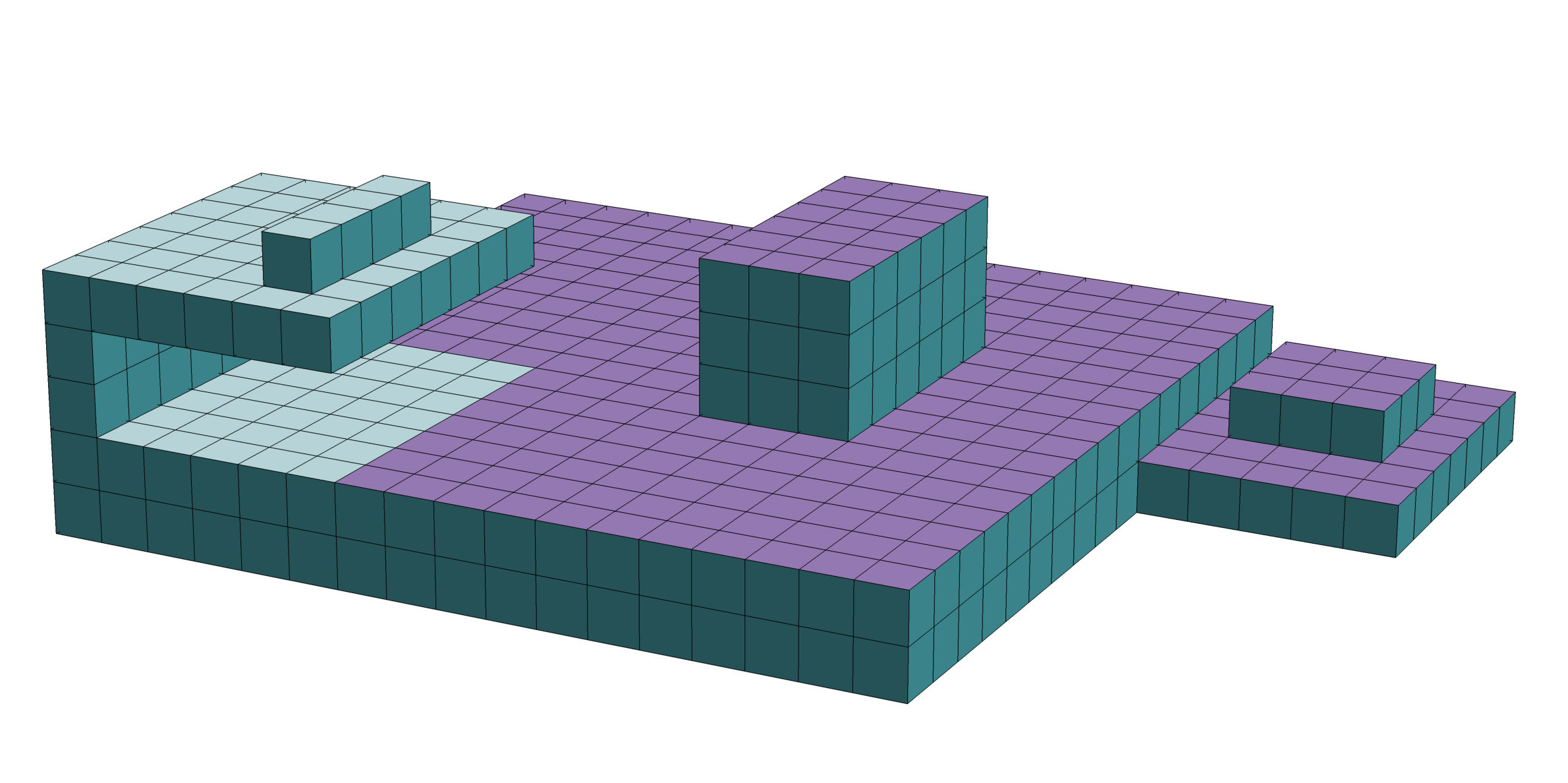 Figure 22
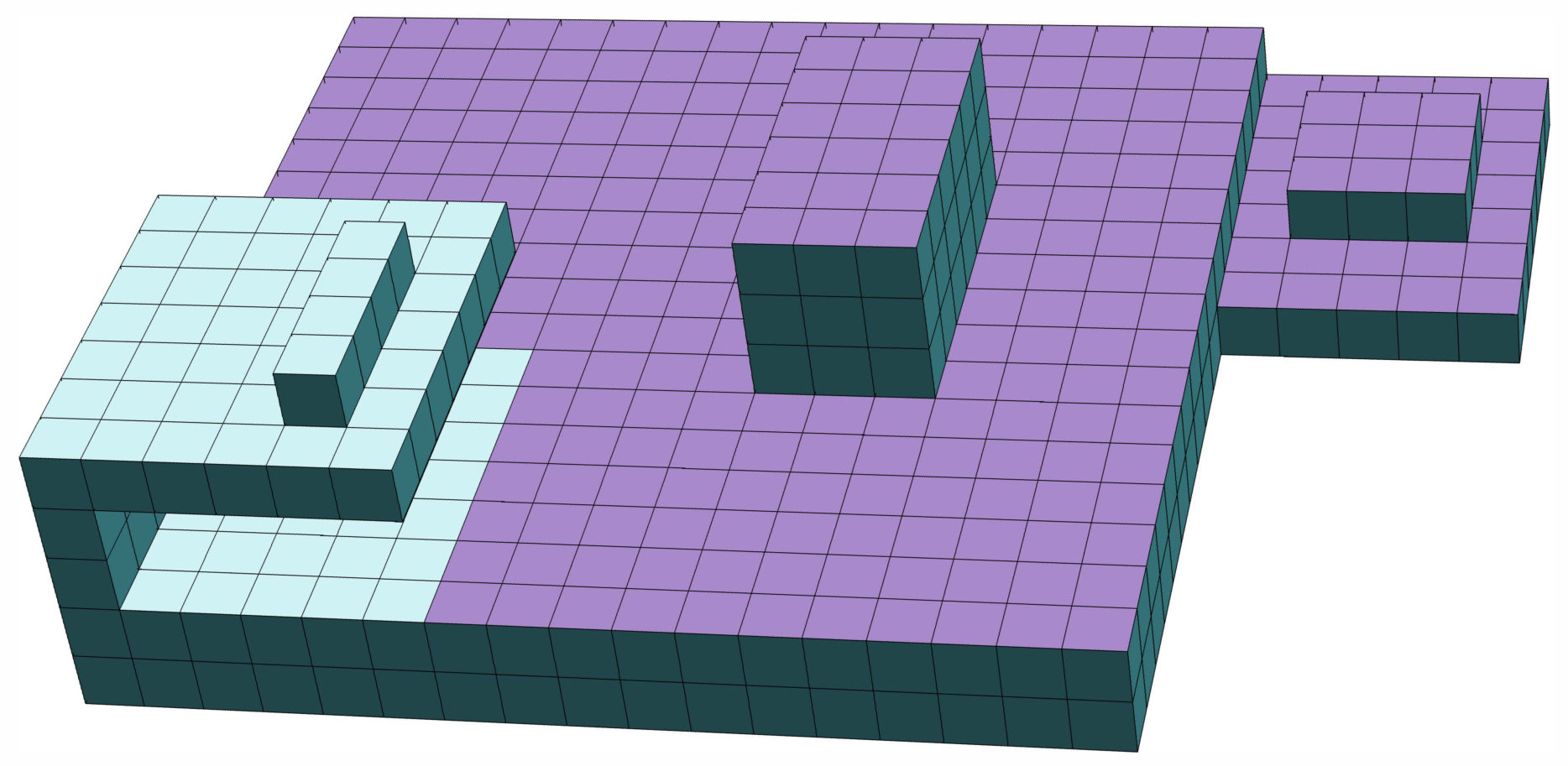 Figure 23
 Figure 24
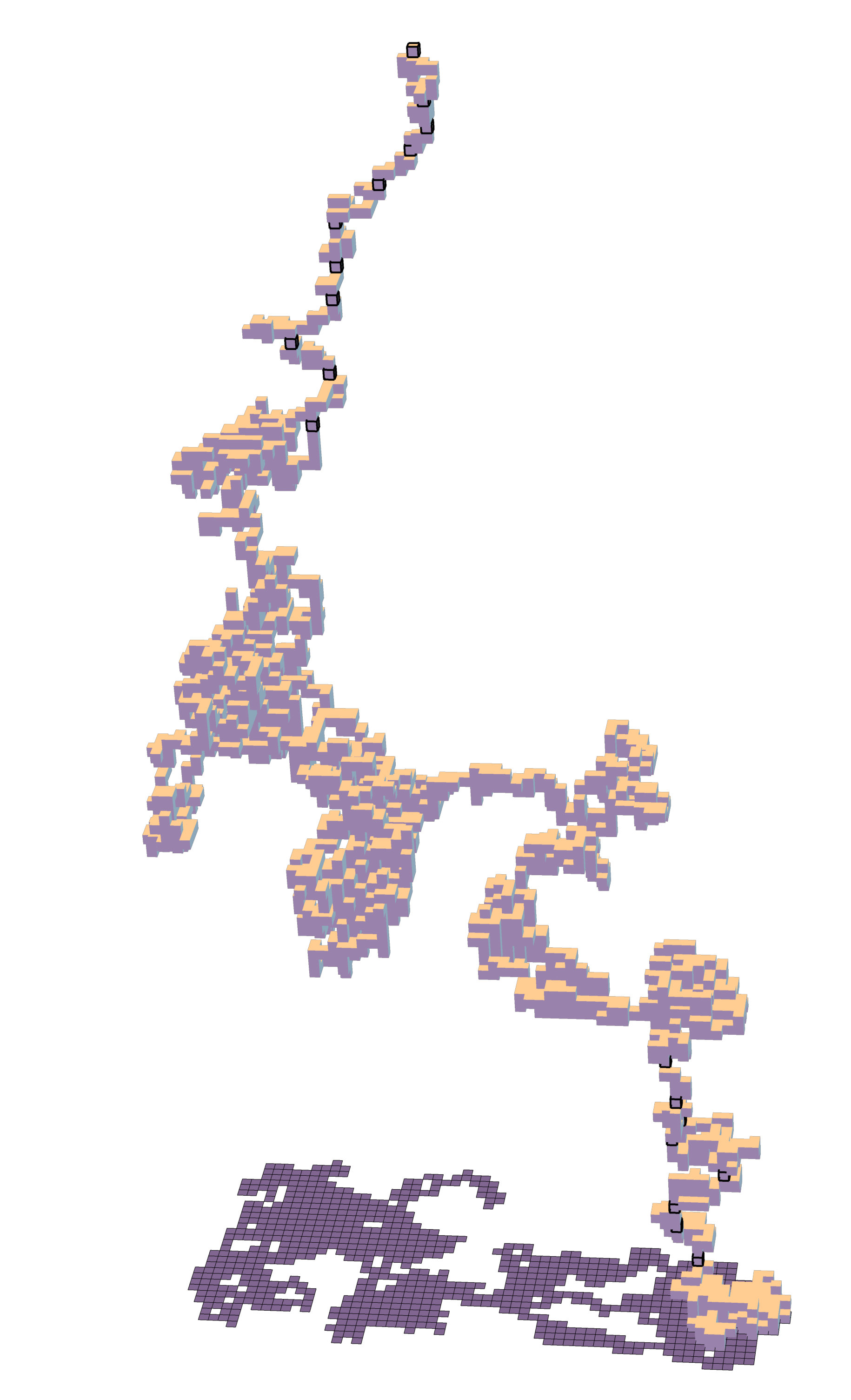 Figure 25
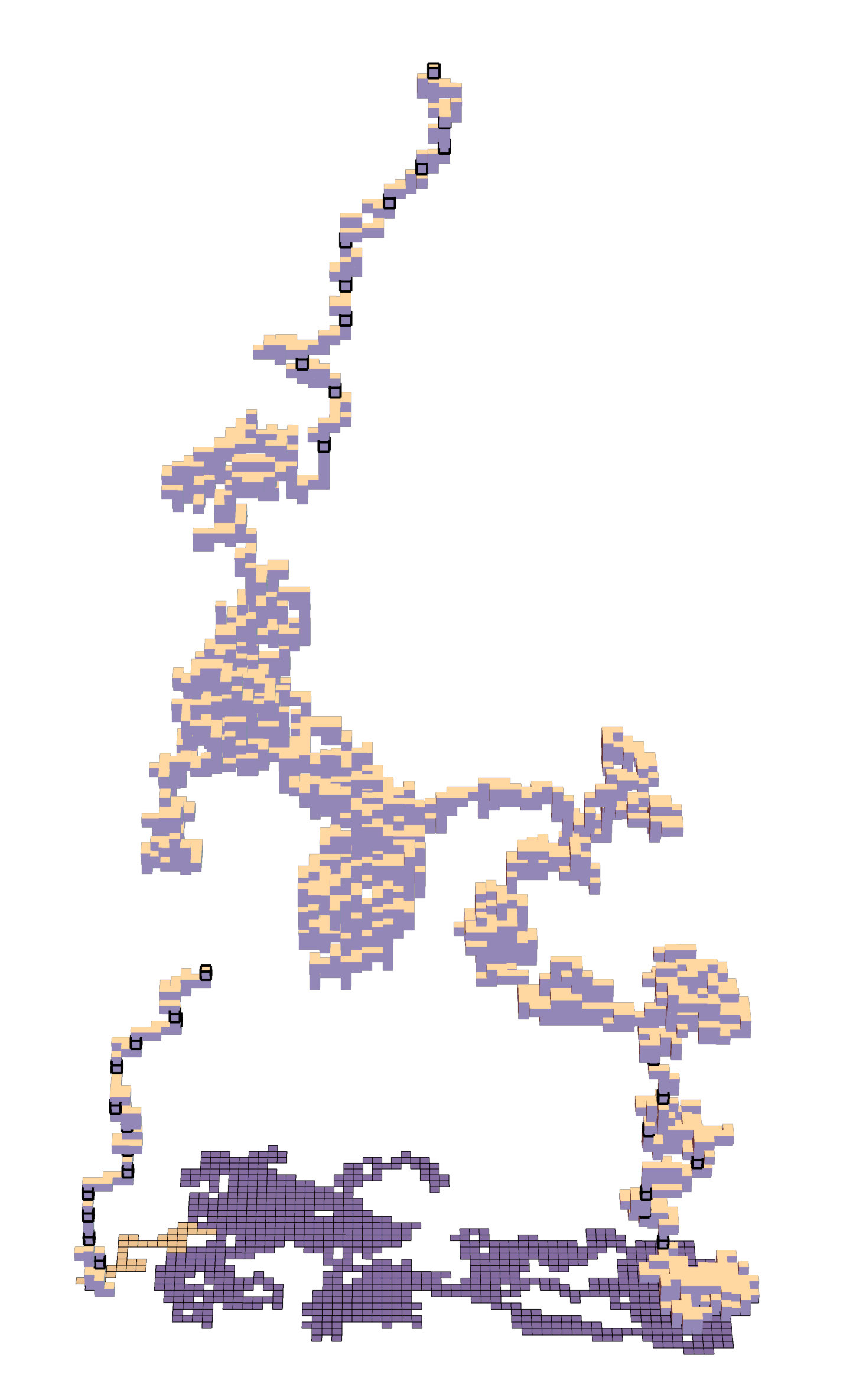 Figure 26
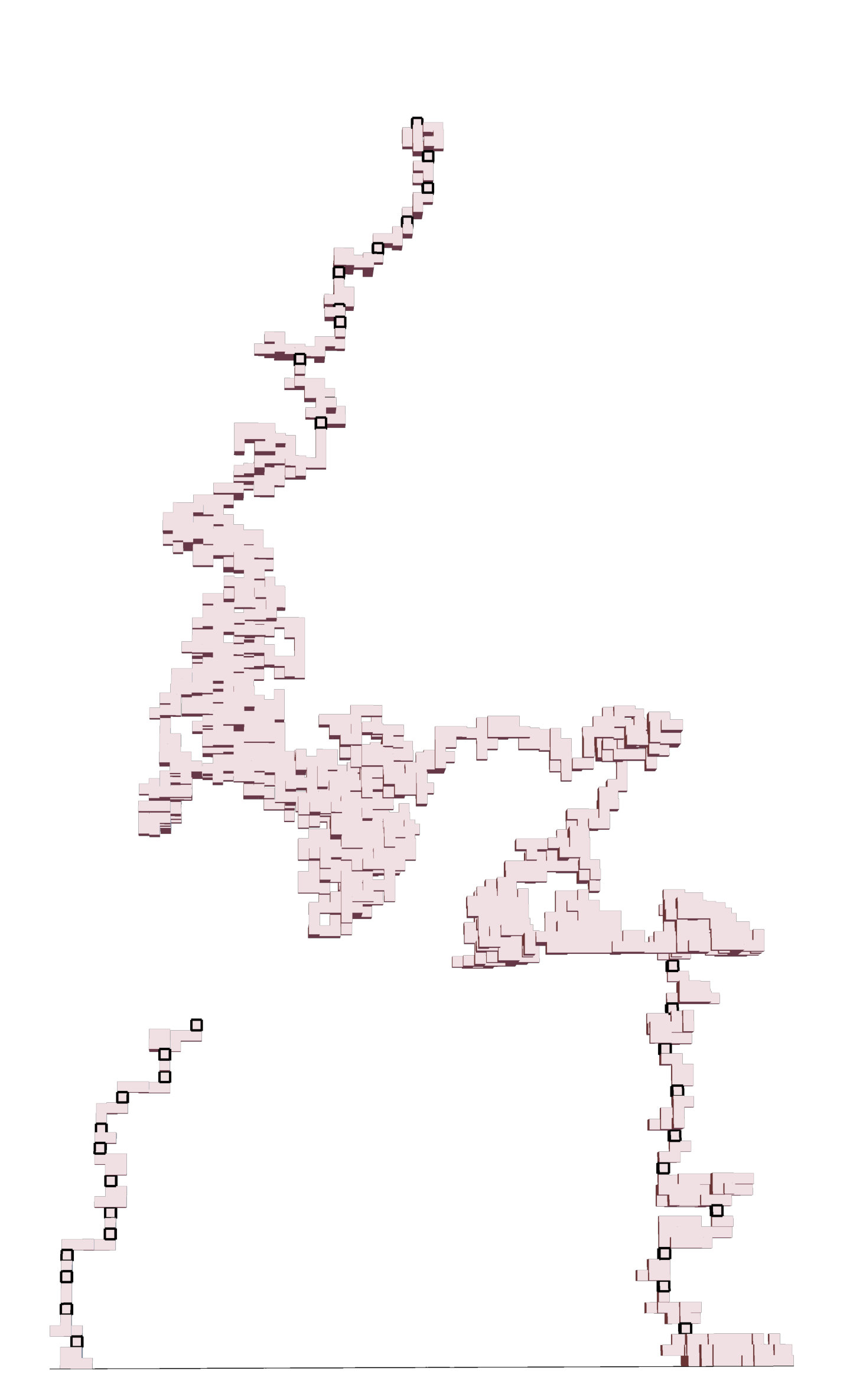 Figure 27
Peer Reviews
No public reviews on file for this paper yet. If you reviewed it on a platform where reviews are public (OpenReview, ICLR, NeurIPS, ICML), you can paste yours below so the community can read it here.
Videos
No videos yet. Explain this paper in a talk, walkthrough, or lecture? Add one.