Incremental Reading for Question Answering
Samira Abnar, Tania Bedrax-weiss, Tom Kwiatkowski, William W. Cohen

TL;DR
This paper extends a question answering model to enable incremental reading and answering, allowing systems to process information step-by-step and determine when they have enough information to answer accurately.
Contribution
It introduces modifications to the DocQA model to support incremental reading and answer prediction without sacrificing accuracy.
Findings
Incremental reading improves goal-directed question answering.
The extended model maintains accuracy while processing text incrementally.
Joint learning of answer quality and sufficiency enhances performance.
Abstract
Any system which performs goal-directed continual learning must not only learn incrementally but process and absorb information incrementally. Such a system also has to understand when its goals have been achieved. In this paper, we consider these issues in the context of question answering. Current state-of-the-art question answering models reason over an entire passage, not incrementally. As we will show, naive approaches to incremental reading, such as restriction to unidirectional language models in the model, perform poorly. We present extensions to the DocQA [2] model to allow incremental reading without loss of accuracy. The model also jointly learns to provide the best answer given the text that is seen so far and predict whether this best-so-far answer is sufficient.
Click any figure to enlarge with its caption.
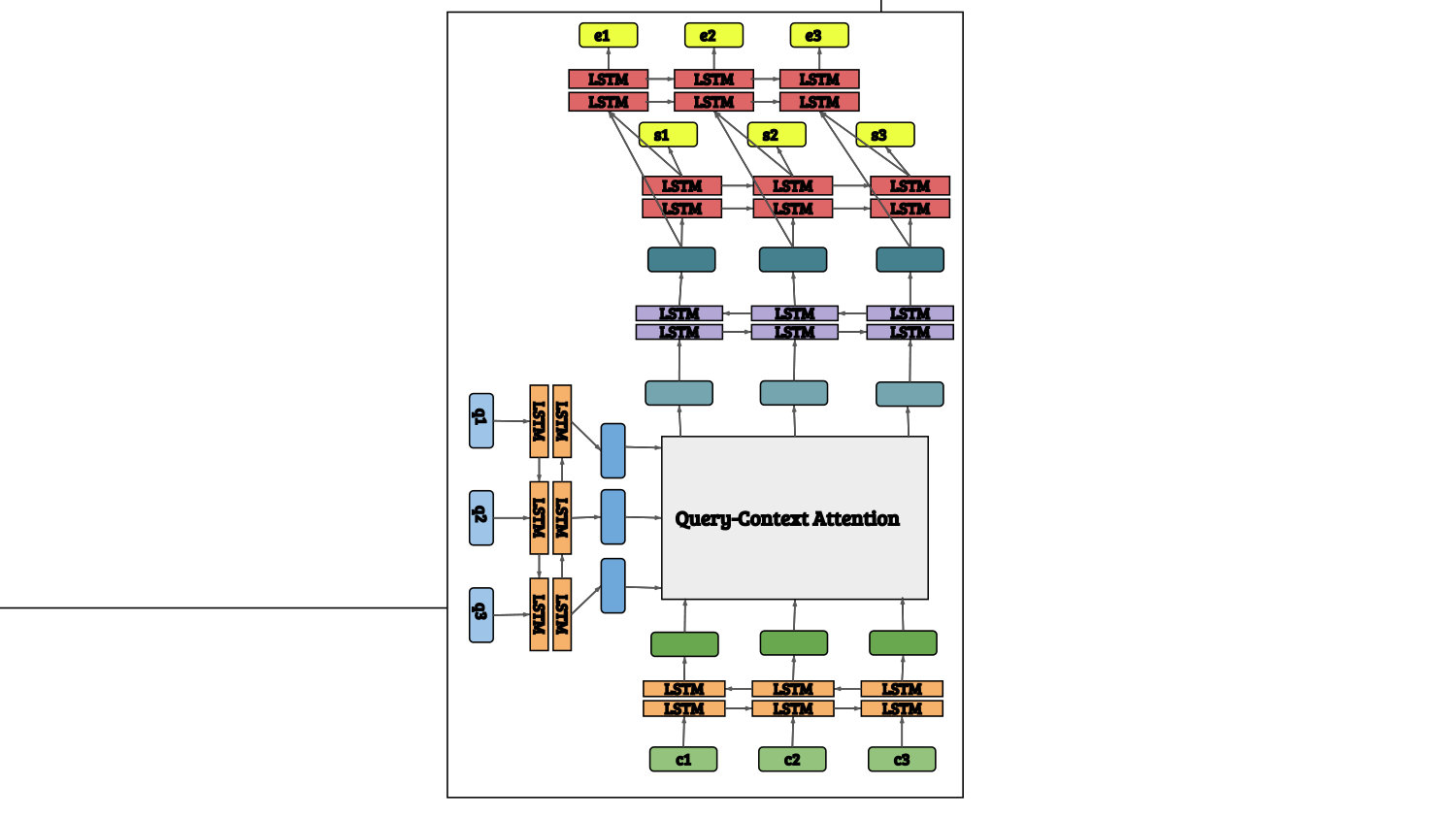 Figure 1
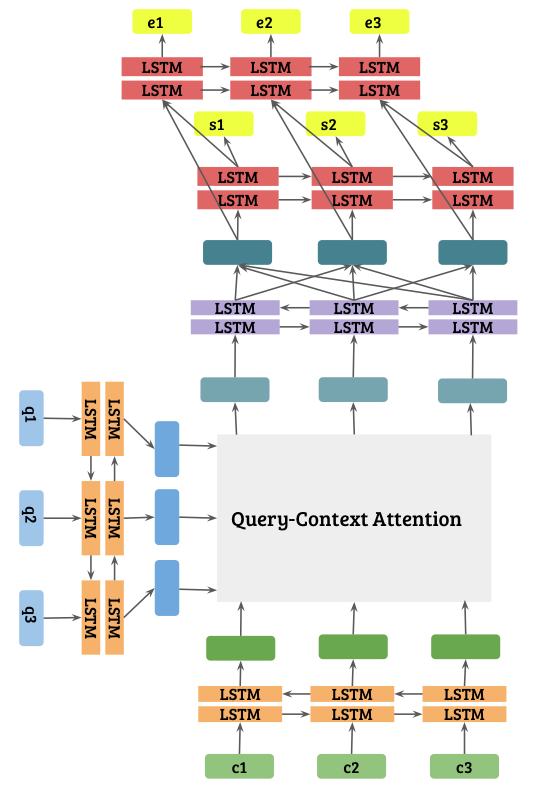 Figure 2
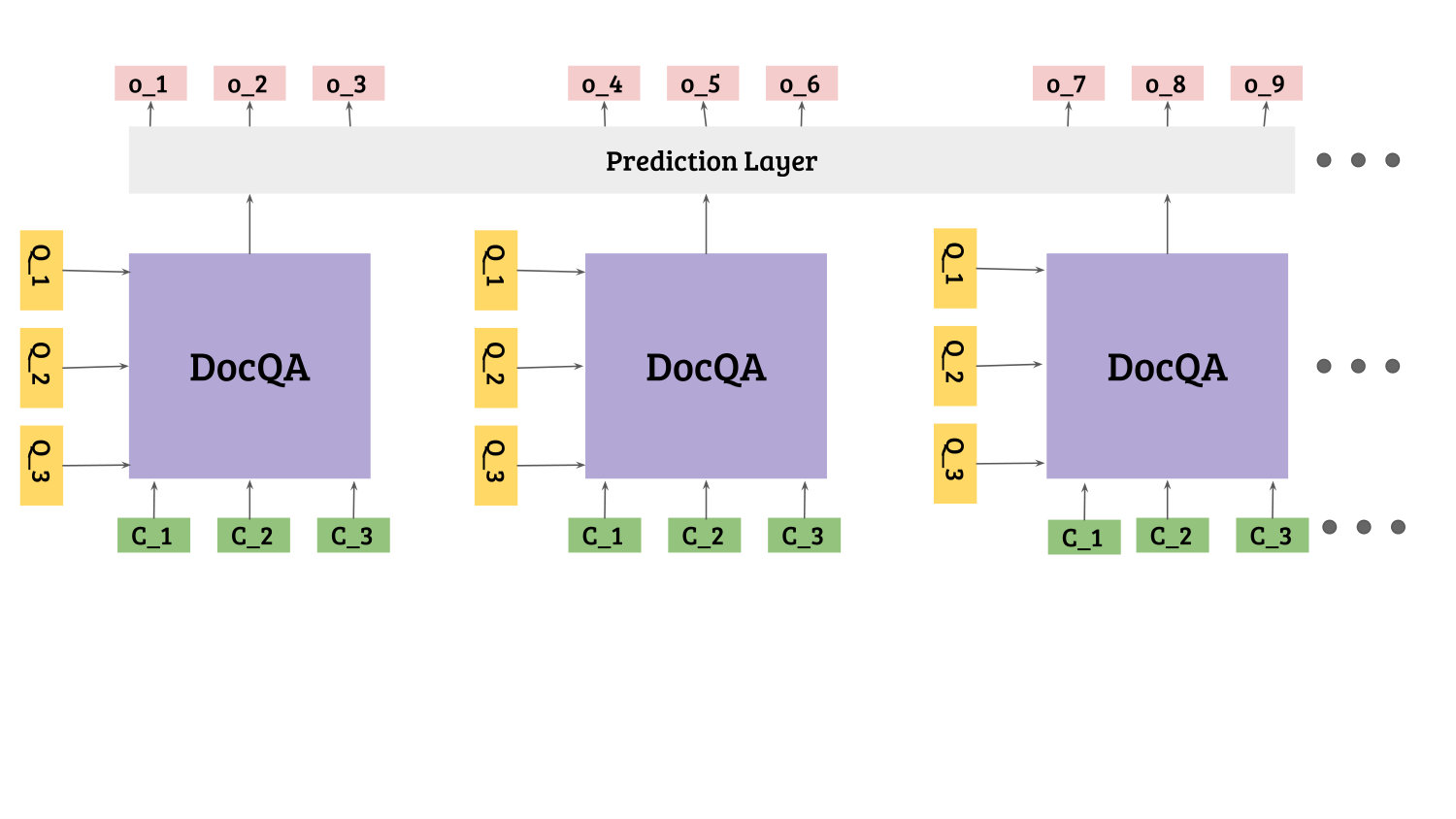 Figure 3
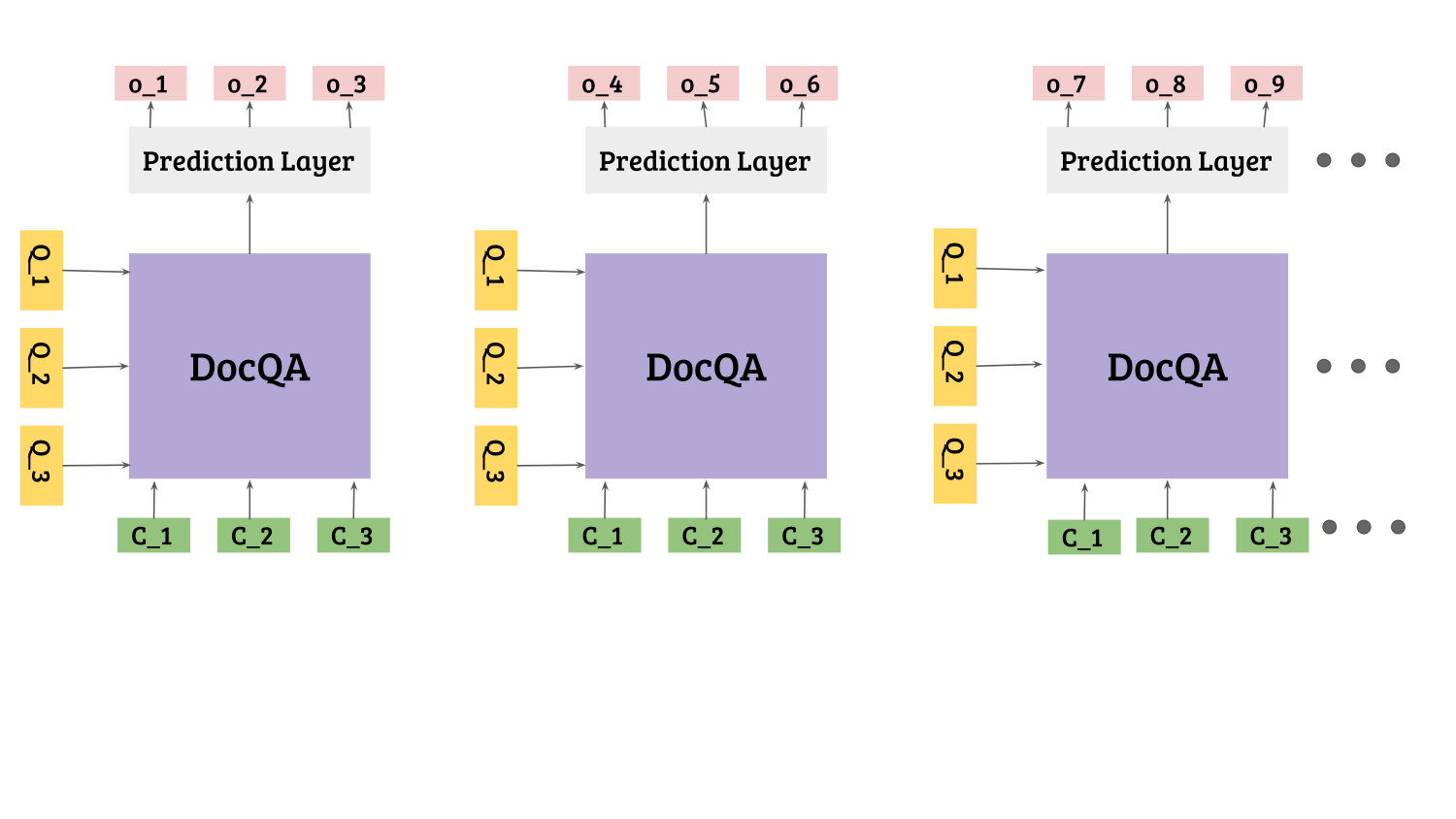 Figure 4
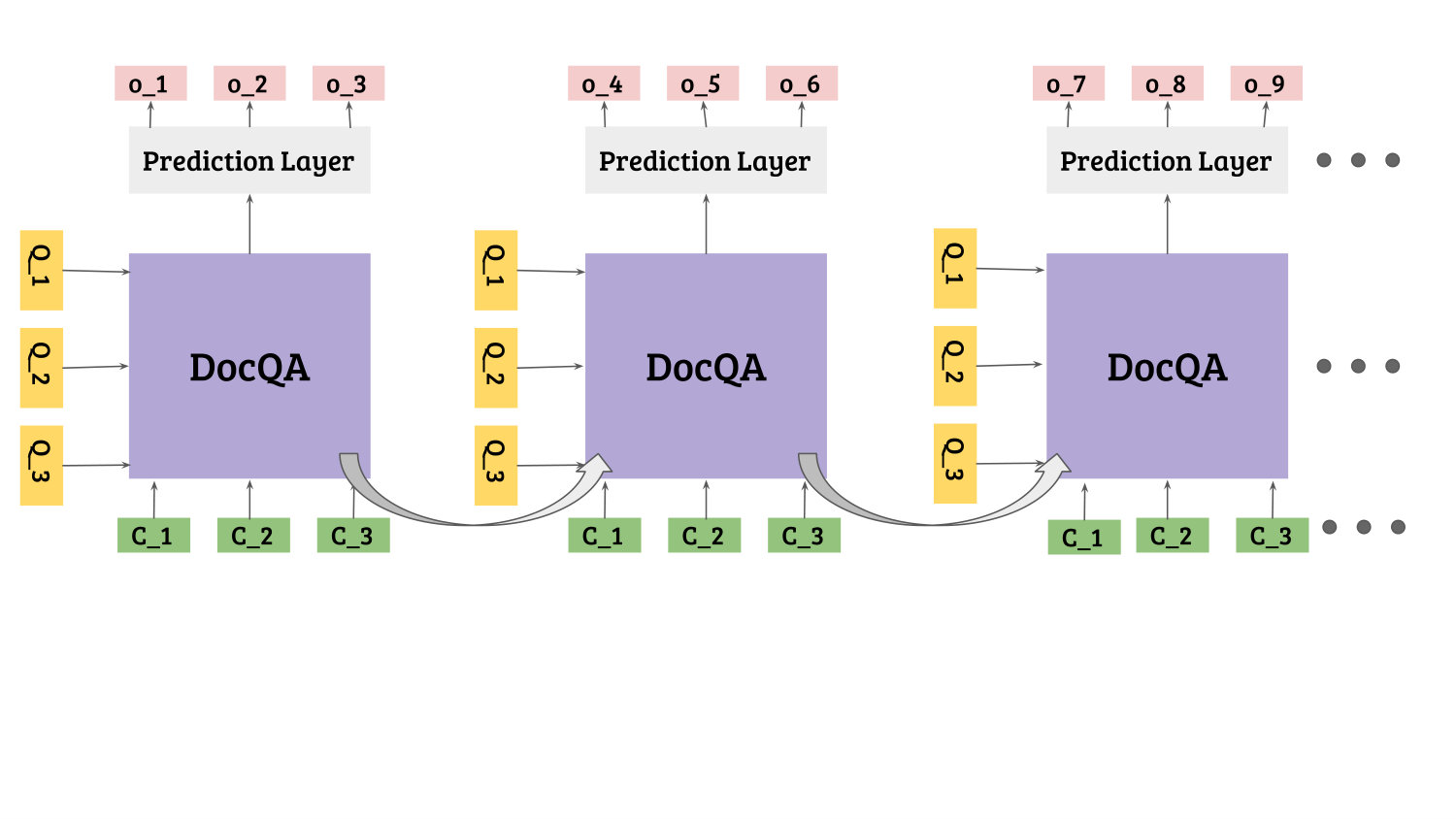 Figure 5
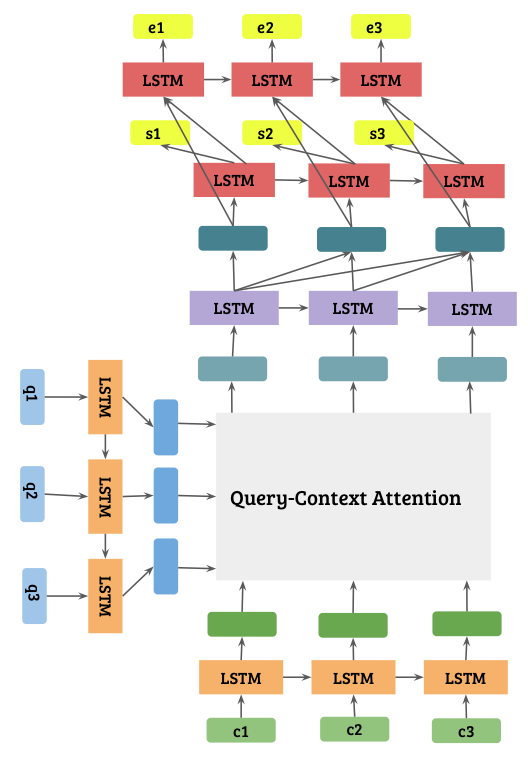 Figure 6
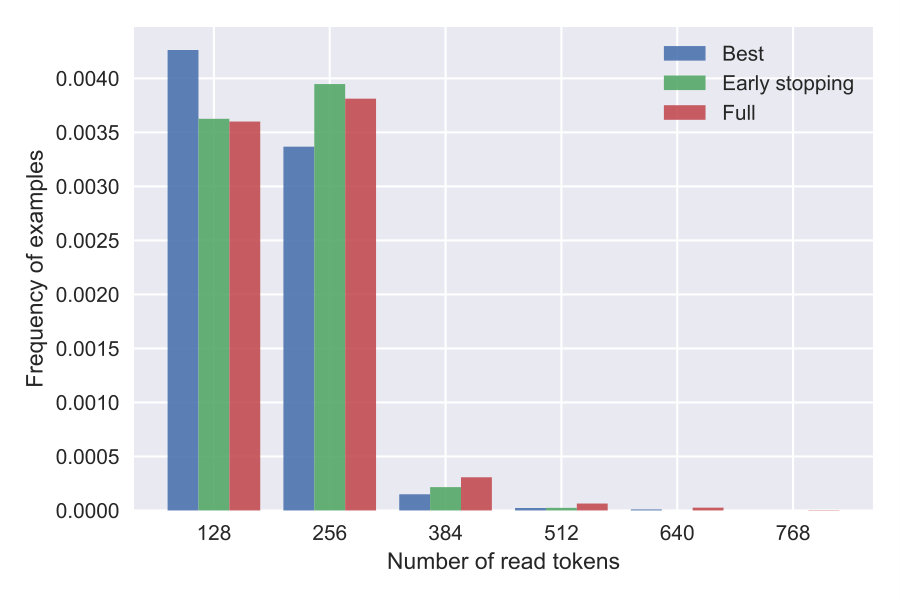 Figure 7
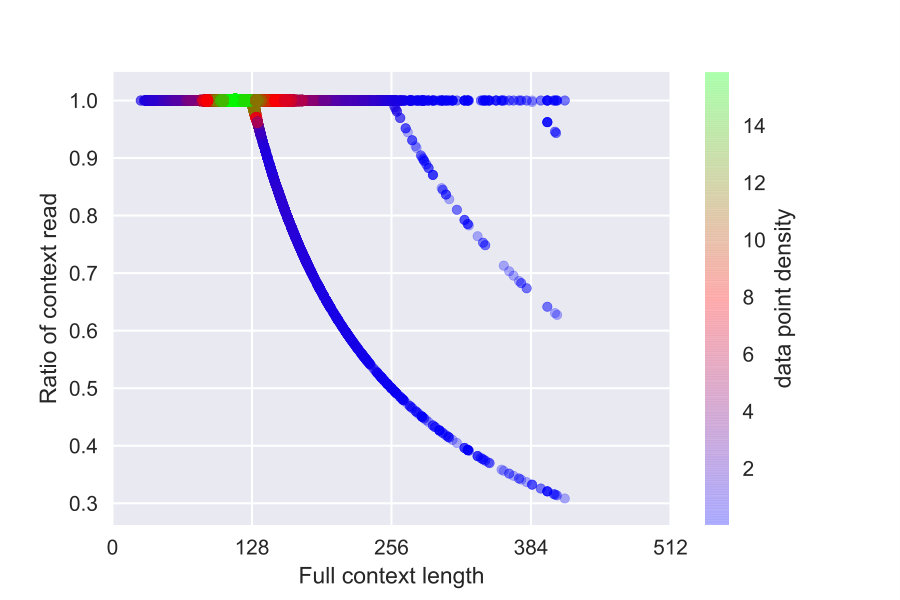 Figure 8
 Figure 9
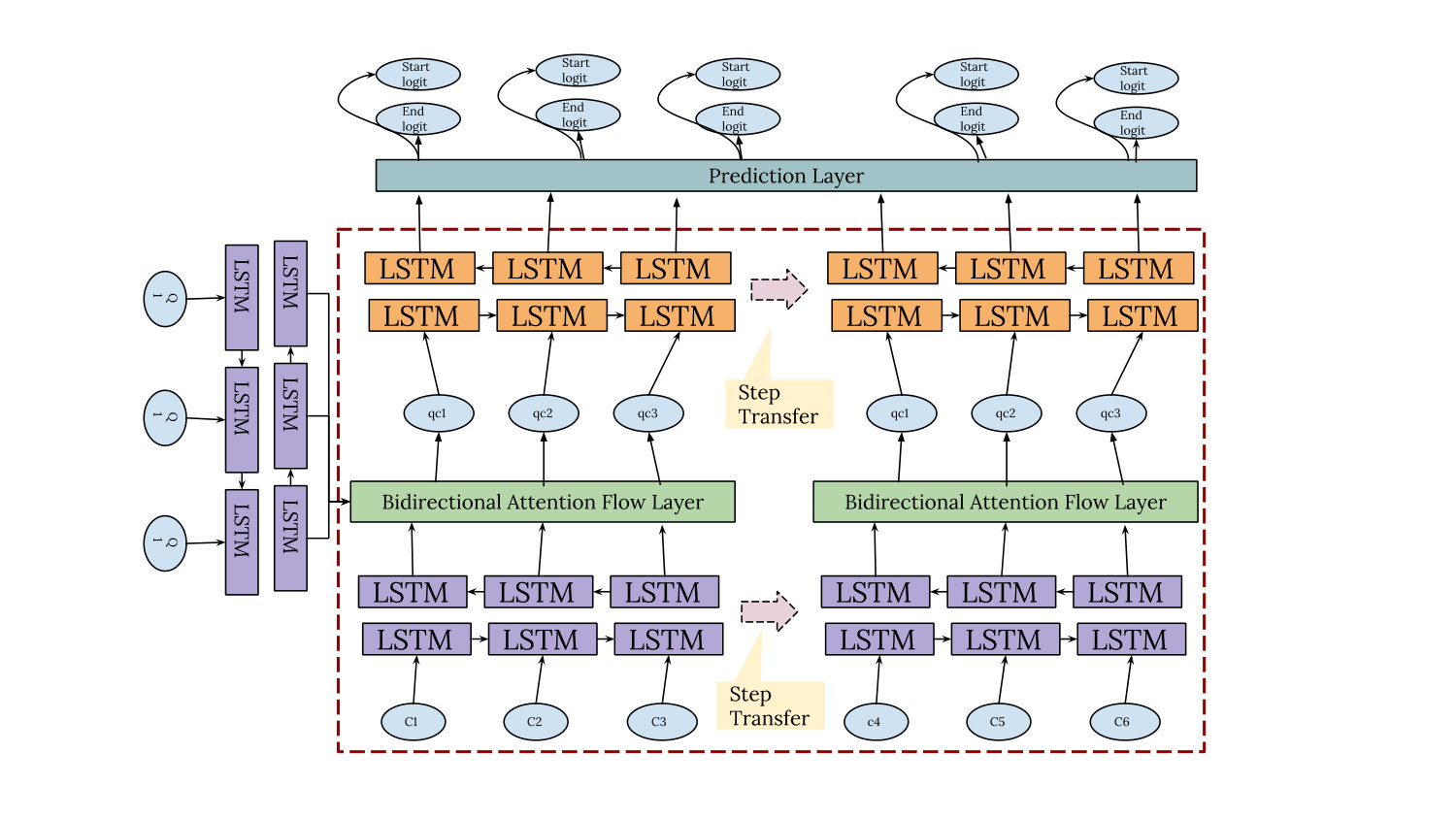 Figure 10
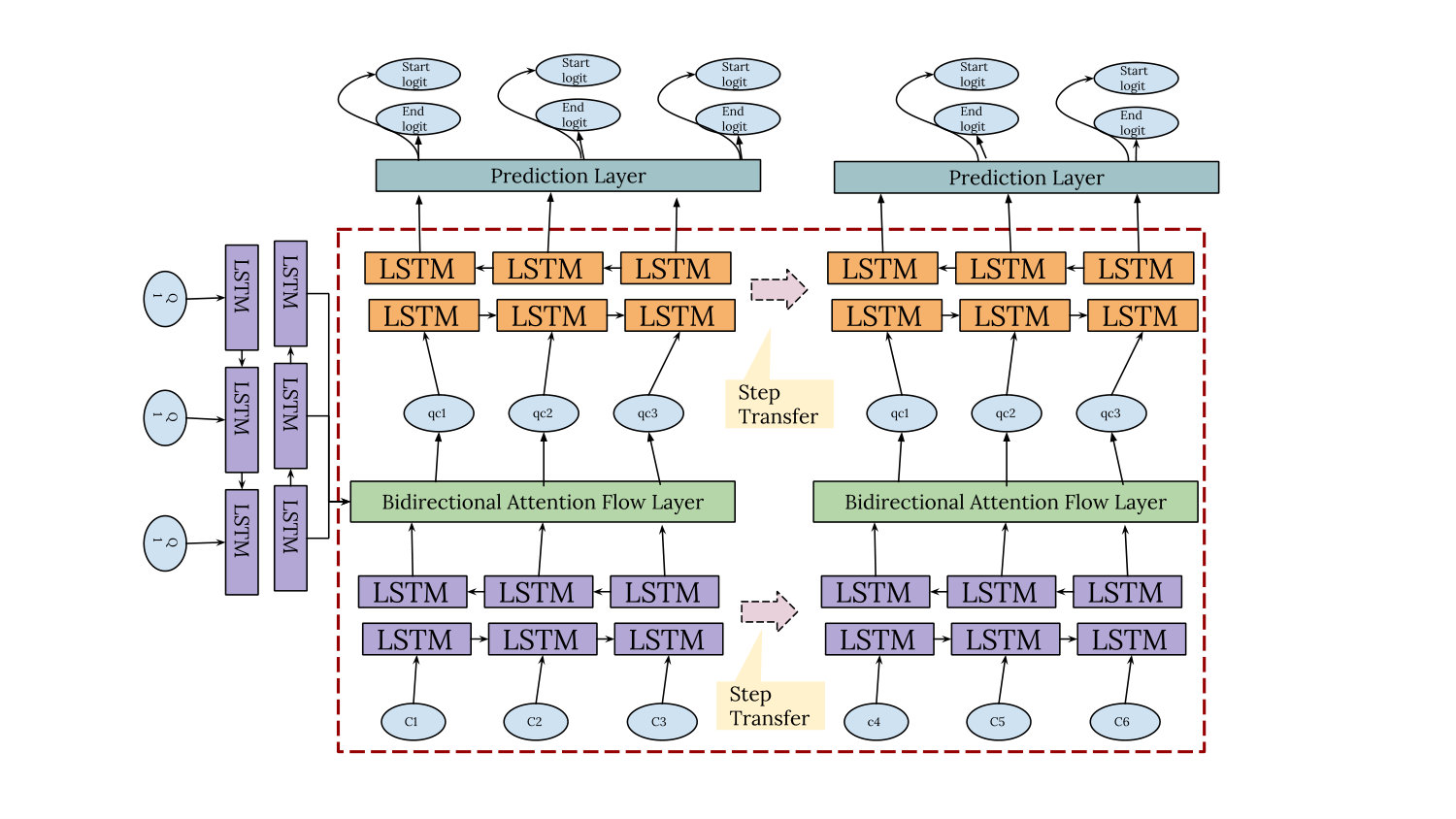 Figure 11
Peer Reviews
No public reviews on file for this paper yet. If you reviewed it on a platform where reviews are public (OpenReview, ICLR, NeurIPS, ICML), you can paste yours below so the community can read it here.
Videos
No videos yet. Explain this paper in a talk, walkthrough, or lecture? Add one.
Taxonomy
TopicsTopic Modeling · Natural Language Processing Techniques · Speech and dialogue systems