Rapid Visual Categorization is not Guided by Early Salience-Based Selection
John K. Tsotsos, Iuliia Kotseruba, Calden Wloka

TL;DR
This study challenges the idea that early salience-based selection is crucial for rapid visual categorization in humans, showing that current saliency models do not predict human performance well.
Contribution
The paper provides empirical evidence that early salience-based selection is unlikely to be the mechanism behind human rapid visual categorization.
Findings
Saliency models do not match human rapid categorization stimuli.
Early selection is not necessary for fast visual categorization.
Humans perform well without relying on early salience-based filtering.
Abstract
The current dominant visual processing paradigm in both human and machine research is the feedforward, layered hierarchy of neural-like processing elements. Within this paradigm, visual saliency is seen by many to have a specific role, namely that of early selection. Early selection is thought to enable very fast visual performance by limiting processing to only the most salient candidate portions of an image. This strategy has led to a plethora of saliency algorithms that have indeed improved processing time efficiency in machine algorithms, which in turn have strengthened the suggestion that human vision also employs a similar early selection strategy. However, at least one set of critical tests of this idea has never been performed with respect to the role of early selection in human vision. How would the best of the current saliency models perform on the stimuli used by…
Click any figure to enlarge with its caption.
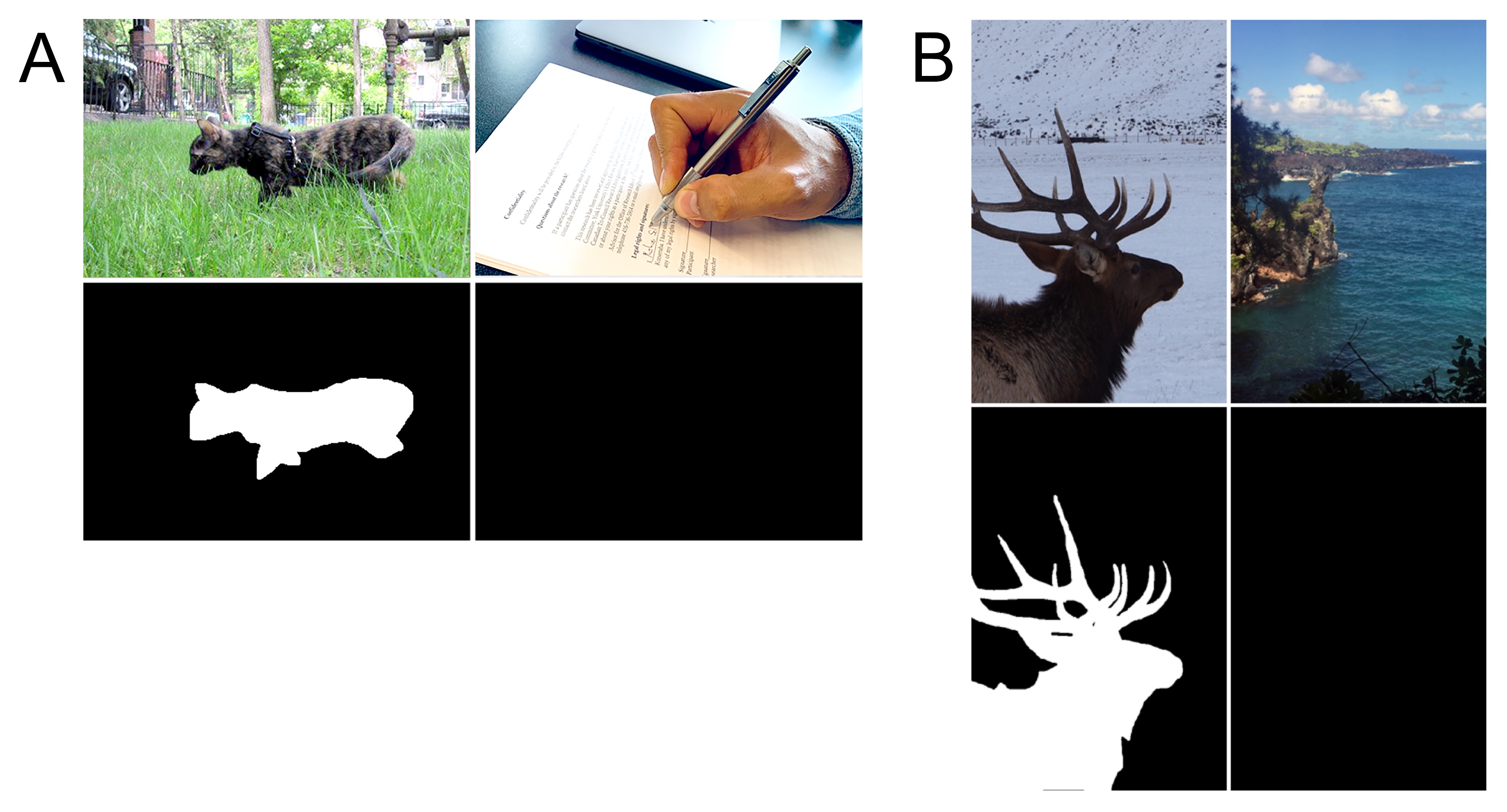 Figure 1
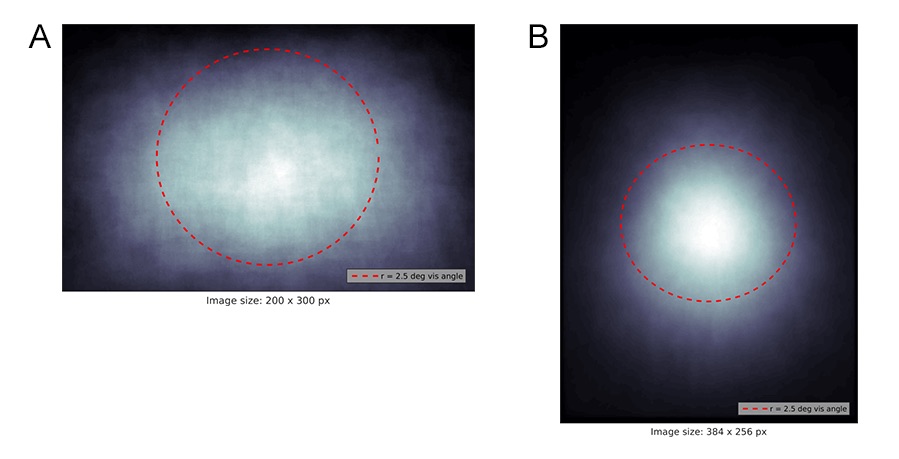 Figure 2
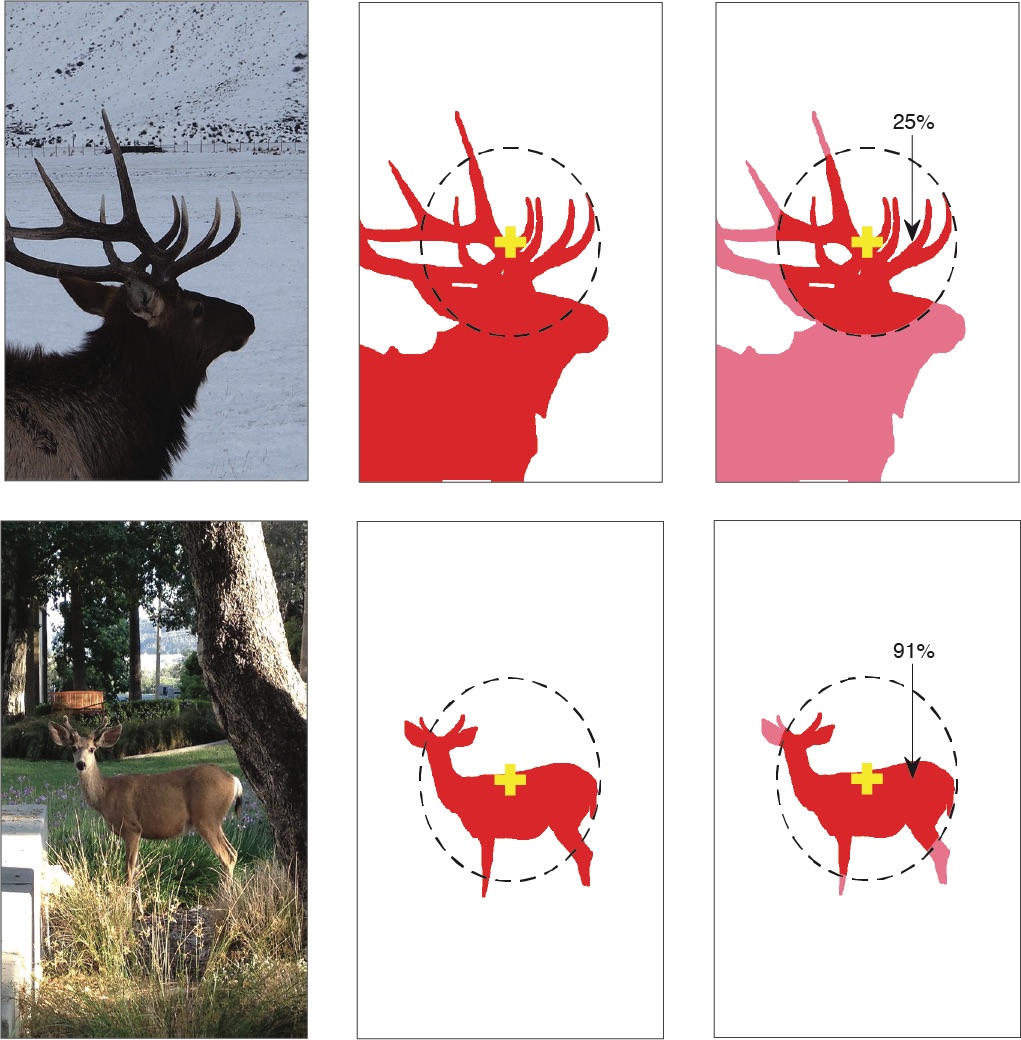 Figure 3
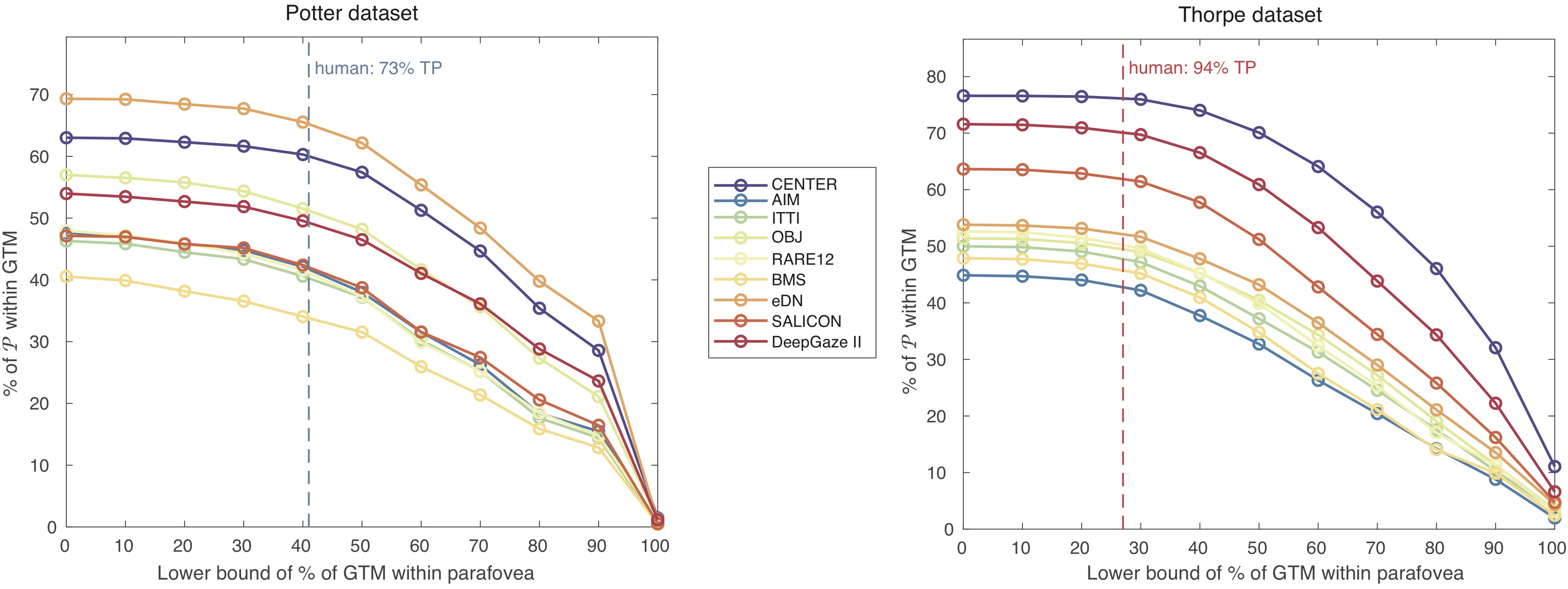 Figure 4
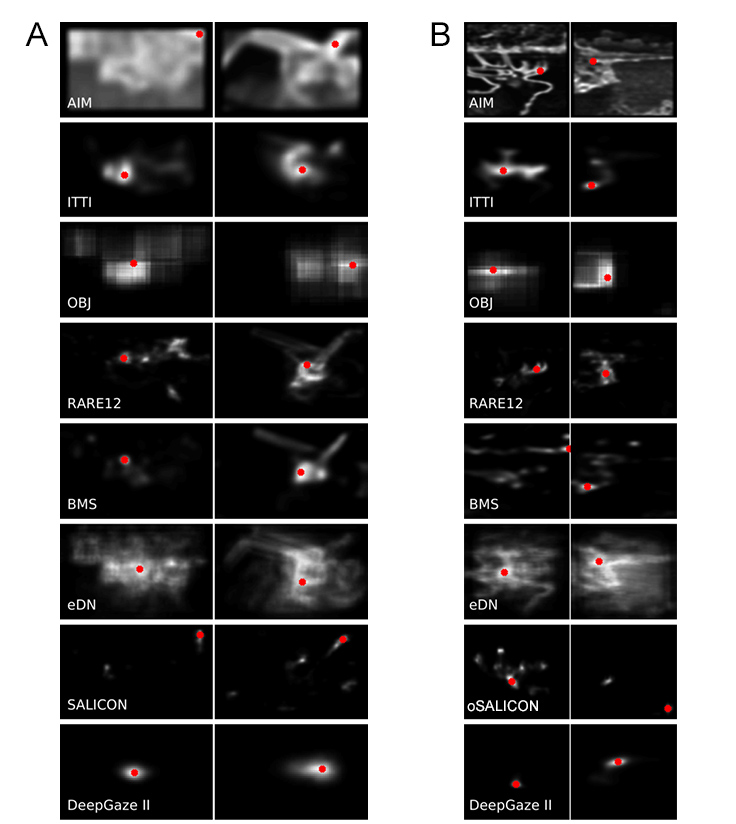 Figure 5
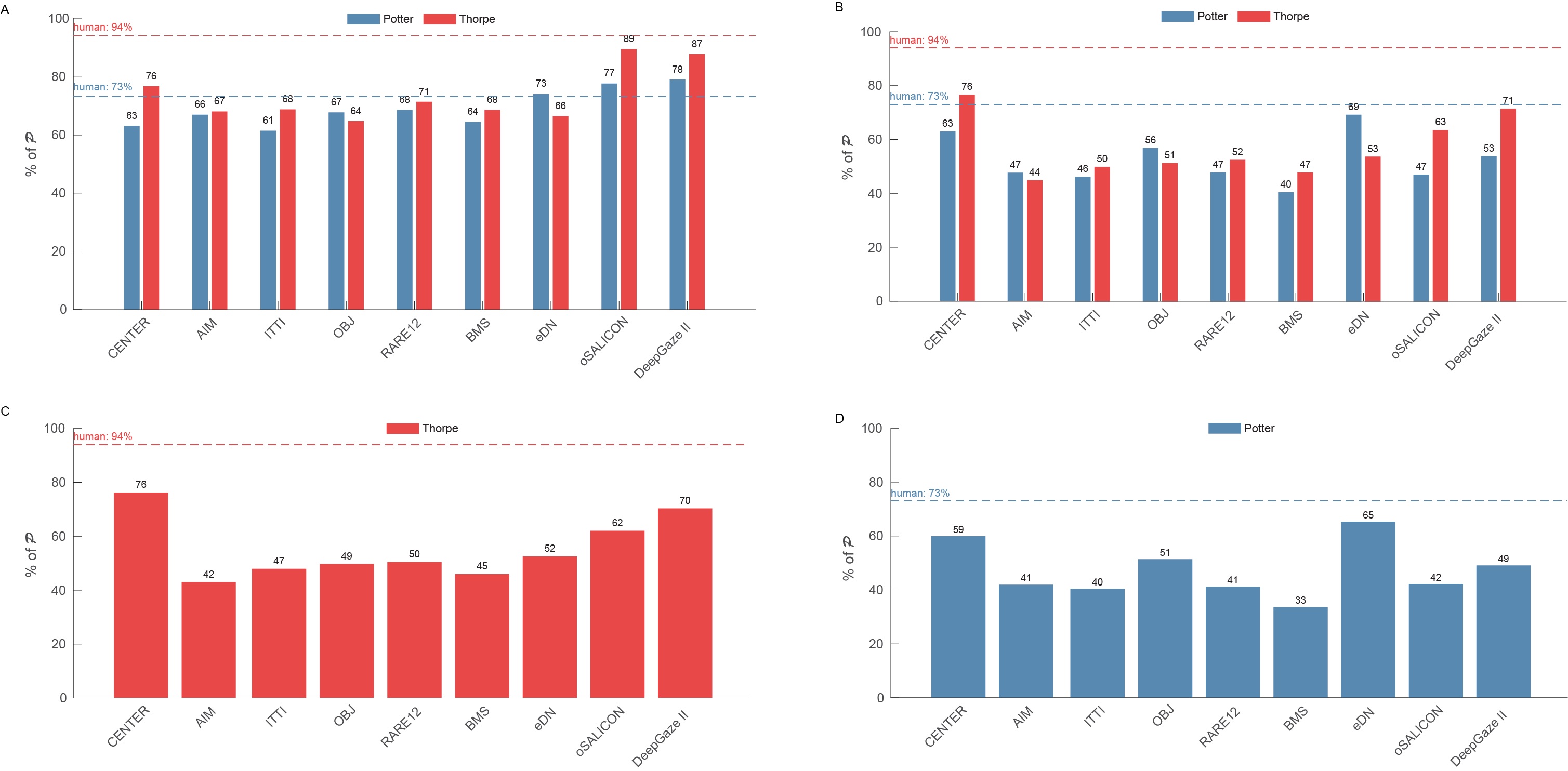 Figure 6
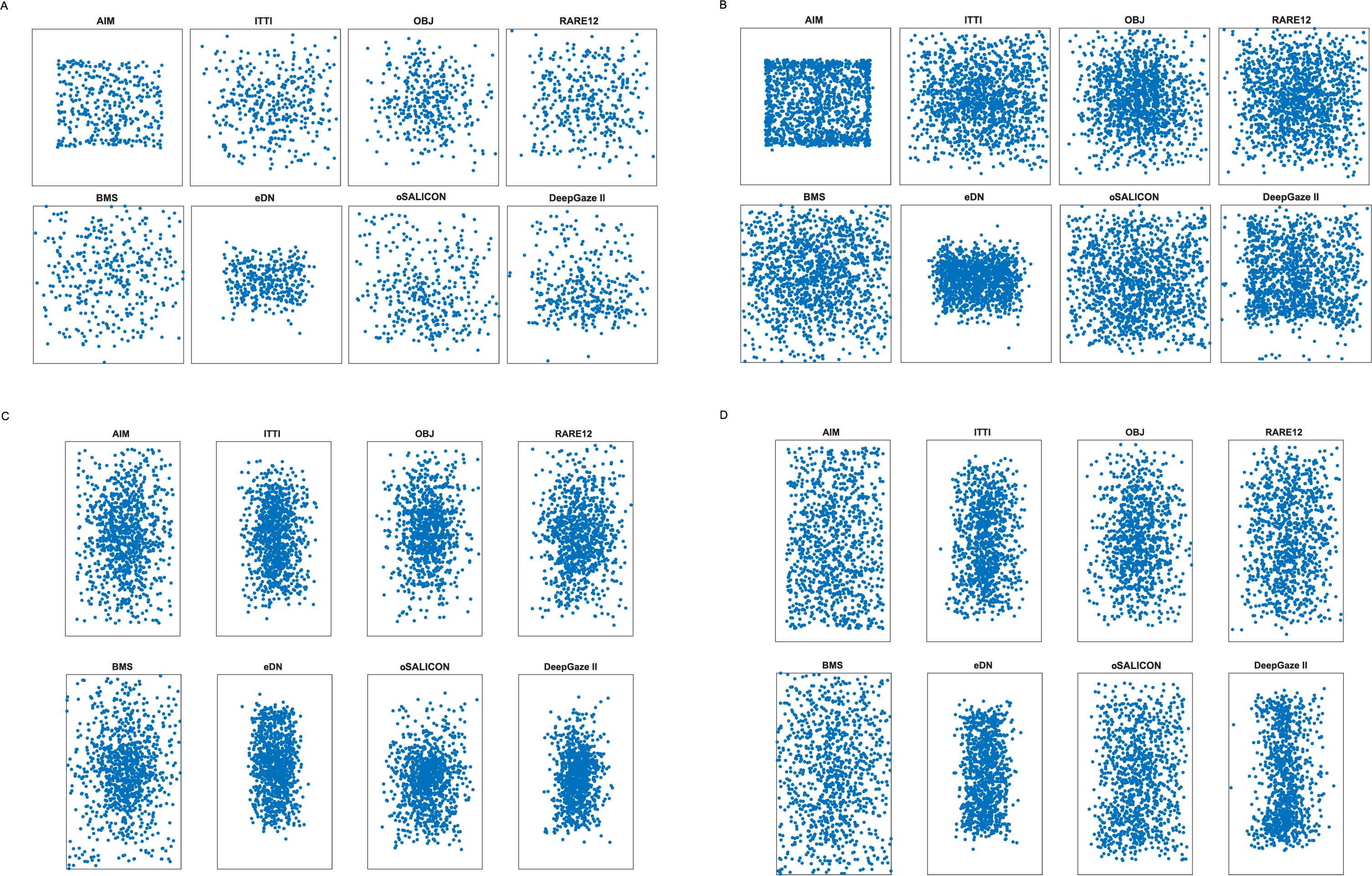 Figure 7
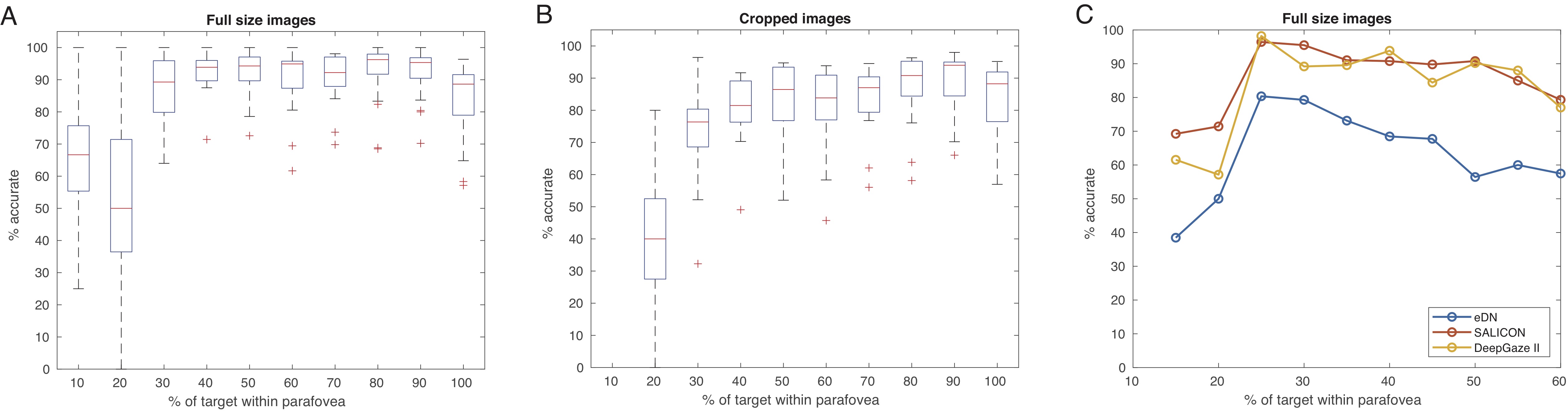 Figure 8
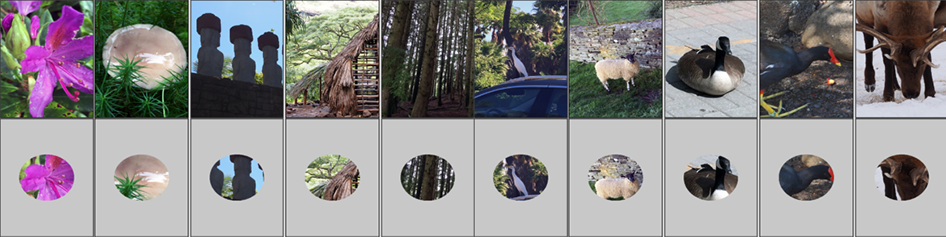 Figure 9
Peer Reviews
No public reviews on file for this paper yet. If you reviewed it on a platform where reviews are public (OpenReview, ICLR, NeurIPS, ICML), you can paste yours below so the community can read it here.
Videos
No videos yet. Explain this paper in a talk, walkthrough, or lecture? Add one.