An acoustic-convective splitting-based approach for the Kapila two-phase flow model
M. ten Eikelder, F. Daude, B. Koren, A. Tijsseling

TL;DR
This paper introduces a novel acoustic-convective splitting scheme for the Kapila two-phase flow model, enabling efficient and accurate numerical simulations of two-phase flows with general equations of state.
Contribution
It presents a new splitting-based numerical method that decouples acoustic and convective waves for the Kapila model, improving computational simplicity and flexibility.
Findings
Accurately simulates two-phase shock tube problems
Achieves results in good agreement with reference solutions
Demonstrates effectiveness of the splitting approach
Abstract
In this paper we propose a new acoustic-convective splitting-based numerical scheme for the Kapila five-equation two-phase flow model. The splitting operator decouples the acoustic waves and convective waves. The resulting two submodels are alternately numerically solved to approximate the solution of the entire model. The Lagrangian form of the acoustic submodel is numerically solved using an HLLC-type Riemann solver whereas the convective part is approximated with an upwind scheme. The result is a simple method which allows for a general equation of state. Numerical computations are performed for standard two-phase shock tube problems. A comparison is made with a non-splitting approach. The results are in good agreement with reference results and exact solutions.
Click any figure to enlarge with its caption.
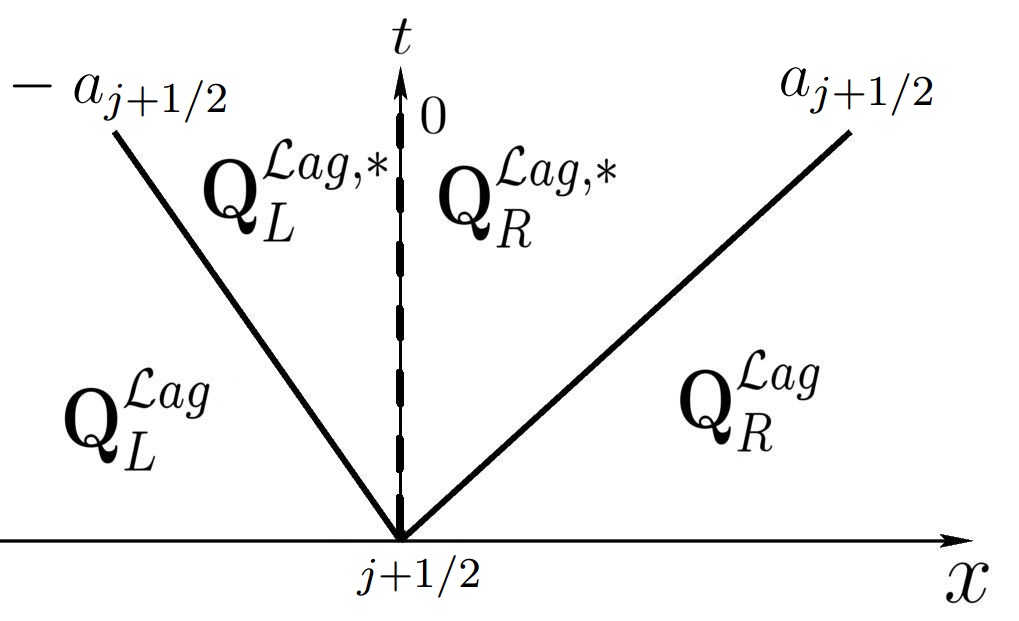 Figure 1
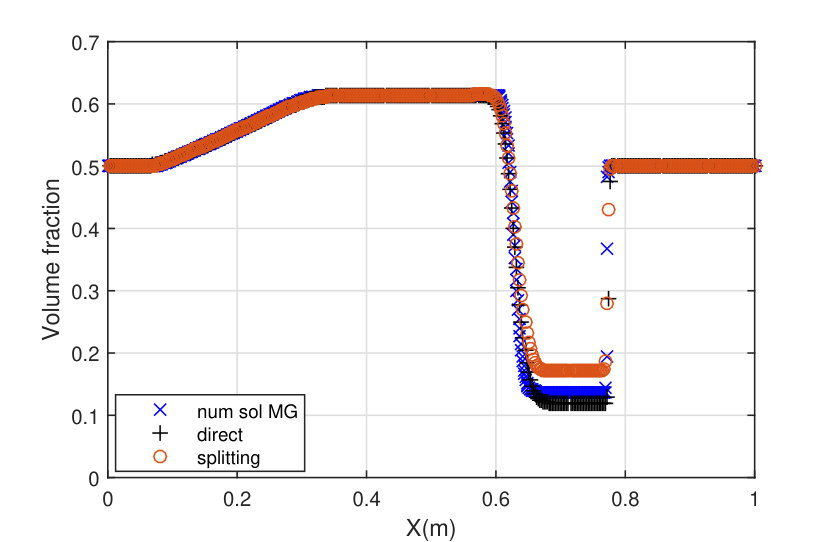 Figure 2
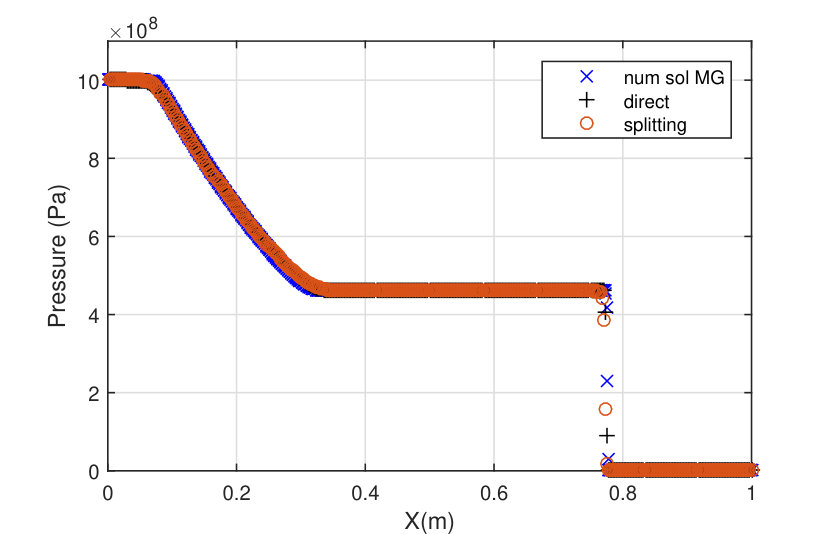 Figure 3
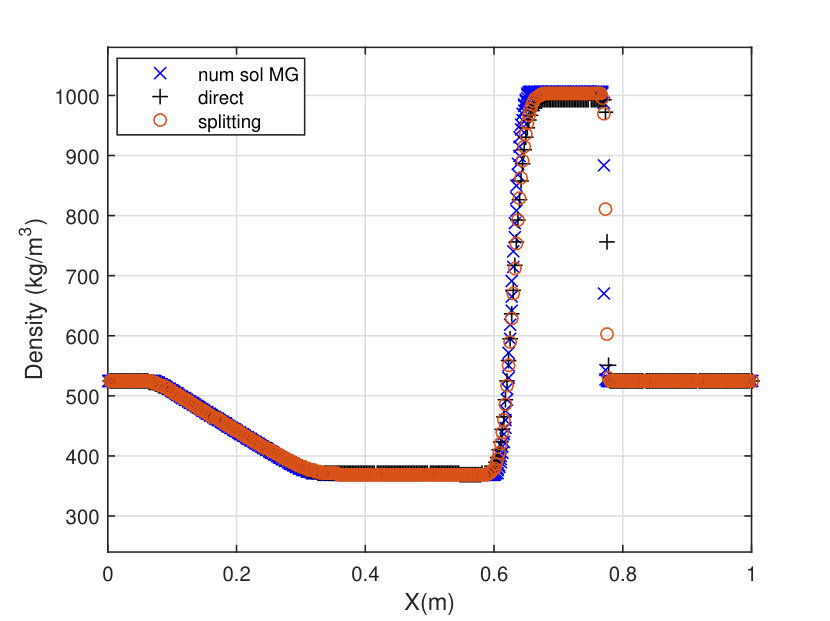 Figure 4
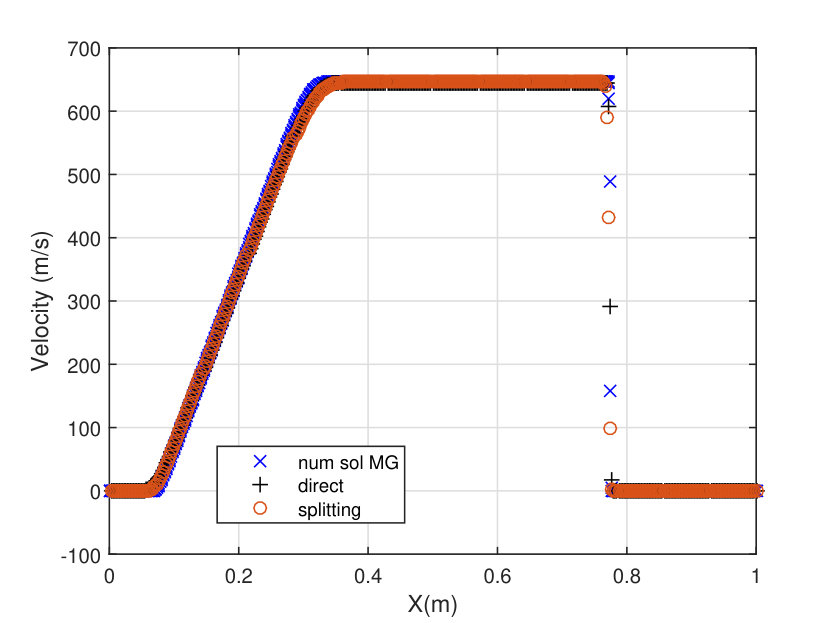 Figure 5
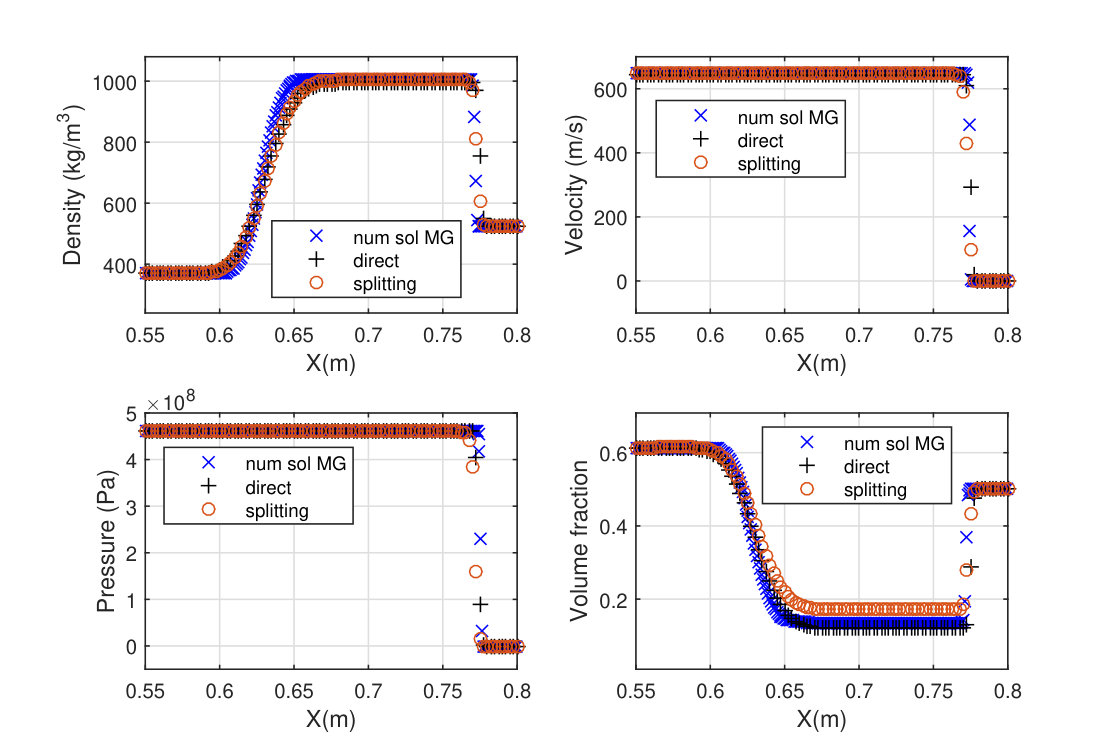 Figure 6
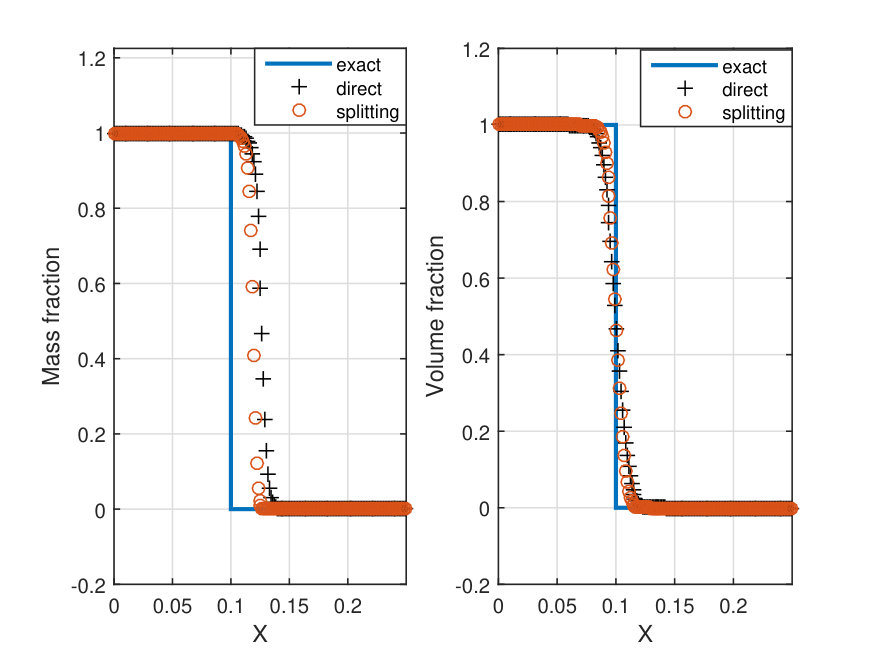 Figure 7
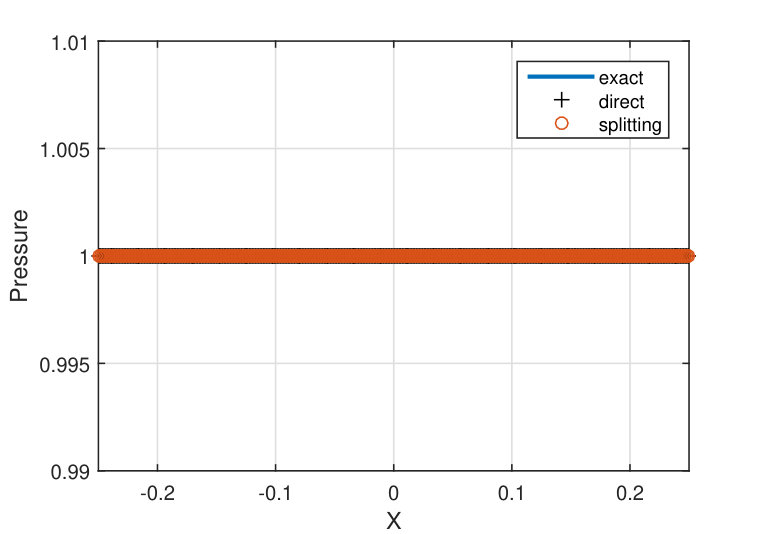 Figure 8
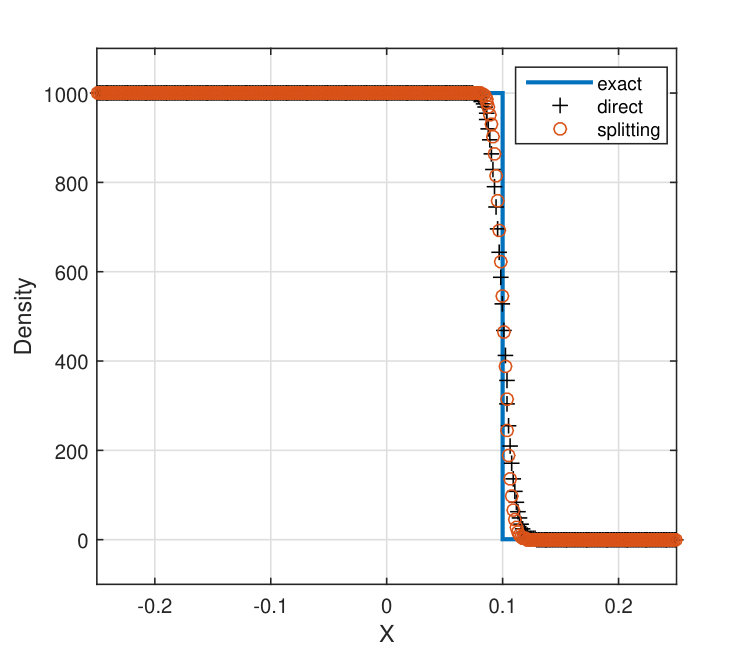 Figure 9
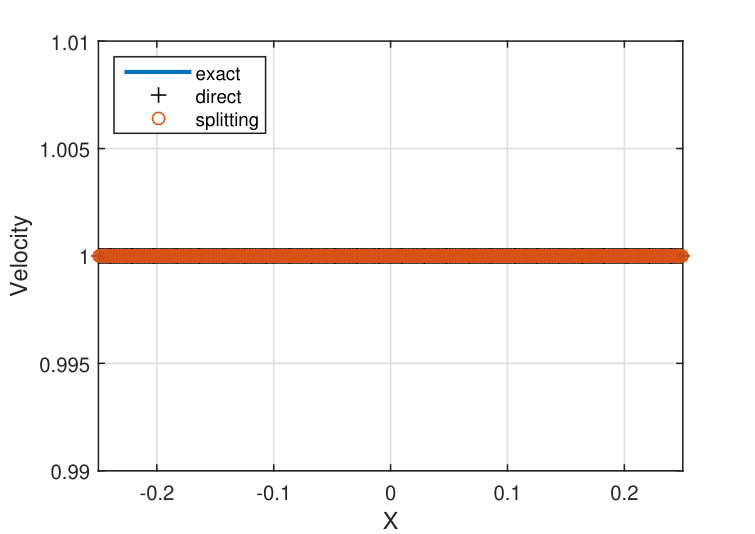 Figure 10
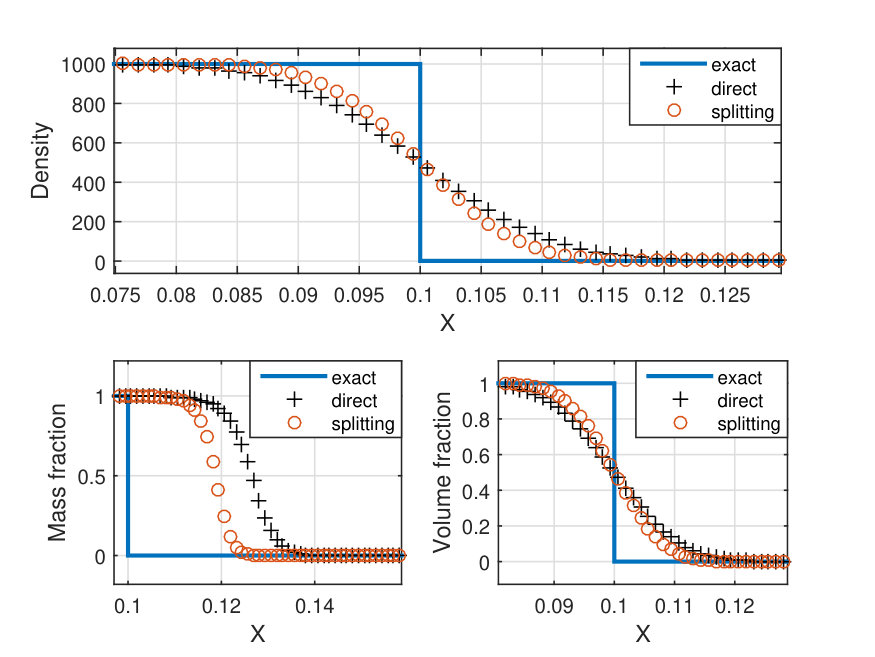 Figure 11
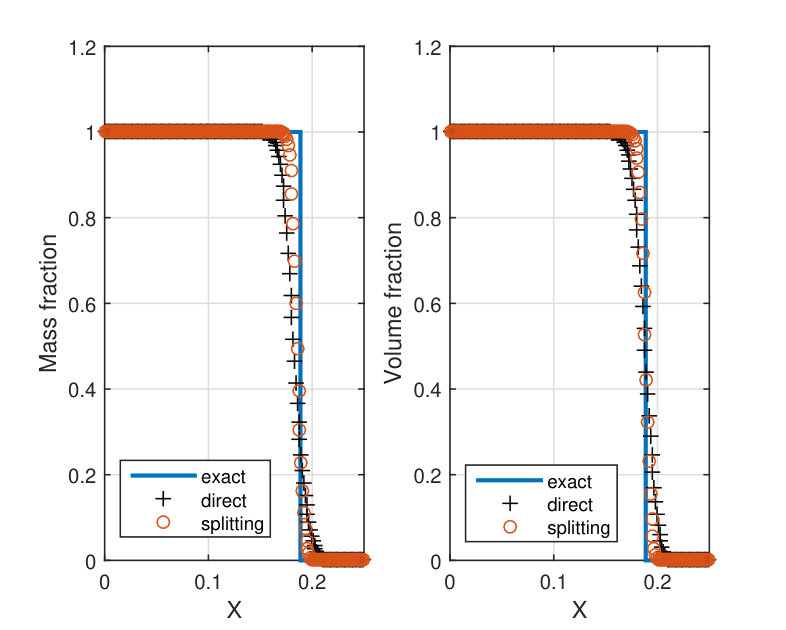 Figure 12
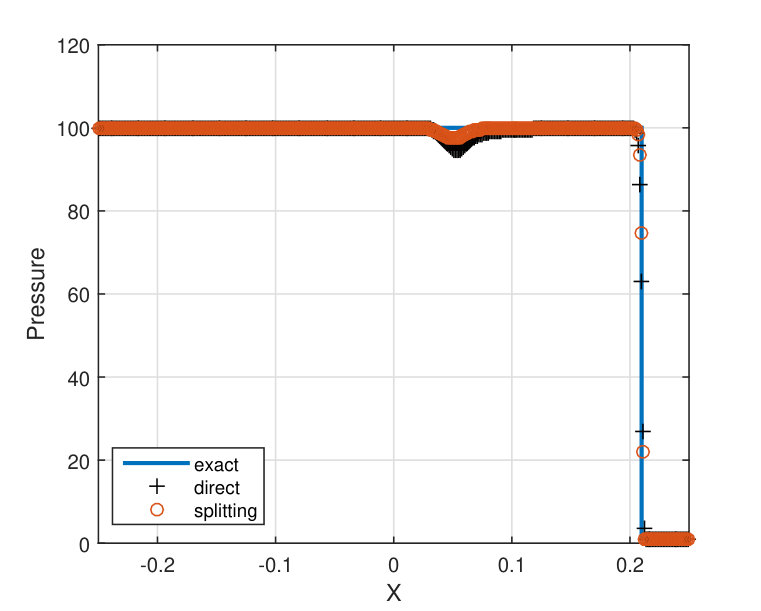 Figure 13
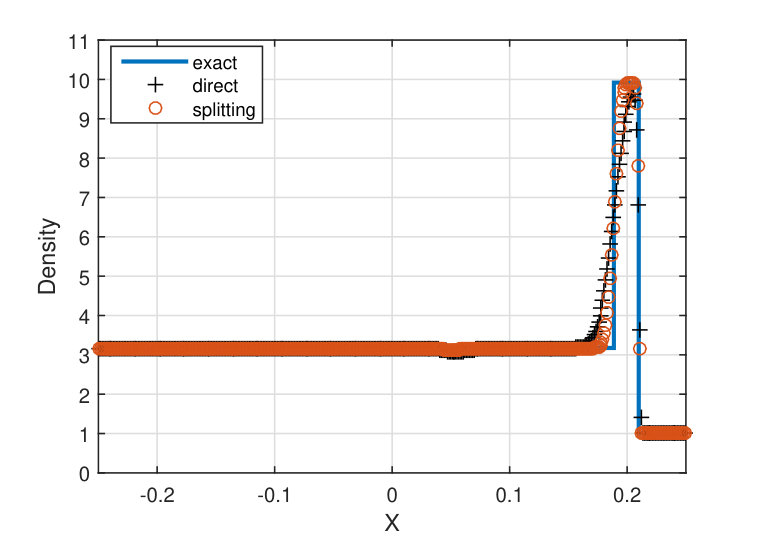 Figure 14
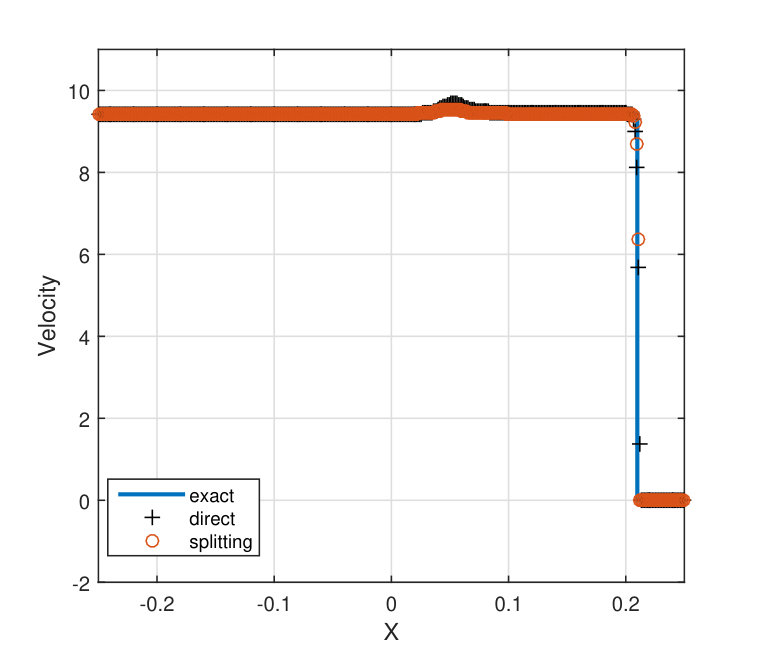 Figure 15
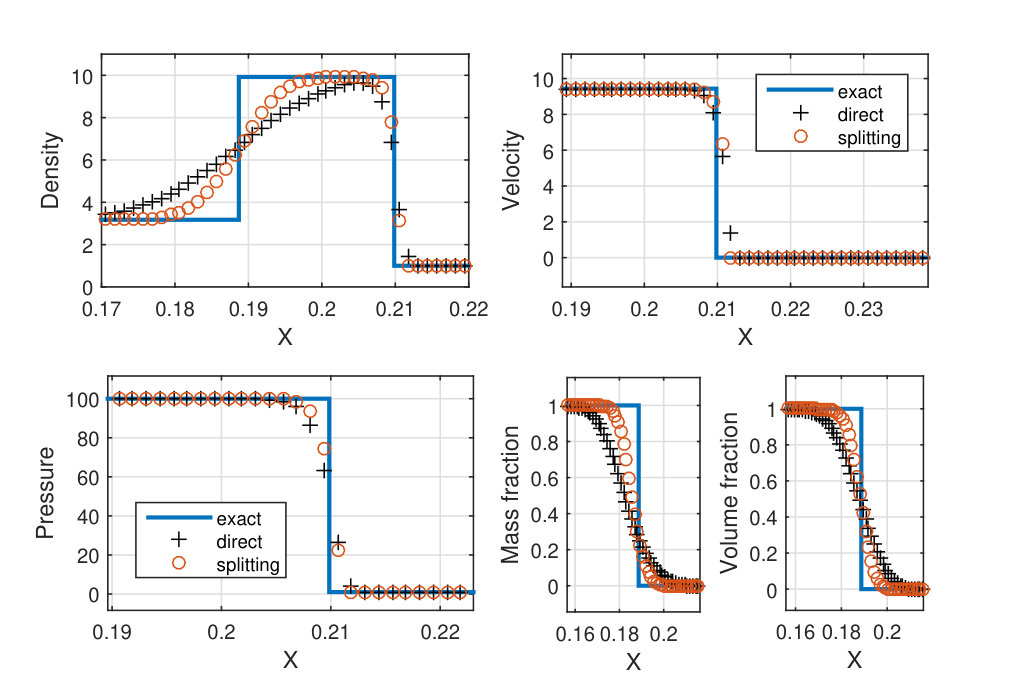 Figure 16
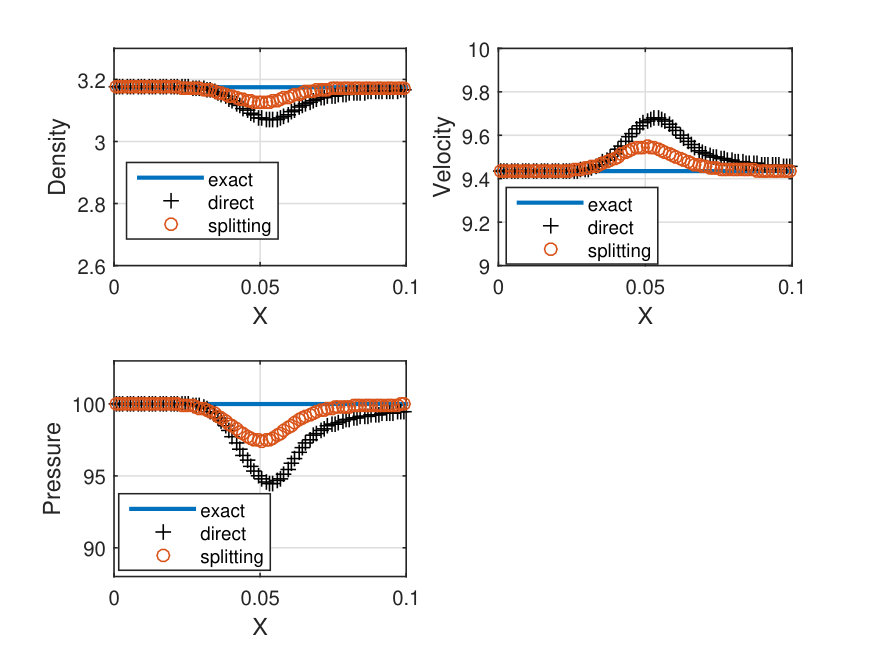 Figure 17
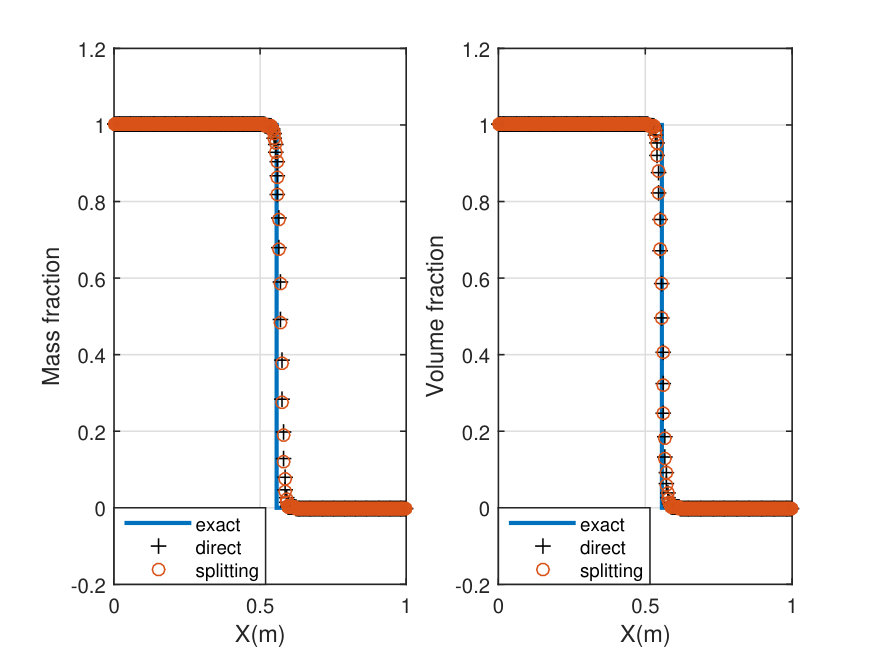 Figure 18
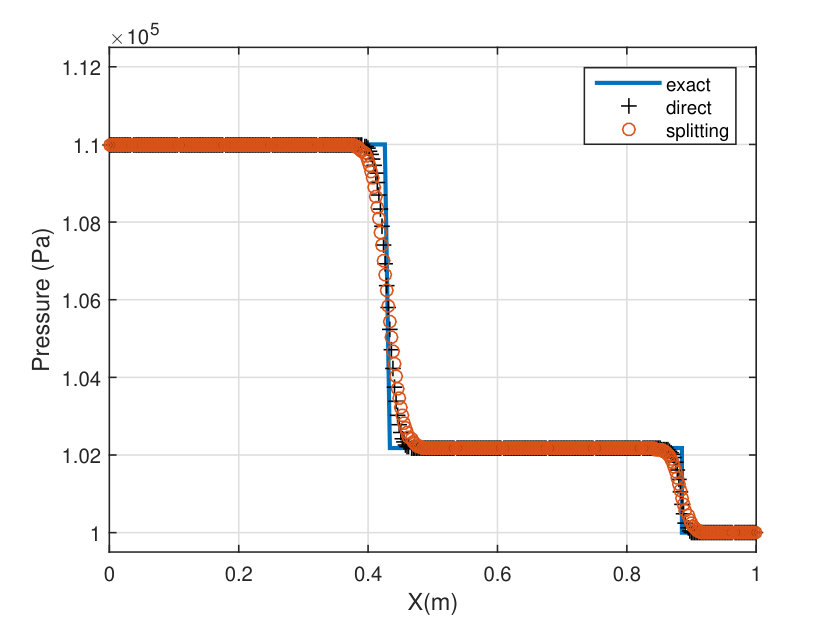 Figure 19
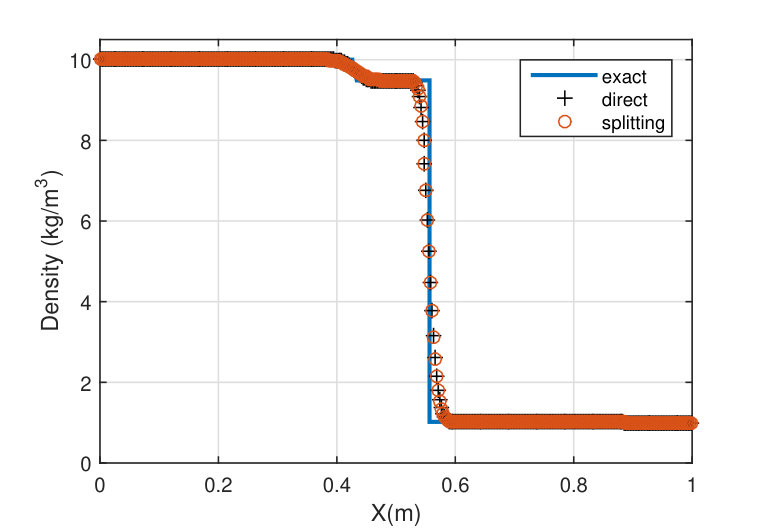 Figure 20
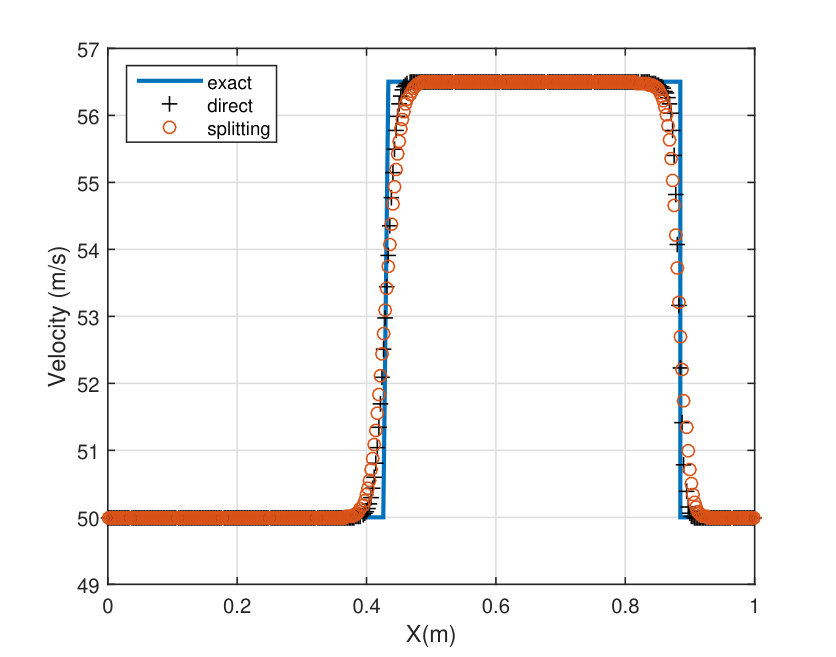 Figure 21
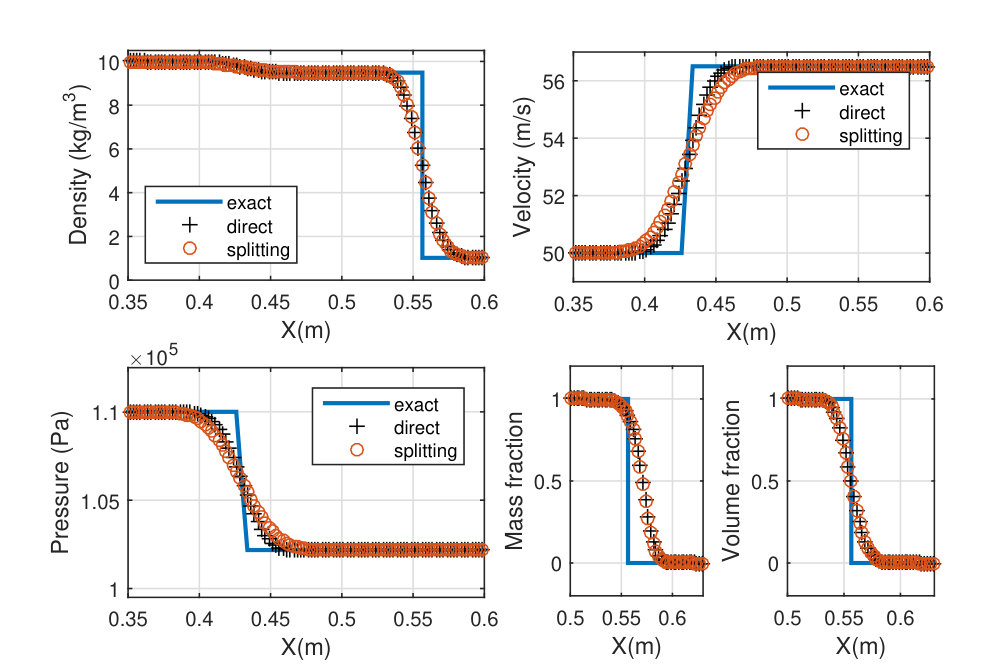 Figure 22
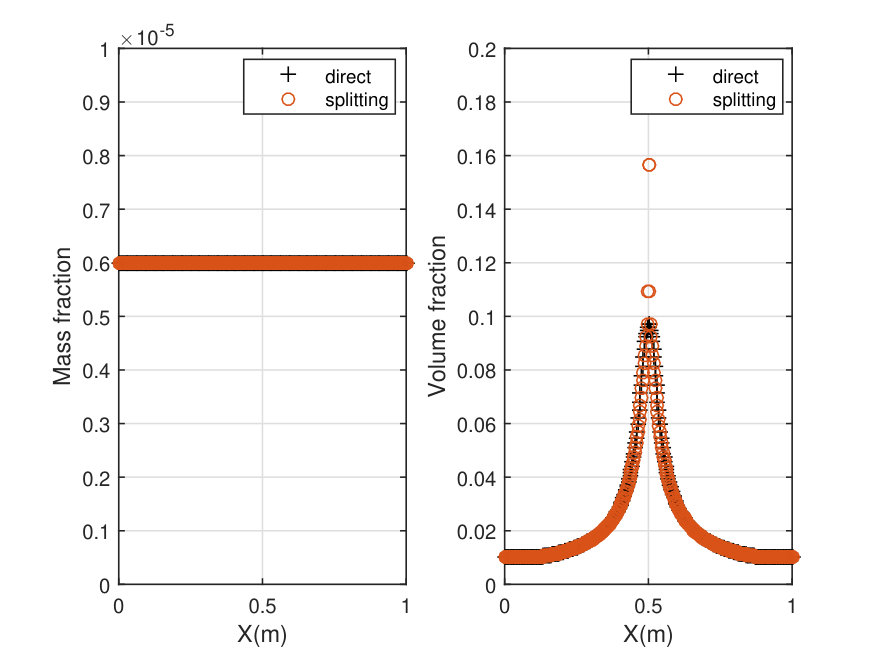 Figure 23
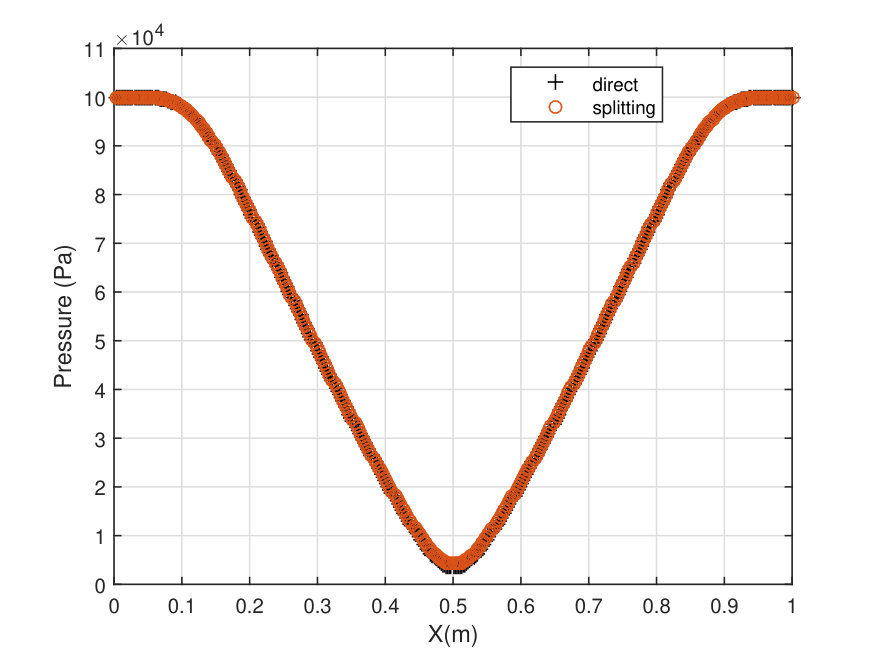 Figure 24
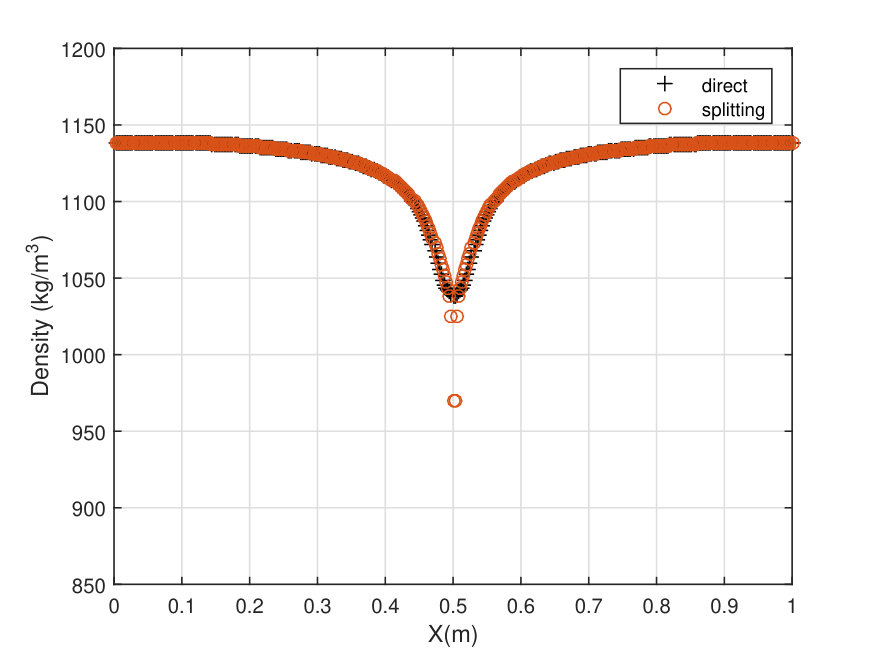 Figure 25
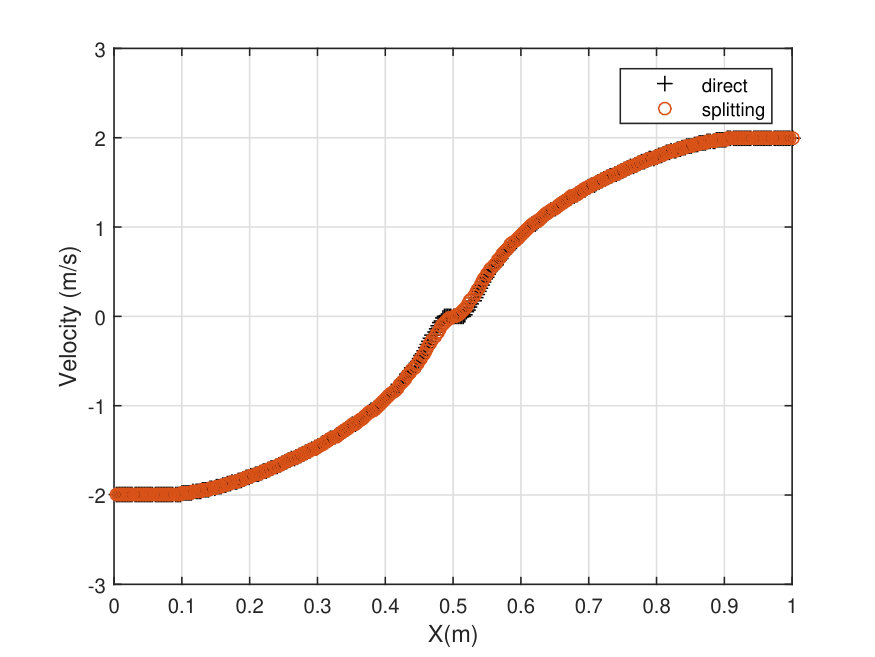 Figure 26
Peer Reviews
No public reviews on file for this paper yet. If you reviewed it on a platform where reviews are public (OpenReview, ICLR, NeurIPS, ICML), you can paste yours below so the community can read it here.
Videos
No videos yet. Explain this paper in a talk, walkthrough, or lecture? Add one.