Protoplanetary disk rings and gaps across ages and luminosities
Nienke van der Marel (1), Ruobing Dong (2), James di Francesco (1),, Jonathan Williams (3), John Tobin (4) ((1) NRC Herzberg Astronomy and, Astrophysics, (2) University of Victoria, (3) University of Hawaii, (4) NRAO, Charlottesville)

TL;DR
This study analyzes 16 protoplanetary disks with multiple rings across various star types and ages, finding that ring locations do not align with snow lines or planetary resonances, and that outer disk radii decrease with age.
Contribution
It provides a systematic comparison of disk ring morphologies and challenges the snow line hypothesis as the primary origin of rings.
Findings
Ring locations do not match snow line positions.
No systematic trend linking rings to planetary resonances.
Outer disk radius decreases with stellar age.
Abstract
Since the discovery of the multi-ring structure of the HL Tau disk, ALMA data suggest that the dust continuum emission of many, if not all, protoplanetary disks consists of rings and gaps, no matter their spectral type or age. The origin of these gaps so far remains unclear. We present a sample study of 16 disks with multiple ring-like structures in the continuum, using published ALMA archival data, to compare their morphologies and gap locations in a systematic way. The 16 targets range from early to late type stars, from <0.5 Myr to >10 Myr, from ~0.2 to 40 L_Sun and include both full and transitional disks with cleared inner dust cavities. Stellar ages are revised using new Gaia distances. Gap locations are derived using a simple radial fit to the intensity profiles. Using a radiative transfer model, the temperature profiles are computed. The gap radii generally do not correspond to…
Click any figure to enlarge with its caption.
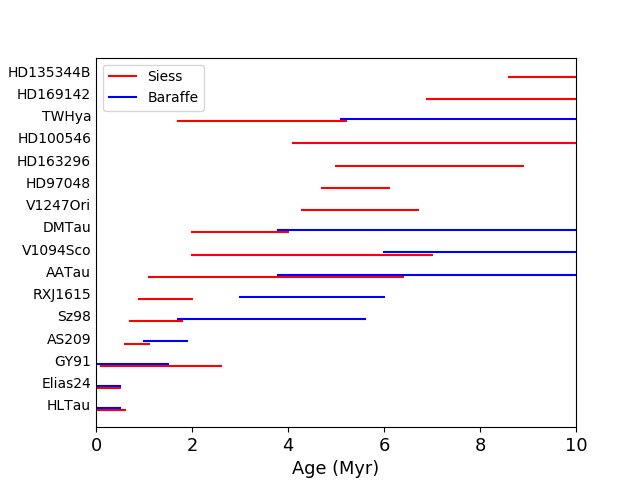 Figure 1
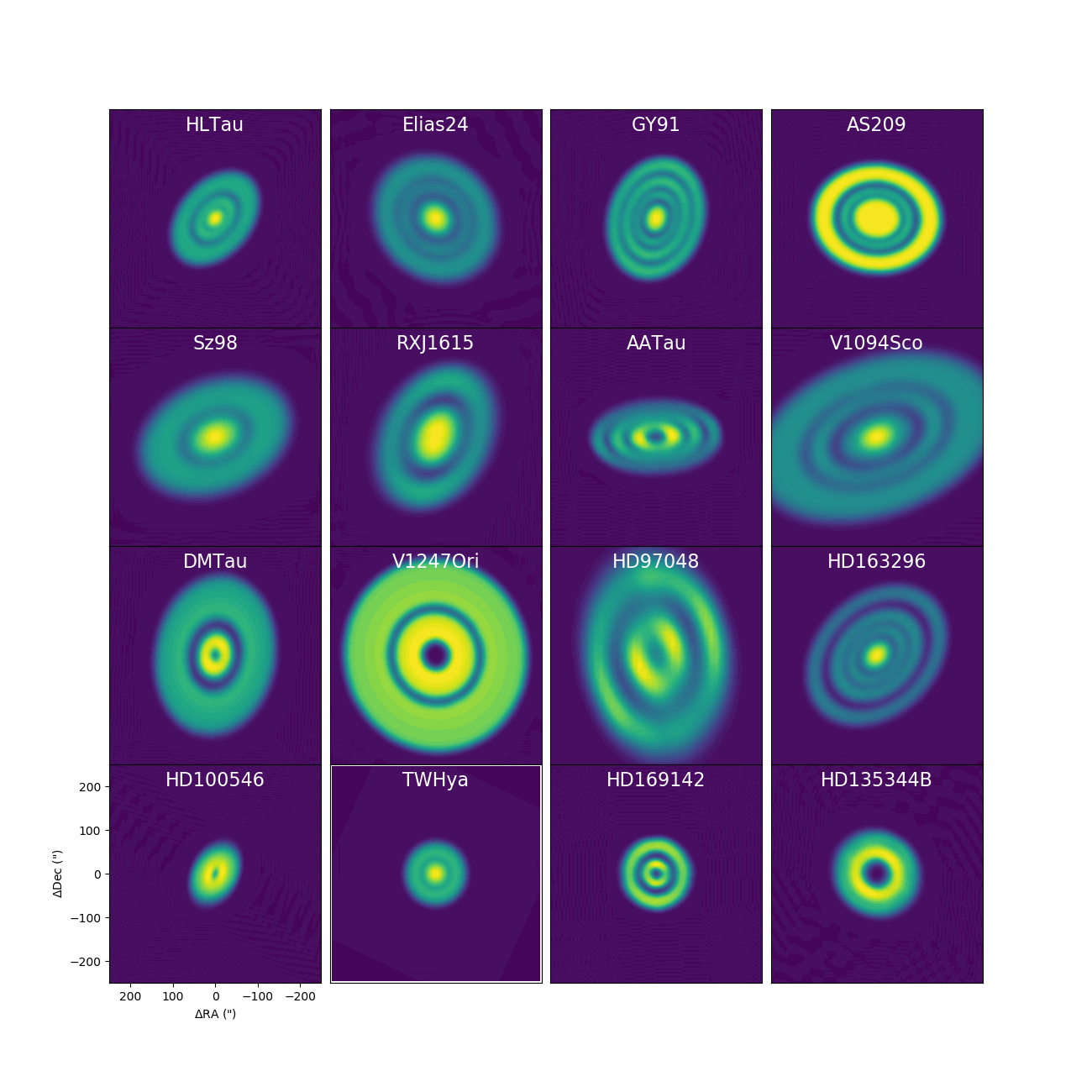 Figure 2
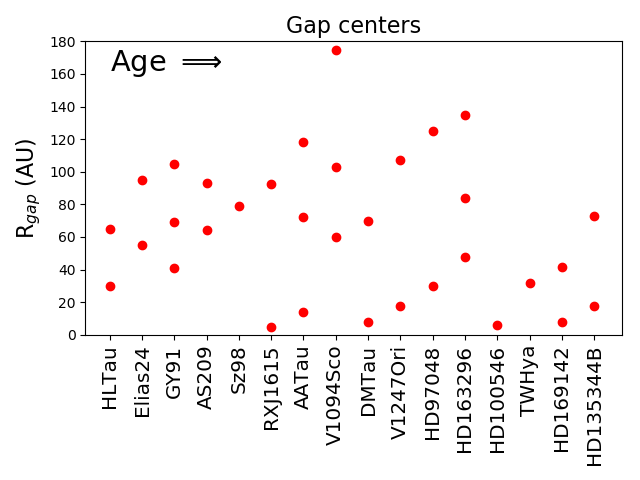 Figure 3
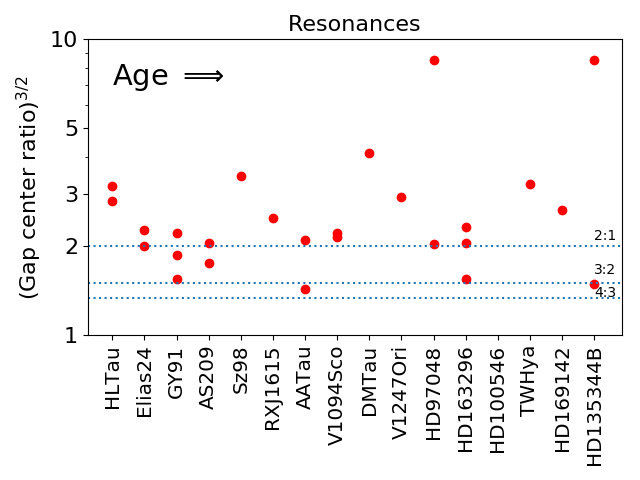 Figure 4
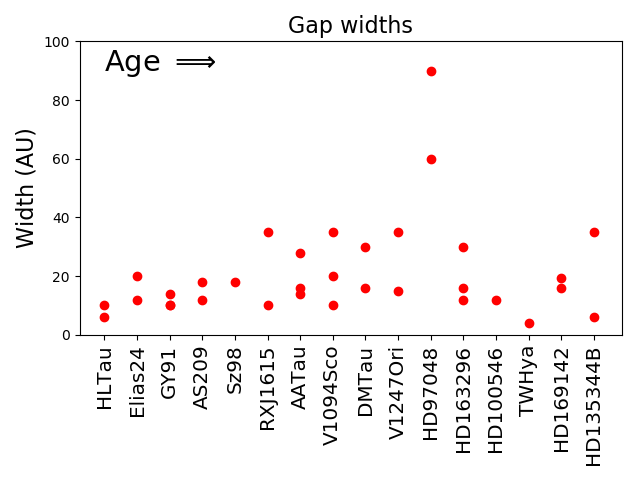 Figure 5
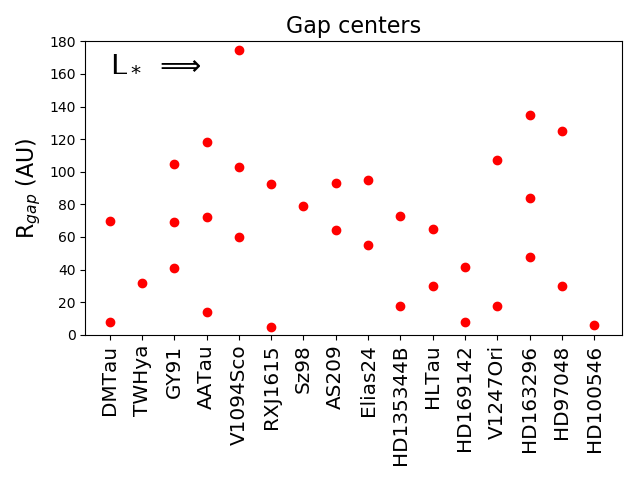 Figure 6
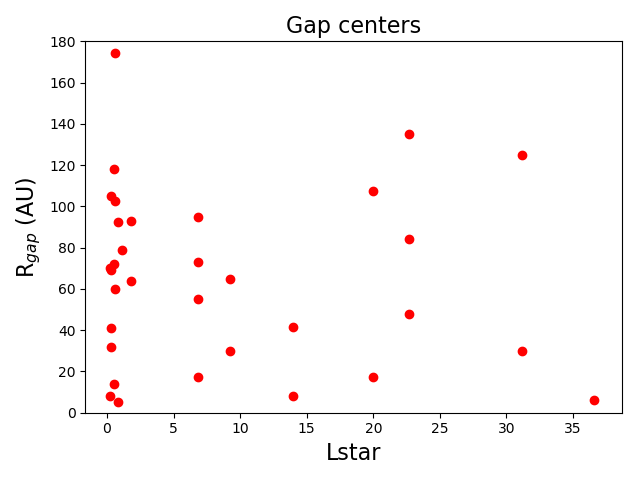 Figure 7
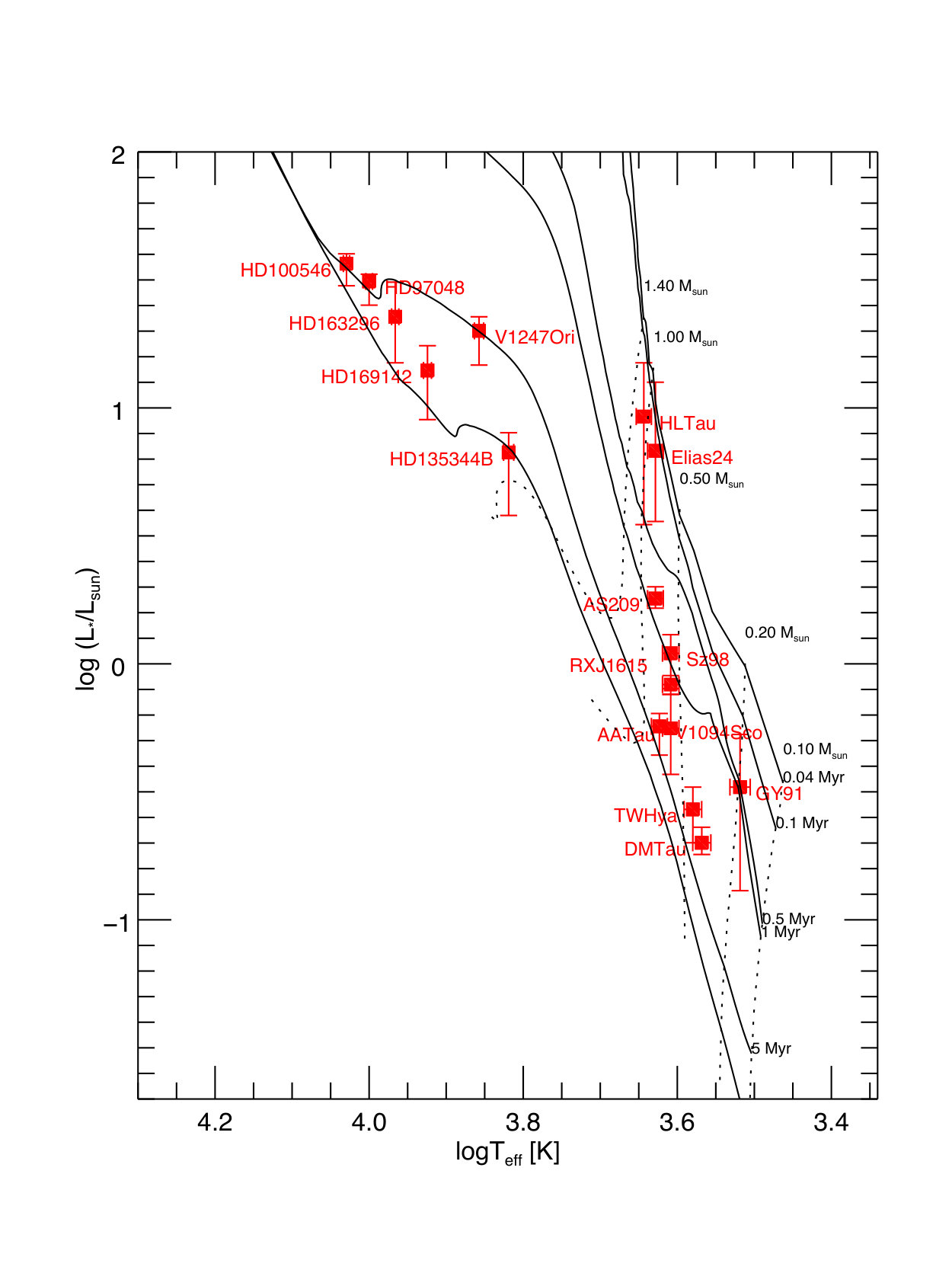 Figure 8
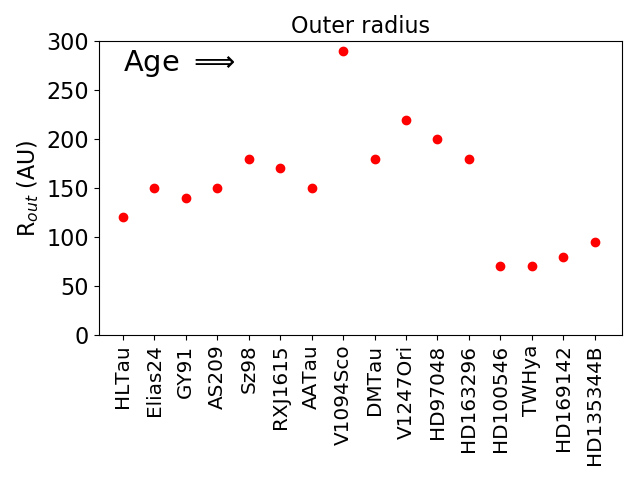 Figure 9
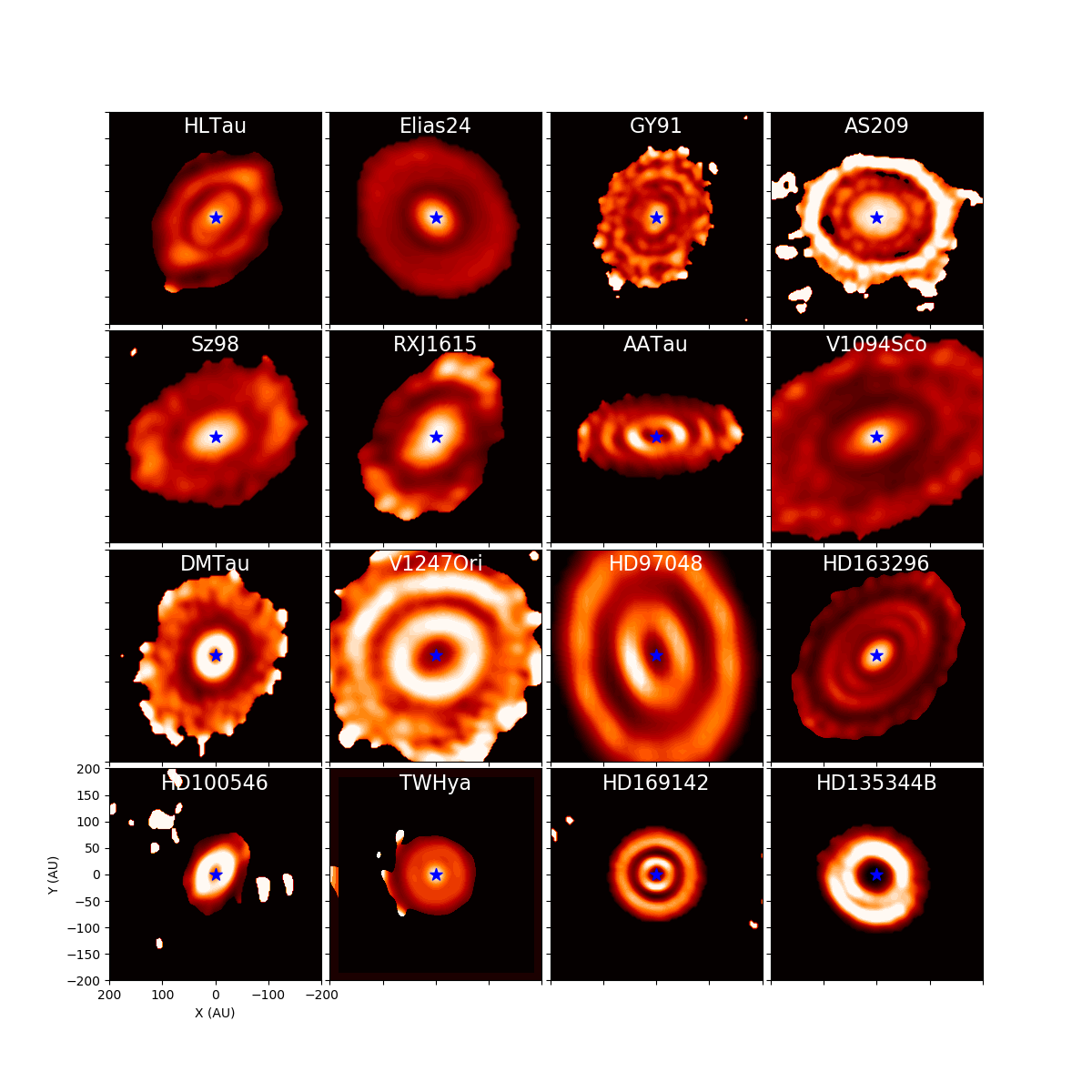 Figure 10
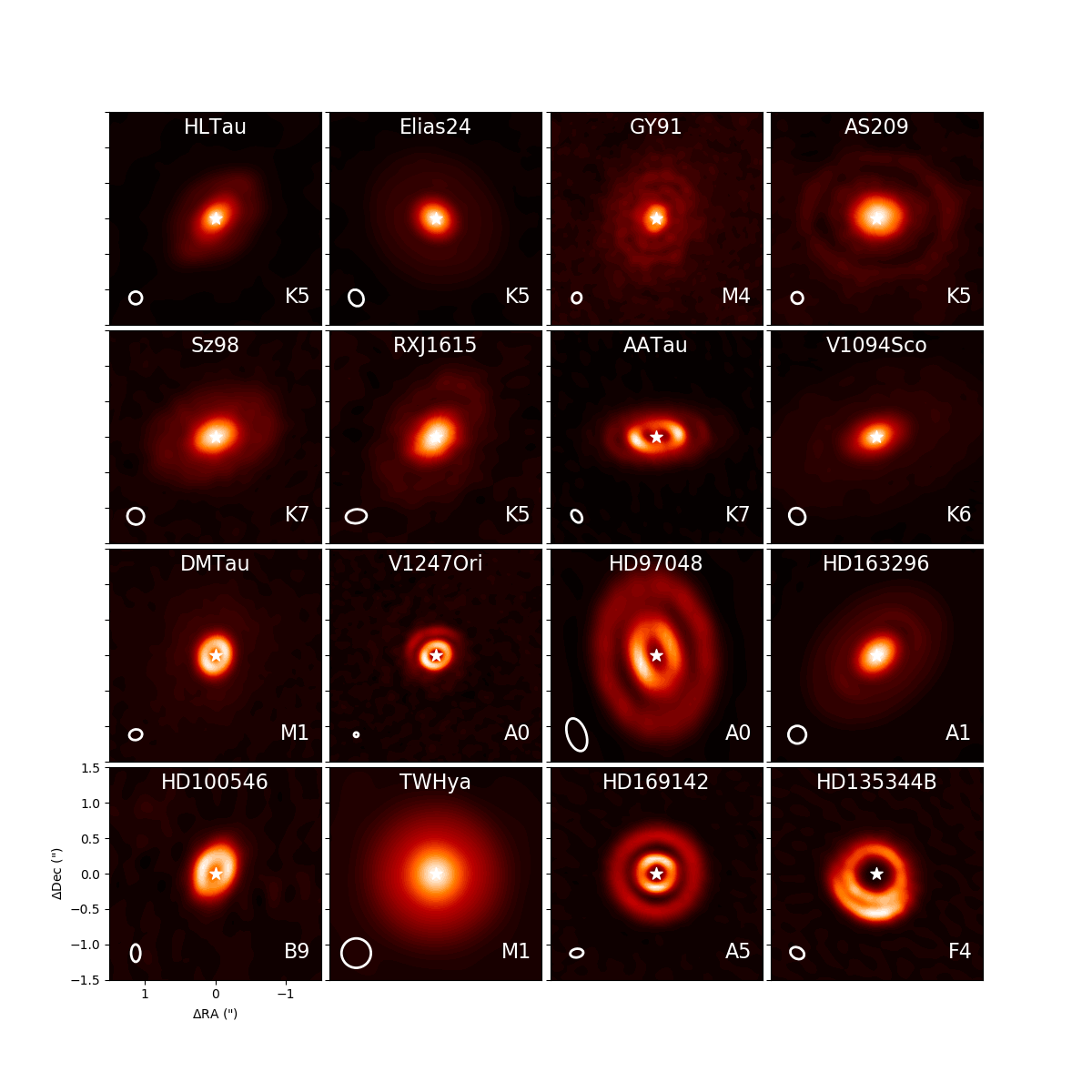 Figure 11
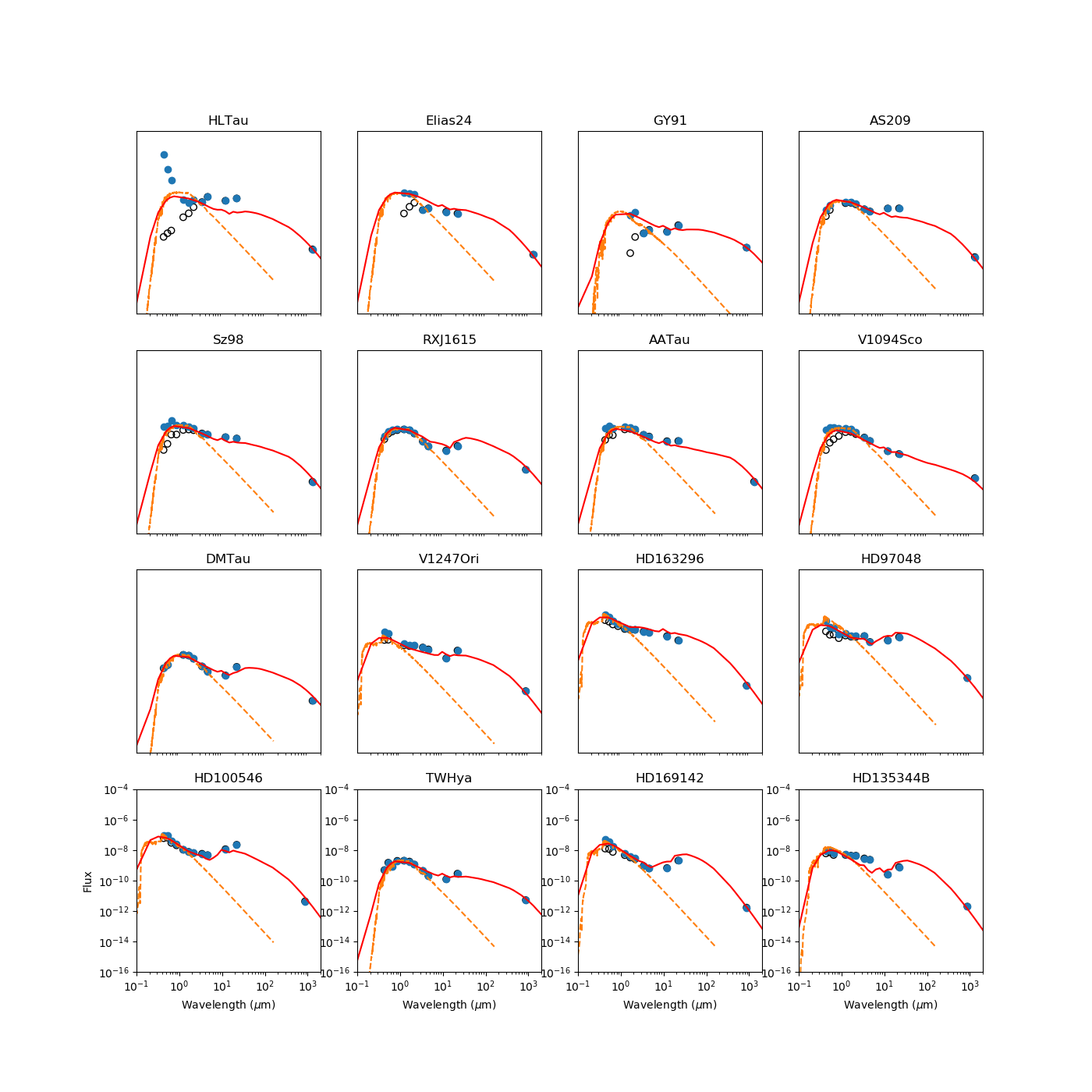 Figure 12
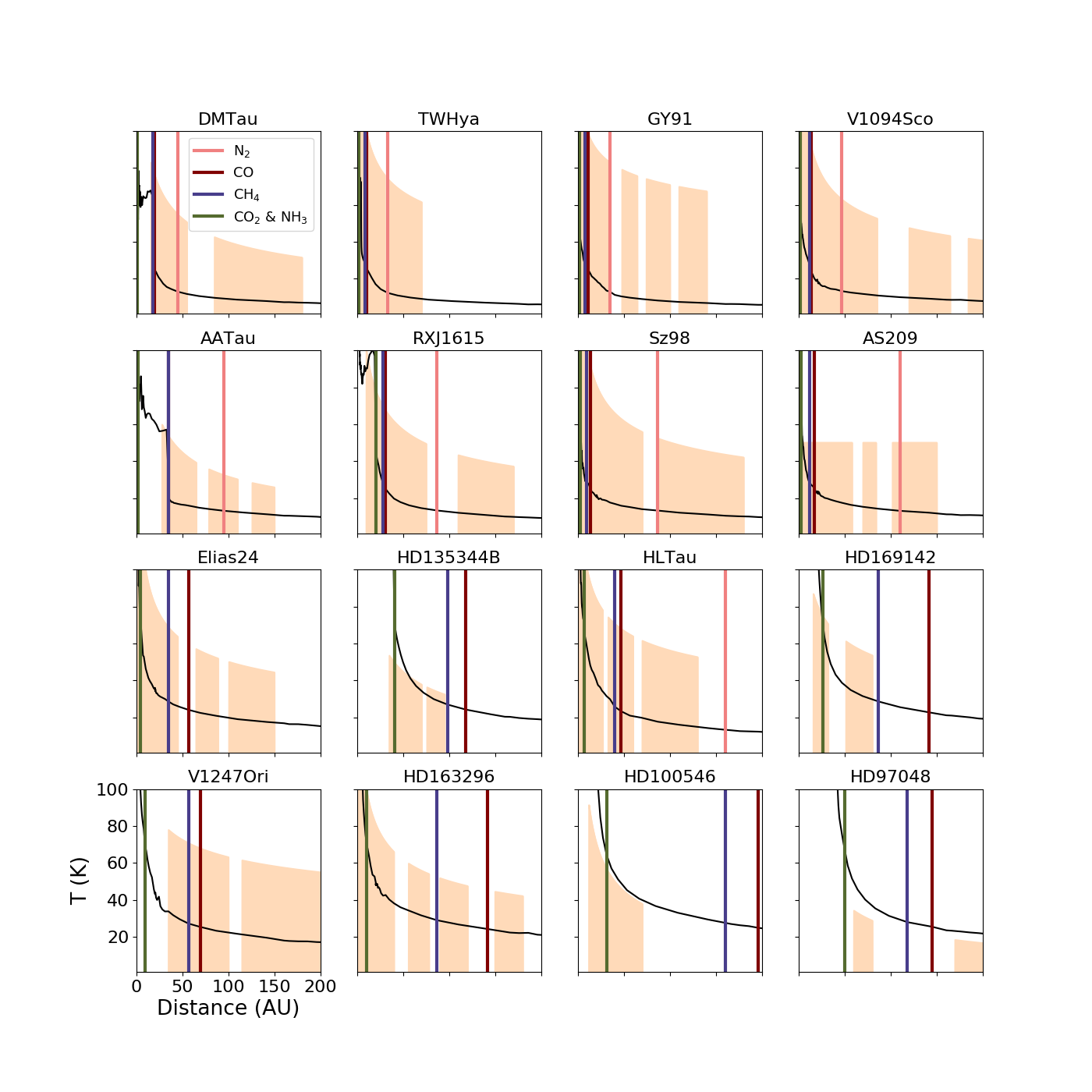 Figure 13
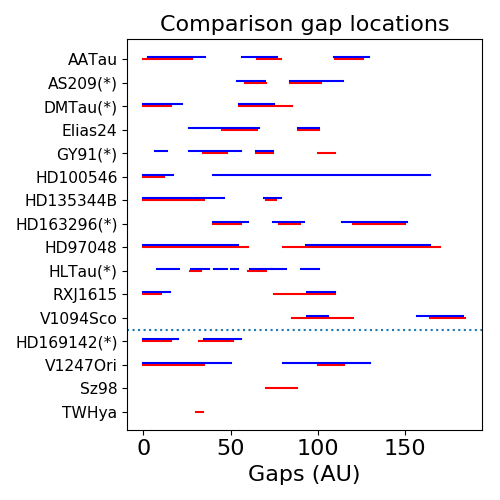 Figure 14
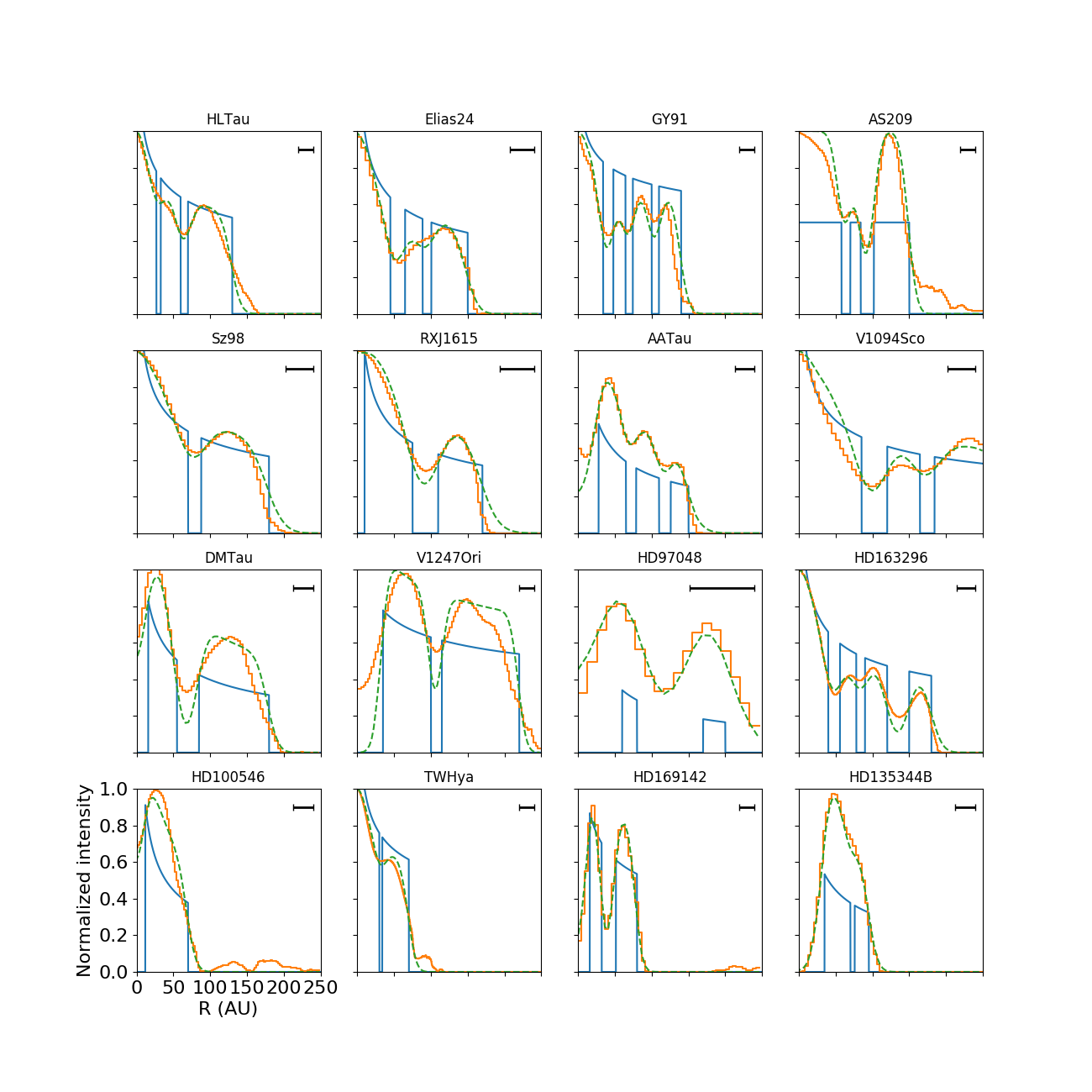 Figure 15
Peer Reviews
No public reviews on file for this paper yet. If you reviewed it on a platform where reviews are public (OpenReview, ICLR, NeurIPS, ICML), you can paste yours below so the community can read it here.
Videos
No videos yet. Explain this paper in a talk, walkthrough, or lecture? Add one.