Systematic structure and sinks in the YORP effect
Oleksiy Golubov, Daniel J. Scheeres

TL;DR
This paper explores the structured patterns of the YORP effect on asteroids, revealing a potential equilibrium state influenced by shape and surface features, which could impact asteroid spin evolution models.
Contribution
It introduces the concept of a YORP equilibrium state driven by shape and thermal transport, supported by estimates indicating its potential prevalence among asteroids.
Findings
10-20% of asteroids may be in YORP equilibrium
YORP effects can lead to long-term constant spin states
The equilibrium influences asteroid spin evolution theories
Abstract
There is a correlation between the components of the YORP effect of most asteroids, which drives the obliquity and spin rate of the affected bodies in a consistent pattern. This allows for a clear and unambiguous picture for how the spin rates and poles of asteroids affected by YORP will evolve and simplifies the overall picture for how populations will migrate on average. The YORP effect can also lead to a previously unexplored equilibrium state for affected bodies. This equilibrium state is a function of the usual "normal YORP" effect (which arises due to the global shape asymmetry of the asteroid) and the "tangential YORP" (which arises due the transport of thermal energy through rocky surface features). Estimates from current shape models show that 10-20\% of asteroids have the proper condition to be captured in this equilibrium state, indicating that the occurrence of this state…
Click any figure to enlarge with its caption.
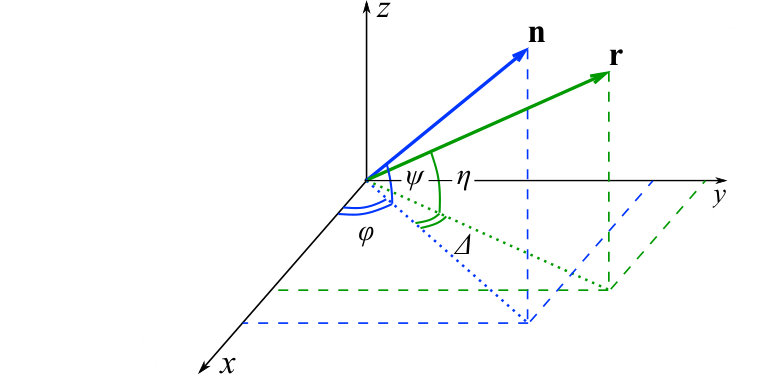 Figure 2
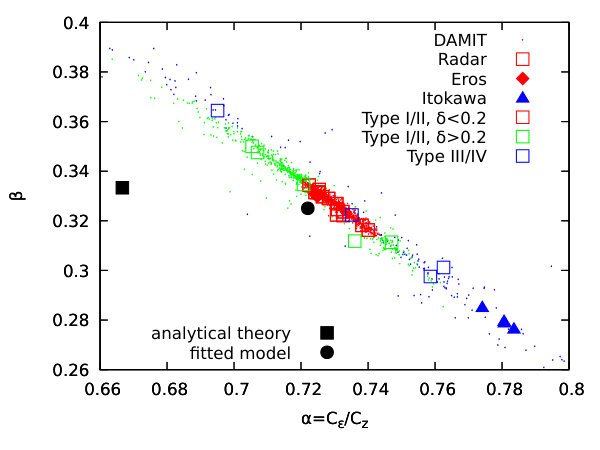 Figure 2
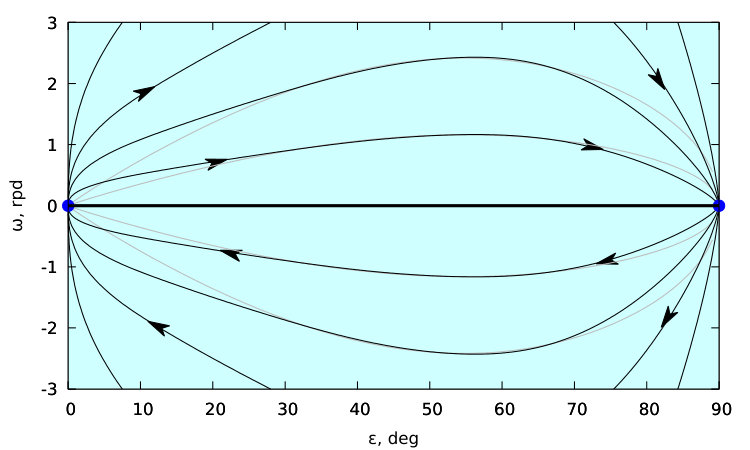 Figure 3
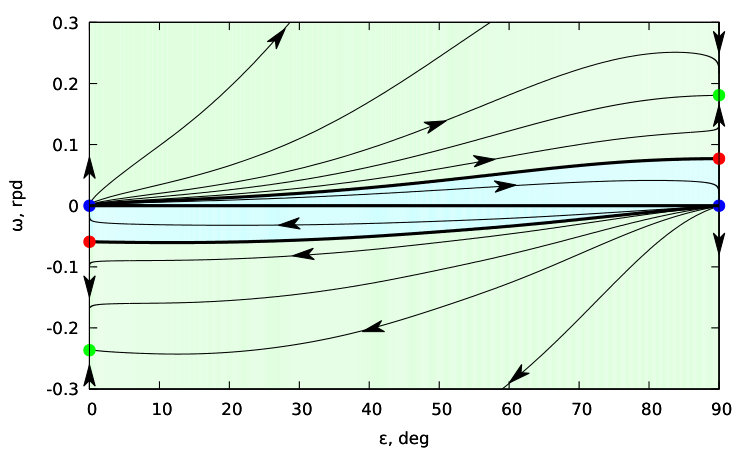 Figure 4
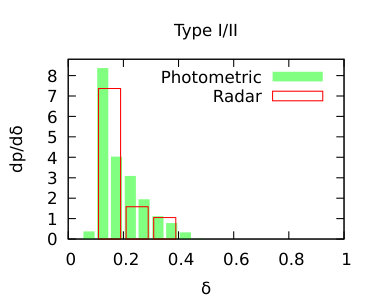 Figure 5
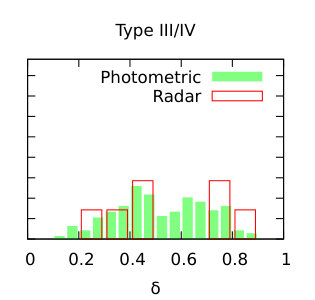 Figure 6
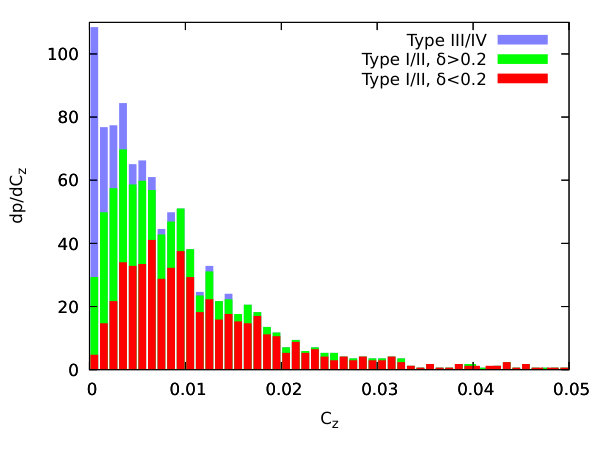 Figure 7
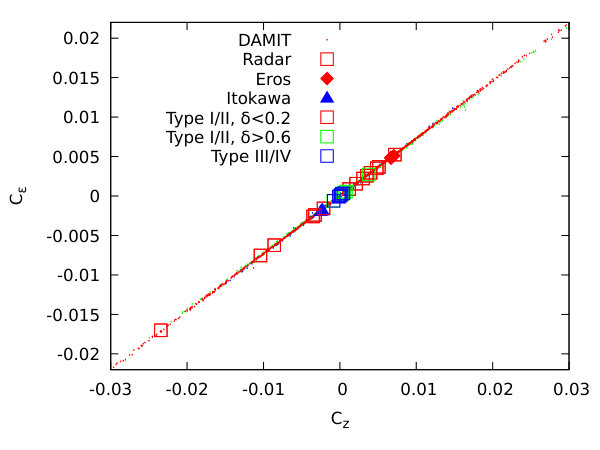 Figure 8
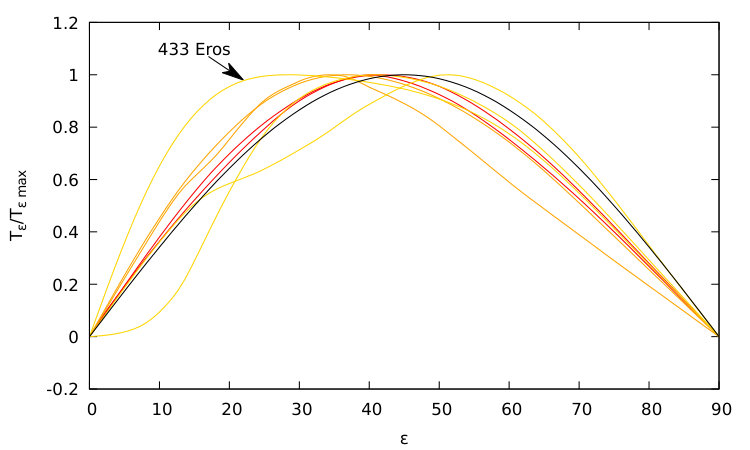 Figure 9
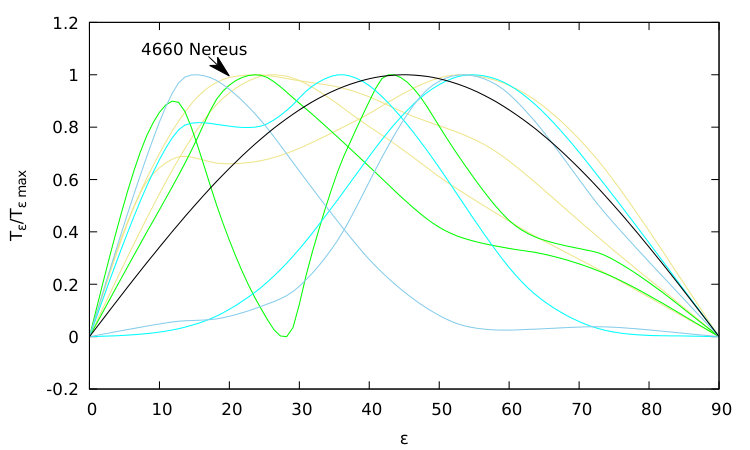 Figure 10
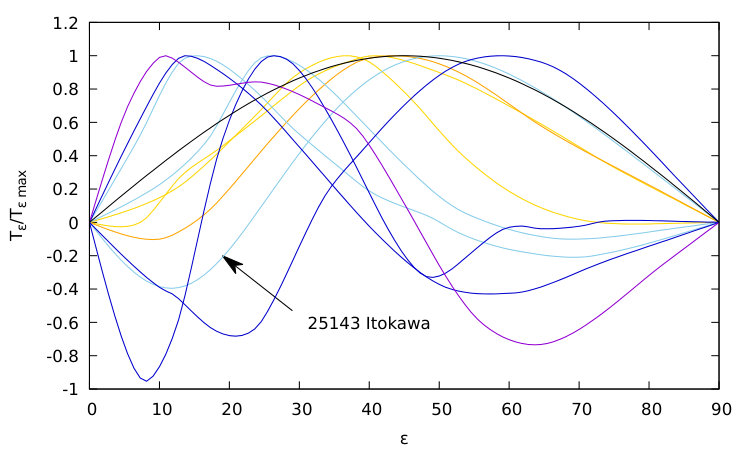 Figure 11
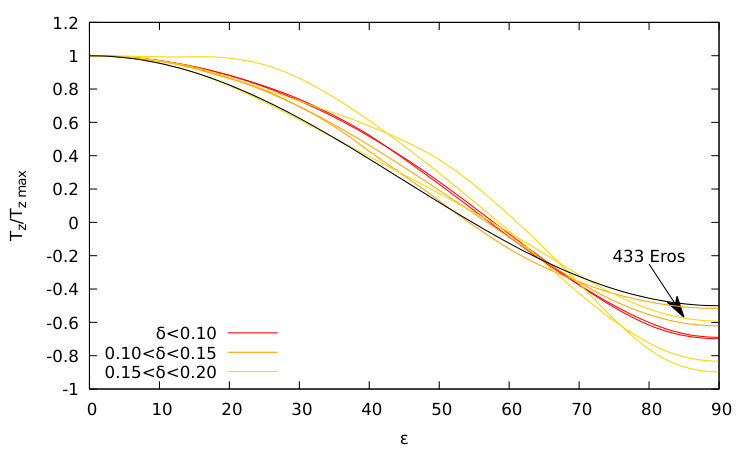 Figure 12
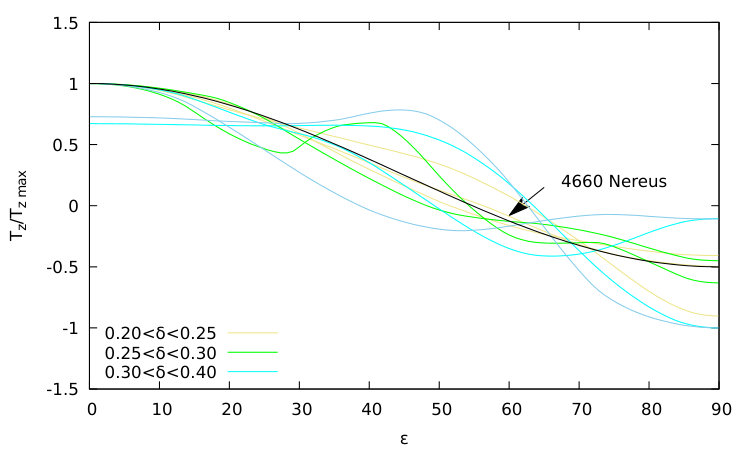 Figure 13
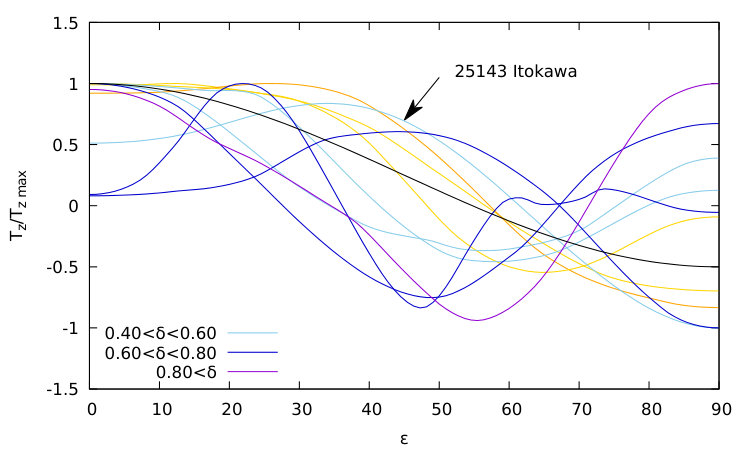 Figure 14
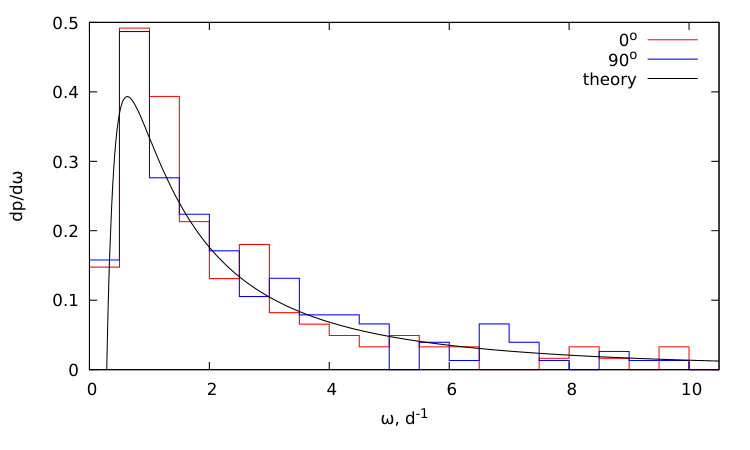 Figure 15
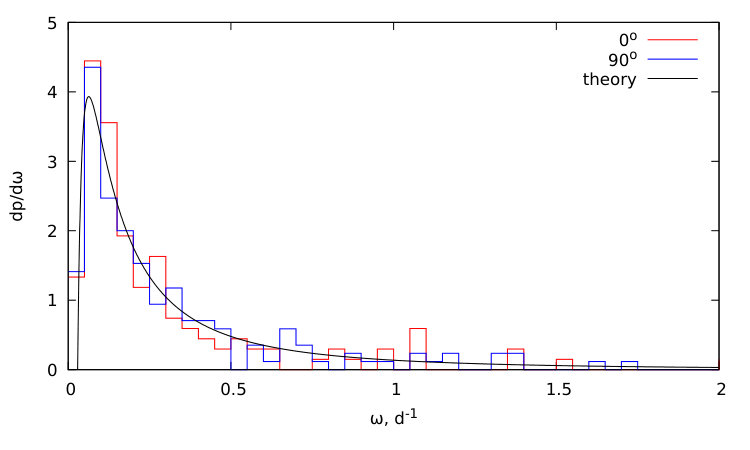 Figure 16
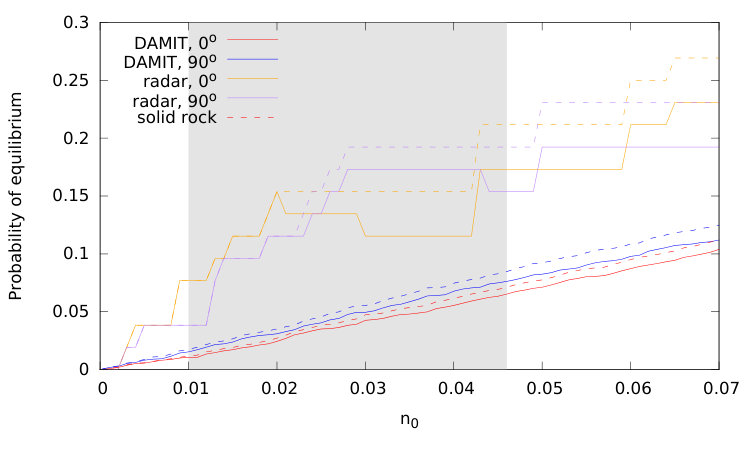 Figure 17
Peer Reviews
No public reviews on file for this paper yet. If you reviewed it on a platform where reviews are public (OpenReview, ICLR, NeurIPS, ICML), you can paste yours below so the community can read it here.
Videos
No videos yet. Explain this paper in a talk, walkthrough, or lecture? Add one.