The Fundamental Plane of Black Hole Accretion and its Use as a Black Hole-Mass Estimator
Kayhan G\"ultekin, Ashley L. King, Edward M. Cackett, Kristina Nyland,, Jon M. Miller, Tiziana Di Matteo, Sera Markoff, Michael P. Rupen

TL;DR
This paper refines the empirical fundamental plane relation of black hole mass, radio, and X-ray luminosity, providing a more accurate tool for estimating black hole masses across different sources.
Contribution
It introduces an improved, statistically robust method for estimating black hole masses using radio and X-ray data, with a larger sample and better uncertainty analysis.
Findings
Best-fit parameters for the fundamental plane relation.
Significant reduction in scatter and uncertainty.
Validation that the relation applies broadly to sources with compact radio and X-ray emission.
Abstract
We present an analysis of the fundamental plane of black hole accretion, an empirical correlation of the mass of a black hole (), its 5 GHz radio continuum luminosity (), and its 2-10 keV X-ray power-law continuum luminosity (). We compile a sample of black holes with primary, direct black hole-mass measurements that also have sensitive, high-spatial-resolution radio and X-ray data. Taking into account a number of systematic sources of uncertainty and their correlations with the measurements, we use Markov chain Monte Carlo methods to fit a mass-predictor function of the form . Our best-fit results are , , and with…
Click any figure to enlarge with its caption.
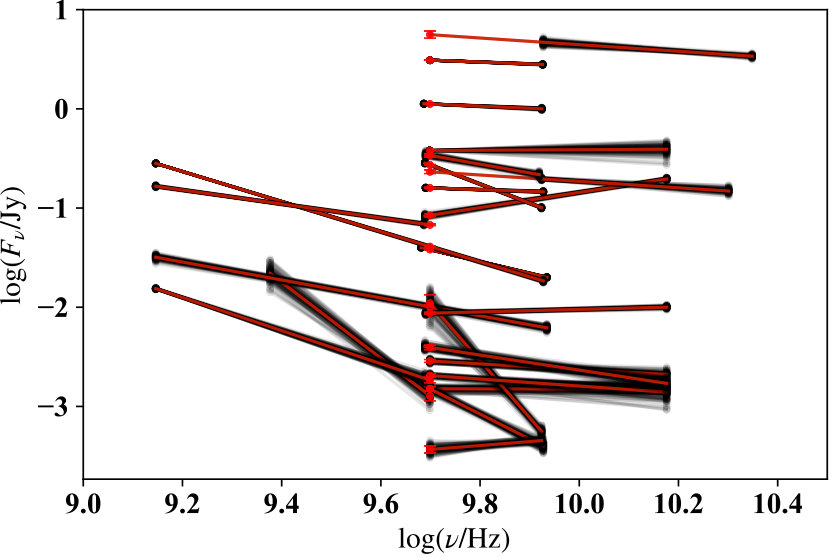 Figure 1
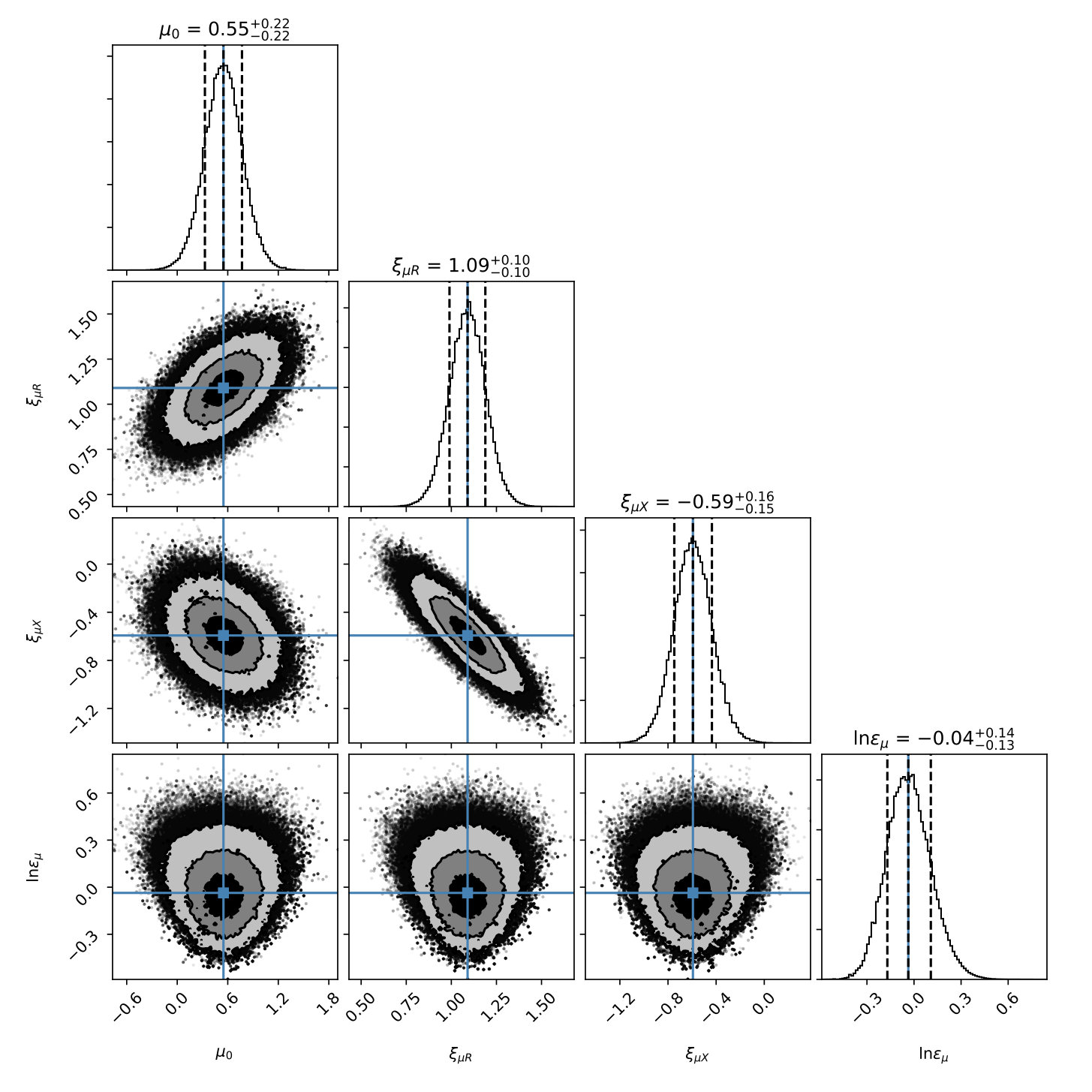 Figure 2
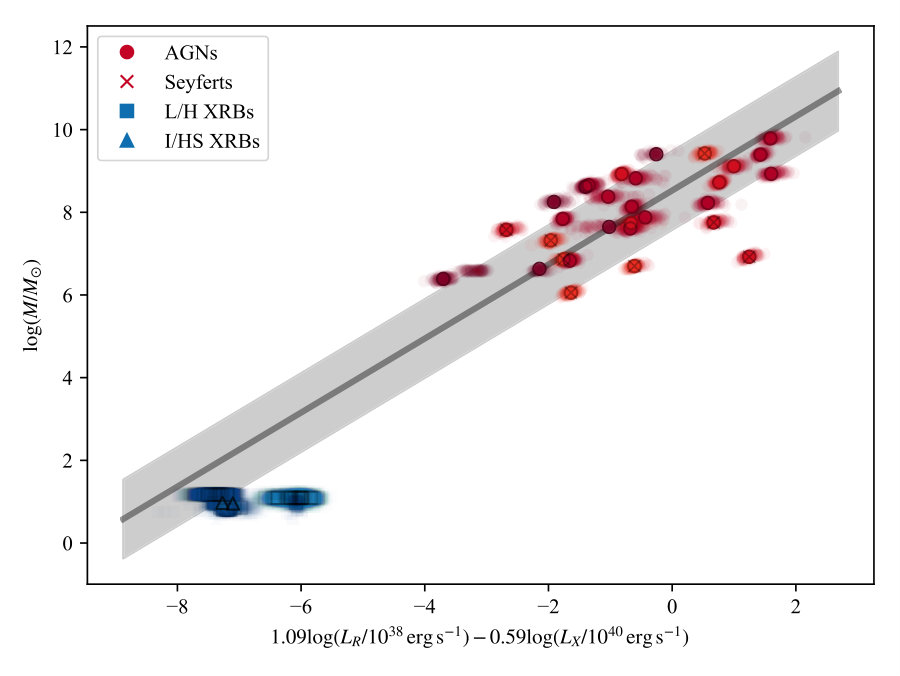 Figure 3
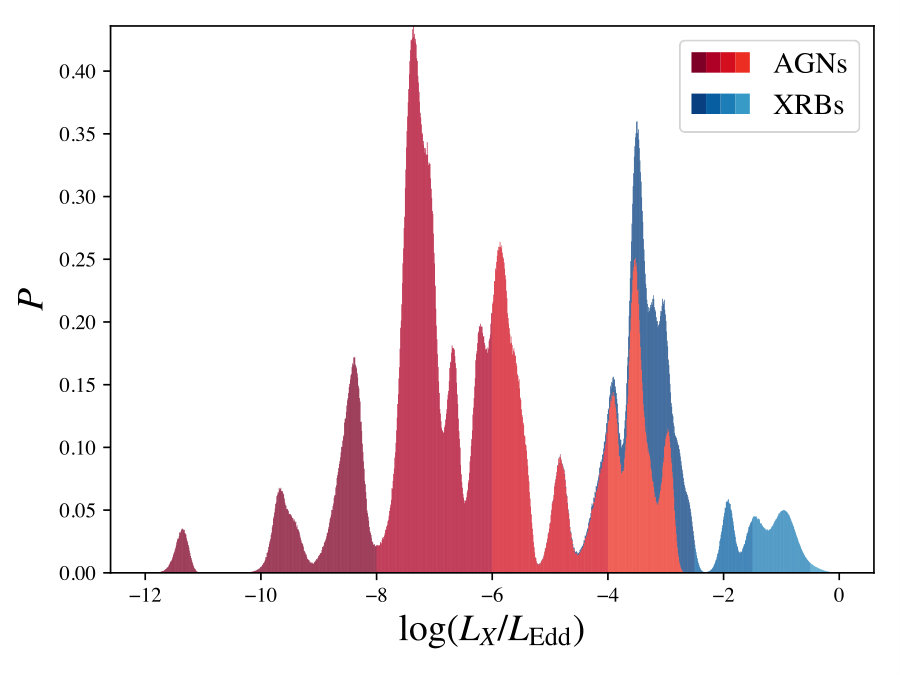 Figure 4
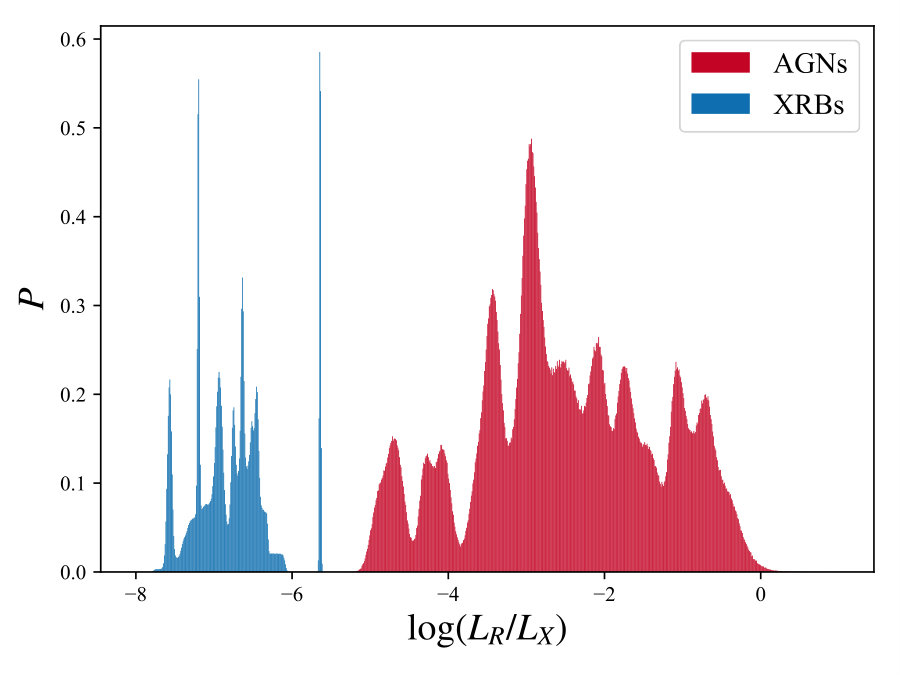 Figure 5
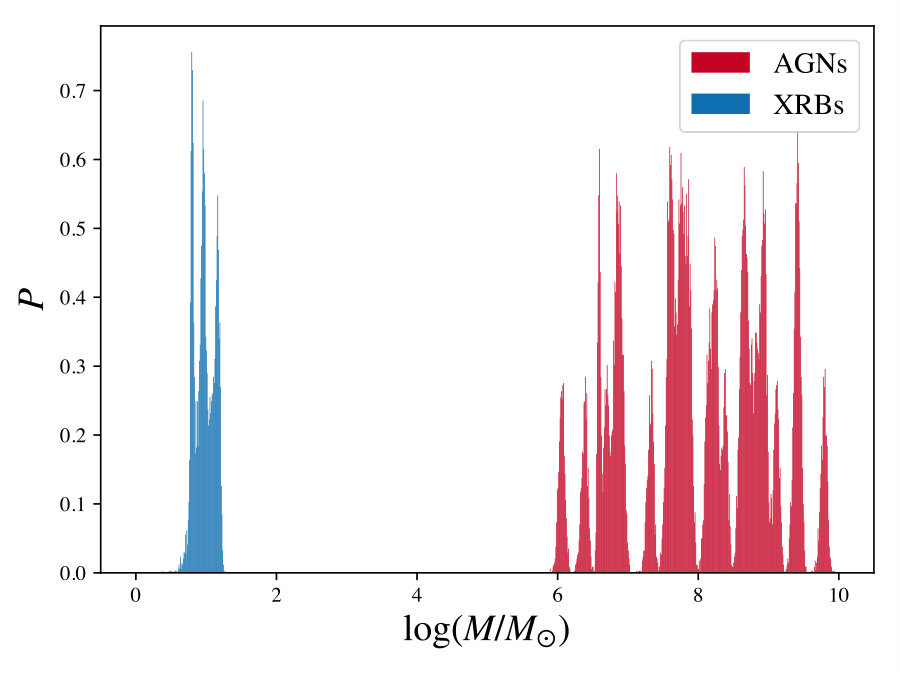 Figure 6
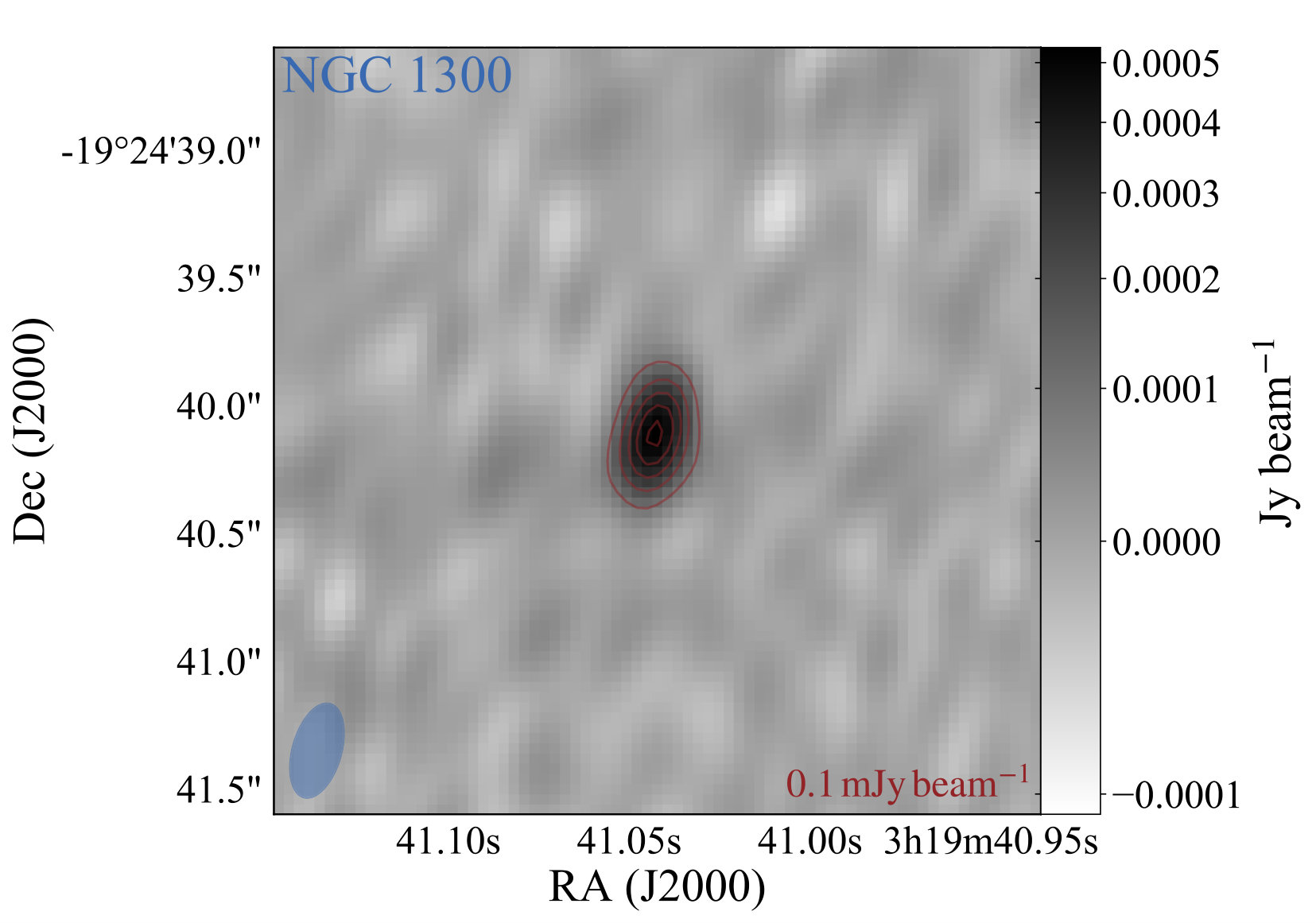 Figure 7
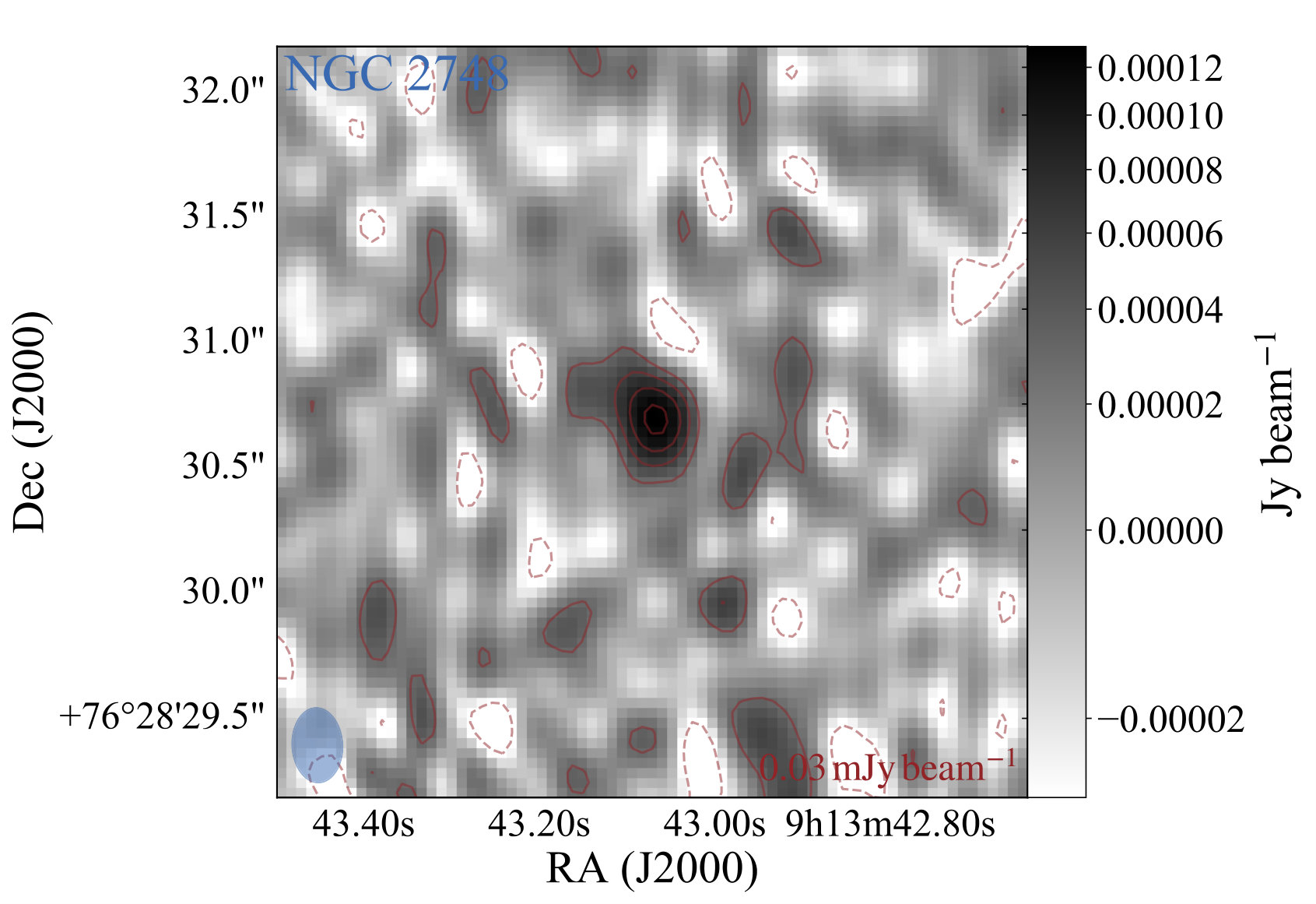 Figure 8
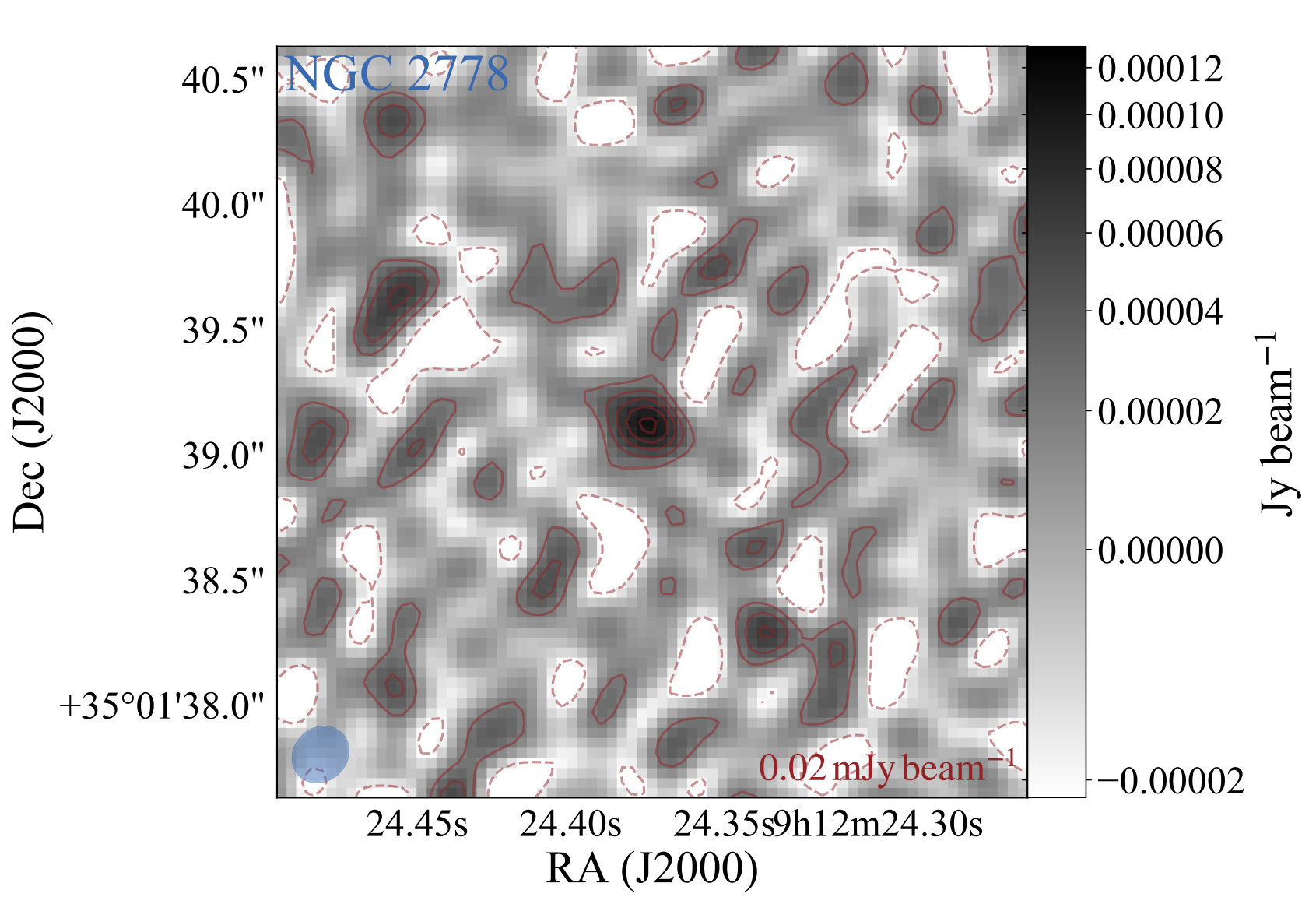 Figure 9
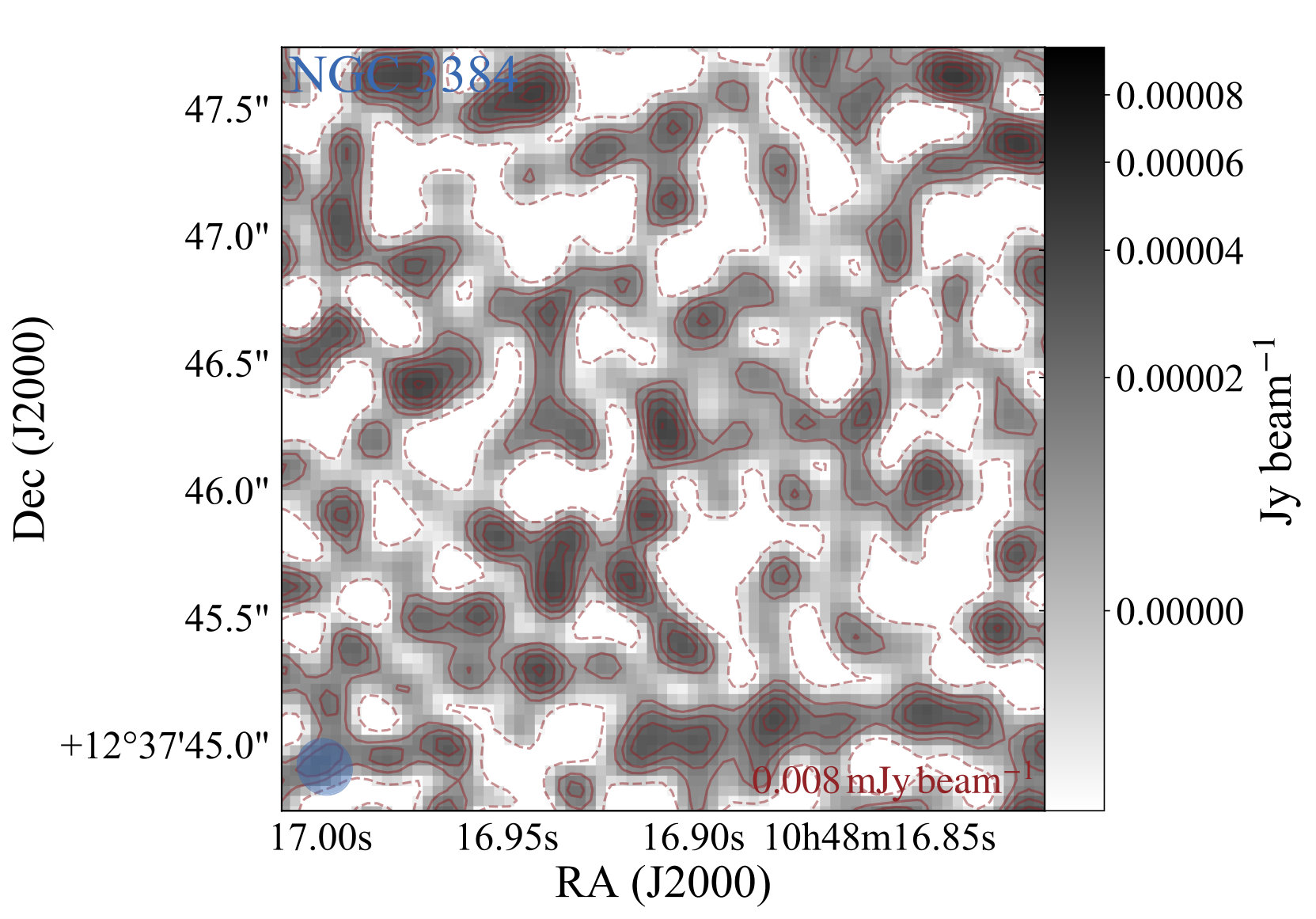 Figure 10
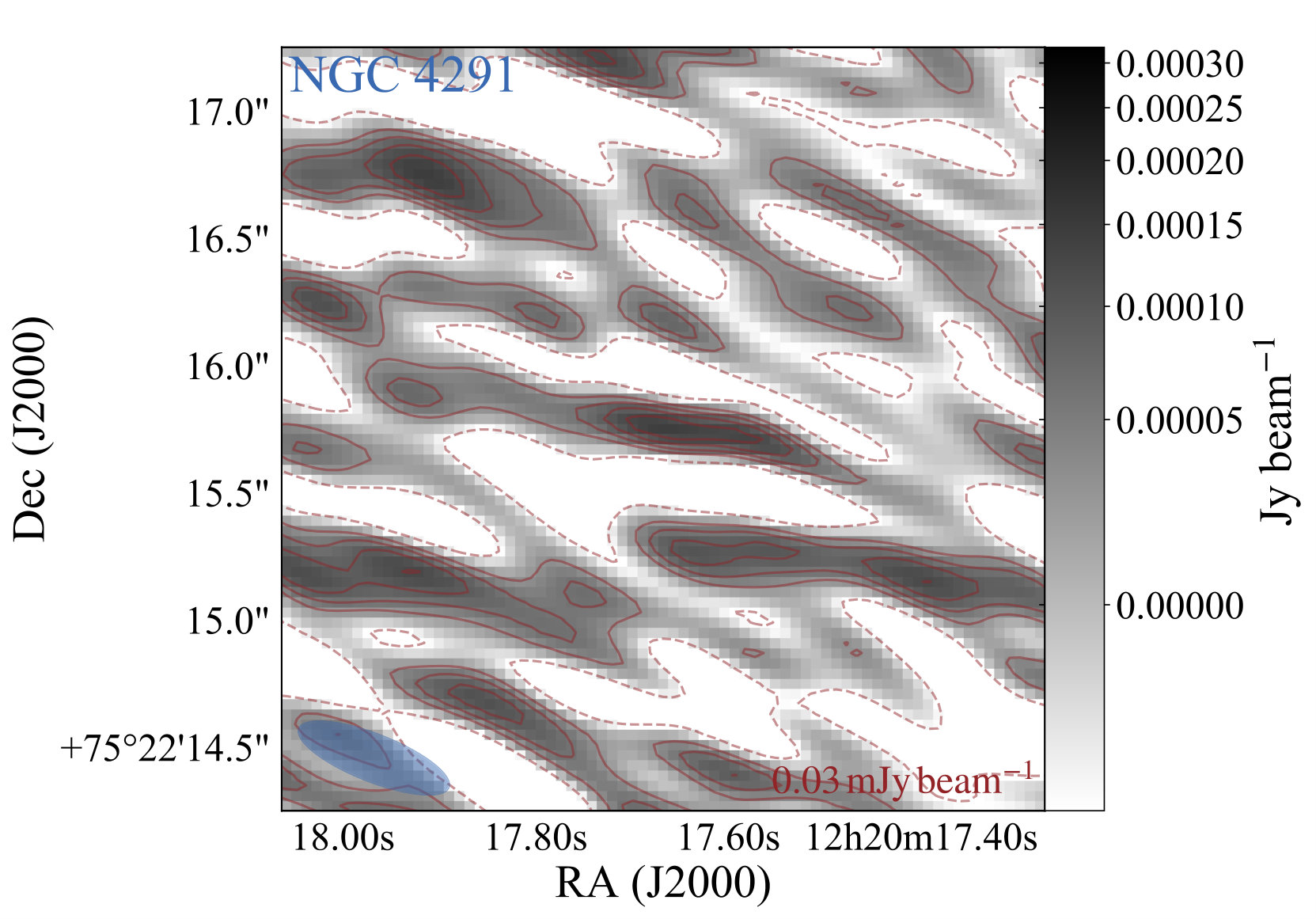 Figure 11
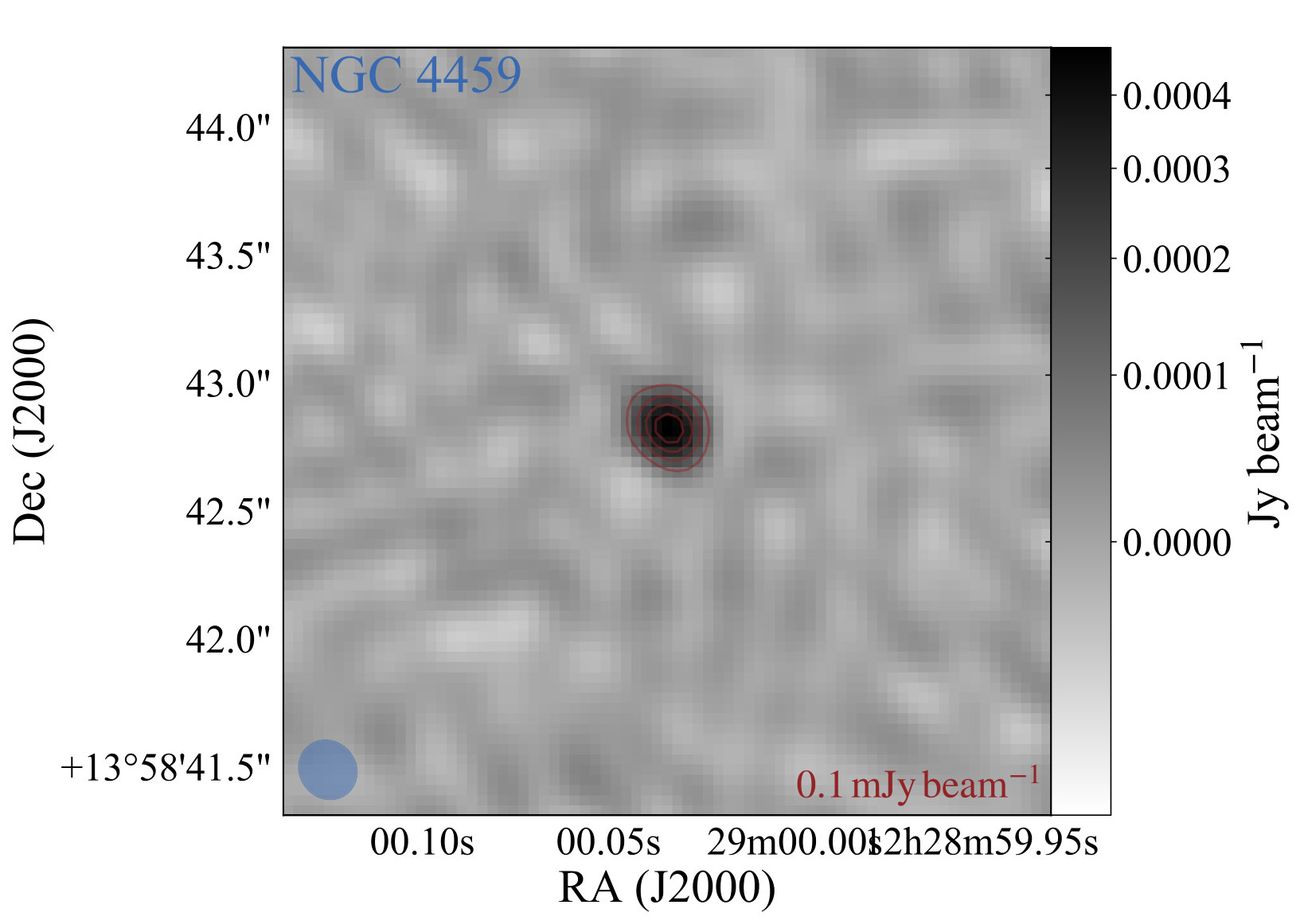 Figure 12
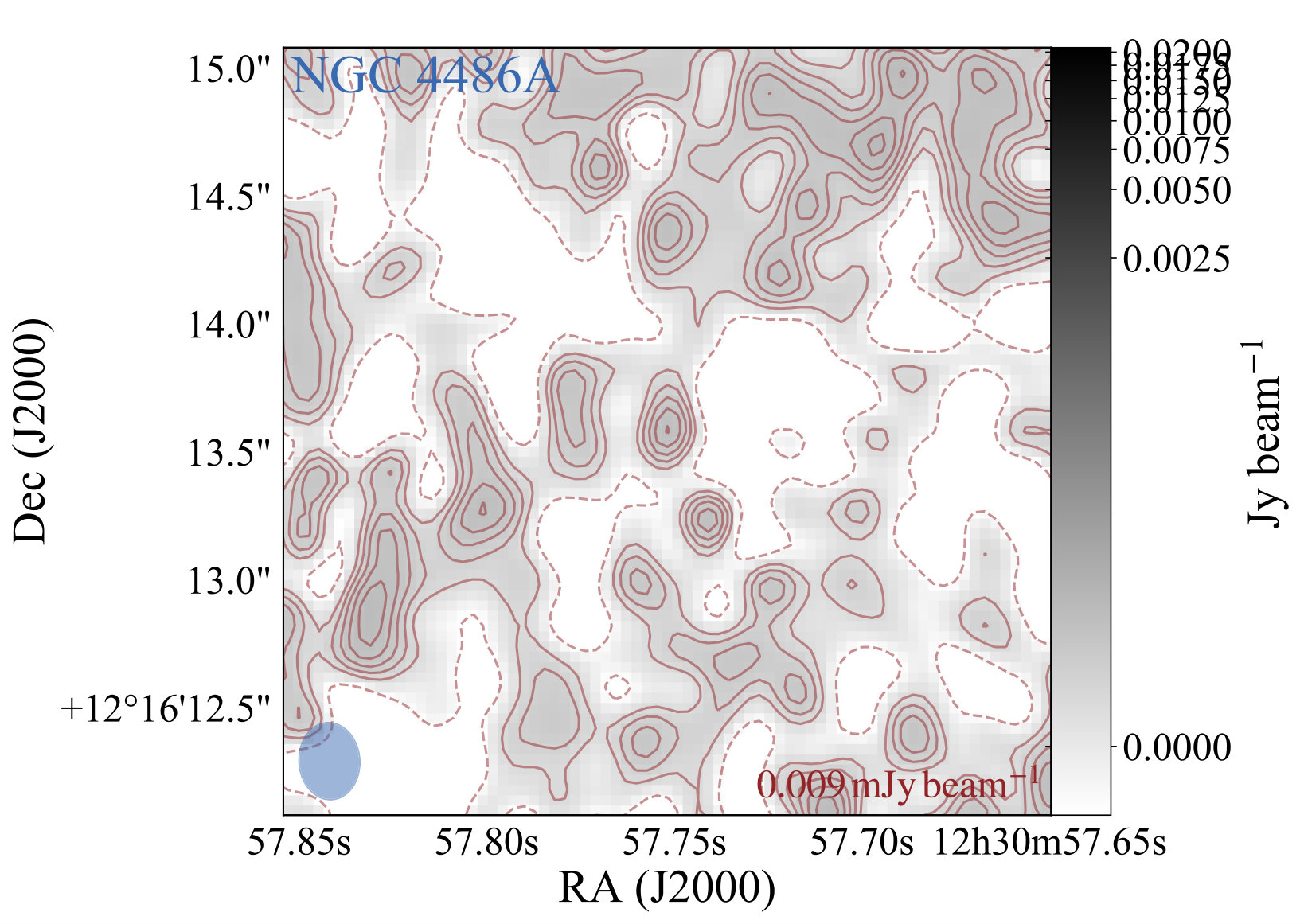 Figure 13
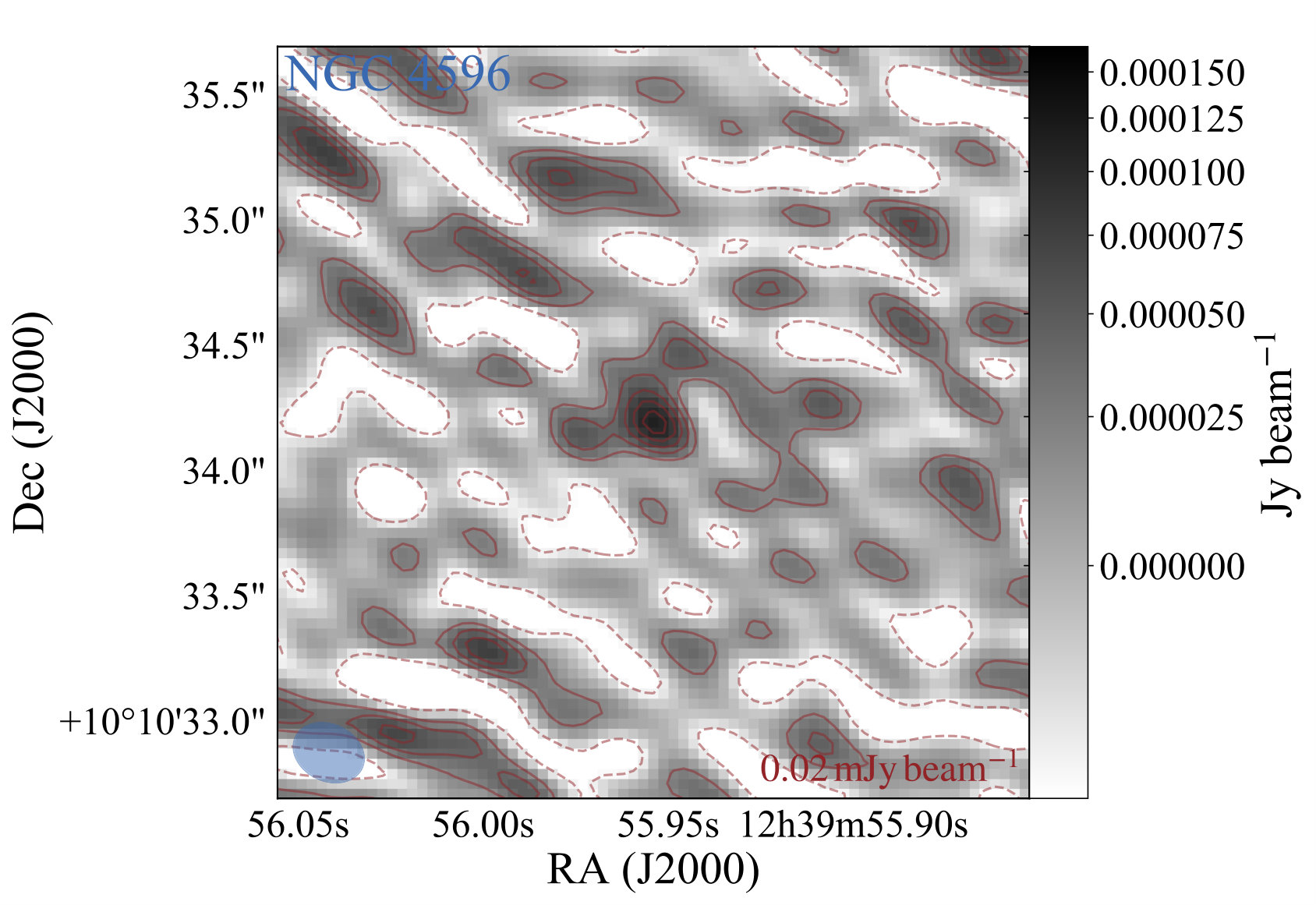 Figure 14
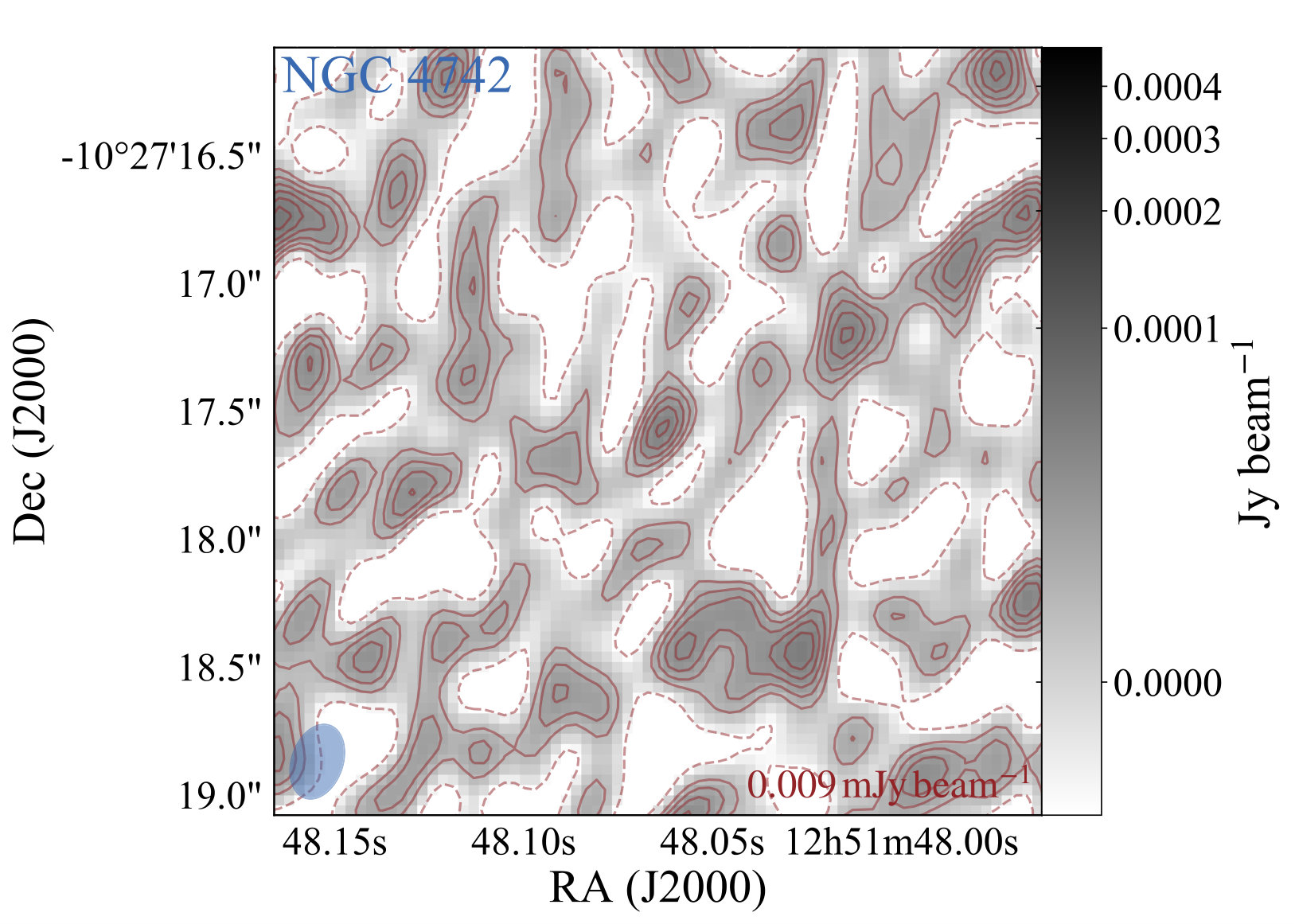 Figure 15
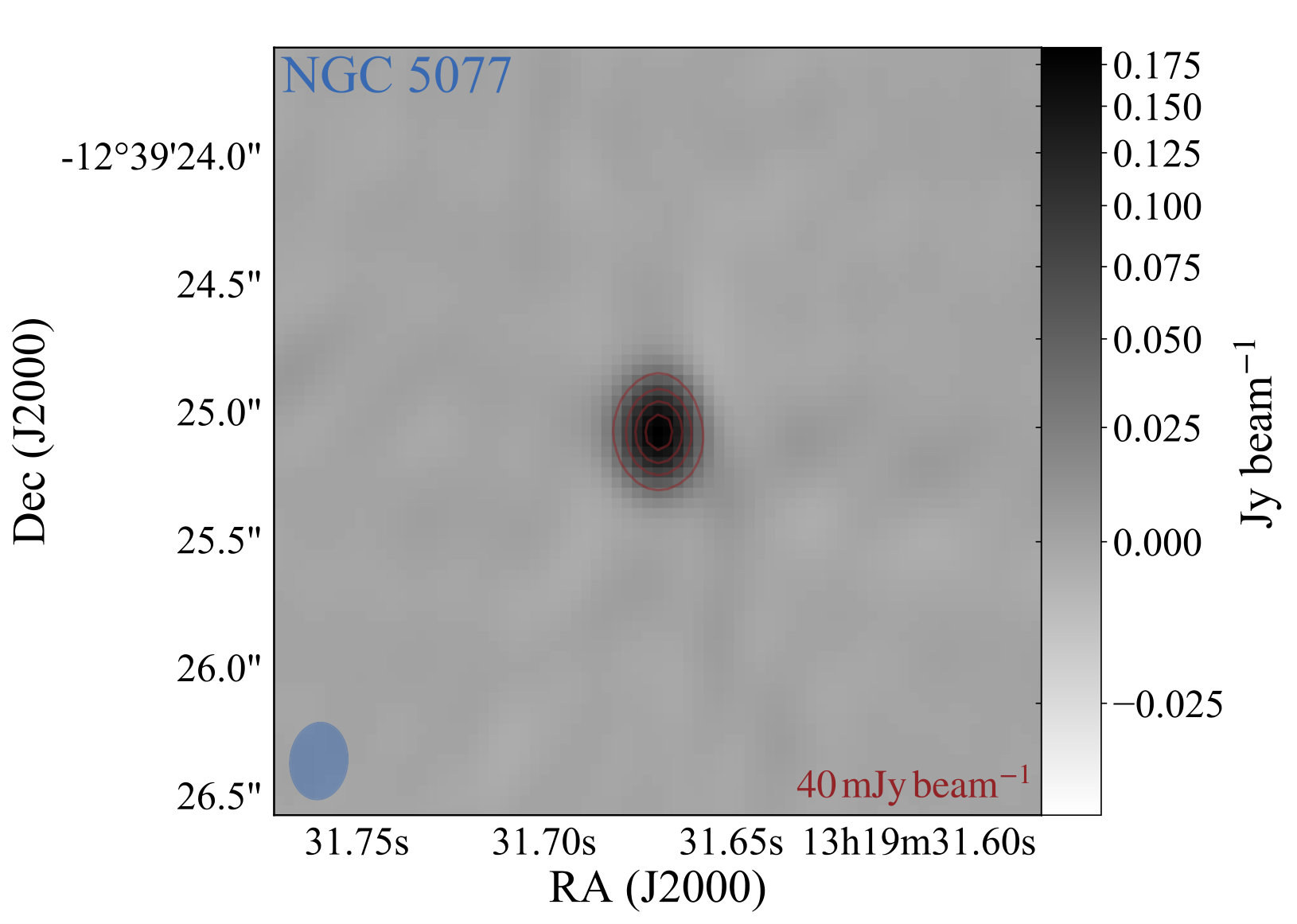 Figure 16
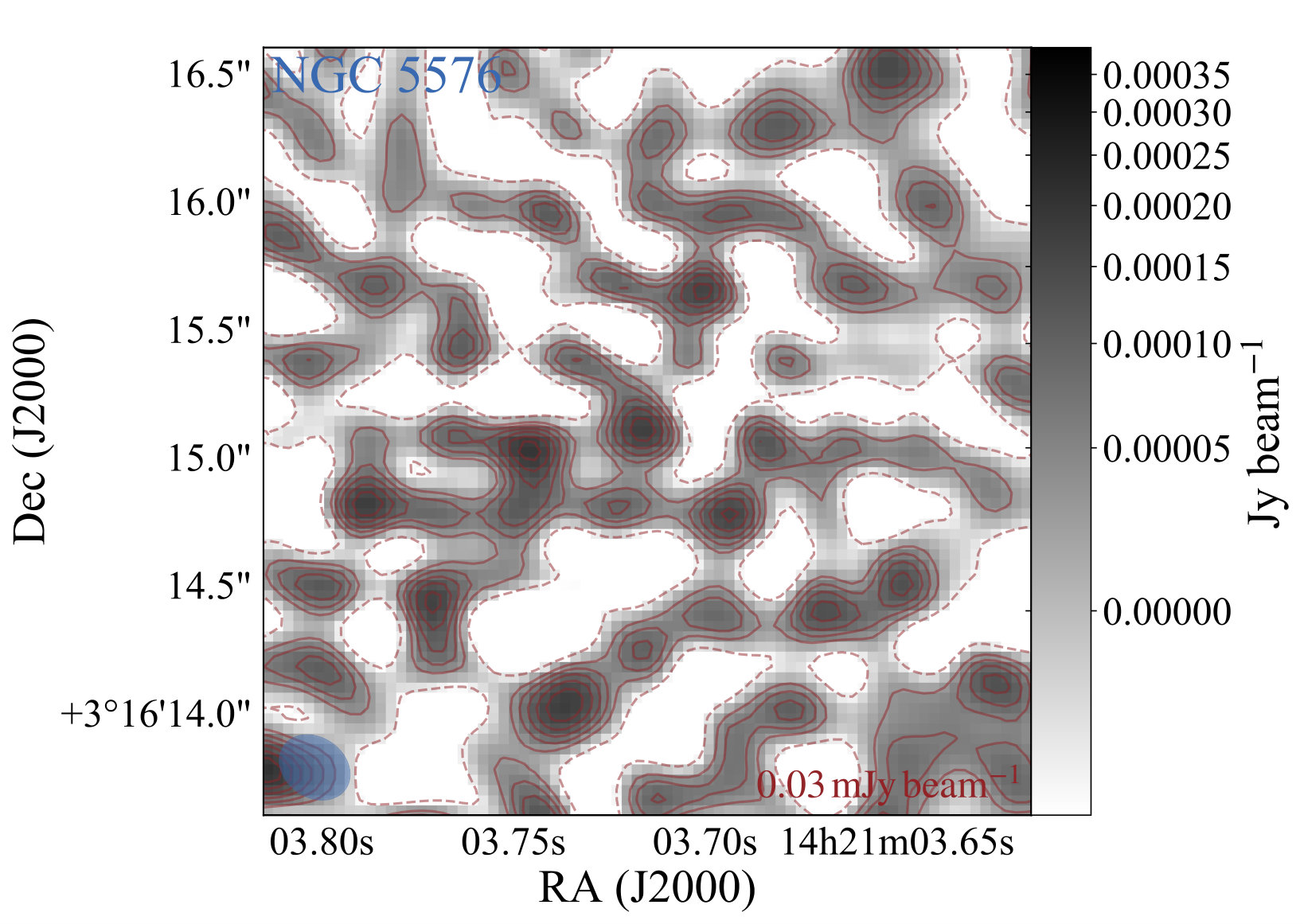 Figure 17
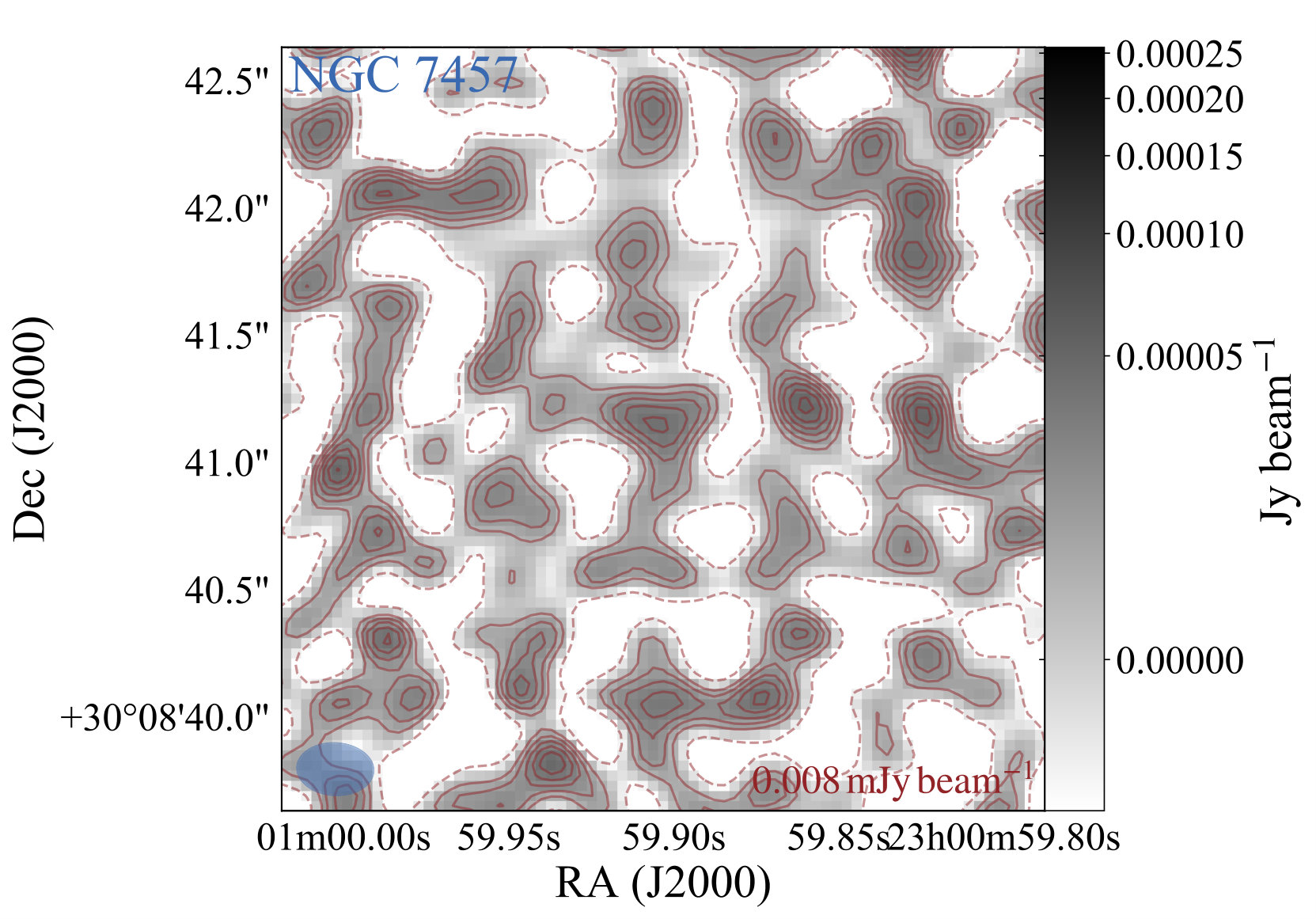 Figure 18
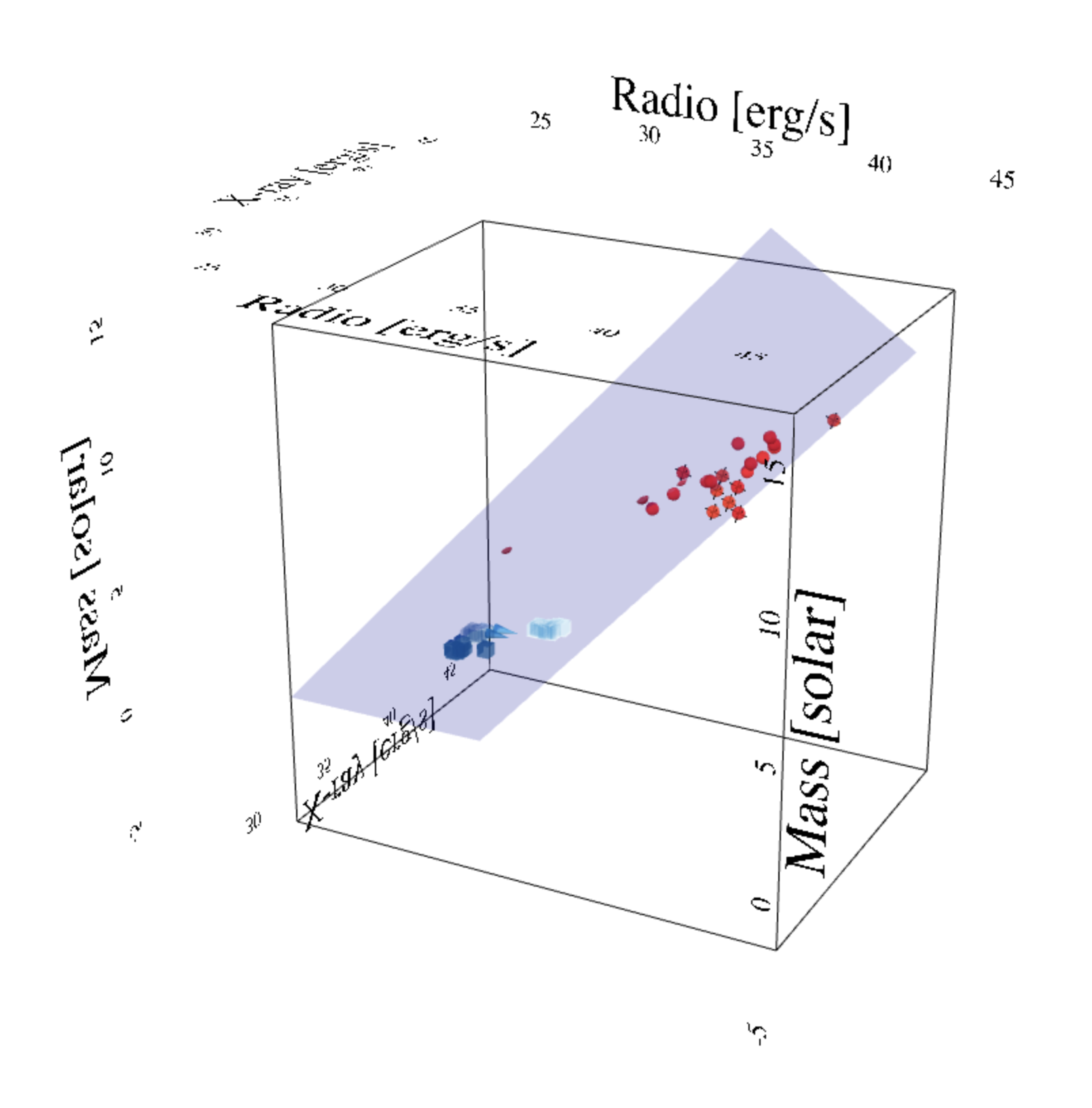 Figure 19
Peer Reviews
No public reviews on file for this paper yet. If you reviewed it on a platform where reviews are public (OpenReview, ICLR, NeurIPS, ICML), you can paste yours below so the community can read it here.
Videos
No videos yet. Explain this paper in a talk, walkthrough, or lecture? Add one.