Deep Neural Network Approximation Theory
Dennis Elbr\"achter, Dmytro Perekrestenko, Philipp Grohs, and Helmut, B\"olcskei

TL;DR
This paper establishes the fundamental theoretical limits of deep neural networks in function approximation, demonstrating their optimality and exponential accuracy across various function classes, including fractal and oscillatory functions.
Contribution
It develops a theory linking the complexity of functions to the network architecture, proving deep networks' optimality and exponential approximation capabilities for diverse function classes.
Findings
Deep networks are Kolmogorov-optimal for various function classes.
Exponential approximation accuracy achieved for multiple functions.
Finite-width networks require less connectivity than wide, shallow networks for smooth functions.
Abstract
This paper develops fundamental limits of deep neural network learning by characterizing what is possible if no constraints are imposed on the learning algorithm and on the amount of training data. Concretely, we consider Kolmogorov-optimal approximation through deep neural networks with the guiding theme being a relation between the complexity of the function (class) to be approximated and the complexity of the approximating network in terms of connectivity and memory requirements for storing the network topology and the associated quantized weights. The theory we develop establishes that deep networks are Kolmogorov-optimal approximants for markedly different function classes, such as unit balls in Besov spaces and modulation spaces. In addition, deep networks provide exponential approximation accuracy - i.e., the approximation error decays exponentially in the number of nonzero…
Click any figure to enlarge with its caption.
 Figure 1
 Figure 2
 Figure 3
 Figure 4
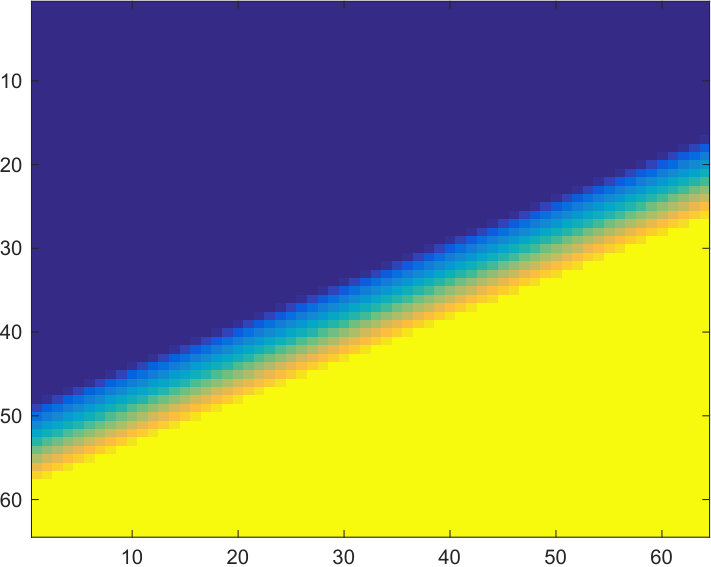 Figure 5
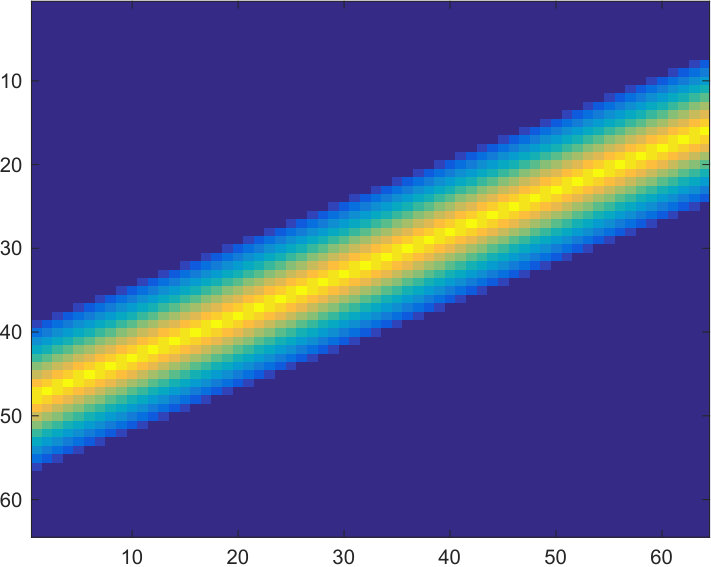 Figure 6
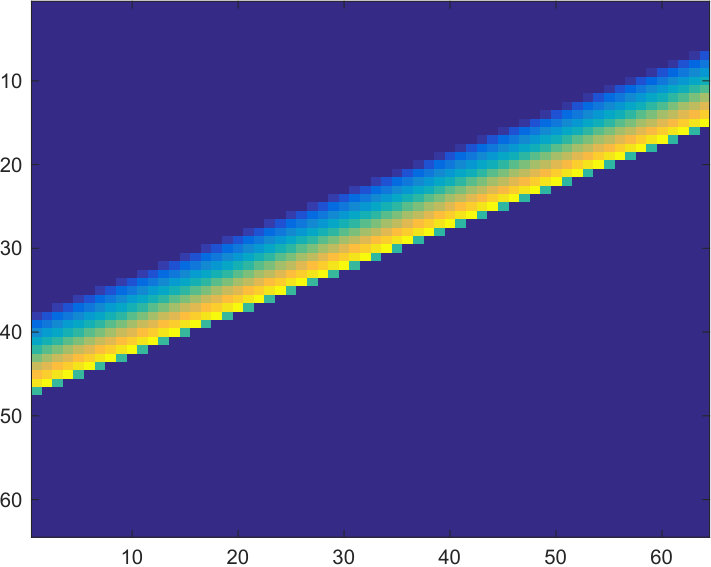 Figure 7
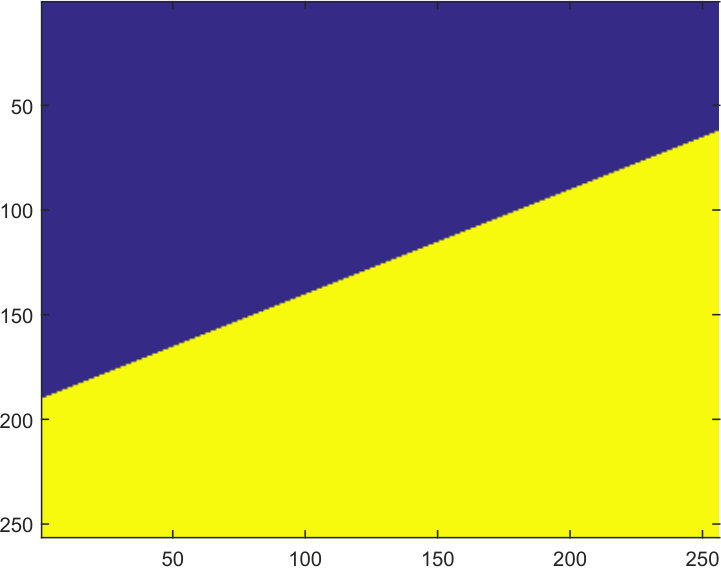 Figure 8
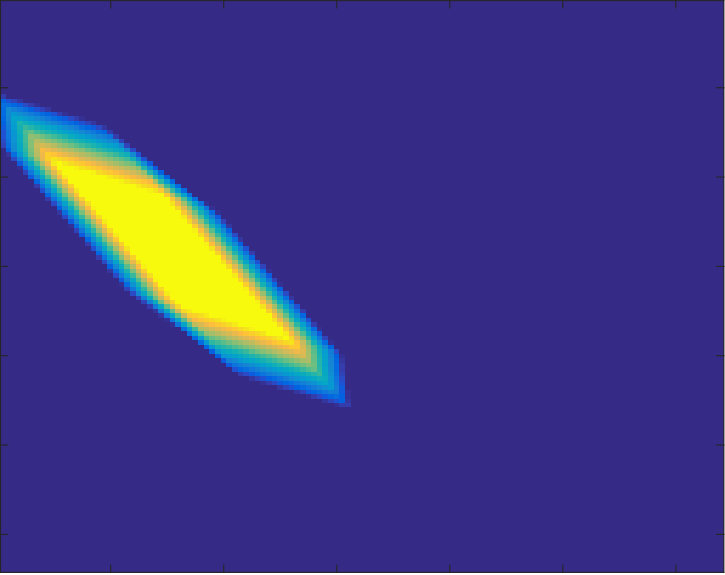 Figure 9
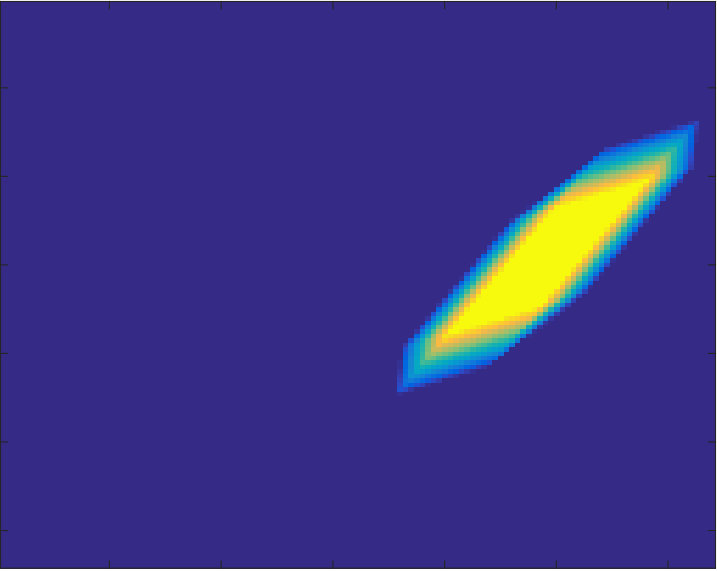 Figure 10
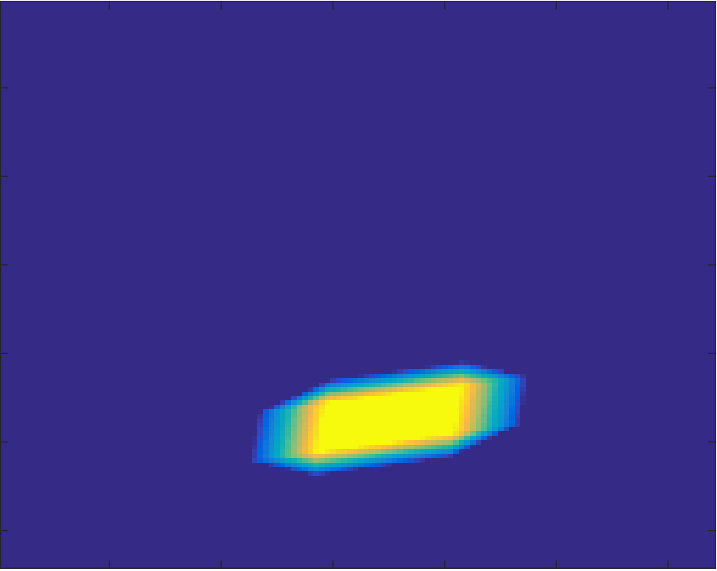 Figure 11
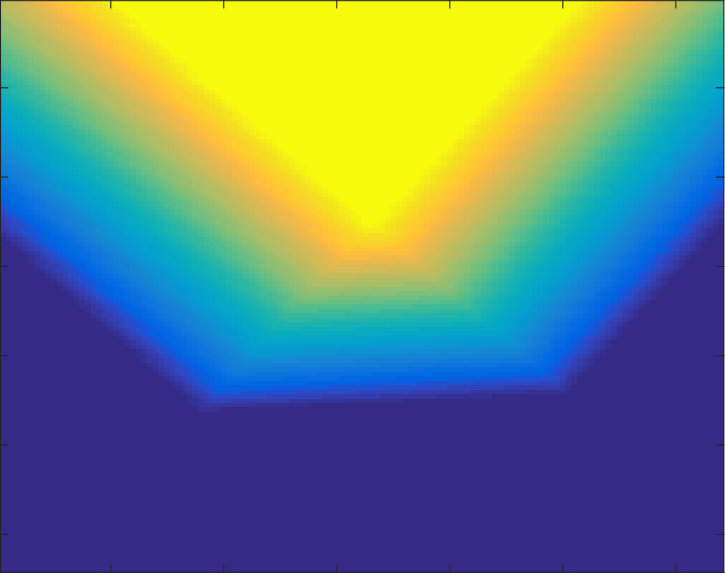 Figure 12
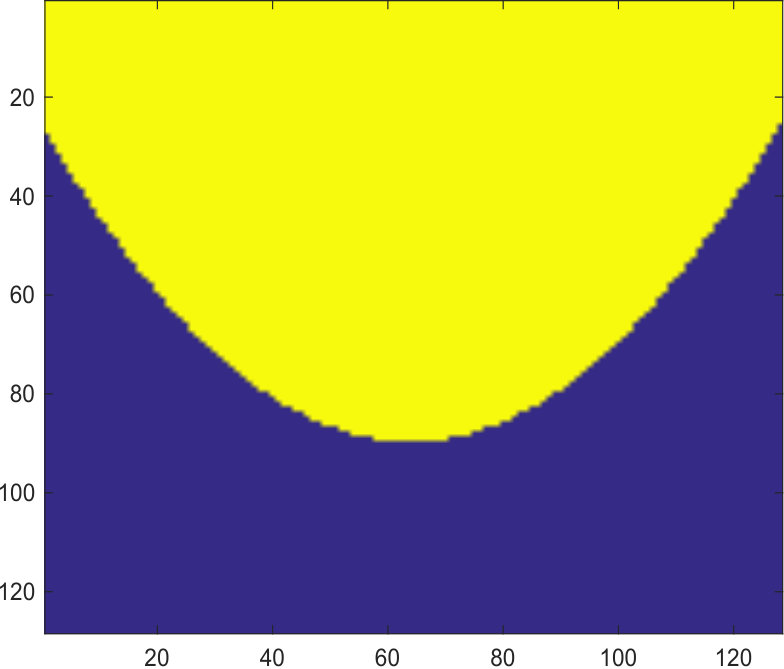 Figure 13
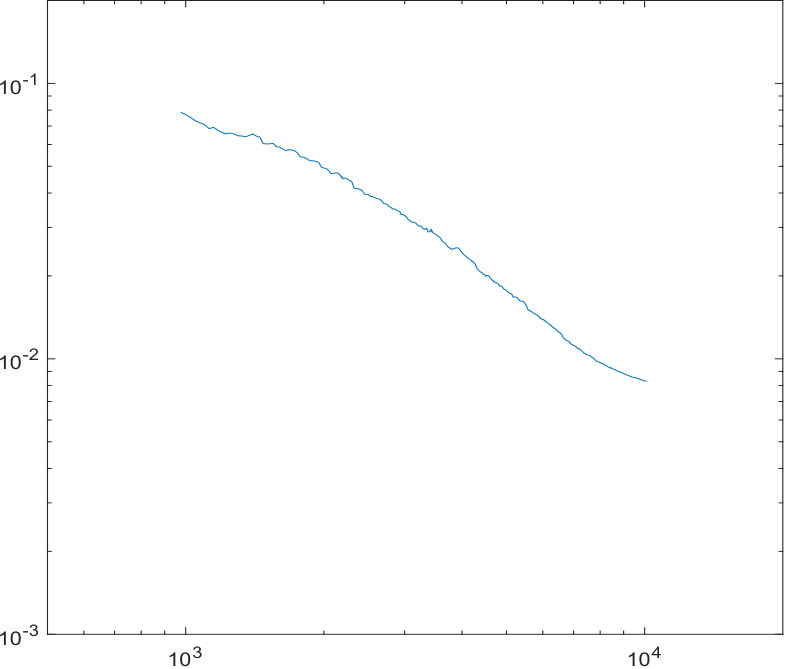 Figure 14
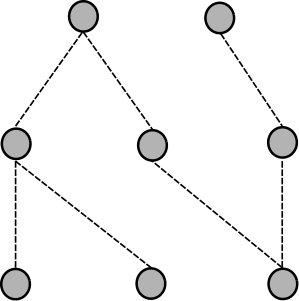 Figure 15
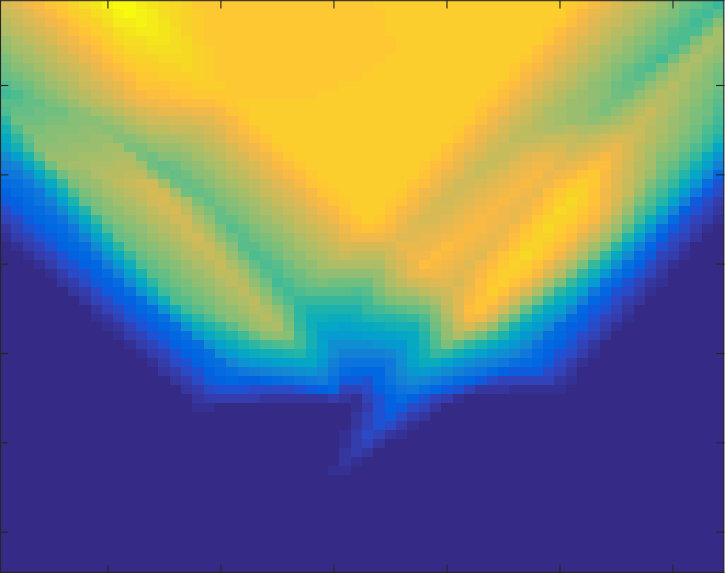 Figure 16
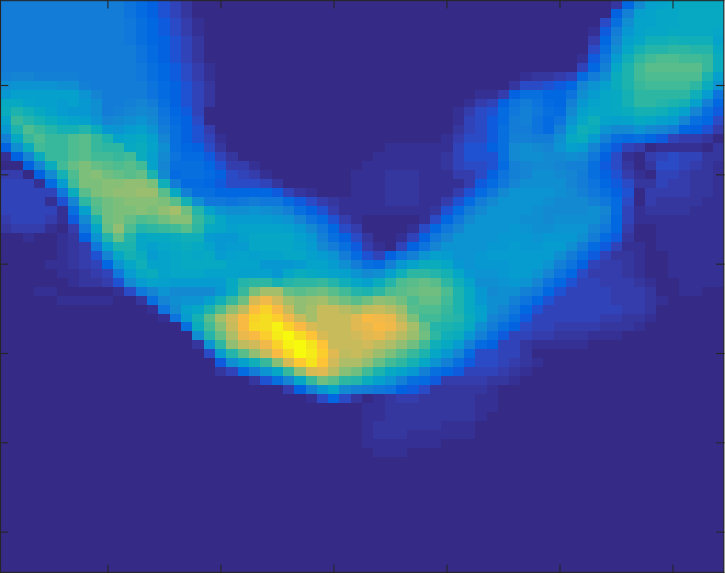 Figure 17
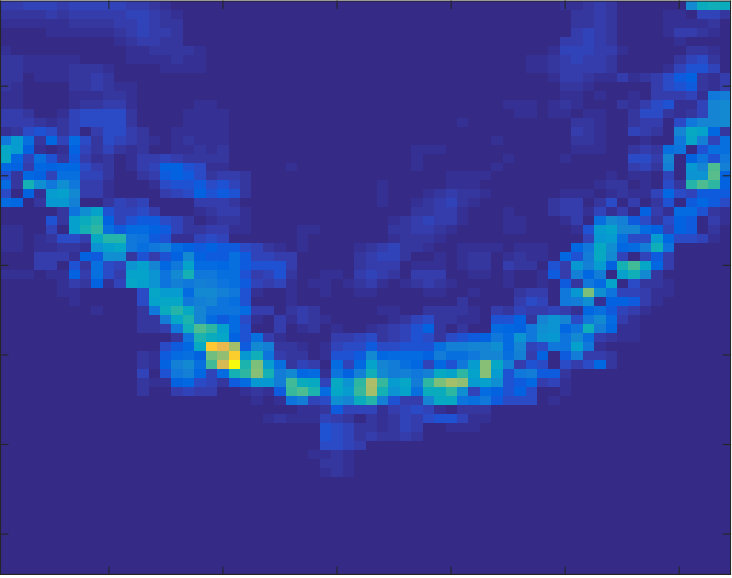 Figure 18
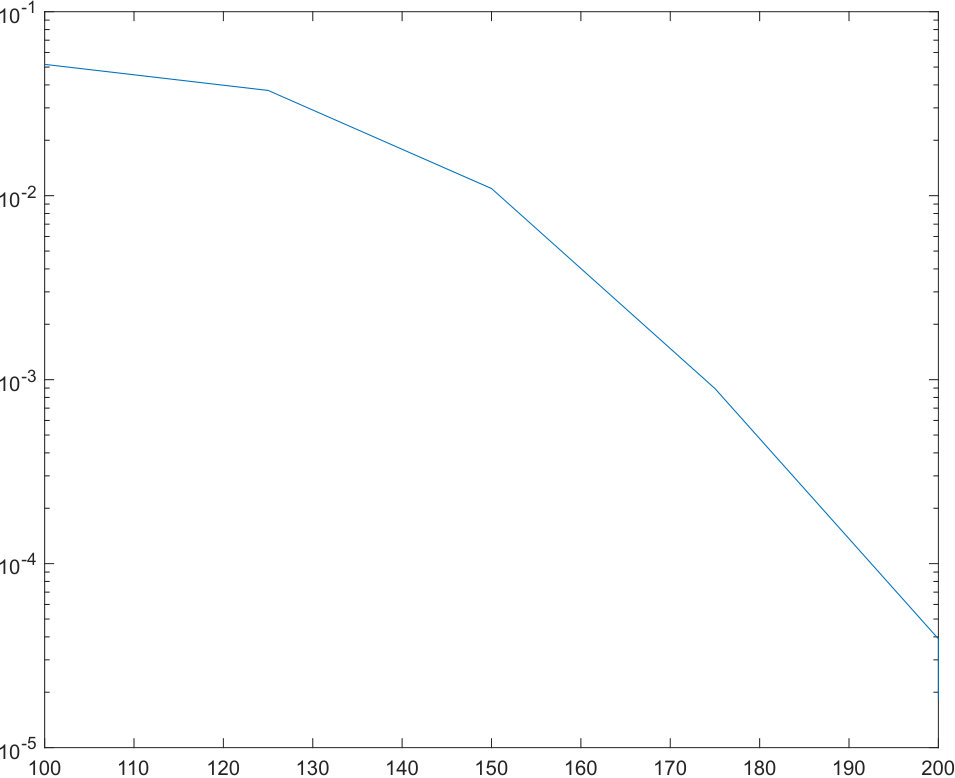 Figure 19
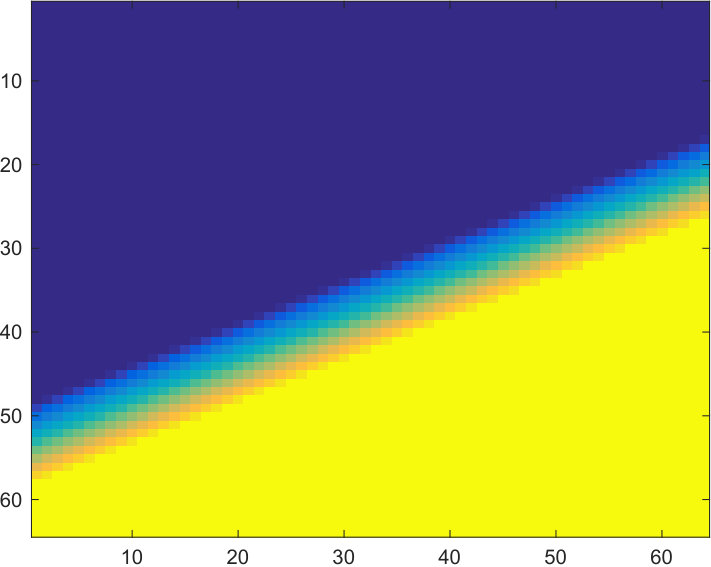 Figure 20
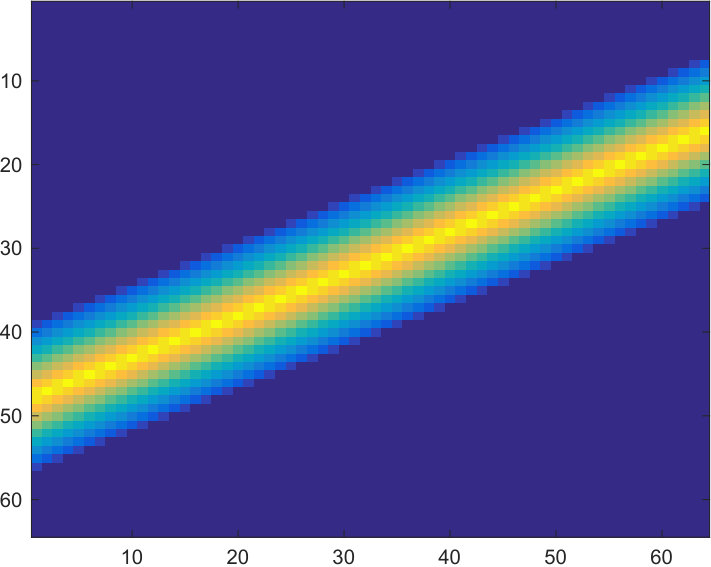 Figure 21
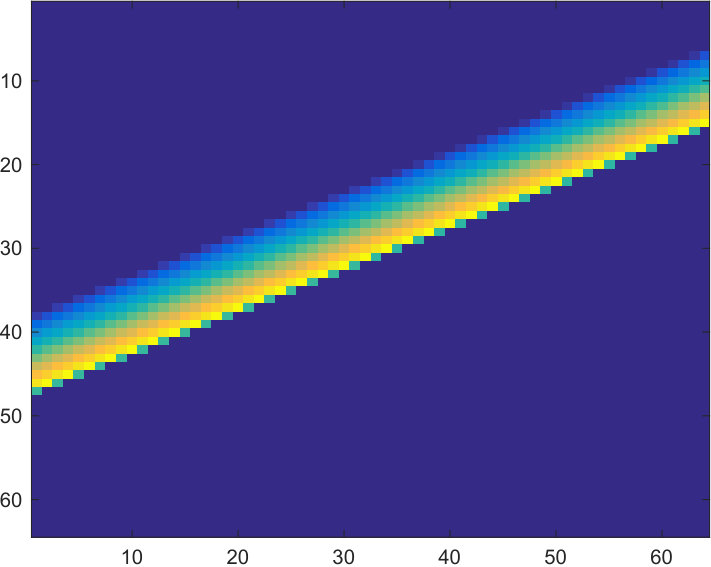 Figure 22
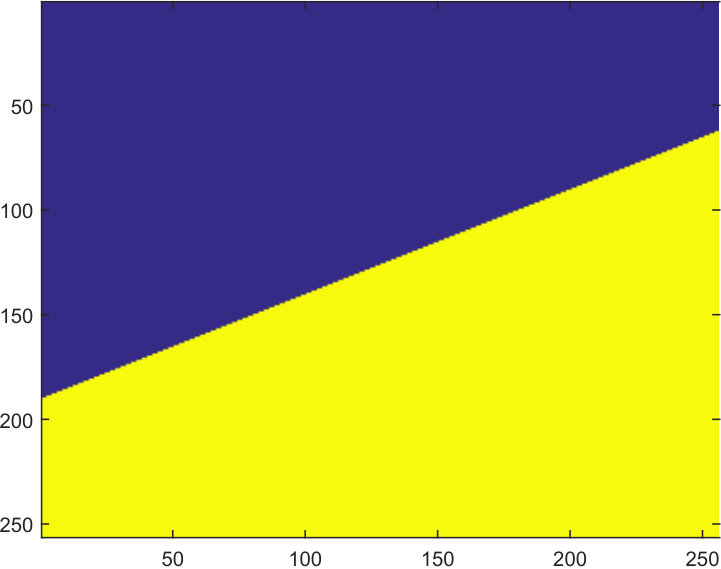 Figure 23
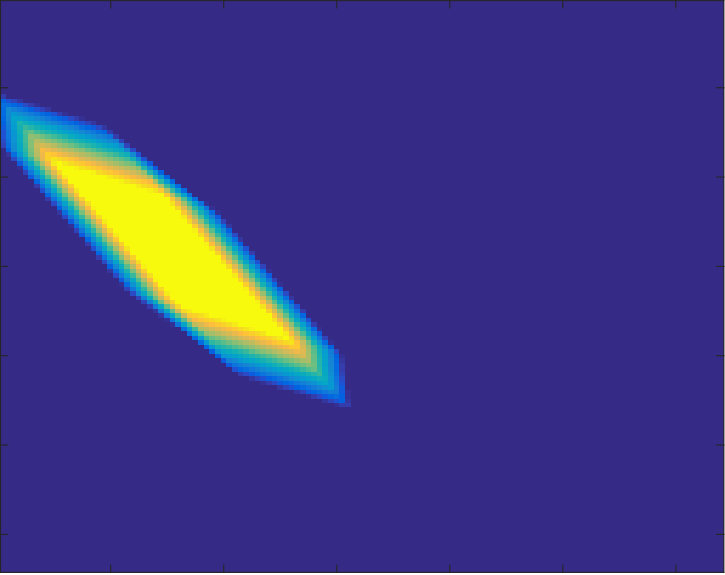 Figure 24
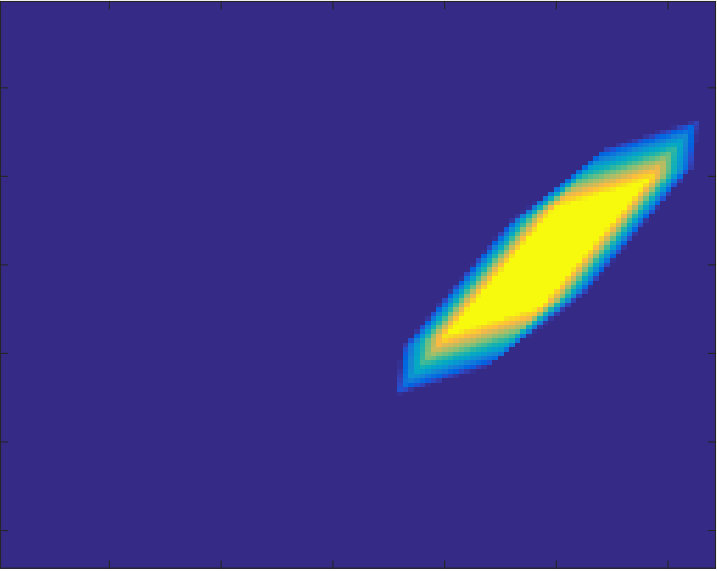 Figure 25
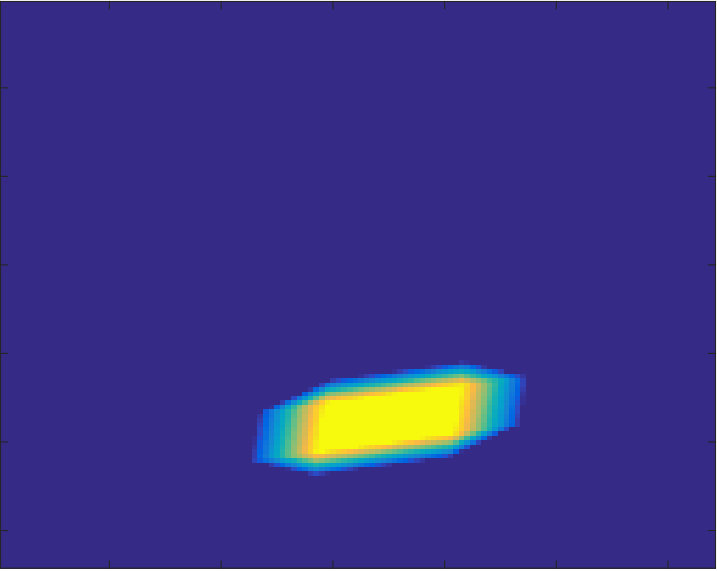 Figure 26
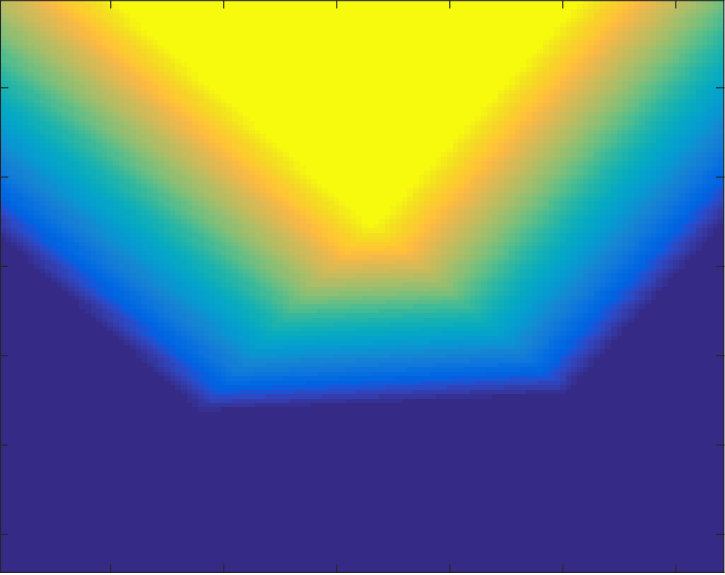 Figure 27
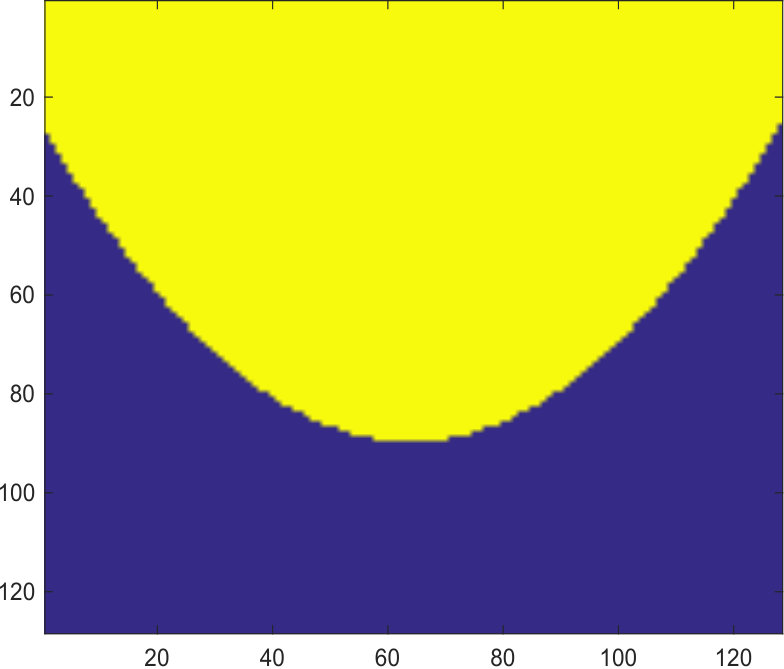 Figure 28
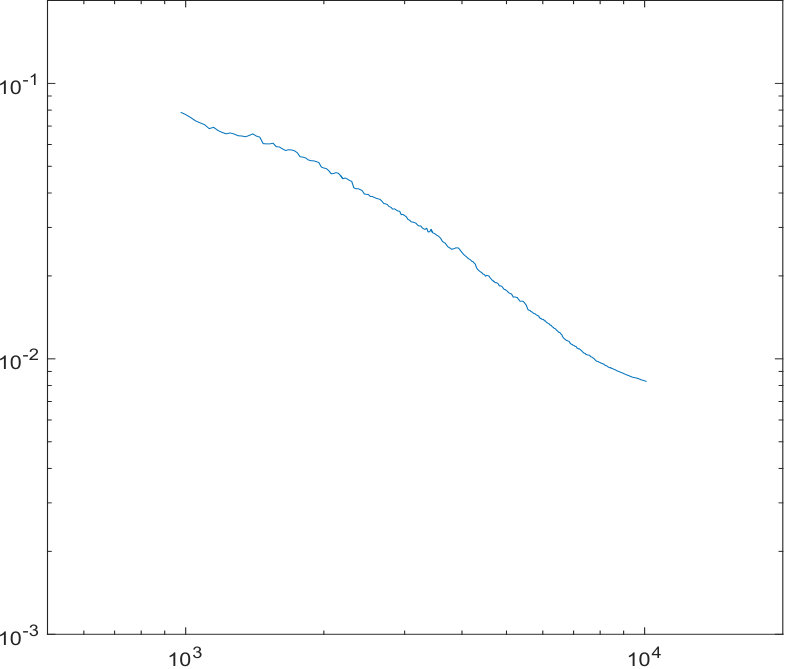 Figure 29
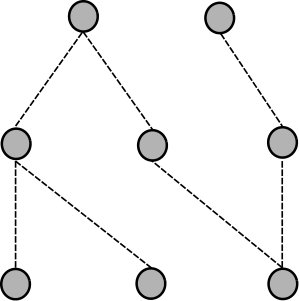 Figure 30
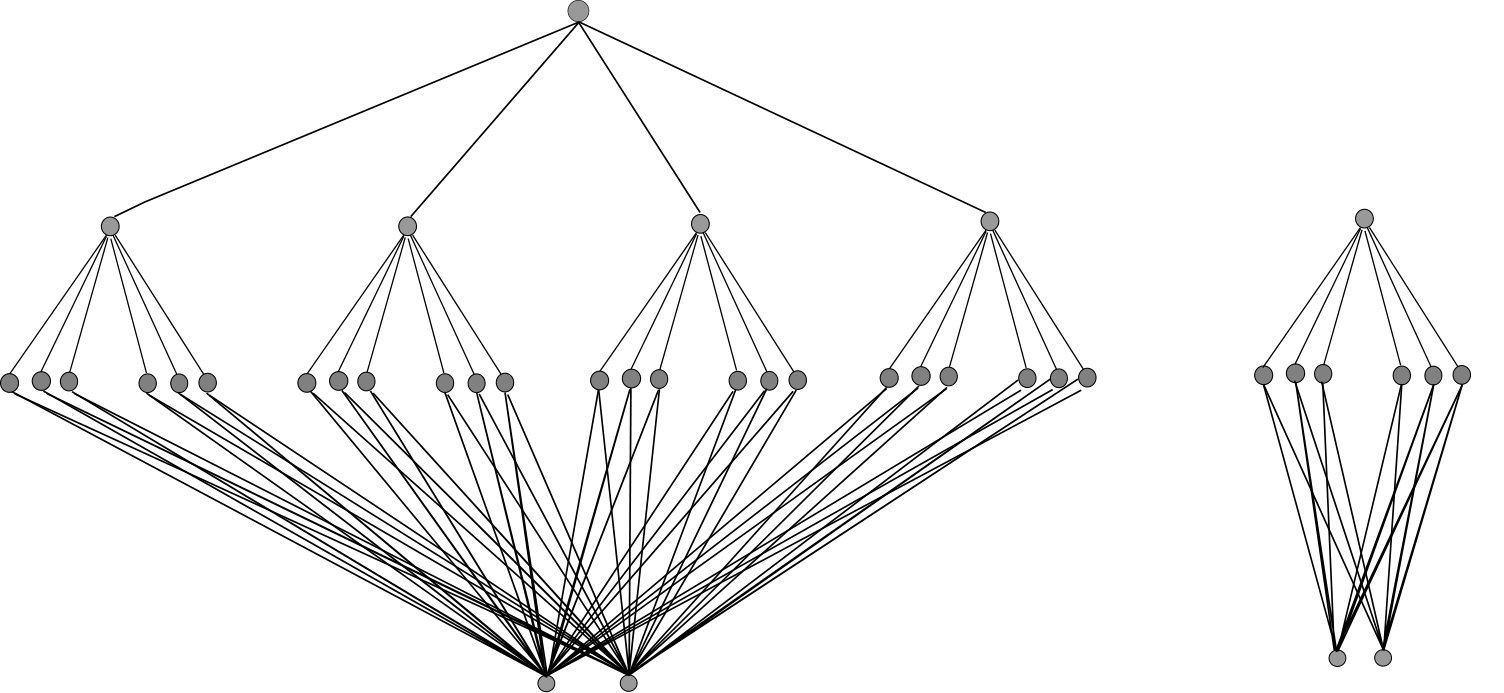 Figure 31
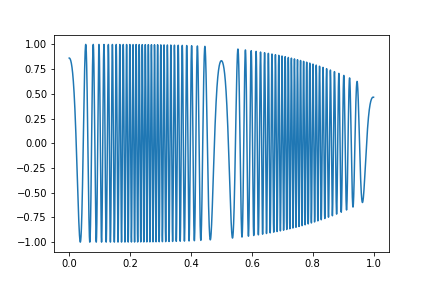 Figure 32
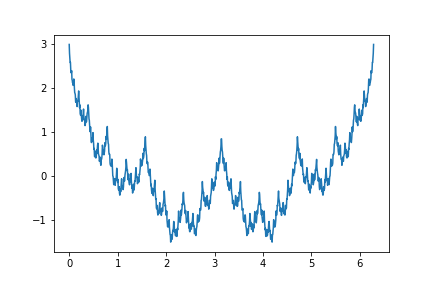 Figure 33
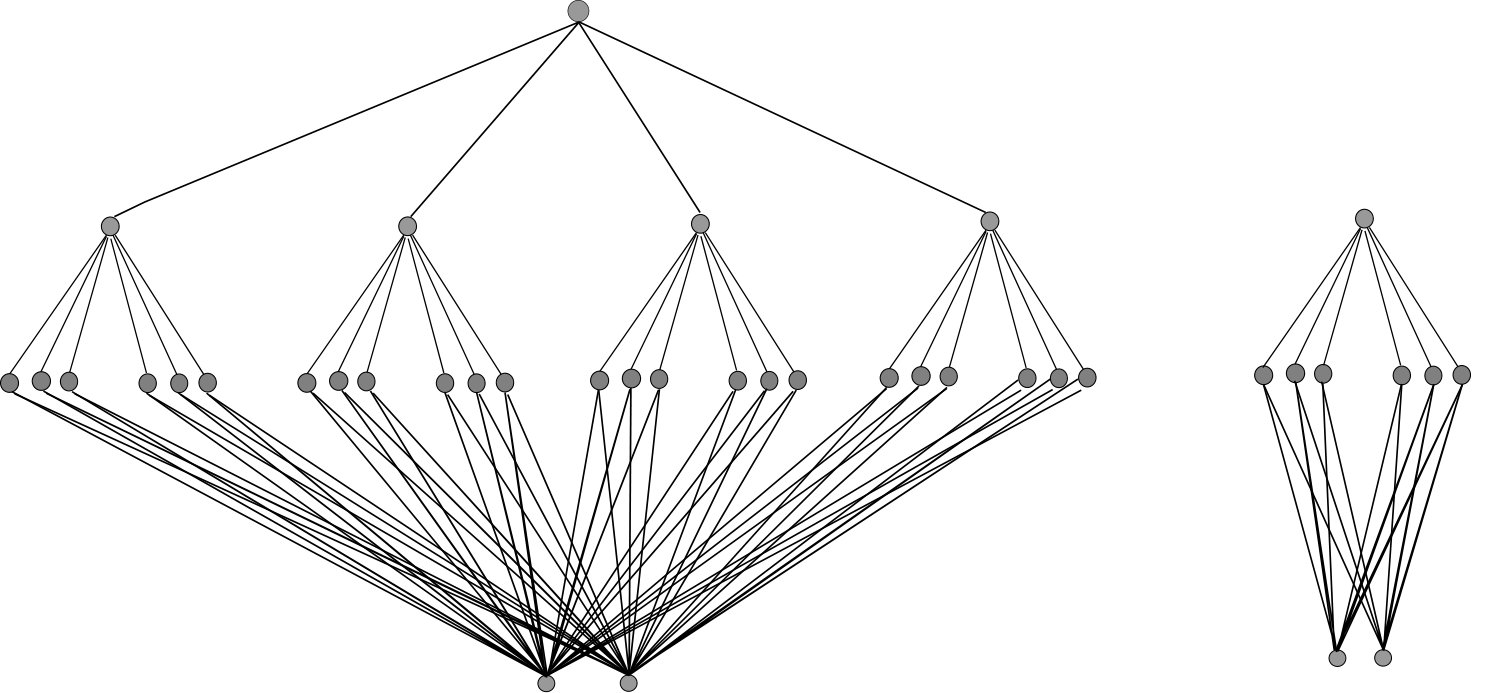 Figure 34
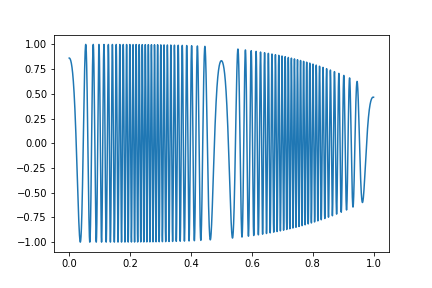 Figure 35
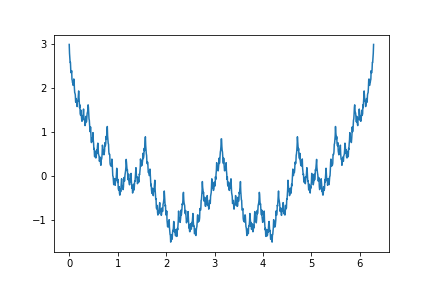 Figure 36
Peer Reviews
No public reviews on file for this paper yet. If you reviewed it on a platform where reviews are public (OpenReview, ICLR, NeurIPS, ICML), you can paste yours below so the community can read it here.
Videos
No videos yet. Explain this paper in a talk, walkthrough, or lecture? Add one.