Theory of the Spatial Transfer of Interface-Nucleated Changes of Dynamical Constraints and Its Consequences in Glass-Forming Films
Anh D. Phan, Kenneth S. Schweizer

TL;DR
This paper develops a new theory describing how surface-induced changes in the dynamic constraints of glass-forming liquids are spatially transferred into the film interior, with implications for understanding surface effects in glassy materials.
Contribution
It introduces a novel exponential spatial transfer model of caging constraints in glass-forming films based on the dynamic free energy concept, applicable to various interfaces.
Findings
Dynamic free energy varies exponentially with distance from the interface.
The theory matches well with experimental and simulation data for vapor interfaces.
Spatial gradients of dynamical properties depend on interface type and volume fraction.
Abstract
We formulate a new theory for how caging constraints in glass-forming liquids at a surface or interface are modified and then spatially transferred, in a layer-by-layer bootstrapped manner, into the film interior in the context of the dynamic free energy concept of the Nonlinear Langevin Equation theory approach. The dynamic free energy at any mean location involves contributions from two adjacent layers where confining forces are not the same. At the most fundamental level of the theory, the caging component of the dynamic free energy varies essentially exponentially with distance from the interface, saturating deep enough into the film with a correlation length of modest size and weak sensitivity to thermodynamic state. This imparts a roughly exponential spatial variation of all the key features of the dynamic free energy required to compute gradients of dynamical quantities including…
Click any figure to enlarge with its caption.
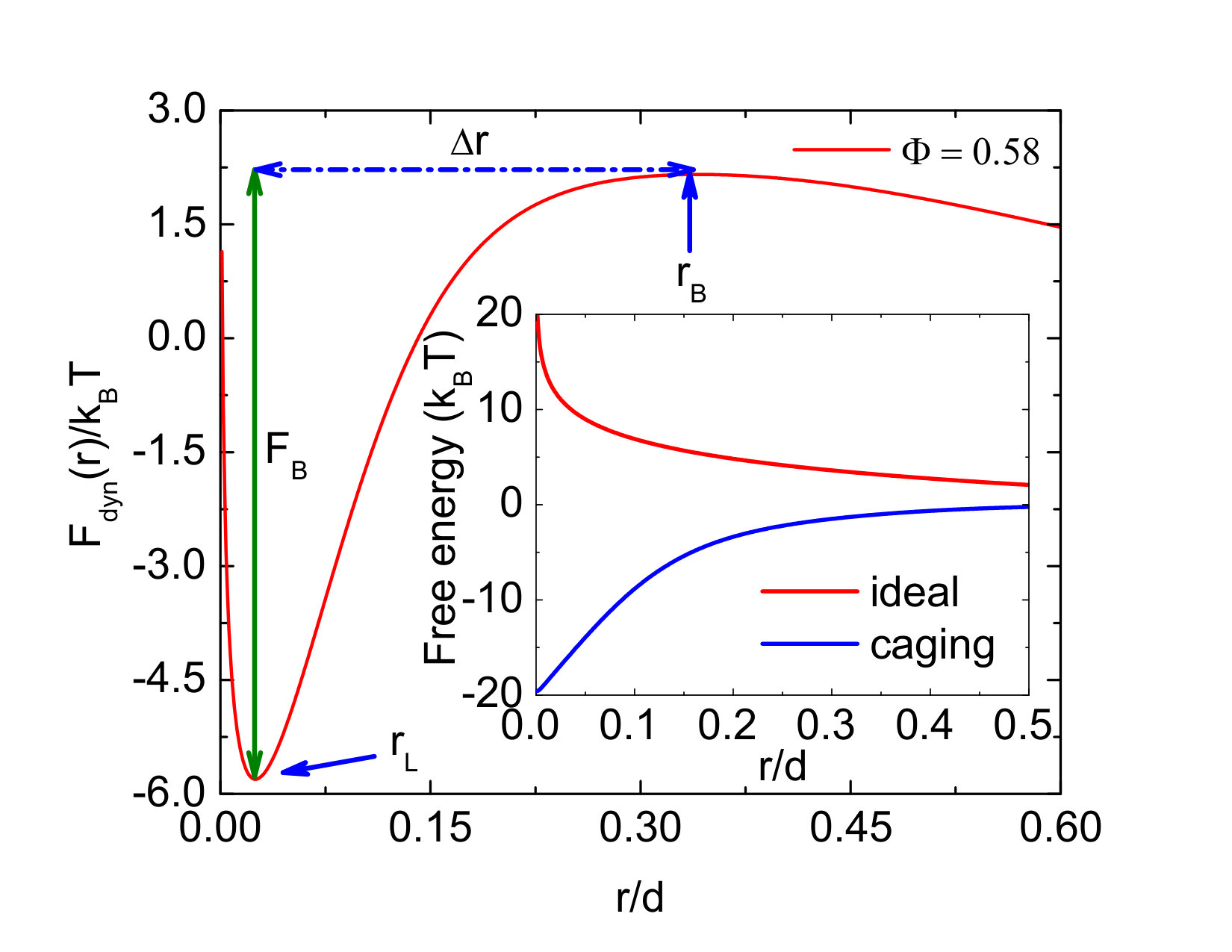 Figure 1
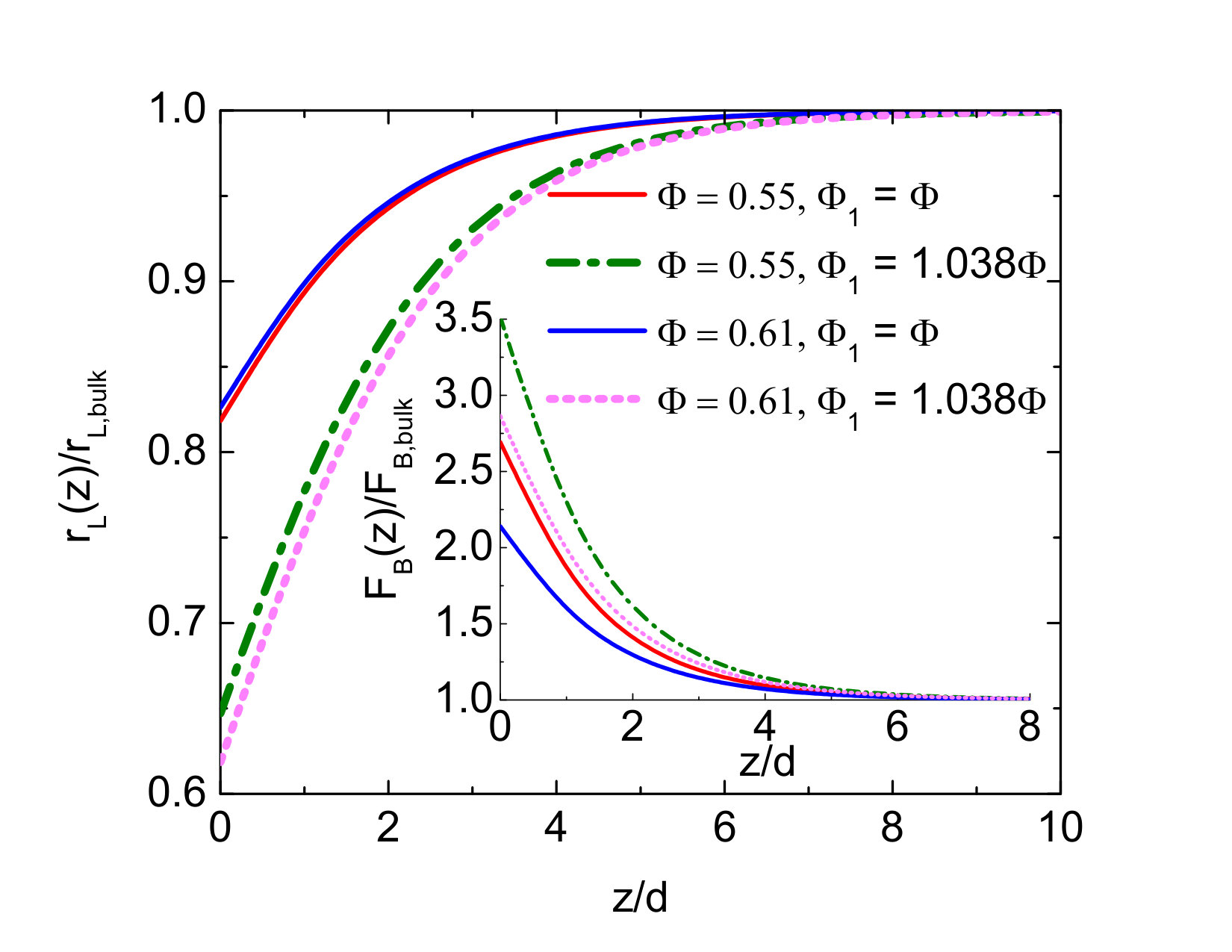 Figure 10
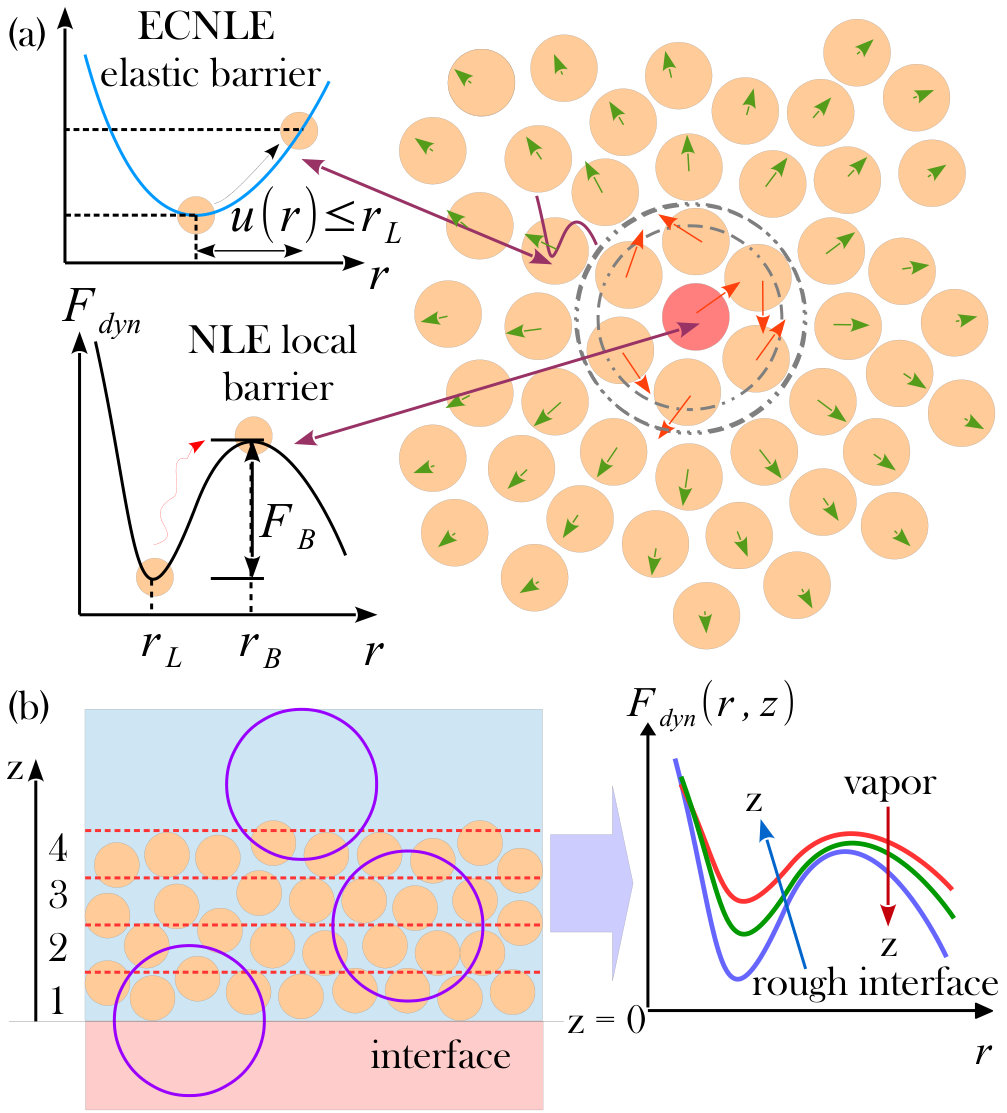 Figure 2
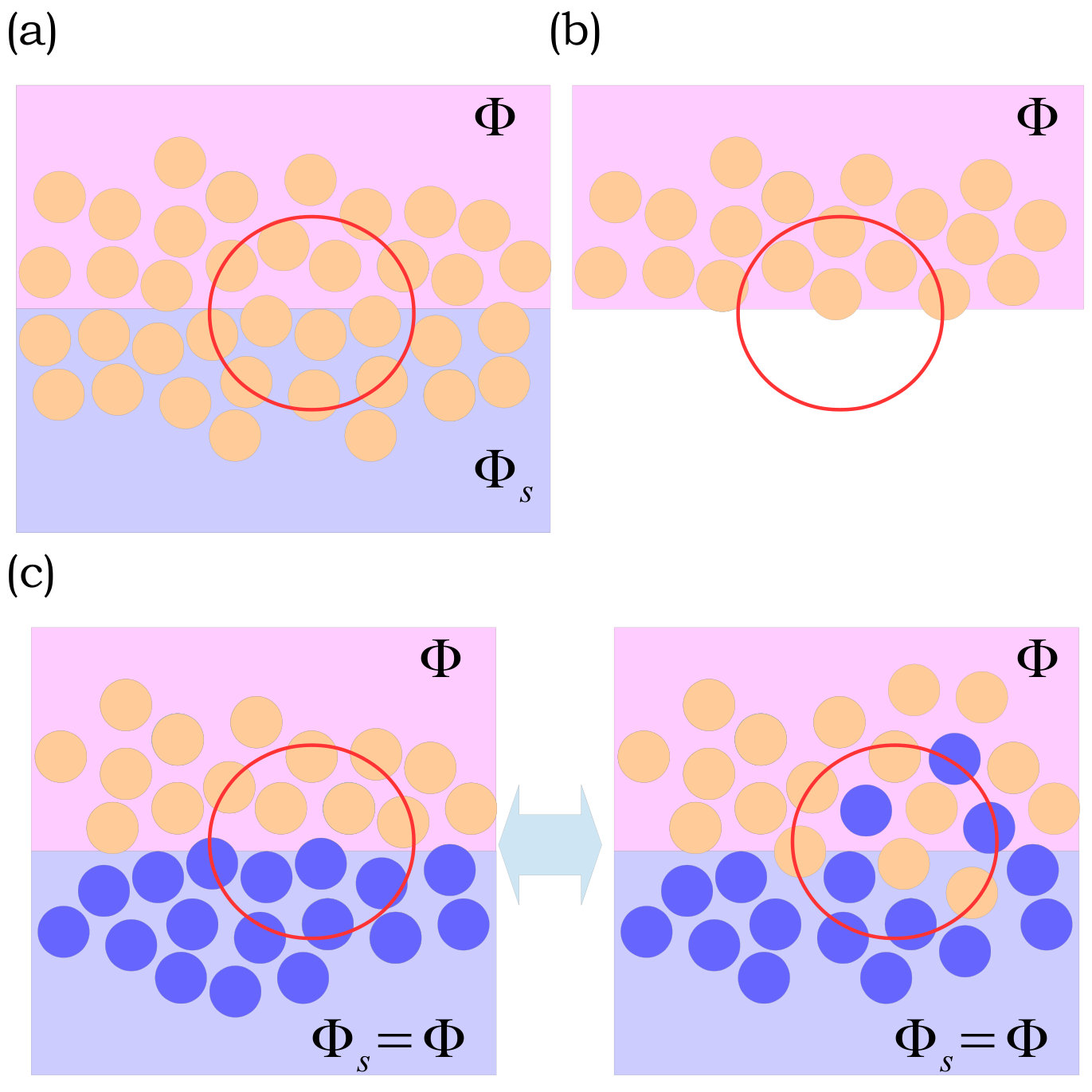 Figure 3
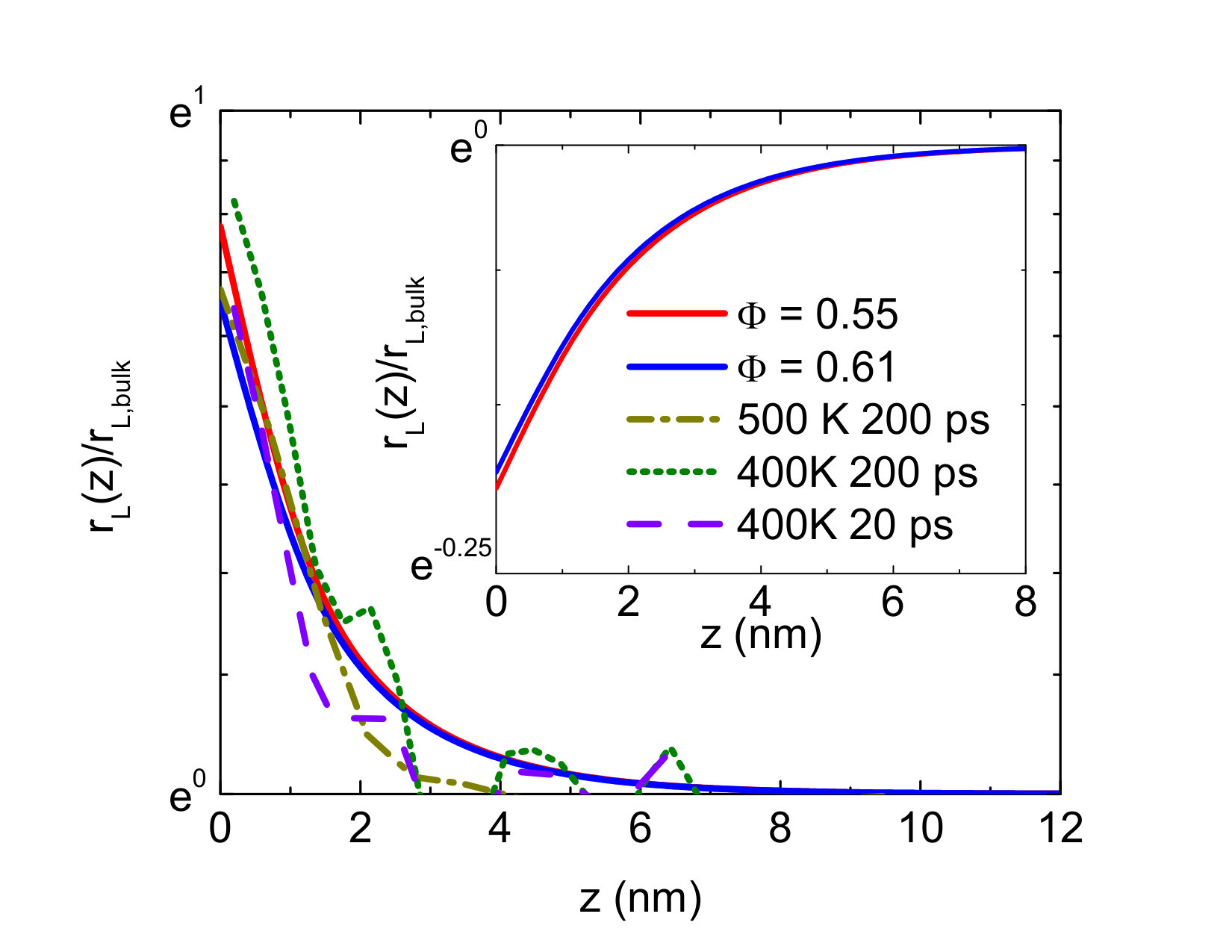 Figure 4
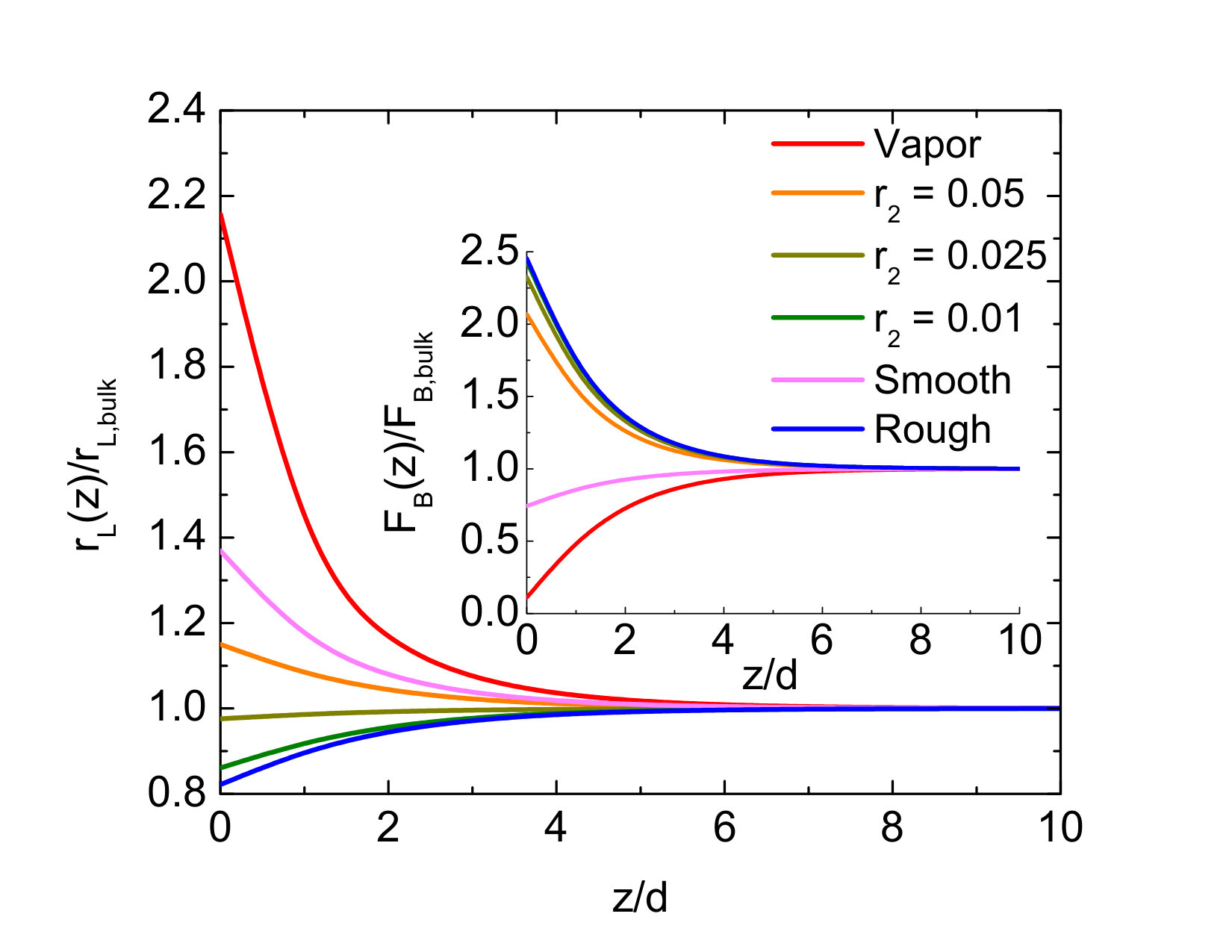 Figure 5
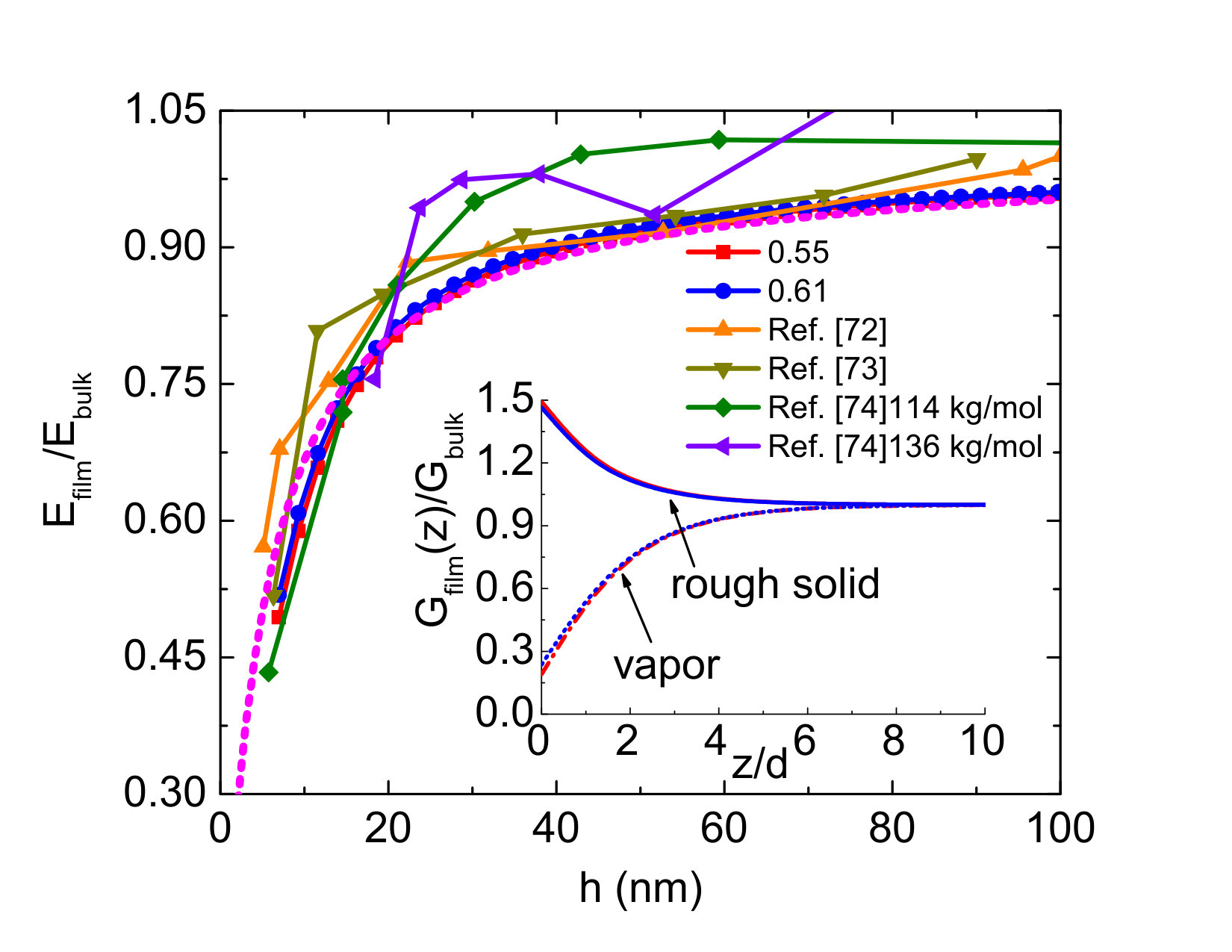 Figure 6
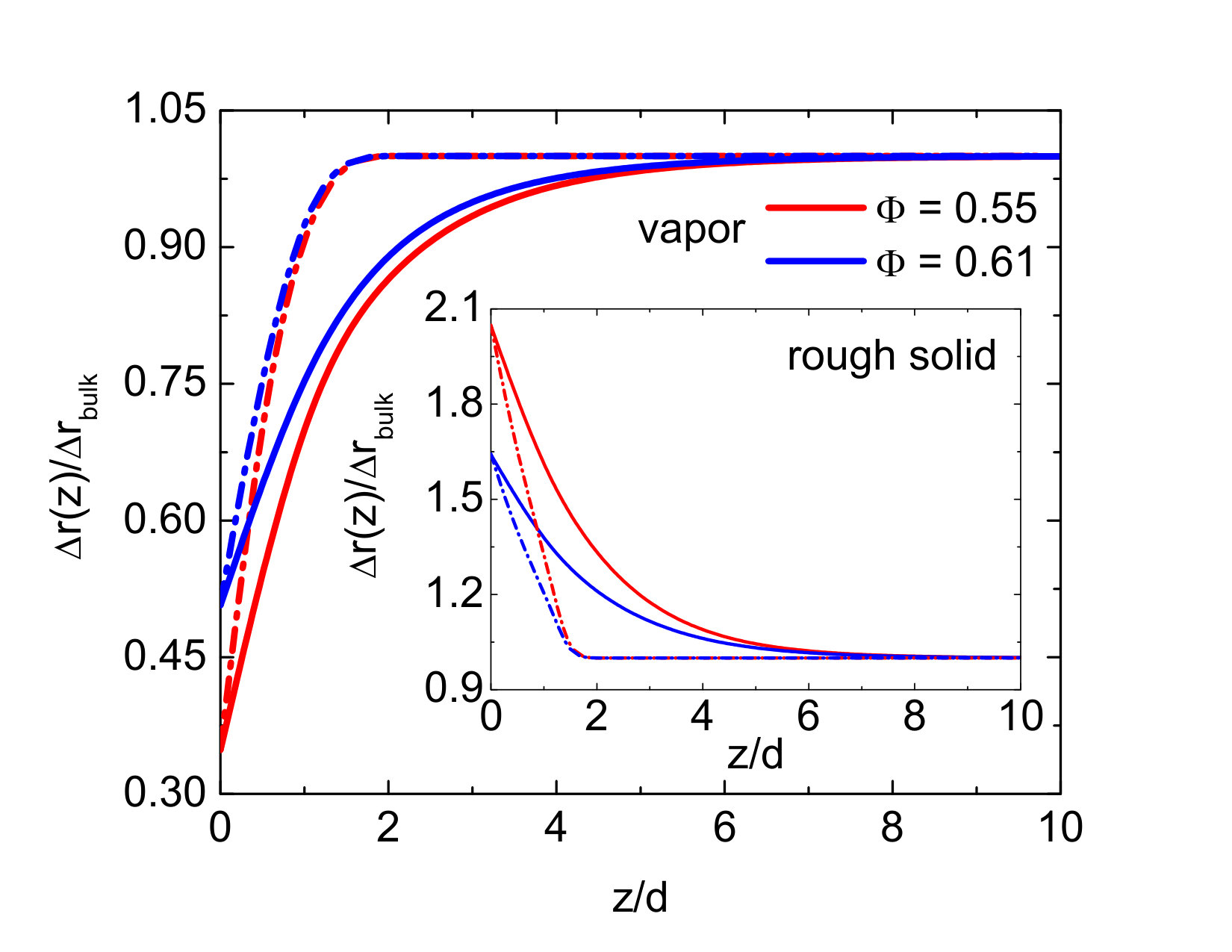 Figure 7
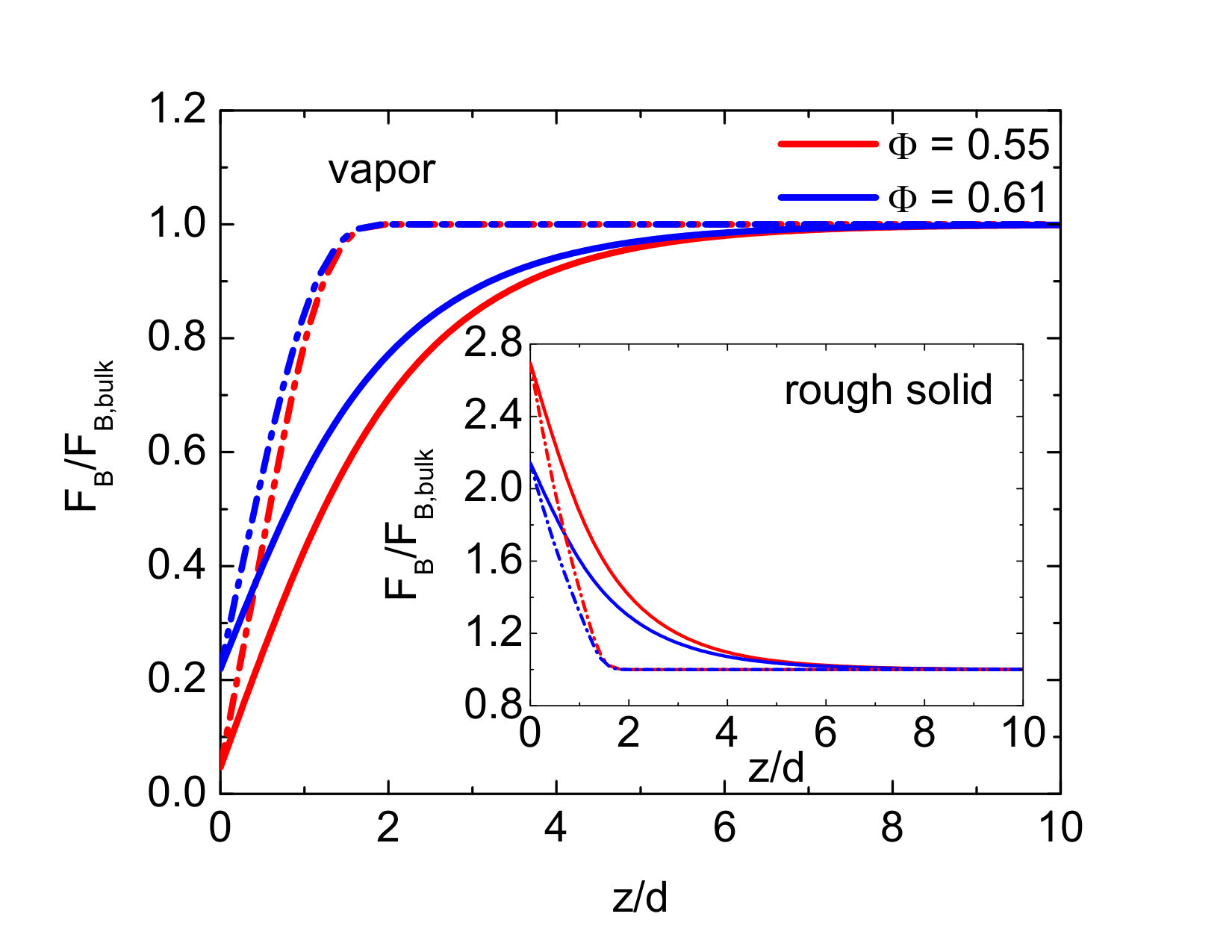 Figure 8
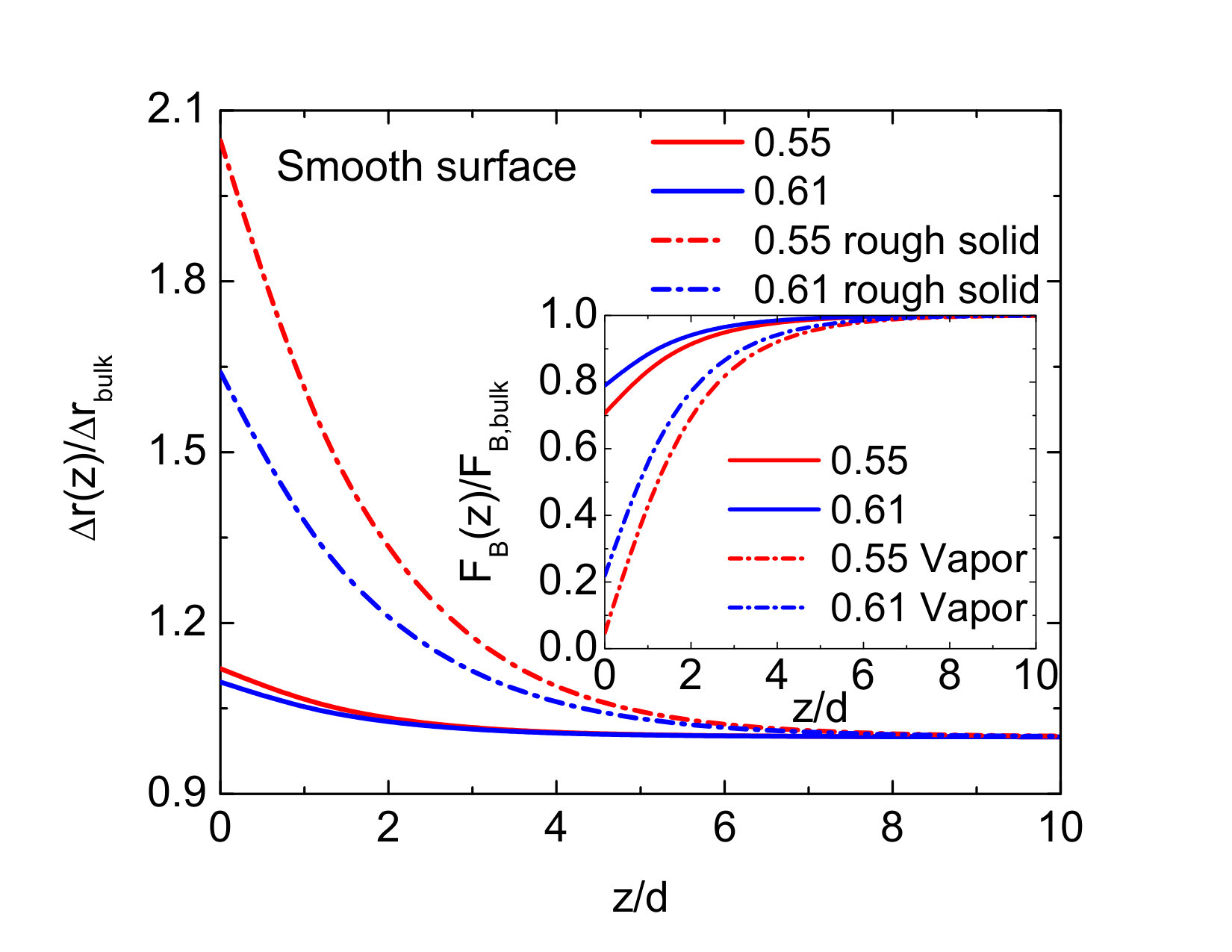 Figure 9
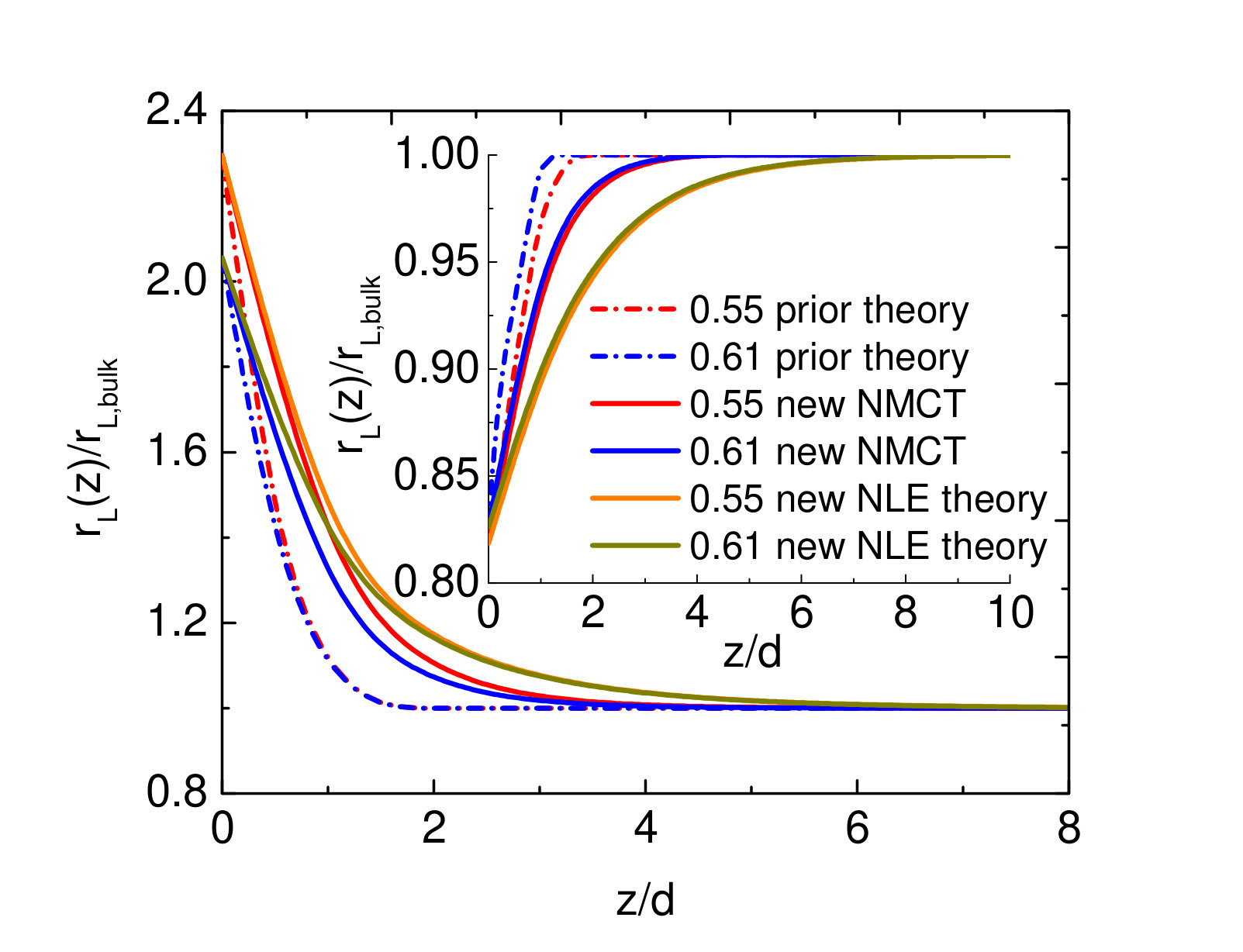 Figure 11
Peer Reviews
No public reviews on file for this paper yet. If you reviewed it on a platform where reviews are public (OpenReview, ICLR, NeurIPS, ICML), you can paste yours below so the community can read it here.
Videos
No videos yet. Explain this paper in a talk, walkthrough, or lecture? Add one.