A Curved 150 Parsec Long Jet in the Double-Peaked Emission-Line AGN KISSR 434
Preeti Kharb (NCRA-TIFR), Sravani Vaddi (NCRA-TIFR), Biny Sebastian, (NCRA-TIFR), Smitha Subramanian (IIA), Mousumi Das (IIA), Zsolt Paragi, (JIVE)

TL;DR
This study presents VLBI observations of the Seyfert galaxy KISSR 434, revealing a 150 parsec curved jet likely caused by precession, with implications for understanding AGN emission line features and jet dynamics.
Contribution
First high-resolution VLBI imaging of KISSR 434 showing a long, curved jet, suggesting precession possibly due to a binary black hole or warped disk, and analyzing ionization mechanisms in the emission lines.
Findings
Detected a 150 parsec curved jet in KISSR 434
Jet likely precessing due to binary black hole or warped disk
AGN photoionization explains emission line ratios, not shocks
Abstract
Double-peaked emission lines in the narrow- and/or broad-line spectra of AGN have been suggested to arise due to disky broad/narrow line regions, jet-medium interaction, or the presence of binary supermassive black holes. We present the results from 1.5 and 4.9 GHz phase-referenced Very Long Baseline Interferometry (VLBI) observations of the Seyfert type 2 galaxy KISSR 434, which exhibits double-peaked emission lines in its optical spectrum. We detect a steep-spectrum (), curved and long (~150 parsec) jet in the VLBI images of KISSR 434. The jet curvature could be a result of precession rather than ram-pressure bending from a rotating ISM. Precession could in turn arise due to a warped accretion disk or the presence of a binary black hole with a separation of 0.015 parsec, not accessible to present day telescopes. An examination of the emission line ratios with the MAPPINGS…
Click any figure to enlarge with its caption.
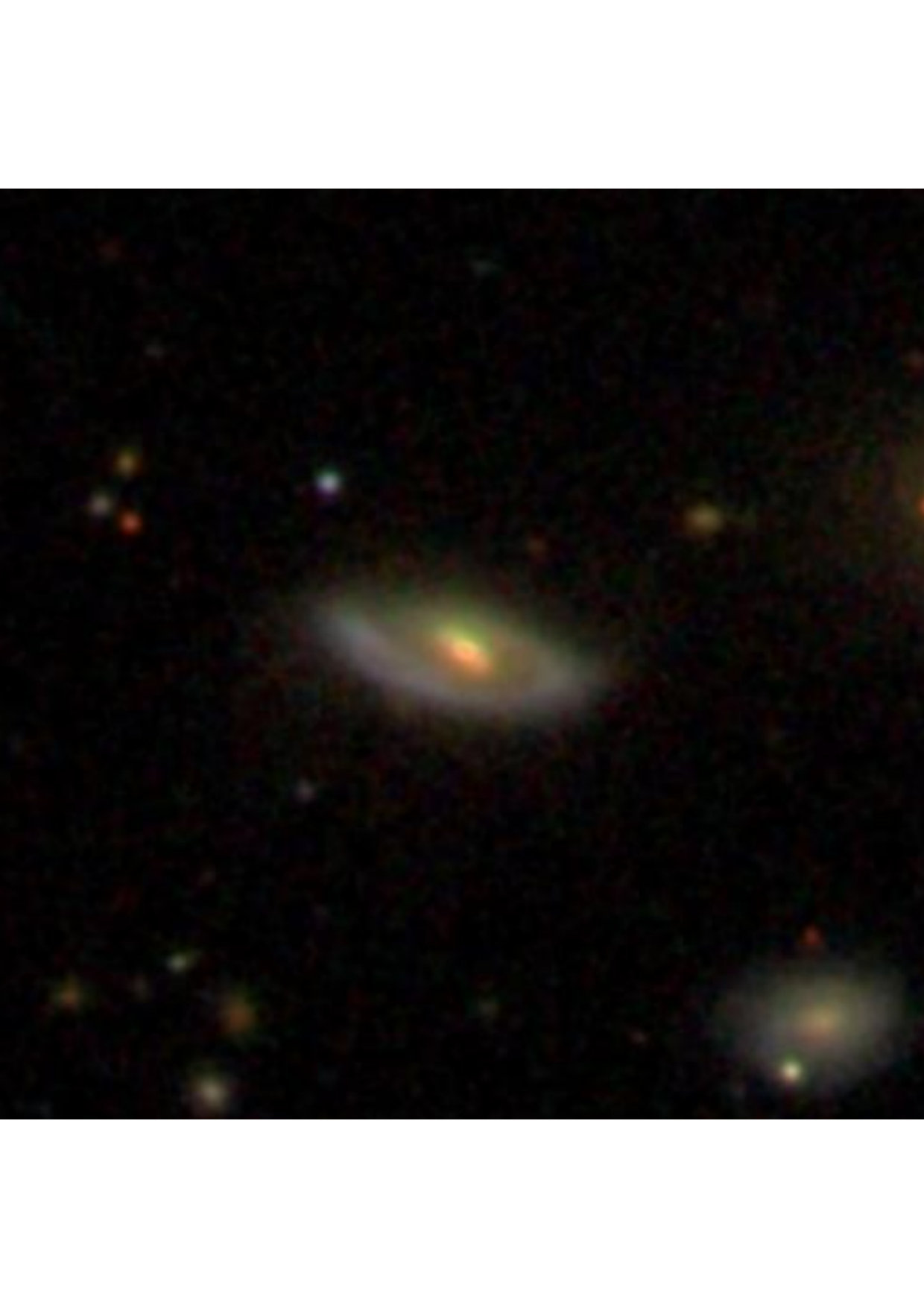 Figure 1
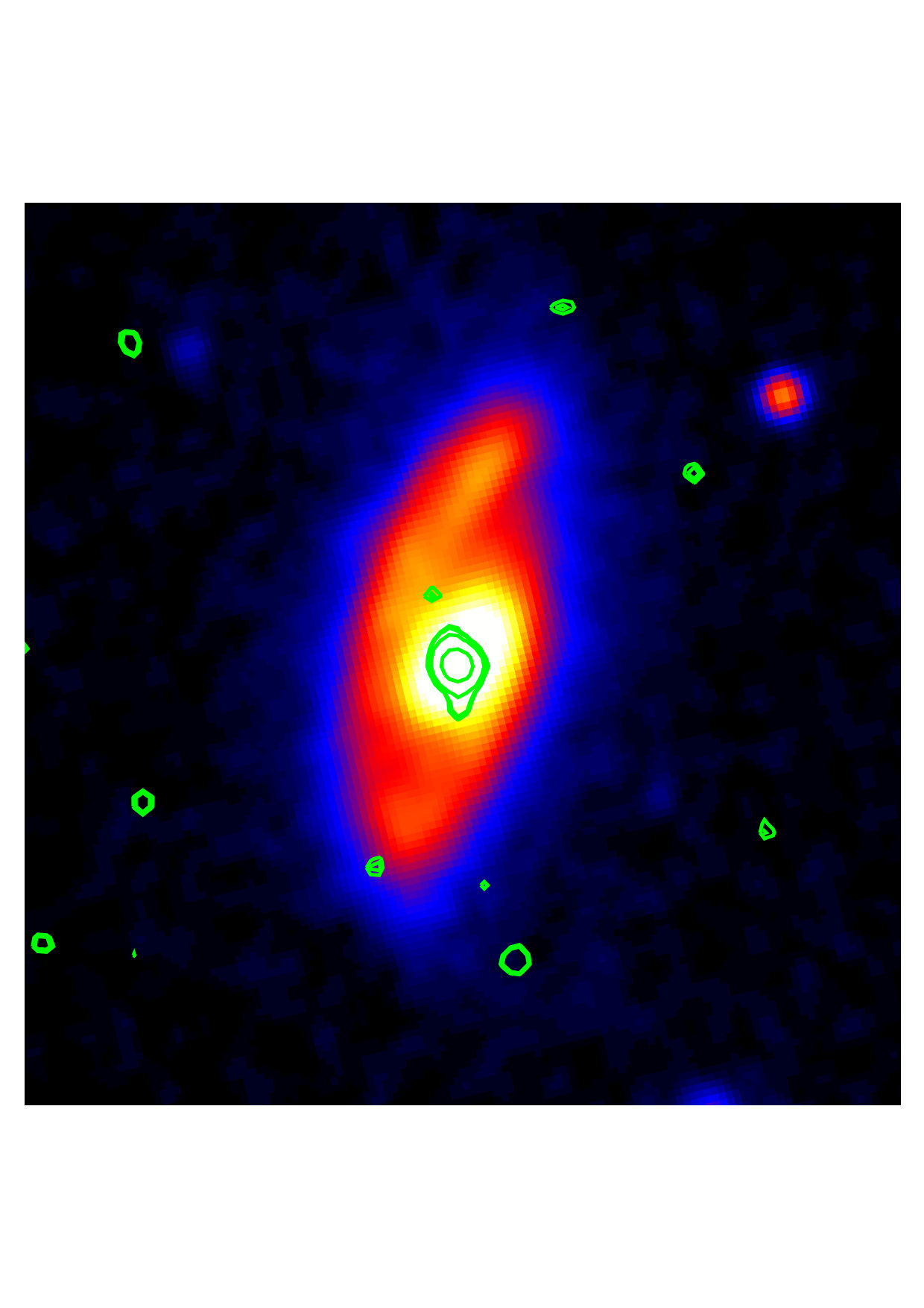 Figure 2
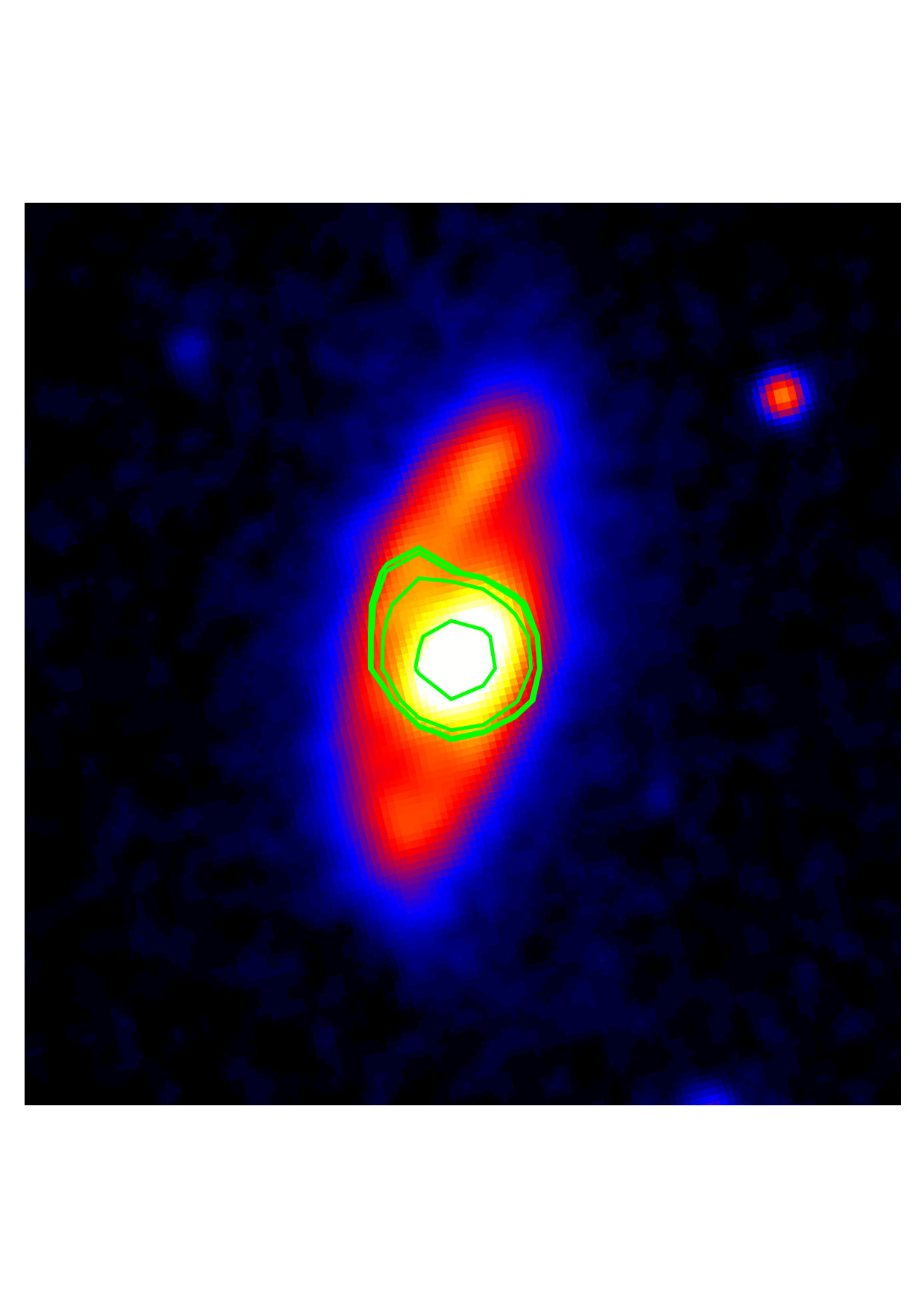 Figure 3
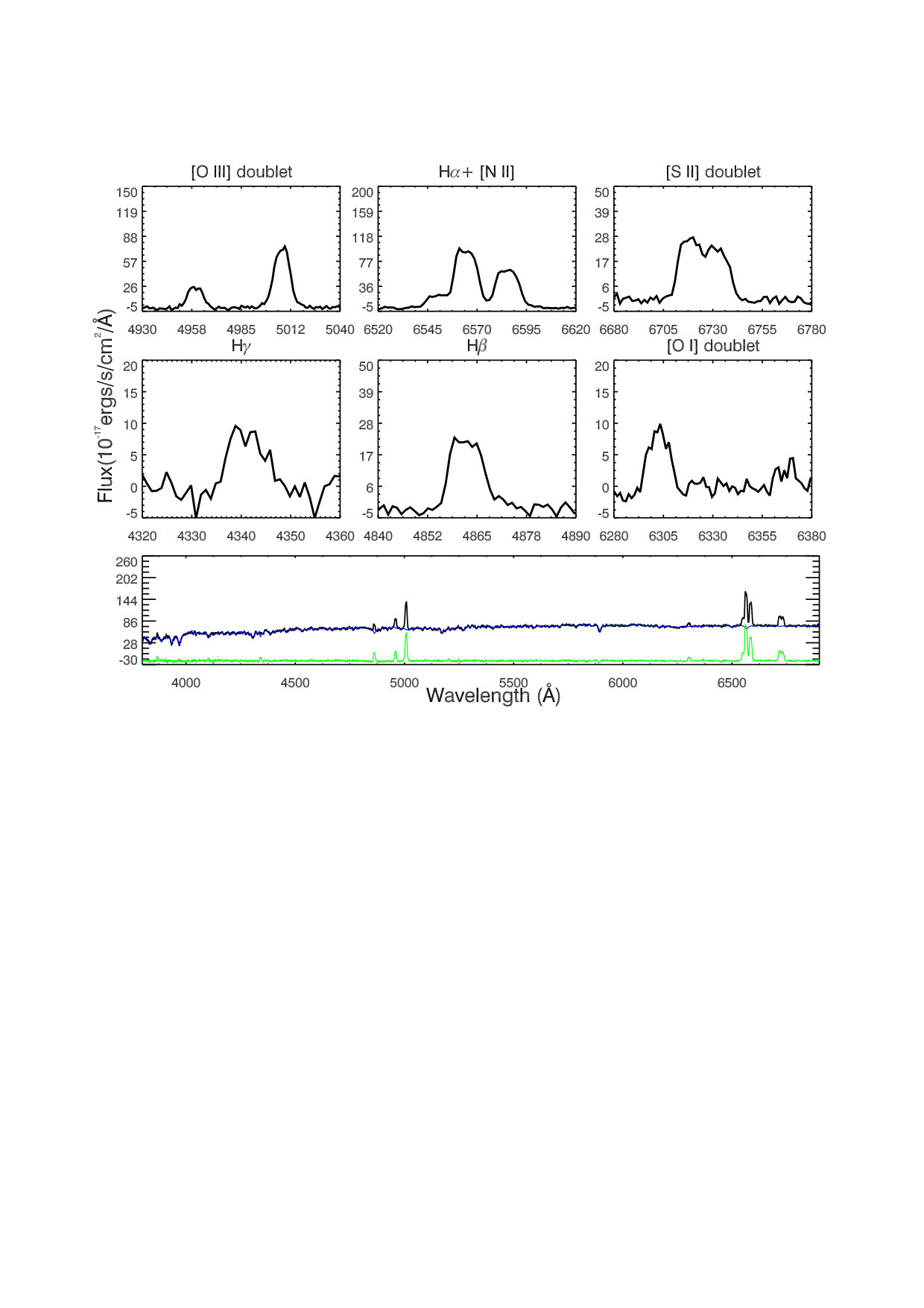 Figure 4
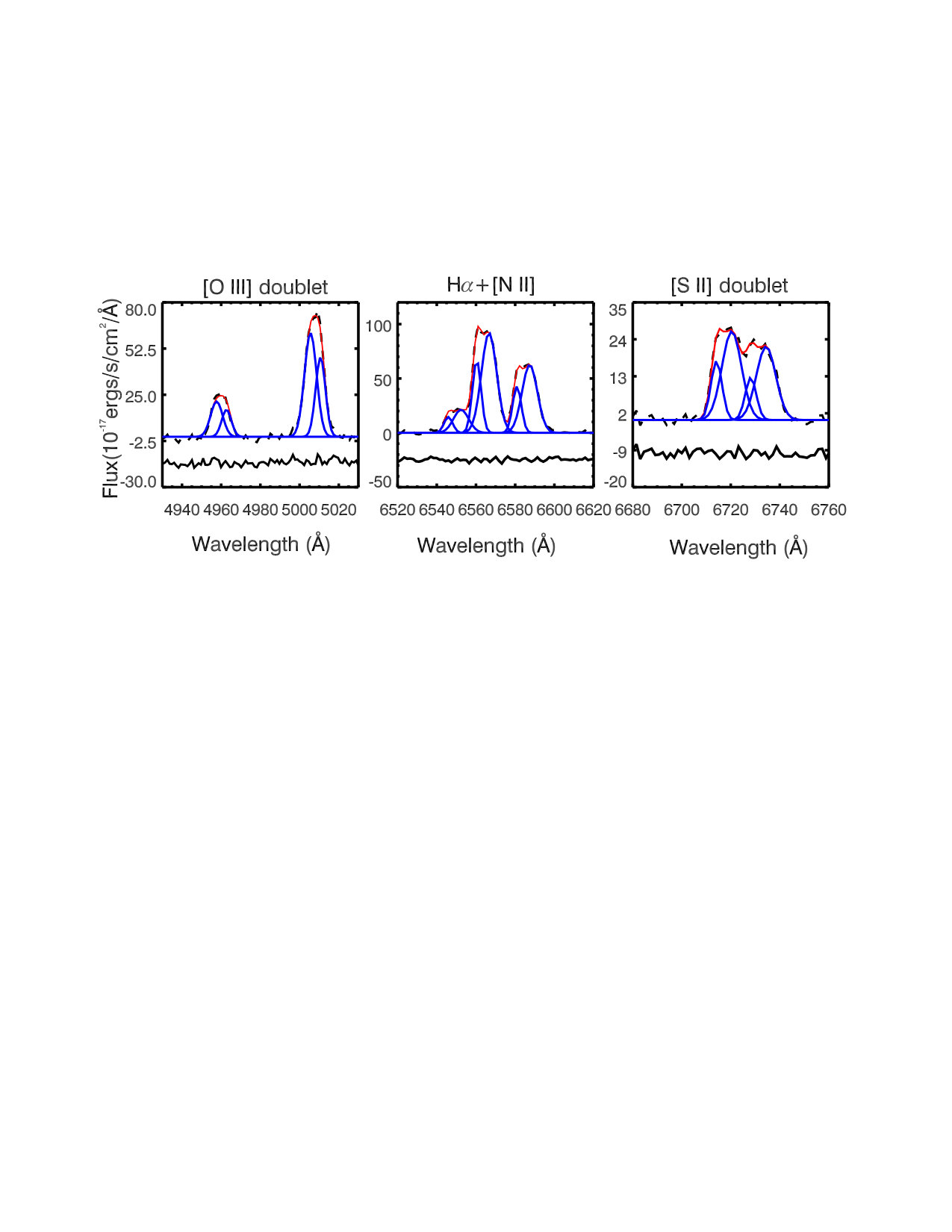 Figure 5
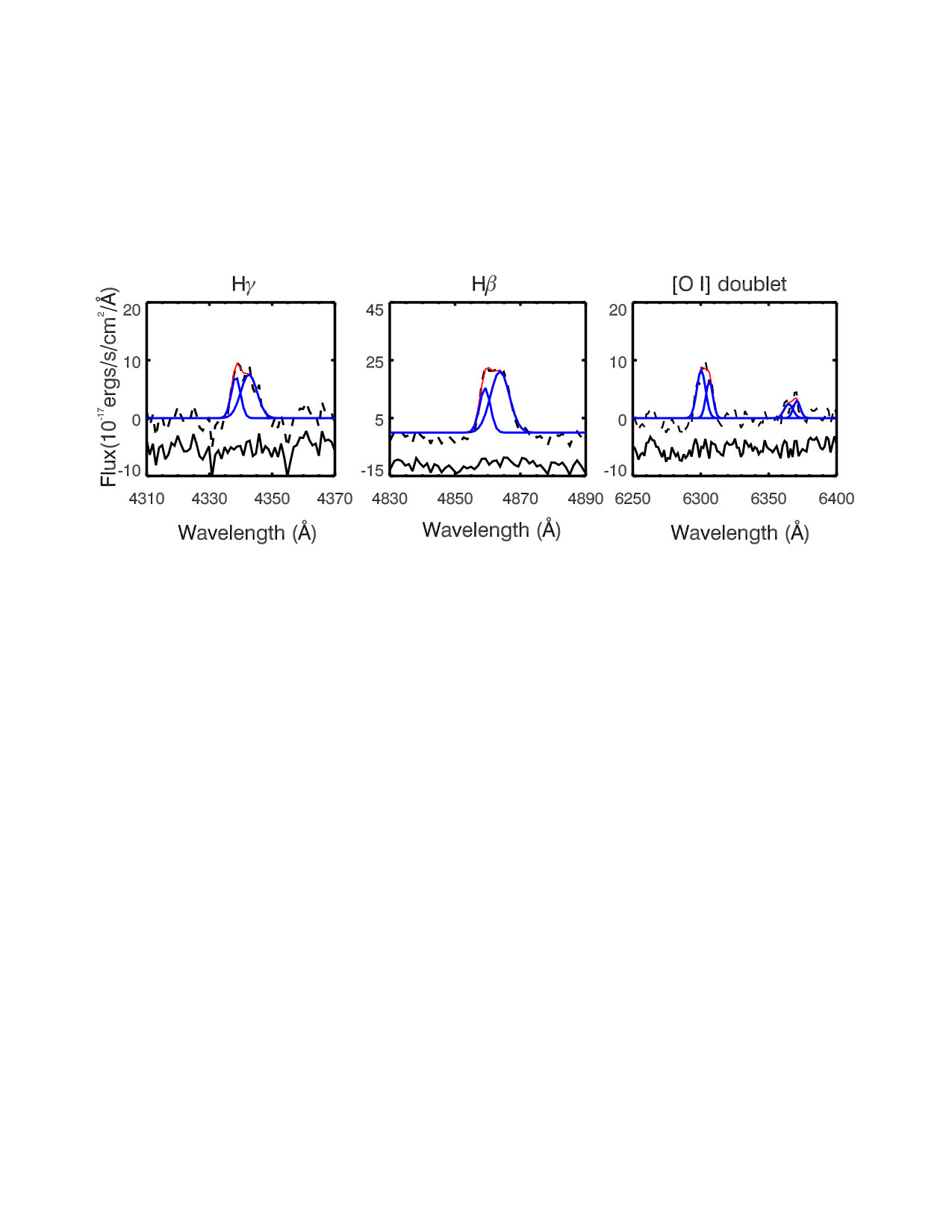 Figure 6
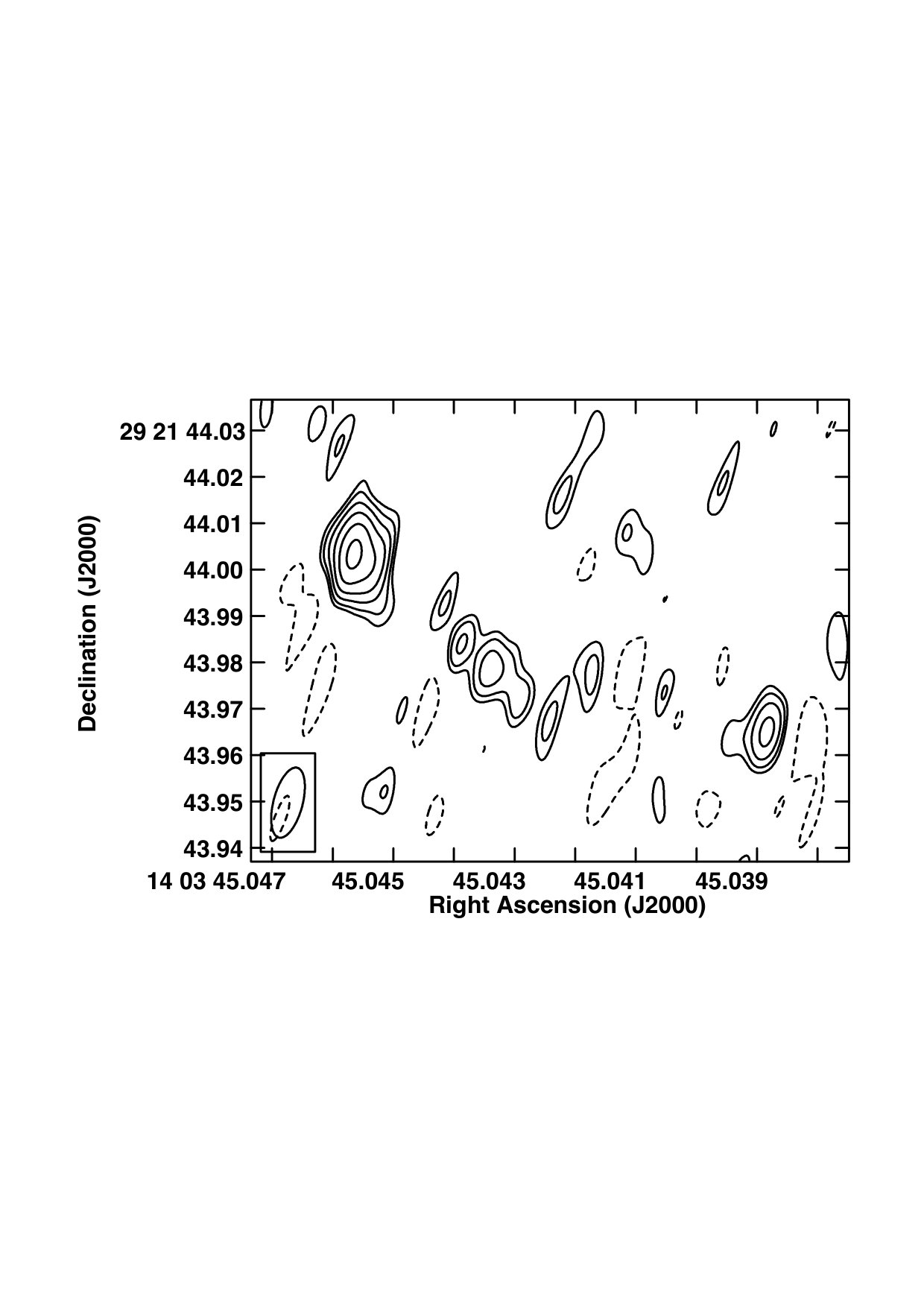 Figure 7
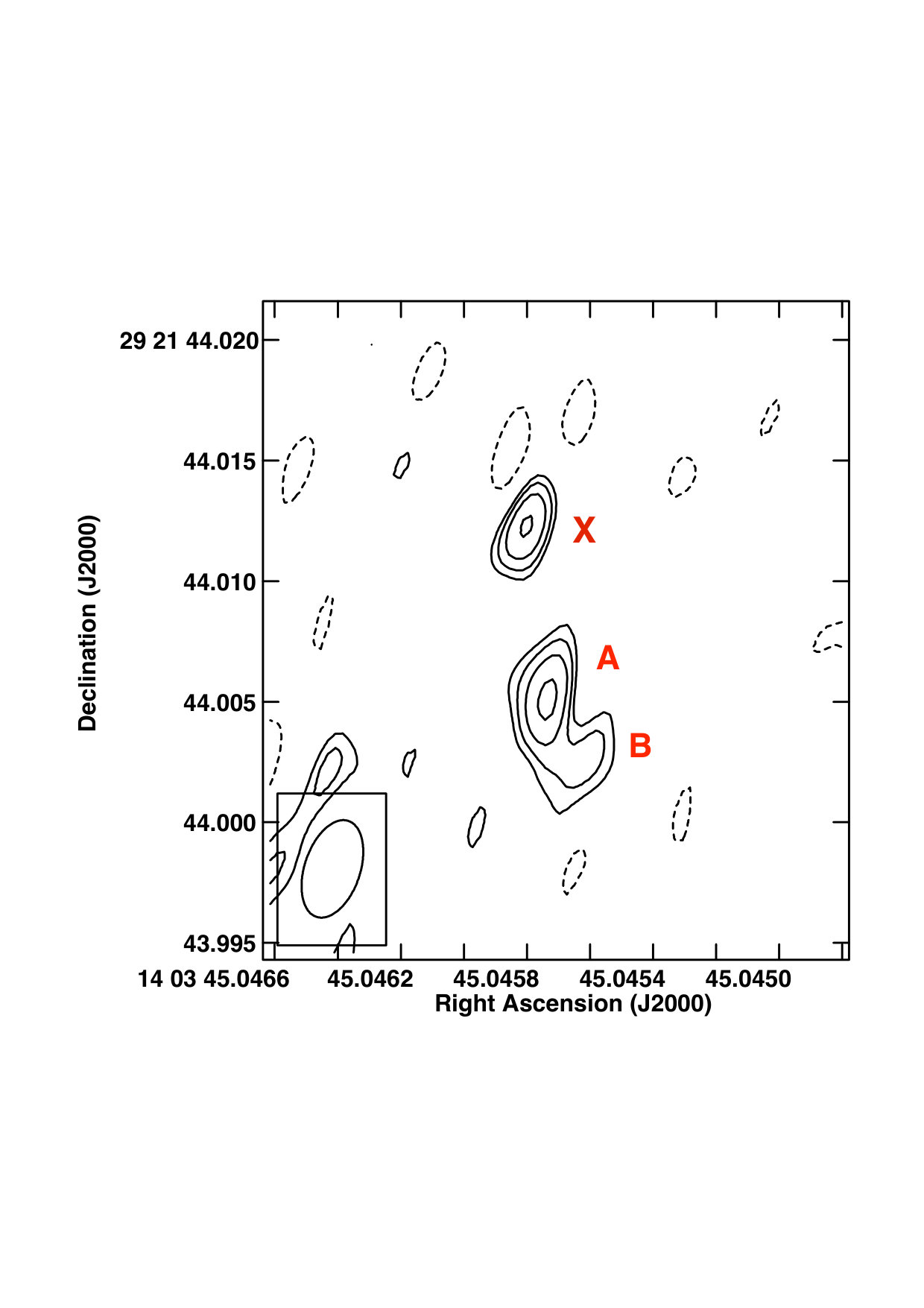 Figure 8
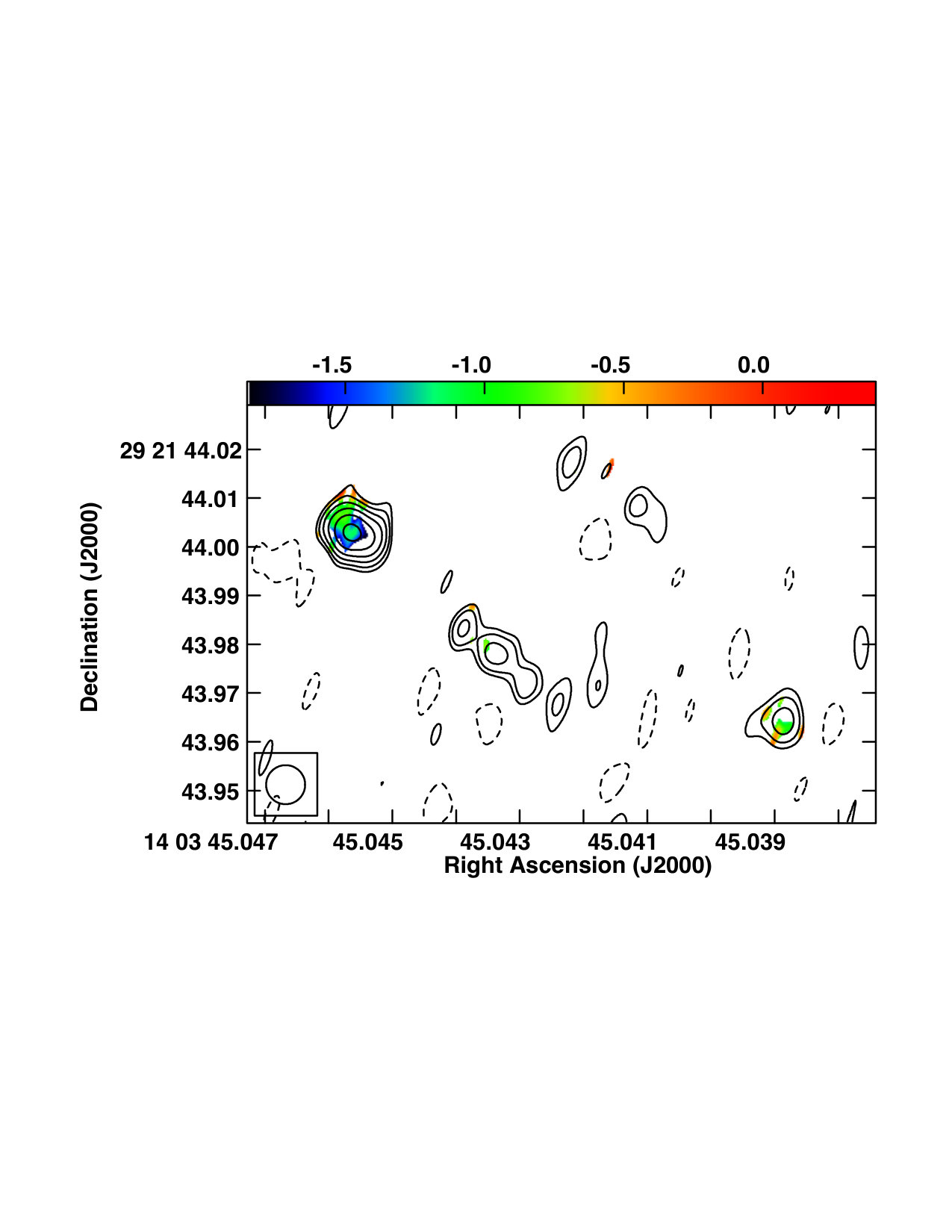 Figure 9
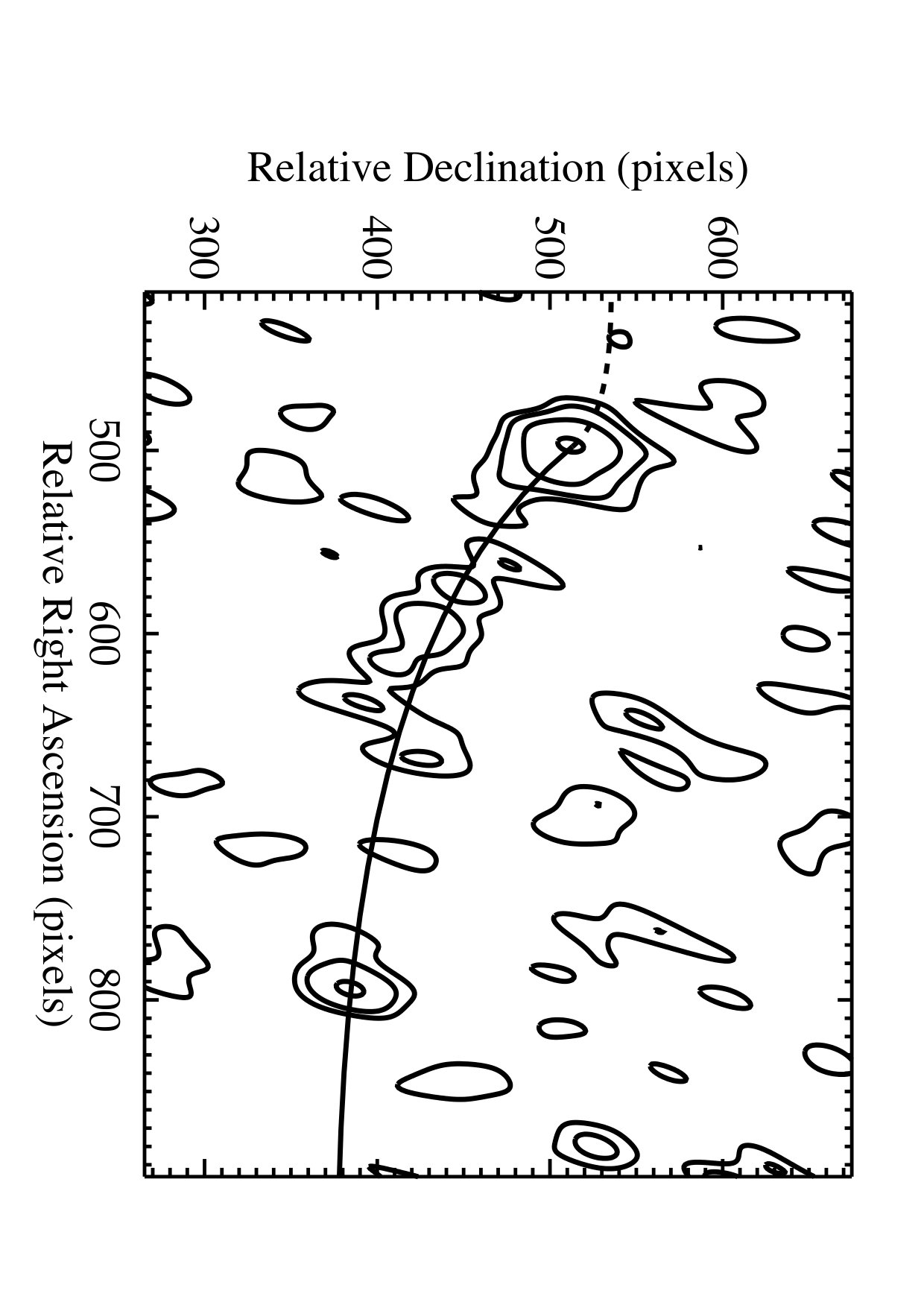 Figure 10
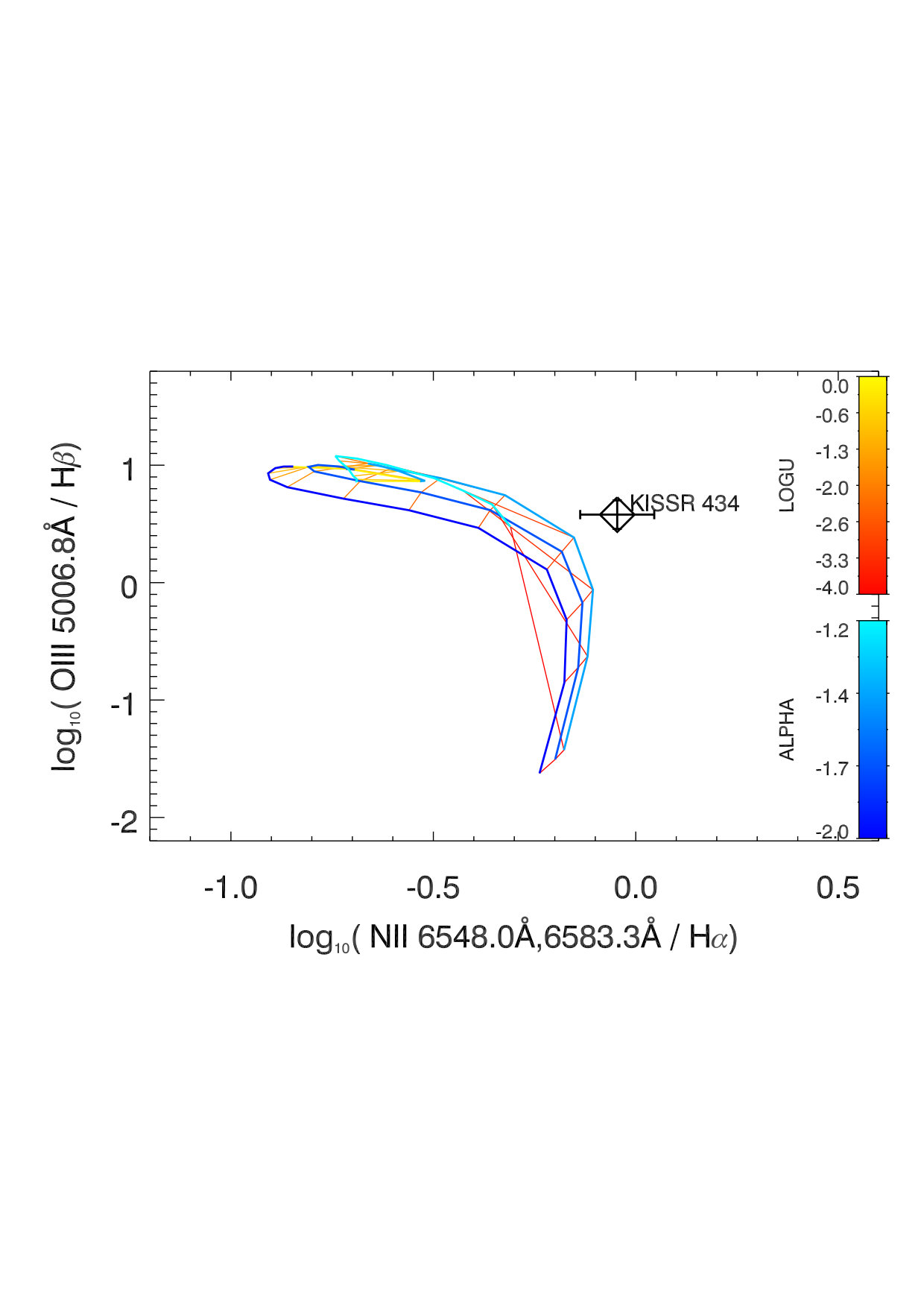 Figure 11
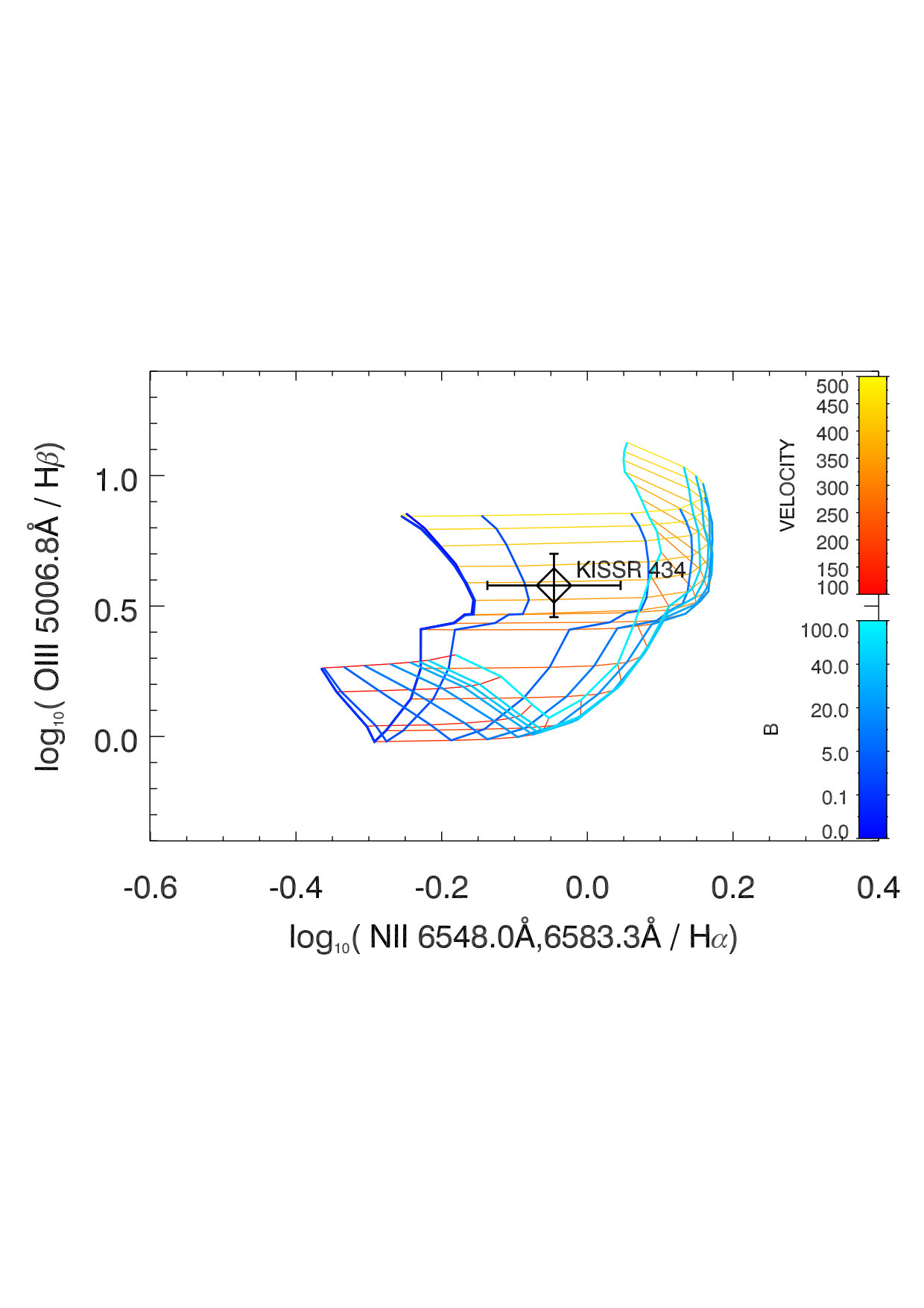 Figure 12
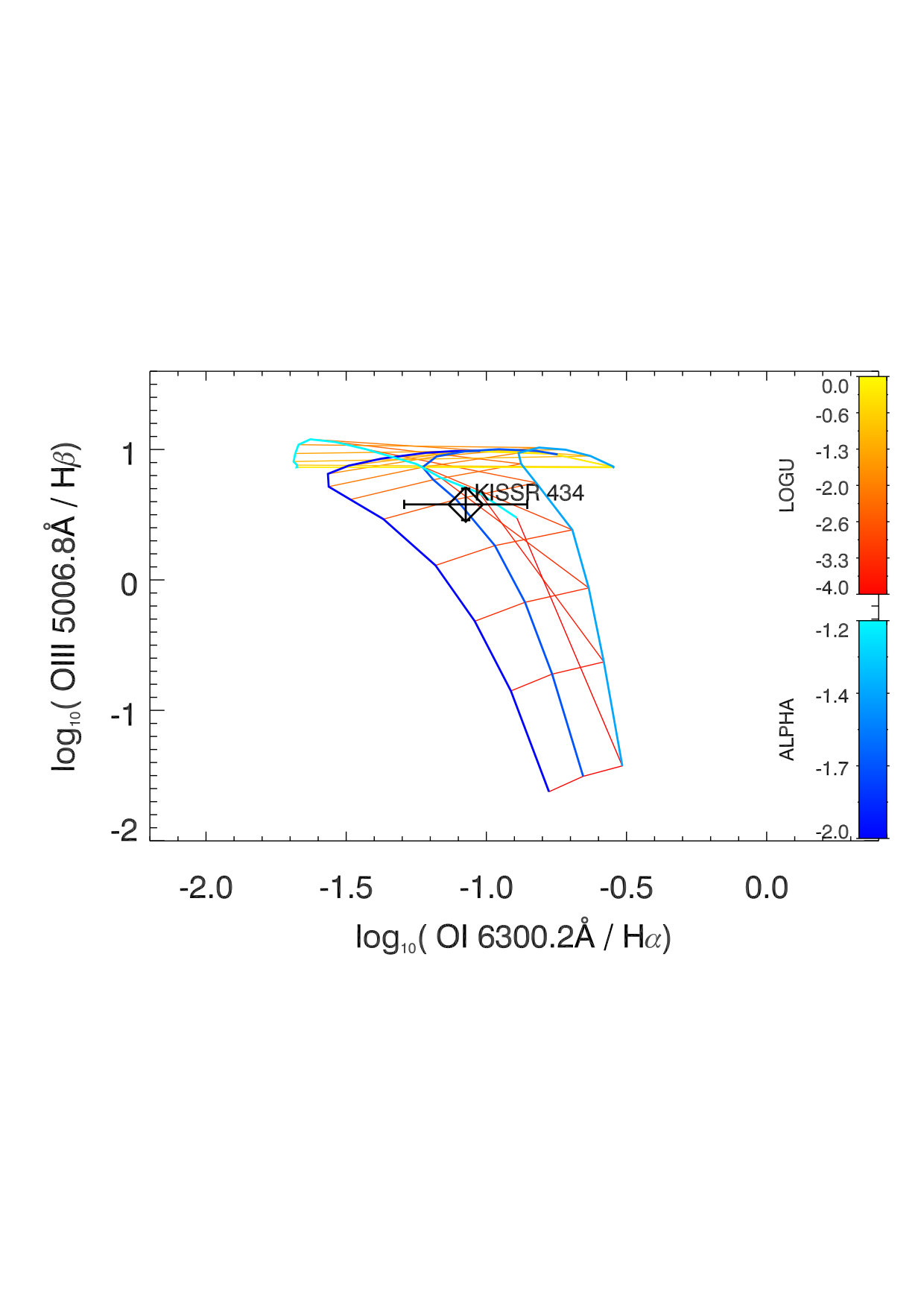 Figure 13
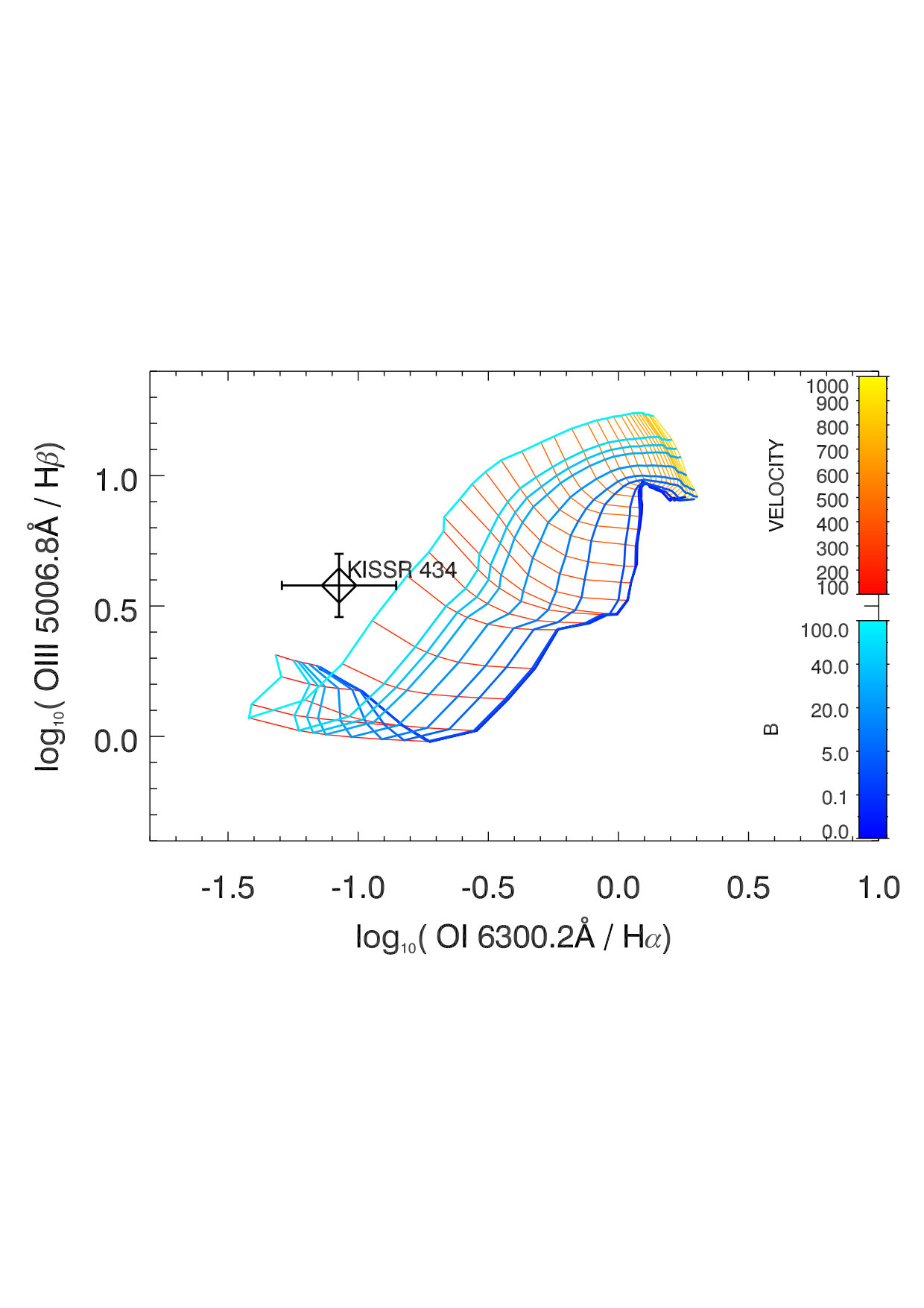 Figure 14
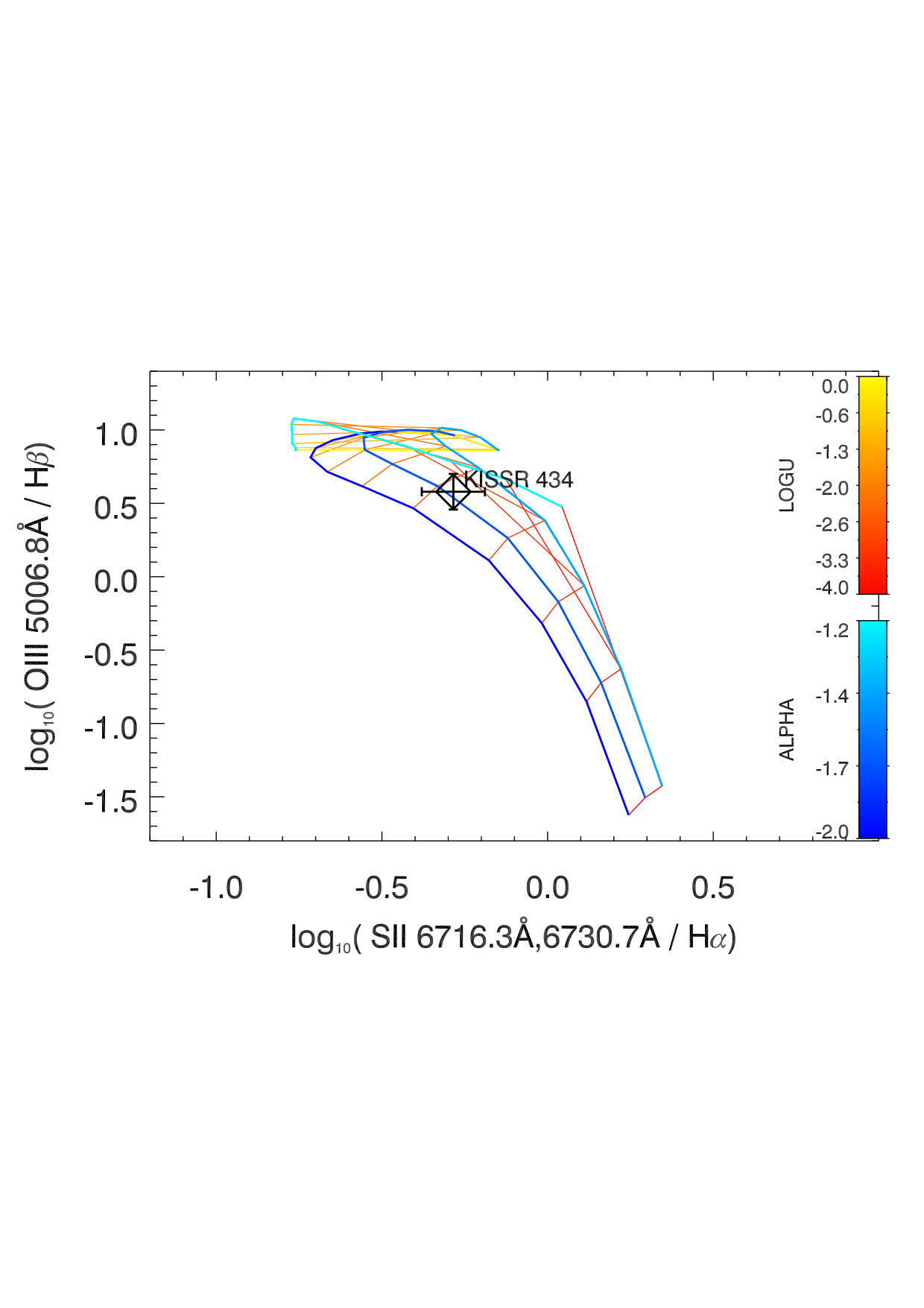 Figure 15
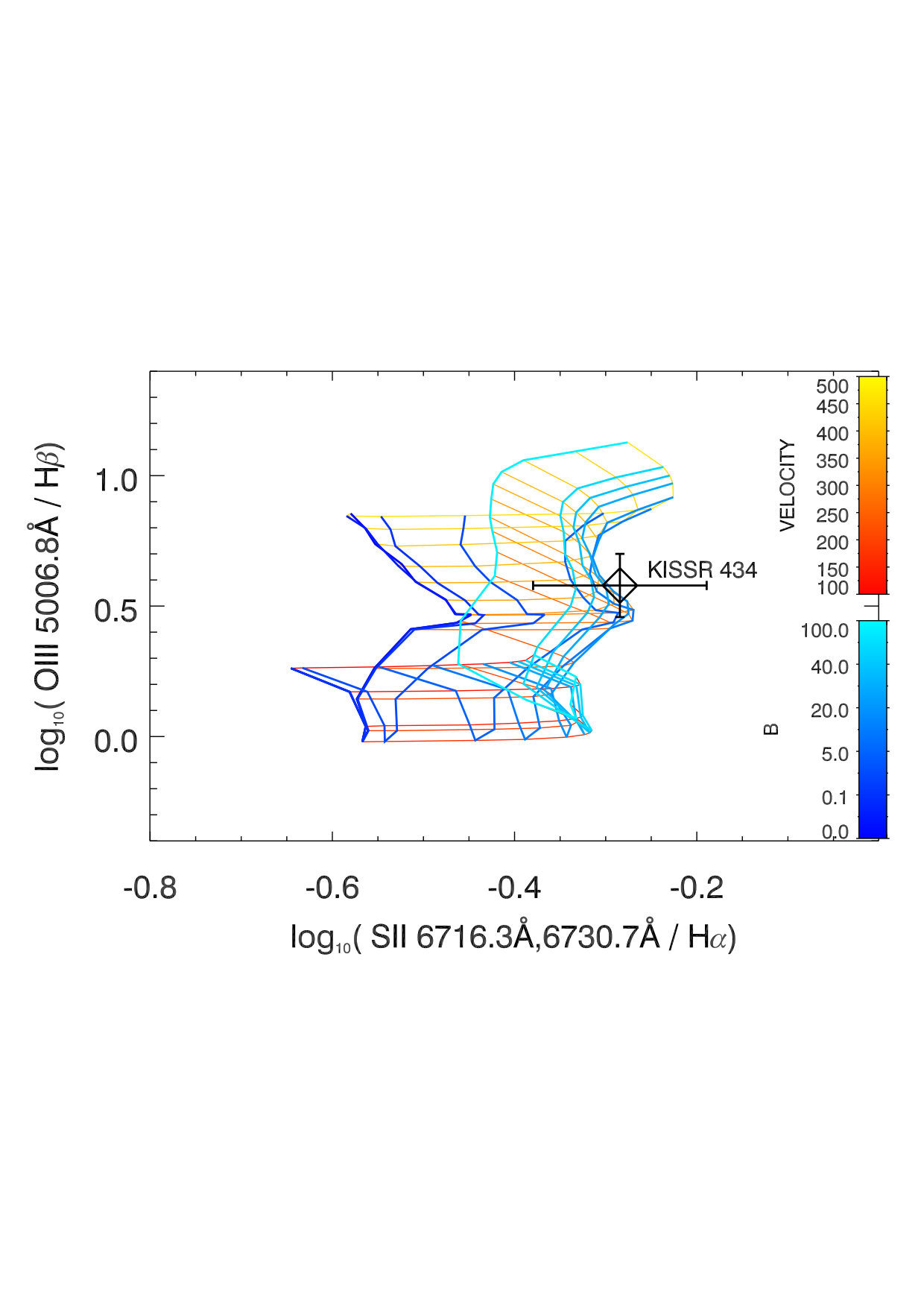 Figure 16
Peer Reviews
No public reviews on file for this paper yet. If you reviewed it on a platform where reviews are public (OpenReview, ICLR, NeurIPS, ICML), you can paste yours below so the community can read it here.
Videos
No videos yet. Explain this paper in a talk, walkthrough, or lecture? Add one.