
TL;DR
This paper provides a comprehensive analysis of the beta transformation, exploring its properties, spectrum, finite orbits, and perturbations, with explicit formulas and connections to number theory, making it accessible for enthusiasts with minimal prior knowledge.
Contribution
It offers new explicit expressions for eigenfunctions, a detailed classification of finite orbits, and a novel connection between beta-polynomials and well-known number sequences.
Findings
Eigenfunctions form a discrete spectrum accumulating on a circle of radius 1/β.
Finite orbits correspond to monic integer polynomials and are dense in the reals.
Small perturbations create Arnold tongues, enlarging measure-zero finite orbits.
Abstract
The beta transformation is the iterated map ; it generates the base- expansion of a real number x. Every iterated piece-wise monotonic map is topologically conjugate to the beta transformation. For all but a countable subset of , the orbits of are ergodic; yet it is the finite orbits that determine overall behavior. This is a large text; it splits into four parts. The first part provides a review of general concepts and properties associated with the beta shift. The second part examines the spectrum of the Ruelle-Frobenius-Perron operator, and gives explicit expressions for a set of bounded eigenfunctions. These form a discrete spectrum, accumulating on a circle of radius in the complex plane. The third part examines the finite and the periodic orbits. These are in one-to-one correspondence with monic integer polynomials. They are…
Click any figure to enlarge with its caption.
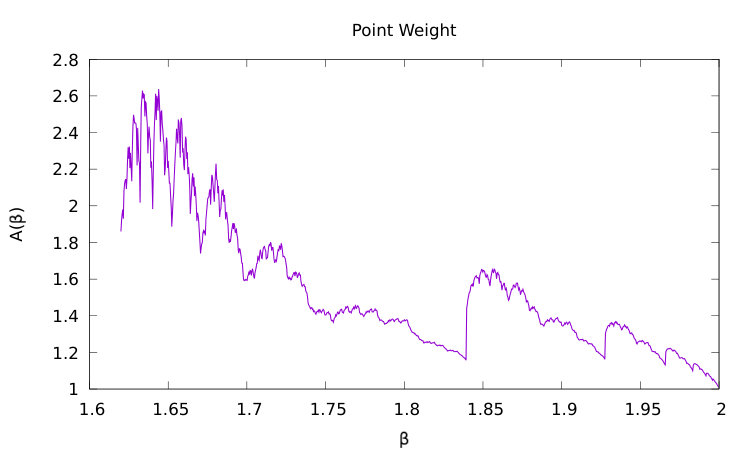 Figure 1
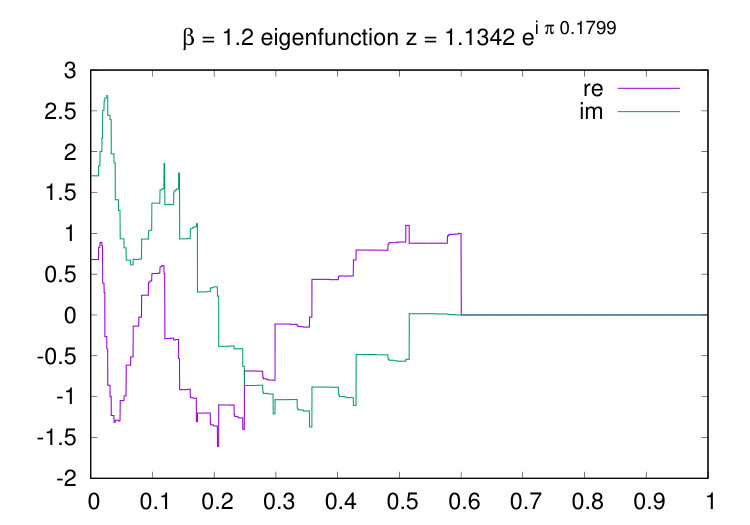 Figure 2
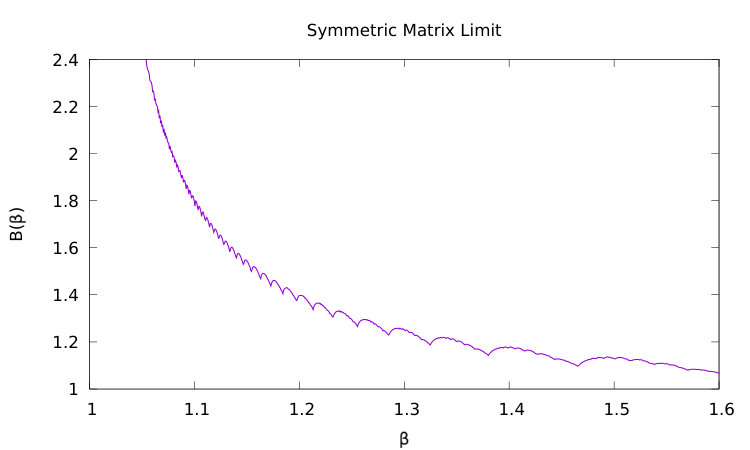 Figure 3
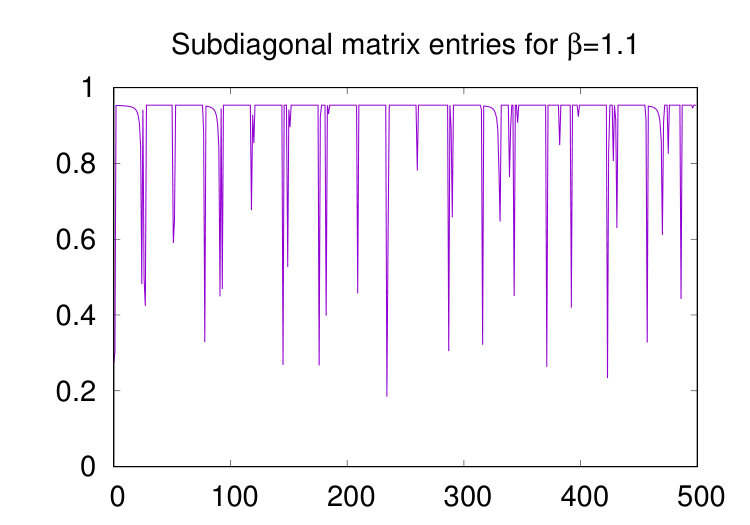 Figure 4
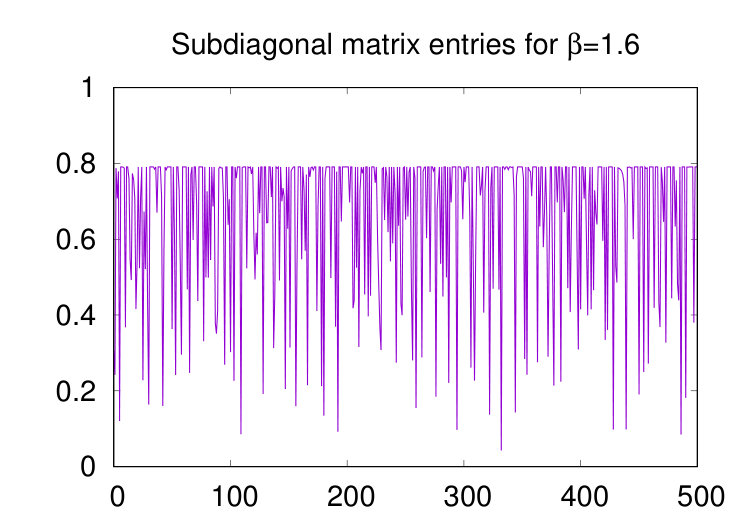 Figure 5
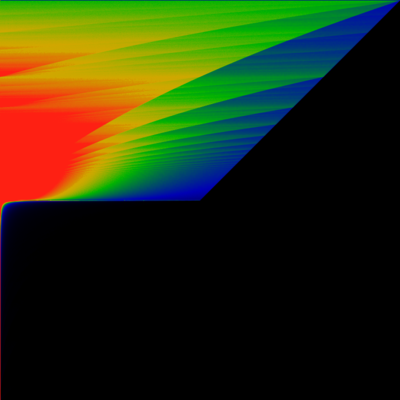 Figure 6
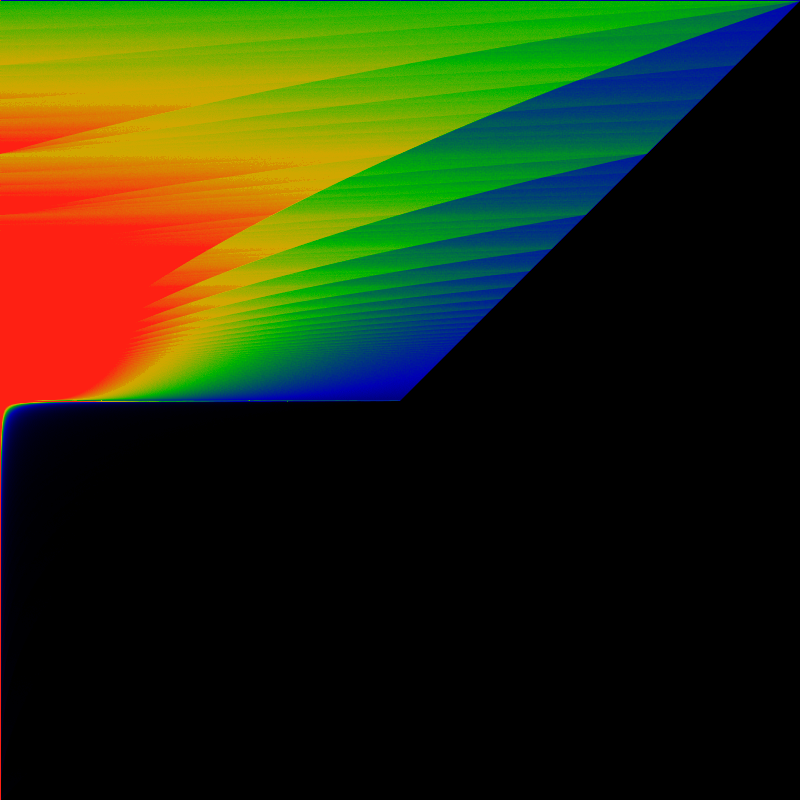 Figure 7
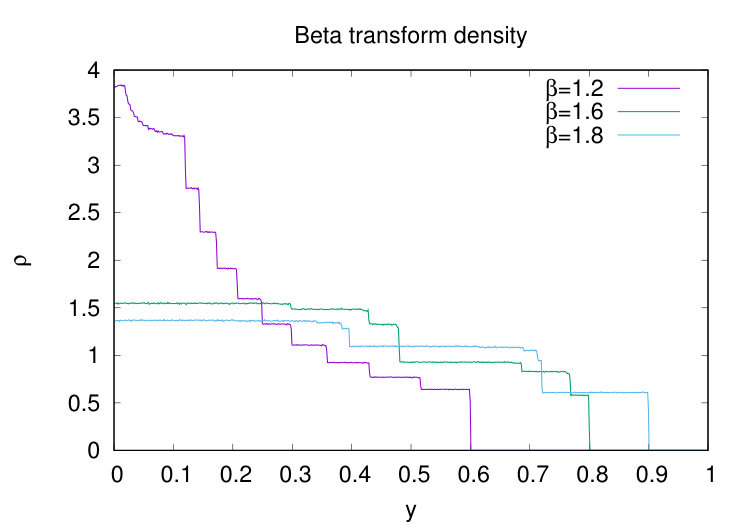 Figure 8
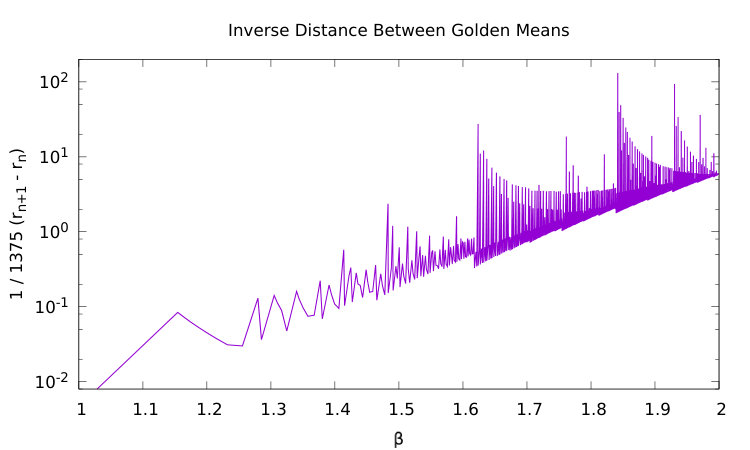 Figure 9
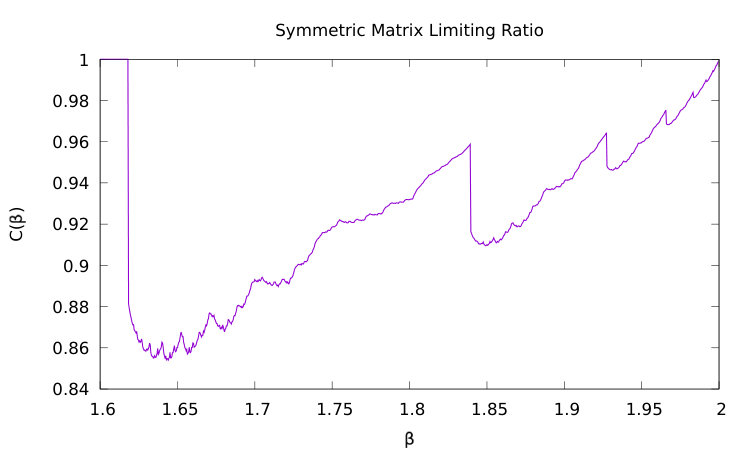 Figure 10
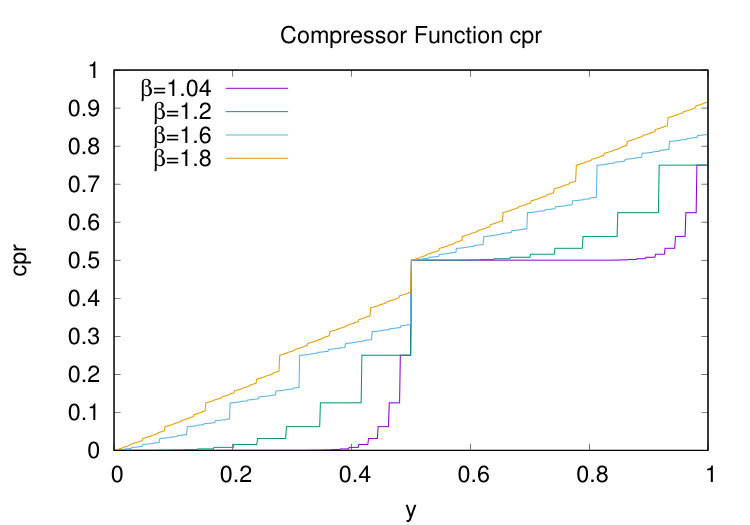 Figure 11
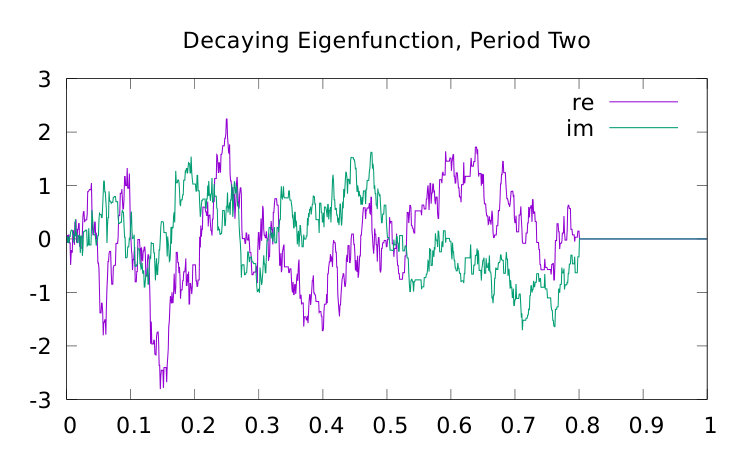 Figure 12
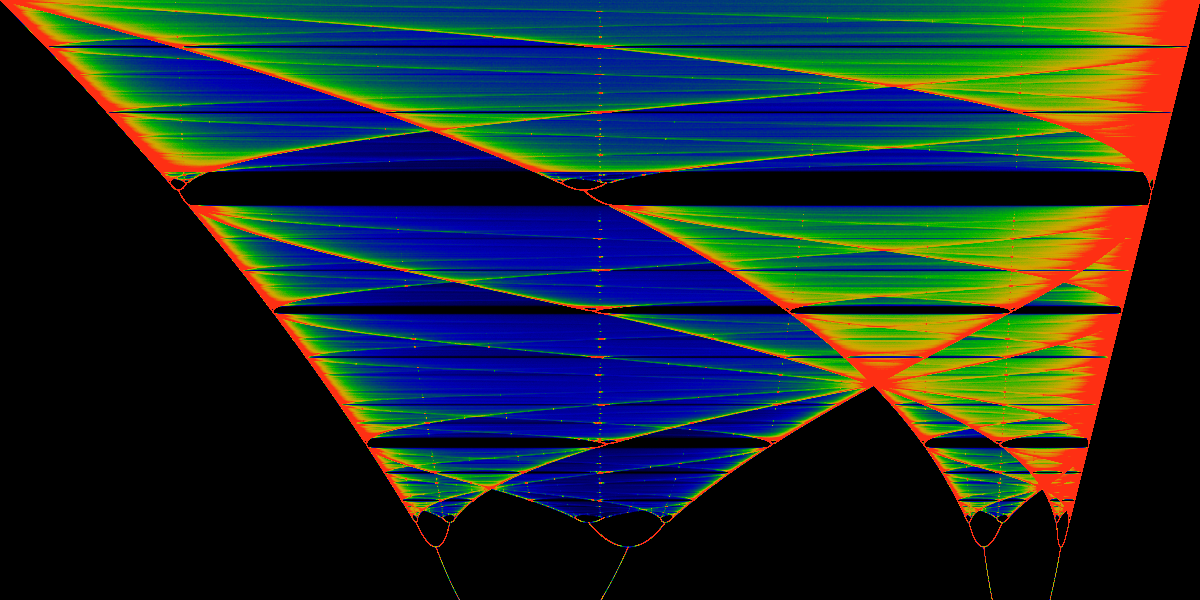 Figure 13
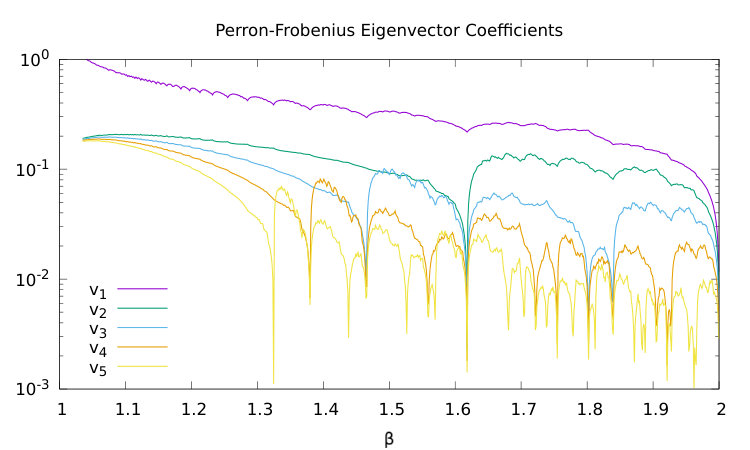 Figure 14
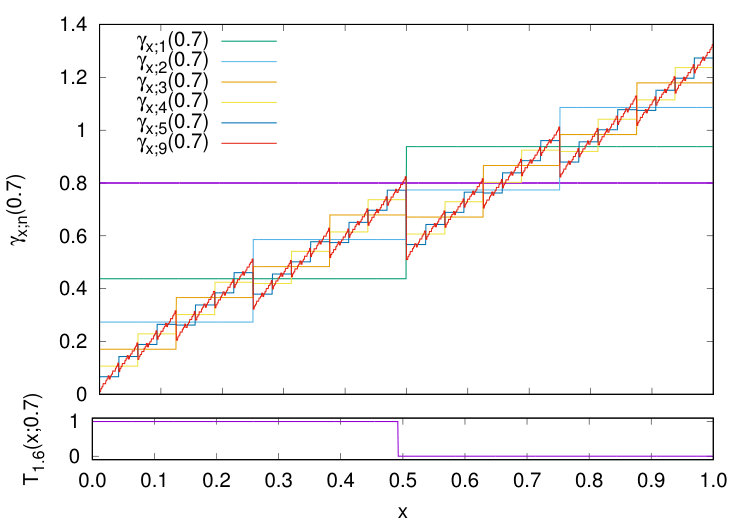 Figure 15
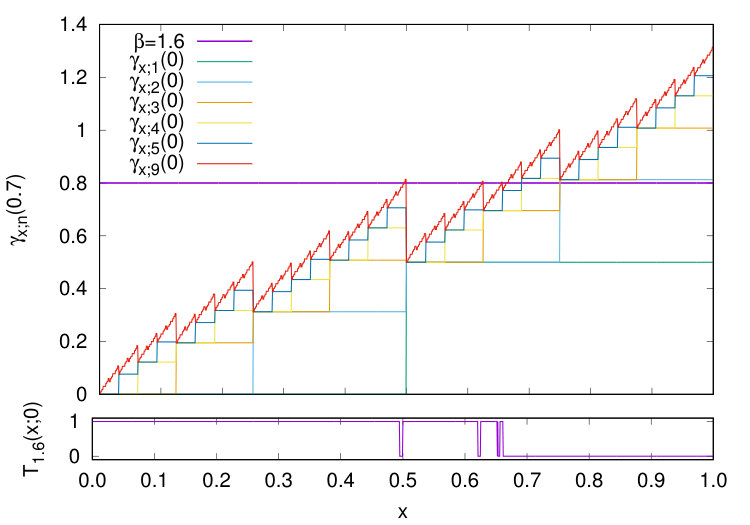 Figure 16
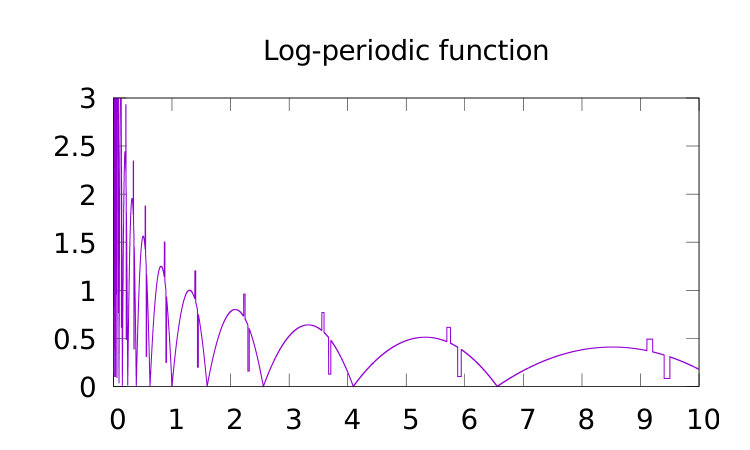 Figure 17
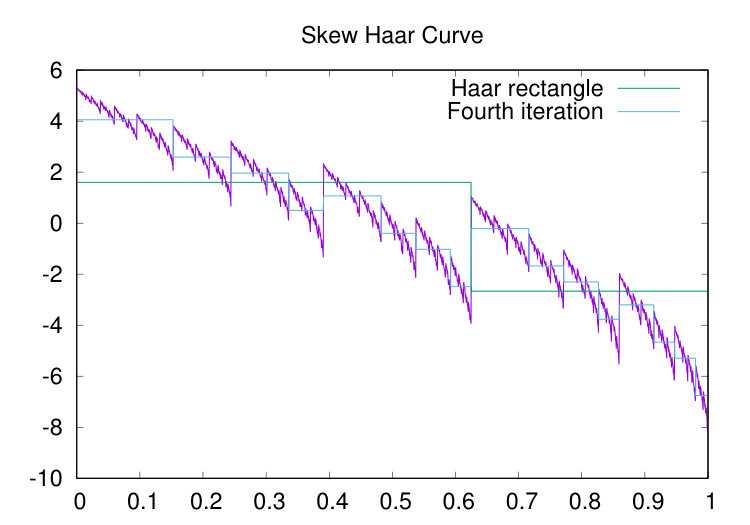 Figure 18
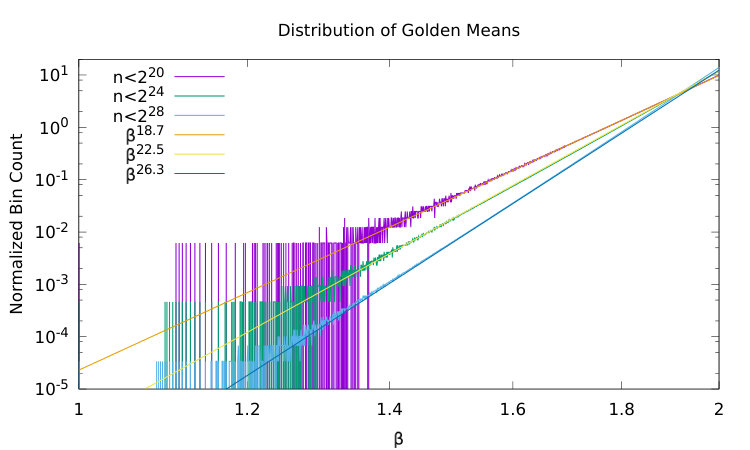 Figure 19
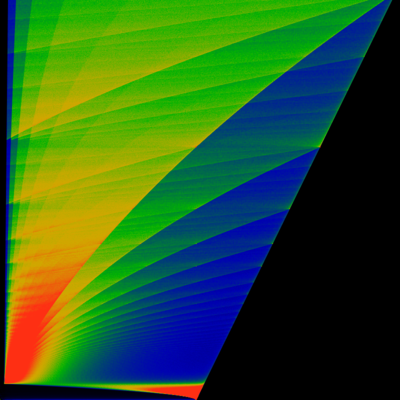 Figure 20
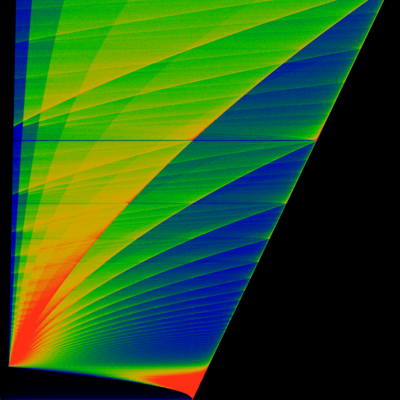 Figure 21
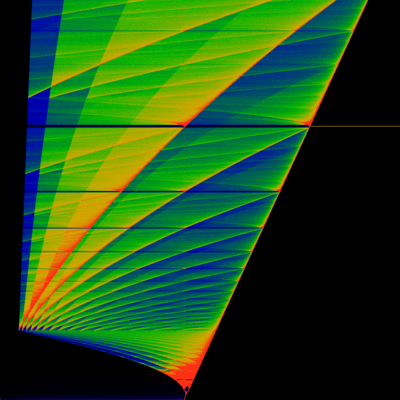 Figure 22
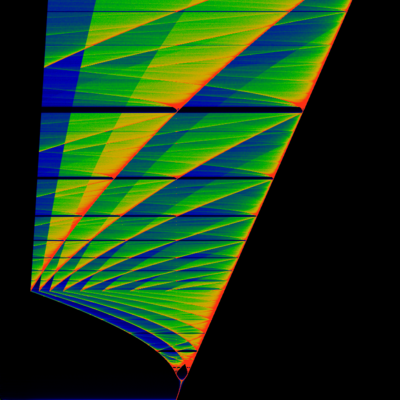 Figure 23
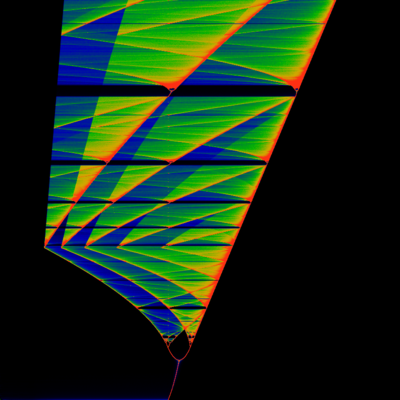 Figure 24
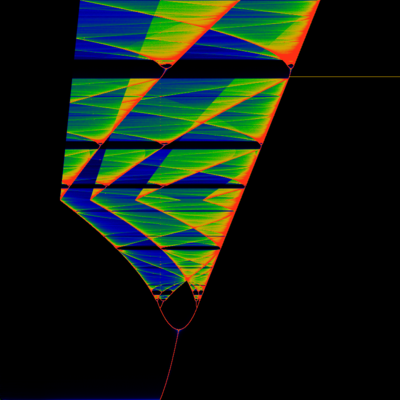 Figure 25
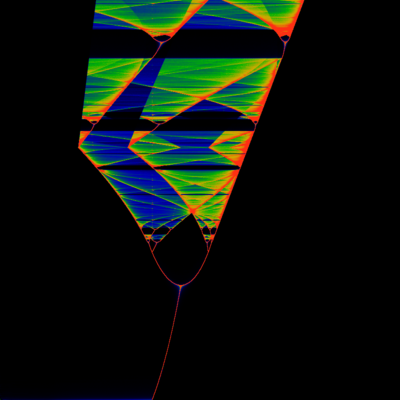 Figure 26
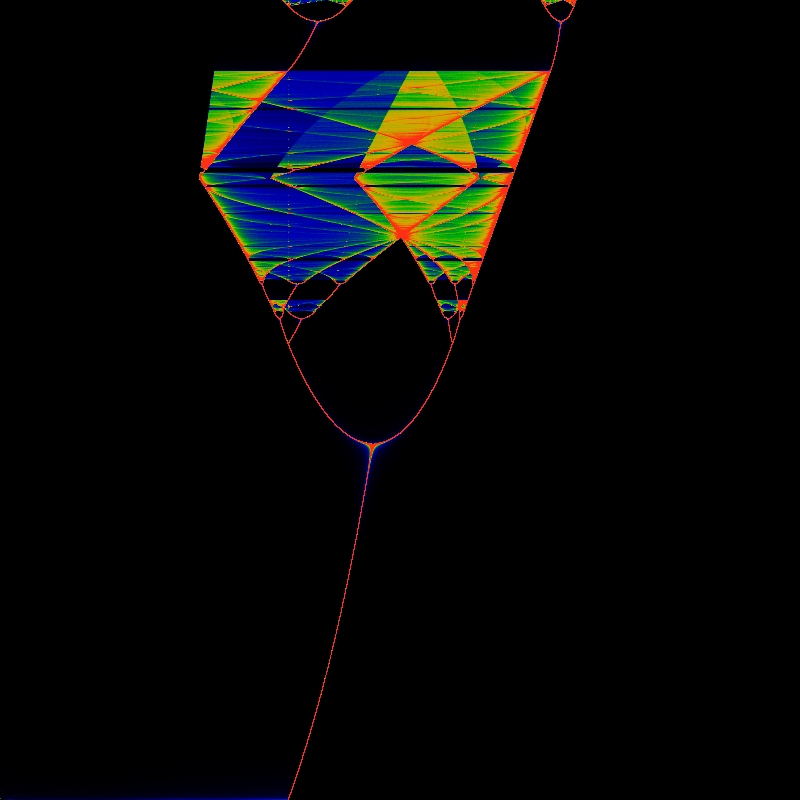 Figure 27
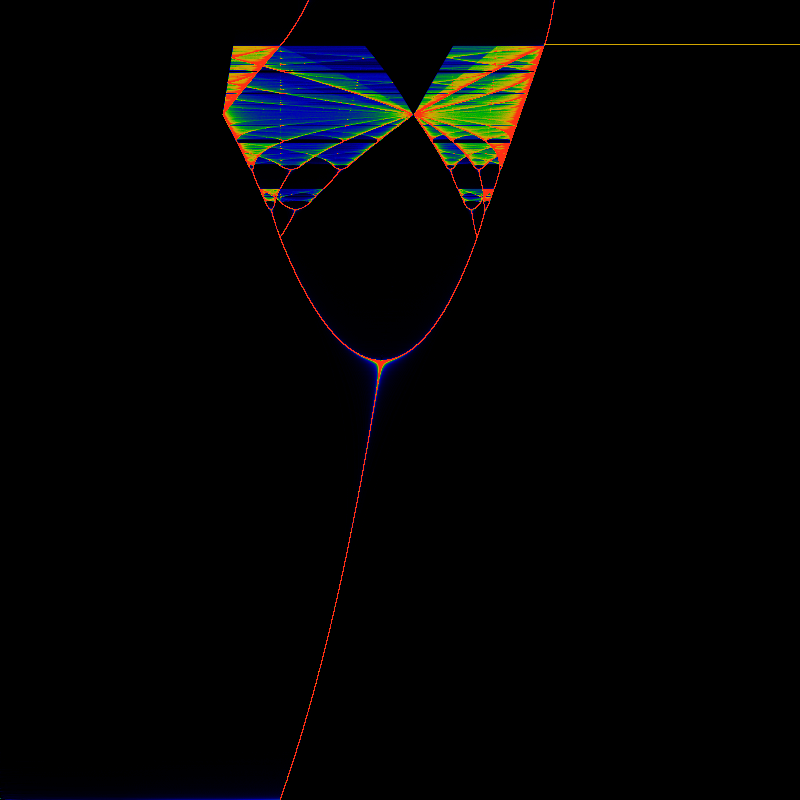 Figure 28
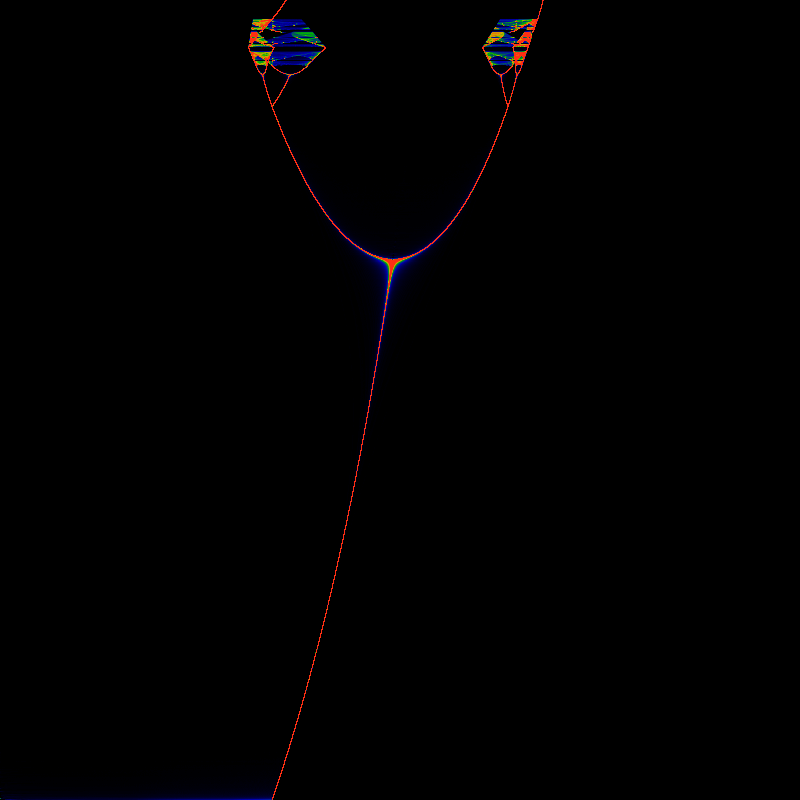 Figure 29
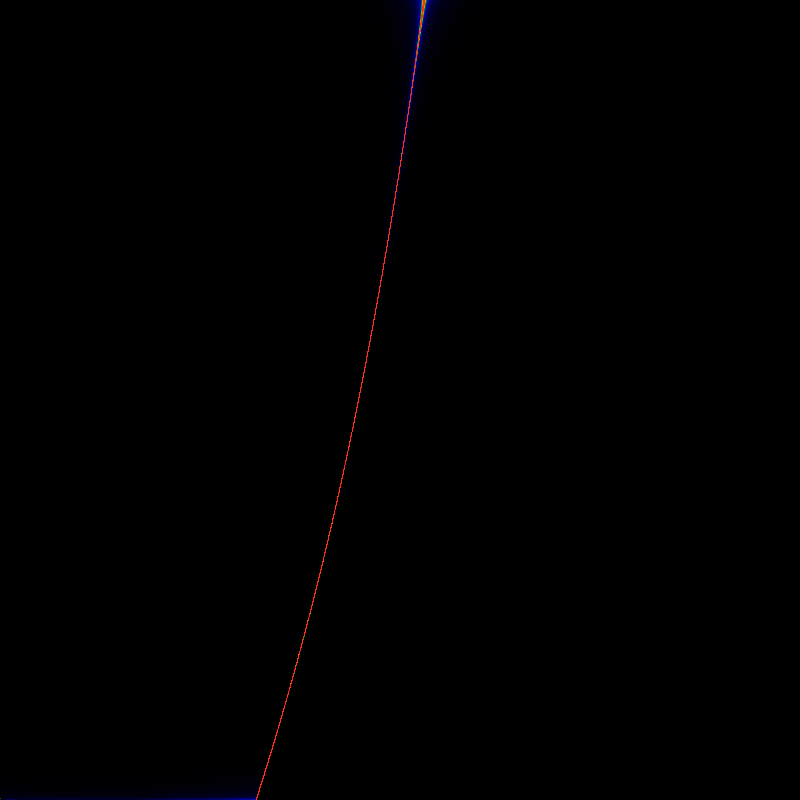 Figure 30
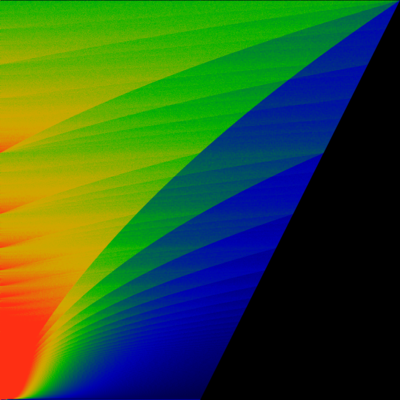 Figure 31
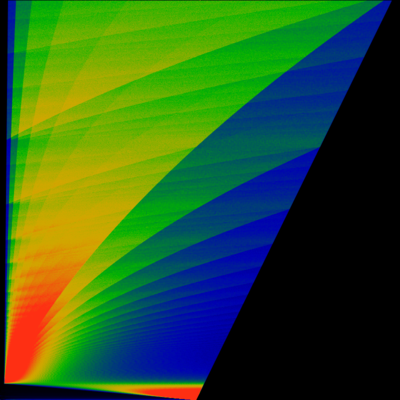 Figure 32
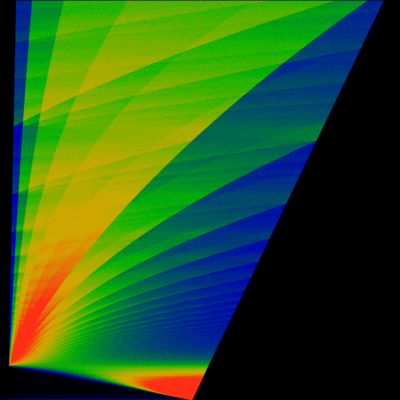 Figure 33
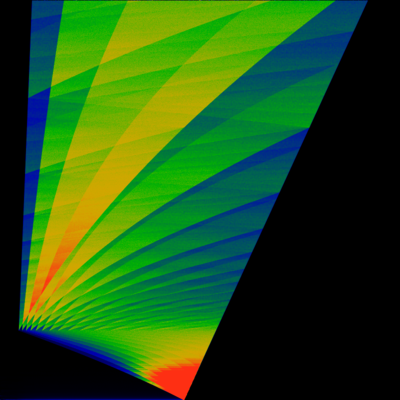 Figure 34
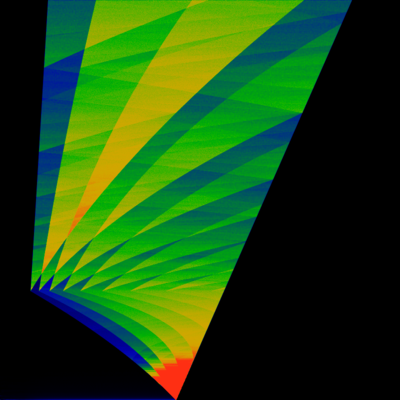 Figure 35
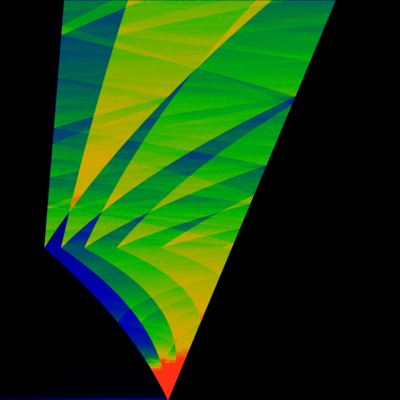 Figure 36
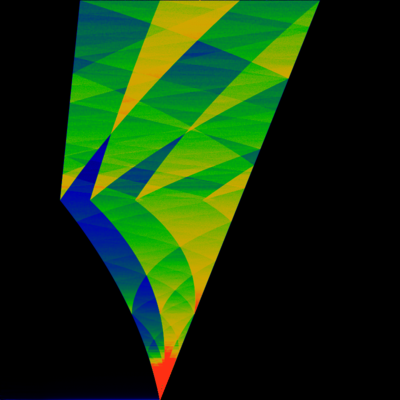 Figure 37
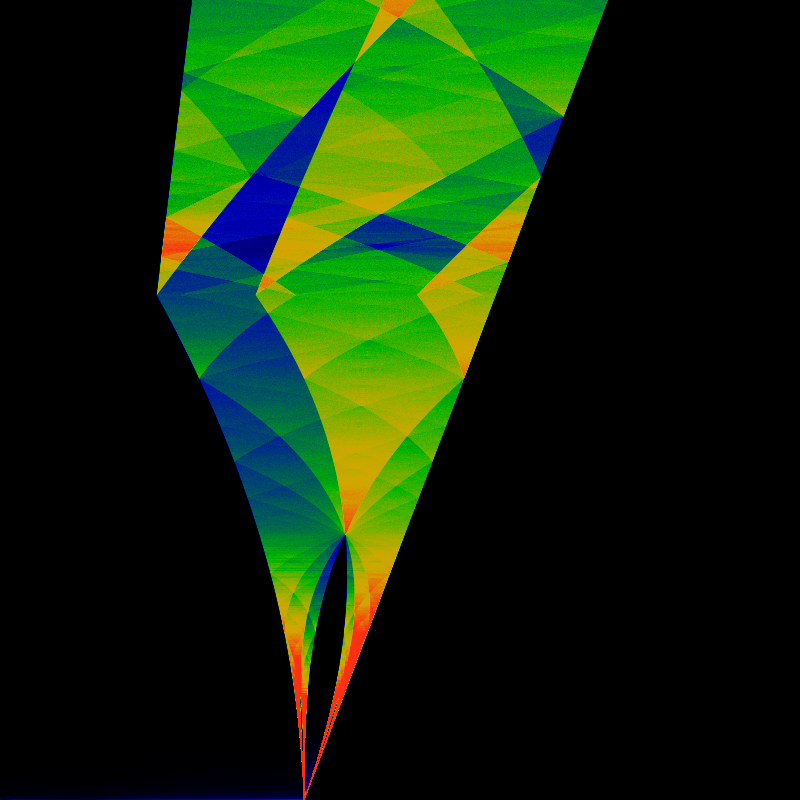 Figure 38
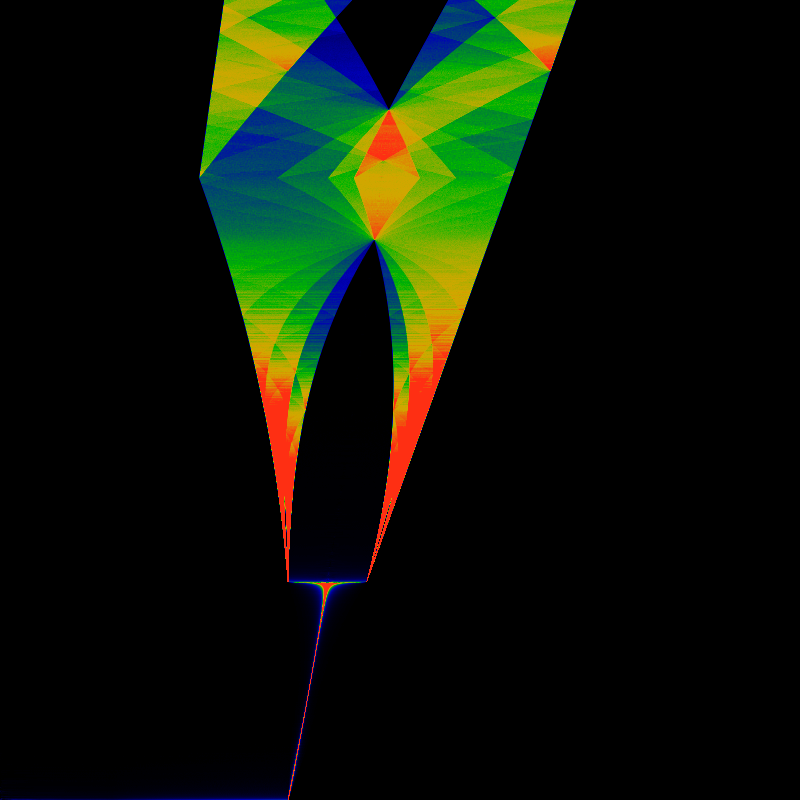 Figure 39
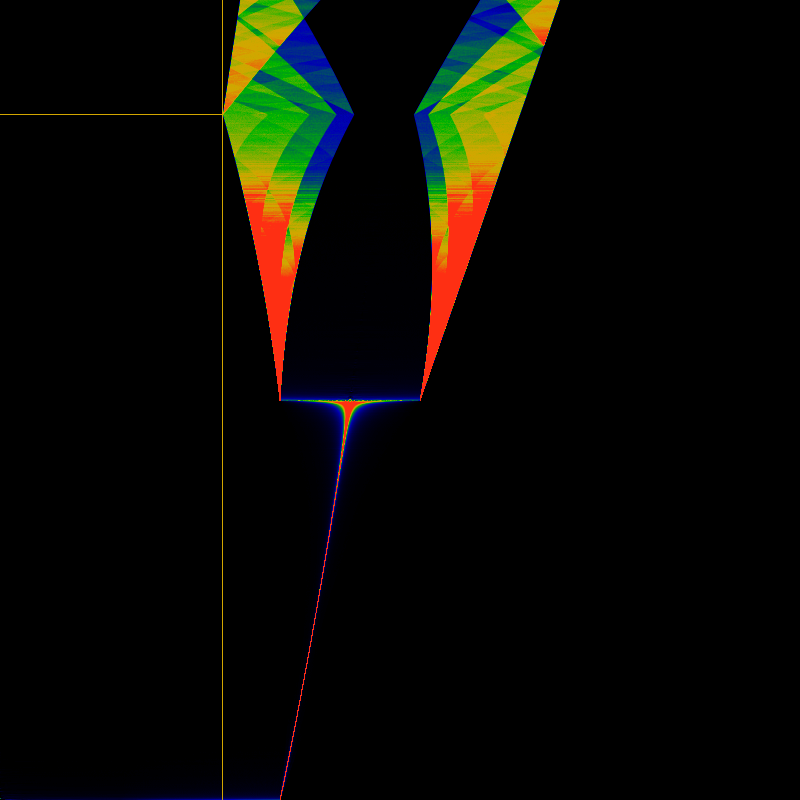 Figure 40
Peer Reviews
No public reviews on file for this paper yet. If you reviewed it on a platform where reviews are public (OpenReview, ICLR, NeurIPS, ICML), you can paste yours below so the community can read it here.
Videos
No videos yet. Explain this paper in a talk, walkthrough, or lecture? Add one.
Taxonomy
TopicsMathematical Dynamics and Fractals · semigroups and automata theory · Quantum chaos and dynamical systems