TL;DR
This paper introduces a polynomial-size approximate kernelization scheme for the Rural Postman Problem, enabling significant data reduction while approximately preserving solution quality, supported by theoretical proofs and experimental validation.
Contribution
It presents the first polynomial-size approximate kernelization scheme for RPP, combining theoretical insights with practical data reduction techniques.
Findings
Data reduction to about 50% of vertices with minimal solution quality loss
Theoretical proof of WK[1]-completeness for RPP parameterized by additional edges and cost
Experimental validation on benchmark and real-world instances
Abstract
Given an undirected graph with edge weights and a subset of its edges, the Rural Postman Problem (RPP) is to find a closed walk of minimum total weight containing all edges of . We prove that RPP is WK[1]-complete parameterized by the number and cost of edges traversed additionally to the required ones. Thus, in particular, RPP instances cannot be polynomial-time compressed to instances of size polynomial in unless the polynomial-time hierarchy collapses. In contrast, denoting by the number of vertices incident to an odd number of edges of and by the number of connected components formed by the edges in , we show how to reduce any RPP instance to an RPP instance with vertices in time so that any -approximate solution for gives an -approximate solution for , for any…
Click any figure to enlarge with its caption.
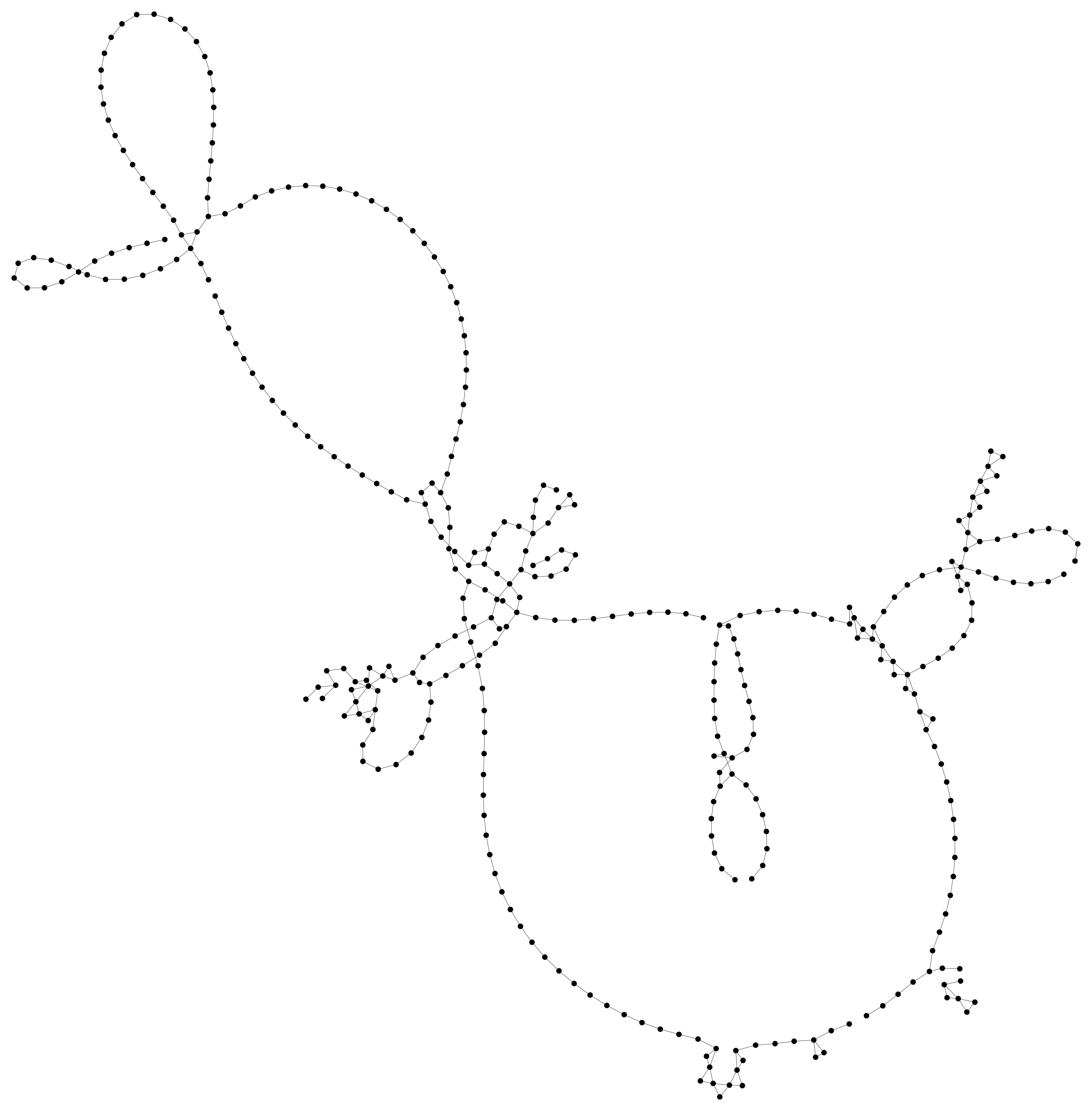 Figure 1
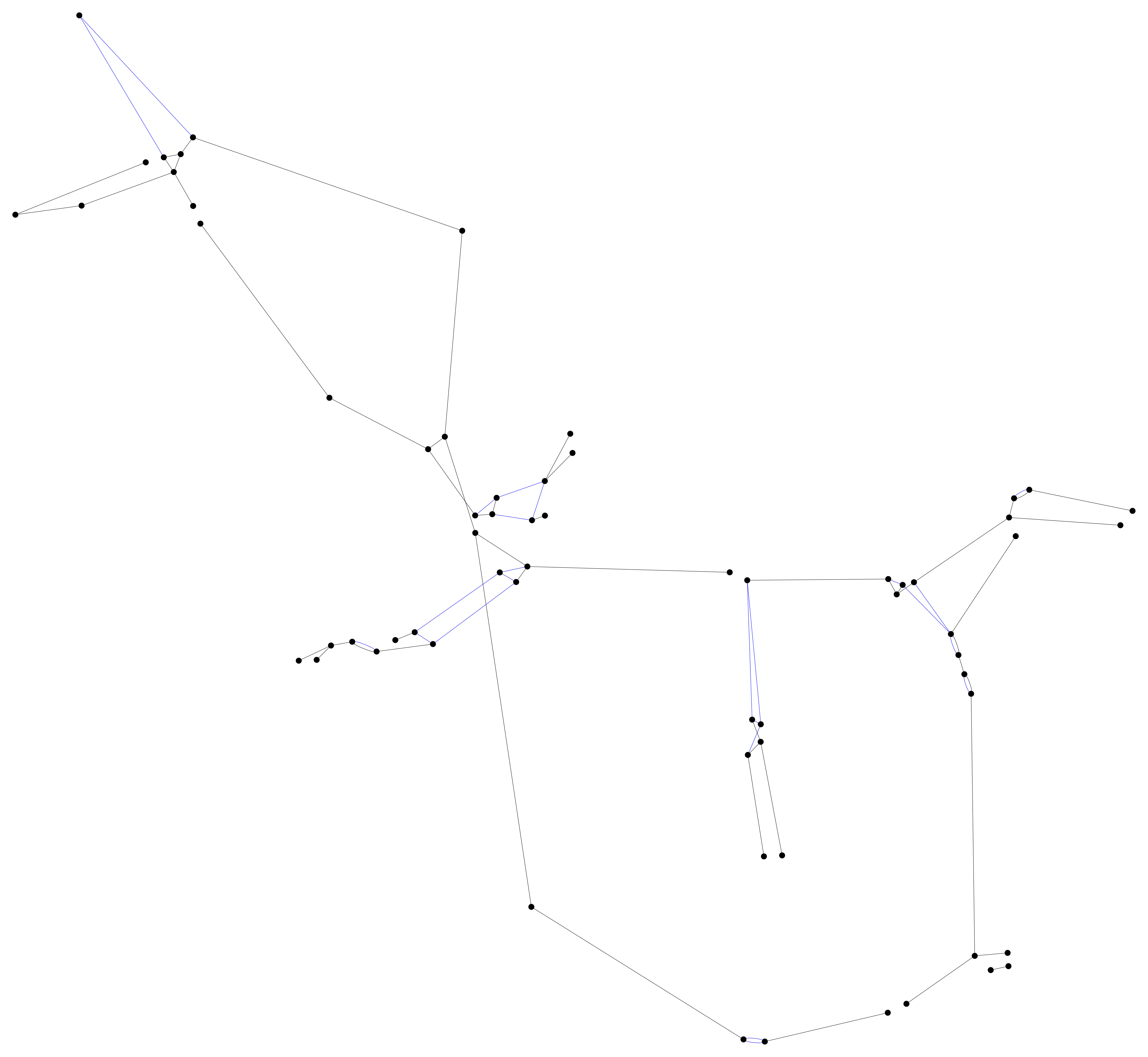 Figure 2
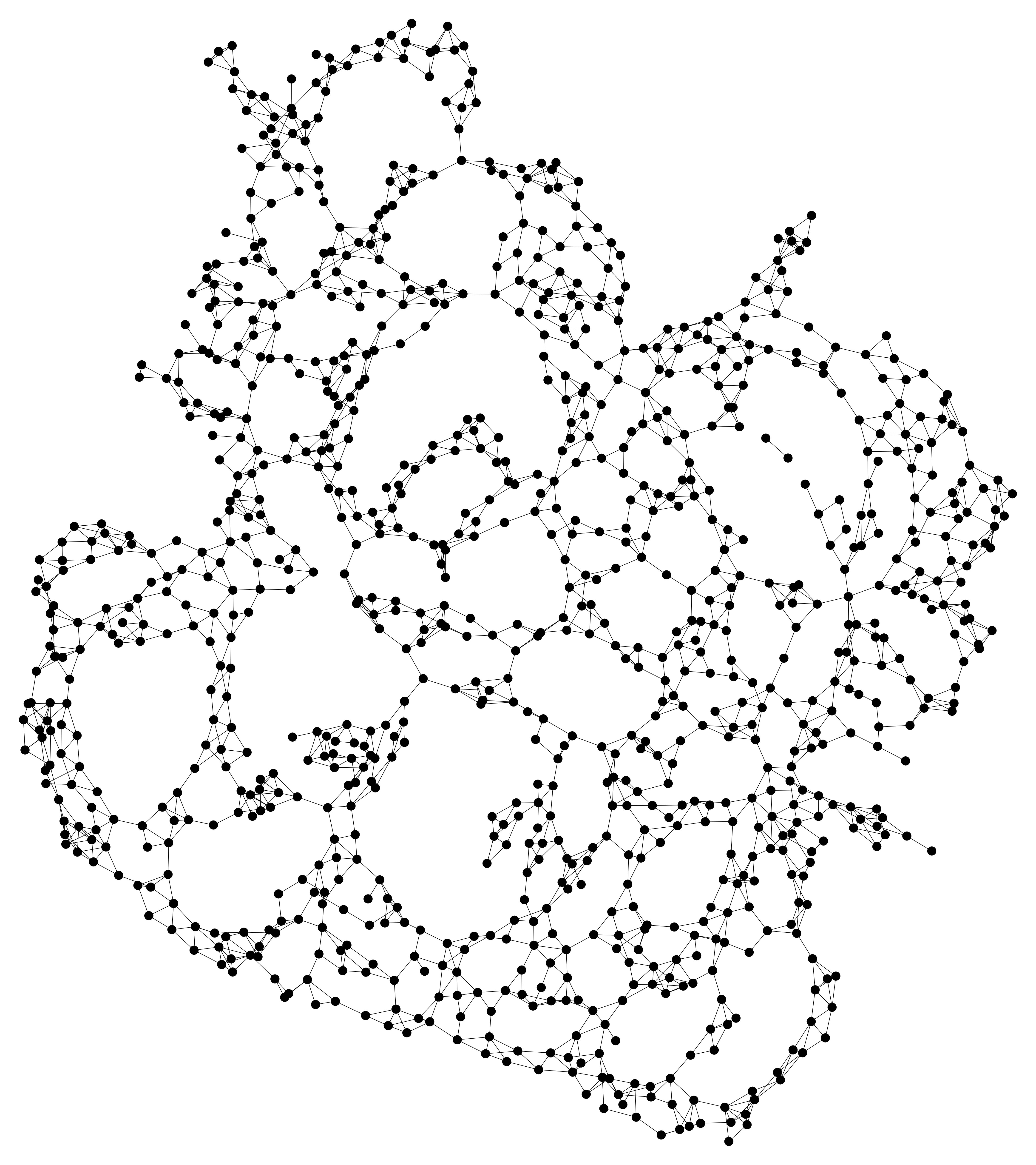 Figure 3
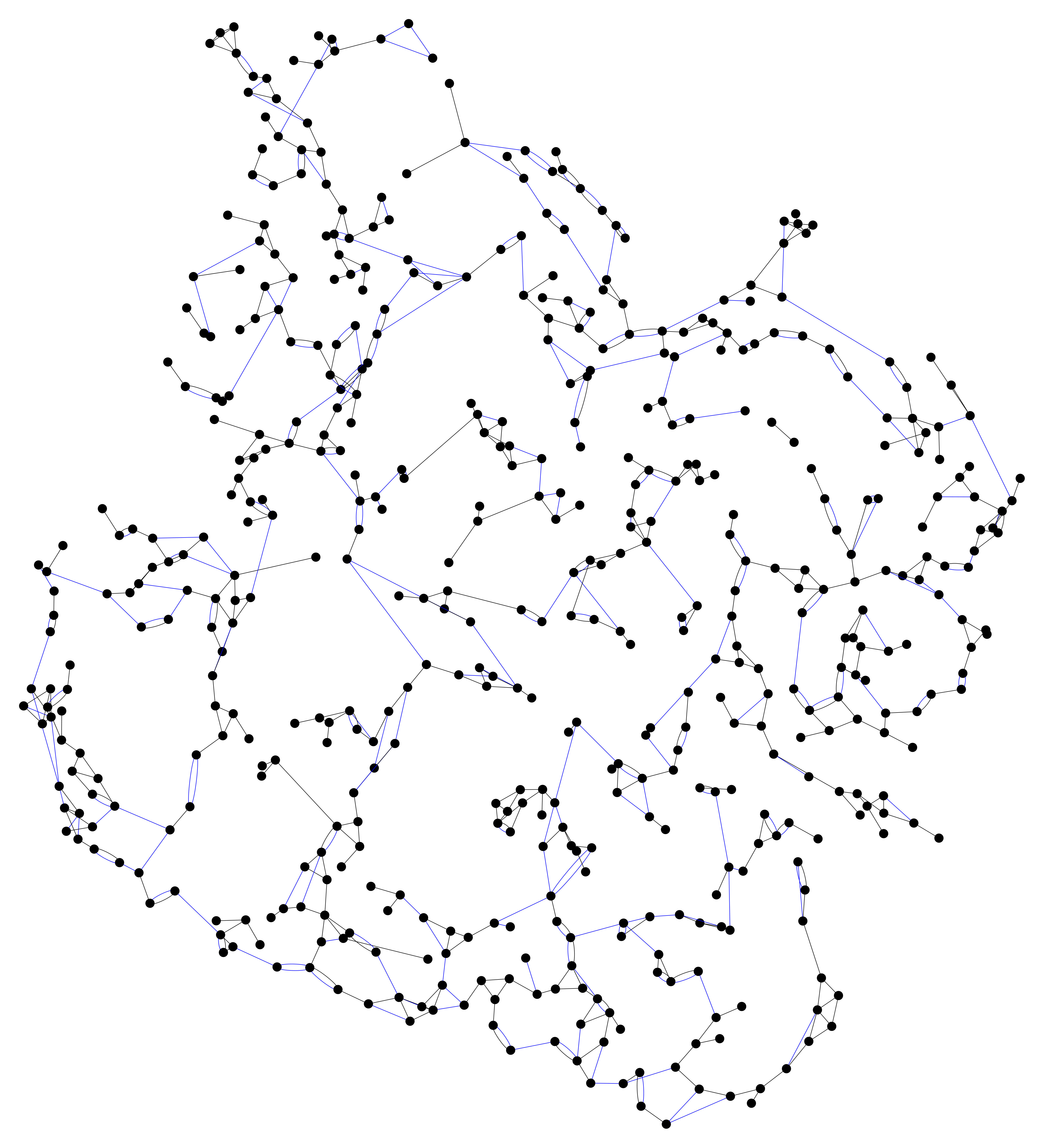 Figure 4
Peer Reviews
No public reviews on file for this paper yet. If you reviewed it on a platform where reviews are public (OpenReview, ICLR, NeurIPS, ICML), you can paste yours below so the community can read it here.
Code & Models
Videos
No videos yet. Explain this paper in a talk, walkthrough, or lecture? Add one.
