Error estimates for a POD method for solving viscous G-equations in incompressible cellular flows
Haotian Gu, Jack Xin, Zhiwen Zhang

TL;DR
This paper introduces a Galerkin POD-based model reduction technique for viscous G-equations in cellular flows, providing error estimates, convergence analysis, and demonstrating improved computational efficiency and accuracy in turbulent flame speed simulations.
Contribution
The paper develops a novel POD-based model reduction method with rigorous error estimates for viscous G-equations in cellular flows, including convergence analysis and numerical validation.
Findings
The method achieves accurate solutions with reduced computational cost.
Numerical results confirm the efficiency and accuracy of the POD approach.
The approach effectively captures turbulent flame speeds in cellular flows.
Abstract
The G-equation is a well-known model for studying front propagation in turbulent combustion. In this paper, we develop an efficient model reduction method for computing \textcolor{black}{regular solutions} of viscous G-equations in incompressible steady and time-periodic cellular flows. Our method is based on the Galerkin proper orthogonal decomposition (POD) method. To facilitate the algorithm design and convergence analysis, we decompose the solution of the viscous G-equation into a mean-free part and a mean part, where their evolution equations can be derived accordingly. We construct the POD basis from the solution snapshots of the mean-free part. With the POD basis, we can efficiently solve the evolution equation for the mean-free part of the solution to the viscous G-equation. After we get the mean-free part of the solution, the mean of the solution can be recovered. We also…
Click any figure to enlarge with its caption.
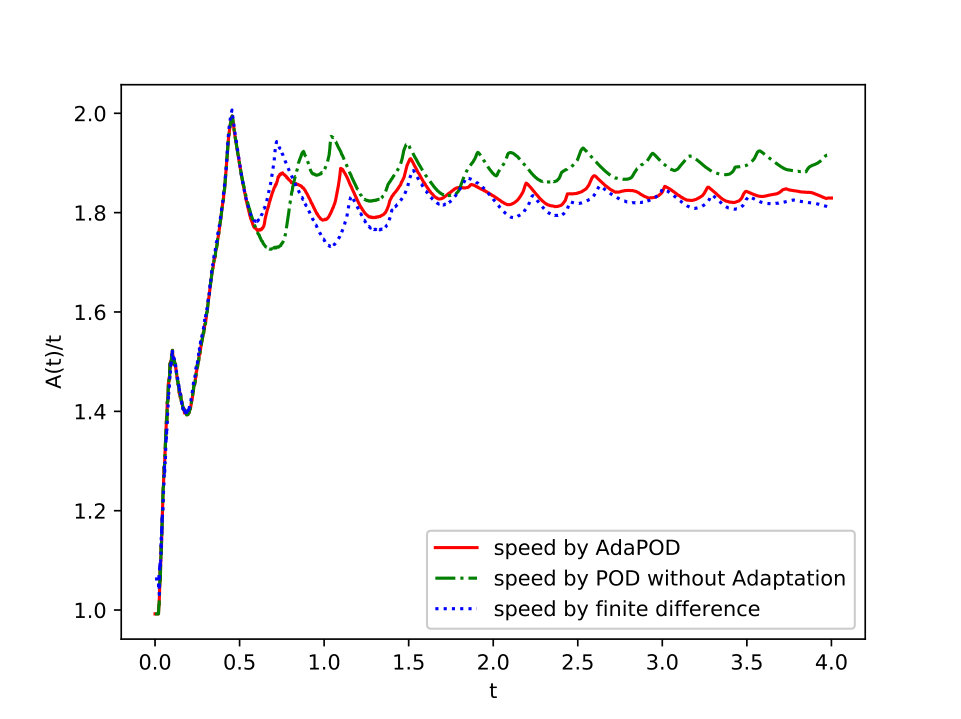 Figure 1
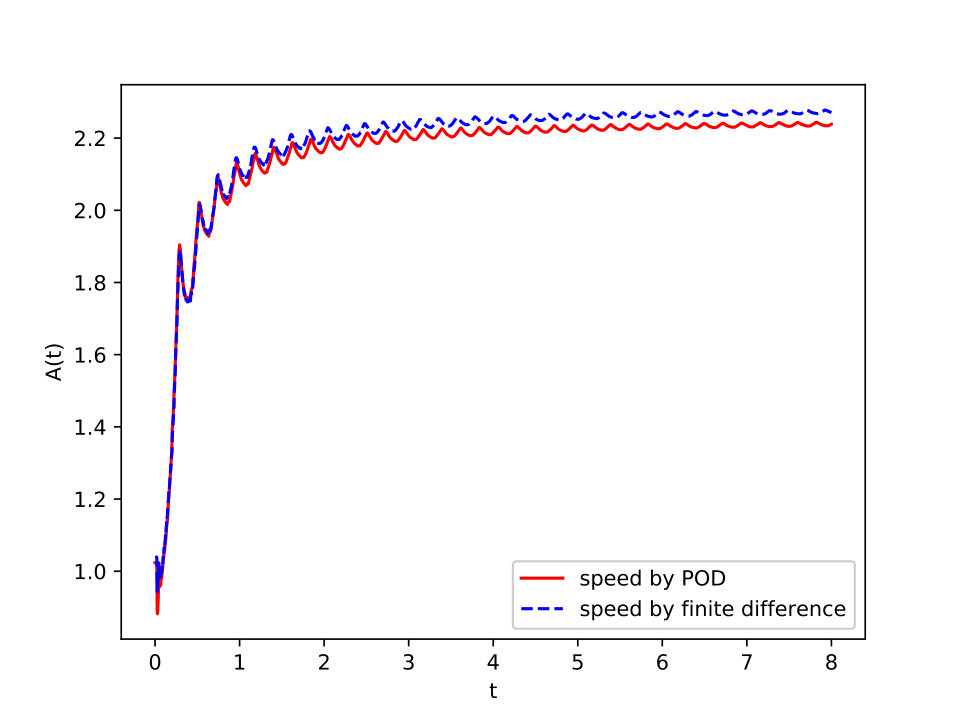 Figure 2
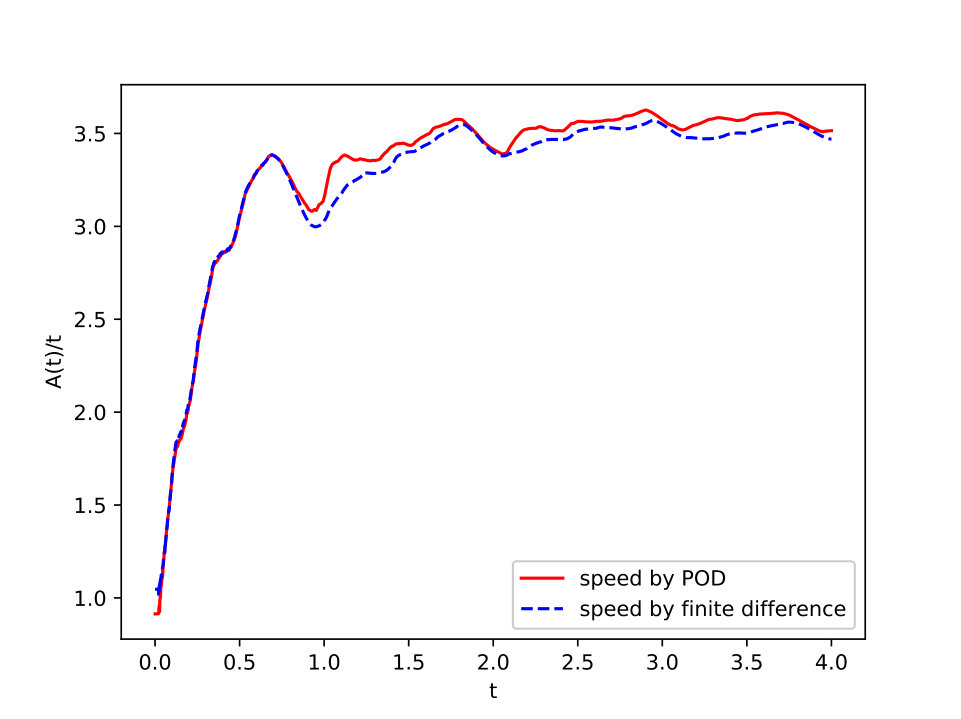 Figure 3
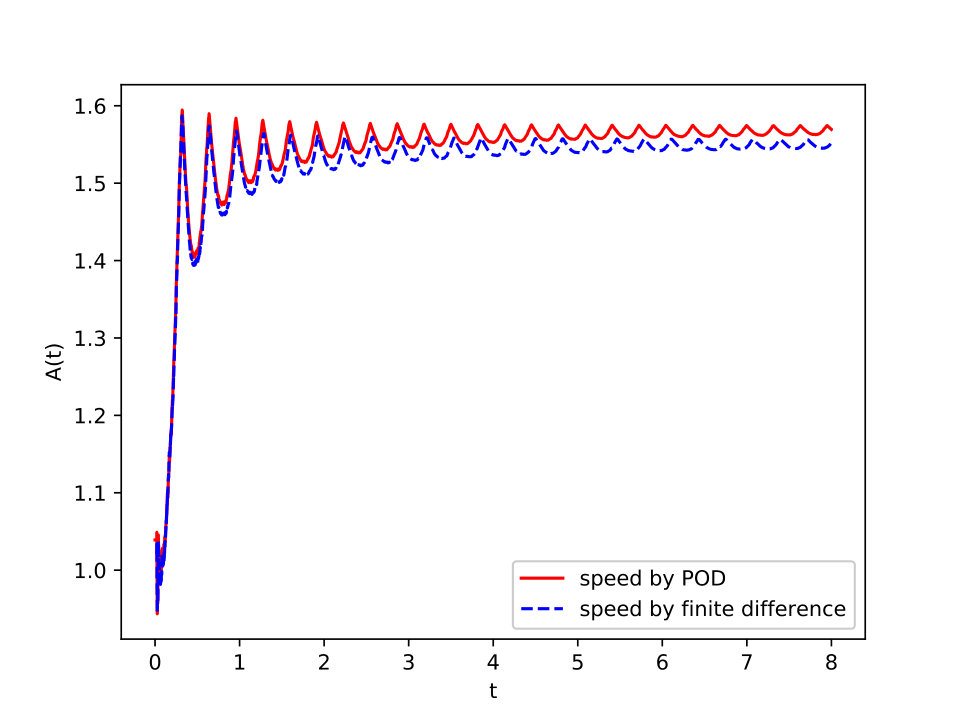 Figure 4
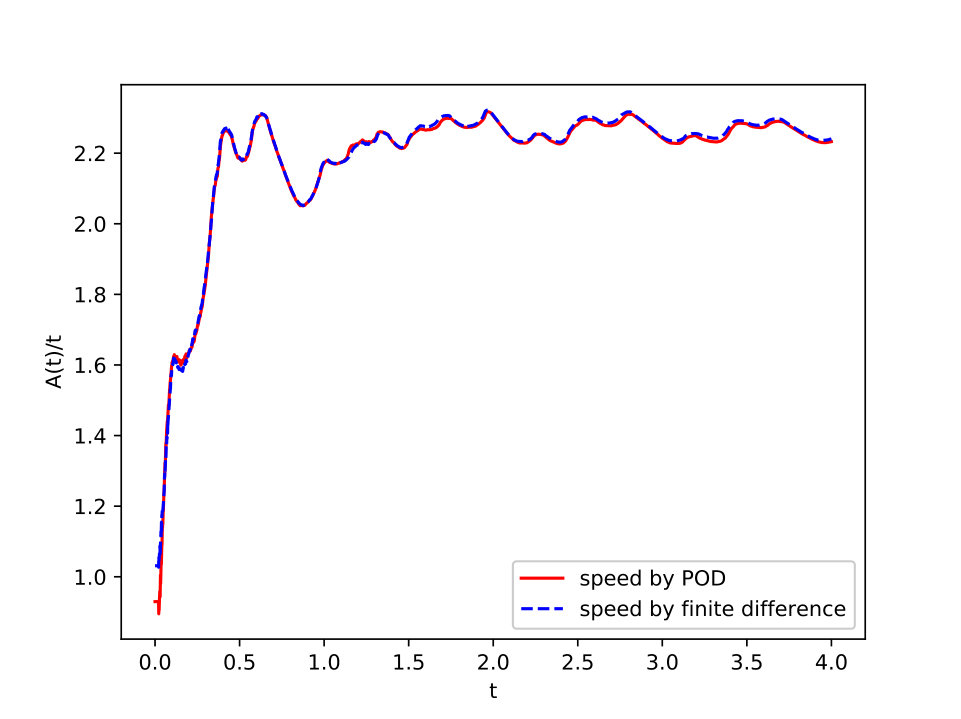 Figure 5
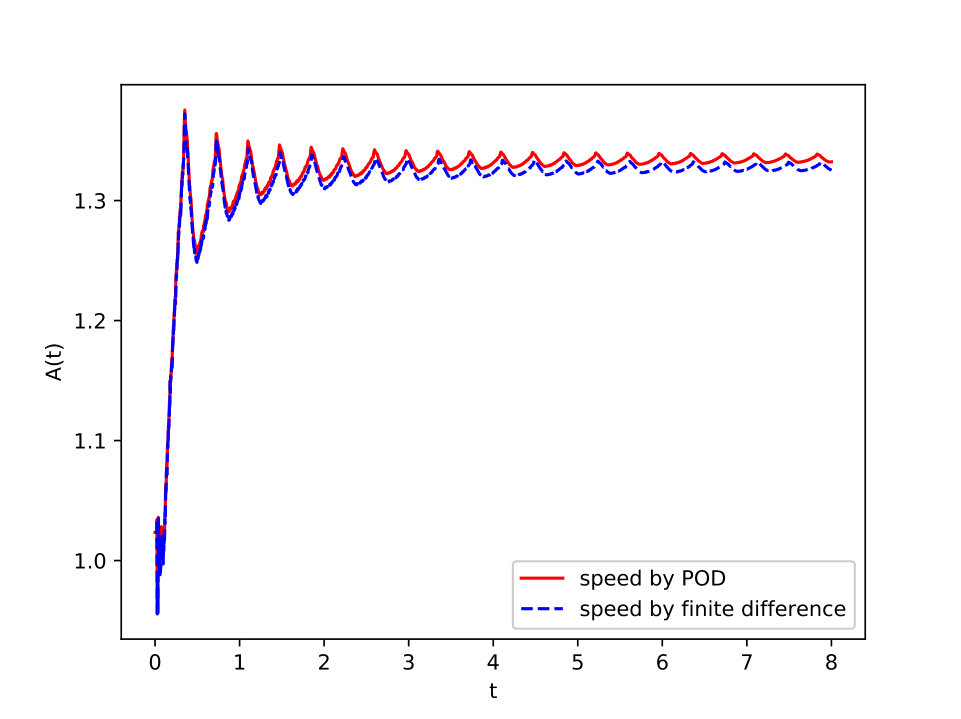 Figure 6
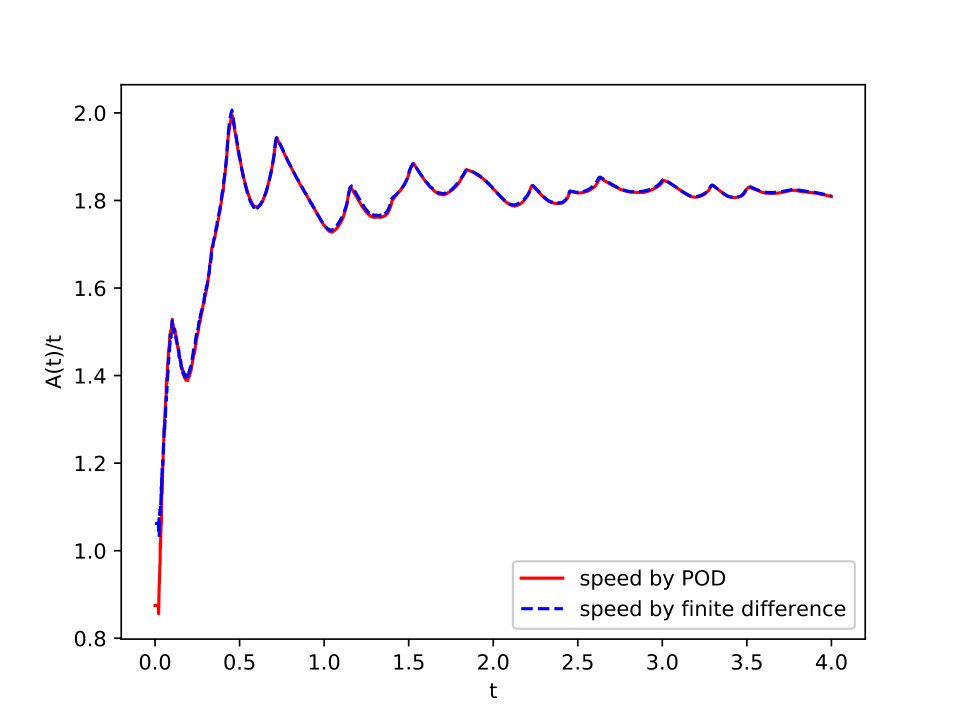 Figure 7
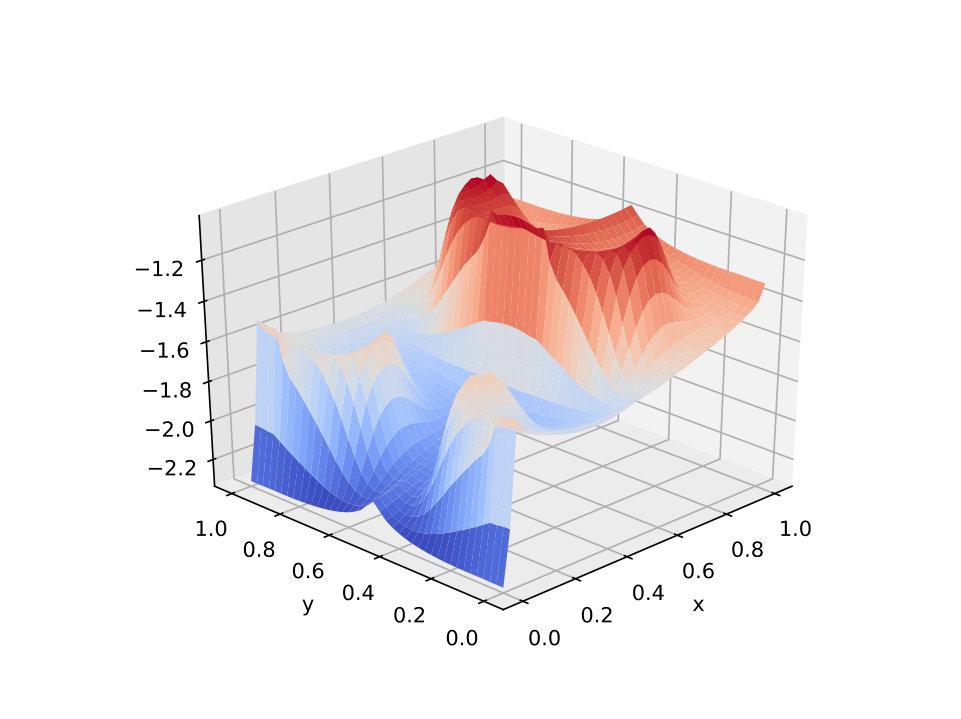 Figure 8
 Figure 9
 Figure 10
 Figure 11
 Figure 12
 Figure 13
 Figure 14
 Figure 15
 Figure 16
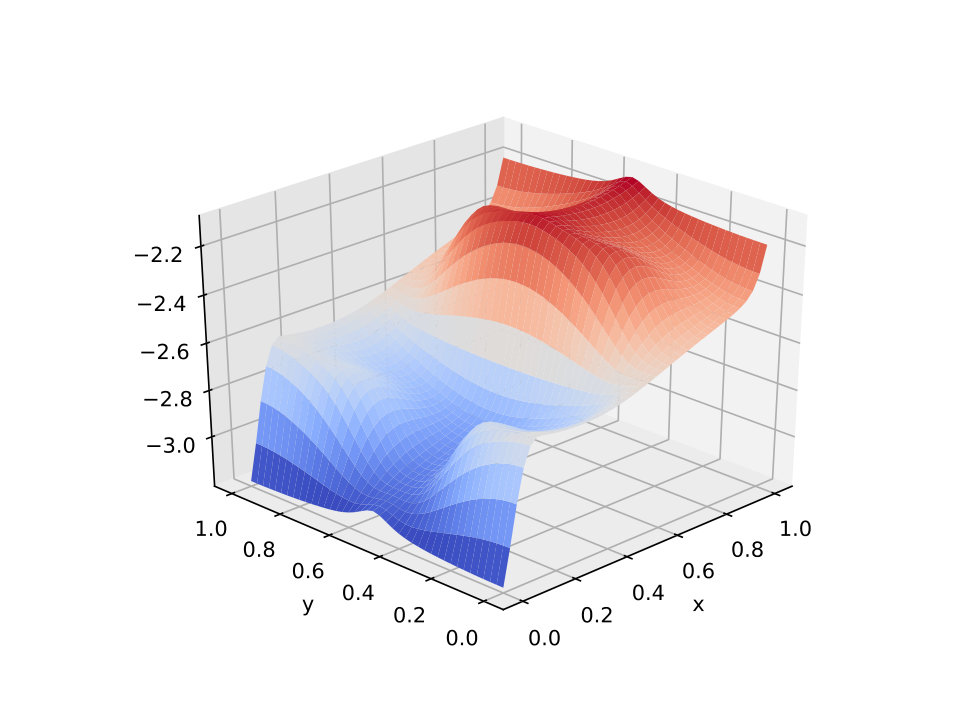 Figure 17
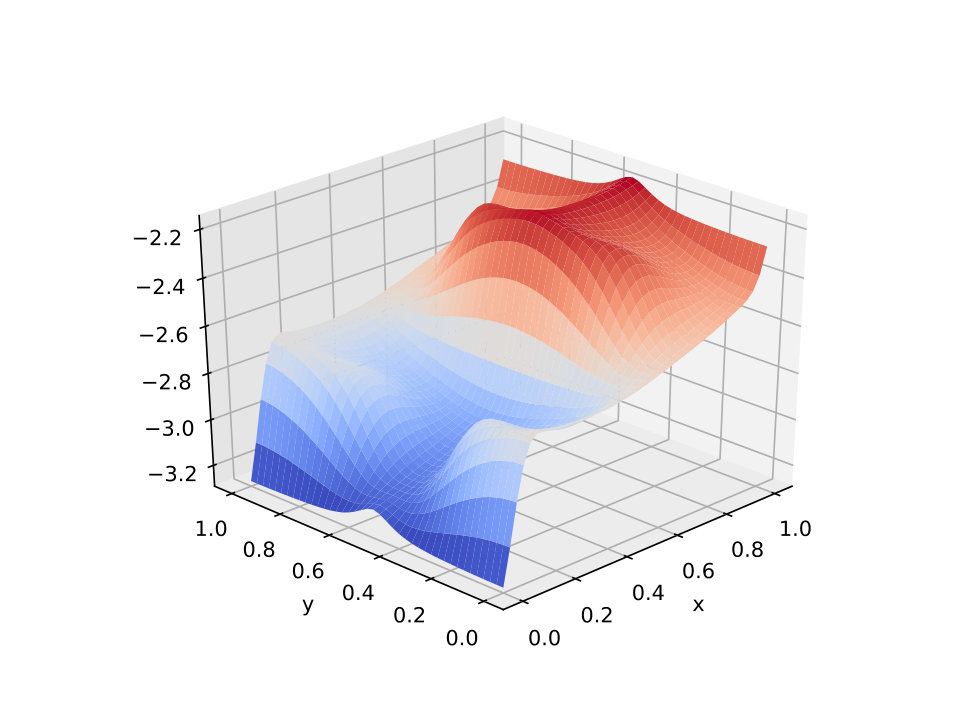 Figure 18
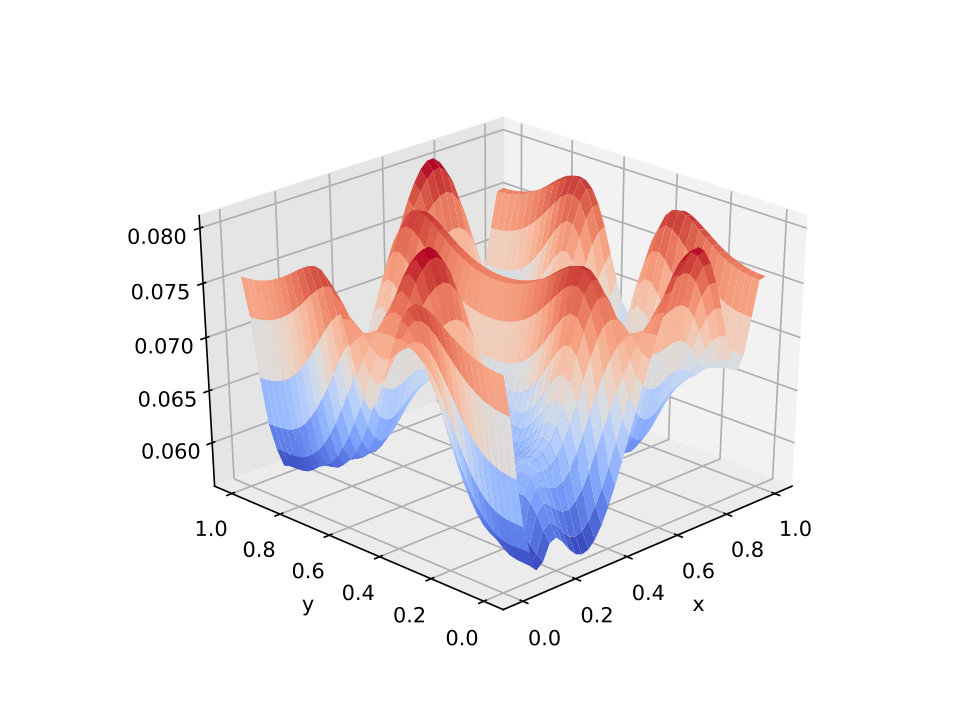 Figure 19
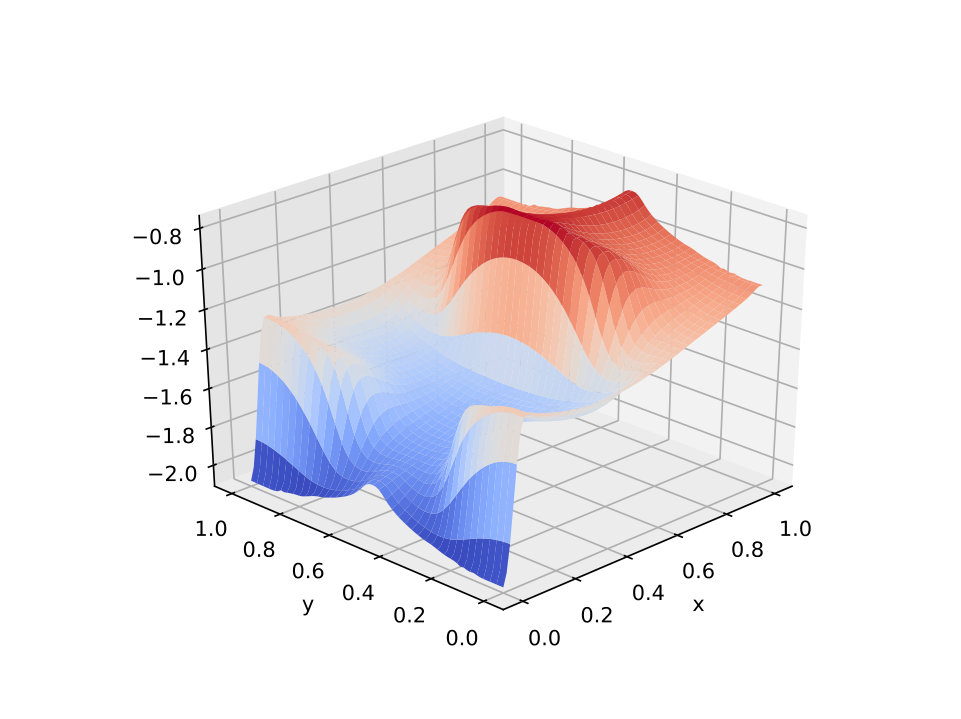 Figure 20
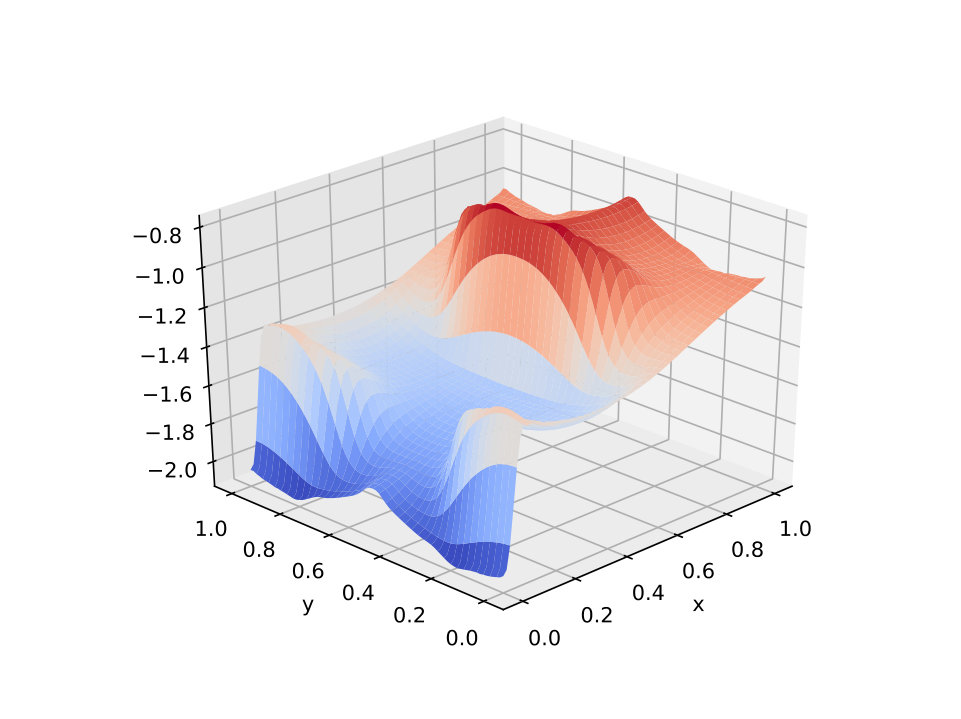 Figure 21
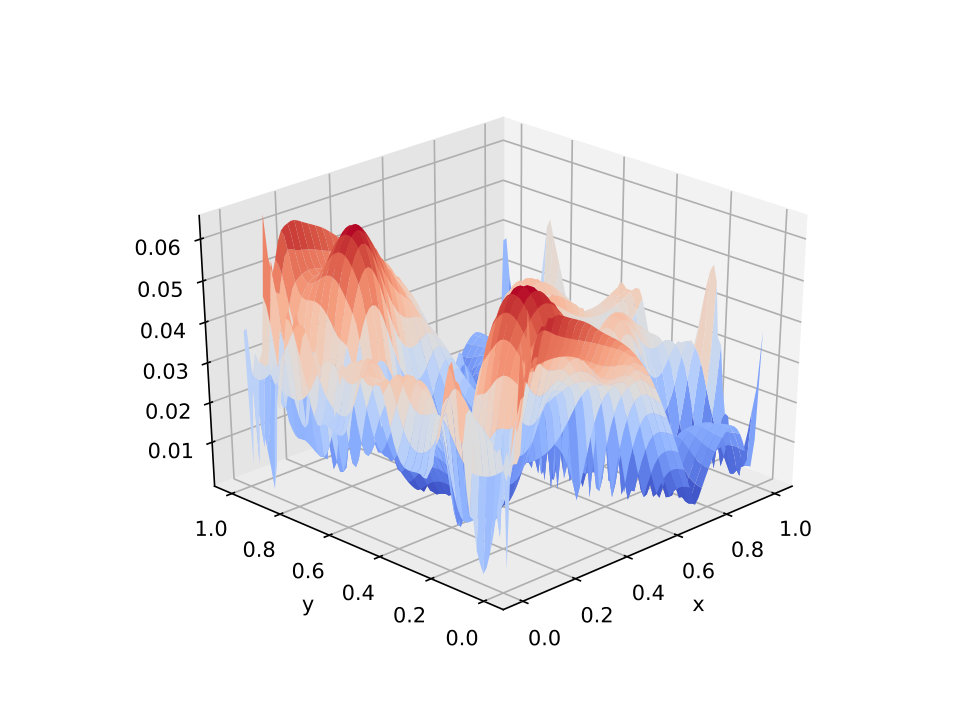 Figure 22
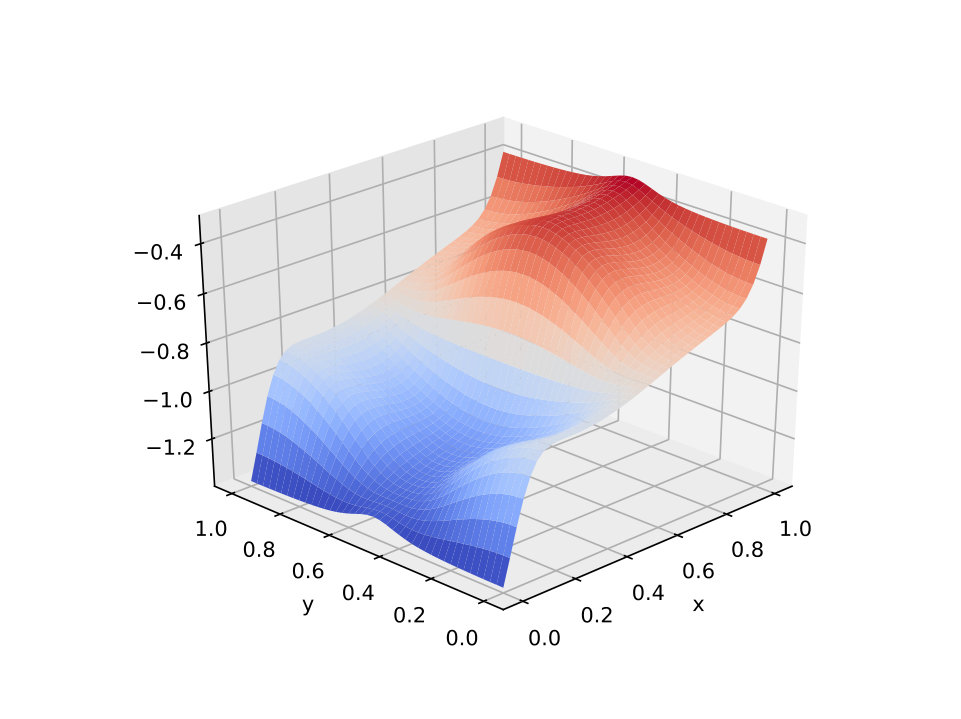 Figure 23
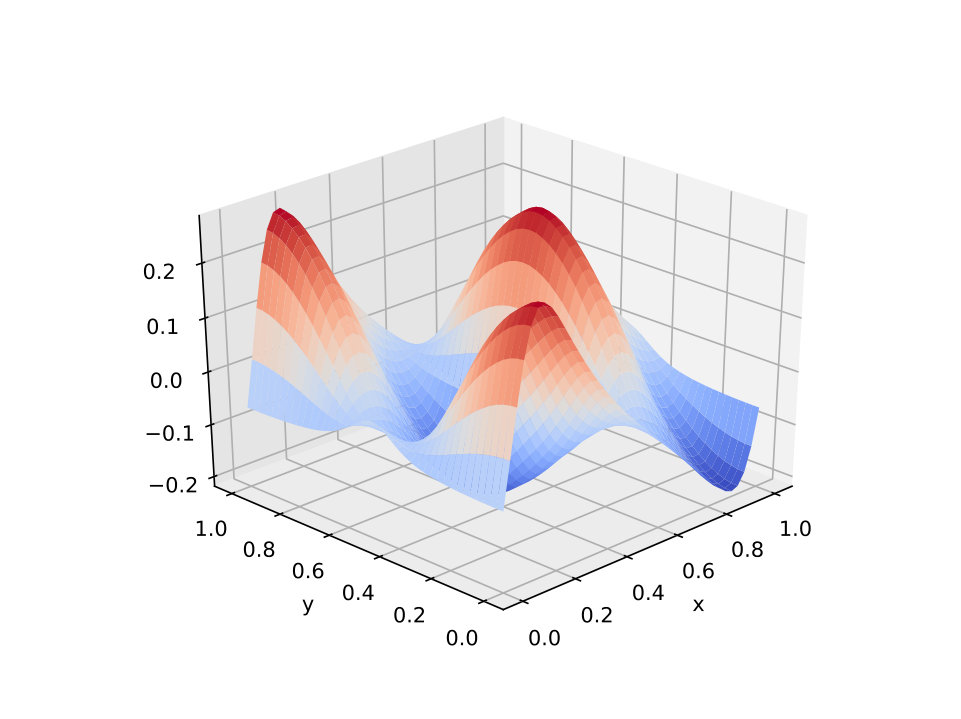 Figure 24
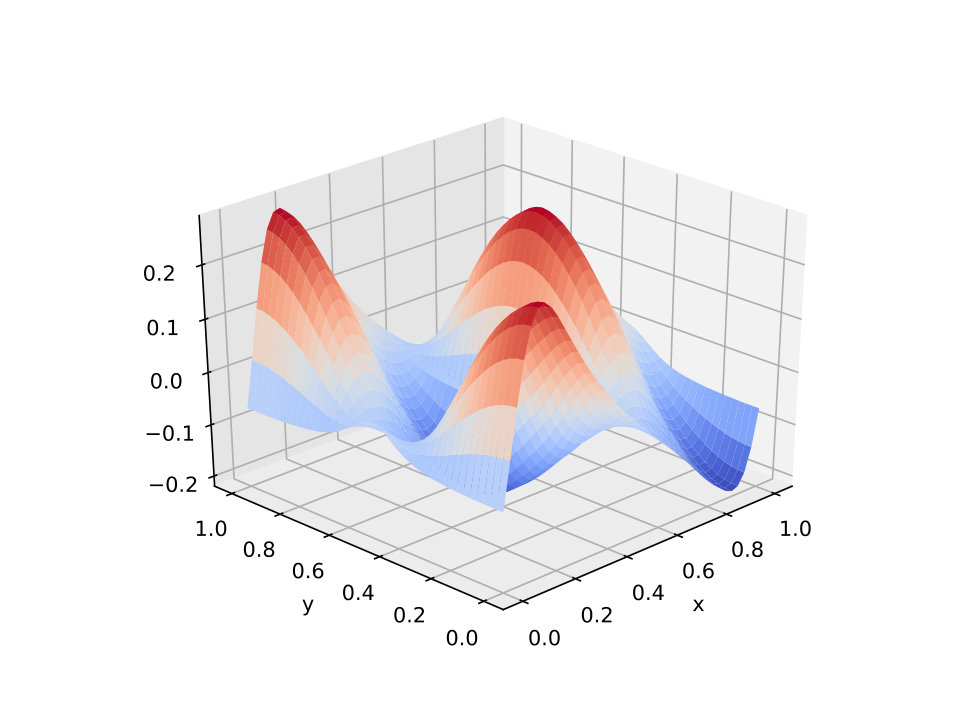 Figure 25
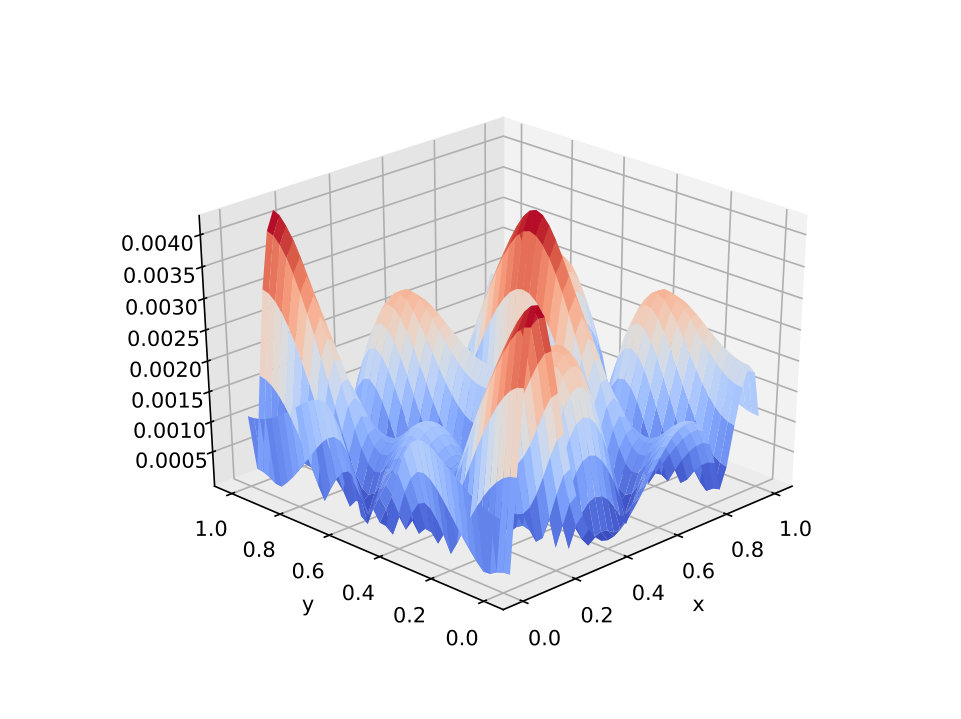 Figure 26
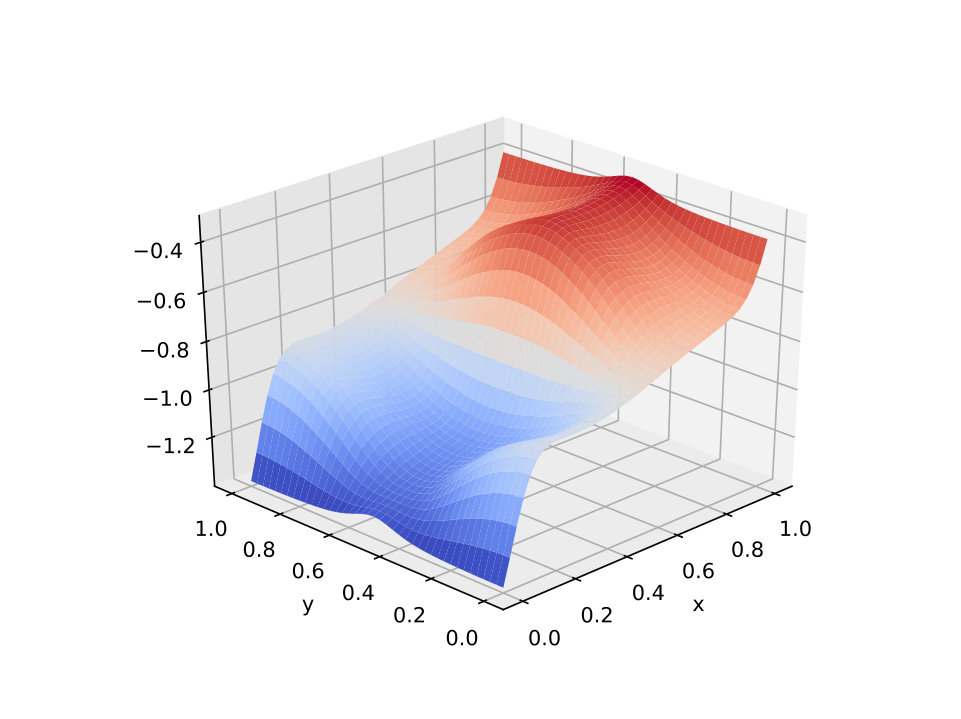 Figure 27
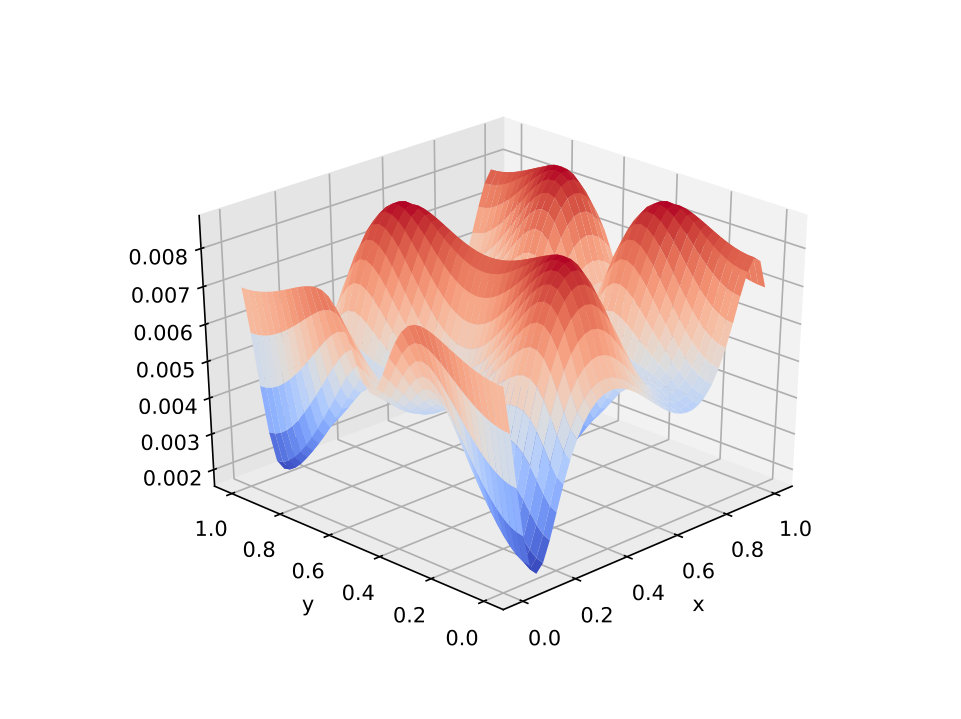 Figure 28
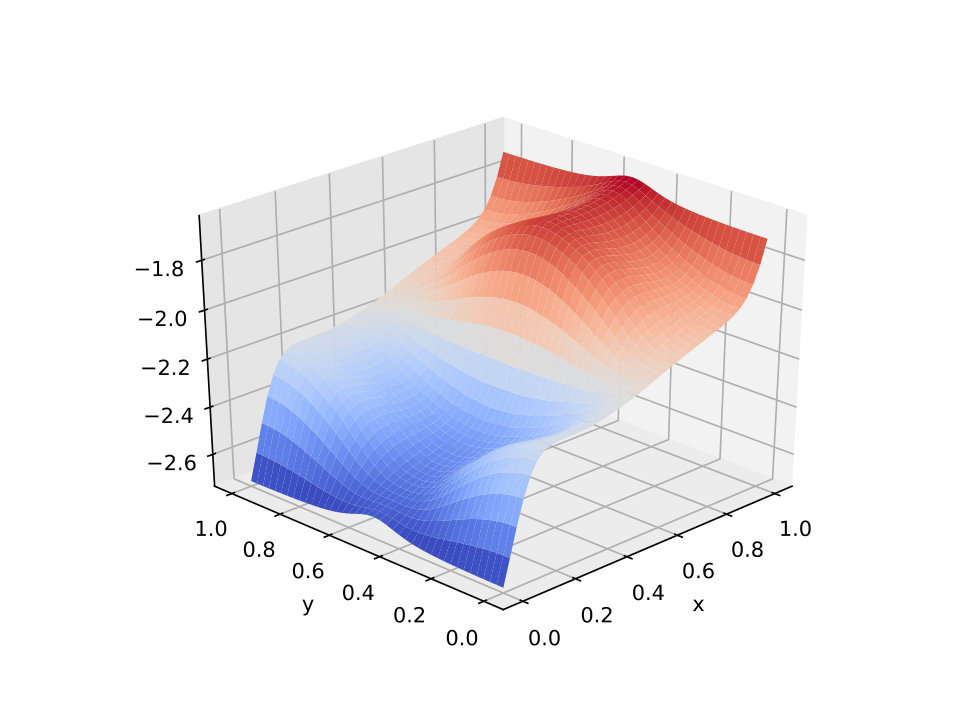 Figure 29
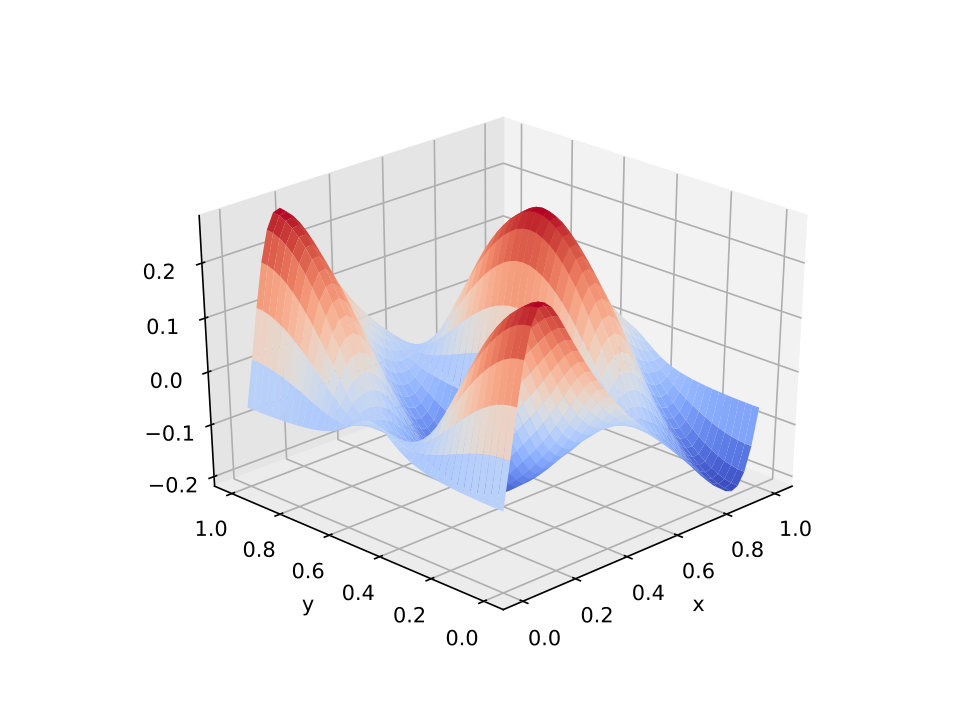 Figure 30
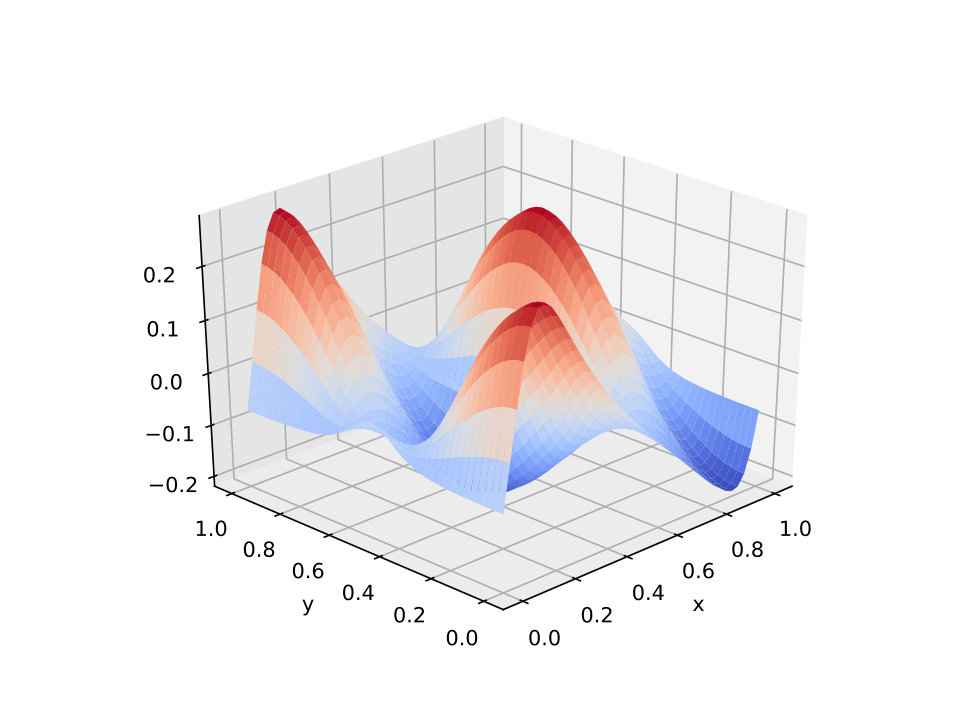 Figure 31
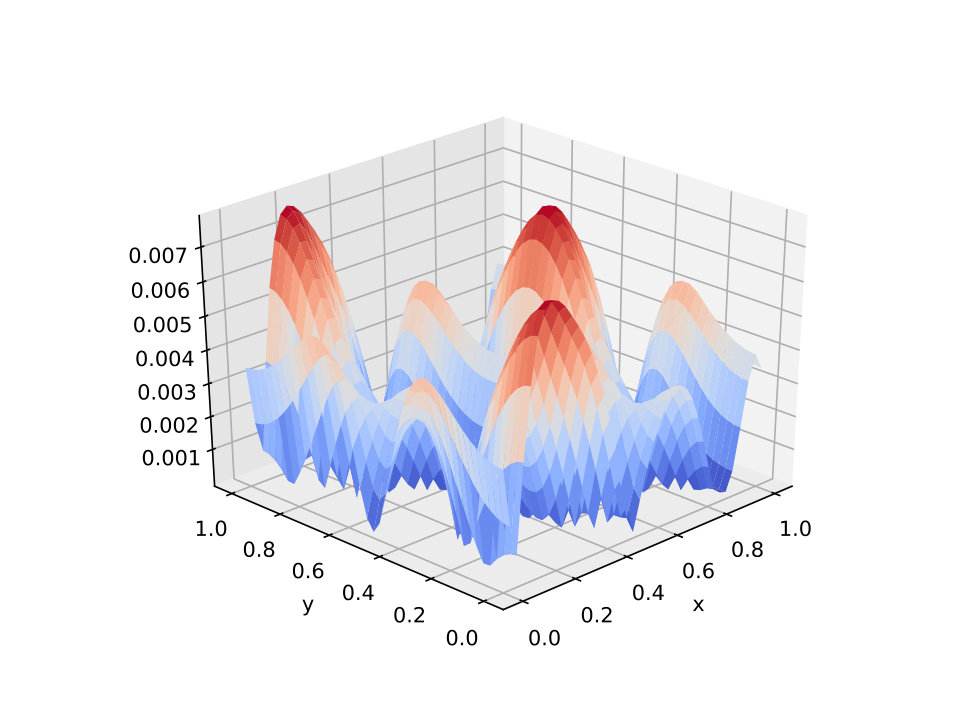 Figure 32
 Figure 33
 Figure 34
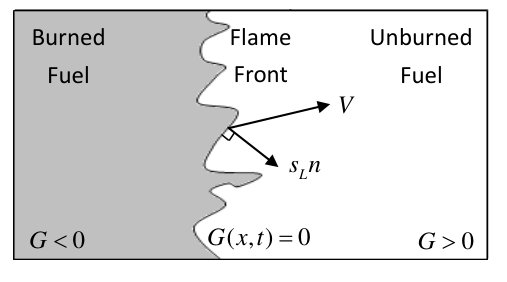 Figure 35
Peer Reviews
No public reviews on file for this paper yet. If you reviewed it on a platform where reviews are public (OpenReview, ICLR, NeurIPS, ICML), you can paste yours below so the community can read it here.
Code & Models
Videos
No videos yet. Explain this paper in a talk, walkthrough, or lecture? Add one.
Taxonomy
TopicsModel Reduction and Neural Networks · Probabilistic and Robust Engineering Design · Computational Fluid Dynamics and Aerodynamics
Error estimates for a POD method for solving viscous G-equations in incompressible cellular flows
Haotian Gu
Jack Xin
Zhiwen Zhang
Department of Mathematics, University of California at Berkeley, Berkeley, CA 94720, USA.
Department of Mathematics, University of California at Irvine, Irvine, CA 92697, USA.
Department of Mathematics, The University of Hong Kong, Pokfulam Road, Hong Kong SAR, China.
Abstract
The G-equation is a well-known model for studying front propagation in turbulent combustion. In this paper, we develop an efficient model reduction method for computing regular solutions of viscous G-equations in incompressible steady and time-periodic cellular flows. Our method is based on the Galerkin proper orthogonal decomposition (POD) method. To facilitate the algorithm design and convergence analysis, we decompose the solution of the viscous G-equation into a mean-free part and a mean part, where their evolution equations can be derived accordingly. We construct the POD basis from the solution snapshots of the mean-free part. With the POD basis, we can efficiently solve the evolution equation for the mean-free part of the solution to the viscous G-equation. After we get the mean-free part of the solution, the mean of the solution can be recovered. We also provide rigorous convergence analysis for our method. Numerical results for viscous G-equations and curvature G-equations are presented to demonstrate the accuracy and efficiency of the proposed method. In addition, we study the turbulent flame speeds of the viscous G-equations in incompressible cellular flows.
AMS subject classification: 65M12, 70H20, 76F25, 78M34, 80A25.
keywords:
Viscous G-equation; Hamilton-Jacobi type equation; front speed computation; cellular flows; proper orthogonal decomposition (POD) method; convergence analysis.
1 Introduction
Front propagation in turbulent combustion is a nonlinear and complicated dynamical process. The G-equation has been a very popular field model in combustion and physics literature for studying premixed turbulent flame propagation [markstein2014nonsteady, matkowsky1979asymptotic, embid1995comparison, peters2000turbulent, fedkiw2002level, xin2009introduction]. The G-equation model is a sound phenomenological approach to study turbulent combustion, which uses the level-set formulation to study the flame front motion laws with the front width ignored. The simplest motion law is that the normal velocity of the front is equal to a constant (the laminar speed) plus the projection of fluid velocity along the normal. This gives the inviscid G-equation
[TABLE]
where the set corresponds to the location of the flame front at time . The derivation of the inviscid G-equation will be elaborated in detail in Section 2.1. Developing numerical methods for (1) has been an active research topic for decades; see e.g. [osher1988fronts, jin1998numerical, cockburn2000DG, kurganov2000new, falcone2013semi] and references therein.
As the fluid turbulence is known to cause stretching and corrugation of flames, additional modeling terms need to be incorporated into the basic G-equation. If the curvature term is added into the basic equation to model the curvature effects and the curvature term is further linearized, we will arrive at the viscous G-equation
[TABLE]
In order to compute numerical solutions of Eq.(2), the authors of [liu2013numerical] first approximated the G-equations by a monotone discrete system, then applied high resolution numerical methods such as WENO (weighted essentially non-oscillatory) finite difference methods [jiang2000weighted] with a combination of explicit and semi-implicit time stepping strategies, depending on the size and property of dissipation in the equations. However, these existing numerical methods become expensive when one needs to discretize the Eq.(2) with a fine mesh or one needs to solve Eq.(2) many times with different parameters. This motivates us to exploit the low-dimensional structures of the regular solutions of viscous G-equation (2) and develop model reduction methods to solve them efficiently.
One of the successful model reduction ideas in the study of turbulent flows is the proper orthogonal decomposition (POD) method [sirovich1987, berkooz1993POD]. The POD method uses the data from an accurate numerical simulation and extracts the most energetic modes in the system by using the singular value decomposition. This approach generates low-dimensional structures that play an important role in the dynamics of the flow. The Galerkin POD method has been used to solve many types of partial differential equations, including linear parabolic equations, Burgers equations, Navier‐Stokes equations and Hamilton–Jacobi–Bellman (HJB) equations; see [kunisch2001galerkin, kunisch2004hjb, borggaard2011artificial, volkwein2013proper, alla2013time, kalise2014reduced, benner2015survey, kalise2018polynomial, alla2020hjb] and references therein for details. The interested reader is referred to [quarteroni2015reduced, benner2015survey, hesthaven2016certified] for a comprehensive introduction of the model reduction methods.
In this paper, we study the POD method to solve the viscous G-equation (2), which is a Hamilton-Jacobi type equation. To deal with the periodic boundary condition of the problem and facilitate the convergence analysis of the POD method, we decompose the solution of the viscous G-equation into a mean-free part and a mean part, where their evolution equations can be derived accordingly; see Eq.(LABEL:eq:vis-hatbar). We construct the POD basis from the snapshots of the mean-free part of the solutions, which can be used to solve the evolution equation for the mean-free part. Then, the mean part of the solution can be computed from the mean-free part; see Eq.(LABEL:evolutionEq_ubar). Notice that the bilinear form of the evolution equation for the mean-free part satisfies the coercive condition, which follows from the Poincaré-Wirtinger inequality. We provide rigorous convergence analysis and show that the accuracy of our method is guaranteed. We remark that the idea of decomposing the data into a mean-free part and a mean part plays an essential role in the convergence analysis of the POD method for solving the viscous G-equation. Finally, we conduct numerical experiments to demonstrate the accuracy and efficiency of the proposed method.
We find that the POD basis can be used to compute long-time solution of the viscous G-equation or the viscous G-equations with different parameters. Moreover, we study the turbulent flame speeds of viscous G-equations in incompressible steady and time periodic cellular flows, which help our understanding of turbulent combustion. To further reduce the numerical error, we develop an adaptive strategy to dynamically enrich the POD basis and demonstrate its effectiveness through a viscous G-equation with time-periodic fluid velocity. We remark that our POD method can easily be extended to solve other types of G-equations [liu2013numerical]. Though we are unable to provide rigorous convergence analysis, we find that the POD method is still efficient in solving curvature G-equation when its solution is smooth. To the best of our knowledge, our result is the first one in the literature that develops POD based model reduction method to solve G-equations and compute their front speeds.
The rest of this paper will be organized as follows. In Section 2, we shall give a brief derivation of G-equation models. In Section 3, we show the detailed derivations of the model reduction method for G-equations. In Section 4, we provide the convergence analysis of the proposed method. Our proof is based on the backward Euler-Galerkin-POD approximation scheme. The proofs for other discretization schemes, such as Crank-Nicolson scheme, can be obtained in a similar manner. In Section 5, we shall perform numerical experiments to test the performance and accuracy of the proposed method. We find that POD method can provide considerable savings over finite difference methods in solving the G-equation while its numerical error is relatively small. Finally, the concluding remarks will be given in Section 6. In the appendix Section, we provide the derivation of a finite difference scheme to solve G-equations proposed in [liu2013numerical] and the procedure of constructing POD basis.
2 Turbulent combustion and G-equations
2.1 Derivation of the G-equations
In this section, we briefly introduce the derivation of the G-equation in turbulent combustion. In a thin reaction zone regime and the corrugated flamelet regime of premixed turbulent combustion (Chapter 2 of [peters2000turbulent]), the flame front is modeled by a level set function: , which is the interface between the burned area, denoted by and the unburned area, denoted by , respectively. Therefore, one can study the propagation of the flame front by solving the dynamic equation for the level set function, namely the G-equation.