A Survey of Hierarchy Identification in Social Networks
Denys Katerenchuk

TL;DR
This paper surveys methods for identifying hierarchical relationships in online social networks, which is crucial for understanding social dynamics, improving recommendations, and enhancing security.
Contribution
It provides a comprehensive overview of current research and state-of-the-art approaches for hierarchy identification in social networks.
Findings
Various algorithms effectively detect hierarchical roles.
Hierarchical detection improves social network analysis.
New methods enhance accuracy of relationship recognition.
Abstract
Humans are social by nature. Throughout history, people have formed communities and built relationships. Most relationships with coworkers, friends, and family are developed during face-to-face interactions. These relationships are established through explicit means of communications such as words and implicit such as intonation, body language, etc. By analyzing human interactions we can derive information about the relationships and influence among conversation participants. However, with the development of the Internet, people started to communicate through text in online social networks. Interestingly, they brought their communicational habits to the Internet. Many social network users form relationships with each other and establish communities with leaders and followers. Recognizing these hierarchical relationships is an important task because it will help to understand social…
Click any figure to enlarge with its caption.
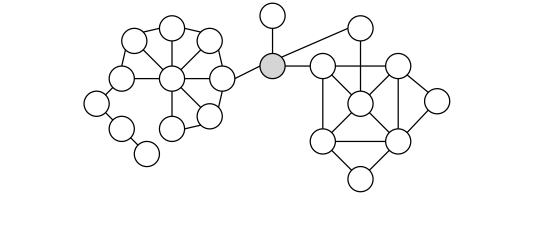 Figure 1
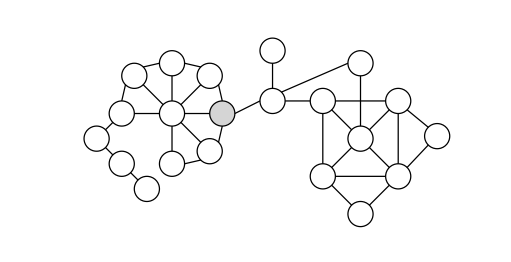 Figure 2
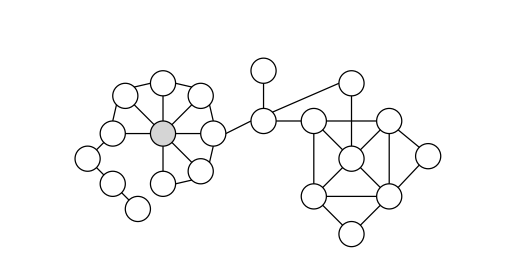 Figure 3
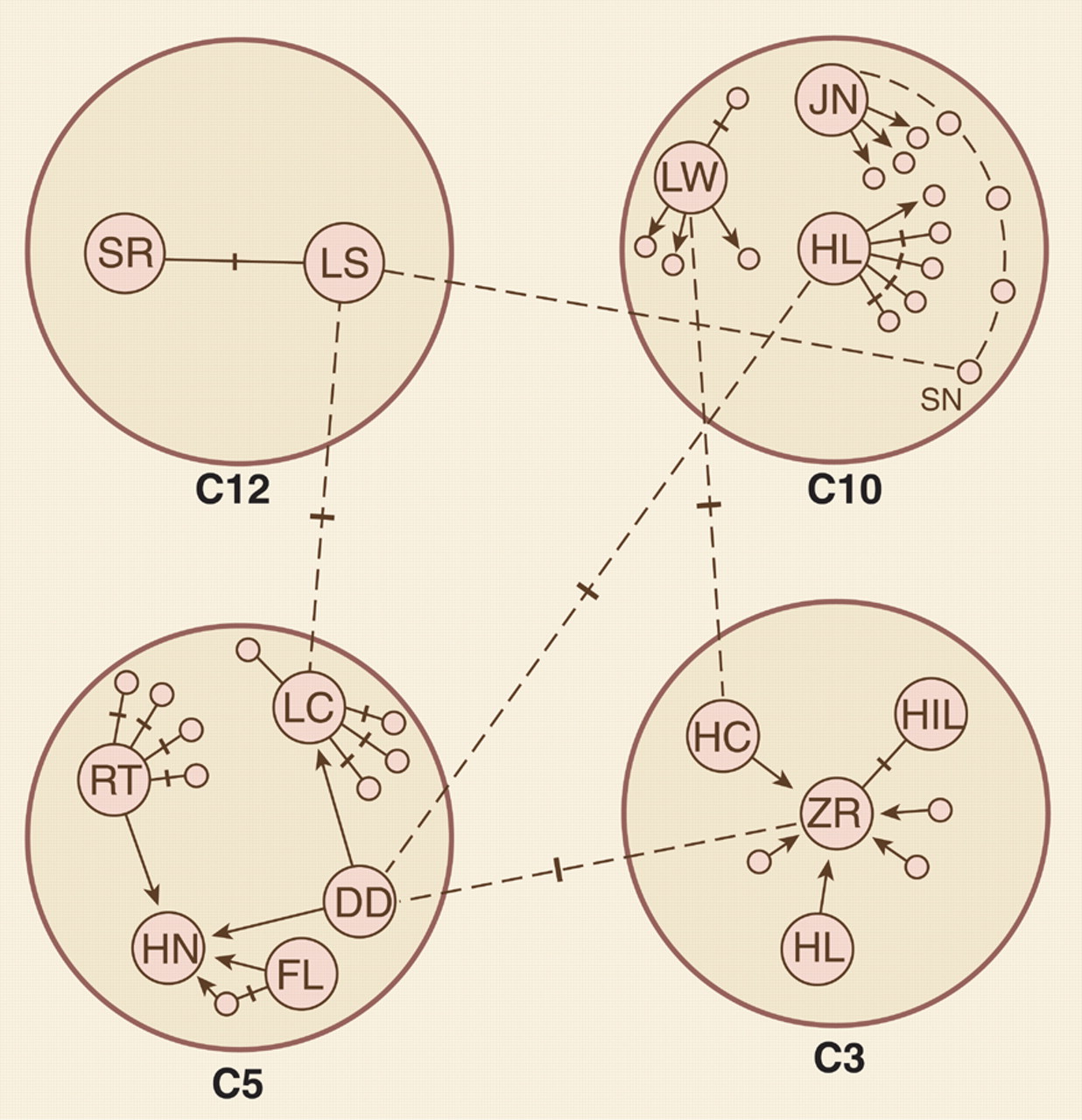 Figure 4
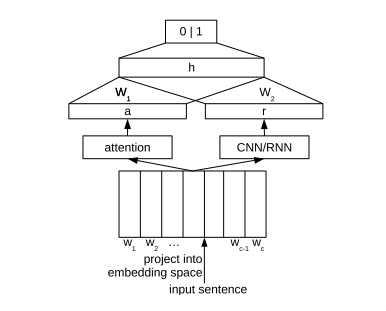 Figure 5
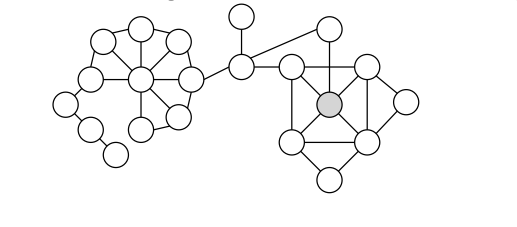 Figure 6
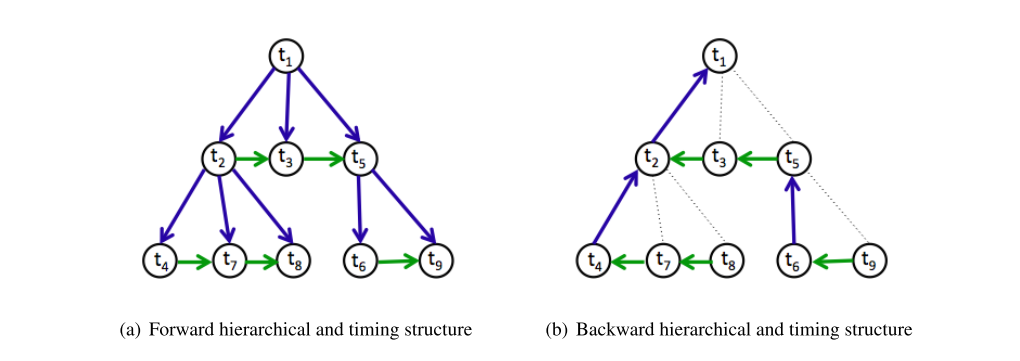 Figure 7
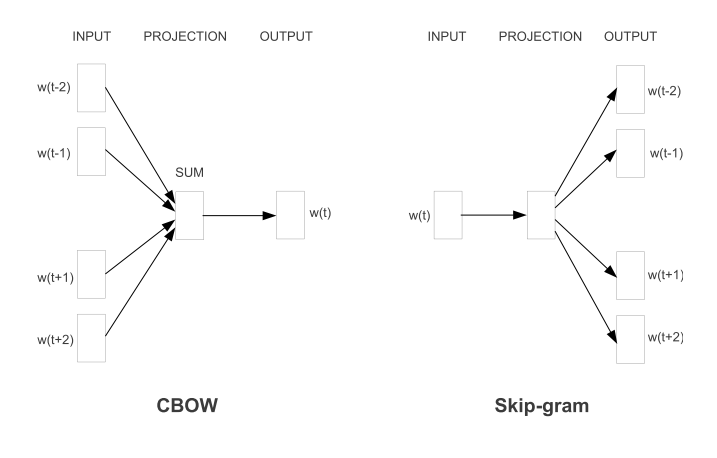 Figure 8
 Figure 9
Peer Reviews
No public reviews on file for this paper yet. If you reviewed it on a platform where reviews are public (OpenReview, ICLR, NeurIPS, ICML), you can paste yours below so the community can read it here.
Videos
No videos yet. Explain this paper in a talk, walkthrough, or lecture? Add one.
Taxonomy
TopicsComplex Network Analysis Techniques · Spam and Phishing Detection · Sentiment Analysis and Opinion Mining
A Survey of Hierarchy Identification in Social Networks
Denys Katerenchuk
\makeabstractpage
Pr. Rivka Levitan Introduction: Humans are social by nature. Throughout history, people have formed communities and built relationships. Most relationships with coworkers, friends, and family are developed during face-to-face interactions. These relationships are established through explicit means of communications such as words and implicit such as intonation, body language, etc. By analyzing human interactions we can derive information about the relationships and influence among conversation participants. However, with the development of the Internet, people started to communicate through text in online social networks. Interestingly, they brought their communicational habits to the Internet. Many social network users form relationships with each other and establish communities with leaders and followers. Recognizing these hierarchical relationships is an important task because it will help to understand social networks and predict future trends, improve recommendations, better target advertisement, and improve national security by identifying leaders of anonymous terror groups. In this work, I provide an overview of current research in this area and present the state-of-the-art approaches to deal with the problem of identifying hierarchical relationships in social networks.