Interfacial Spin-Orbit Coupling: New Platform for Superconducting Spintronics
Isidoro Mart\'inez, Petra H\"ogl, C\'esar Gonz\'alez-Ruano, Juan Pedro, Cascales, Coriolan Tiusan, Yuan Lu, Michel Hehn, Alex Matos-Abiague, Jaroslav, Fabian, Igor \v{Z}uti\'c, Farkhad G. Aliev

TL;DR
This paper reveals that interfacial spin-orbit coupling in superconducting junctions can induce spin-triplet superconductivity and significantly enhance magnetoresistance anisotropy, opening new avenues for superconducting spintronics and quantum computing.
Contribution
It demonstrates that negligible spin-orbit coupling in normal state junctions can dramatically influence superconducting properties, leading to new functionalities in superconducting spintronics.
Findings
Superconducting transition enhances MR anisotropy by three orders of magnitude.
All-epitaxial ferromagnet/MgO/metal junction supports spin-triplet superconductivity.
Negligible SOC in normal state can profoundly affect superconducting response.
Abstract
Spin-orbit coupling (SOC) is a key interaction in spintronics, allowing an electrical control of spin or magnetization and, vice versa, a magnetic control of electrical current. However, recent advances have revealed much broader implications of SOC that is also central to the design of topological states, including topological insulators, skyrmions, and Majorana fermions, or to overcome the exclusion of two-dimensional ferro-magnetism expected from the Mermin-Wagner theorem. SOC and the resulting emergent interfacial spin-orbit fields are simply realized in junctions through structural inversion asymmetry, while the anisotropy in magnetoresistance (MR) allows for their experimental detection. Surprisingly, we demonstrate that an all-epitaxial ferromagnet/MgO/metal junction with only a negligible MR anisotropy undergoes a remarkable transformation below the superconducting transition…
Click any figure to enlarge with its caption.
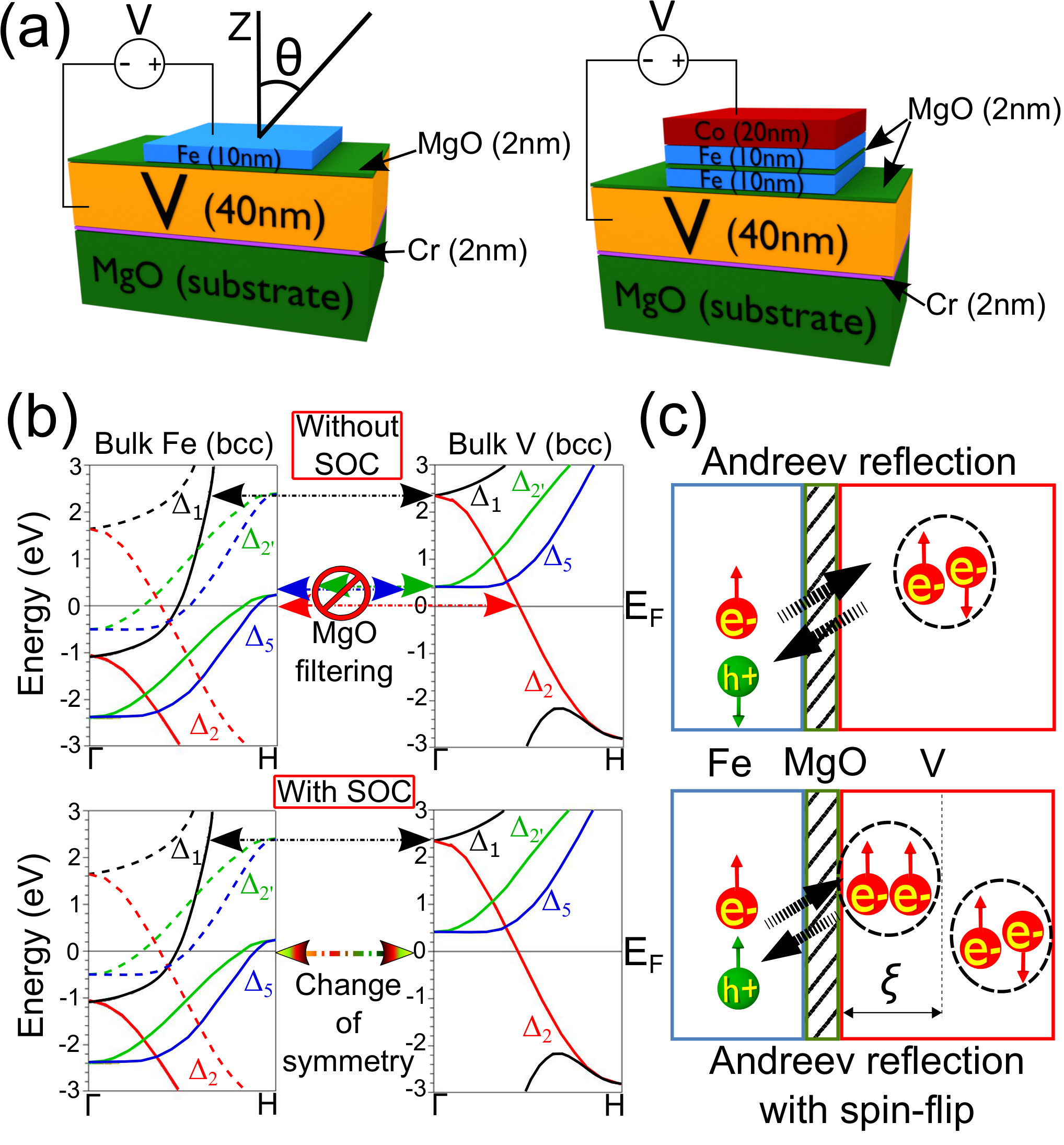 Figure 1
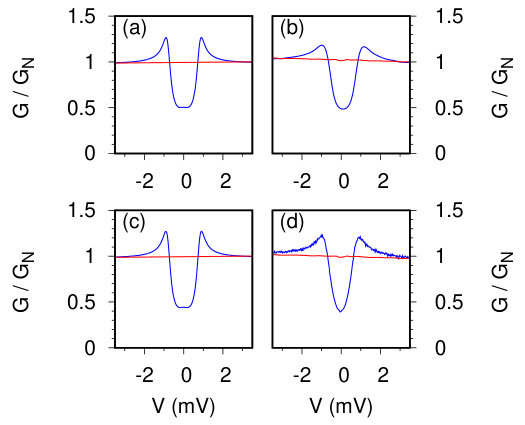 Figure 10
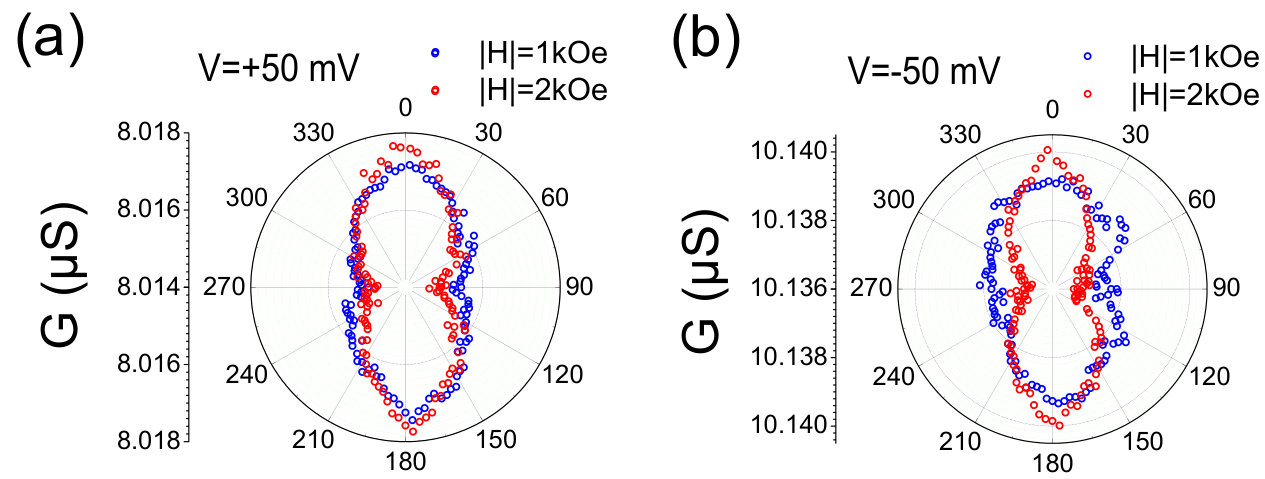 Figure 2
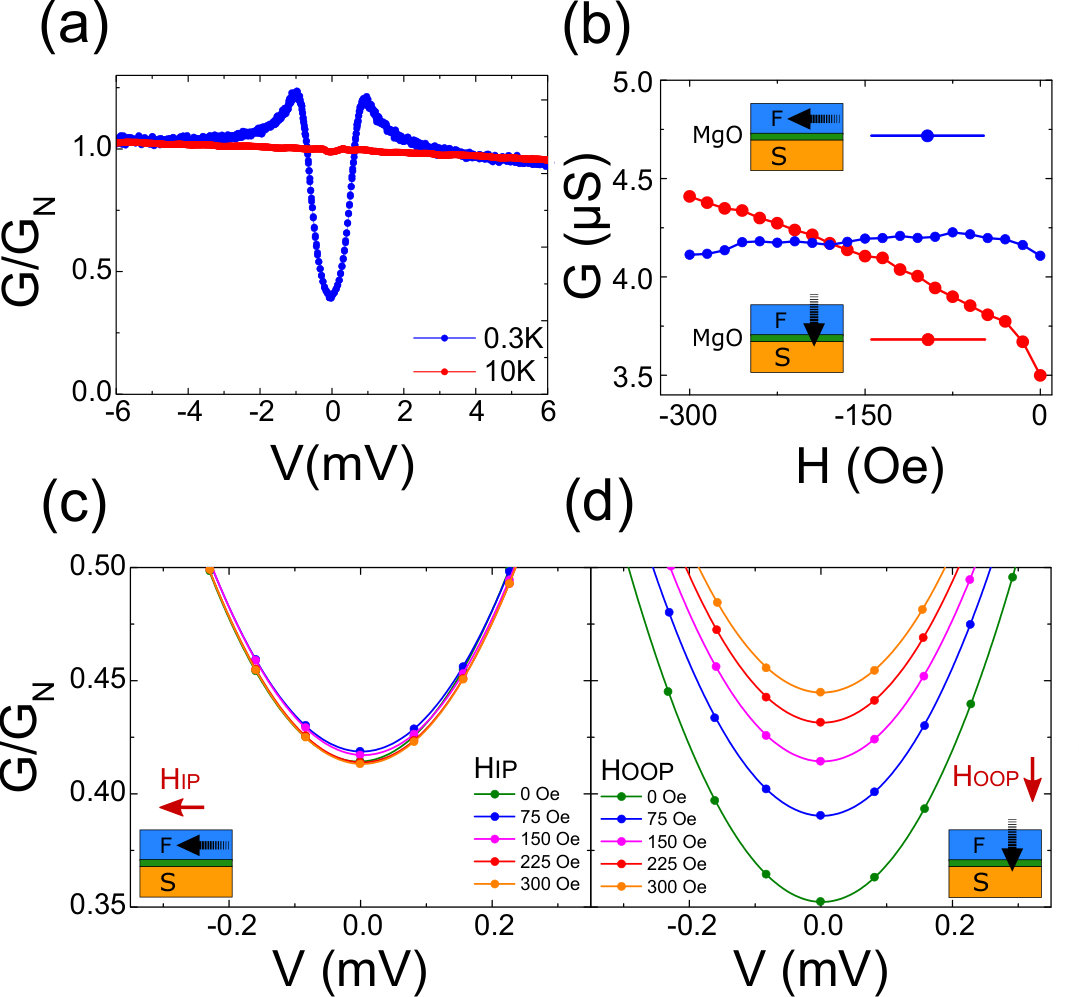 Figure 3
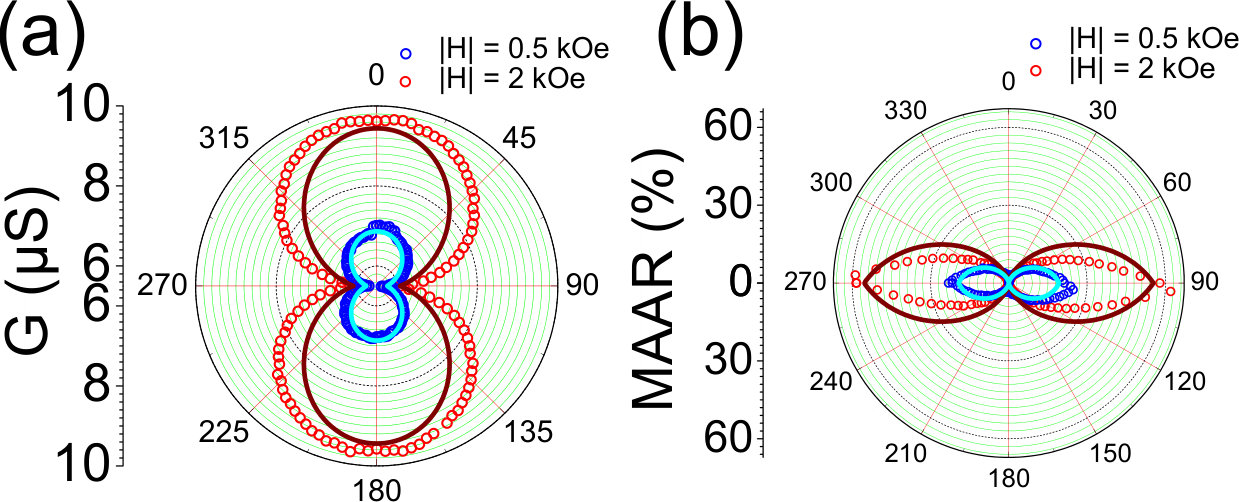 Figure 4
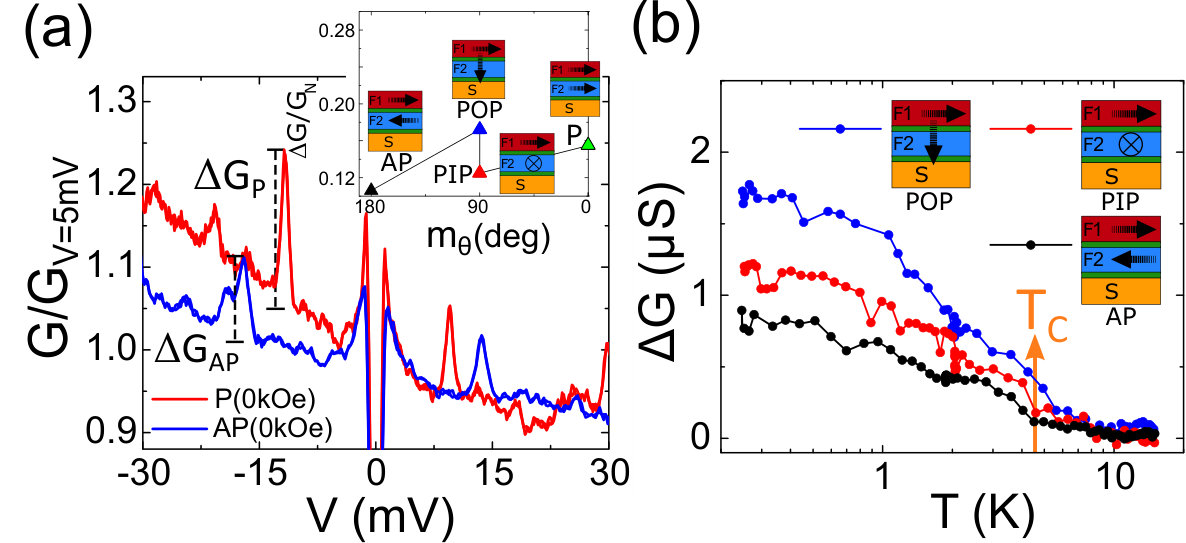 Figure 5
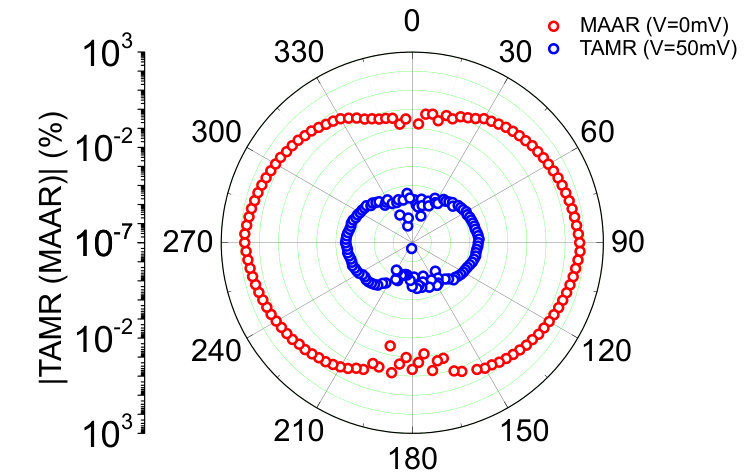 Figure 6
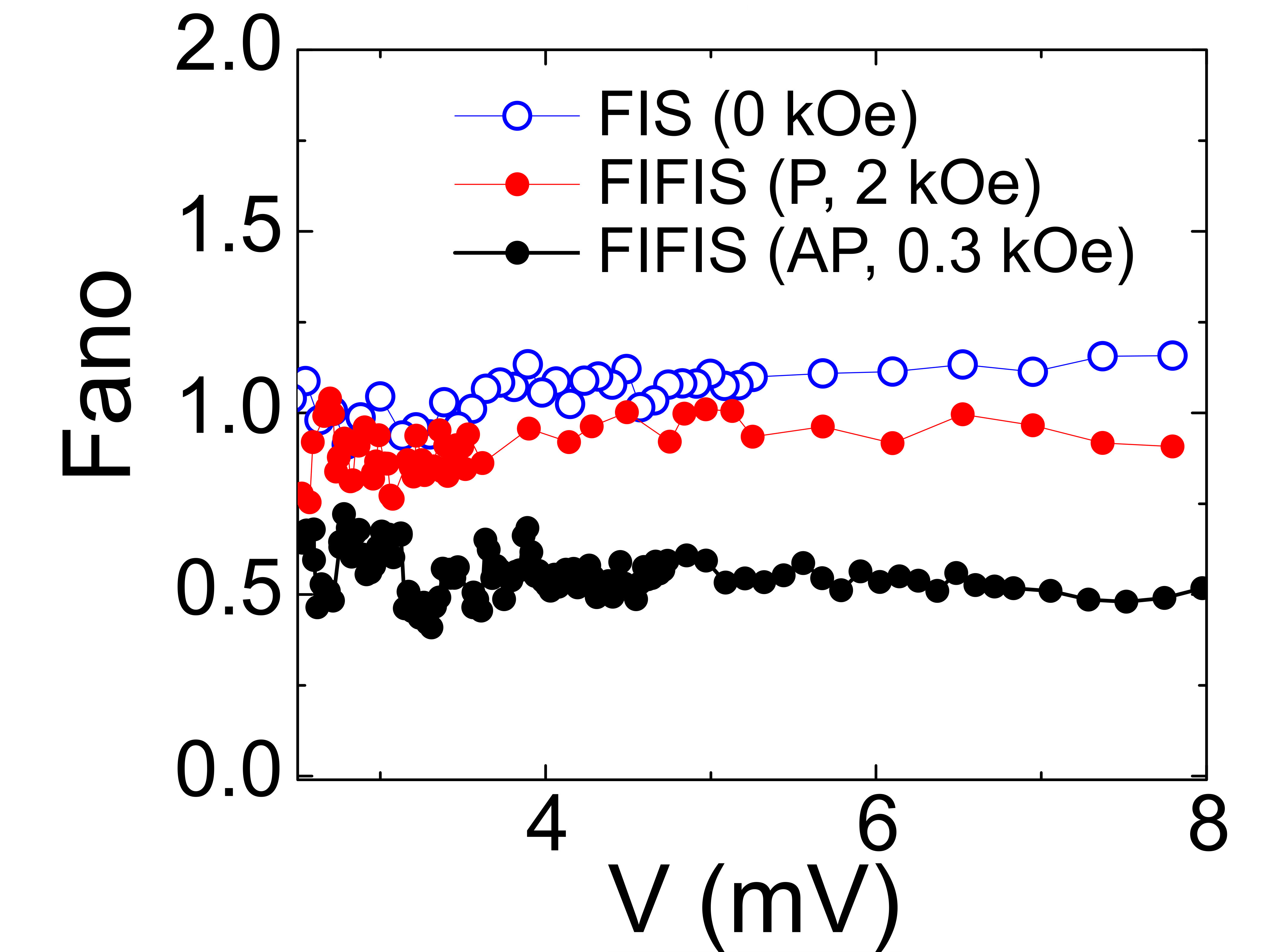 Figure 7
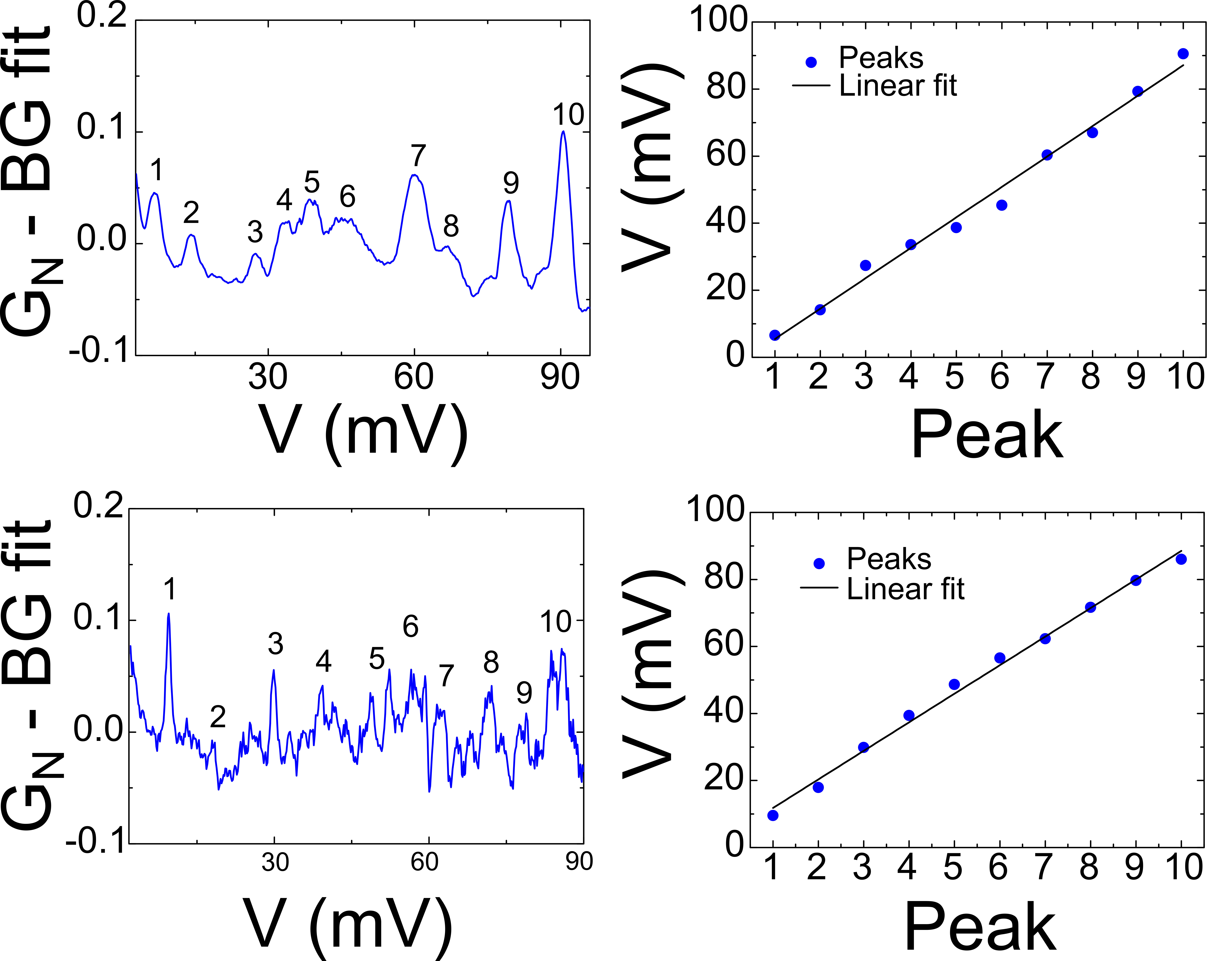 Figure 8
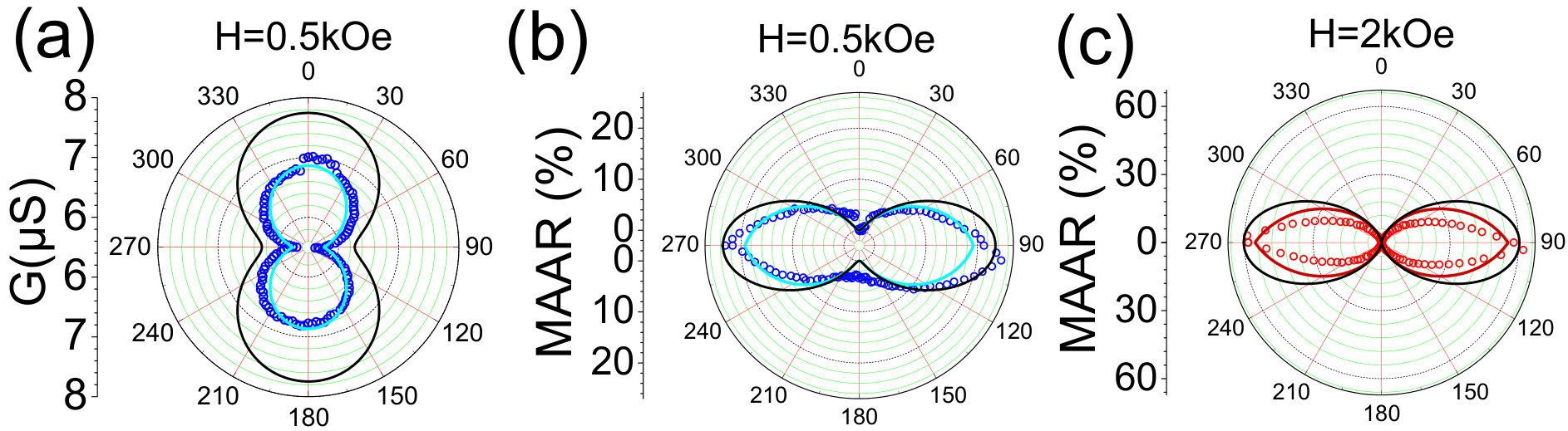 Figure 9
Peer Reviews
No public reviews on file for this paper yet. If you reviewed it on a platform where reviews are public (OpenReview, ICLR, NeurIPS, ICML), you can paste yours below so the community can read it here.
Videos
No videos yet. Explain this paper in a talk, walkthrough, or lecture? Add one.