Opportunities in Flavour Physics at the HL-LHC and HE-LHC
A. Cerri, V.V. Gligorov, S. Malvezzi, J. Martin Camalich, J. Zupan, S., Akar, J. Alimena, B.C. Allanach, W. Altmannshofer, L. Anderlini, F. Archilli,, P. Azzi, S. Banerjee, W. Barter, A.E. Barton, M. Bauer, I. Belyaev, S., Benson, M. Bettler, R. Bhattacharya, S. Bifani

TL;DR
This paper explores the expanded opportunities for flavour physics research at the HL-LHC and HE-LHC, emphasizing the importance of upgrades to LHCb, ATLAS, and CMS for discovering new physics beyond the Standard Model.
Contribution
It provides a detailed assessment of the physics potential of the HL/HE-LHC upgrades, highlighting the role of upgraded experiments in exploring new physics and their complementarity with other LHC studies.
Findings
Enhanced flavour physics potential with HL/HE-LHC upgrades
Synergy between flavour physics and high-$p_T$ searches for new particles
Necessity of full exploitation of flavour physics in future LHC runs
Abstract
Motivated by the success of the flavour physics programme carried out over the last decade at the Large Hadron Collider (LHC), we characterize in detail the physics potential of its High-Luminosity and High-Energy upgrades in this domain of physics. We document the extraordinary breadth of the HL/HE-LHC programme enabled by a putative Upgrade II of the dedicated flavour physics experiment LHCb and the evolution of the established flavour physics role of the ATLAS and CMS general purpose experiments. We connect the dedicated flavour physics programme to studies of the top quark, Higgs boson, and direct high- searches for new particles and force carriers. We discuss the complementarity of their discovery potential for physics beyond the Standard Model, affirming the necessity to fully exploit the LHC's flavour physics potential throughout its upgrade eras.
Click any figure to enlarge with its caption.
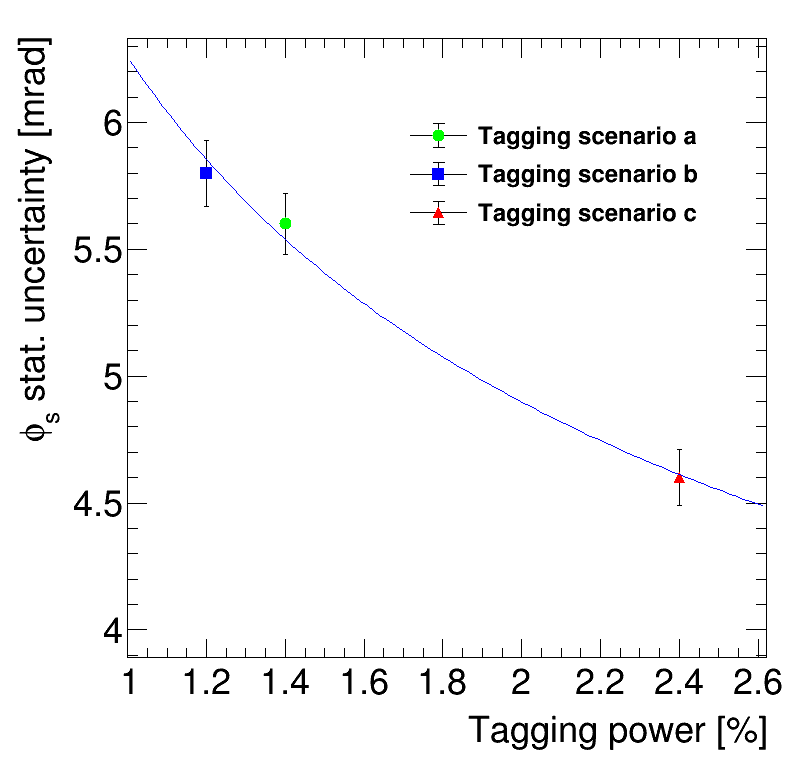 Figure 1
 Figure 2
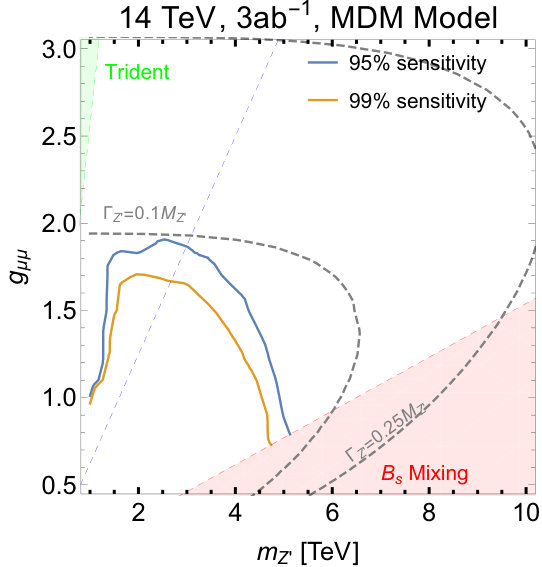 Figure 3
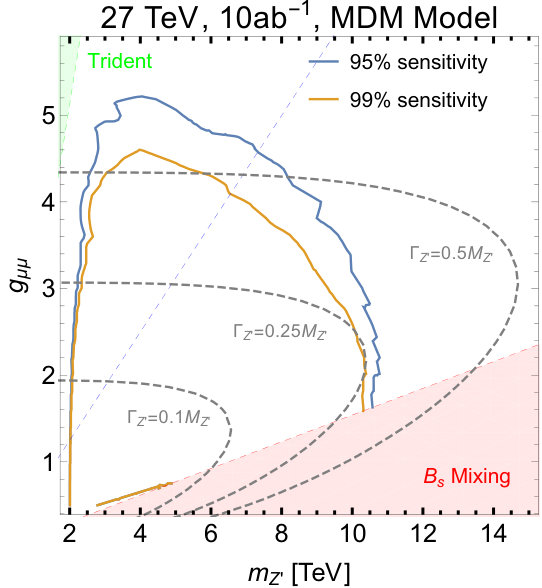 Figure 4
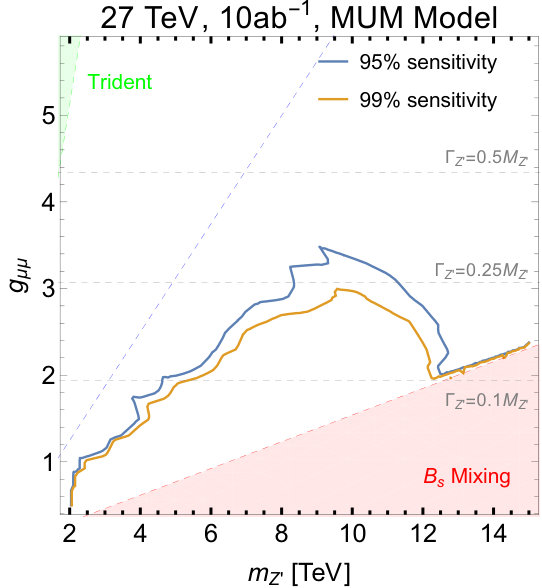 Figure 5
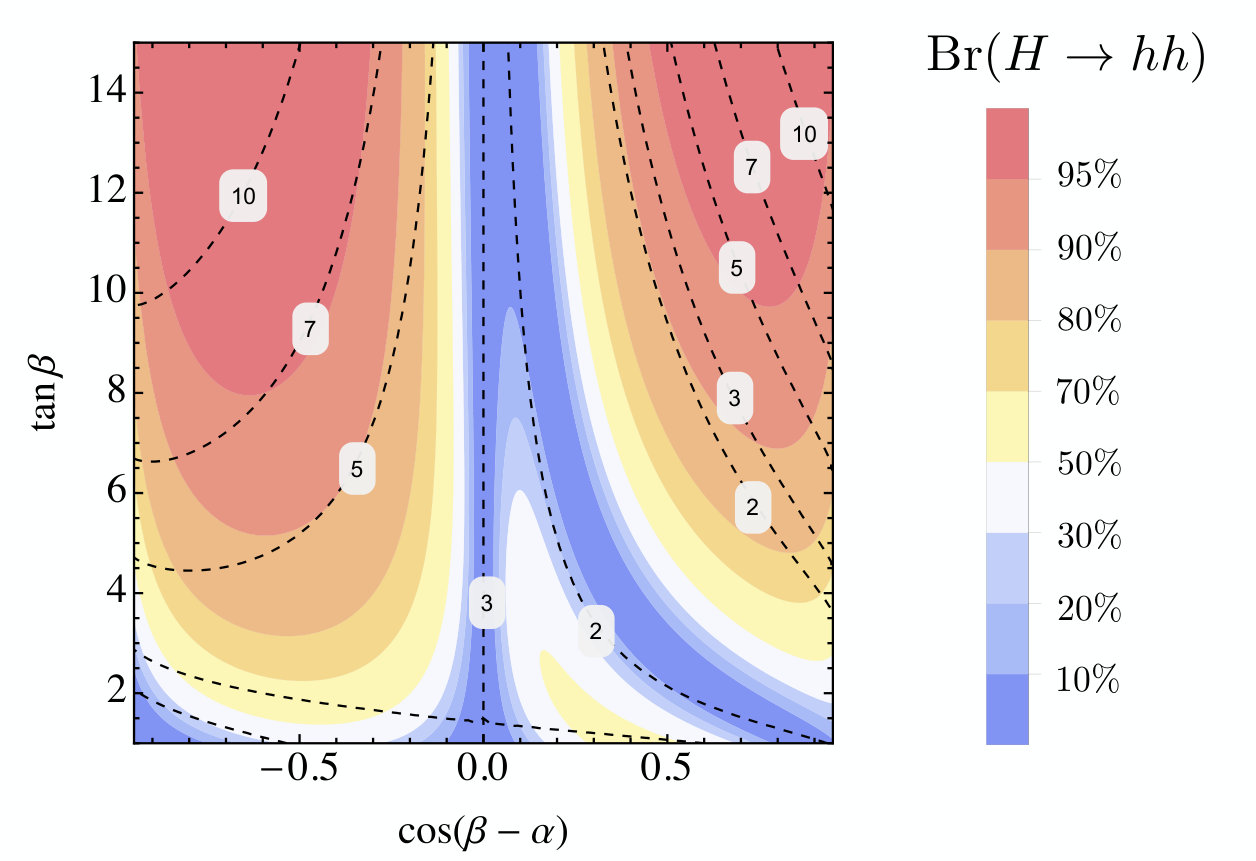 Figure 6
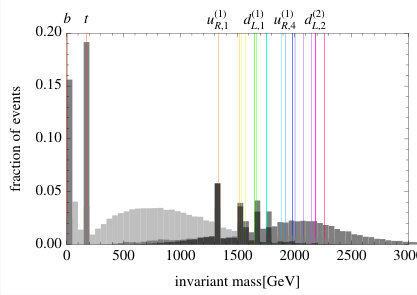 Figure 7
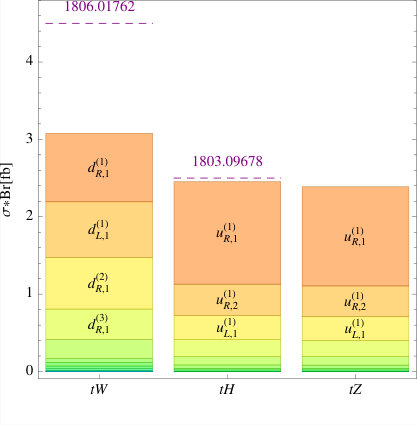 Figure 8
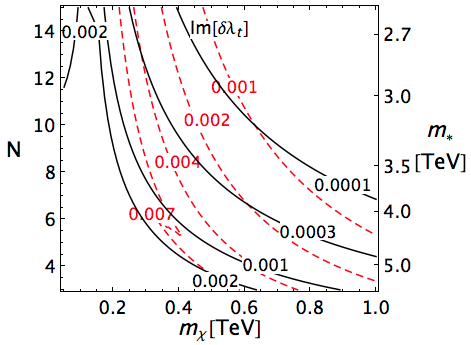 Figure 9
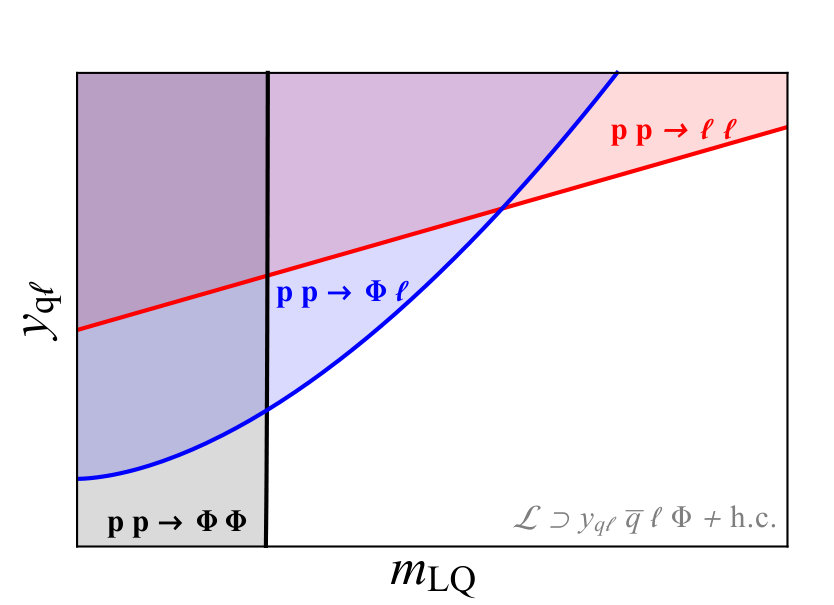 Figure 10
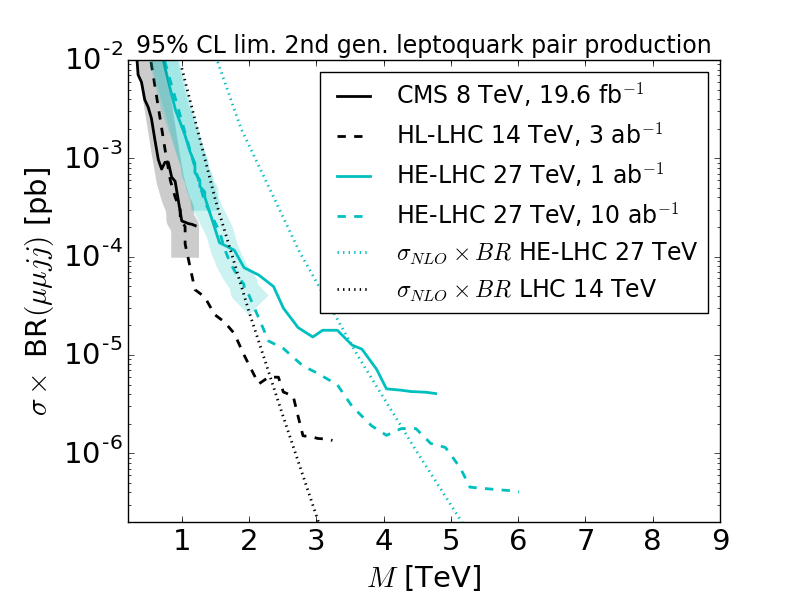 Figure 11
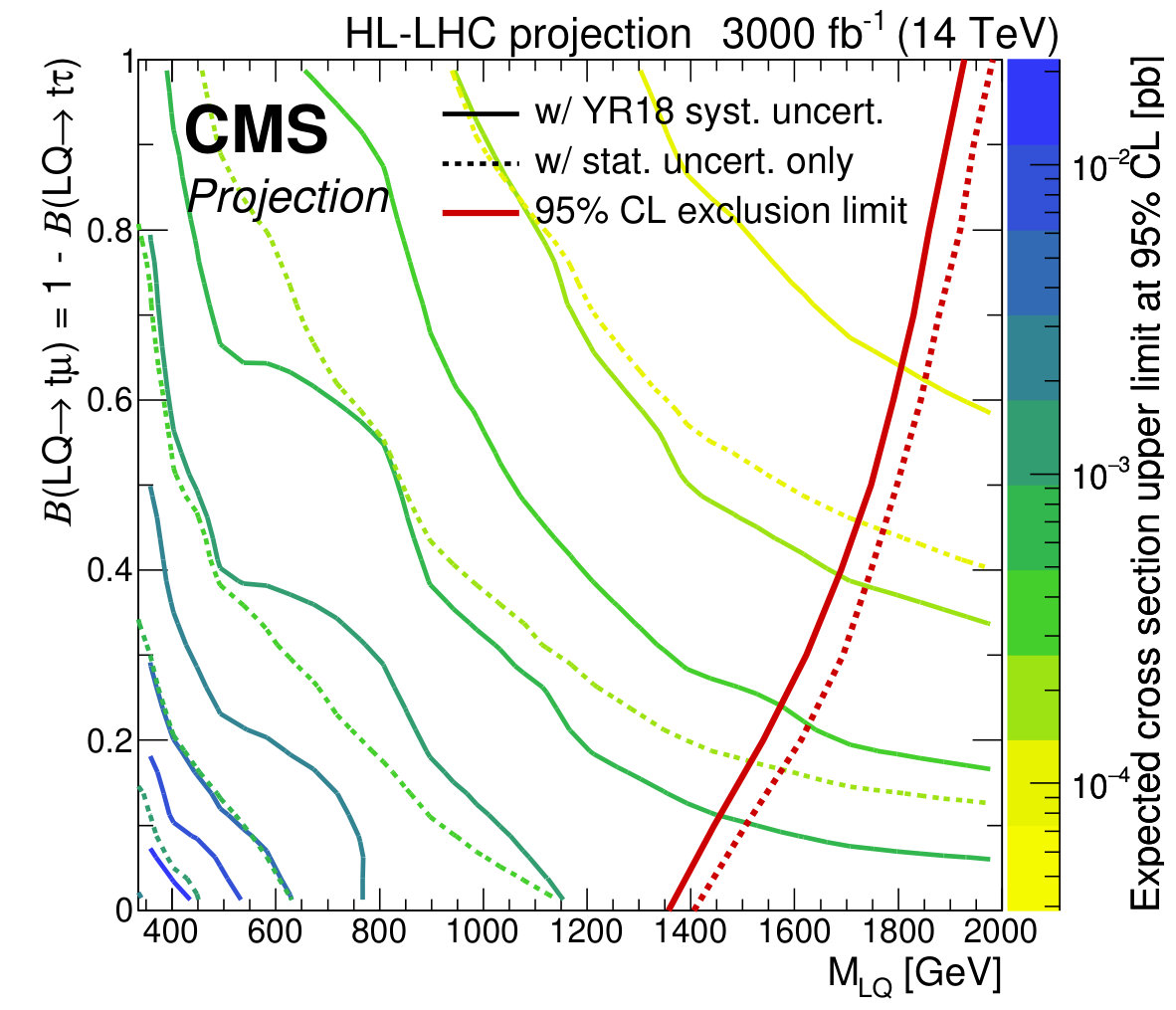 Figure 12
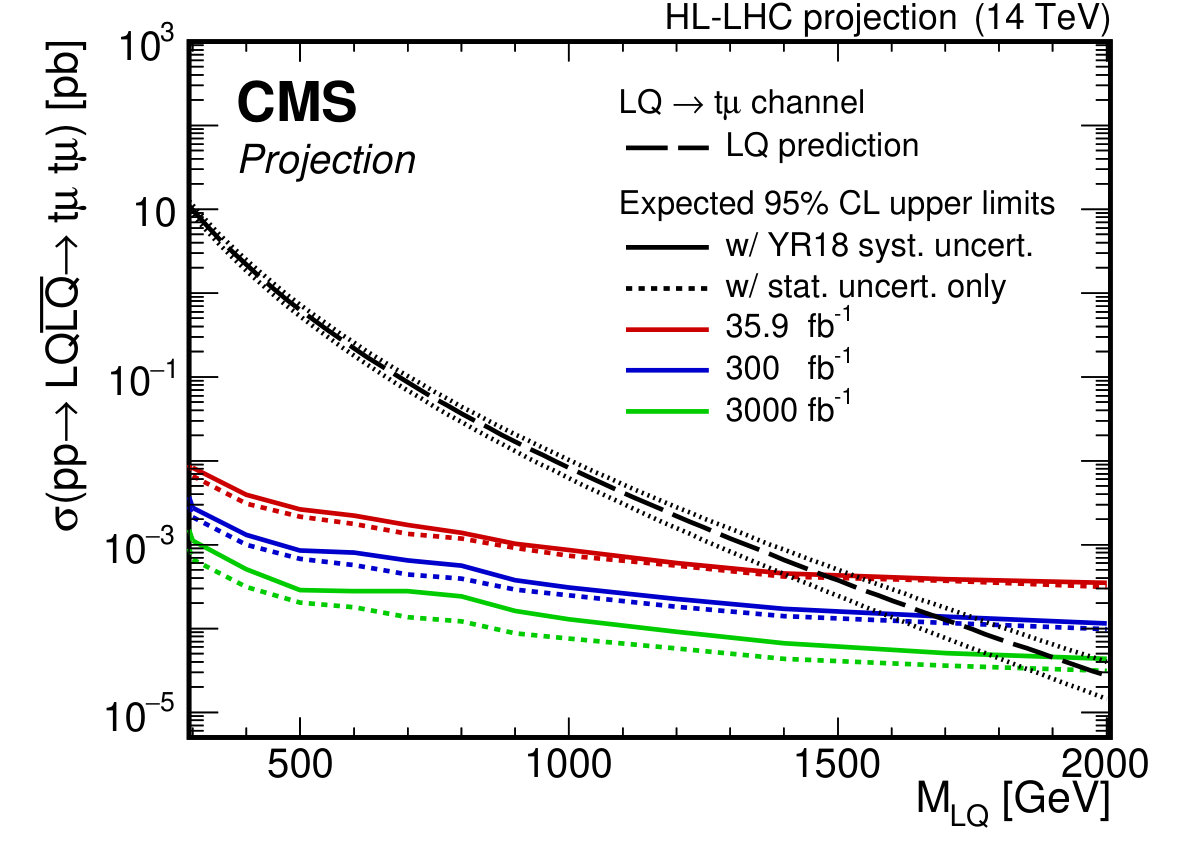 Figure 13
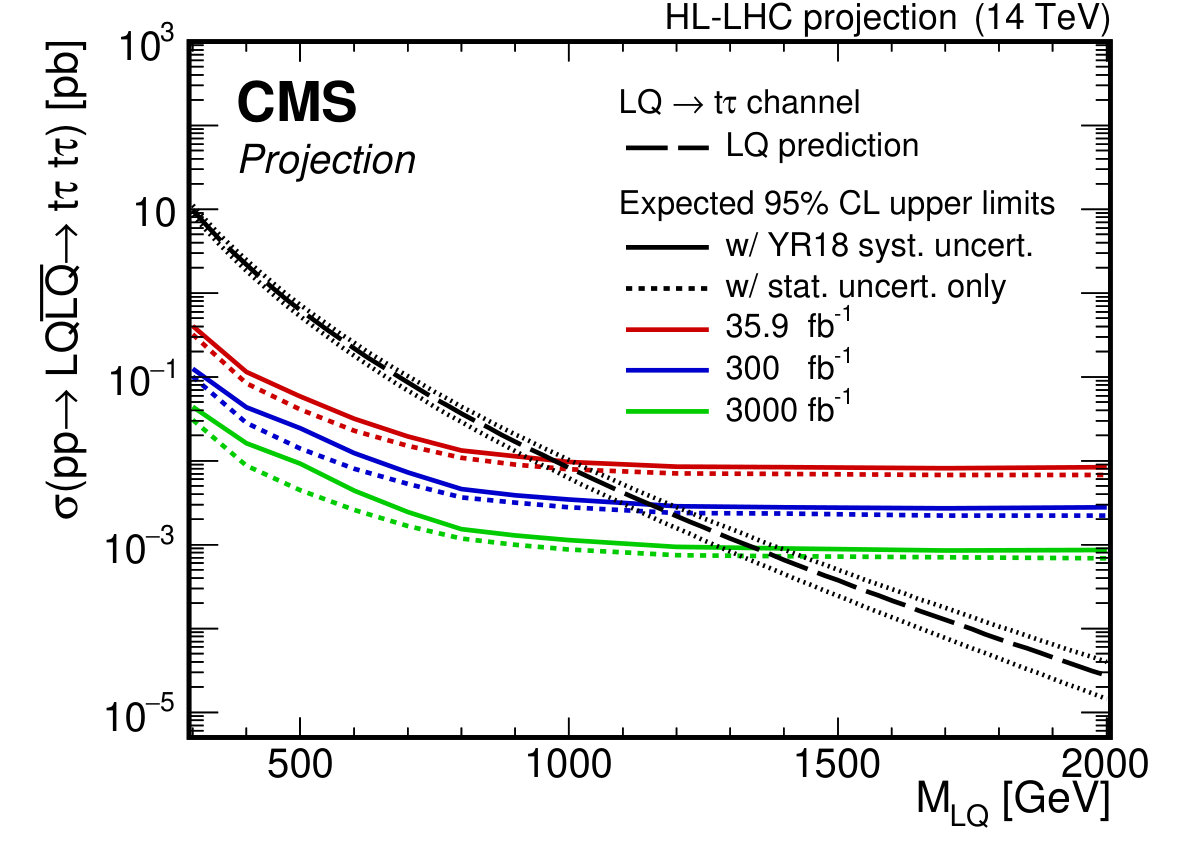 Figure 14
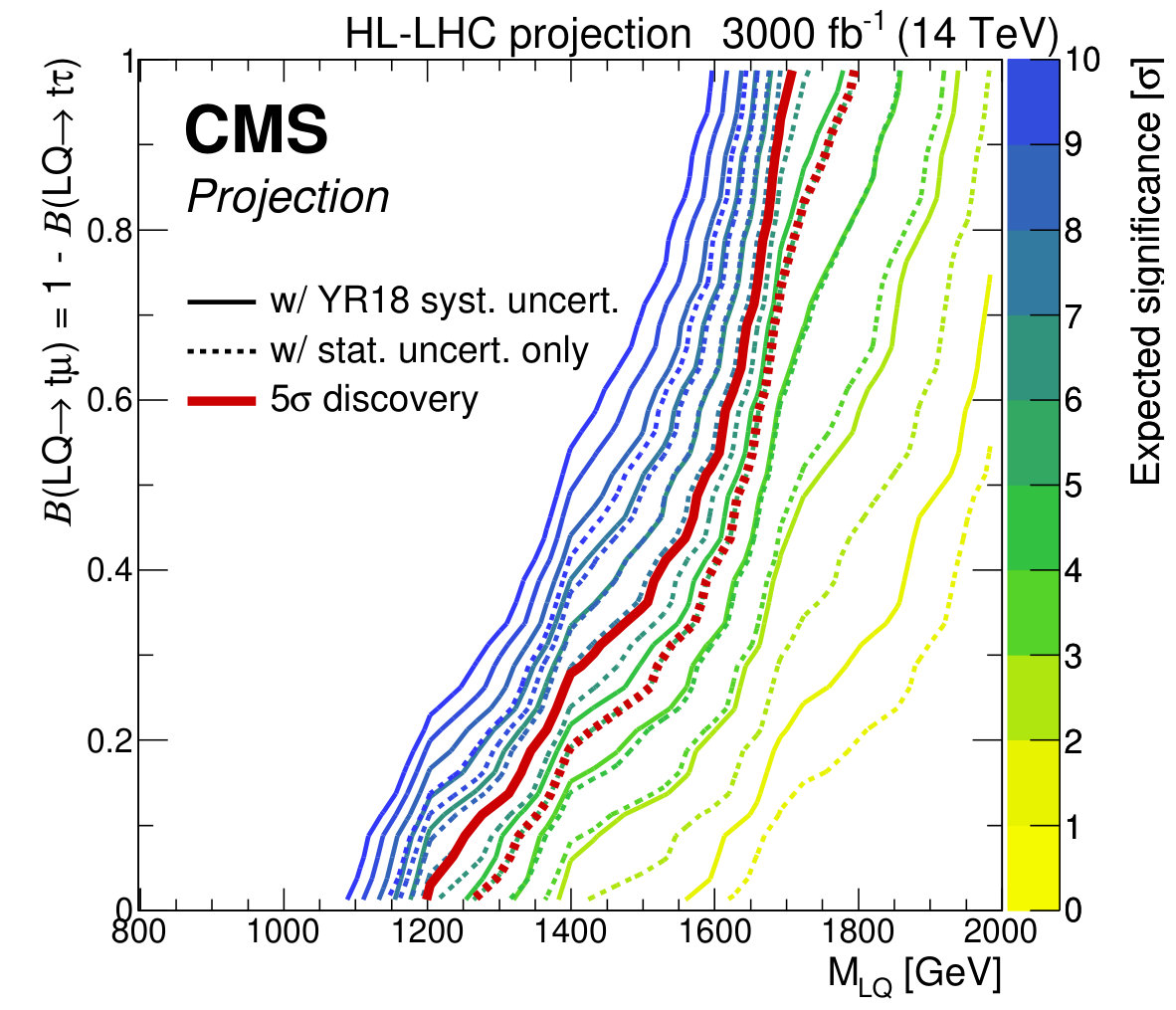 Figure 15
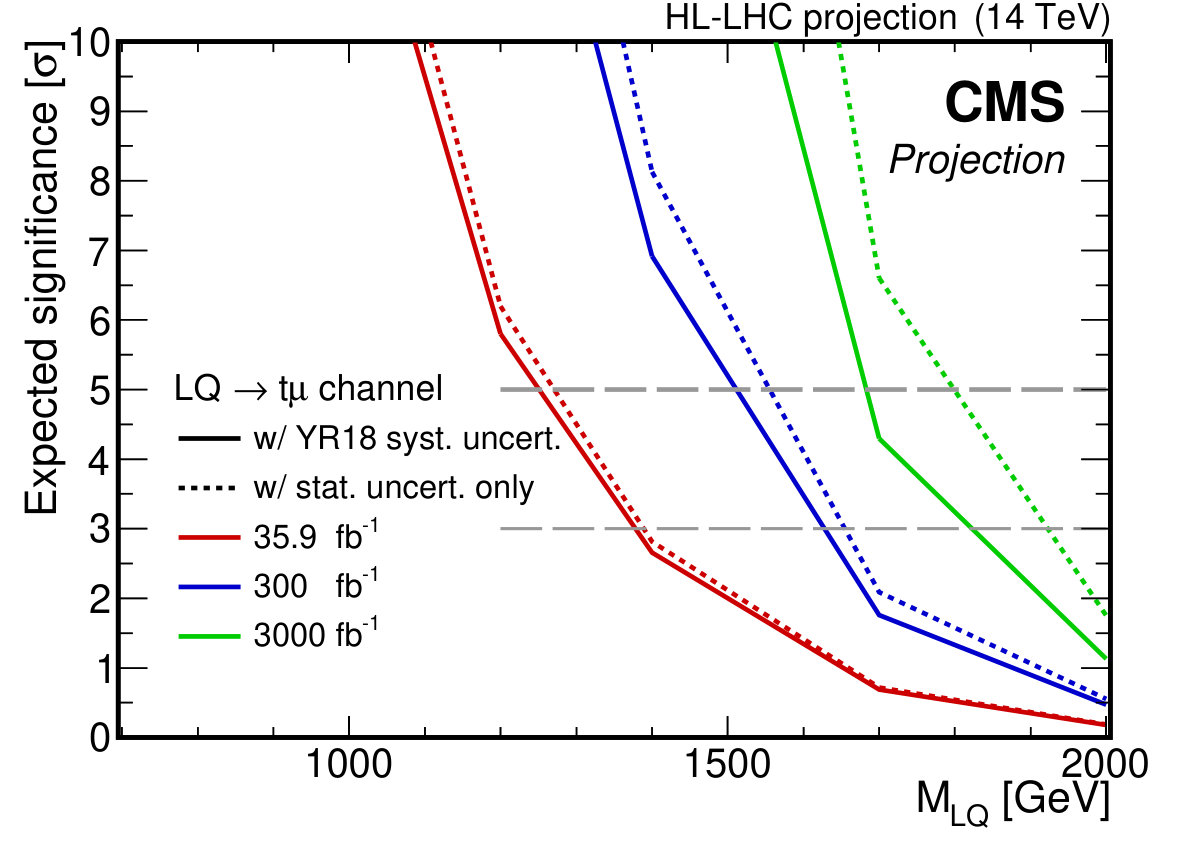 Figure 16
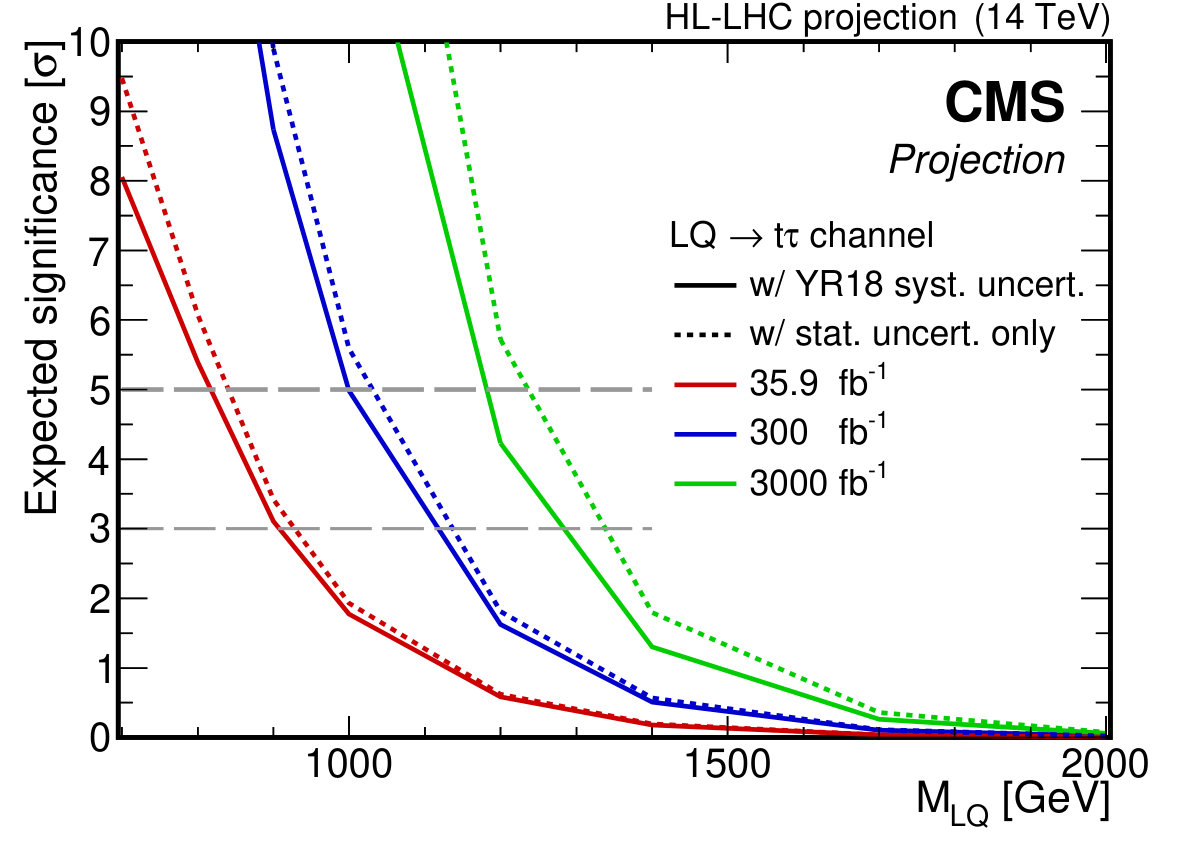 Figure 17
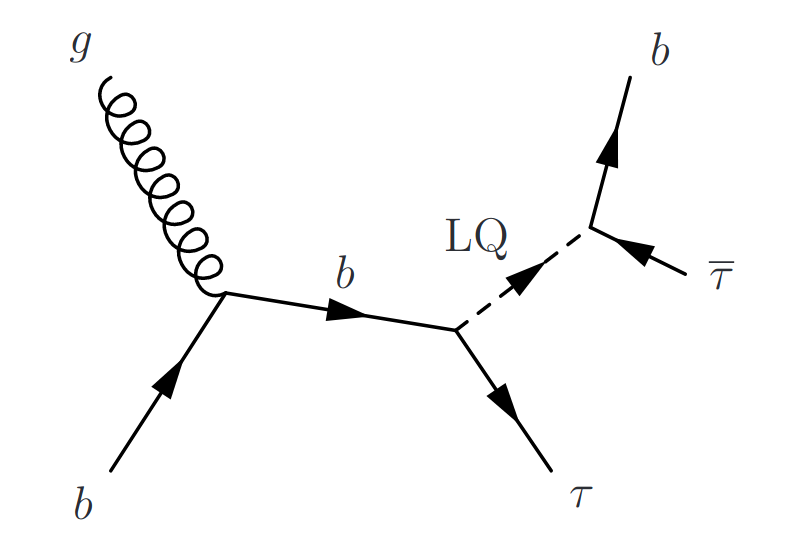 Figure 18
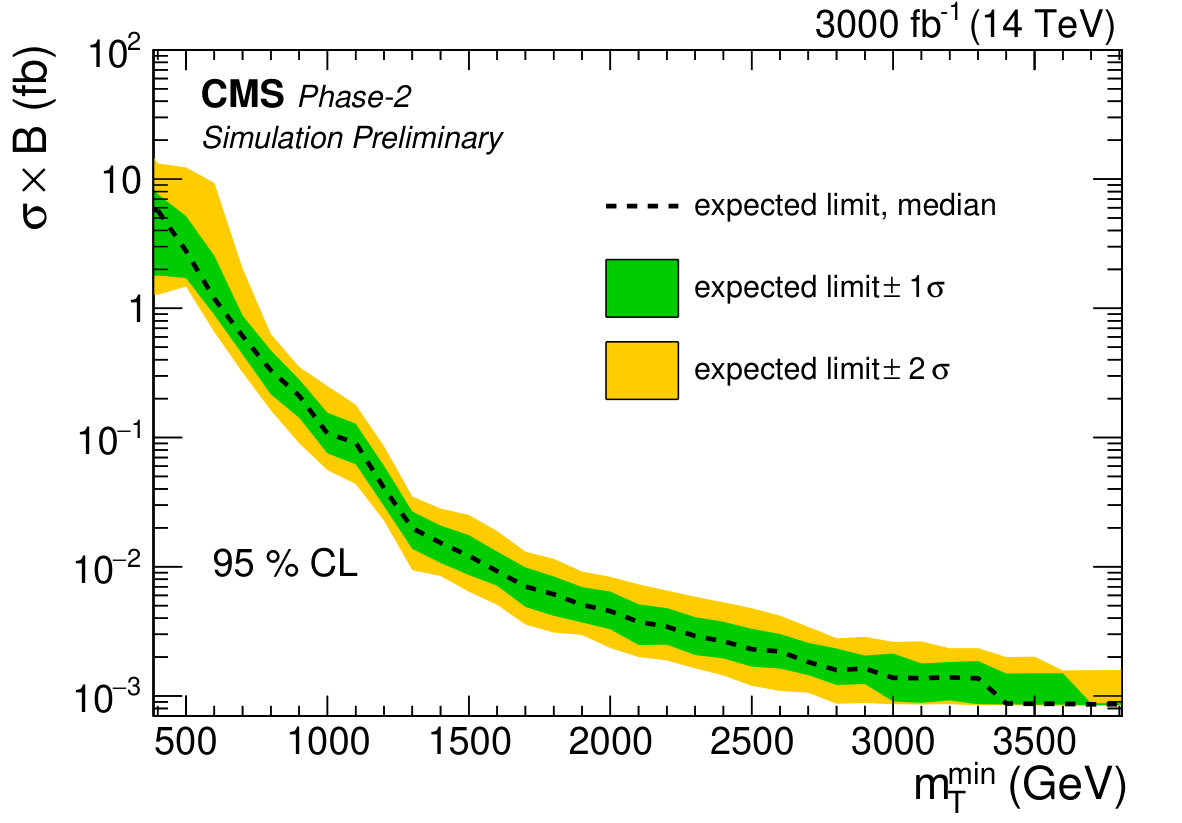 Figure 19
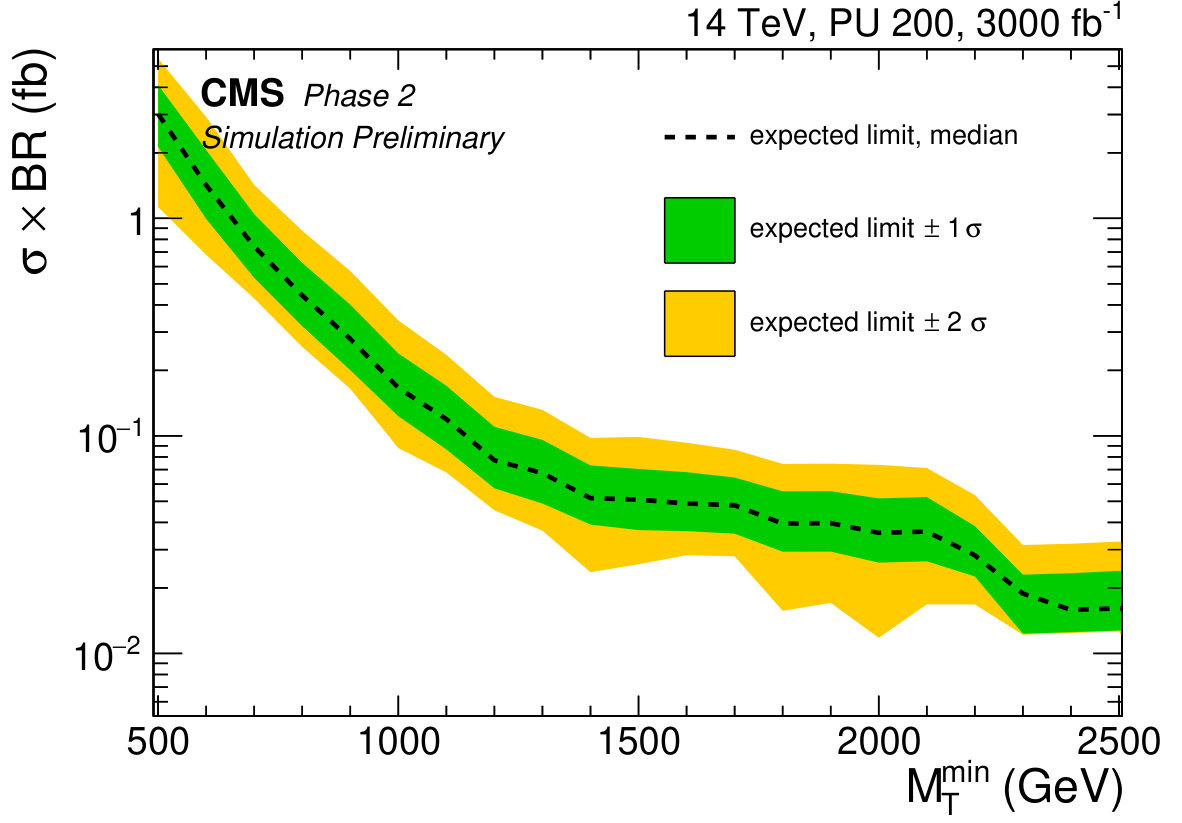 Figure 20
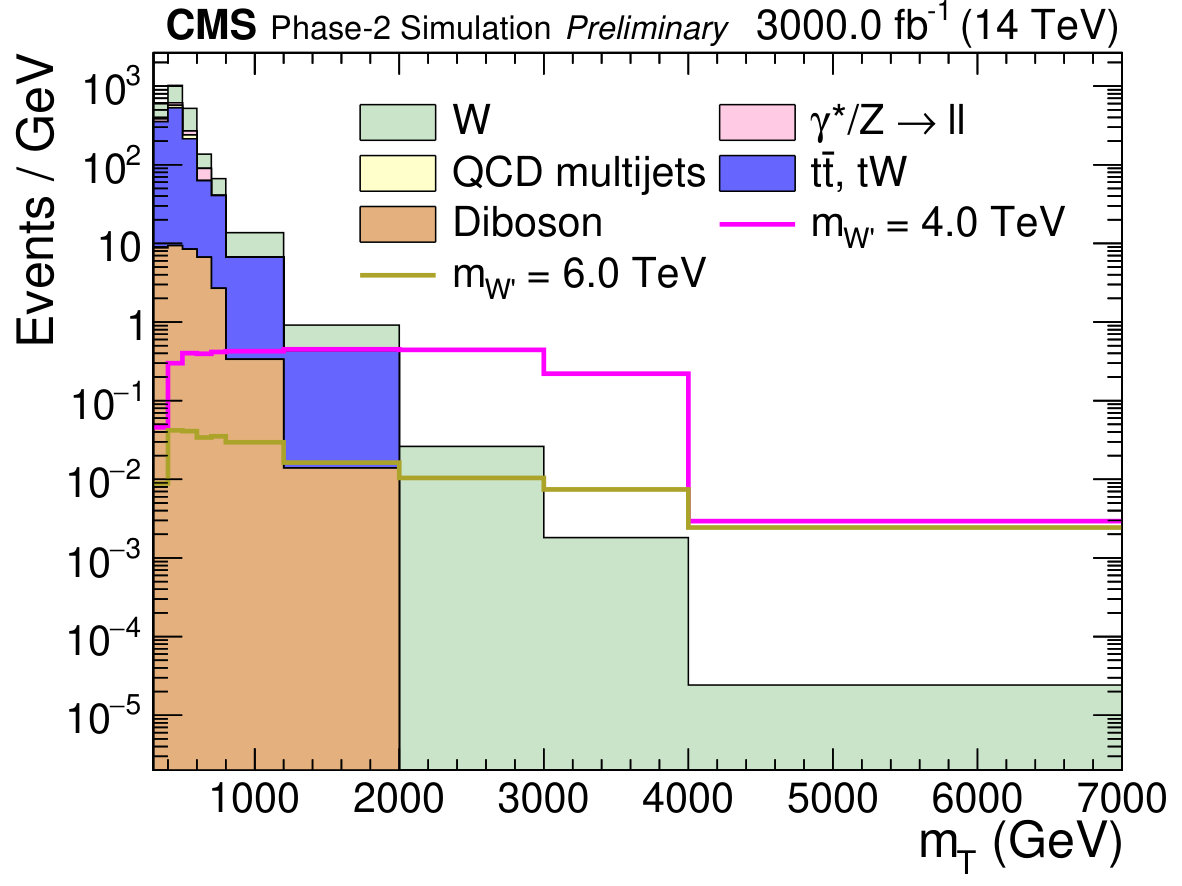 Figure 21
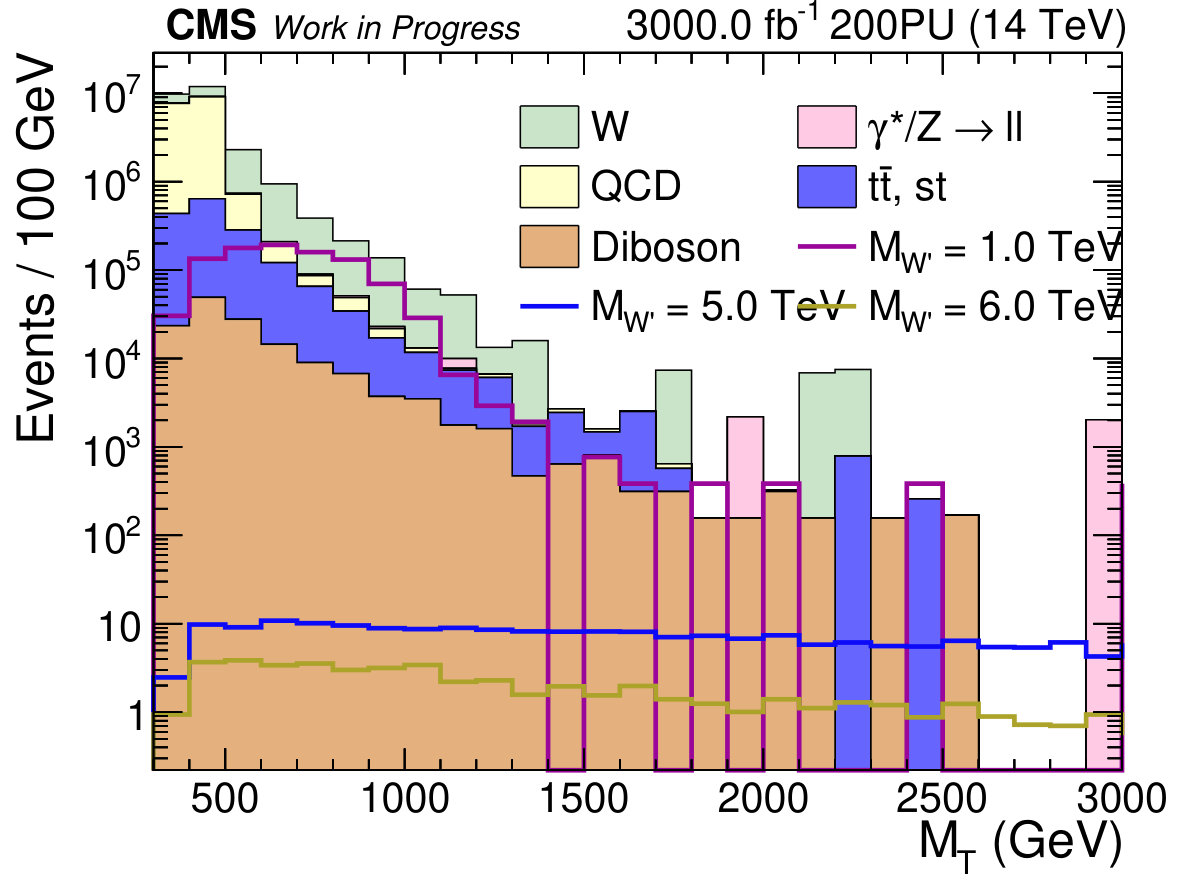 Figure 22
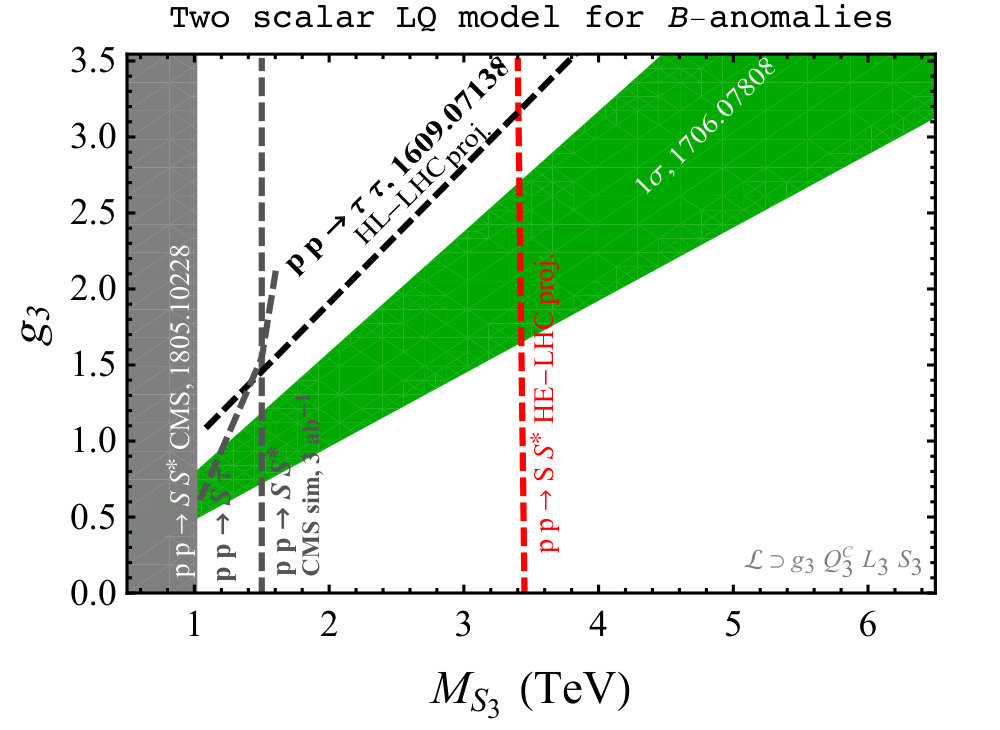 Figure 23
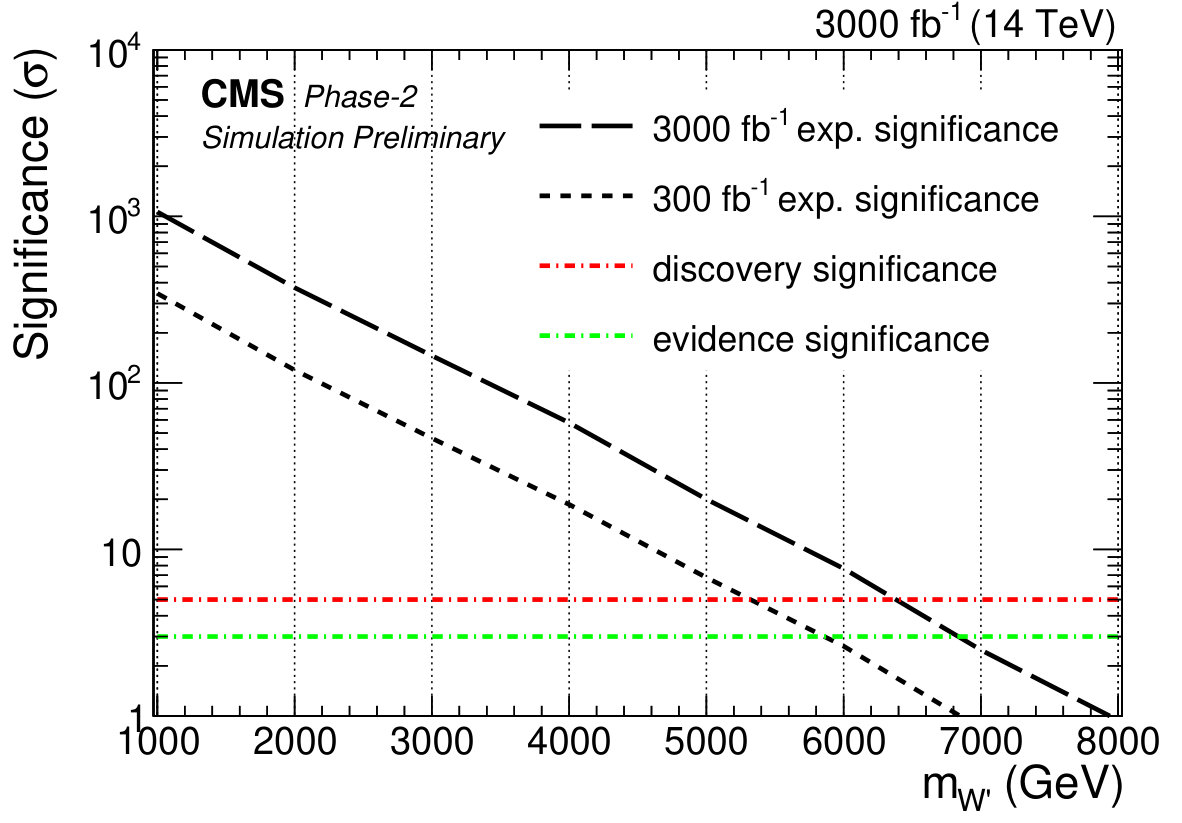 Figure 24
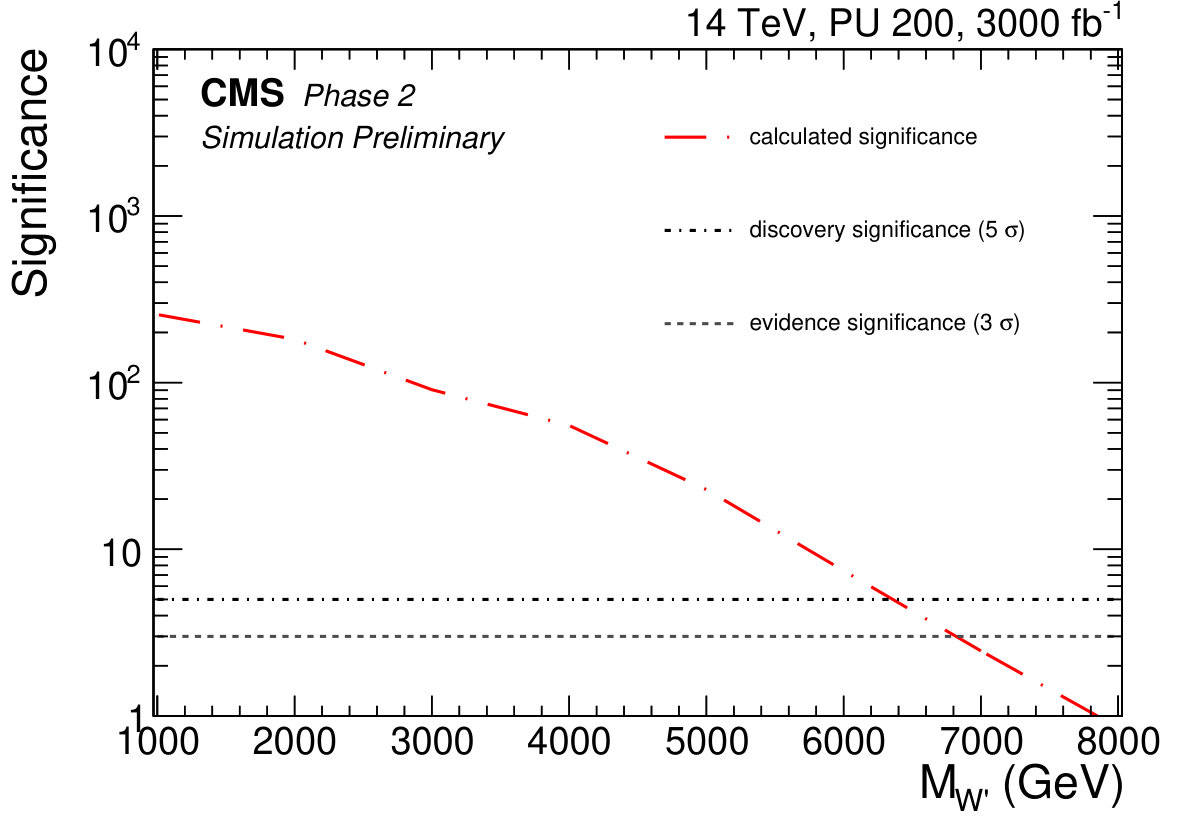 Figure 25
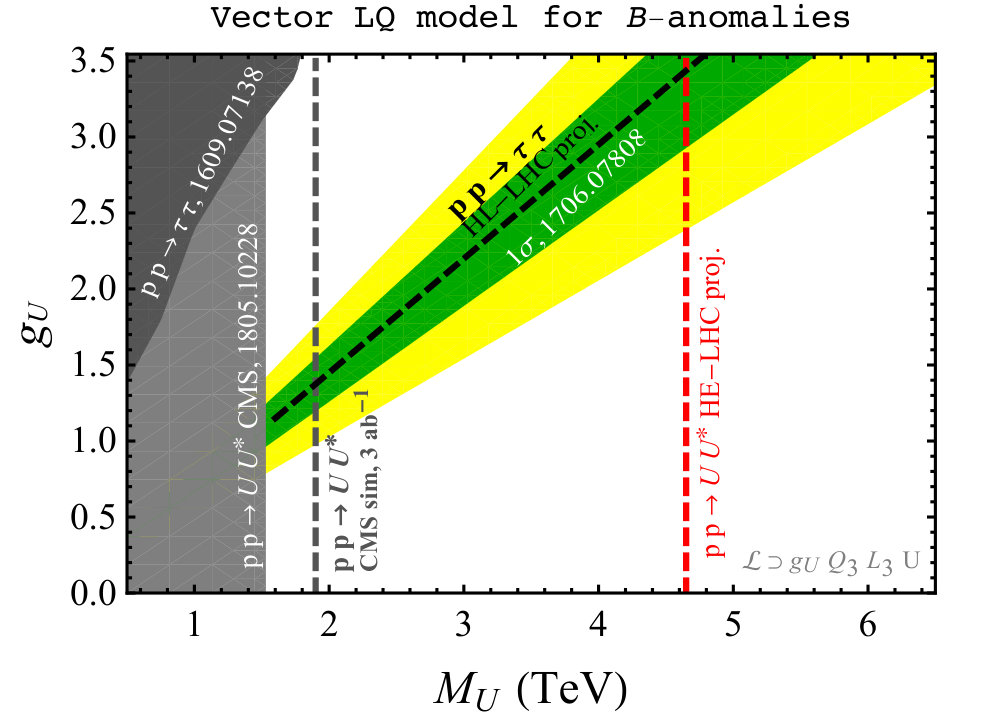 Figure 26
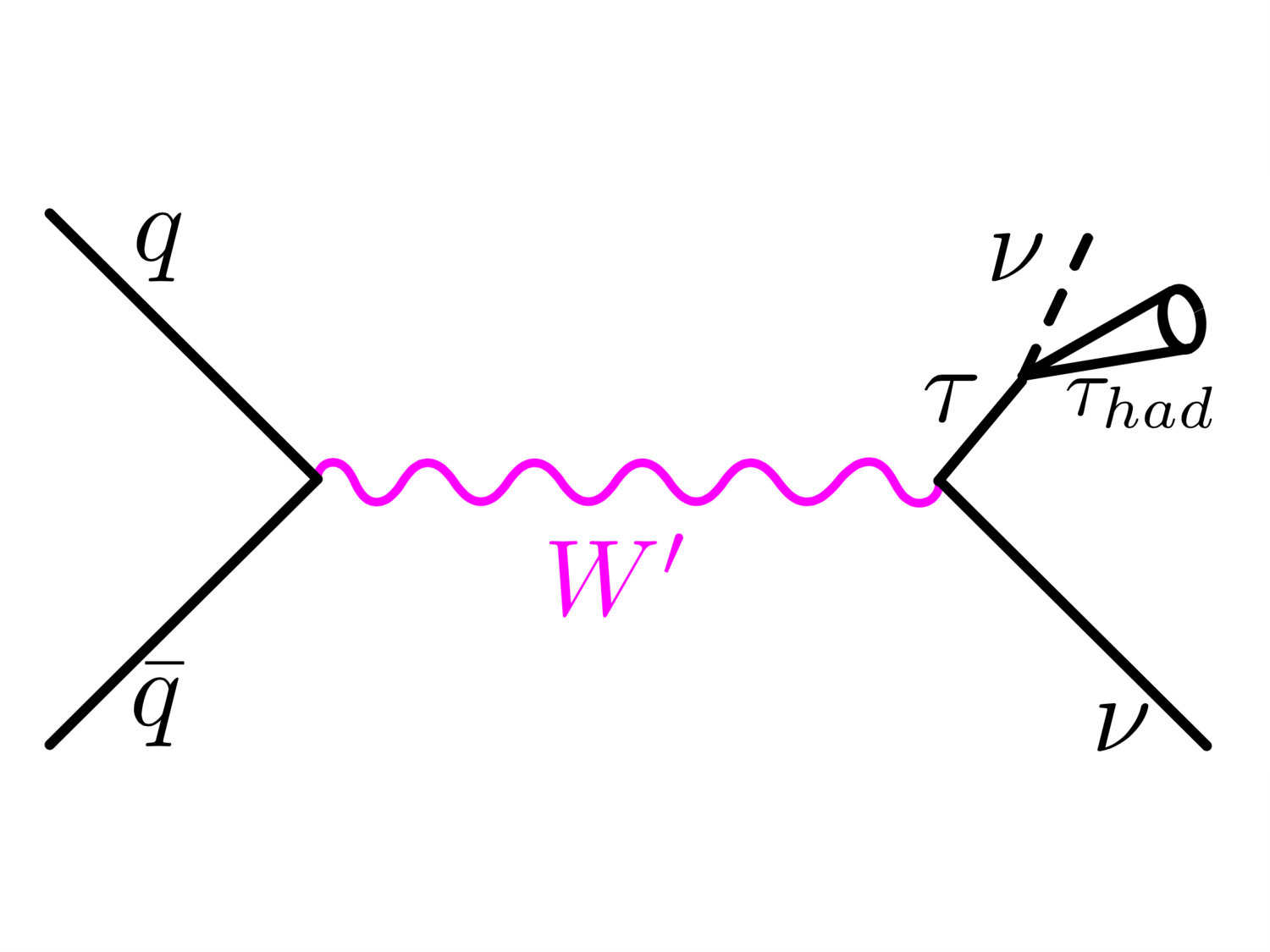 Figure 27
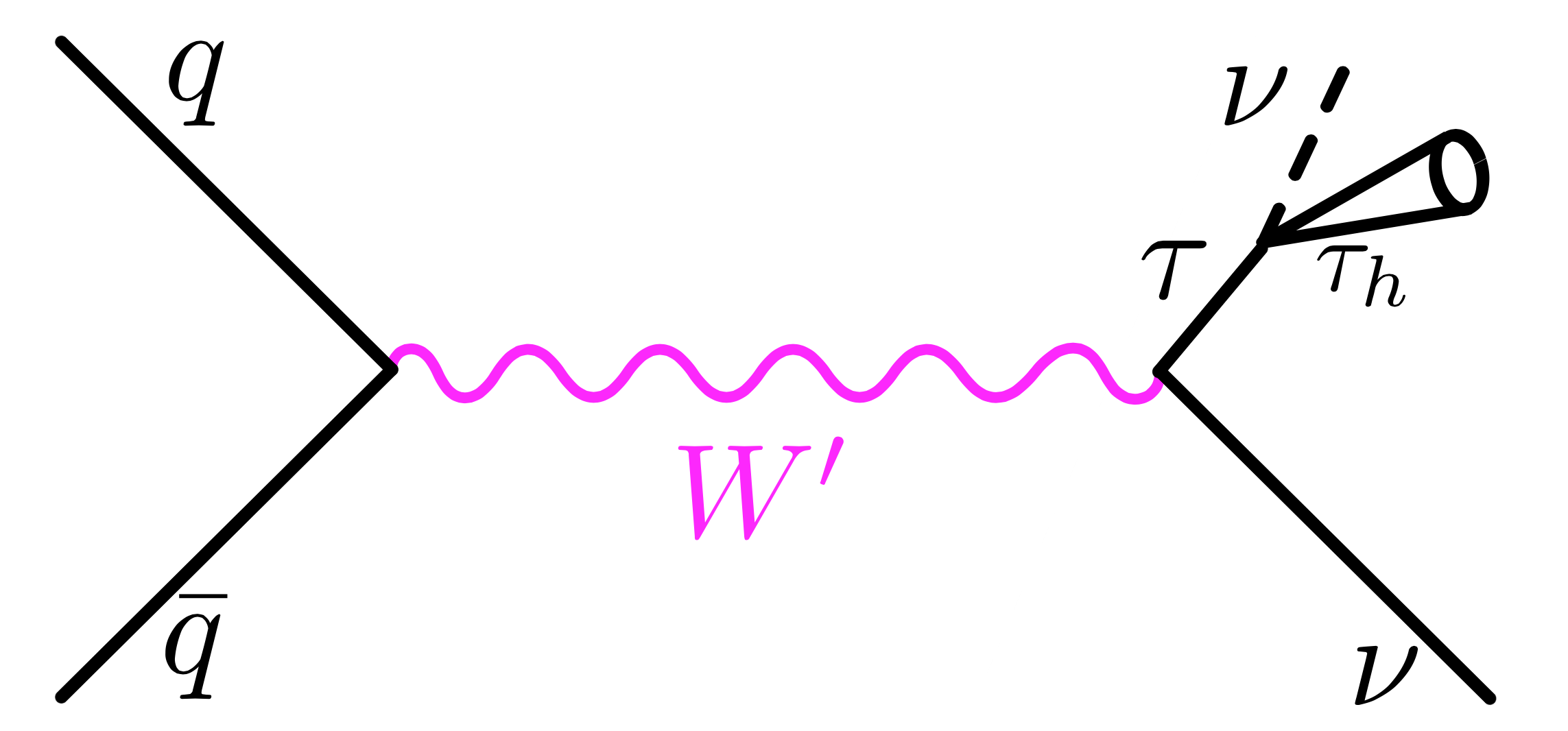 Figure 28
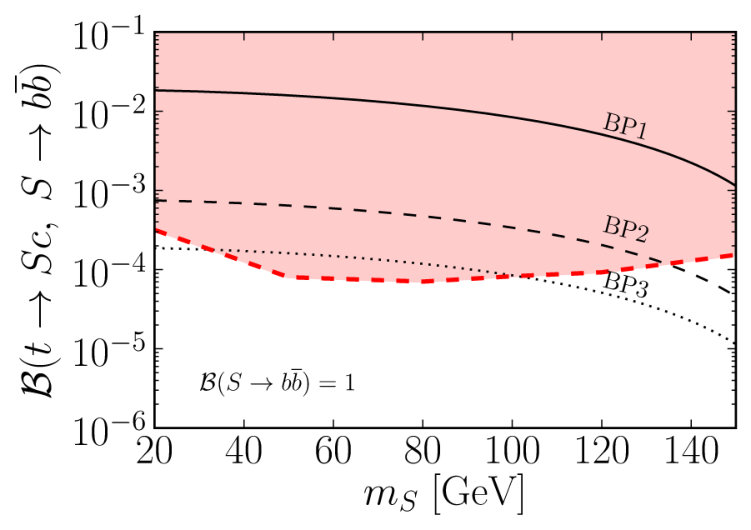 Figure 29
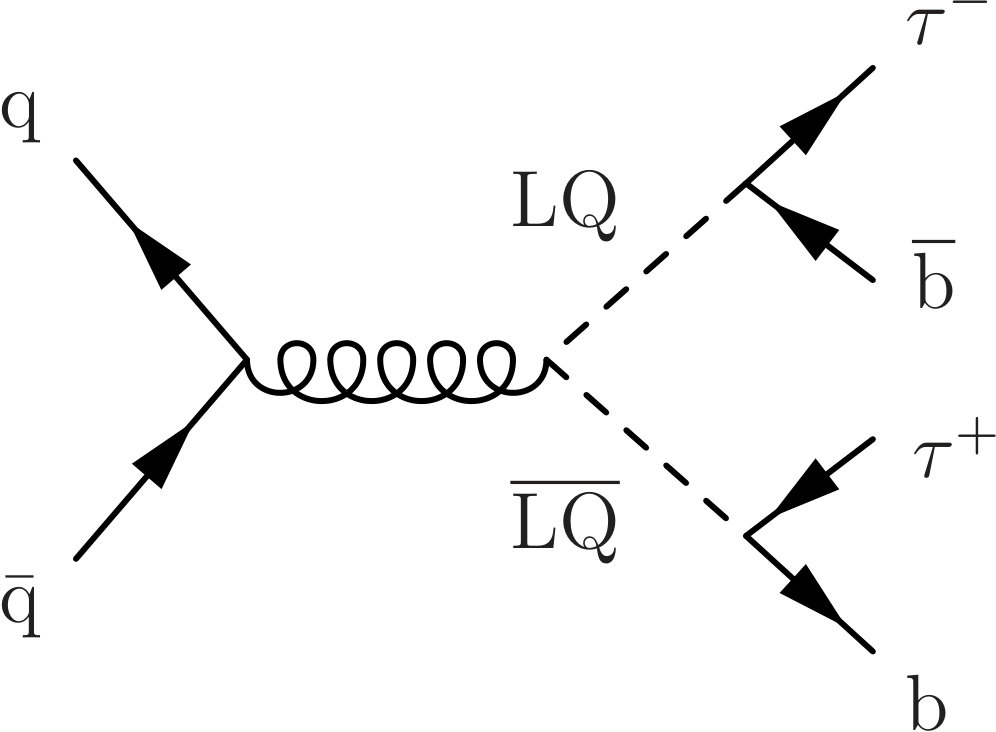 Figure 30
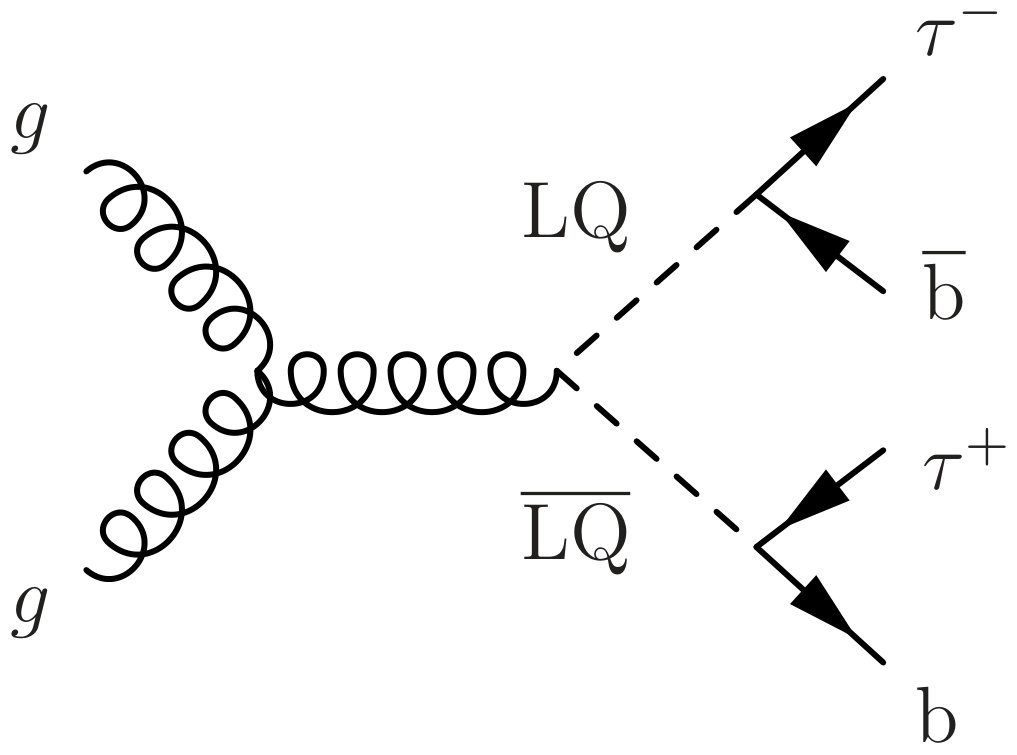 Figure 31
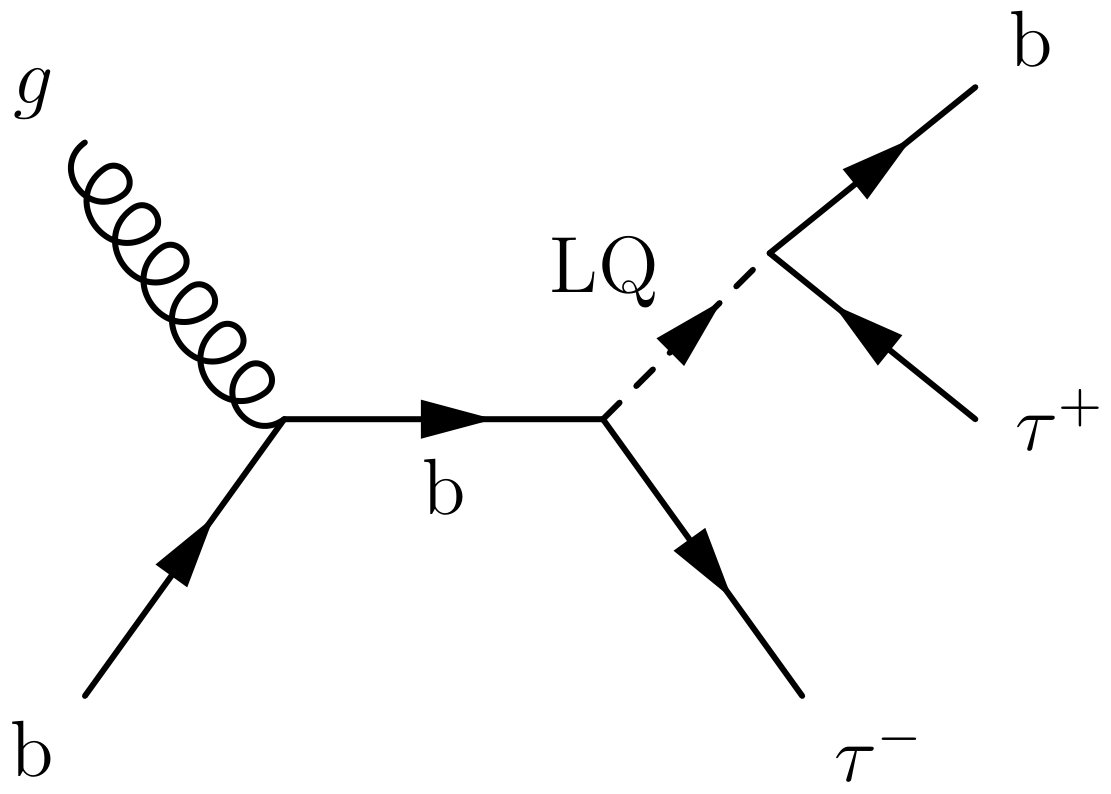 Figure 32
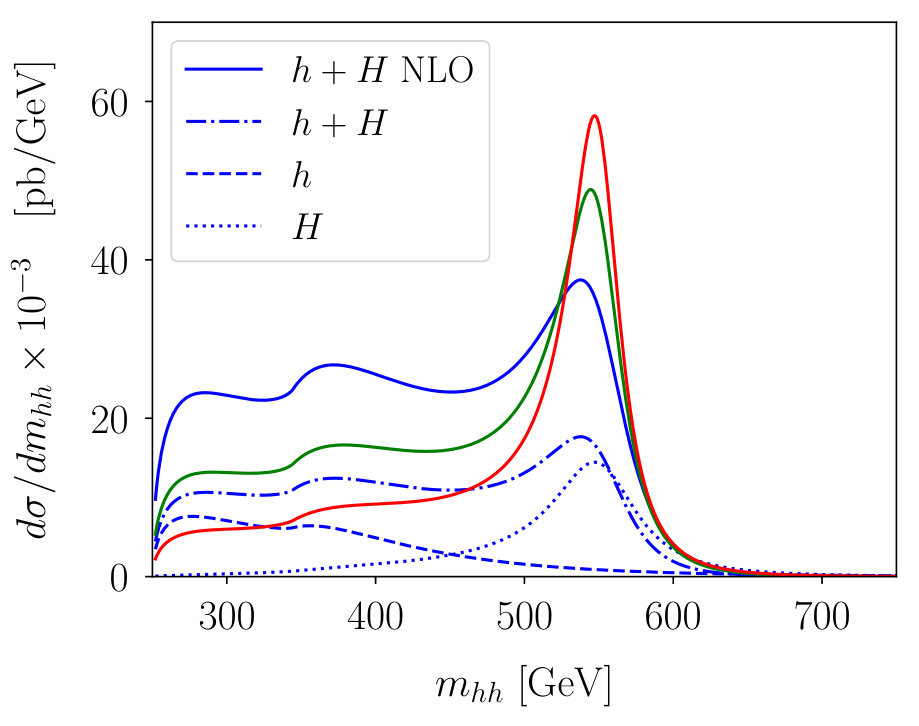 Figure 33
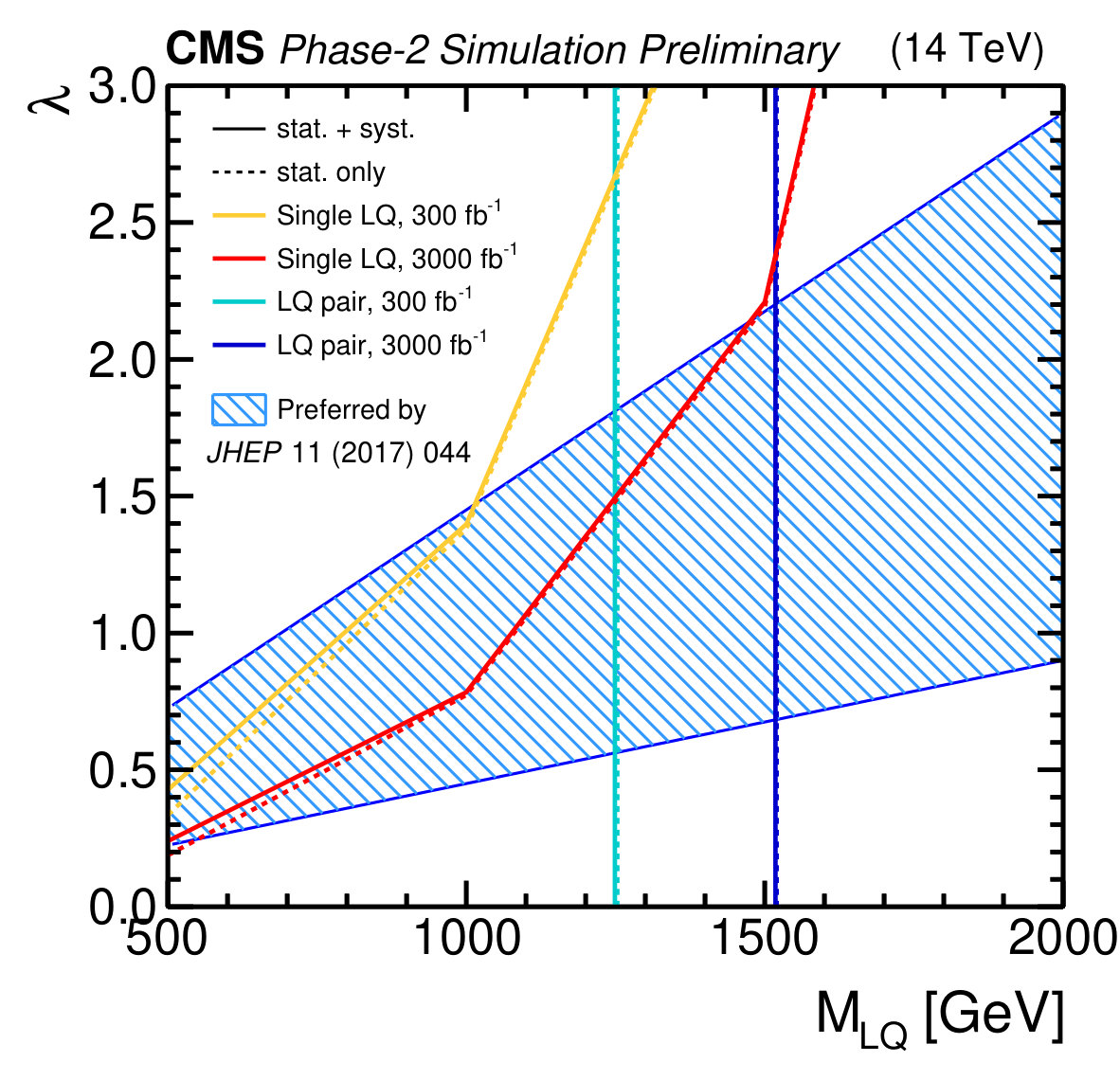 Figure 34
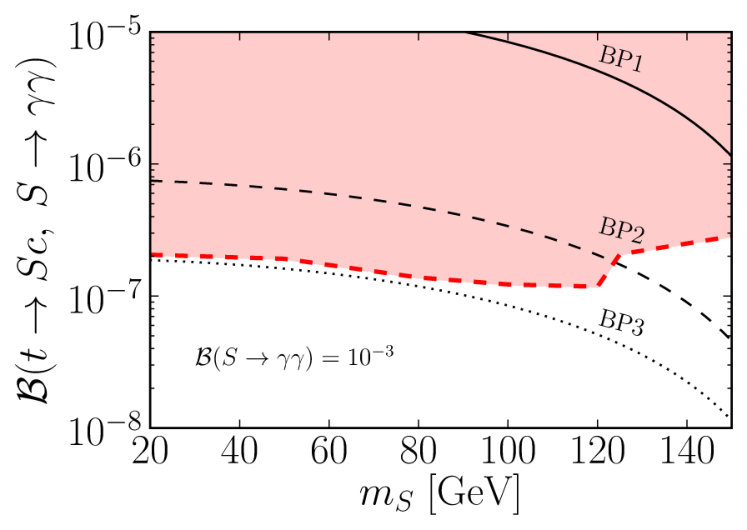 Figure 35
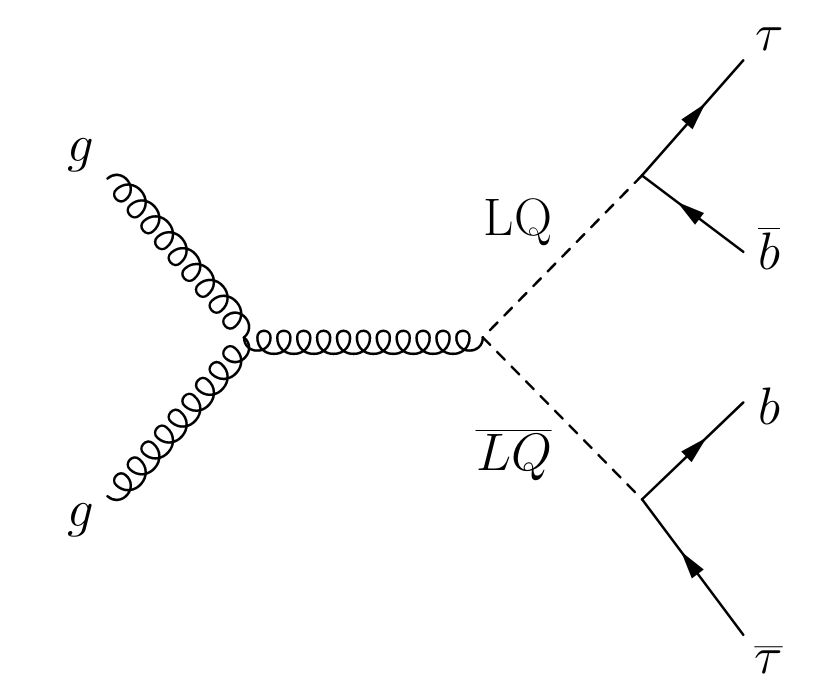 Figure 36
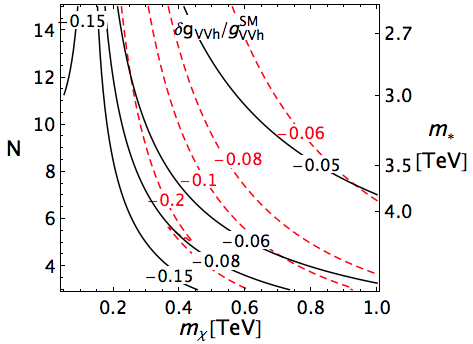 Figure 37
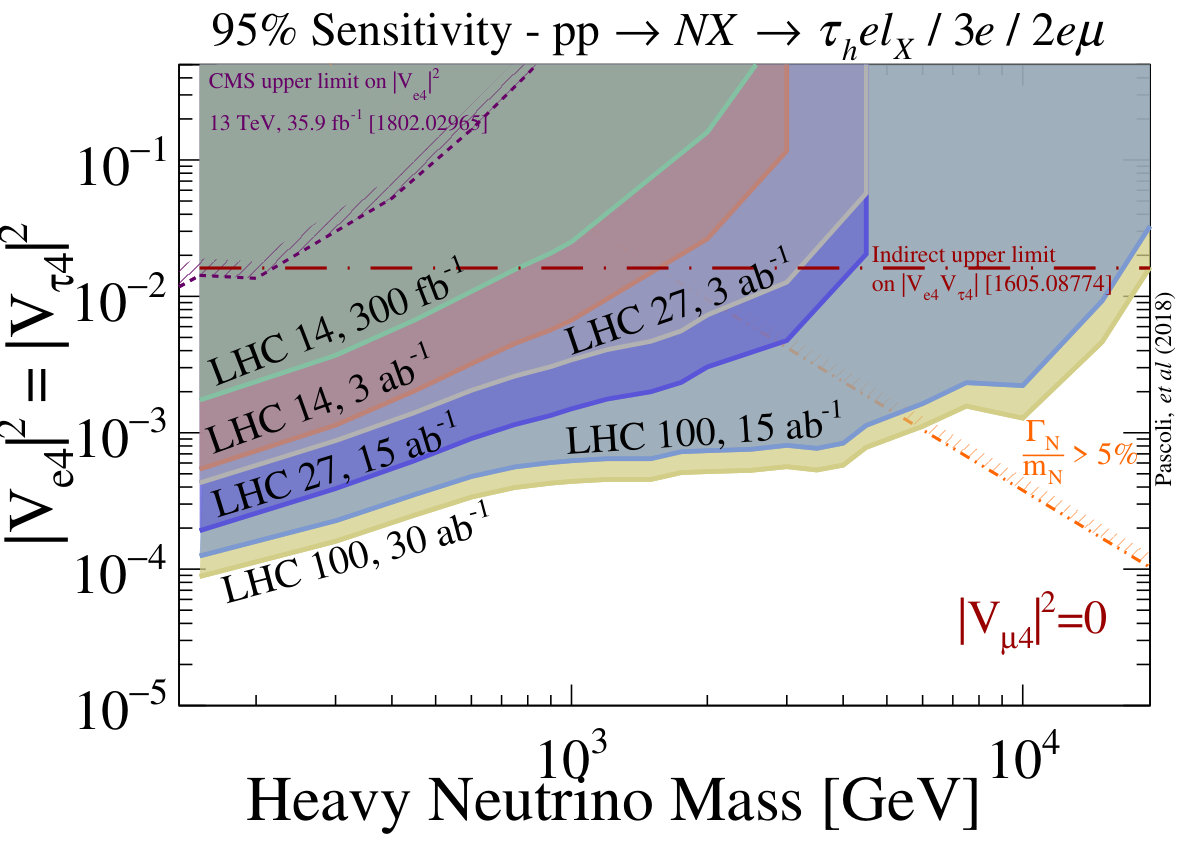 Figure 38
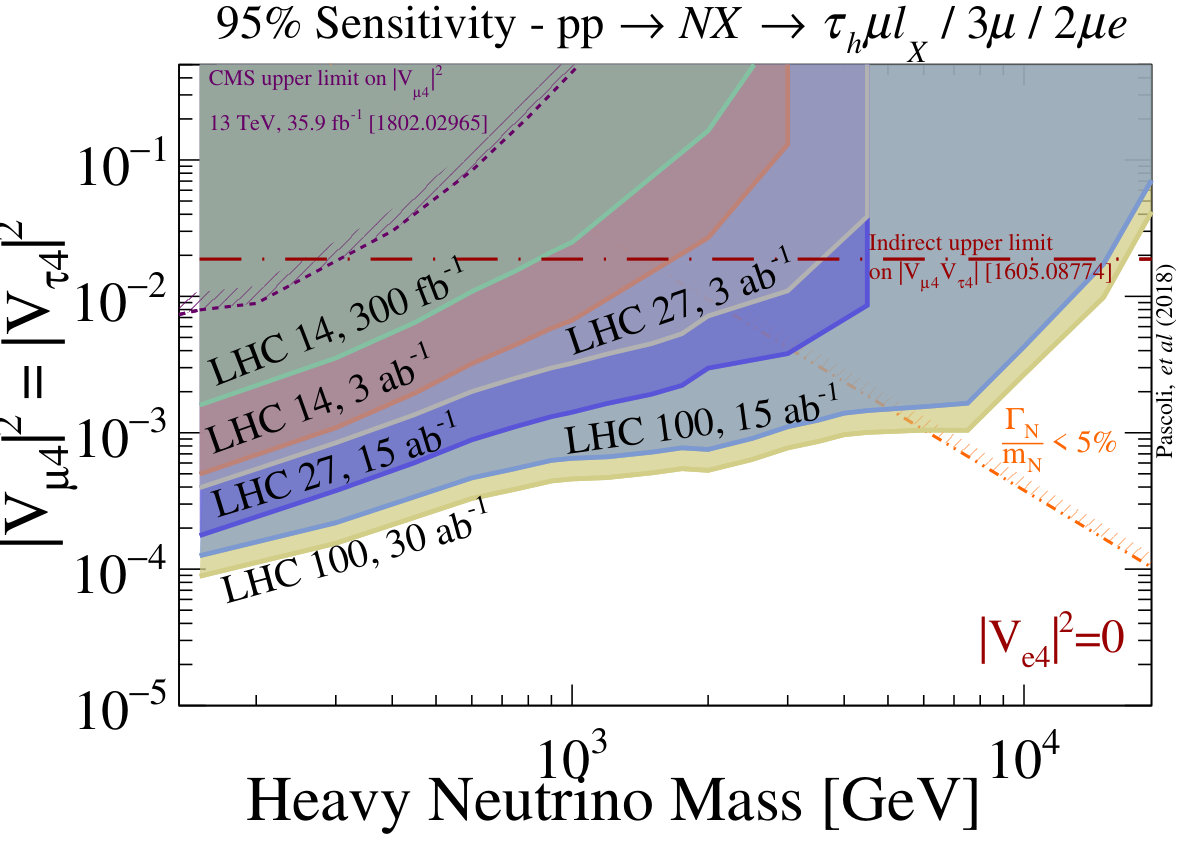 Figure 39
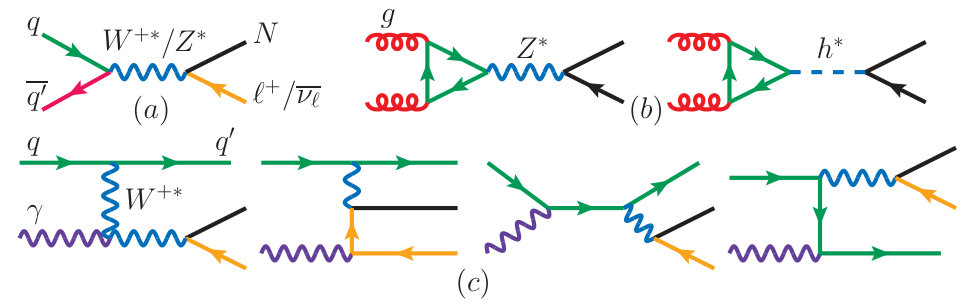 Figure 40
Peer Reviews
No public reviews on file for this paper yet. If you reviewed it on a platform where reviews are public (OpenReview, ICLR, NeurIPS, ICML), you can paste yours below so the community can read it here.
Videos
No videos yet. Explain this paper in a talk, walkthrough, or lecture? Add one.