Embedding Cardinality Constraints in Neural Link Predictors
Emir Mu\~noz, Pasquale Minervini, Matthias Nickles

TL;DR
This paper introduces a regularisation method to embed cardinality constraints into neural link predictors, improving their accuracy by incorporating commonsense knowledge about relation frequencies without sacrificing efficiency.
Contribution
It proposes a novel regularisation technique that enforces cardinality constraints in neural link predictors, enhancing their representations and predictive performance.
Findings
Improves link prediction accuracy on Freebase, WordNet, and YAGO datasets.
Incorporating cardinality constraints benefits downstream tasks.
Method maintains scalability and efficiency of existing models.
Abstract
Neural link predictors learn distributed representations of entities and relations in a knowledge graph. They are remarkably powerful in the link prediction and knowledge base completion tasks, mainly due to the learned representations that capture important statistical dependencies in the data. Recent works in the area have focused on either designing new scoring functions or incorporating extra information into the learning process to improve the representations. Yet the representations are mostly learned from the observed links between entities, ignoring commonsense or schema knowledge associated with the relations in the graph. A fundamental aspect of the topology of relational data is the cardinality information, which bounds the number of predictions given for a relation between a minimum and maximum frequency. In this paper, we propose a new regularisation approach to incorporate…
Click any figure to enlarge with its caption.
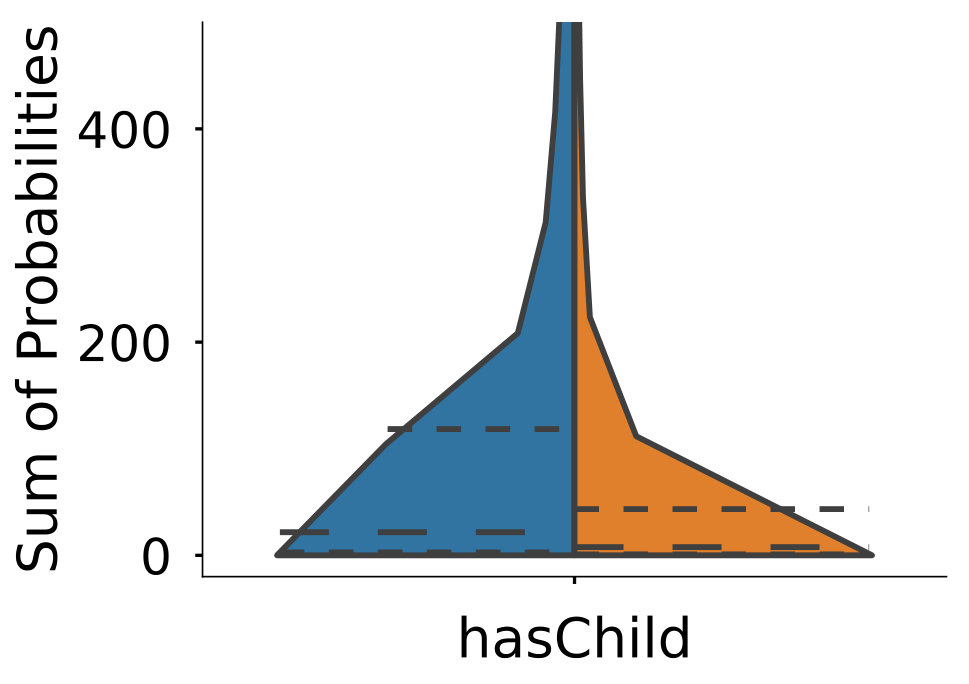 Figure 1
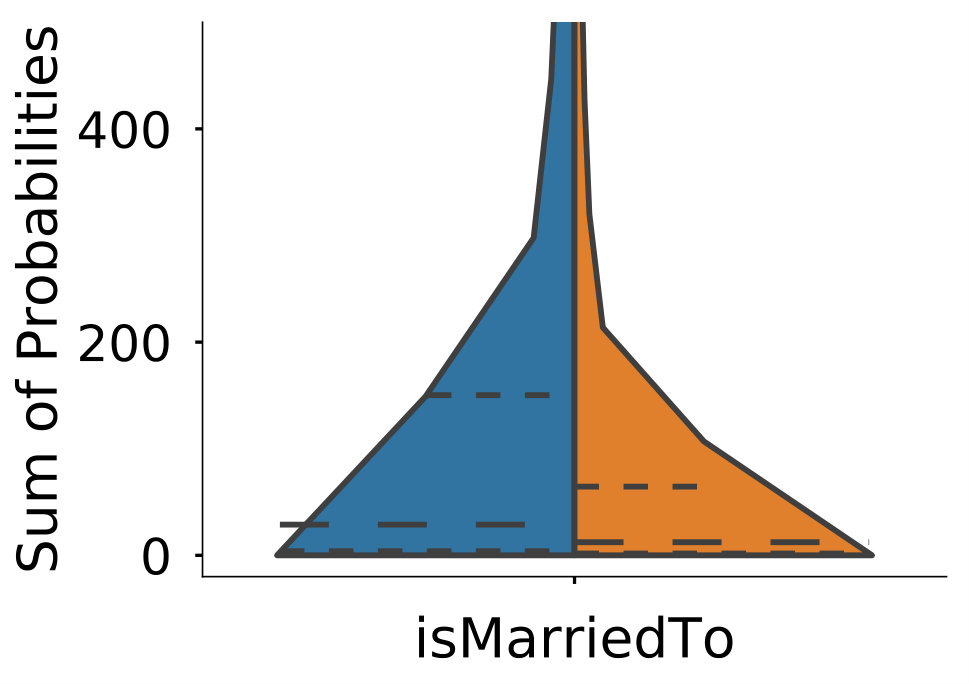 Figure 2
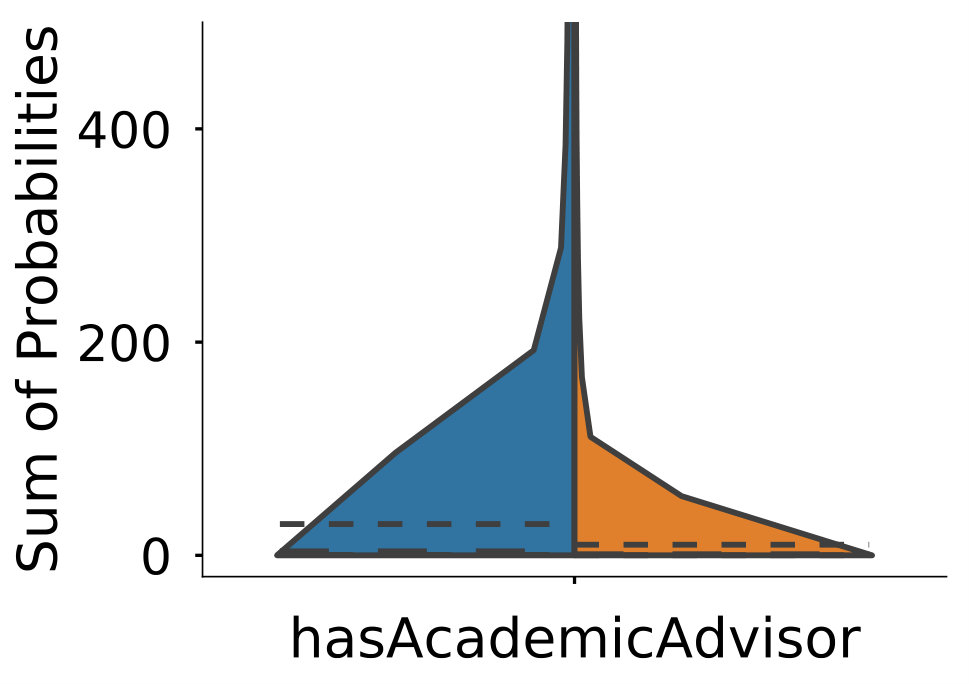 Figure 3
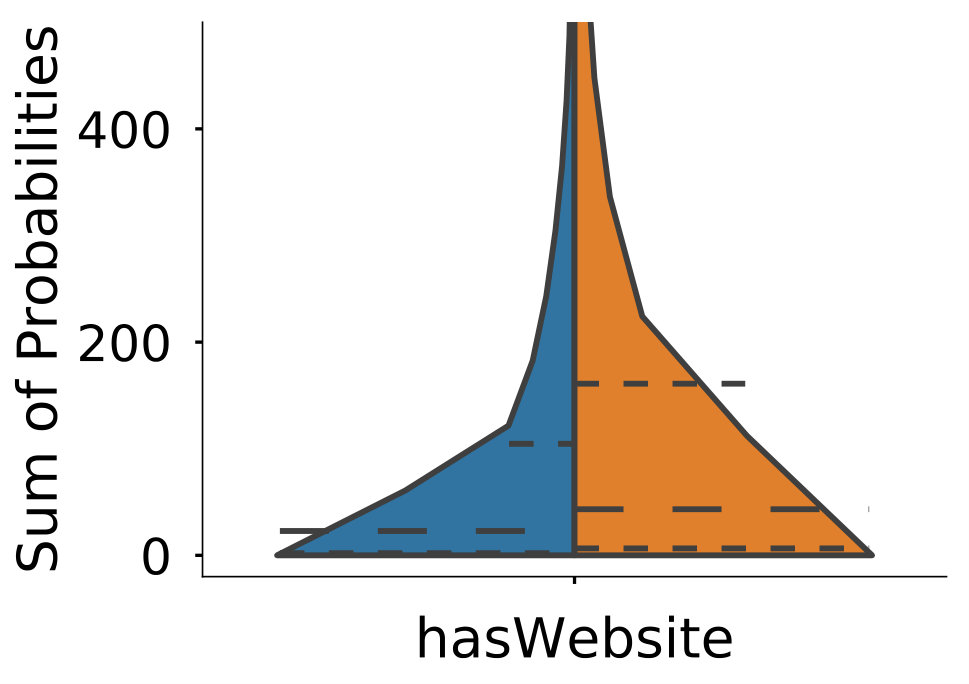 Figure 4
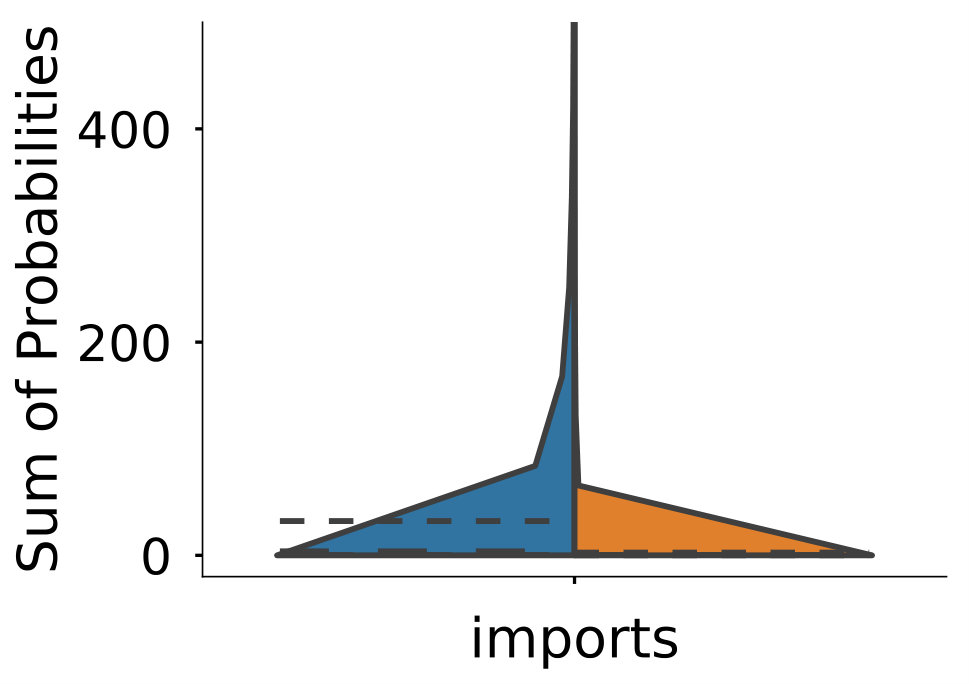 Figure 5
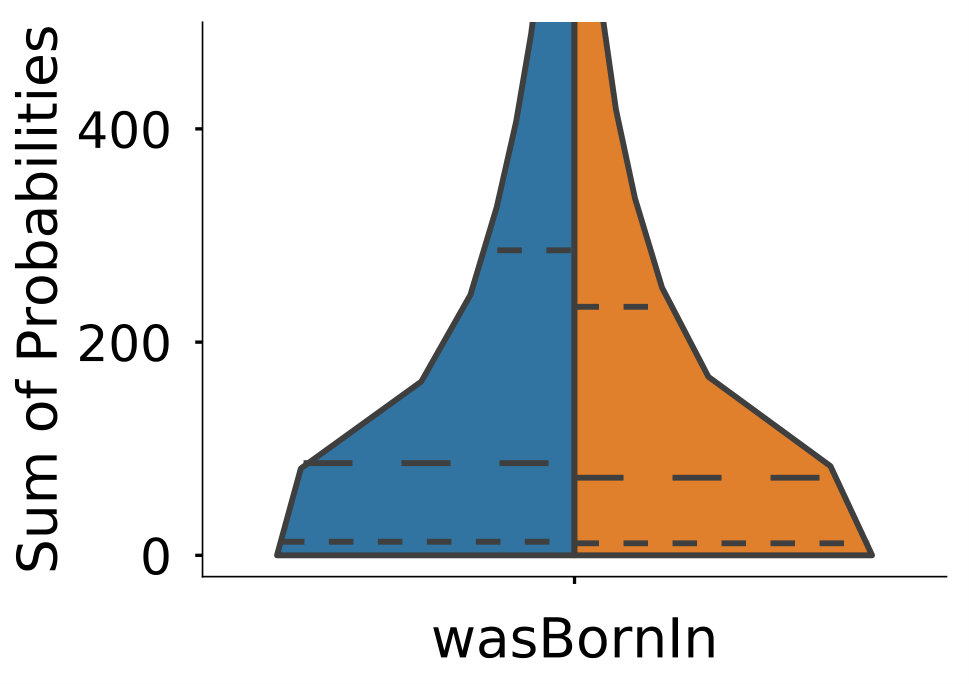 Figure 6
Peer Reviews
No public reviews on file for this paper yet. If you reviewed it on a platform where reviews are public (OpenReview, ICLR, NeurIPS, ICML), you can paste yours below so the community can read it here.
Videos
No videos yet. Explain this paper in a talk, walkthrough, or lecture? Add one.