Truly Visual Polymorphic Algebraic Data Structures through Maramafication
Chide Groenouwe, Jesse Nortier, John-Jules Ch. Meyer

TL;DR
This paper introduces maramafication, a visual approach to representing fully polymorphic algebraic data structures in functional programming, aiming to improve understanding and accessibility for diverse users.
Contribution
It extends previous work by enabling fully polymorphic, well-typed algebraic data structures through visual 'maramafied' representations based on spatial metaphors.
Findings
Visual maramafication simplifies understanding of complex data structures.
The approach enhances educational tools for programming.
It bridges the gap between programmers and non-programmers.
Abstract
This paper presents a so-called maramafication of an essential part of functional programming languages such as Haskell or Clean: the construction of fully polymorphic well-typed algebraic data structures based on type definitions with at most one type parameter. As such, this work extends our previous work, in which only a very limited form of polymorphism was present. Maramafication means the design of visual 'twins' of existing programming constructs using spatial metaphors rooted in common sense or inborn spatial intuition, to achieve self-explanatoriness. This is, among others, useful to considerably reduce the gap between programmers and non-programmers in the creation of programs, for educational purposes, for inclusion of non-typical programmers and for invoking enthusiasm among non-programmers.
Click any figure to enlarge with its caption.
 Figure 18
 Figure 18
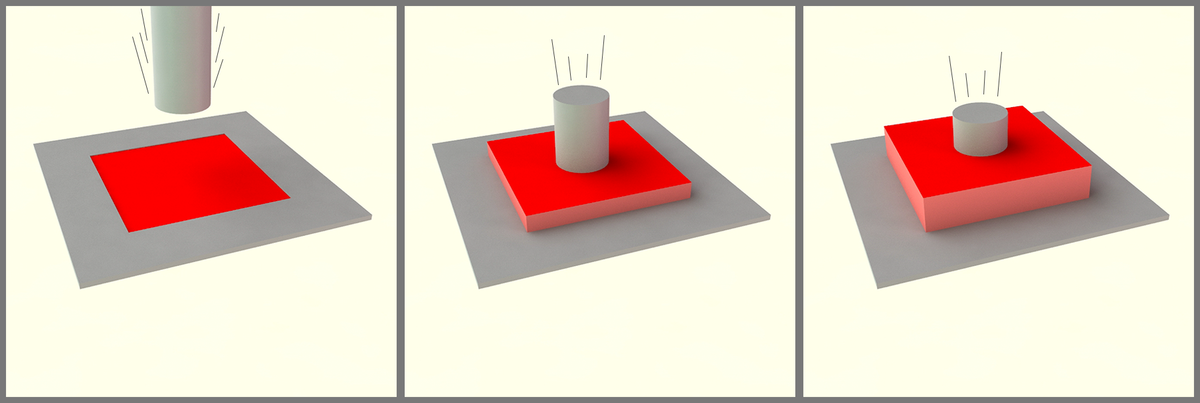 Figure 3
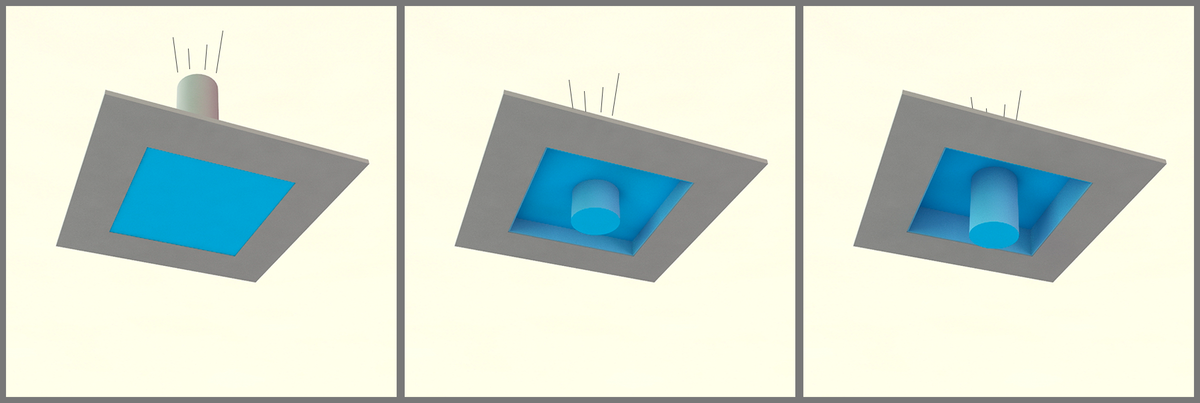 Figure 4
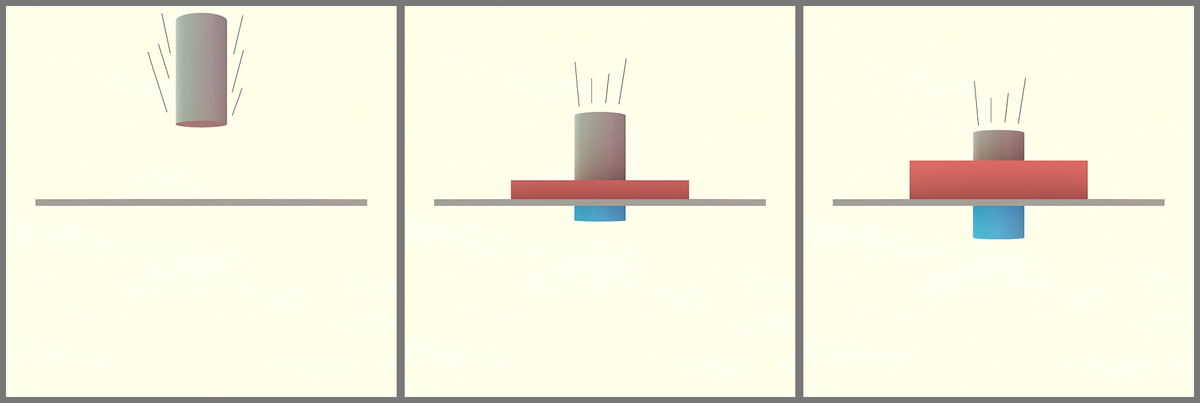 Figure 5
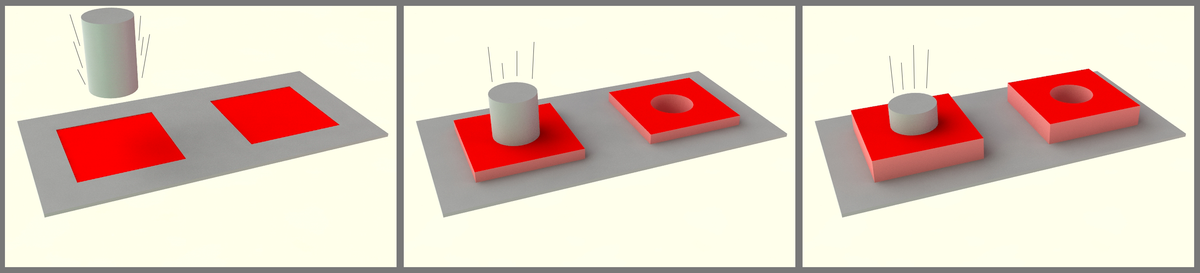 Figure 6
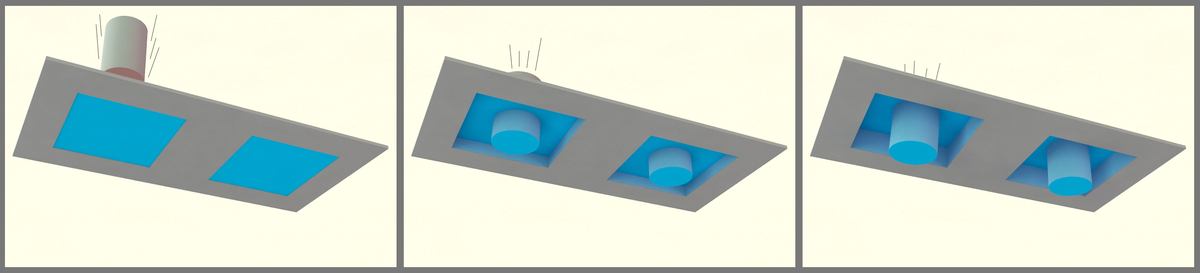 Figure 7
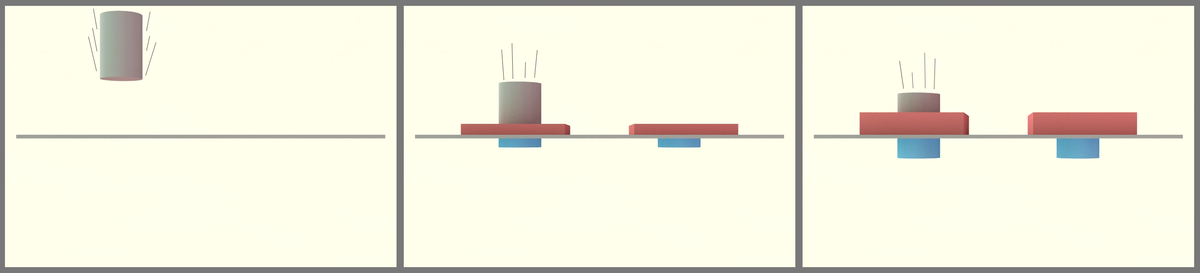 Figure 8
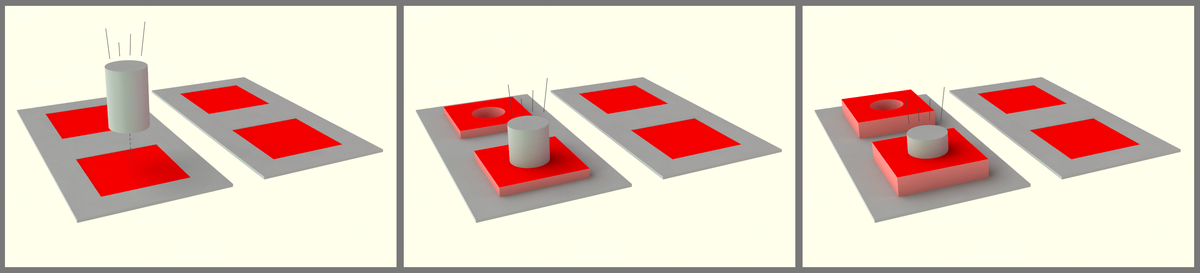 Figure 9
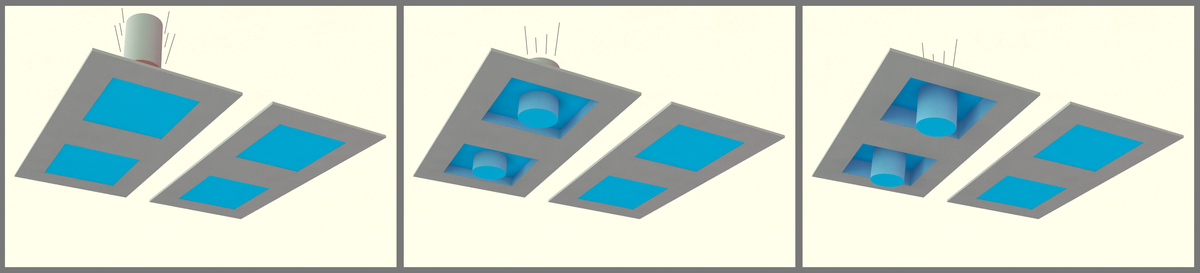 Figure 10
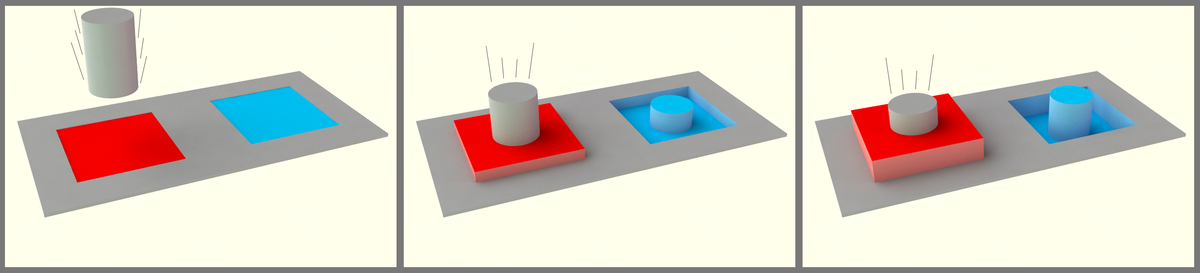 Figure 11
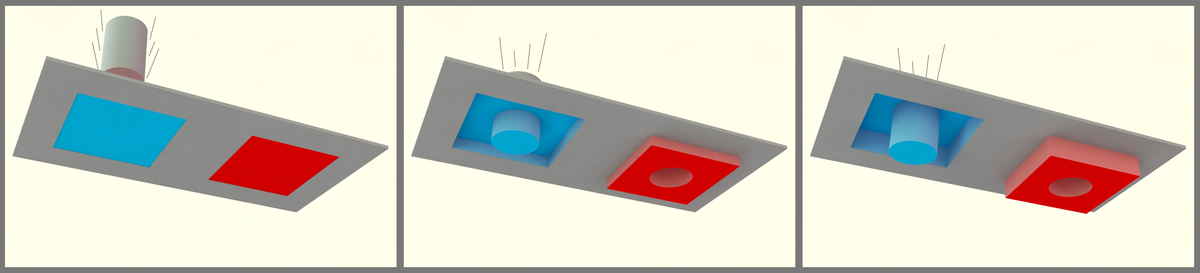 Figure 12
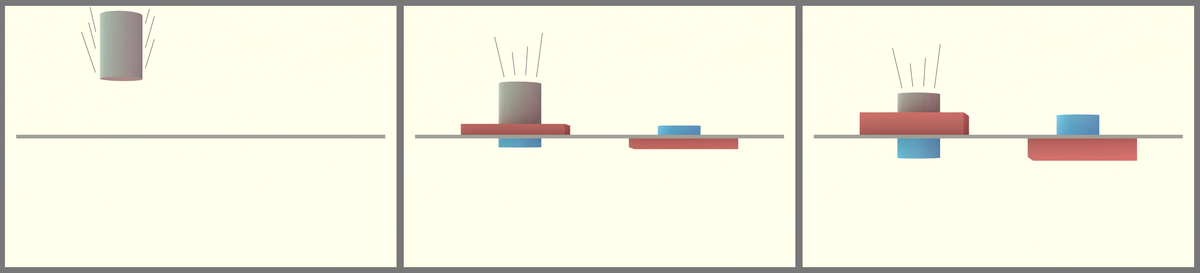 Figure 13
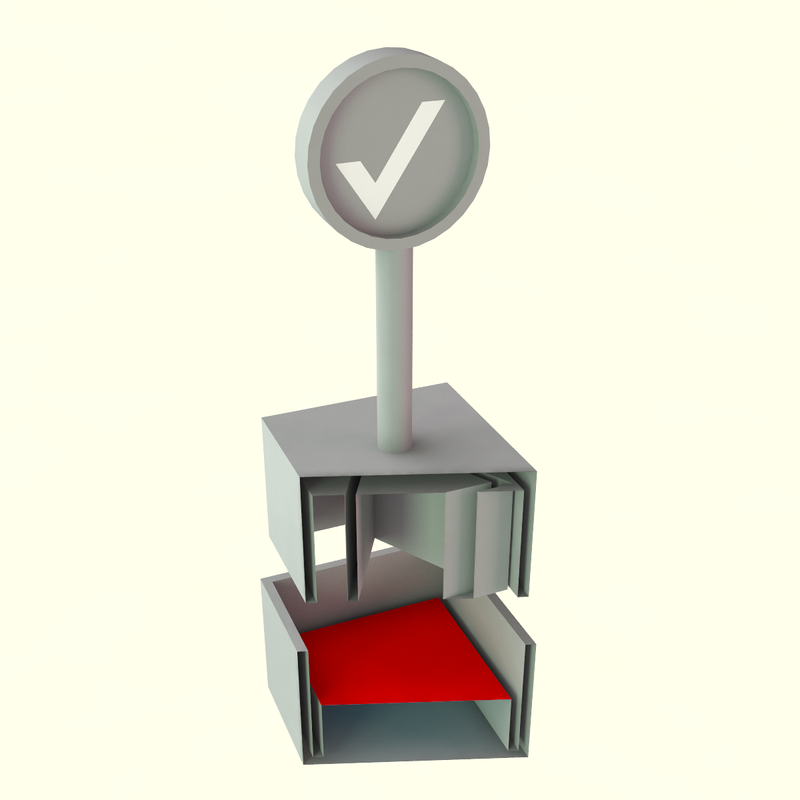 Figure 14
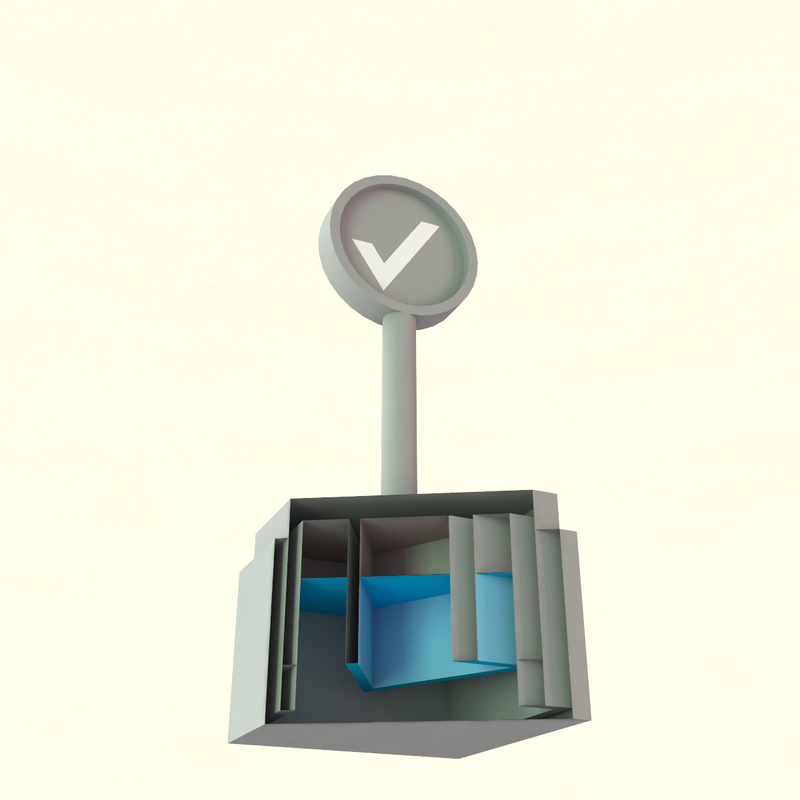 Figure 15
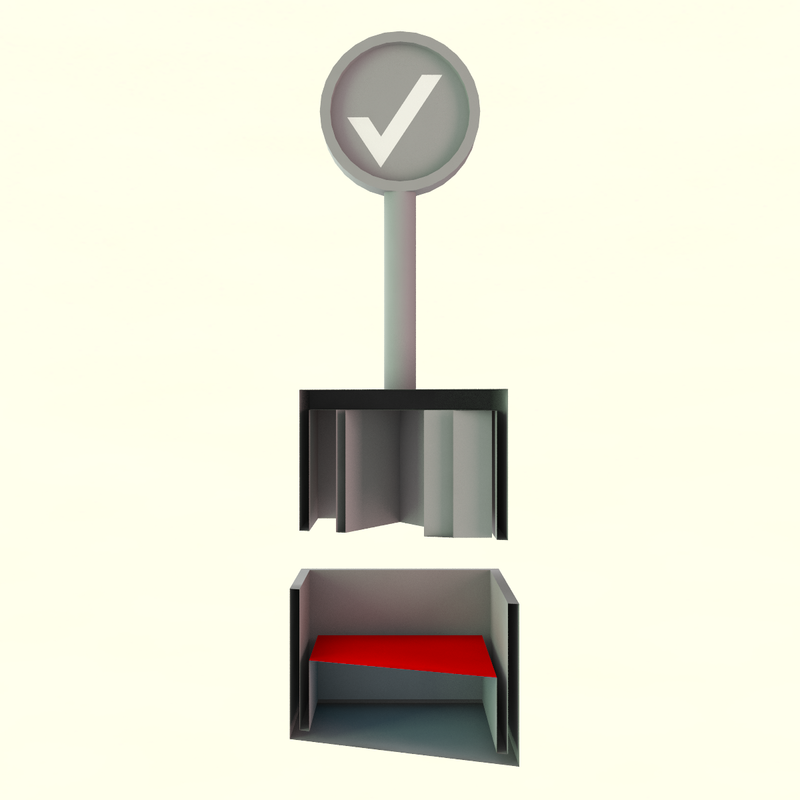 Figure 16
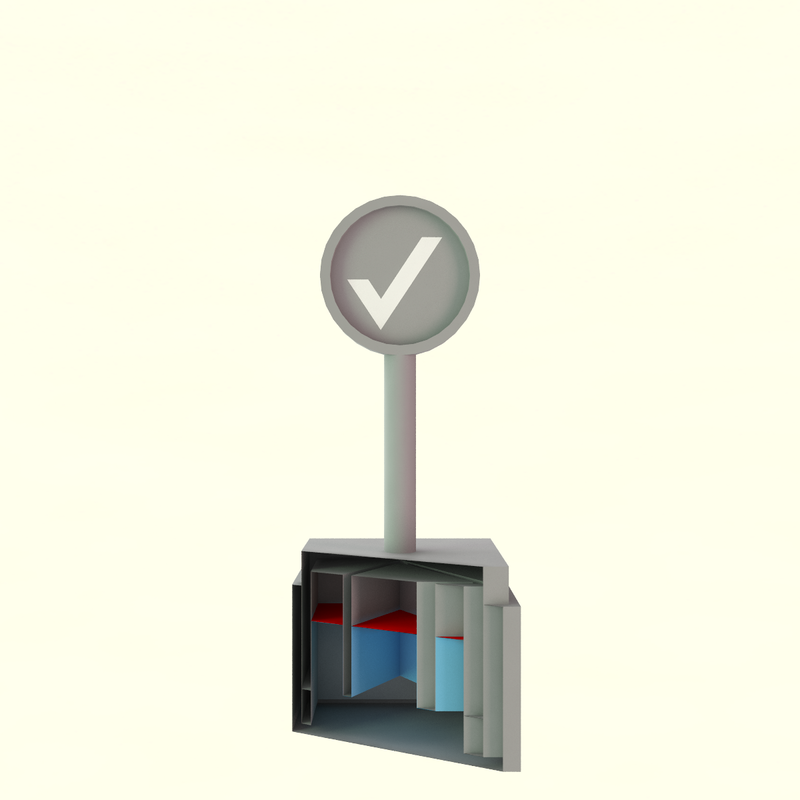 Figure 17
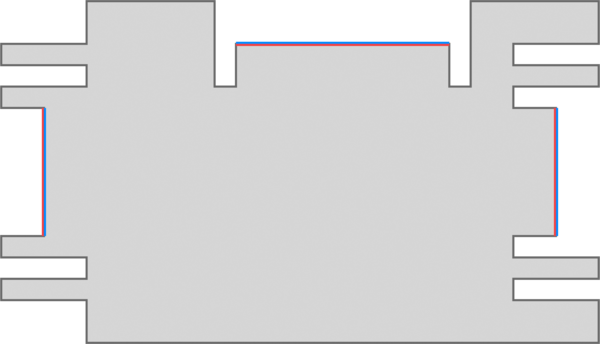 Figure 18
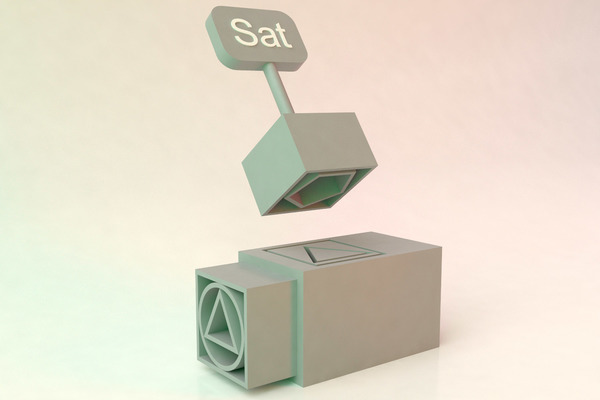 Figure 19
 Figure 20
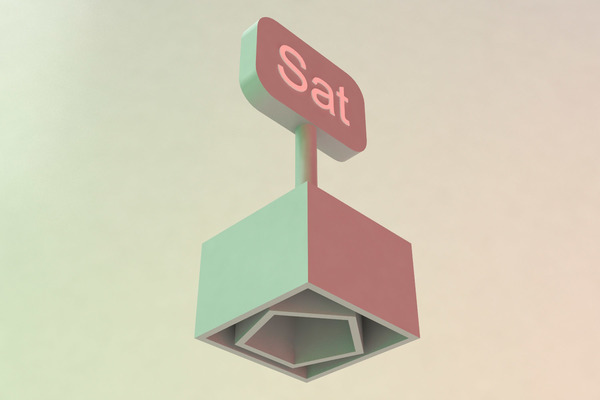 Figure 21
 Figure 22
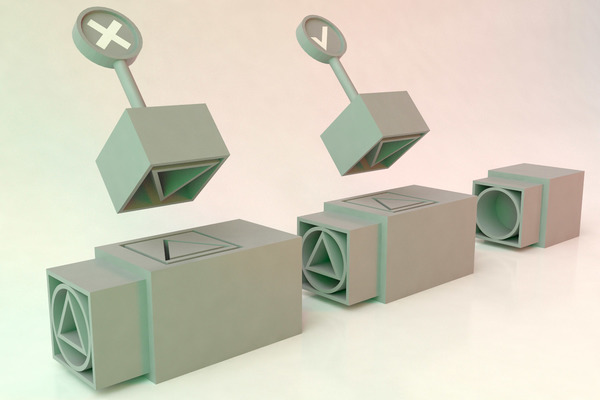 Figure 23
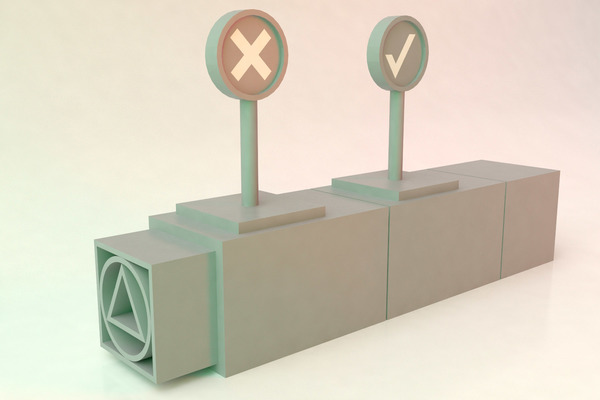 Figure 24
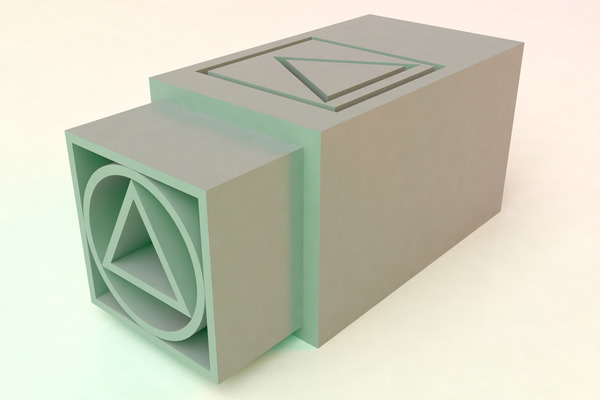 Figure 25
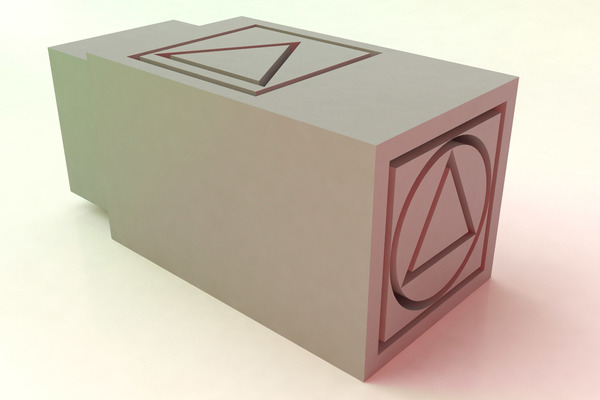 Figure 26
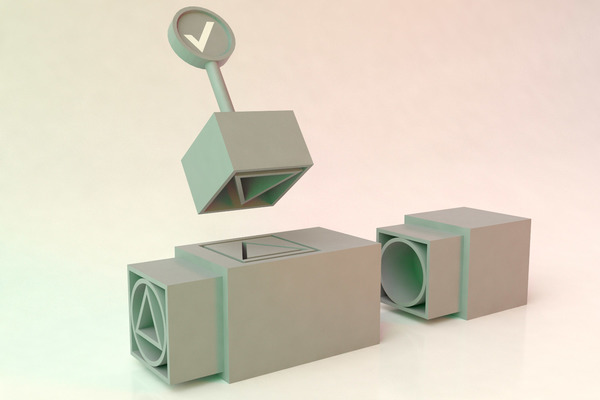 Figure 27
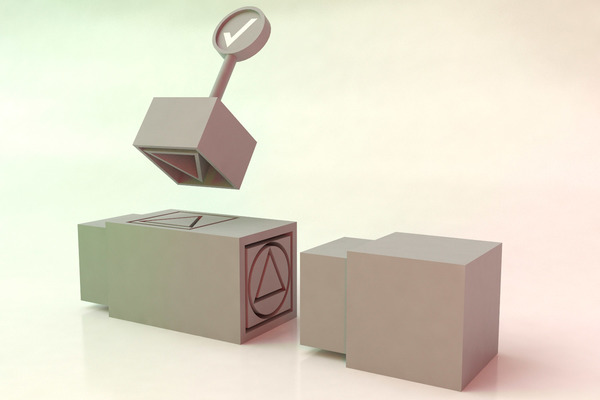 Figure 28
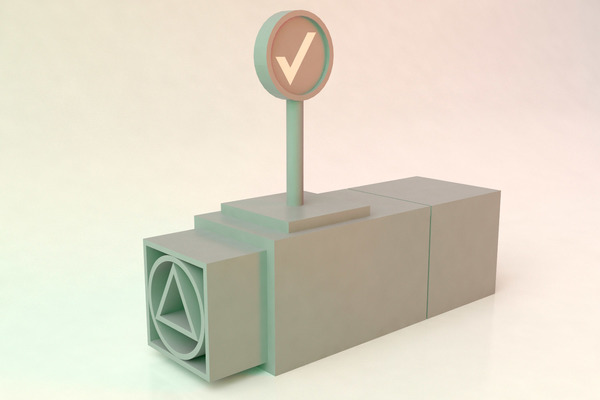 Figure 29
 Figure 30
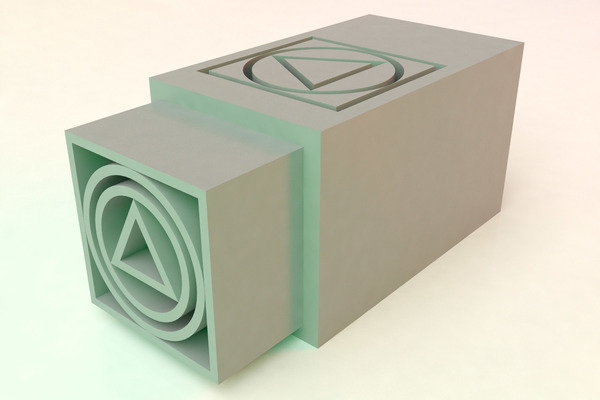 Figure 31
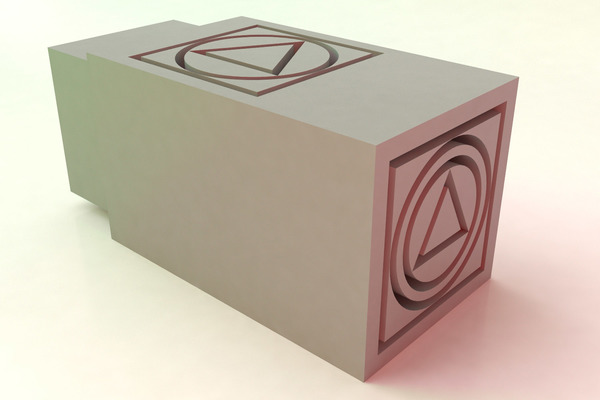 Figure 32
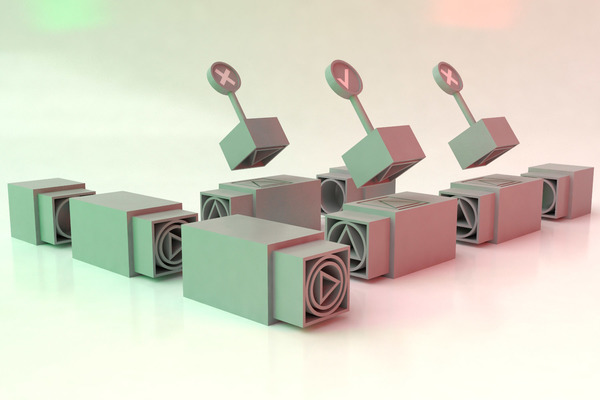 Figure 33
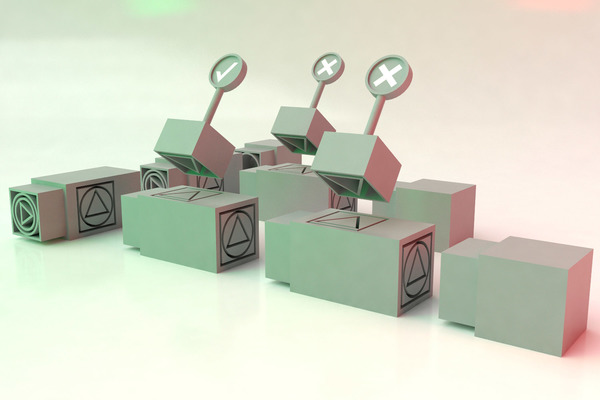 Figure 34
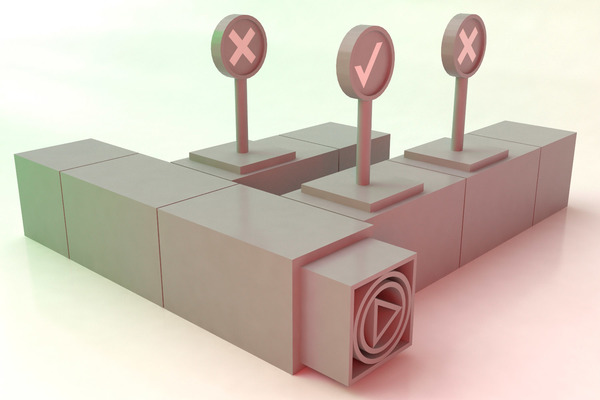 Figure 35
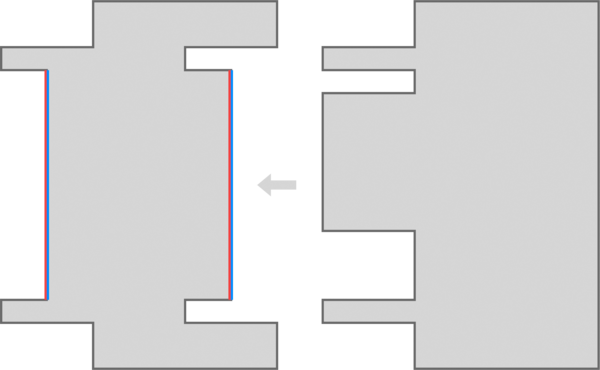 Figure 18
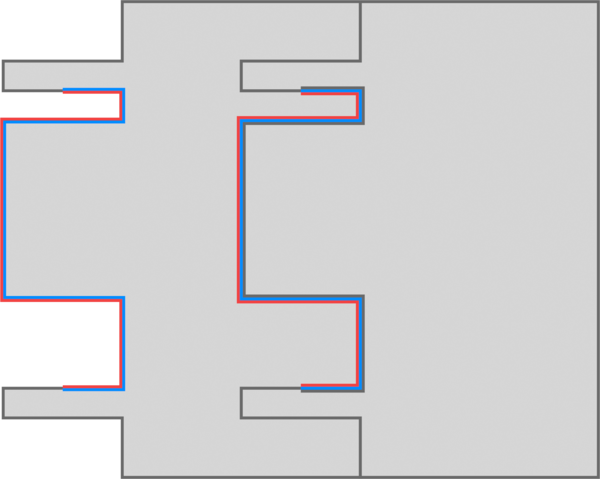 Figure 18
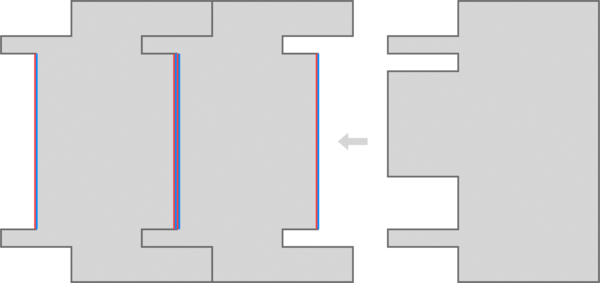 Figure 18
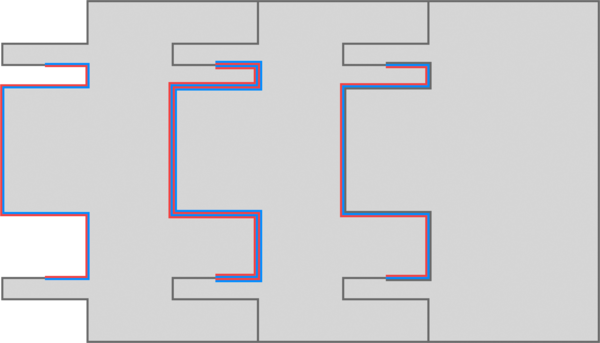 Figure 18
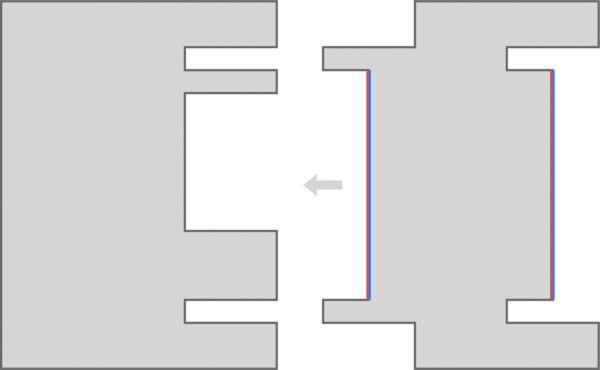 Figure 18
Peer Reviews
No public reviews on file for this paper yet. If you reviewed it on a platform where reviews are public (OpenReview, ICLR, NeurIPS, ICML), you can paste yours below so the community can read it here.
Videos
No videos yet. Explain this paper in a talk, walkthrough, or lecture? Add one.
Taxonomy
TopicsScientific Computing and Data Management · Logic, programming, and type systems · Software Engineering Research