Higgs Bundles for M-theory on $G_2$-Manifolds
Andreas P. Braun, Sebastjan Cizel, Max Hubner, Sakura Schafer-Nameki

TL;DR
This paper analyzes the gauge sector in M-theory compactifications on $G_2$-manifolds by studying Higgs bundles derived from 7d super Yang-Mills theory, using Morse theory to determine the massless spectrum and exploring chiral matter engineering.
Contribution
It introduces a mathematical framework using Morse and Morse-Bott theory to determine the 4d spectrum from Higgs bundles on $G_2$-manifolds, including TCS examples.
Findings
Derived BPS equations for Higgs bundles on $G_2$-manifolds.
Determined massless spectra for abelian and non-abelian gauge groups.
Provided a method to engineer chiral matter through singular transitions.
Abstract
M-theory compactified on -holonomy manifolds results in 4d supersymmetric gauge theories coupled to gravity. In this paper we focus on the gauge sector of such compactifications by studying the Higgs bundle obtained from a partially twisted 7d super Yang-Mills theory on a supersymmetric three-cycle . We derive the BPS equations and find the massless spectrum for both abelian and non-abelian gauge groups in 4d. The mathematical tool that allows us to determine the spectrum is Morse theory, and more generally Morse-Bott theory. The latter generalization allows us to make contact with twisted connected sum (TCS) -manifolds, which form the largest class of examples of compact -manifolds. M-theory on TCS -manifolds is known to result in a non-chiral 4d spectrum. We determine the Higgs bundle for this class of -manifolds and provide a prescription…
Click any figure to enlarge with its caption.
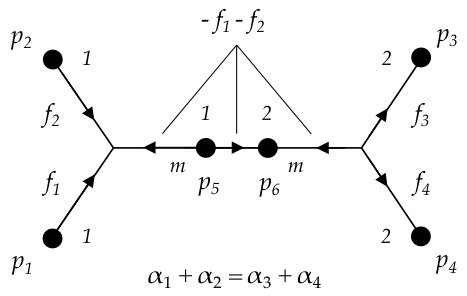 Figure 1
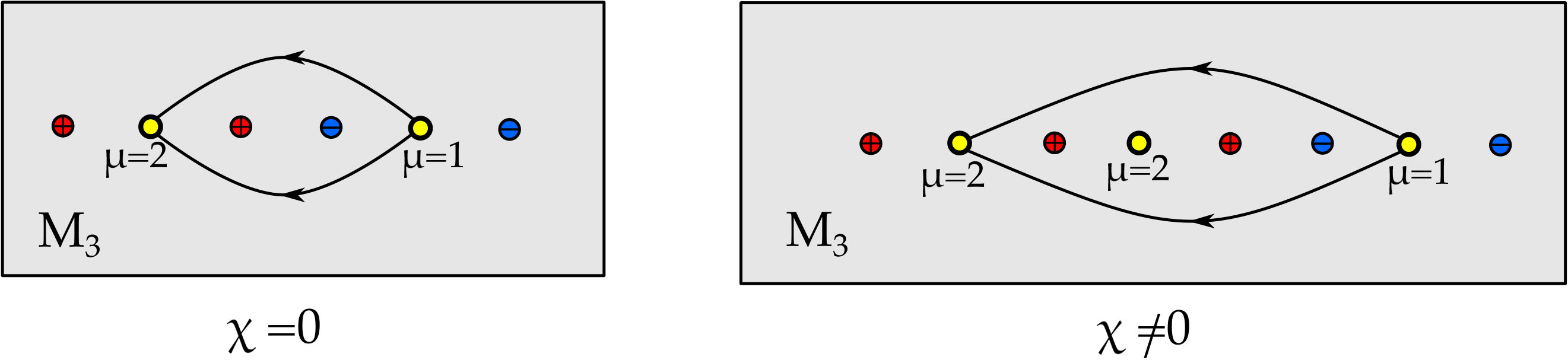 Figure 2
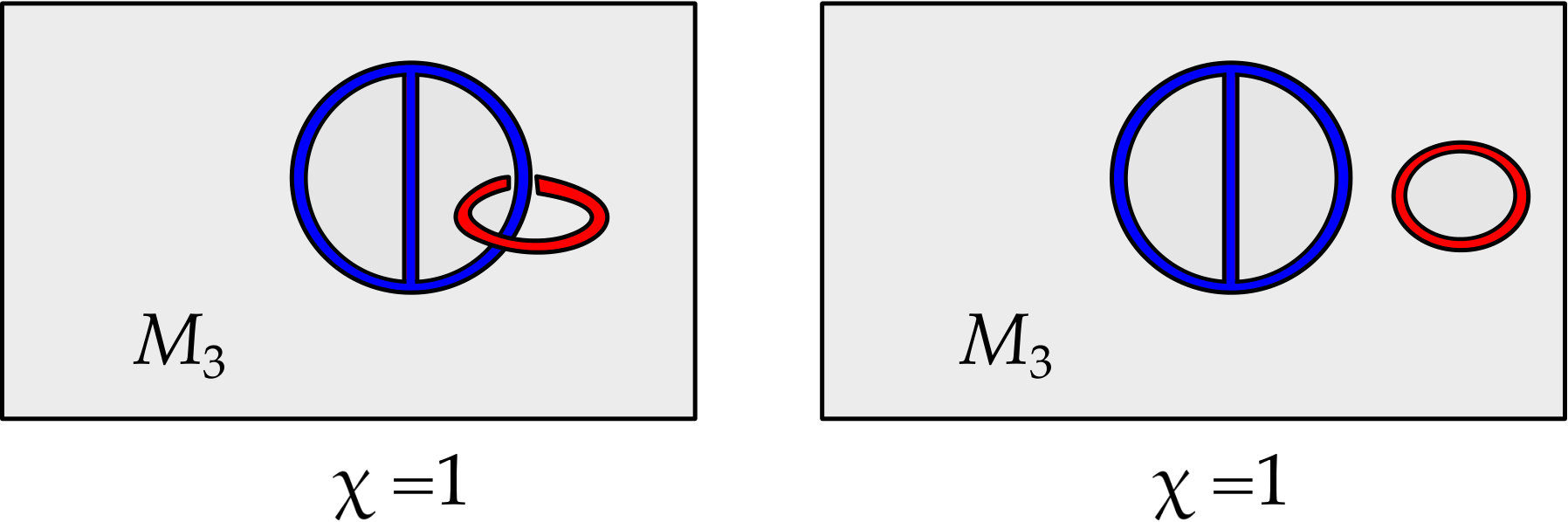 Figure 3
 Figure 4
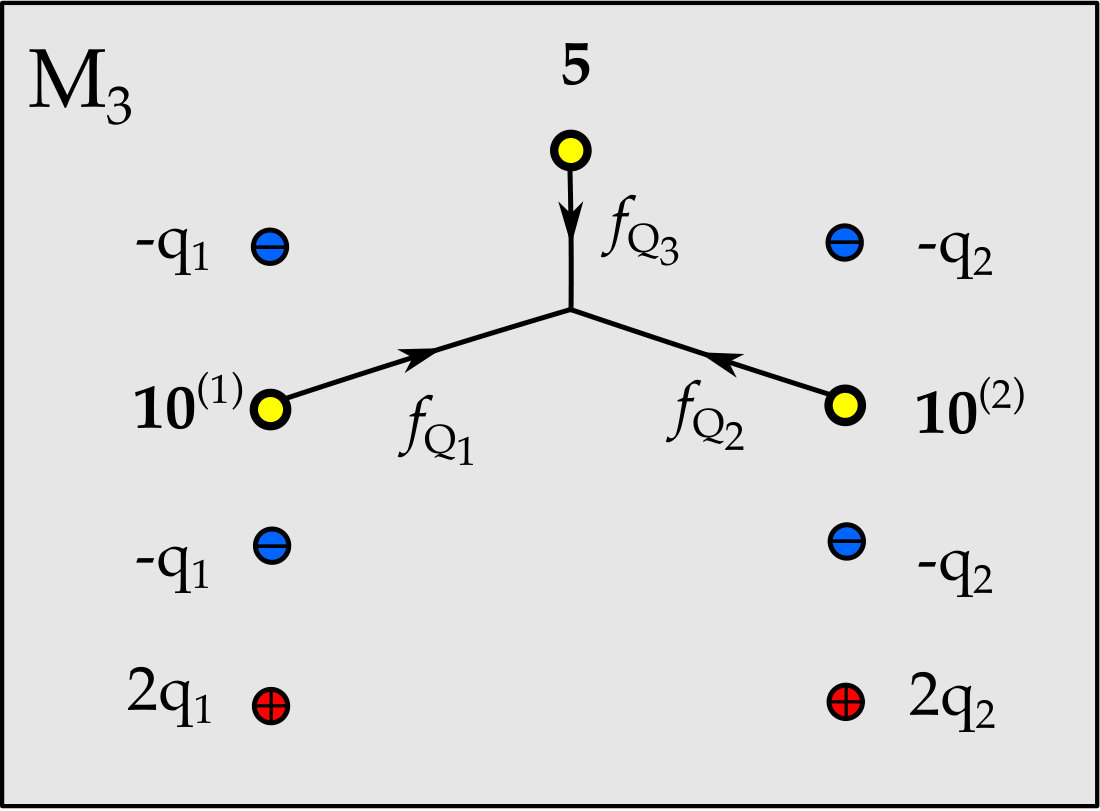 Figure 5
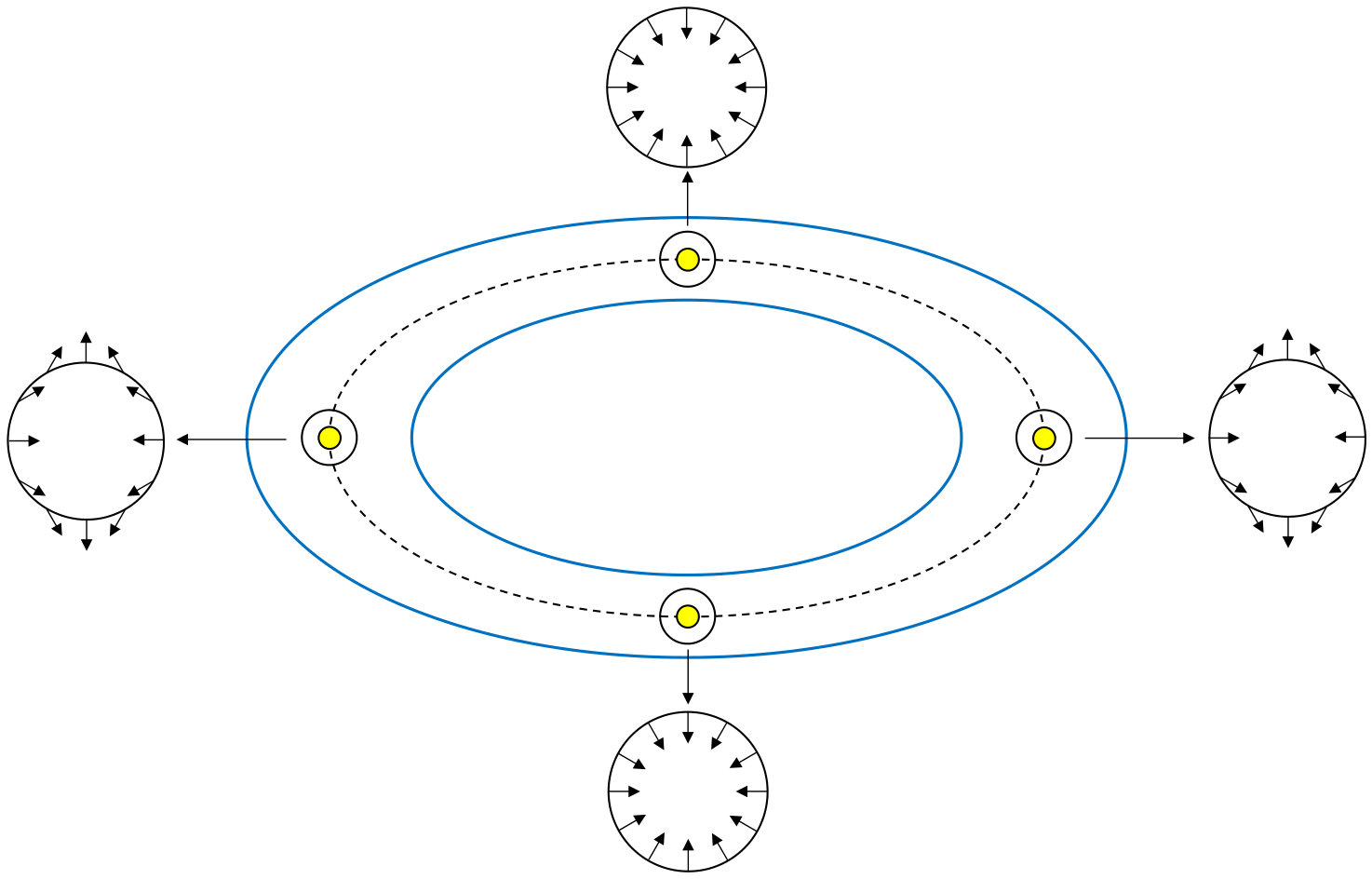 Figure 6
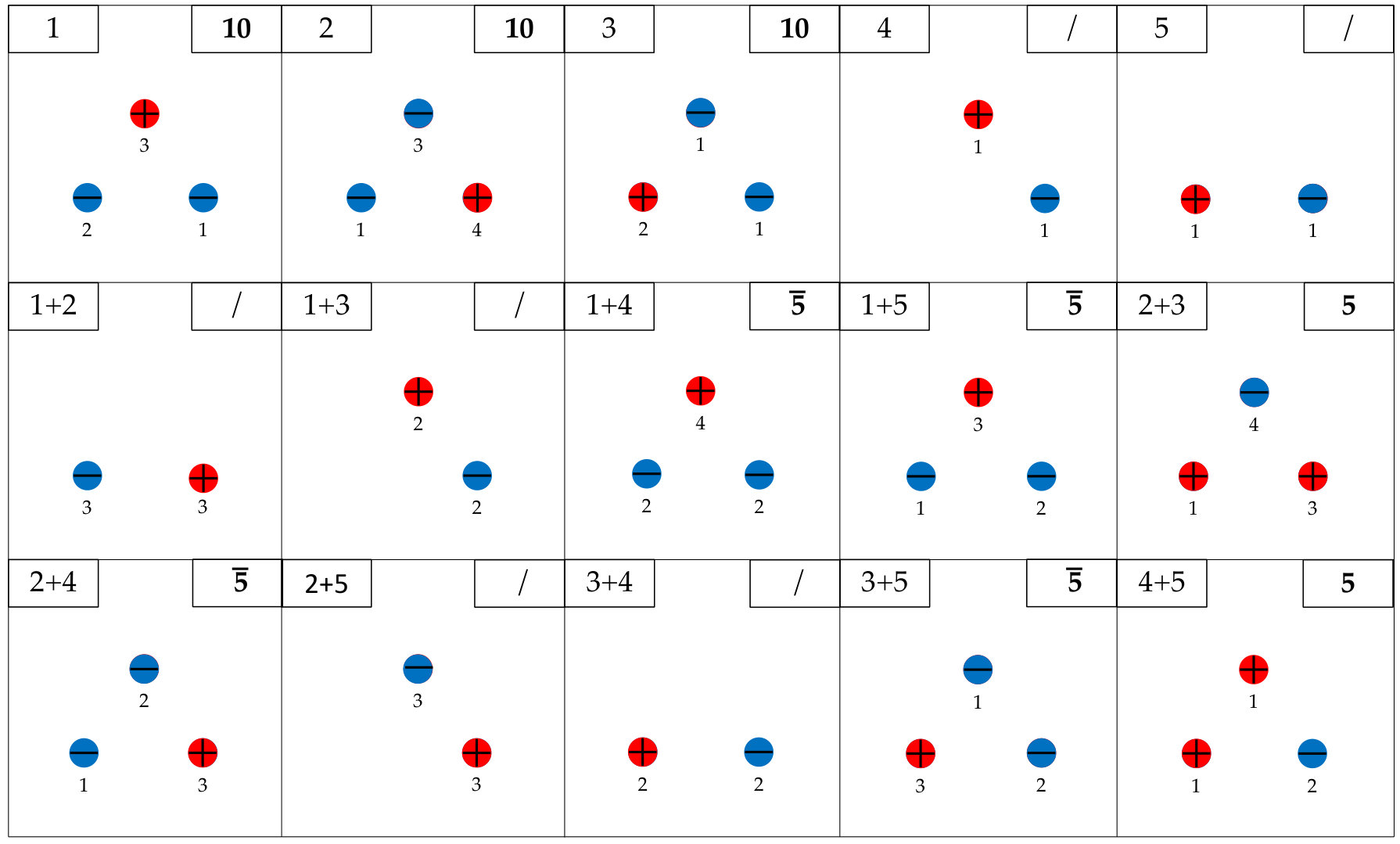 Figure 7
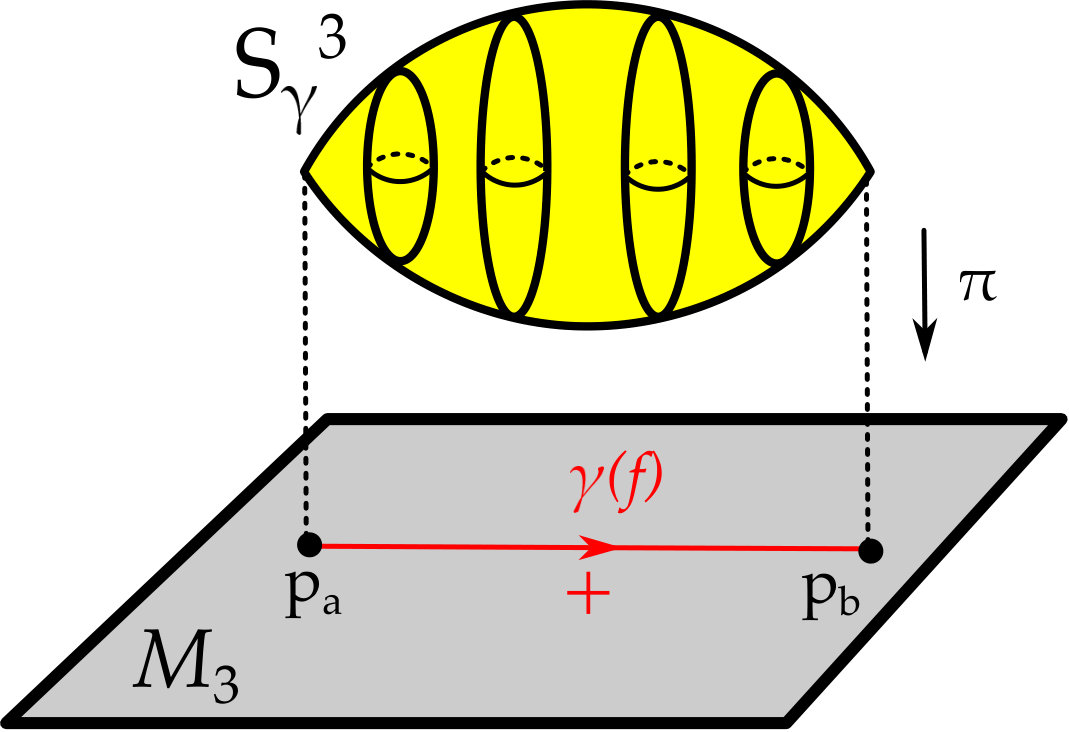 Figure 8
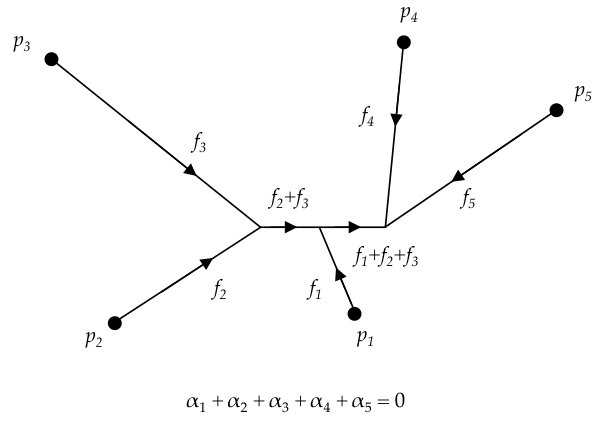 Figure 9
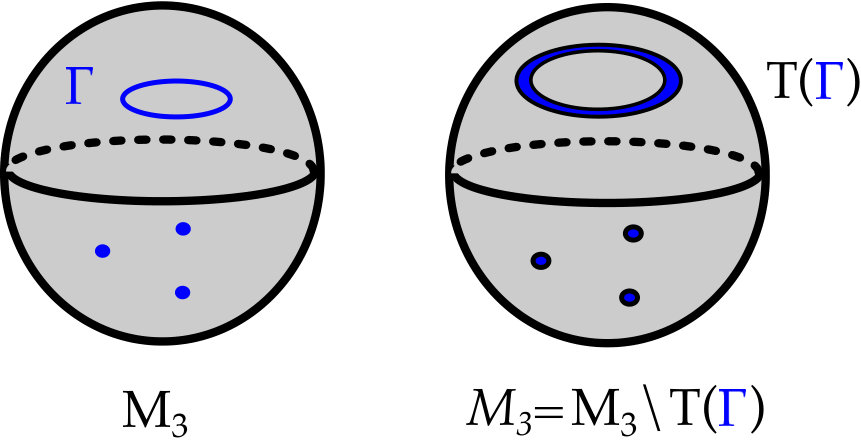 Figure 10
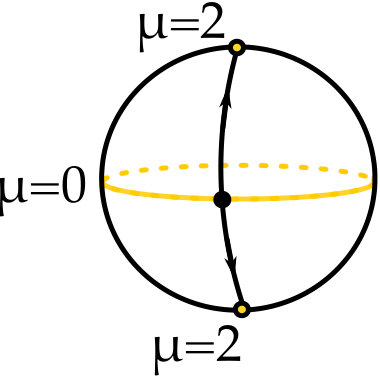 Figure 11
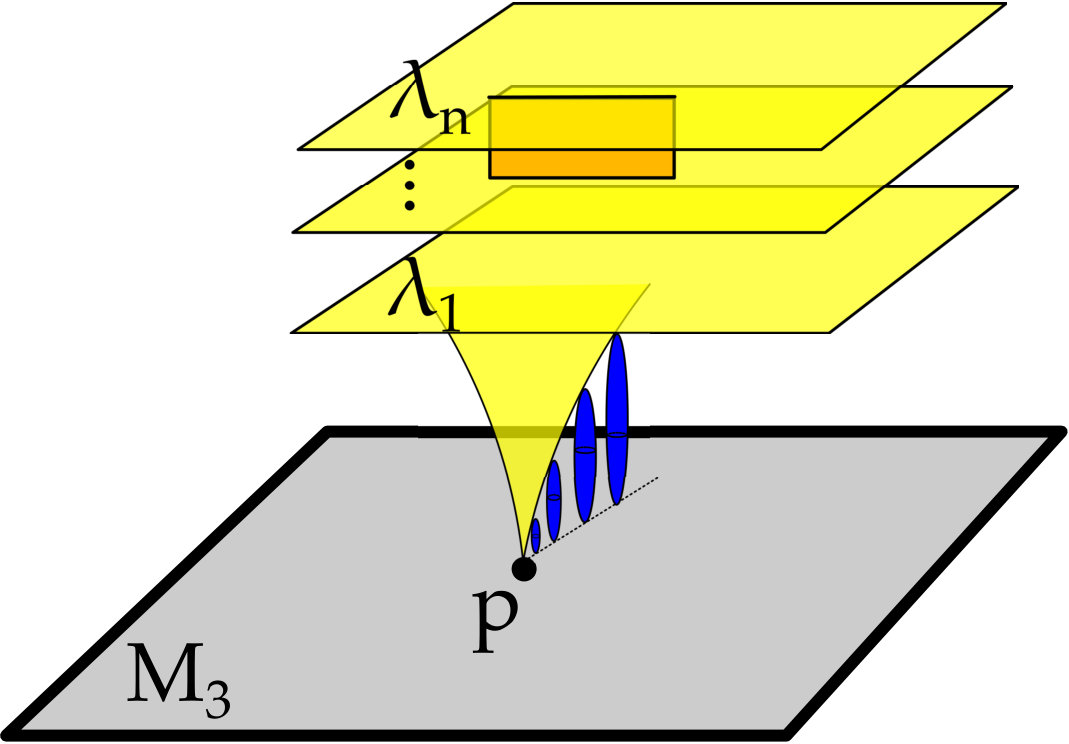 Figure 12
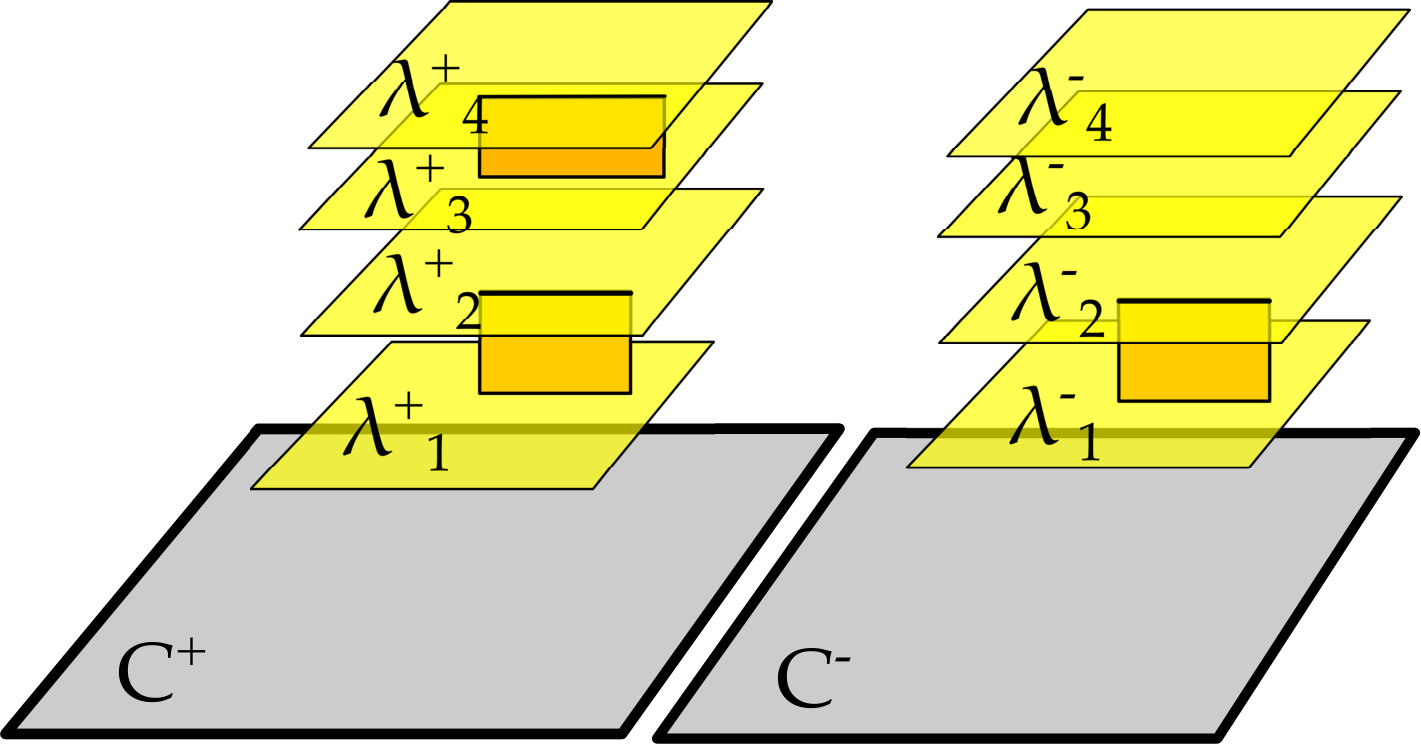 Figure 13
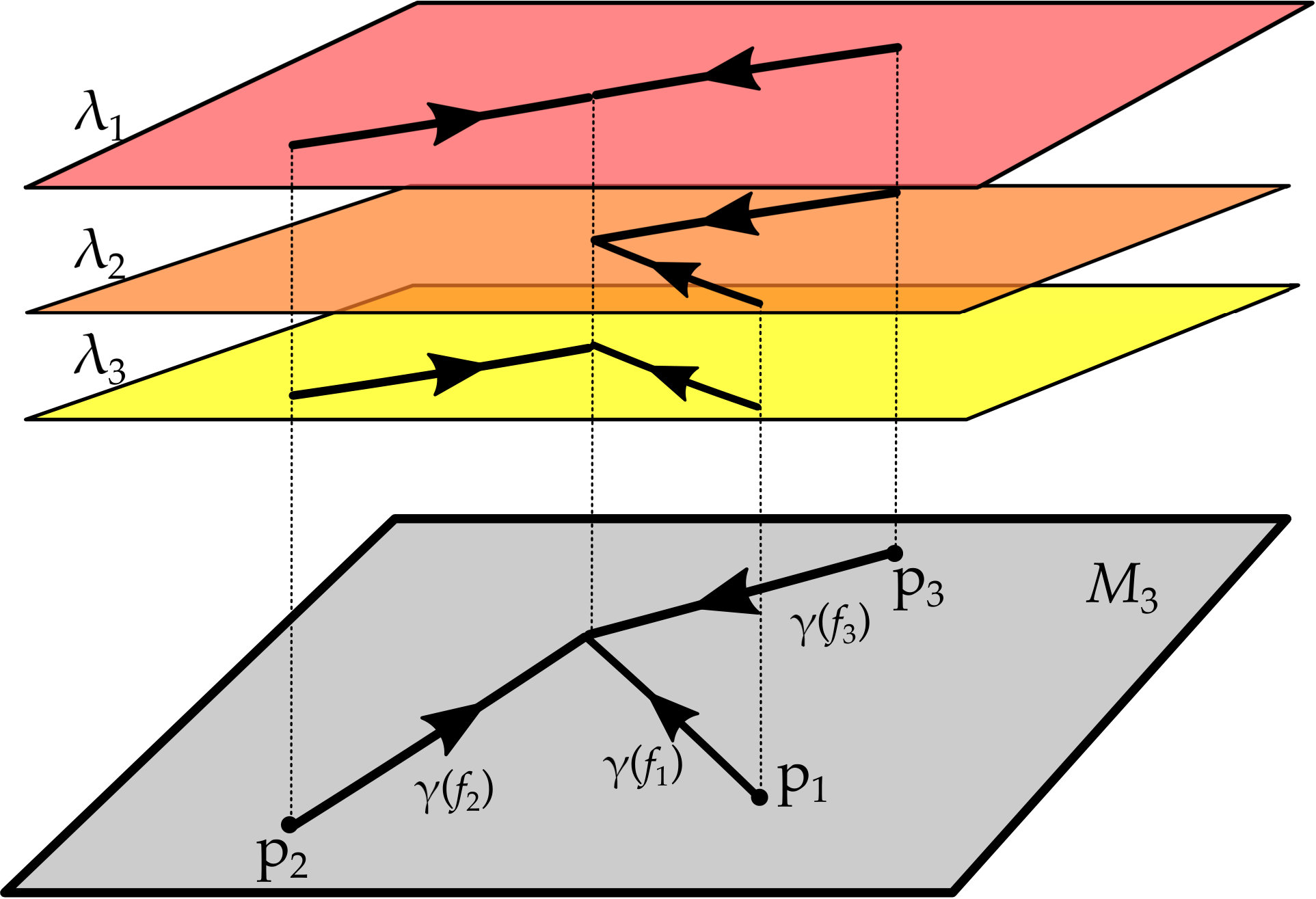 Figure 14
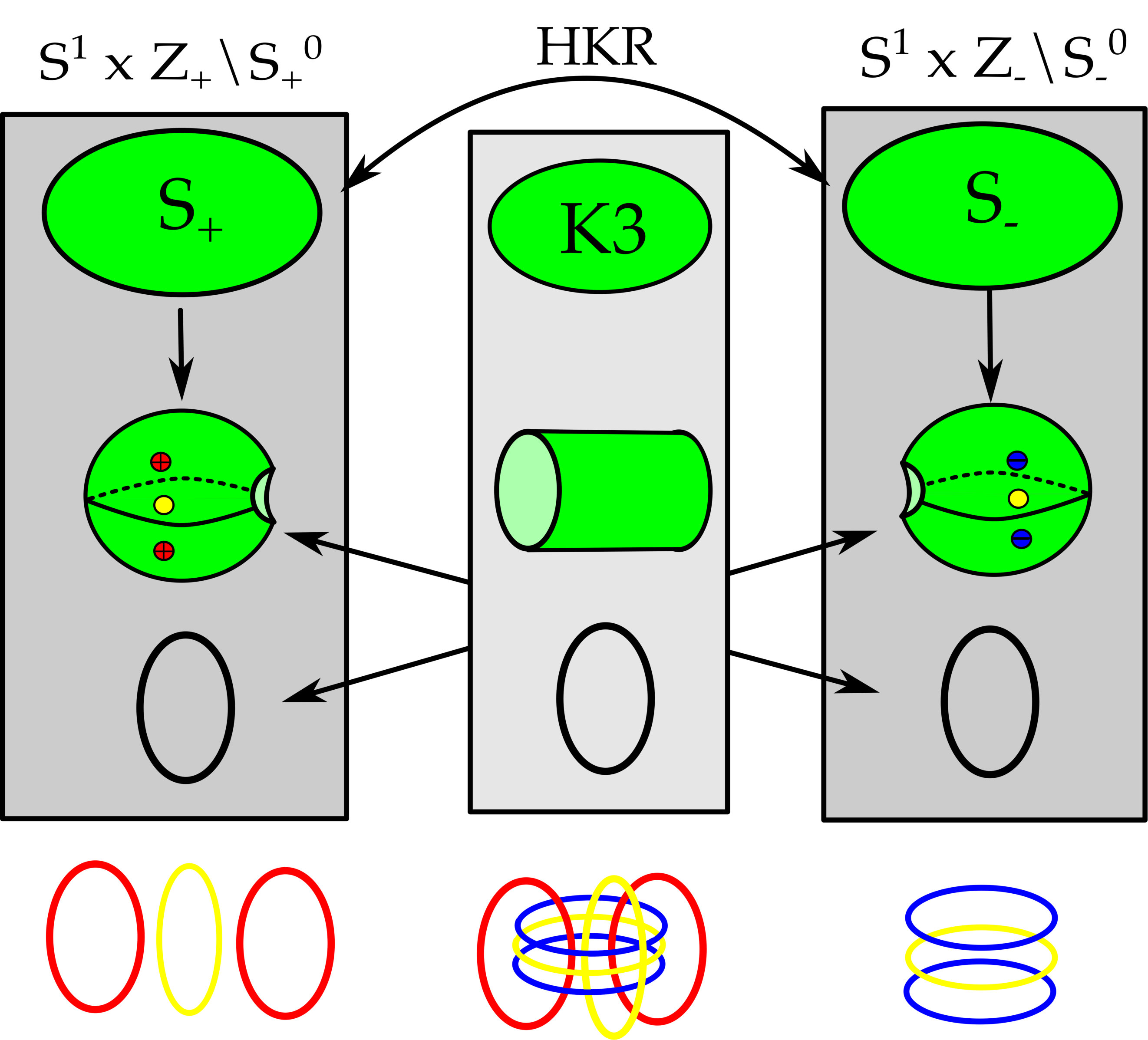 Figure 15
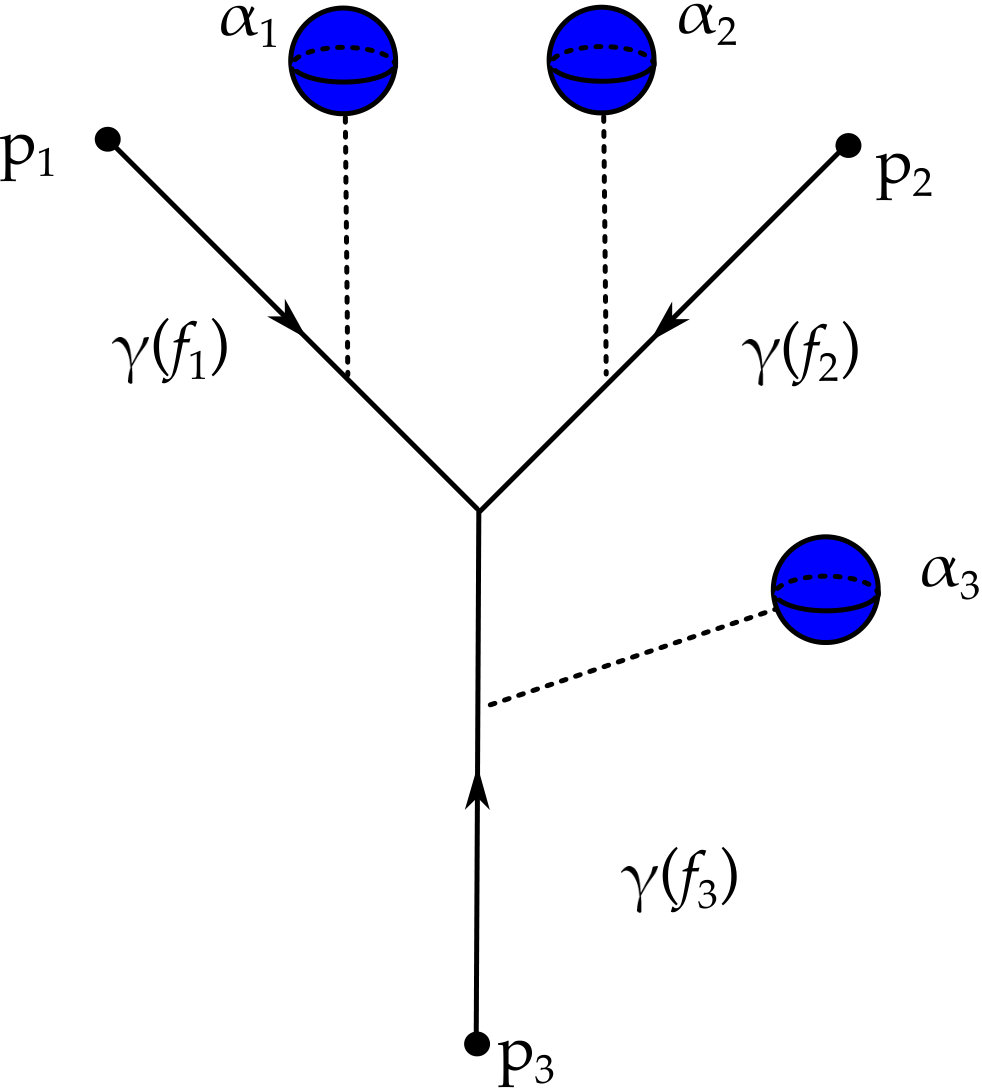 Figure 16
Peer Reviews
No public reviews on file for this paper yet. If you reviewed it on a platform where reviews are public (OpenReview, ICLR, NeurIPS, ICML), you can paste yours below so the community can read it here.
Videos
No videos yet. Explain this paper in a talk, walkthrough, or lecture? Add one.