Interference, spectral momentum correlations, entanglement, and Bell inequality for a trapped interacting ultracold atomic dimer: Analogies with biphoton interferometry
Constantine Yannouleas, Benedikt B. Brandt, Uzi Landman

TL;DR
This paper explores the analogy between biphoton interference in quantum optics and momentum correlations in ultracold atoms trapped in double wells, proposing experimental methods to study fundamental quantum phenomena with massive particles.
Contribution
It demonstrates how second-order momentum correlations in ultracold atoms mirror optical biphoton phenomena, enabling new experimental tests of quantum nonlocality and entanglement with massive particles.
Findings
Identification of a cosine-square quantum beating in momentum correlations
Extraction of single-occupancy contributions from total momentum correlations
Proposal for time-of-flight experiments to emulate optical interferometry
Abstract
Elucidating similarities and differences between quantum-optics biphoton interference phenomena and the quantum physics of quasi-one-dimensional double-well optically-trapped ultracold neutral bosonic or fermionic atoms, we show that the analog of the optical biphoton joint-coincidence spectral correlations, studied with massless non-interacting biphotons emanating from EPR-Bell-Bohm single-occupancy sources, corresponds to a distinct contribution in the total second-order momentum correlations of the massive, interacting, and time-evolving ultracold atoms. This single-occupancy contribution can be extracted from the total second-order momentum correlation function measured in time-of-flight experiments, which for the trapped atomic system contains, in general, a double-occupancy, NOON, component. The dynamics of the two-particle system are modeled by a Hubbard Hamiltonian. This partial…
Click any figure to enlarge with its caption.
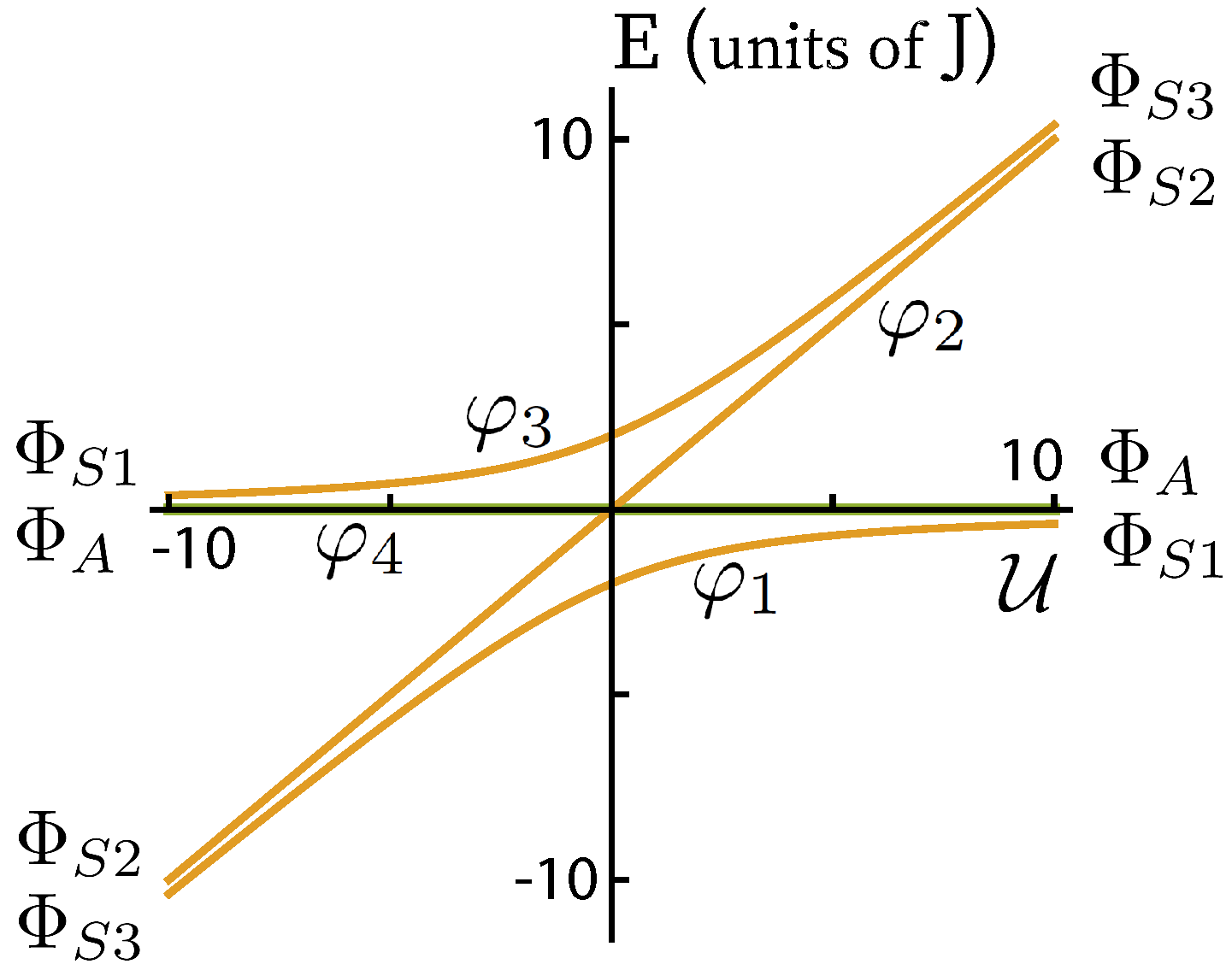 Figure 1
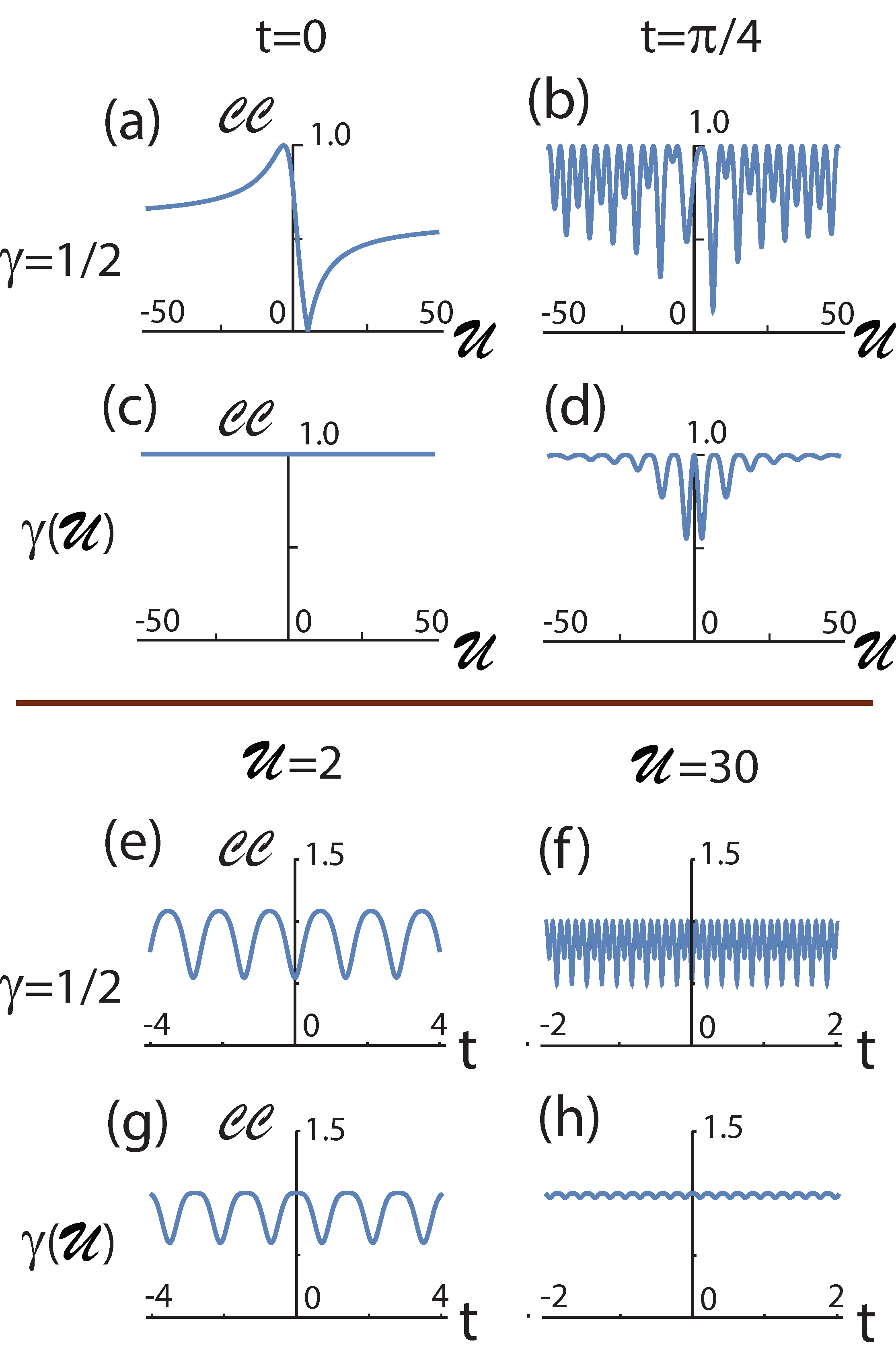 Figure 10
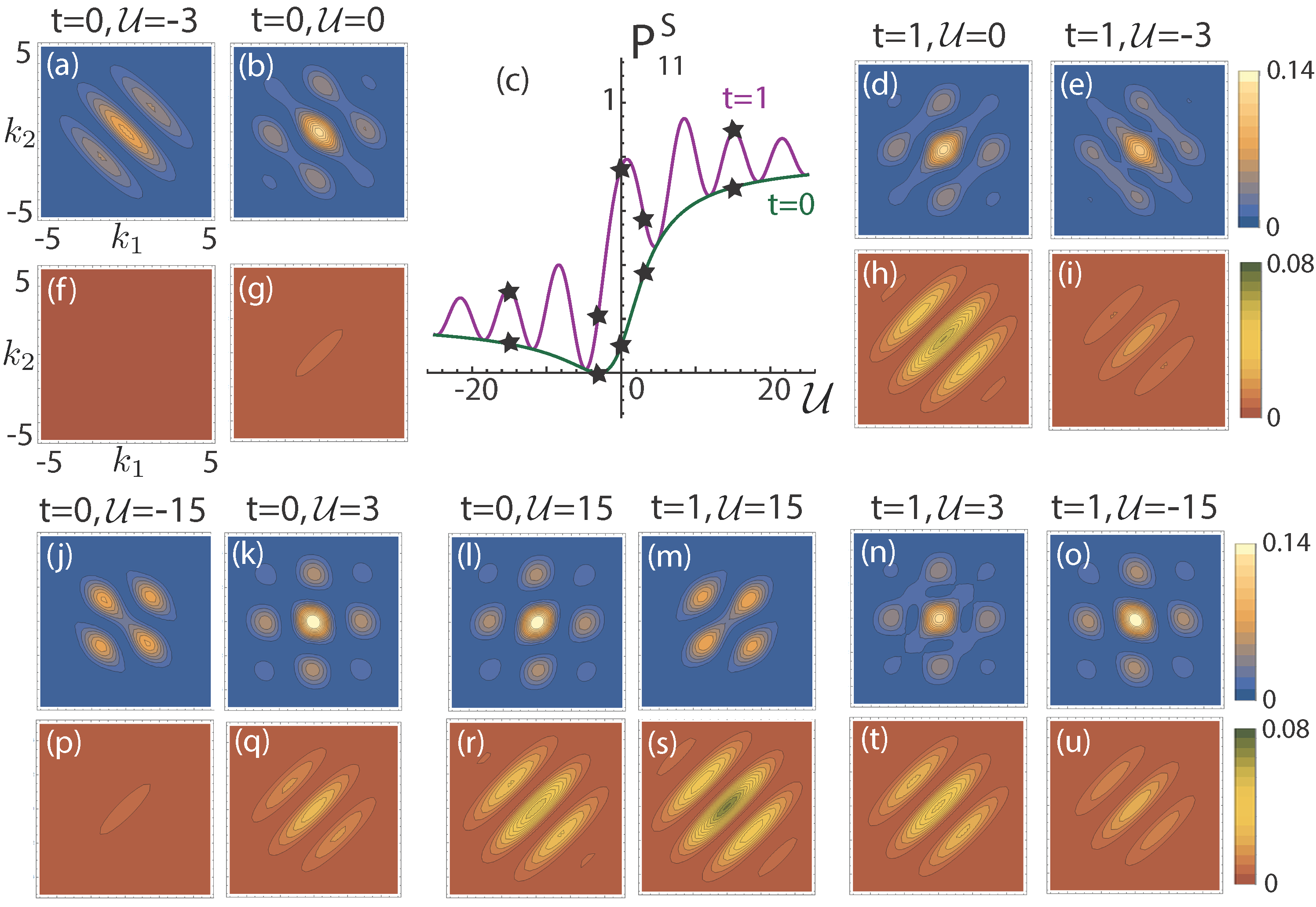 Figure 2
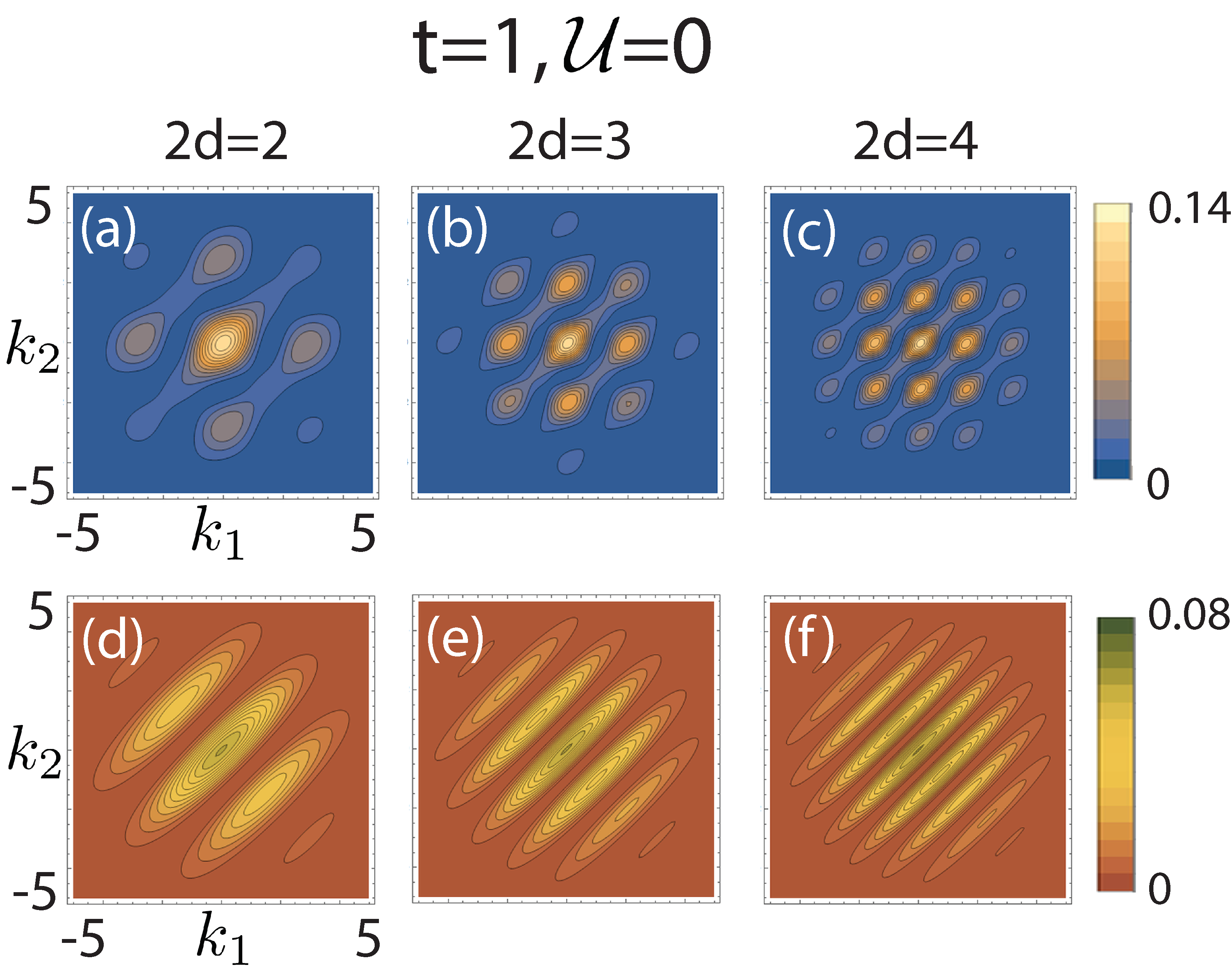 Figure 3
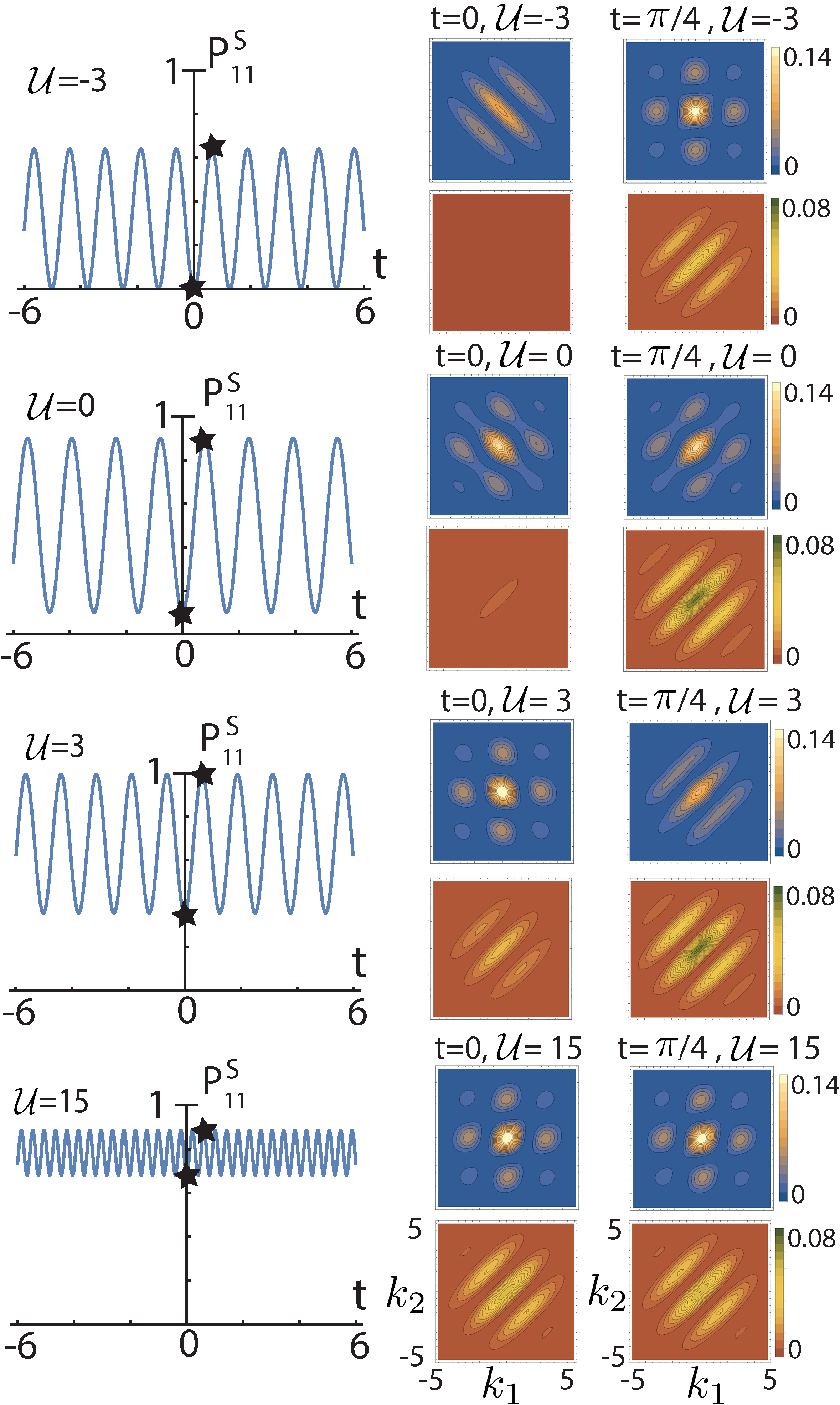 Figure 4
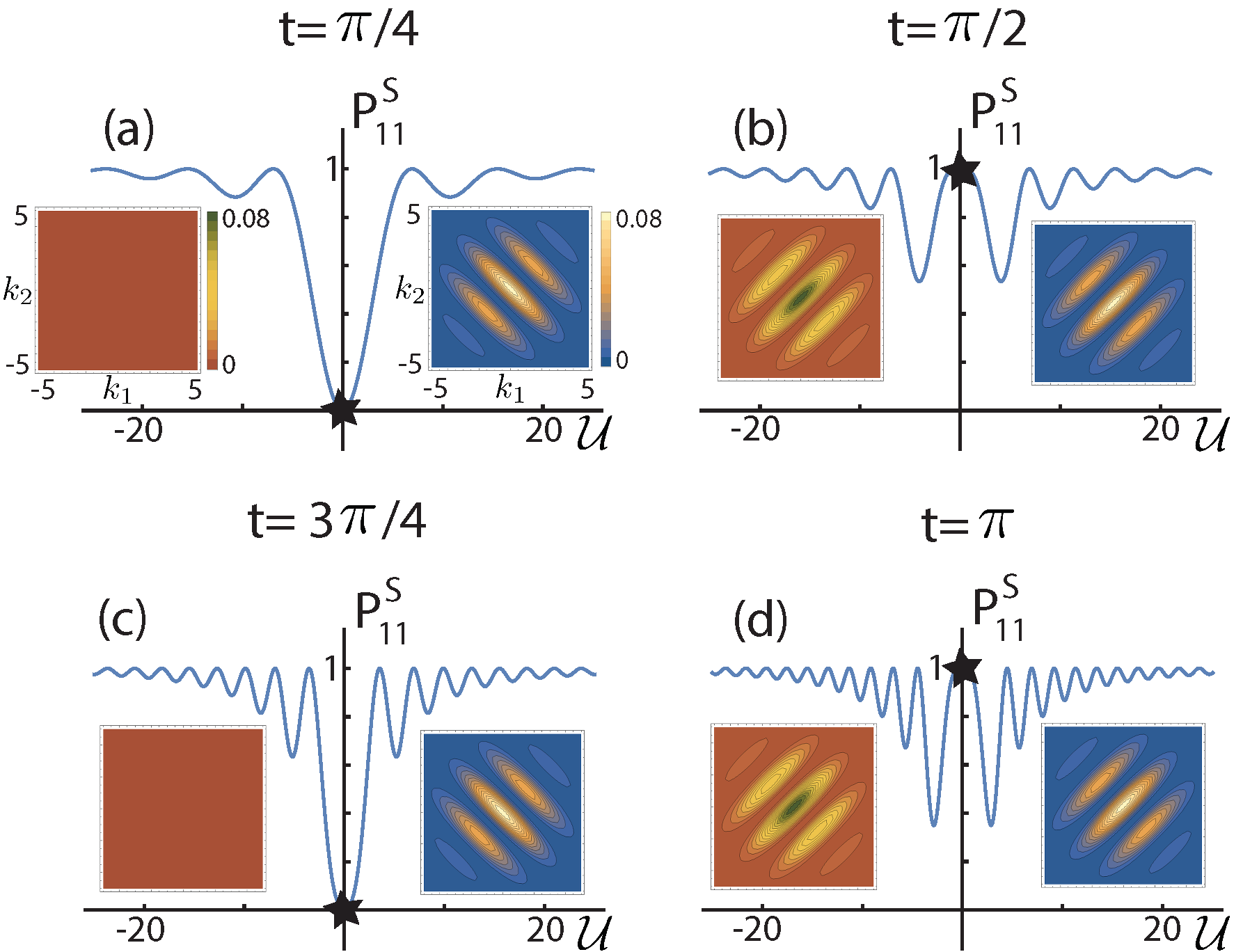 Figure 5
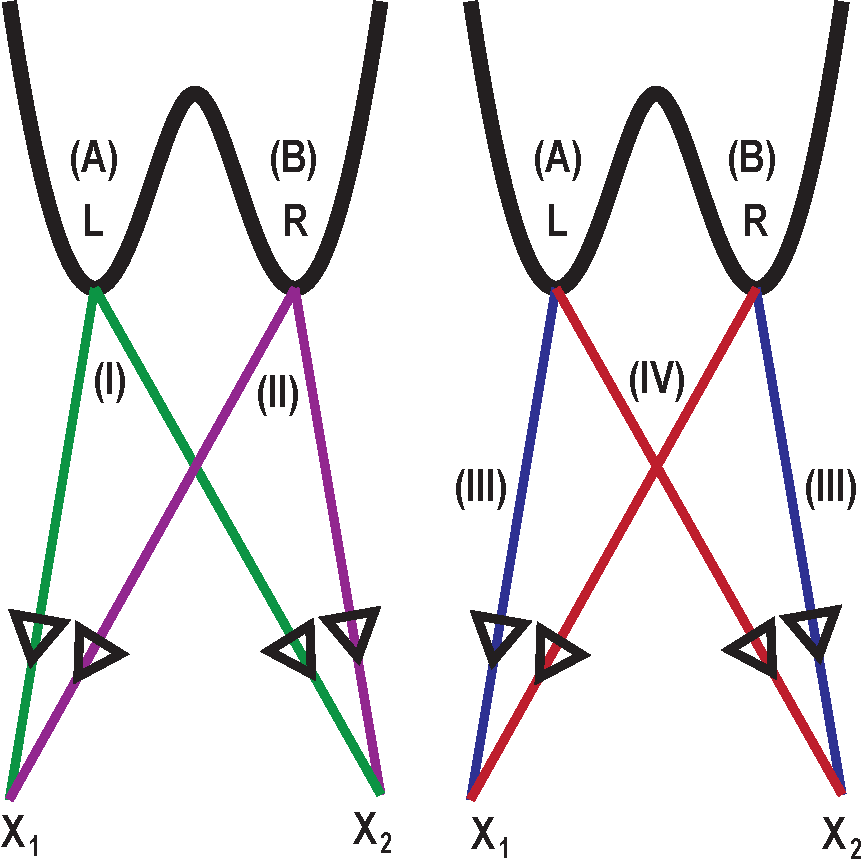 Figure 6
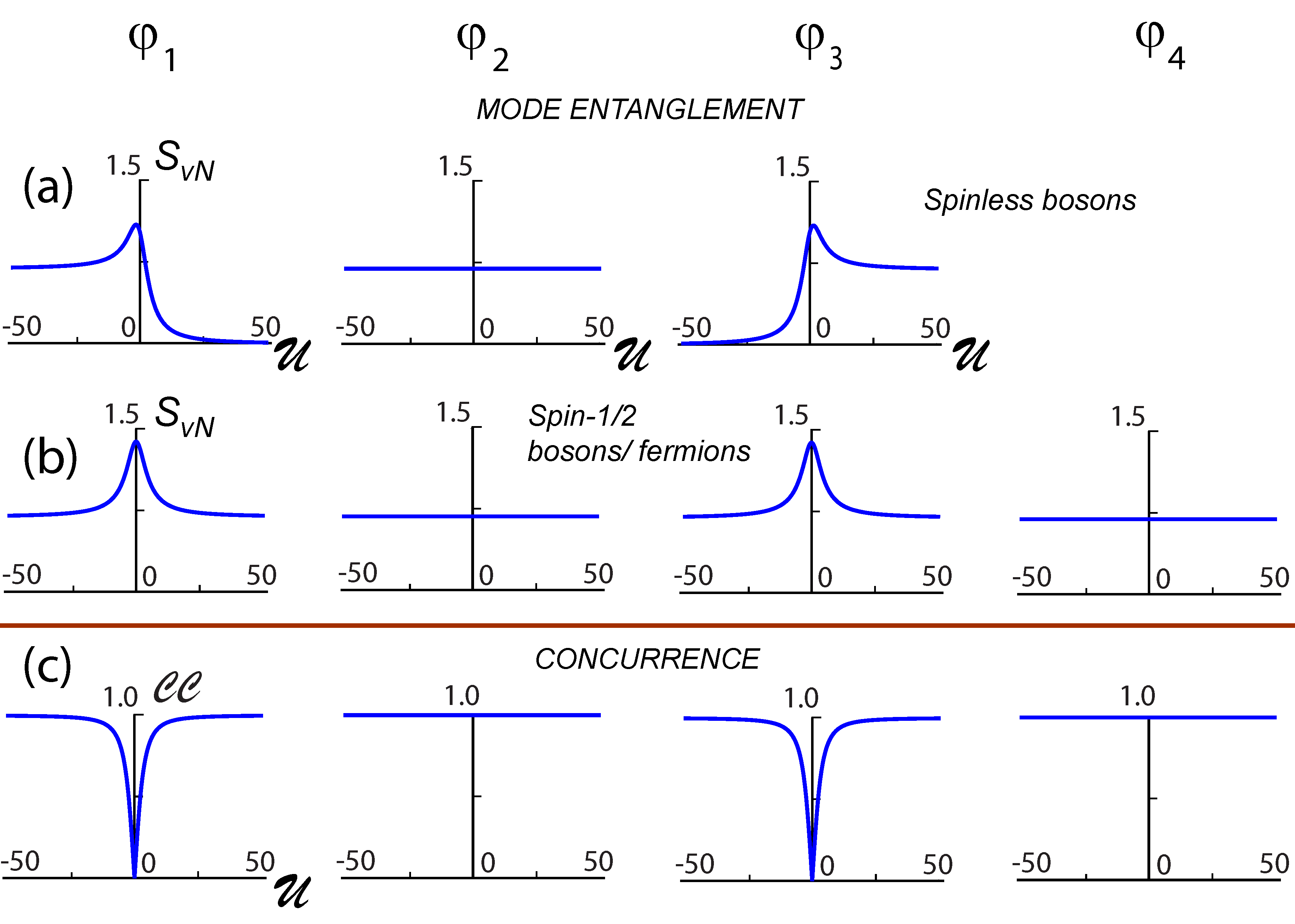 Figure 7
 Figure 8
 Figure 9
Peer Reviews
No public reviews on file for this paper yet. If you reviewed it on a platform where reviews are public (OpenReview, ICLR, NeurIPS, ICML), you can paste yours below so the community can read it here.
Videos
No videos yet. Explain this paper in a talk, walkthrough, or lecture? Add one.